Save 11%
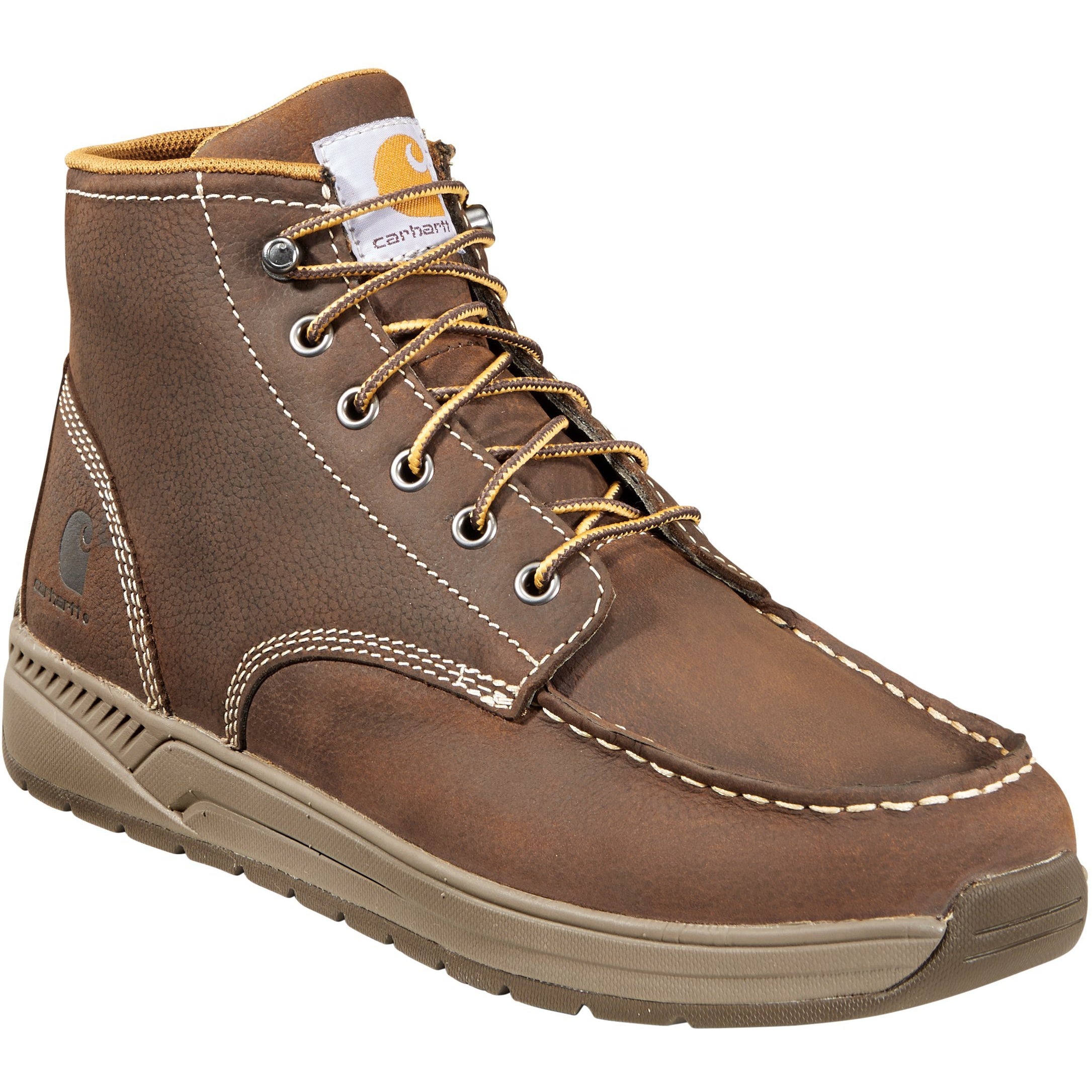
Sale price$139.99
Regular price$158.00
Carhartt Men's 4" Lightweight Soft Toe Wedge Work Boot Brown - CMX4023
Save 25%
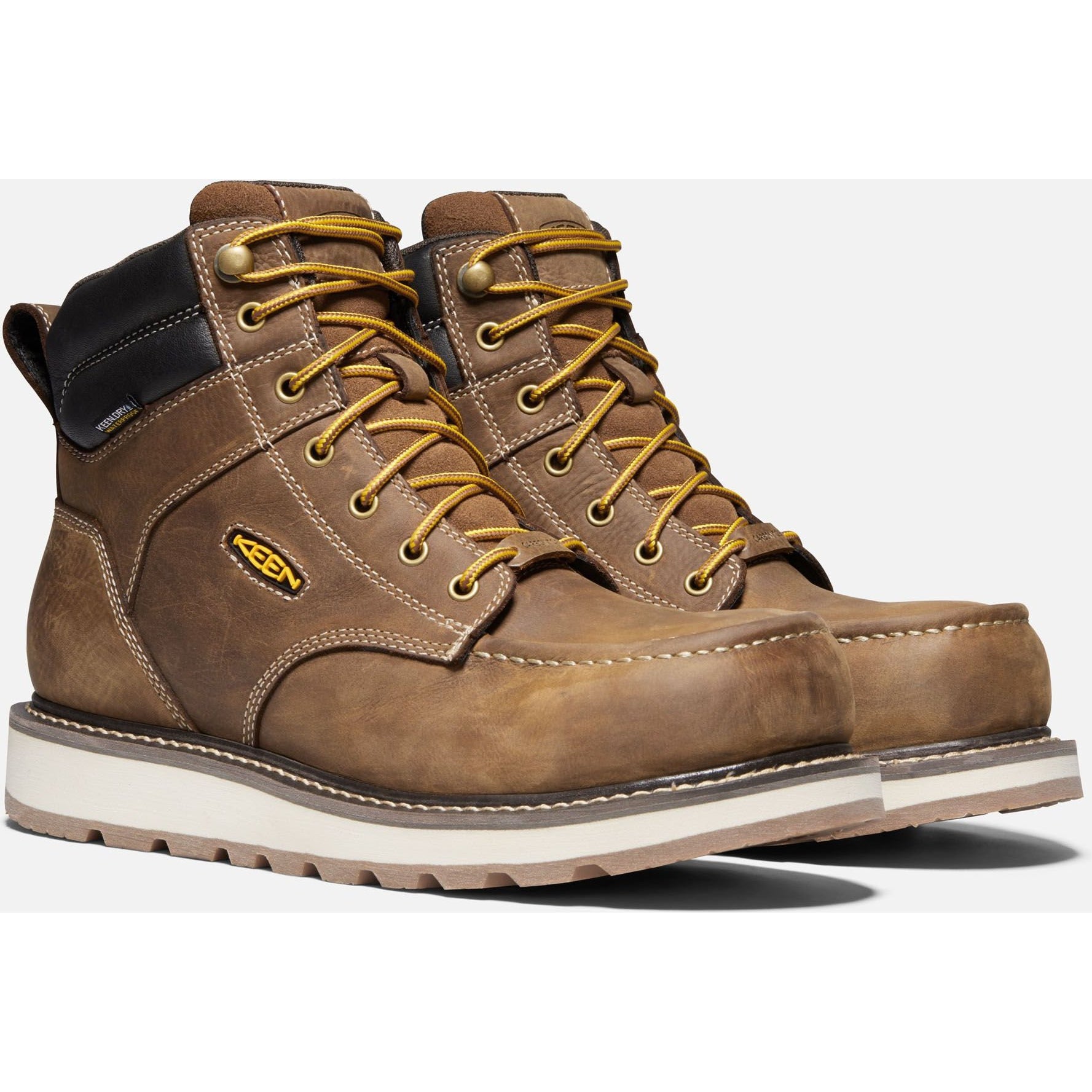
Sale price$161.99
Regular price$214.95
Keen Utility Men's Cincinnati 6" Carbon-Fiber Toe Waterproof Wedge Work Boot - Belgian/Sandshell - 1023222
Save 19%
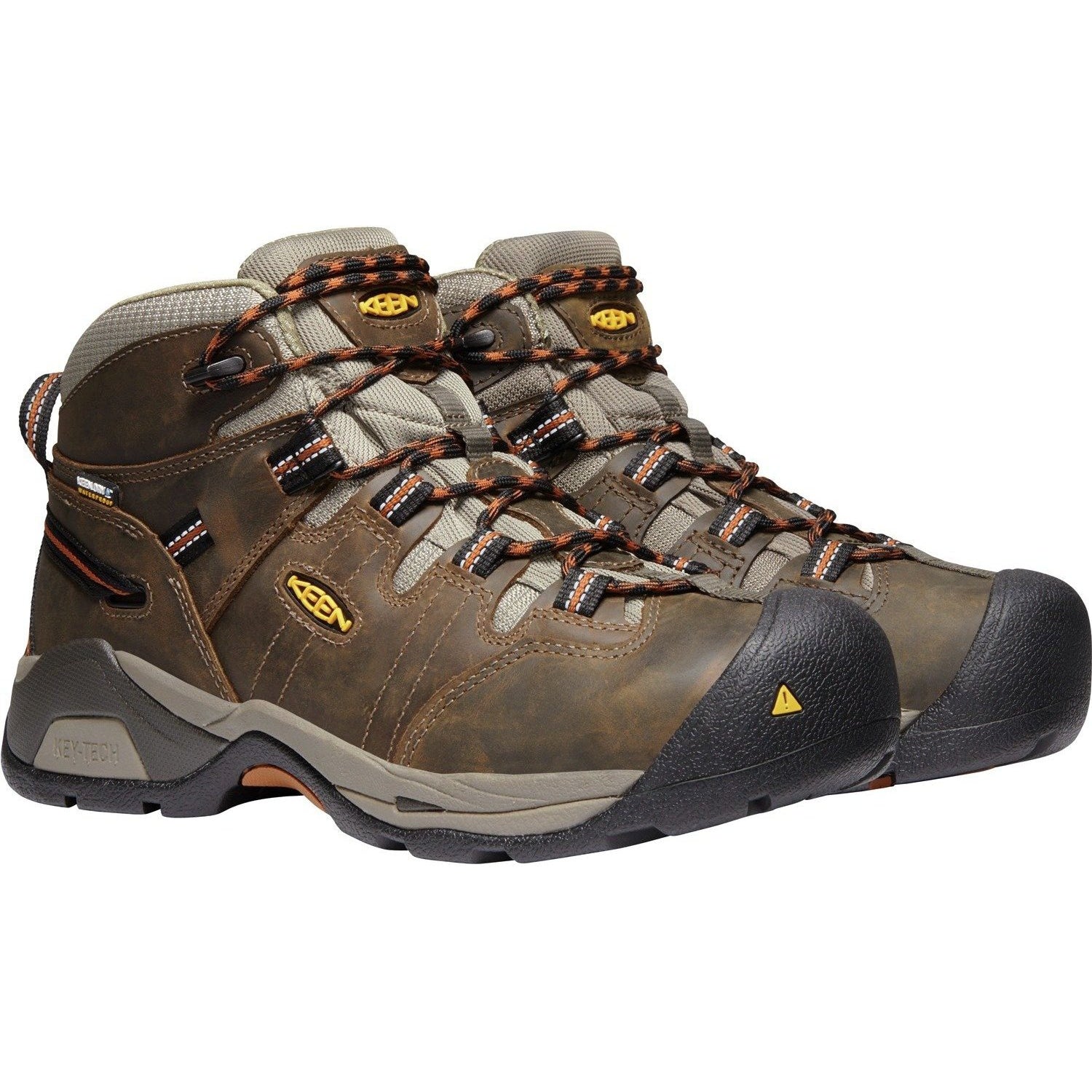
Sale price$141.74
Regular price$174.99
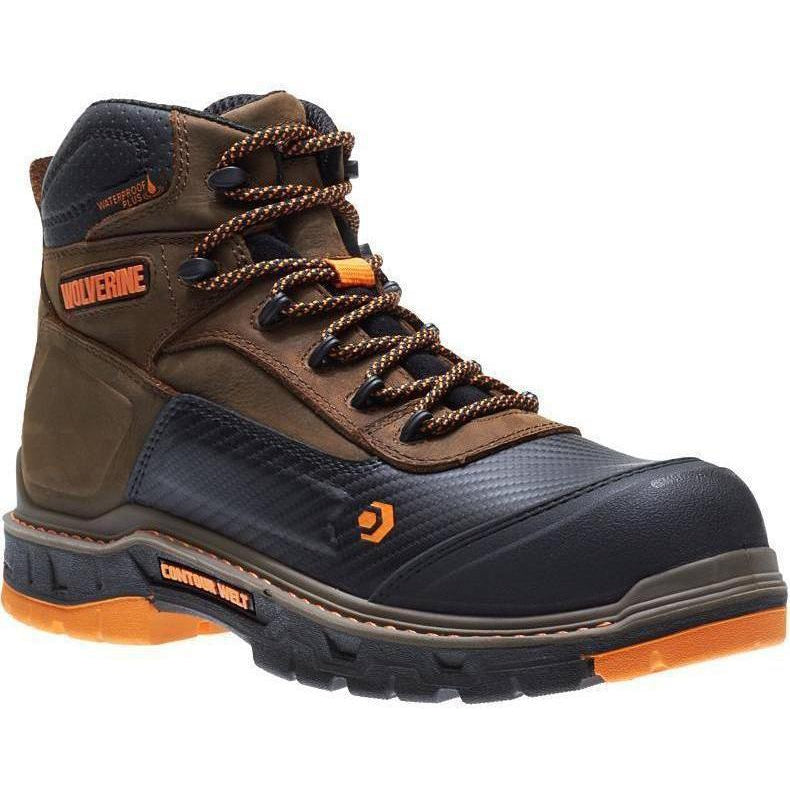
Keen Utility Men's Detroit XT Waterproof Soft Toe Work Boot - Olive/Brown - 1020039
Save 27%
Sale price$153.89
Regular price$209.95
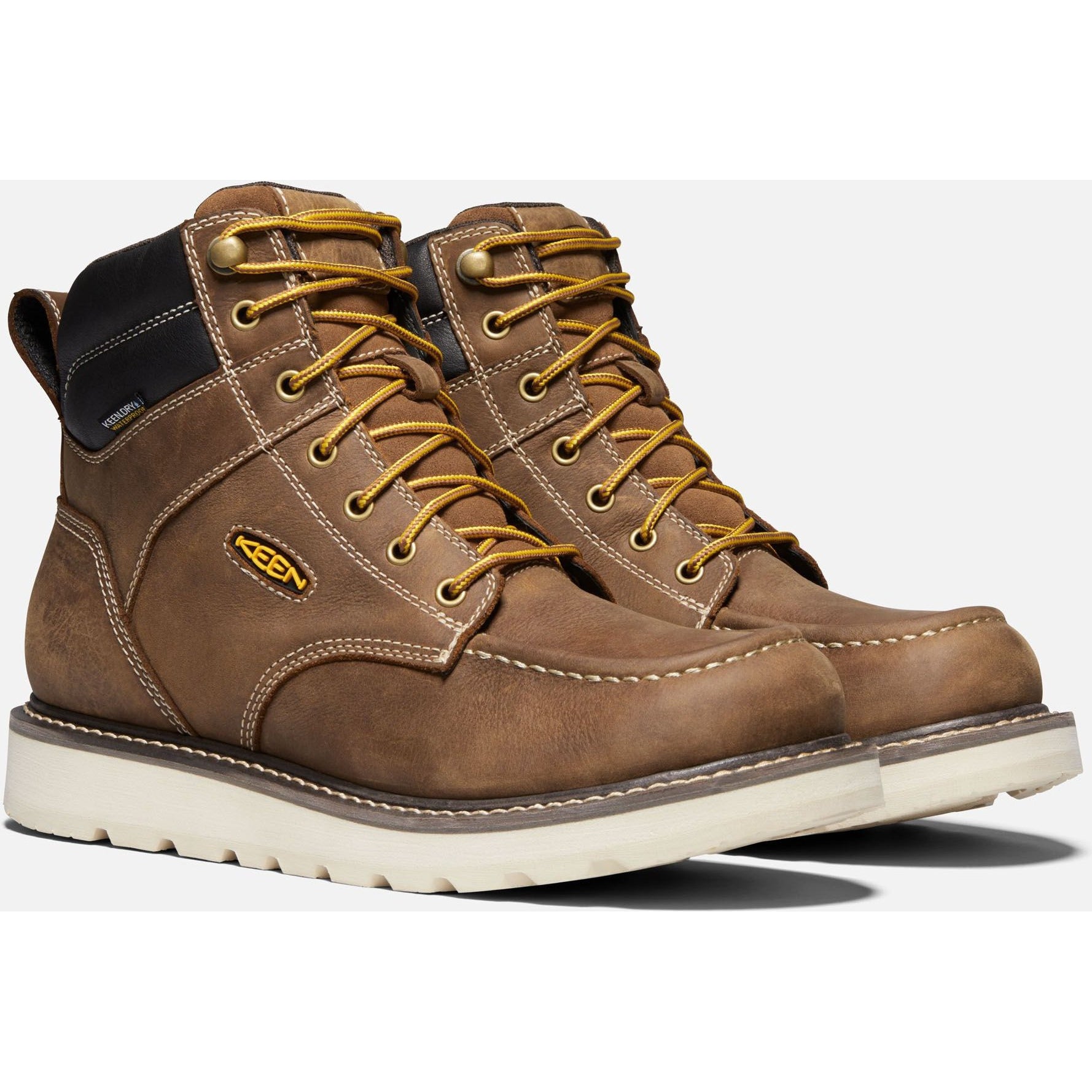
Keen Utility Men's Cincinnati 6" Soft Toe Waterproof Wedge Work Boot - Belgian/Sandshell - 1023223
Save 34%
Sale price$183.67
Regular price$278.40
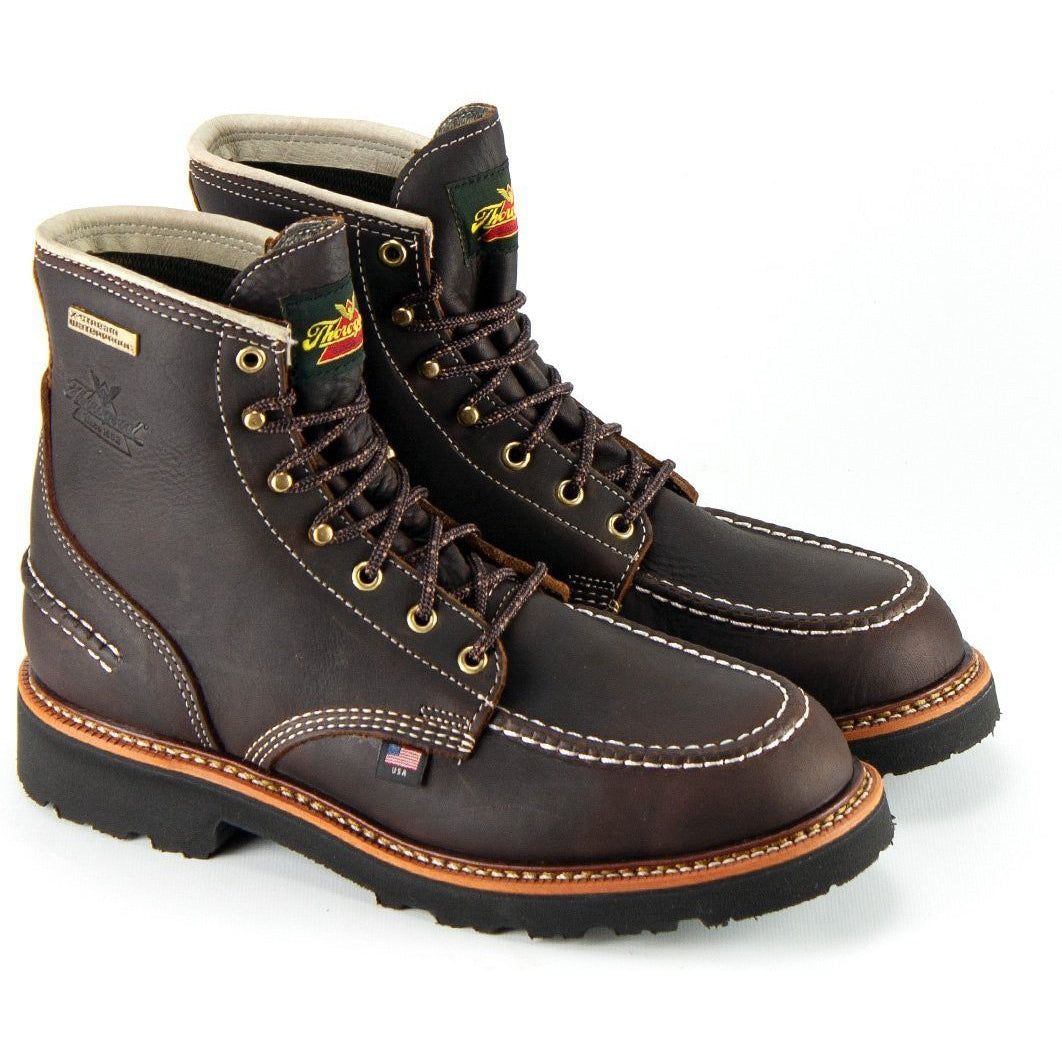
Thorogood Men's Flyway 6" USA Made Waterproof Work Boot - Brown - 814-4140
Save 18%
Sale price$257.29
Regular price$314.00
Carolina Men's Sarge Lo USA Made 6" Soft Toe Work Boot - Amber Gold - 309
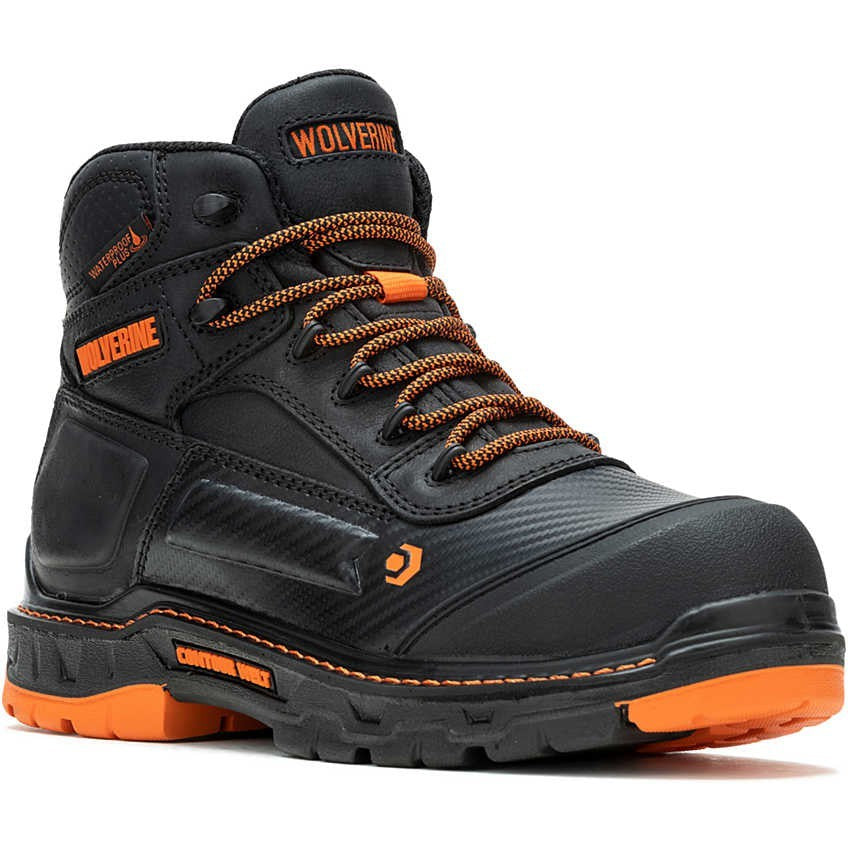
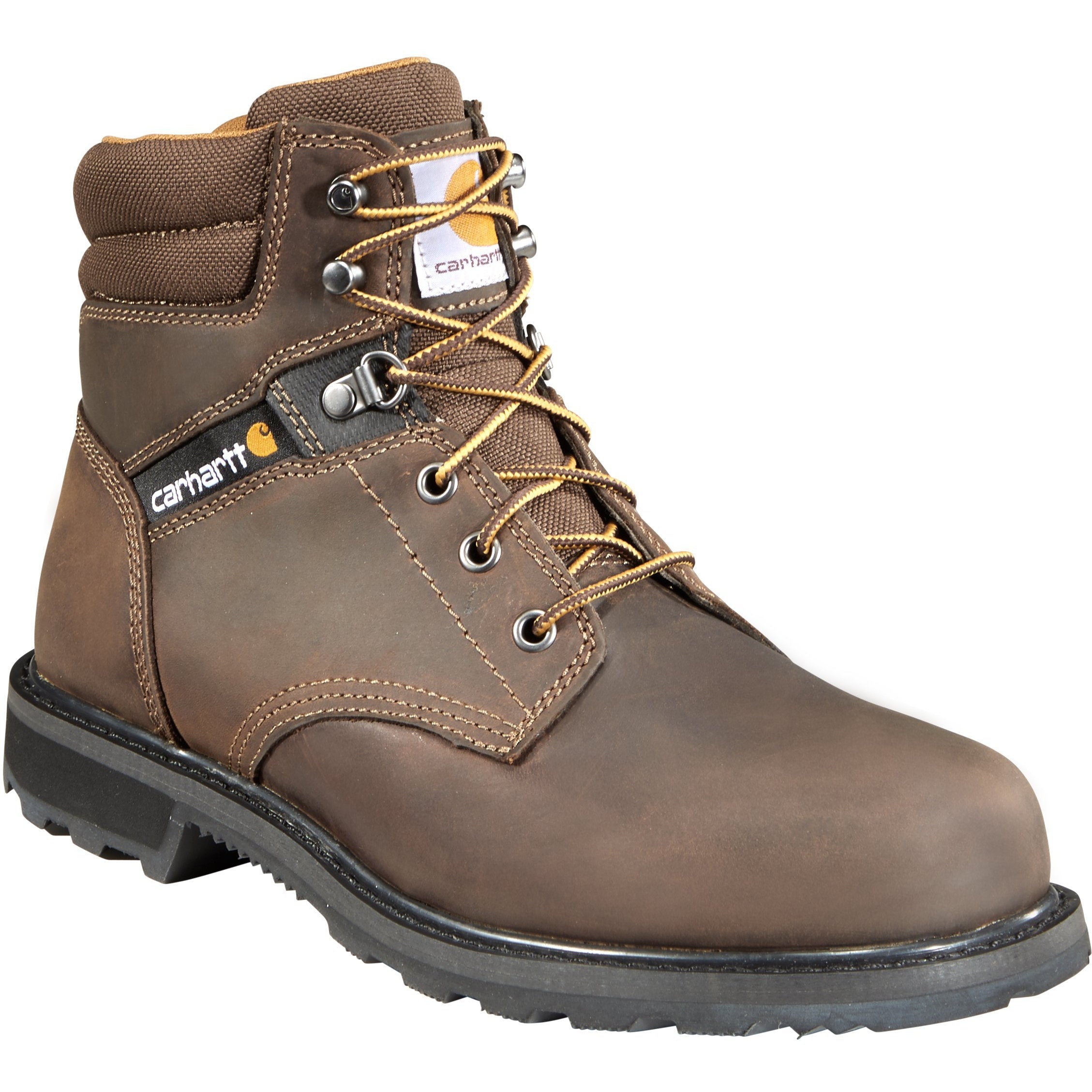
Sale price$144.99
Carhartt Men's 6" Soft Toe Work Boot - Brown - CMW6174
Save 13%
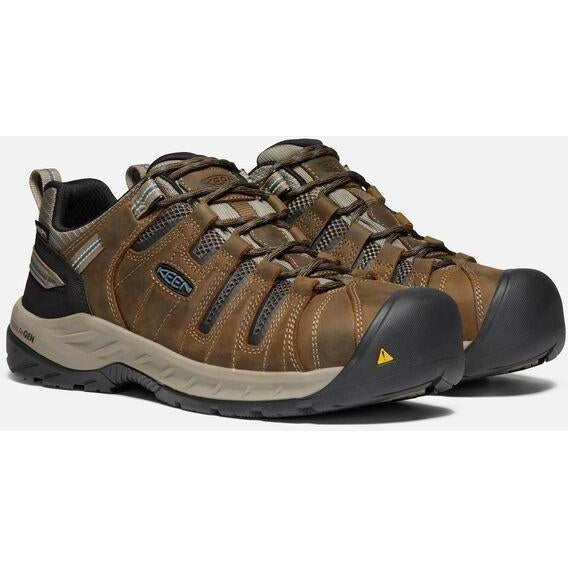
Sale price$143.99
Regular price$164.95
Keen Utility Men's Flint II Steel Toe Waterproof Work Shoe - Cascade Brown/Orion Blue - 1023236
Save 6%
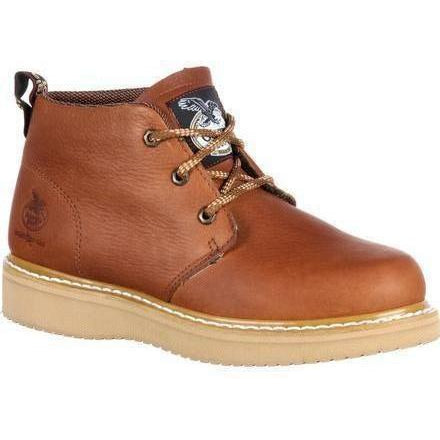
Sale price$145.00
Regular price$155.00
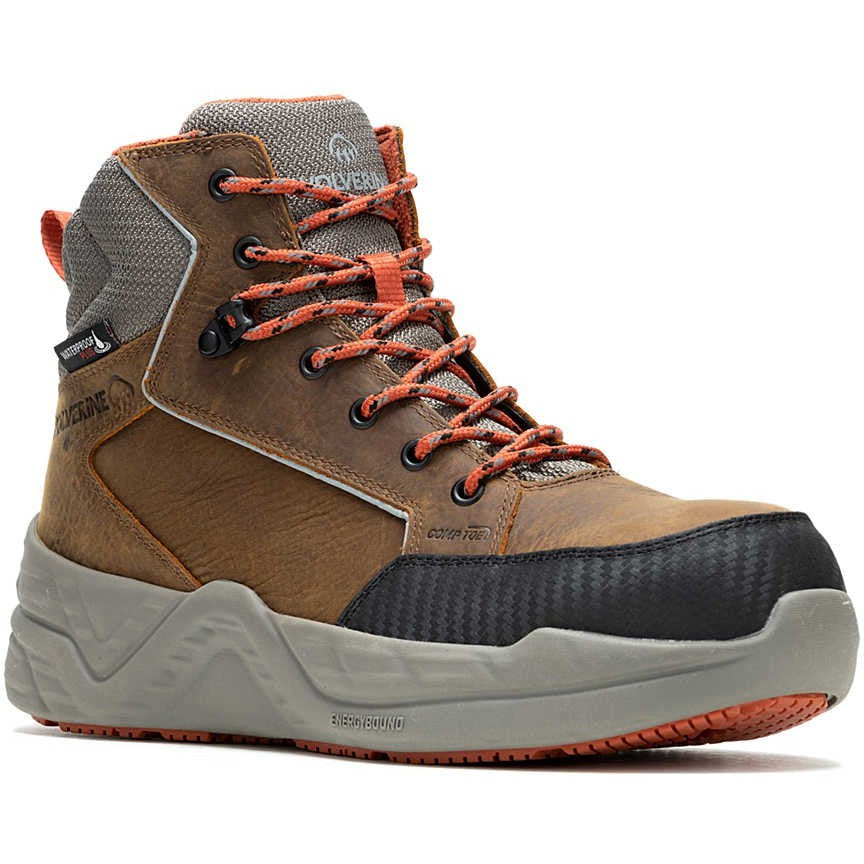
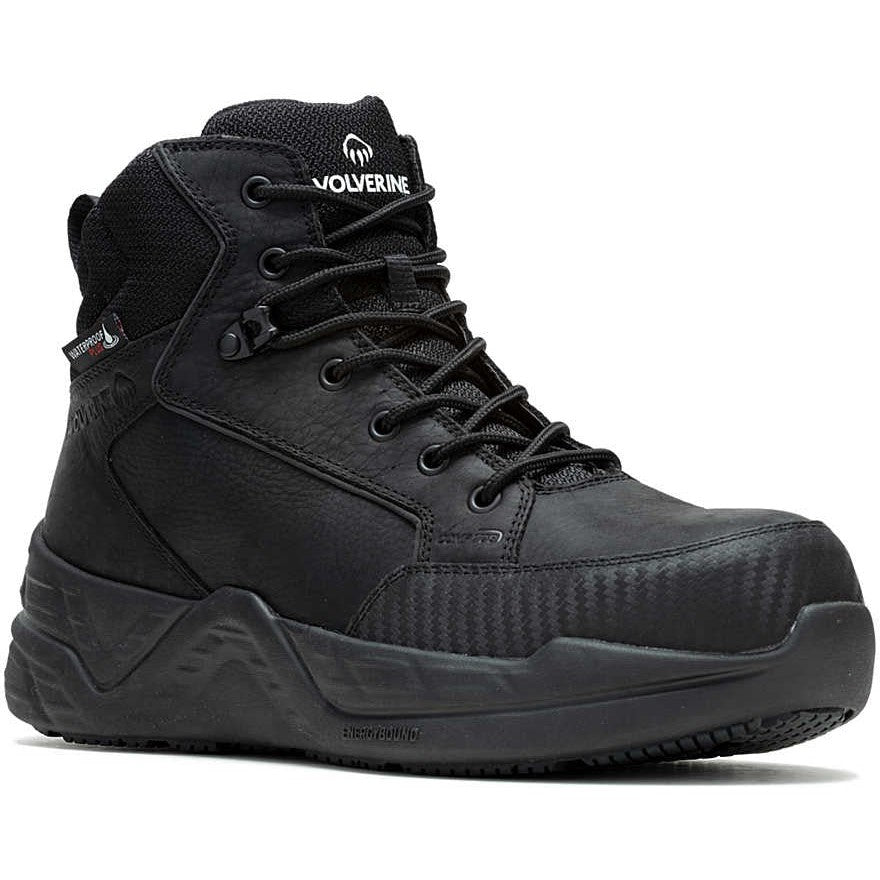
Georgia Men's Wedge Chukka Wedge Work Boot - Tobacco - GB1222
Save 6%
Sale price$239.95
Regular price$256.00
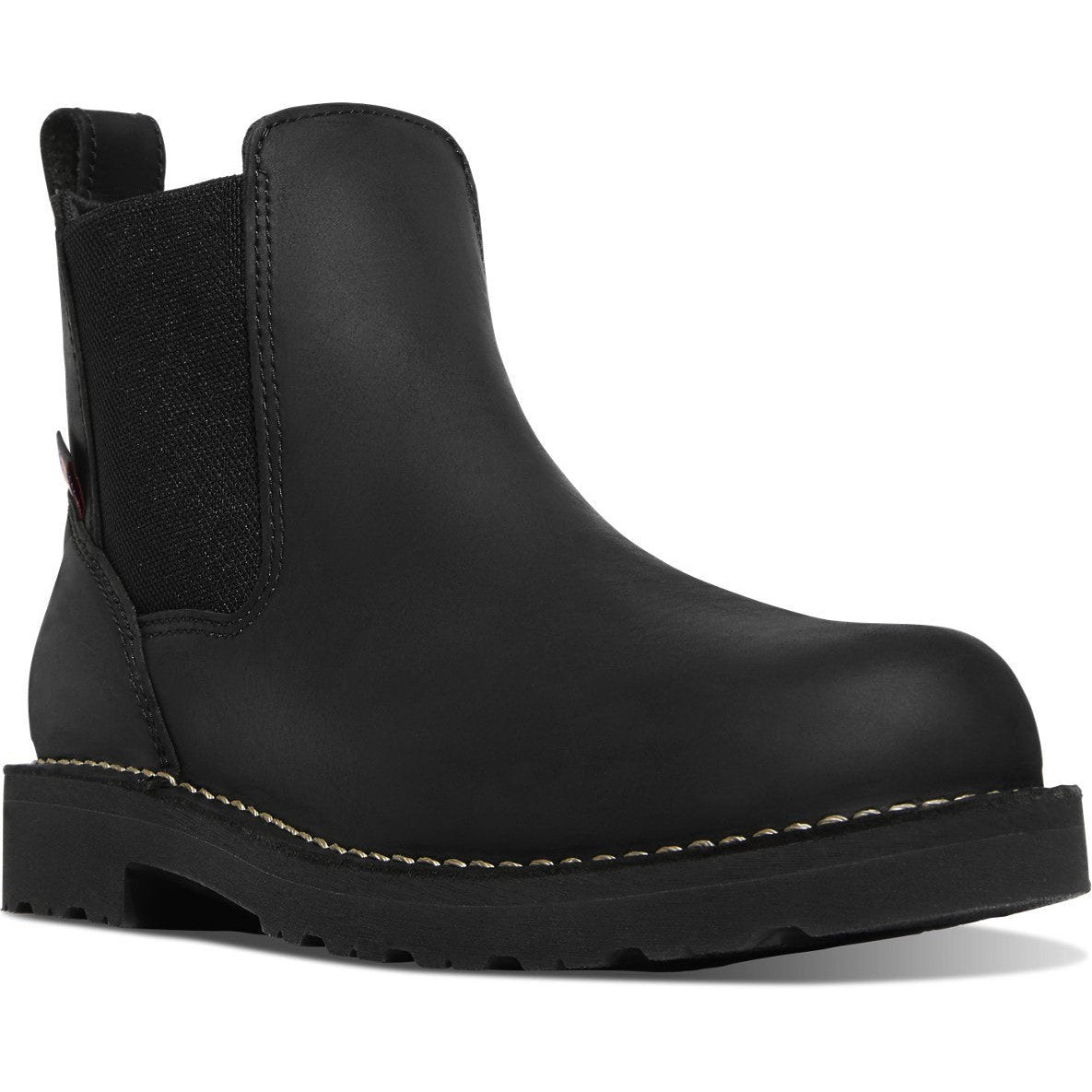
Danner Men's Bull Run 6" Plain Toe Chelsea Work Boot -Black- 15483
Save 12%
Sale price$181.35
Regular price$205.00
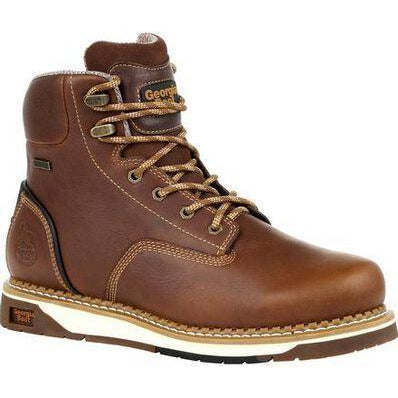
Georgia Men's Amped Lightweight Wedge Steel Toe WaterproofWork Boot - Brown - GB00351
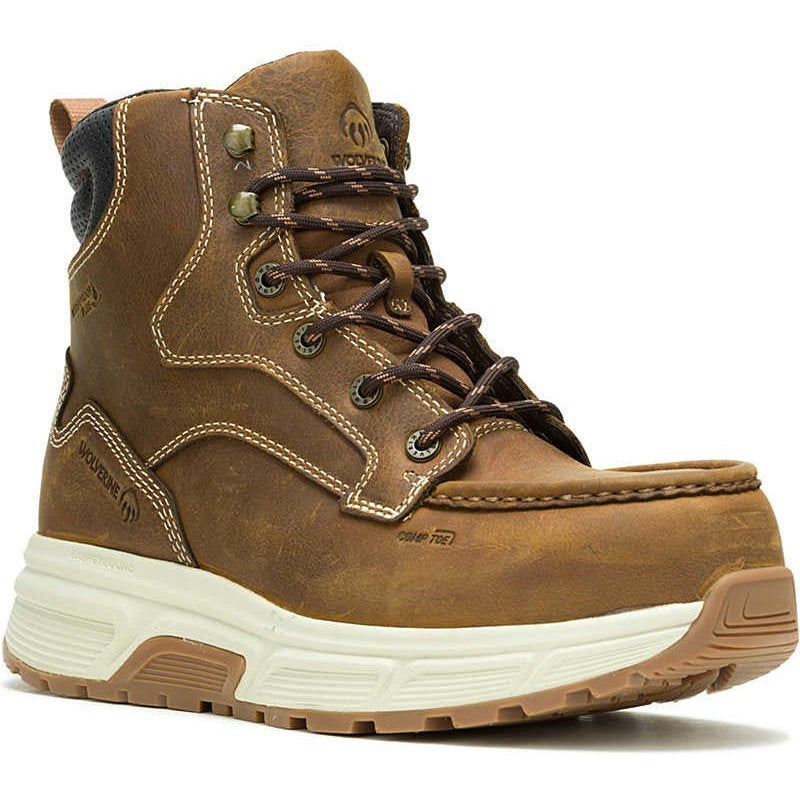
Save 17%
Sale price$169.95
Regular price$205.00
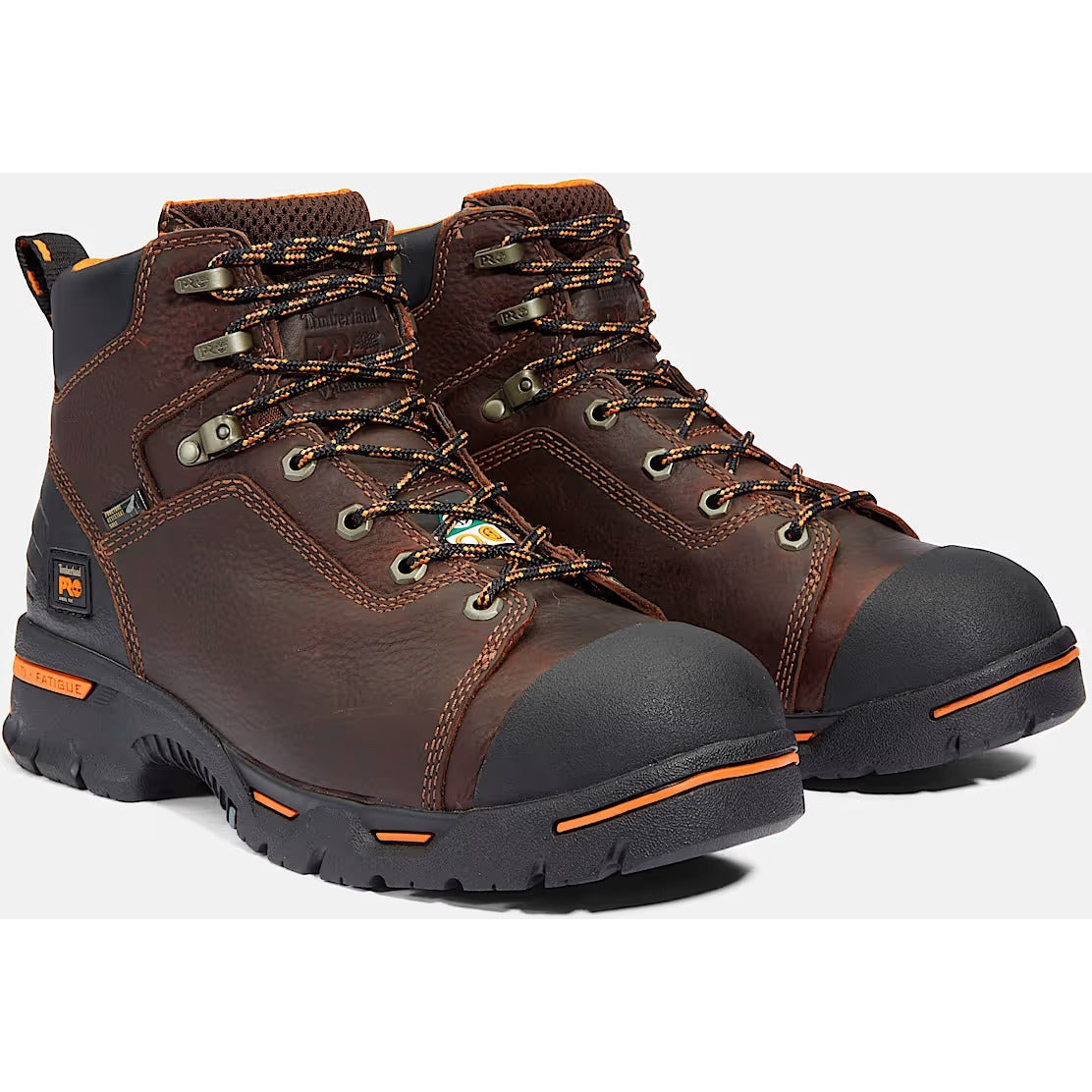
Timberland Pro Men's Endurance 6" Steel Toe Waterproof Work Boot- Brown- TB152562214
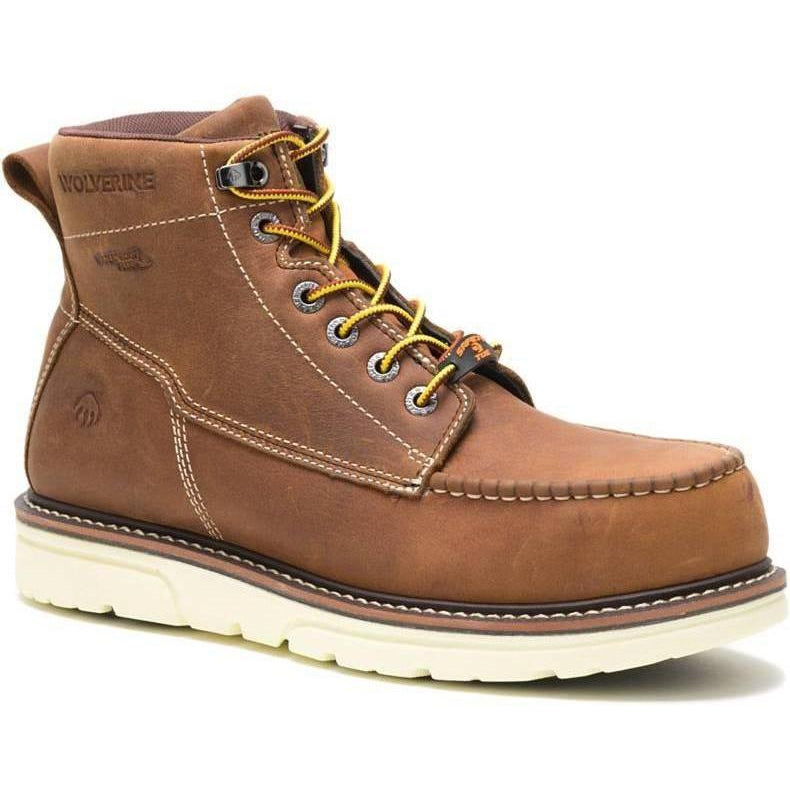
Save 14%
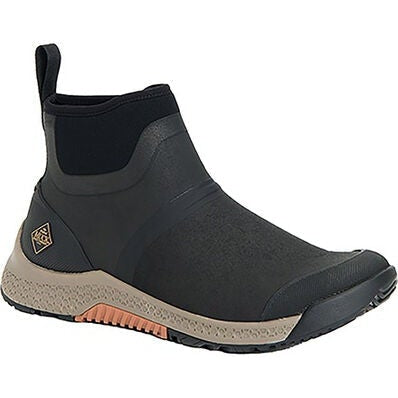
Sale price$120.00
Regular price$140.00
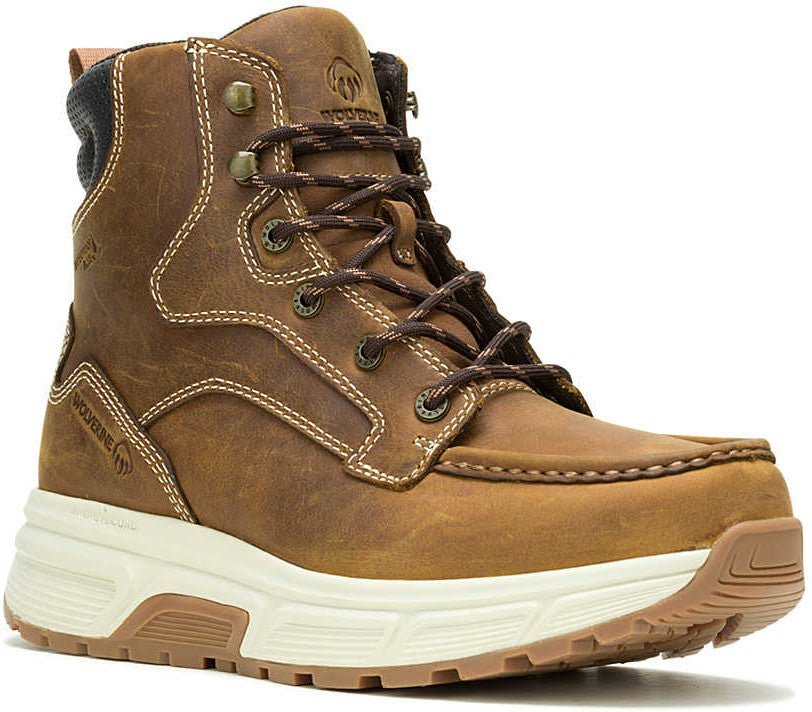
Muck Men's Outscape Chelsea Waterproof Work Boot - Black - OSC-000
Save 11%
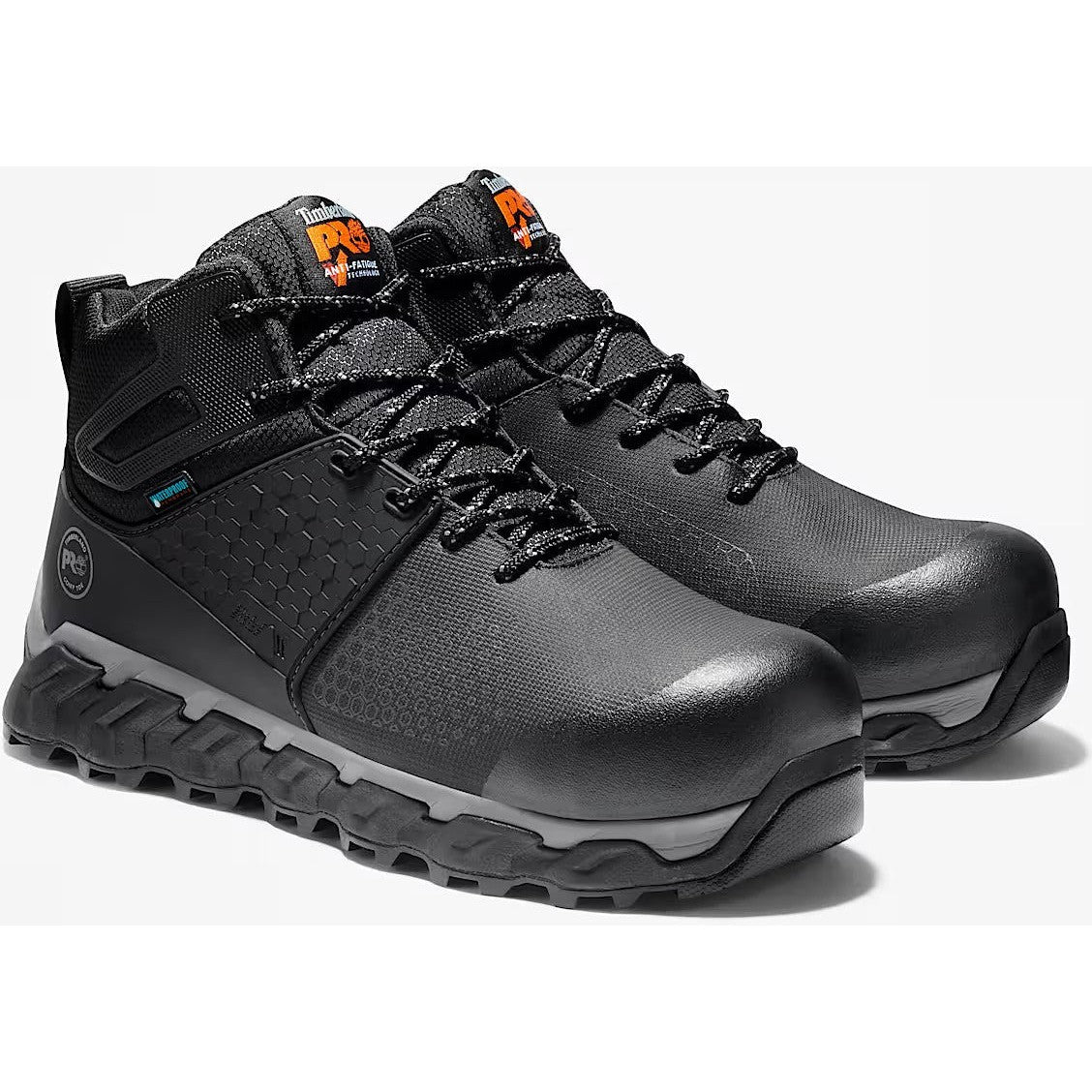
Sale price$159.95
Regular price$180.00
Timberland Pro Men's Ridgework Composite Toe Waterproof Work Boot- Black- TB1A1KBW001
Save 10%
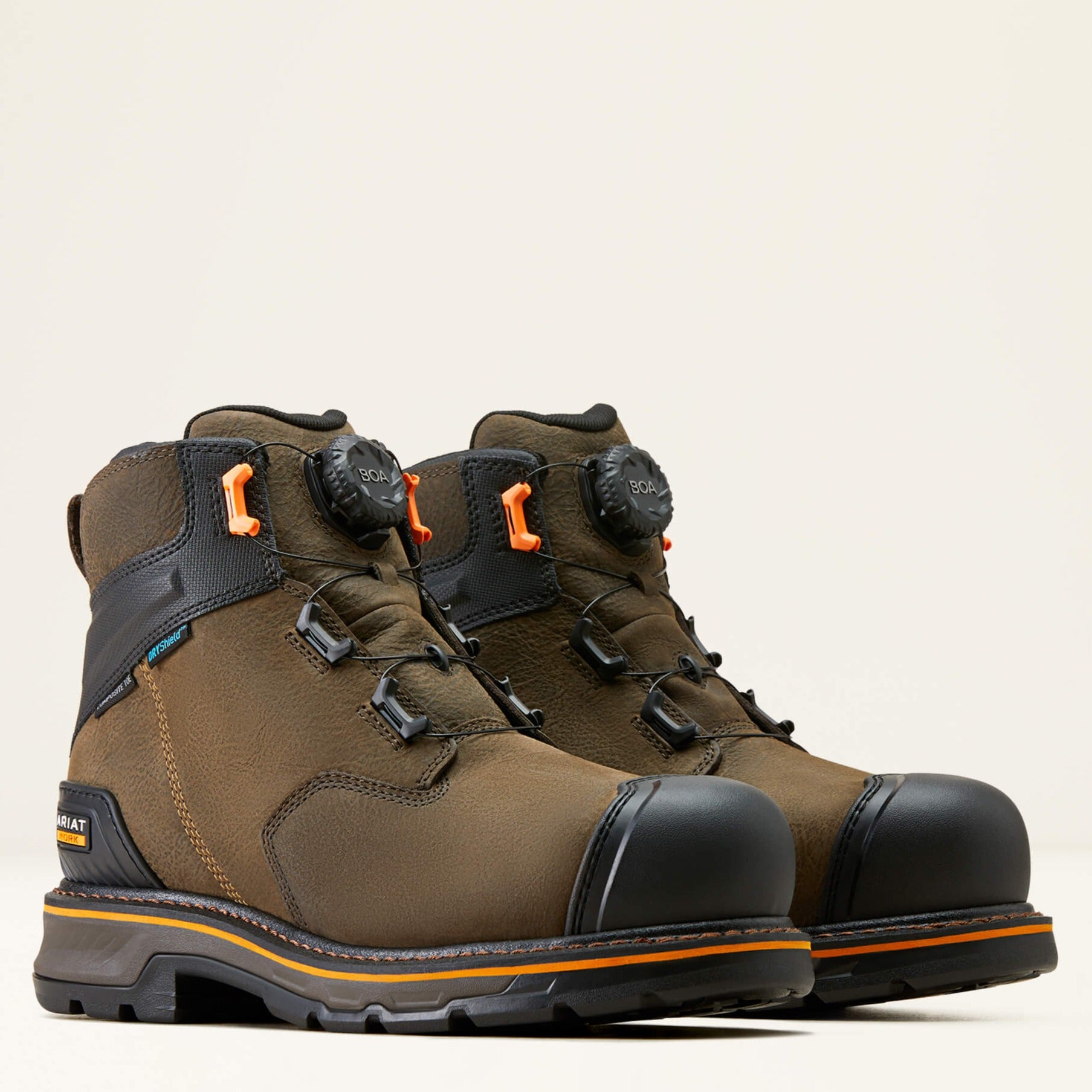
Sale price$247.46
Regular price$274.95
Ariat Men's Stump Jumper 6" Composite Toe Waterproof BOA Work Boot- Coffee- 10048060
Save 7%
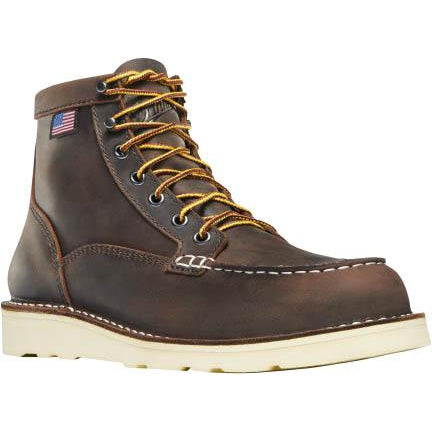
Sale price$269.95
Regular price$290.00
Danner Women's Bull Run 6" Steel Toe Moc Toe Wedge Work Boot - Brown - 15576
Save 17%
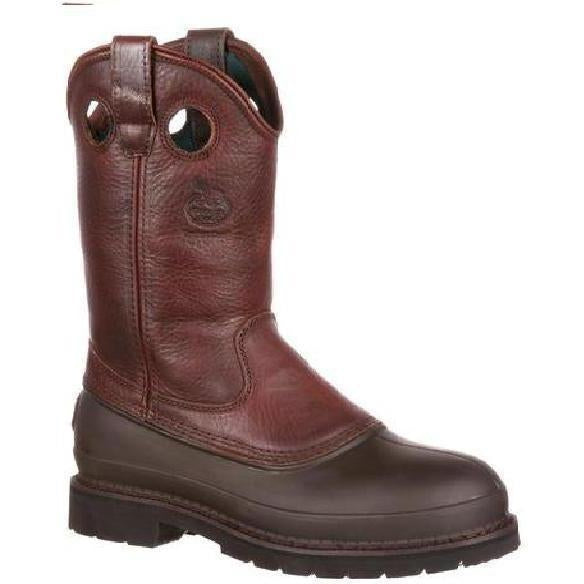
Sale price$153.64
Regular price$185.00
Georgia Men's Muddog Steel Toe Wellington Waterproof Work Boot - Brown - G5655
Save 12%
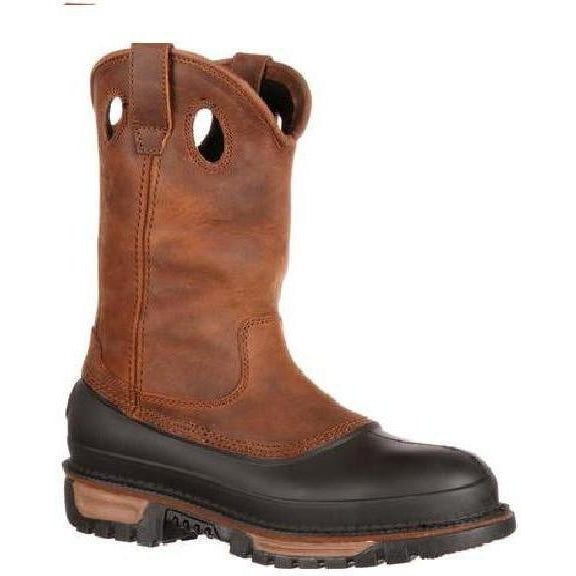
Sale price$172.05
Regular price$195.00
Georgia Men's Muddog Steel Toe Wellington Waterproof Work Boot - Brown - G5594
Save 8%
Sale price$109.95
Regular price$120.00
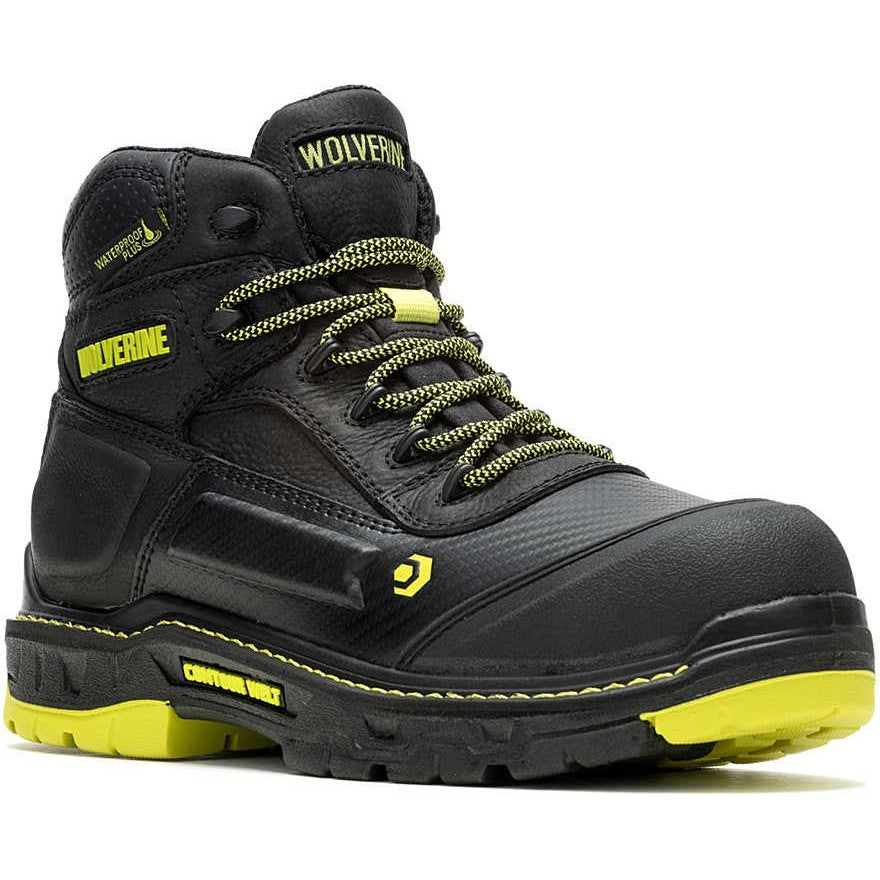
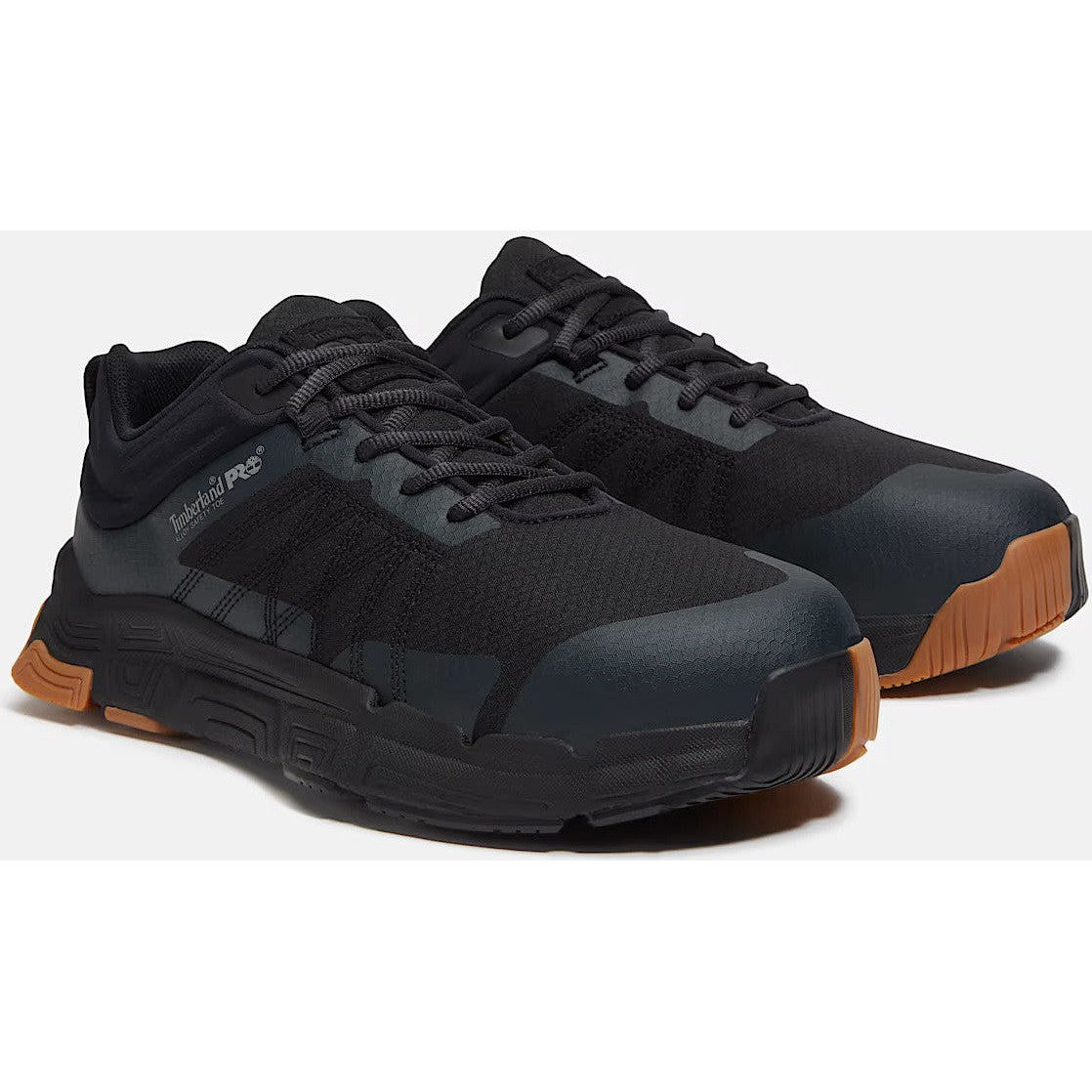
Timberland Pro Men's Dynamic Natural Alloy Toe Sneaker Work Shoe- Black- TB0A67JKV96
Save 6%
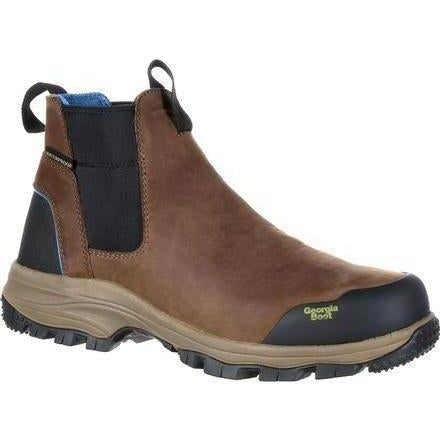
Sale price$150.00
Regular price$160.00
Georgia Men's Blue Collar Chelsea Waterproof Work Romeo Boot - GB00106
Save 25%
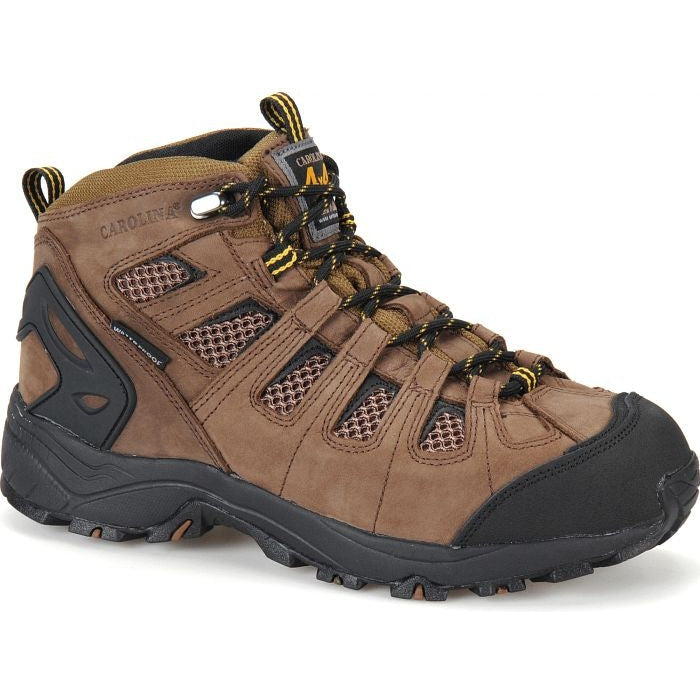
Sale price$135.67
Regular price$180.00
Carolina Men's Quad 5" Soft Toe Waterproof Slip Resistant Hiker Boot -Brown- CA4025
Save 10%
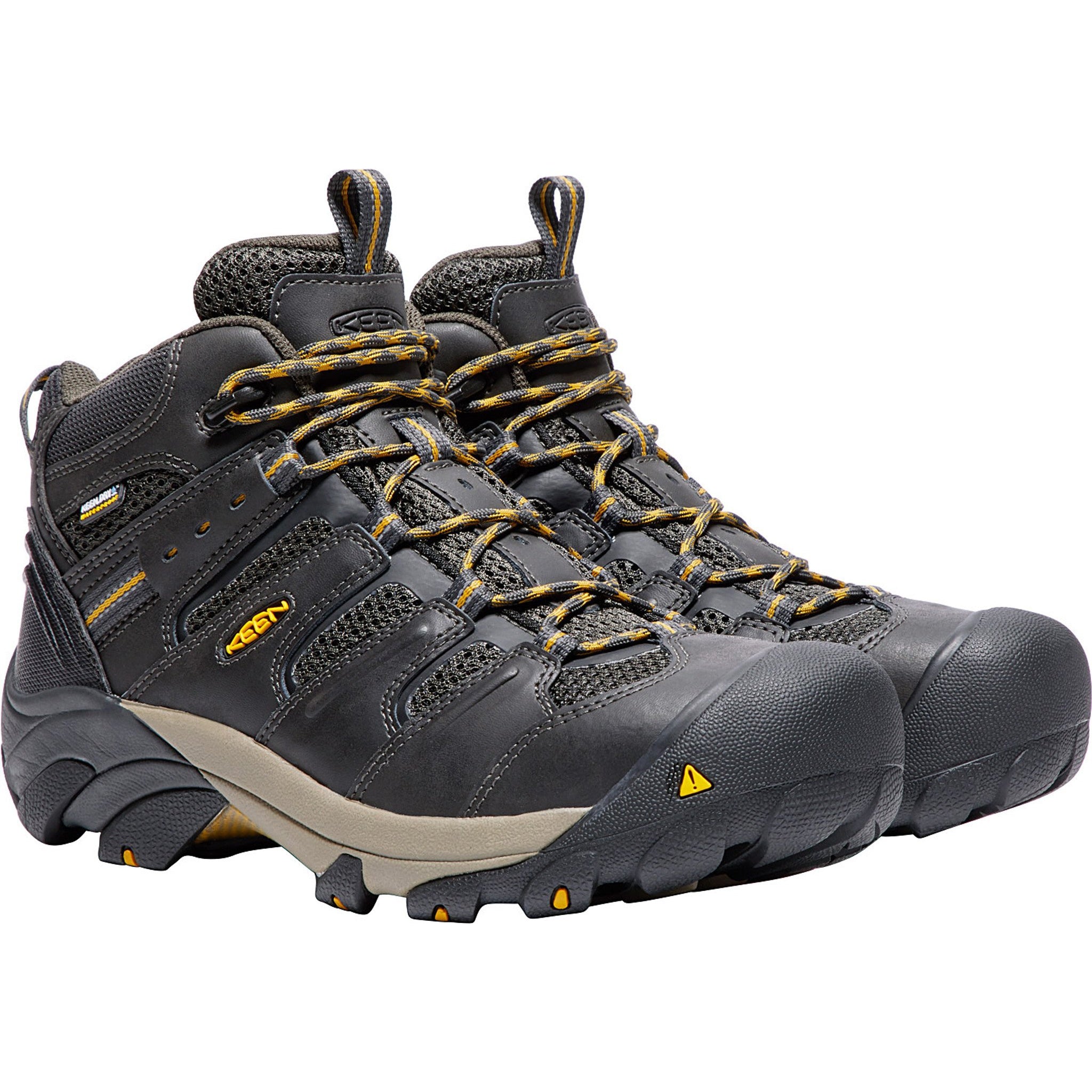
Sale price$139.49
Regular price$154.99
KEEN Utility Men's Lansing Mid Steel Toe Waterproof Work Boot - Raven/Tawny Olive - 1018079
Save 20%
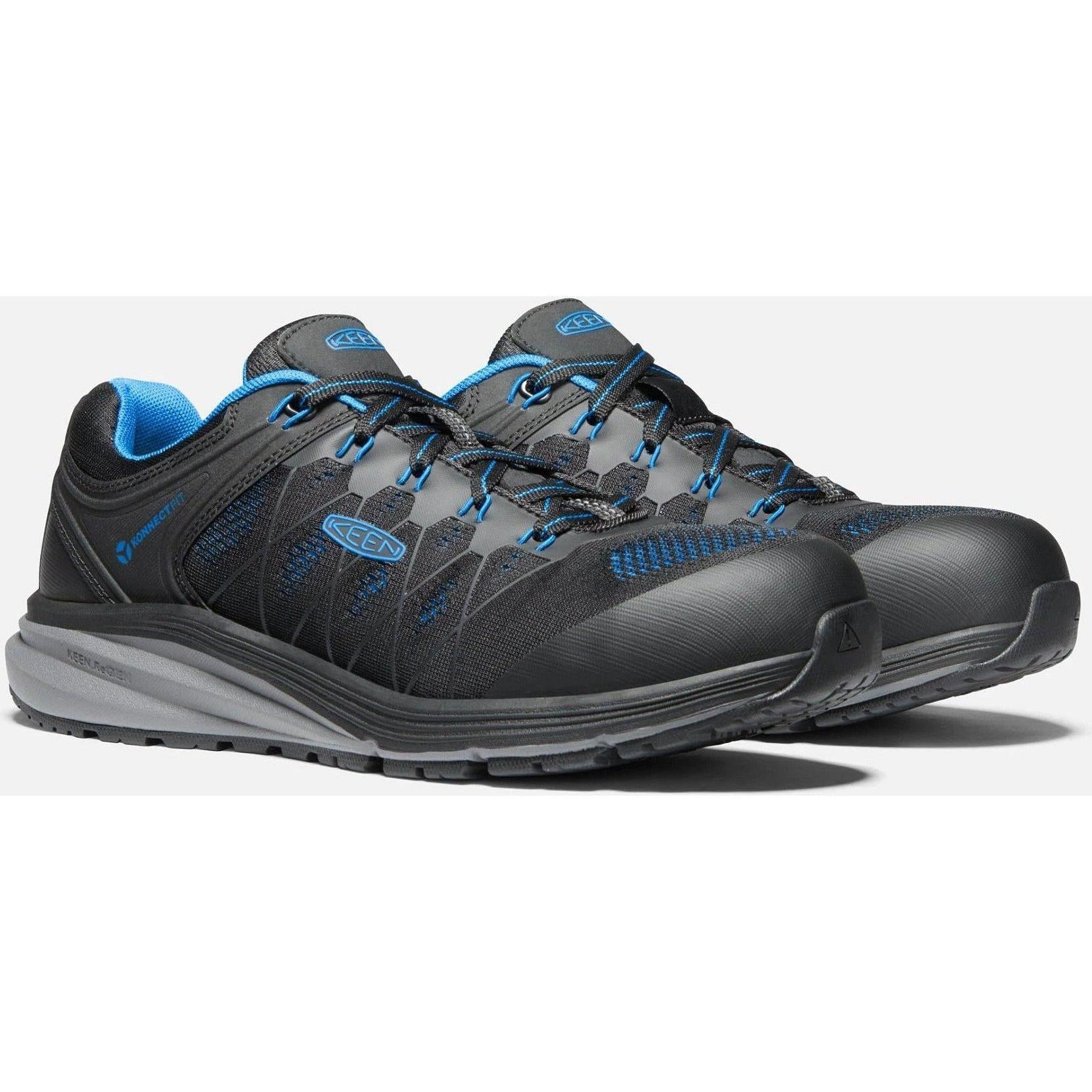
Sale price$99.67
Regular price$125.00
Keen Utility Men's Vista Energy Carbon-Fiber Toe Work Shoe - Brilliant Blue/Black - 1024581
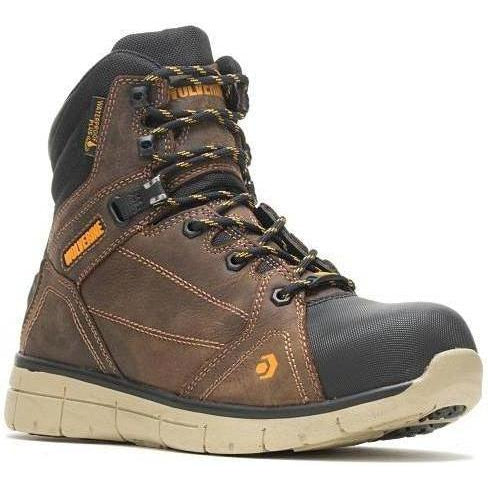
Save 10%
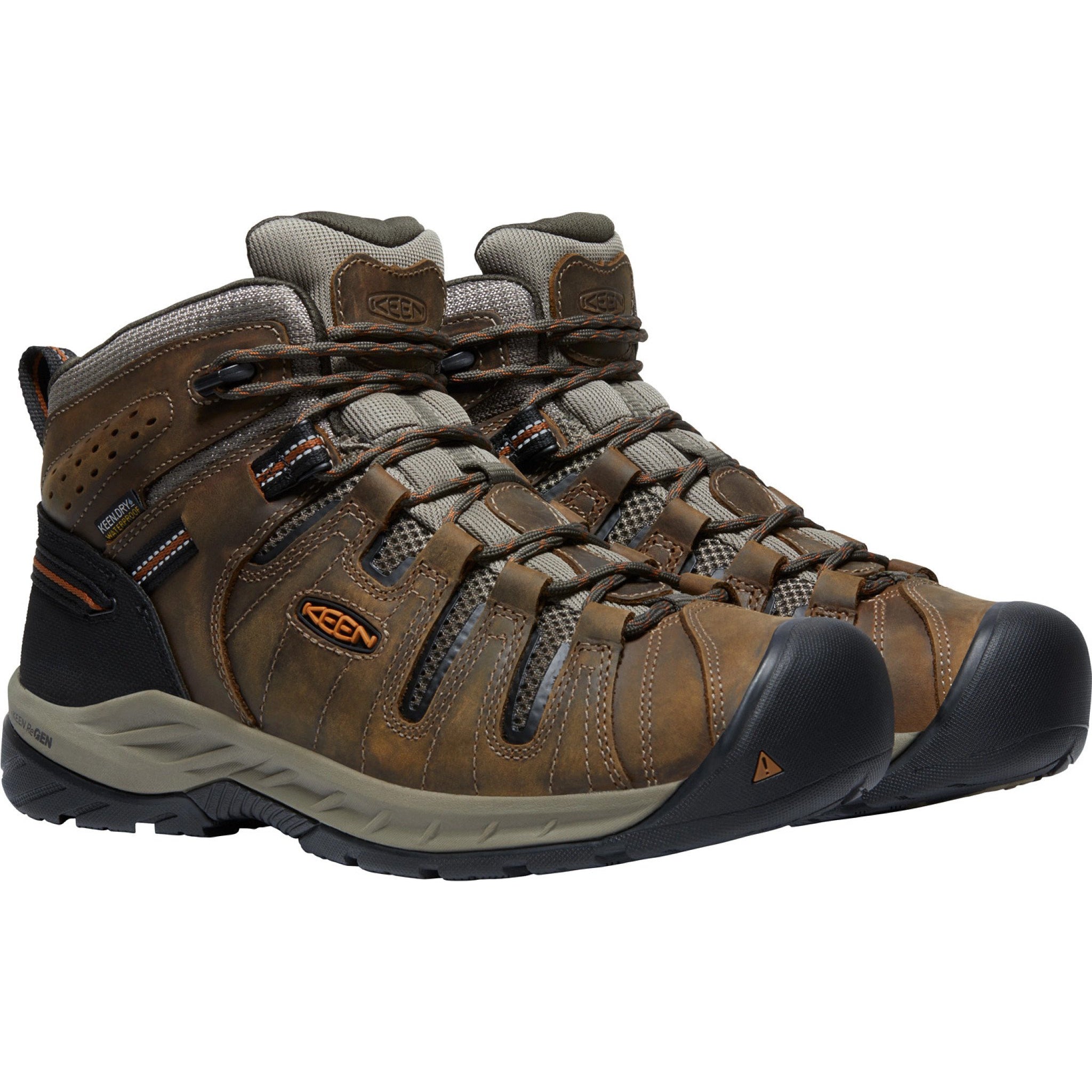
Sale price$143.99
Regular price$159.99
Keen Utility Men's Flint II Mid Soft Toe Waterproof Work Boot - Black Olive/Brindle - 1025613
Save 19%
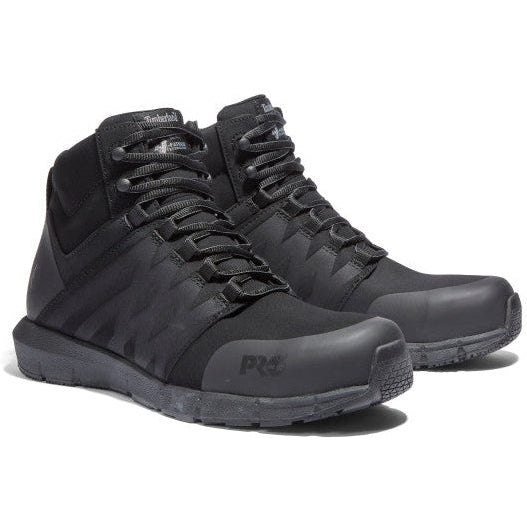
Sale price$129.95
Regular price$160.00
Timberland Pro Men's Radius Mid Composite Toe Work Boot- Black- TB1A28WF001
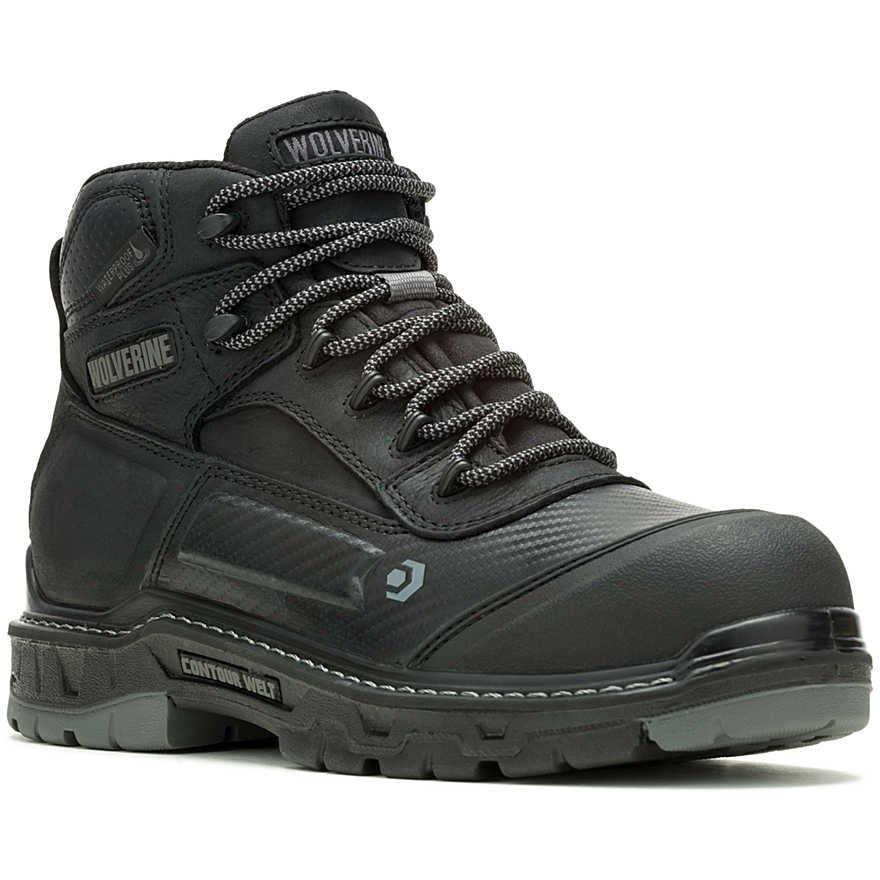
Save 10%

Sale price$301.46
Regular price$334.95
Ariat Men's RigTEK Wildcat BOA 8" Composite Toe Waterproof CSA Work Boot - Forged Iron - 10035930
Frequently Asked Questions
A work boot handles hot weather when it moves air and sheds sweat instead of trapping it. A perforated or vented upper lets heat out, a moisture-wicking lining pulls sweat off your skin, and no insulation means less heat is trapped. None of that changes what the boot is rated for, so check the toe type and EH marking your site calls for on the model itself.
Mesh moves more air, but vented or perforated leather boots are the better all-round choice for staying cool for most job sites. Open mesh breathes best and works for warehouse and light indoor duty, but it puts less material between your foot and abrasion, sparks, and sharp debris. Perforated and vented full-grain leather, like the Ariat VentTEK line, breathes better than solid leather while still taking the abuse a work boot sees. Match the upper to the hazards you work around, not to the temperature alone.
A separate summer pair is worth it if you spend most of the day outdoors or in heat, and less so if you work in climate control. A breathable, uninsulated boot runs cooler than a waterproof or insulated boot pushed into July. Rotating two pairs also lets each one dry out fully between shifts. If you only own one pair, an uninsulated model from the broader men's work boots lineup gets you most of the way there.
Waterproof work boots do tend to run hotter than a comparable non-waterproof boot, because the membrane that keeps water out also slows heat and sweat getting out. In dry heat, work boots for hot weather do better without waterproofing, since your feet stay drier from the inside. It still earns its place in mud, wet grass, and standing water, so match the boot to whatever actually soaks your feet.
Yes, a summer work boot can carry the same ASTM and electrical hazard markings as a heavier boot when the model is built and marked for them. ASTM F2413 covers protective safety-toe footwear, and soft-toe work footwear is marked under F2892 instead. EH is an optional rating on top of that. Check the markings listed on the model against what your site requires.
Composite toe is the cooler of the two, because steel conducts outside heat into the toe box and composite doesn't. Most of the heat you feel comes from the upper, the lining, and whether the boot is insulated or waterproof, not from the toe cap. Composite also runs lighter, about 11 percent on Ariat's own numbers, and it's the answer when your site is metal-free. Caps carrying the same ASTM impact and compression rating meet the same test requirements either way, so pick on weight, heat, fit, and site rules.
Moisture-wicking socks keep your feet driest, most often merino wool or a synthetic blend that pulls sweat off your skin instead of holding it. Cotton does the opposite, soaking up sweat and holding it against your foot, so it's the one material to keep out of a hot boot. Merino also resists odor better than most synthetics.
A roomier fit does not do much for airflow, and going up a size costs you heel hold. Normal toe room is what you want, enough that your toes aren't jammed against the front walking downhill, with the heel and midfoot locked in. Fit the boot with the socks you actually wear to work.
The summer work boots for men that hold up best on roofing and paving are the ones whose maker publishes a hot-contact or heat-resistance test for the outsole, not the ones that just say heat-resistant. Ariat's Activator VentTEK, for one, lists its outsole as tested to 300°C (572°F) hot contact. Full-grain leather work boots usually outlast mesh on these jobs because it puts more material between the foot and abrasive roofing or paving surfaces. Traction and outsole construction matter as much as the compound, so check the model spec and whatever your employer specifies for hot work.
You can tell if a work boot is built for heat by looking past the word "breathable" to the construction itself. Real airflow shows up as visible perforations or mesh panels, a named ventilation system, an uninsulated build, and a moisture-wicking lining listed in the specs. Plenty of solid full-grain leather still carries a "breathable" label while moving very little air, so the word on its own means little.
Recently viewed
Our Top Brands