Save 7%
Sale price$259.95
Regular price$280.00
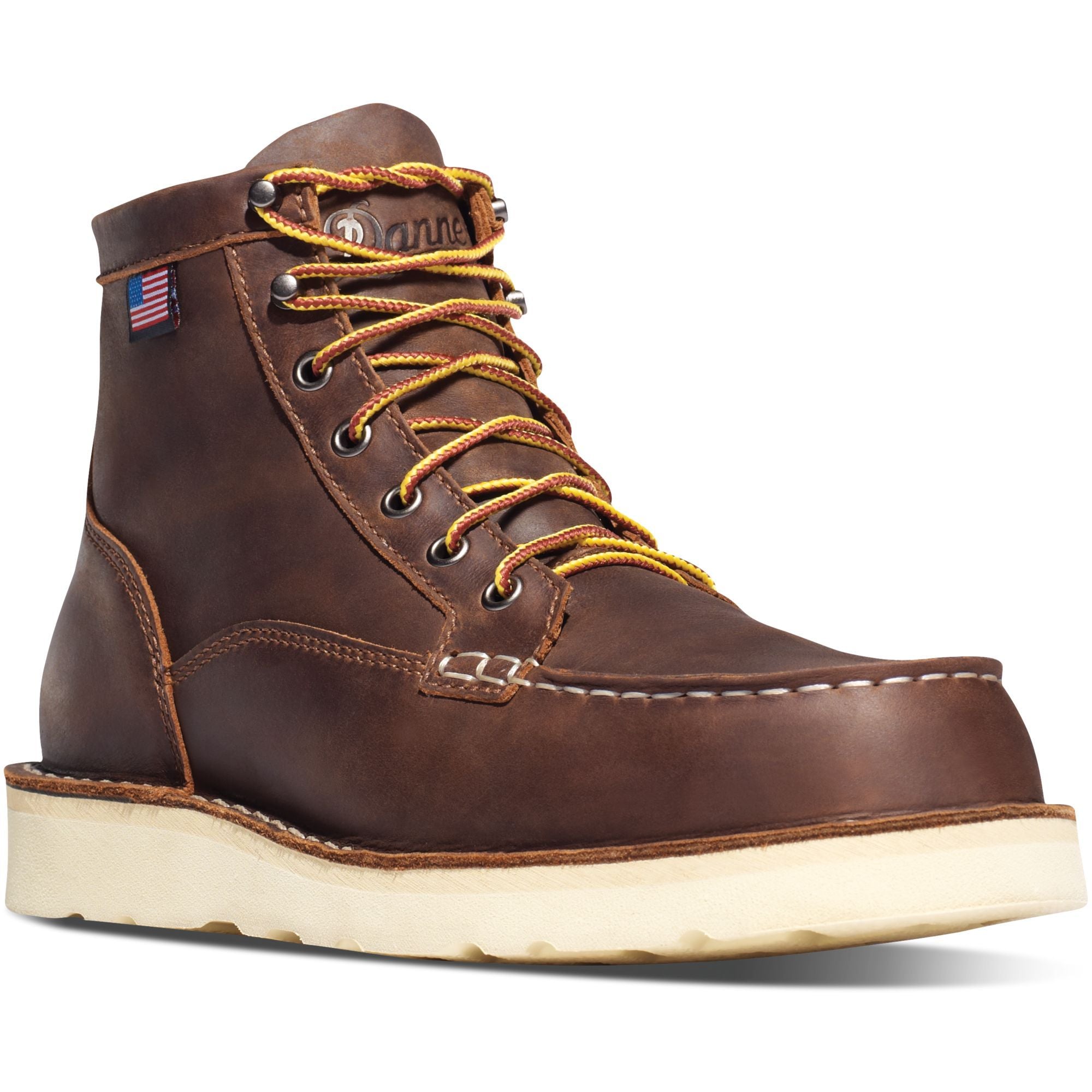
Danner Men's Bull Run USA Made 6" Moc Toe Wedge Work Boot - Brown - 15563
Sale price$179.99
Regular price$184.00
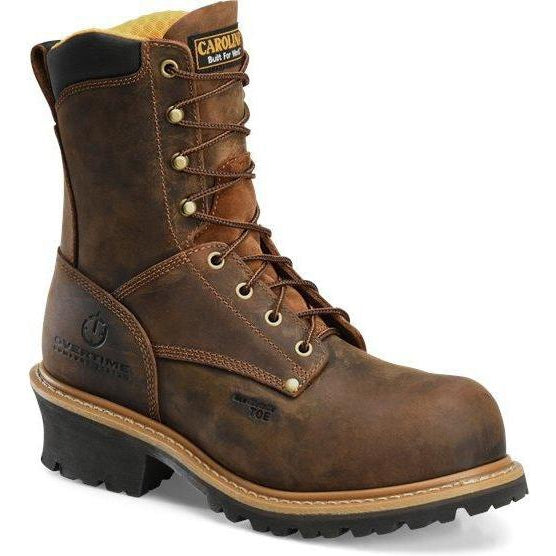
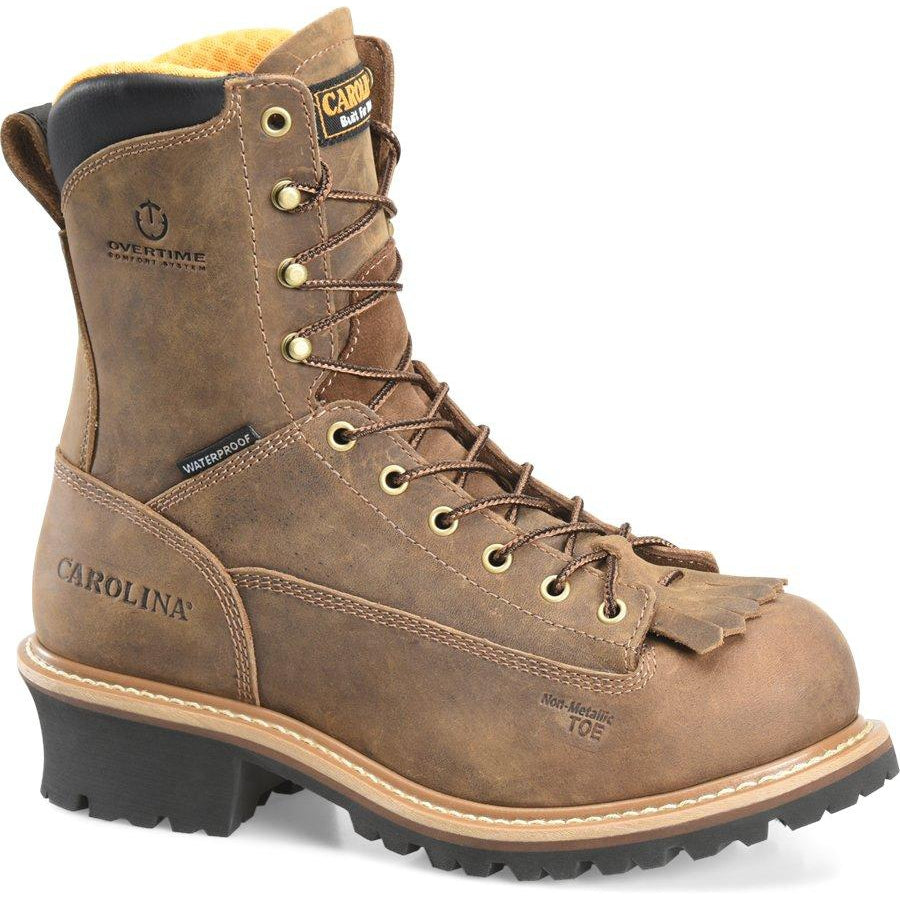
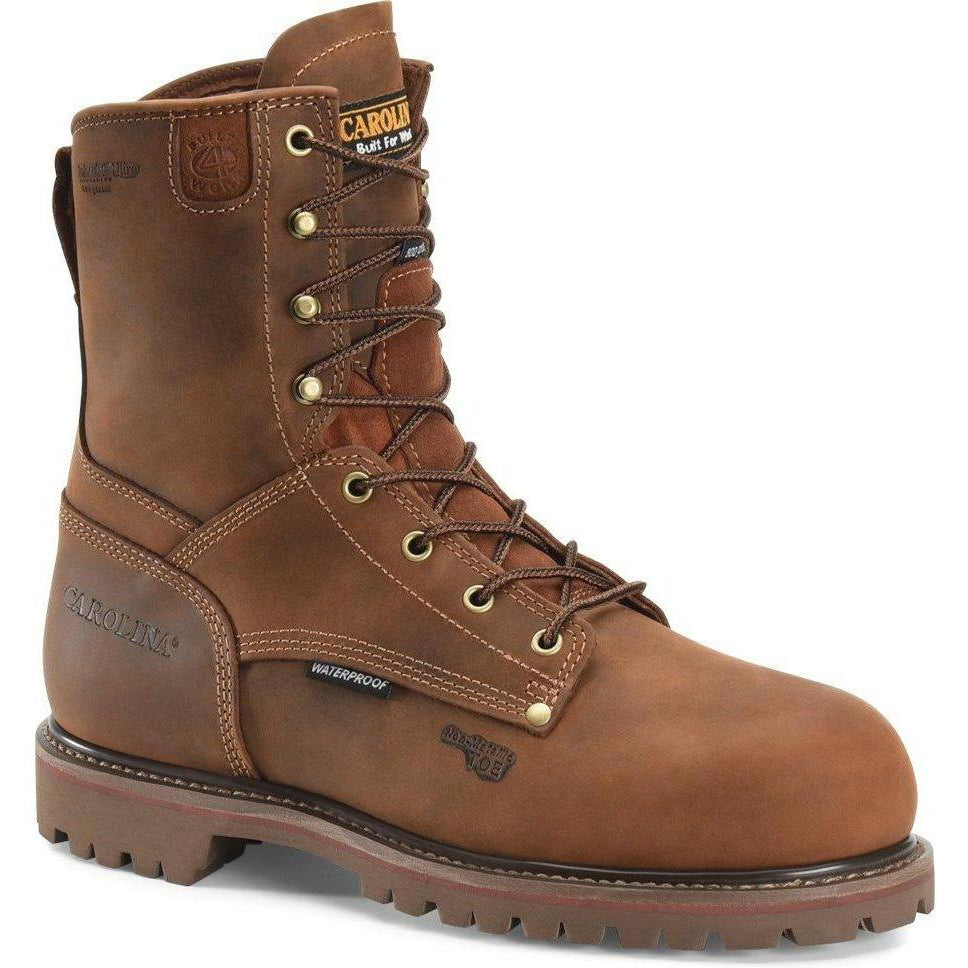
Carolina Men's Poplar 8" Composite Toe Unlined Logger Work Boot - Brown - CA9853
Sale price$194.99
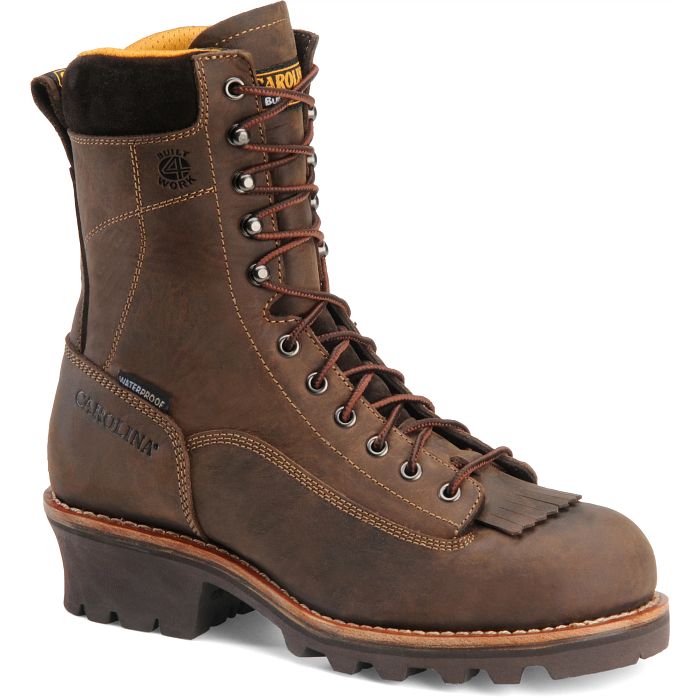
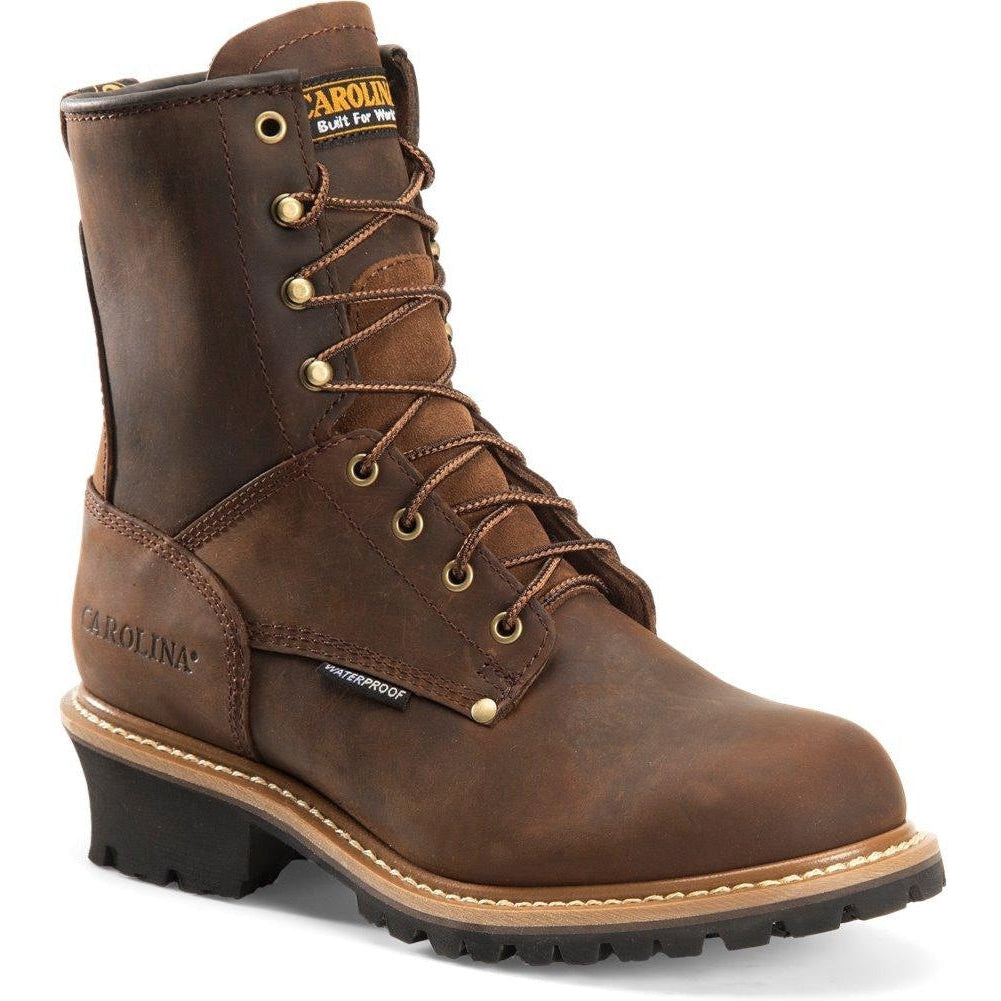
Carolina Men's Elm 8" Waterproof Logger Work Boot - Brown - CA8821
Sale price$219.99
Regular price$224.00
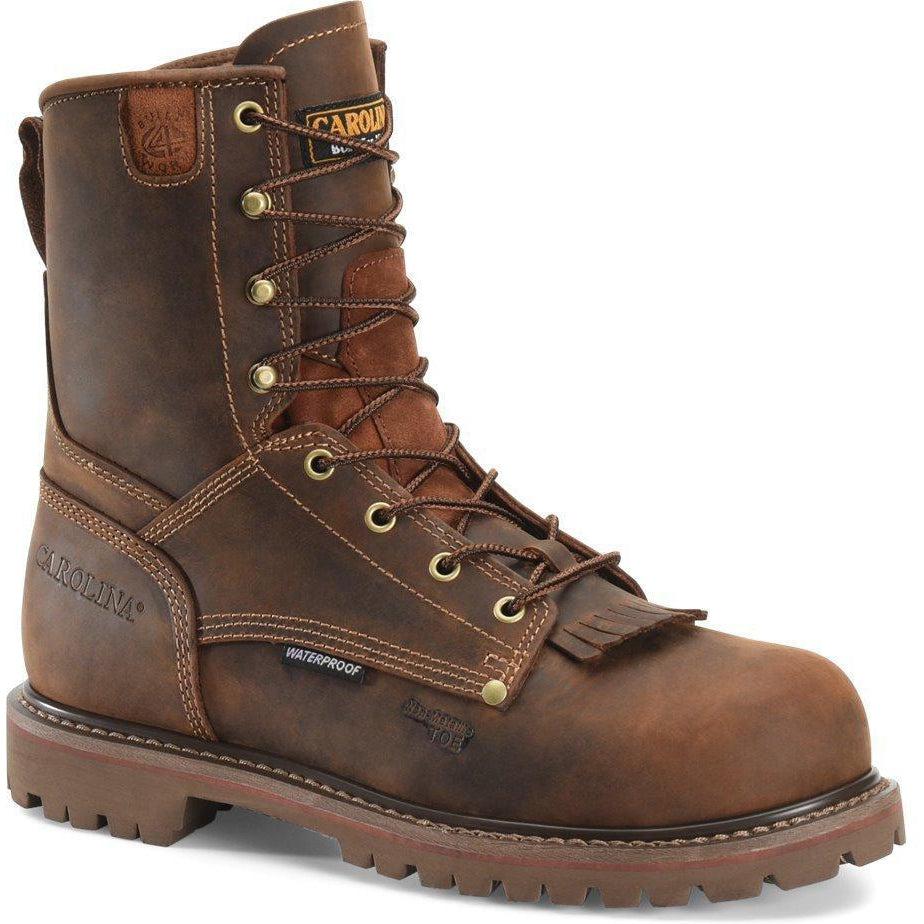
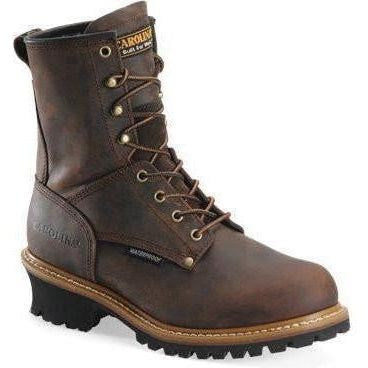
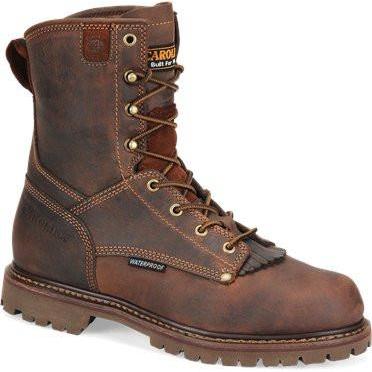
Carolina Men's 28 Series 8" Soft Toe Waterproof Grizzly Work Boot - Brown - CA8028
Save 5%
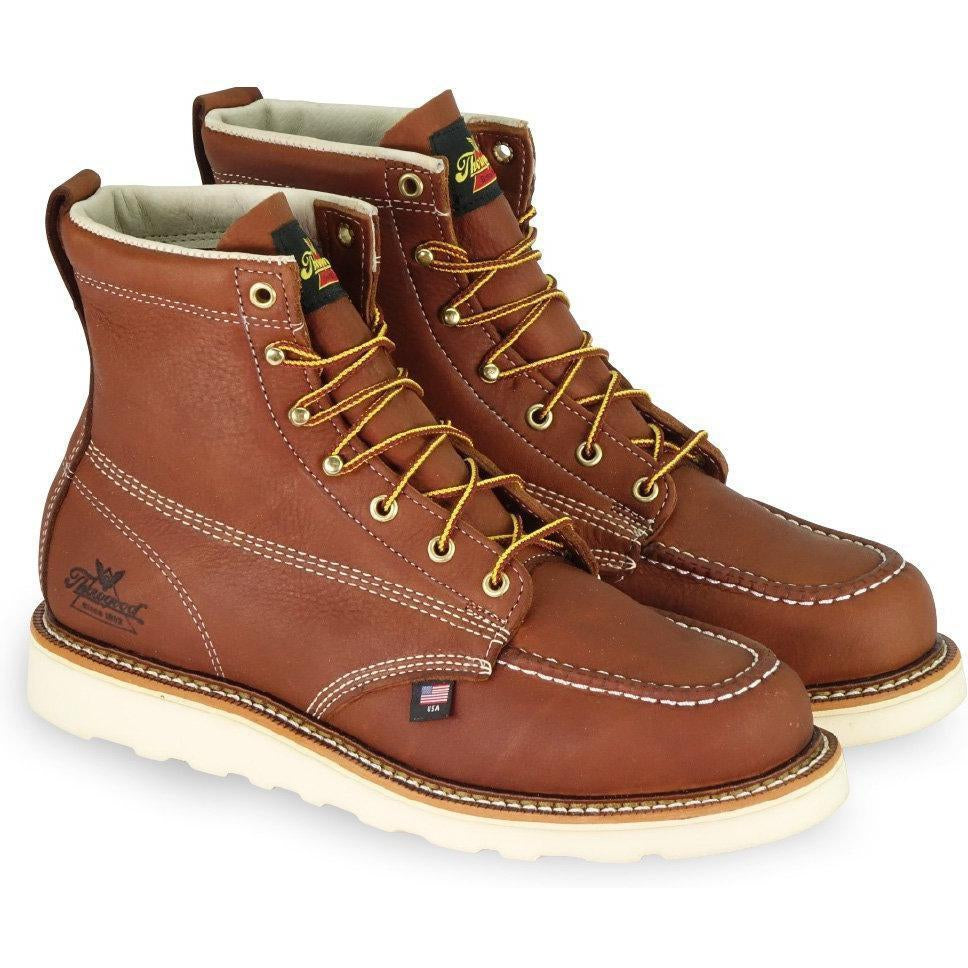
Sale price$264.95
Regular price$280.00
Thorogood Men's USA Made American Heritage 6" Wedge Work Boot - 814-4200
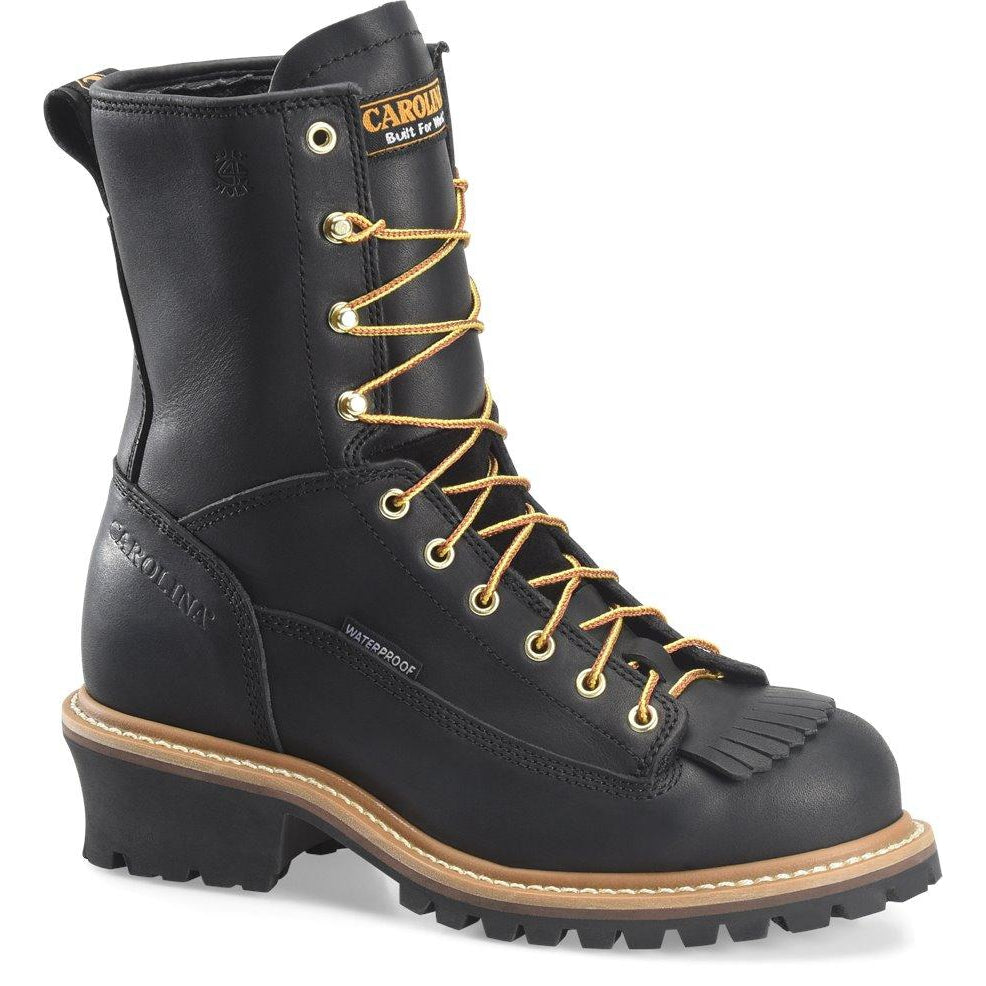
Save 5%
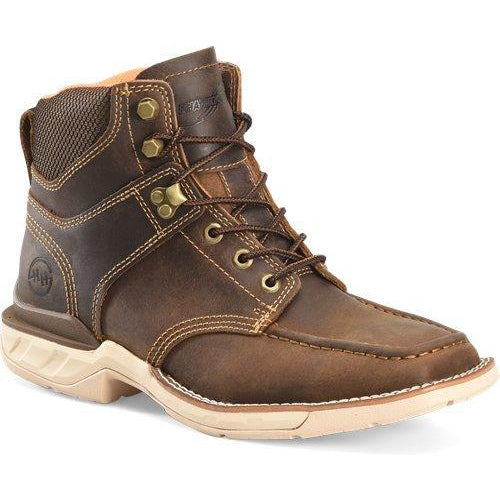
Sale price$144.99
Regular price$152.00
Double H Men's Brunel 6" Moc Toe Western Work Boot - Brown - DH5372
Save 5%
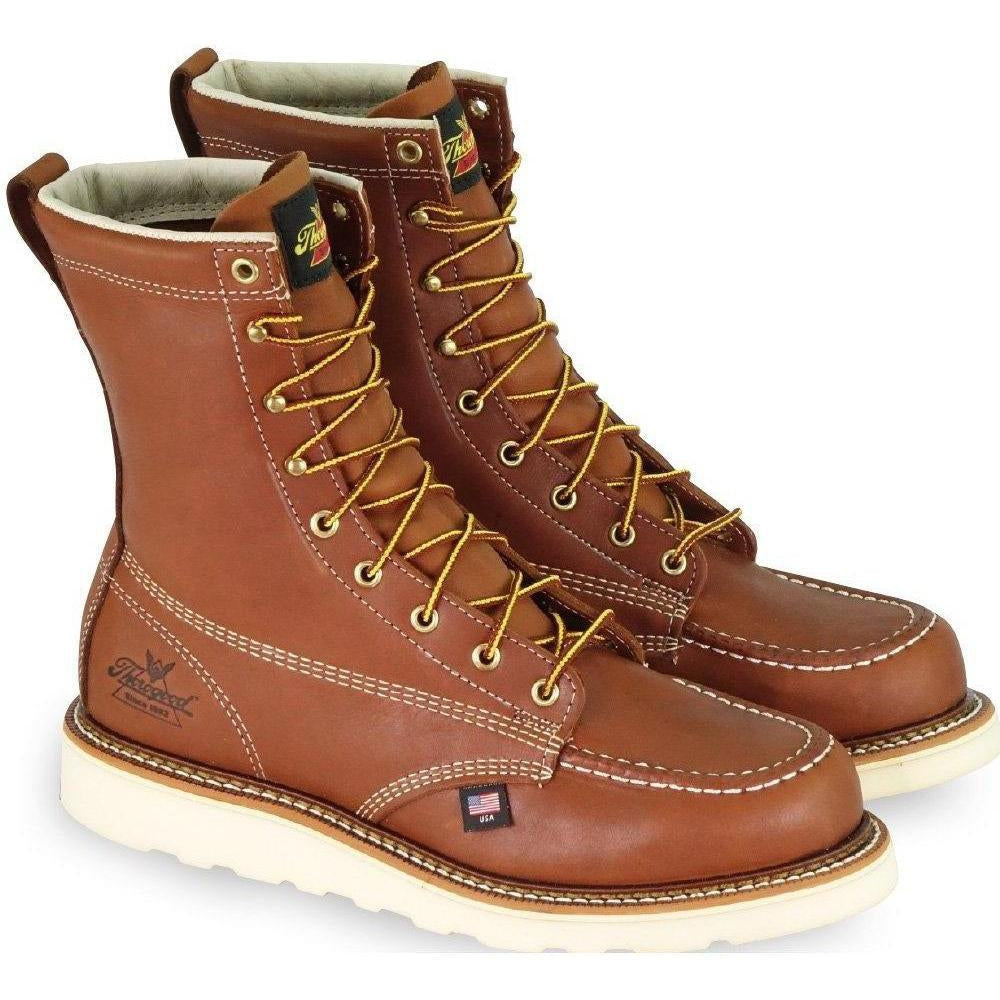
Sale price$274.95
Regular price$290.00
Thorogood Men's USA Made American Heritage 8" Wedge Work Boot - 814-4201
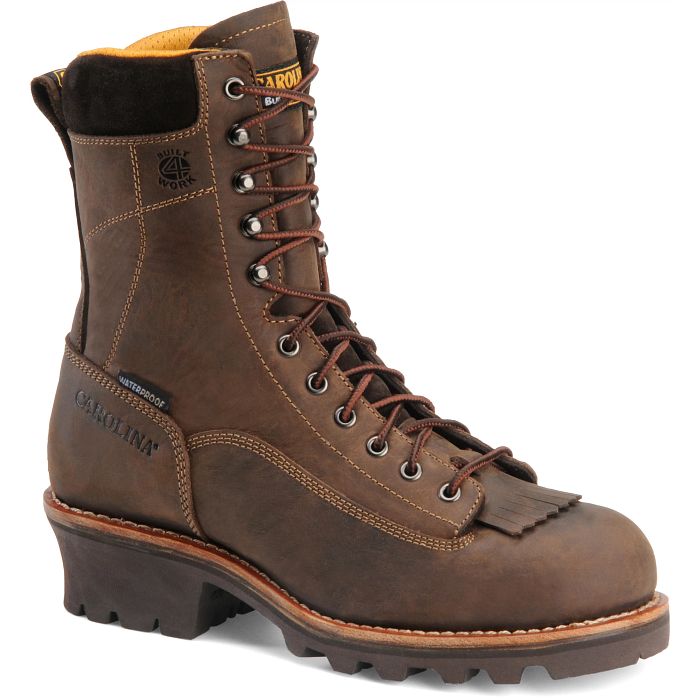
Sale price$249.99
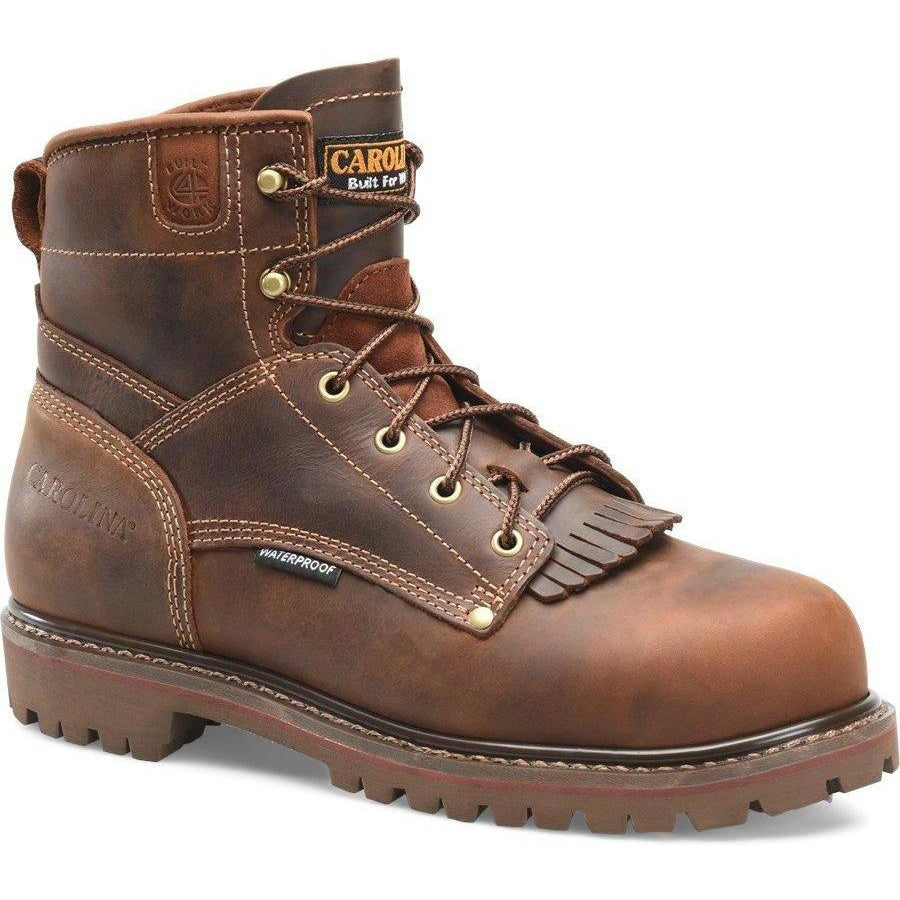
Carolina Men's Birch 8" Waterproof Logger Work Boot - Brown - CA7022
Save 7%
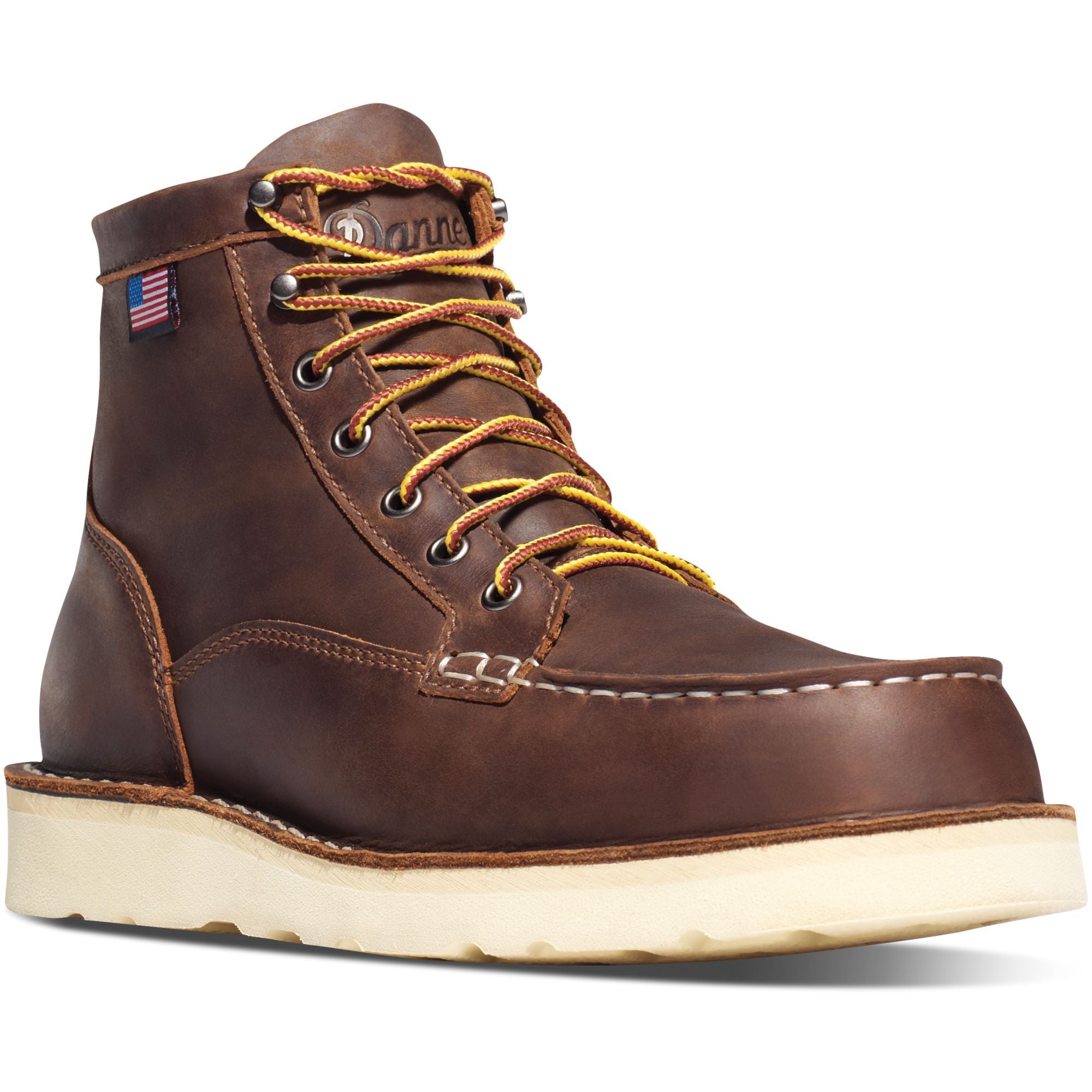
Sale price$269.95
Regular price$290.00
Danner Men's Bull Run USA Made 6" Moc Steel Toe Work Boot Brown 15564
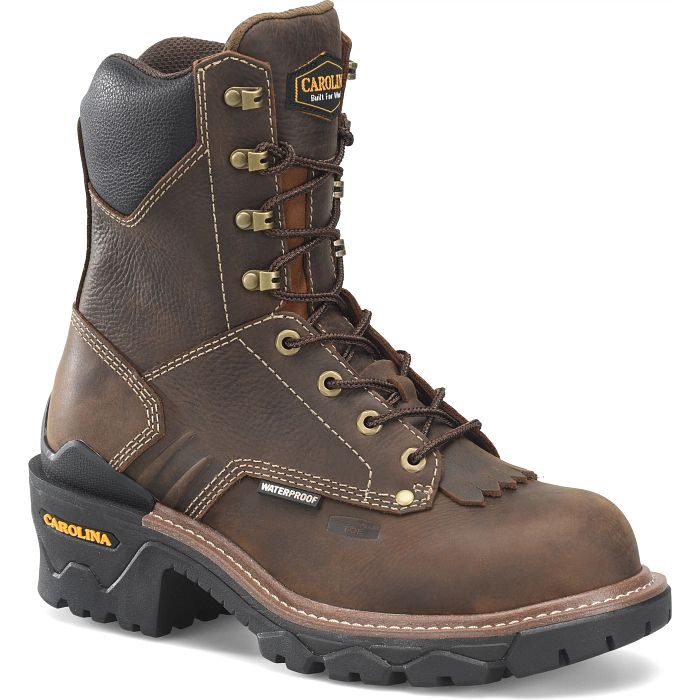
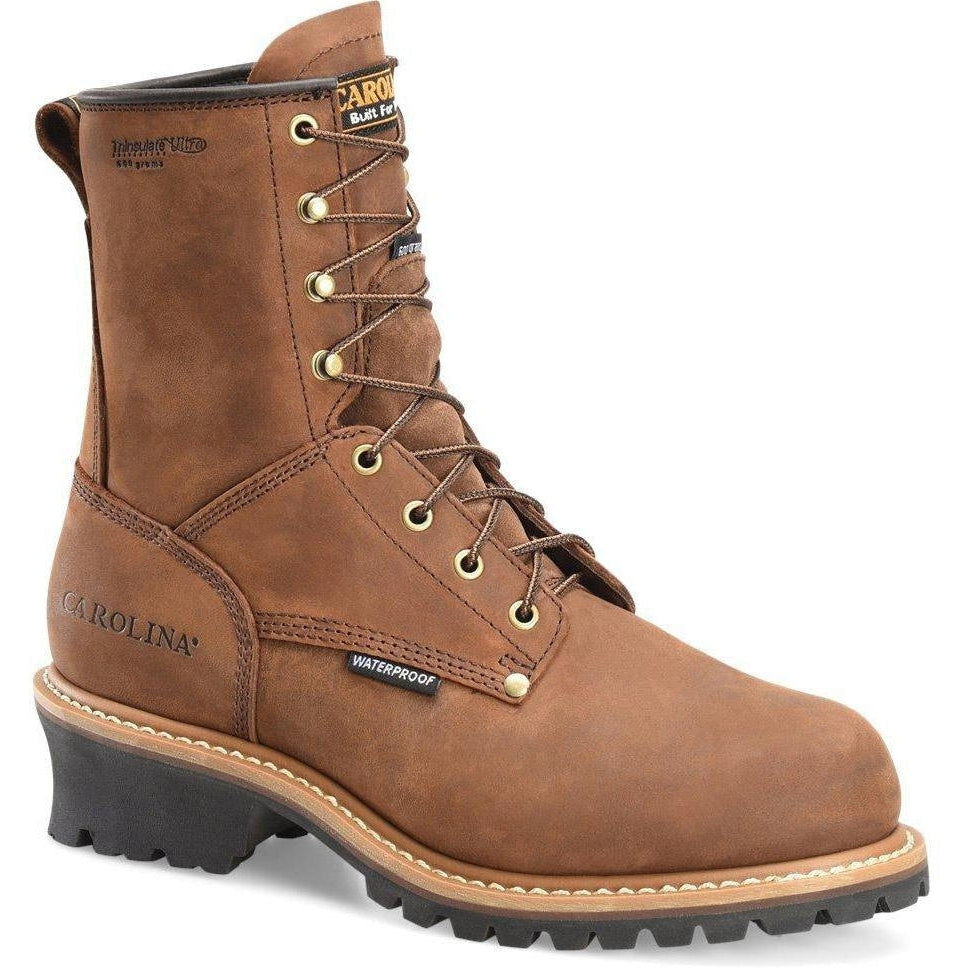
Save 5%
Sale price$294.95
Regular price$310.00
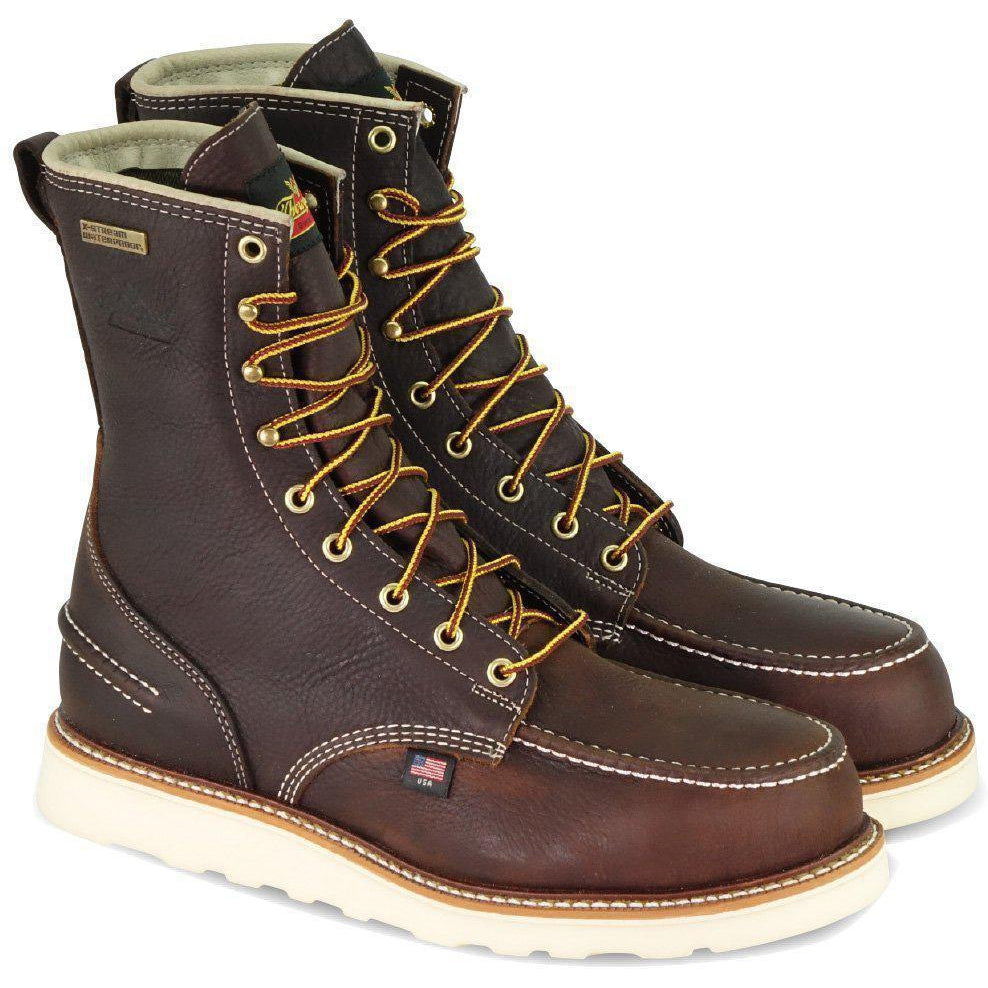
Thorogood Men's USA Made 1957 8" Moc Safety Toe Waterproof Wedge Work Boot 804-3800
Save 7%
Sale price$269.95
Regular price$290.00
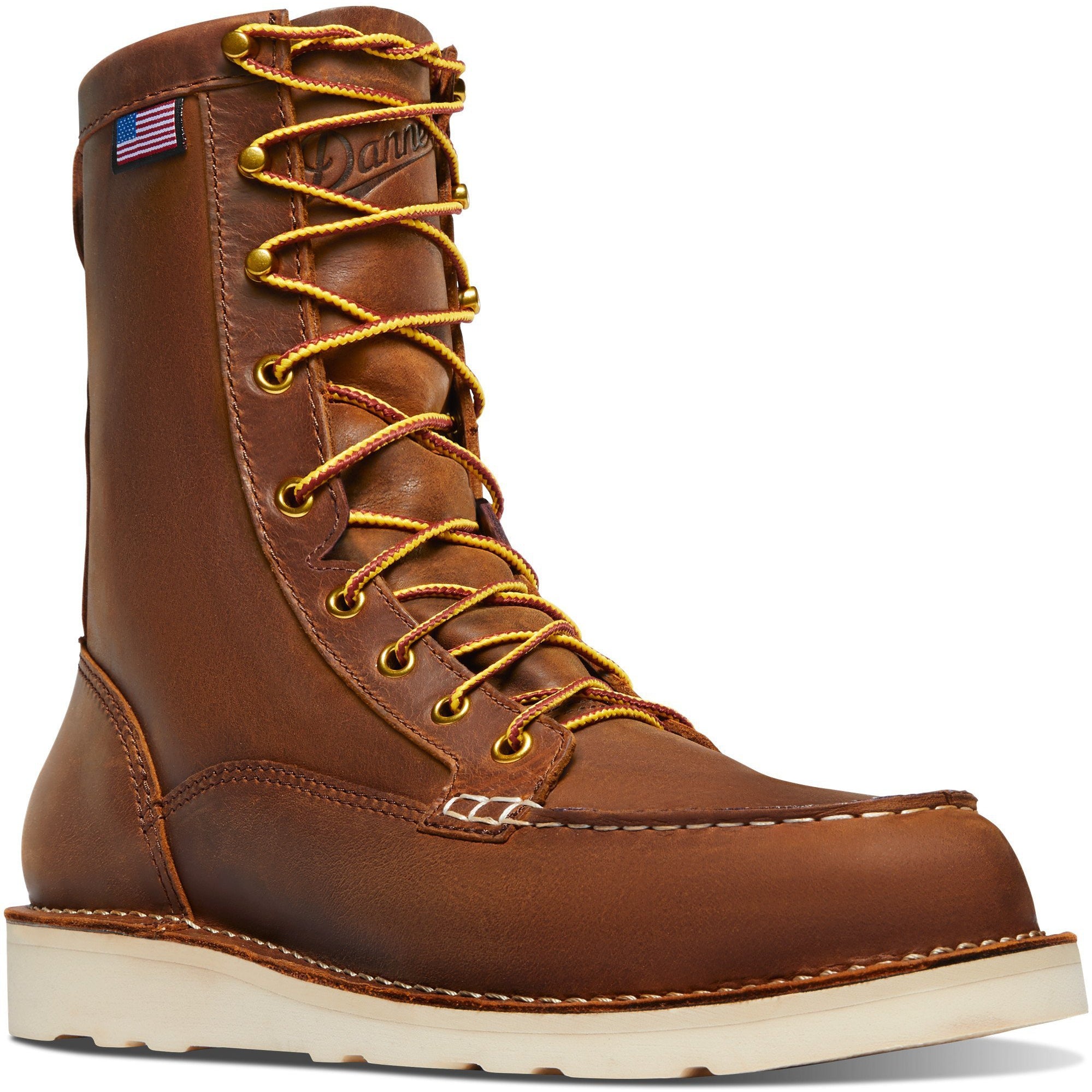
Danner Men's Bull Run 8" Moc Toe USA Made Wedge Work Boot - Tobacco - 15541
Save 7%
Sale price$259.95
Regular price$280.00
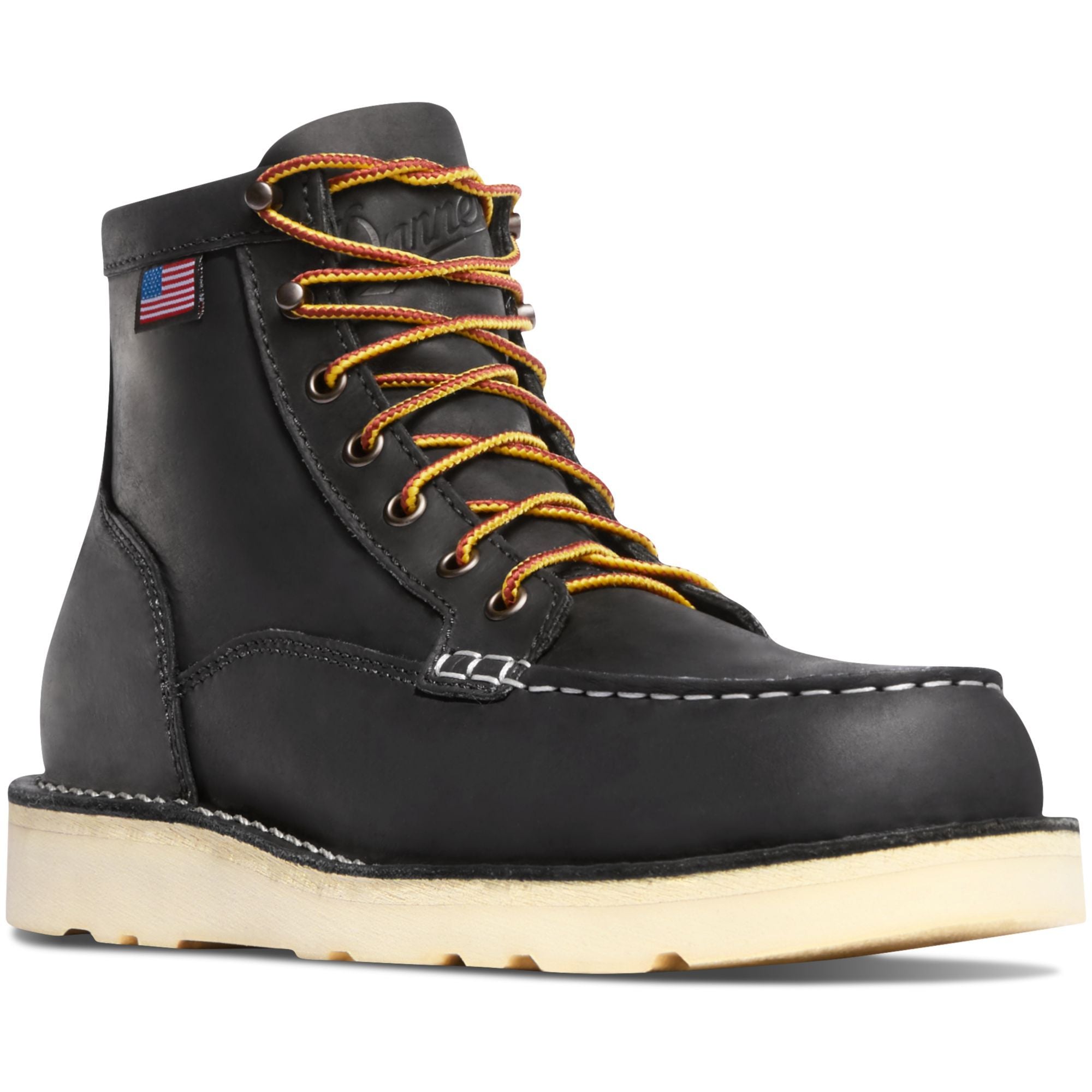
Danner Men's Bull Run USA Made 6" Moc Soft Toe Work Boot Black 15568
Save 5%
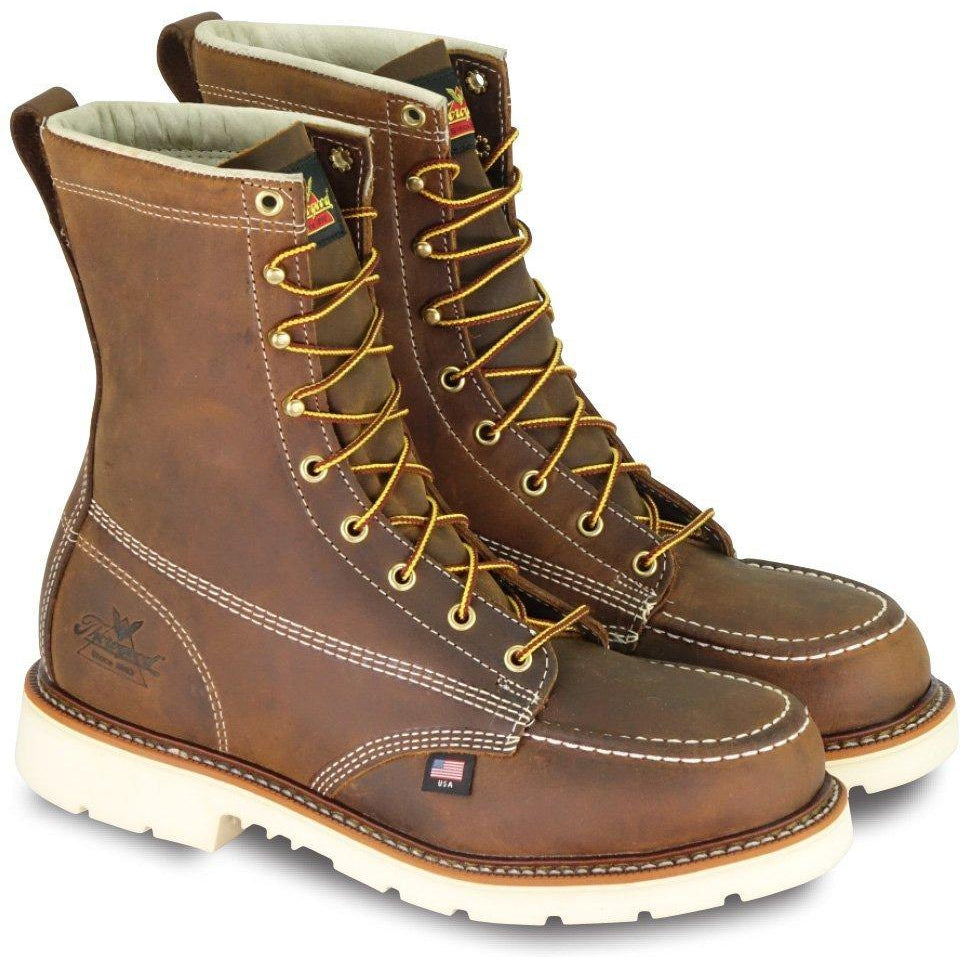
Sale price$284.95
Regular price$300.00
Thorogood Men's USA Made Amer. Heritage 8" Steel Toe Work Boot 804-4378
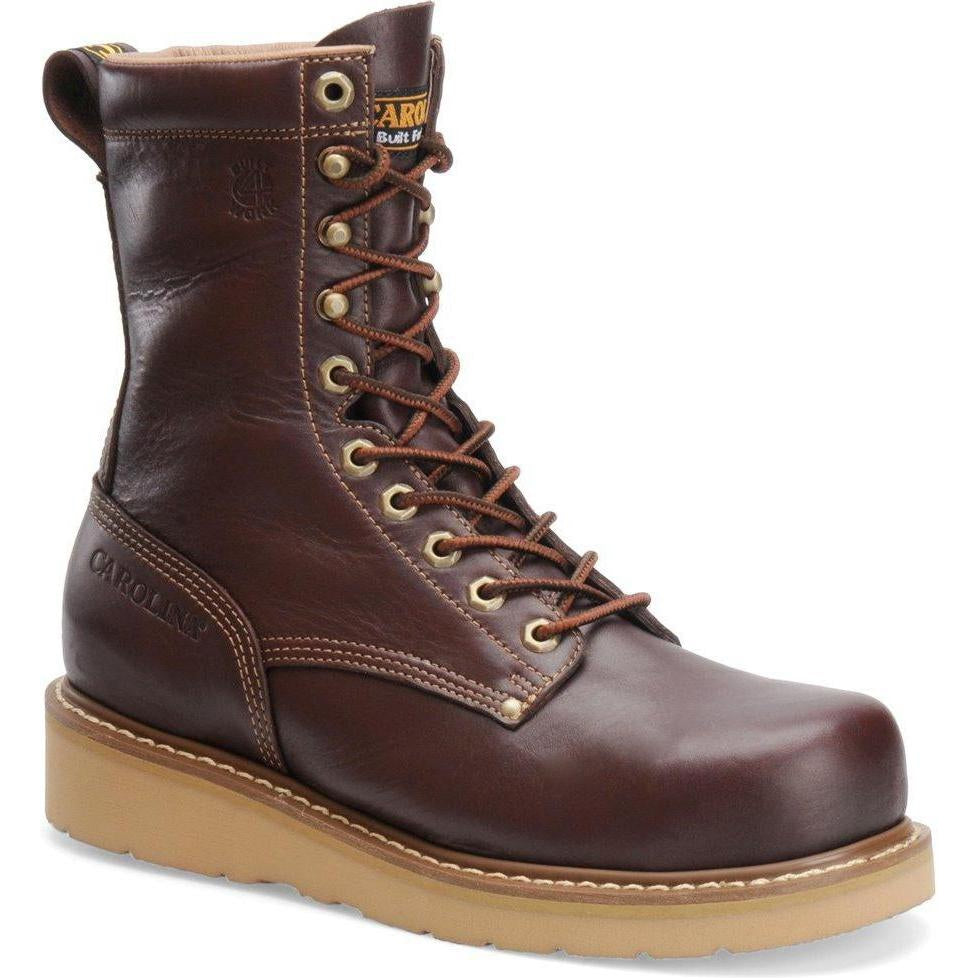
Sale price$199.99
Carolina Men's Amp Hi 8" Broad Toe Wedge Work Boot - Dark Oak - CA8049
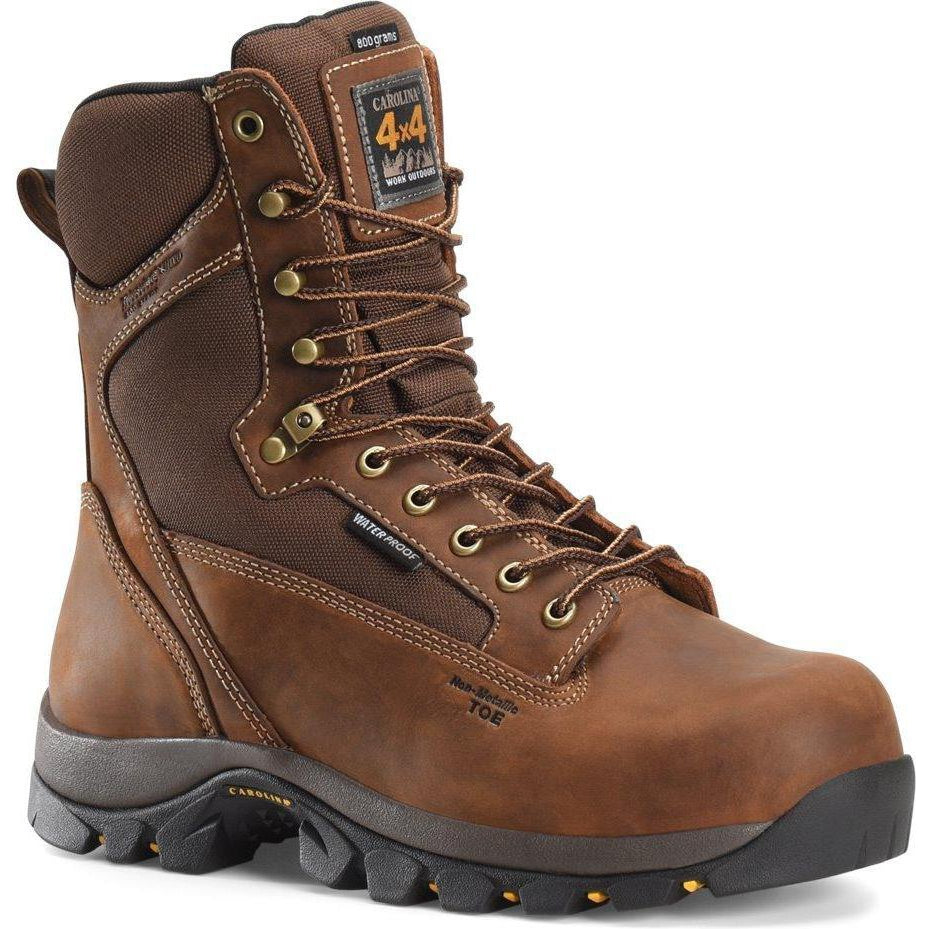
Save 5%
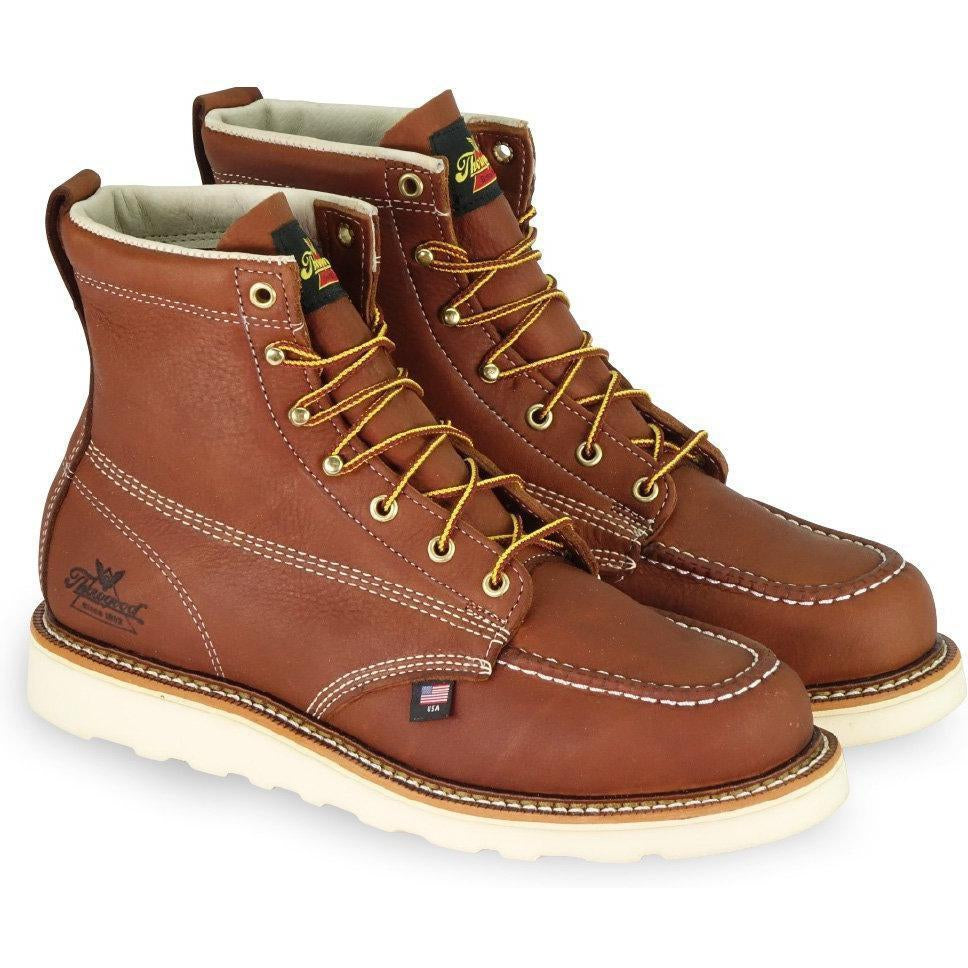
Sale price$274.95
Regular price$290.00
Thorogood Men's USA Made Amer. Heritage 6" Steel Toe Wedge Work Boot 804-4200
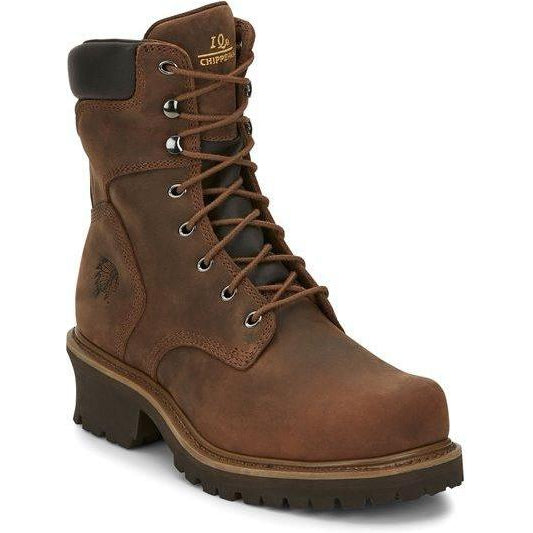
Sale price$214.95
Chippewa Men's Hador 8" Steel Toe Logger Work Boot - 55026
Save 5%
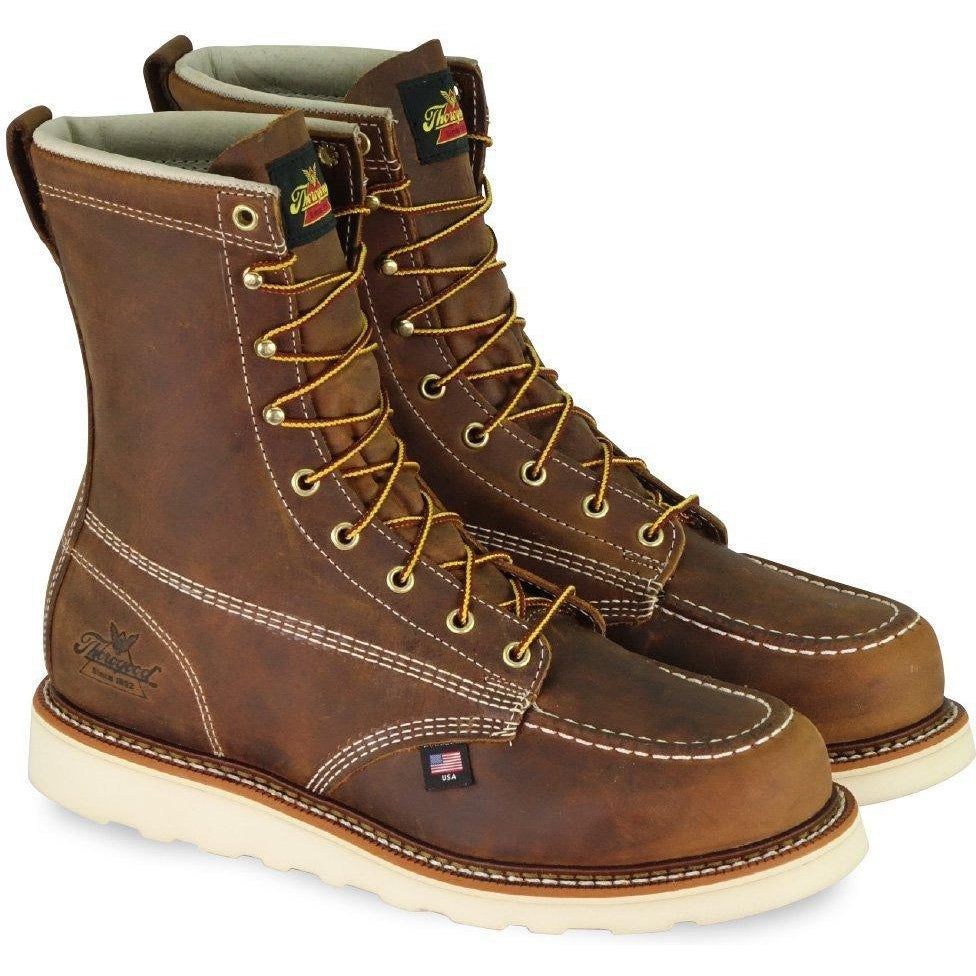
Sale price$284.95
Regular price$300.00
Thorogood Men's USA Made Amer. Heritage 8" Steel Toe Work Wedge Boot 804-4478
Save 7%
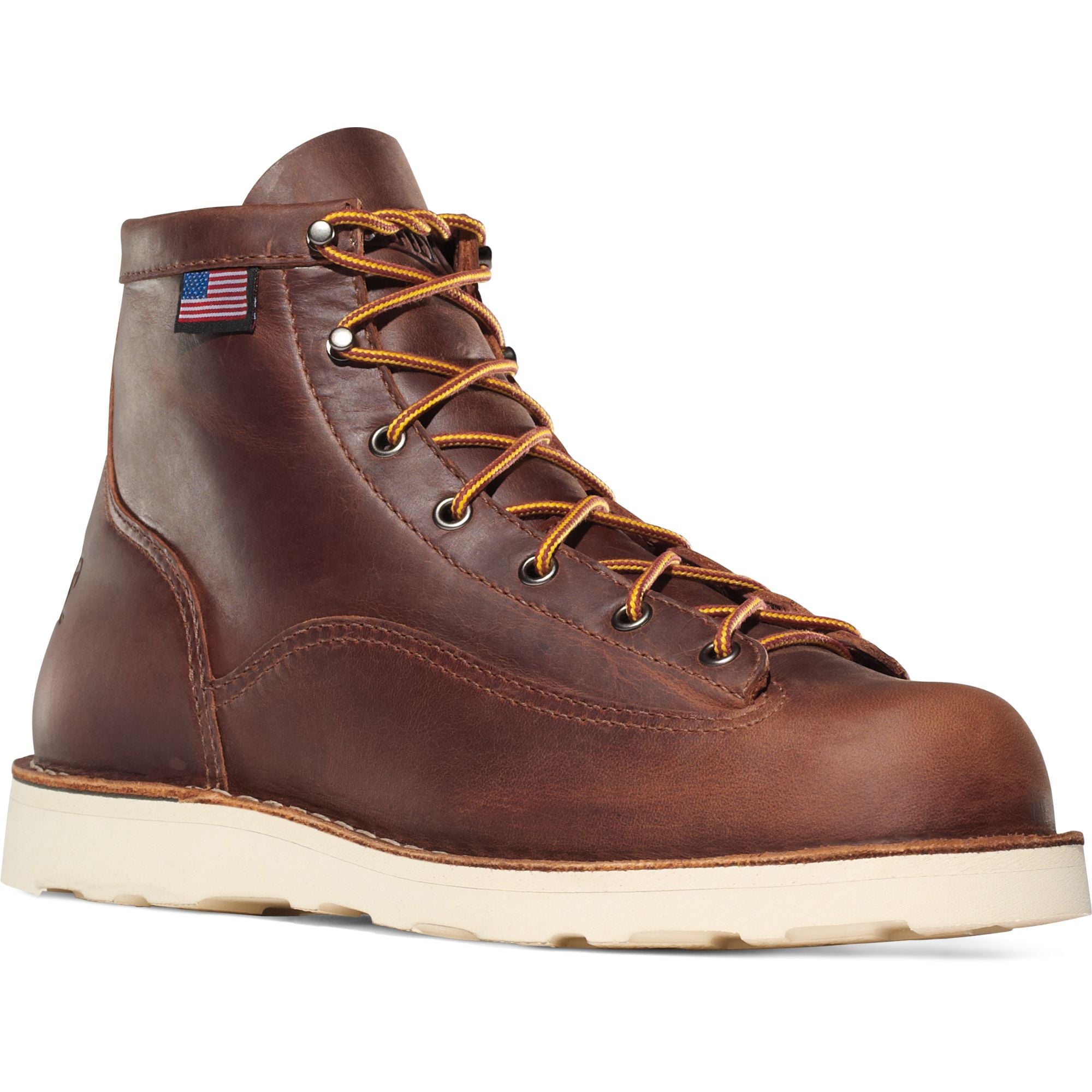
Sale price$259.95
Regular price$280.00
Danner Men's Bull Run USA Made 6" Soft Toe Wedge Work Boot - Brown - 15552
Save 11%
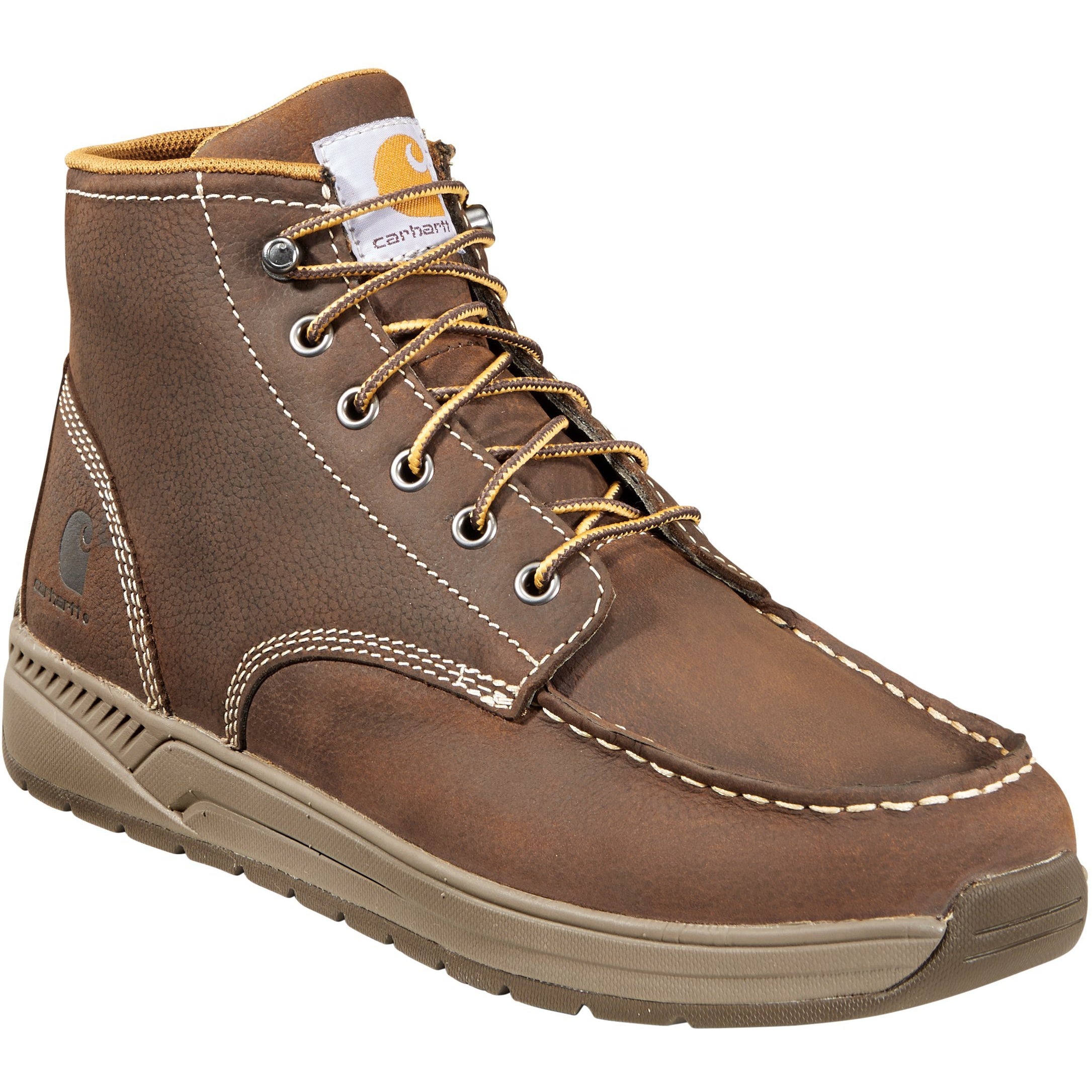
Sale price$139.99
Regular price$158.00
Carhartt Men's 4" Lightweight Soft Toe Wedge Work Boot Brown - CMX4023
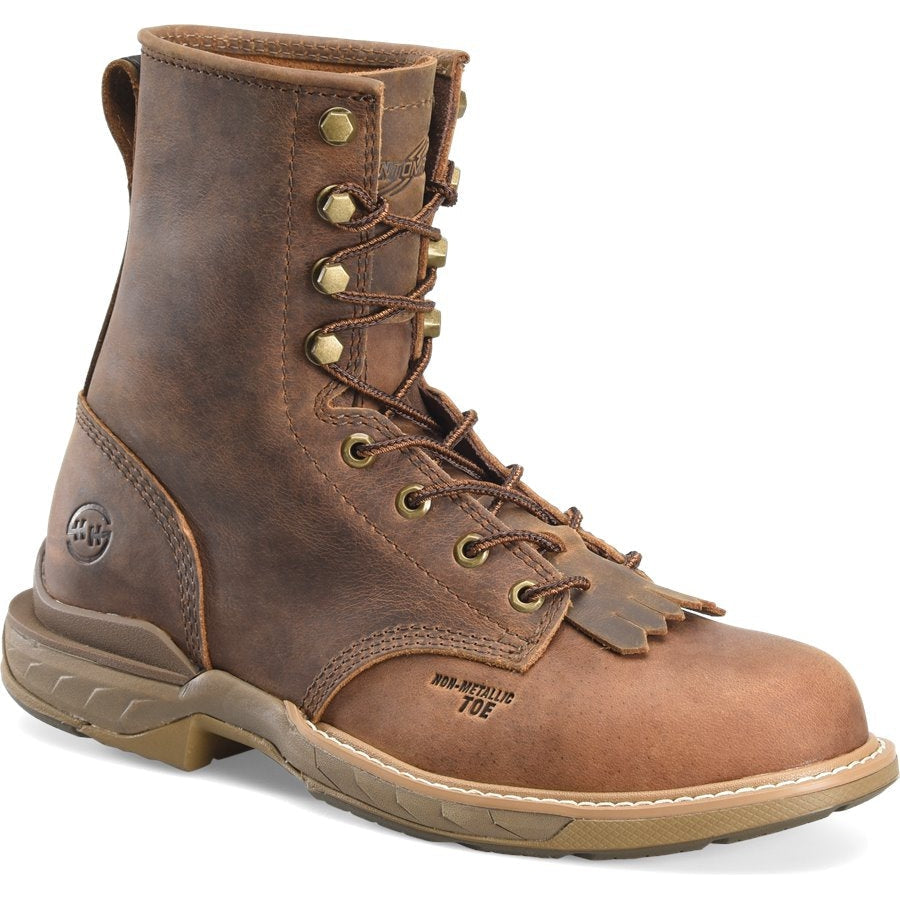
Sale price$194.99
Regular price$202.00
Double H Men's Phantom Rider Raid 8" Composite Toe Lacer Work Boot -Brown- DH5393
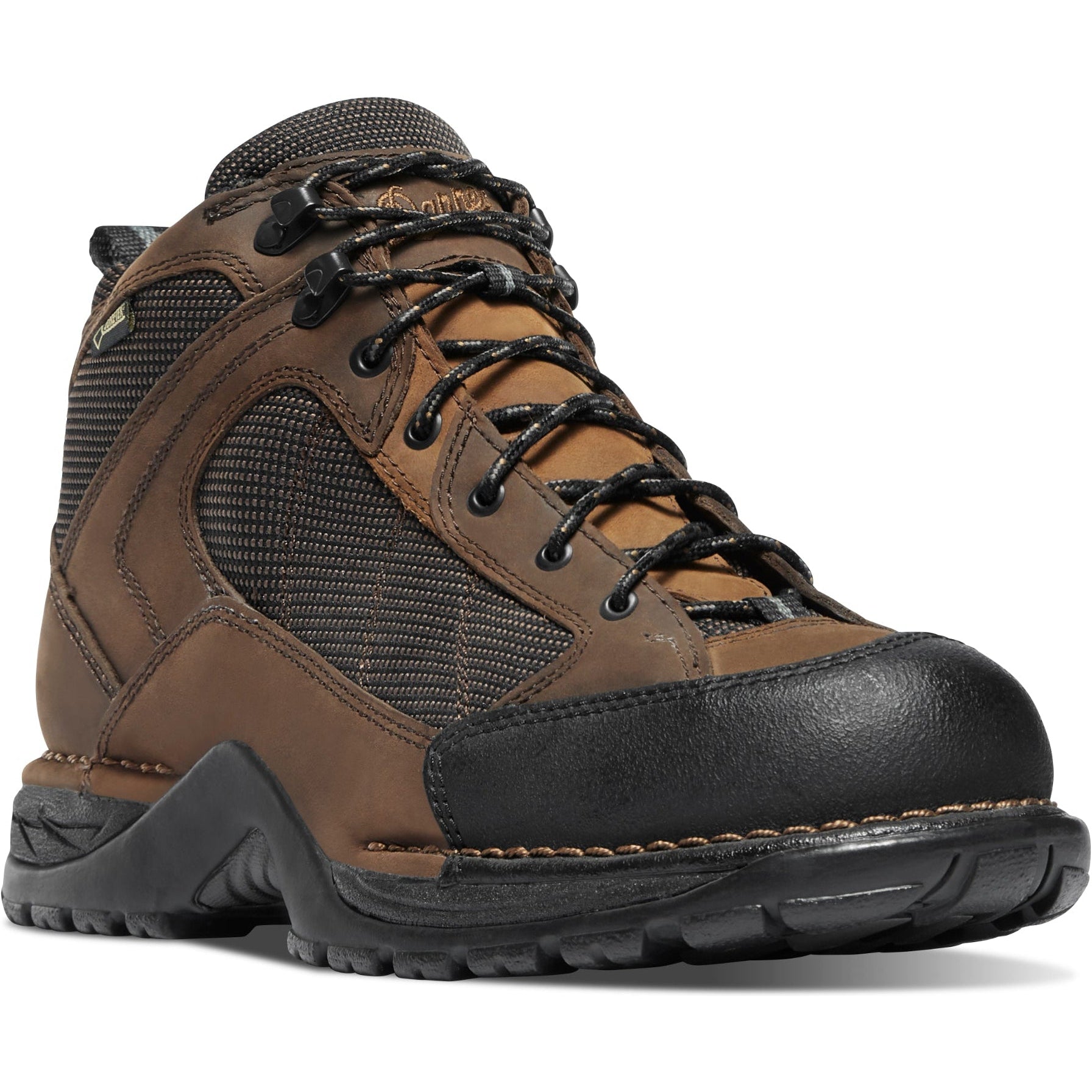
Sale price$239.95
Regular price$250.00
Danner Men's Radical 452 5.5" Waterproof Hiking Boot - Dark Brown - 45254
Save 5%
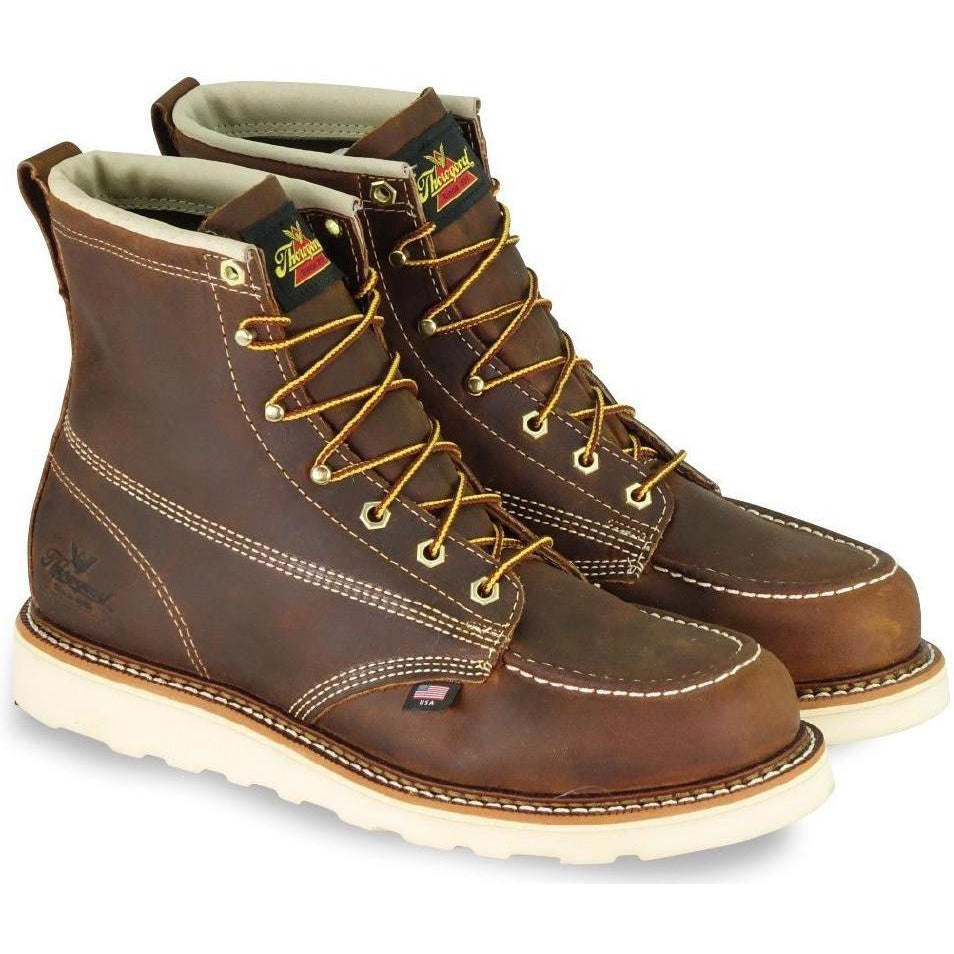
Sale price$264.95
Regular price$280.00
Thorogood Men's USA Made Amer. Heritage 6" Moc Toe Wedge Work Boot 814-4203
Save 8%
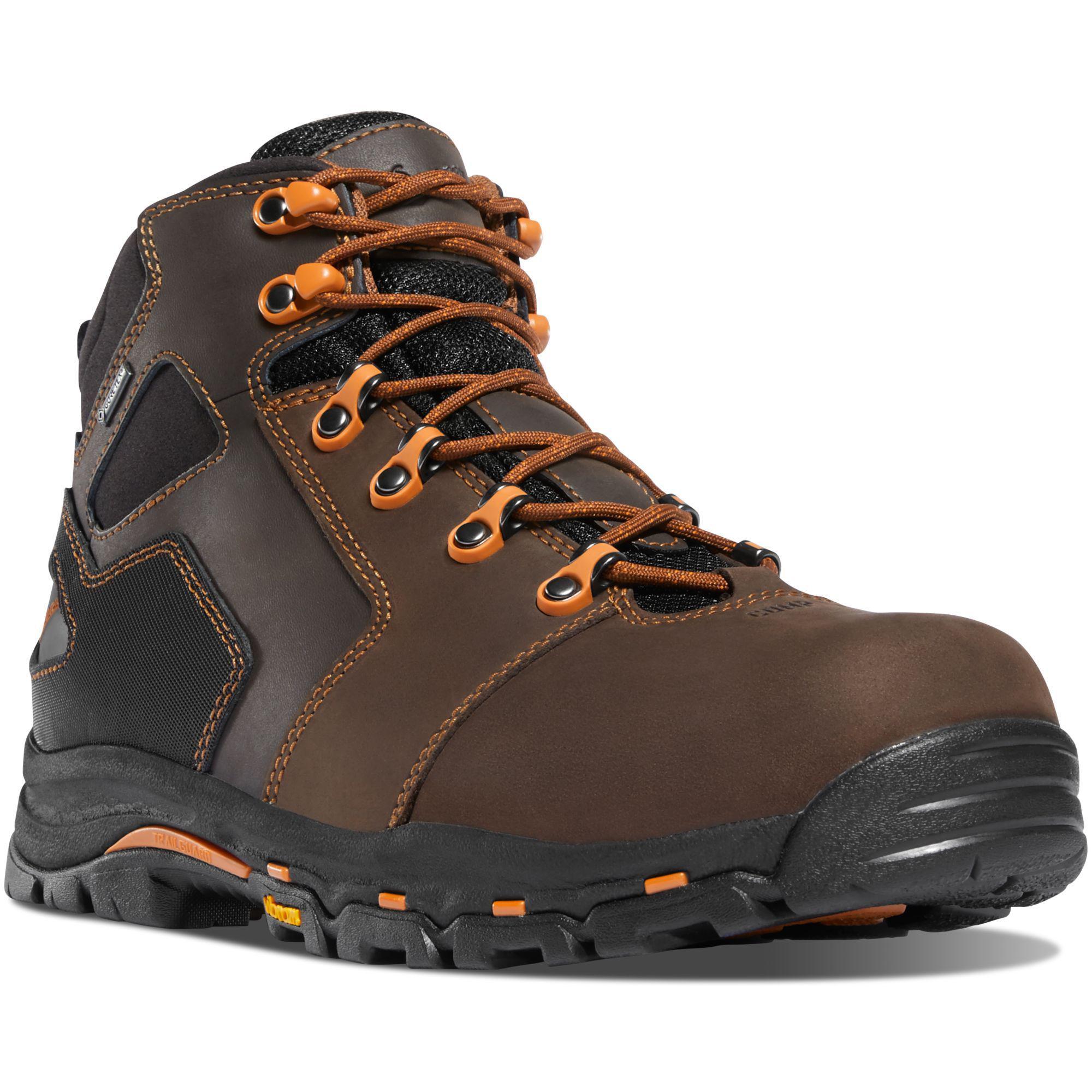
Sale price$239.95
Regular price$260.00
Danner Men's Vicious 4.5" Soft Toe Waterproof Work Boot - Brown - 13858
Frequently Asked Questions
Neither is better in general, but they solve different problems. A lace-up gives you adjustable fit and real heel lockdown, which matters on ladders, scaffolding, and anywhere your heel lifting would cost you. A pull-on comes on and off in seconds and has nothing to catch on a rung, a chain, or a PTO shaft. Choose on whether your day is more about climbing or more about getting in and out of a truck. Our pull-on work boots range covers the other side.
Use the top eyelet with a heel lock, sometimes called a runner's loop. Thread each lace back into the eyelet on its own side to make a small loop, then cross the laces through the opposite loop before tying. That pulls the collar tight against the back of your ankle and stops the heel lifting without having to overtighten across the top of your foot, which is what usually causes numbness and pressure pain.
Snug through the instep and firm at the ankle, but not tight across the top of the foot. Overtightening the forefoot is the most common cause of numbness and hot spots, because that is where the nerves and tendons run closest to the surface. The job of the lacing is to stop your foot sliding forward, and the instep and ankle do that work, not the toes.
Eyelets are closed holes the lace passes through, and speed hooks are open hooks the lace wraps around. Hooks are much faster to lace and unlace, which is why they appear on the upper part of taller boots. The trade is that an open hook can catch on brush, wire, or equipment, which is why some trades and some site rules prefer closed eyelets throughout.
Yes, in steel, composite, alloy, and carbon, all meeting ASTM F2413 for impact and compression on the rated models, alongside plenty of soft toe options. Toe type is stated in every product title. The lacing has no bearing on the rating, so any combination of toe, height, and closure you need exists in the catalog.
Replace them as soon as they fray, because a lace that snaps mid-shift leaves you with a boot that will not hold your heel, and that is a genuine trip and ankle risk on a ladder. Laces are consumable and cost very little compared with the boot. Kevlar-reinforced laces last considerably longer than standard cotton or nylon if you are hard on them.
Yes, and that is the real cost of the adjustability. If you are in and out of your boots several times a day, that adds up. A side-zip boot solves it neatly: you lace it to your fit once and the zipper handles every entry after that, with no loss of protection. See our side zip work boots range.
Yes. Waterproofing comes from a sealed membrane and sealed seams inside the boot, and the lacing sits outside that system entirely. What matters more is the tongue: a gusseted or bootie-construction tongue is what actually stops water entering at the lace line, since an unattached tongue leaves a gap. Waterproof status is stated in every product title. See our Gore-Tex work boots range for the branded membranes.
Most of the catalog is lace-up, so it comes down to what you want from the boot rather than which brand does lacing best. Thorogood and Carolina for USA-made welted construction, Timberland PRO and Wolverine for cushioning, Justin and Georgia for value, Danner for hiking-derived builds. Browse the Justin lace up range to compare within a brand.
Almost always lacing pressure rather than the boot itself. Overtightening across the instep compresses the tendons and nerves running over the top of the foot, and the pain builds over hours rather than showing up straight away. Try skipping an eyelet over the sore spot, using a heel lock at the top so you do not need the forefoot tension, or swapping to flat laces which spread pressure better than round ones.
Recently viewed
Our Top Brands