Save 14%
Sale price$119.95
Regular price$140.00
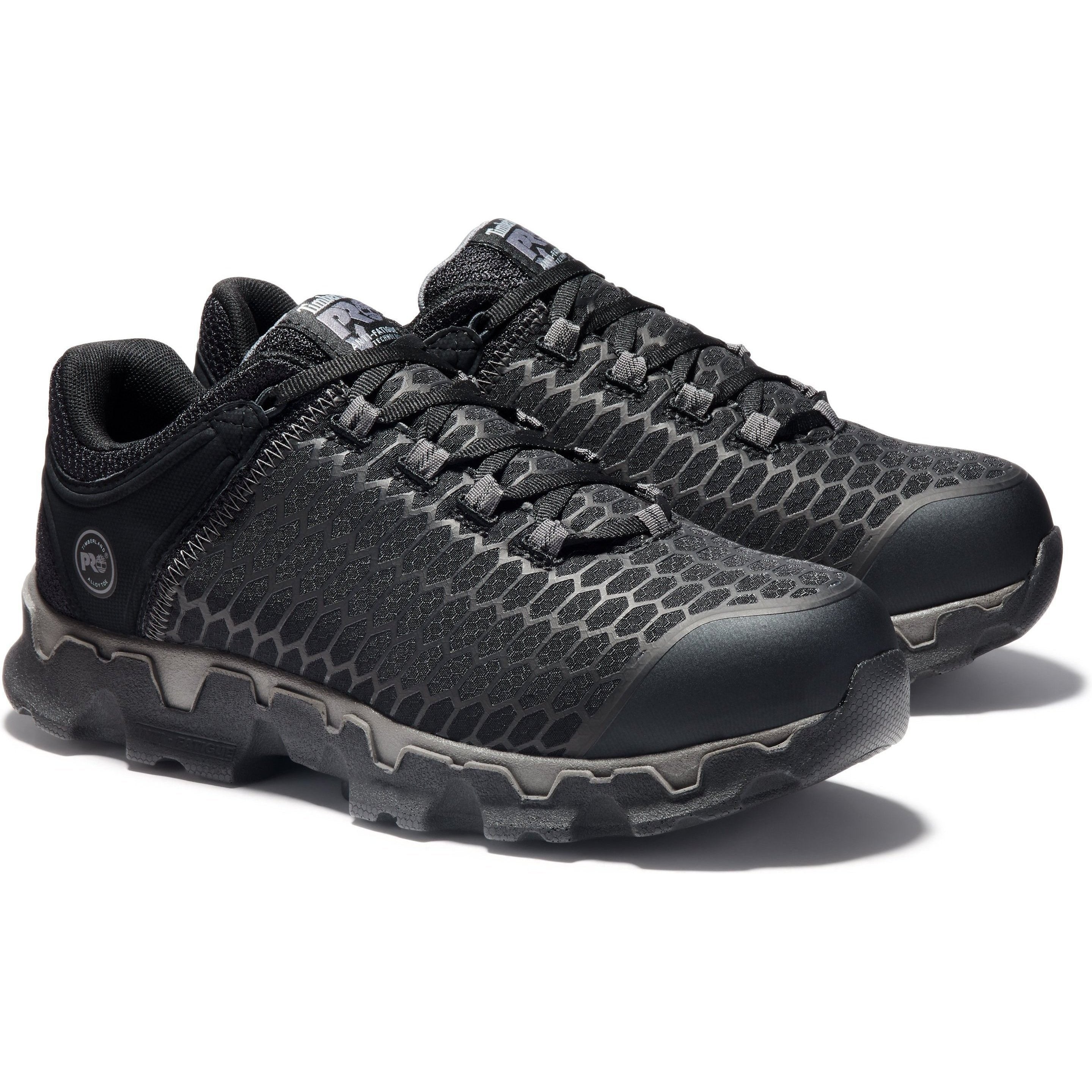
Timberland PRO Men's Powertrain Sport Static Dissipative+ Alloy Toe Work Shoe TB1A1B6U001
Save 26%
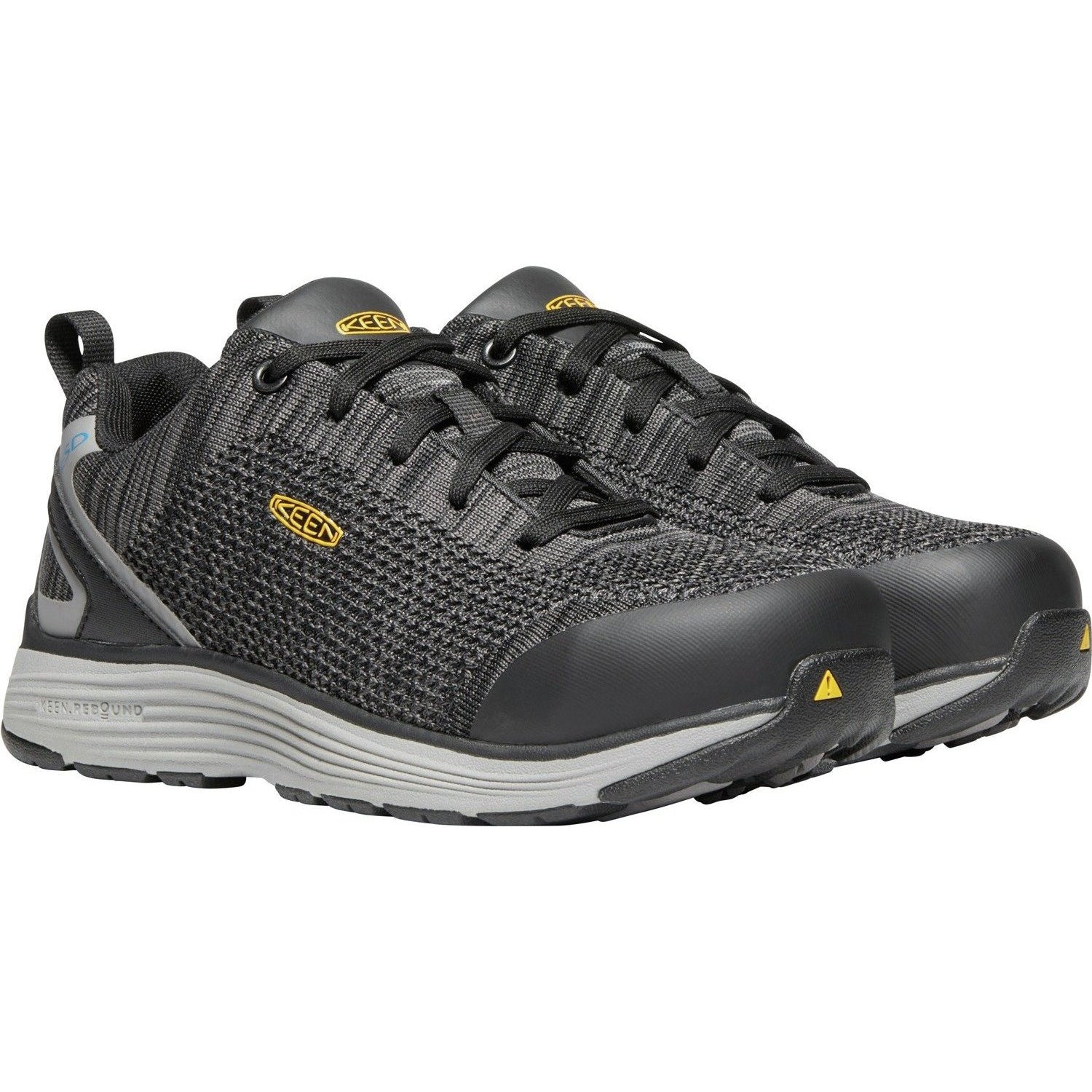
Sale price$85.67
Regular price$115.00
Keen Utility Women's Sparta ESD Aluminum Toe Work Shoe - Grey - 1021350
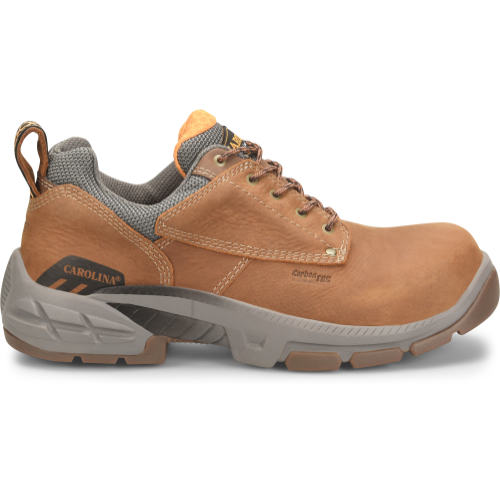
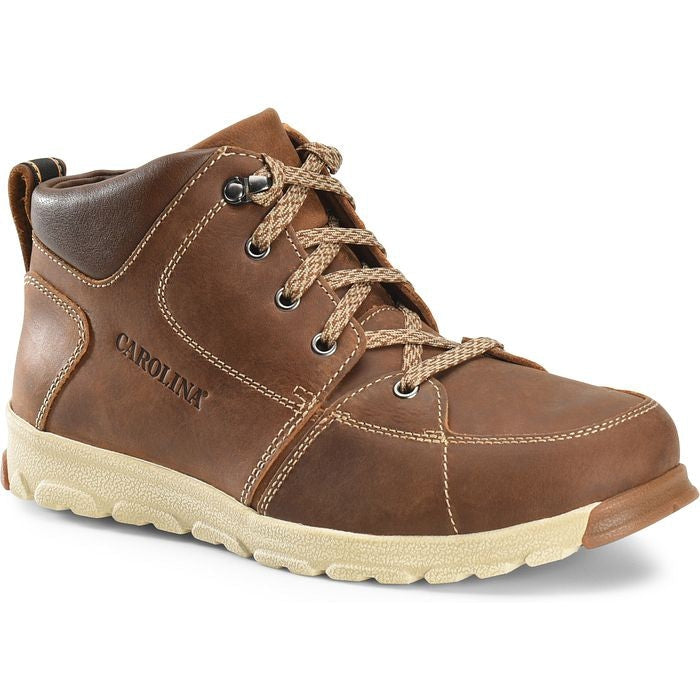
Sale price$139.99
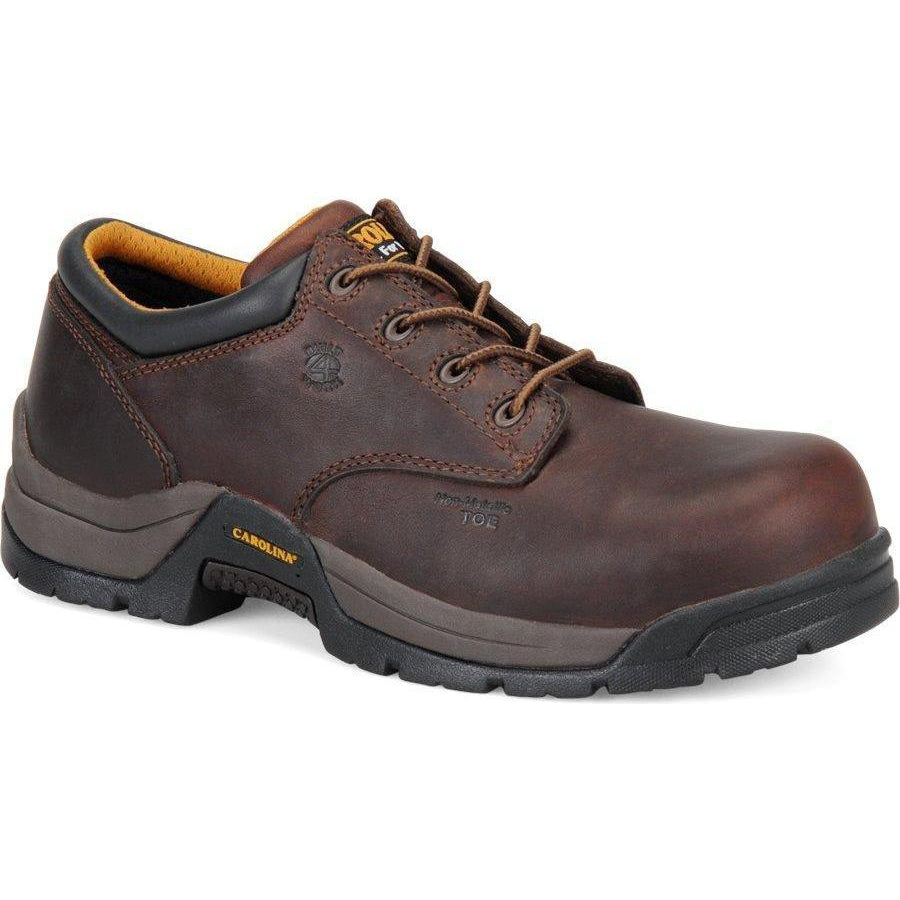
Carolina Men's S-117 Aluminum Toe ESD Hiker Work Boot - Brown - CA5570
Save 35%
Sale price$84.67
Regular price$130.00
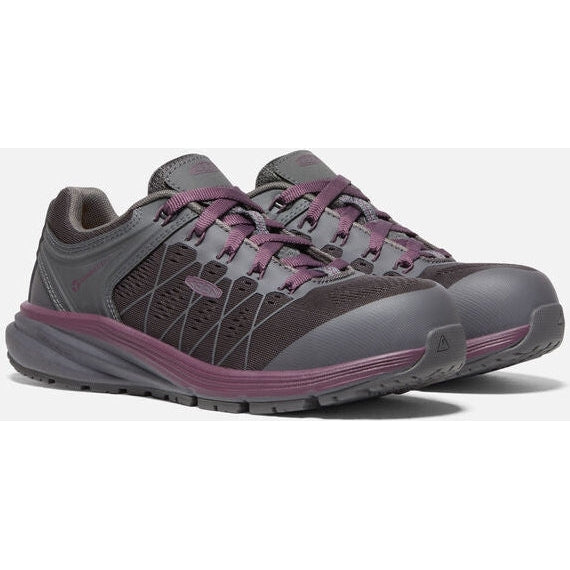
Keen Utility Women's Vista Energy ESD Carbon Fiber Toe Work Shoe - Magnet/Prune Purple - 1026985
Save 16%
Sale price$195.71
Regular price$233.00
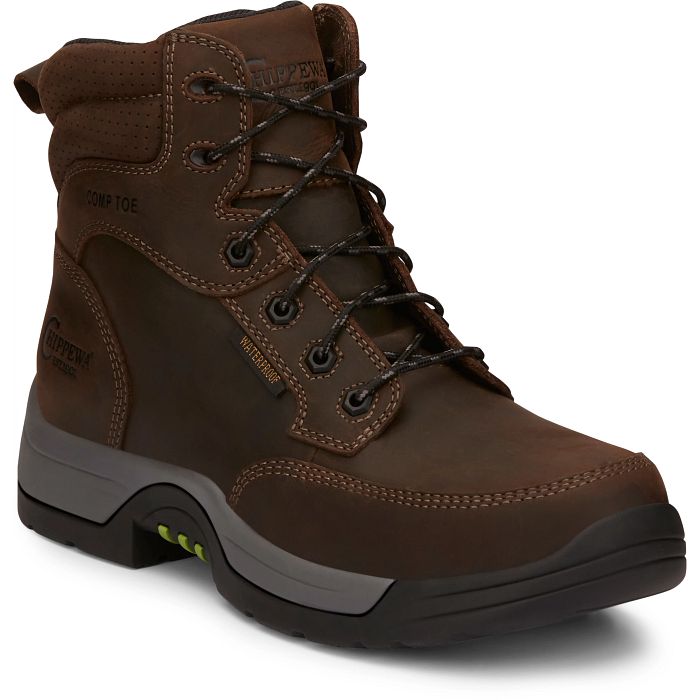
Chippewa Men's Fabricator 6" Composite Toe Work Boot - Brown - 31003
Save 7%
Sale price$139.99
Regular price$150.00
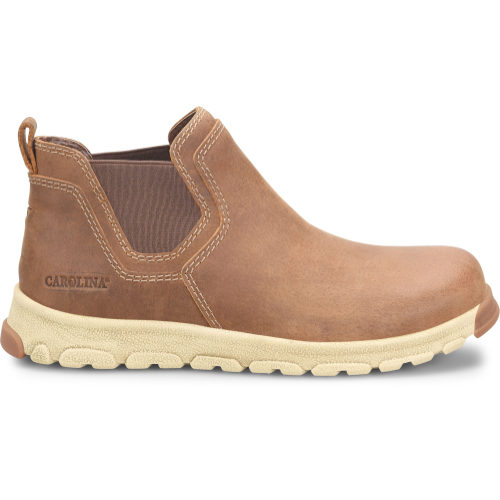
Carolina Women's S-117 Electrostatic Dissipative Romeo Alum Toe Lightweight Work Shoe - Brown - CA5671
Sale price$154.95
Regular price$155.00
Timberland Pro Men's Powertrain EV Mid CT SD10 Sneaker Work Shoe - Black - TB0A63K3V96

Save 20%
Sale price$105.67
Regular price$132.00
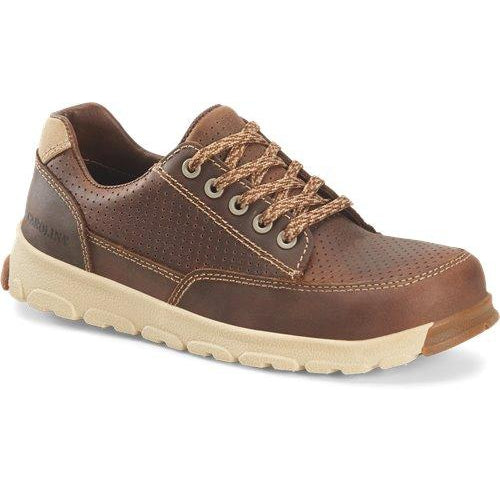
Carolina Women's S-117 Aluminum Toe Oxford Work Shoe- Mahogany- CA5674
Save 16%
Sale price$229.95
Regular price$273.00
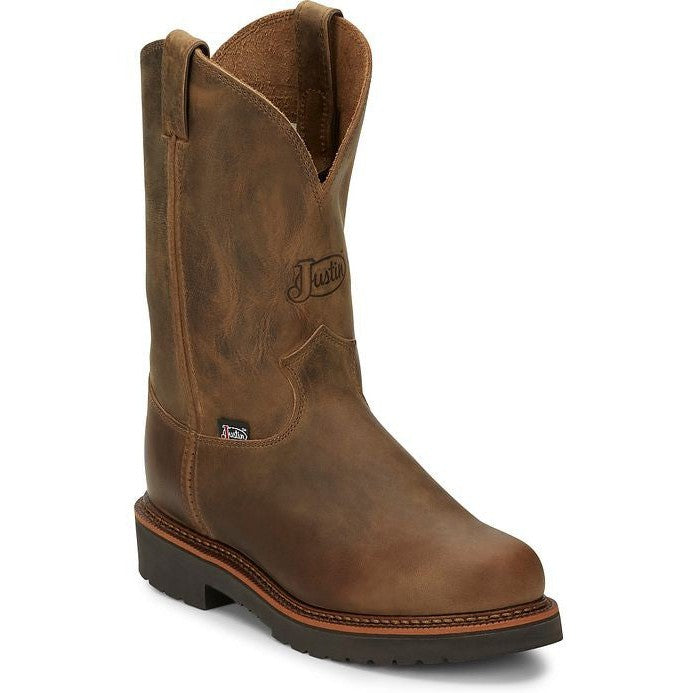
Justin Men's Blueprint 11” Slip Resistant Work Boot - Tan Gaucho - 4440

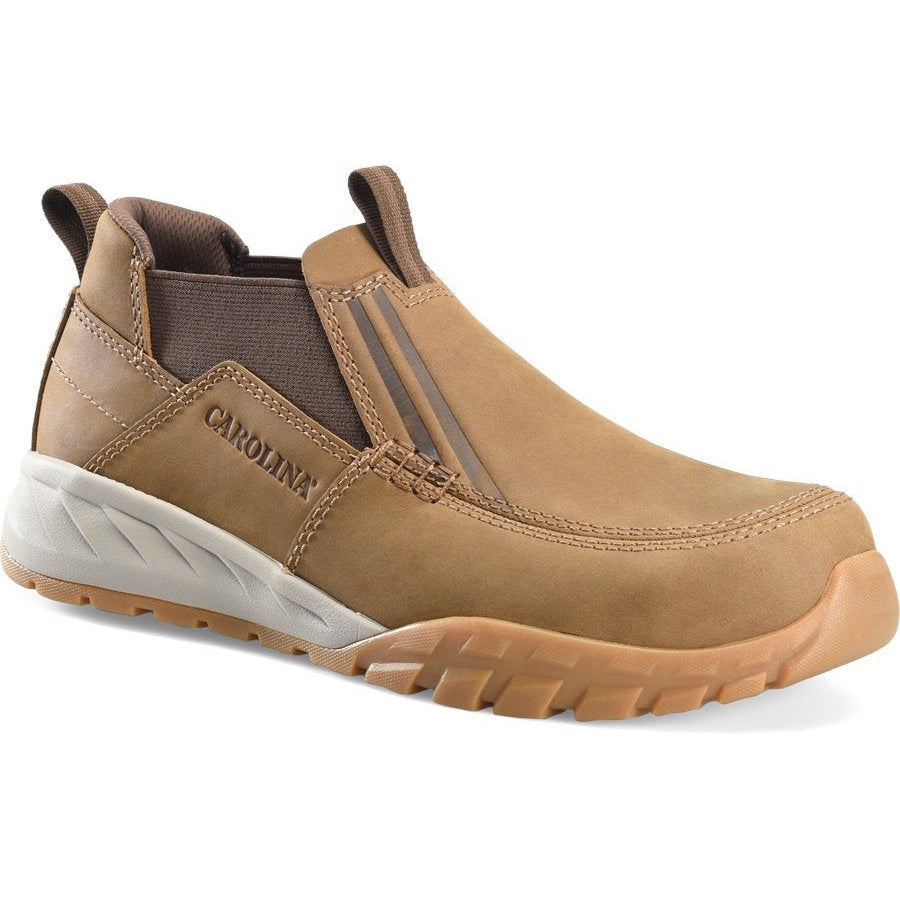
Sale price$139.99
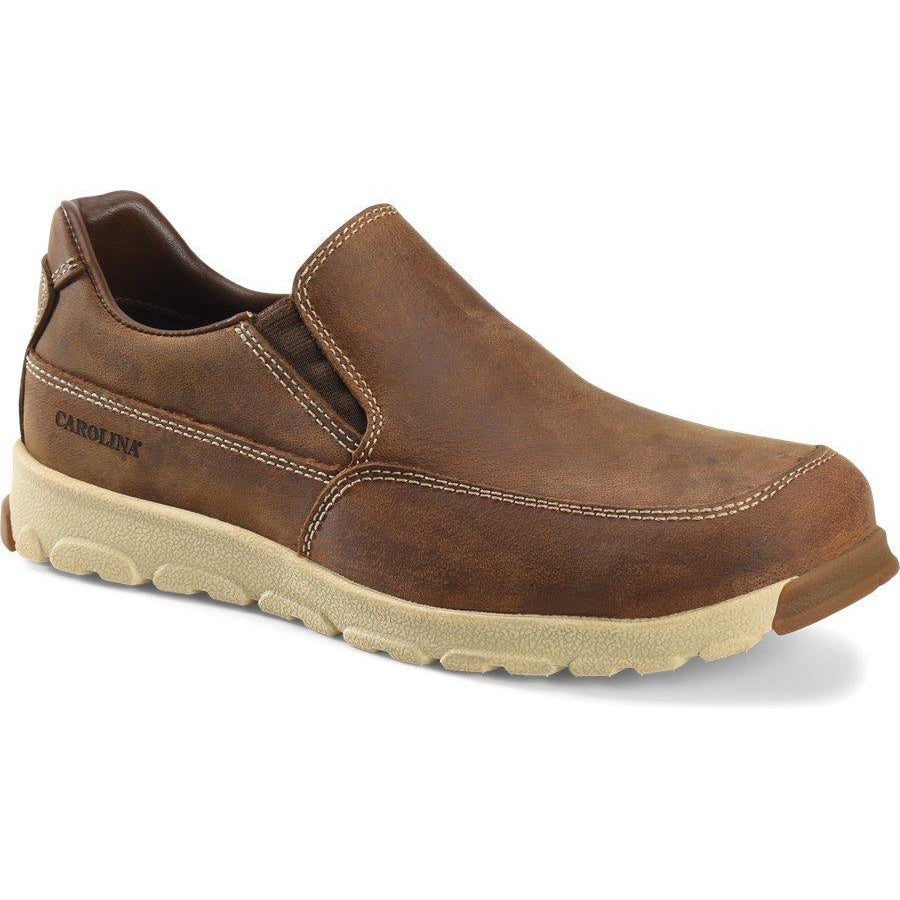
Carolina Men's S-117 Aluminum Toe Slip-On Work Shoe - Brown - CA5572
Save 16%
Sale price$144.95
Regular price$172.00
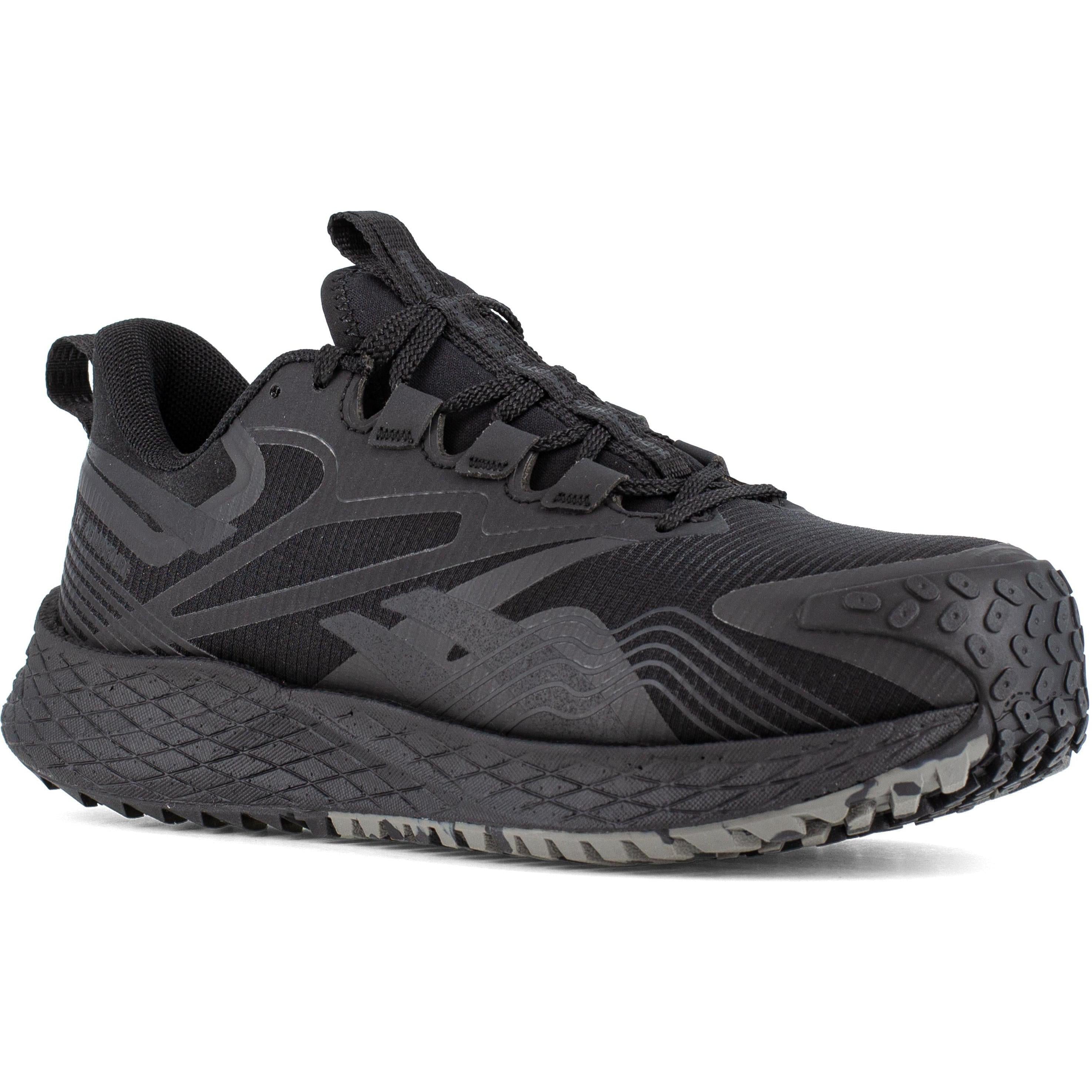
Reebok Men's FE4 Adventure Composite Toe Athletic Work Shoe- Black- RB3613
Save 15%
Sale price$144.95
Regular price$170.00
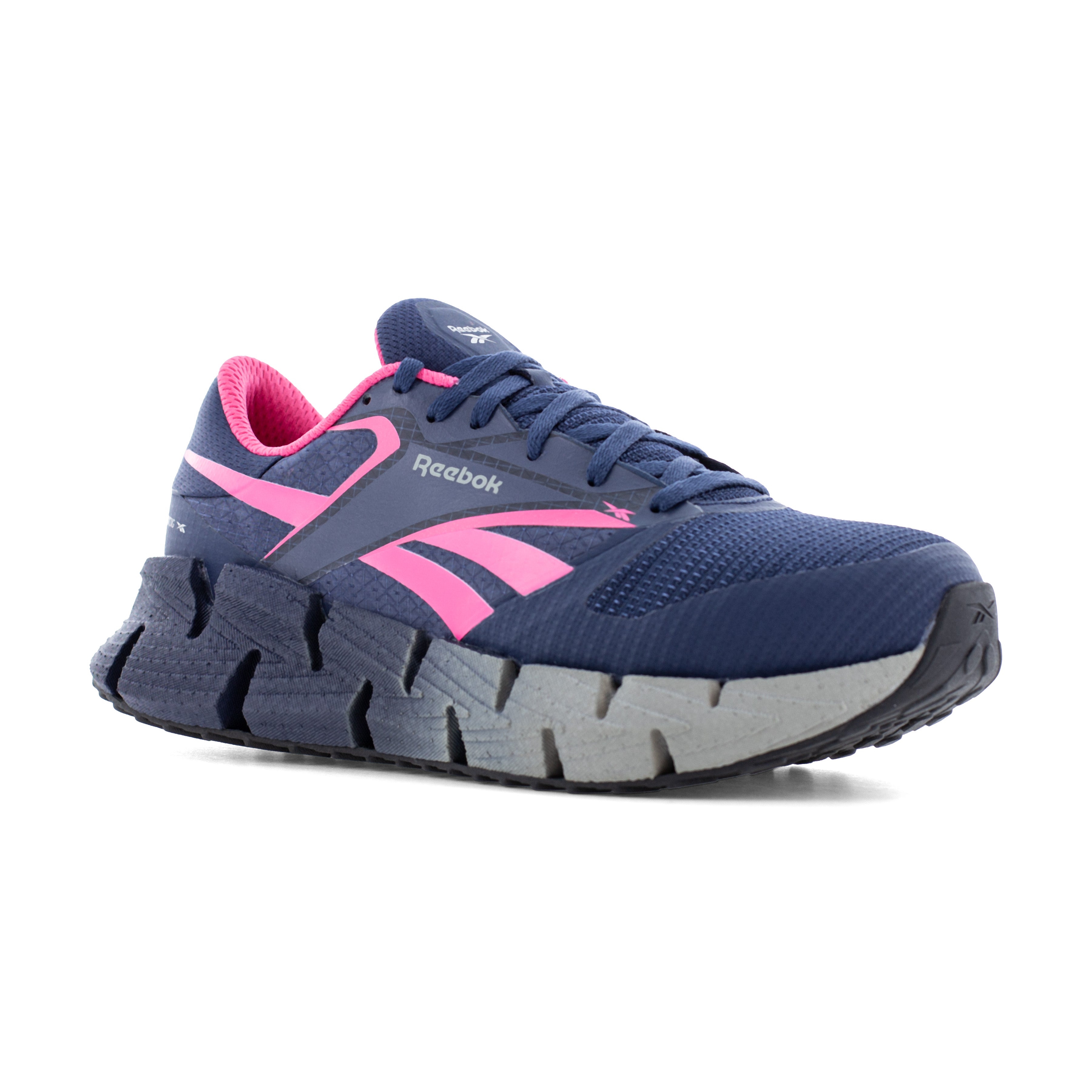
Reebok Women's FloatZig Composite Toe Athletic Work Shoe - Blue - RB309
Save 10%
Sale price$139.50
Regular price$155.00
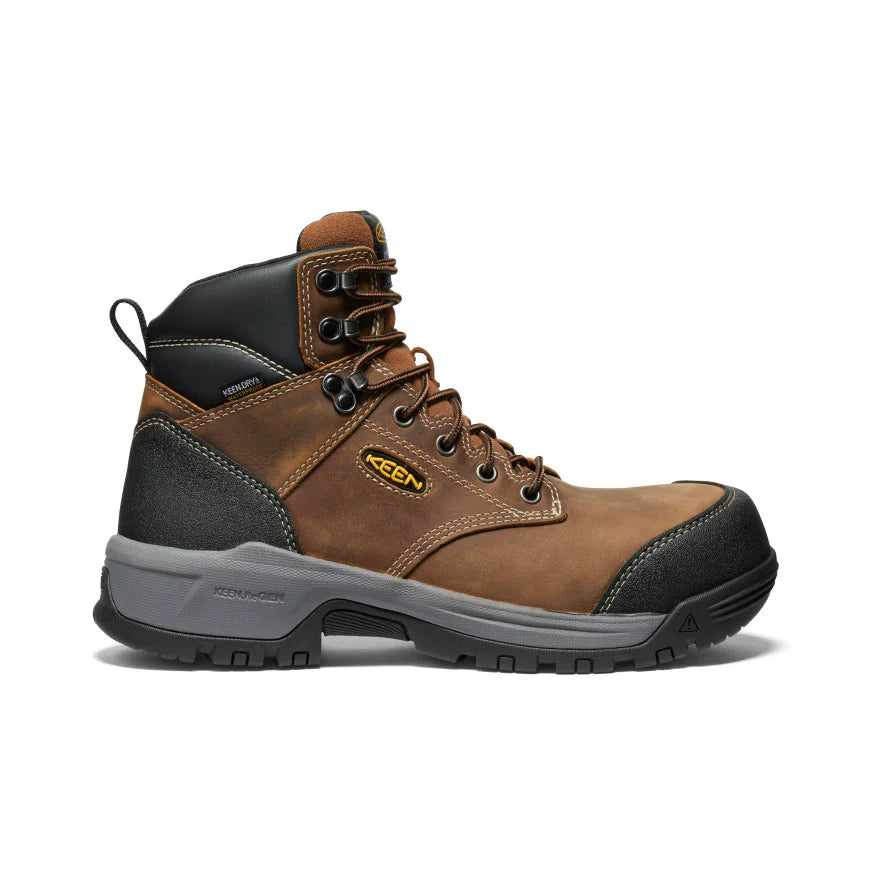
Keen Men's ESD Evanston 6" Carbon Toe Waterproof Work Boot - Brown - 1029390
Save 10%
Sale price$139.50
Regular price$155.00
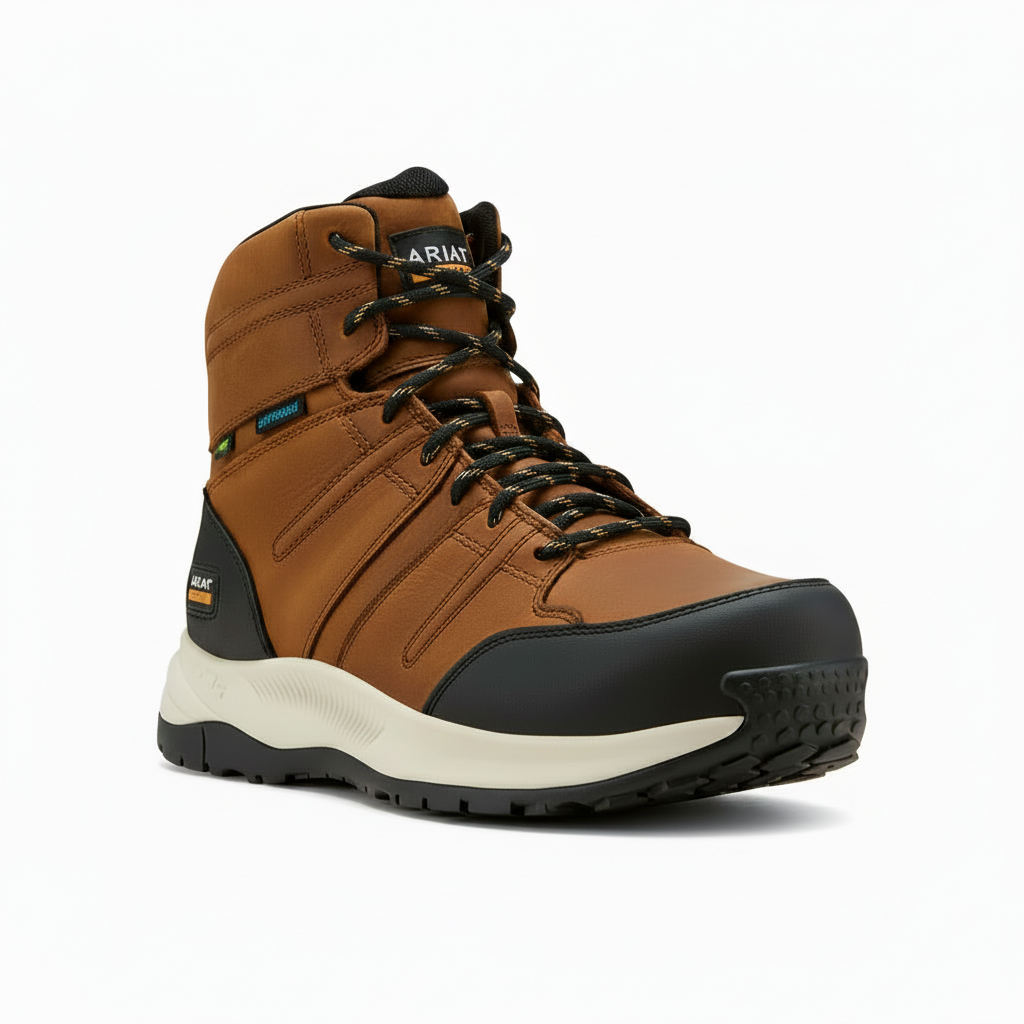
Keen Women's ESD Evanston 6" Carbon Toe Waterproof Work Boot - Brown - 1029391
Save 28%

Sale price$143.67
Regular price$200.00
Carolina Men's Bruno Lo 5" Carbon Composite Waterproof Work Boot -Brown- CA5522
Save 16%
Sale price$134.95
Regular price$161.00
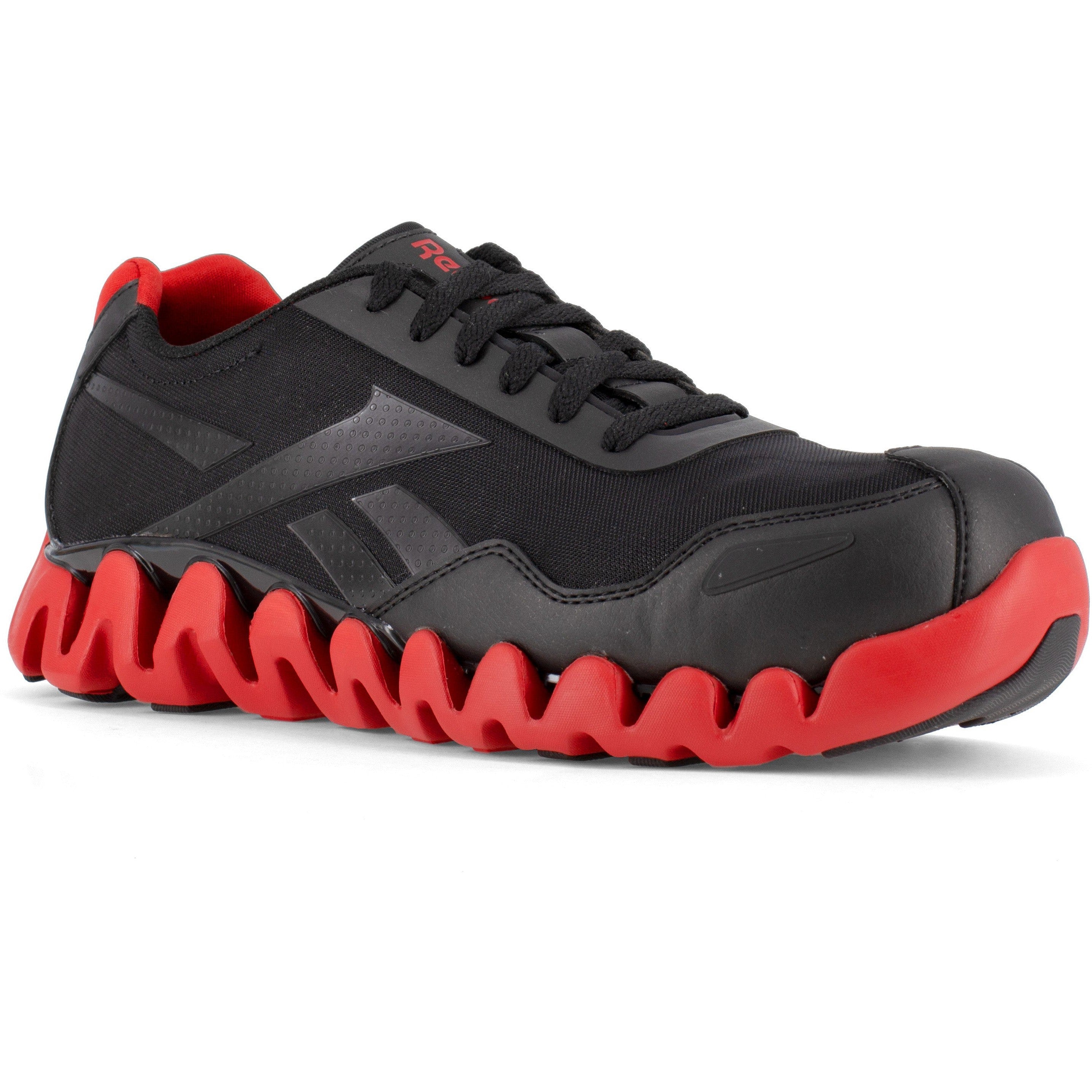
Reebok Men's Zig Pulse Composite Toe Athletic Work Shoe- Black- RB3016
Save 15%
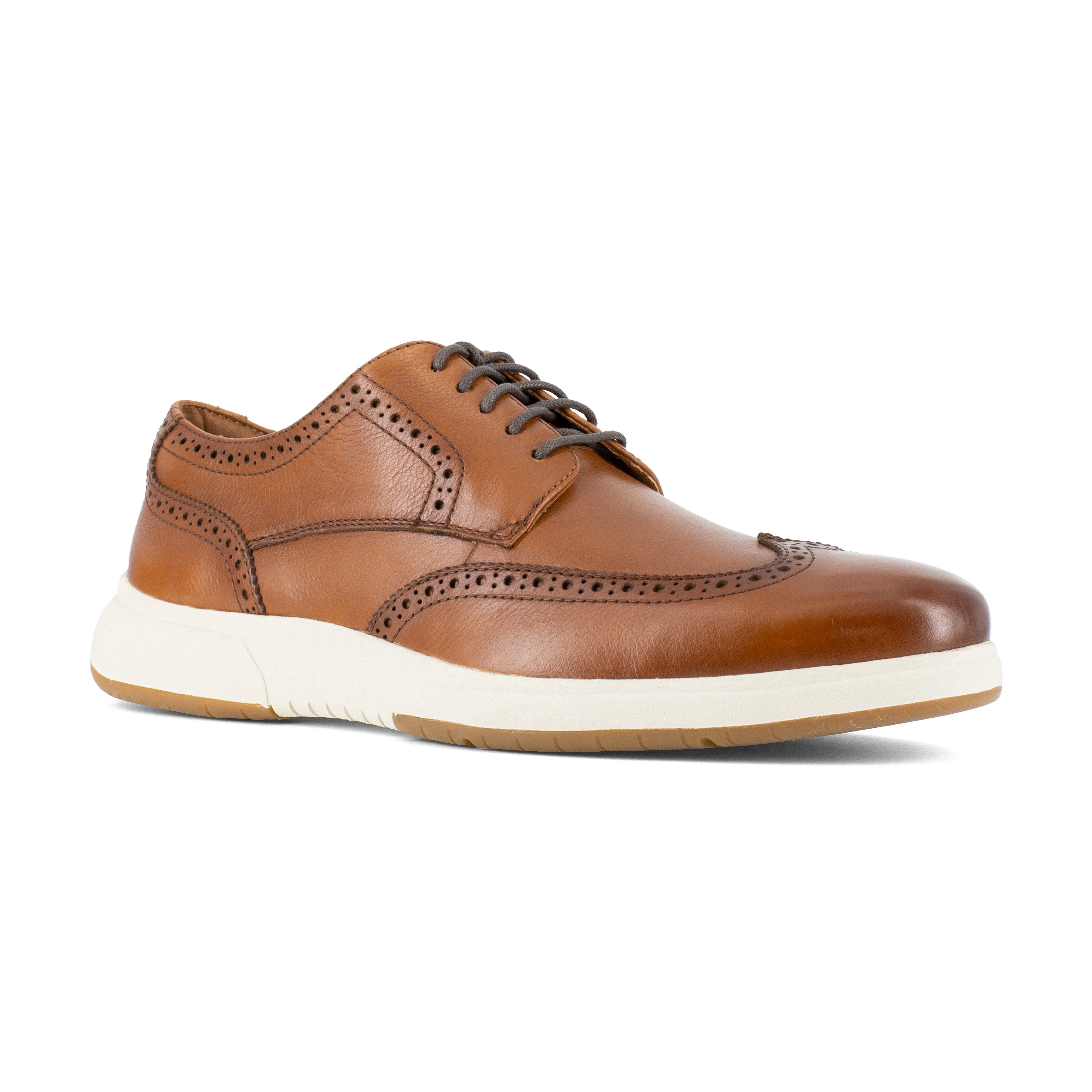
Sale price$129.95
Regular price$153.00
Florsheim Men's Flair Steel Toe Wingtip Oxford Work Shoe - Cognac - FS2623
Save 15%
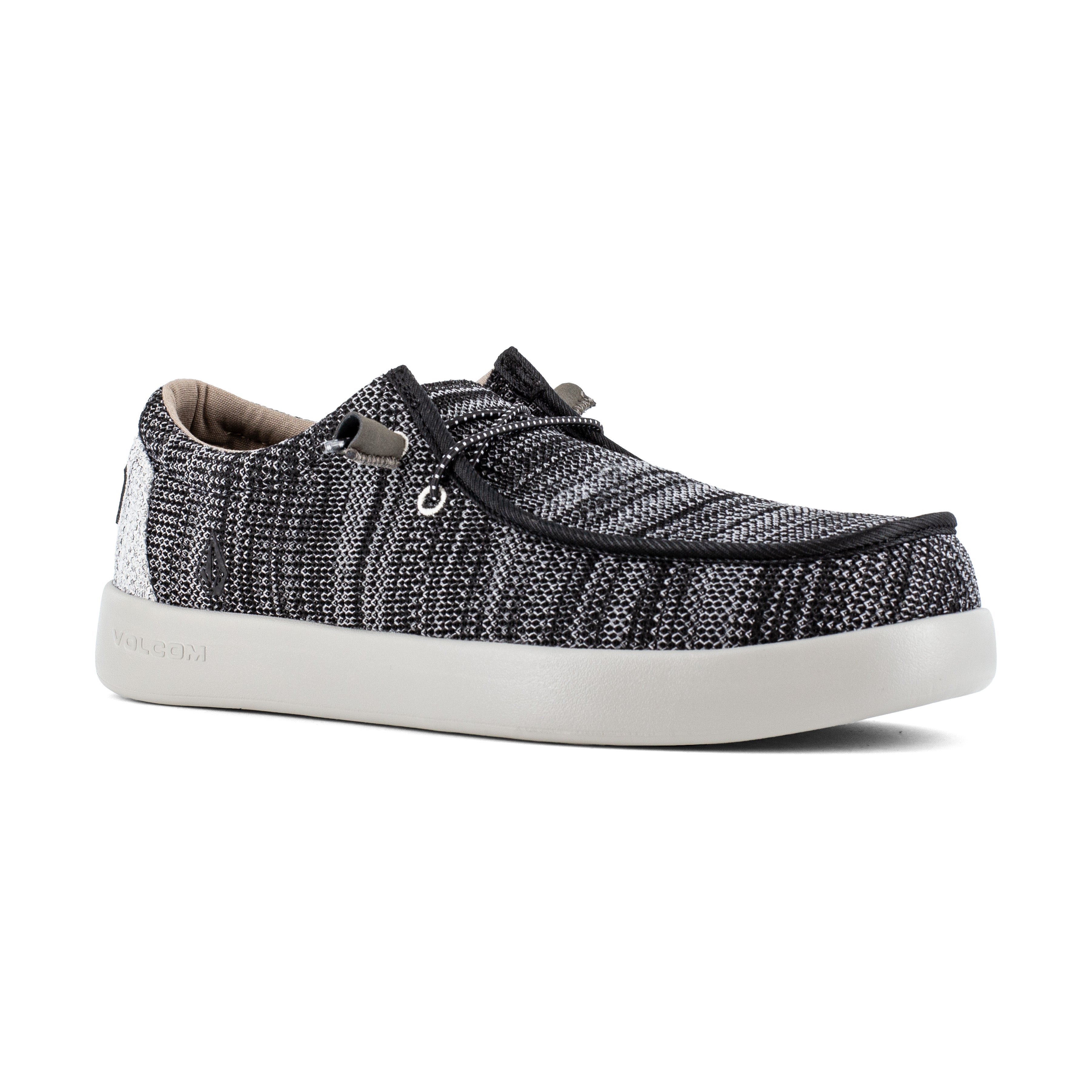
Sale price$114.95
Regular price$136.00
Volcom Men's Chill Composite Toe Casual Work Shoe - Electrostatic Dissipative - VM30809
Save 28%
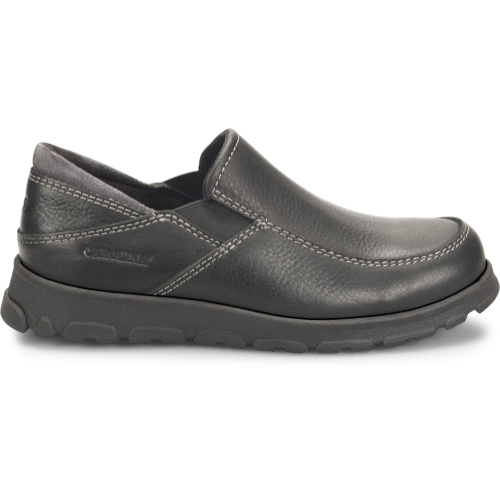
Sale price$95.67
Regular price$132.00
Carolina Women's S-117 Electrostatic Dissipative Alum Toe Lightweight Slip-On Work Shoe Black- CA5672
Save 6%
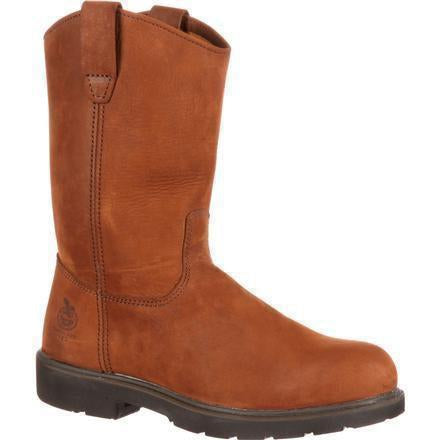
Sale price$170.00
Regular price$180.00
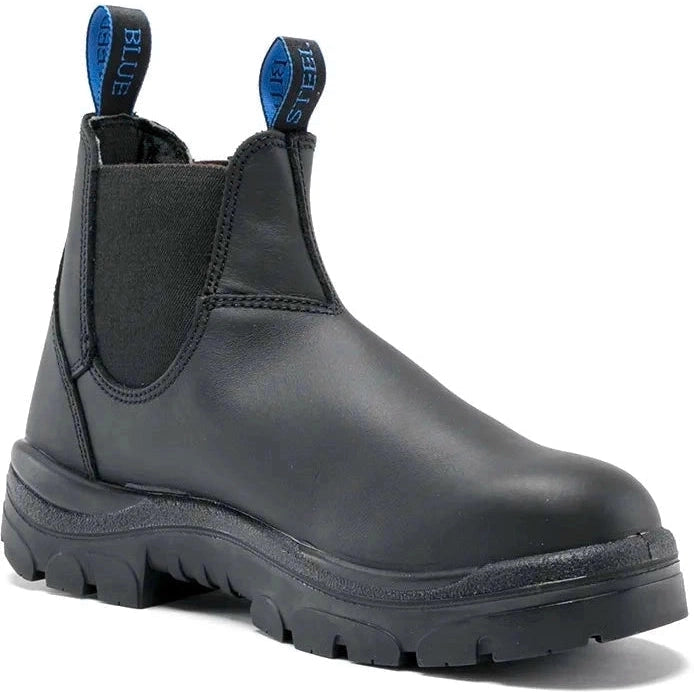
Georgia Men's Steel Toe Static Dissipative Wellington Work Boot - G4673
Save 15%
Sale price$124.95
Regular price$147.00
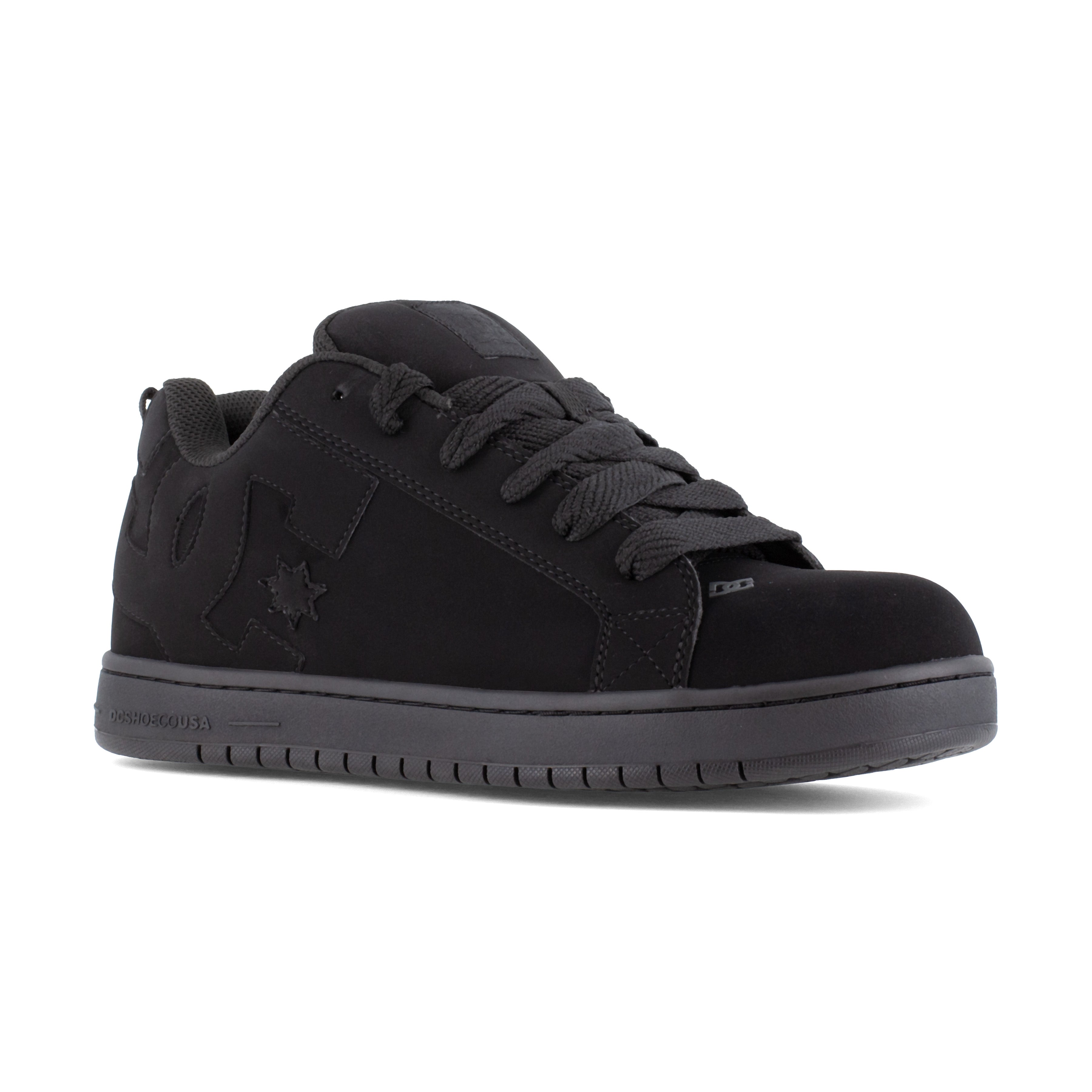
DC Men's Court Graffik Composite Toe Work Shoe - Black - DC60101
Save 21%
Sale price$119.95
Regular price$151.00
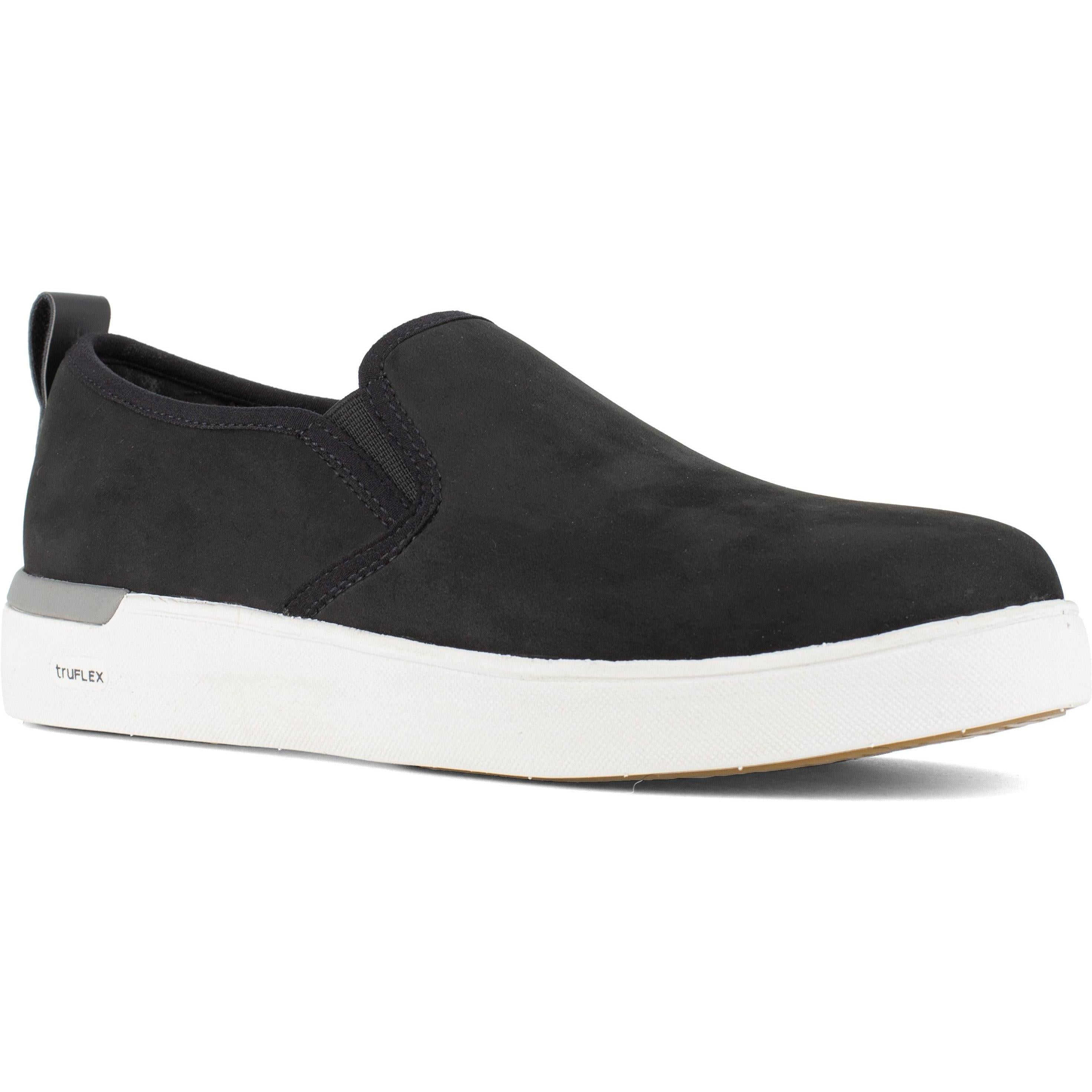
Rockport Men's Parissa Comp Toe Slip On Classic Work Shoe - Black - RK643
Save 12%
Sale price$170.15
Regular price$194.00
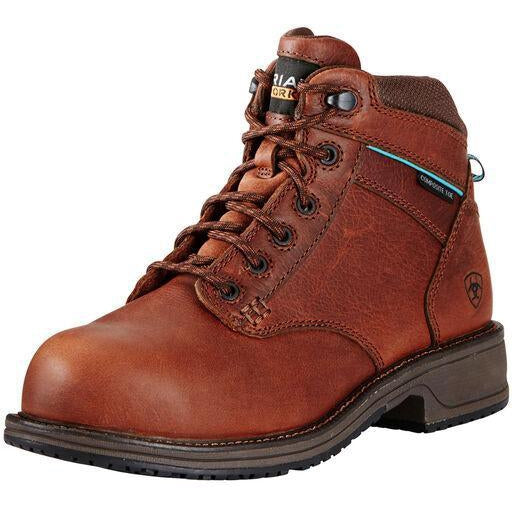
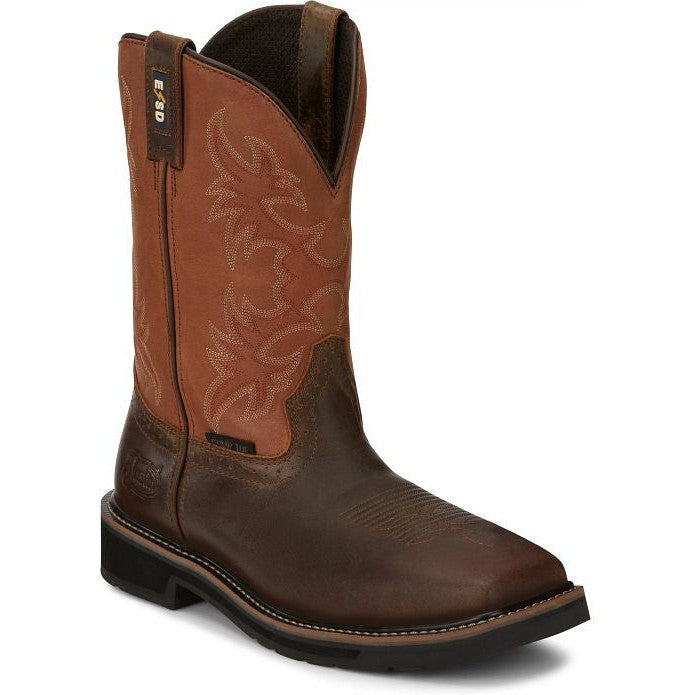
Justin Men's Actuator 11" Composite Toe Static Dissipative Work Boot - Brown - SE4300
Save 17%
Sale price$124.95
Regular price$150.00
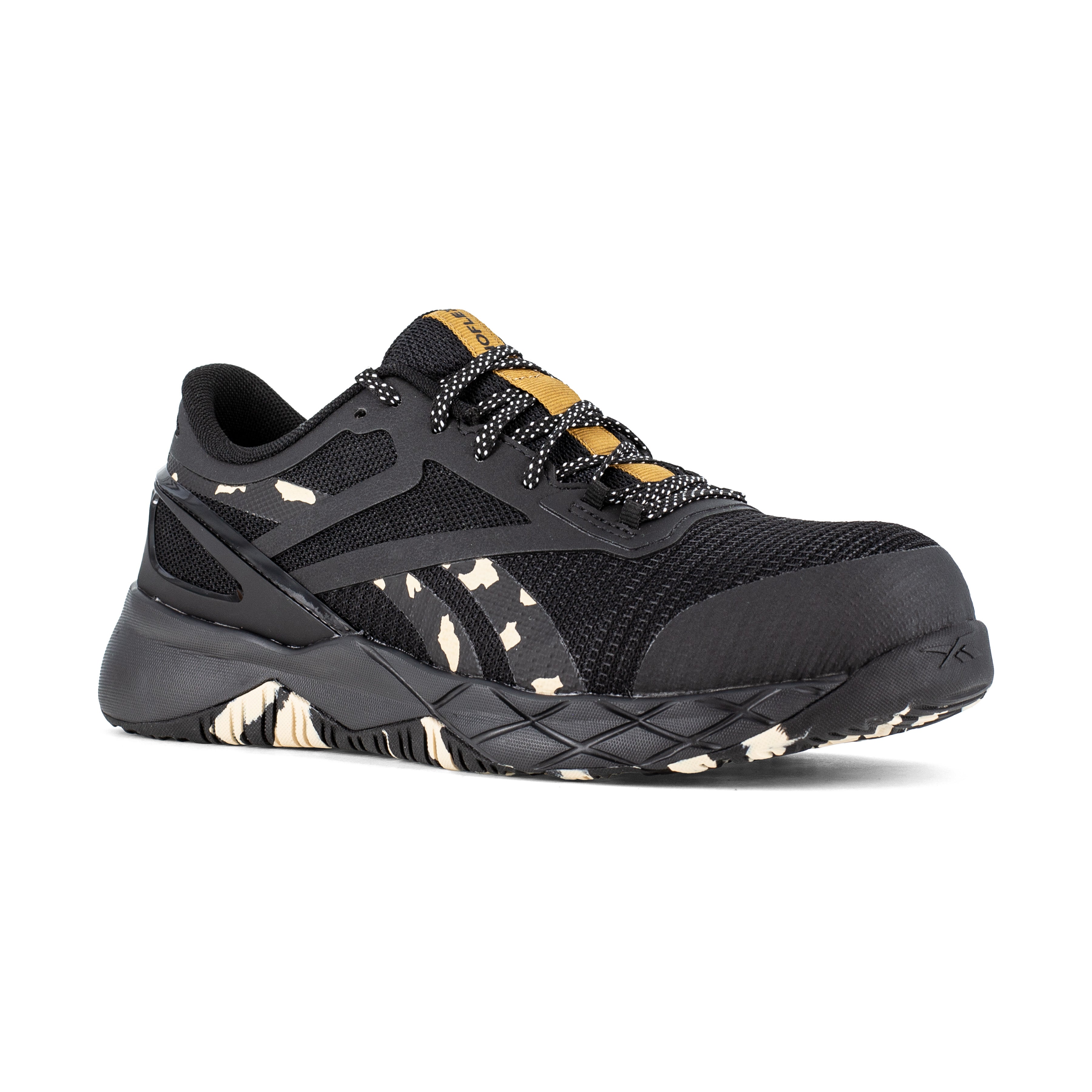
Reebok Women's Nanoflex TR Composite Toe Athletic Work Shoe - Black - RB366
Save 17%

Sale priceFrom $109.95
Regular price$132.00
Reebok Men's Harman Comp Toe Classic Sneaker Work Shoe - Black/White - RB1982
Save 17%
Sale price$119.99
Regular price$144.00
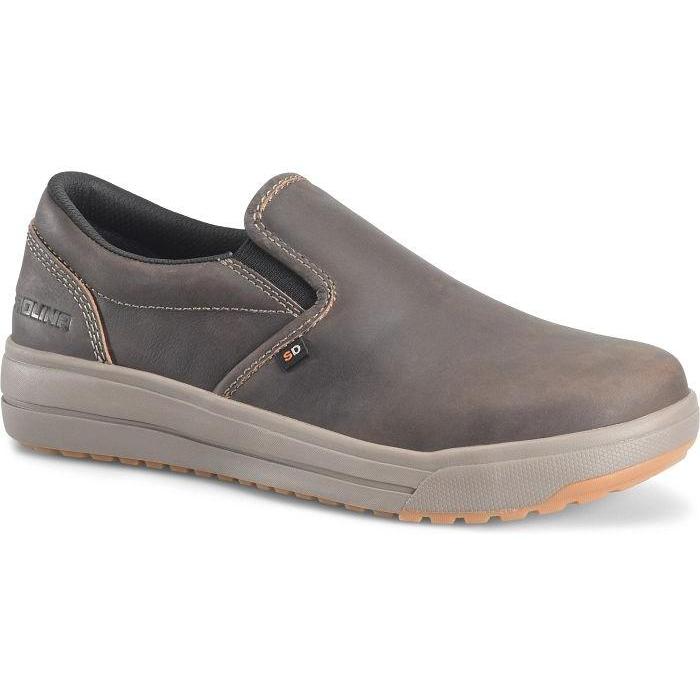
Carolina Men's Stabline Composite Toe Slip On Work Shoe- Grey- CA2322
Save 16%
Sale price$129.95
Regular price$154.00
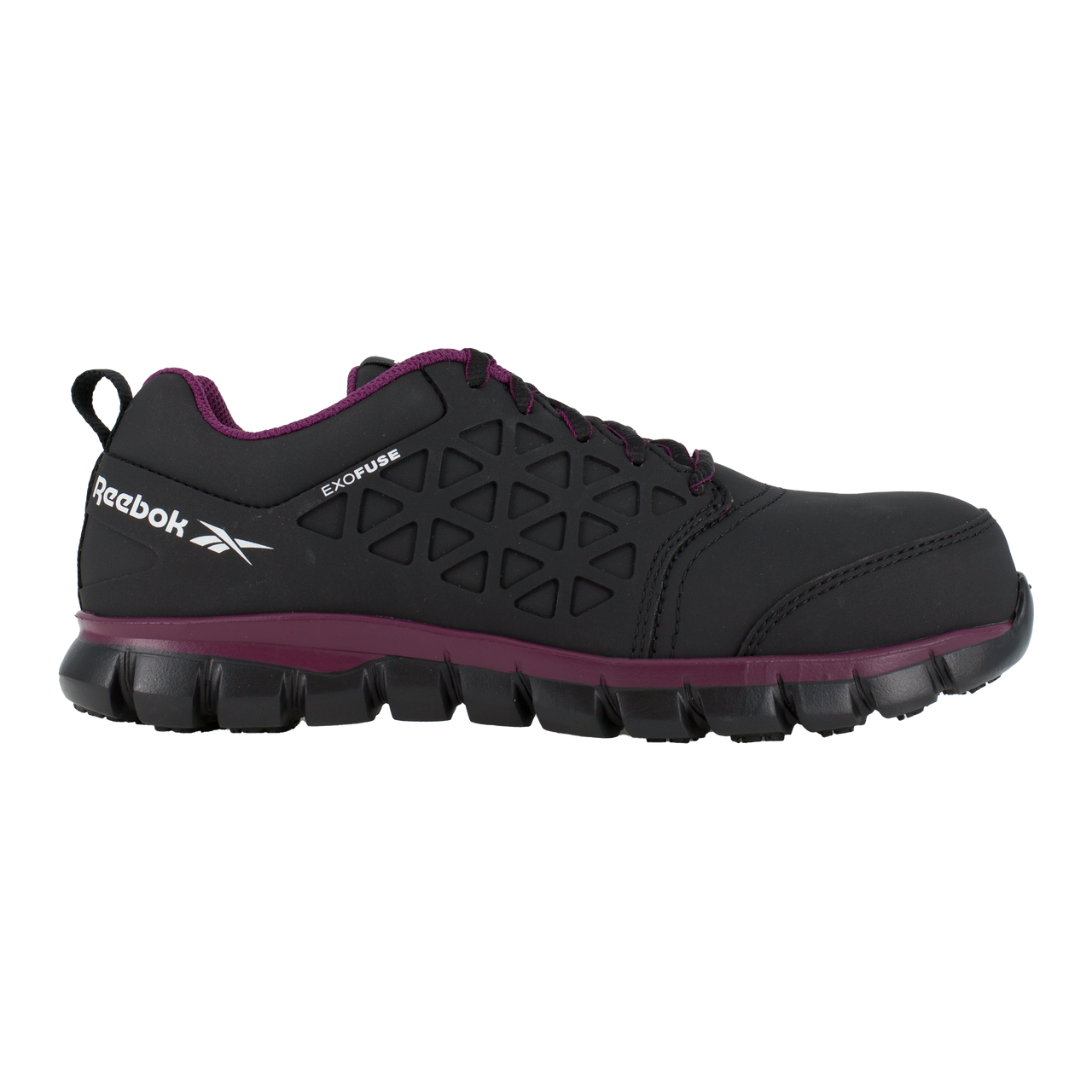
Reebok Women's Sublite Cushion Composite Toe Athletic Work Shoe - Black - RB492
Frequently Asked Questions
It gives static charge a controlled path from your body through the sole to the floor, bleeding it away steadily rather than letting it build and then discharge all at once. Under ASTM F2413, SD footwear is tested to keep electrical resistance within a specified range, low enough to drain charge but high enough to still offer some resistance to current. That controlled range is the whole point: too conductive is as wrong as too insulating.
They do opposite jobs and are mutually exclusive under ASTM F2413. An EH sole resists current flowing through the boot to ground, protecting you from a live circuit. An SD sole deliberately allows charge to flow to ground, protecting components from you. A shoe carries one rating or the other, never both, so read the label against what your protocol actually requires. Our electrical hazard boots collection covers the EH side.
Not properly. SD footwear is one half of a system: the shoe drains charge to the floor, and the floor has to be part of a grounded ESD program for the charge to actually go anywhere. Wearing SD shoes on ordinary sealed concrete or vinyl gives you far less protection than the rating implies. If your facility runs an ESD program, the flooring is specified alongside the footwear.
Sock choice matters more than most people expect, because the path runs from your body through the sock and the footbed into the sole. Thick insulating socks and aftermarket insoles can interrupt that path and take the shoe out of its tested range. If you need a custom orthotic, check whether your facility's ESD program permits it, and use dissipative insoles where they are available.
Most ESD programs require testing at the start of each shift on a footwear tester at the entry point, and that is standard practice in electronics manufacturing rather than an unusual precaution. Resistance changes with wear, contamination, humidity, and moisture, so a shoe that passed last month can fail today. The rating on the label describes the shoe when new, and daily testing is what confirms it still performs.
Yes, in steel, alloy, and composite, all meeting ASTM F2413 for impact and compression on the rated models, plus soft toe versions for environments without a crush hazard. The toe cap has no bearing on the SD rating, which comes from the sole and the internal conduction path. Toe type is stated in every product title.
Electronics assembly and repair, semiconductor and PCB manufacturing, cleanrooms, pharmaceutical production, aerospace component work, and fuel and solvent handling where a static spark is an ignition risk. Data centers and some telecom facilities specify it as well. The common thread is either sensitive components or a flammable atmosphere. Our warehouse shoes range covers the adjacent indoor work.
Most of this range is built as light athletic work shoes rather than boots, because ESD environments are typically flat indoor floors where ankle support and abrasion resistance matter less than cushioning and airflow. That makes them among the more comfortable options for standing work. Footbeds are removable on many models, though replacing them can affect the rating.
Rarely, and there is a reason for it. A waterproof membrane is an insulating layer, which works directly against a design intended to conduct charge away from your body. ESD environments are almost always dry indoor spaces, so the combination is seldom needed. If you need both, verify the SD rating specifically rather than assuming it survived the addition of a membrane.
The rating degrades with wear and contamination, and there is no fixed lifespan printed on the shoe. Worn outsoles, oil and chemical contamination, and general dirt all push resistance out of the tested range. This is exactly why daily testing exists in ESD programs. Once a shoe consistently fails the tester, it is finished as ESD footwear regardless of how much tread is left.
Recently viewed
Our Top Brands