Save 7%
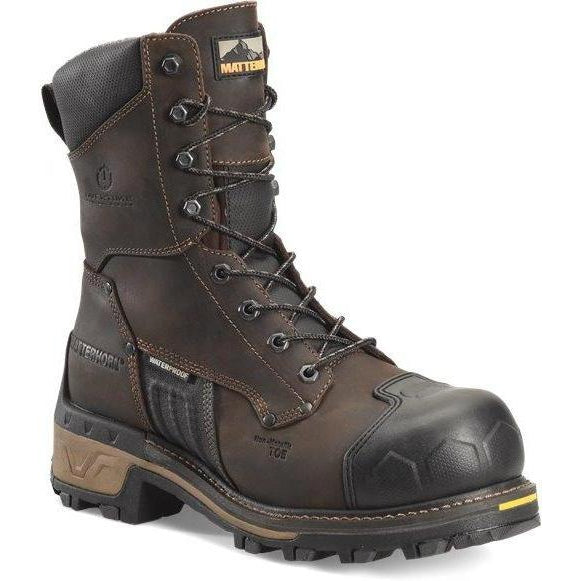
Sale price$223.19
Regular price$239.99
Matterhorn Men's Max 8" Composite Toe Waterproof Logger Work Boot Brown MT2560
Save 16%
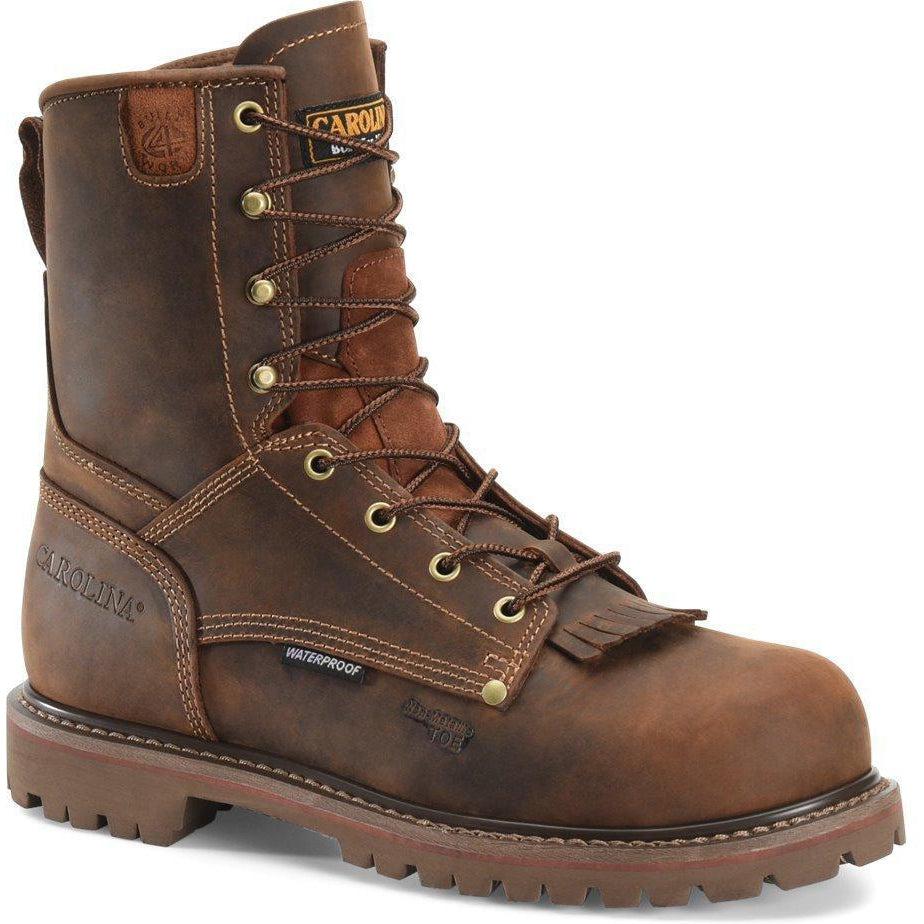
Sale price$193.19
Regular price$229.99
Carolina Men's 28 Series 8” Waterproof Composite Toe Work Boot - Kharthoum Cigar - CA8528
Save 16%
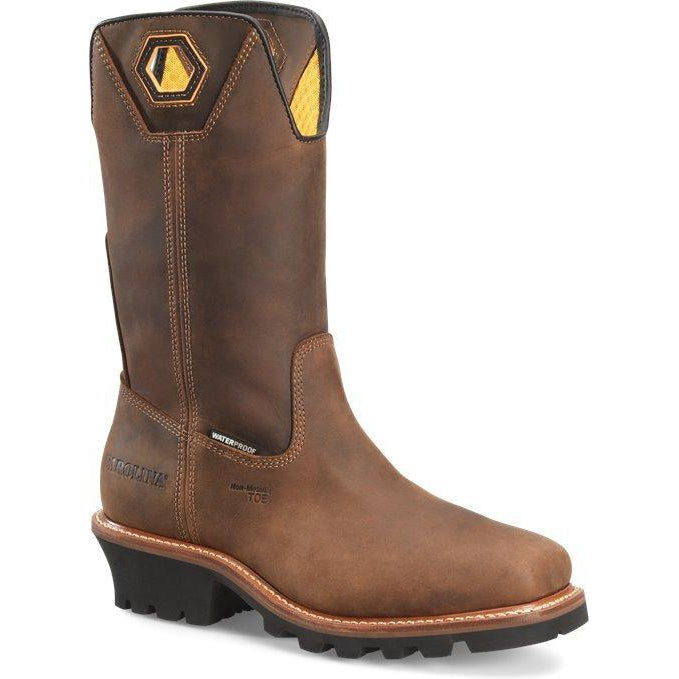
Sale price$247.79
Regular price$294.99
Carolina Men's Coppice 12" Composite Toe Waterproof Logger Work Boot- Brown- CA9833
Save 4%
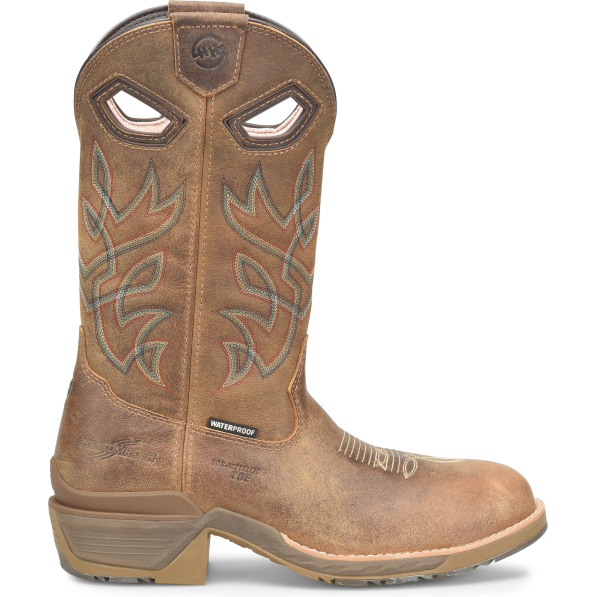
Sale price$214.99
Regular price$224.00
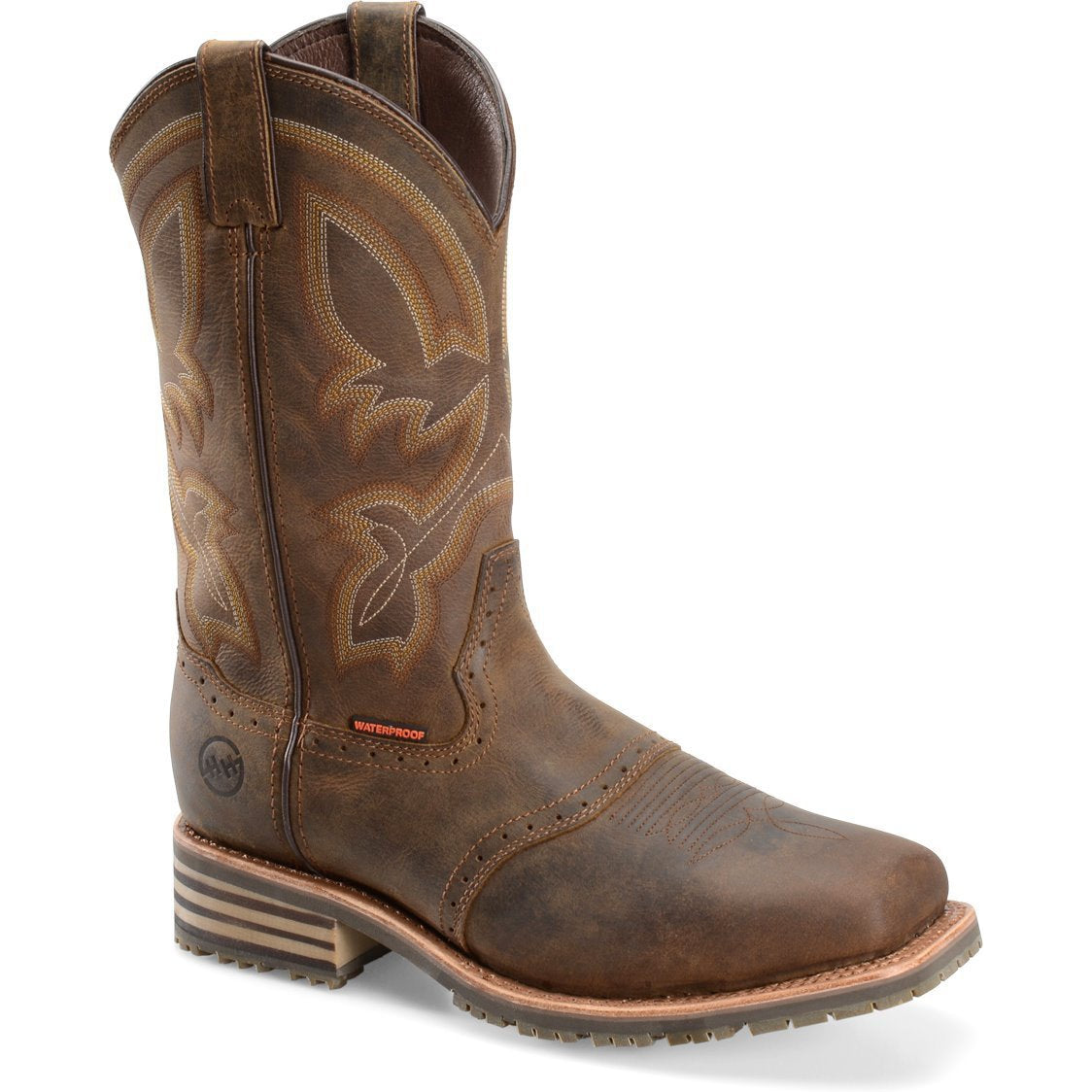
Double H Men's Cleave 12" Composite Toe Waterproof Western Work Boot - Brown - DH5422
Save 6%
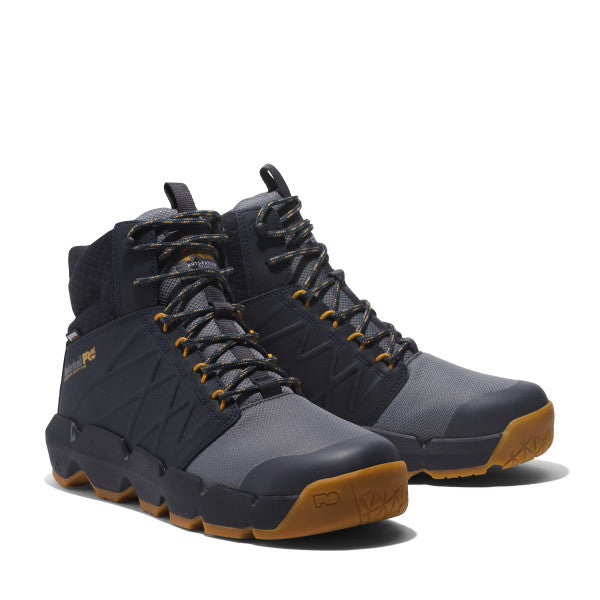
Sale price$159.95
Regular price$170.00
Timberland Pro Men's Morphix 6" Composite Toe Waterproof Work Boot - Grey - TB1A5YFU065
Save 22%
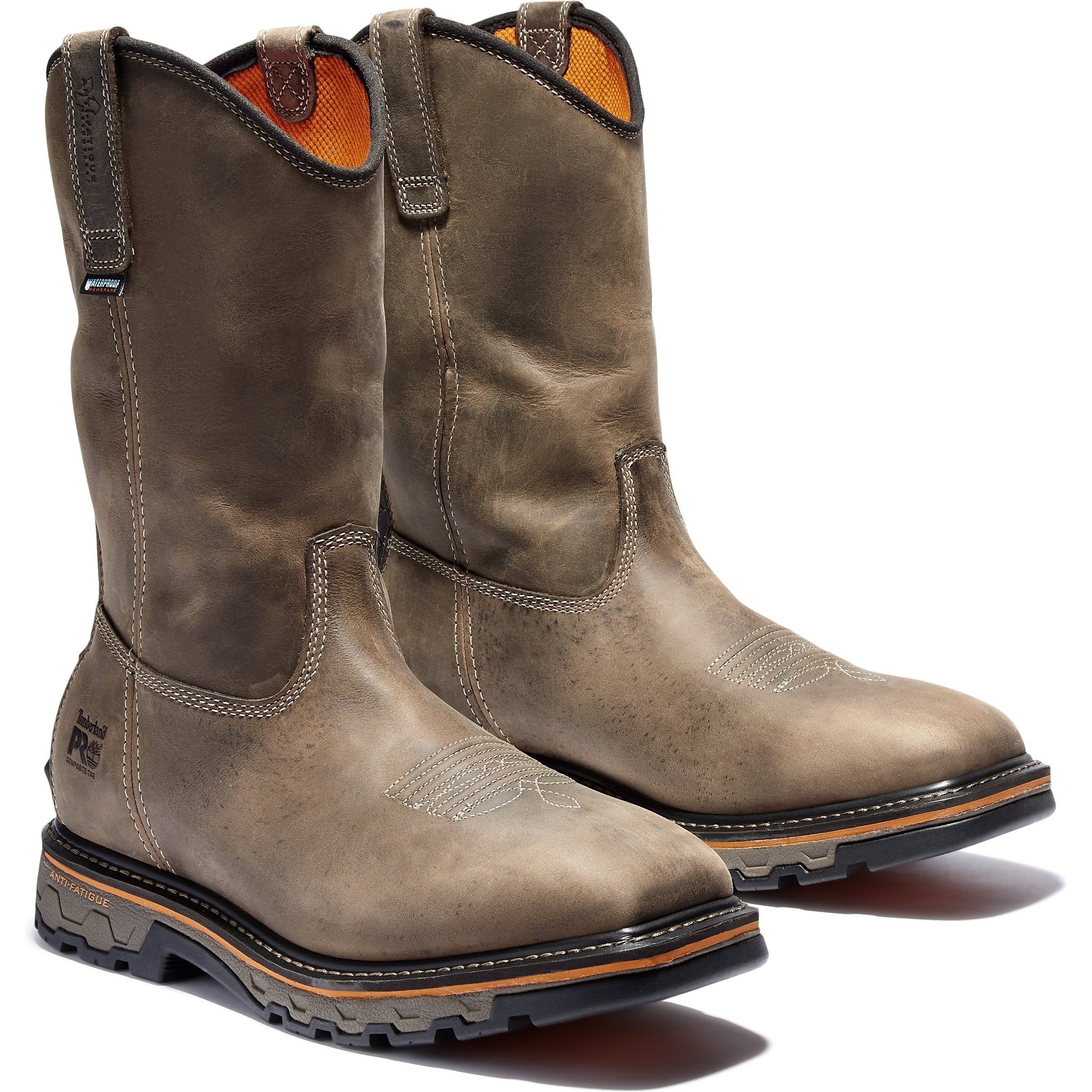
Sale price$159.95
Regular price$205.00
Timberland Pro Men's True Grit Soft Toe Waterproof Western Work Boot- TB1A24AJ214
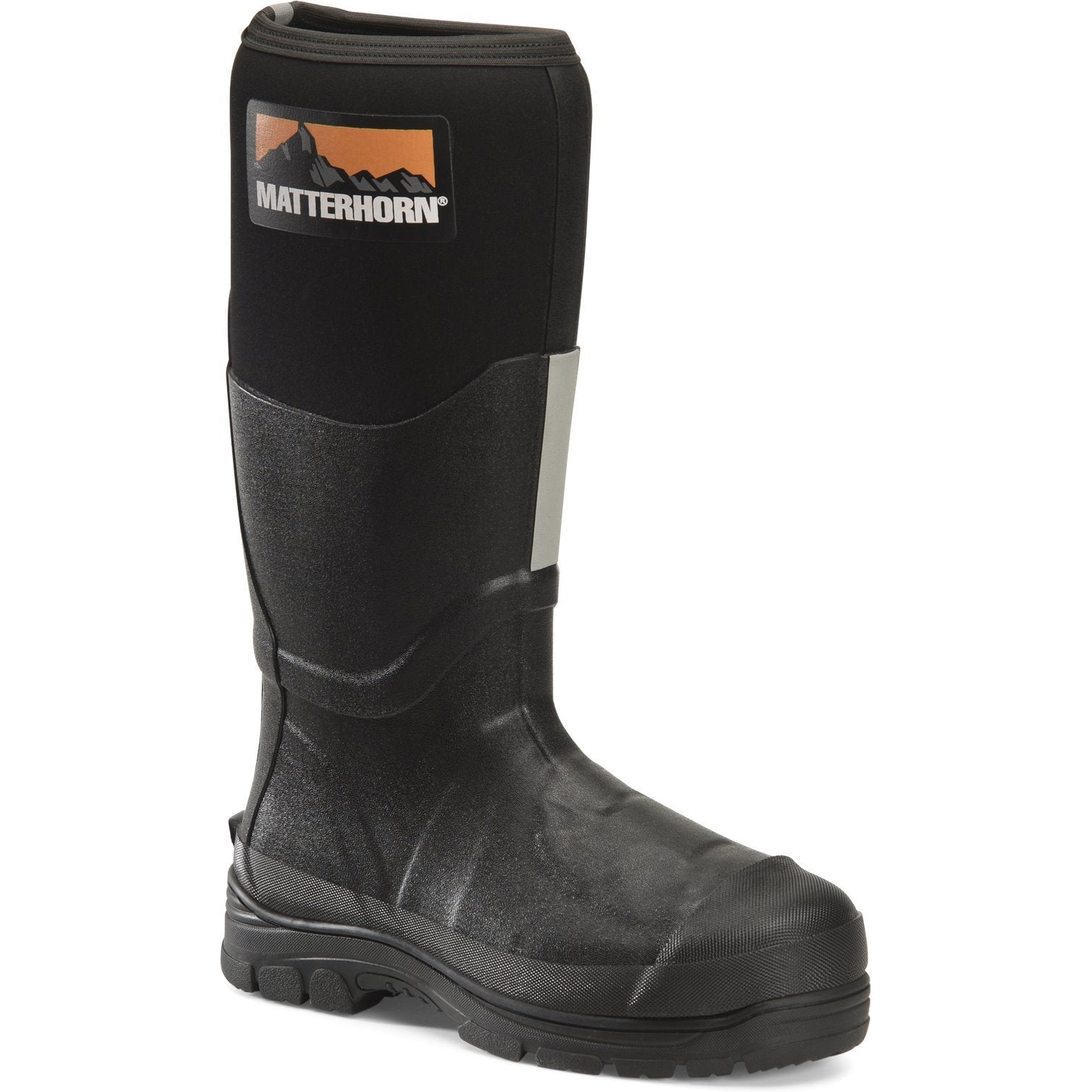
Save 20%
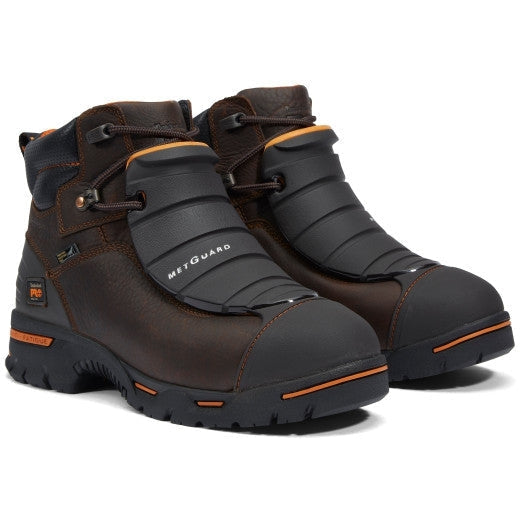
Sale price$164.95
Regular price$205.00
Timberland PRO Men's Endurance 6" Metguard Steel Toe Work Boot - TB1A172T214
Save 3%
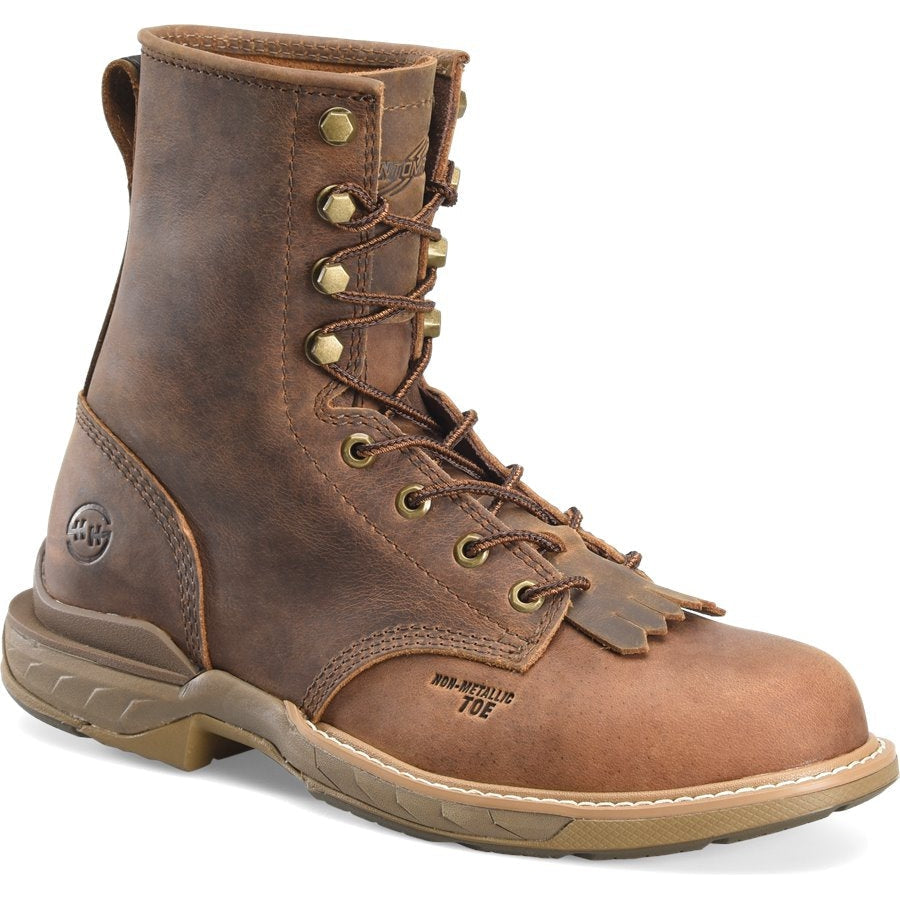
Sale price$194.99
Regular price$202.00
Double H Men's Phantom Rider Raid 8" Composite Toe Lacer Work Boot -Brown- DH5393
Save 13%
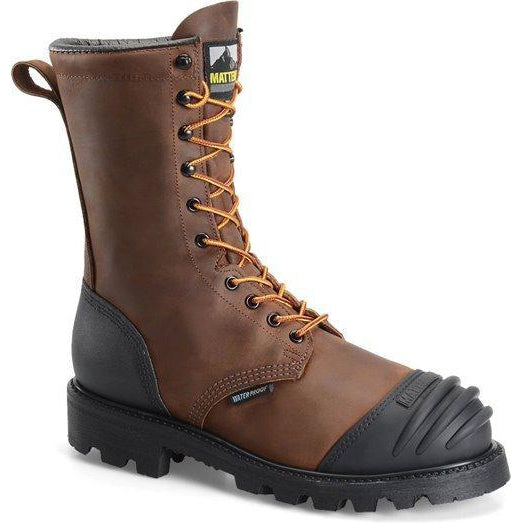
Sale price$330.14
Regular price$378.00
Matterhorn Men's Copper 10" Steel Toe Waterproof Metguard USA Made Work Boot - MT910
Save 16%
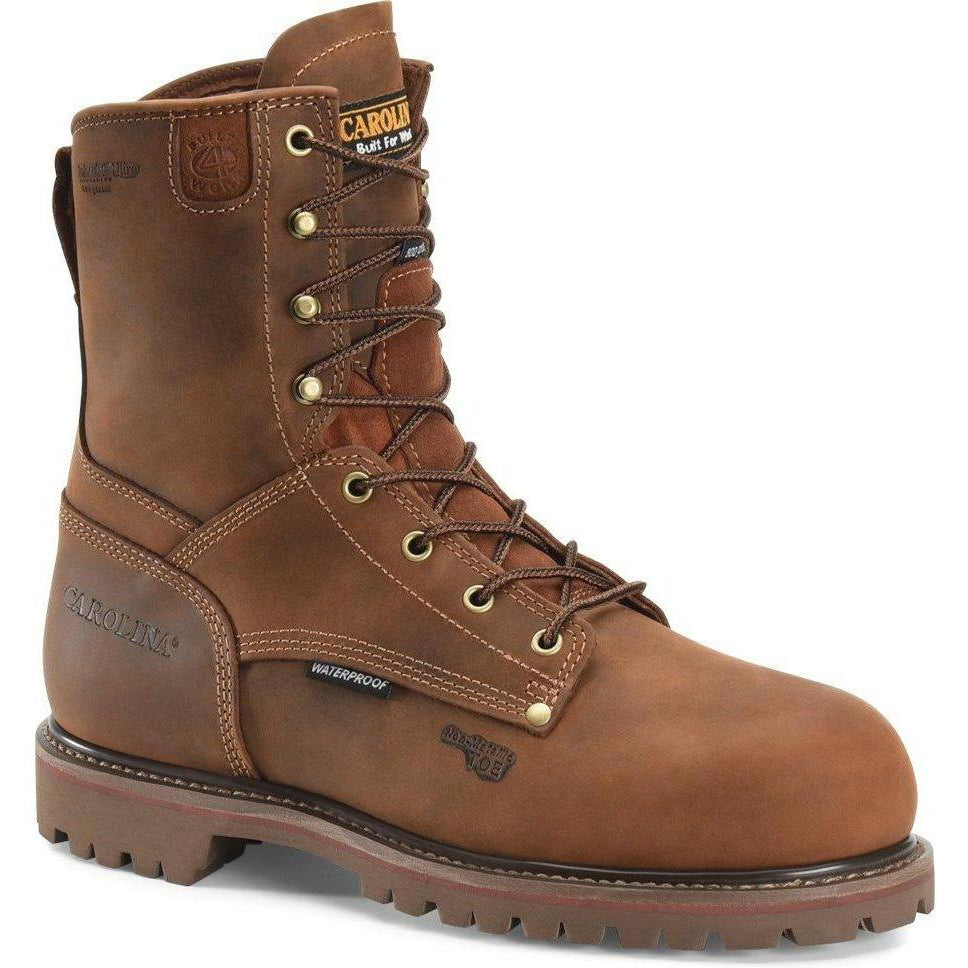
Sale price$205.79
Regular price$244.99
Carolina Men's 28 Series 8" Composite Toe Insulated Waterproof Boot - CA9528
Save 14%
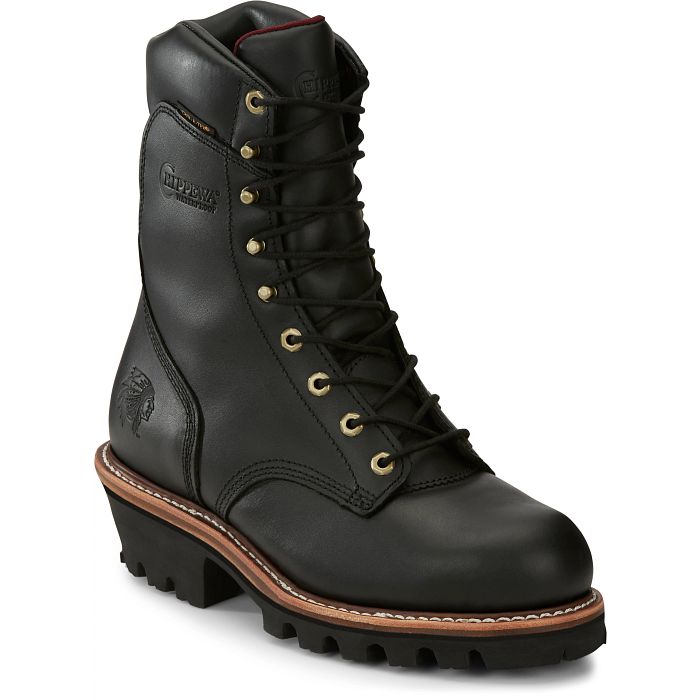
Sale price$284.76
Regular price$331.00
Chippewa Men's Super DNA 9" Steel Toe Waterproof 400G Ins Logger Work Boot - Black - 59410
Save 4%
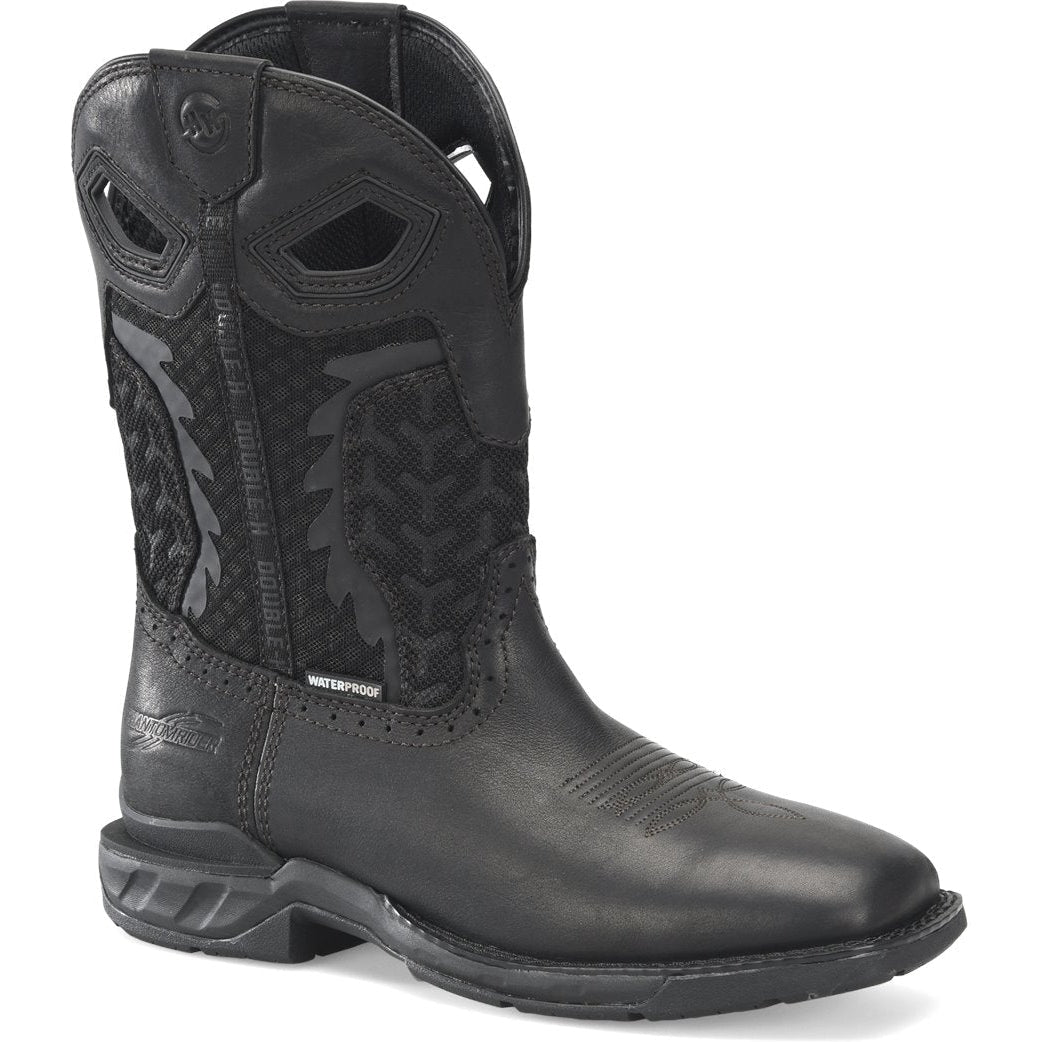
Sale price$189.99
Regular price$198.00
Double H Men's Phantom Rider Shadow 11" Waterproof Roper Work Boot -Black- DH5381
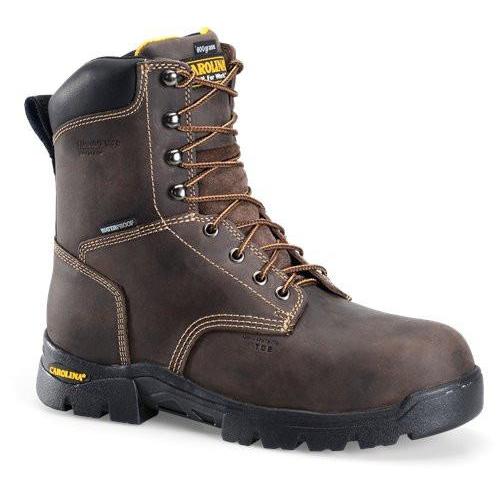
Sale price$164.99
Carolina Men's Circuit Hi 8" Composite Toe Insulated Work Boot - CA3538
Save 7%
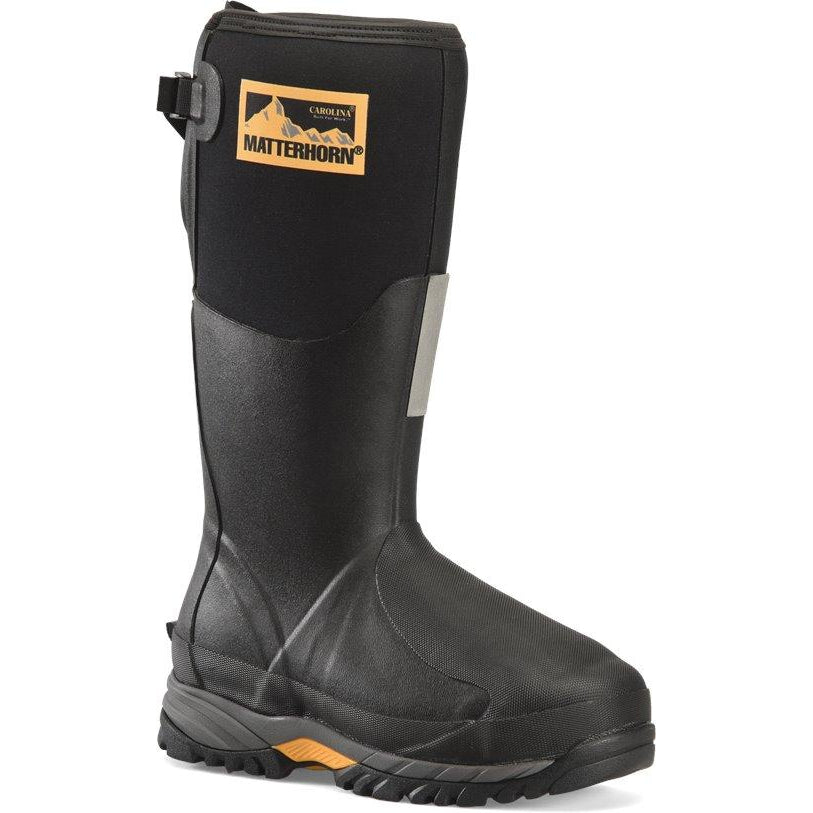
Sale price$176.69
Regular price$189.99
Matterhorn Men's Mud Jumper 15" Steel Toe Waterproof Metguard Rubber Work Boot- MT203
Save 14%
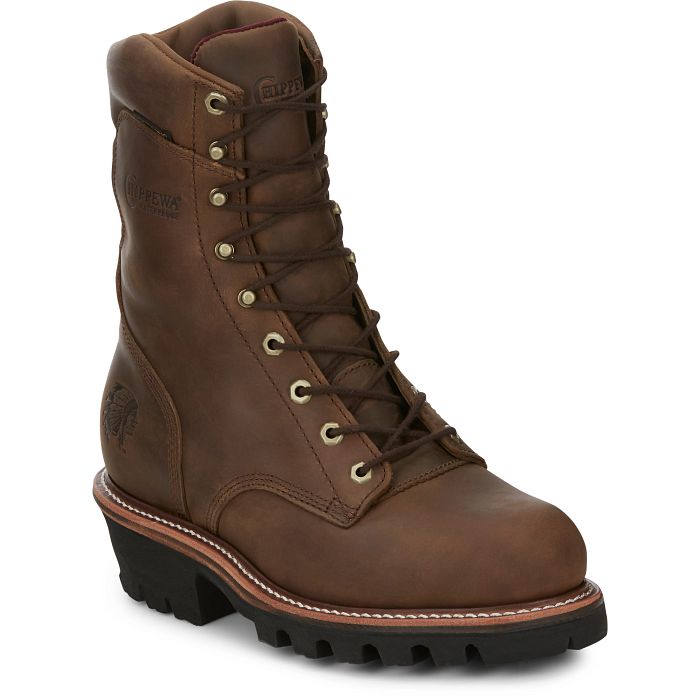
Sale price$284.76
Regular price$331.00
Chippewa Men's 9" Steel Toe Waterproof Ins Logger Work Boot - Brown - 59405
Save 27%
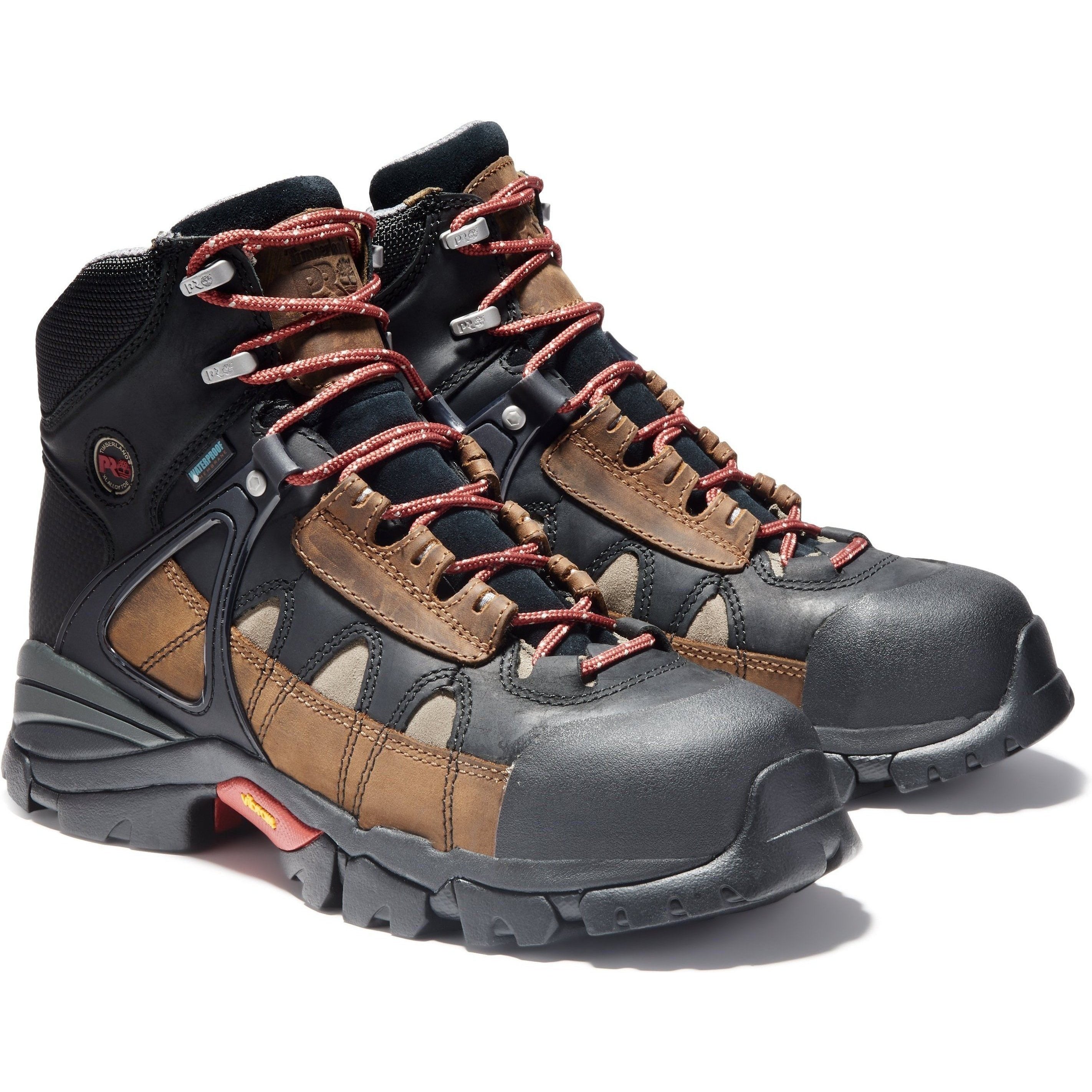
Sale price$149.95
Regular price$205.00
Timberland PRO Men's Hyperion 6" Alloy Toe Waterproof Work Boot - TB190646214
Save 8%
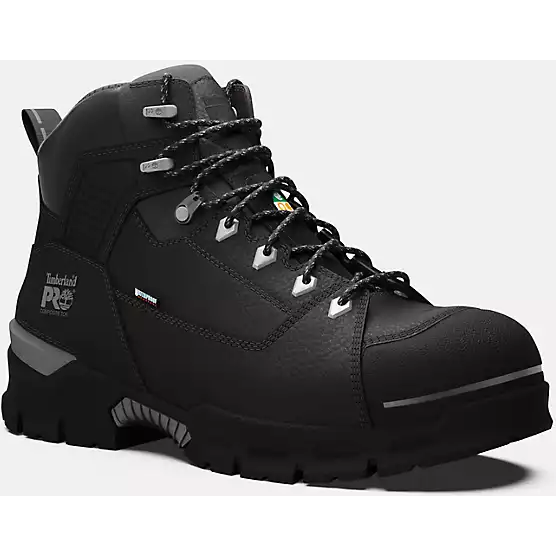
Sale price$179.95
Regular price$195.00
Timberland Pro Men's Endurance Evolution 6" Composite Toe Waterproof Work Boot -Black- TB0A5YYF001
Save 22%
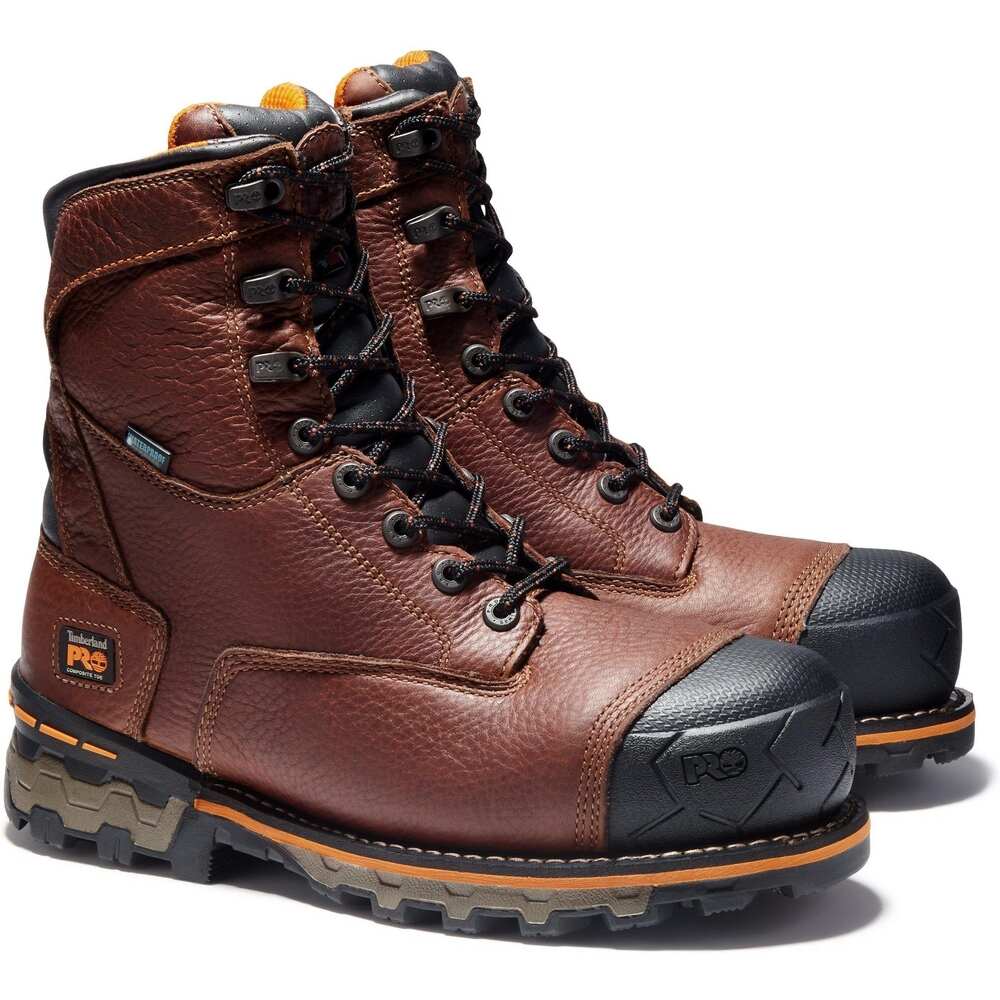
Sale price$199.95
Regular price$255.00
Timberland PRO Men's Boondock 8" Composite Toe Waterproof Ins Work Boot TB189628214
Save 18%
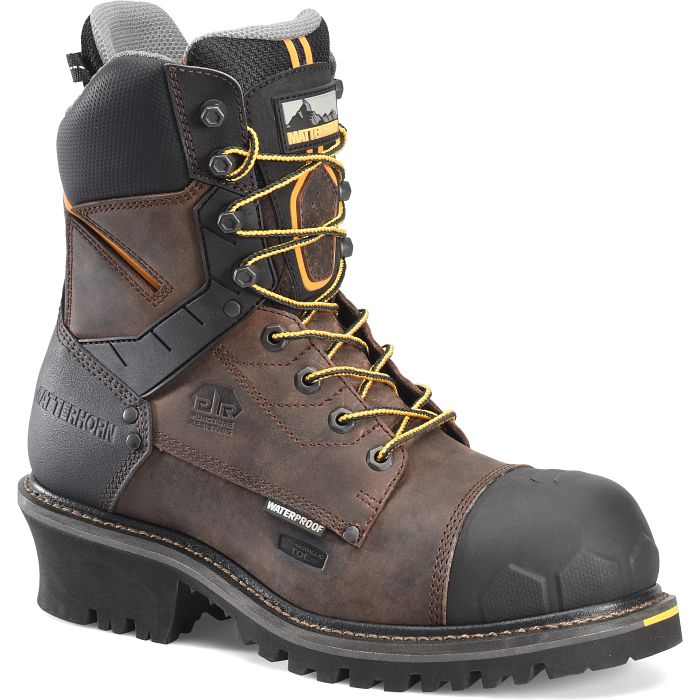
Sale price$190.67
Regular price$232.00
Matterhorn Men's Pr Steadfast 8" Waterproof Composite Toe Logger Work Boot -Brown- MT2558
Save 16%
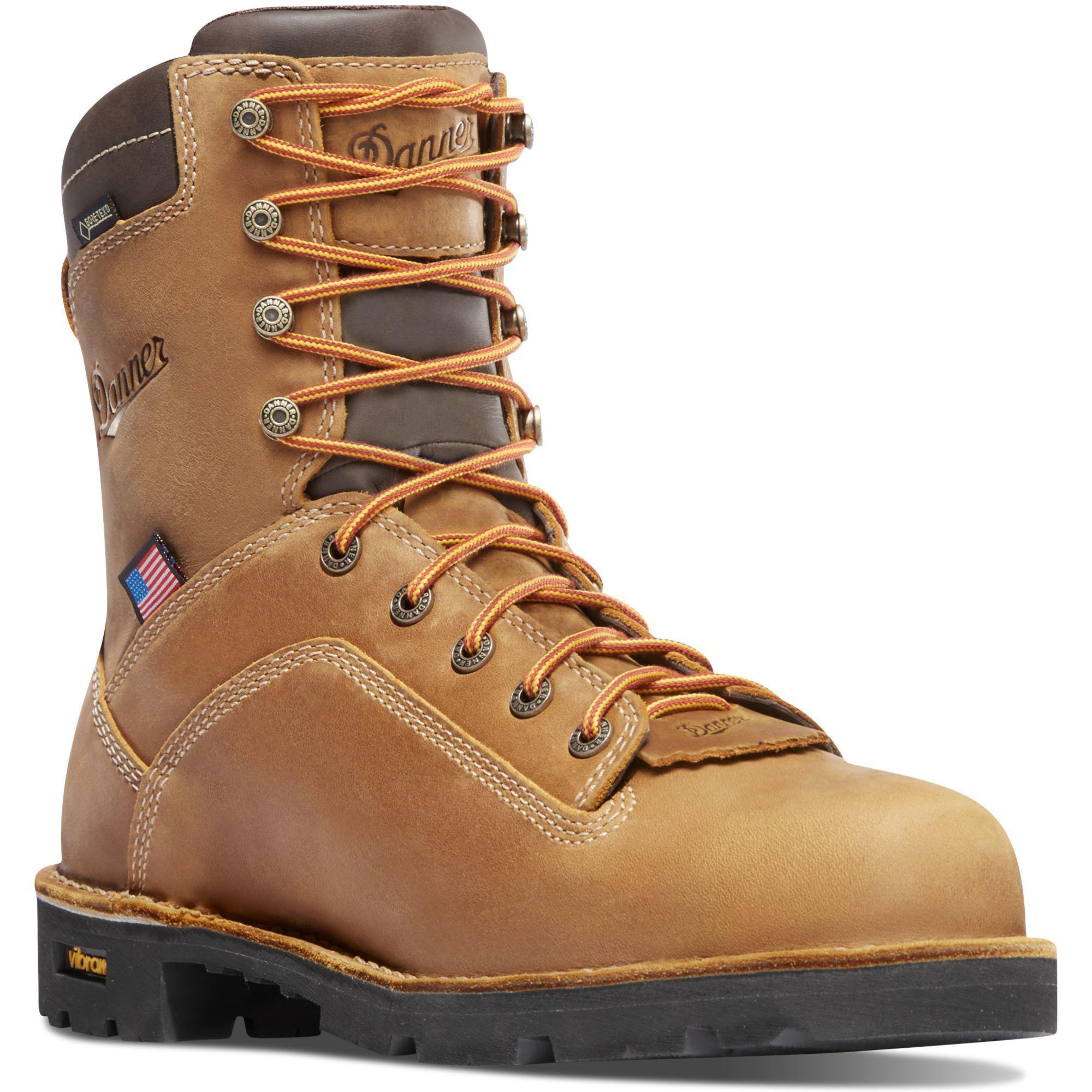
Sale price$312.75
Regular price$372.00
Danner Men's Quarry USA Made 8" Composite Toe Ins Waterproof Work Boot Brown 17321
Save 6%
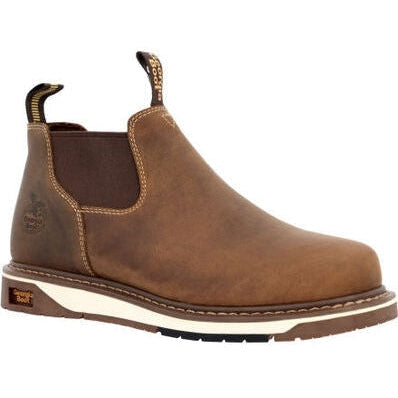
Sale price$145.00
Regular price$155.00
Georgia Men's Boot Amp Lt Wedge 4" Romeo Work Boot - Brown - GB00545
Save 16%
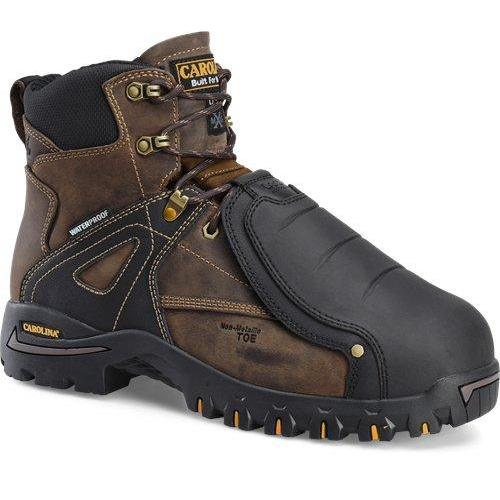
Sale price$197.39
Regular price$234.99
Carolina Men's Miter 6" Composite Toe Waterproof Metguard Work Boot Brown - CA5586
Save 16%
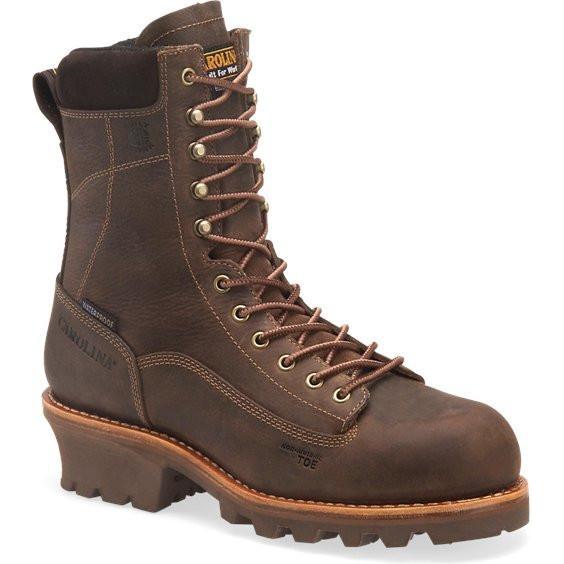
Sale price$226.79
Regular price$269.99
Carolina Birch Logger Boots CA7521 - Men's 8" Composite Toe Waterproof Work Boot
Save 18%
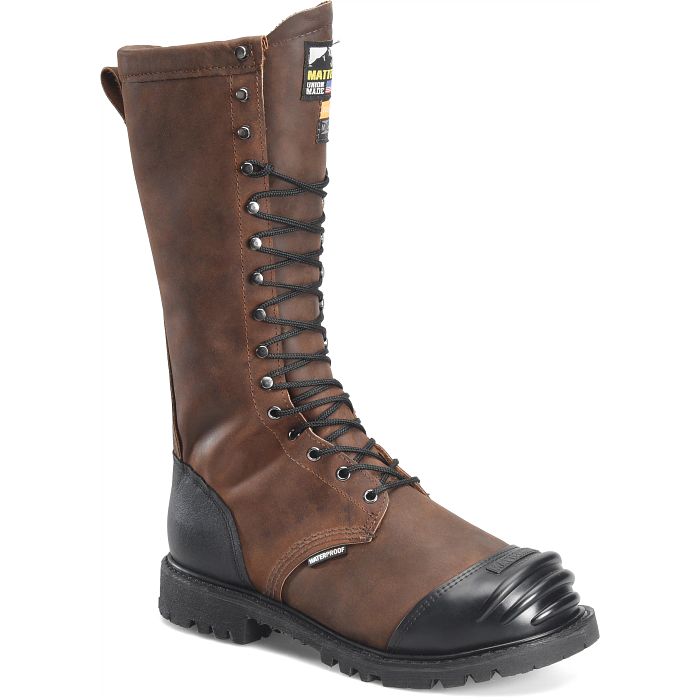
Sale price$391.52
Regular price$480.00
Matterhorn Men's 16" Waterproof Insulated Metguard Work Boot -Brown- MT716
Save 7%
Sale price$350.60
Regular price$376.99
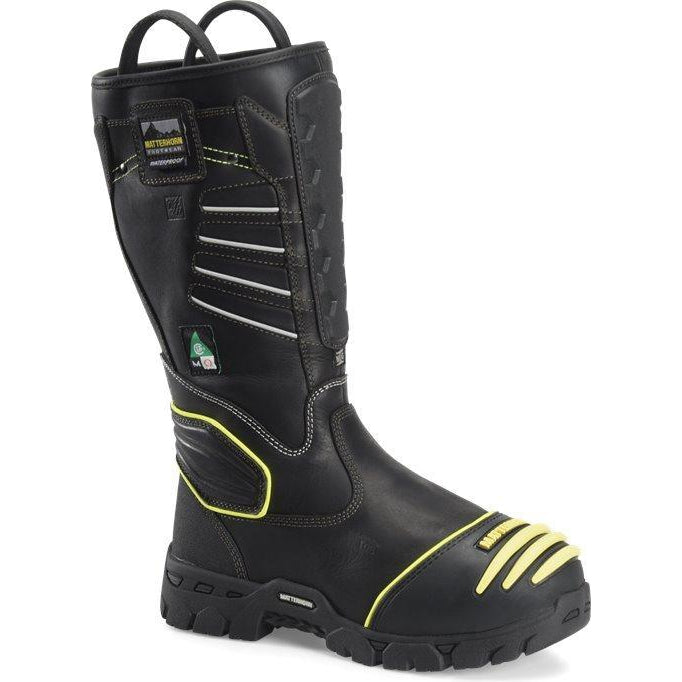
Matterhorn Men's Muckmen 15" Composite Toe Waterproof Metguard Pull-On Work Boot- MTC703
Save 14%
Sale price$202.49
Regular price$234.95
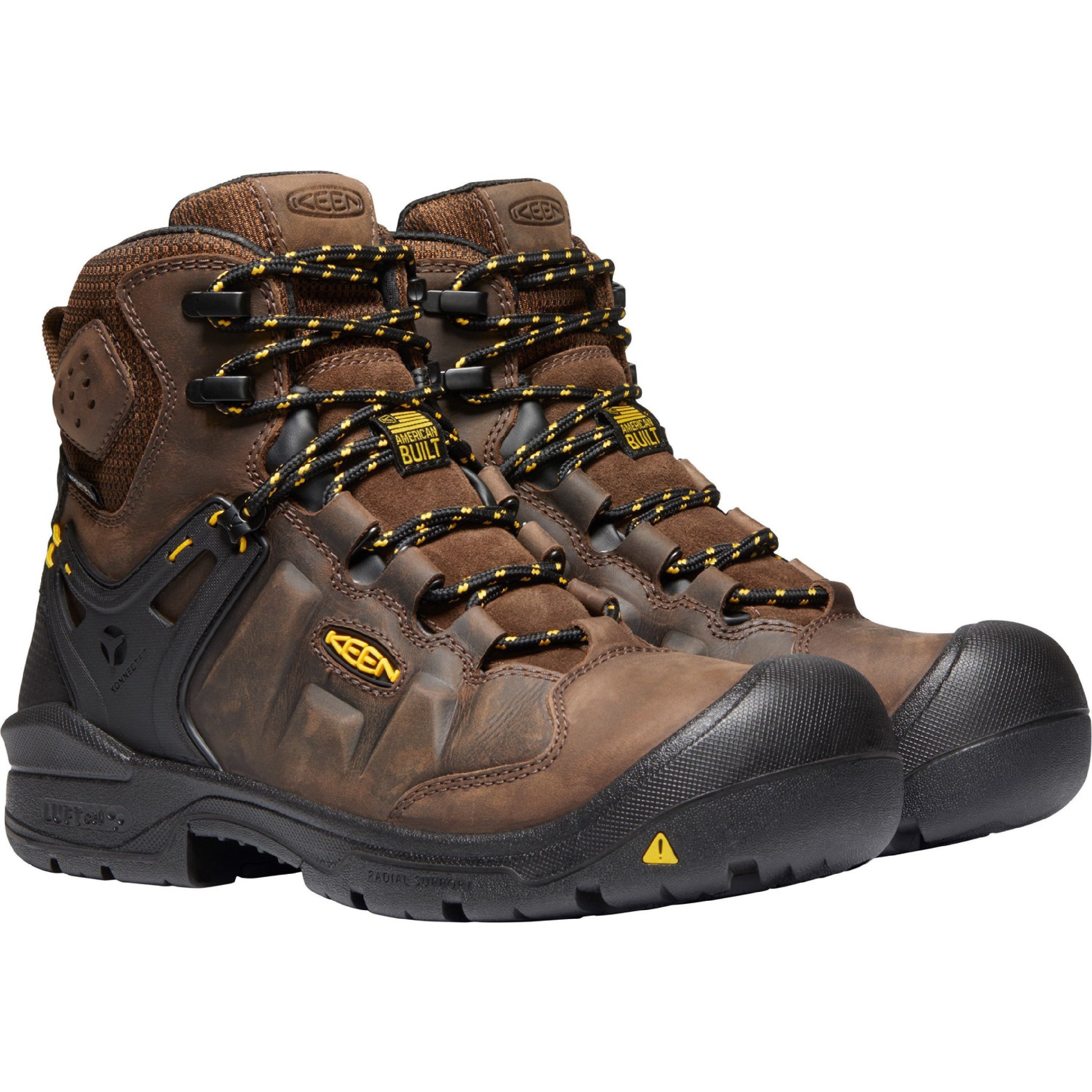
Keen Utility Men's Dover 6" Composite Toe USA Built Waterproof Work Boot 1021467
Save 7%
Sale price$259.46
Regular price$278.99
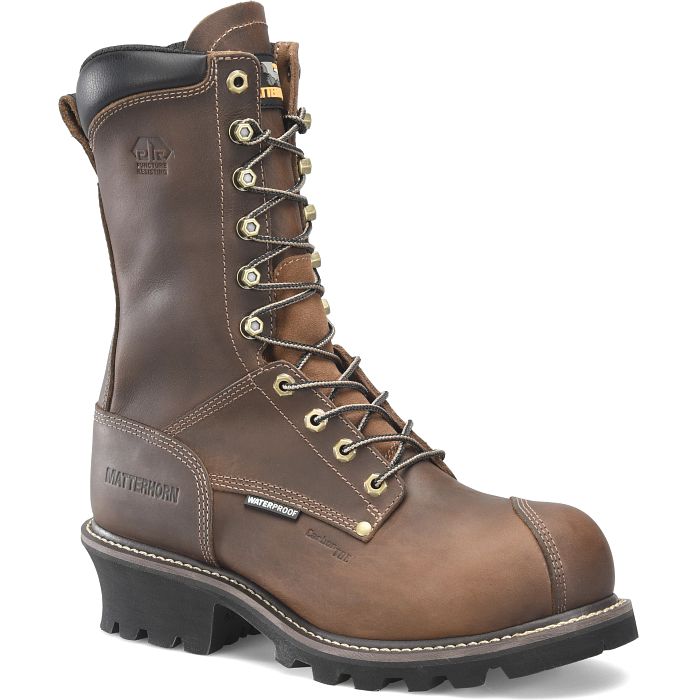
Matterhorn Men's ARC 10" Waterproof Composite Toe Logger Work Boot -Brown- MT2510
Save 40%
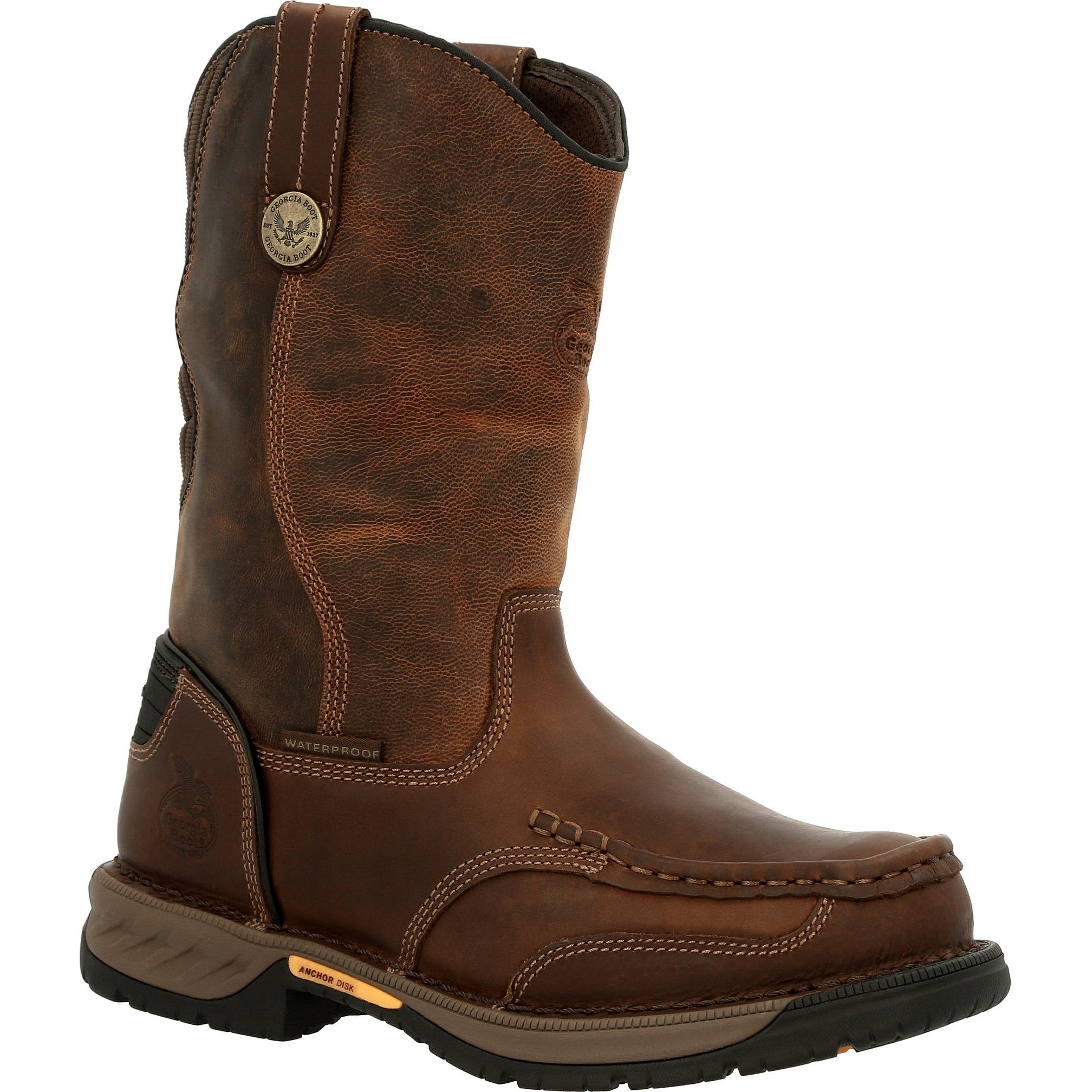
Sale price$141.67
Regular price$237.00
Georgia Men's Athens 360 11" Soft Toe Waterproof Work Boot - Brown - GB00441
Save 11%
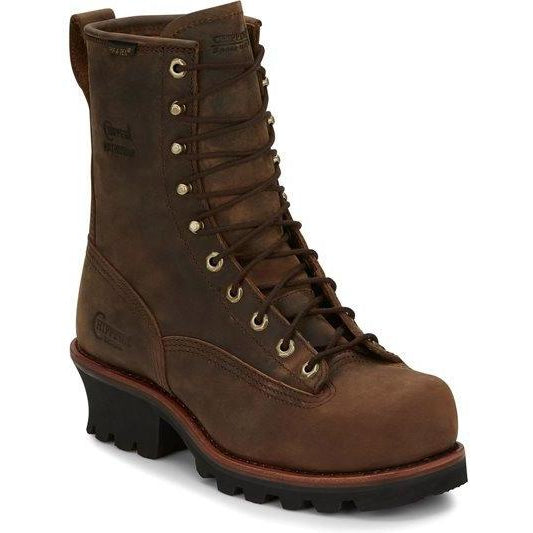
Sale price$275.86
Regular price$309.95
Chippewa Men's Paladin 8" Steel Toe Waterproof Logger Work Boot- Brown- 73101
Save 7%
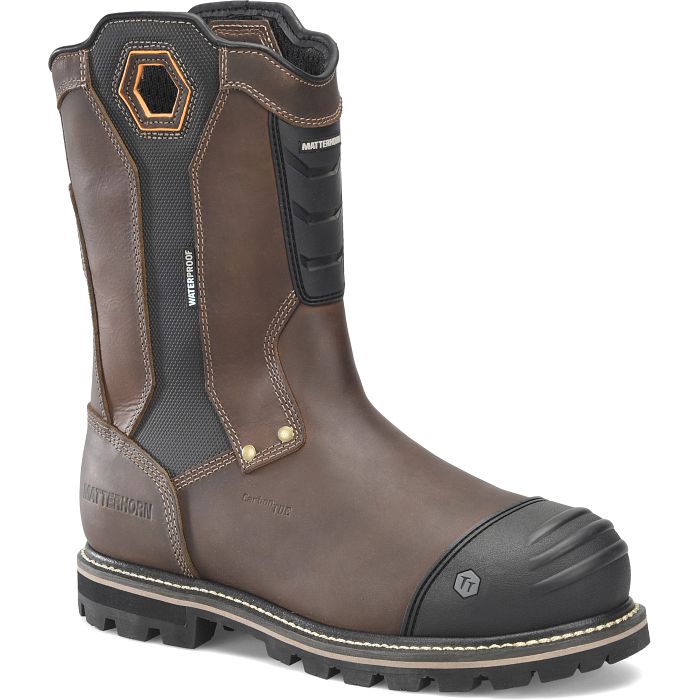
Sale price$245.51
Regular price$263.99
Matterhorn Men's Ibeam 10" Waterproof Composite Toe Metguard Work Boot -Brown- MT2540
Save 16%
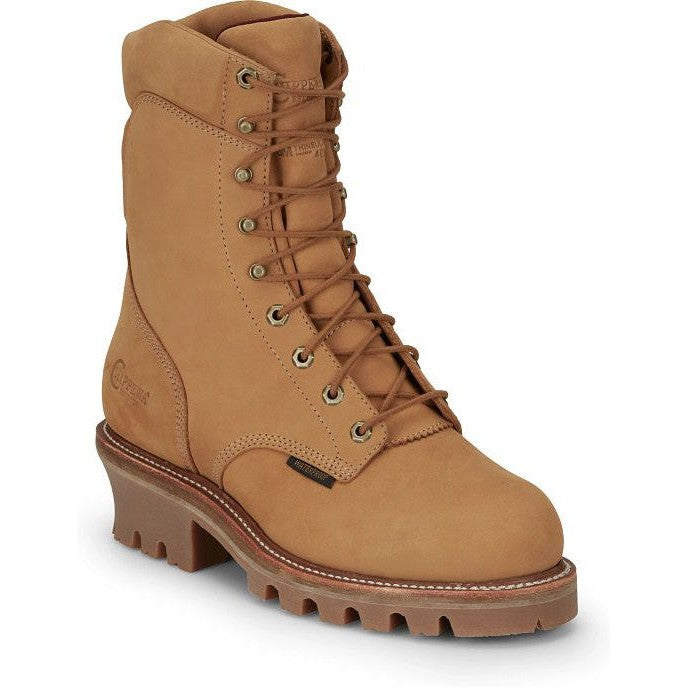
Sale price$284.76
Regular price$339.00
Chippewa Men's Super Dna 9" 400G Insulated Steel Toe Work Boot -Wheat- 59417
Save 18%
Sale price$184.79
Regular price$224.00
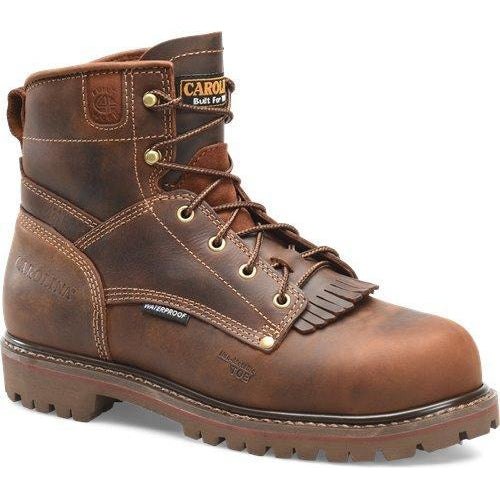
Carolina CA7528 Men's 28 Series 6" Composite Toe Waterproof Work Boot - Brown
Save 20%
Sale price$119.95
Regular price$150.00
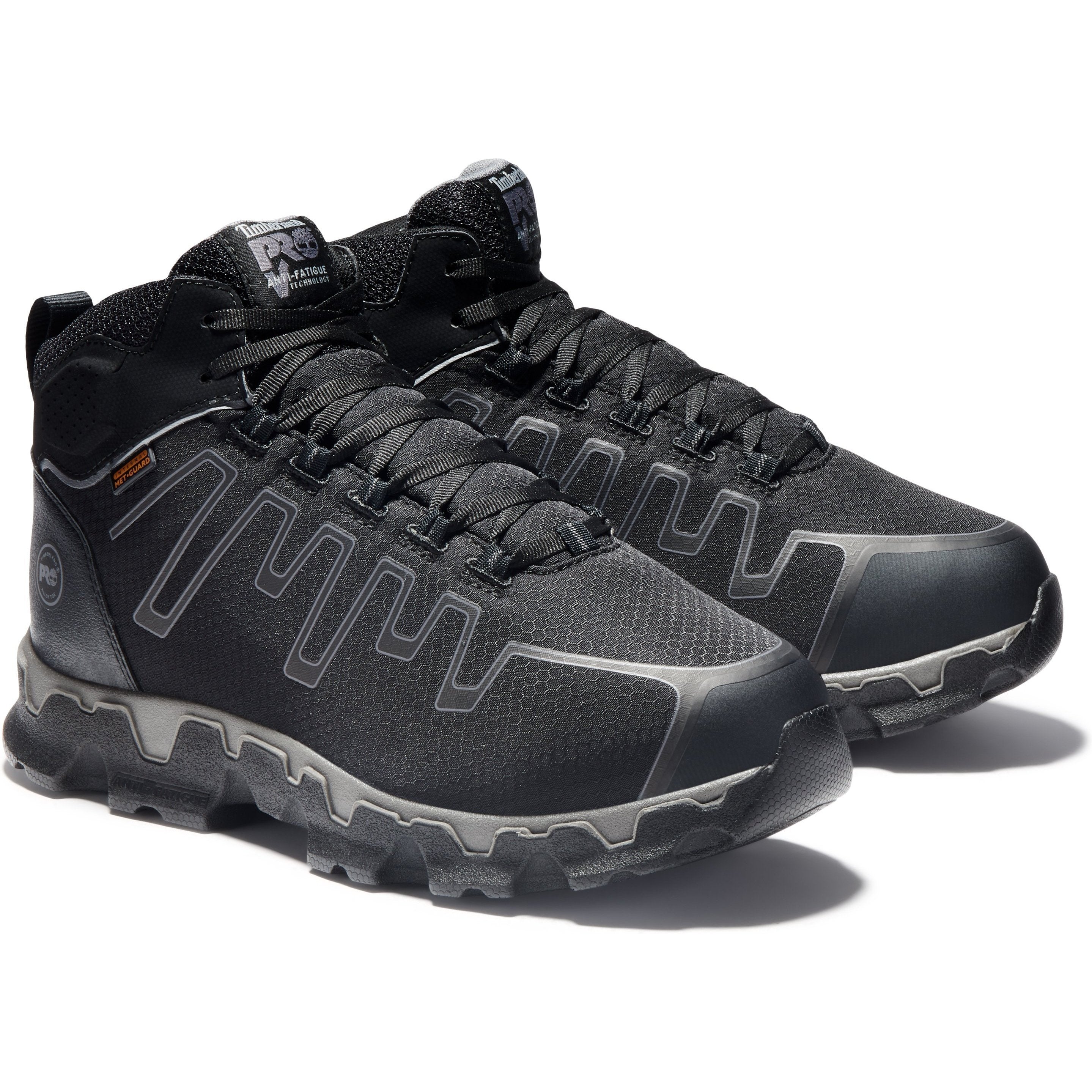
Timberland PRO Men's Powertrain Alloy Toe Metguard Work Shoe-TB0A1GHM001
Save 33%
Sale price$130.45
Regular price$195.00
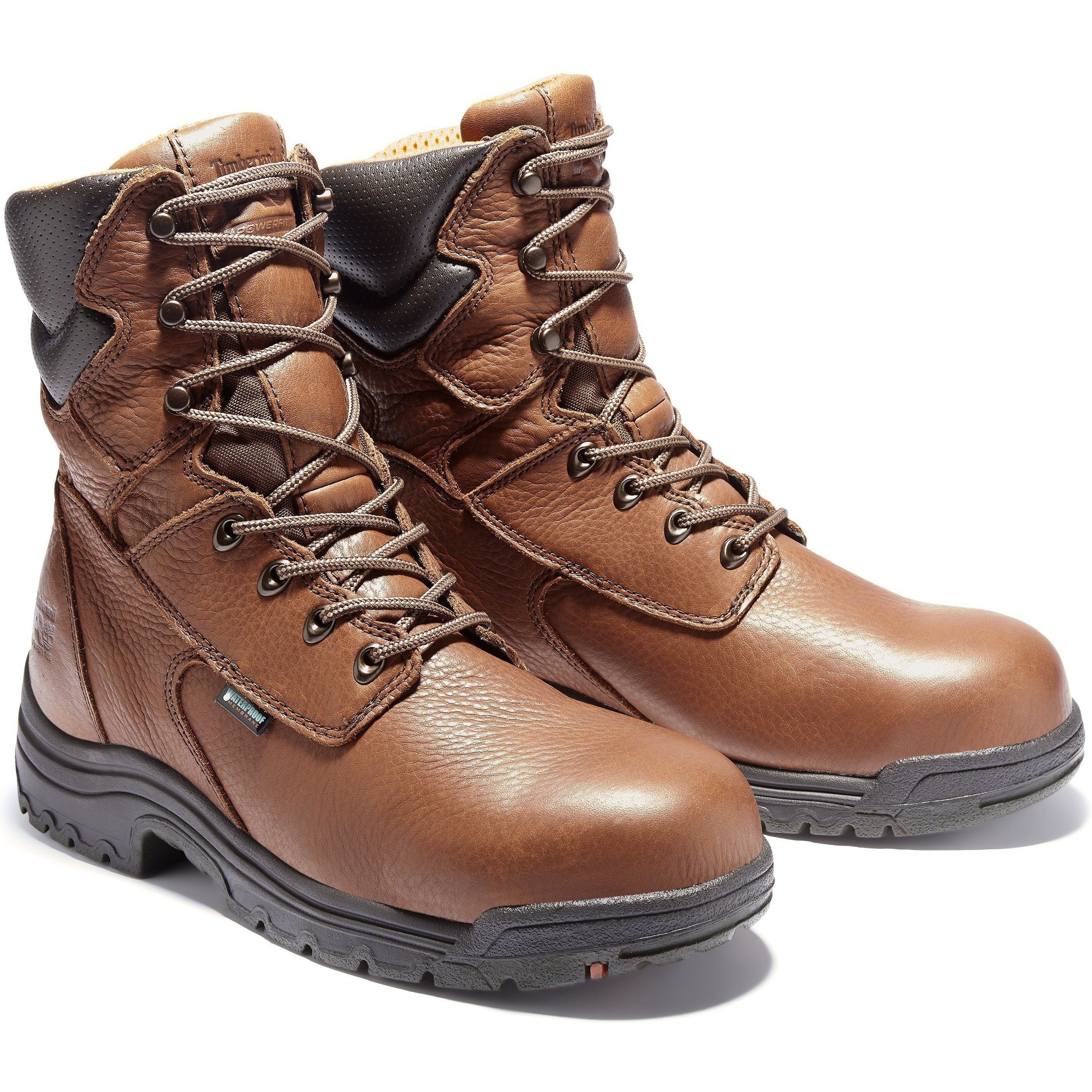
Timberland PRO Men's TiTAN 8" Alloy Toe Waterproof Work Boot Brown TB147019210
Frequently Asked Questions
Yes, regular work boots can melt on hot surfaces. Fresh asphalt goes down at 275 to 300°F, and standard TPU and EVA outsoles soften, deform, and break down at those contact temperatures. A heat-rated rubber outsole is built to take that contact without degrading.
What makes a work boot heat resistant is the outsole compound. Heat-rated rubber resists melting and degrading on hot-surface contact, where standard sole materials soften and fail. Most boots in this category pair that outsole with oil and slip resistance and a full-grain leather upper that shrugs off sparks and hot debris.
Heat-resistant outsoles withstand direct contact at 572°F (300°C) for 60 seconds under the HRO standard. Some manufacturers rate their compounds to 475°F instead. The two numbers come from different tests, so check the spec sheet for the rating on the model you're looking at.
A composite toe is better for working around heat because composite doesn't conduct heat. A steel toe transfers heat from the surrounding boot into the toe box, which matters on long shifts over hot asphalt or near a forge. Steel still wins on thin-profile fit and raw impact resistance, so if your heat exposure is occasional, either works.
Yes, boots worn around sparks and slag need an all-leather upper. Synthetic and mesh panels burn through. If your only heat exposure is the surface underfoot, like asphalt, the upper material matters less, and the outsole rating does the work.
Pull-on boots are better than lace-ups around sparks. Laces are the first thing to burn through on a welding or torch-on job, and a pull-on Wellington kicks off fast if slag or molten metal gets inside the boot. Lace-ups fit the ankle tighter, so they're the better call when your heat exposure is underfoot rather than falling on you.
You need a metatarsal guard when hot material can land on the top of your shoe, which includes welding, grinding, foundry, and smelter work. For asphalt and general hot-surface jobs, the hazard is underfoot, and a metguard is optional. Internal guards fit slimmer and don't snag. External guards take heavier hits.
Heat-resistant outsoles generally last 6 to 12 months under daily hot-surface work, which is shorter than the same boot would last on normal ground. Heat breaks down the sole and the insole faster than abrasion alone, so paving and welding crews replace boots more often than other trades. A Goodyear-welted pair can be resoled when the outsole wears through, which stretches the life of the upper.
No, heat-resistant boots are not the same as fire-resistant boots. Heat resistance is an outsole rating for contact with hot surfaces. Fire-resistant boots are firefighting gear designed to NFPA standards for flame and radiant heat protection across the entire boot. If your job is asphalt, welding, or foundry work, you want the outsole rating, not turnout gear.
No, heat resistance doesn't make a boot run hot. The rating describes what the outsole can stand on, not how warm the boot wears, so an uninsulated heat-rated boot breathes like any other leather work boot. If you're working on summer asphalt, skip the insulated versions and pick an uninsulated model.
Recently viewed
Our Top Brands