Save 5%
Sale price$399.95
Regular price$420.00
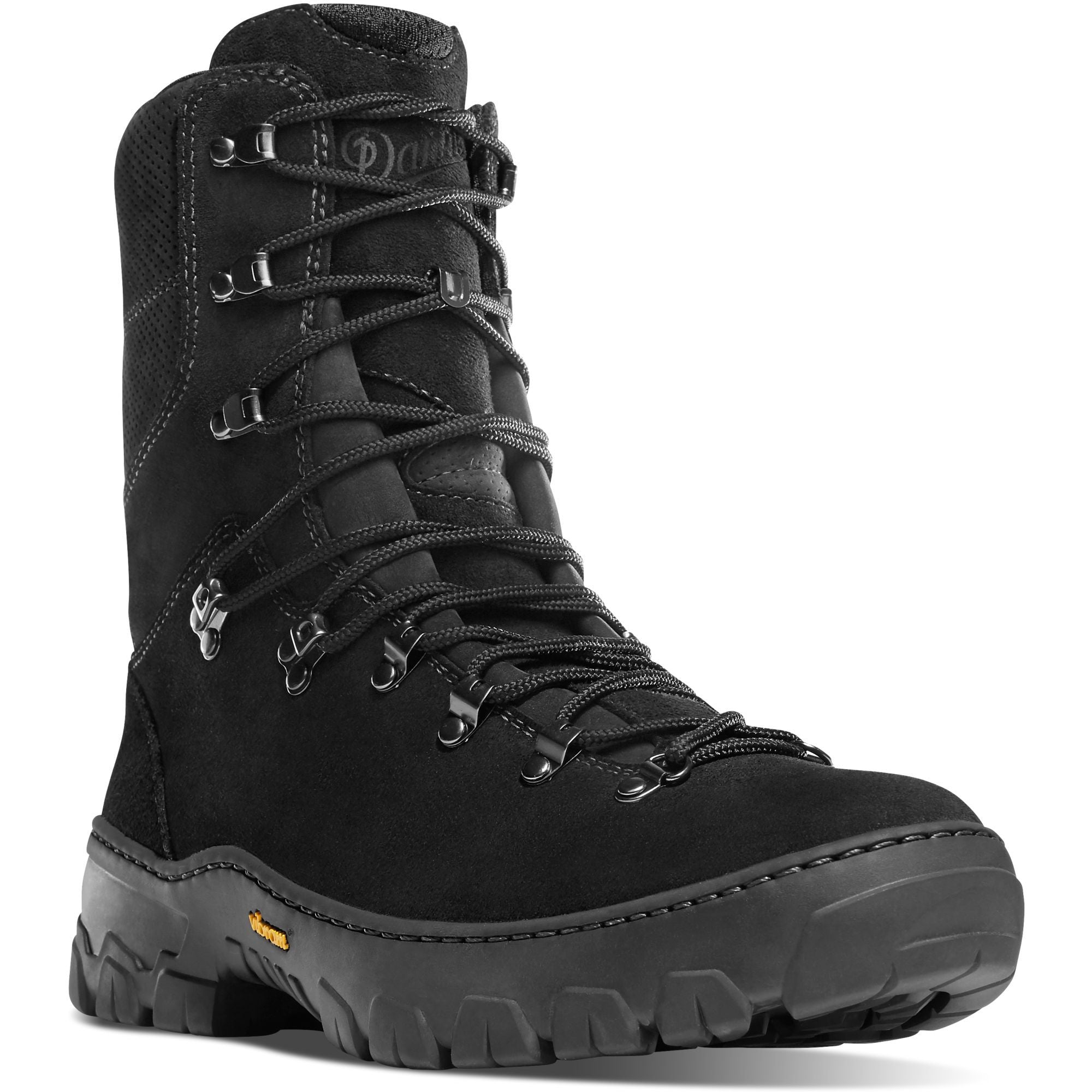
Danner Men's USA Made 8" Wildland Tactical Firefighter Boot Black 18050
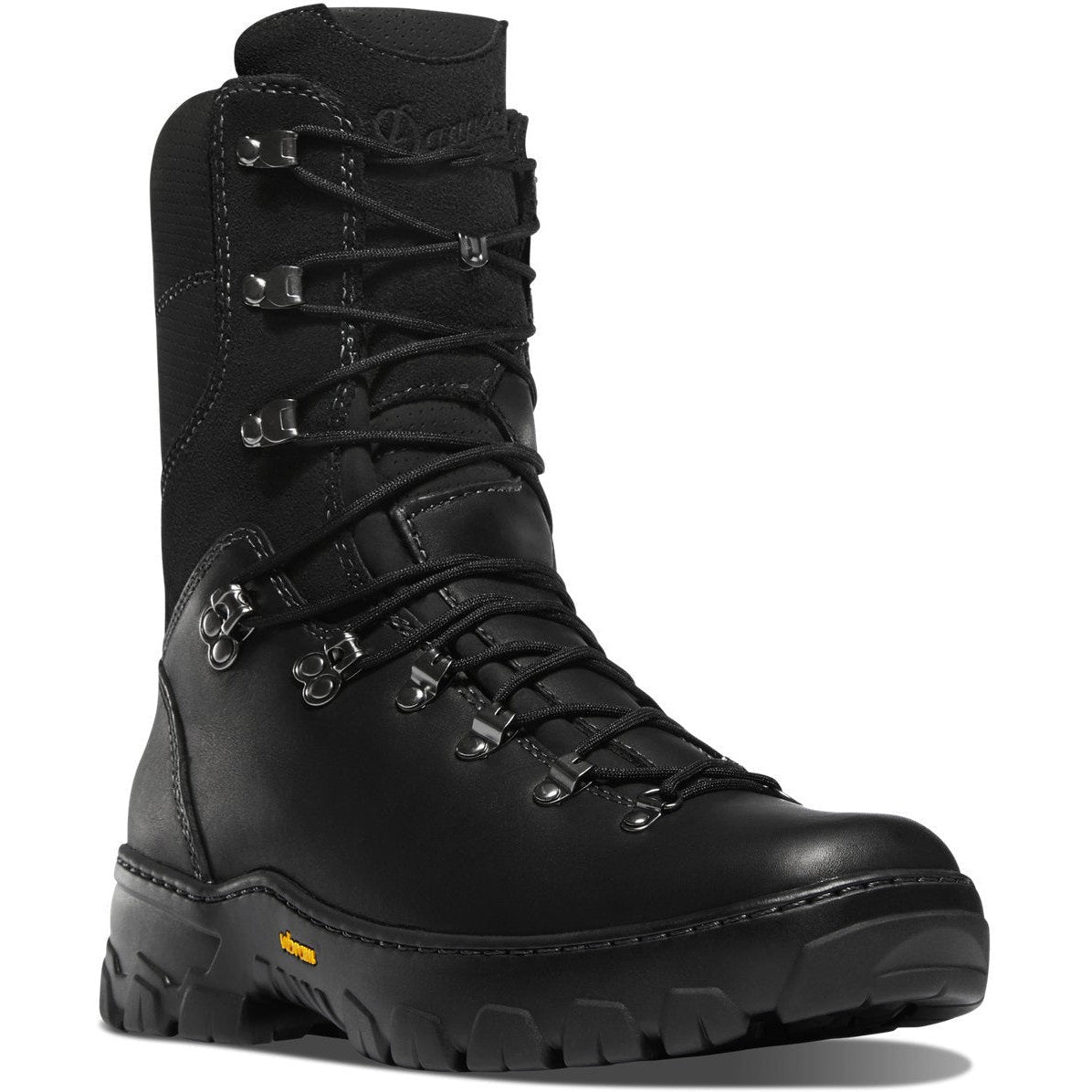
Sale price$419.95
Regular price$430.00
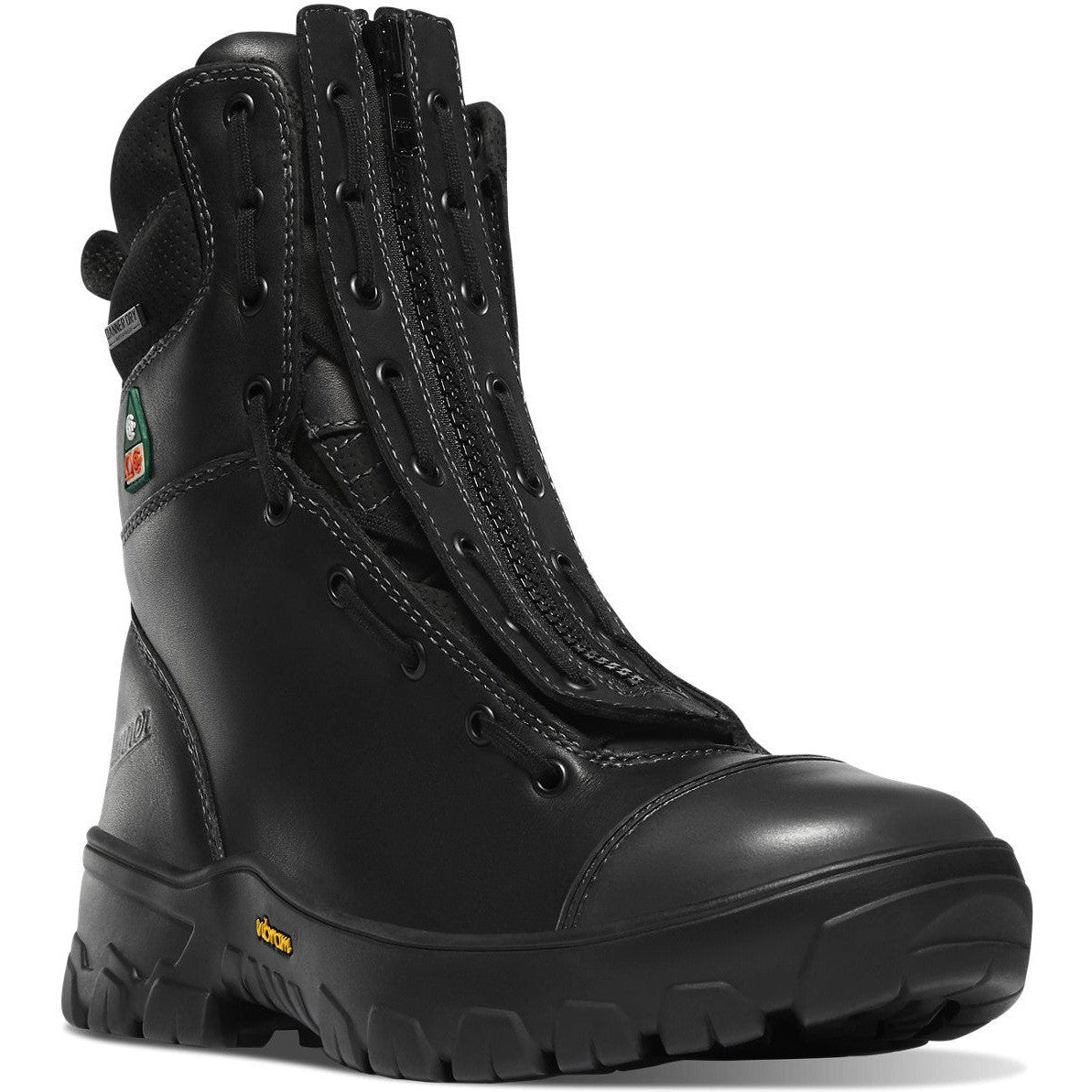
Danner Men's Wildland Tactical Firefighter 8" Duty Boot -Black- 18054
Save 17%
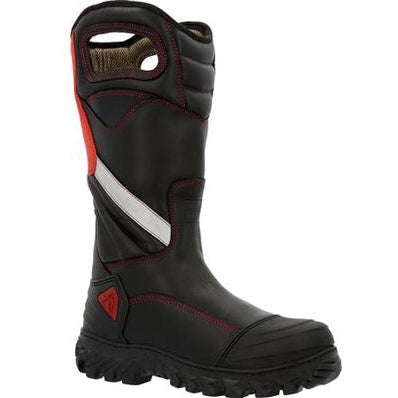
Sale priceFrom $362.39
Regular price$439.00
Rocky Men's Code Red Structure 14" Waterproof NFPA Composite Toe Fire Boot -Black- RKD0087
Save 12%
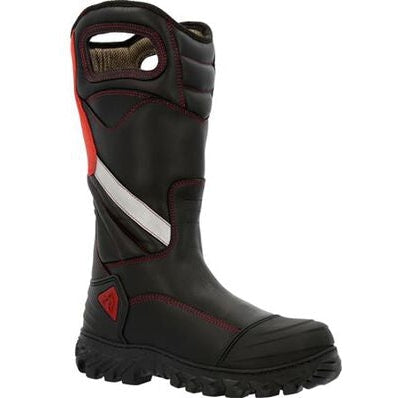
Sale price$362.70
Regular price$410.00
Rocky Women's Code Red Struct 14" Waterproof Composite Toe Fire Boot -Black- RKD0092
Frequently Asked Questions
They are certified against different NFPA standards because the hazards are different. Structural firefighting boots are built for interior attack, with heavy thermal and moisture barriers, puncture protection, and a tall shaft, and they are heavy by necessity. Wildland boots are built for covering ground on foot over long shifts in rough terrain, so they are lighter and more like a heavy-duty hiking boot. A wildland boot is not a substitute for a structural boot and the reverse is also true.
Check the certification label inside the boot and confirm both the standard number and the edition year against what your department specifies, because departments frequently require a particular edition rather than just the standard. Certification is granted per model and per manufacturing configuration, so a similar-looking boot from the same brand may not carry it. If the boot is going through an inspection, verify on the boot itself rather than on a product listing.
You can, but structural boots in particular are heavy, hot, and stiff by design and are poor general-purpose work boots. Wildland and tactical firefighter boots cross over much better, since they are built around walking and many are effectively duty boots with additional certification. If you want the look and durability without the certification cost, a standard duty boot serves you better. See our tactical boots range.
Pull-on rubber and leather structural boots go on fastest, which matters when you are turning out under time pressure, and that speed is why many departments issue them. Lace-up boots give better fit control and are more comfortable to walk in over a long incident, which is why they dominate wildland work. Many departments specify one or the other, so check before choosing on preference.
The models in this collection with a rated toe use composite, which is standard in fire service footwear because a non-metallic cap does not conduct heat the way steel does. Toe type is stated in every product title. Structural boots also carry puncture protection in the sole, since the ground inside a fire building is full of nails and glass.
NFPA-certified structural footwear typically has a defined service life set by the standard and by department policy, commonly around ten years from date of manufacture, and many departments retire boots sooner based on condition. That is different from ordinary work boots, where you replace on wear. Check your department's policy, since it governs regardless of how the boot looks.
Several are, and the models that are say so in the product title, including Danner's USA-made wildland tactical firefighter boot. Domestic manufacturing matters here more than in most categories because departments buying under federal grant funding often face domestic sourcing requirements. Check the specific model. See our American made boots collection.
Some do. Rocky builds a women's Code Red structural boot on a women's last rather than sizing down the men's boot, which matters more in fire service than almost anywhere else, because a boot that slips at the heel over a long incident causes blisters that take you off the line. Availability is narrower than the men's range, so check the size dropdown.
Recently viewed
Our Top Brands