Save 21%
Sale price$157.99
Regular price$199.99
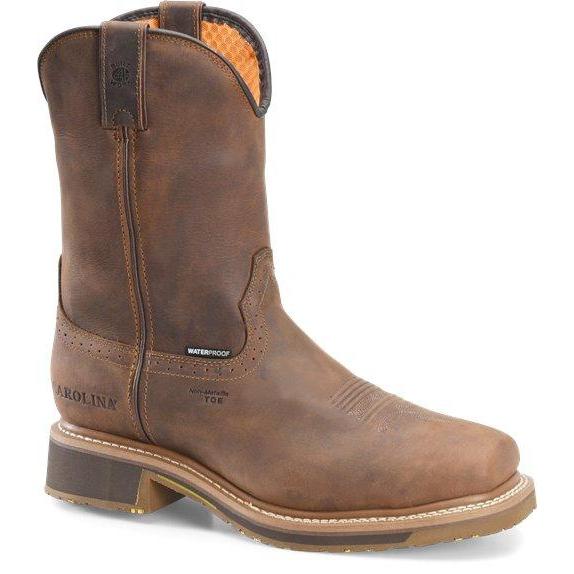
Carolina Men's Anchor 10" Waterproof Composite Square Toe Roper Work Boot - CA8536
Save 8%
Sale price$220.79
Regular price$239.99
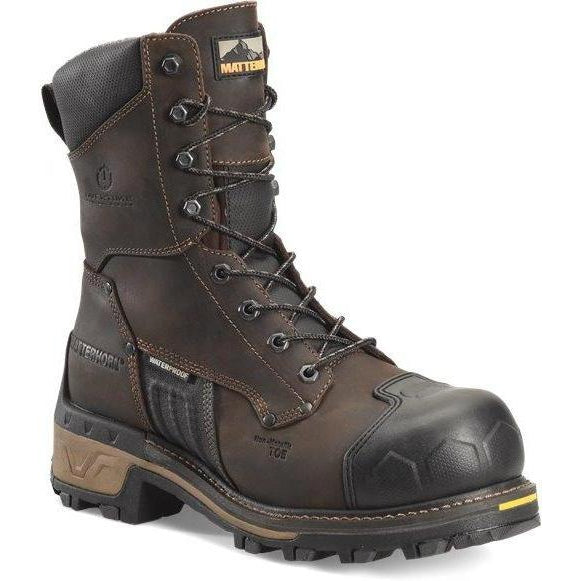
Matterhorn Men's Max 8" Composite Toe Waterproof Logger Work Boot Brown MT2560
Save 21%
Sale price$181.69
Regular price$229.99
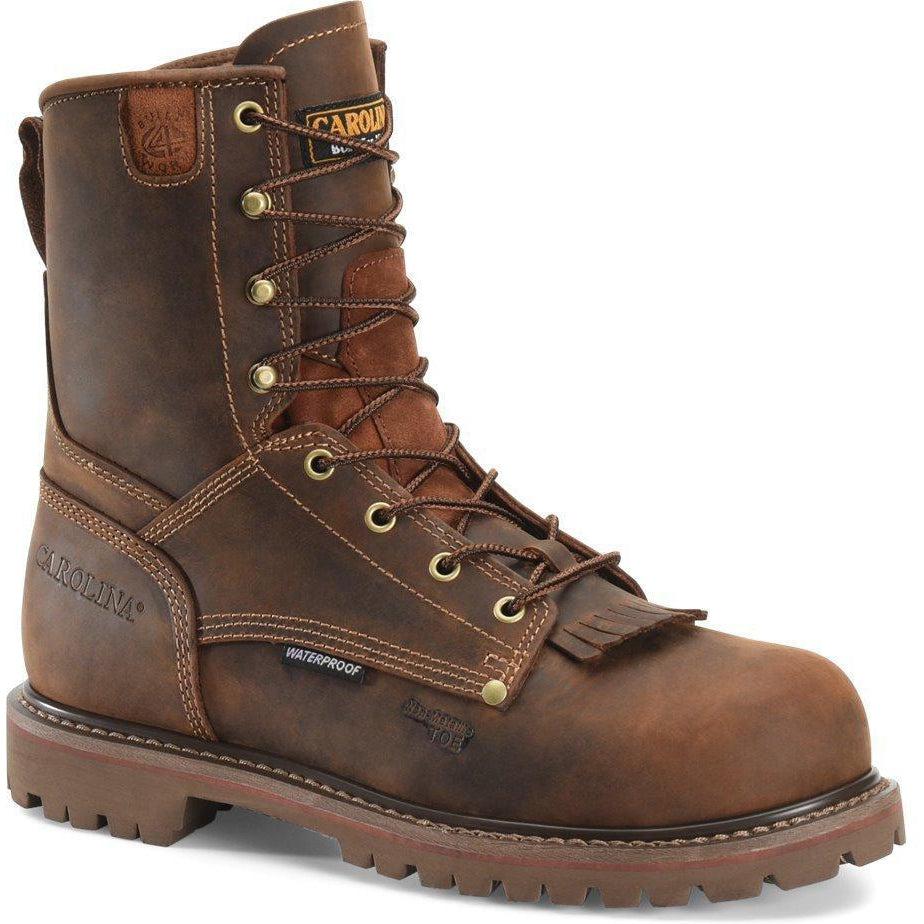
Carolina Men's 28 Series 8” Waterproof Composite Toe Work Boot - Kharthoum Cigar - CA8528
Save 27%
Sale price$205.36
Regular price$280.00
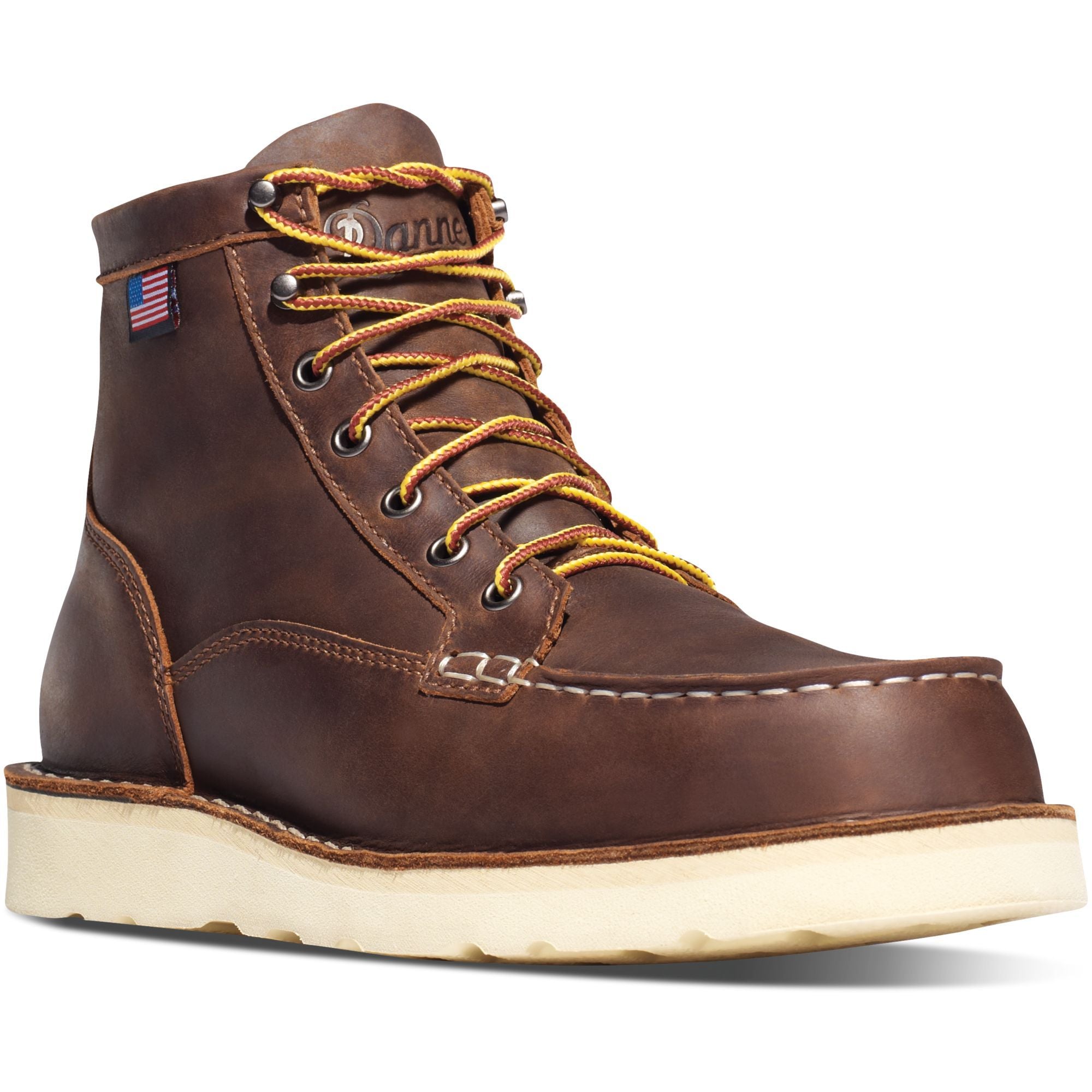
Danner Men's Bull Run USA Made 6" Moc Toe Wedge Work Boot - Brown - 15563
Save 21%
Sale price$233.04
Regular price$294.99
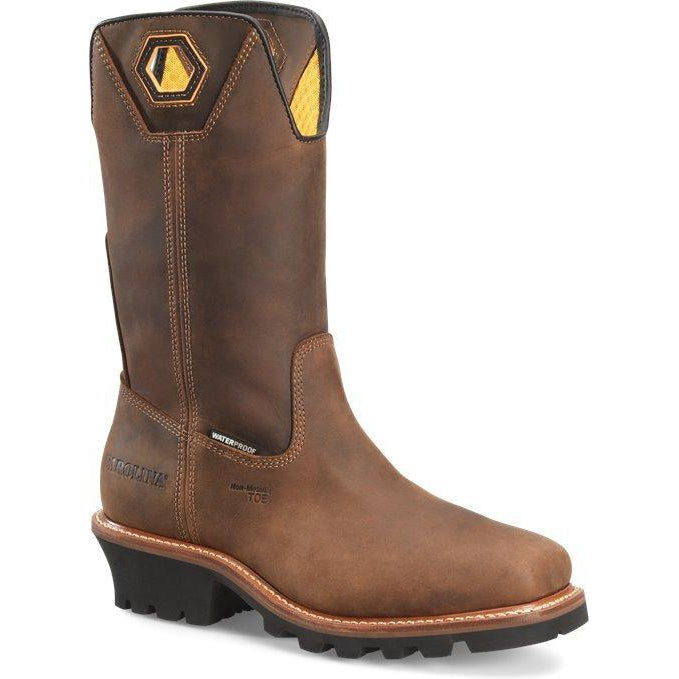
Carolina Men's Coppice 12" Composite Toe Waterproof Logger Work Boot- Brown- CA9833
Sale price$179.99
Regular price$184.00
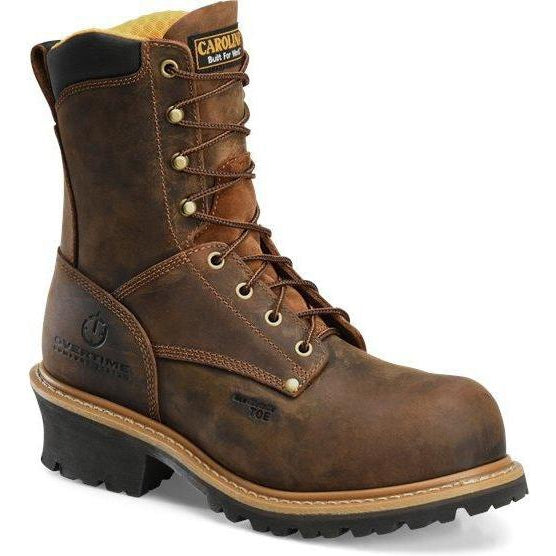
Carolina Men's Poplar 8" Composite Toe Unlined Logger Work Boot - Brown - CA9853
Save 21%
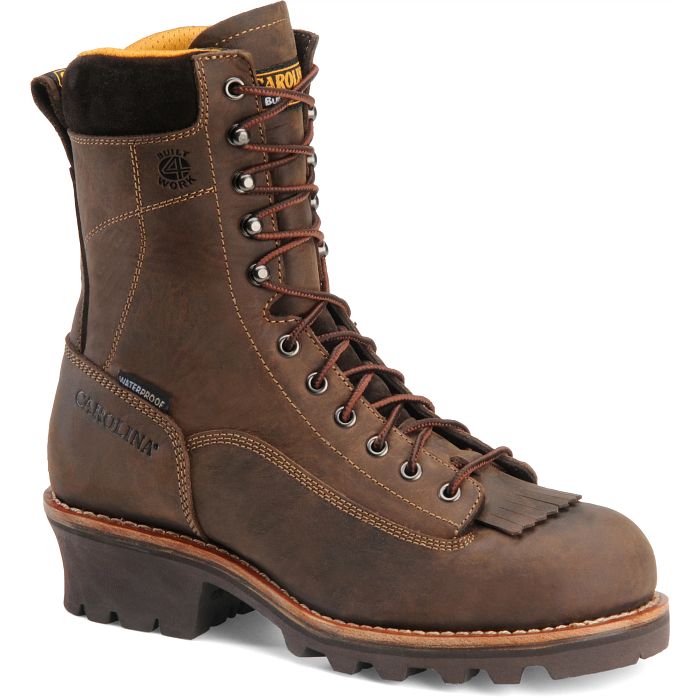
Sale price$201.44
Regular price$254.99
Carolina Men's Birch 8" Composite Toe Waterproof Logger Work Boot - Brown - CA7522
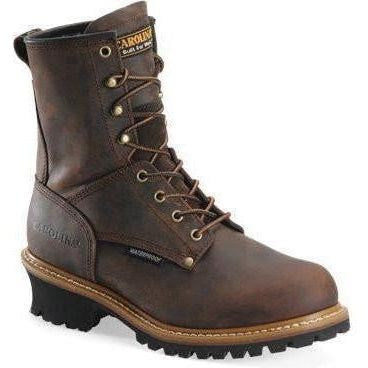
Sale price$194.99
Carolina Men's Elm 8" Waterproof Logger Work Boot - Brown - CA8821
Save 22%
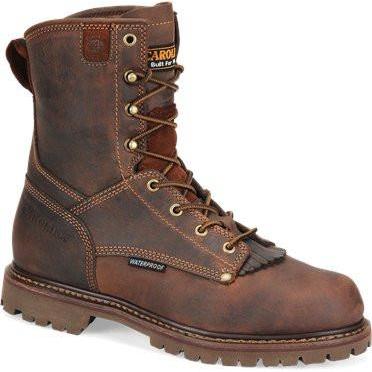
Sale price$173.79
Regular price$224.00
Carolina Men's 28 Series 8" Soft Toe Waterproof Grizzly Work Boot - Brown - CA8028
Save 21%
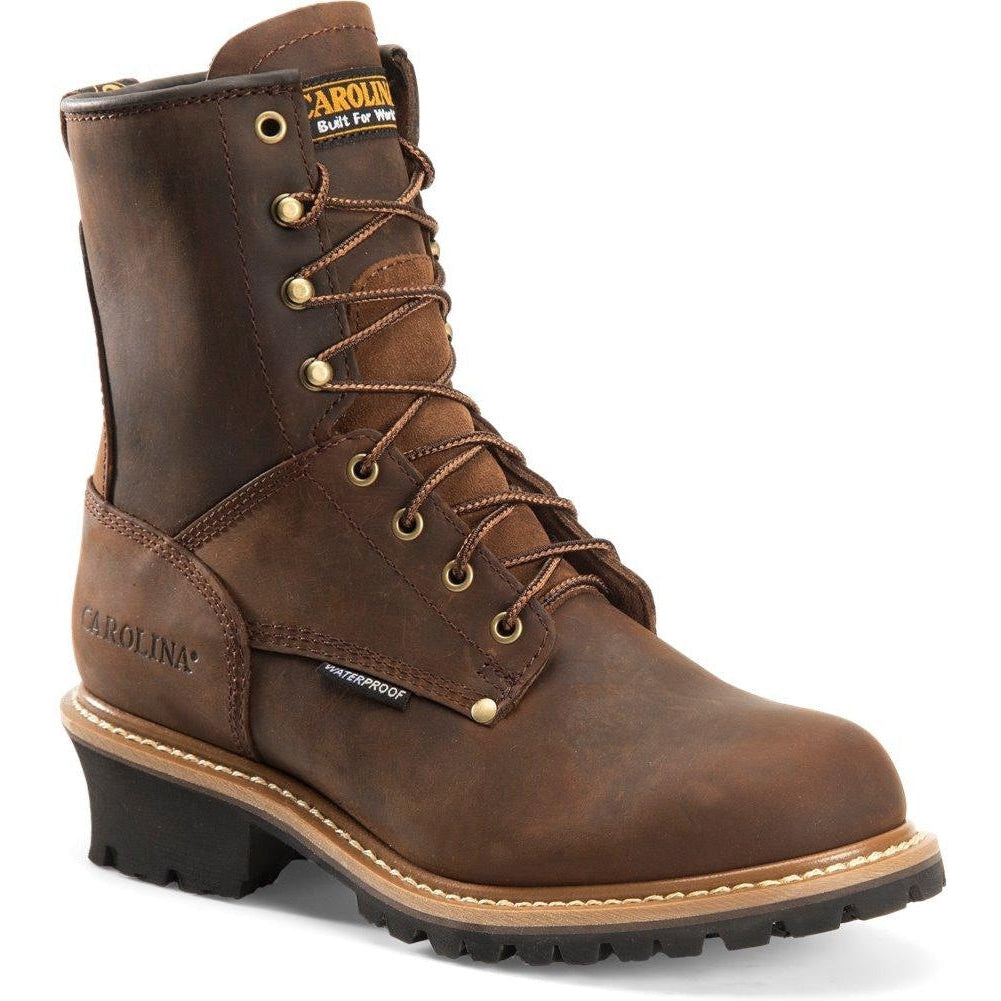
Sale price$157.99
Regular price$199.99
Carolina Men's Elm 8" Steel Toe Waterproof Logger Work Boot - Brown - CA9821
Save 31%
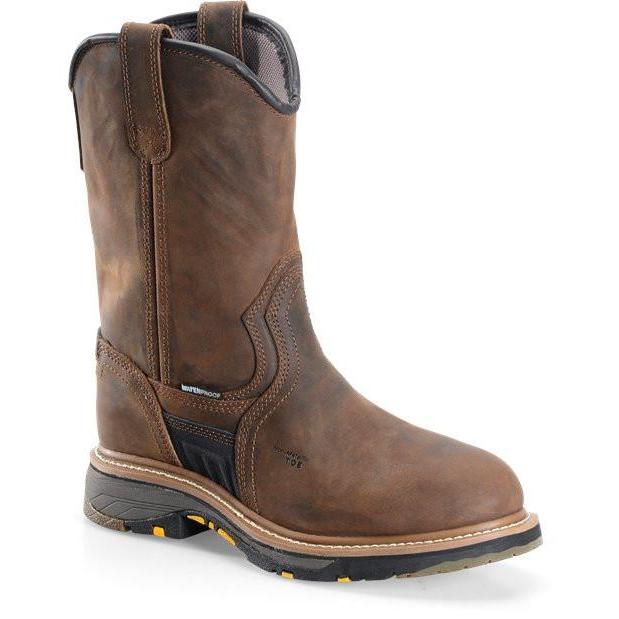
Sale price$148.67
Regular price$214.00
Carolina Men's Well X 10" Composite Toe Waterproof Wellington Work Boot - CA4559
Save 21%
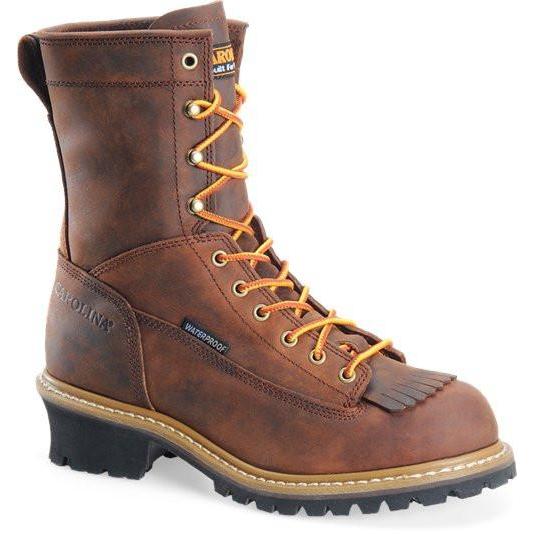
Sale price$169.84
Regular price$214.99
Carolina Men's Spruce 8" Waterproof Lace-to-Toe Logger Work Boot, Brown CA8824
Save 8%
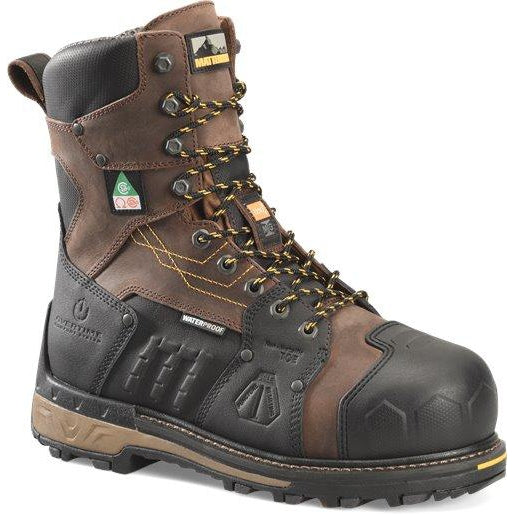
Sale price$250.23
Regular price$271.99
Matterhorn Men's Maximus 2.0 8" Composite Toe Waterproof Metguard Puncture Resistant Work Boot - MTC300
Save 21%
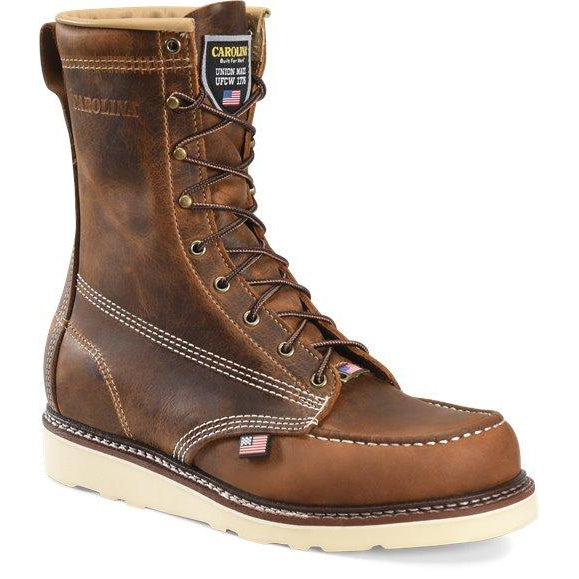
Sale price$209.34
Regular price$264.99
Carolina Men's Domestic 8" Soft Toe Moc Toe Wedge Work Boot - Brown - CA8012
Save 26%
Sale price$213.26
Regular price$290.00
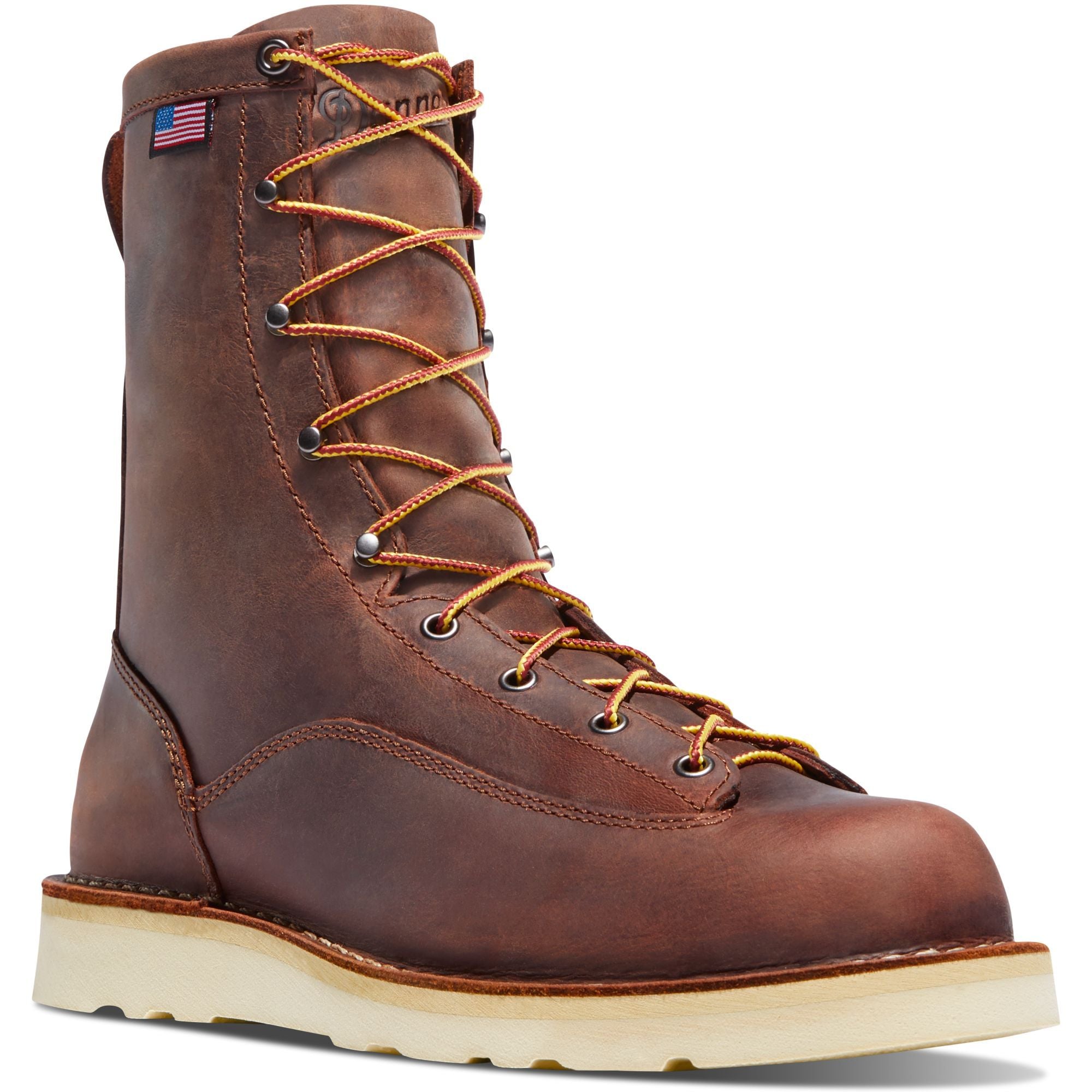
Danner Men's Bull Run USA Made 8" Soft Toe Wedge Work Boot - Brown - 15556
Save 21%
Sale price$161.94
Regular price$204.99
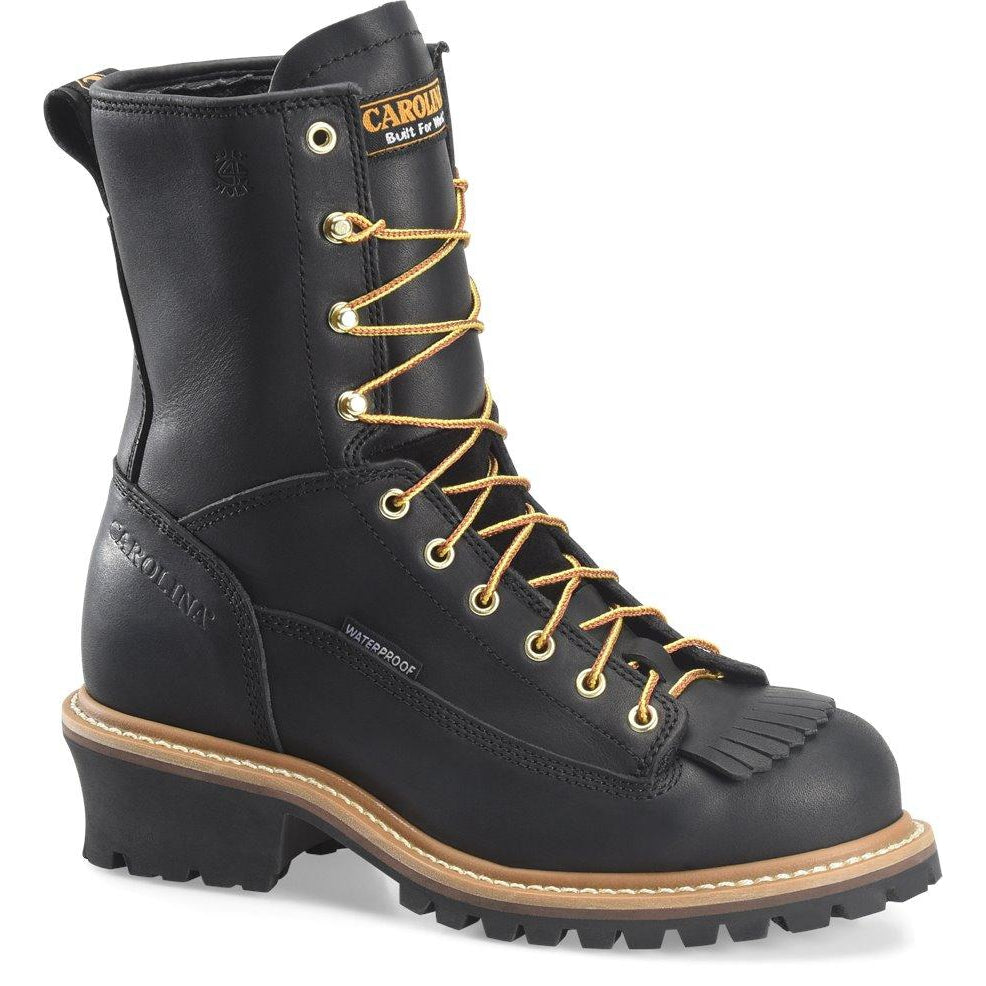
Carolina Men's Spruce 8" Waterproof Lace-to-Toe Logger Work Boot Black CA8825
Save 21%
Sale price$225.14
Regular price$284.99
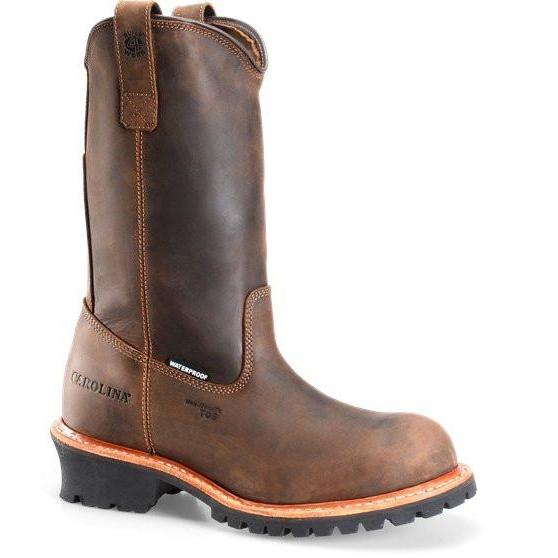
Carolina Men's Well X 12" Composite Toe Wellington Logger Work Boot CA9831
Save 5%
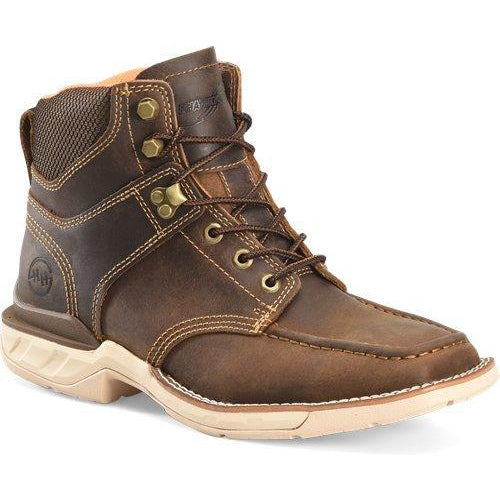
Sale price$144.99
Regular price$152.00
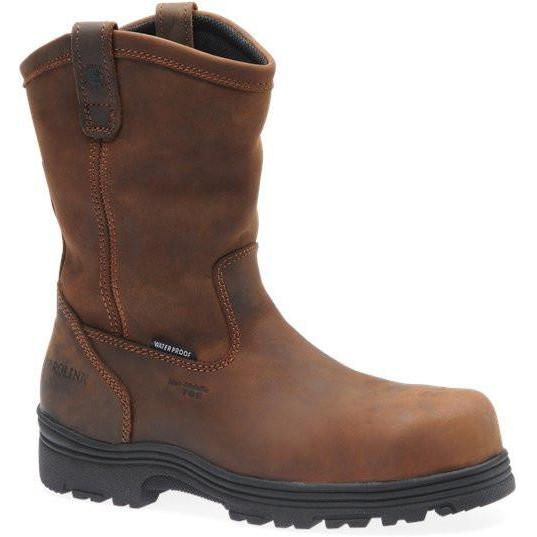
Double H Men's Brunel 6" Moc Toe Western Work Boot - Brown - DH5372
Save 24%
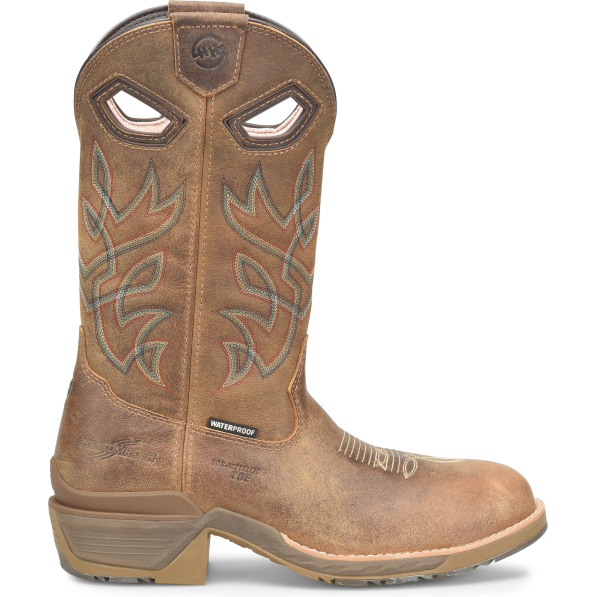
Sale price$169.84
Regular price$224.00
Double H Men's Cleave 12" Composite Toe Waterproof Western Work Boot - Brown - DH5422
Save 9%
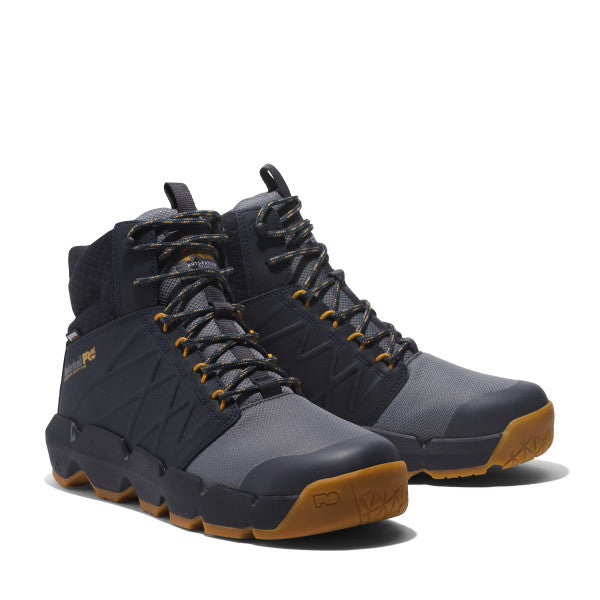
Sale price$159.95
Regular price$175.00
Timberland Pro Men's Morphix 6" Composite Toe Waterproof Work Boot - Grey - TB1A5YFU065
Save 21%
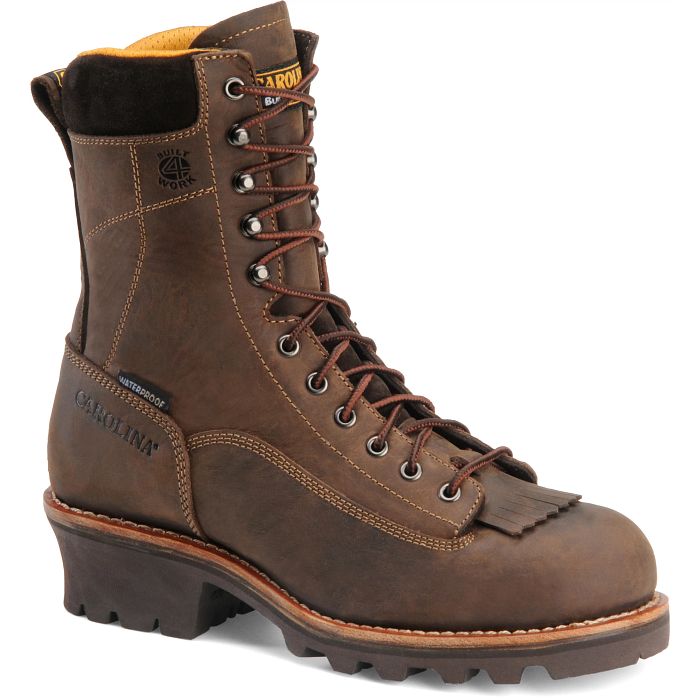
Sale price$197.49
Regular price$249.99
Carolina Men's Birch 8" Waterproof Logger Work Boot - Brown - CA7022
Save 26%
Sale price$213.26
Regular price$290.00
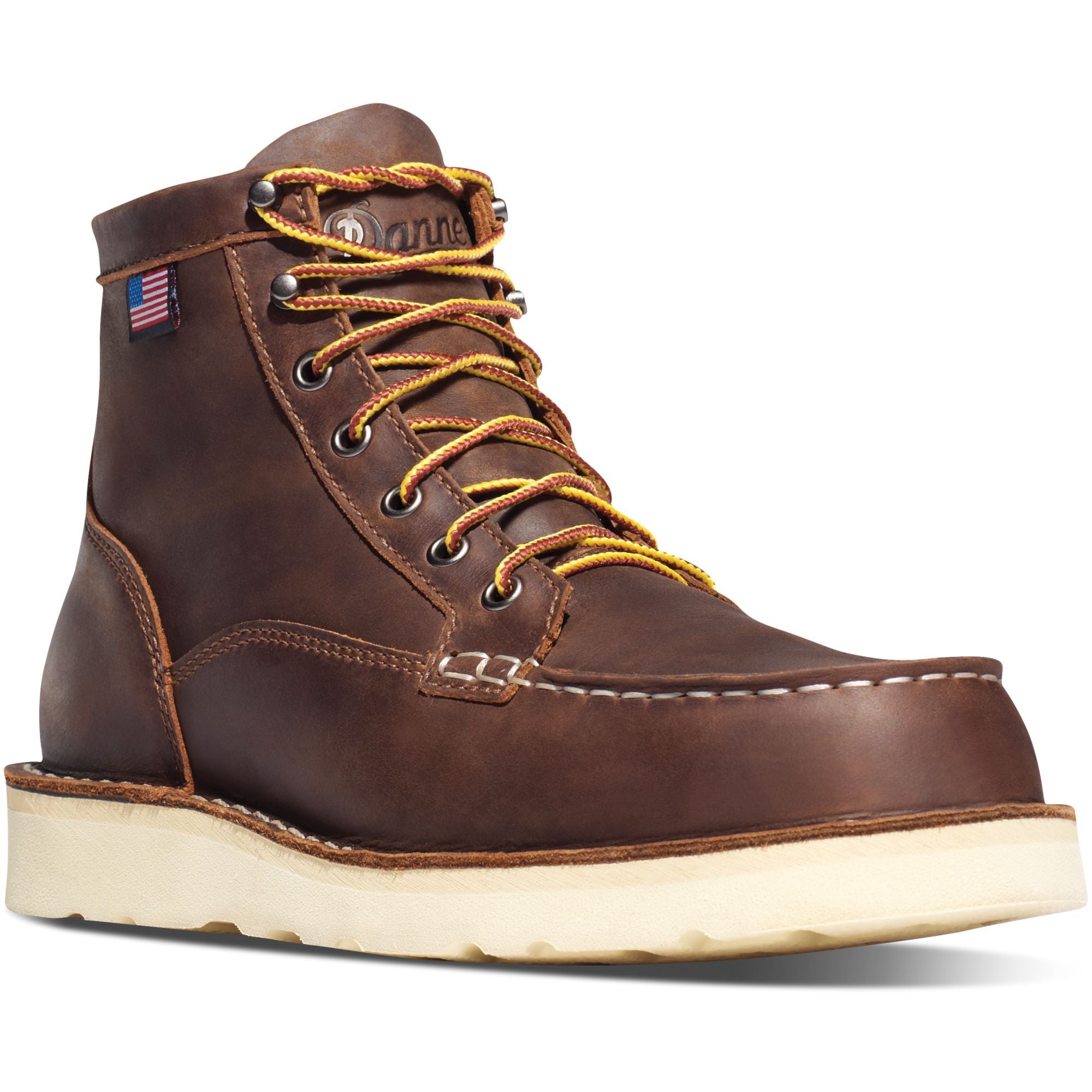
Danner Men's Bull Run USA Made 6" Moc Steel Toe Work Boot Brown 15564
Save 6%
Sale price$239.95
Regular price$256.00
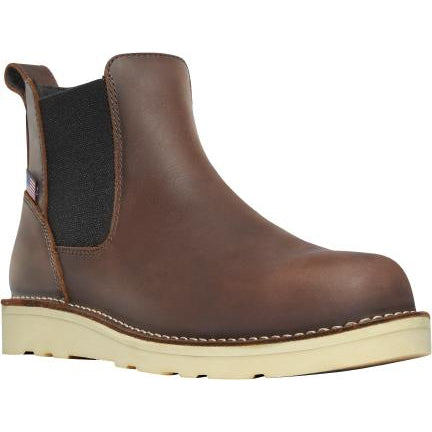
Danner Bull Run Chelsea 6 Inch Work Boots - Men's Soft Toe Wedge - 15481
Save 21%
Sale price$177.74
Regular price$224.99
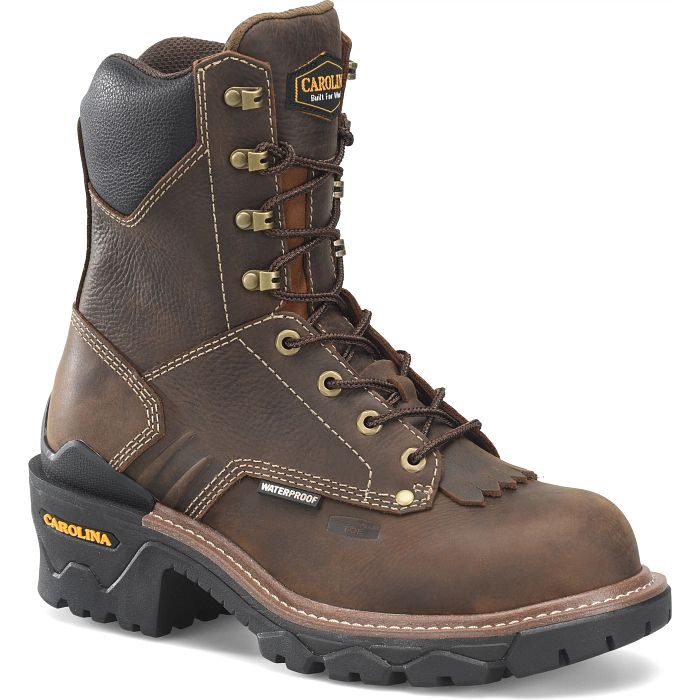
Carolina Men's Cardinal 8" Composite Toe Waterproof Slip Resistant Work Boot -Brown- CA7837
Save 21%
Sale price$169.84
Regular price$214.99
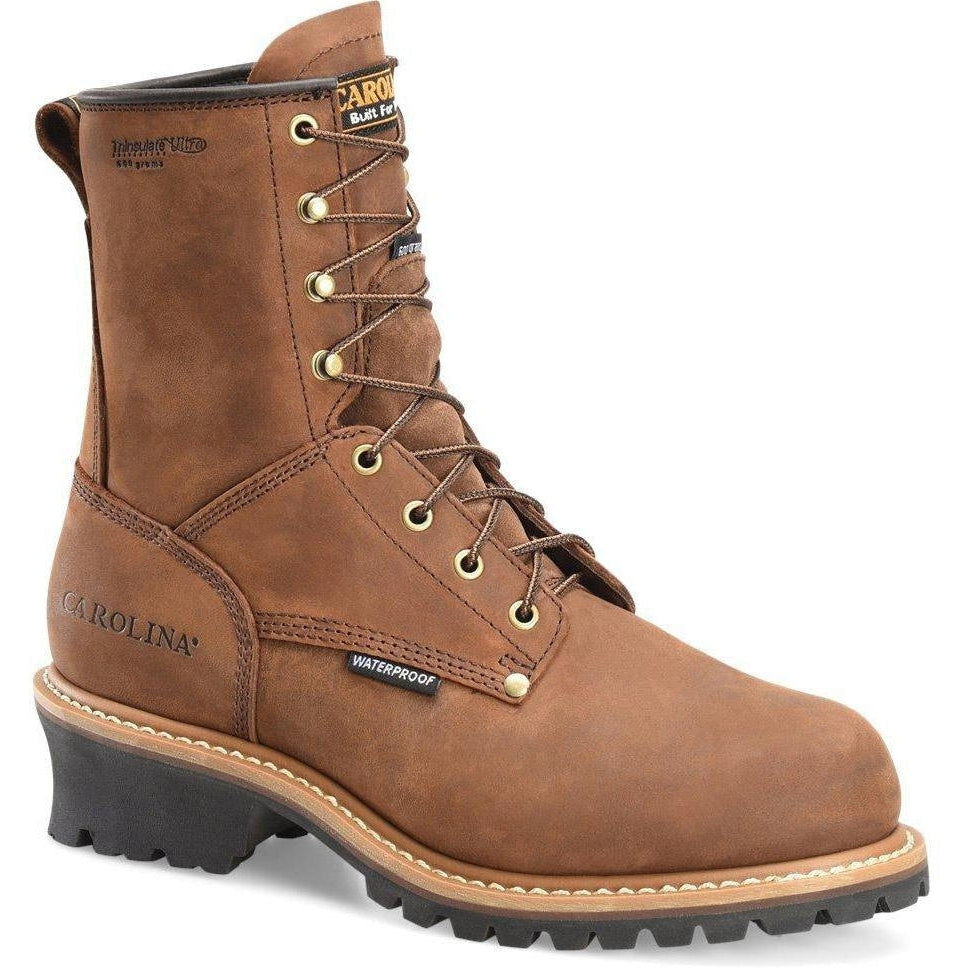
Carolina Men's Elm 8" Steel Toe Waterproof Insulated Logger Work Boot - Brown - CA5821
Save 21%
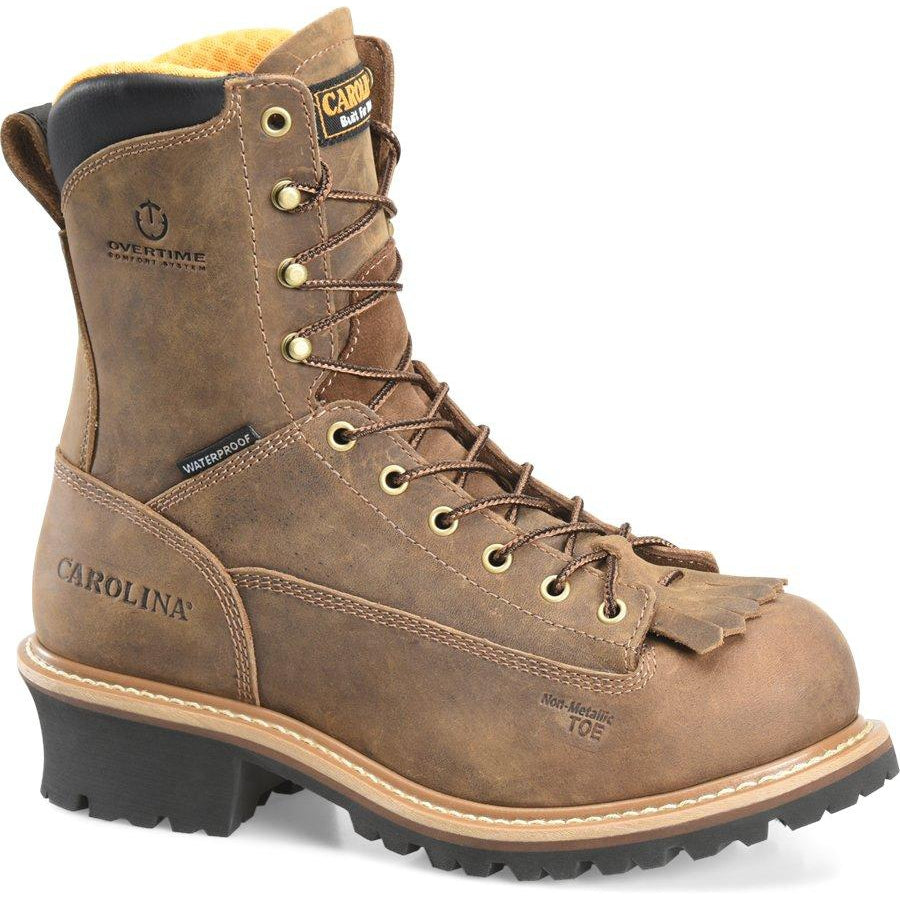
Sale price$177.74
Regular price$224.99
Carolina Men’s Driller 8” Composite Toe Waterproof Logger Work Boot – Brown - CA9828
Save 26%
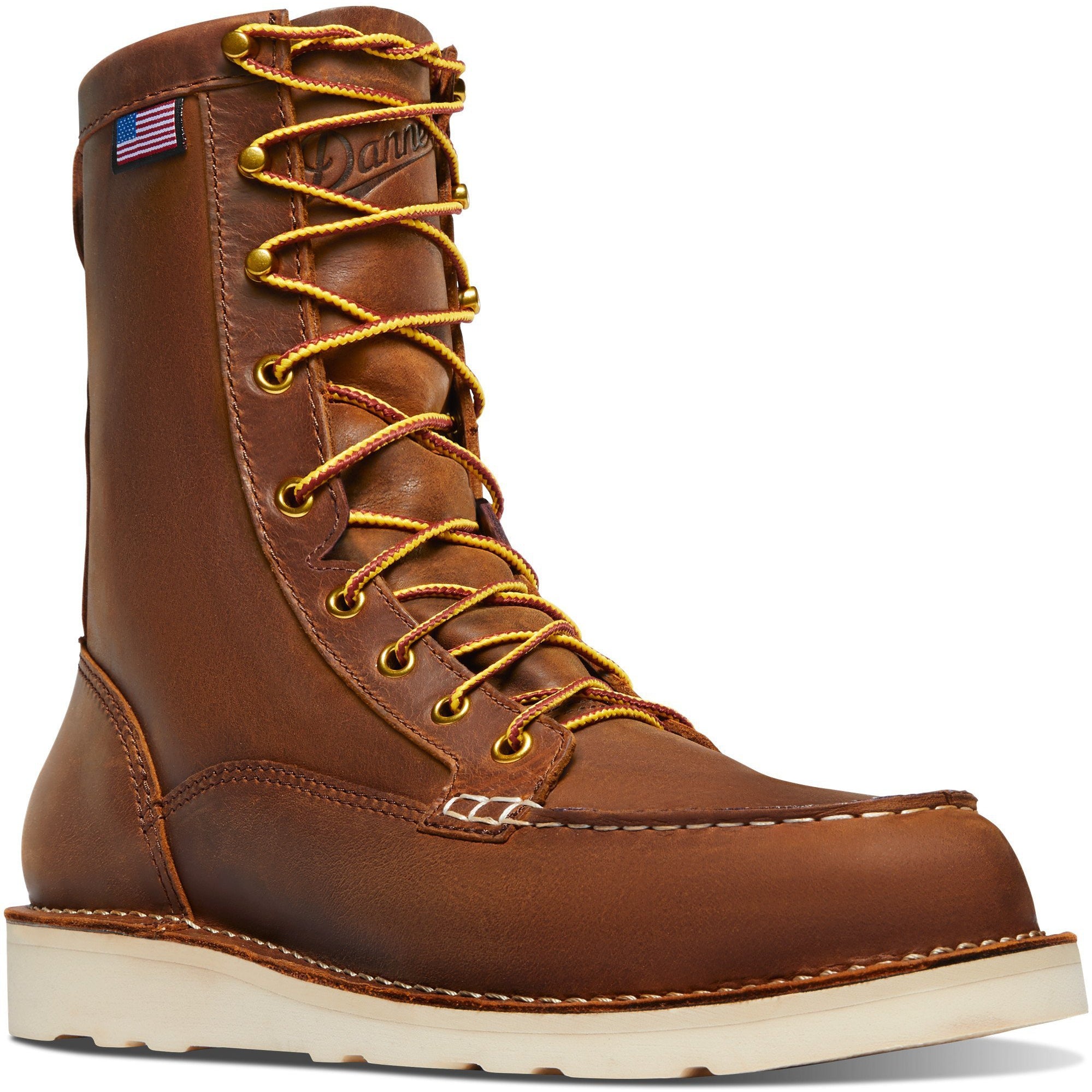
Sale price$213.26
Regular price$290.00
Danner Men's Bull Run 8" Moc Toe USA Made Wedge Work Boot - Tobacco - 15541
Save 27%
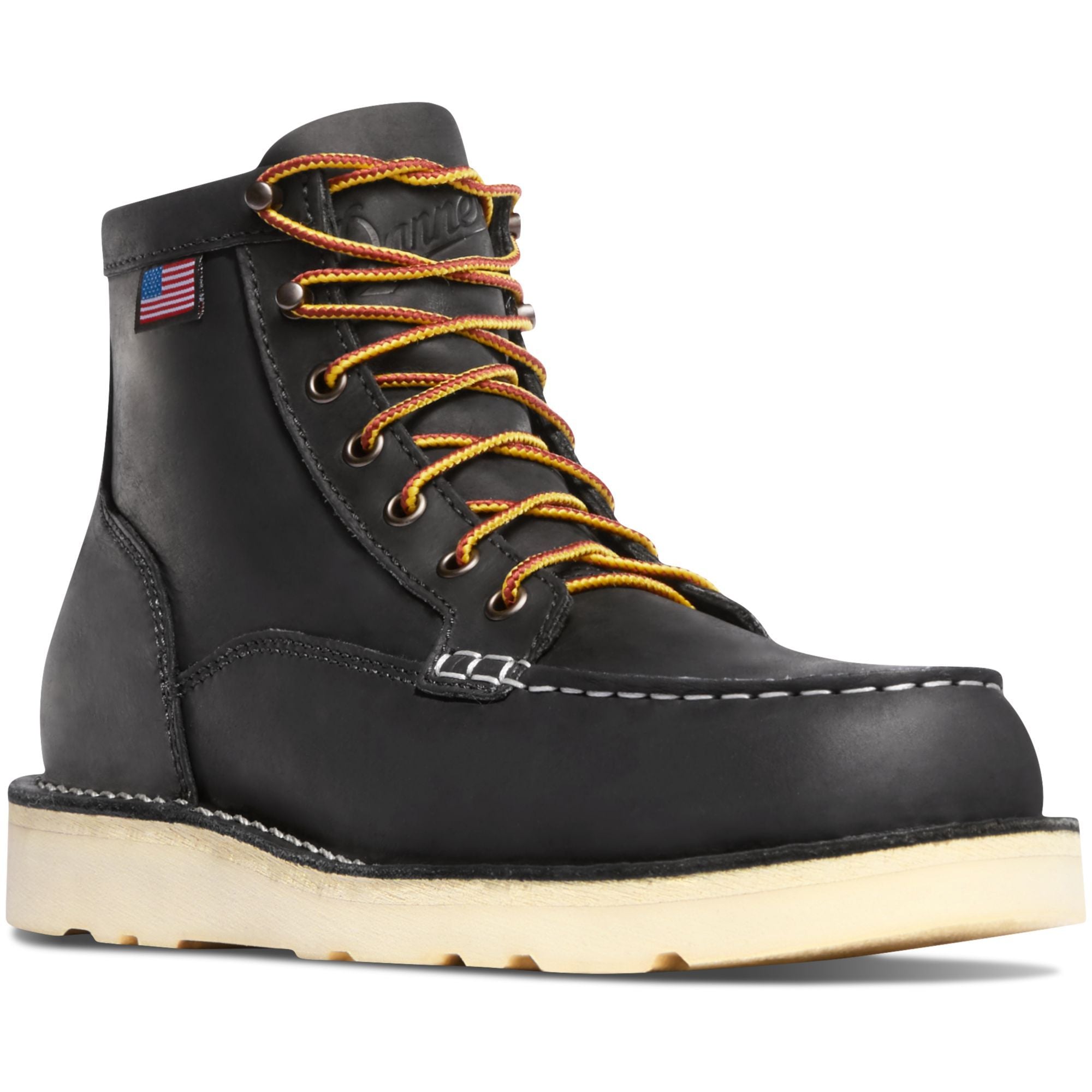
Sale price$205.36
Regular price$280.00
Danner Men's Bull Run USA Made 6" Moc Soft Toe Work Boot Black 15568
Save 21%
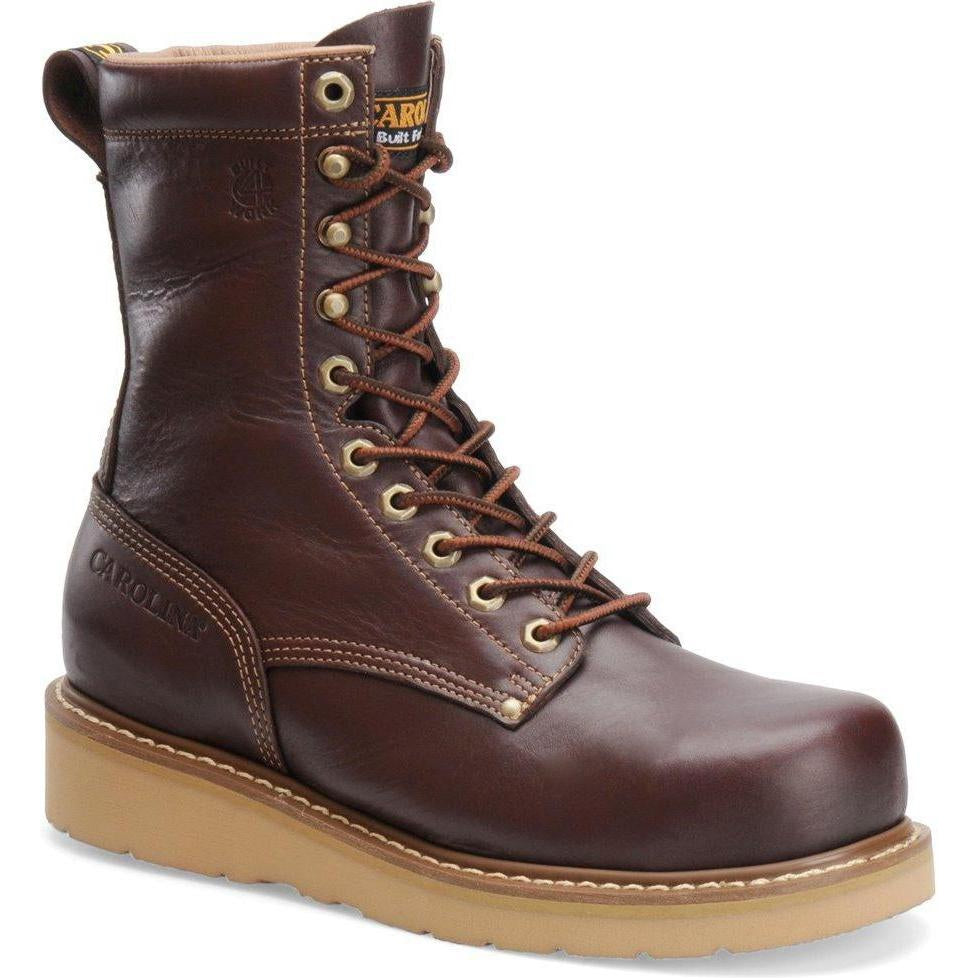
Sale price$157.99
Regular price$199.99
Carolina Men's Amp Hi 8" Broad Toe Wedge Work Boot - Dark Oak - CA8049
Save 24%
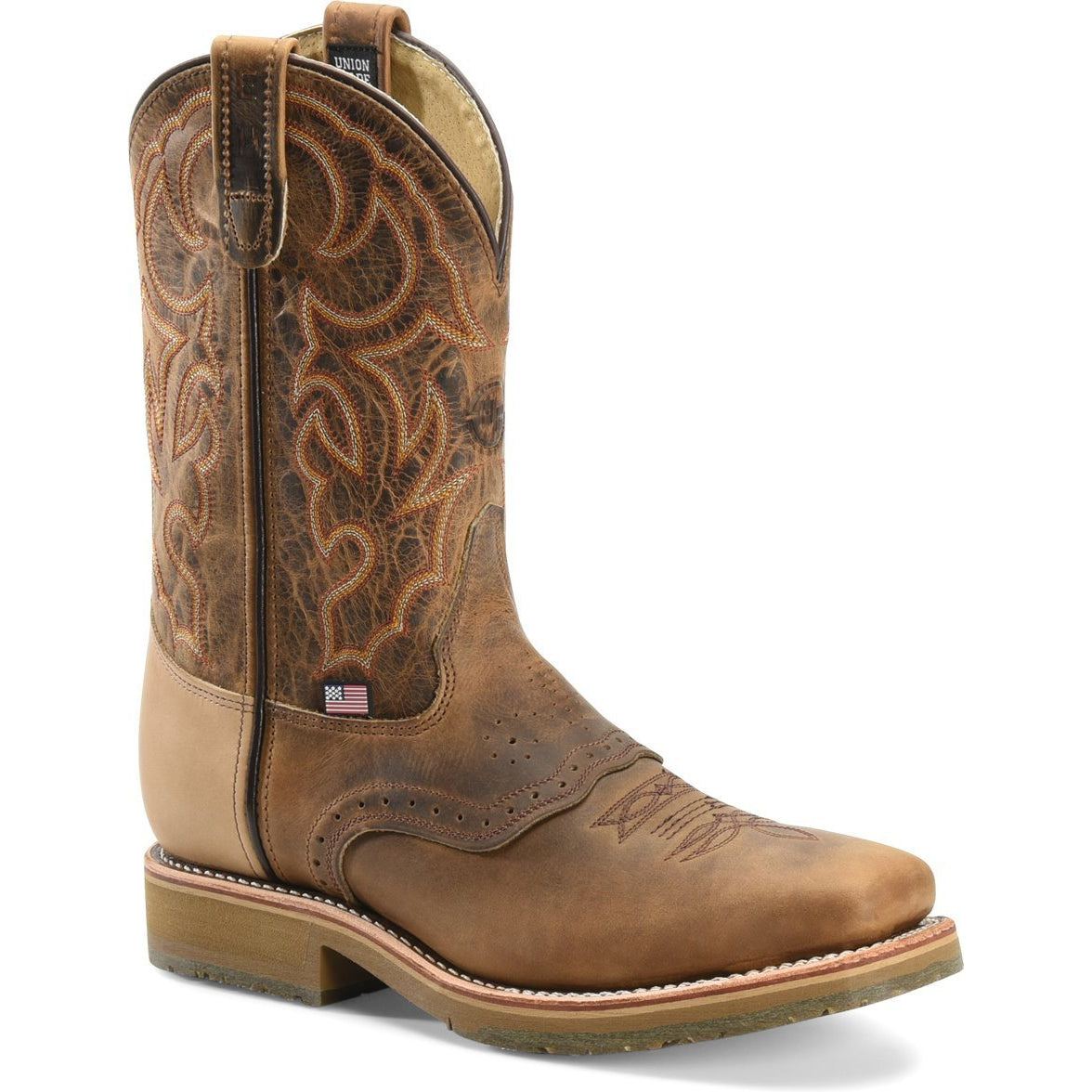
Sale price$248.84
Regular price$328.00
Double H Men's Dwight 11" Steel Toe USA Made Western Work Boot- DH3567
Save 21%
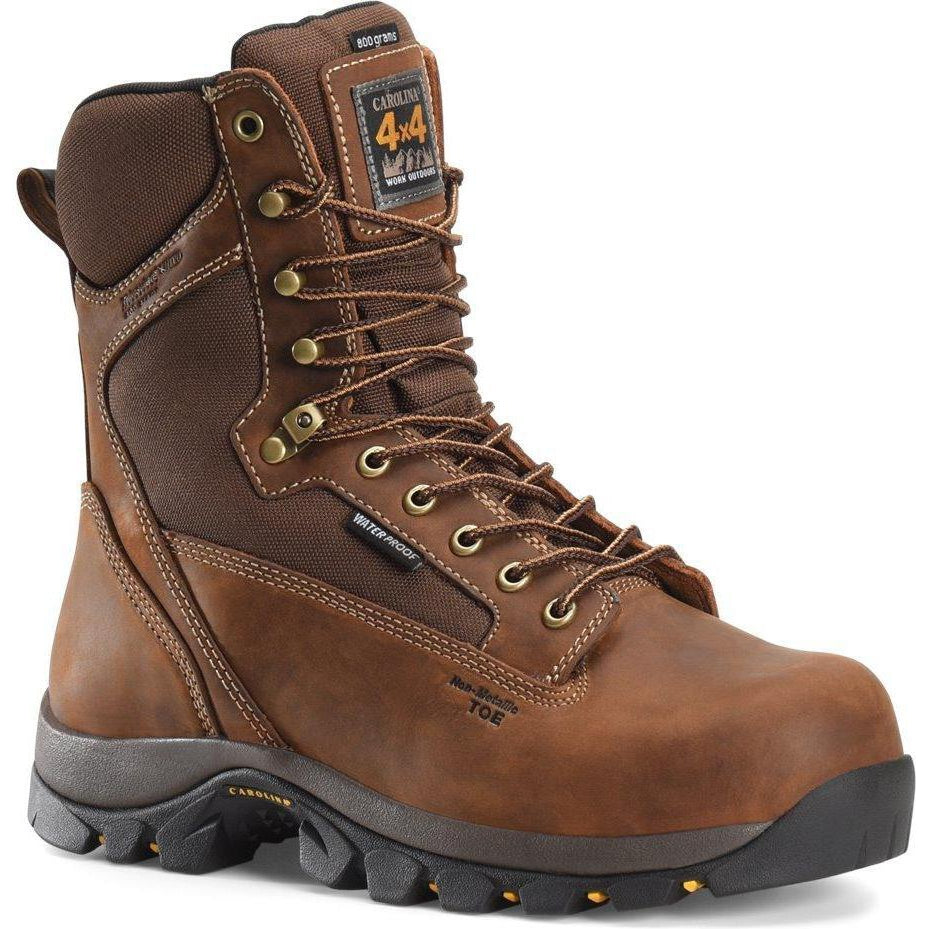
Sale price$173.79
Regular price$219.99
Carolina Men's Forrest 8" Waterproof Ins Composite Toe Work Boot - Brown - CA4515
Save 13%
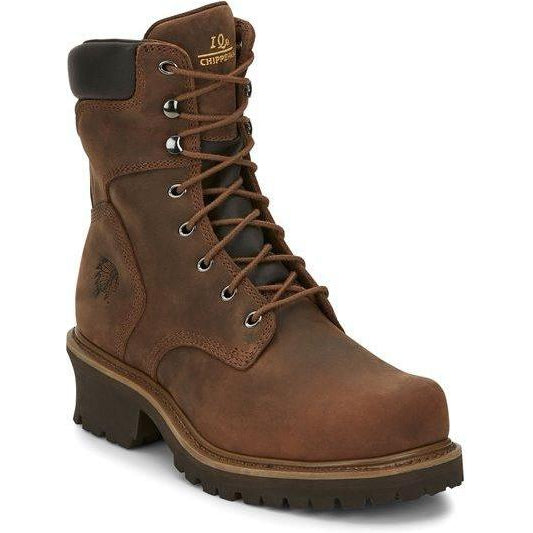
Sale price$187.01
Regular price$214.95
Chippewa Men's Hador 8" Steel Toe Logger Work Boot - 55026
Save 27%
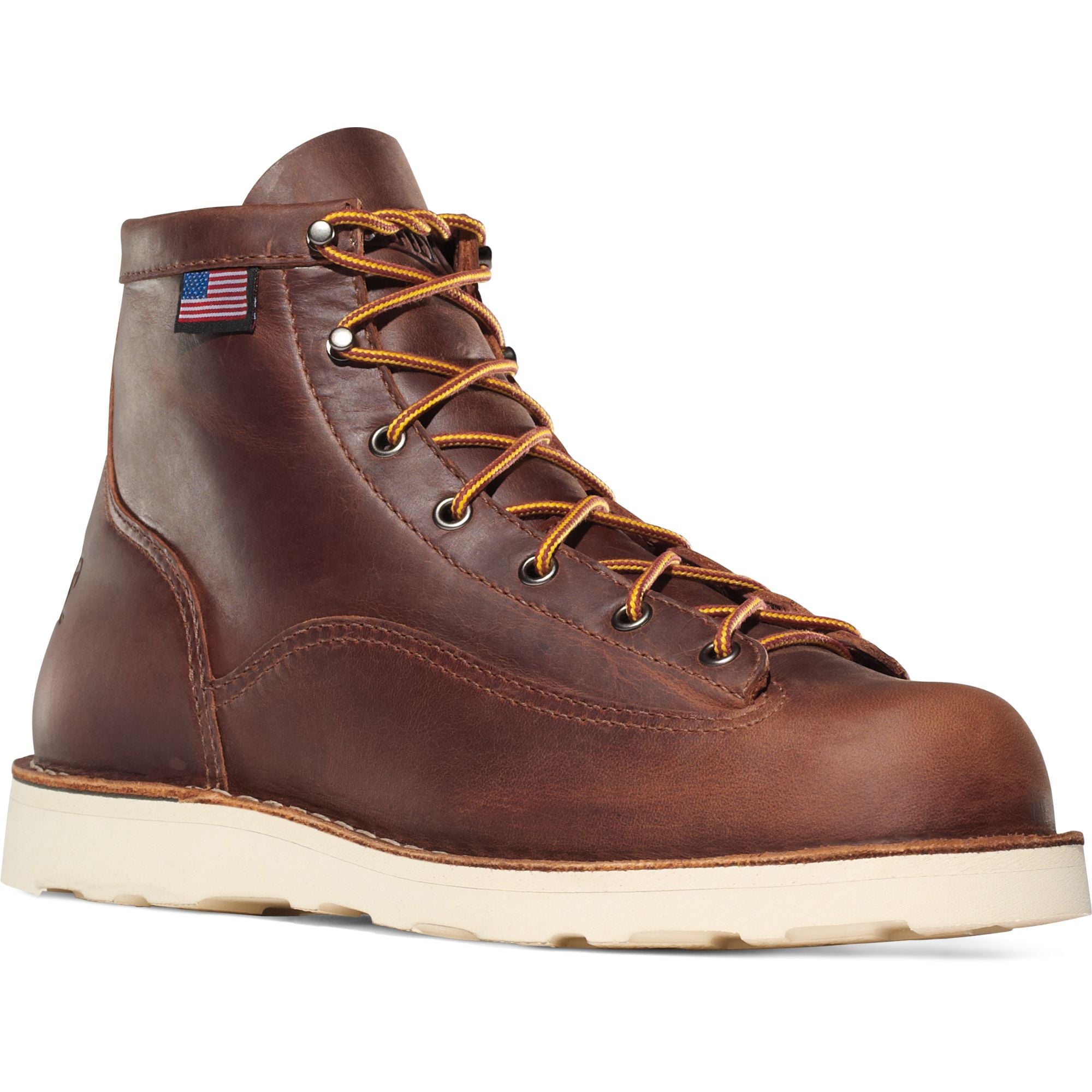
Sale price$205.36
Regular price$280.00
Danner Men's Bull Run USA Made 6" Soft Toe Wedge Work Boot - Brown - 15552
Save 14%
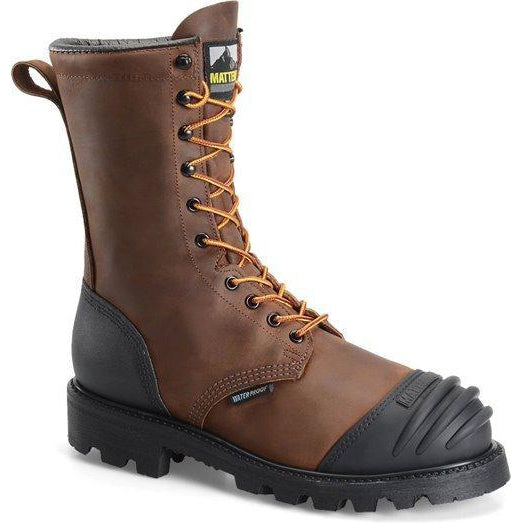
Sale price$326.59
Regular price$378.00
Matterhorn Men's Copper 10" Steel Toe Waterproof Metguard USA Made Work Boot - MT910
Frequently Asked Questions
An EH-rated sole and heel are built to resist the flow of electricity through the boot to ground, and under ASTM F2413 they are tested to withstand 18,000 volts at 60 Hz for one minute with no current flow or leakage above 1.0 milliampere. What that buys you in practice is protection against incidental contact with an energized circuit. It is a secondary defense, not a primary one, and it is not a substitute for de-energizing, lockout, or insulating gloves.
No, and this is the single most important thing to get right. EH and SD do opposite jobs: an EH sole resists current flowing to ground, while an SD sole is built to bleed static charge to ground in a controlled way. They are mutually exclusive under ASTM F2413, so a boot carries one or the other and never both. If you see both claimed on one product anywhere, it is an error. Our ESD shoes and boots collection covers the static-dissipative side.
No. The EH rating describes the sole and heel, and the toe cap sits inside insulating material with no conduction path to the ground in normal use. Steel, alloy, composite, and carbon toes all appear on EH-rated boots. That said, if your work involves overhead energized contact rather than underfoot, a non-metallic toe is worth considering on general principle.
The rating degrades with wear, and there is no expiry date printed on the boot. Wet soles, worn tread, embedded metal fragments, punctures, and contamination all compromise it, and a sole worn down past its tread is not performing to the tested standard regardless of what the label says. Inspect the outsoles regularly and replace them once the tread is gone rather than waiting for the uppers to fail.
Yes, significantly. EH footwear is tested dry, and wet conditions reduce the protection substantially because water provides a conduction path the test never accounted for. If you work around energized equipment in wet conditions, the EH rating should not be the thing you are relying on. Waterproof construction keeps the inside of the boot dry but does nothing about a wet outsole.
Most electrical work specifies them, and many employers require them outright. EH footwear is standard PPE for electricians, HVAC and refrigeration techs, linemen, telecom workers, and plant maintenance crews. Whether it is mandatory comes down to your employer's hazard assessment rather than a blanket rule, so check your site's PPE policy. Our lineman boots range covers the pole-climbing builds specifically.
Look for the EH code on the ASTM label stitched inside the boot, usually on the tongue. The label lists the standard, the year of the revision it was tested to, and then the codes for what it was tested for, such as I/75 and C/75 for impact and compression, then EH. Marketing copy is not the same as the label, so if the rating matters for compliance, check the boot itself when it arrives.
Many are, and the ratings are independent of each other. EH is a property of the sole and heel, waterproofing is a membrane, and insulation is a lining, so a boot can carry all three. Waterproof and insulation status are stated in every product title. See our full waterproof work boots and 400G insulated ranges.
Not meaningfully. EH is a widely available rating across almost every brand and price band, and it adds little to manufacturing cost because it comes from the outsole compound and construction rather than from an added component. You are not paying a premium for it the way you would for a metatarsal guard or a puncture plate.
EH-rated footwear under ASTM F2413 is secondary protection against incidental contact. Dielectric overboots, tested under a different standard, are primary insulating equipment worn over your regular boots for live-line work at specific voltage classes. They serve completely different purposes, and an EH work boot is not a substitute for dielectric equipment where your procedures call for it.
Recently viewed
Our Top Brands