Save 17%
Sale price$224.09
Regular price$269.99
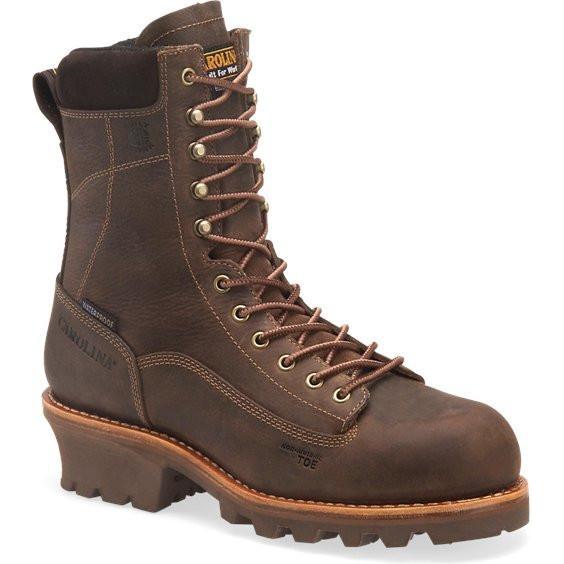
Carolina Birch Logger Boots CA7521 - Men's 8" Composite Toe Waterproof Work Boot
Save 17%
Sale price$165.99
Regular price$199.99
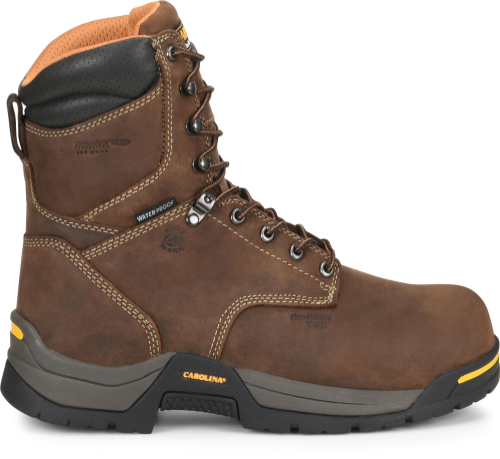
Carolina Men's Bruno Hi 8" Comp Toe 600G Work Boot - Brown - CA8521
Save 17%
Sale price$199.19
Regular price$239.99
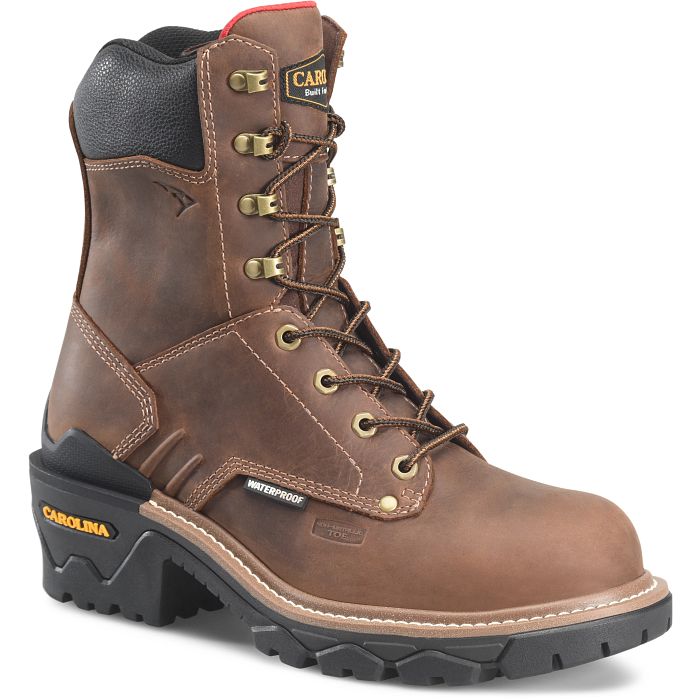
Carolina Men's Cardinal 8" Composite Toe Waterproof 600G Ins Work Boot -Brown- CA7838
Save 29%
Sale price$124.67
Regular price$176.00
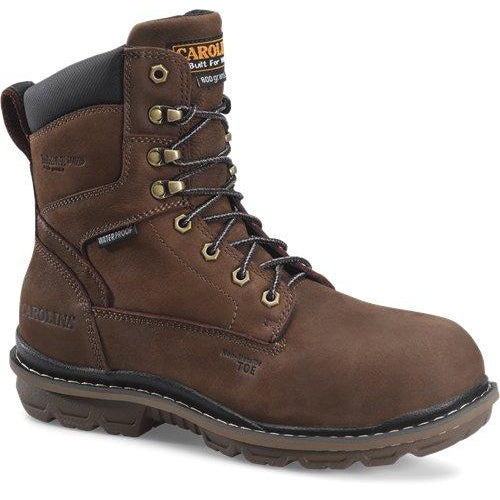
Carolina Men's Dormite 8" Composite Toe Ins Waterproof Work Boot - Brown - CA8556
Save 17%
Sale price$178.44
Regular price$214.99
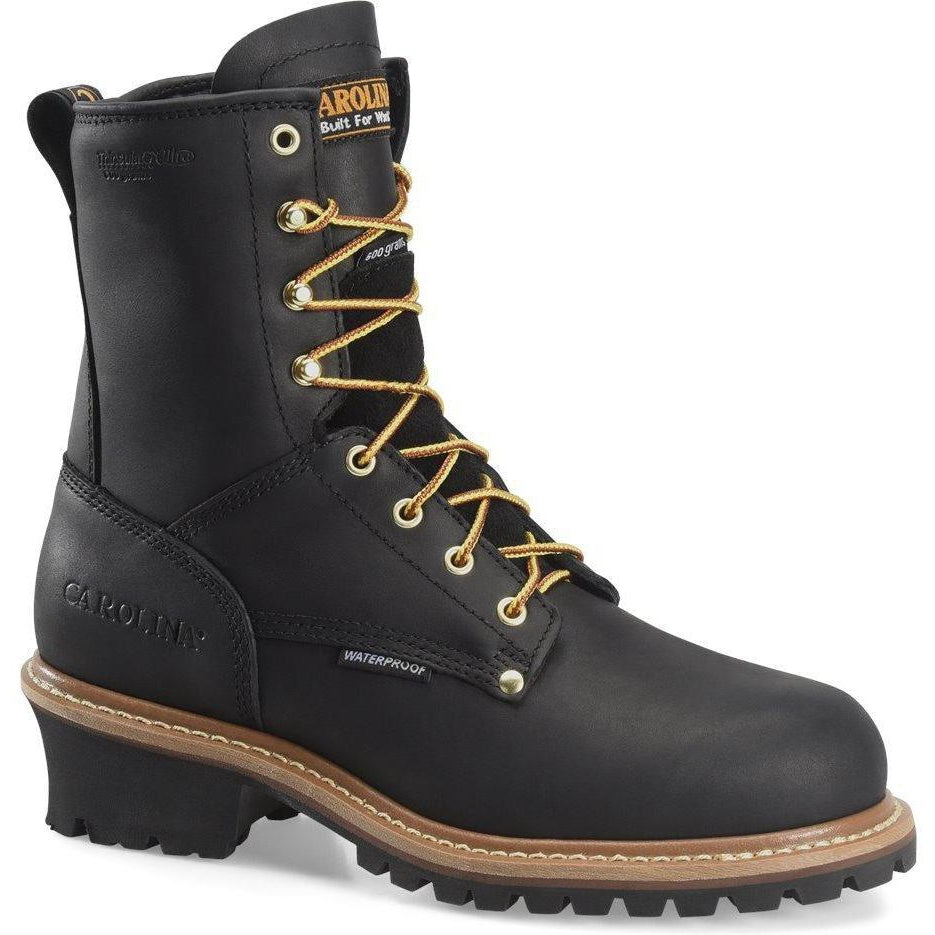
Carolina Men's Elm 8" Steel Toe Waterproof Insulated Logger Work Boot - Black - CA5823
Save 17%
Sale price$178.44
Regular price$214.99
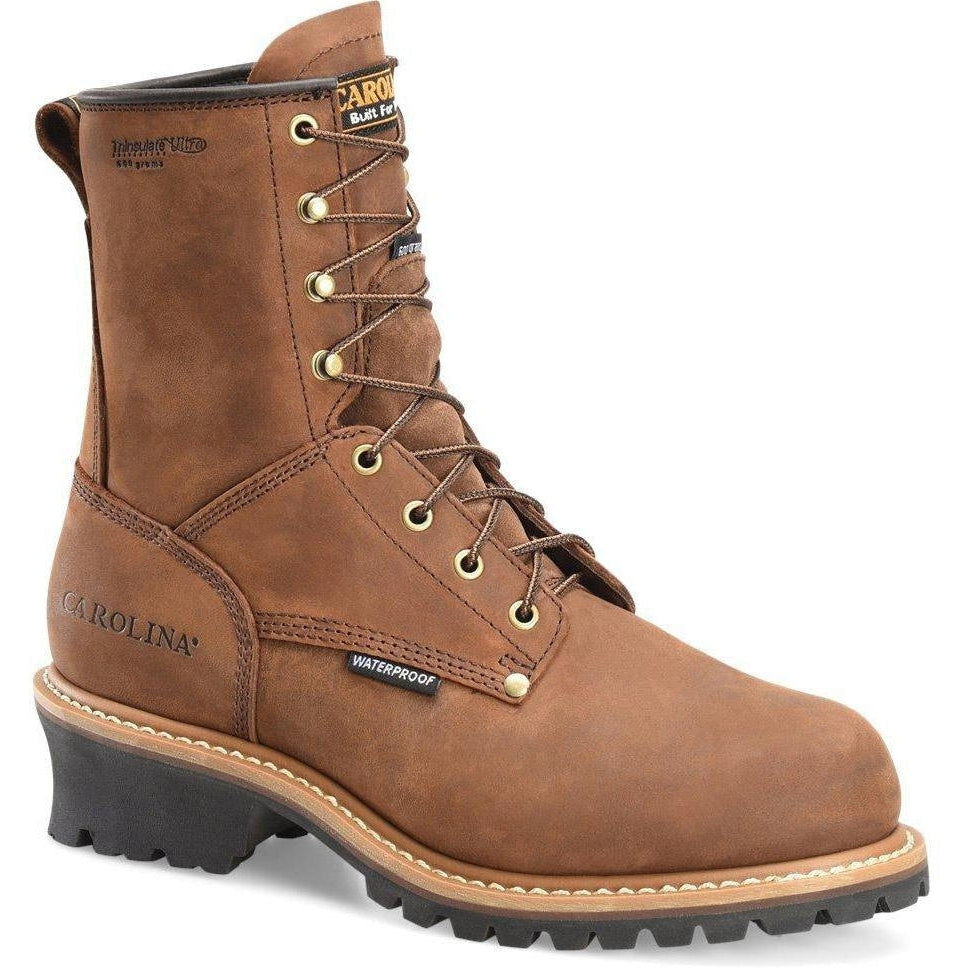
Carolina Men's Elm 8" Steel Toe Waterproof Insulated Logger Work Boot - Brown - CA5821
Save 17%
Sale price$174.29
Regular price$209.99
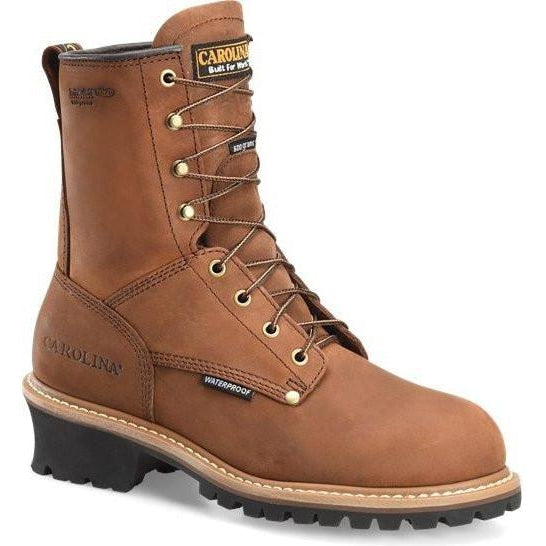
Carolina Men's Elm 8" Waterproof Insulated Logger Work Boot - Brown- CA4821
Save 18%
Sale price$182.59
Regular price$224.00
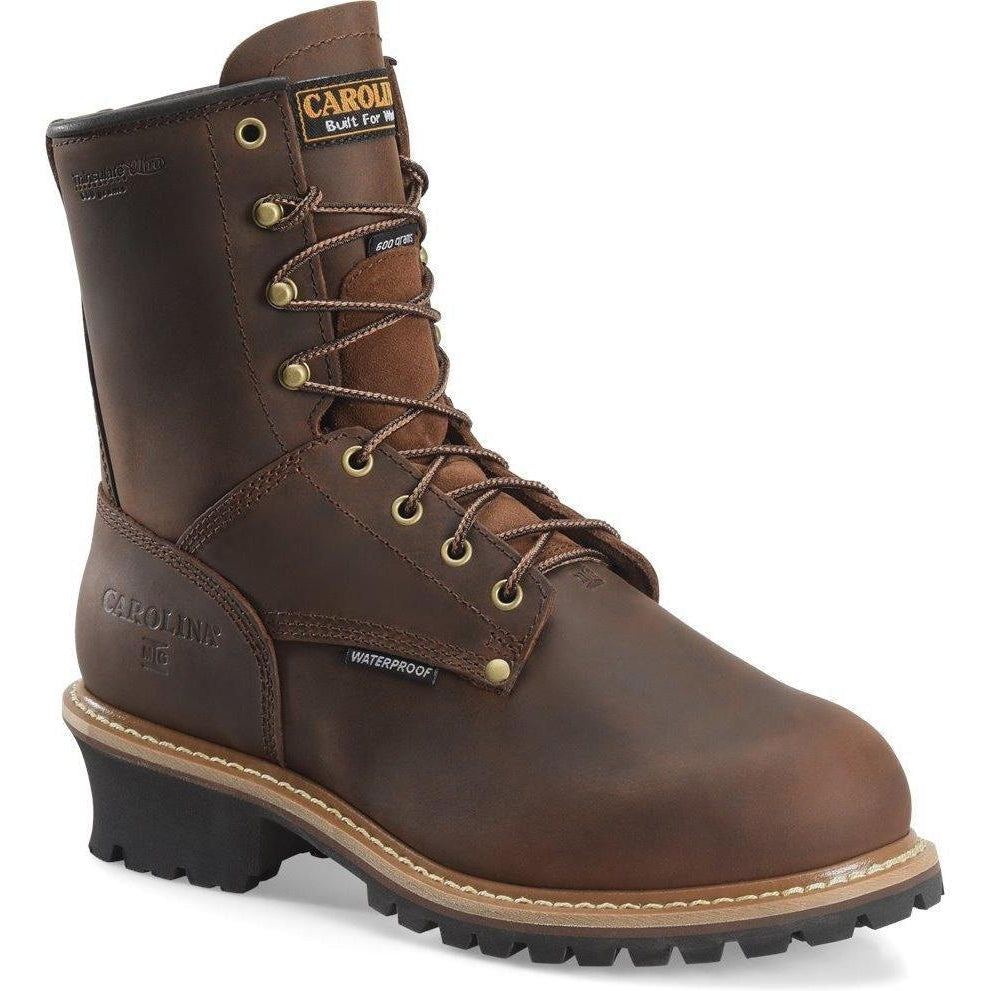
Carolina Men's Elm 8" Waterproof Insulated Metguard Logger Work Boot - CA7821
Save 17%
Sale price$195.04
Regular price$234.99
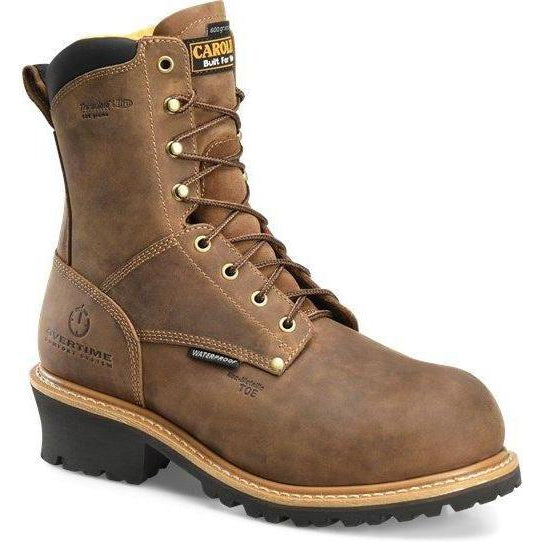
Carolina Men's Poplar 8" Composite Toe Waterproof Insulated Logger Work Boot - CA9851
Save 13%
Sale price$479.95
Regular price$550.00
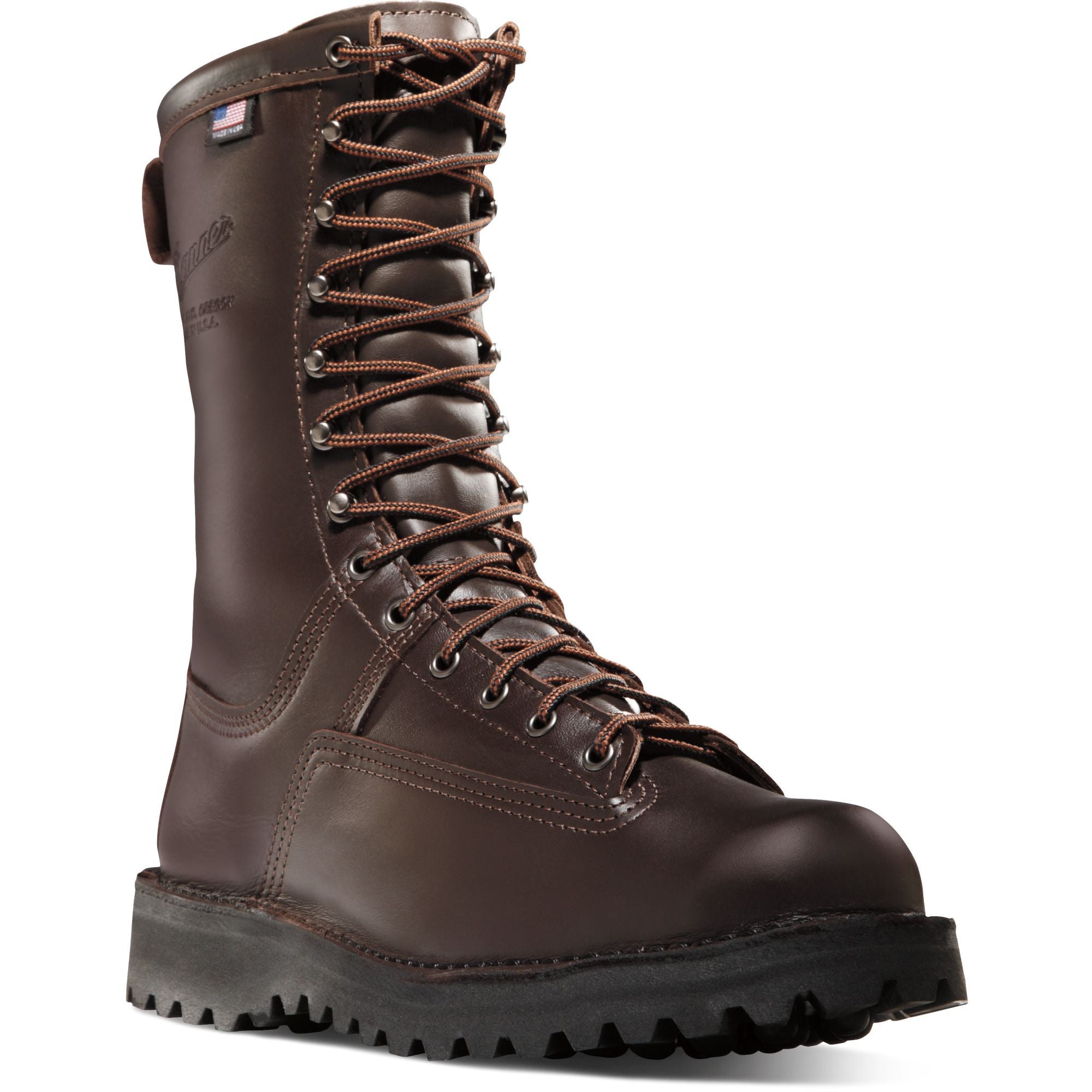
Danner Men's Canadian USA Made 10" Insulated Waterproof Hunt Boot - 67200
Save 15%
Sale price$479.95
Regular price$566.00
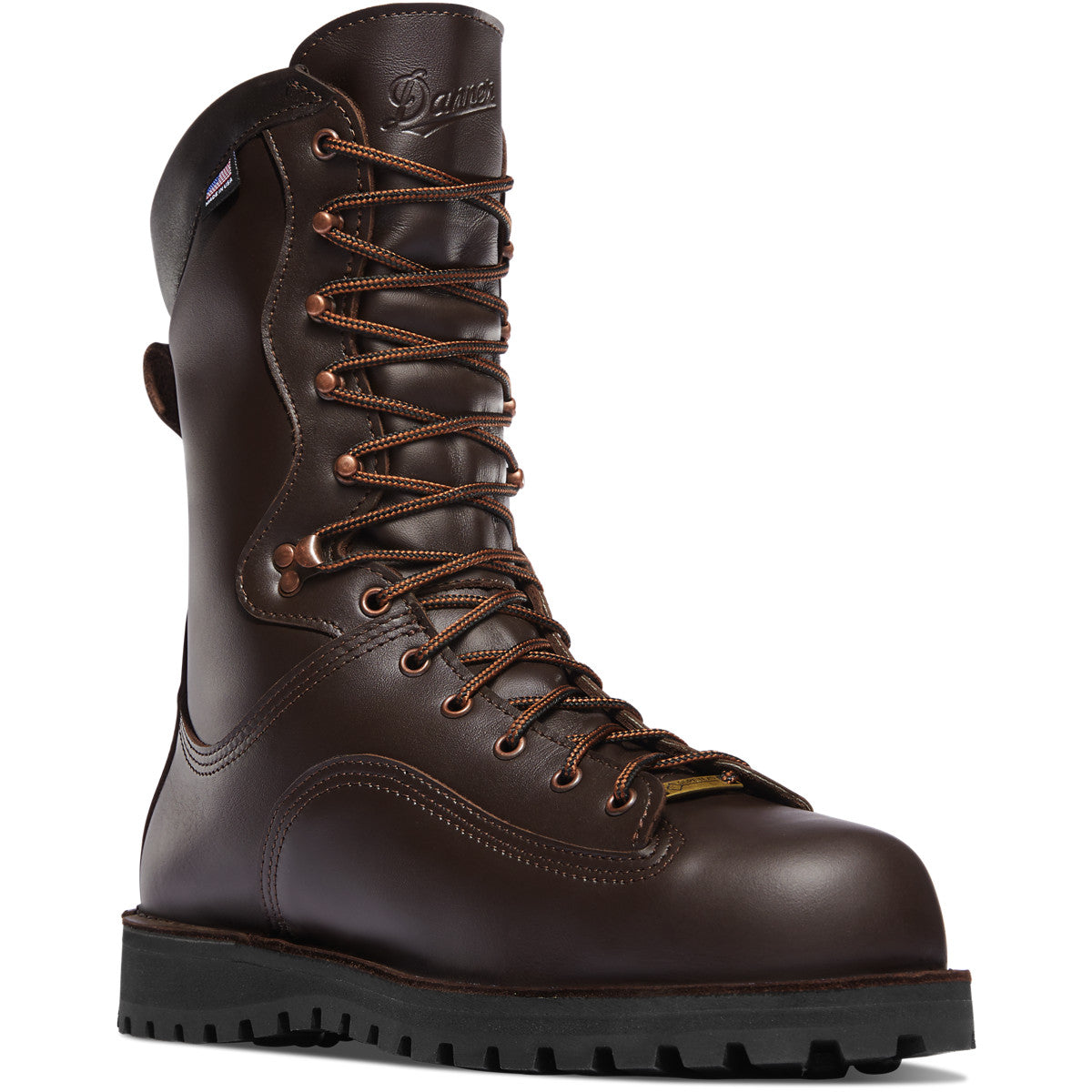
Danner Men's Trophy 10" USA Made Waterproof Ins Hunt Boot - Brown - 40000
Save 15%
Sale price$195.30
Regular price$230.00
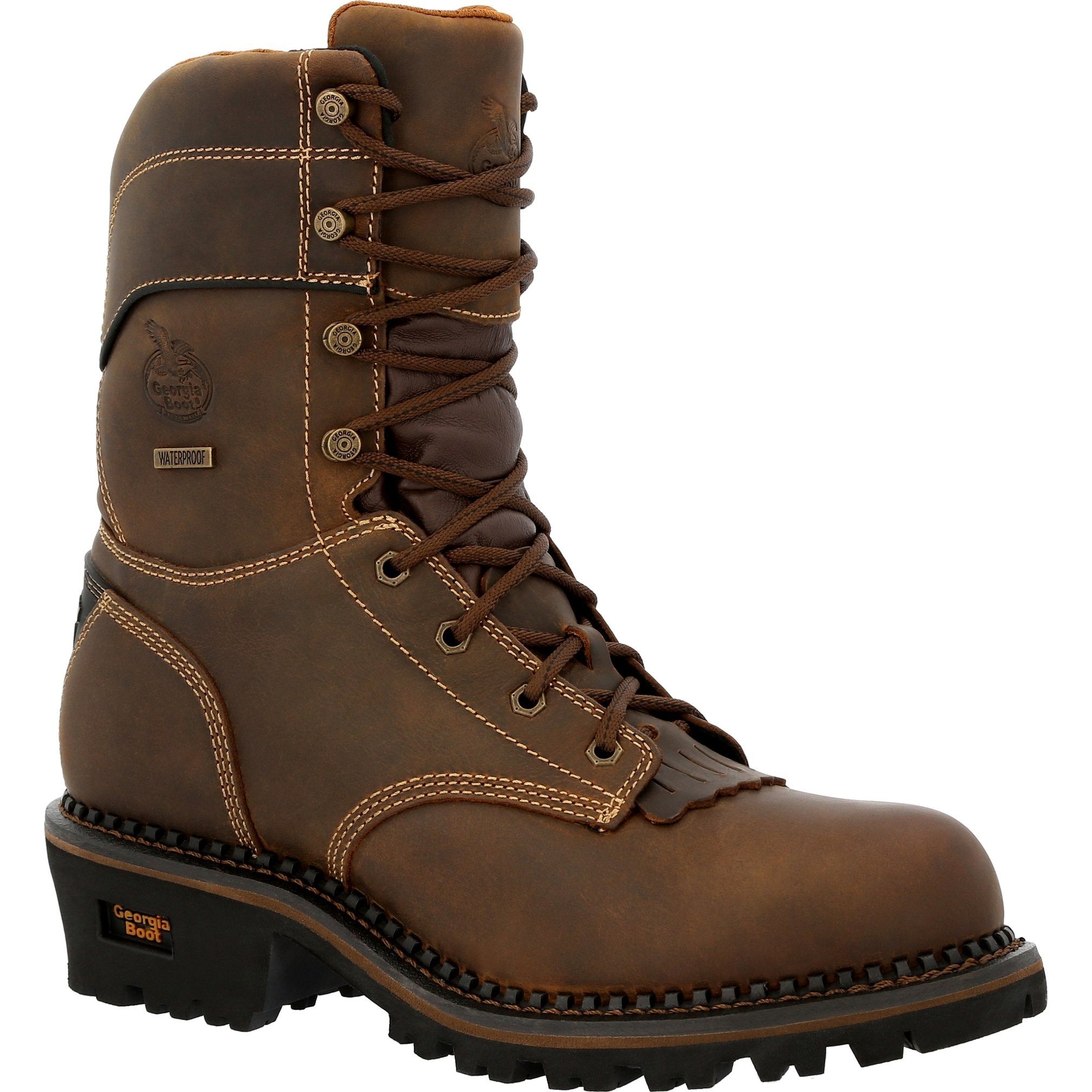
Georgia Men's Amped Lightweight Logger 9" Composite Toe Waterproof 600G Ins Work Boot- GB00491
Save 7%
Sale price$140.00
Regular price$150.00
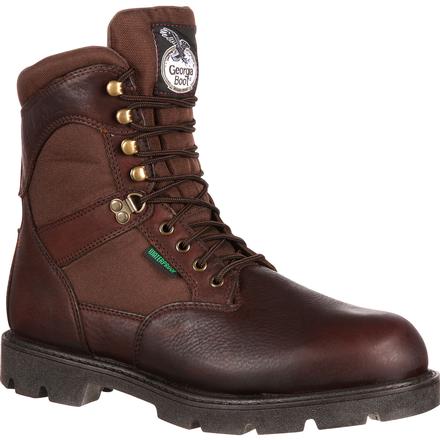
Georgia Men's Homeland 8" Waterproof Insulated Work Boot - Brown - G109
Save 8%
Sale price$239.95
Regular price$260.00
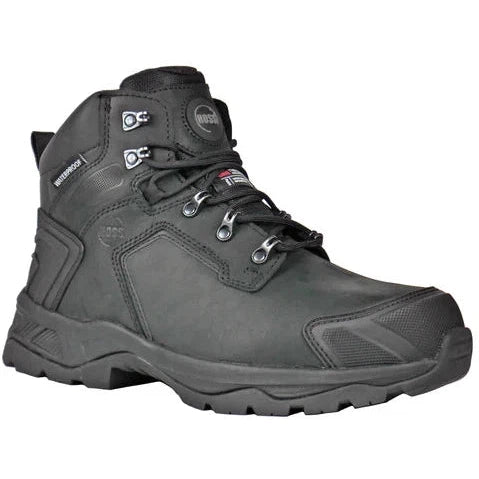
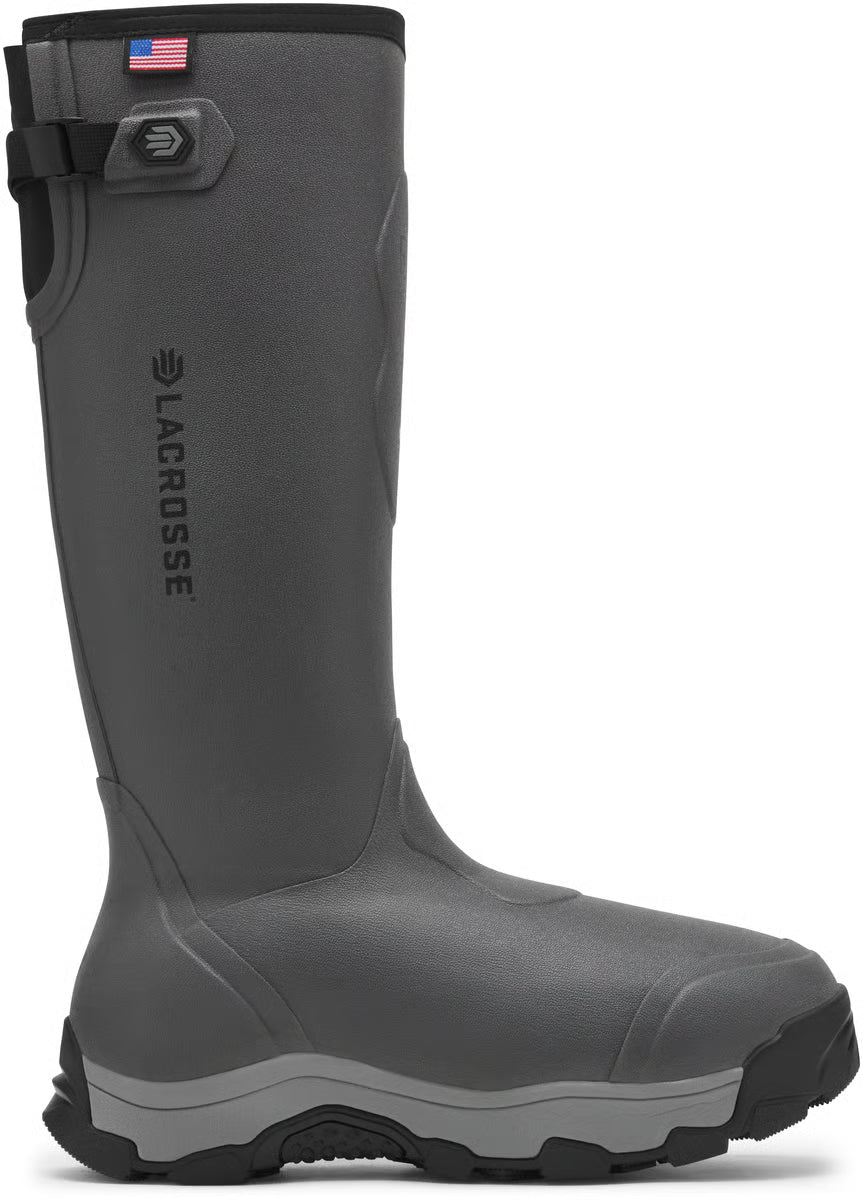
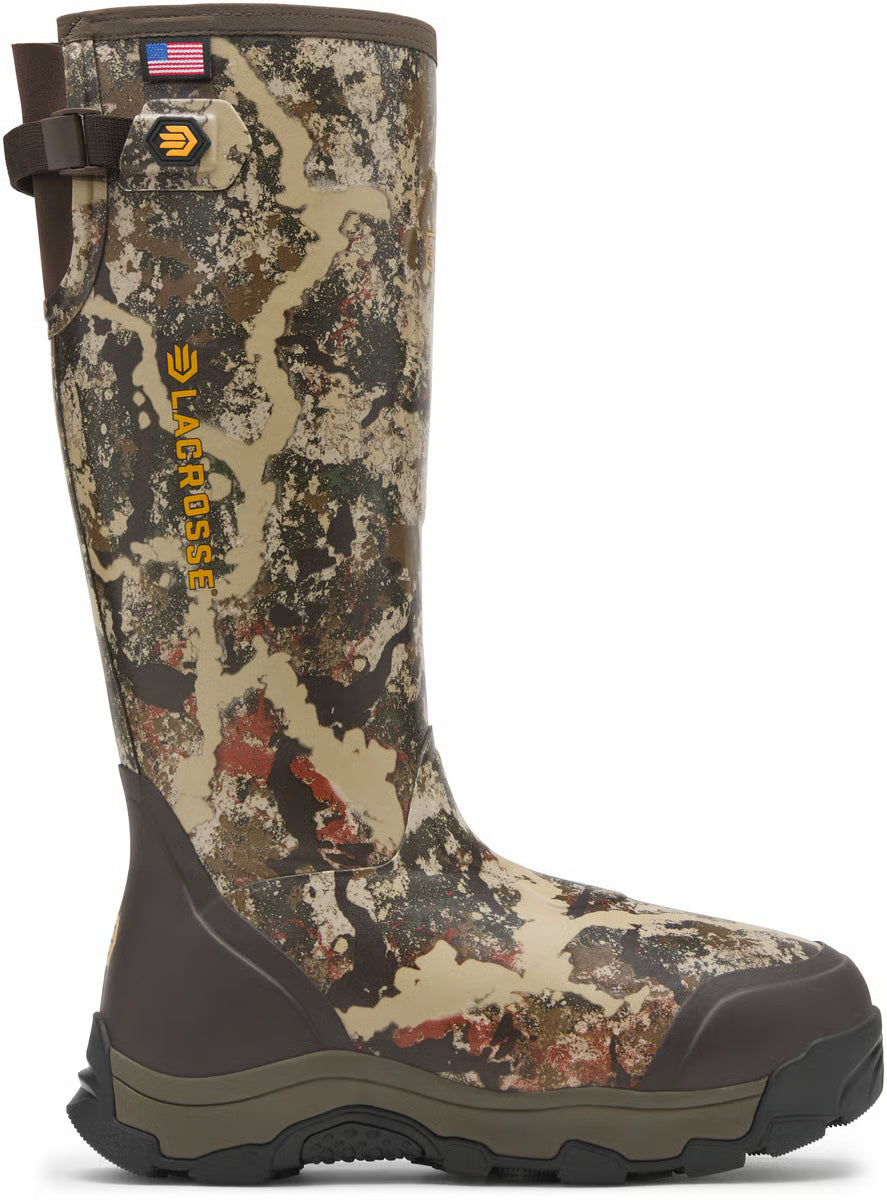
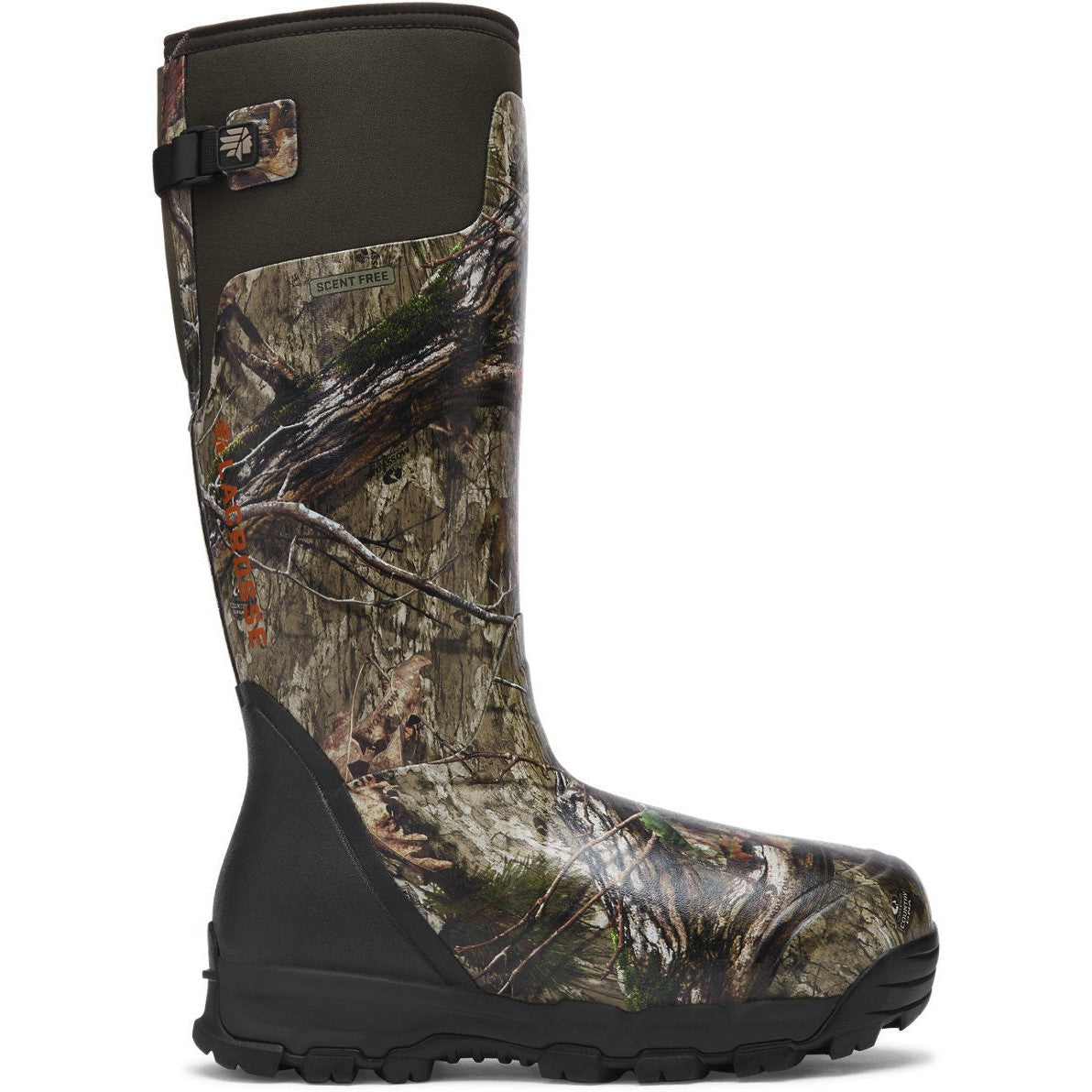
LaCrosse Men's AlphaBurly Pro 18" Plain Toe Waterproof 1600G Hunting Boot - Mossy Oak Country DNA - 376082

Save 7%
Sale price$399.95
Regular price$430.00
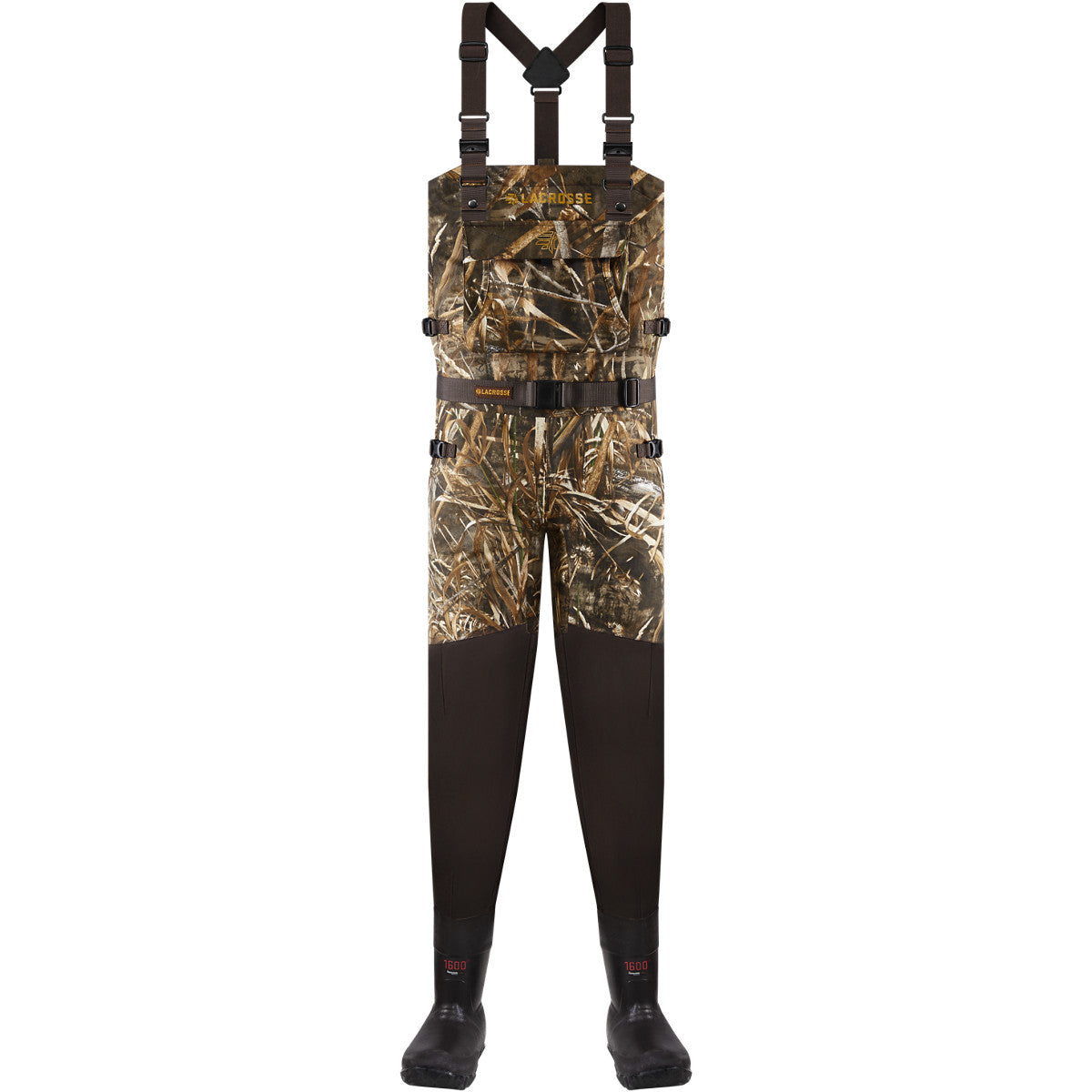
LaCrosse Women's Hai Call Breathable Chest Soft Toe Waterproof 1600G Hunt Boot - Realtree Max-5 - 700090
Save 14%
Sale price$185.99
Regular price$217.00
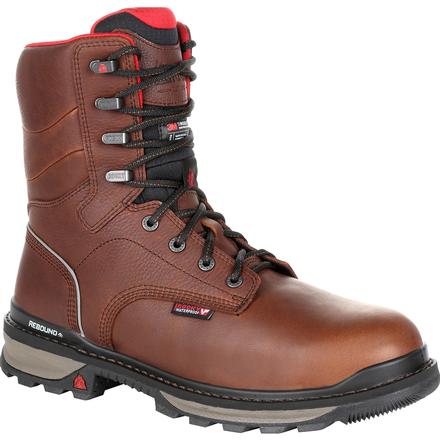
Rocky Men's Rams Horn 8" Composite Toe Waterproof Ins Work Boot - Brown - RKK0284
Save 6%
Sale price$169.99
Regular price$179.99
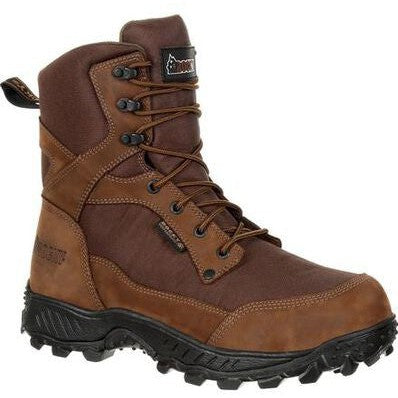
Rocky Men's Ridgetop 8" Soft Toe Waterproof 600G Ins Outdoor Boot- Brown- RKS0384
Save 12%
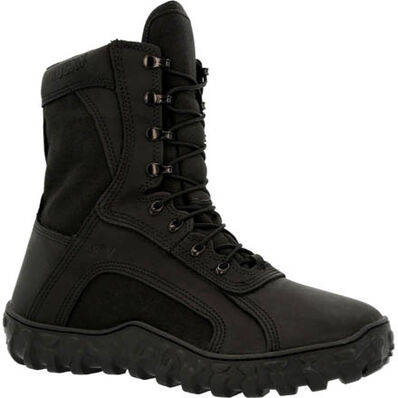
Sale price$316.20
Regular price$360.00
Rocky Men's S2V 8" Soft Toe Waterproof 600G Ins USA Made Tactical Military Boot- RKC079
Save 6%
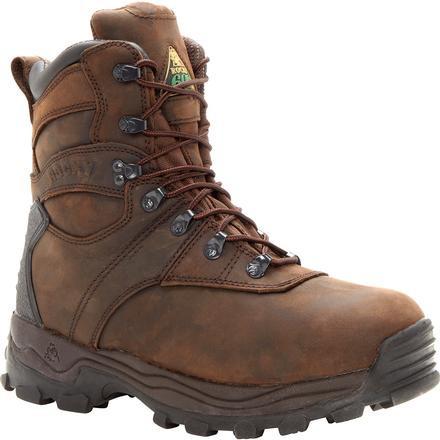
Sale price$144.99
Regular price$155.00
Rocky Men's Sport Utility Pro Waterproof Ins Hunting Boot -Brown - FQ0007480
Save 15%
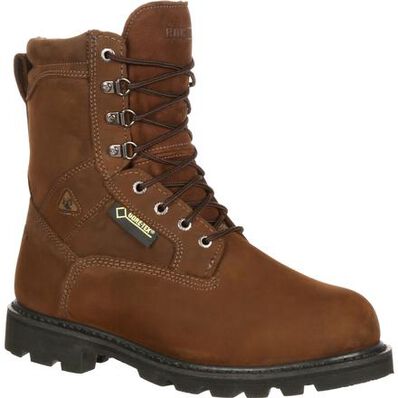
Sale price$199.94
Regular price$234.99
Rocky Ranger 9" Steel Toe Waterproof 600G Insulated Work Boot -Brown- FQ0006223
Save 25%
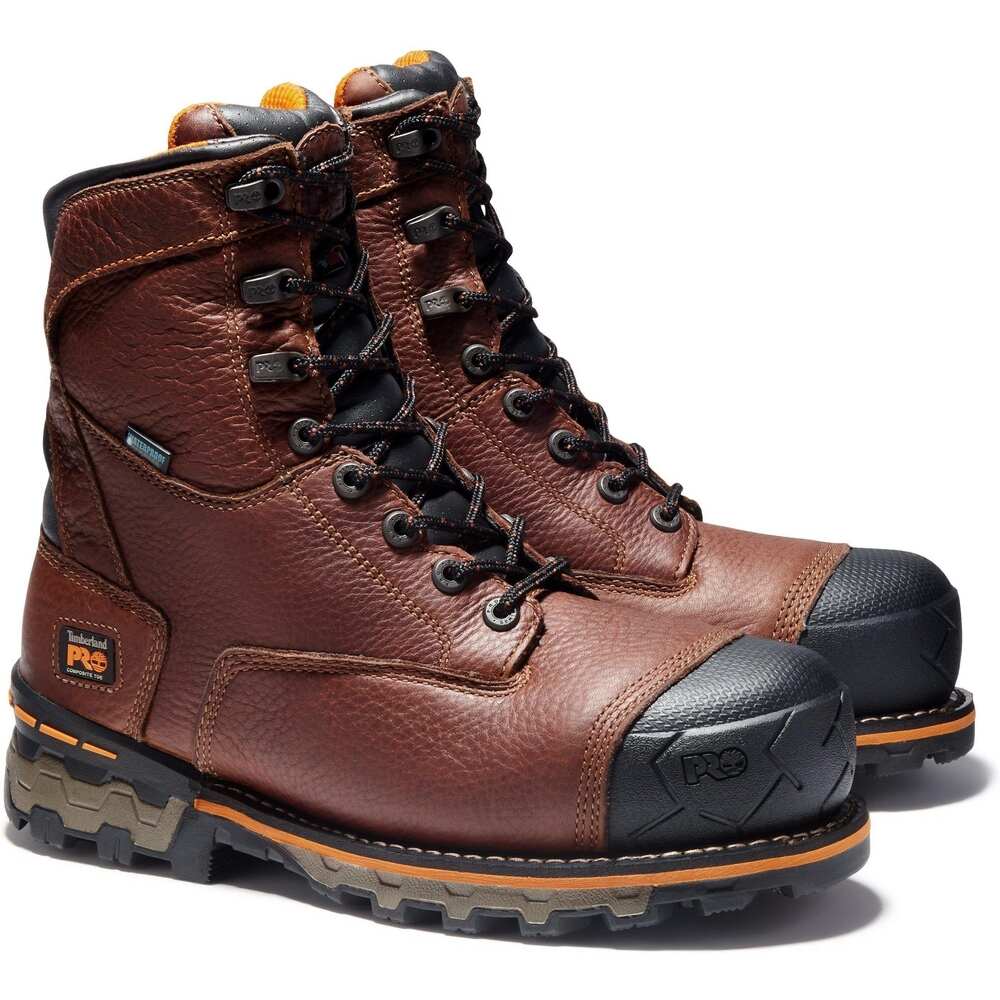
Sale price$199.95
Regular price$265.00
Timberland PRO Men's Boondock 8" Composite Toe Waterproof Ins Work Boot TB189628214


Frequently Asked Questions
When you are in real cold but not moving continuously. If your day alternates between working and waiting, or between outdoors and a cab, 600 grams covers the stationary stretches without the bulk of the heaviest weights. If you walk and lift all day, 400 is usually the better call because you will overheat in 600.
Noticeably, though the relationship is not linear and diminishing returns set in as weights climb. What you gain in warmth you pay for in bulk and in the risk of overheating while active. The difference matters most when you are standing still, which is exactly when insulation earns its keep.
The industry does not use a standardized temperature rating, and any figure you see should be treated as guidance rather than specification. Roughly, 600 grams suits cold conditions with moderate activity. Your circulation, socks, fit, and how long you stand still affect the outcome more than the gram figure does.
Because insulation you do not need traps sweat. If you overheat while active, moisture saturates the insulation, and wet insulation loses most of its value the moment you stop moving. That is why buying the warmest available is often counterproductive, and why matching weight to activity beats matching it to temperature.
Yes, in nearly every case. Wet insulation stops working, and snow melting against a warm boot is the most common way feet get wet in winter. A waterproof membrane also keeps slush and meltwater out. Waterproof status is stated in every product title. See our full waterproof work boots range.
Slightly looser than uninsulated, allowing for the socks you will actually wear plus a little air space, since dead air is part of how insulation works and a tight boot restricts circulation. Buying your usual size and then adding heavy socks is the classic mistake and makes feet colder rather than warmer.
Yes. Steel and alloy conduct temperature and pull cold toward your toes, while composite and carbon do not. In genuinely cold work a non-metallic toe removes a cold path that insulation cannot fully compensate for, so if your site allows the choice it is worth making. See our composite toe work boots range.
For multi-day stationary cold, often yes, because a pac boot has a removable liner you can dry overnight while a sealed insulated boot never fully dries. For a single shift with somewhere warm to dry out afterward, a 600 gram boot is more comfortable to walk in and less bulky. See our pac boots range.
Recently viewed
Our Top Brands