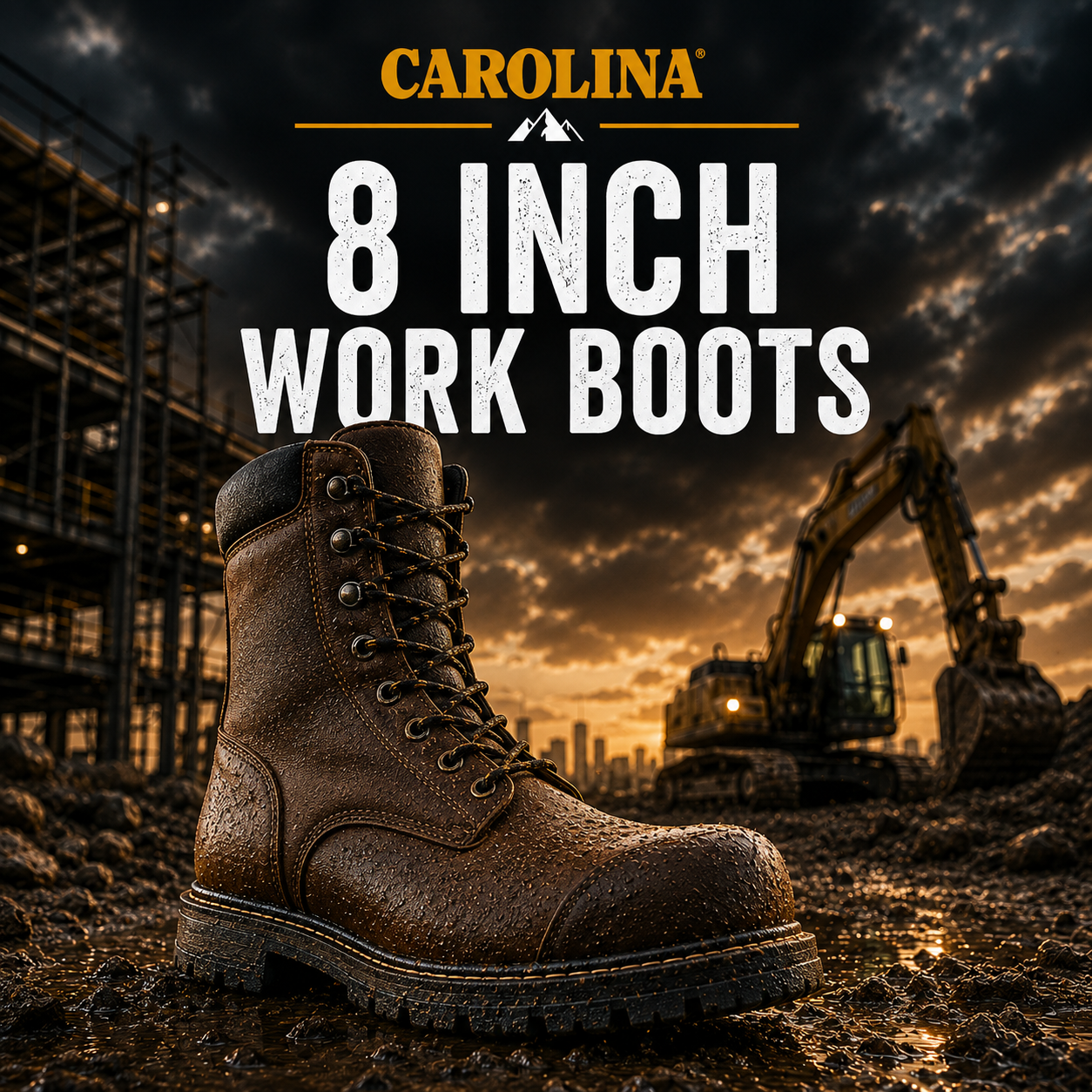
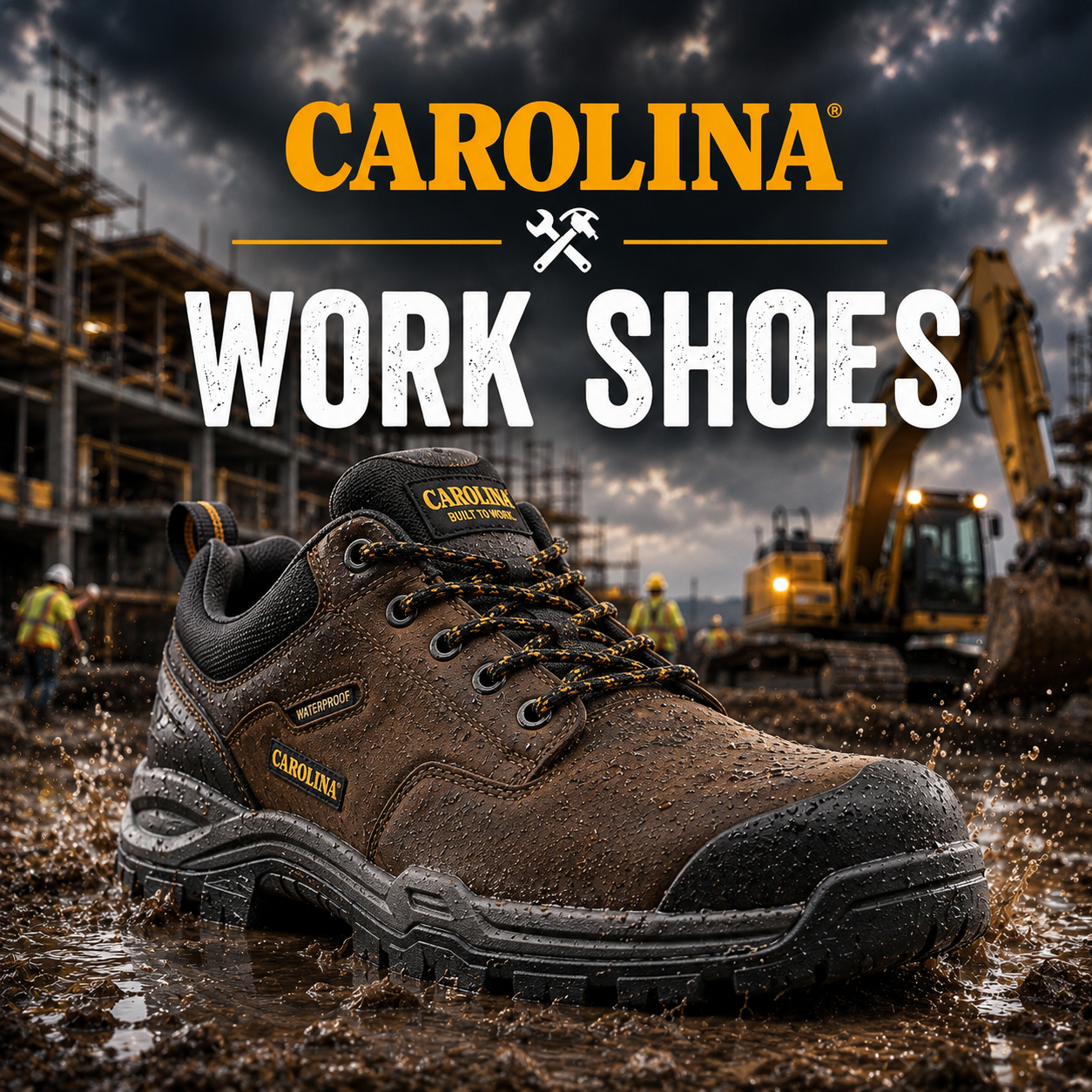
Men's 8” Waterproof 600G Insulated Broad Composite Toe Work Boot
A classic looking work boot that is tough and waterproof. It's incredibly reliable, making it the perfect choice to get some work done.
Key Features of the Carolina CA8521
-
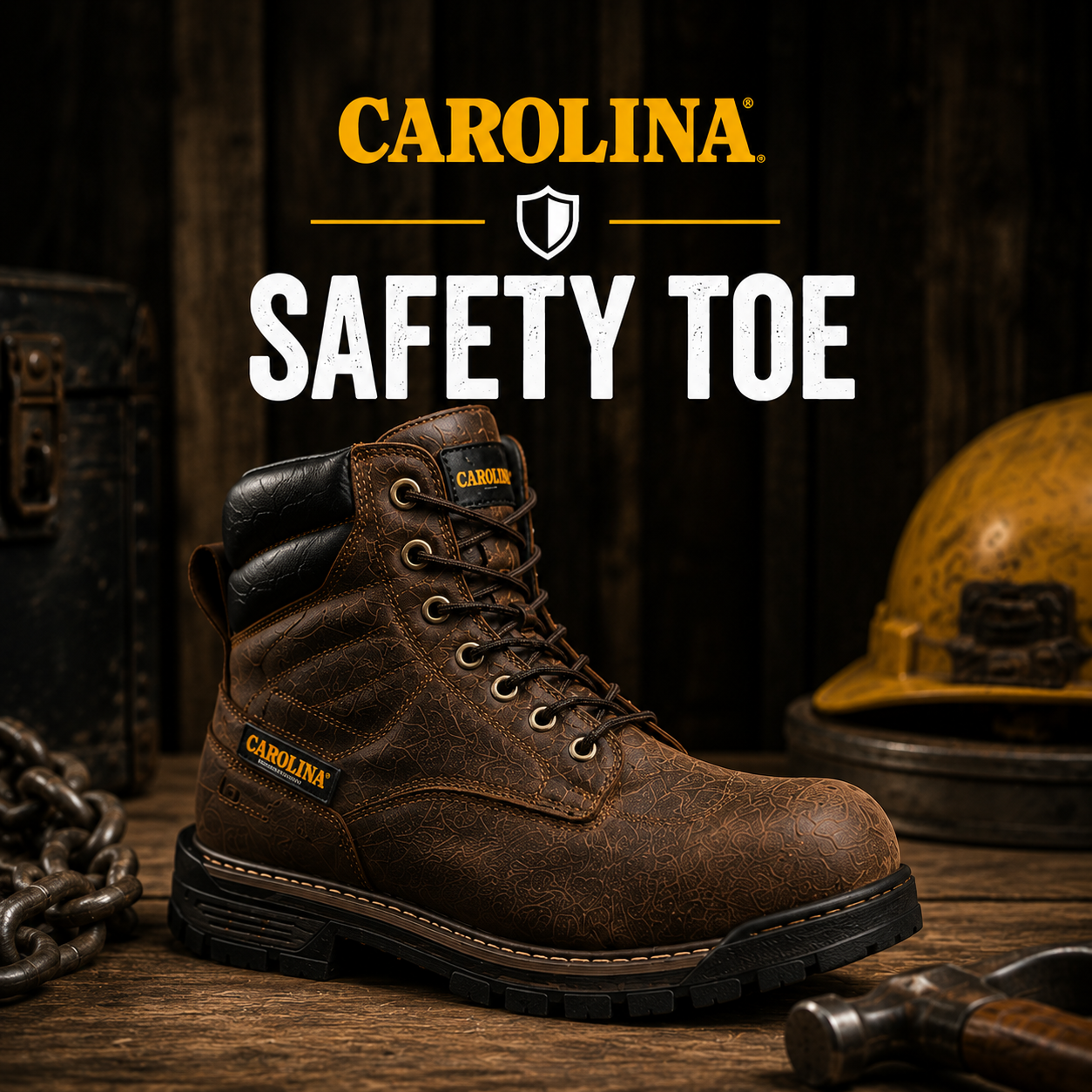
Composite Safety Toe Cap — A non-metallic broad toe meeting ASTM F2413 for impact (I/75) and compression (C/75), with reduced cold transfer.
-
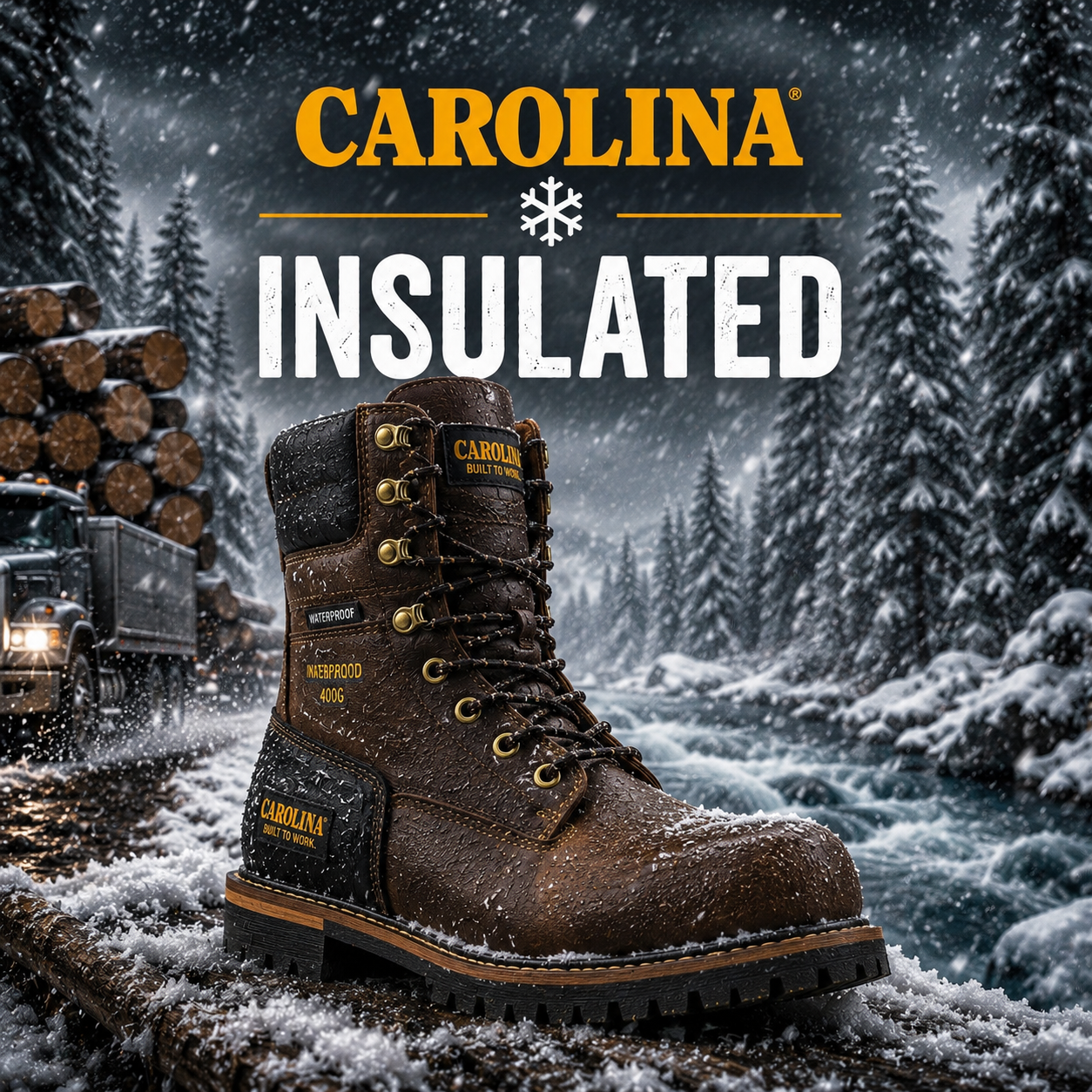
600g Thinsulate™ Insulation — Microfibers that trap dead air without absorbing water (Thinsulate™ is a 3M trademark).
-
Gaucho Crazy Horse Leather Upper — Rugged, rich full-grain leather.
-
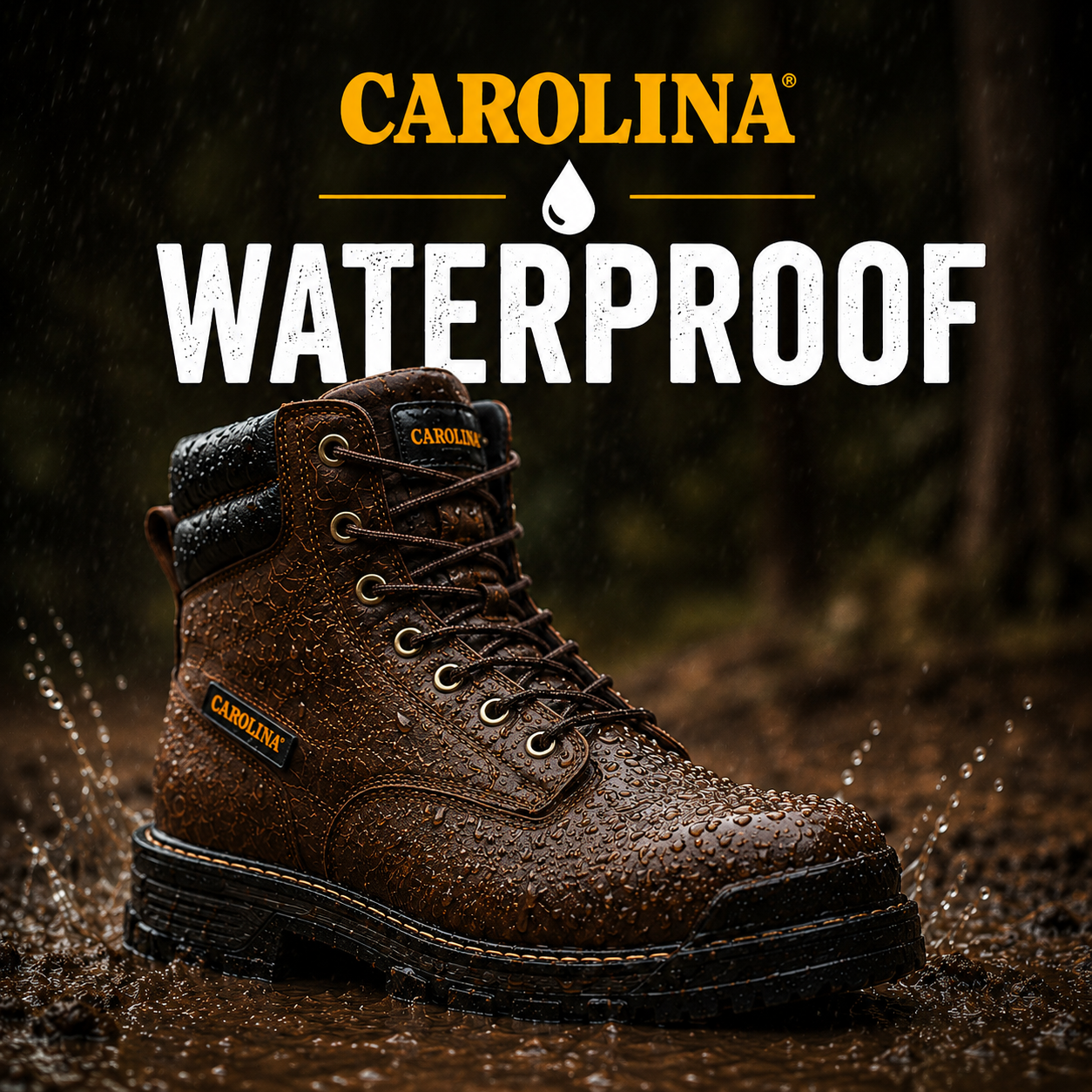
Waterproof SCUBALINER™ — Carolina's sealed proprietary waterproof lining system.
-
Removable AG7™ Polyurethane Footbed & Pillow Cushion™ Insole — Enhanced arch support over a memory-foam layer.
-
EVA Midsole — Lightweight cushioning underfoot.
-
Non-Metallic Shank — Composite support with no steel in it.
-
Electrical Hazard Rated — Tested to withstand up to 18,000 volts at 60Hz for one minute without leakage.
-
Cement Construction & Slip-Resisting Rubber Outsole — A bonded sole that keeps the boot light and flexible.
How Much Insulation Do You Need?
Insulation is rated by gram weight — how much Thinsulate™ is packed into the boot. 200g suits cool mornings and active work. 400g is a true winter weight for moving outdoors. 600g, as here, is for standing still in the cold: equipment operators, gatehouse and yard work, ice and refrigeration, deep-winter outdoor shifts where your own movement isn't generating much heat.
Why the Composite Toe Matters in Cold
Steel conducts heat away from your toes, so a steel-toe insulated boot goes cold at the cap first no matter how much Thinsulate™ sits behind it. A composite cap doesn't. On a 600g boot, that's the difference between warm feet and cold toes in a warm boot.
Warm and Dry Are the Same Problem
Insulation fails when it's wet, because water carries heat away far faster than air. Thinsulate™ doesn't absorb water, and the sealed SCUBALINER™ keeps external moisture out entirely.
Why Choose the CA8521?
Serious winter warmth, waterproof, EH rated, with a composite toe and a composite shank — no steel to pull the cold in.
Similar Styles to Consider
Want aerogel warmth without the bulk? The Freezer CA4590 is rated to −20°F. Prefer a 6" insulated Bruno? The CA5521. Browse all composite toe boots at Overlook Boots.
Frequently Asked Questions
How warm is 600 grams of insulation?
It's built for sustained cold with limited movement — standing, operating equipment, working in refrigeration. For active outdoor work below freezing, 400g breathes better and you'll overheat less. For cool mornings, 200g is plenty.
Can I wear these in mild weather?
You can, but you won't enjoy it. 600g of insulation has nowhere to send your foot's heat once the temperature climbs. If you need one boot across seasons, an uninsulated waterproof model is the better buy.
Why a composite toe on an insulated boot?
Steel conducts heat away from your toes, so a steel-toe insulated boot goes cold at the cap first. A composite cap doesn't — which is exactly what you want behind 600g of Thinsulate™.
What does the broad toe change?
It widens the toe box across the forefoot without going up a full width — useful when you're wearing heavy winter socks inside an insulated boot.
How does cement construction affect the boot?
The outsole is bonded directly to the upper rather than stitched through a welt, which keeps an insulated boot light and lets it flex from the first day, with no break-in underfoot.