Save 17%
Sale price$240.69
Regular price$289.99
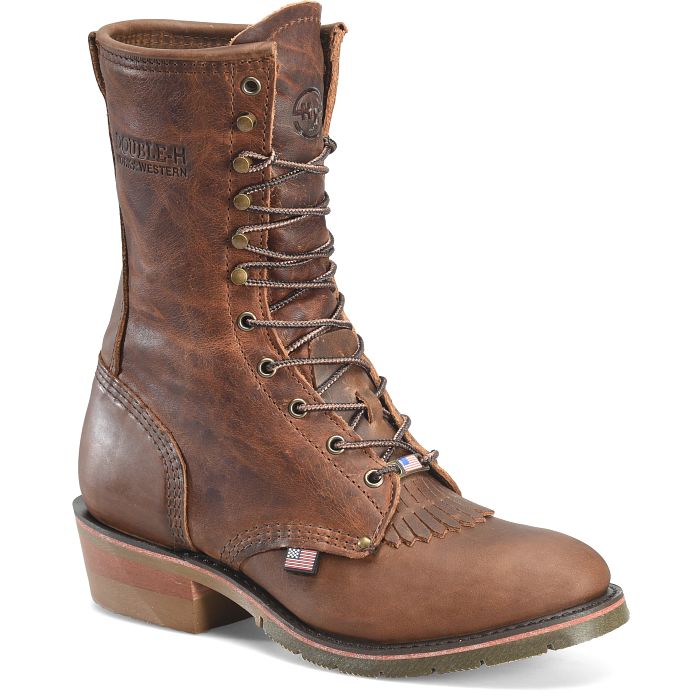
Double H Men's Lewis 9" U Toe Packer Western Work Boot - Brown - DH3706
Save 11%
Sale price$239.19
Regular price$270.00
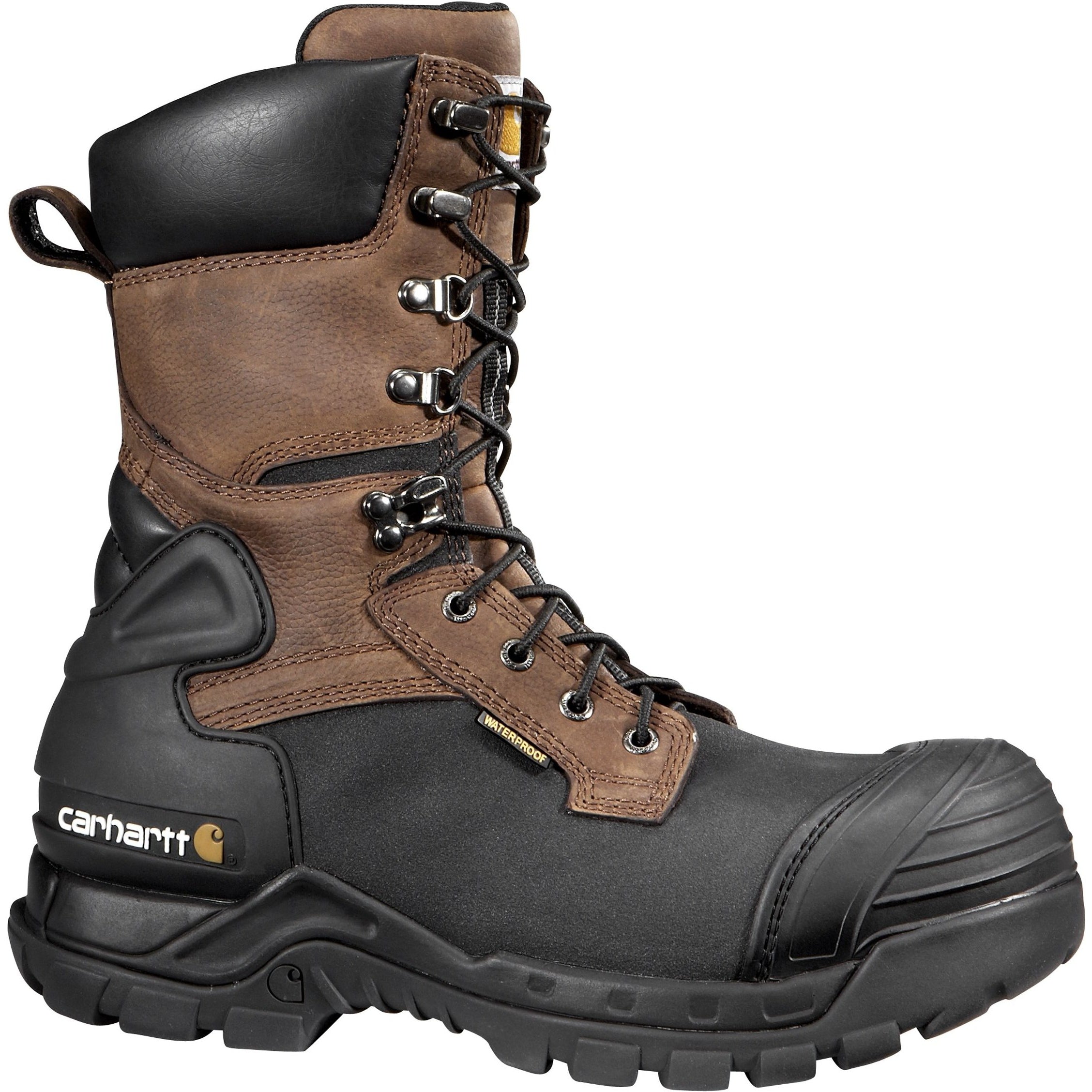
Carhartt Men's 10" Composite Toe Ins Waterproof Pac Work Boot - Brown - CMC1259
Save 9%
Sale price$139.95
Regular price$154.00
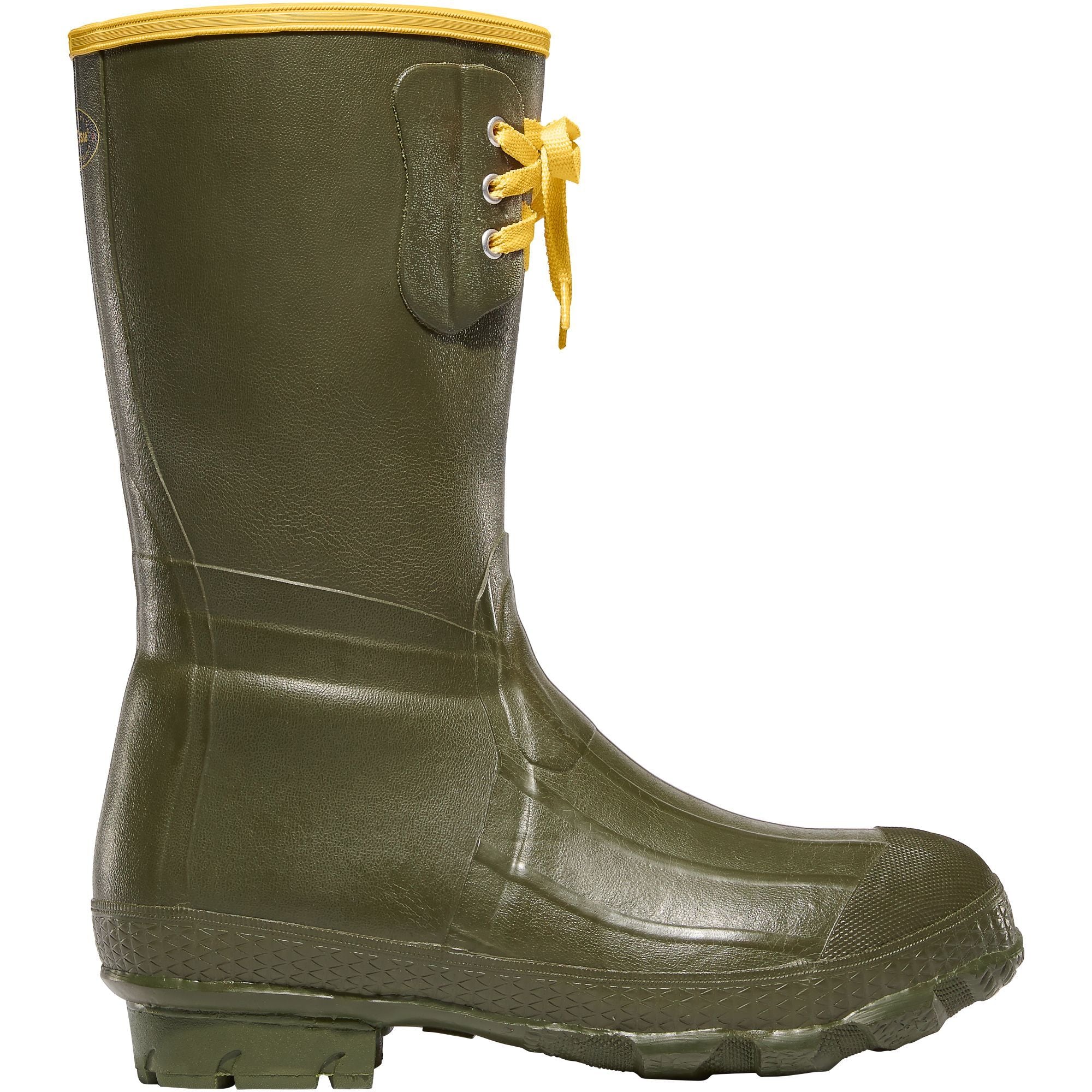
LaCrosse Men's Insulated Pac 12" Rubber Work Boot - Green - 260040
Save 20%
Sale price$120.00
Regular price$149.99
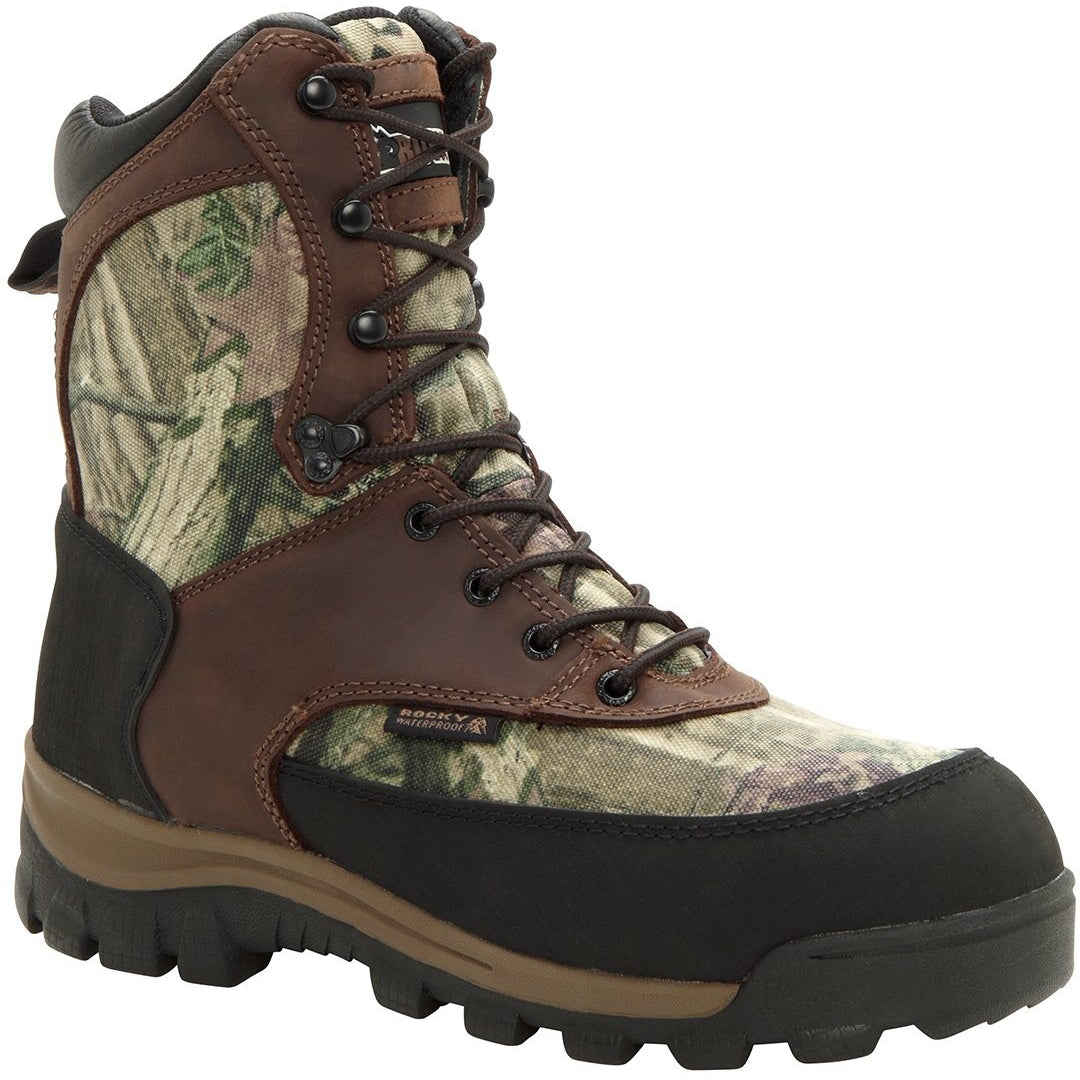
Rocky Men's Core 8" Waterproof 800G Pac Thinsulate Hunt Boot - Mossy Oak - FQ0004755
Save 7%
Sale price$259.95
Regular price$280.00
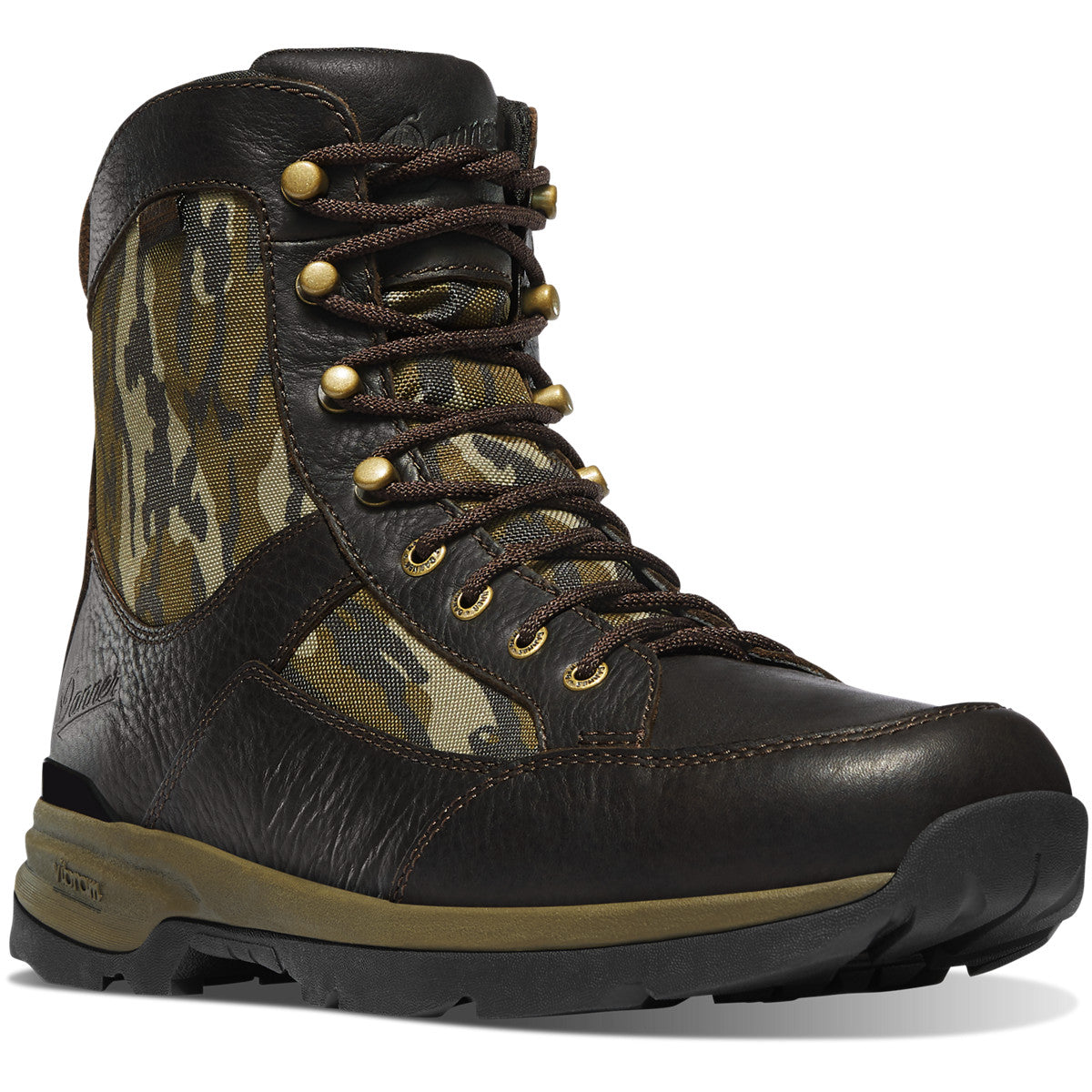
Danner Men's Recurve 7" Waterproof Pac Hunt Boot - Mossy Oak Bottomland - 47613
Save 11%
Sale price$279.95
Regular price$314.00
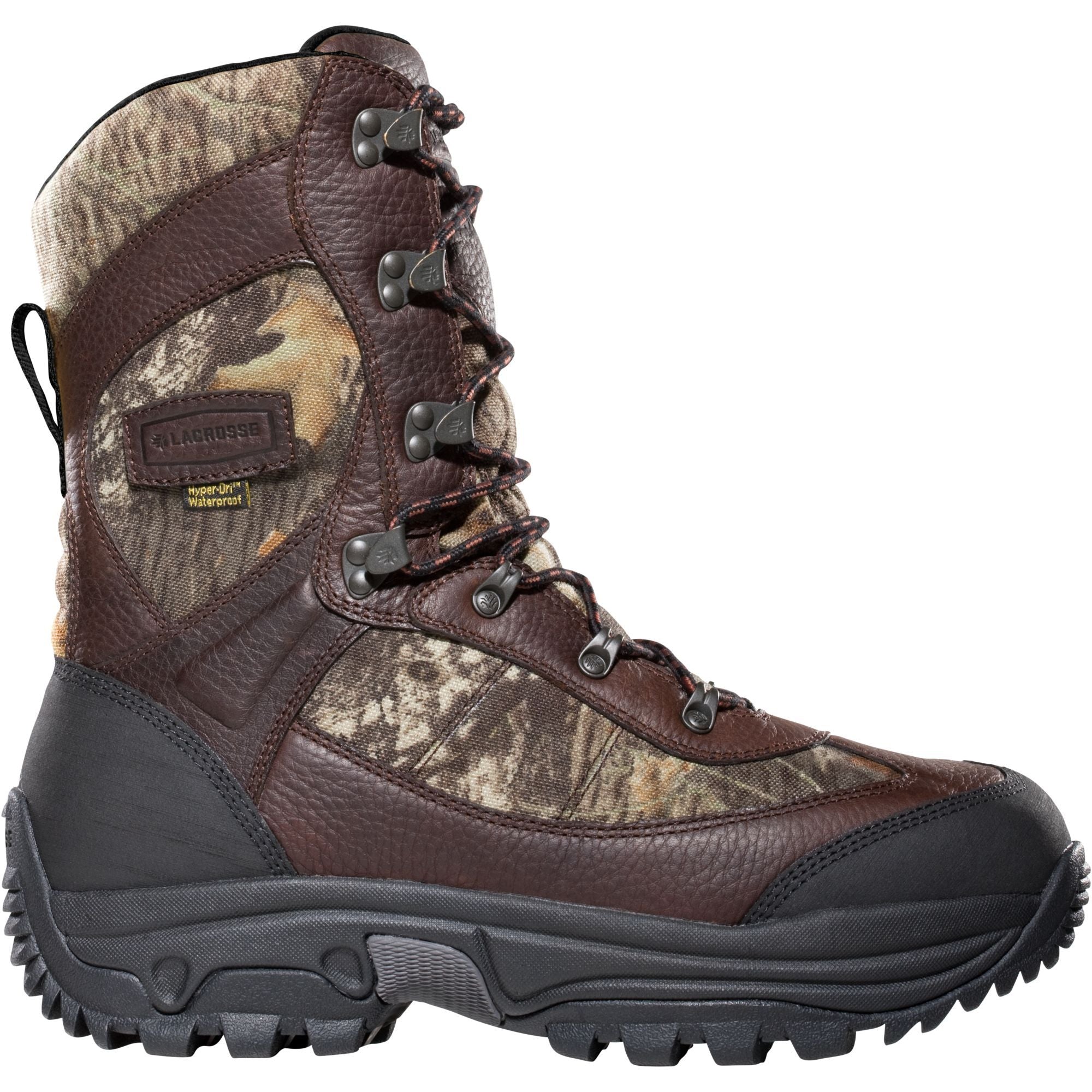
LaCrosse Men's Hunt Pac Extreme 10" 2000G Insulated Hunt Boot - Mossy Oak Break-Up - 283160
Save 14%
Sale price$299.95
Regular price$350.00
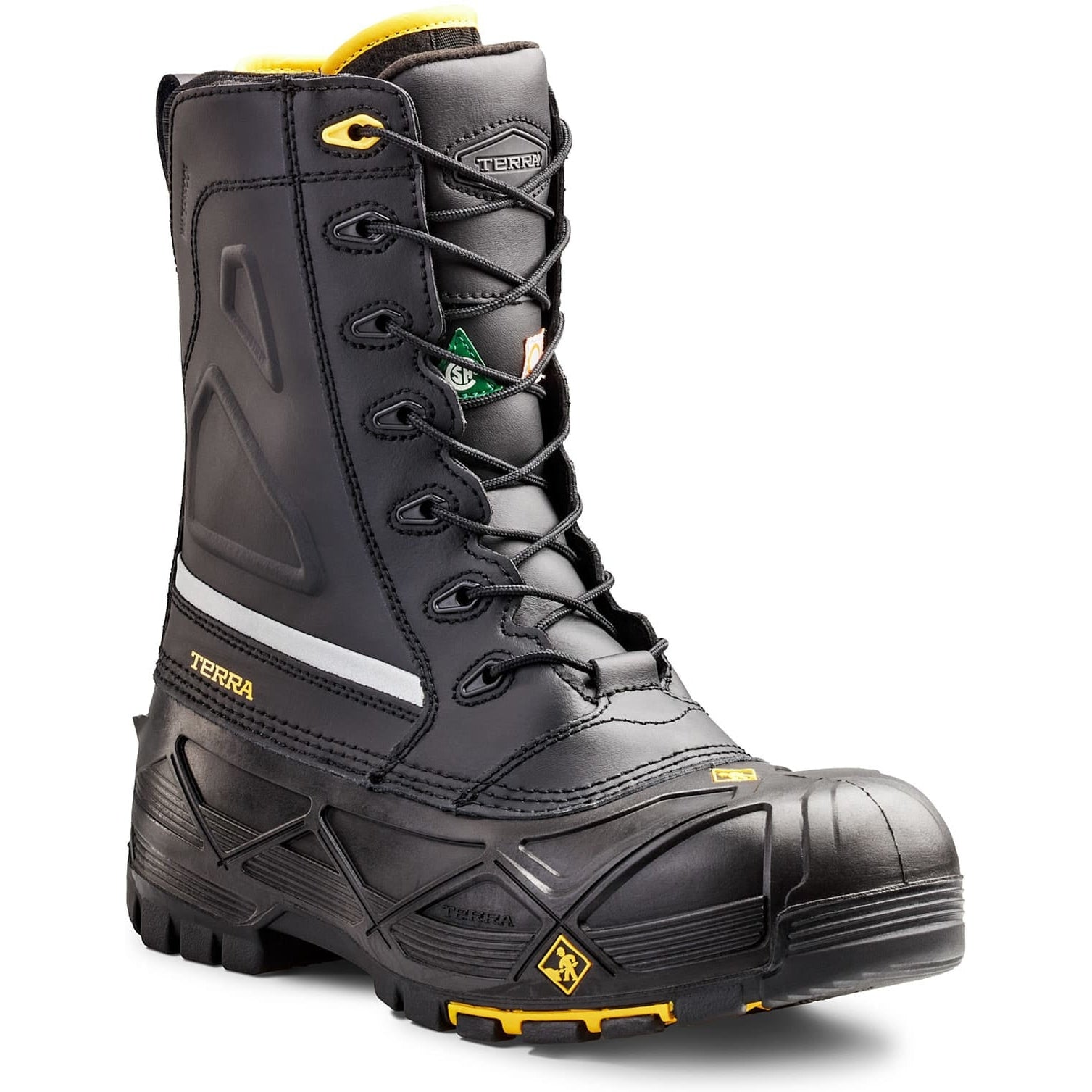
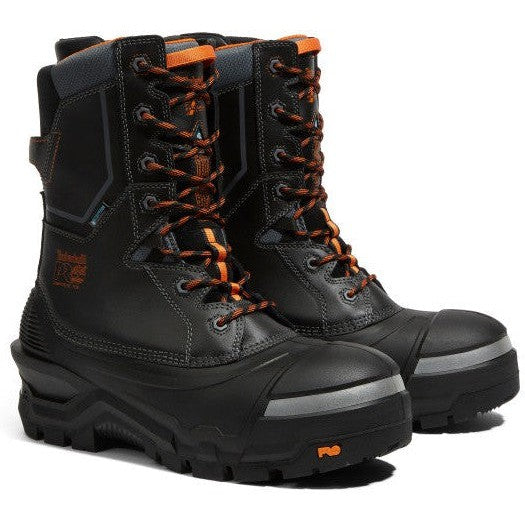
Timberland Pro Men's Pac Max 10" Composite Toe Waterproof Puncture Resistant Work Boot- Black- TB1A5QXJ001
Save 11%
Sale price$79.95
Regular price$90.00
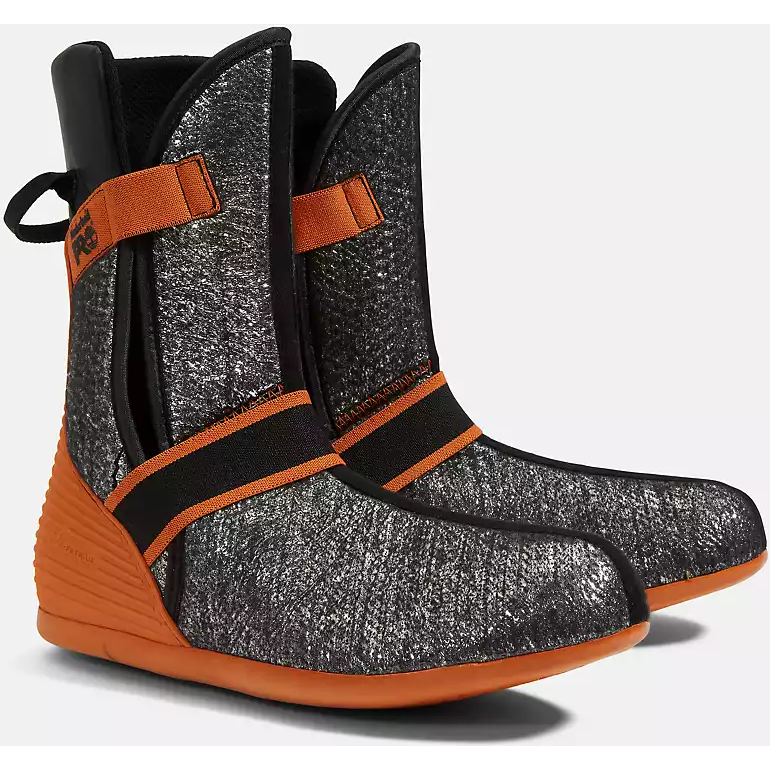
Timberland Pro Men's Pac Max 10" Heavyweight Liner Boot -Orange- TB0A5MR2827
Save 11%
Sale price$80.00
Regular price$90.00
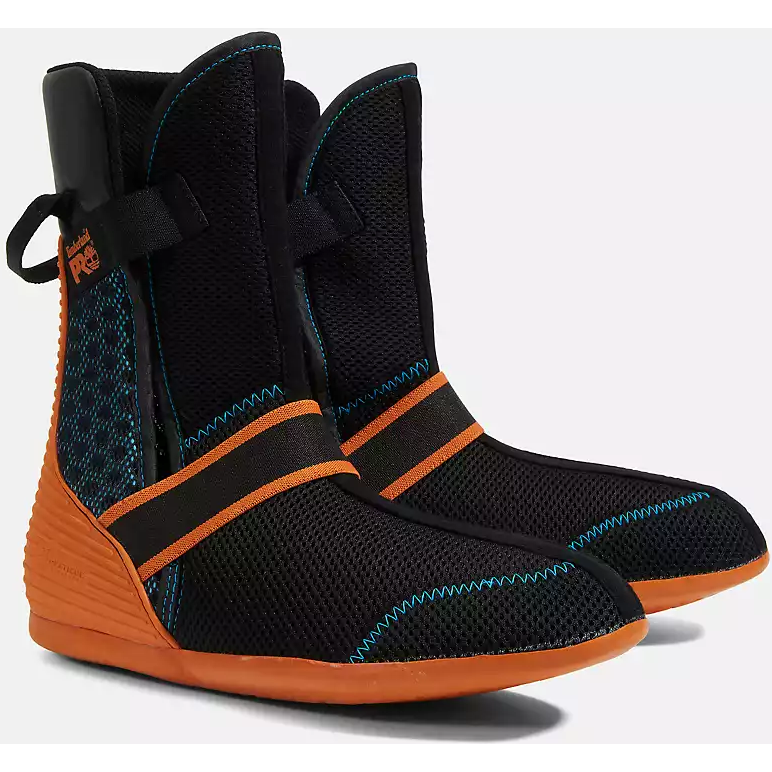
Timberland Pro Men's Pac Max 10" Heavyweight Liner Boot -Blue- TB0A5TTB484
Frequently Asked Questions
A pac boot has three parts: a waterproof molded rubber lower, an upper in leather or synthetic, and a removable insulated liner that sits inside. The design goes back to traditional cold-weather footwear and it survives because the removable liner solves a problem sealed boots cannot. It is a specialist cold-weather boot rather than a general winter boot.
Because insulation stops working when it is wet, and your feet perspire even in the cold. In a sealed insulated boot that moisture stays in the boot overnight, so day two starts with damp insulation and cold feet. A removable liner comes out to dry by a fire or a heater, and you start the next morning with dry insulation. On a multi-day trip that is the difference between comfortable and miserable.
When you are stationary in serious cold, and especially over multiple days. Stand hunting, ice fishing, snow removal, and outdoor work where you stand still are the cases. If you are covering ground on foot, a pac boot is heavy, loose, and clumsy compared with a proper insulated hiking or hunting boot, and you will overheat in it.
Not comfortably. They are bulky, the fit is deliberately loose to allow the liner and thick socks, and there is little arch support or heel lockdown. They are built for standing rather than walking. Many people wear a lighter boot to a stand and change into pac boots once they are settled, which is a sensible approach if the walk is any distance.
Looser than a regular boot, deliberately. Dead air space around the foot is part of how they insulate, and a pac boot laced tight or sized snug will make your feet colder rather than warmer by restricting circulation and compressing the liner. Size to allow the liner plus the thick socks you will actually wear.
Pull them out at the end of the day and let them dry at room temperature or with gentle warm air. Keep them away from direct high heat, which damages both the felt and the synthetic insulation. A boot dryer with a low setting works well. The rubber shell should be dried and stored separately, and neither should be left in a freezing vehicle overnight if you can help it.
Often yes, and it is one of the practical advantages of the design. Liners compress and lose loft over time faster than the shell wears out, and replacement liners are widely available in standard sizes. If your pac boots feel colder than they used to but the shell is sound, a new liner will usually restore them.
The heavily insulated models are the warmest footwear available for stationary use and are rated for well below zero, though temperature ratings across the industry are not standardized and should be treated as guidance rather than specification. Circulation, socks, activity level, and how long you stand still all affect the outcome more than the rating does. See our 800G insulated boots range for the leather alternatives.
Recently viewed
Our Top Brands