Save 8%
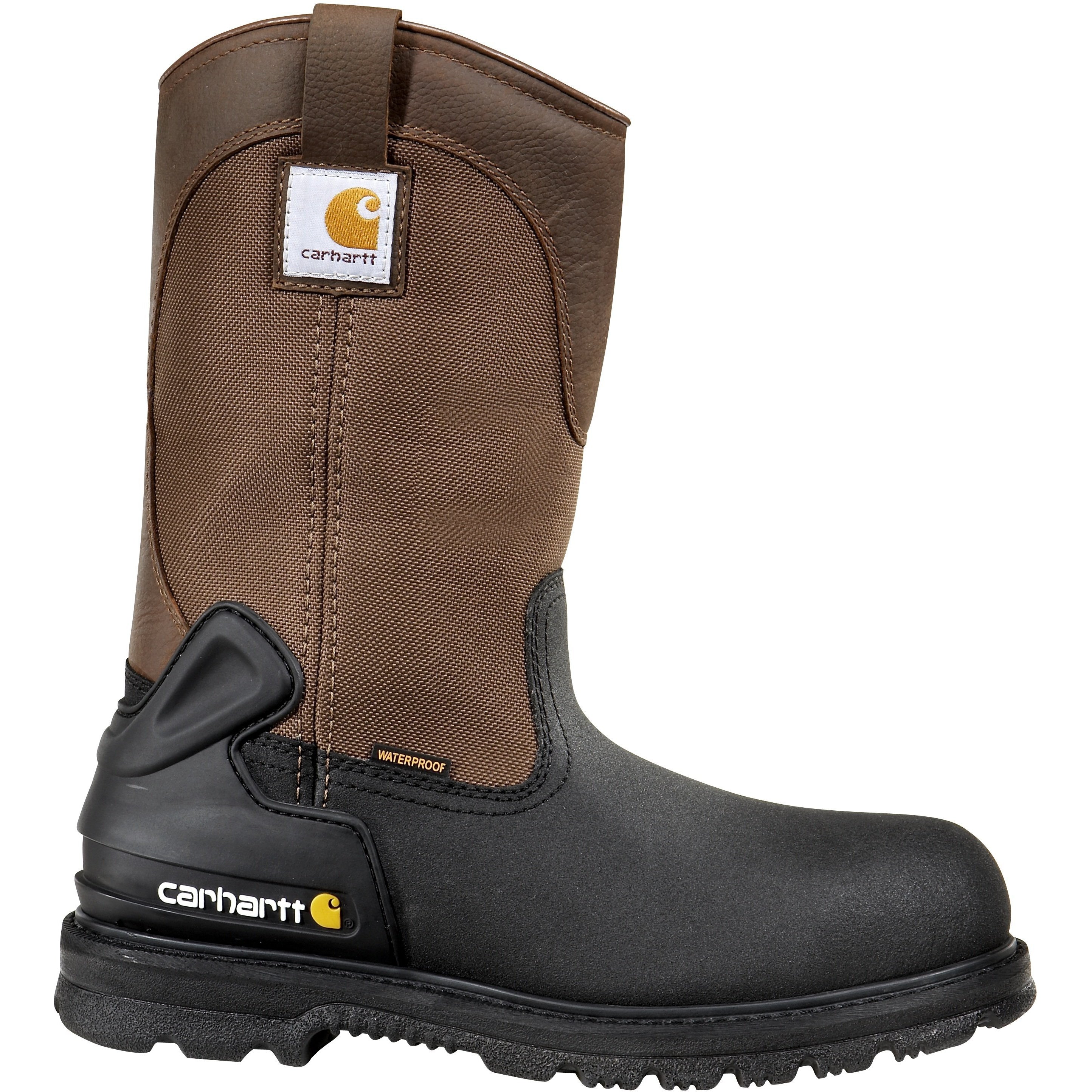
Sale price$197.79
Regular price$214.99
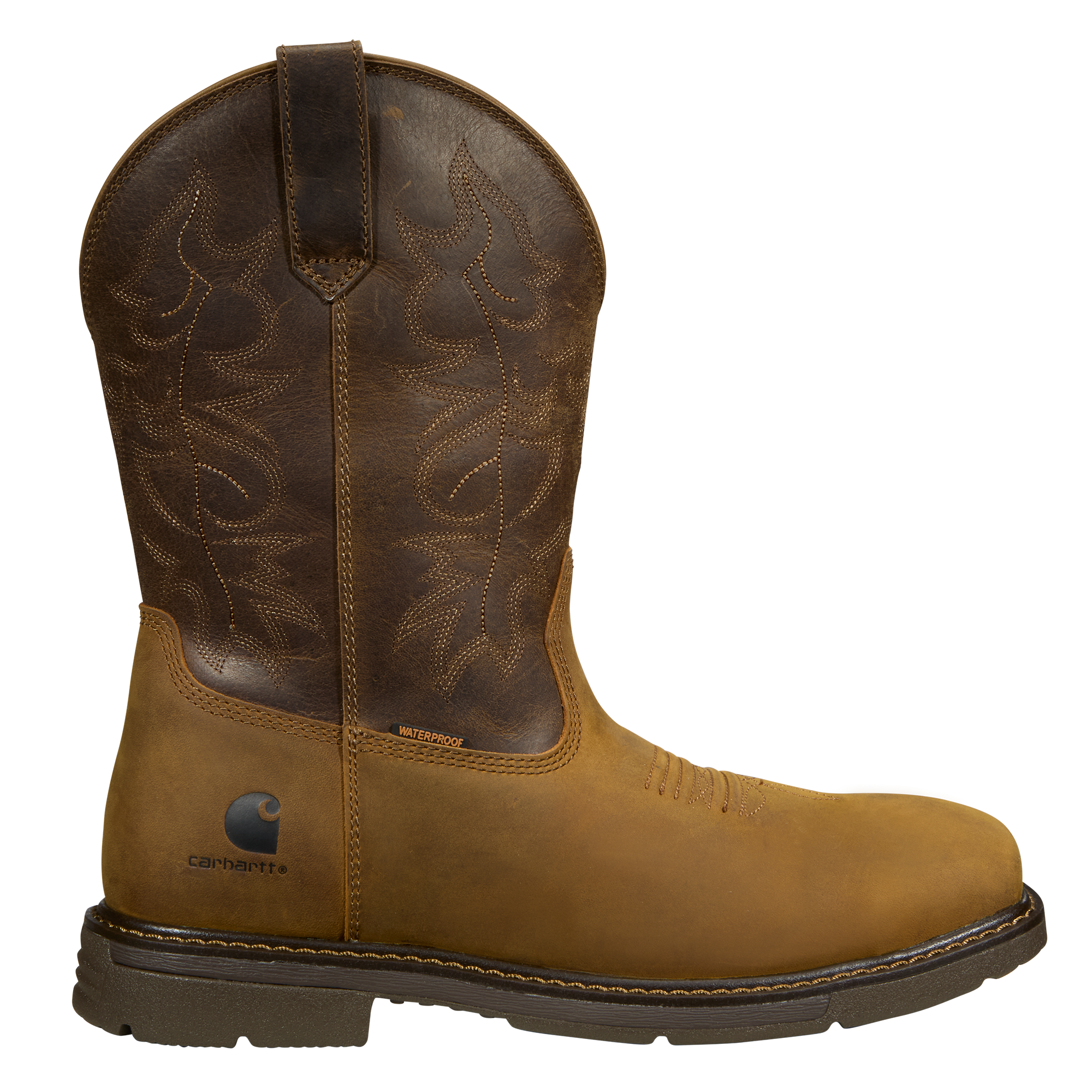
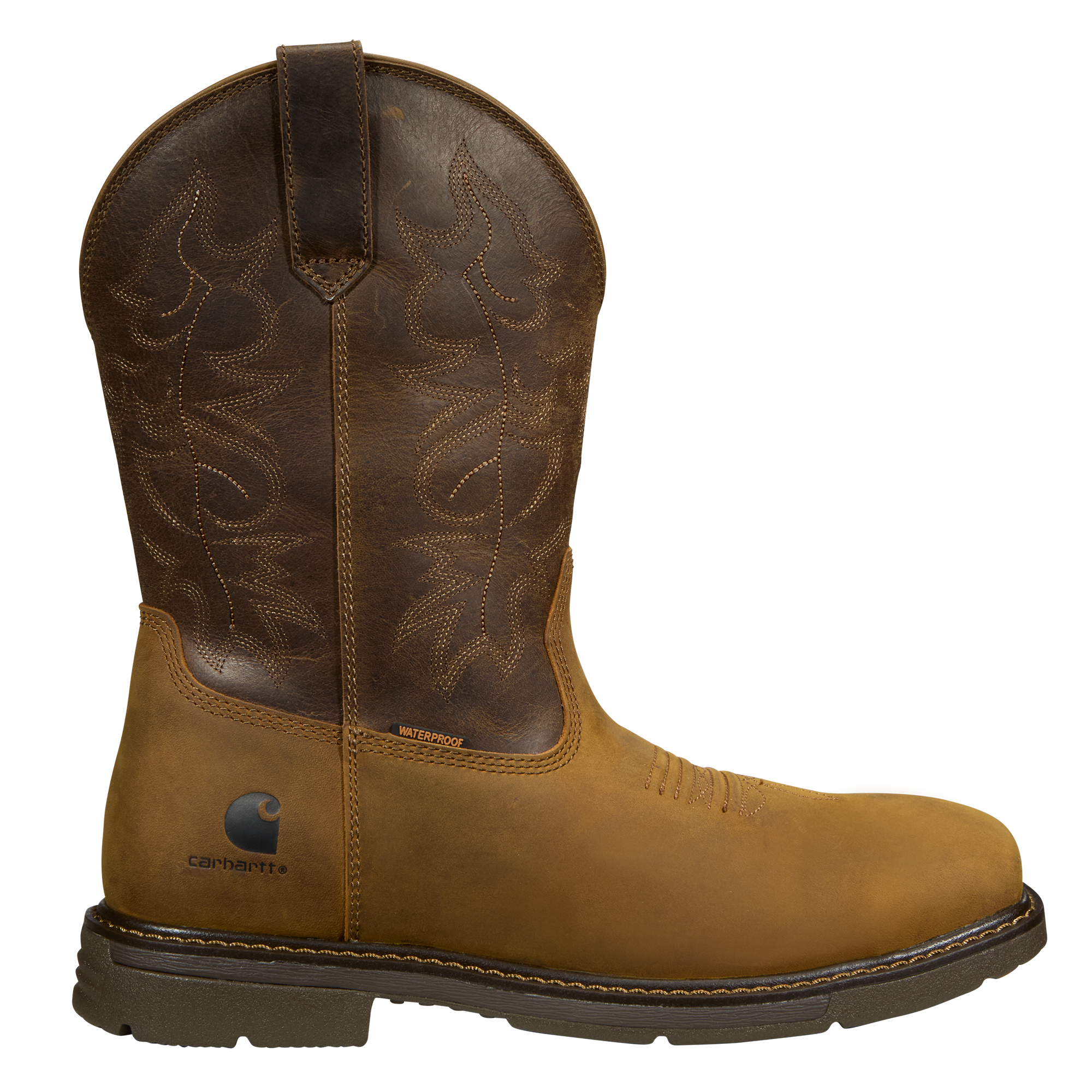
Carhartt Men's 11" Steel Toe Ins Waterproof Wellington Work Boot Brown CMP1259
Save 13%
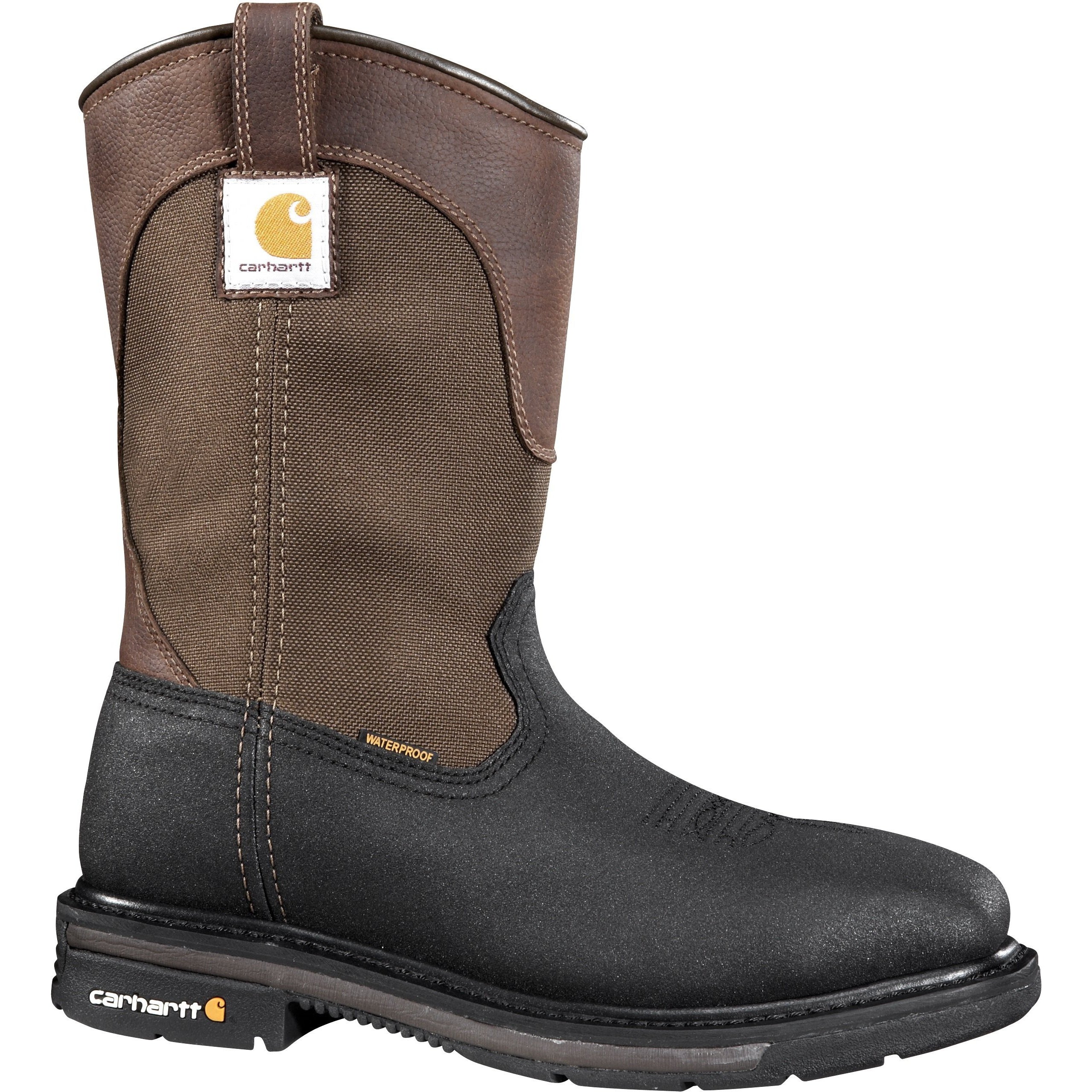
Sale price$174.79
Regular price$201.50
Carhartt Men's Rugged Flex 11" Square Steel Toe Waterproof Well. Work Boot CMP1258
Save 8%
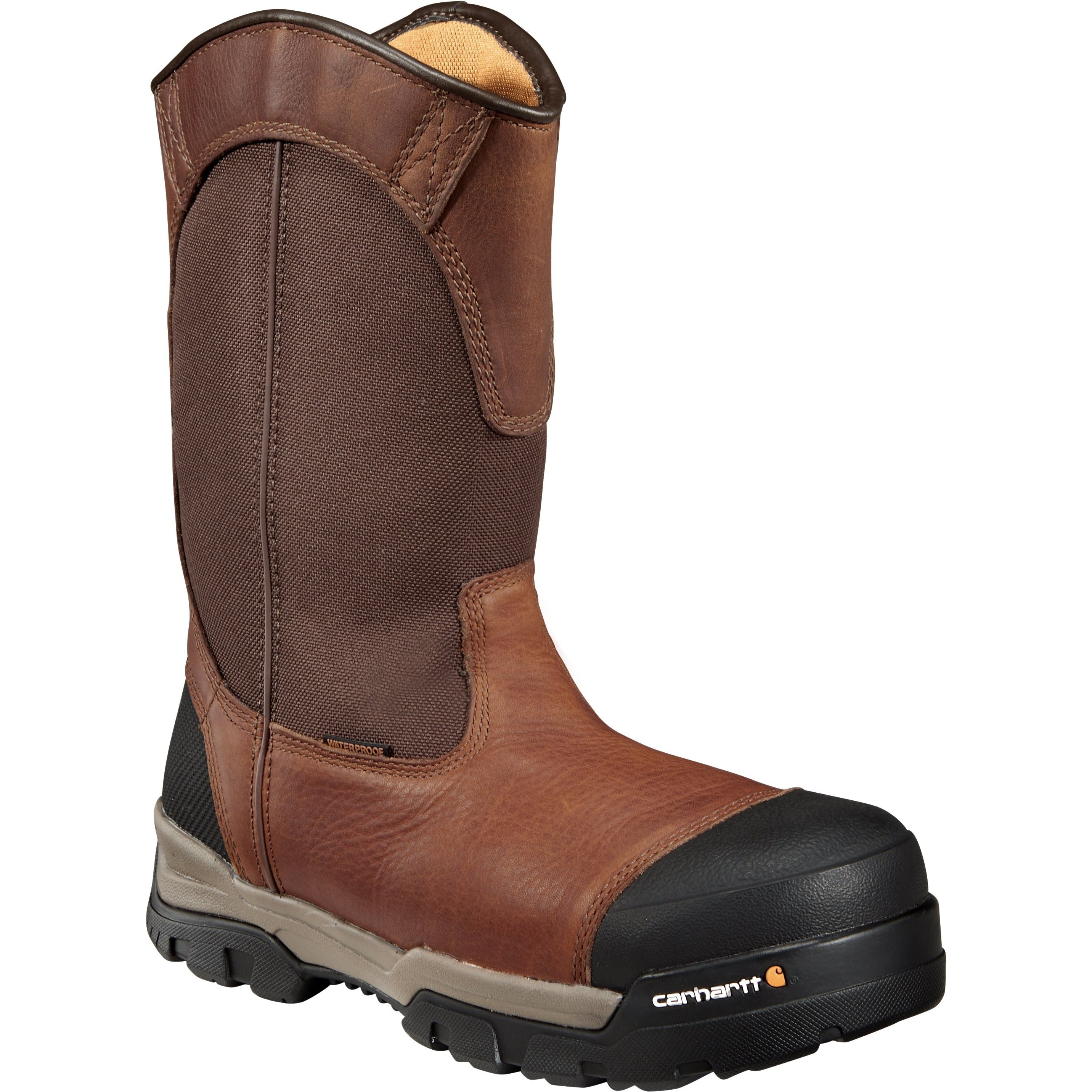
Sale price$193.19
Regular price$209.99
Carhartt Men's Ground Force 10" Composite Toe Waterproof Wellington Work Boot CME1355
Save 8%
Sale price$188.59
Regular price$204.99
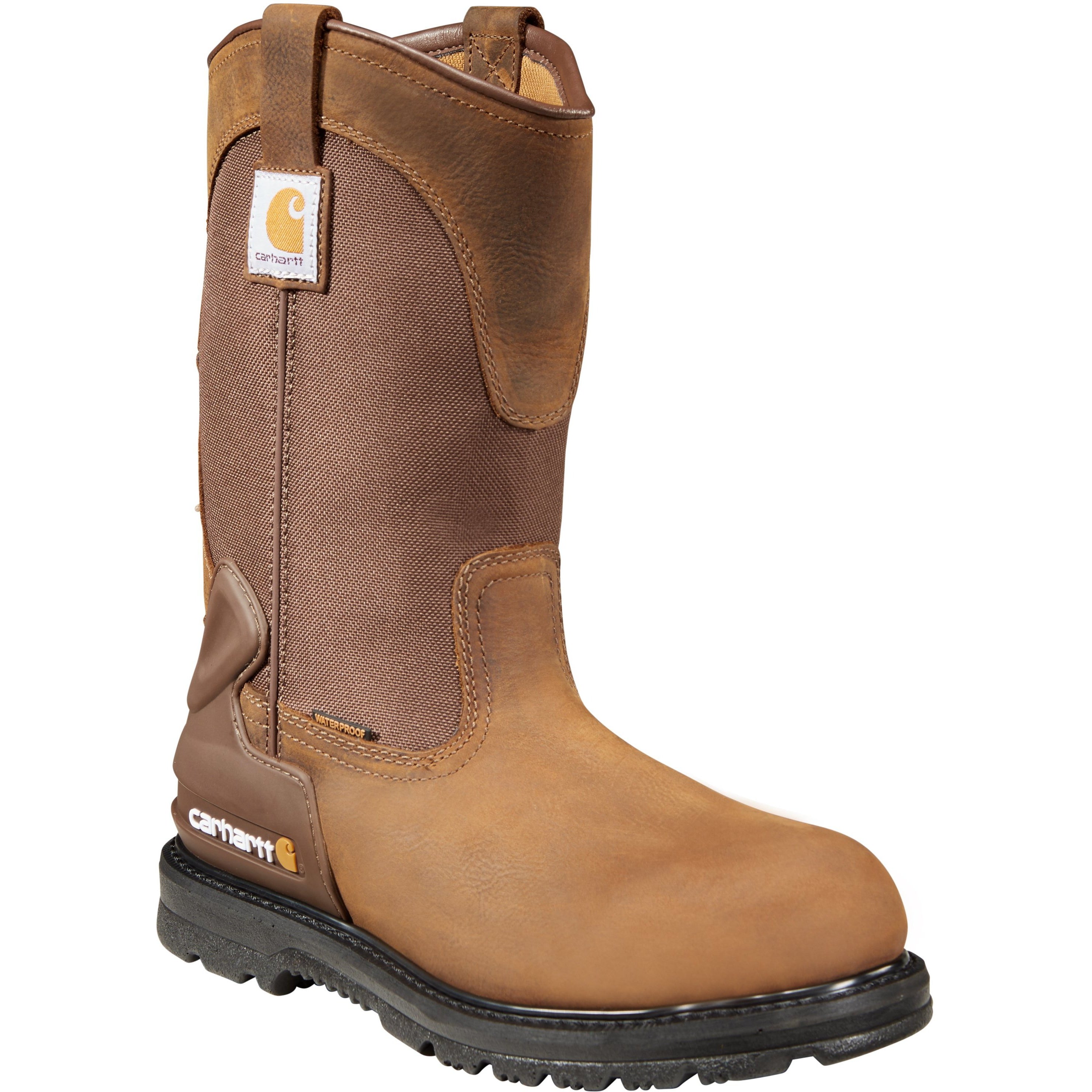
Carhartt Men's 11" Soft Toe Waterproof Wellington Work Boot - Brown - CMP1100
Save 8%

Sale price$193.19
Regular price$209.99
Carhartt Men's 11" Steel Toe Waterproof Wellington Work Boot - Brown - CMP1200
Save 14%

Sale price$179.39
Regular price$208.00
Carhartt Men's Wellington 10" Carbon Nano Toe Waterproof Work Boot - CMP1453
Save 9%
Sale price$206.99
Regular price$228.00
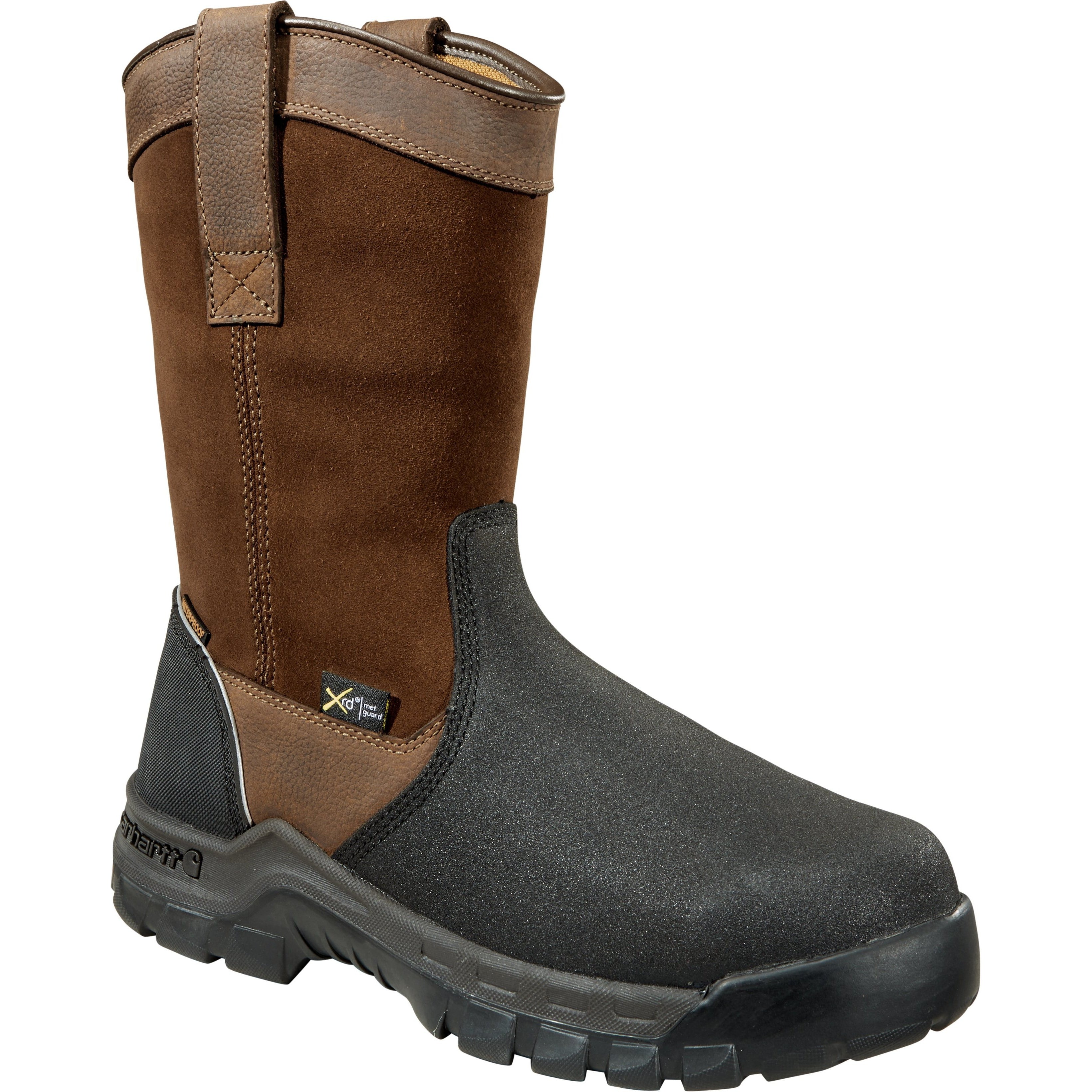
Carhartt Men's Wellington 11" Composite Toe Waterproof Metguard Work Boot - CMF1721
Save 13%

Sale price$174.79
Regular price$202.00
Carhartt Men's 10" Steel Toe Waterproof Wedge Wellington Work Boot -Brown- FW1232-M
Save 14%
Sale price$170.19
Regular price$197.00
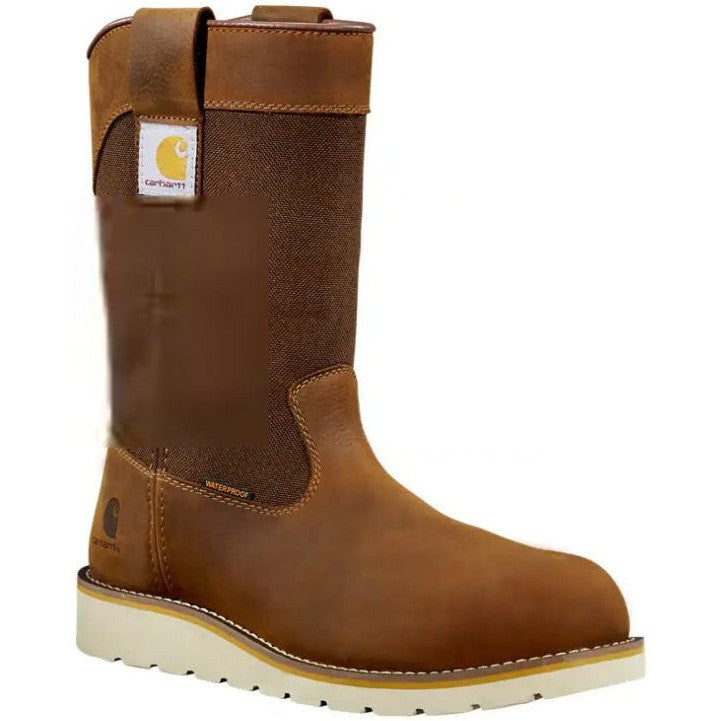
Carhartt Men's 10" Soft Toe Waterproof Wedge Wellington Work Boot -Brown- FW1032-M
Sale price$199.99
Regular price$209.00
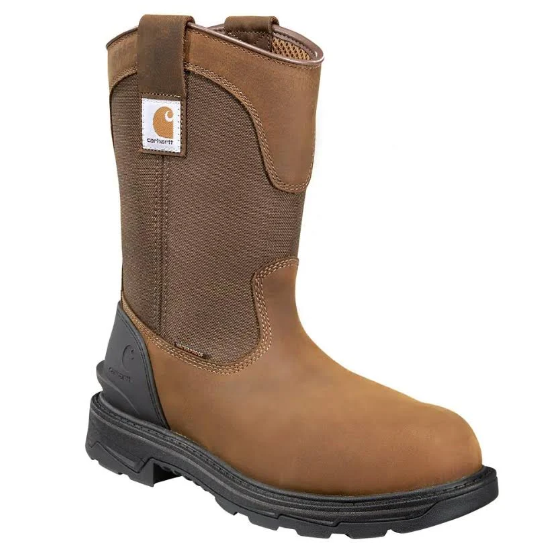
Carhartt Men's Ironwood 11" Waterproof Wellington Alloy Toe Work Boot - Brown - FT1500-M
Save 13%

Sale price$174.79
Regular price$202.00
Carhartt Men's 10" Steel Toe Waterproof Wedge Wellington Work Boot -Brown- FW1230-M

Save 8%

Sale price$174.79
Regular price$189.99
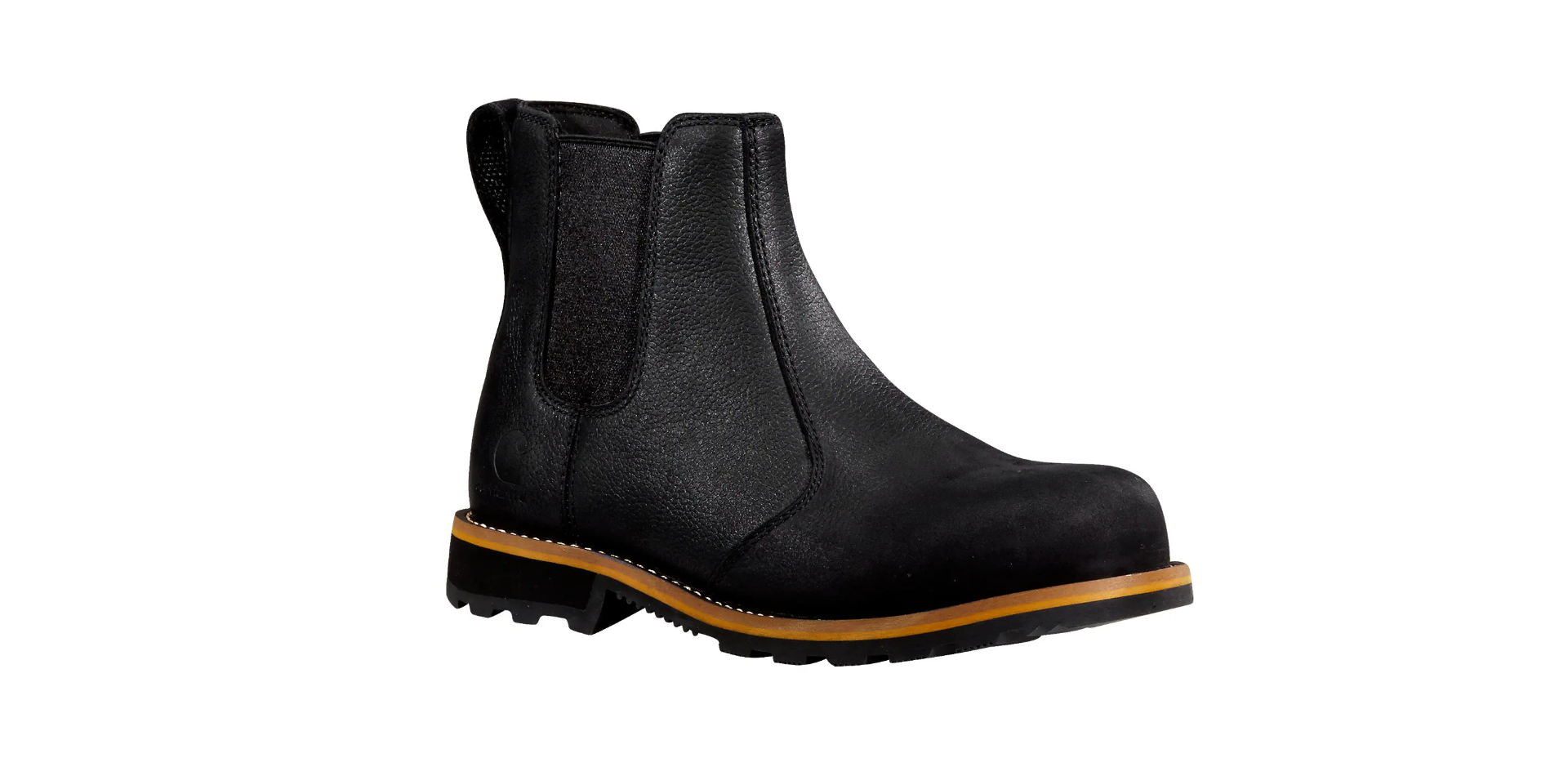
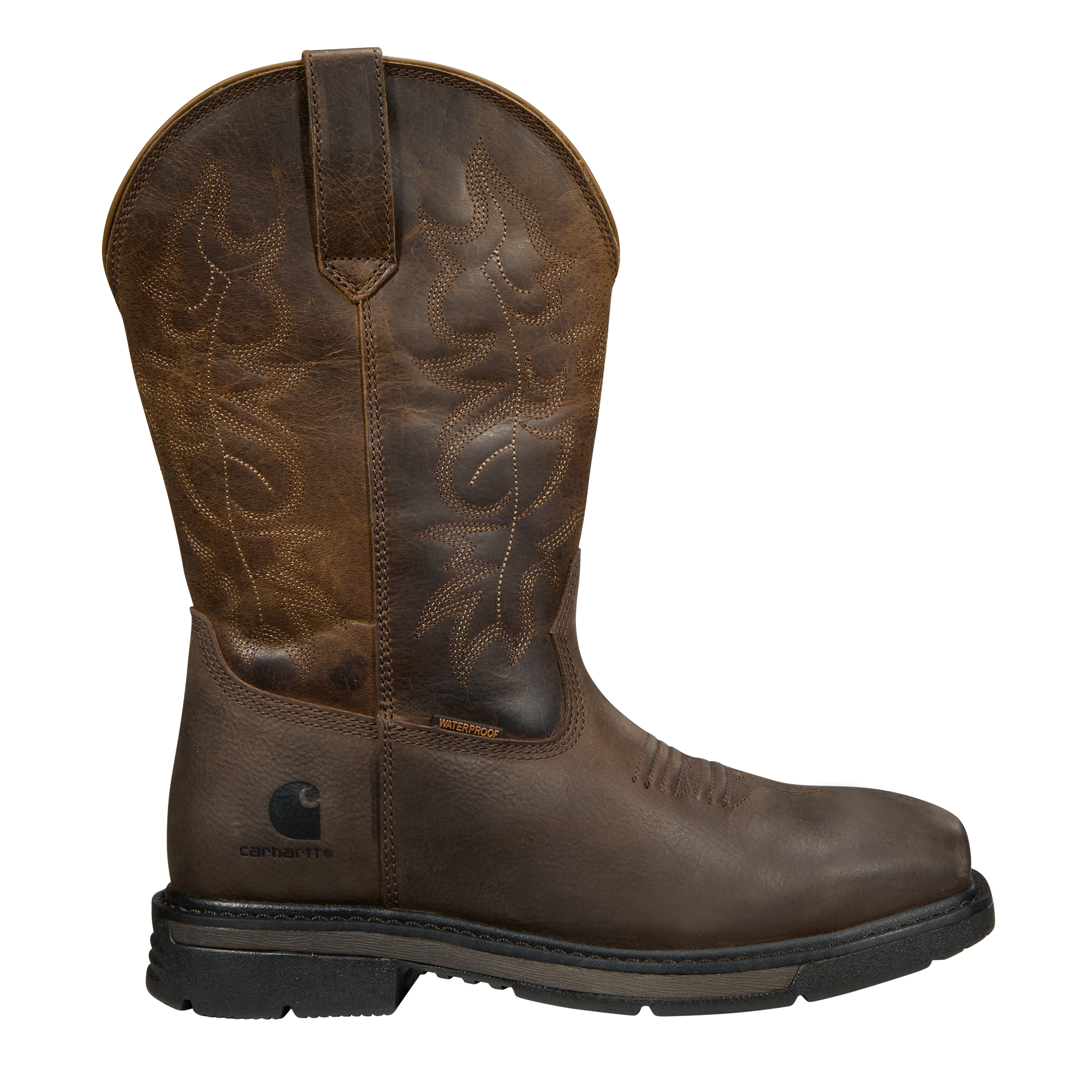
Carhartt Men's Montana 11" Steel Toe Waterproof Work Boot - Brown - FQ1284-M
Save 14%
Sale price$170.19
Regular price$197.00
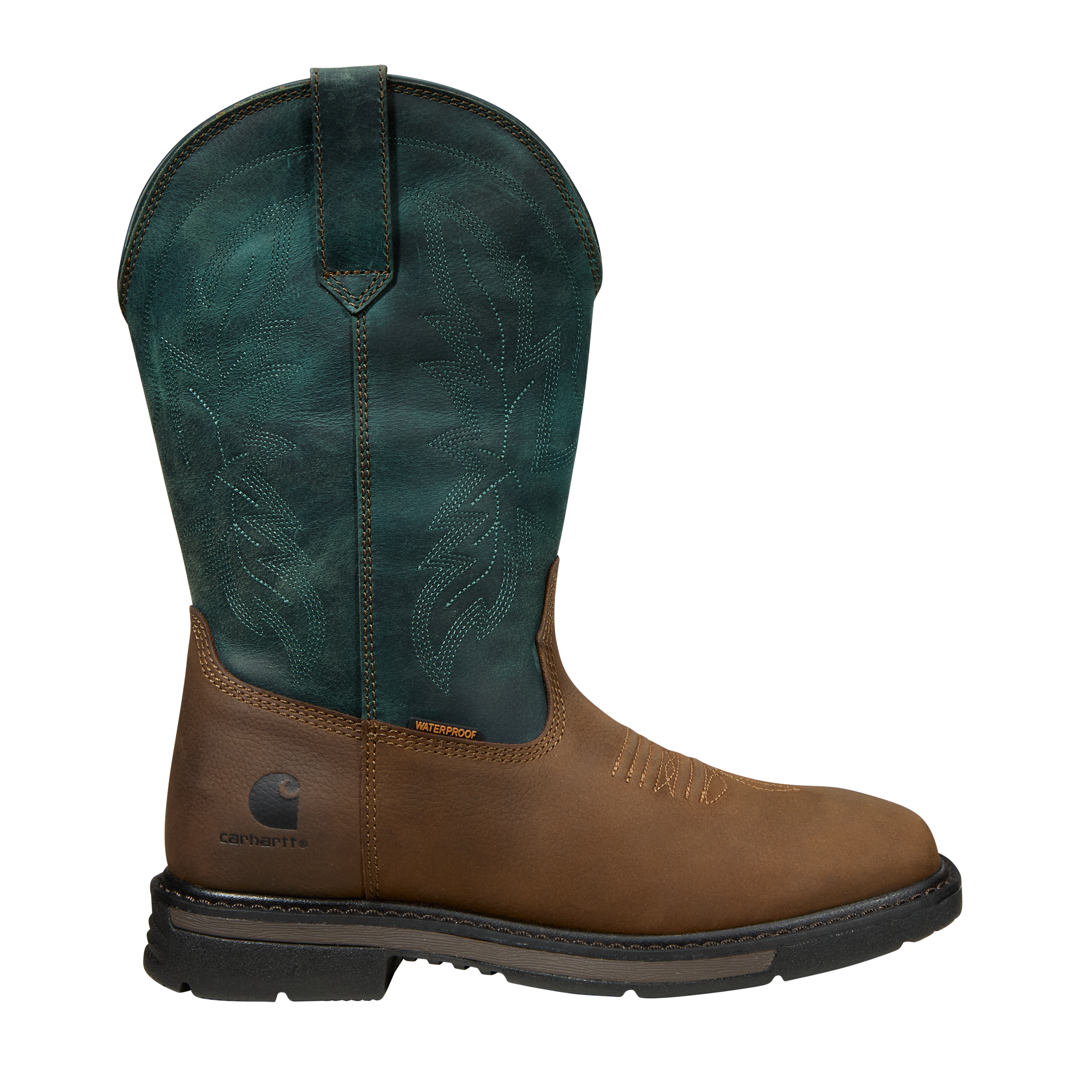
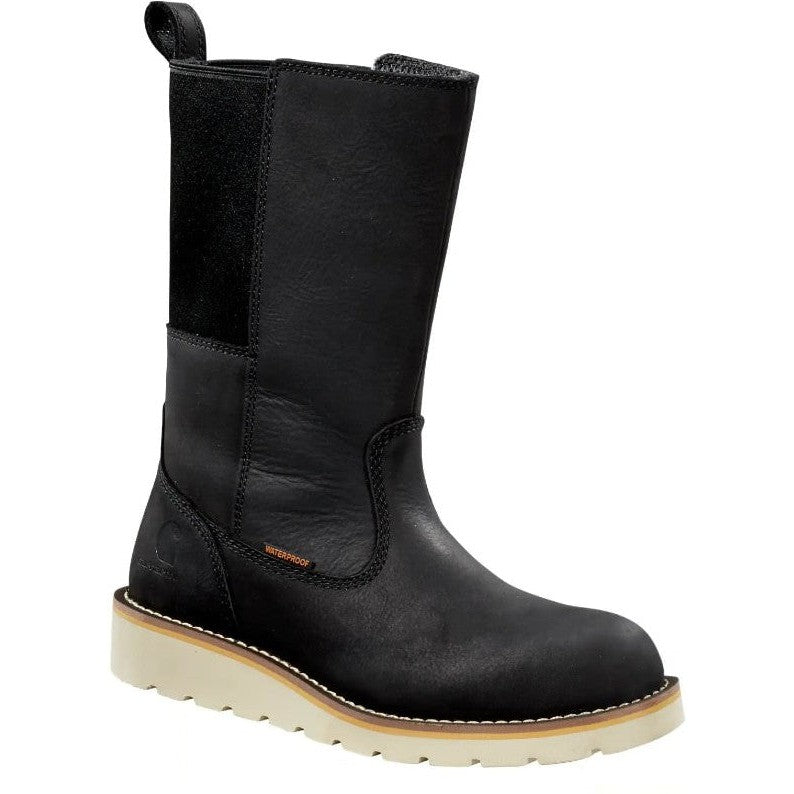
Carhartt Women's 10" Soft Toe Waterproof Wellington Wedge Boot -Black- FW1031-W
Frequently Asked Questions
Two reasons, and the second matters more. They come on and off in seconds when you are in and out of a truck or a building all day. And there are no laces to catch on a chain, a rung, or rotating equipment, which on farm and oilfield work is a real entanglement hazard rather than a convenience issue.
Snug at the heel, because there is no lacing to take up slack. Some heel movement when new is normal and settles as the footbed compresses. What is not normal is the heel lifting clear or your toes reaching the end, both of which mean the boot is too long. Size down for length rather than up.
Use the pull straps with both hands, keep your foot pointed, and drive the heel straight down rather than wiggling side to side, which binds the shaft against your instep. New boots are hardest before the shaft softens. If a boot needs a fight every morning, the shaft is too narrow and a wider width usually solves it.
Many do, in steel, composite, alloy and Carbon Nano, meeting ASTM F2413 for impact and compression, alongside soft toe versions. The tall plain silhouette gives no clue whether a cap is inside, so toe type is stated in every product title and is worth reading. Metatarsal guard models are also in the range.
Nearly all are, and the height is a real advantage since a waterproof boot only protects to its collar. An 11-inch shaft keeps you dry through considerably more standing water than a 6-inch boot would. Waterproof status is stated in every product title. See our Carhartt waterproof range.
They are the standard choice. No laces to catch on tongs, chains or rungs, a shaft tall enough to keep drilling mud out, and quick on and off when you are in and out of a truck. Confirm the electrical rating on the specific model against your site's requirement. See our oil and gas work boots range.
Several 10-inch models do. A wedge-soled Wellington is a good combination for plant and shop work: nothing to catch, and a flat sole that spreads weight on concrete. Others use lugged soles for outdoor ground. See our Carhartt wedge sole range.
It depends on the sole rather than the closure. A wedge or flat-soled Wellington spreads weight across the whole footprint and suits concrete. A heeled model concentrates it and tires you faster on flat hard ground. The Rugged Flex Wellingtons are the more flexible option out of the box.
Recently viewed
Our Top Brands