Save 17%
Sale price$165.99
Regular price$199.99
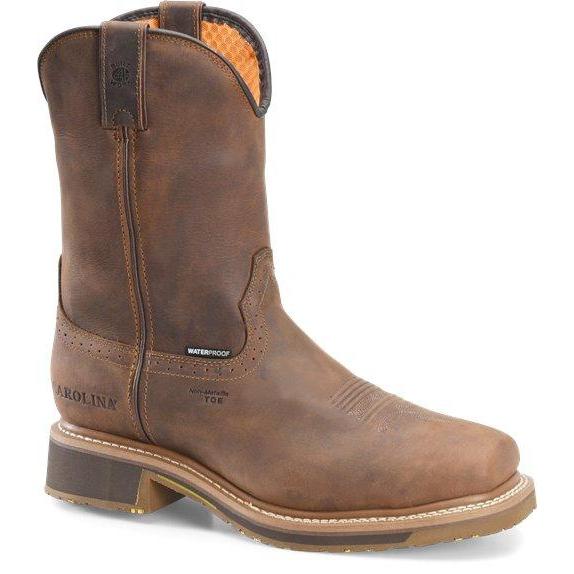
Carolina Men's Anchor 10" Waterproof Composite Square Toe Roper Work Boot - CA8536
Save 17%
Sale price$190.89
Regular price$229.99
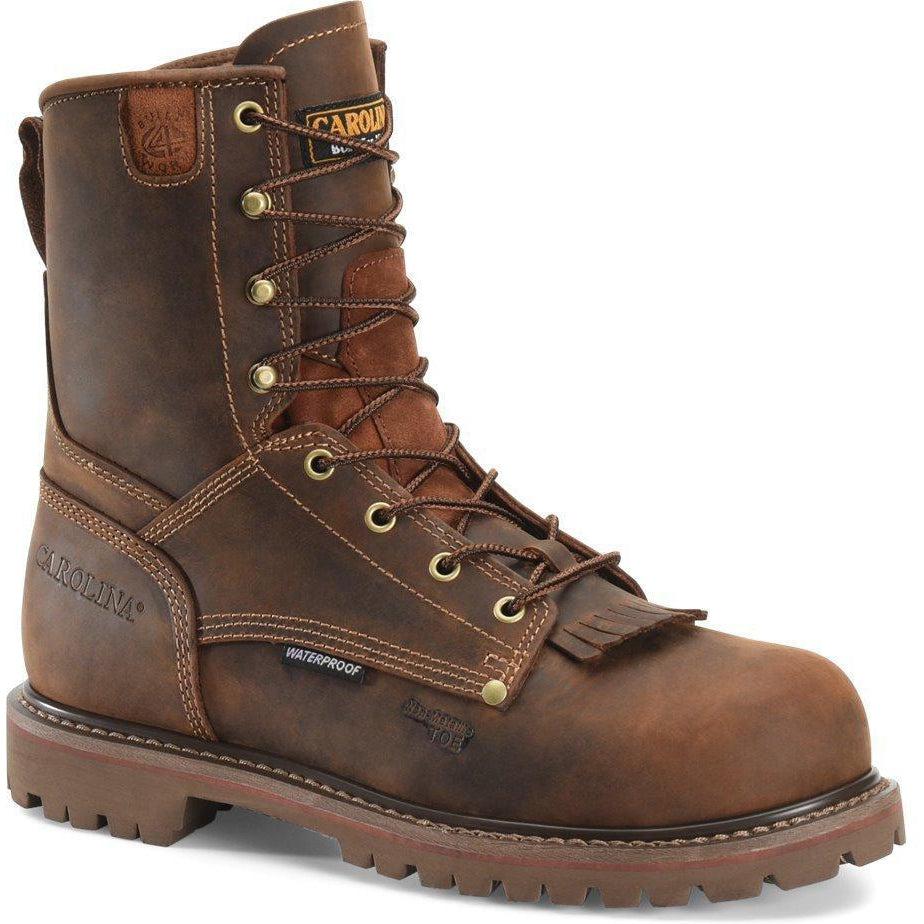
Carolina Men's 28 Series 8” Waterproof Composite Toe Work Boot - Kharthoum Cigar - CA8528
Save 8%
Sale price$220.79
Regular price$239.99
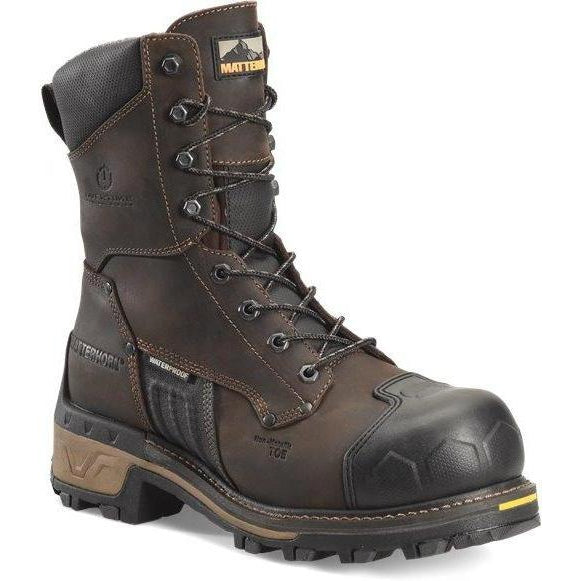
Matterhorn Men's Max 8" Composite Toe Waterproof Logger Work Boot Brown MT2560
Save 7%
Sale price$259.95
Regular price$280.00
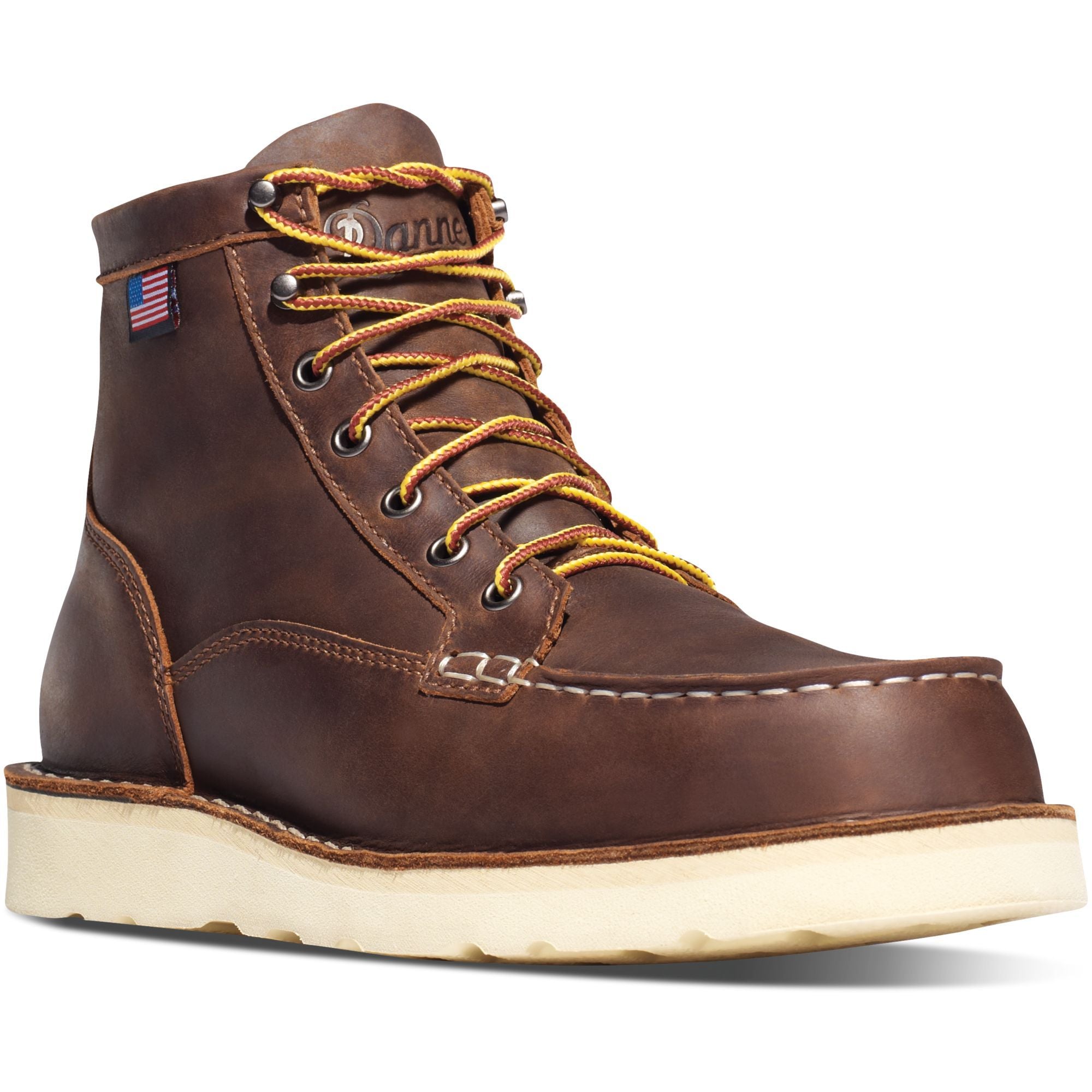
Danner Men's Bull Run USA Made 6" Moc Toe Wedge Work Boot - Brown - 15563
Save 17%
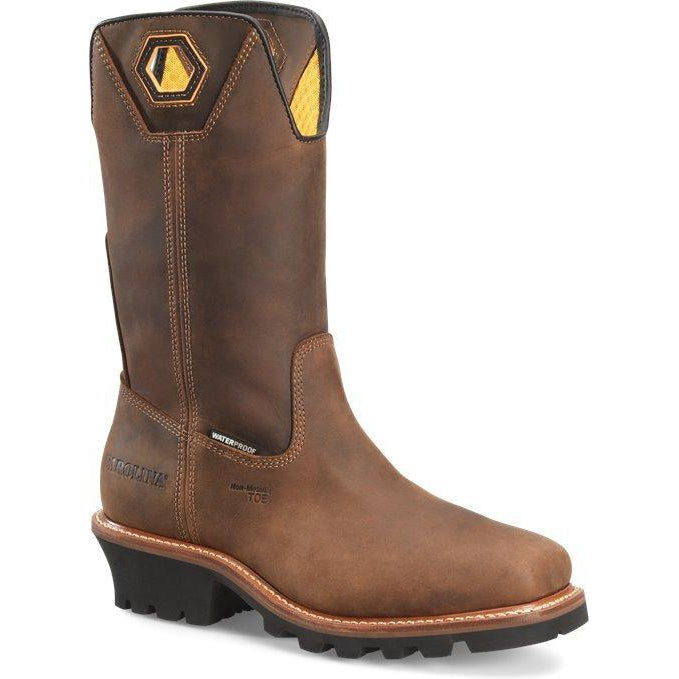
Sale price$244.84
Regular price$294.99
Carolina Men's Coppice 12" Composite Toe Waterproof Logger Work Boot- Brown- CA9833
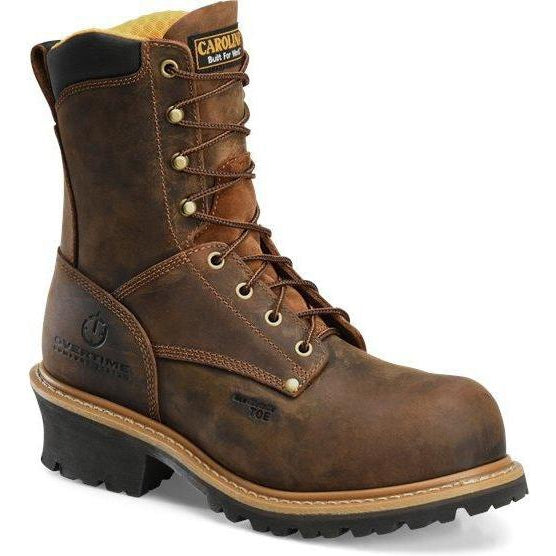
Sale price$179.99
Regular price$184.00
Carolina Men's Poplar 8" Composite Toe Unlined Logger Work Boot - Brown - CA9853
Save 17%
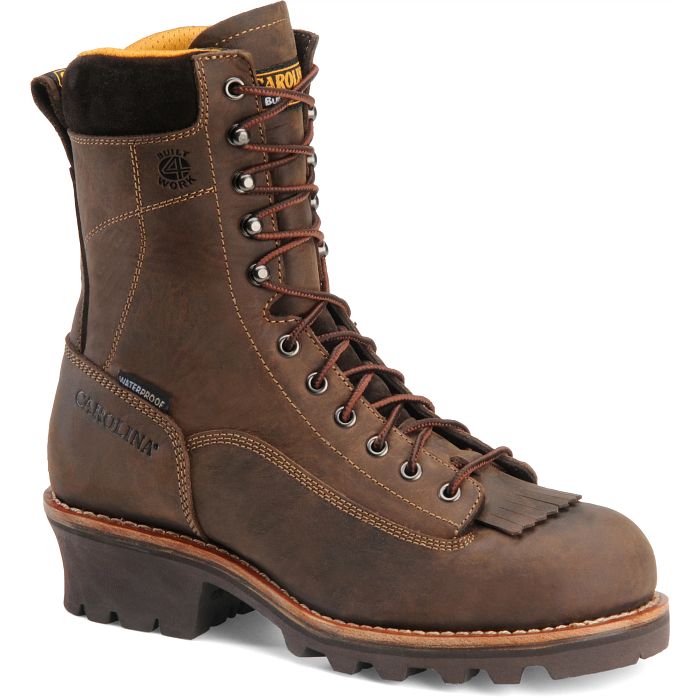
Sale price$211.64
Regular price$254.99
Carolina Men's Birch 8" Composite Toe Waterproof Logger Work Boot - Brown - CA7522
Save 17%
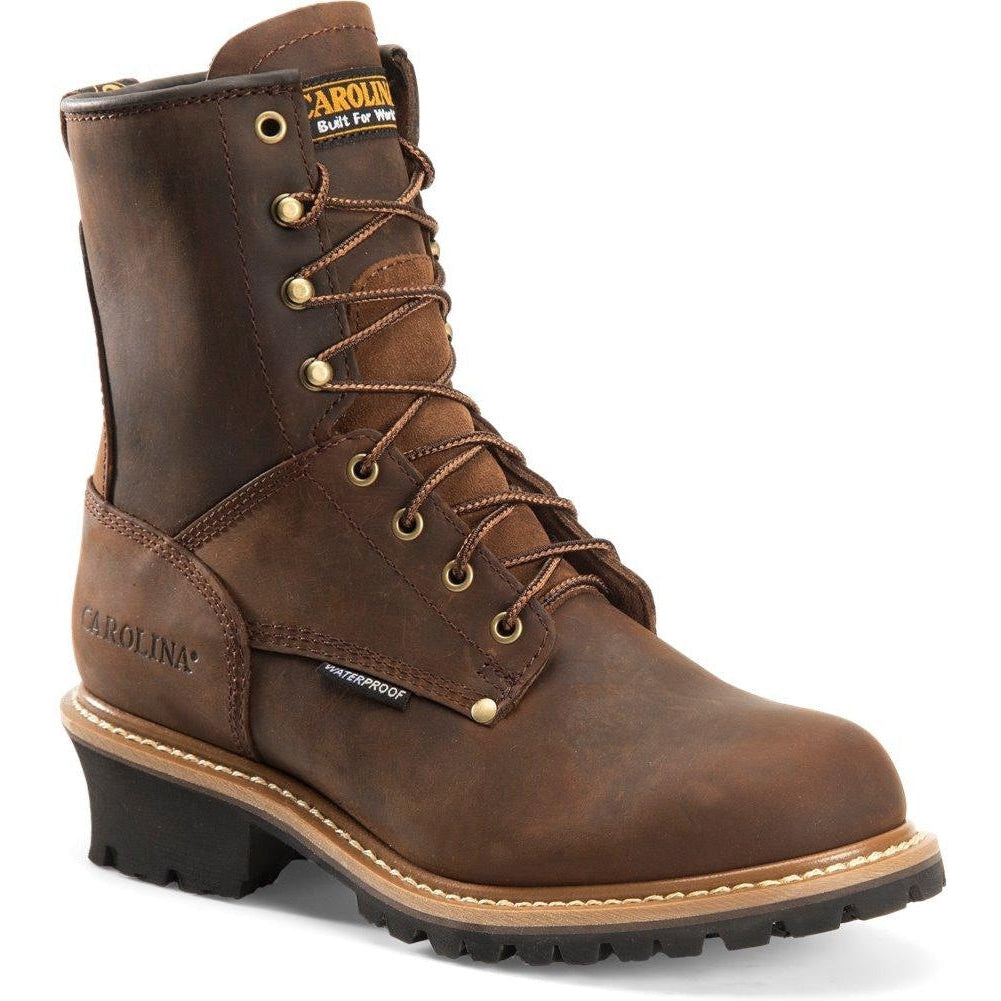
Sale price$165.99
Regular price$199.99
Carolina Men's Elm 8" Steel Toe Waterproof Logger Work Boot - Brown - CA9821
Save 31%
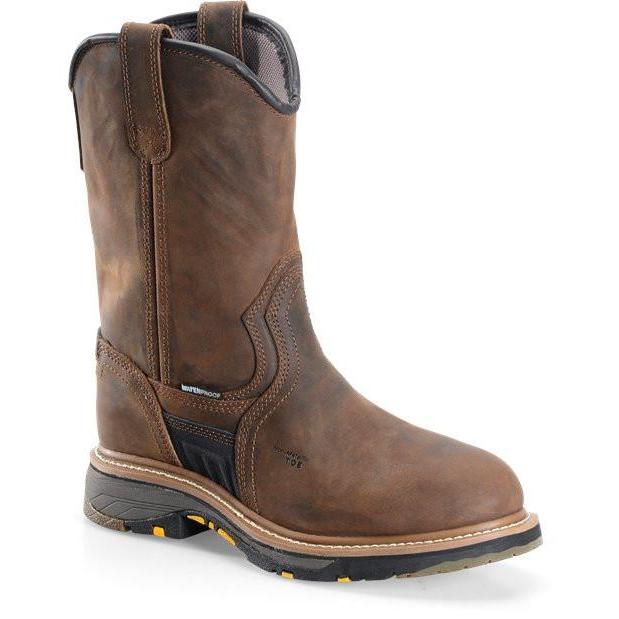
Sale price$148.67
Regular price$214.00
Carolina Men's Well X 10" Composite Toe Waterproof Wellington Work Boot - CA4559
Save 21%

Sale price$248.99
Regular price$314.00
Double H Men's Anton 11" Steel Toe USA Made Western Work Boot - DH4637
Save 8%
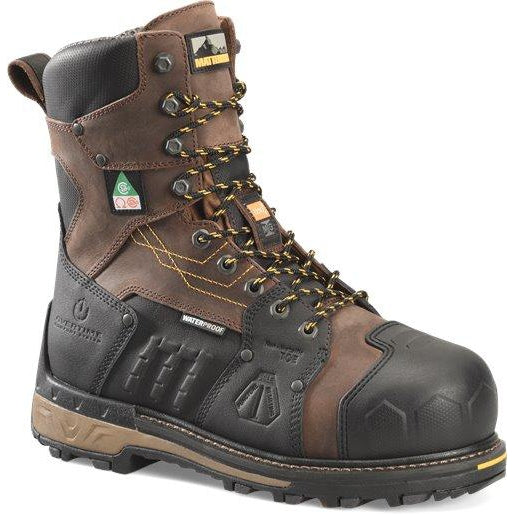
Sale price$250.23
Regular price$271.99
Matterhorn Men's Maximus 2.0 8" Composite Toe Waterproof Metguard Puncture Resistant Work Boot - MTC300
Save 5%
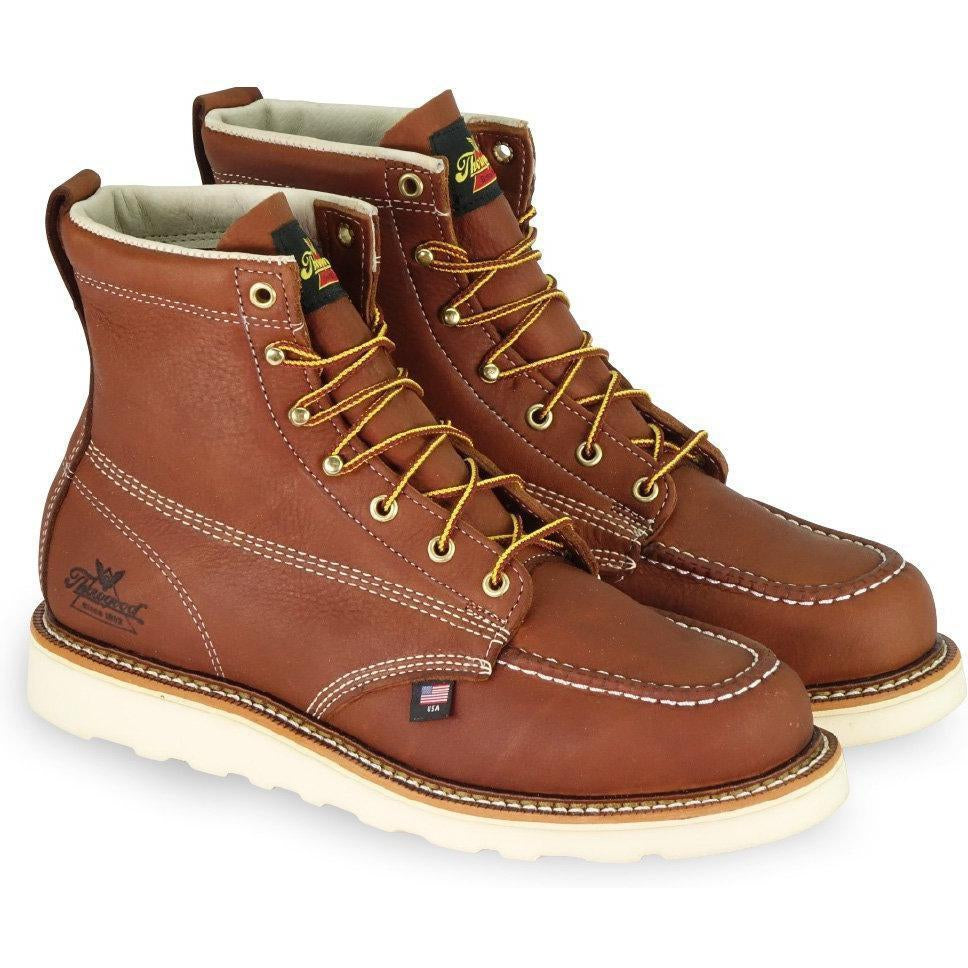
Sale price$264.95
Regular price$280.00
Thorogood Men's USA Made American Heritage 6" Wedge Work Boot - 814-4200
Save 7%
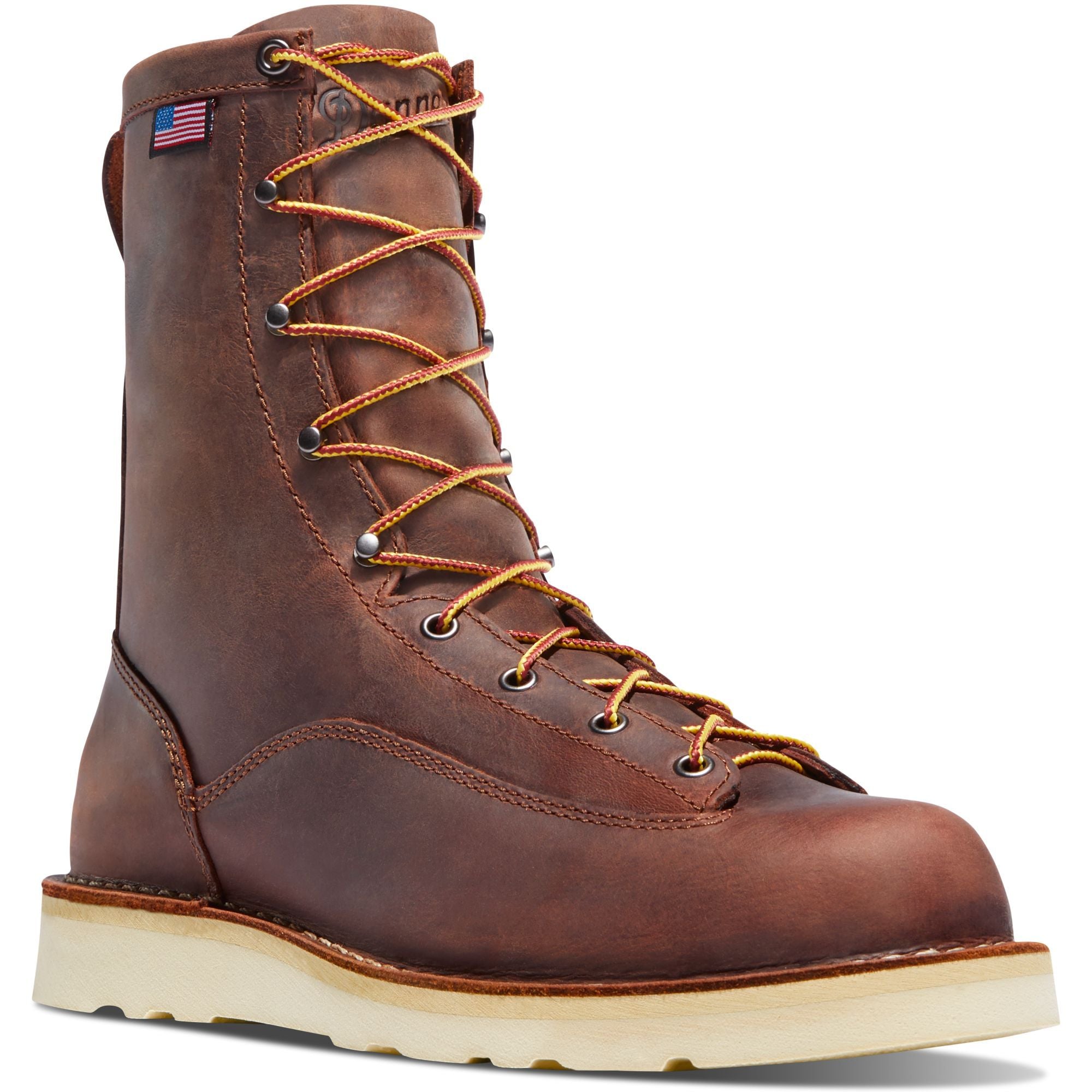
Sale price$269.95
Regular price$290.00
Danner Men's Bull Run USA Made 8" Soft Toe Wedge Work Boot - Brown - 15556
Save 17%
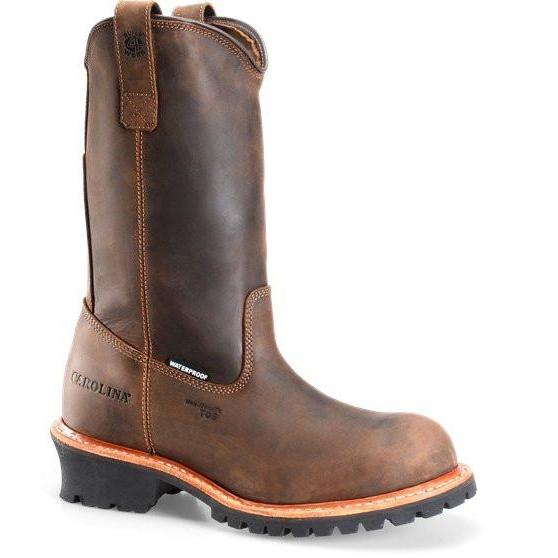
Sale price$236.54
Regular price$284.99
Carolina Men's Well X 12" Composite Toe Wellington Logger Work Boot CA9831
Save 5%
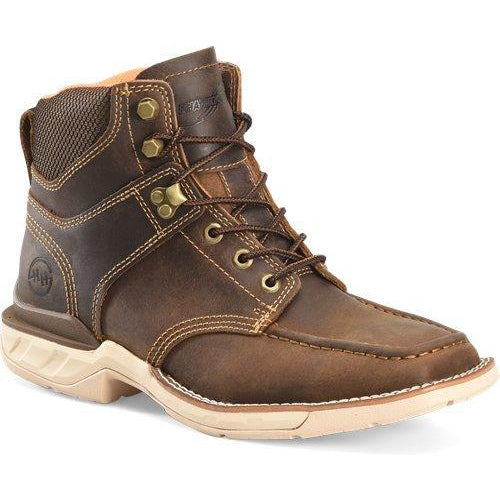
Sale price$144.99
Regular price$152.00
Double H Men's Brunel 6" Moc Toe Western Work Boot - Brown - DH5372
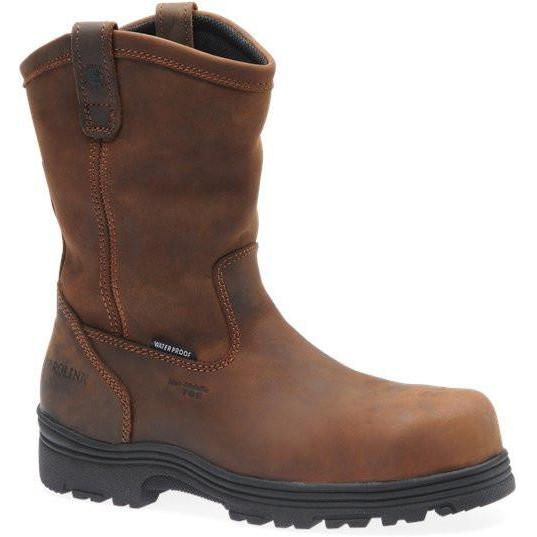
Save 20%
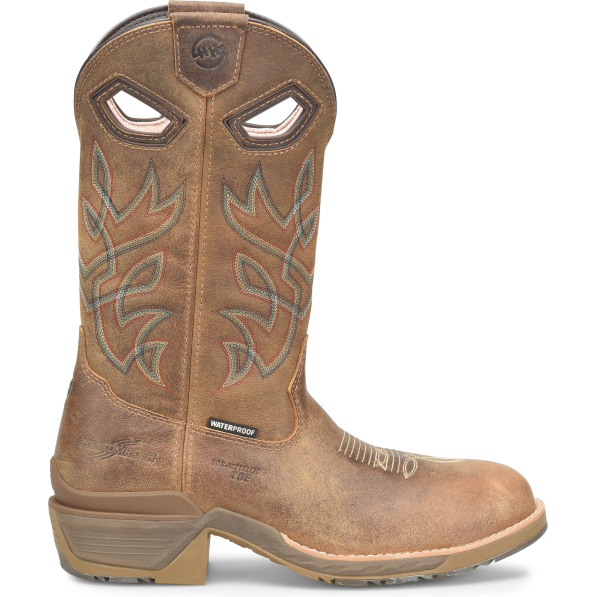
Sale price$178.44
Regular price$224.00
Double H Men's Cleave 12" Composite Toe Waterproof Western Work Boot - Brown - DH5422
Save 5%
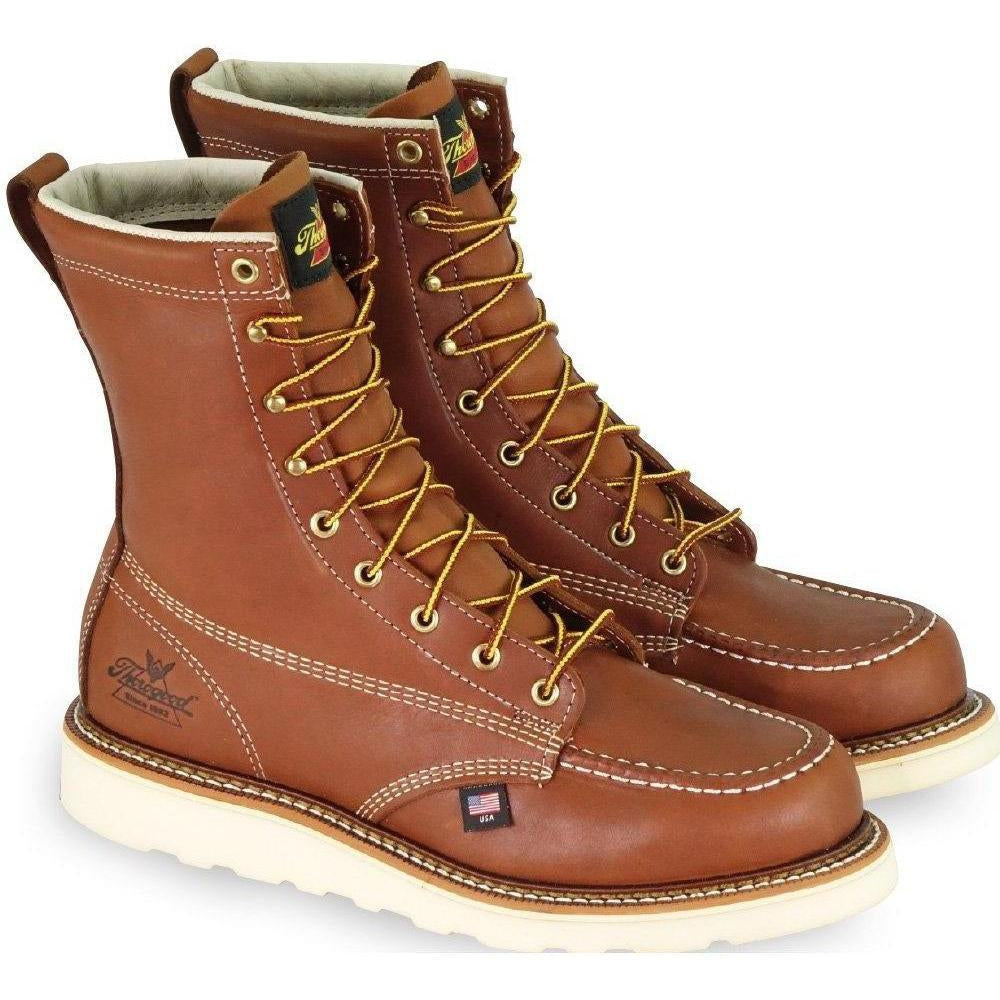
Sale price$274.95
Regular price$290.00
Thorogood Men's USA Made American Heritage 8" Wedge Work Boot - 814-4201
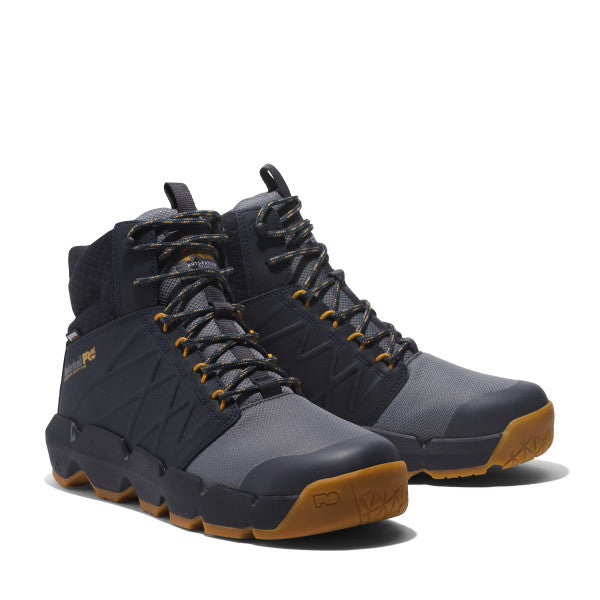
Sale price$174.95
Regular price$175.00
Timberland Pro Men's Morphix 6" Composite Toe Waterproof Work Boot - Grey - TB1A5YFU065
Save 7%
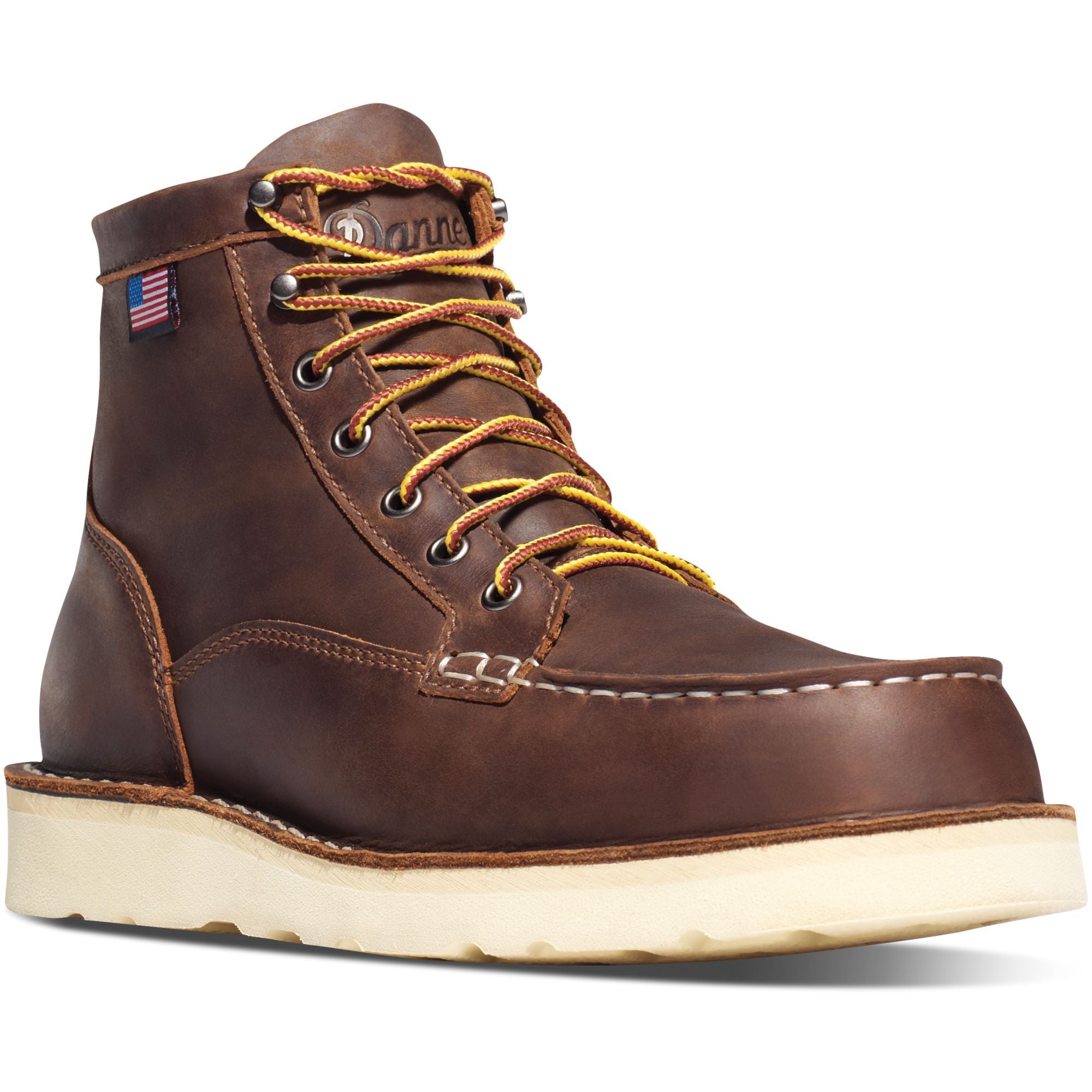
Sale price$269.95
Regular price$290.00
Danner Men's Bull Run USA Made 6" Moc Steel Toe Work Boot Brown 15564
Save 17%
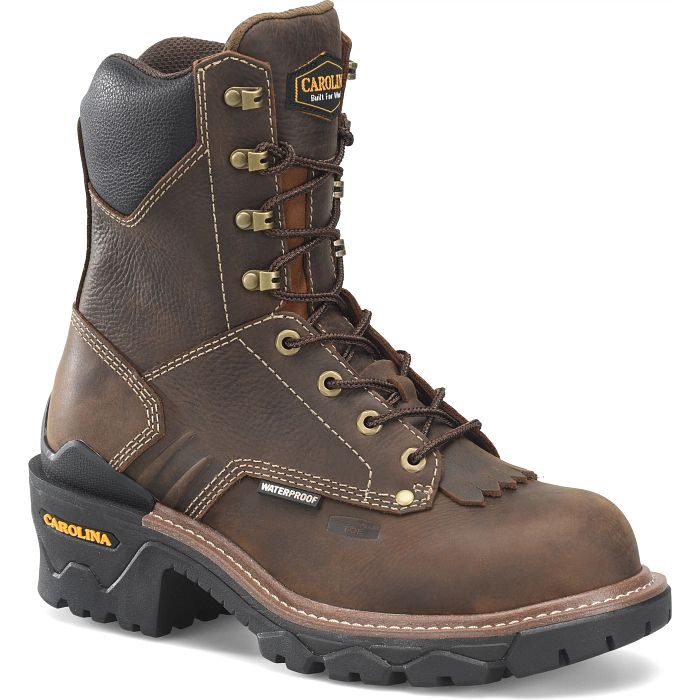
Sale price$186.74
Regular price$224.99
Carolina Men's Cardinal 8" Composite Toe Waterproof Slip Resistant Work Boot -Brown- CA7837
Save 17%
Sale price$178.44
Regular price$214.99
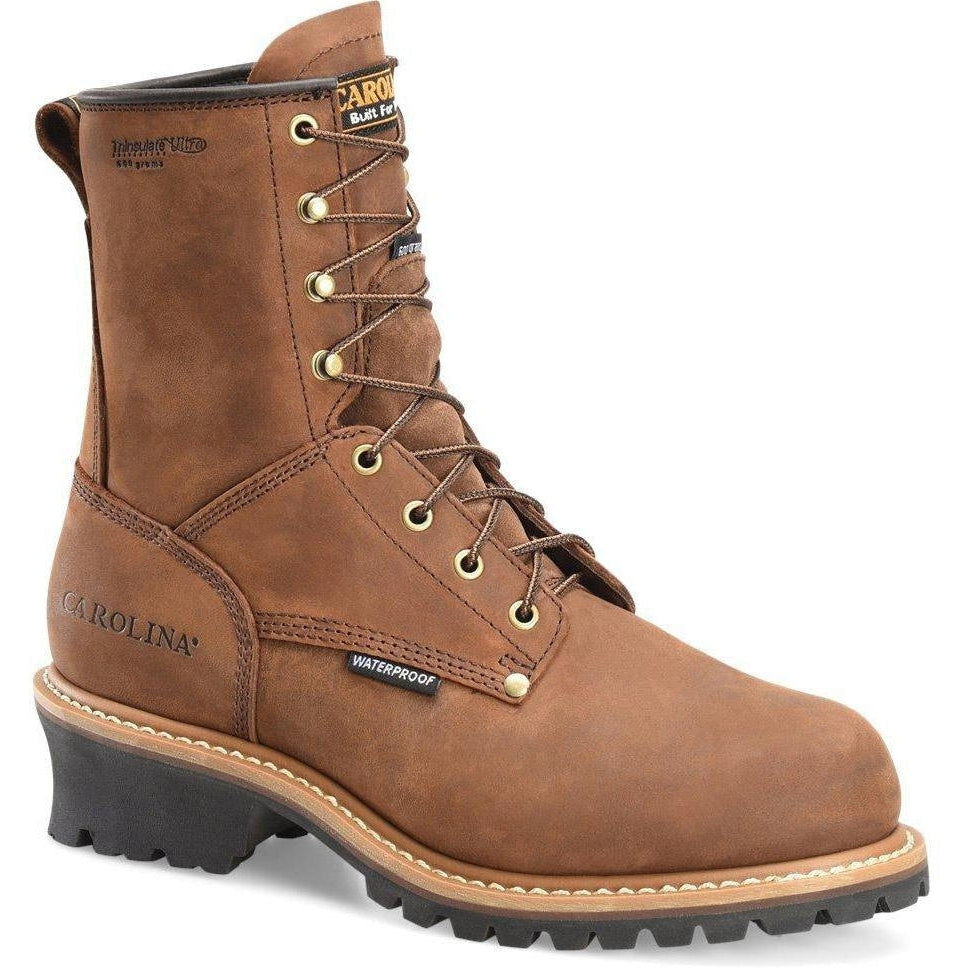
Carolina Men's Elm 8" Steel Toe Waterproof Insulated Logger Work Boot - Brown - CA5821
Save 17%
Sale price$186.74
Regular price$224.99
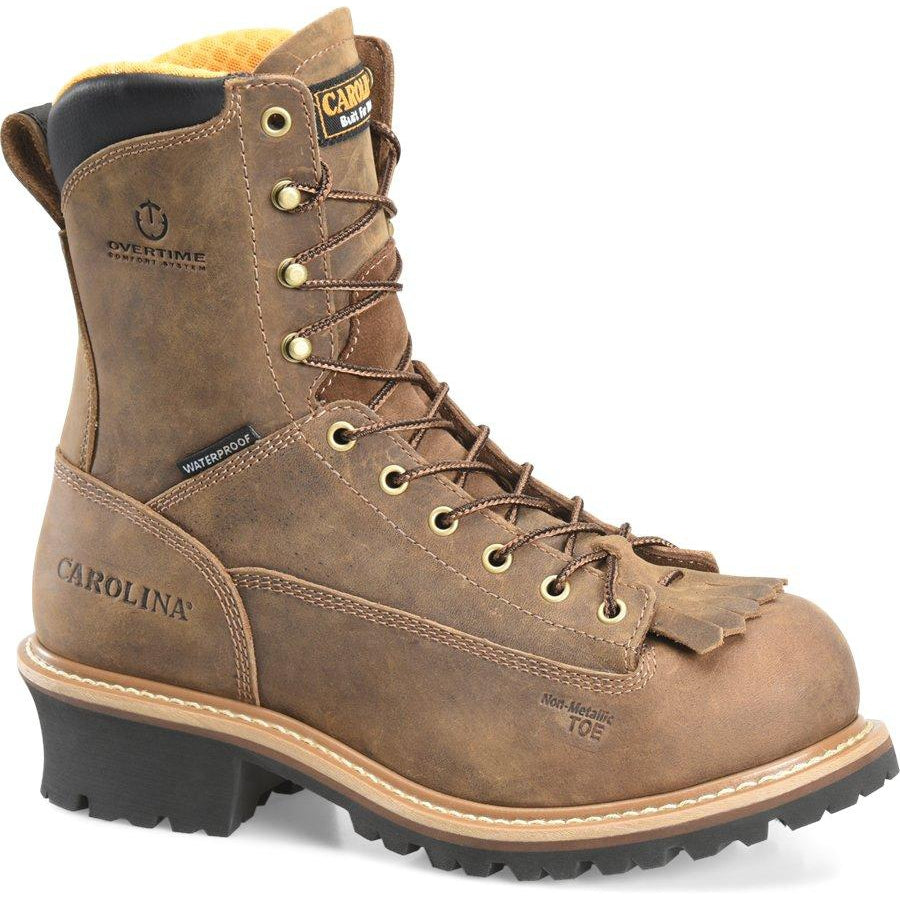
Carolina Men’s Driller 8” Composite Toe Waterproof Logger Work Boot – Brown - CA9828
Save 5%
Sale price$294.95
Regular price$310.00
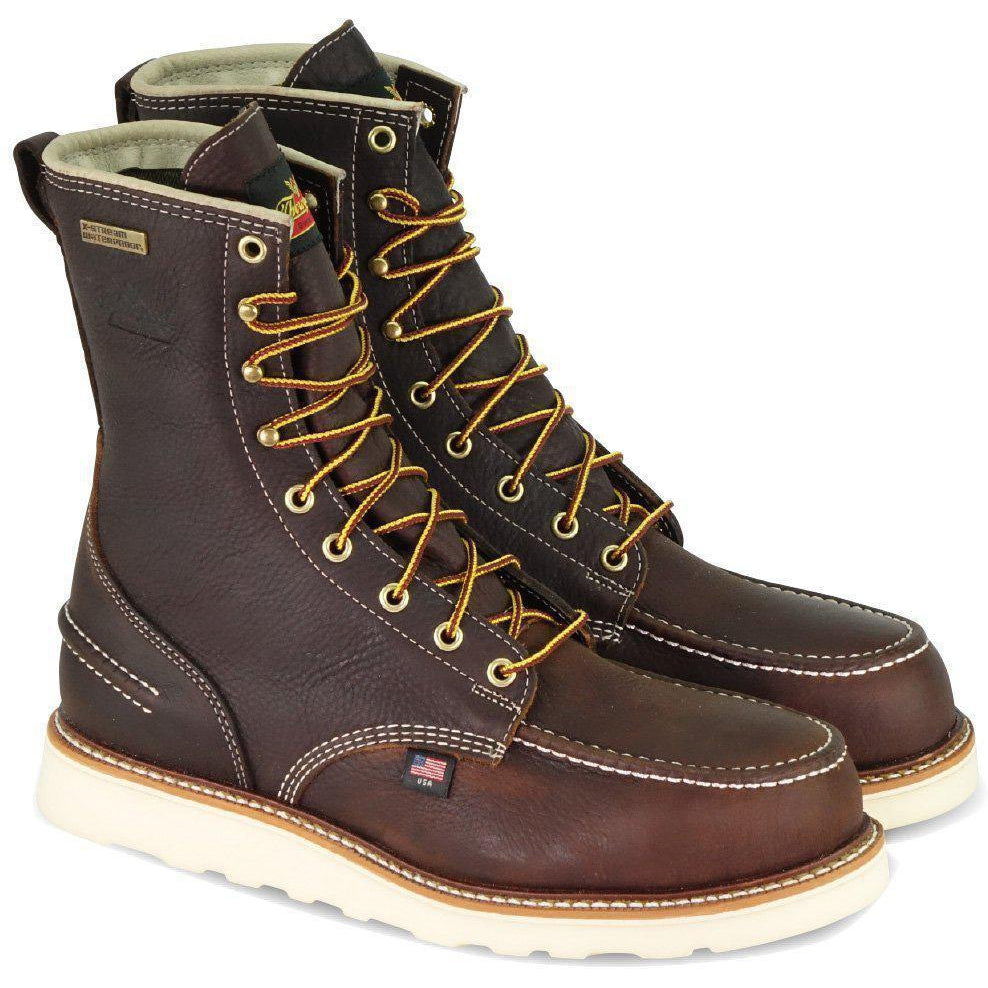
Thorogood Men's USA Made 1957 8" Moc Safety Toe Waterproof Wedge Work Boot 804-3800
Save 24%
Sale price$159.95
Regular price$210.00
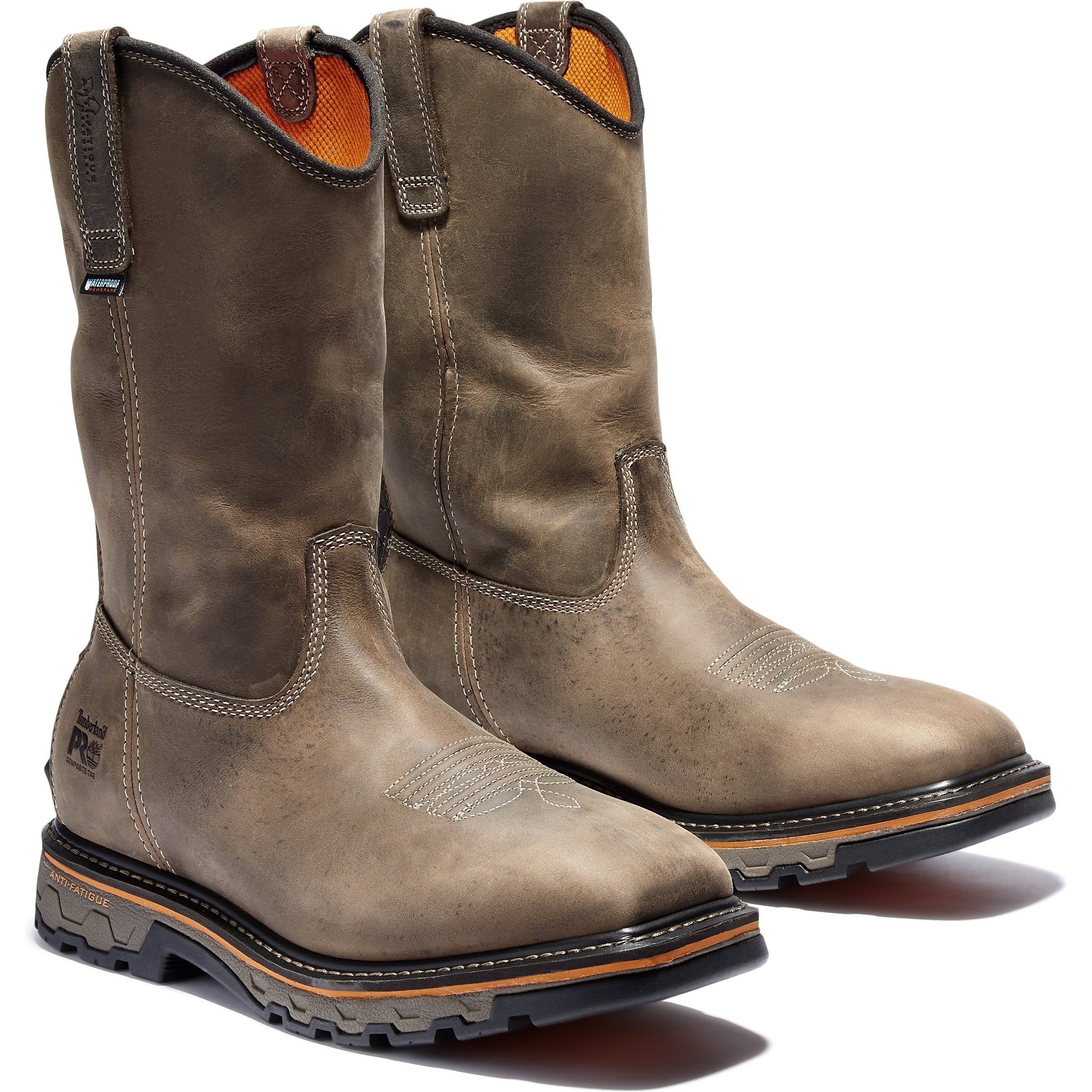
Timberland Pro Men's True Grit Soft Toe Waterproof Western Work Boot- TB1A24AJ214
Save 20%
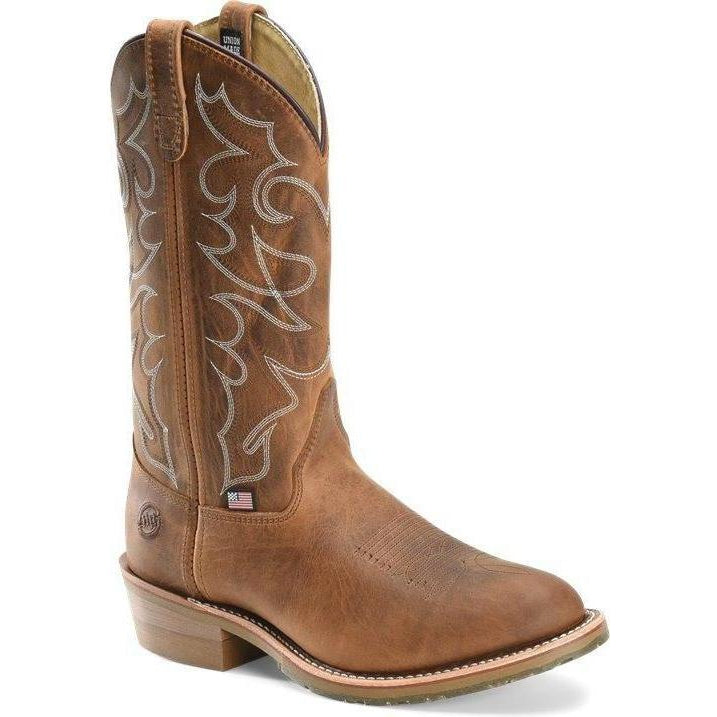
Sale price$236.54
Regular price$296.00
Double H Men's Dylan 12" Steel Toe USA Made Western Work Boot - DH1592
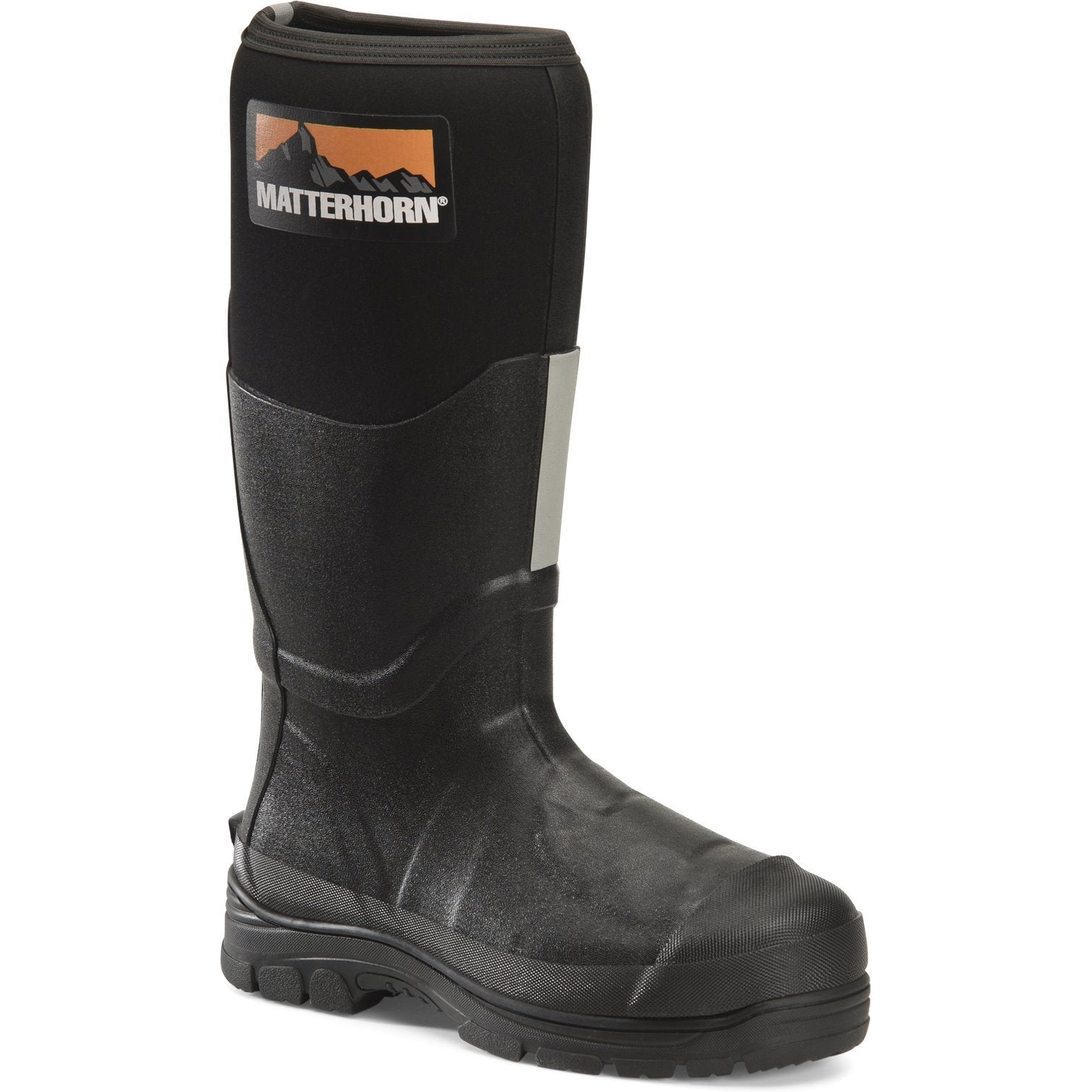
Save 7%
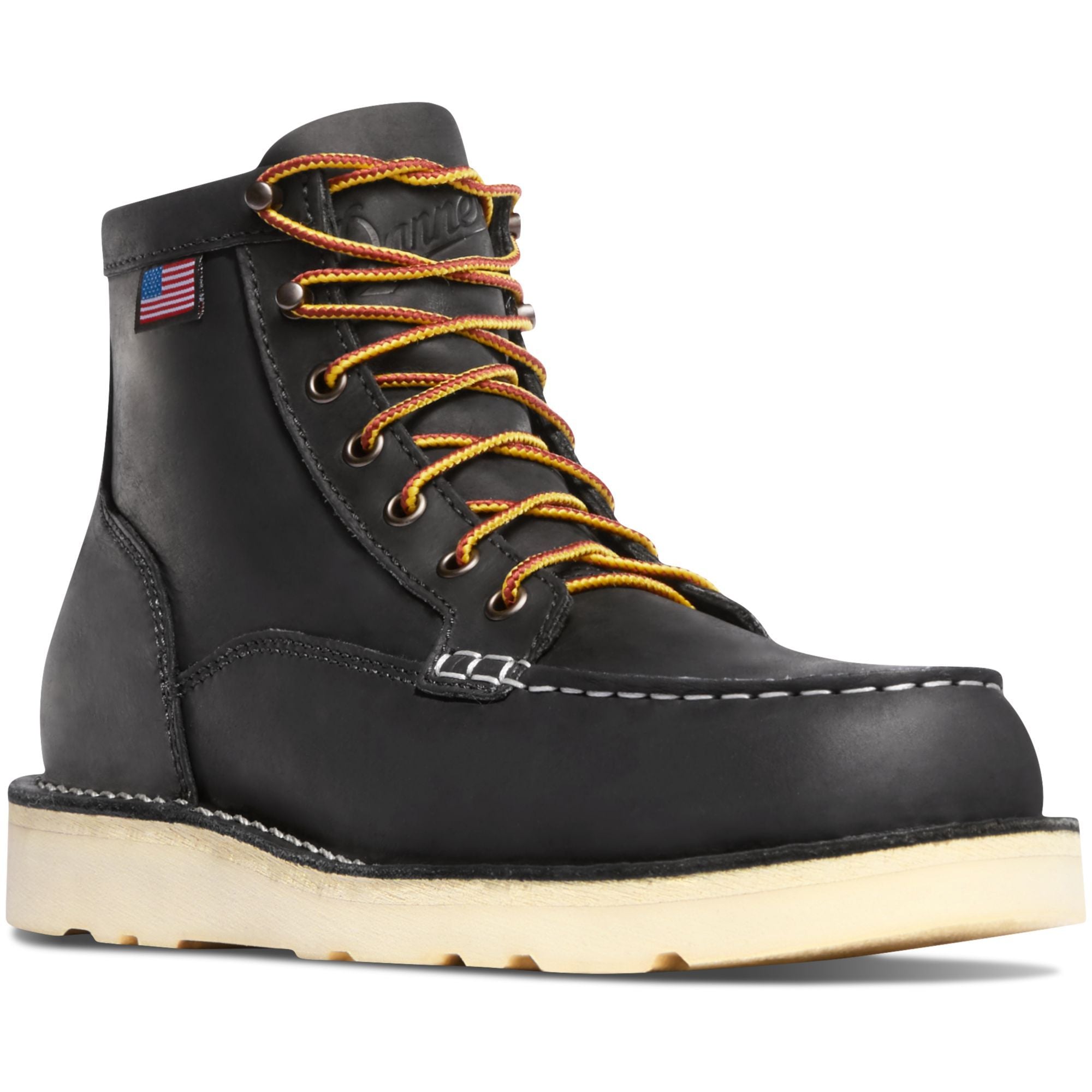
Sale price$259.95
Regular price$280.00
Danner Men's Bull Run USA Made 6" Moc Soft Toe Work Boot Black 15568
Save 5%
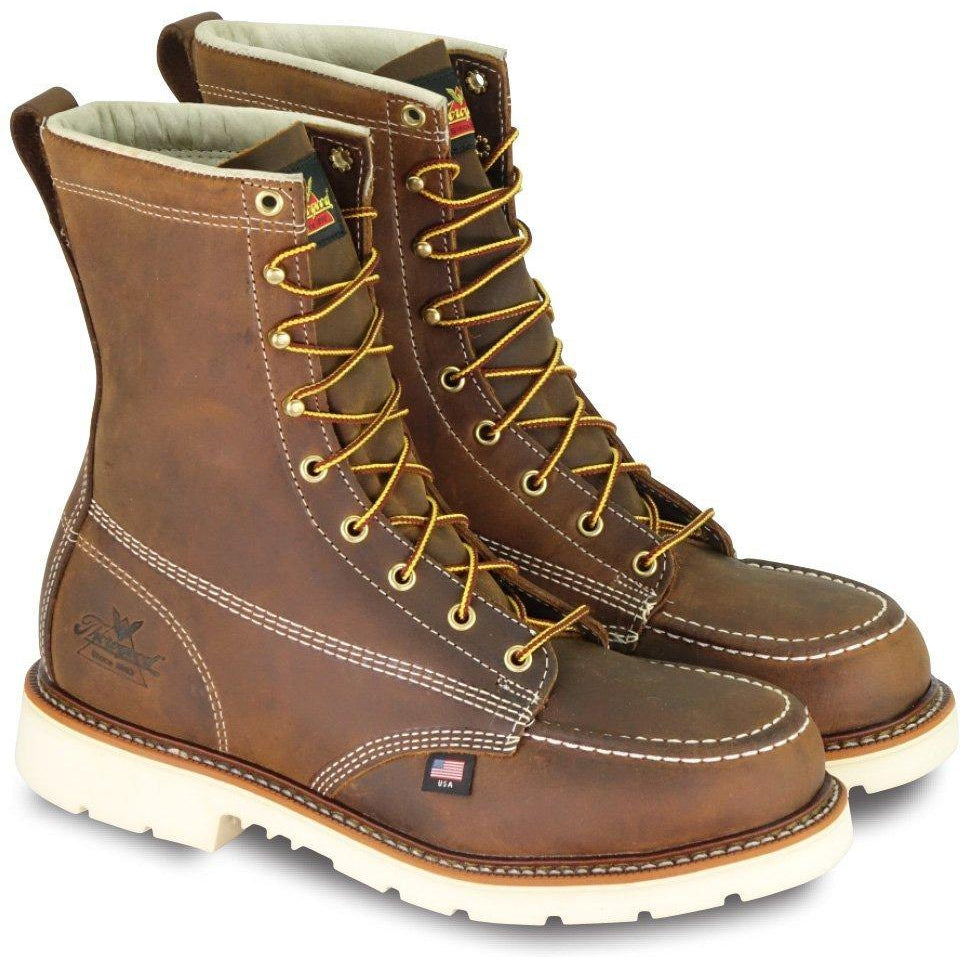
Sale price$284.95
Regular price$300.00
Thorogood Men's USA Made Amer. Heritage 8" Steel Toe Work Boot 804-4378
Save 20%
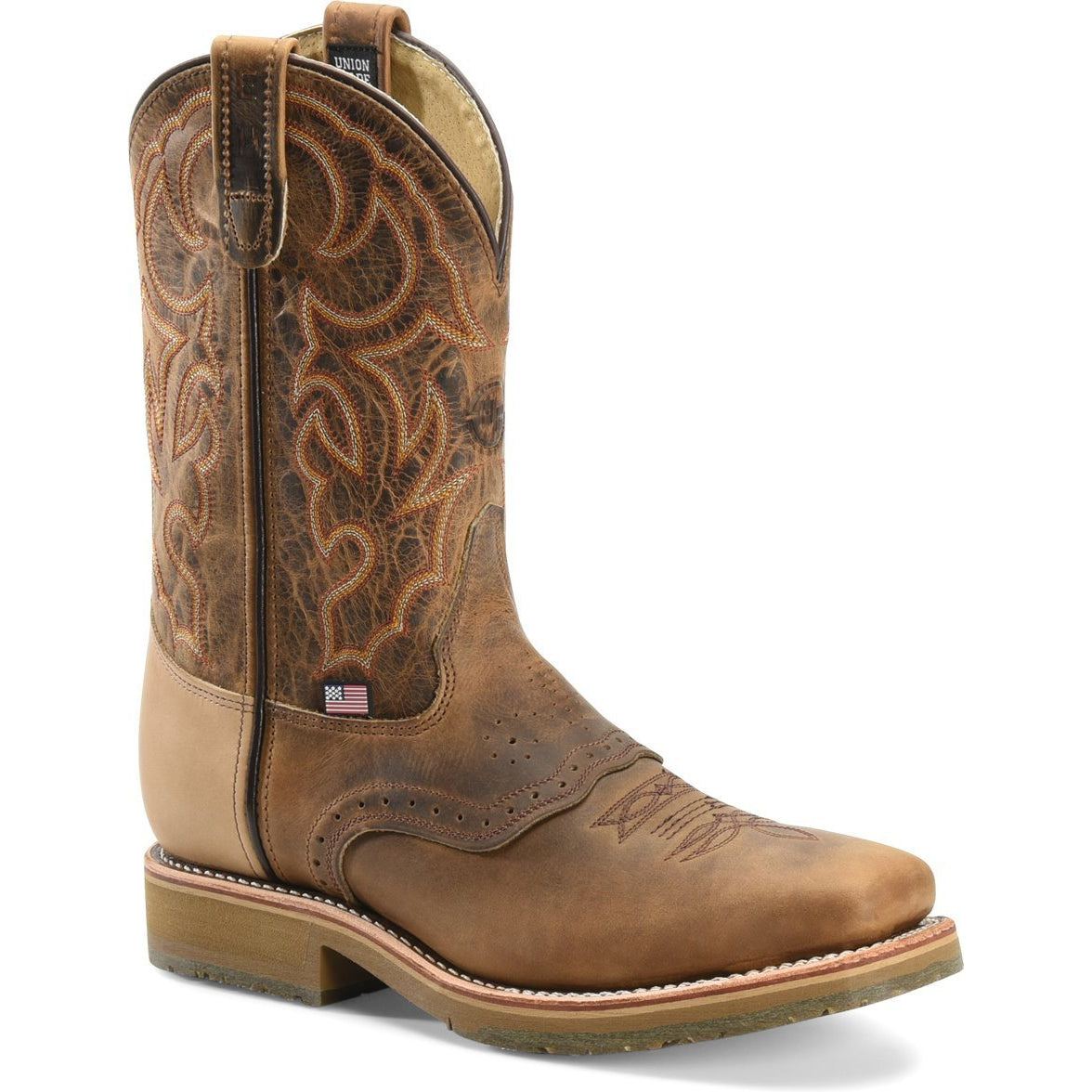
Sale price$261.44
Regular price$328.00
Double H Men's Dwight 11" Steel Toe USA Made Western Work Boot- DH3567
Save 27%
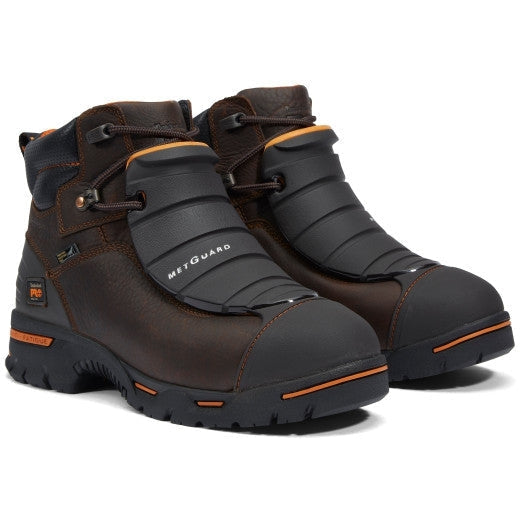
Sale price$164.95
Regular price$225.00
Timberland PRO Men's Endurance 6" Metguard Steel Toe Work Boot - TB1A172T214
Save 17%
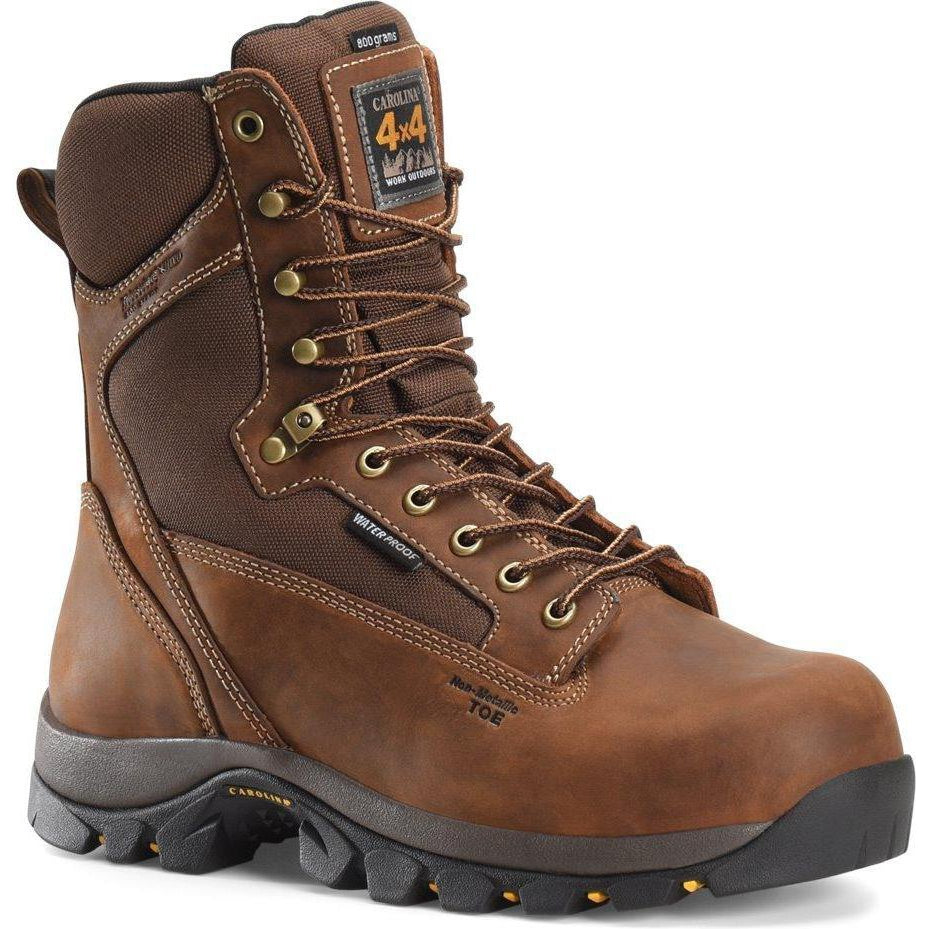
Sale price$182.59
Regular price$219.99
Carolina Men's Forrest 8" Waterproof Ins Composite Toe Work Boot - Brown - CA4515
Save 5%
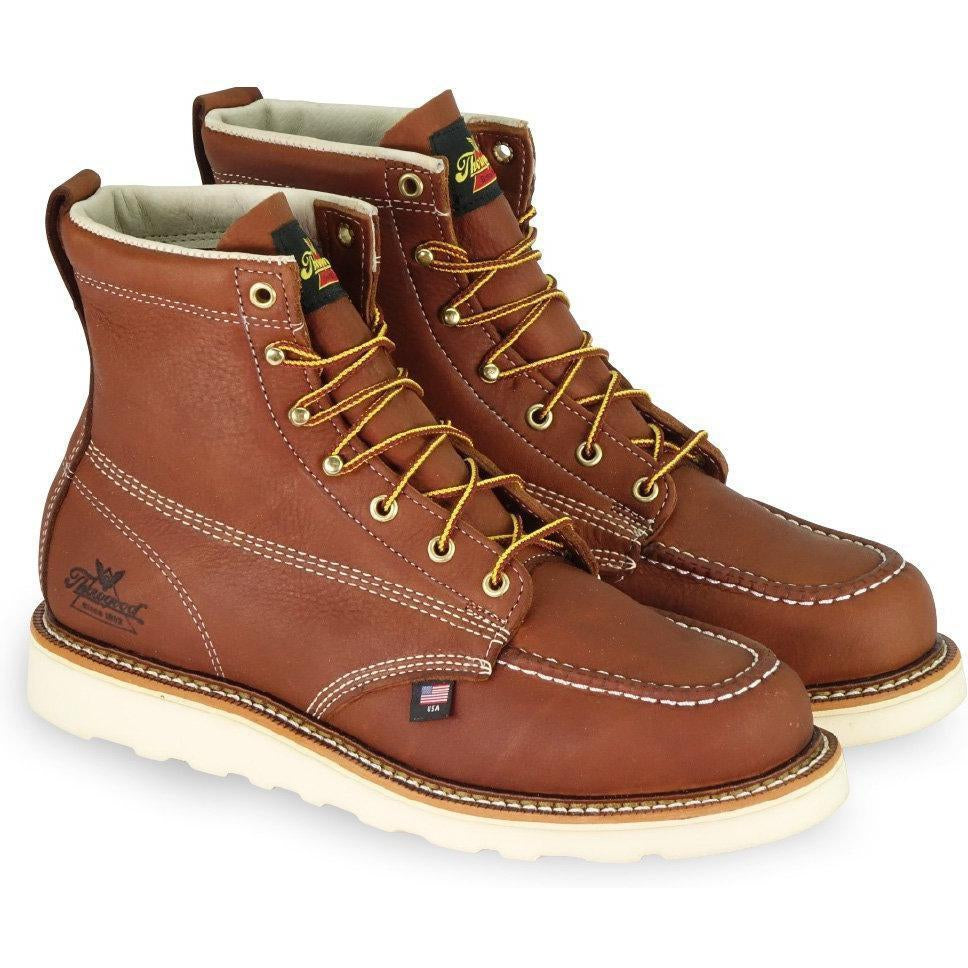
Sale price$274.95
Regular price$290.00
Thorogood Men's USA Made Amer. Heritage 6" Steel Toe Wedge Work Boot 804-4200
Save 13%
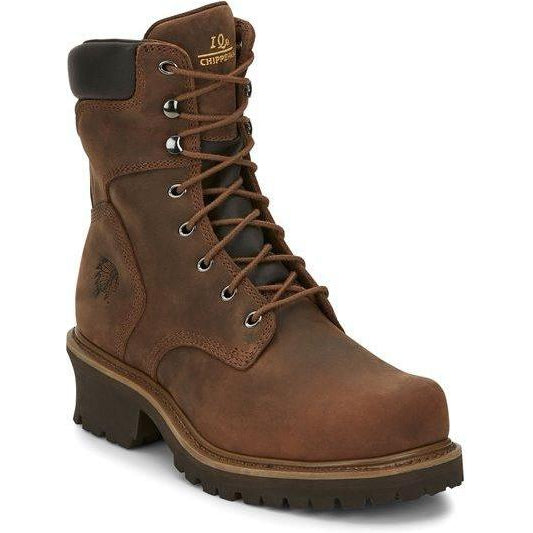
Sale price$187.01
Regular price$214.95
Chippewa Men's Hador 8" Steel Toe Logger Work Boot - 55026
Save 5%
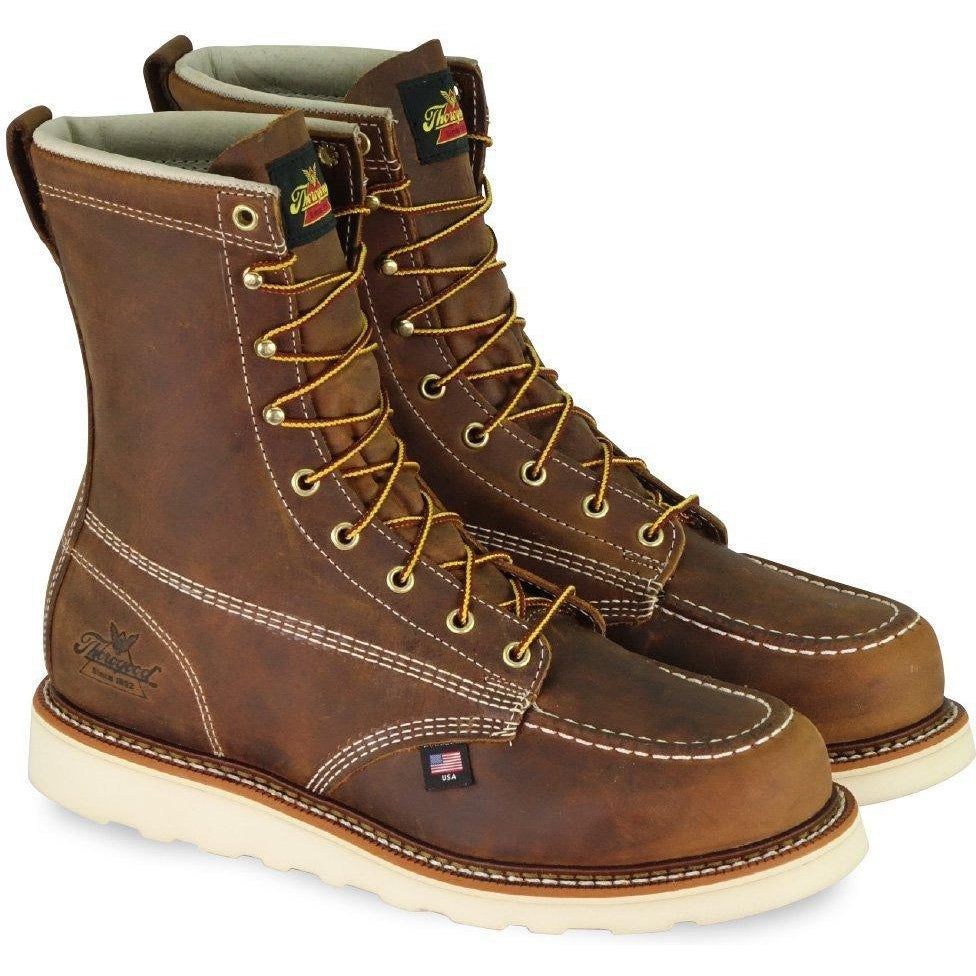
Sale price$284.95
Regular price$300.00
Thorogood Men's USA Made Amer. Heritage 8" Steel Toe Work Wedge Boot 804-4478
Save 7%
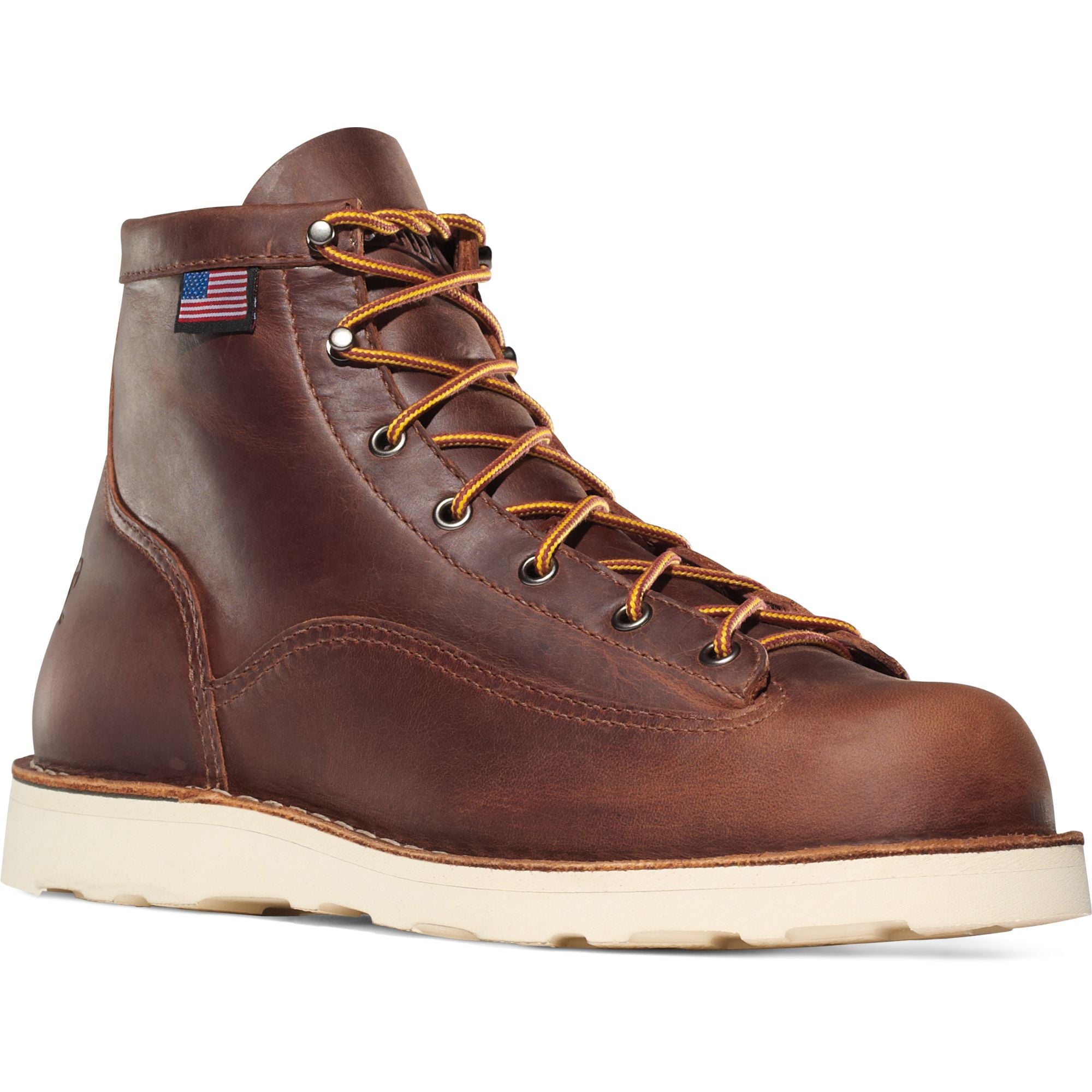
Sale price$259.95
Regular price$280.00
Danner Men's Bull Run USA Made 6" Soft Toe Wedge Work Boot - Brown - 15552
Frequently Asked Questions
ASTM F2413 is the US performance standard for safety-toe footwear, and a boot marked with it has passed the impact and compression tests defined by ASTM F2412. The standard rating is I/75 for impact and C/75 for compression, with add-on codes like EH, PR, and Mt covering other hazards when the boot is built for them.
I/75 means the toe passed the impact test at 75 foot-pounds, C/75 means it withstood 2,500 pounds of compression, and EH means the boot resists electric shock in dry conditions. The label reads in lines. The standard and year come first, then gender (M, F, or U), followed by the impact and compression codes, and finally any add-on codes below. Other marks you may see are PR for a puncture-resistant midsole, Mt for a metatarsal guard over the top of the foot, and SD or Cd for static control.
The ASTM boots you need depends on the hazards you face, so start with the standard F2413 toe protection required for any job with a foot hazard, then add ratings for the specific risks on top of it. A lineman needs EH for live circuits where a warehouse picker does not, and a demolition crew needs PR against nails underfoot. Your employer's PPE policy or safety officer sets the exact requirement, so confirm the job spec before you buy.
You can tell if an ASTM-certified work boot is genuine by finding the ASTM label stamped inside it. The ASTM label is stamped on the tongue or printed inside the shaft near the collar. A real label names the standard and year, for example ASTM F2413-18 or F2413-24, followed by the protection codes the boot earned. If a listing shows no label and only puts "safety boot" or "steel toe" in the title, treat it as unverified until you see the actual tag.
Yes, ASTM-rated work boots are the standard way employers meet OSHA compliance once a hazard assessment identifies a foot hazard. OSHA's own rule, 29 CFR 1910.136, names no brand or model. It requires protective footwear that meets an ASTM standard (F2412/F2413), so an F2413-certified boot is the benchmark employers cite. An ASTM safety boot can satisfy the footwear requirement when its rating matches the hazard assessment and the employer's PPE policy.
Yes, composite-toe ASTM boots meet the same ASTM F2413 I/75 C/75 protection as a steel toe when it carries that rating, because the standard tests the finished toe cap by performance, not by material. Steel, composite, and alloy toes all must meet the same impact and compression thresholds to earn the mark. The material changes weight, temperature transfer, and whether the boot sets off a metal detector, but it does not change the ASTM protection level.
The difference between F2413-18 and F2413-24 is the edition year of the standard, with F2413-24 being the newer ASTM edition, while F2413-18 is the earlier edition many boot labels and jobsite specs still reference. F2413-24 updates the standard’s marking and performance language, including slip-resistance-related marking where applicable. A boot still marked F2413-18 remains compliant under most workplace PPE programs, so an older date on the tag does not mean the boot is out of date for the job.
A safety toe is enough only when a dropped or rolling object is the single hazard. You add EH for work near live circuits, PR for nails or sharp scrap that can pierce the sole, and Mt for heavy tools that can land on the foot above the toe cap. Read the codes on the tag before trusting a boot against any hazard beyond impact and compression.
ASTM F2413 certification does not cover waterproofing at all. It addresses slip resistance only through a separate rating, not automatically. Slip resistance is its own mark, SR (or SRO for oily surfaces), tested to ASTM F3445 and folded into the F2413-24 edition, so a boot needs that code to claim it. Waterproofing is a construction feature, not an ASTM safety rating, so you confirm it from the boot's materials and the product description rather than the safety tag.