Save 11%
Sale price$229.95
Regular price$257.00
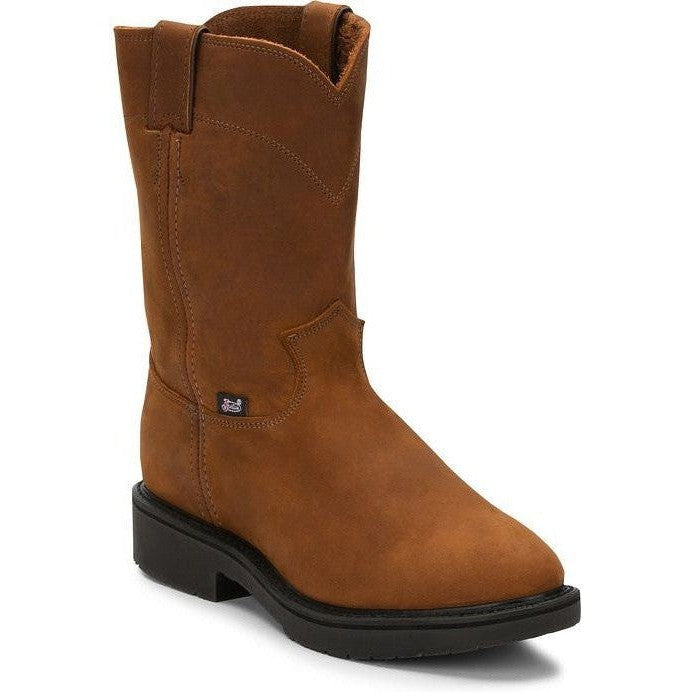
Justin Men's Conductor 10" Slip Resistant Work Boot - Hazel Brown - 4760
Save 8%
Sale price$197.75
Regular price$214.95
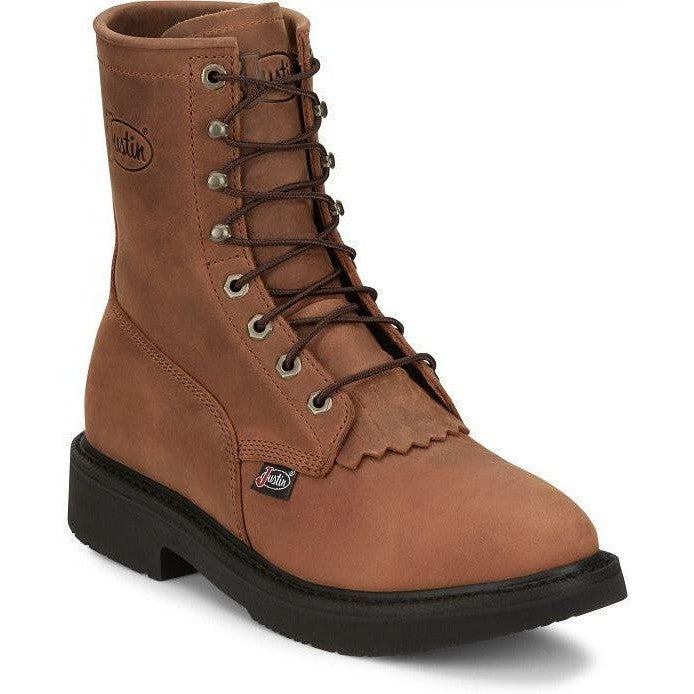
Justin Men's Livestock 8" Round Toe Lace Up Western Work Boot - Aged Brown - OW760
Save 23%
Sale price$183.95
Regular price$240.00
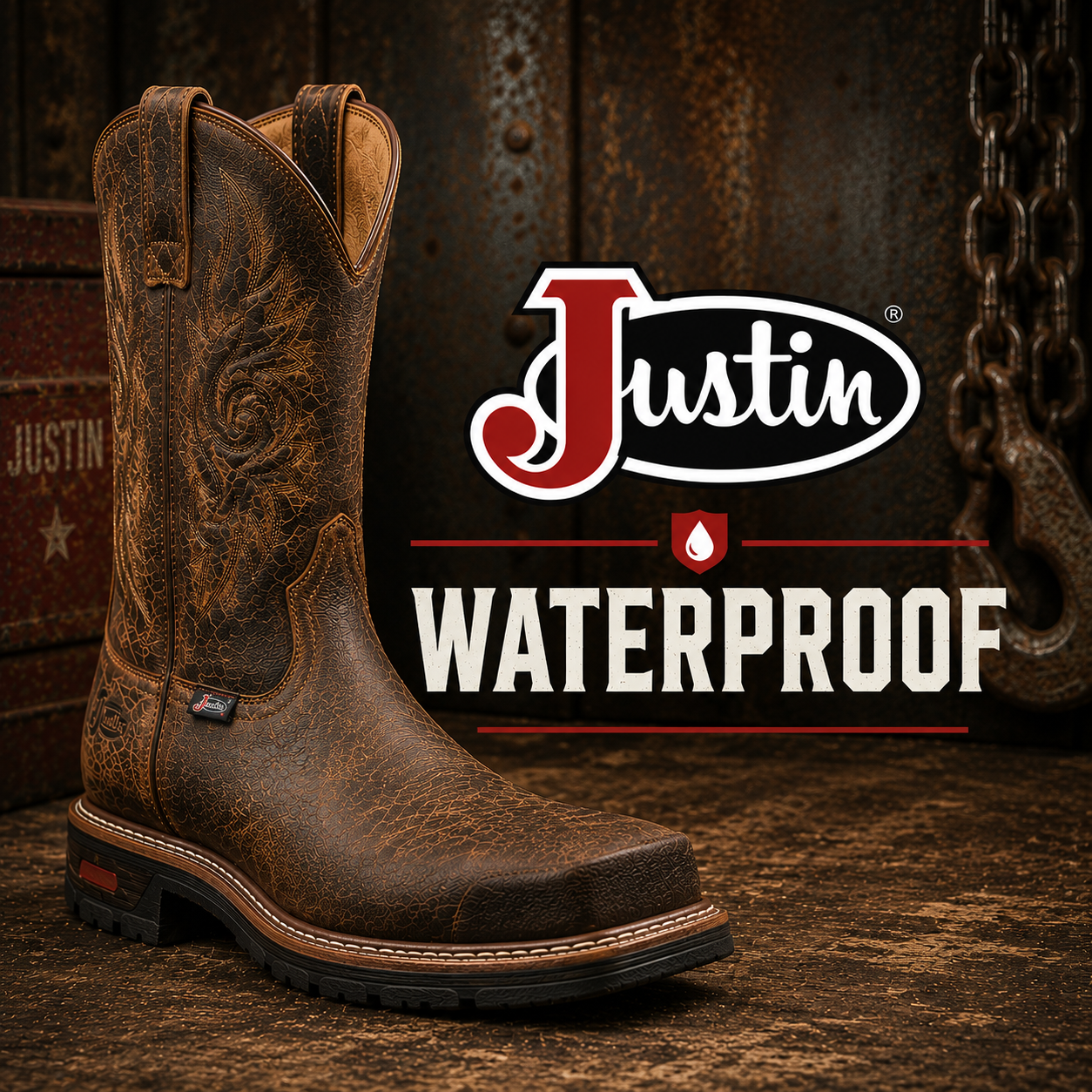
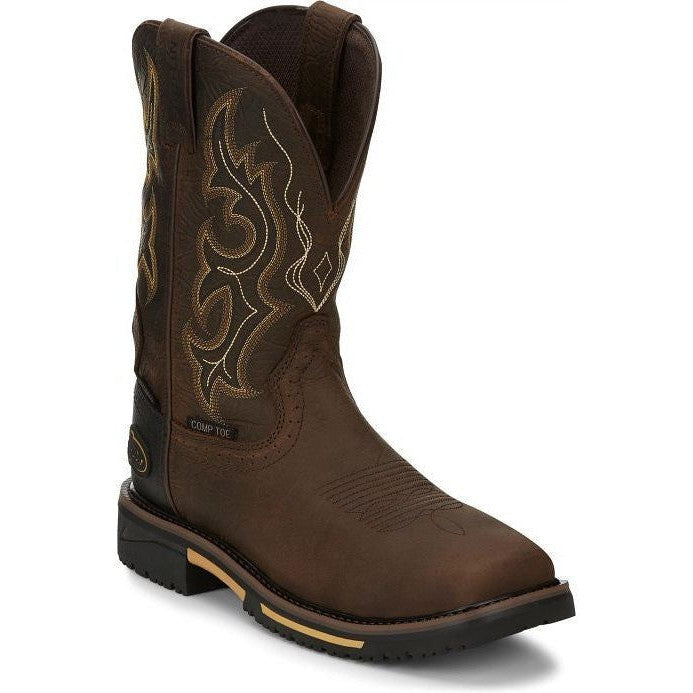
Justin Men's Joist 11" Composite Toe Waterproof Work Boot - Chocolate Brown - SE4625
Save 15%
Sale price$234.55
Regular price$277.00
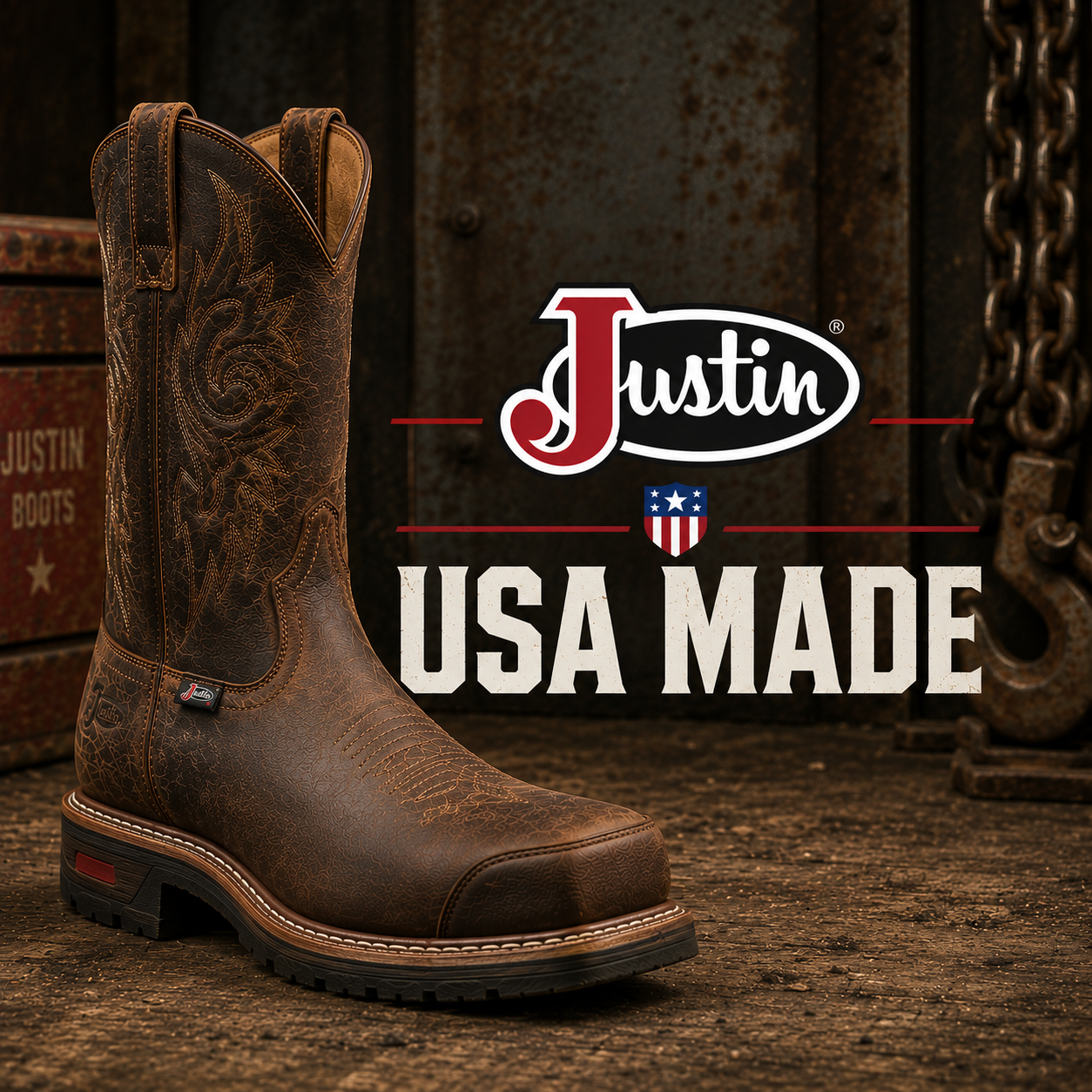
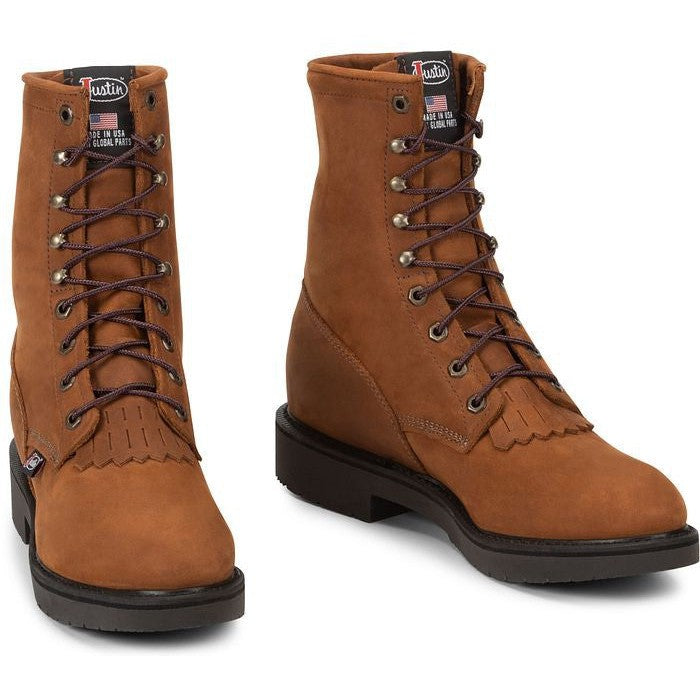
Justin Men's Conductor 8" Slip Resistant Made in USA Work Boot - Hazel - 760
Save 13%
Sale price$139.95
Regular price$160.00
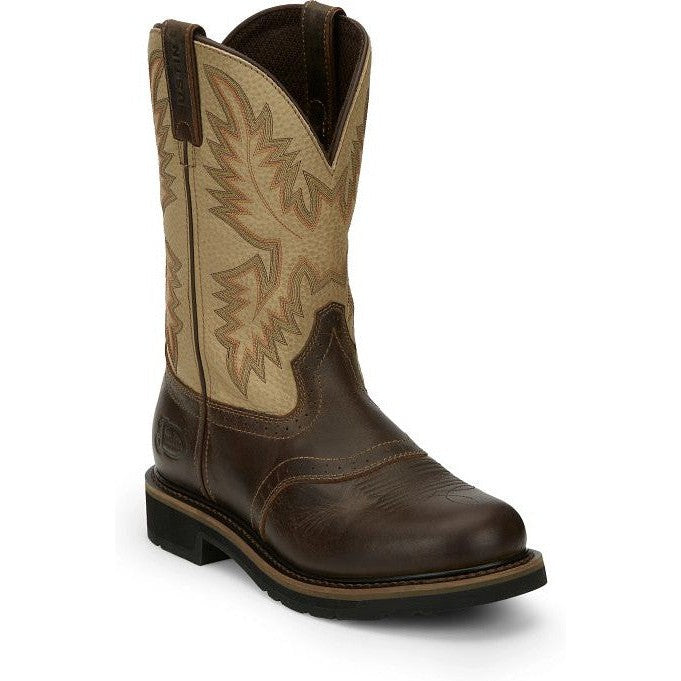
Justin Men's Superintendent 11" Slip Resistant Work Boot - Golden Brown - SE4660
Save 10%
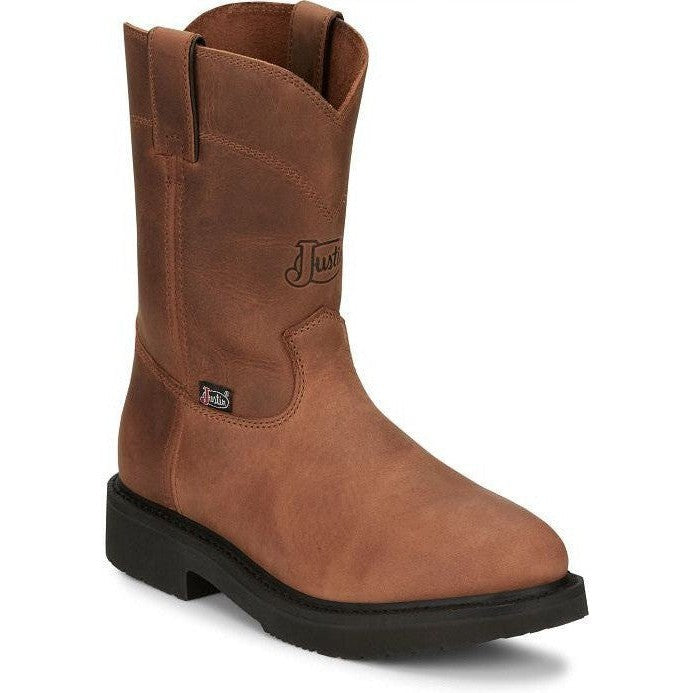
Sale price$179.35
Regular price$200.00
Justin Men's Round Up 10" Round Toe Slip Resistant Western Work Boot - Aged Bark Brown - OW4760
Save 5%
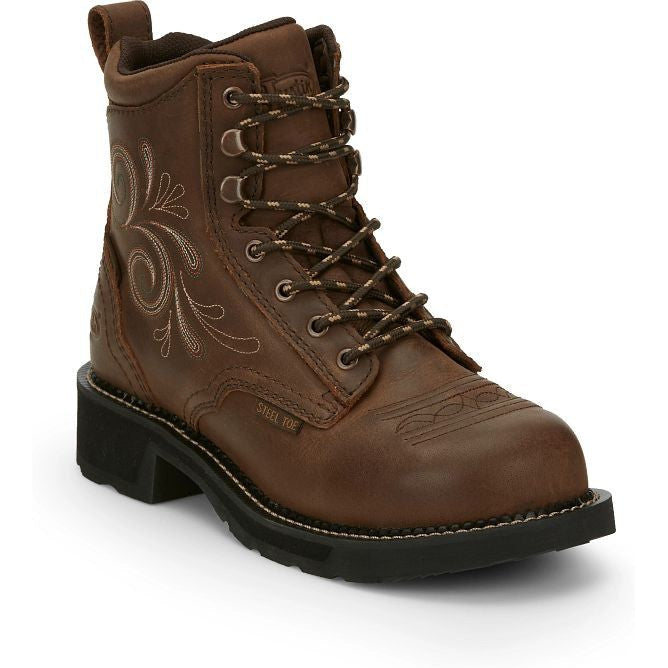
Sale price$159.95
Regular price$169.00
Justin Women's Katerina 6" Steel Toe Waterproof Slip Resistant Work Boot - Aged Bark Brown - GY985
Save 16%
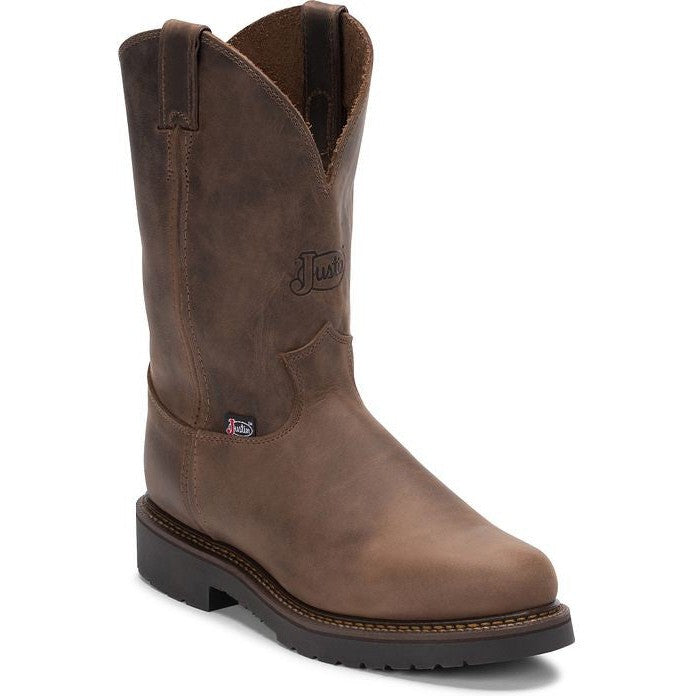
Sale price$229.95
Regular price$273.00
Justin Men's Balusters 11" Slip Resistant Work Boot - Bay Gaucho Brown - 4444
Save 13%
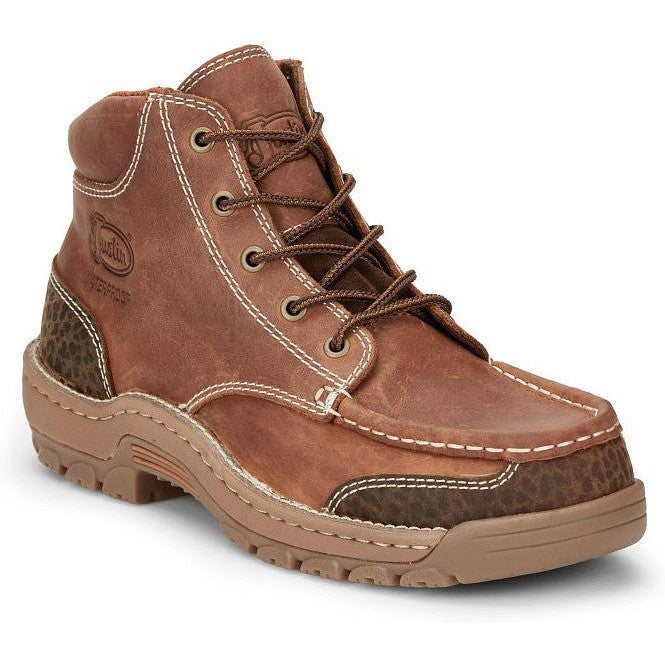
Sale price$160.95
Regular price$186.00
Justin Men's Corbett 5" Moc Toe Waterproof Slip Resistant Lace Up Work Boot - Barley Brown - SE252
Save 13%
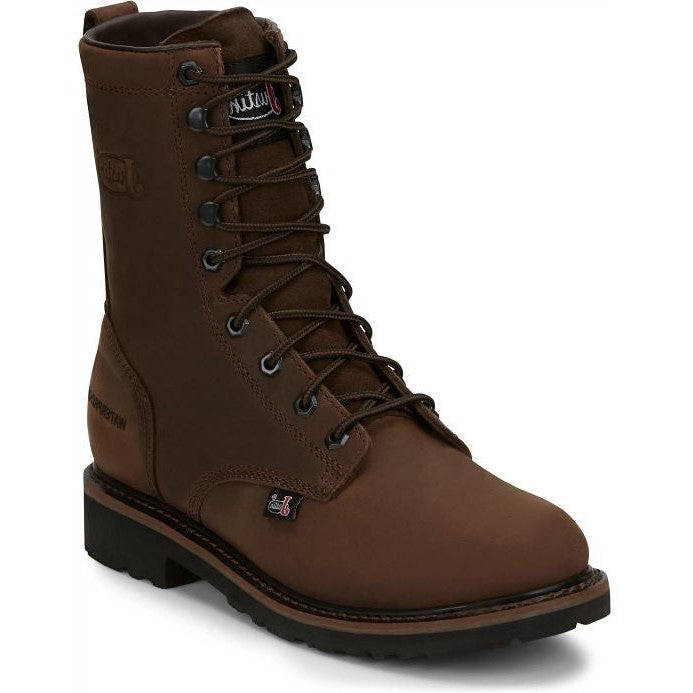
Sale price$179.35
Regular price$205.00
Justin Men's Drywall 8" Waterproof Lace Up Work Boot - Aged Brown - SE960
Save 11%
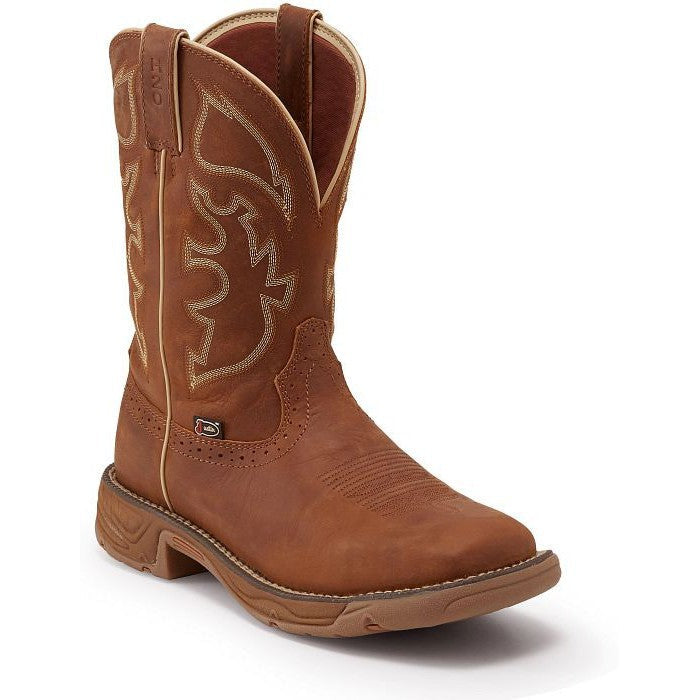
Sale price$202.35
Regular price$228.00
Justin Men's Rush 11" Waterproof Slip Resistant Work Boot - Saddle Tan - WK4330
Save 8%
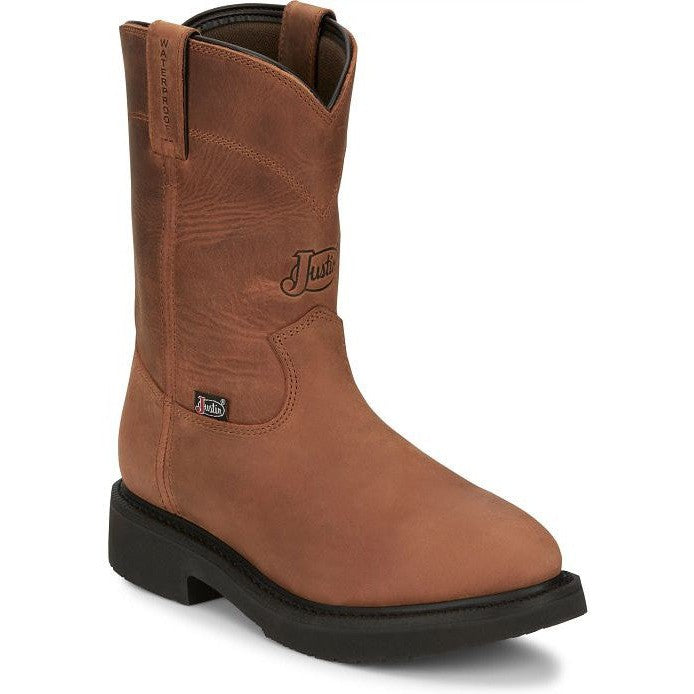
Sale price$188.55
Regular price$204.95
Justin Men's Round Up 10" Waterproof Slip Resistant Western Work Boot - Aged Bark Brown - OW6604
Save 12%
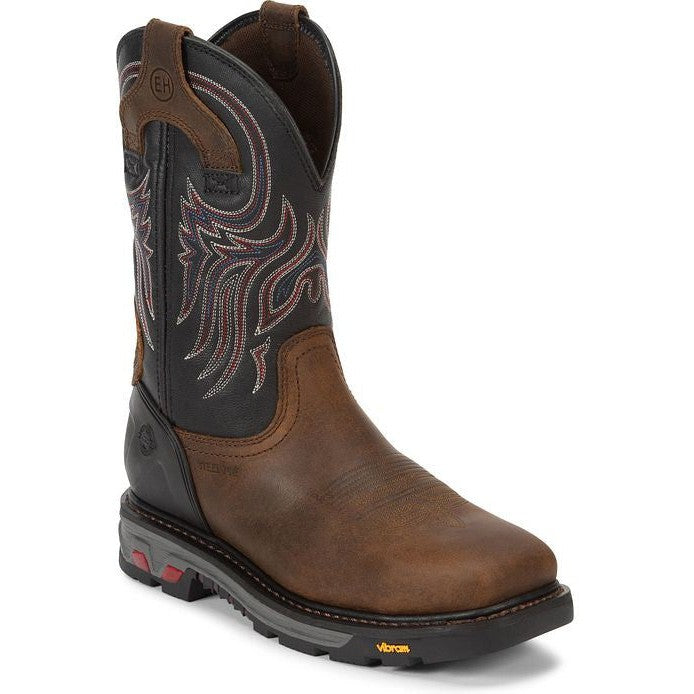
Sale price$225.35
Regular price$255.00
Justin Men's Tanker 11" Steel Toe Slip Resistant Work Boot - Brown - WK2104
Save 5%
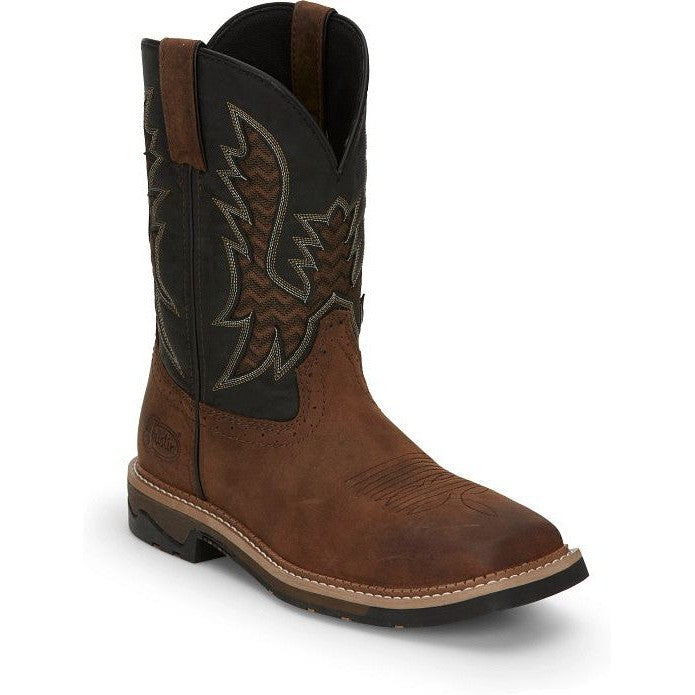
Sale price$164.95
Regular price$173.00
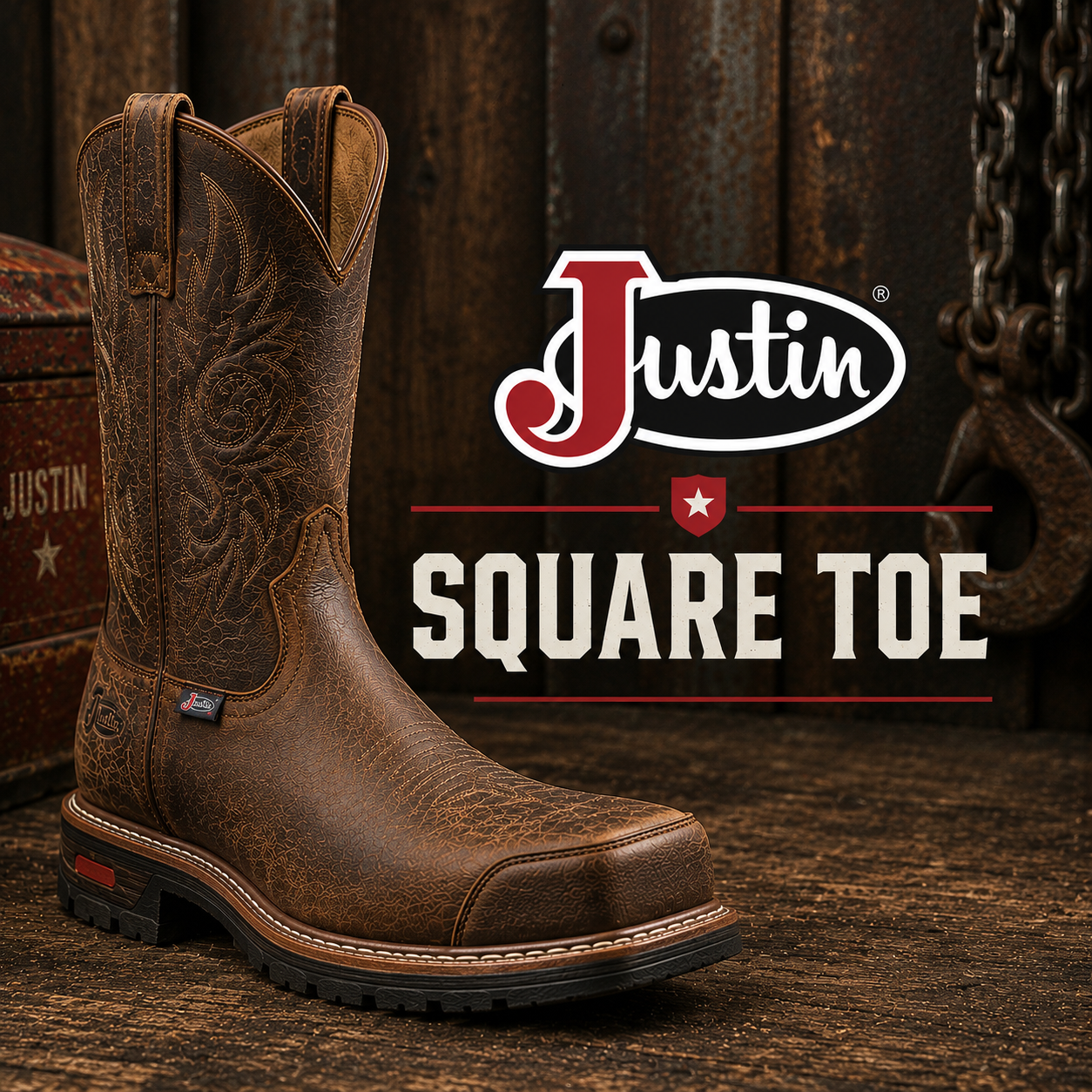
Justin Men's Bolt 11" Square Toe Western Work Boot - Brown - SE4112
Save 5%
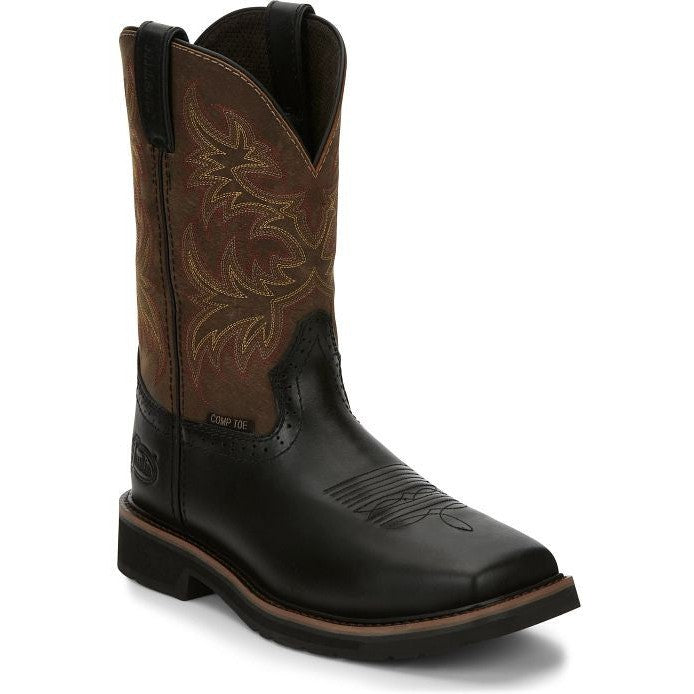
Sale price$169.95
Regular price$179.00
Justin Men's Driller 11" Composite Toe Slip Resistant Work Boot - Black - SE4818
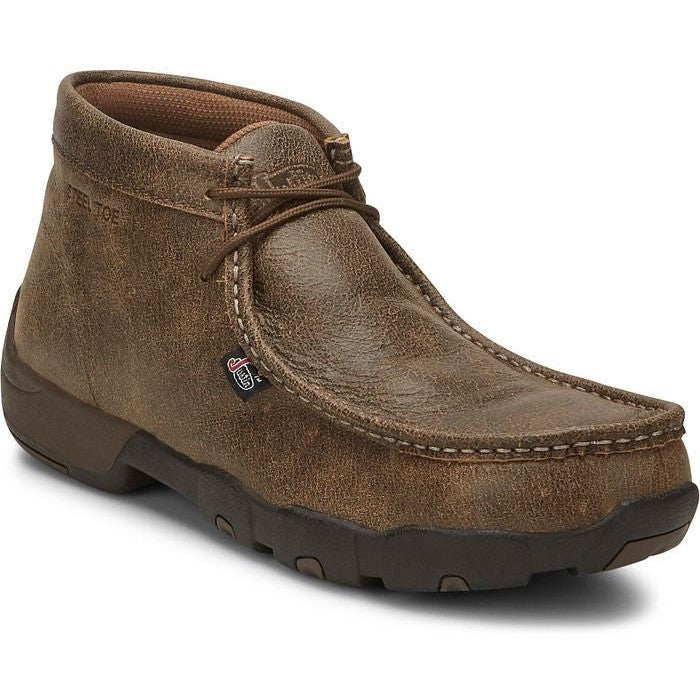
Save 10%
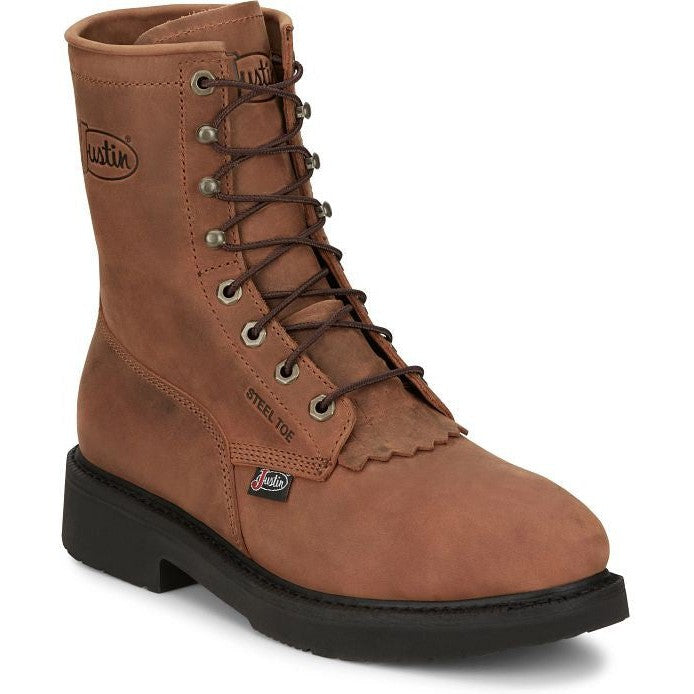
Sale price$202.35
Regular price$224.00
Justin Men's Livestock 8" Round Steel Toe Lace Up Slip Resistant Western Work Boot - Aged Brown - OW764
Save 11%
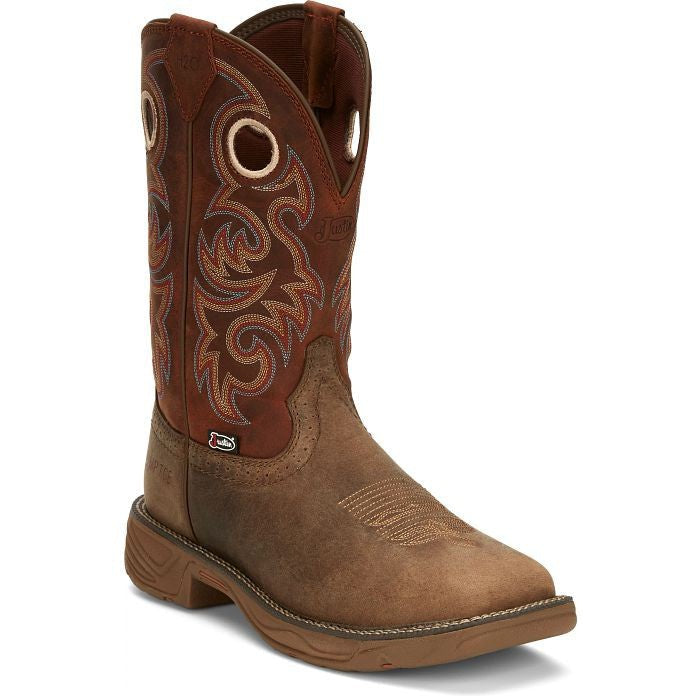
Sale price$211.55
Regular price$238.00
Justin Men's Rush 11" Composite Toe Waterproof Slip Resistant Work Boot - Peanut Tan - SE4341
Save 6%
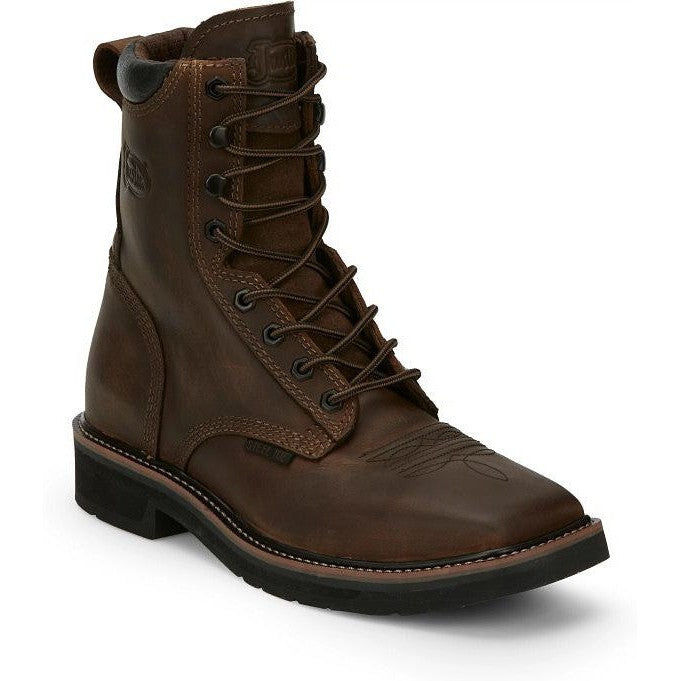
Sale price$164.95
Regular price$176.00
Justin Men's Pulley 8" Steel Toe Lace Up Slip Resistant Work Boot - Aged Bark Brown - SE682
Save 13%
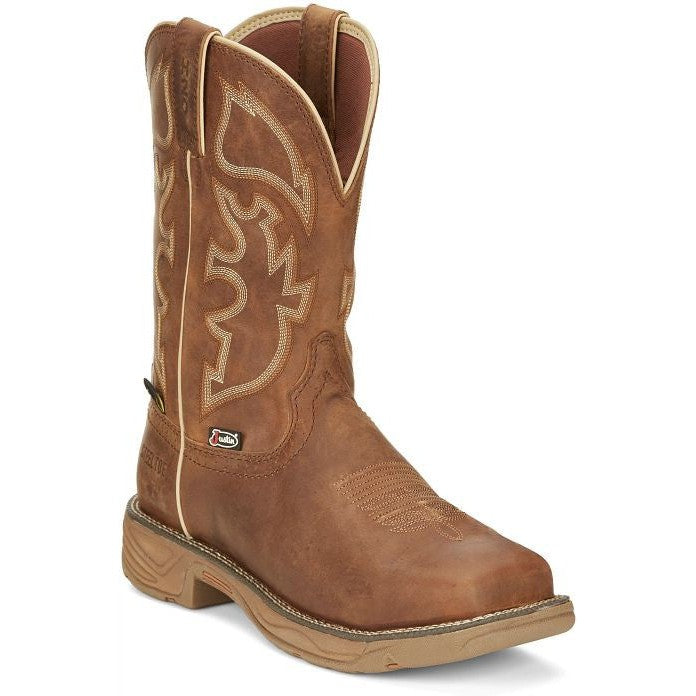
Sale price$225.35
Regular price$258.00
Justin Men's Rush 11" Steel Toe Waterproof Slip Resistant Work Boot - Tan - SE4340
Save 12%
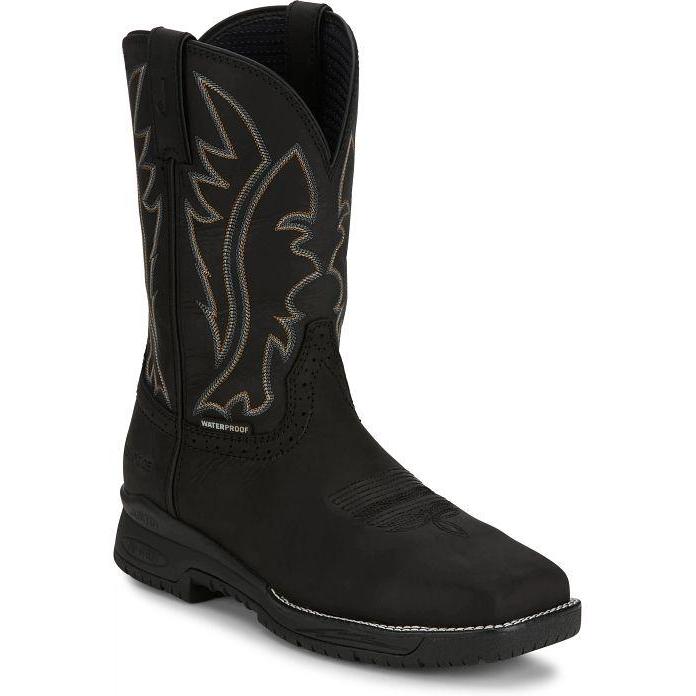
Sale price$193.15
Regular price$220.00
Justin Men's Nitread 11" Composite Toe Waterproof Slip Resistant Pull On Work Boot - Black - CR3208
Save 10%
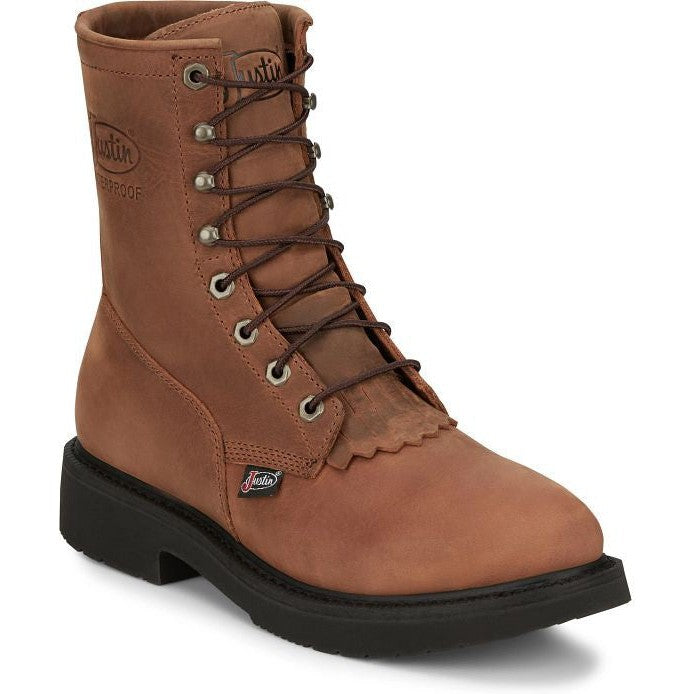
Sale price$197.75
Regular price$220.00
Justin Men's Livestock 8" Waterproof Lace Up Slip Resistant Western Work Boot - Aged Bark Brown - OW604
Save 16%
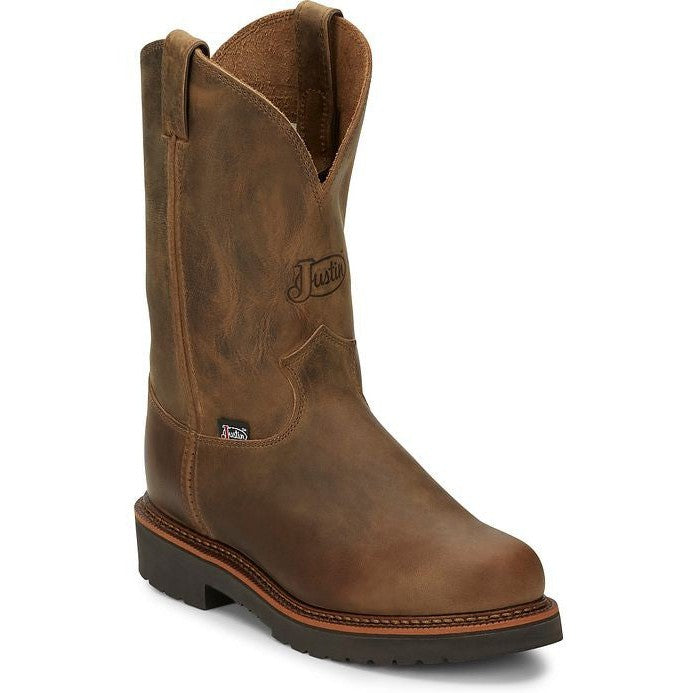
Sale price$229.95
Regular price$273.00
Justin Men's Blueprint 11” Slip Resistant Work Boot - Tan Gaucho - 4440
Save 13%
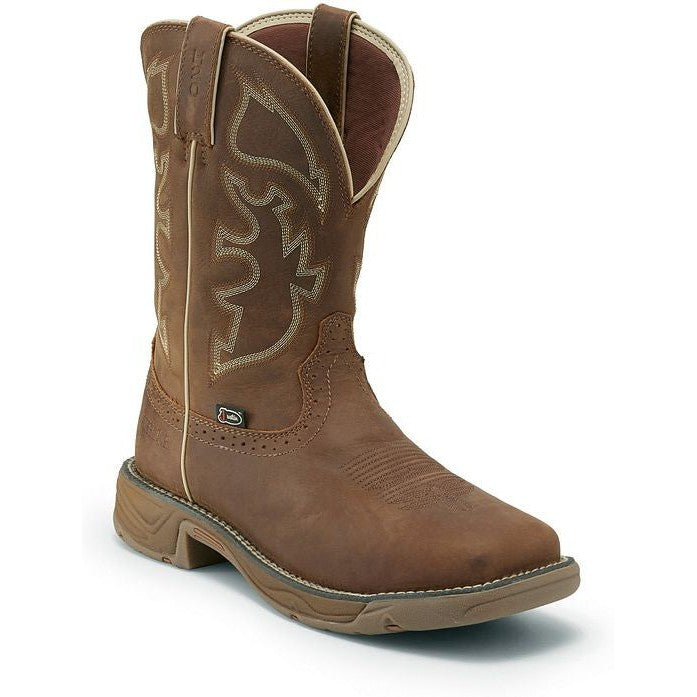
Sale price$202.35
Regular price$232.00
Justin Men's Rush 11" Steel Toe Waterproof Slip Resistant Work Boot - Saddle Tan - WK4331
Save 7%
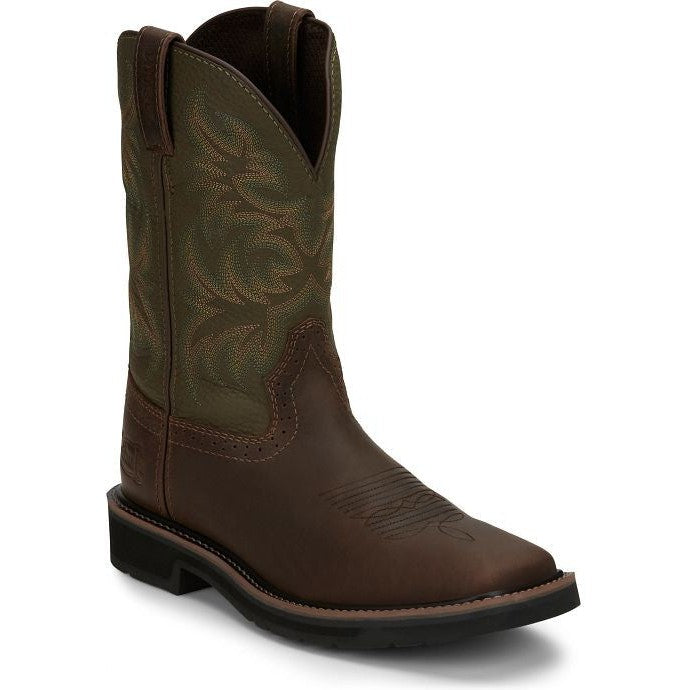
Sale price$154.95
Regular price$167.00
Justin Men's Driller 11" Square Toe Slip Resistant Work Boot - Brown - SE4687
Save 14%
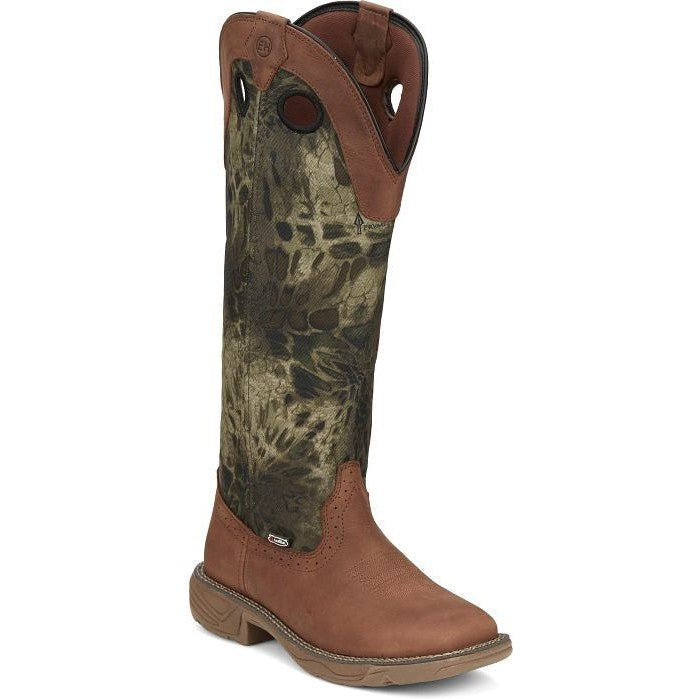
Sale price$234.55
Regular price$273.00
Justin Women's Rush Strike 17" Snake Resistant Work Boot - Russett Brown - SE4361
Save 12%

Sale price$252.95
Regular price$289.00
Justin Men's RoughNeck 12" Steel Toe Waterproof Work Boot - Walnut Brown - WK2115
Save 15%

Sale price$216.15
Regular price$253.00
Justin Men's Pulley 10" Waterproof Composite Toe Met Guard Western Work Boot - Whiskey Brown - SE4630
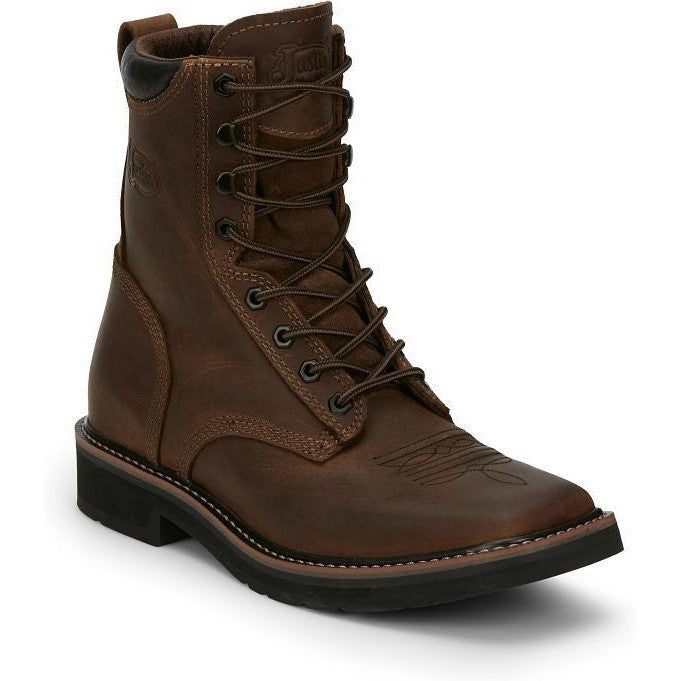
Sale price$159.95
Regular price$166.00
Justin Men's Pulley 8" Lace Up Slip Resistant Work Boot - Aged Brown - SE681
Save 7%
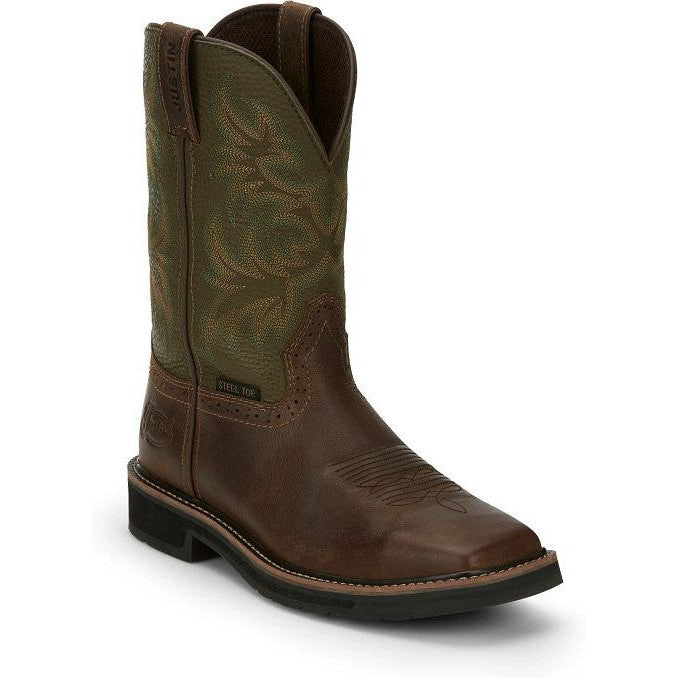
Sale price$164.95
Regular price$177.00
Justin Men's Driller 11" Steel Toe Western Work Boot -Brown/Green- SE4688
Save 17%

Sale price$252.95
Regular price$303.00
Justin Men's Blueprint 8" Lace Up Slip Resistant Work Boot - Tan Gaucho - 440
Save 12%

Sale price$211.55
Regular price$240.00
Justin Men's Rush 11" Composite Toe Waterproof Slip Resistant Work Boot - Rust Tan - WK4338
Save 5%
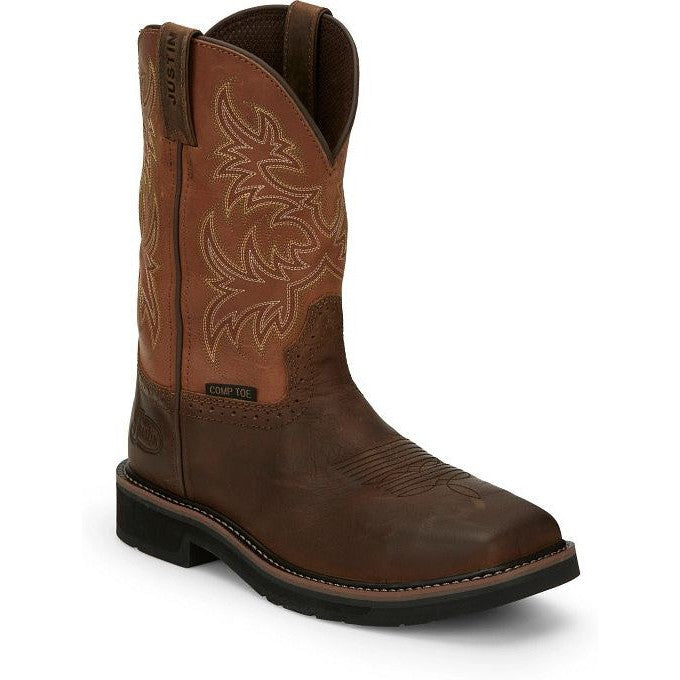
Sale price$169.95
Regular price$178.00
Justin Men's Switch 11" Composite Toe Slip Resistant Work Boot - Brown - SE4812
Save 5%
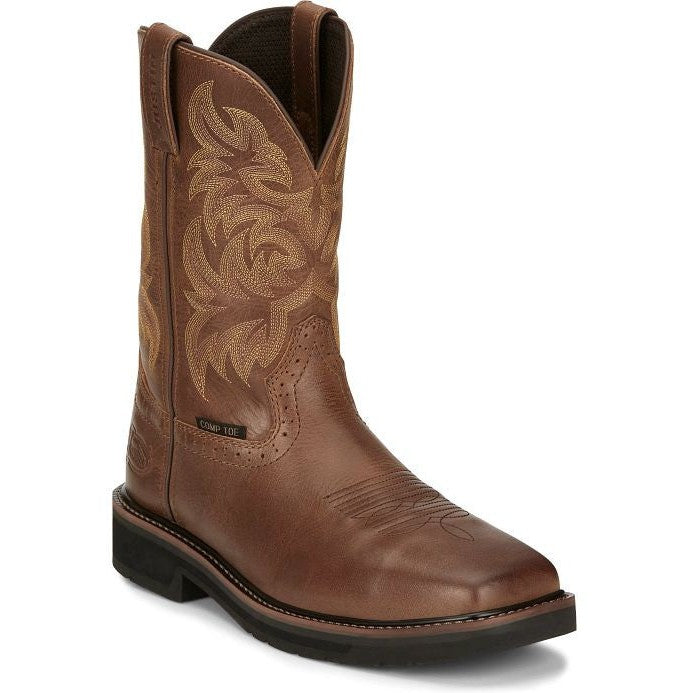
Sale price$169.95
Regular price$179.00
Justin Men's Handler 11" Composite Toe Slip Resistant Work Boot - Brown - SE4824
Save 11%

Sale price$202.35
Regular price$228.00
Justin Men's Rush 8" Waterproof Lace Up Slip Resistant Work Boot - Barley Brown - SE467
Save 14%

Sale price$165.55
Regular price$193.00
Justin Men's Driller 11" Waterproof Slip Resistant Work Boot - Tan/Brown - SE4689
Other Western Work Boot Brands
Frequently Asked Questions
Justin boots come in steel toe, composite toe, and soft toe, with several steel and composite models adding a met guard for instep protection. Steel and composite safety-toe models, including Justin’s nano-composite options, can meet ASTM F2413 impact and compression ratings when listed on the product page, while soft toe models skip the protective cap for jobs that do not require one.
Choose a steel toe when you want the traditional safety-toe option, and choose a composite or nano-composite toe when you want a non-metallic safety toe with a lighter feel. Justin describes its nano-composite toe as thinner, lighter, and roomier than traditional safety-toe builds, but metal-detector needs should still be checked against the full boot construction. Steel remains a common jobsite safety-toe choice, while composite and nano-composite toes are non-metallic options for buyers trying to reduce toe-cap weight or temperature transfer.
You need a safety toe if your job carries impact, compression, or falling-object hazards, and a soft toe Justin boot is enough when it does not. Construction, warehouse, oil and gas, ranch, driving, and light-duty jobs can all have different footwear requirements, so match the toe type to the hazards and site policy before choosing soft toe or safety toe.
The Justin boots best for electrical hazard work are the EH-rated models, built with a non-conductive outsole and heel that resist electric shock in dry conditions. An EH rating means the boot is tested for secondary protection against electrical hazards under dry conditions, but it is not a reason to work a live circuit. Pairing an EH rating with a composite or nano-composite toe can reduce metal at the toe, but check the full product specs for shank, hardware, and other components if metal content matters.
Pull-on Justin boots are better for outdoor and ranch work where you want quick on-off and no laces to snag, and lace-up models are better for industrial work that needs adjustable ankle support. Pull-on ropers and western work boots shed mud and come off easily at the end of a shift, while lace-up boots lock the heel down for climbing and ladder work.
Waterproof Justin boots are models with waterproof construction, such as the waterproof Joist. Waterproofing is a per-model feature, so check the individual boot's specs for a waterproof rating before buying for wet trades.
Justin work boots are worth the money for a trade worker who wants safety ratings, leather, and comfort tech at a value price. Judge value by the specific model’s listed safety ratings, waterproofing, outsole, construction, and comfort features rather than by the brand name alone. The trade-off is construction depth, which the durability question below covers.
How long Justin boots last on the job depends mostly on their construction and how hard you wear them, not on a fixed number of months. Welted models may offer more repair potential, while cement or direct-attach builds are usually judged by outsole wear, leather care, and how hard the jobsite is on the boot. Daily wear on concrete and abrasive sites shortens any work boot's life, so rotating two pairs and conditioning the leather buys more time on either build.
Justin boot fit can vary by model, toe shape, width, and pull-on or lace-up style. Check the size and width notes on the specific product before sizing up or down, especially on pull-on western styles.
Justin’s J-Flex Comfort System pairs a cushioned removable insole with a triple-density insole board for added underfoot comfort. It earns its keep on concrete and long-standing shifts, where the layered board spreads impact instead of passing it straight to your feet. Break-in varies by leather, toe shape, safety toe, and construction, so use the first few wears to confirm fit before putting the boot through a full shift.