Save 12%
Sale price$220.75
Regular price$250.00
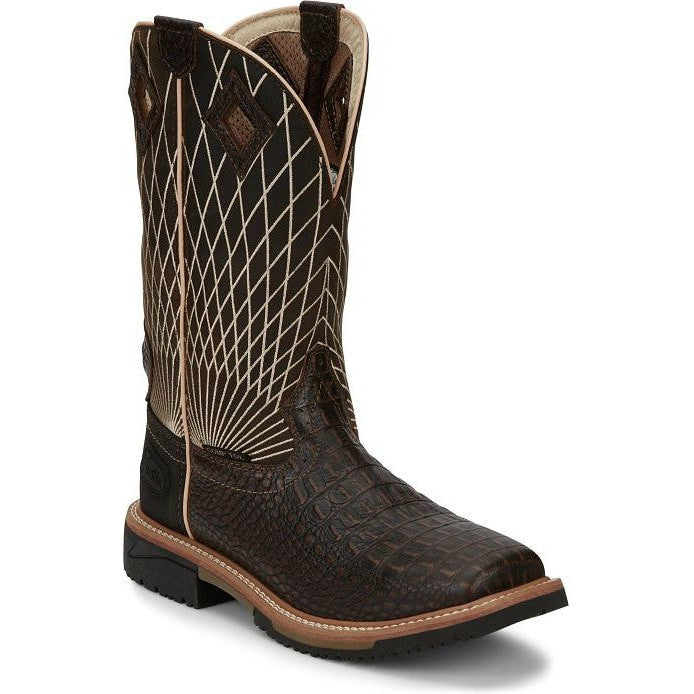
Justin Men's Derrickman 12" Composite Toe Slip Resistant Work Boot - Brown Croc Print - SE4833
Save 23%
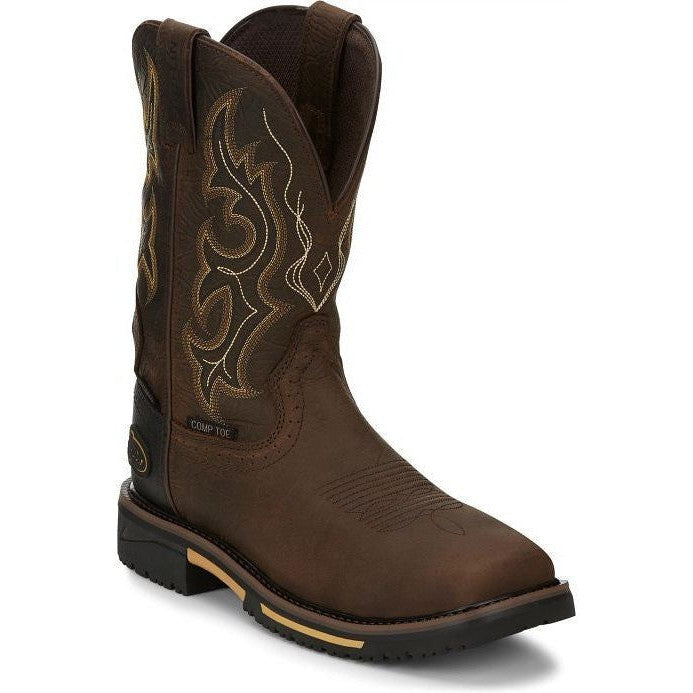
Sale price$183.95
Regular price$240.00
Justin Men's Joist 11" Composite Toe Waterproof Work Boot - Chocolate Brown - SE4625
Save 5%
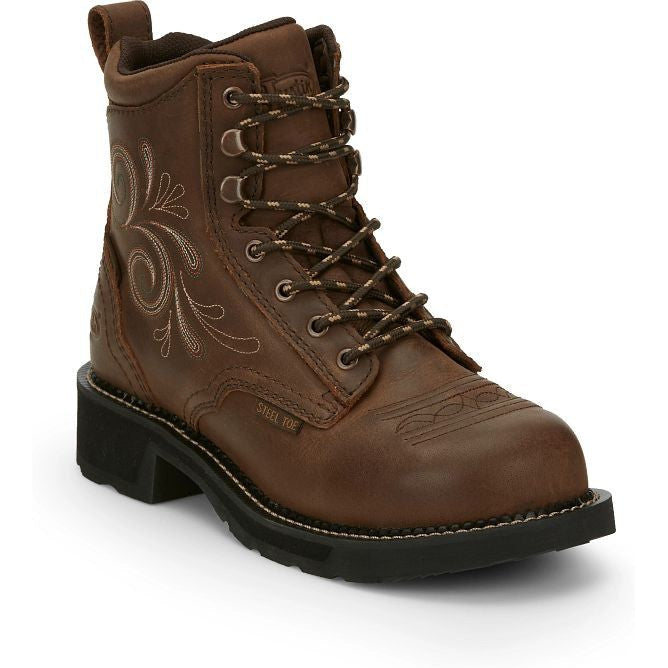
Sale price$159.95
Regular price$169.00
Justin Women's Katerina 6" Steel Toe Waterproof Slip Resistant Work Boot - Aged Bark Brown - GY985
Save 12%
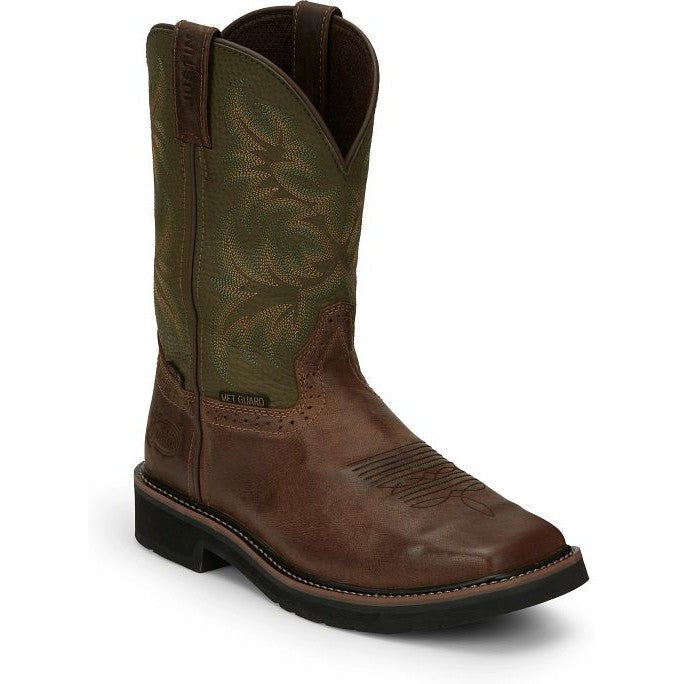
Sale price$183.95
Regular price$210.00
Justin Men's Keavan 11" Steel Toe Waterproof Met Guard Slip Resistant Work Boot - Dark Brown - SE4570
Save 12%
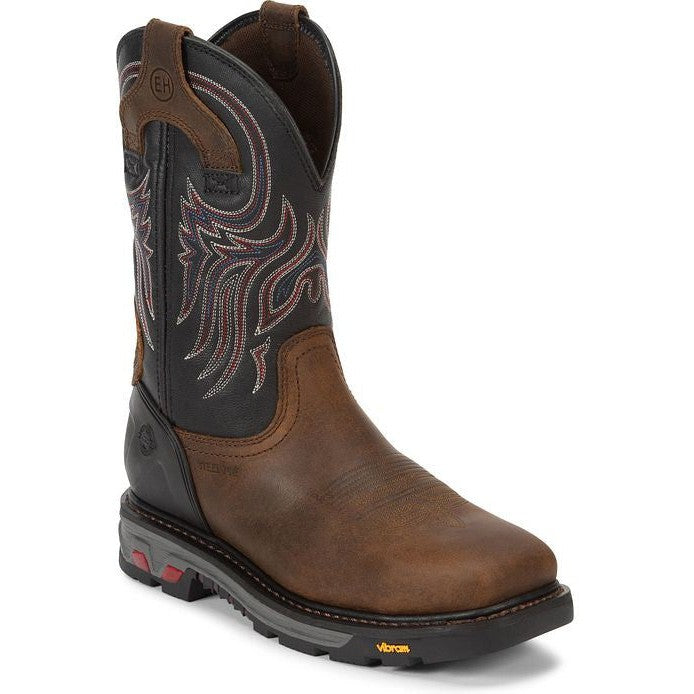
Sale price$225.35
Regular price$255.00
Justin Men's Tanker 11" Steel Toe Slip Resistant Work Boot - Brown - WK2104
Save 14%
Sale price$197.75
Regular price$230.00
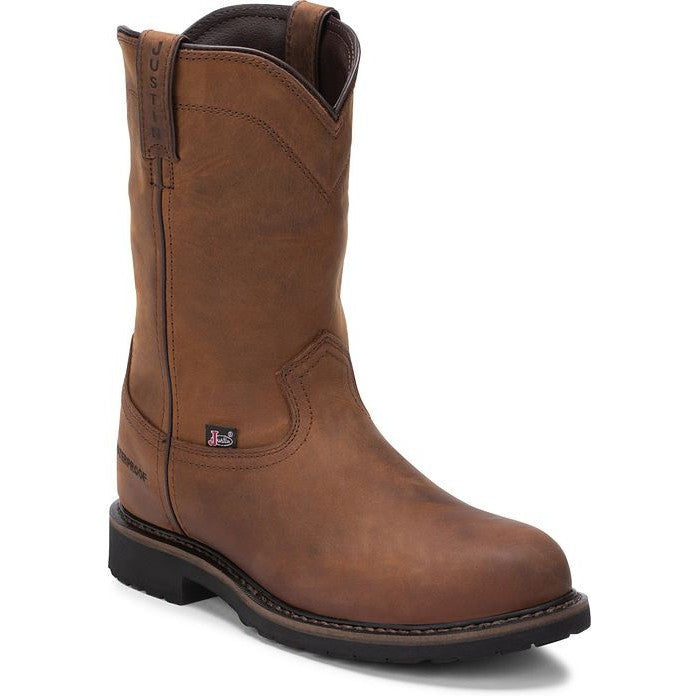
Justin Men's Drywall 10" Steel Toe Waterproof Slip Resistant Work Boot - Whiskey Brown - SE4961
Save 9%
Sale price$252.95
Regular price$279.00
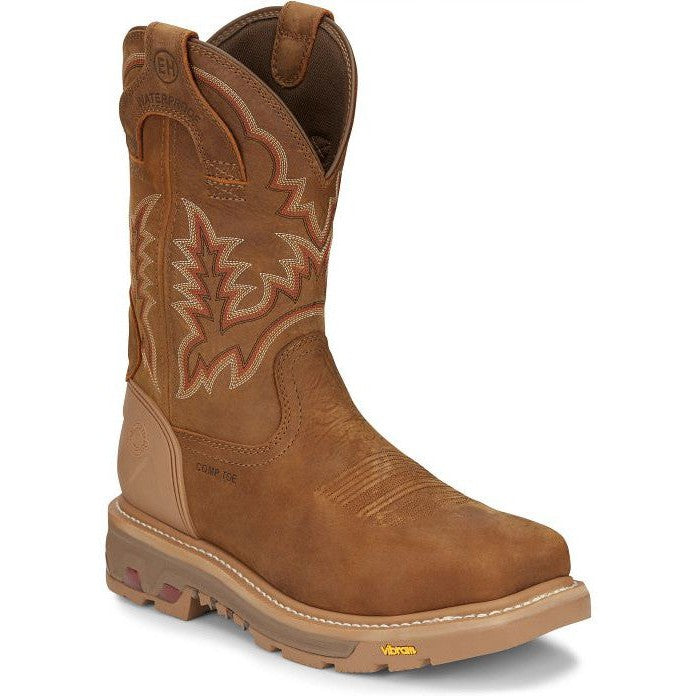
Justin Men's Montana 11" Nano Composite Toe Waterproof Work Boot - Rust Brown - CR2124
Save 5%
Sale price$169.95
Regular price$179.00
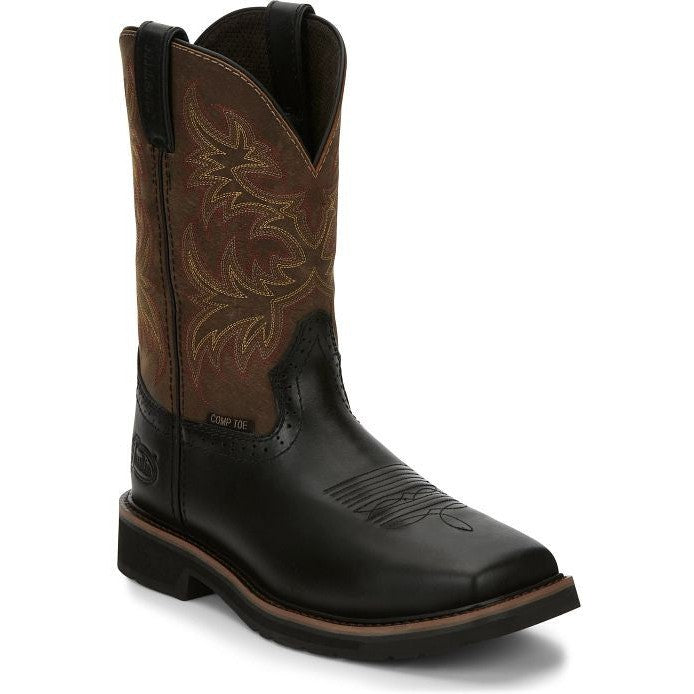
Justin Men's Driller 11" Composite Toe Slip Resistant Work Boot - Black - SE4818
Save 13%
Sale price$225.35
Regular price$258.00
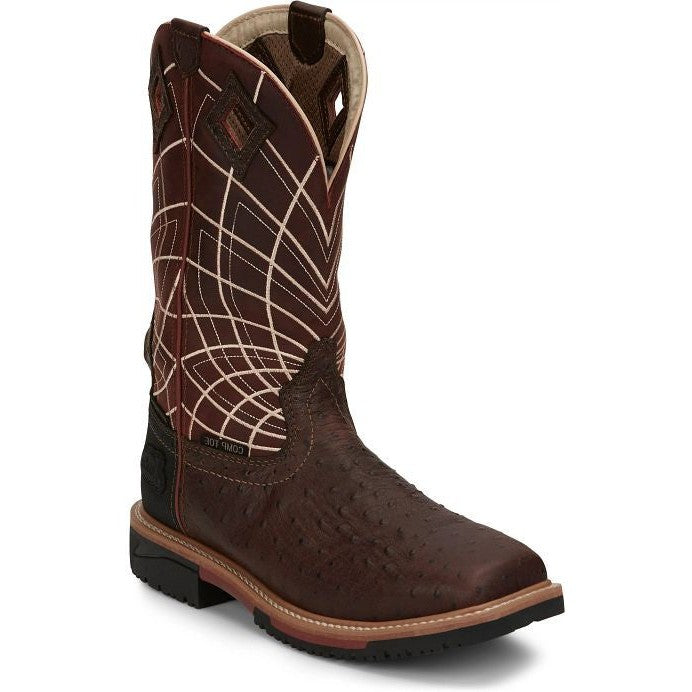
Justin Men's Derrickman 12" Composite Toe Waterproof Slip Resistant Work Boot - Brown Ostrich Print - SE4835
Save 10%
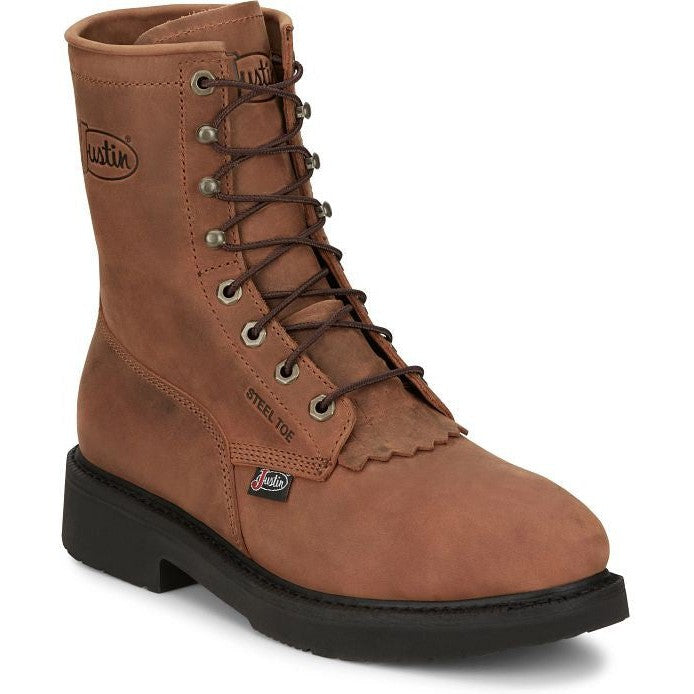
Sale price$202.35
Regular price$224.00
Justin Men's Livestock 8" Round Steel Toe Lace Up Slip Resistant Western Work Boot - Aged Brown - OW764
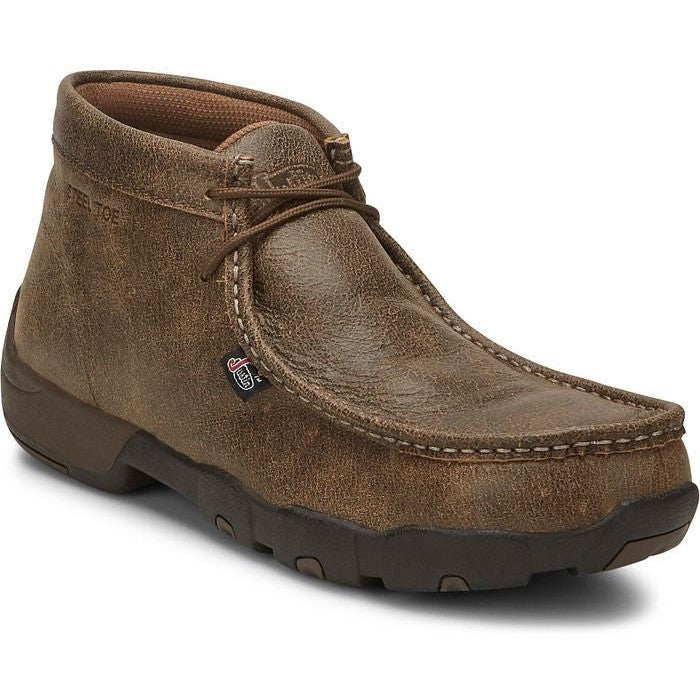
Save 11%
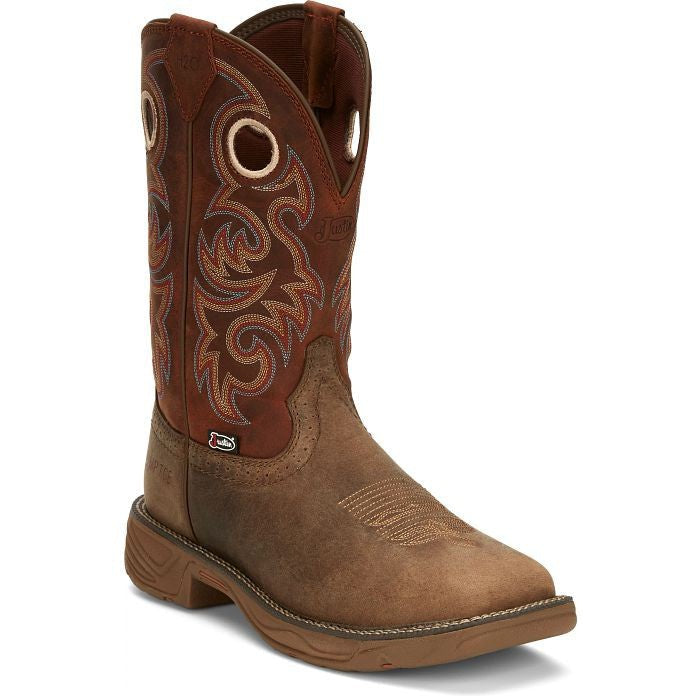
Sale price$211.55
Regular price$238.00
Justin Men's Rush 11" Composite Toe Waterproof Slip Resistant Work Boot - Peanut Tan - SE4341
Save 12%
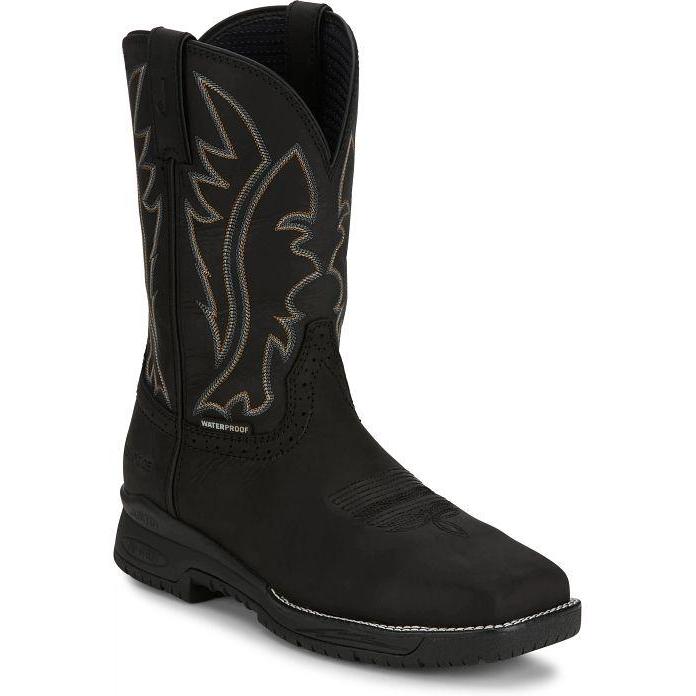
Sale price$193.15
Regular price$220.00
Justin Men's Nitread 11" Composite Toe Waterproof Slip Resistant Pull On Work Boot - Black - CR3208
Save 6%
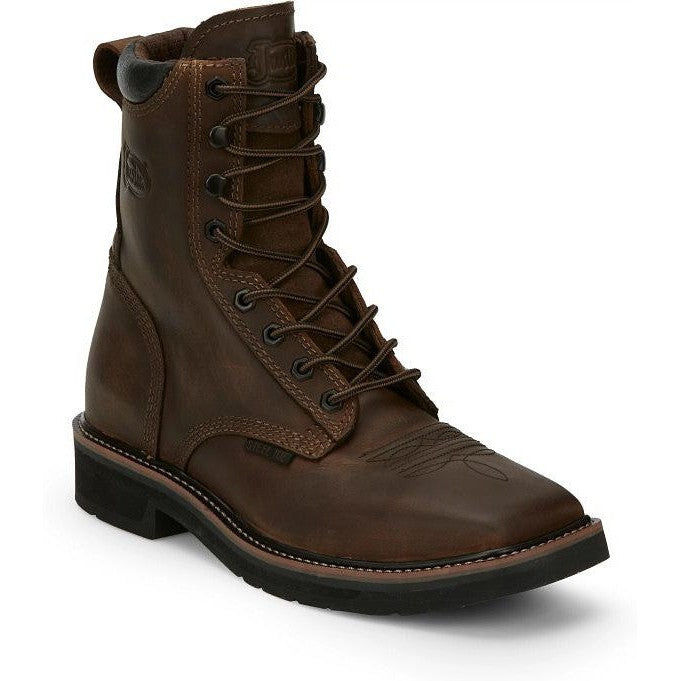
Sale price$164.95
Regular price$176.00
Justin Men's Pulley 8" Steel Toe Lace Up Slip Resistant Work Boot - Aged Bark Brown - SE682
Save 13%
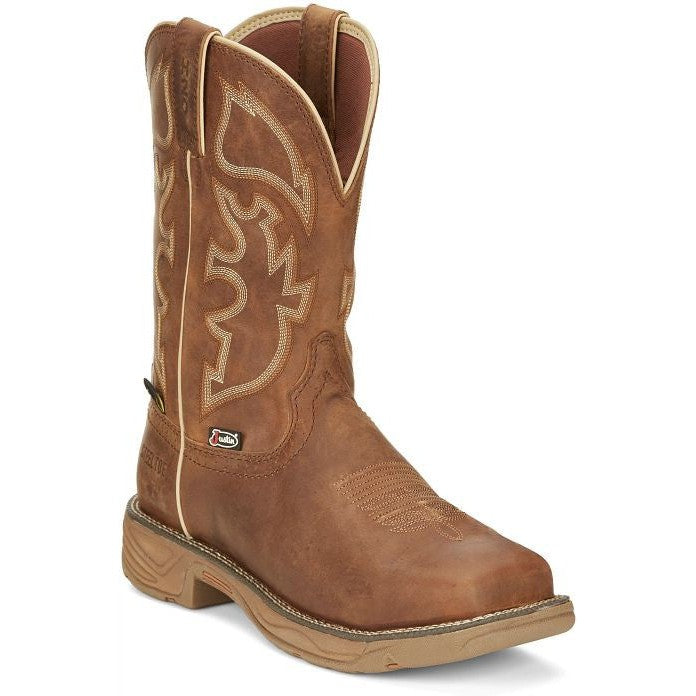
Sale price$225.35
Regular price$258.00
Justin Men's Rush 11" Steel Toe Waterproof Slip Resistant Work Boot - Tan - SE4340
Save 15%

Sale price$216.15
Regular price$253.00
Justin Men's Pulley 10" Waterproof Composite Toe Met Guard Western Work Boot - Whiskey Brown - SE4630
Save 13%
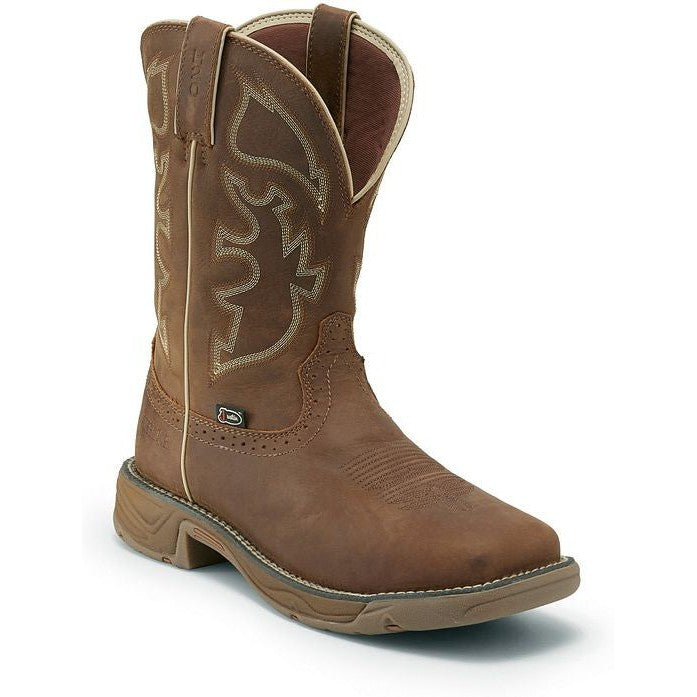
Sale price$202.35
Regular price$232.00
Justin Men's Rush 11" Steel Toe Waterproof Slip Resistant Work Boot - Saddle Tan - WK4331
Save 12%

Sale price$252.95
Regular price$289.00
Justin Men's RoughNeck 12" Steel Toe Waterproof Work Boot - Walnut Brown - WK2115
Save 7%
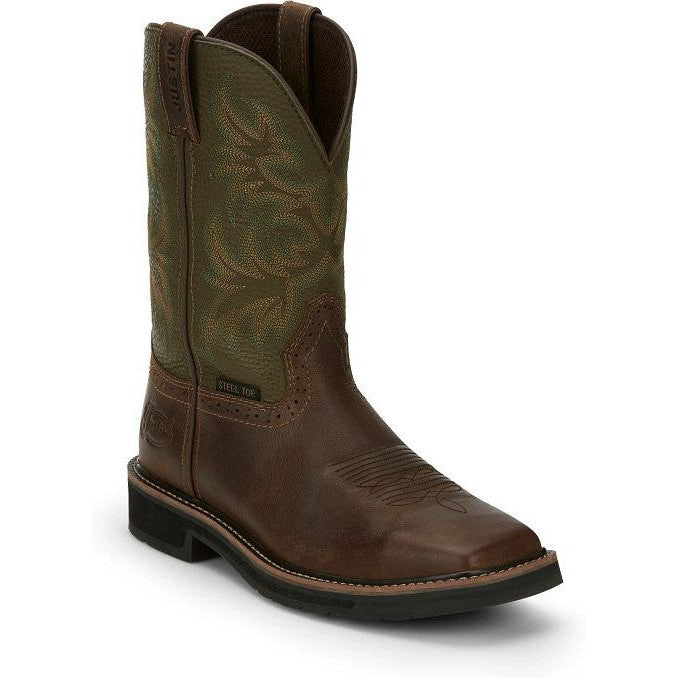
Sale price$164.95
Regular price$177.00
Justin Men's Driller 11" Steel Toe Western Work Boot -Brown/Green- SE4688
Save 5%
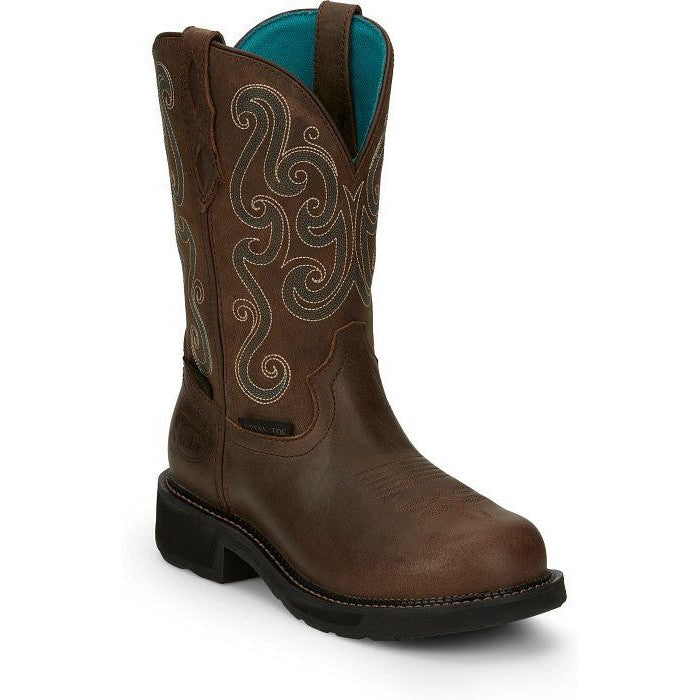
Sale price$169.95
Regular price$179.00
Justin Women's Tasha 11" Steel Toe Waterproof Western Work Boot -Brown- GY9991
Save 12%

Sale price$211.55
Regular price$240.00
Justin Men's Rush 11" Composite Toe Waterproof Slip Resistant Work Boot - Rust Tan - WK4338
Save 5%
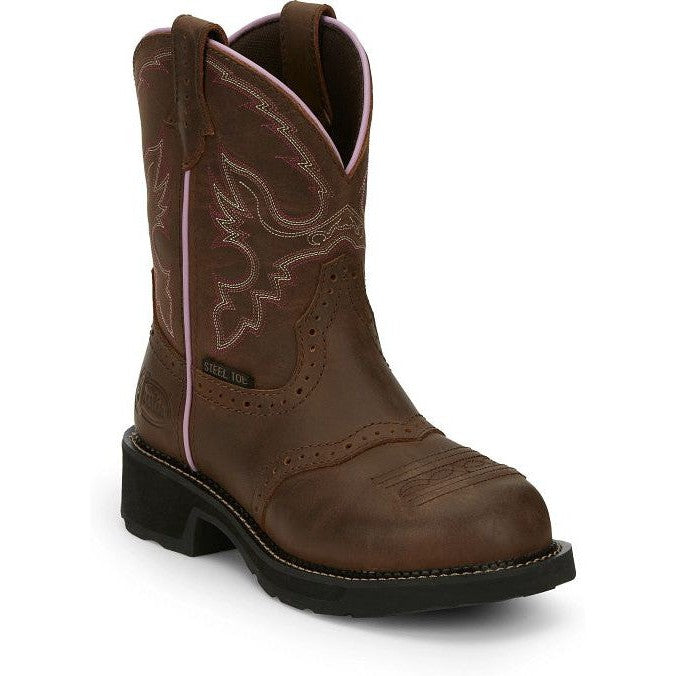
Sale price$144.95
Regular price$153.00
Justin Women's Wanette 8" Steel Toe Waterproof Slip Resistant Work Boot - Aged Bark Brown - GY9980
Save 5%
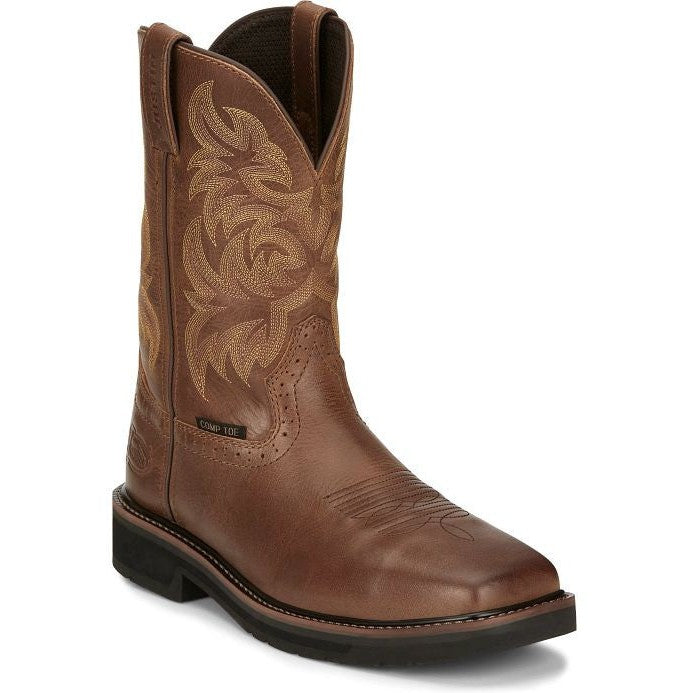
Sale price$169.95
Regular price$179.00
Justin Men's Handler 11" Composite Toe Slip Resistant Work Boot - Brown - SE4824
Save 5%
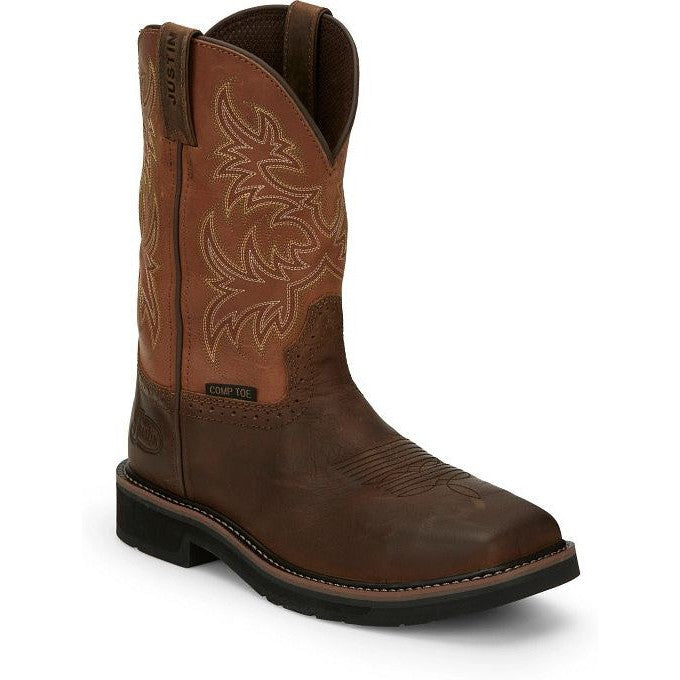
Sale price$169.95
Regular price$178.00
Justin Men's Switch 11" Composite Toe Slip Resistant Work Boot - Brown - SE4812
Save 12%
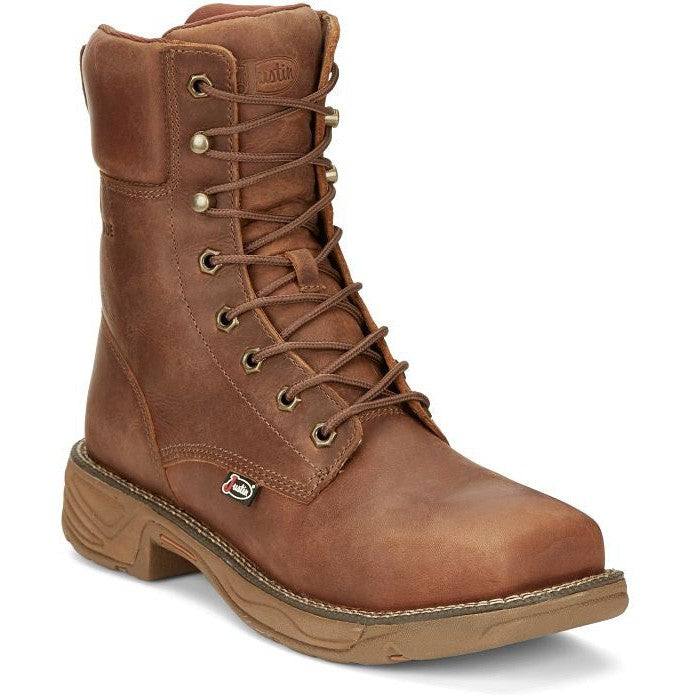
Sale price$206.95
Regular price$234.00
Justin Men's Rush 8" Nano Composite Toe Waterproof Lace Up Work Boot - Barley Brown - SE468
Save 12%
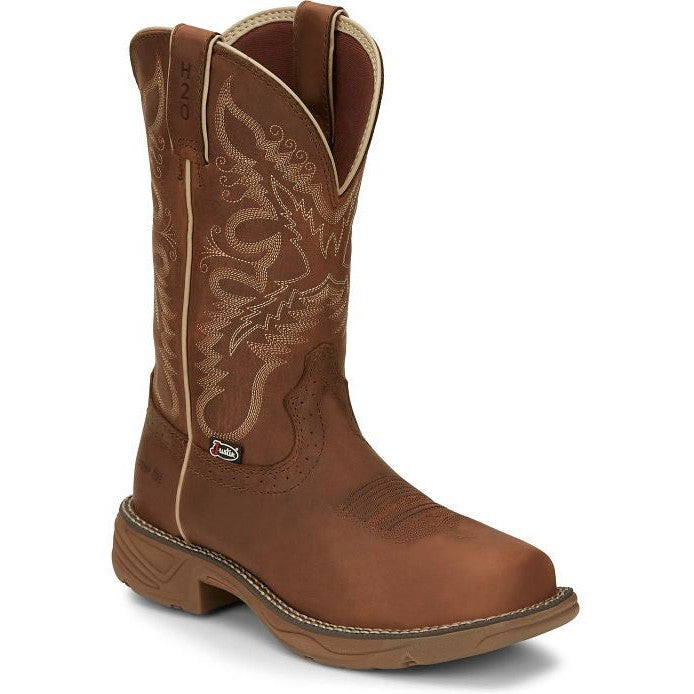
Sale price$211.55
Regular price$240.00
Justin Women's Rush 11" Nano Composite Toe Waterproof Slip Resistant Work Boot - Rustic Tan - SE4352
Save 13%

Sale price$179.35
Regular price$205.00
Justin Men's Driller 8" Composite Toe Waterproof Lace Up Work Boot - Aged Brown - SE462
Save 12%
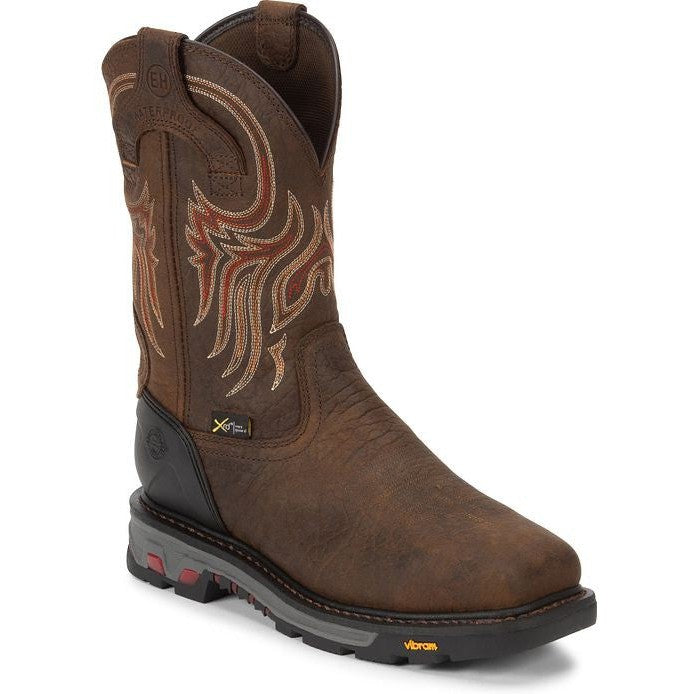
Sale price$280.55
Regular price$319.00
Justin Men's Driscoll 11" Steel Toe Waterproof Metguard Work Boot - Pecan Brown - WK2112
Save 11%
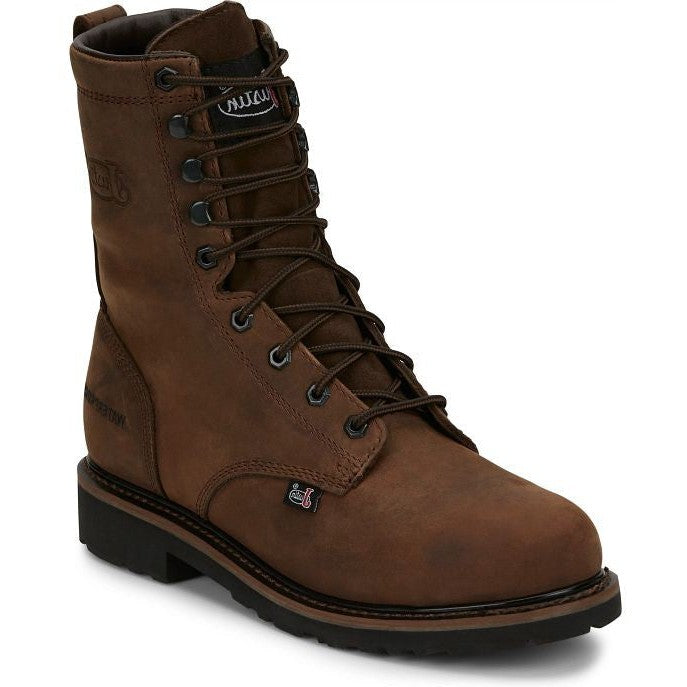
Sale price$188.55
Regular price$213.00
Justin Men's Drywall 8" Steel Toe Waterproof Lace Up Slip Resistant Work Boot - Brown - SE961
Save 10%

Sale price$170.15
Regular price$190.00
Justin Men's Widowmaker 11" Steel Toe WP Western Work Boot - Black - SE4241
Save 12%
Sale price$225.35
Regular price$257.00
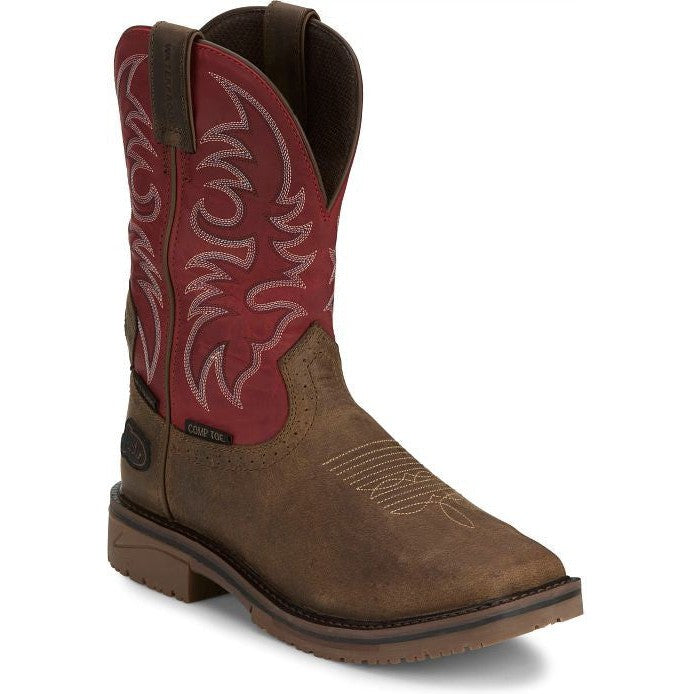
Justin Men's Thorn 11" Composite Toe Waterproof Metguard Western Work Boot - Peanut Tan - SE4753
Save 12%

Sale price$160.95
Regular price$183.00
Justin Men's Buster 11" Steel Square Toe Waterproof Slip Resistant Work Boot - Pecan Brown - SE3101
Save 12%
Sale price$179.35
Regular price$203.00
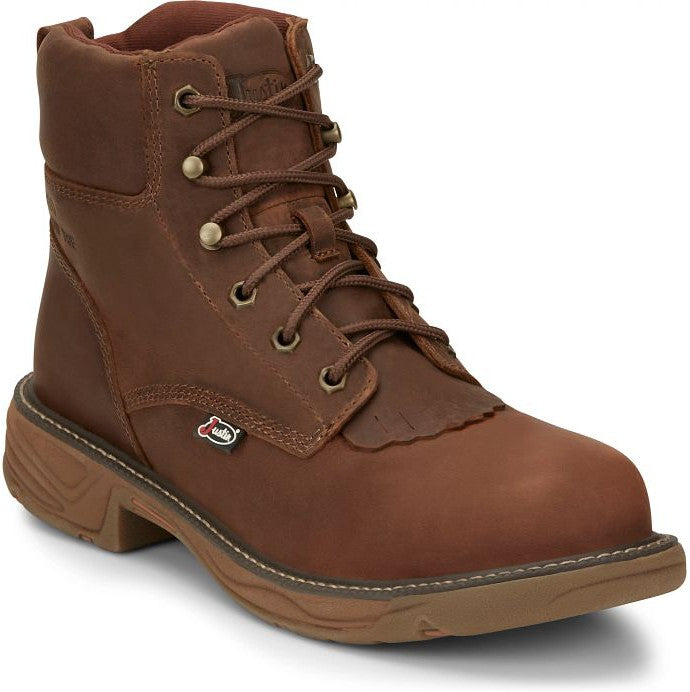
Justin Men's Rush 6" Nano Composite Toe Waterproof Slip Resistant Work Boot - Barley Brown - SE466
Save 19%
Sale price$164.95
Regular price$203.00
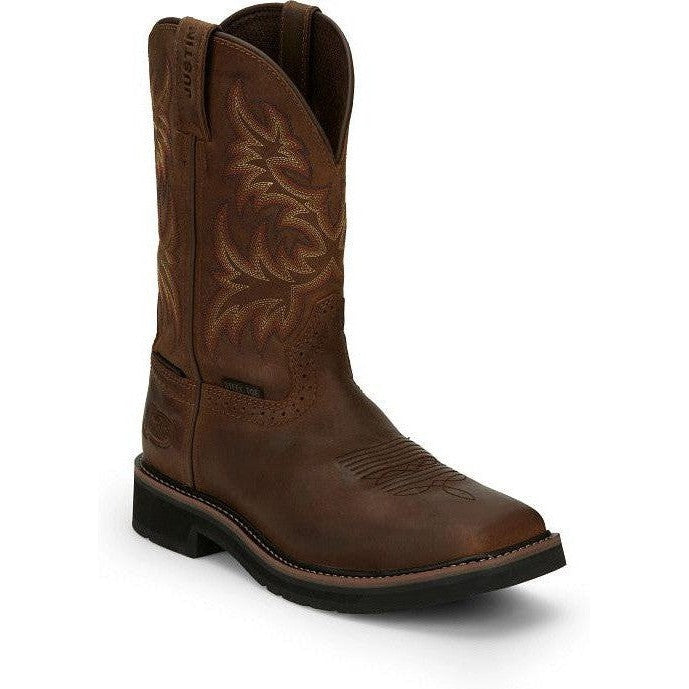
Justin Men's Driller 11" Steel Toe Waterproof Slip Resistant Work Boot - Brown - SE4690
Save 9%
Sale price$188.55
Regular price$208.00
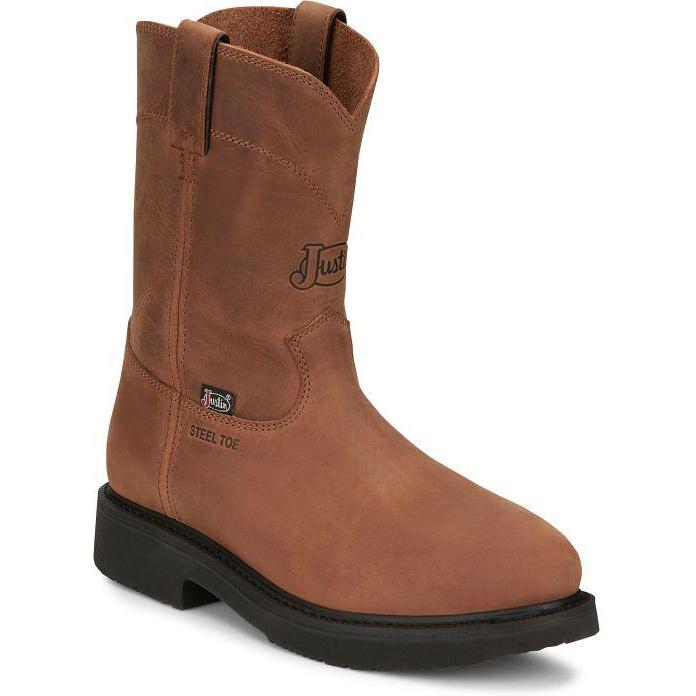
Justin Men's Round Up 10" Steel Toe Slip Resistant Pull On Work Boot - Aged Bark - OW4764
Save 12%
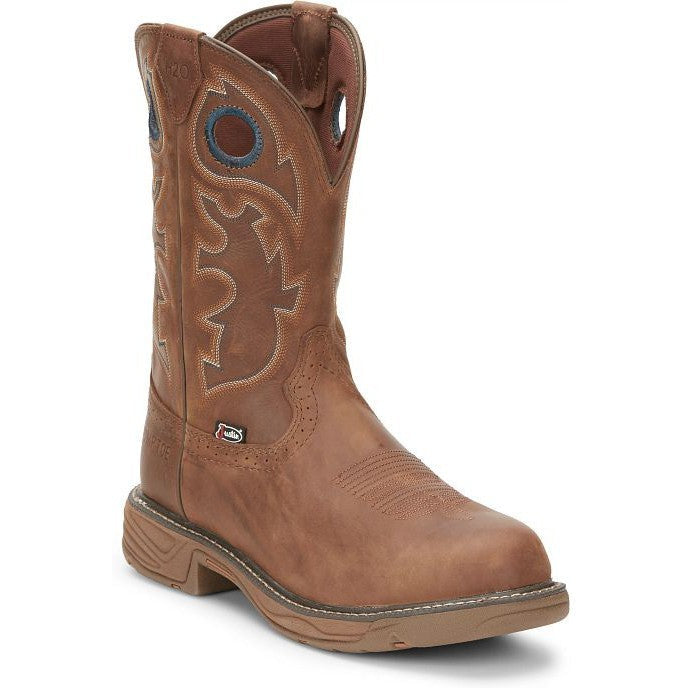
Sale price$211.55
Regular price$240.00
Justin Men's Rush 11" Nano Composite Toe Waterproof Slip Resistant Work Boot - Barley Brown - SE4334
Frequently Asked Questions
All three meet the same ASTM F2413 rating, so choose on weight, temperature and screening rather than strength. Steel is thinnest for a given rating and cheapest. Alloy is lighter metal but still conducts and triggers detectors. Nano composite is non-metallic, lightest, and does not conduct heat or cold.
No. The cap is non-metallic but the shank, any puncture-resistant plate, and the eyelets and hardware are separate components and can be steel. If you clear detectors at work, verify the whole boot rather than the toe type. See our 100 percent non metallic collection.
I/75 means the toe withstood a 75 foot-pound impact and C/75 means 2,500 pounds of compression. Those are the core safety toe codes. Codes such as EH for electrical hazard and PR for puncture resistance appear only when the boot was built and tested for those hazards. Match them to what your site specifies.
An additional protective plate covering the instep, the area behind the toe cap that a standard safety toe leaves exposed. It is rated separately under ASTM as Mt/75. Foundry, forging and heavy material handling often require it, and Justin builds it into several Pulley models.
Almost always fit rather than break-in, because the cap is rigid and never softens the way leather does. If your toes touch the cap walking downhill, the boot is too short. If the pain is across the ball of your foot, you need more width. Sizing up in length rarely fixes it and usually adds heel slip.
Most of the range is rated for it, which is unusually broad coverage for a western-leaning brand. Slip resistance is a property of the outsole compound and tread pattern and is rated per model, so confirm it on the product page. Browse the wider slip resistant range.
Yes, and a large part of the rated range is western pull-ons, which suit ranch, farm and oilfield work where laces are a snag hazard. See our Justin pull-on work boots range.
Justin's comfort platform, built around a cushioned footbed and midsole package intended to reduce fatigue over a long shift. It appears across much of the work range. Like any foam-based system it compresses with use, so a boot that feels flat underfoot is worn out even if the upper still looks serviceable.
Recently viewed
Our Top Brands