Save 23%
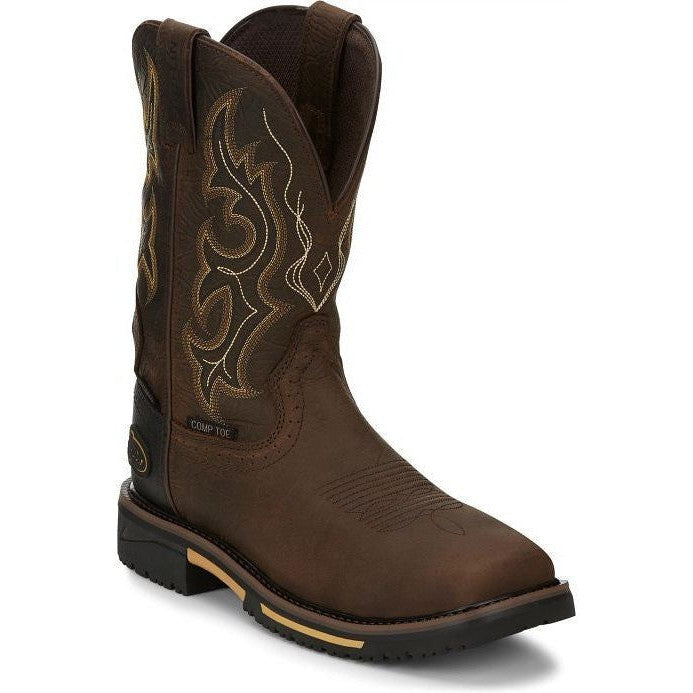
Sale price$183.95
Regular price$240.00
Justin Men's Joist 11" Composite Toe Waterproof Work Boot - Chocolate Brown - SE4625
Save 5%
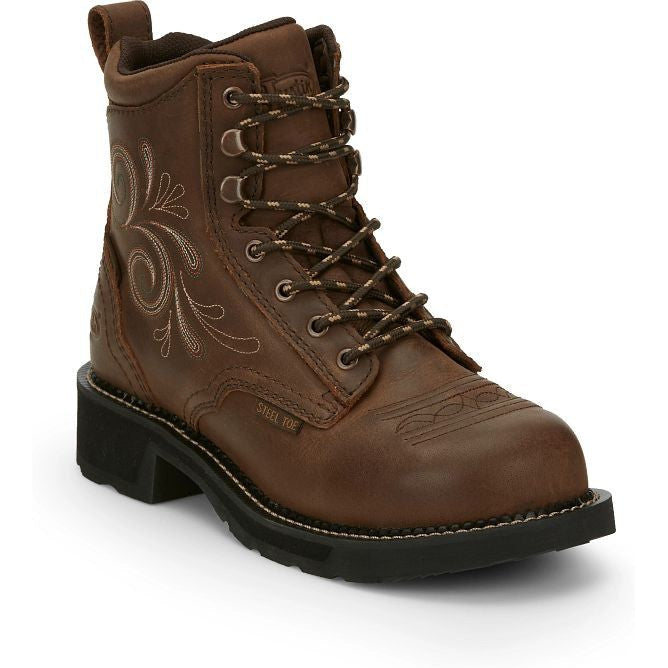
Sale price$159.95
Regular price$169.00
Justin Women's Katerina 6" Steel Toe Waterproof Slip Resistant Work Boot - Aged Bark Brown - GY985
Save 13%
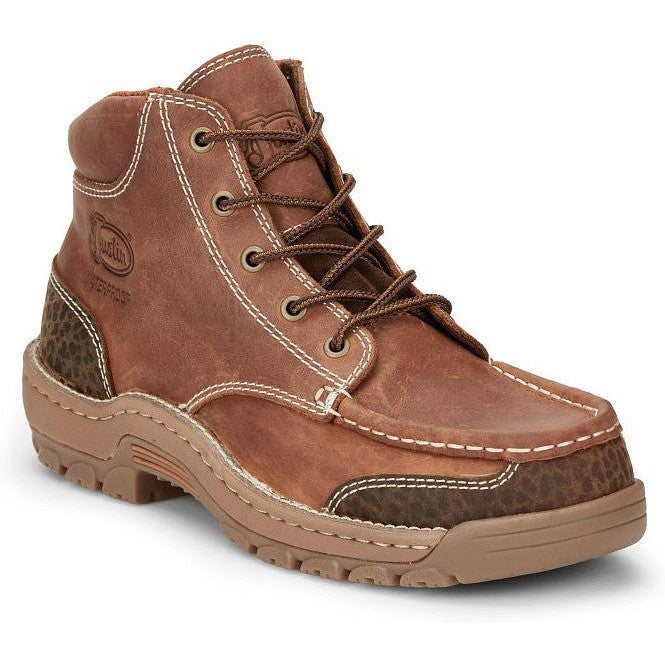
Sale price$160.95
Regular price$186.00
Justin Men's Corbett 5" Moc Toe Waterproof Slip Resistant Lace Up Work Boot - Barley Brown - SE252
Save 13%
Sale price$179.35
Regular price$205.00
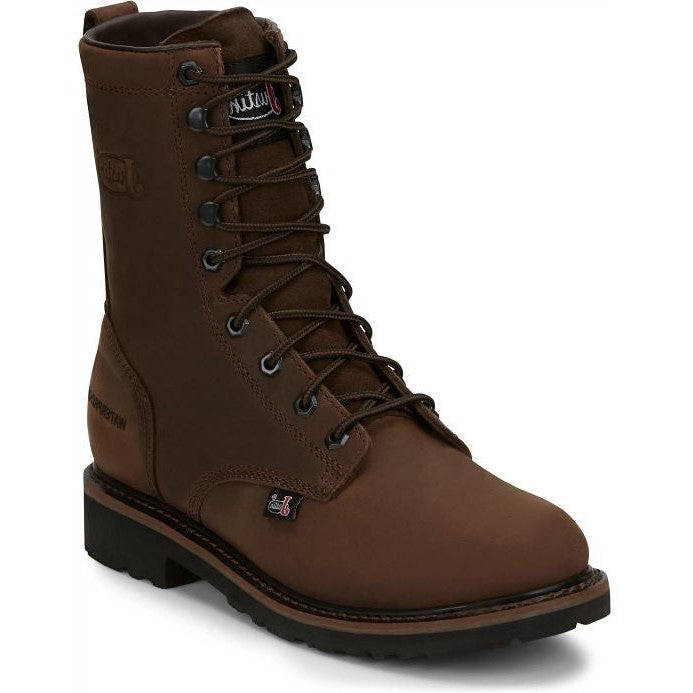
Justin Men's Drywall 8" Waterproof Lace Up Work Boot - Aged Brown - SE960
Save 12%
Sale price$193.15
Regular price$220.00
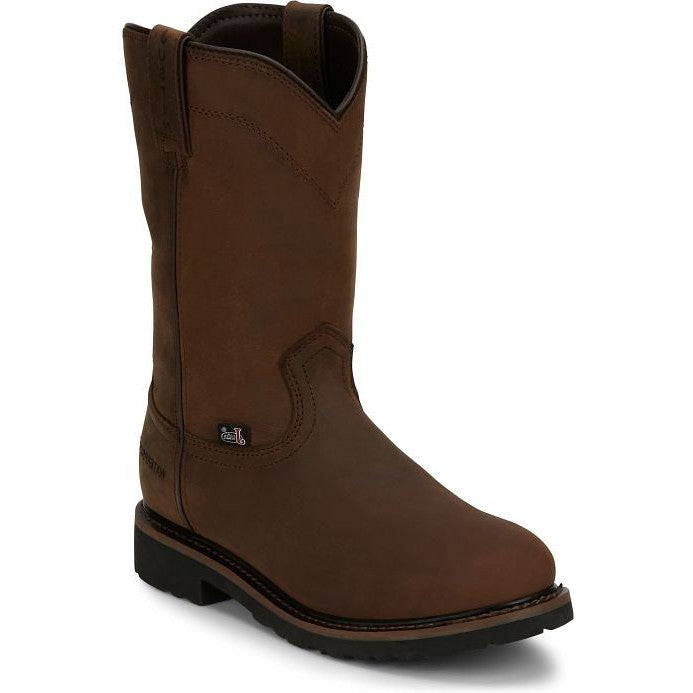
Justin Men's Drywall 10" Waterproof Slip Resistant Work Boot - Whiskey Brown - SE4960
Save 11%
Sale price$202.35
Regular price$228.00
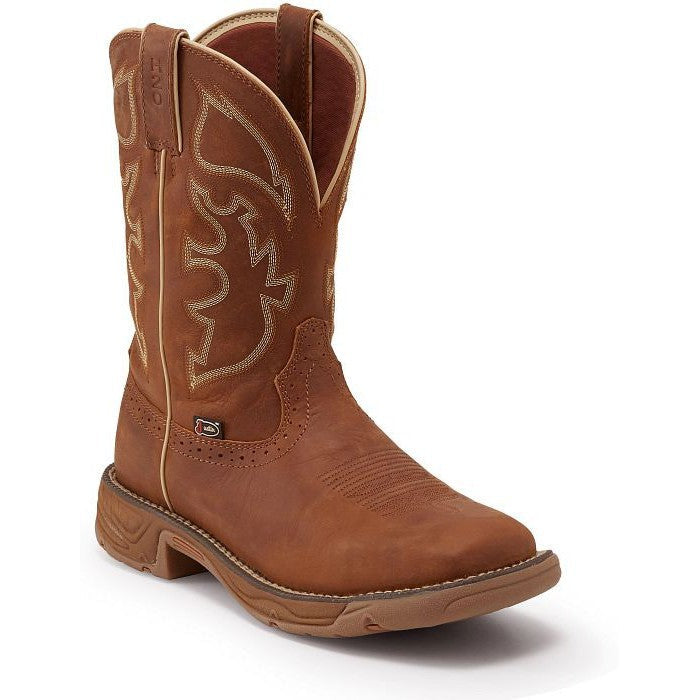
Justin Men's Rush 11" Waterproof Slip Resistant Work Boot - Saddle Tan - WK4330
Save 8%
Sale price$188.55
Regular price$204.95
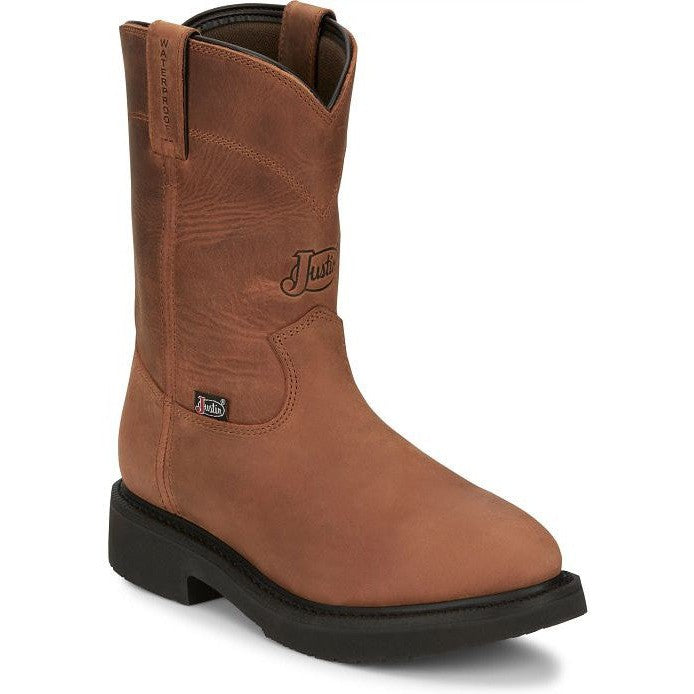
Justin Men's Round Up 10" Waterproof Slip Resistant Western Work Boot - Aged Bark Brown - OW6604
Save 12%
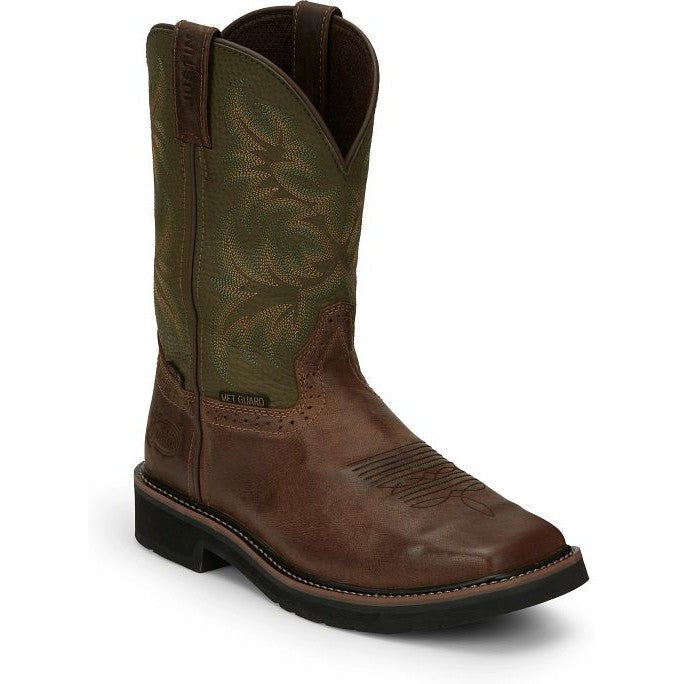
Sale price$183.95
Regular price$210.00
Justin Men's Keavan 11" Steel Toe Waterproof Met Guard Slip Resistant Work Boot - Dark Brown - SE4570
Save 14%
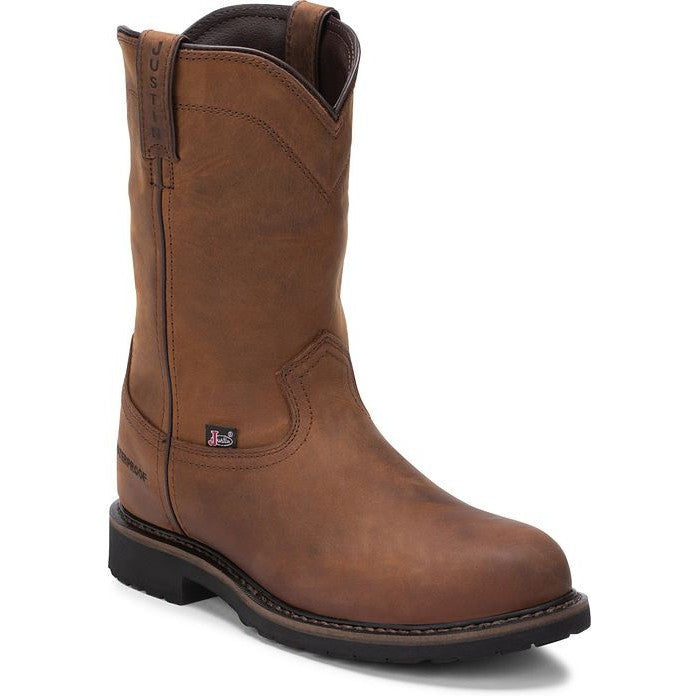
Sale price$197.75
Regular price$230.00
Justin Men's Drywall 10" Steel Toe Waterproof Slip Resistant Work Boot - Whiskey Brown - SE4961
Save 9%
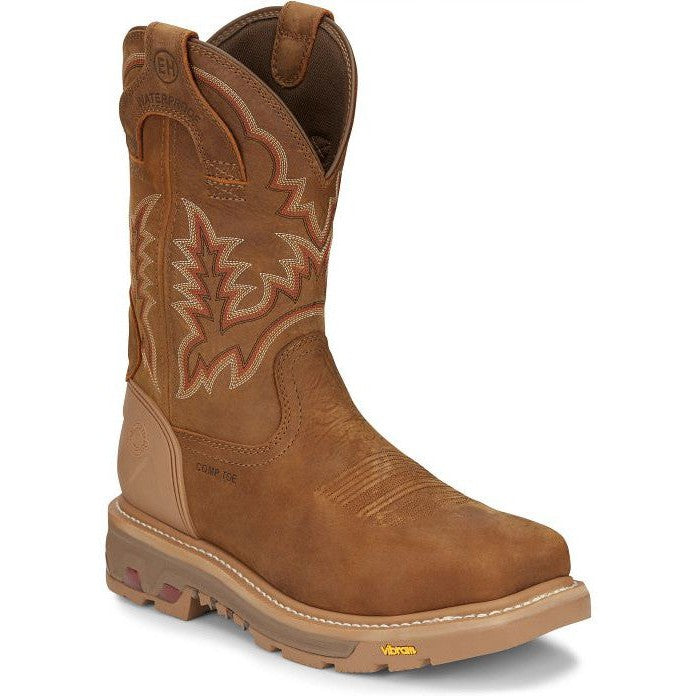
Sale price$252.95
Regular price$279.00
Justin Men's Montana 11" Nano Composite Toe Waterproof Work Boot - Rust Brown - CR2124
Save 13%
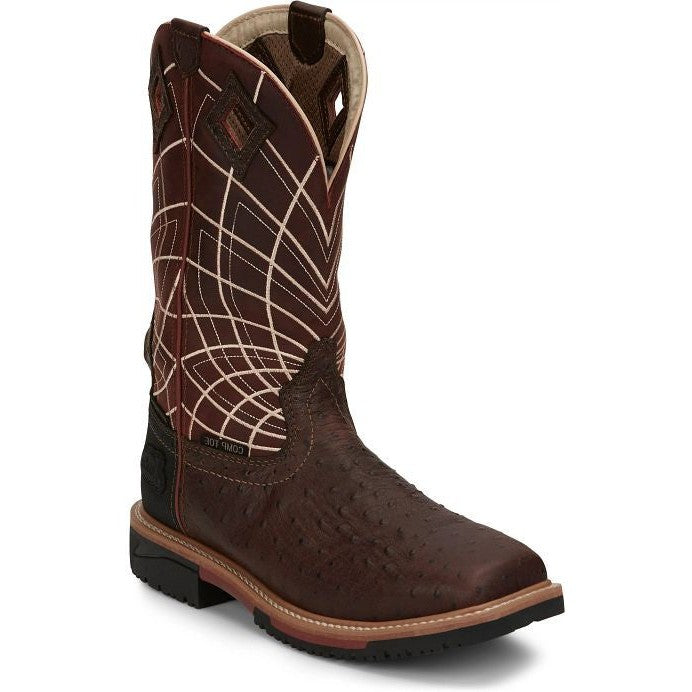
Sale price$225.35
Regular price$258.00
Justin Men's Derrickman 12" Composite Toe Waterproof Slip Resistant Work Boot - Brown Ostrich Print - SE4835
Save 12%
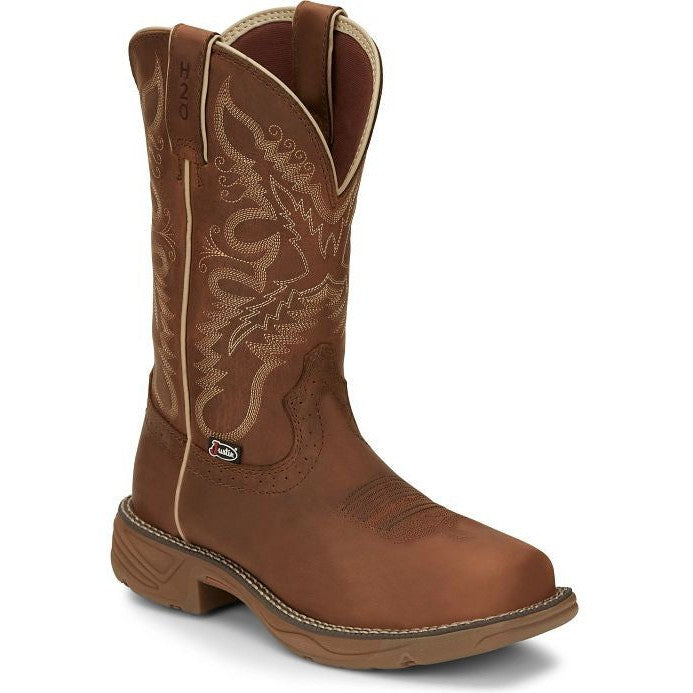
Sale price$193.15
Regular price$220.00
Justin Women's Rush 11" Waterproof Slip Resistant Work Boot - Rustic Tan - SE4353
Save 11%
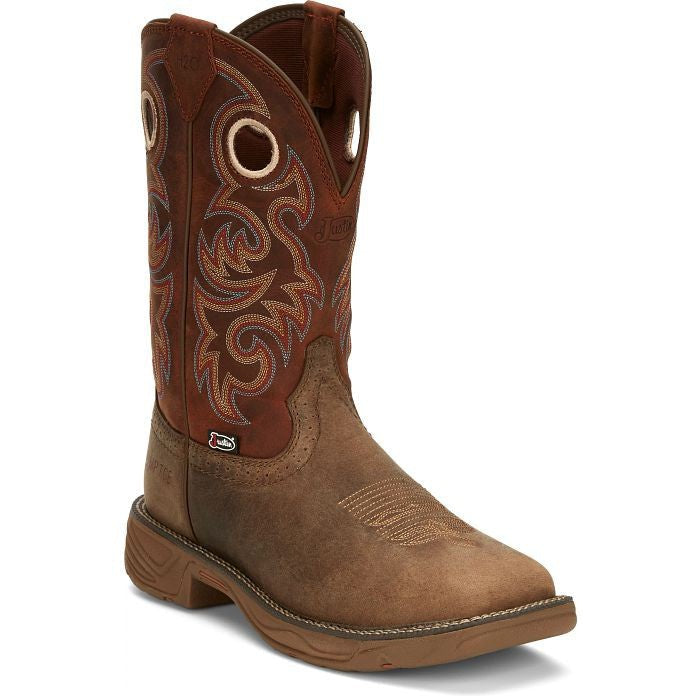
Sale price$211.55
Regular price$238.00
Justin Men's Rush 11" Composite Toe Waterproof Slip Resistant Work Boot - Peanut Tan - SE4341
Save 12%
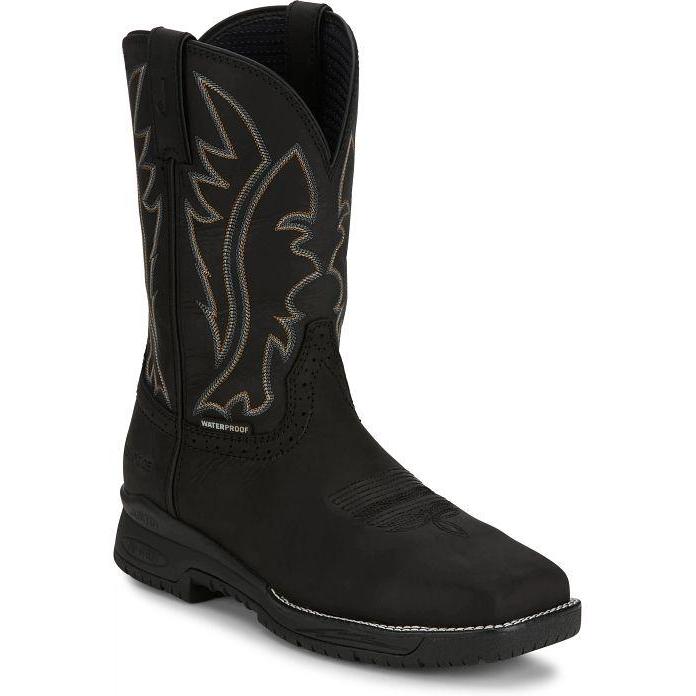
Sale price$193.15
Regular price$220.00
Justin Men's Nitread 11" Composite Toe Waterproof Slip Resistant Pull On Work Boot - Black - CR3208
Save 10%
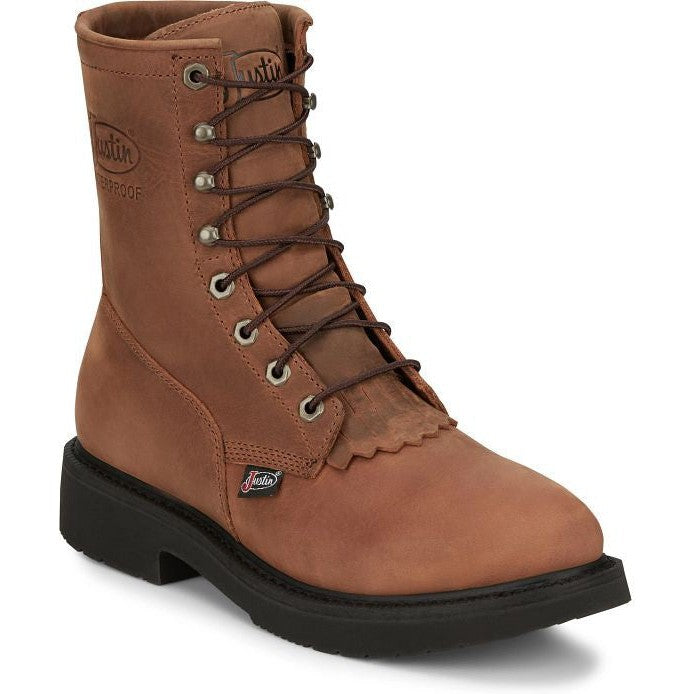
Sale price$197.75
Regular price$220.00
Justin Men's Livestock 8" Waterproof Lace Up Slip Resistant Western Work Boot - Aged Bark Brown - OW604
Save 13%
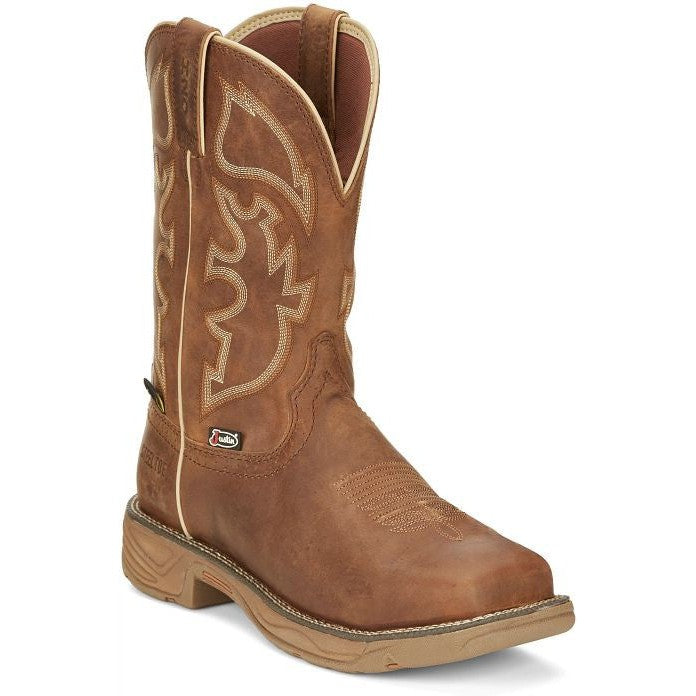
Sale price$225.35
Regular price$258.00
Justin Men's Rush 11" Steel Toe Waterproof Slip Resistant Work Boot - Tan - SE4340
Save 15%

Sale price$216.15
Regular price$253.00
Justin Men's Pulley 10" Waterproof Composite Toe Met Guard Western Work Boot - Whiskey Brown - SE4630
Save 13%
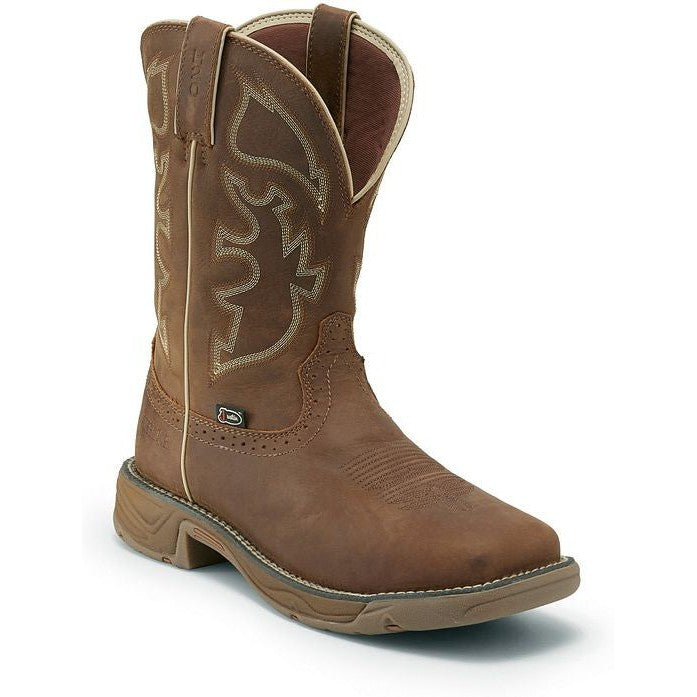
Sale price$202.35
Regular price$232.00
Justin Men's Rush 11" Steel Toe Waterproof Slip Resistant Work Boot - Saddle Tan - WK4331
Save 12%

Sale price$252.95
Regular price$289.00
Justin Men's RoughNeck 12" Steel Toe Waterproof Work Boot - Walnut Brown - WK2115
Save 5%
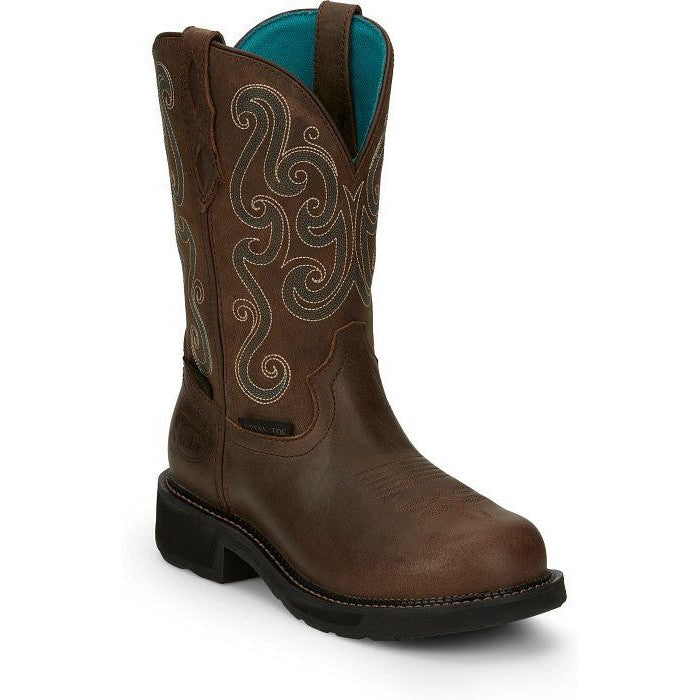
Sale price$169.95
Regular price$179.00
Justin Women's Tasha 11" Steel Toe Waterproof Western Work Boot -Brown- GY9991
Save 12%

Sale price$211.55
Regular price$240.00
Justin Men's Rush 11" Composite Toe Waterproof Slip Resistant Work Boot - Rust Tan - WK4338
Save 5%
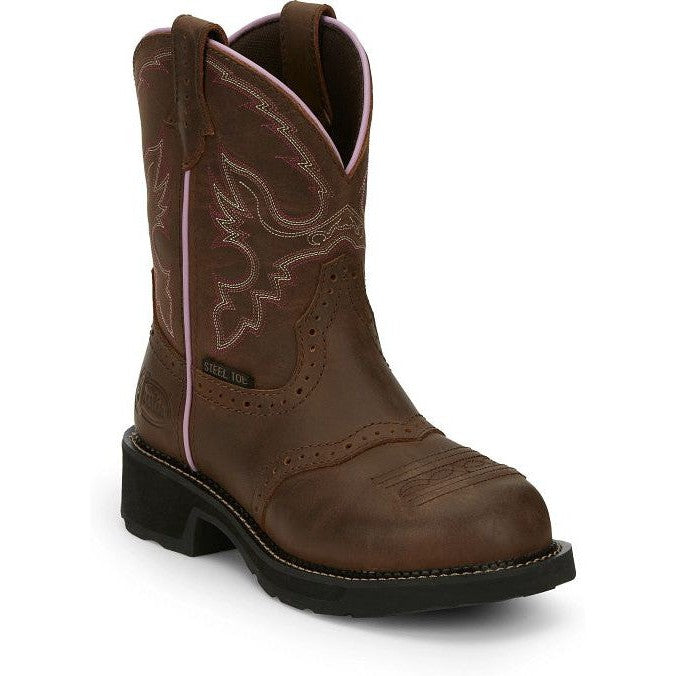
Sale price$144.95
Regular price$153.00
Justin Women's Wanette 8" Steel Toe Waterproof Slip Resistant Work Boot - Aged Bark Brown - GY9980
Save 14%

Sale price$165.55
Regular price$193.00
Justin Men's Driller 11" Waterproof Slip Resistant Work Boot - Tan/Brown - SE4689
Save 12%
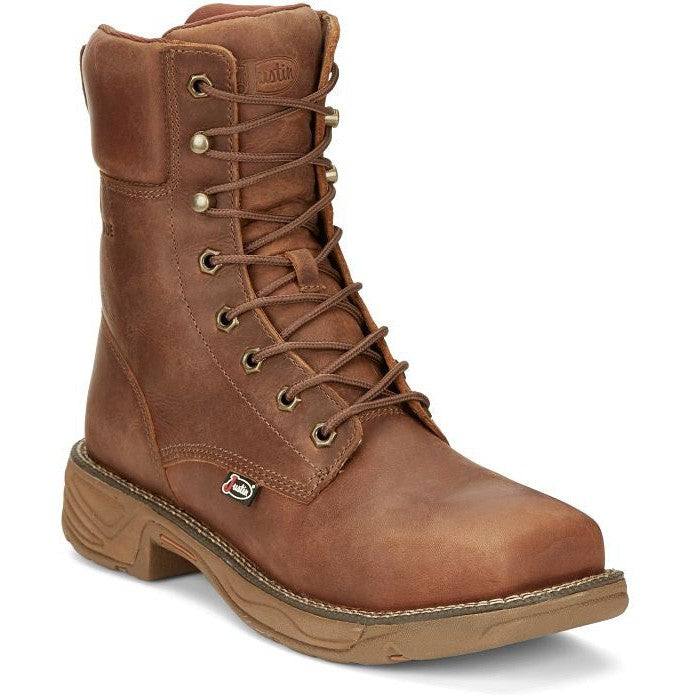
Sale price$206.95
Regular price$234.00
Justin Men's Rush 8" Nano Composite Toe Waterproof Lace Up Work Boot - Barley Brown - SE468
Save 11%

Sale price$202.35
Regular price$228.00
Justin Men's Rush 8" Waterproof Lace Up Slip Resistant Work Boot - Barley Brown - SE467
Save 12%
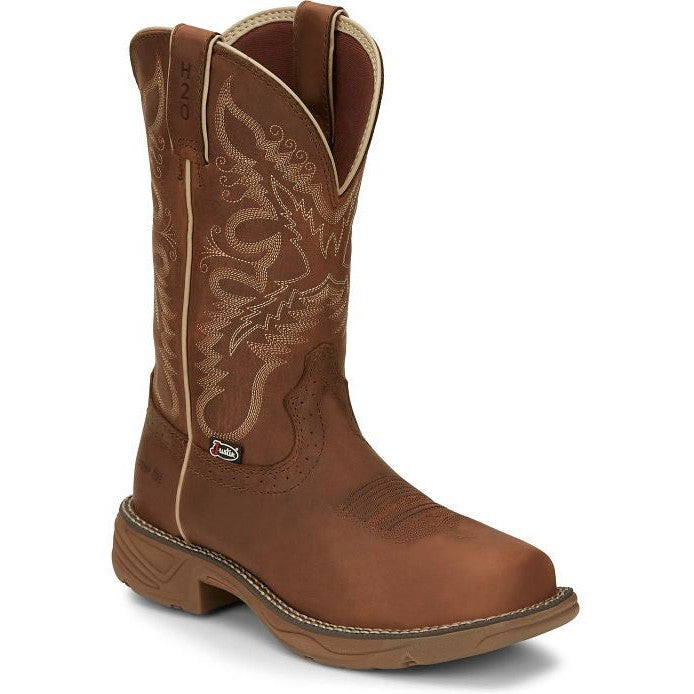
Sale price$211.55
Regular price$240.00
Justin Women's Rush 11" Nano Composite Toe Waterproof Slip Resistant Work Boot - Rustic Tan - SE4352
Save 13%

Sale price$179.35
Regular price$205.00
Justin Men's Driller 8" Composite Toe Waterproof Lace Up Work Boot - Aged Brown - SE462
Save 12%
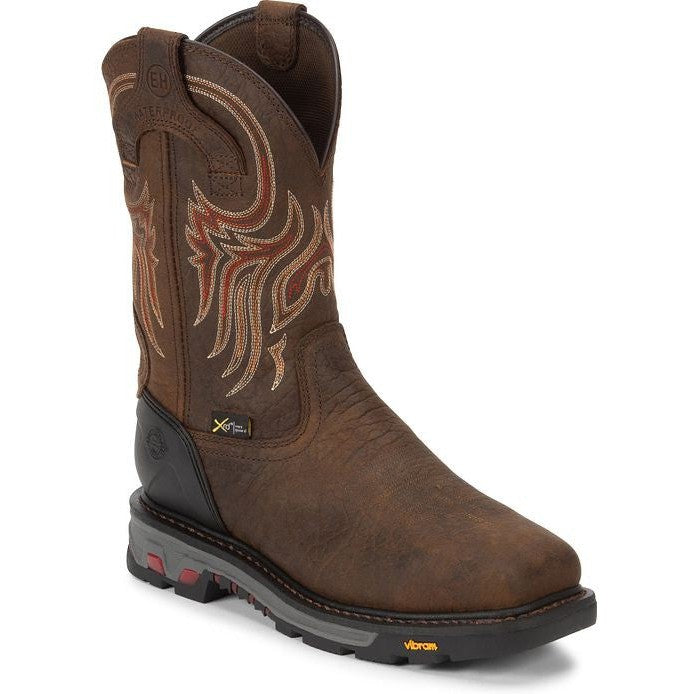
Sale price$280.55
Regular price$319.00
Justin Men's Driscoll 11" Steel Toe Waterproof Metguard Work Boot - Pecan Brown - WK2112
Save 11%
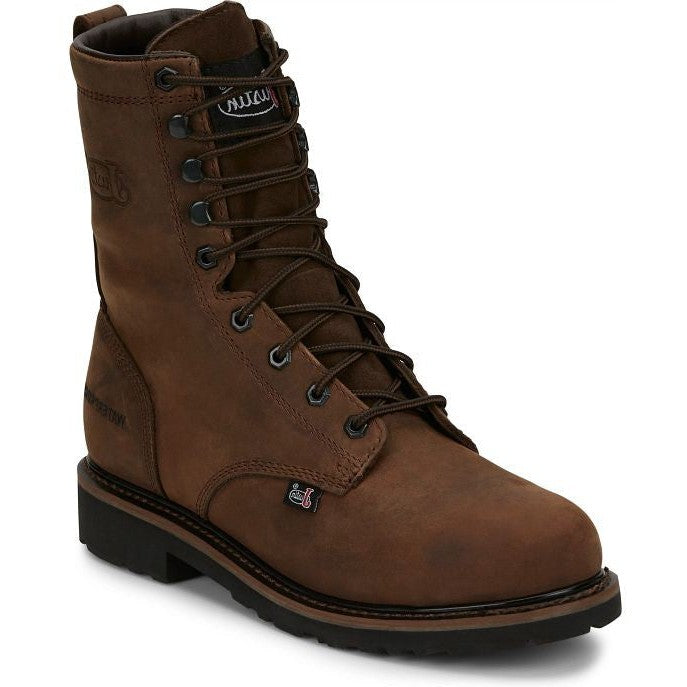
Sale price$188.55
Regular price$213.00
Justin Men's Drywall 8" Steel Toe Waterproof Lace Up Slip Resistant Work Boot - Brown - SE961
Save 12%
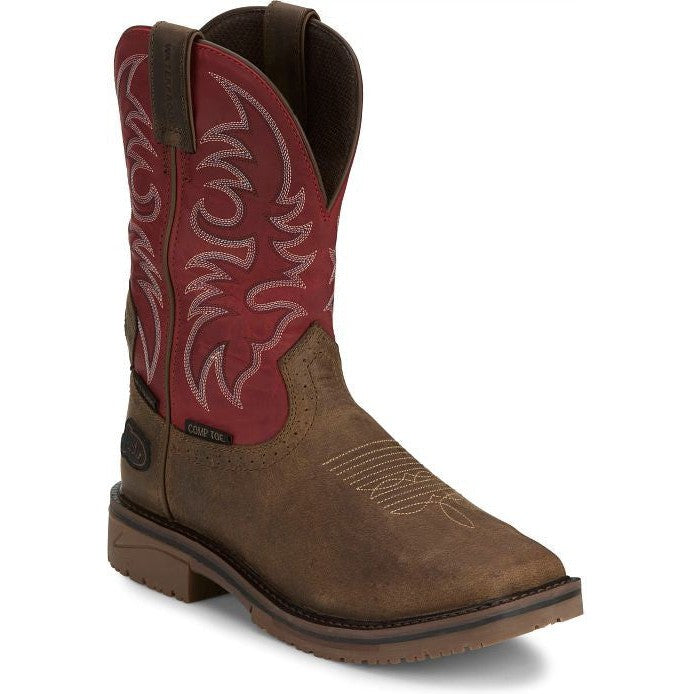
Sale price$225.35
Regular price$257.00
Justin Men's Thorn 11" Composite Toe Waterproof Metguard Western Work Boot - Peanut Tan - SE4753
Save 12%

Sale price$170.15
Regular price$193.00
Justin Men's All Round 11" Waterproof Slip Resistant Western Work Boot - Brown - SE3114
Save 12%

Sale price$160.95
Regular price$183.00
Justin Men's Buster 11" Steel Square Toe Waterproof Slip Resistant Work Boot - Pecan Brown - SE3101
Save 8%
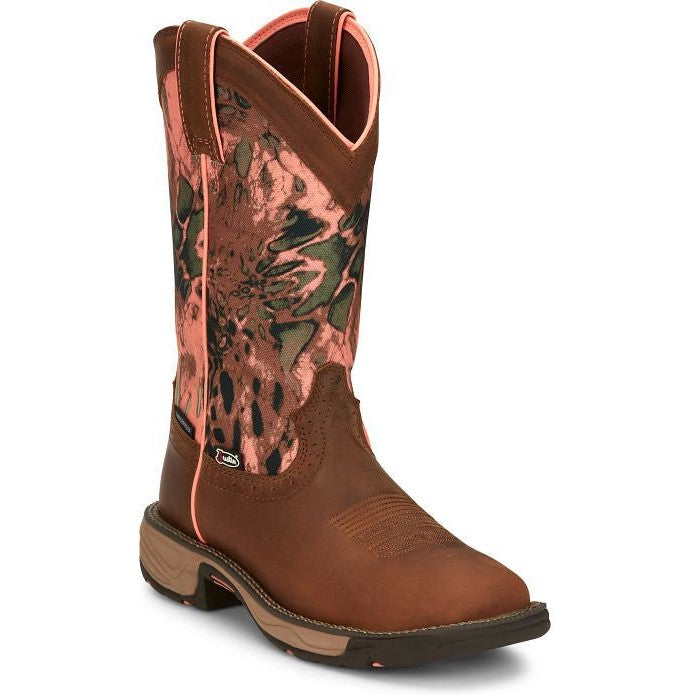
Sale price$169.95
Regular price$185.00
Justin Women's Rush 11" Waterproof Slip Resistant Work Boot - Russet Brown - SE4356
Save 11%
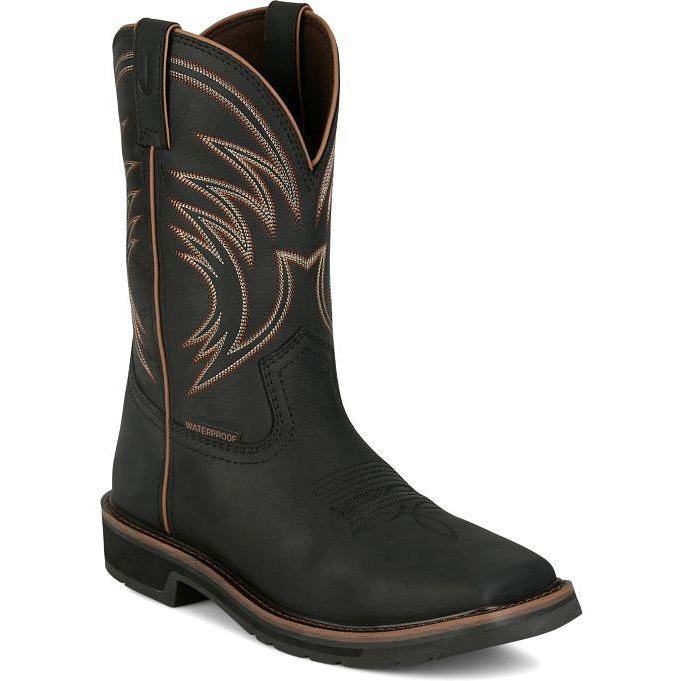
Sale price$165.55
Regular price$185.00
Justin Men's Widowmaker 11" Square Toe Waterproof Western Work Boot - Black - SE4240
Save 12%
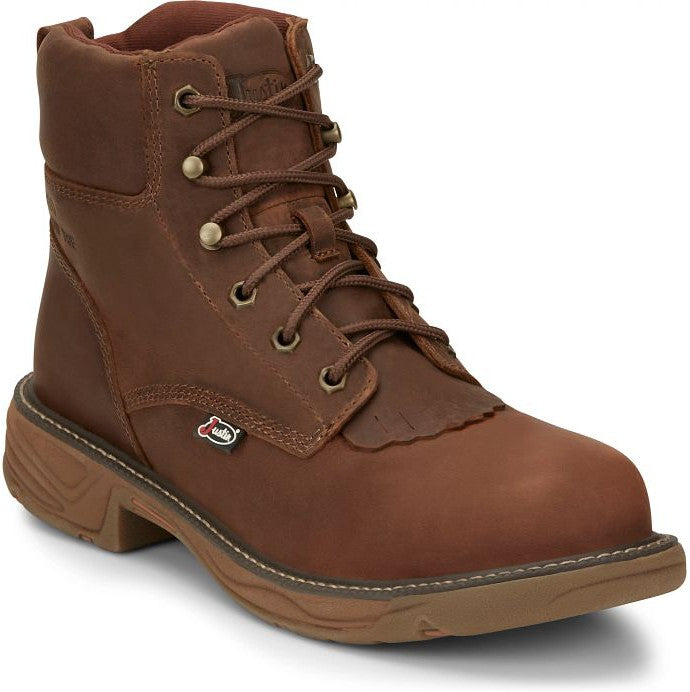
Sale price$179.35
Regular price$203.00
Justin Men's Rush 6" Nano Composite Toe Waterproof Slip Resistant Work Boot - Barley Brown - SE466
Save 14%
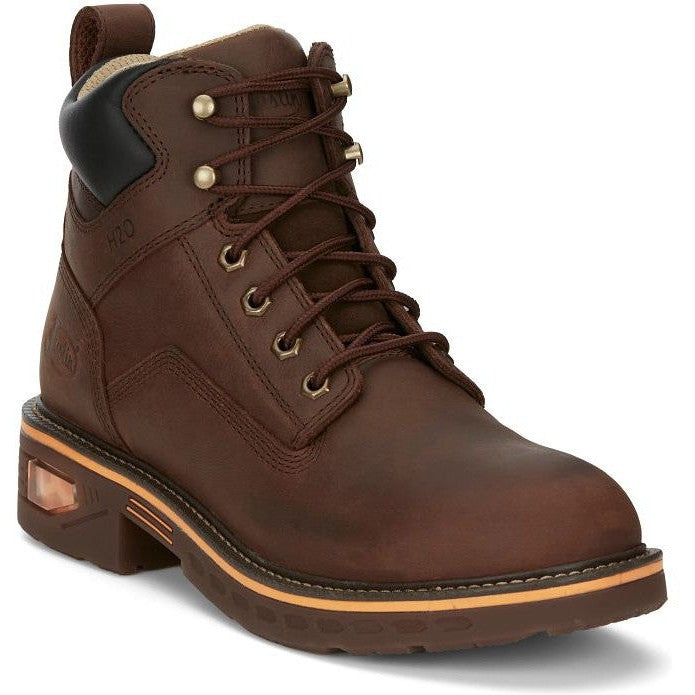
Sale price$183.95
Regular price$213.00
Justin Men's Resistor 6" Waterproof Lace Up Slip Resistant Western Work Boot - Hickory Brown - CR401
Frequently Asked Questions
A waterproof boot uses a sealed membrane and sealed seams so water cannot work through the leather or the stitching. Water-resistant leather sheds rain and handles damp ground but wets through with sustained exposure. The distinction matters if you stand in water rather than walk through it, and it is stated in the product title.
High enough for the water you actually stand in, since the membrane protects only to the collar. A 6-inch handles wet ground and rain. If you work in standing water or deep mud, an 11-inch pull-on does far more for you than a better membrane on a short boot. See our Justin pull-on work boots range.
Usually sweat rather than leakage, particularly in warm weather when the membrane cannot breathe effectively. The other common cause is water coming in over the collar, which no membrane prevents. If the outer leather is soaking through, that is a worn water-repellent finish rather than a failed membrane, and it can be restored.
Yes. Membranes fail at seams and flex points over a few years of hard wear, and unlike an outsole they cannot be replaced. Treat waterproofing as a finite feature over the life of the boot. The outer repellent finish wears off much sooner and can be restored by cleaning and reapplying a treatment.
They are separate properties, but most of this range carries both, which is a useful pairing since wet floors are where slips happen. Waterproofing is about the membrane inside; slip resistance is about the outsole compound and tread. Both are rated per model and stated on the product page.
Somewhat, since the membrane restricts airflow, and it is most noticeable in heat. The membrane adds no insulation on its own, so a waterproof uninsulated boot is a three-season boot rather than a winter one. If heat rather than water is your problem, an unlined breathable boot is the better choice.
No. Waterproofing sits between the leather and the lining and has nothing to do with the toe cap or the outsole ratings. A waterproof boot carries whatever ASTM ratings it was built and tested for, exactly as a non-waterproof version of the same model would. See our Justin safety toe range.
Clean the dirt off regularly, since it clogs the outer material and stops moisture escaping, which causes clammy feet. Condition the leather every one to three months. Dry at room temperature away from direct heat, which damages both the leather and the membrane adhesives.
Recently viewed
Our Top Brands