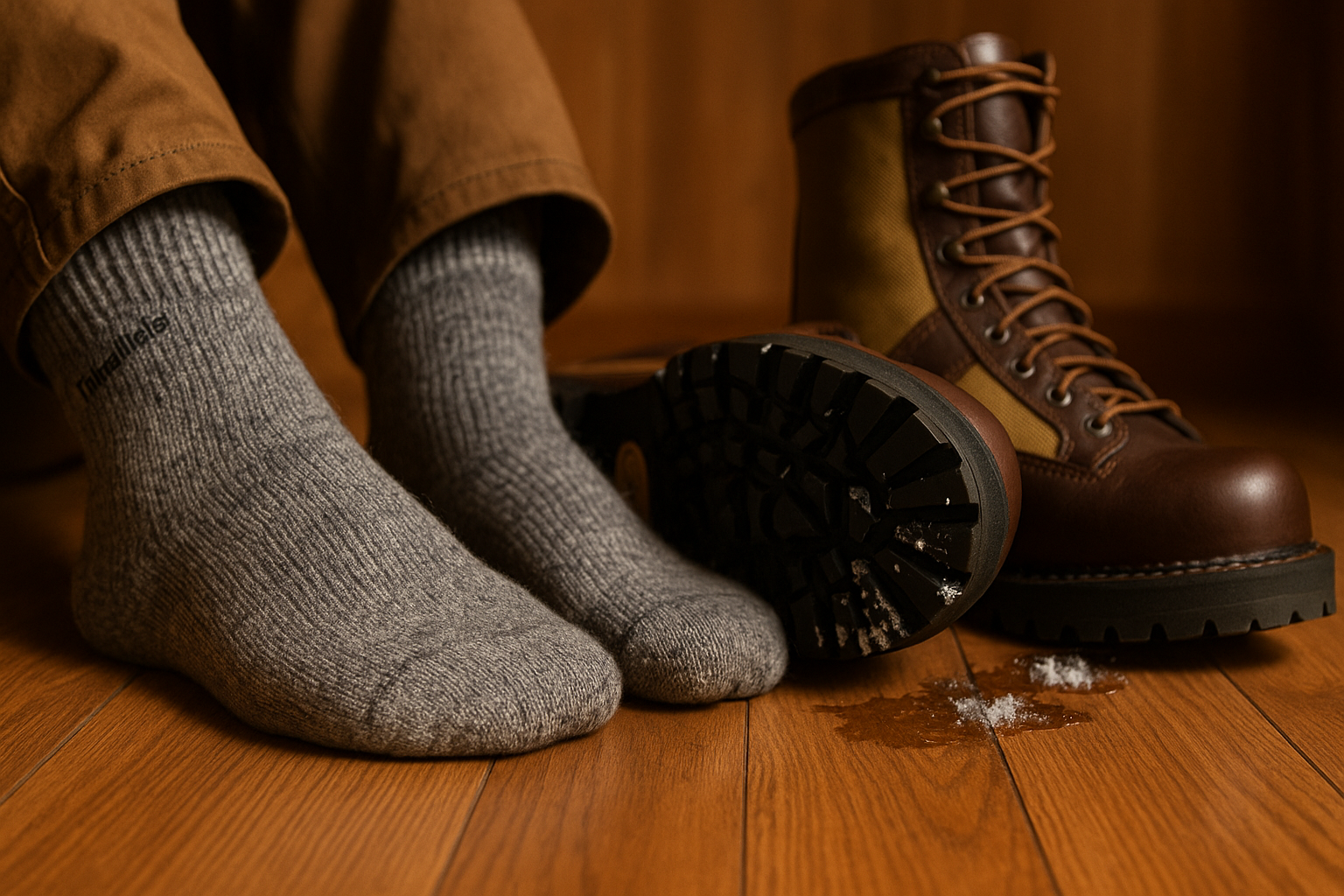
Cold toes on the job can make your day feel twice as long, and when you're wearing steel-toe boots, that chill can hit even harder. Whether you're laying pipe in freezing temps or working security during winter nights, having insulated work boots and knowing how to keep toes warm in steel-toe boots is more than comfort, it's about staying focused and safe.
Steel components conduct cold, and poor insulation or layering only makes things worse. For hardworking outdoorspeople, keeping toes warm in steel-toe boots is more than a seasonal issue; it’s a year-round skill. Let’s get your toes warm and your workday back on track.
Why Steel Toe Boots Get So Cold (And What You Can Do About It)
Steel-toe boots tend to get cold in winter because metal components conduct temperature more efficiently than other materials. This means cold from the outside transfers straight to your toes, increasing your risk of discomfort and even frostbite in extreme conditions.
Unlike composite or insulated safety toes, steel caps don’t insulate. Once that cold sets in, it traps the chill in the toe box, and your body heat alone isn’t enough to fight it off without backup.
Here’s what you can do about it:
- Upgrade your boot insulation: Look for cold-rated, insulated steel-toe or composite-toe boots with built-in thermal linings.
- Layer smart from the inside out: Start with moisture-wicking socks and use thermal insoles to reduce cold transfer from the steel.
- Avoid cotton: It traps moisture, which accelerates heat loss.
- Rotate boots if possible: Keeping a second pair dry and warm is a huge help for long shifts.
Base Layers for Feet: Socks That Actually Work in Winter
Thermal sock materials are the foundation for keeping your toes warm in steel-toe boots. The right combination of wool, moisture-wicking blends, and layering systems can make the difference between a brutal day and a bearable one. Wool socks, especially merino wool, are a cold-weather staple because they trap body heat while still allowing moisture to escape. Layering them with a thin liner sock creates a barrier that wicks sweat, keeping your feet dry. And dry feet = warmer feet.
Top cold-weather sock tips:
- Avoid cotton at all costs, it soaks up sweat and holds it against your skin.
- Choose wool socks for work boots with at least 70% merino content for ideal thermal retention.
- If layering, ensure your boots still fit well; tight boots restrict circulation and make your feet colder.
- Change into dry socks midday if needed, especially on slushy job sites.
Pairing the right socks with the right boots is key.
Foot Warmers, Inserts, and Thermal Insoles That Make a Difference
Heated insoles and toe warmers offer powerful, portable solutions when you're trying to keep your toes warm without replacing your boots. These add-on products for boot interiors can provide targeted warmth where you need it most, right at the toes.
Toe warmers for work boots are single-use heat packs that adhere to the top or bottom of your sock. They’re air-activated and can generate up to 8 hours of steady warmth, making them ideal for subzero mornings or extended outdoor shifts.
If you want a reusable option, heated boot inserts powered by batteries are a popular upgrade. Many now feature adjustable heat settings and rechargeable packs that last through an entire shift.
Other thermal add-ons that help:
- Thermal insoles with reflective foil or wool layers help block cold from the ground and steel toe caps.
- Steel-toe boot liners with thin insulating sleeves provide an additional thermal barrier.
- Foot warmers for boots can be slipped between sock layers or placed under insoles for extra heat.
Not sure where to start? Our guide to choosing the right work boot insulation breaks down the top-performing options built for demanding winter jobs.
Choosing the Right Insulated Steel Toe Boots for Cold Weather Jobs
Boot construction plays a major role in keeping your feet warm in winter. Steel-toe boots designed for cold weather often include 3M Thinsulate insulation, waterproof membranes, and soft interior linings, all working together to trap body heat and block out the cold.
The insulation weight matters:
- 400g insulated boots are good for moderate cold.
- 800g–1000g is better for sub-zero temperatures and extended exposure.
Combine that with a waterproof exterior and breathable interior lining, and you’ve got a solid defense against snow, slush, and icy winds.
What to look for in warm work boots for winter:
- Cold-rated insulation (at least 600g)
- Waterproof yet breathable membranes like Gore-Tex or Dry-lex
- Moisture-wicking interior lining to keep sweat from freezing
- Room for layering without cutting off circulation
Cold-Weather Jobsite Tactics That Keep Heat In
External strategies can significantly improve your ability to stay warm on-site, especially when paired with 3M Thinsulate boots and proper layering. These tactics support consistent warmth across long shifts and help fight off the creeping chill that steel-toe boots can bring. Even with the best winter work boots, cold sets in over time. That’s where smart habits matter.
Additional cold-weather jobsite hacks:
- Start with warm boots: Store boots indoors or use a boot dryer before heading out.
- Change socks mid-shift: Dry socks restore warmth and reduce moisture buildup.
- Use gaiters or insulated pants: They help keep snow and wind out of your boots.
- Take warm-up breaks: Just 5 minutes in a heated truck or breakroom can reset circulation.
-
Avoid over-tightening laces: This restricts blood flow and leads to cold toes.
Preventing heat loss is just as important as generating warmth. And when you treat your boots like the essential gear they are, your feet and your performance benefit.
Frequently Asked Questions
Do Steel-Toe Boots Make Your Feet Colder in the Winter?
Steel-toe boots can make your feet colder in winter because steel conducts heat. Steel is a metal, and metals are excellent thermal conductors. This means that when the steel toe cap is exposed to cold air or cold surfaces (like snow or a cold floor), it rapidly transfers heat away from your foot.
Are Heated Insoles Safe to Use in Steel-Toe Boots?
Heated insoles are safe to use in steel-toe boots when used according to the manufacturer's guidelines.
Which Socks Work Best for Keeping Feet Warm in Insulated Boots?
Wool socks, especially merino wool, offer superior warmth and moisture control.
What Insulated Work Boots Are Best for Subzero Temperatures?
Cold-weather work boots with 800g to 1000g Thinsulate insulation and waterproof membranes are best.