Save 8%
Sale price$239.95
Regular price$260.00
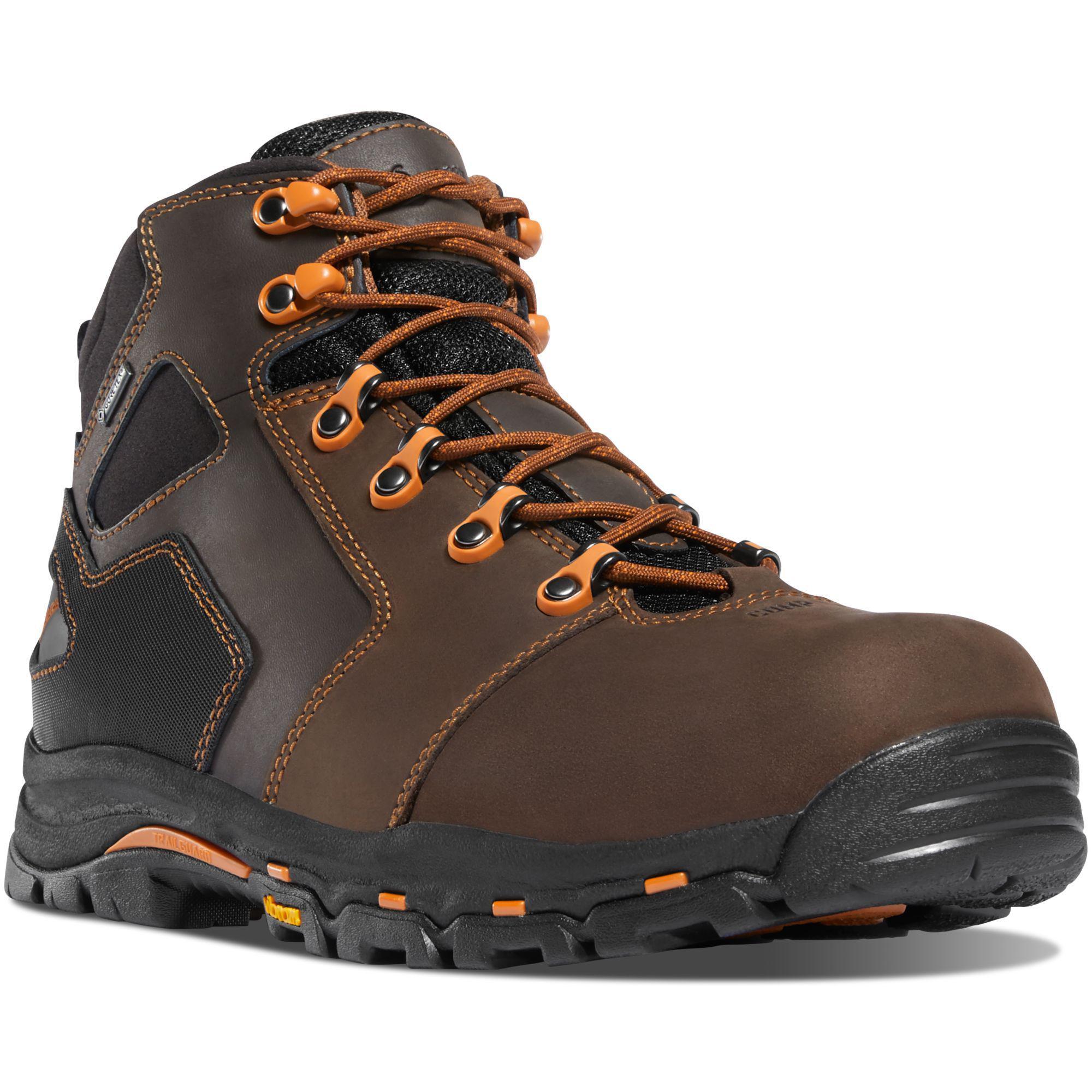
Danner Men's Vicious 4.5" Soft Toe Waterproof Work Boot - Brown - 13858
Save 7%
Sale price$249.95
Regular price$270.00
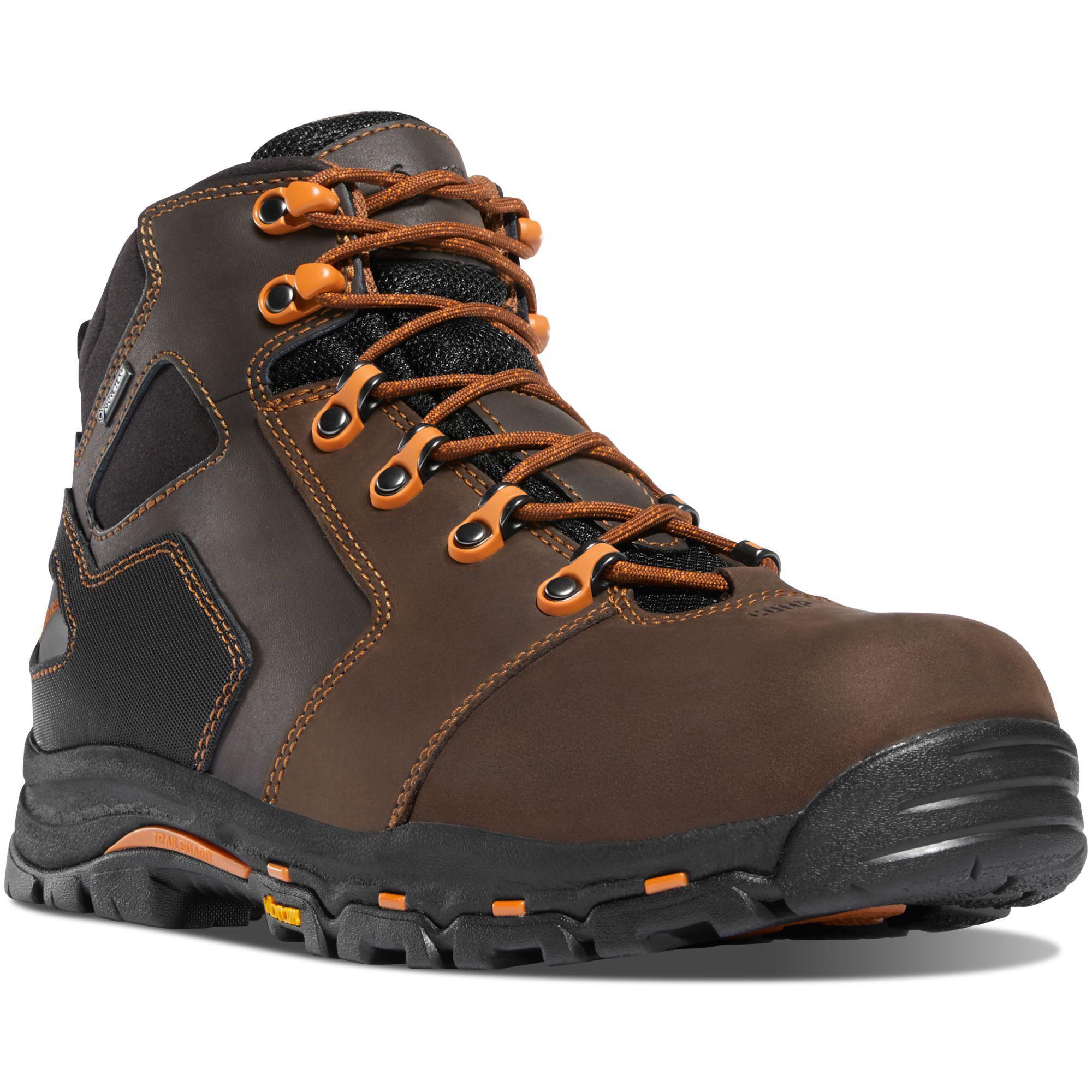
Danner Men's Vicious 4.5" Composite Toe Waterproof Work Boot - Brown - 13860
Save 27%
Sale price$157.95
Regular price$215.00
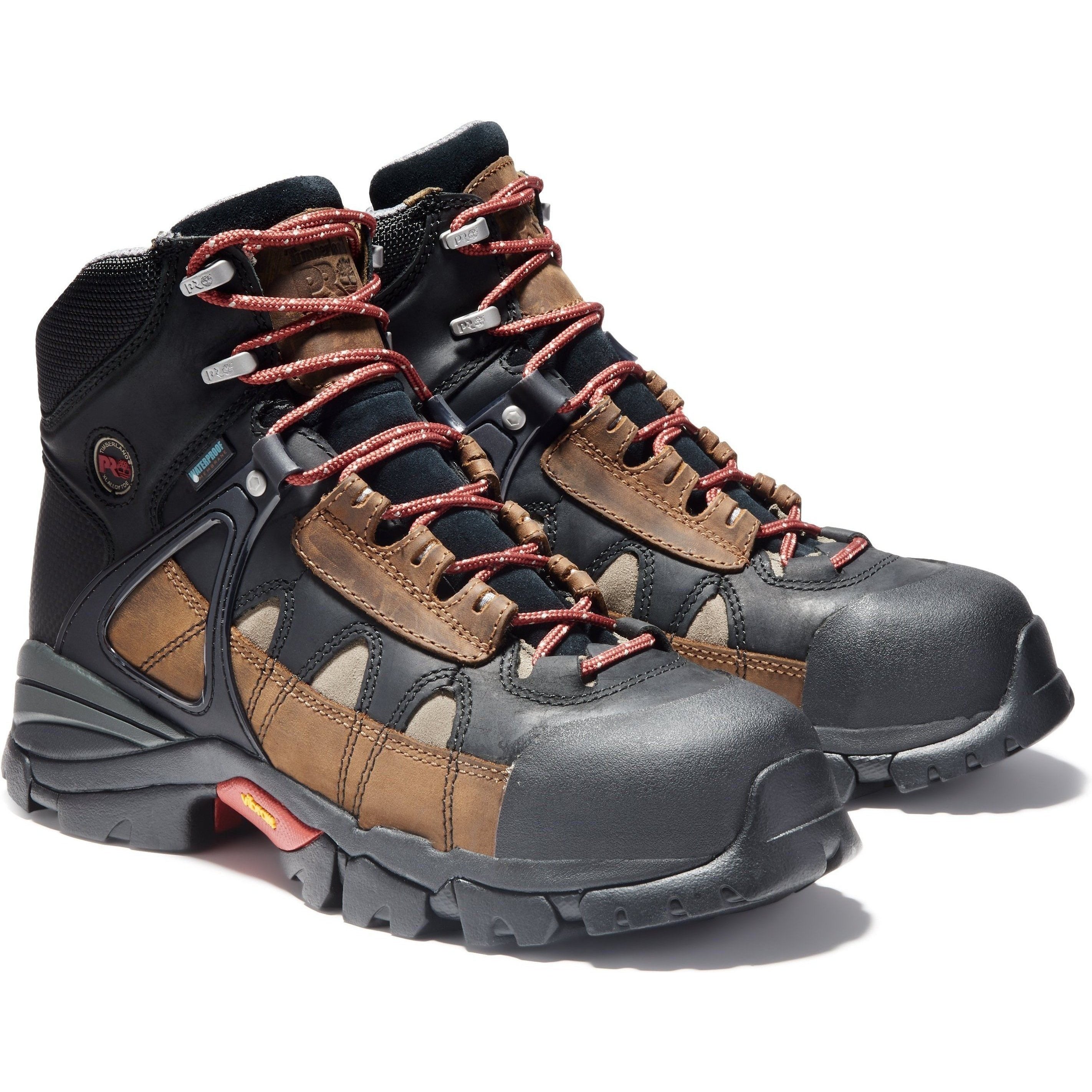
Timberland PRO Men's Hyperion 6" Alloy Toe Waterproof Work Boot - TB190646214
Save 10%
Sale price$269.95
Regular price$300.00
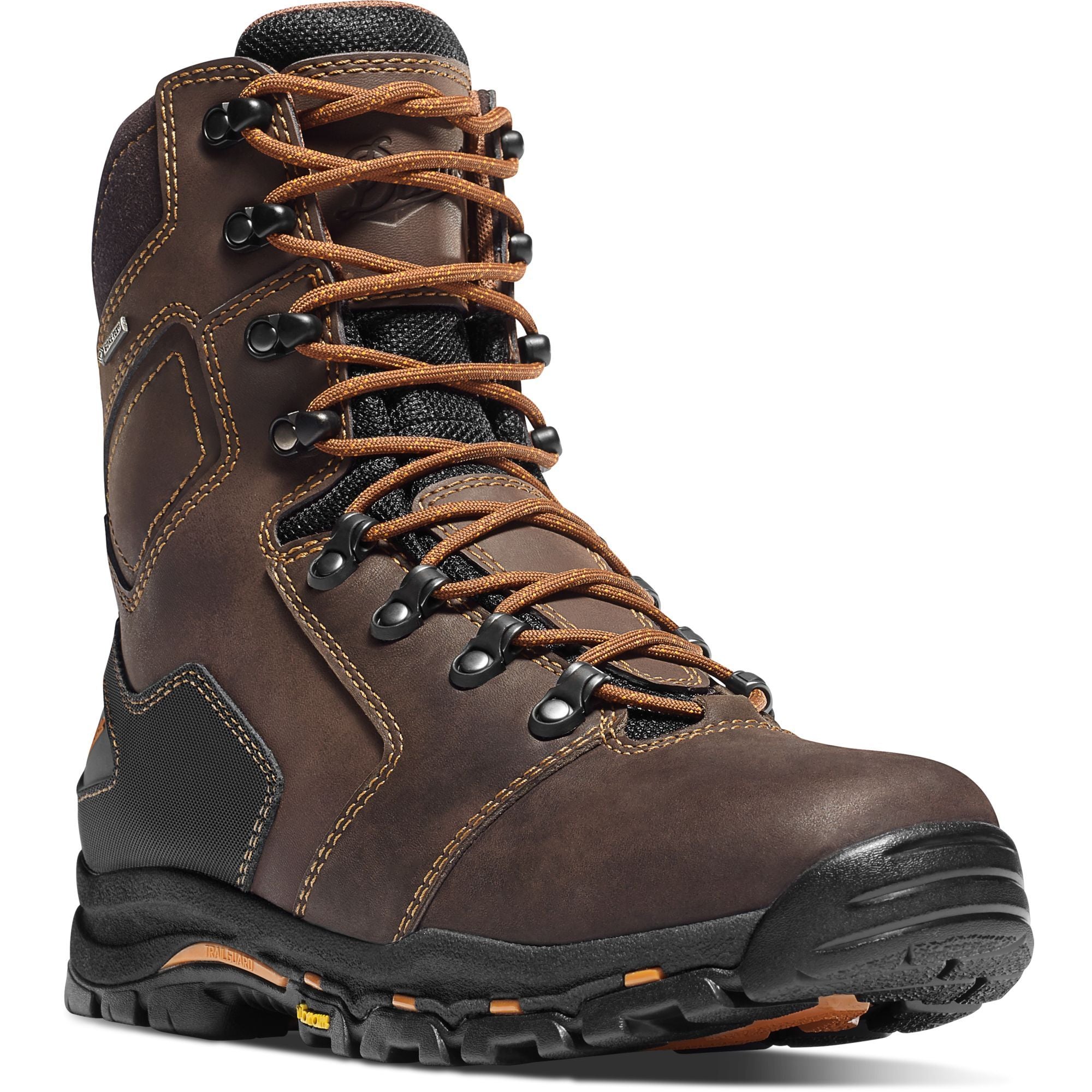
Danner Men's Vicious 8" Composite Toe Waterproof Work Boot - Brown - 13868
Save 10%
Sale price$157.49
Regular price$174.99
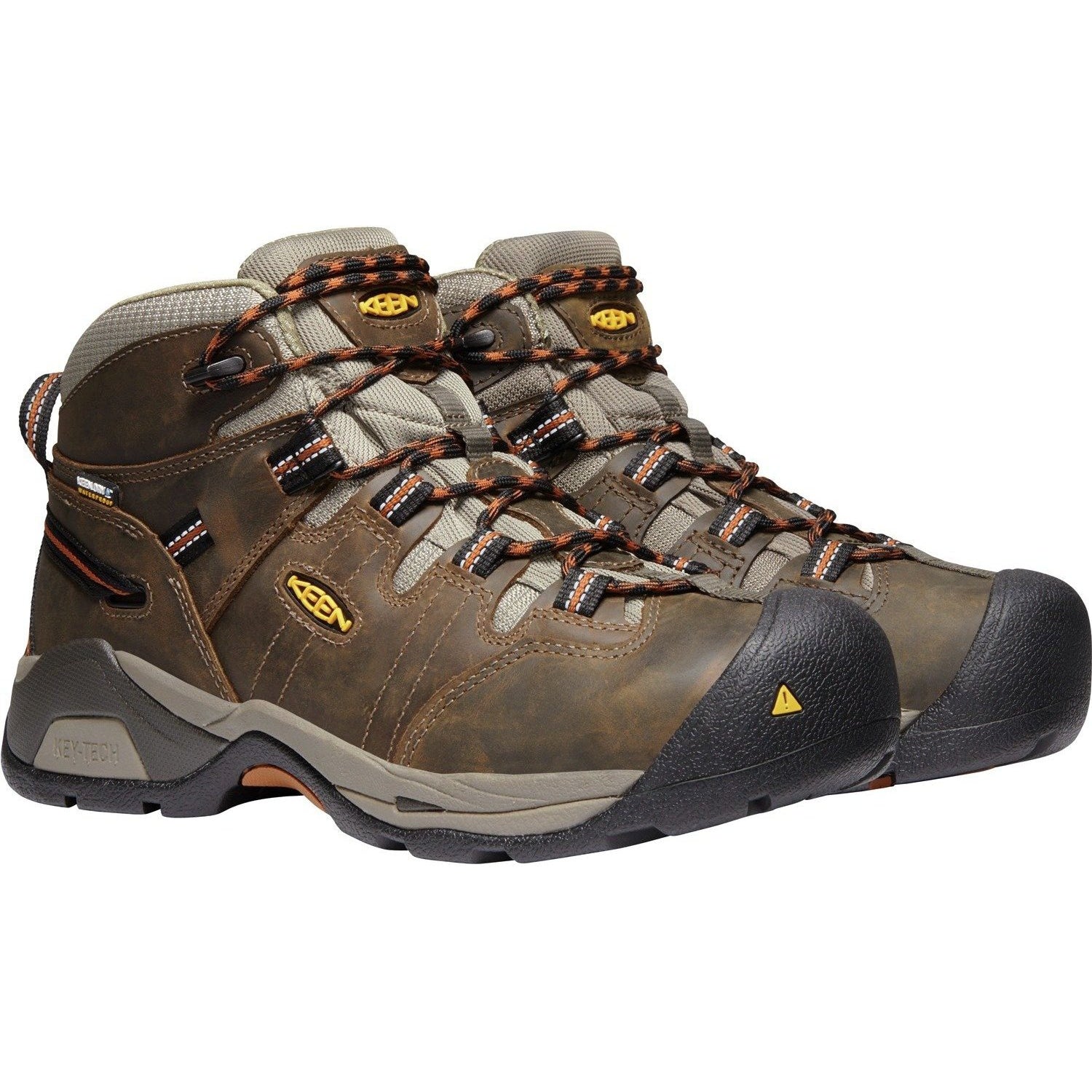
Keen Utility Men's Detroit XT Waterproof Soft Toe Work Boot - Olive/Brown - 1020039
Save 29%
Sale price$141.67
Regular price$200.00
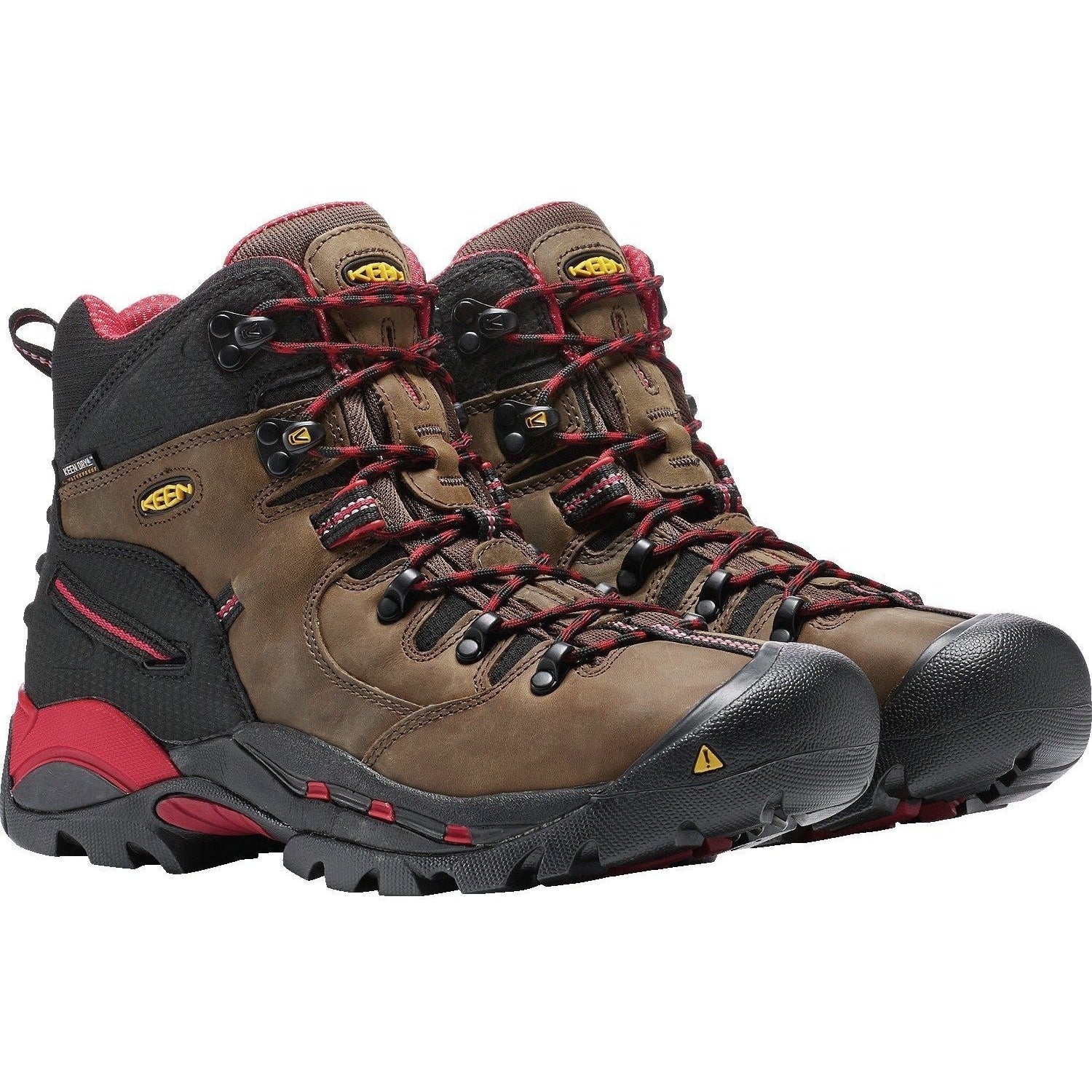
Keen Utility Pittsburgh Steel Toe Work Boot - Bison - 1007024
Save 14%
Sale price$202.49
Regular price$234.95
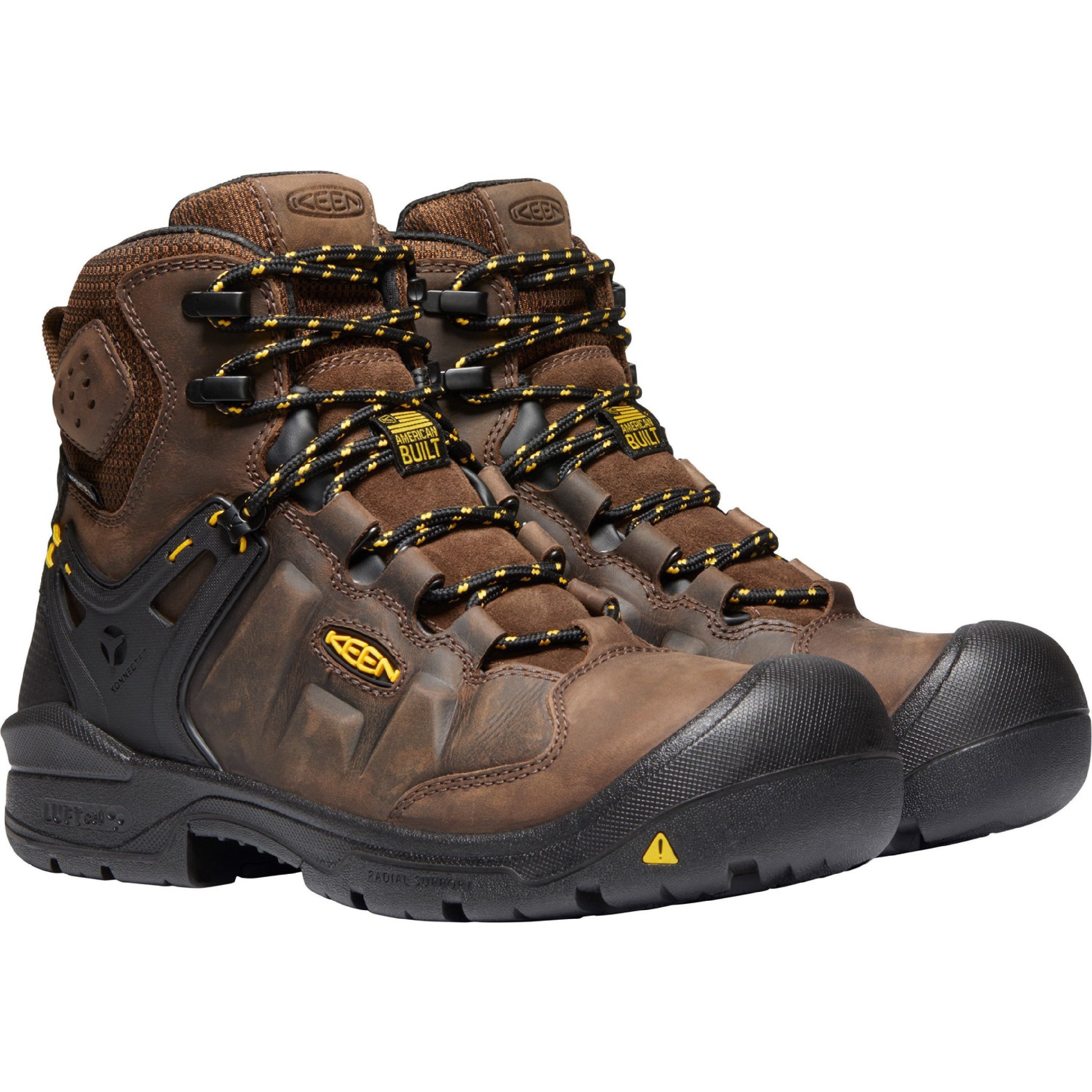
Keen Utility Men's Dover 6" Composite Toe American Built Waterproof Work Boot - Brown - 1021467
Save 16%
Sale price$178.95
Regular price$214.00
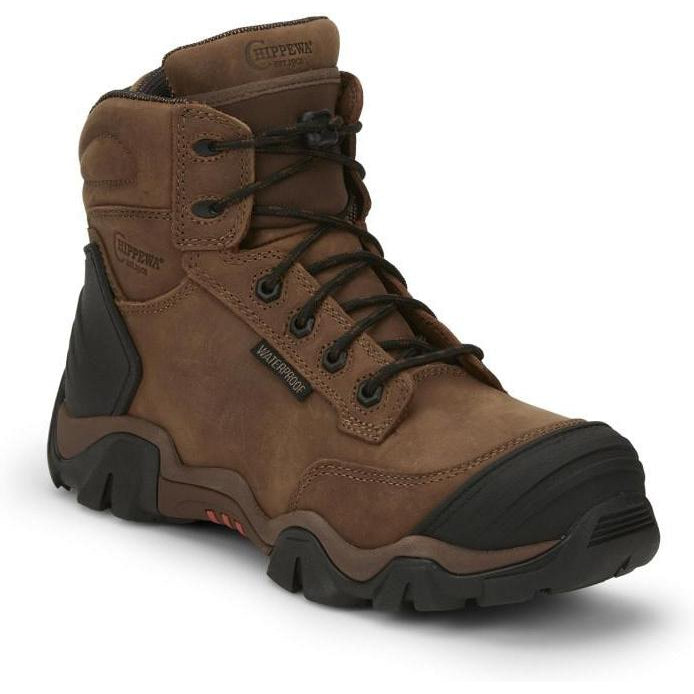
Chippewa Cross Terrain 6" Waterproof Composite Toe Work Boots - AE5003
Save 10%
Sale price$259.95
Regular price$290.00
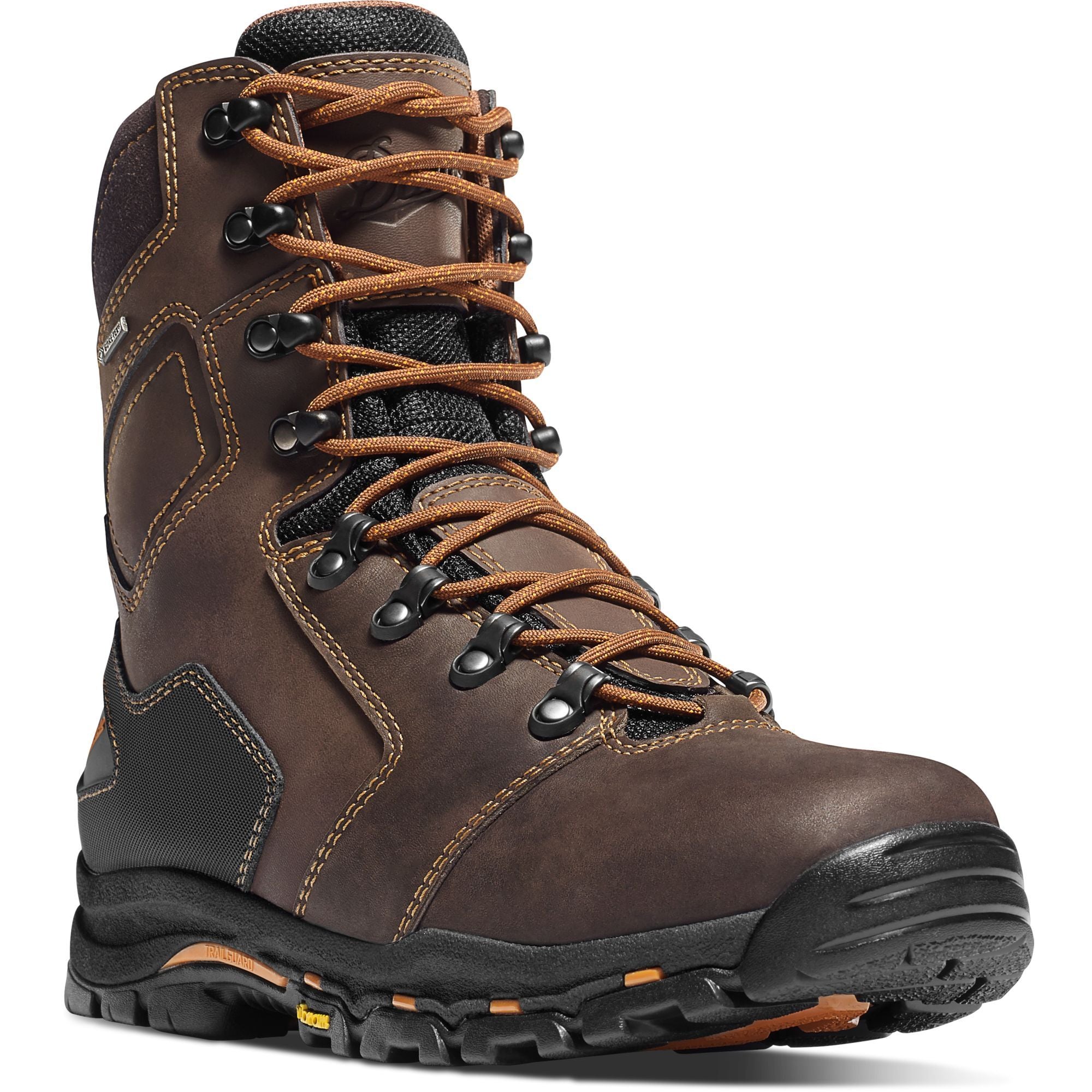
Danner Men's Vicious 8" Soft Toe Waterproof Work Boot - Brown - 13866
Save 9%
Sale price$289.95
Regular price$320.00
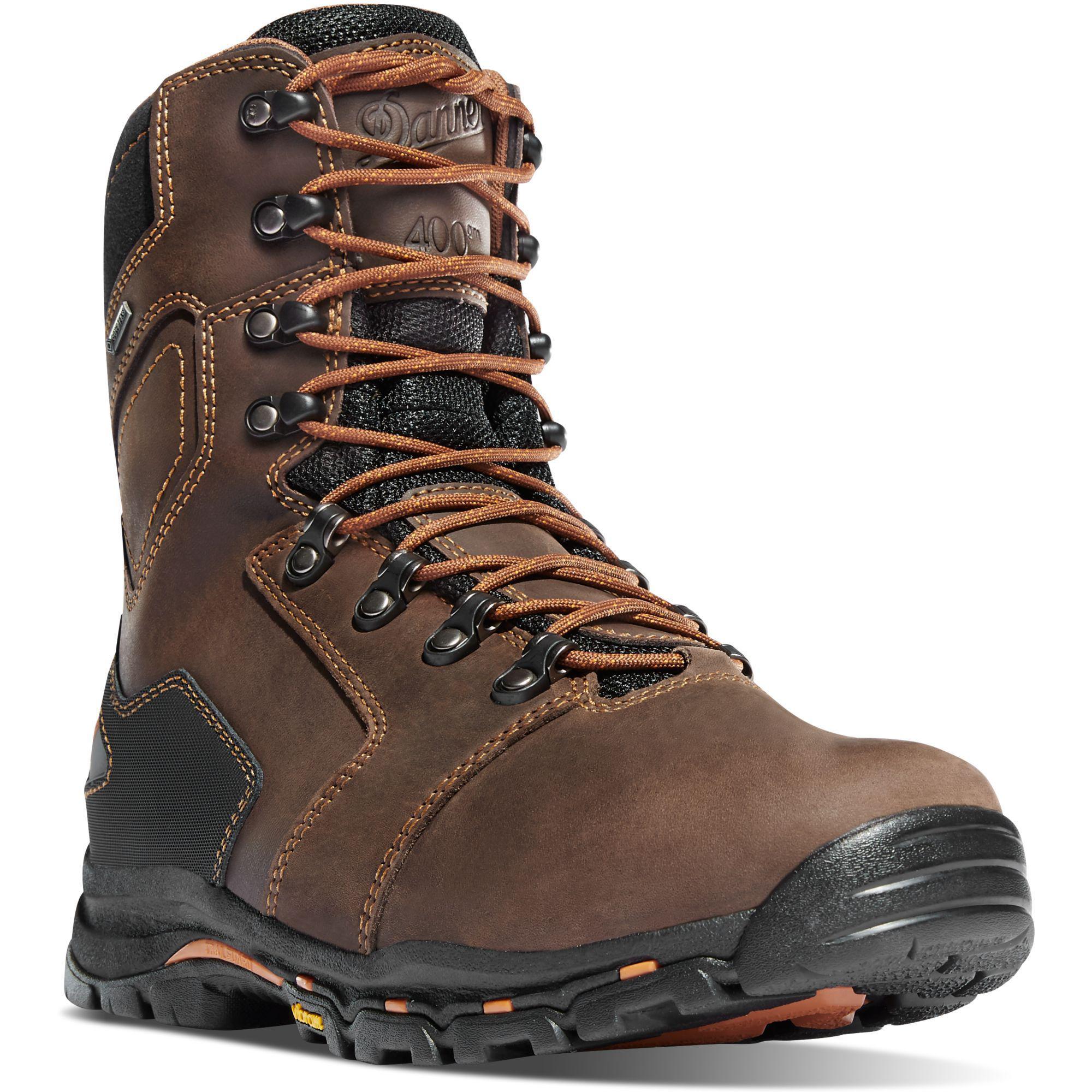
Danner Men's Vicious 8" Composite Toe Insulated Waterproof Work Boot Brown - 13874
Save 16%
Sale price$199.95
Regular price$238.00
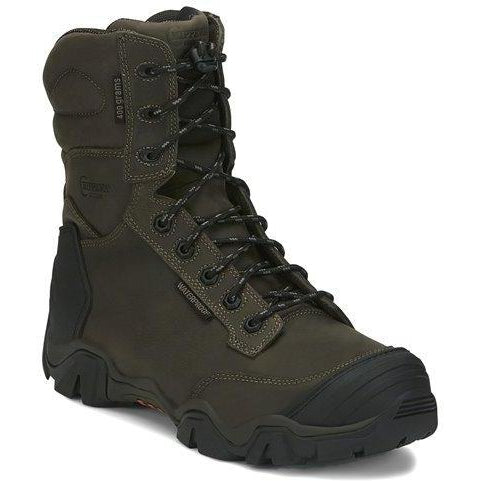
Chippewa Men's Cross Terrain 8" Composite Toe Waterproof 400G Ins Work Boot - AE5014
Save 18%
Sale price$273.95
Regular price$336.00
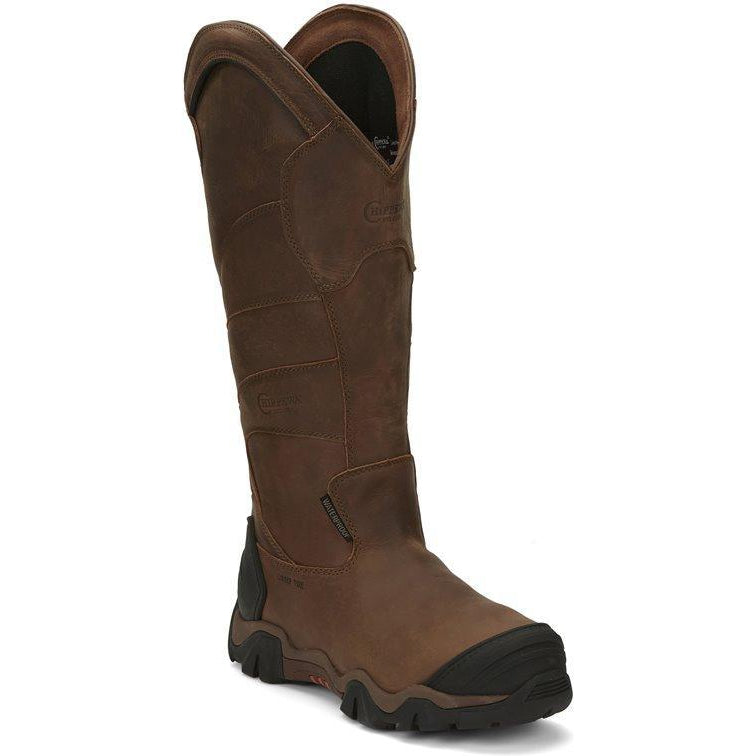
Chippewa Men's Cross Terrain 17" Composite Toe Waterproof Pull-On Snake Hunt Boot- AE5034
Save 7%
Sale price$249.95
Regular price$270.00
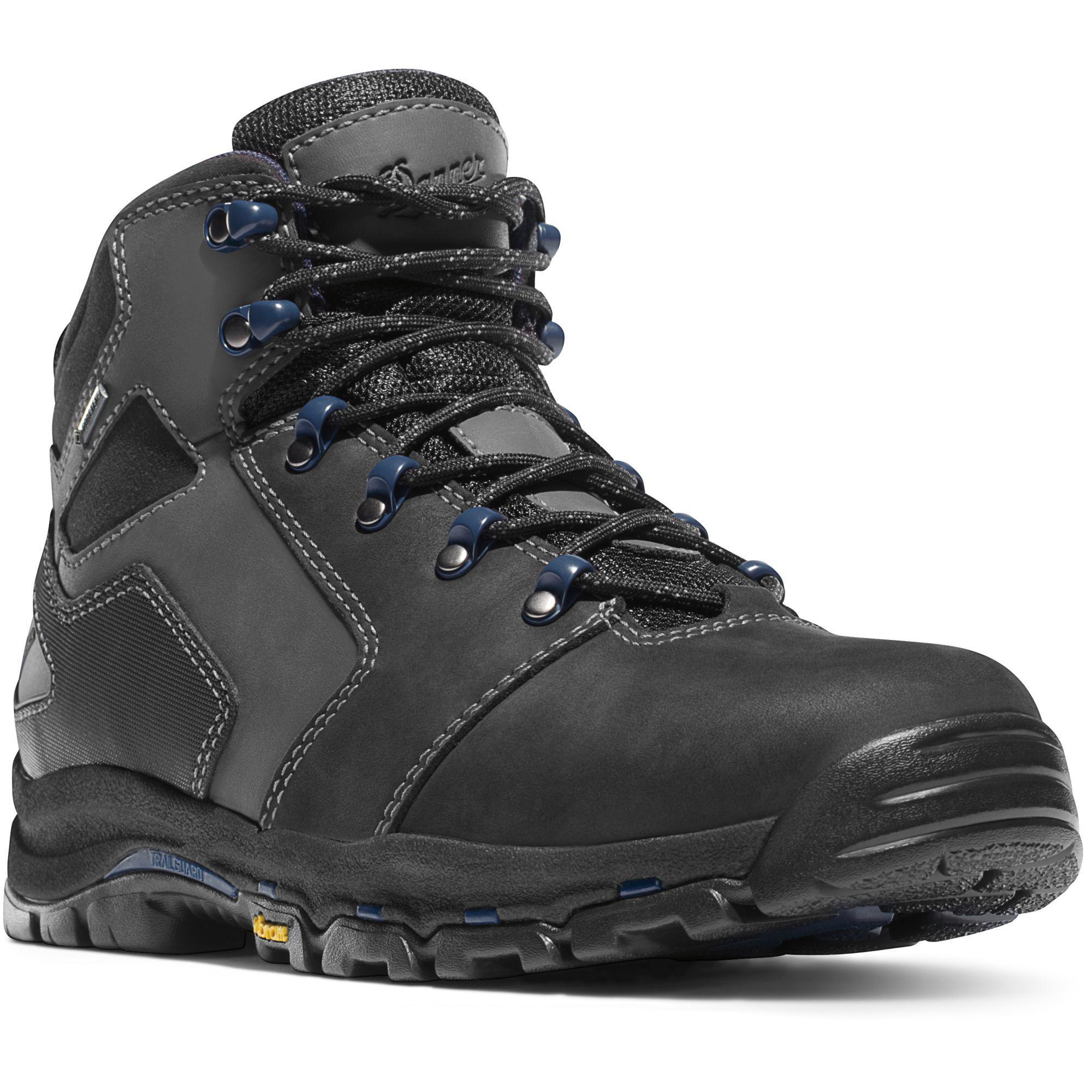
Danner Men's Vicious 4.5" Composite Toe Waterproof Work Boot - Black - 13864
Sale price$149.95
Regular price$150.00
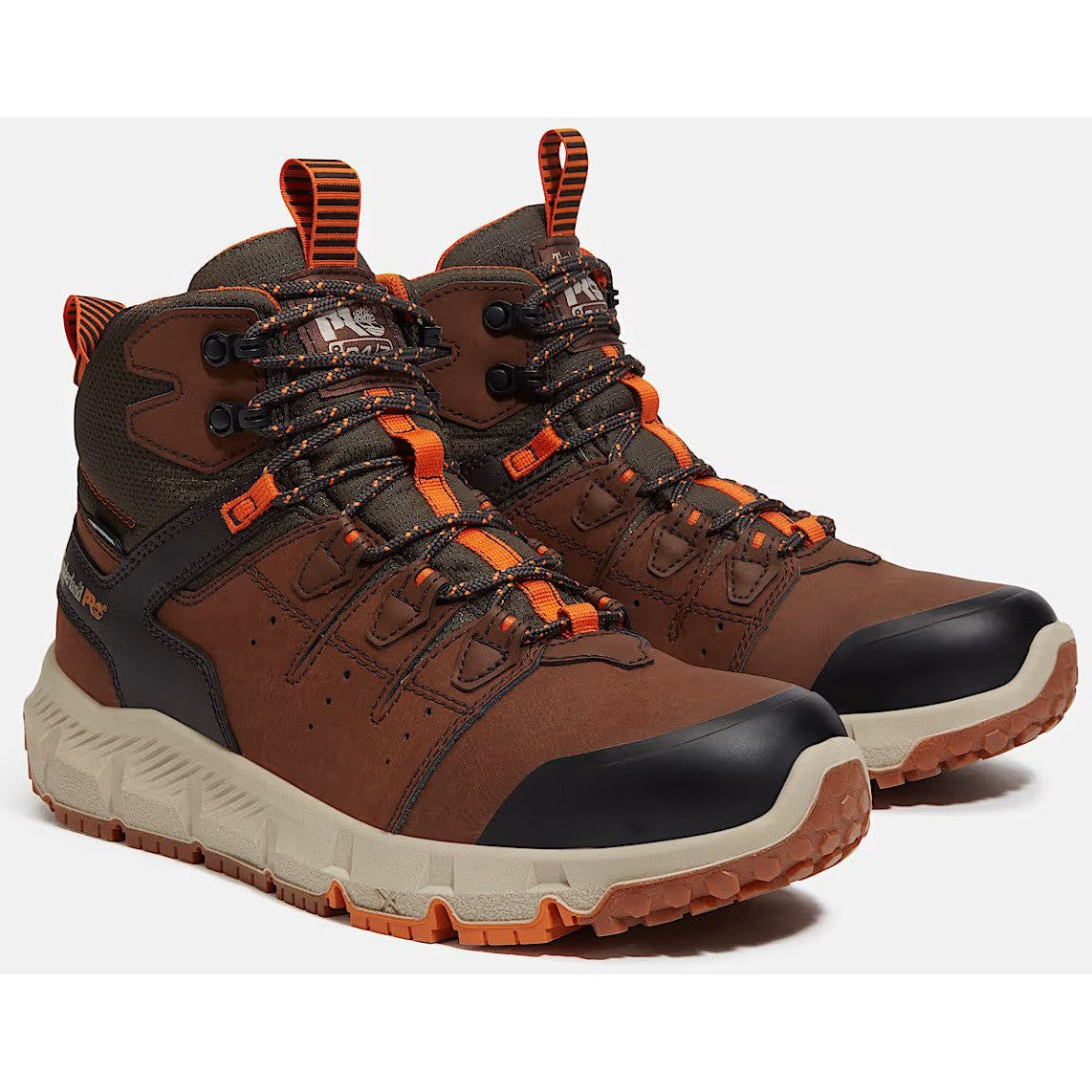
Timberland Pro Men's Tempe 6" Soft Toe Waterproof Work Boot- Brown- TB0A63WQEPB
Save 8%
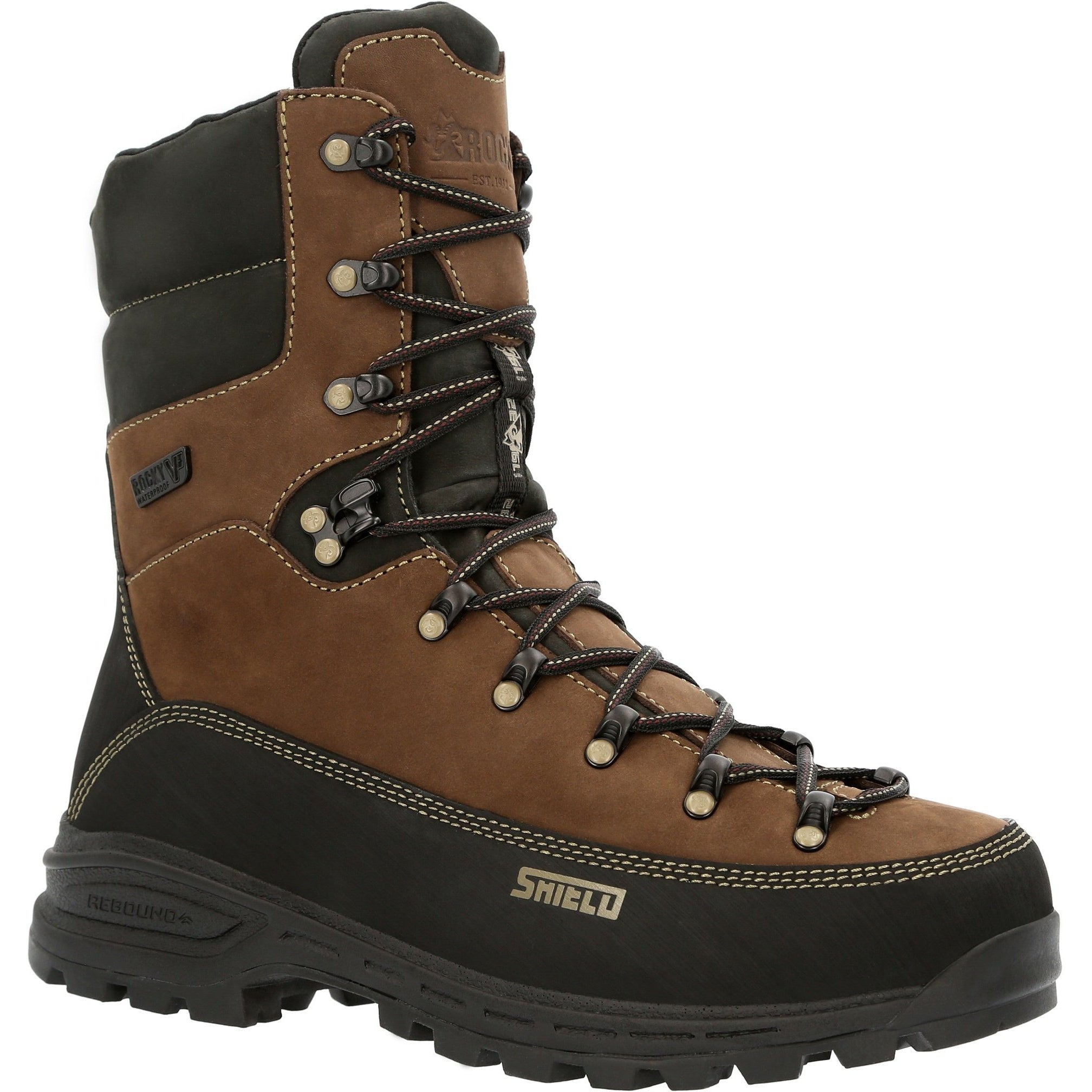
Sale price$229.99
Regular price$249.99
Rocky Men's MTN Stalker Pro 10" Waterproof 400G Hiker Mountain Boot - RKS0529
Save 13%
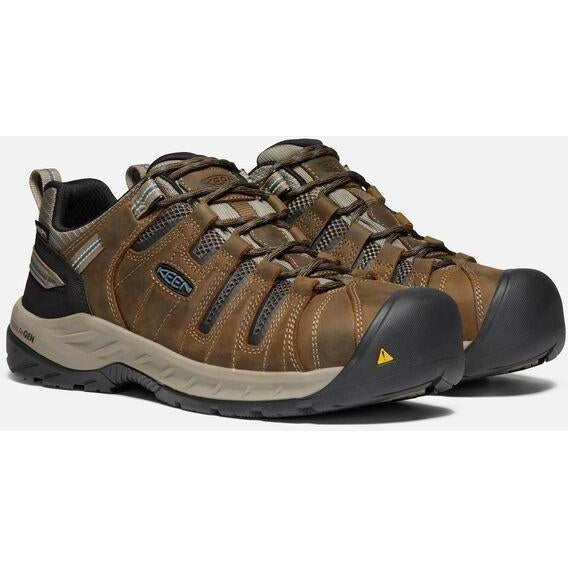
Sale price$143.99
Regular price$164.95
Keen Utility Men's Flint II Steel Toe Waterproof Work Shoe - Cascade Brown/Orion Blue - 1023236
Save 8%
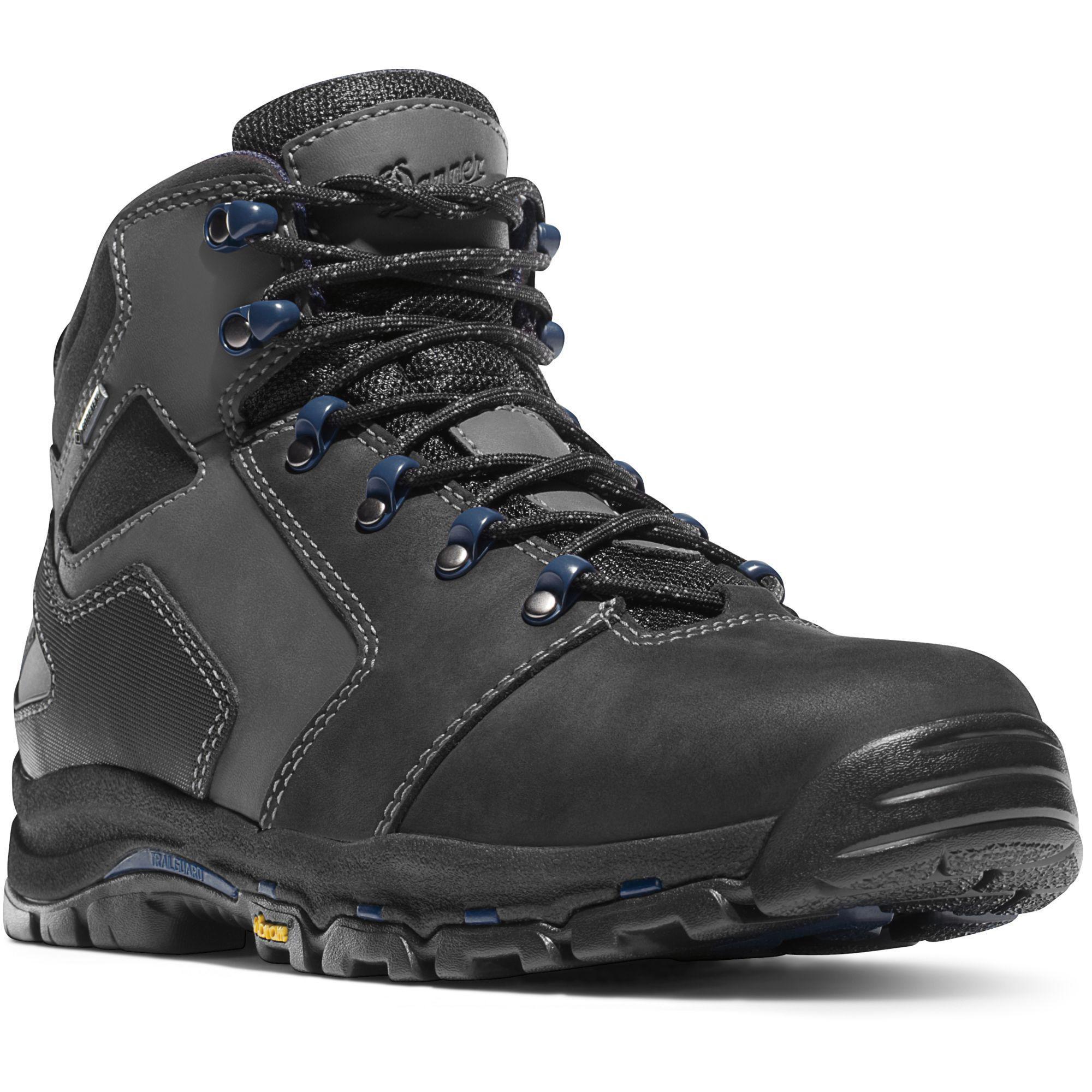
Sale price$239.95
Regular price$260.00
Danner Men's Vicious 4.5" Soft Toe Waterproof Work Boot - Black - 13862
Save 5%
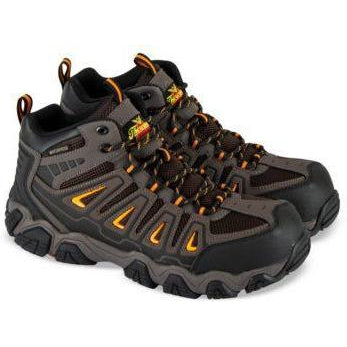
Sale price$124.95
Regular price$132.00
Thorogood Men's Crosstrex Hiker Waterproof Composite Toe Work Boot -Brown- 804-4291
Save 7%
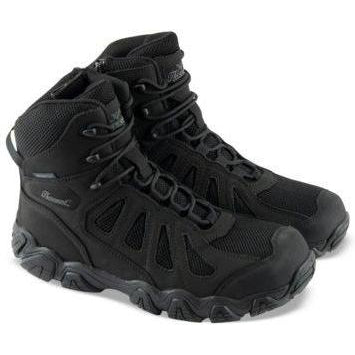
Sale price$124.95
Regular price$134.00
Thorogood Men's Crosstrex 6" Waterproof Side-Zip Work Boot - Black - 834-6295
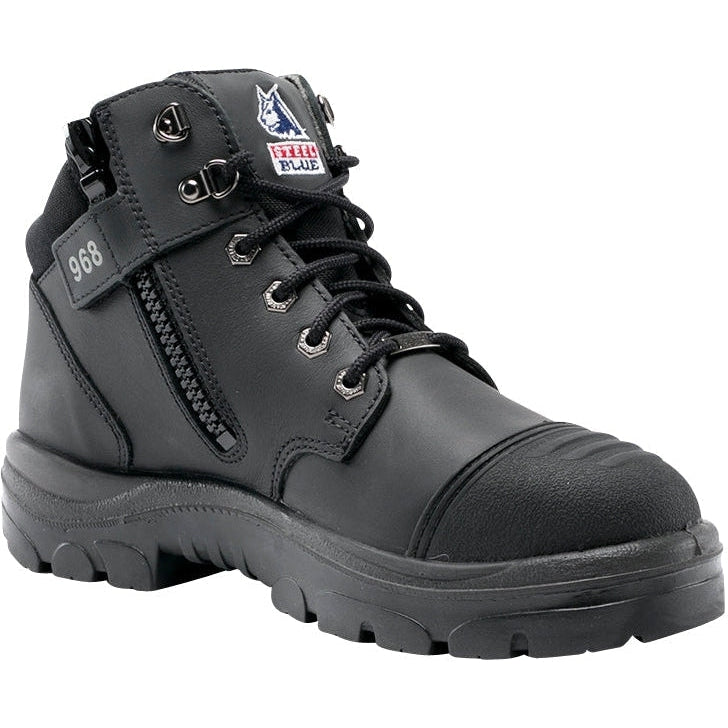
Save 25%
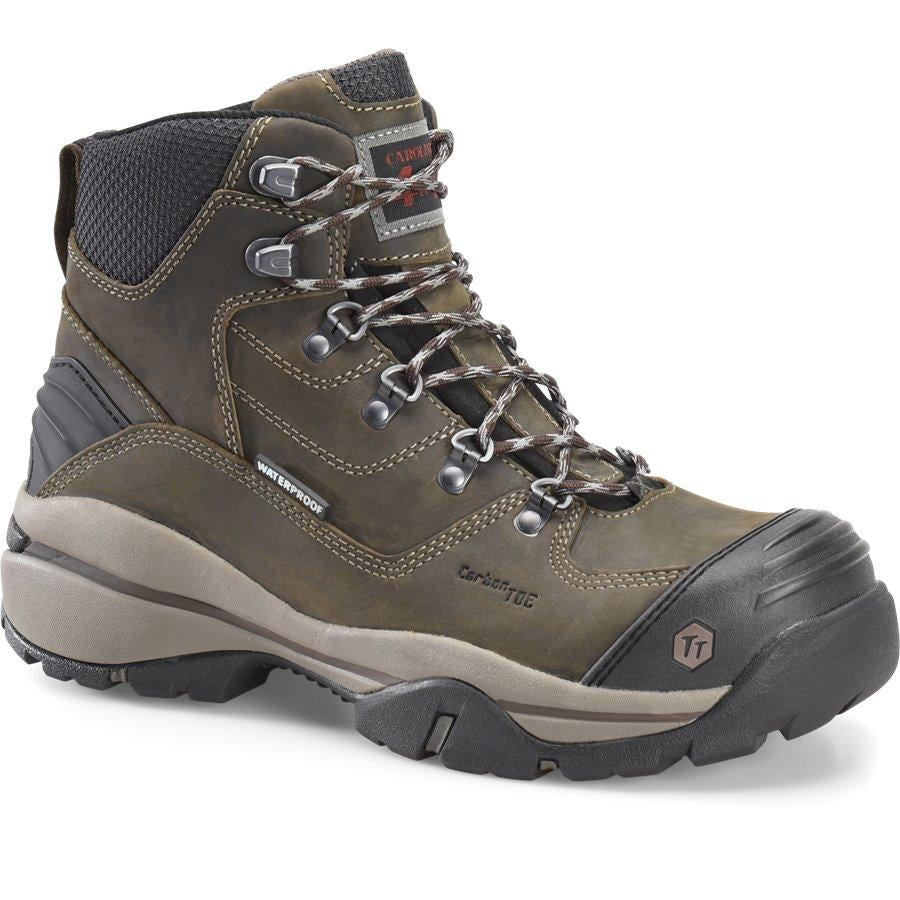
Sale price$136.67
Regular price$182.00
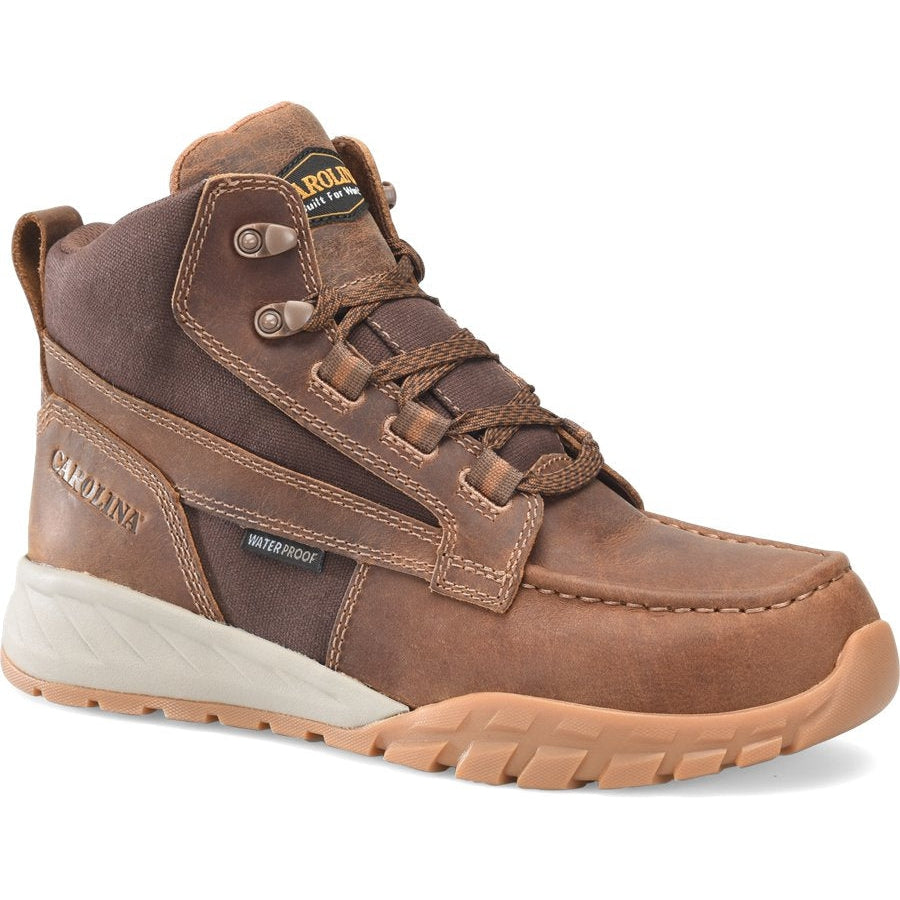
Carolina Men's Flagstone 6" Waterproof Carbon Composite Toe Hiker Work Boot CA5525
Save 7%
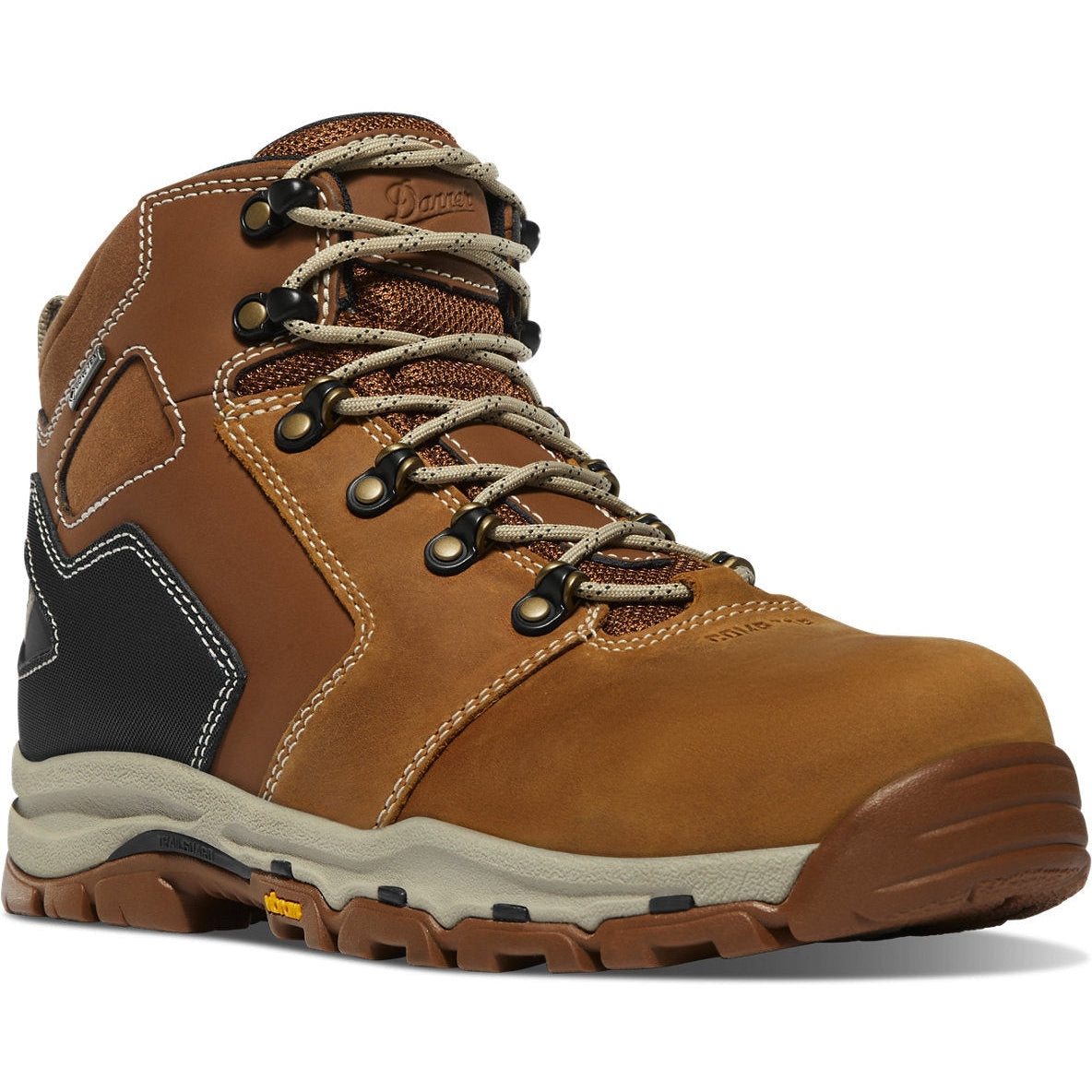
Sale price$249.95
Regular price$270.00
Danner Men's Vicious 4.5" Composite Toe Waterproof Slip Resistant Work Boot -Tan- 13886
Save 25%
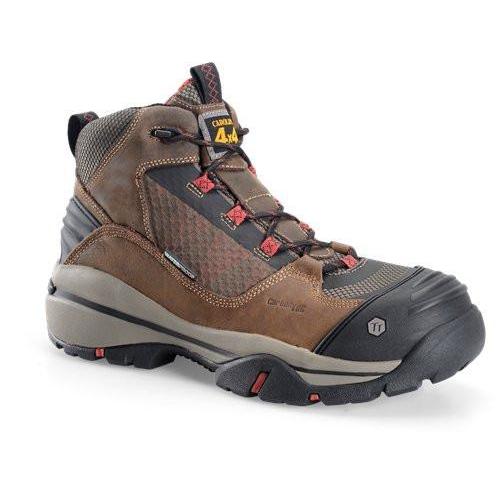
Sale price$124.67
Regular price$166.00
Carolina Men's EXT 5" Carbon Toe Waterproof Hiker Work Shoe - CA4551
Save 6%
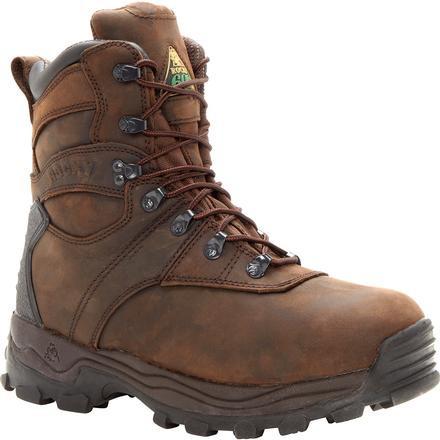
Sale price$144.99
Regular price$155.00
Rocky Men's Sport Utility Pro Waterproof Ins Hunting Boot -Brown - FQ0007480
Save 27%
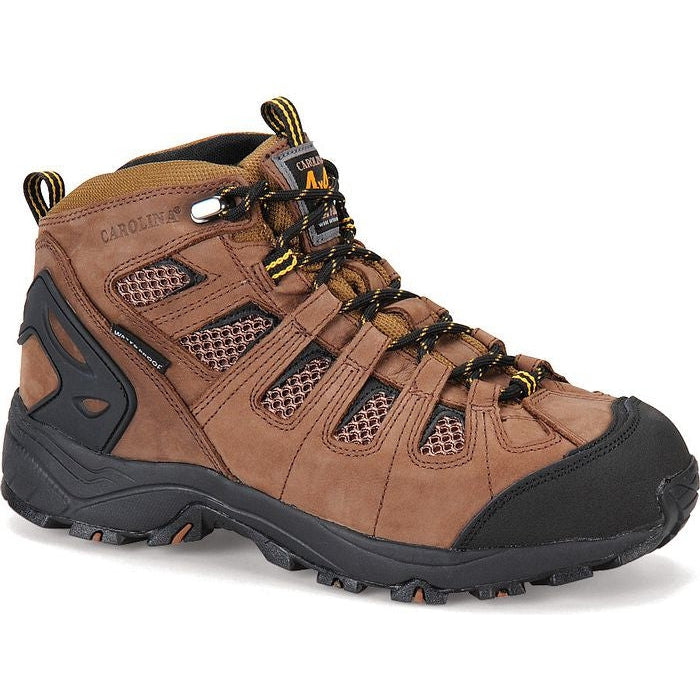
Sale price$141.67
Regular price$194.00
Carolina Men's Quad 5" Carbon Composite Toe Waterproof Hiker Work Boot -Brown- CA4525
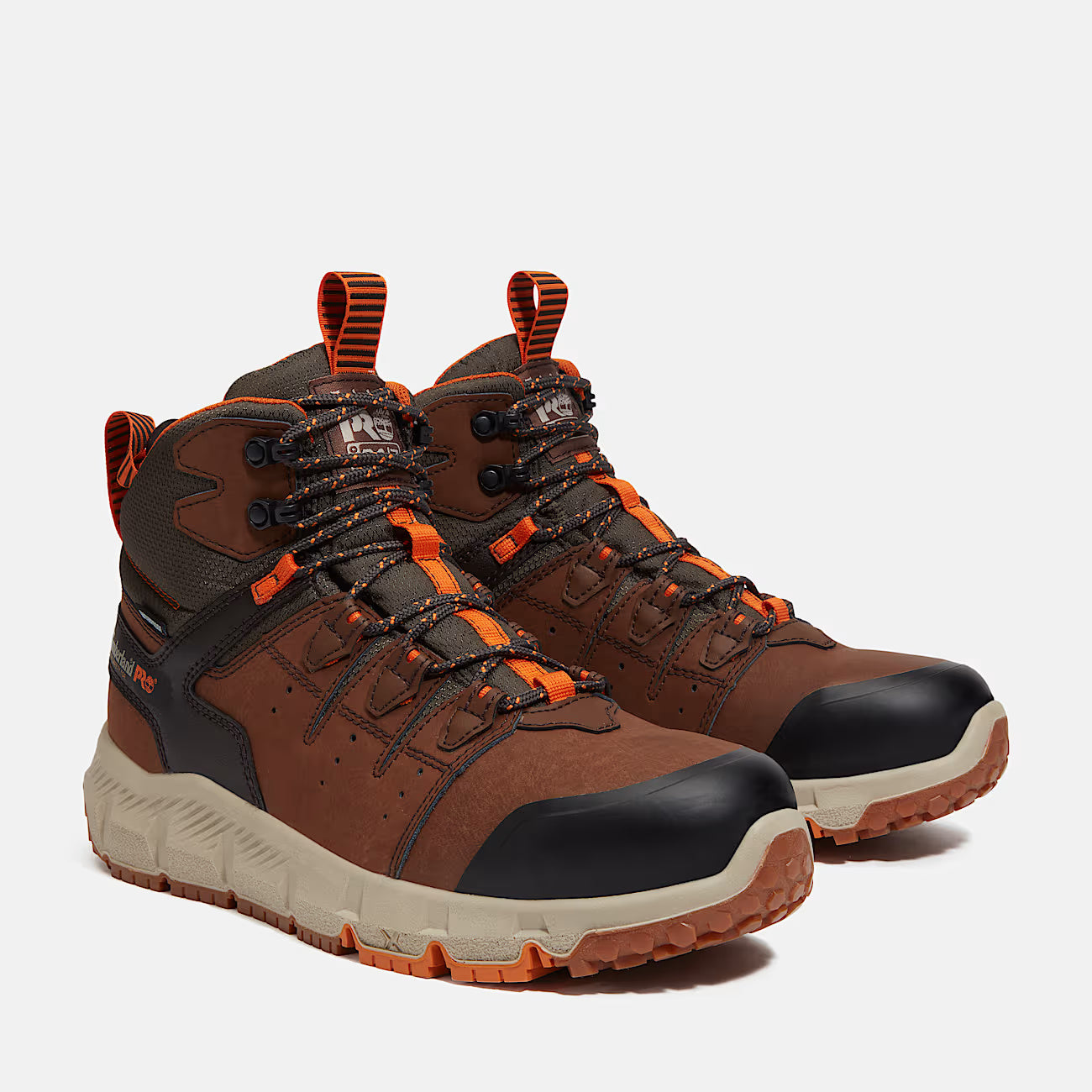
Sale price$159.95
Regular price$160.00
Timberland PRO Men's Tempe 6" Alloy Toe Waterproof Work Boot - Brown - TB0A67G3EPB
Save 7%
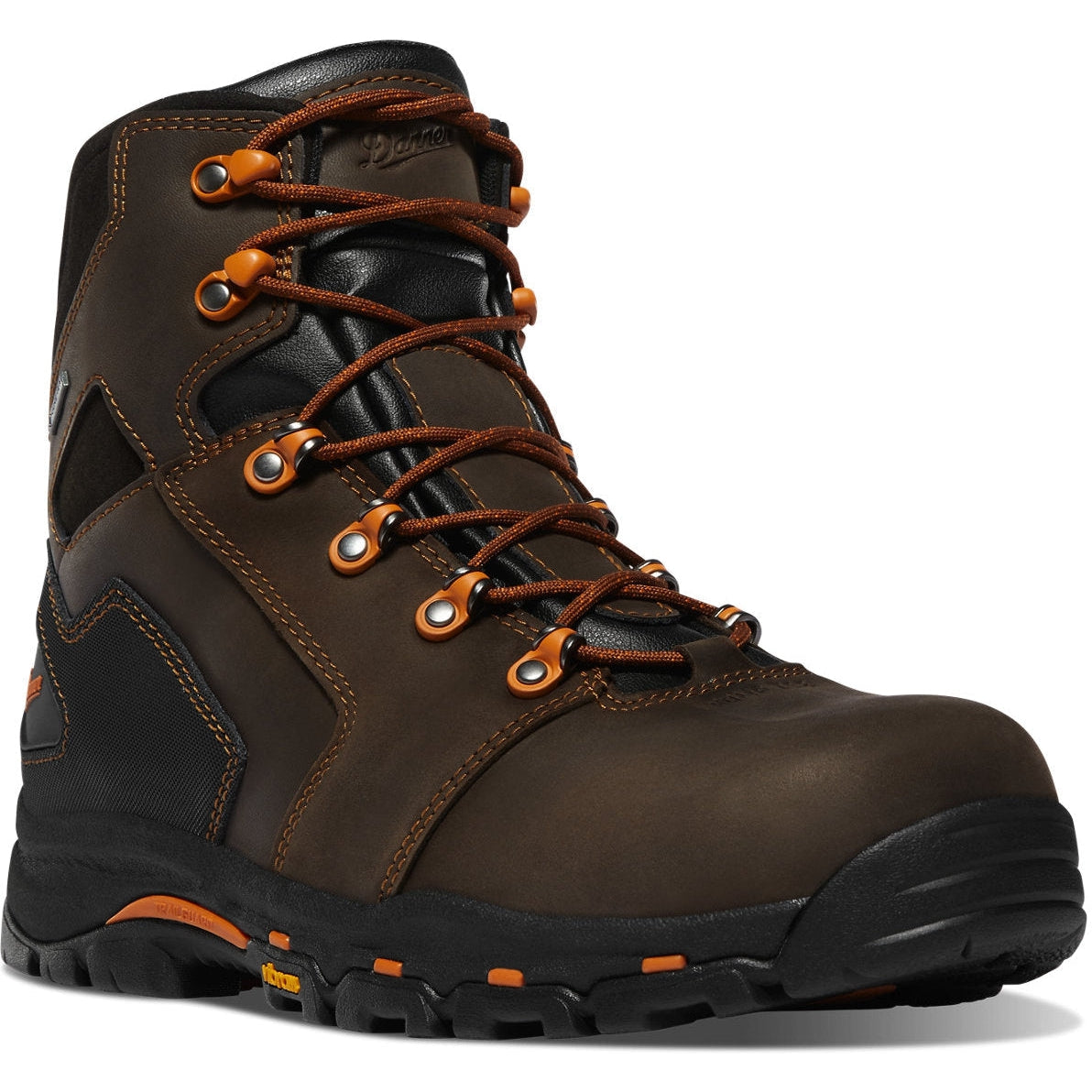
Sale price$259.95
Regular price$280.00
Danner Men's Vicious 6" Composite Toe Waterproof Slip Resistant Work Boot -Brown- 13879
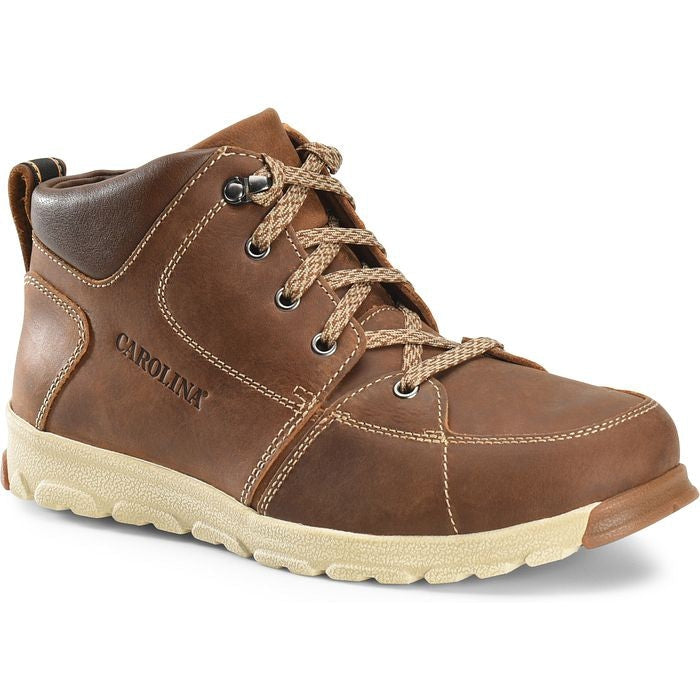
Sale price$139.99
Carolina Men's S-117 Aluminum Toe ESD Hiker Work Boot - Brown - CA5570
Save 15%
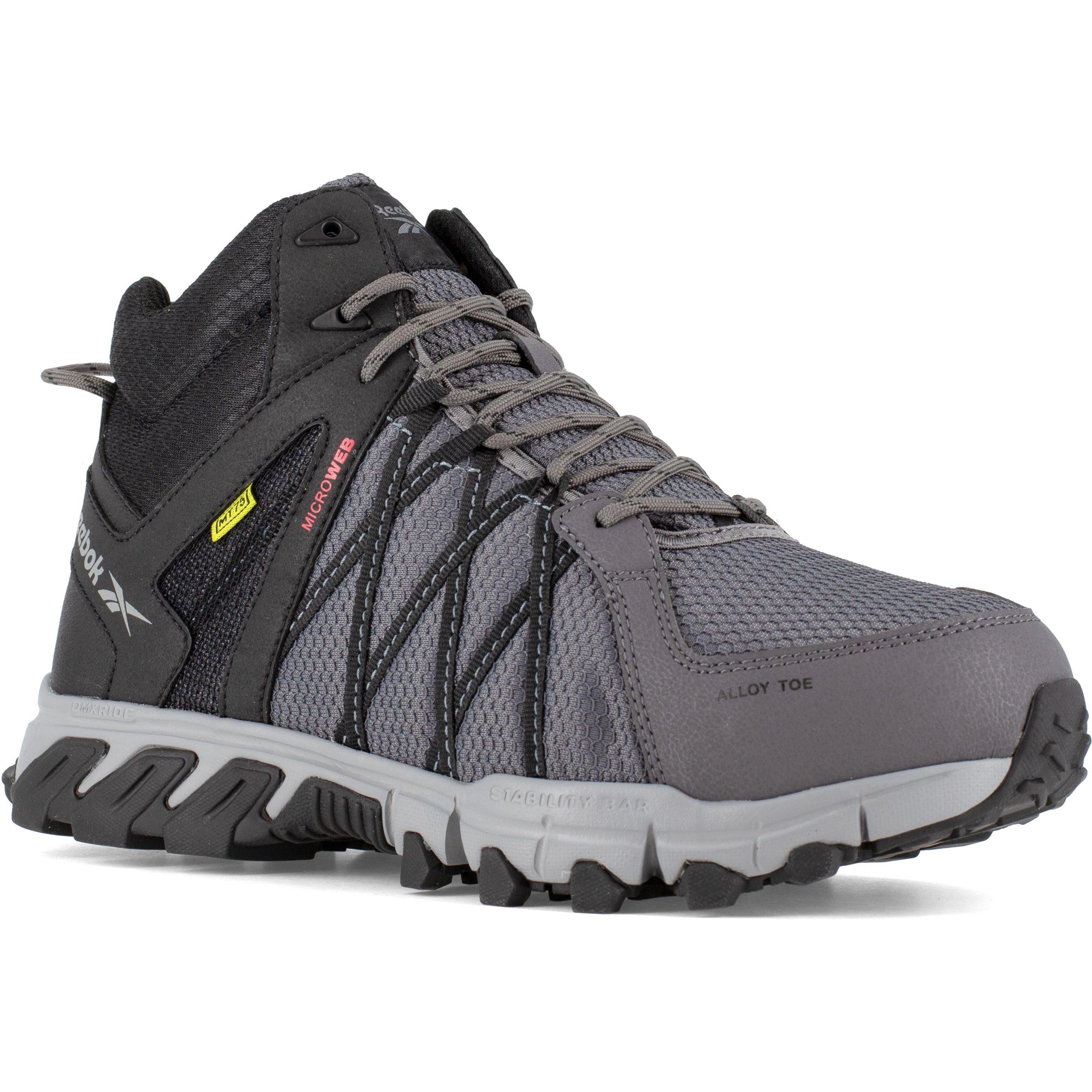
Sale price$139.95
Regular price$165.00
Reebok Men's Trailgrip Alloy Toe CushGuard Metguard Hiker Work Boot - Grey - RB3404
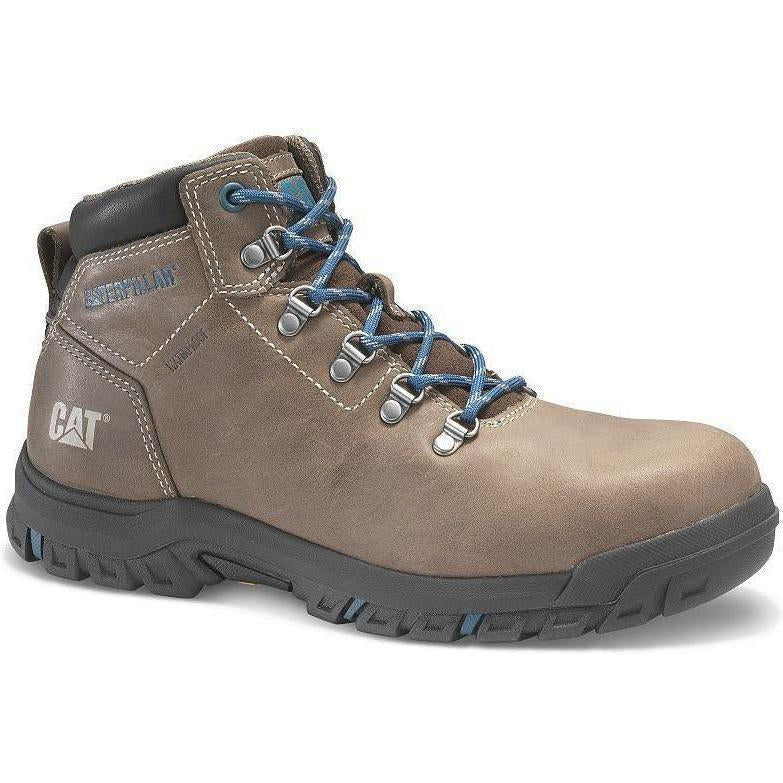
Sale price$119.95
CAT Women's Mae Steel Toe Waterproof Work Shoe - Brown - P91012
Save 7%
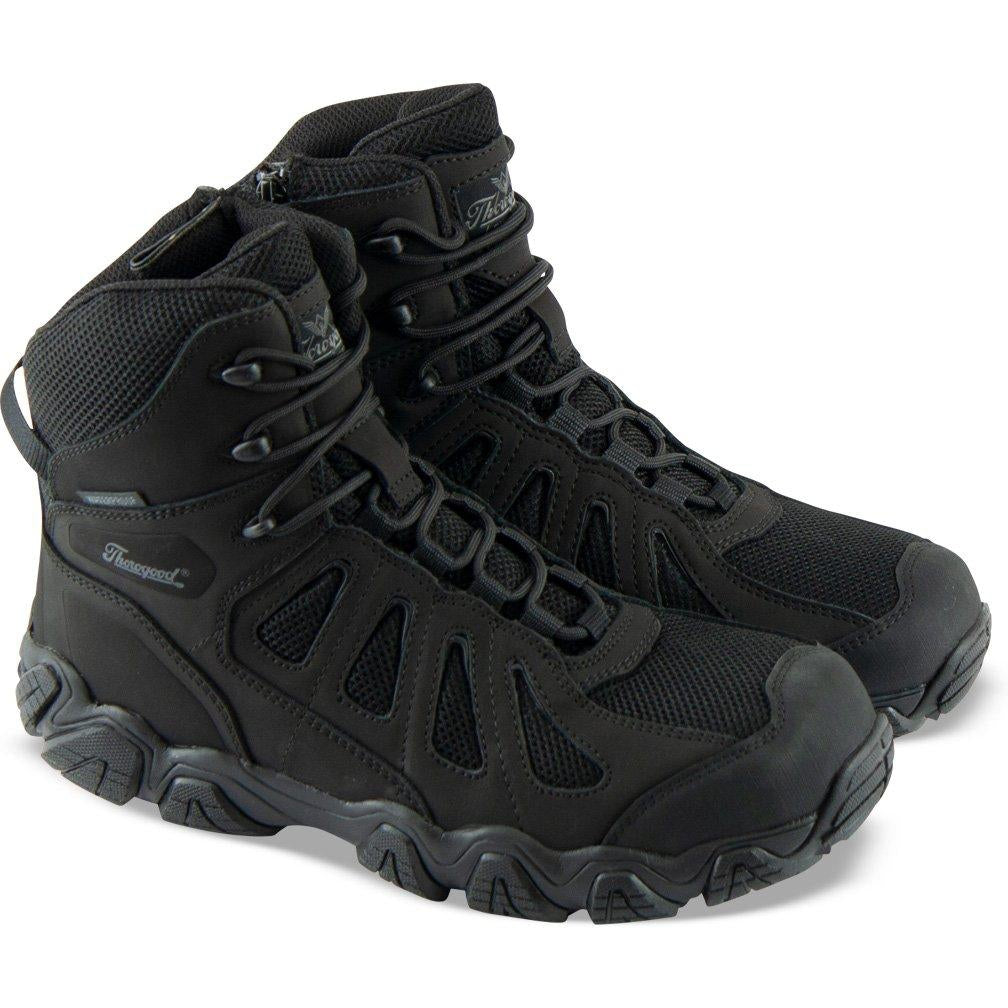
Sale price$129.95
Regular price$140.00
Thorogood Men's Crosstrex 6" Safety Toe Side Zipper Waterproof Hiker - 804-6290
Save 37%
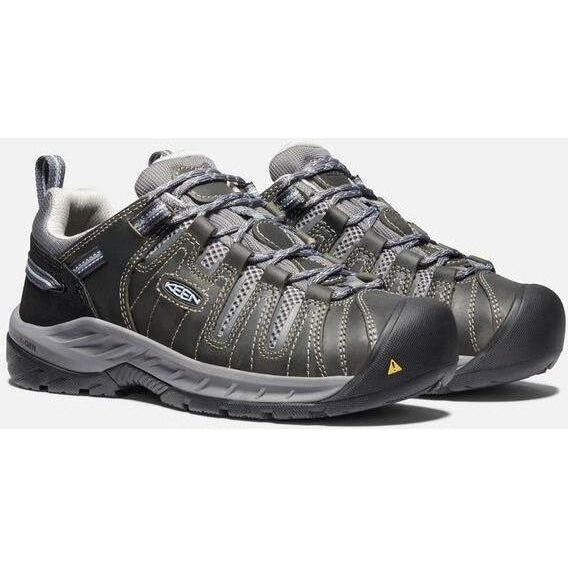
Sale price$85.67
Regular price$135.00
Keen Utility Women's Flint II Soft Toe Work Shoe - Steel Grey/Paloma - 1023253
Save 16%
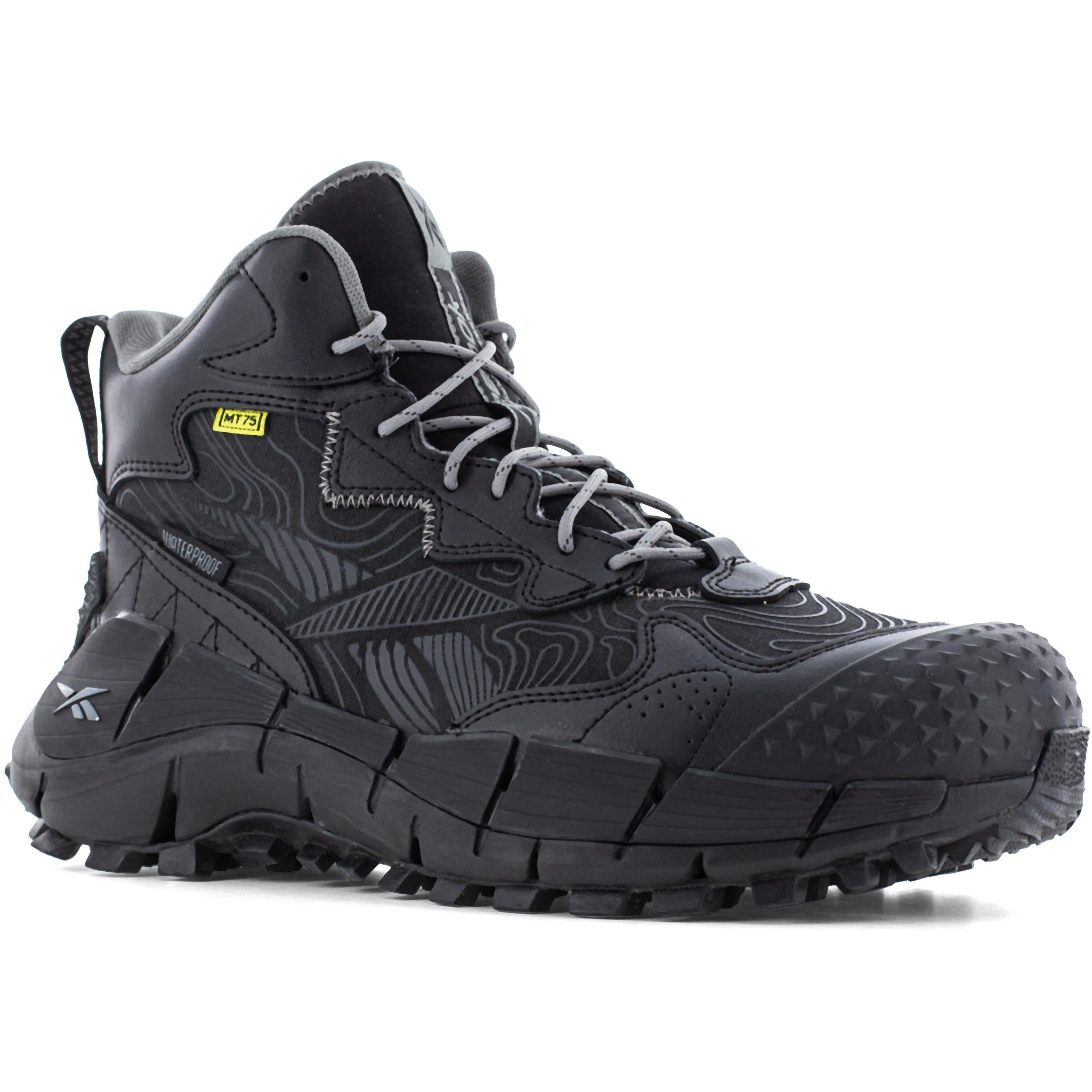
Sale price$154.95
Regular price$184.00
Reebok Men's Zig Kinetica Trail Inspired Waterproof Metguard Work Boot- Black- RB3022
Save 8%
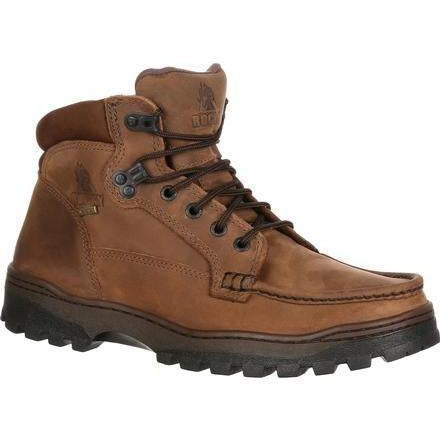
Sale price$144.99
Regular price$157.00
Rocky Men's Outback 6" Gor-Tex Waterproof Hiking Boot - Brown - FQ0008723
Frequently Asked Questions
A hiking work boot is a hybrid that pairs the athletic cut, flex, and trail traction of a hiking boot with work-boot safety features like a safety toe and a slip-resistant outsole. It sits within the broader work boots range but trades the stiff, heavy build of a traditional work boot for a lighter build on a hiking last that handles uneven ground better.
Yes, a single pair can cover both work and hiking, which is the reason this hybrid category exists. On the job site, a safety hiker gives you the safety toe, slip resistance, and support a work boot needs, and on the trail its lighter weight and flexible sole move more like a hiking boot than a stiff logger. A dedicated hiking boot still stays lighter on technical terrain, and a met-guard logger gives more coverage on the roughest sites.
Toe protection on safety hiking boots comes in four safety-rated options: composite, steel, alloy, and carbon, plus a soft-toe build for jobs with no toe-hazard requirement. Composite is the most common in this category and has a non-metallic cap. Steel toe hiking boots usually have the thinnest cap for a given impact rating and are the least expensive. Alloy, usually aluminum, is lighter than steel and thinner than composite in most builds.
Neither steel toe nor composite toe hiking boots are universally better, and the right one depends on your job. Composite caps are usually lighter, are non-metallic, and don't conduct heat and cold the way steel does, which is why hiking-forward and outdoor-trade buyers tend to prefer them. Steel costs less for the same rating and gives you a slimmer toe box, which some buyers prefer for fit. Both meet the same ASTM F2413 impact and compression requirements when they carry a safety rating.
Yes, hiking work boots are comfortable enough for all-day wear, and that is the main reason trades workers pick a safety hiker over a traditional work boot. Its lighter safety toe, flexible athletic sole, and cushioned midsole cut the foot fatigue a stiffer, heavier boot causes over a long shift on concrete or uneven ground. Comfort still comes down to getting the fit and break-in right, so size for the socks you actually wear on the job.
Safety hiking boots are worth it when you genuinely split your time between a job site and the trail, because one pair can cover both. You get the safety toe and slip resistance your job requires without buying a separate hiking boot for the weekend. If you almost never wear a safety toe off the clock, a dedicated hiking boot is the better value.
No safety toe hiking boots are OSHA-approved, because OSHA does not approve or certify individual boots. OSHA requires protective footwear to meet the ASTM F2413 standard for impact and compression where foot hazards exist, and a safety hiker carrying an ASTM F2413 rating satisfies that requirement. Check the boot's spec for the ASTM rating and any added ratings your job calls for, such as EH or metatarsal protection, since not every hiker carries every rating.
Many safety hikers offer electrical hazard protection, marked as an EH rating on the spec. An EH-rated boot is tested under the ASTM F2413 electrical hazard requirements, which apply 18,000 volts at 60 Hz for one minute in dry conditions with leakage held under 1 milliampere. That is secondary protection against accidental contact with an energized conductor, not a replacement for primary electrical PPE or lockout/tagout. Not all safety hikers are EH-rated, so confirm the rating on the specific boot rather than assuming the category.
Most of these boots break in within one to two weeks of regular wear, faster than a stiff logger or a heavy leather work boot because the hiking build and flexible sole start softer. Full-grain leather models take the longest and soften around the flex points as you wear them, while boots with more textile or an athletic upper feel close to broken-in out of the box. Wear them for progressively longer stretches before a full day on the job, and deal with a hot spot early rather than pushing through it.
Safety hikers are best suited for jobs that mix walking, uneven ground, and a real safety requirement, which is why they show up on landscaping, surveying, utility, oil and gas field, and lighter-duty construction crews. The hiking cut-and-lug outsole handles uneven ground better than a flat wedge sole, while the safety-toe and EH options cover common impact and incidental electrical hazards on those jobs. They are a weaker choice for standing water, where a taller pull-on or a dedicated waterproof boot serves better, and for the heaviest industrial floors, where a met-guard logger gives more coverage against impact across the top of the foot.