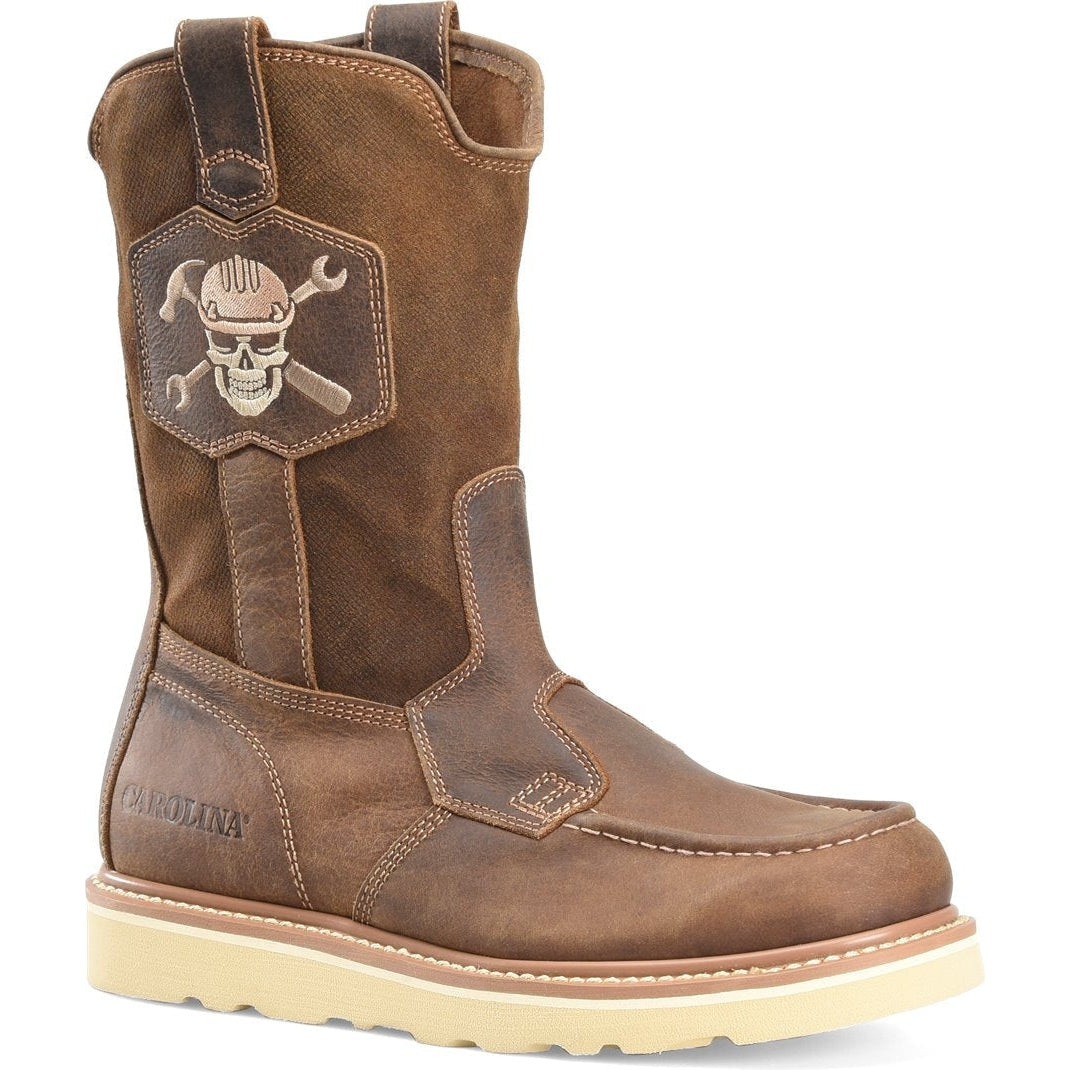
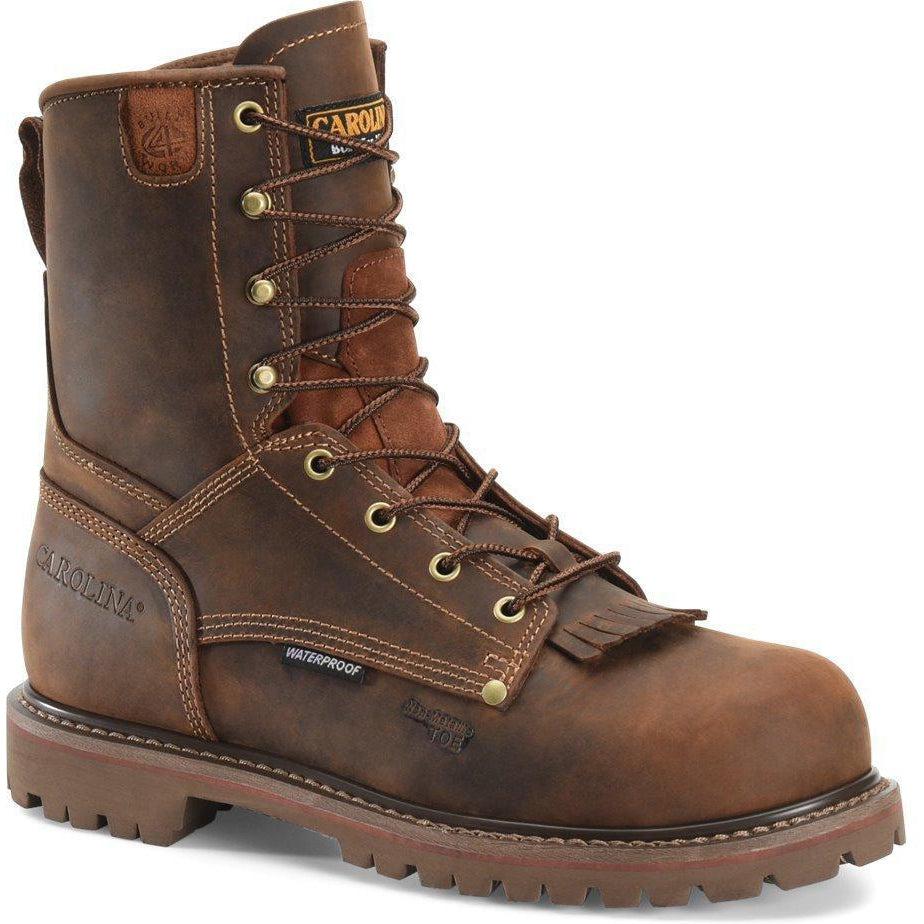
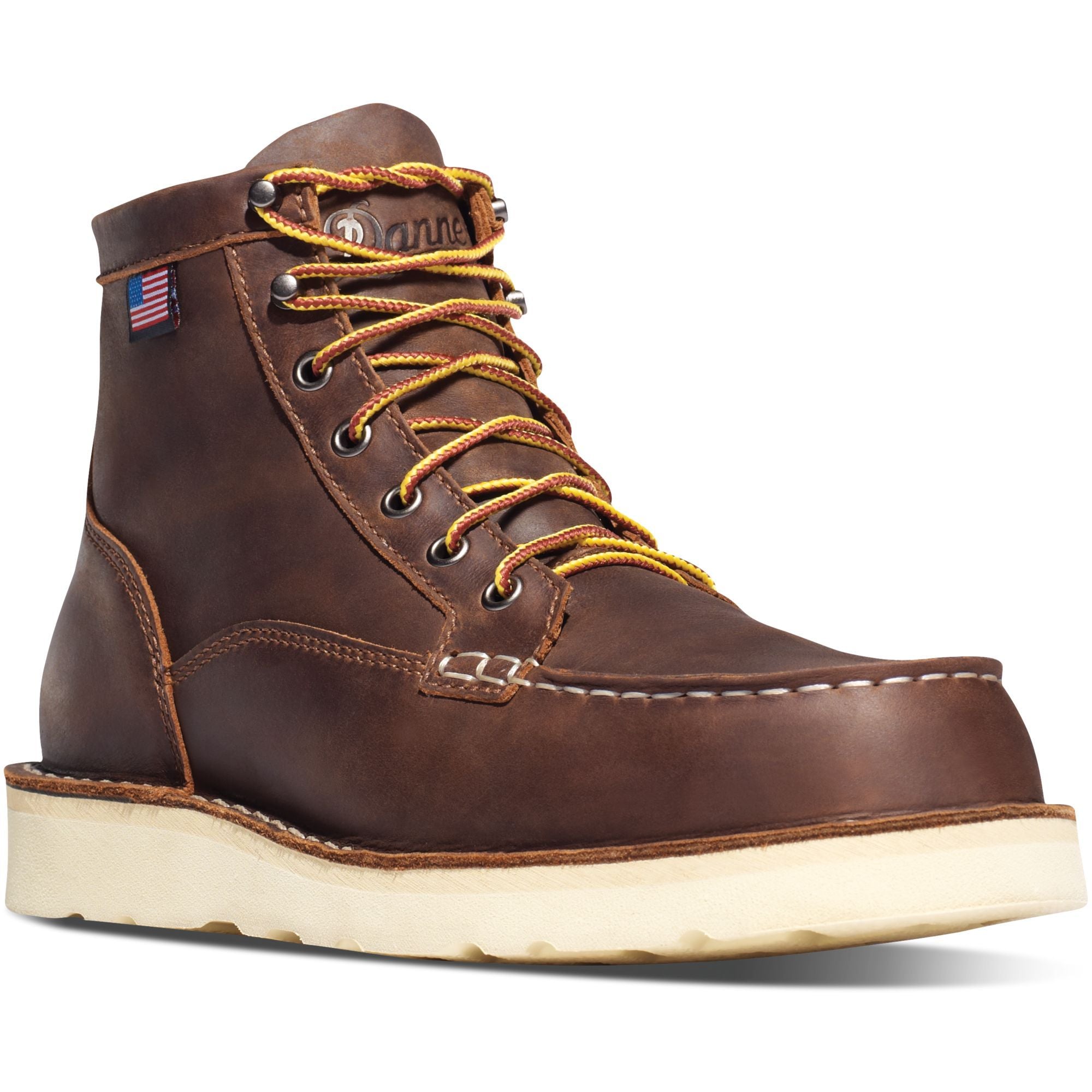
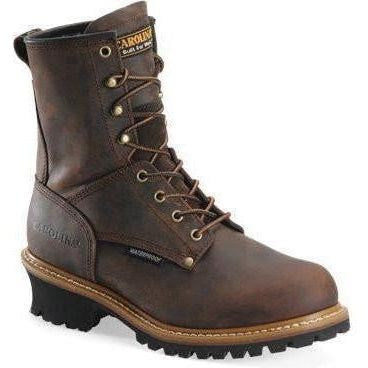

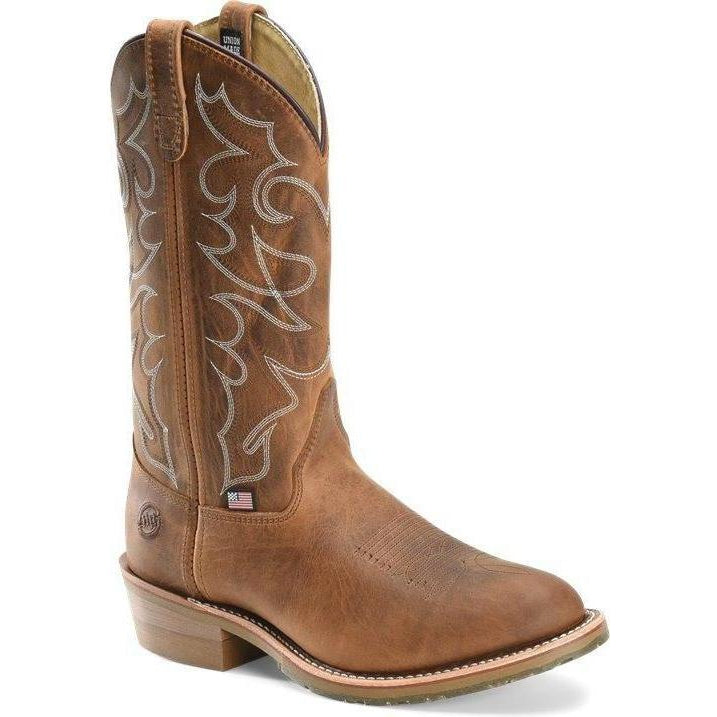

Ready to choose the right gear? Shop by function and compare our specialized Slip-Resistant Boots vs. Oil-Resistant Work Boots. This comprehensive guide cuts through the confusion, clearly defining the differences between these two critical protections and advising you on the best choice for your unique job site hazards. We'll give you the expert details: learning which outsole features are non-negotiable for traction, how specific compound formulas and tread patterns enhance grip, and what makes a boot truly durable and long-lasting. Equip your team with the ideal boot for the job, minimizing risk and maximizing comfort and stability.
What The Phrase Means
The phrase Slip-Resistant vs. Oil-Resistant Boots sets the comparison right up front. Slip-resistant boots focus on traction on wet, soapy, or polished floors. Oil-resistant boots focus on the stability of their materials when exposed to fuels and lubricants. One defends against loss of grip. The other defends against outsole breakdown. This distinction is similar to how specialty categories like roofing boots serve very specific hazard profiles.
[prc-collections-carousel]
How Slip Resistance Works
Slip-resistant boots use tread geometry and softer compounds to increase the contact surface with the floor. Deep channels move liquid away from the sole, so the rubber contacts the surface rather than a fluid film. Siping adds many biting edges for tile and polished concrete. That is why tread design and compound matter more than a single label. For context on non-slip design, see our site guide to non-slip shoes.
How Oil Resistance Works
Oil-resistant boots use compounds that will not swell, soften, or delaminate when exposed to petroleum products. If a sole soaks up oil, it can change shape and wear prematurely. An oil-resistant outsole extends tread depth and evacuation geometry, keeping the boot safer in oily settings.
When To Choose Each
Choose slip-resistant boots when wet floors, food spills, mop water, or polished concrete are the main hazards. This category fits kitchens, hospitals, and many food service roles.
Choose oil-resistant boots when fuels, hydraulic oil, diesel, or heavy lubricants are common. This category fits mechanics, maintenance technicians, oilfield workers, and some warehouse roles.
Many workplaces expose you to both hazards at the same time. If you regularly move between wet and oily surfaces, start by comparing work boots built for slick, oily floors and then check the outsole compound, tread design, and safety features that match your job.
Read product specifications and user reviews carefully, because real-world traction can vary depending on the outsole compound and the surface you're working on.
What To Look For In Construction
Look for construction features that extend life and safety. A Goodyear welt or storm welt lets a boot be resoled and repaired. Steel-toe options add impact protection where needed. Waterproof membranes keep feet dry and protect internal linings from oil and grime. US-sourced leather often has a tighter grain and will last longer with proper care.
If a product page cites a named outsole or test method, that is a good signal. When you see named outsoles like MAXWear, Wyatt90, or Vibram that are described as oil and slip-resistant, that is useful to note. For example, the Thorogood American Heritage wedge shows MAXWear wedge features and resolable construction.
Our Recommended Picks
Below are three slip-focused picks and three oil-focused picks you can use as a starting point. I list the model name and one key feature to help shoppers decide. Product pages are on our site for full specs.
Slip-Resistant
Thorogood American Heritage 8" Wedge

Goodyear style storm welt and MAXWear wedge outsole deliver reliable slip resistance on wet and polished floors. Full-grain leather upper, cushioned footbed, and shock-absorbing midsole offer all-day comfort. Resole-friendly construction helps preserve traction and extend the boot’s service life in high-traffic settings.
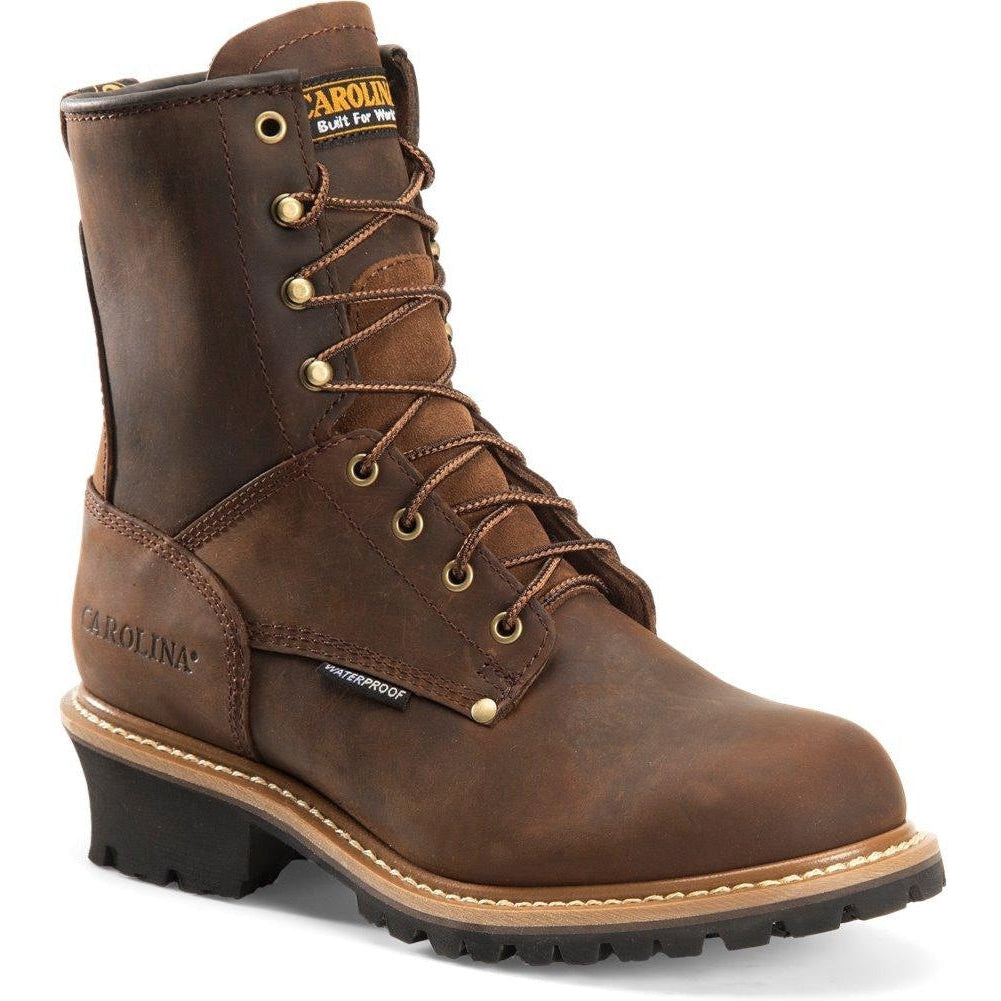
Carolina Ironhide Composite Toe Hiker CA5553

Waterproof membrane and composite toe protect against moisture and impact. Slip-resistant lug outsole grips wet concrete, tile, and uneven outdoor surfaces. Removable cushioned insole and supportive shank reduce fatigue on long shifts. Reinforced stitching and tough leather stand up to abrasive, multi-surface work.
Danner Cedar River 8" Aluminum Toe

Vibram slip-resistant outsole provides steady traction on wet and oily surfaces while preserving tread life. Lightweight aluminum safety toe reduces weight without sacrificing protection. Waterproof membrane and full-grain leather upper offer weather resistance and breathability. Durable midsole and secure fit keep feet stable during long shifts.
Oil-Resistant
Rocky MobiLite 8" Steel Toe Waterproof

Engineered oil-resistant outsole resists petroleum breakdown and features deep lugs for reliable traction. Steel toe meets impact needs while MobiLite technology lowers overall weight. Waterproof membrane seals out moisture. Removable cushioning footbed and flexible midsole reduce fatigue during extended, oily work conditions.
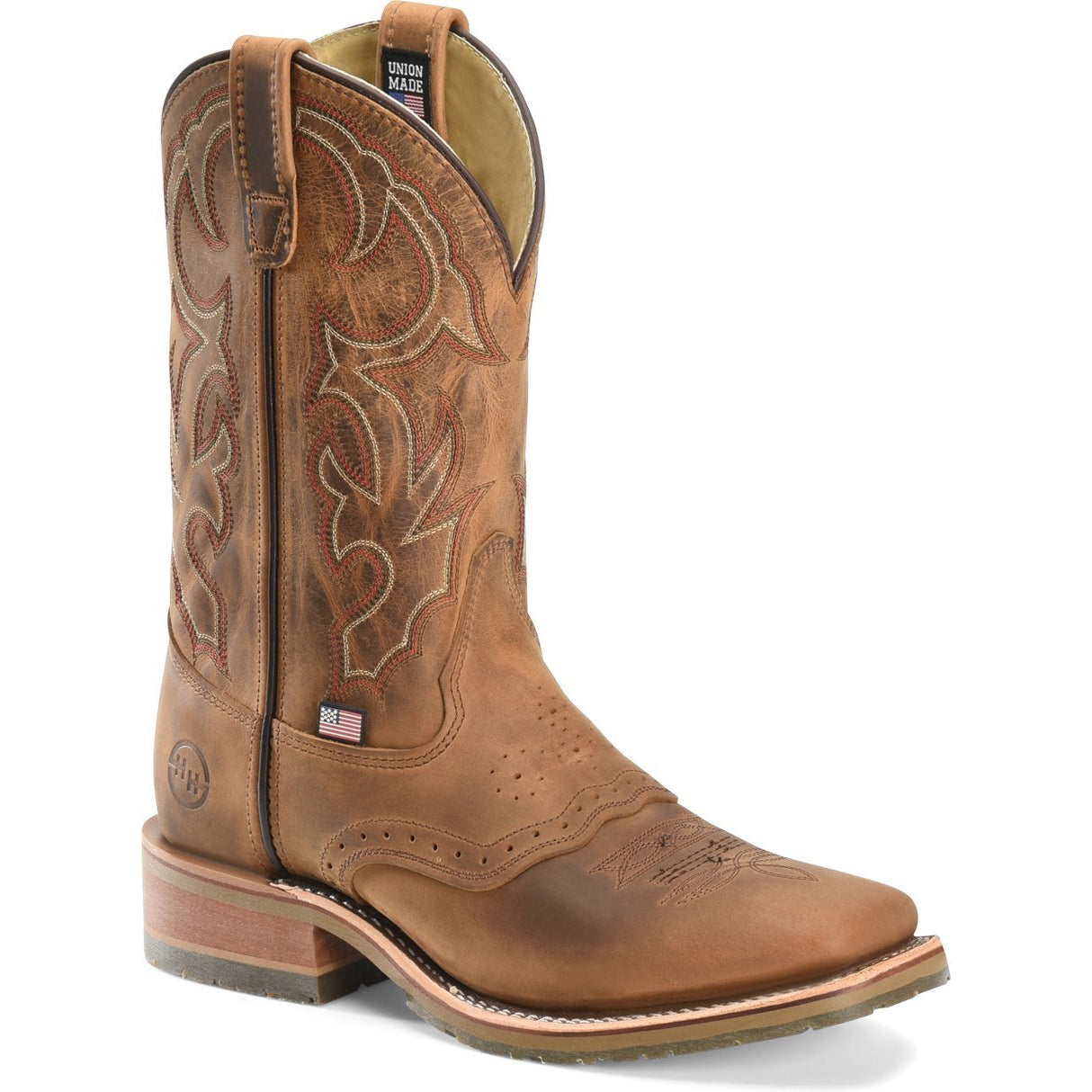
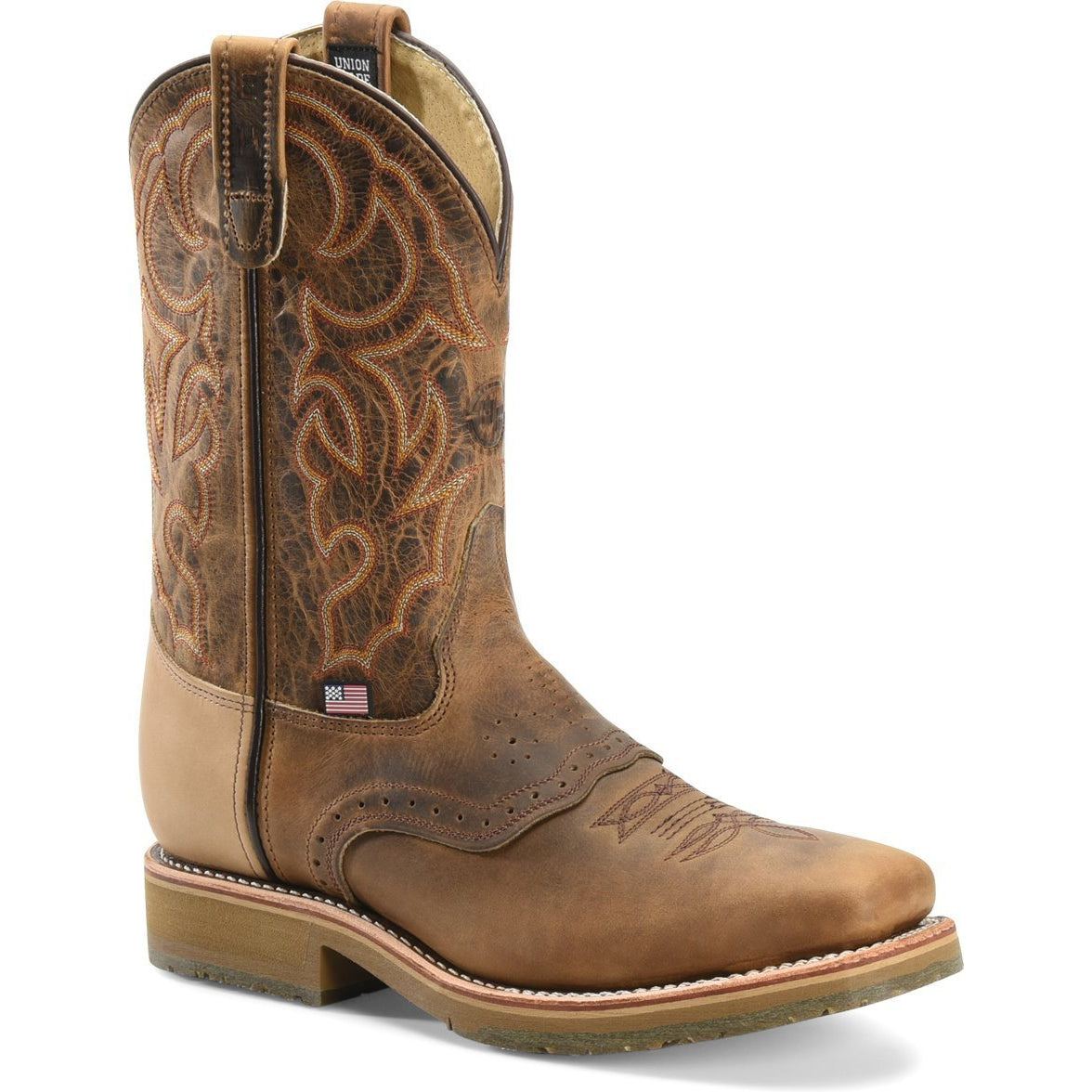
Double H Jase 11" Square Toe DH3560

USA-made full-grain leather uppers pair with oil-resistant lug outsoles built for heavy use and abrasion. Square toe profile provides extra room and comfort. A supportive midsole and a reinforced heel counter improve stability. Repair-friendly construction and sturdy stitching help extend service life on demanding job sites.
Thorogood American Heritage 11" Wellington

Tall Wellington profile with resole-friendly welt construction and Wyatt90 outsole that balances slip and oil resistance for mixed hazards. Full-grain leather upper with pull-on tabs for easy wear. Contoured footbed and shock-absorbing midsole provide comfort across shop and outdoor environments during long shifts.
Care, Inspection, And Longevity
Clean soles often. Remove oil film and grit with mild soap and a stiff brush. Do not use solvents that attack rubber compounds. Inspect tread depth and look for soft spots, cracking, or delamination. If the tread is worn flat or the compound has softened, replace or resole the boot.
Choosing boots with resolable construction, such as Goodyear welt, adds long-term value. A resolable boot usually costs more up front but can last many seasons when cared for.
[prc-collections-carousel]
Sustainability And Responsible Sourcing
Overlook Boots emphasizes the longevity and repairability of materials as part of responsible practice. Using US-sourced leather and repair-friendly welt construction reduces the need for frequent replacement. That lowers lifecycle waste and gives you a better return on your purchase. Repairable boots are the practical, sustainable choice for both workers and the planet.
Quick Buying Checklist
- Identify the dominant hazard at your site.
- Prioritize slip-resistant boots for wet, polished floors.
- Prioritize oil-resistant boots for petroleum exposure.
- Favor Goodyear welt or resolable options to extend service life.
- Check for steel-toe protection, a waterproof membrane, and user reviews for your floor type.
Slip-Resistant vs. Oil-Resistant Boots is an easy decision once you map hazards to outsole properties and construction.
Frequently Asked Questions
Can a Boot be Both Slip-Resistant and Oil-Resistant?
Yes. Some outsoles are formulated to provide both traction on wet surfaces and resistance to petroleum-based liquids. Check product claims and test data to verify performance on the specific floor types you use.
How Do Manufacturers Test Slip Resistance?
They use lab tests and tribometer measurements that report the coefficient of friction on defined surfaces such as polished tile or stainless steel. Look up the cited test method or surface to determine which conditions the claim covers.
How Should I Clean And Maintain Slip-and-Oil-Resistant Soles?
Clean with mild soap and a stiff brush to remove oil film and debris, so the tread channels work properly. Avoid solvents that can soften or swell the compound, and inspect soles regularly for cracks or tread wear.
How Long Will Slip-Resistant or Oil-Resistant Boots Last?
Service life depends on exposure, use, and construction. Boots with resolable Goodyear welt construction and high-quality US-sourced leather last longer when cared for. Replace or resole when the tread is worn flat or the outsole shows chemical damage.