Save 11%
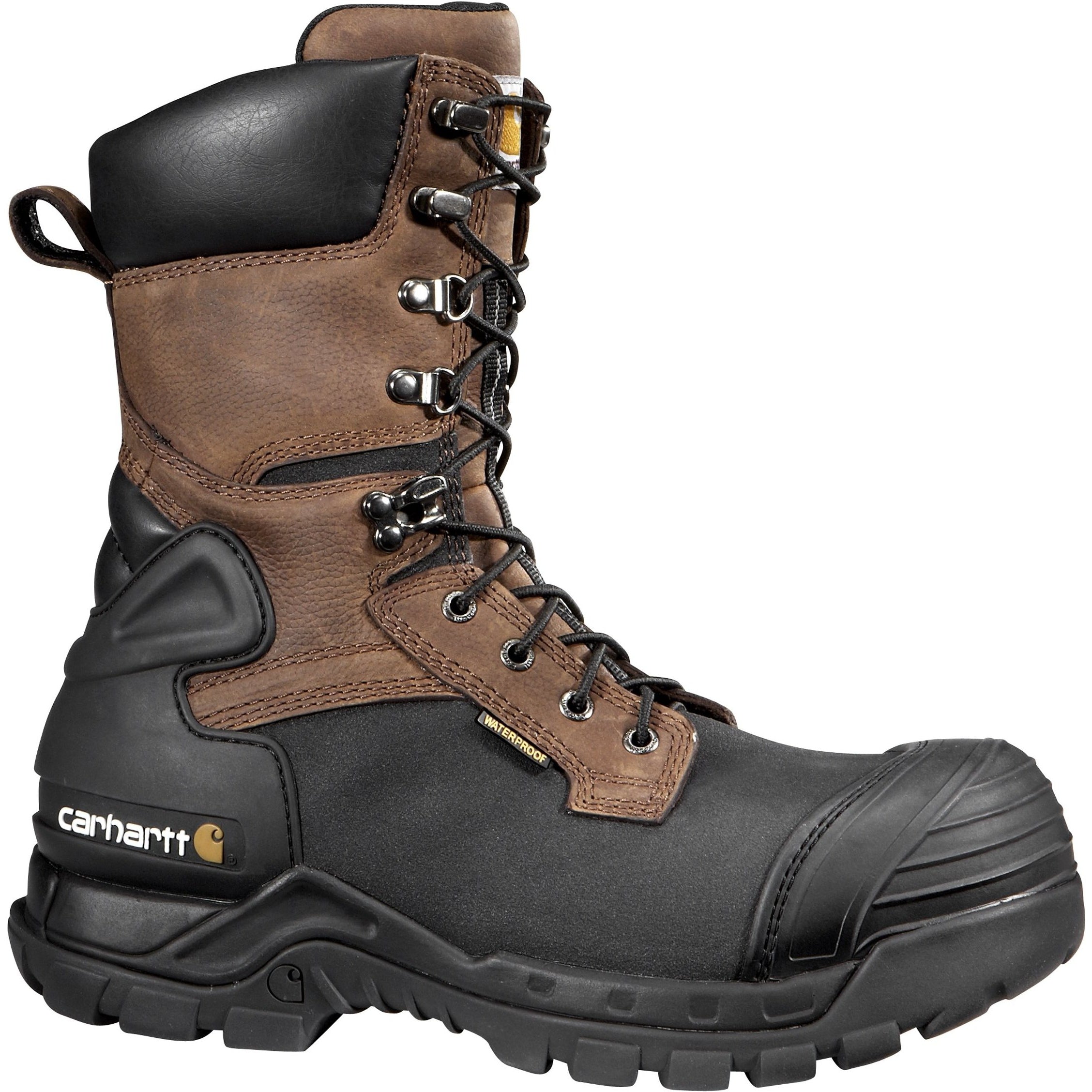
Sale price$239.19
Regular price$270.00
Carhartt Men's 10" Composite Toe Ins Waterproof Pac Work Boot - Brown - CMC1259
Save 7%
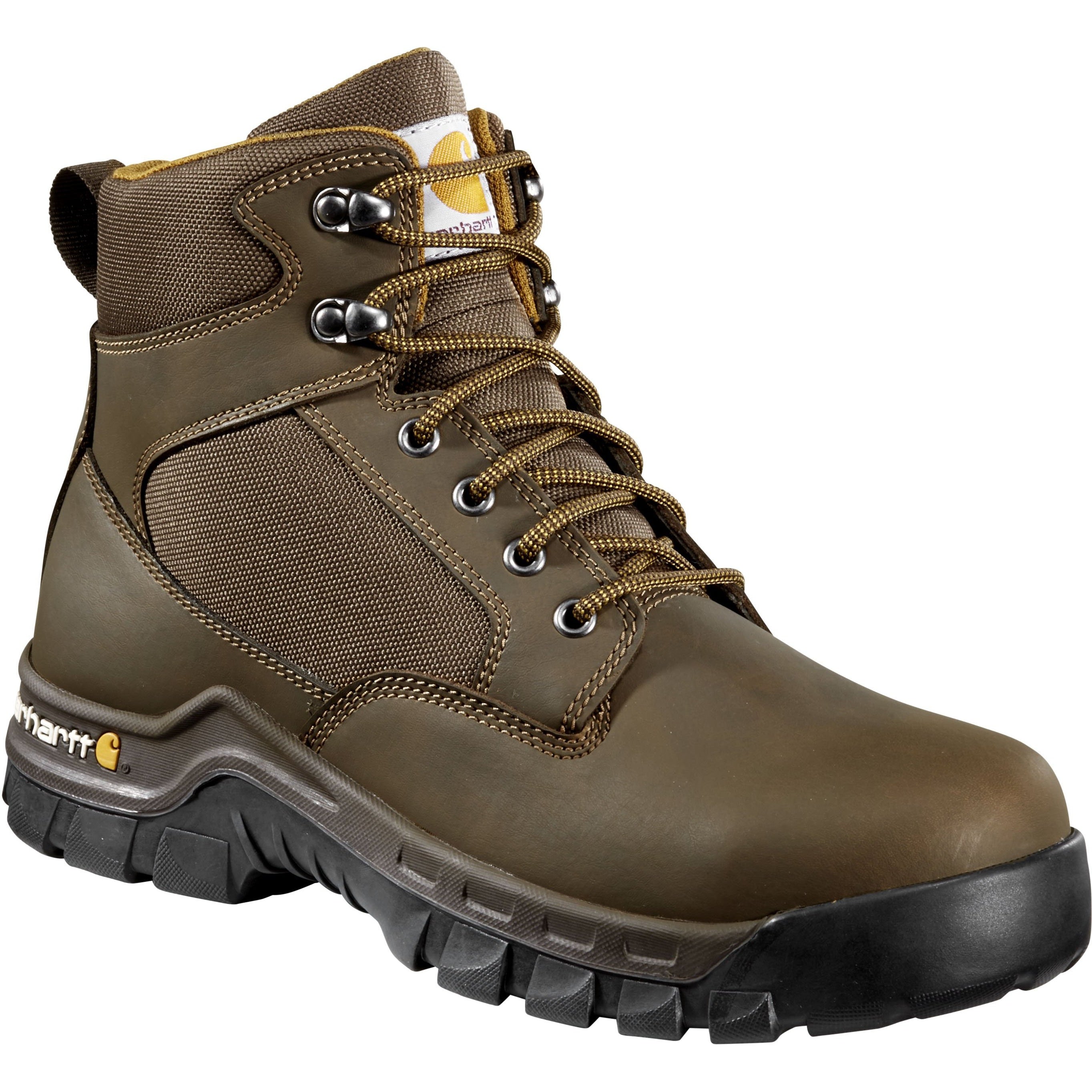
Sale price$109.99
Regular price$118.00
Carhartt Men's Rugged Flex 6" Steel Toe Work Boot - Brown - CMF6284
Save 8%
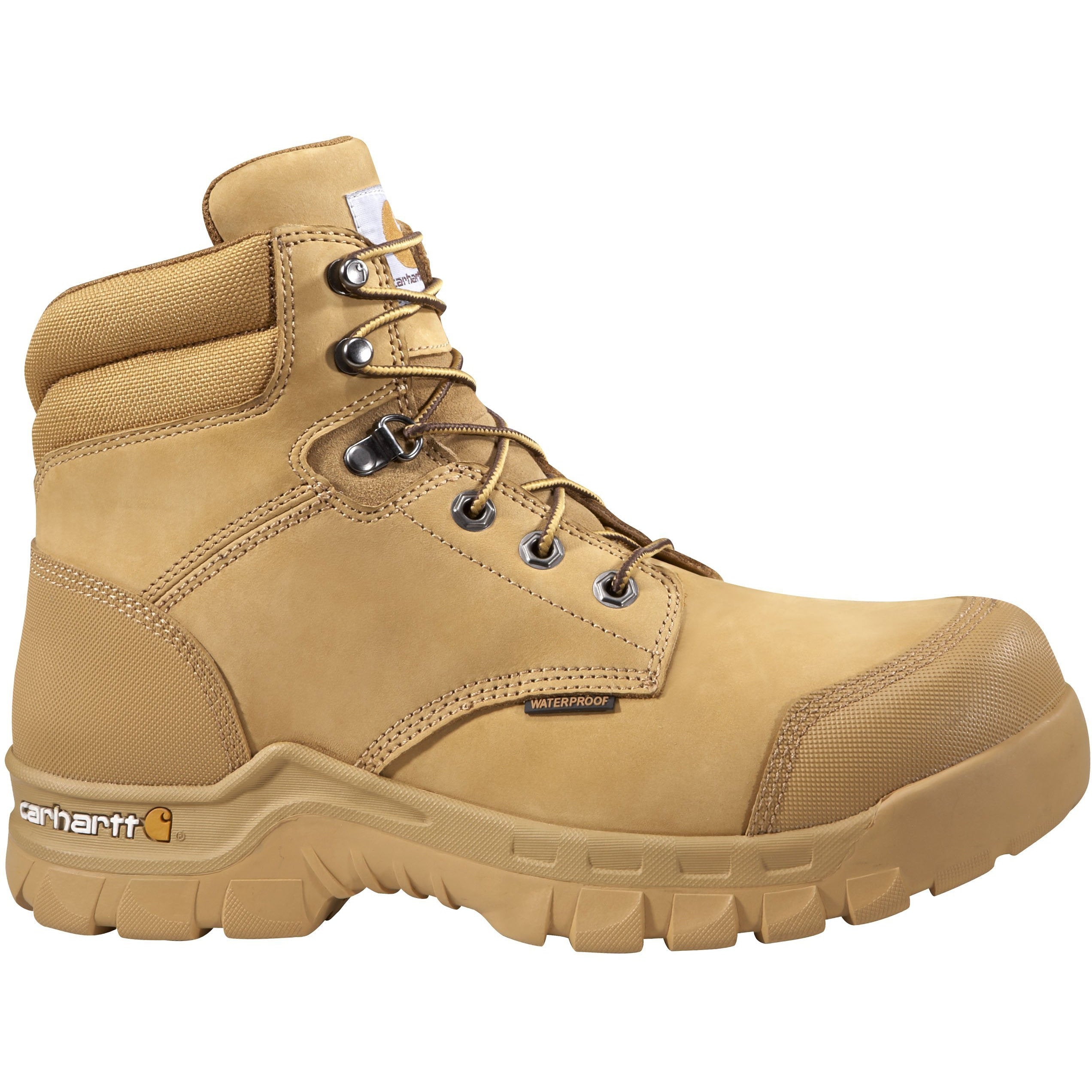
Sale price$165.59
Regular price$179.99
Carhartt Men's Rugged Flex 6" Composite Toe Waterproof Work Boot - Wheat - CMF6356
Save 8%
Sale price$193.19
Regular price$209.99
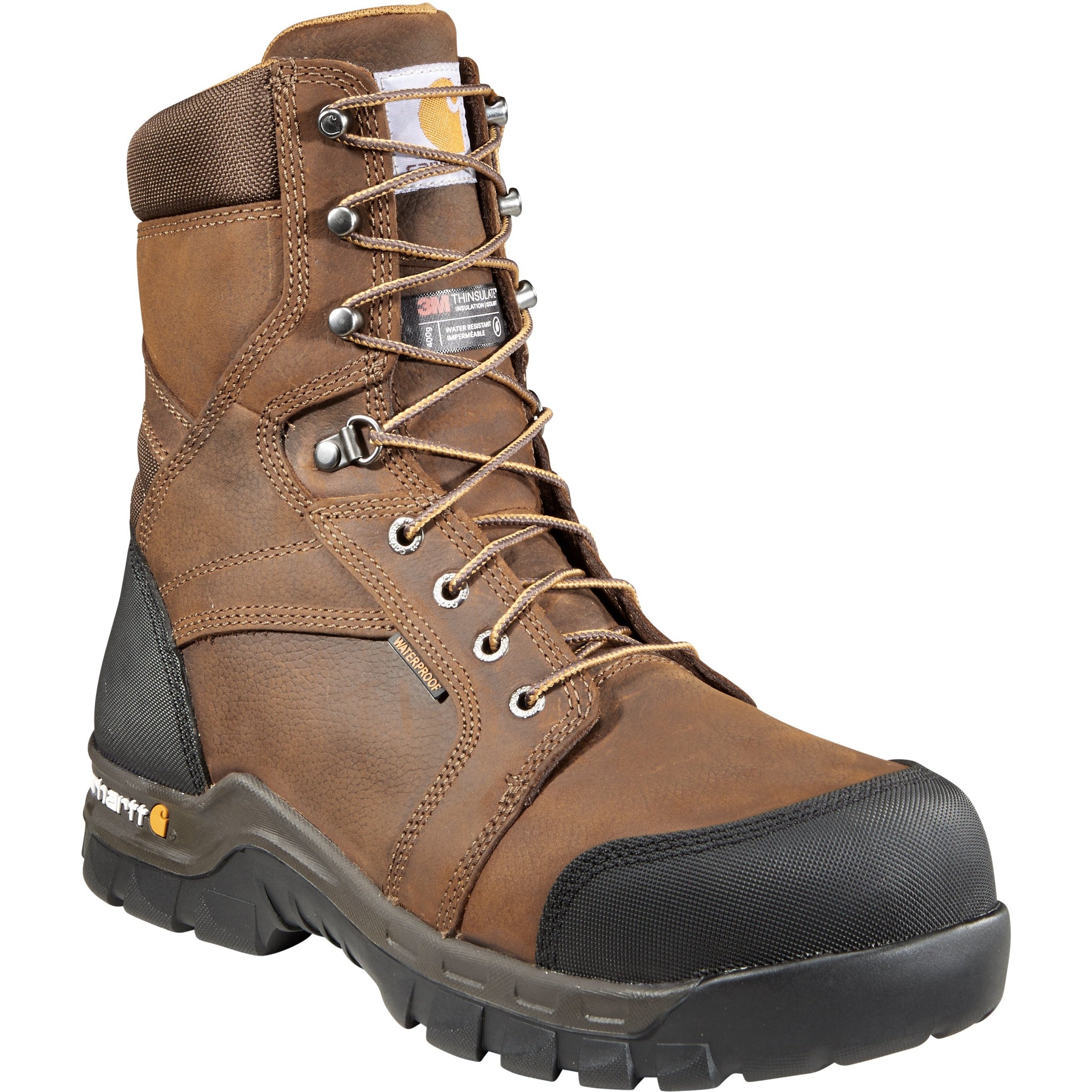
Carhartt Men's Rugged Flex 8" Composite Toe Ins Waterproof Work Boot Brown CMF8389
Save 8%
Sale price$197.79
Regular price$214.99
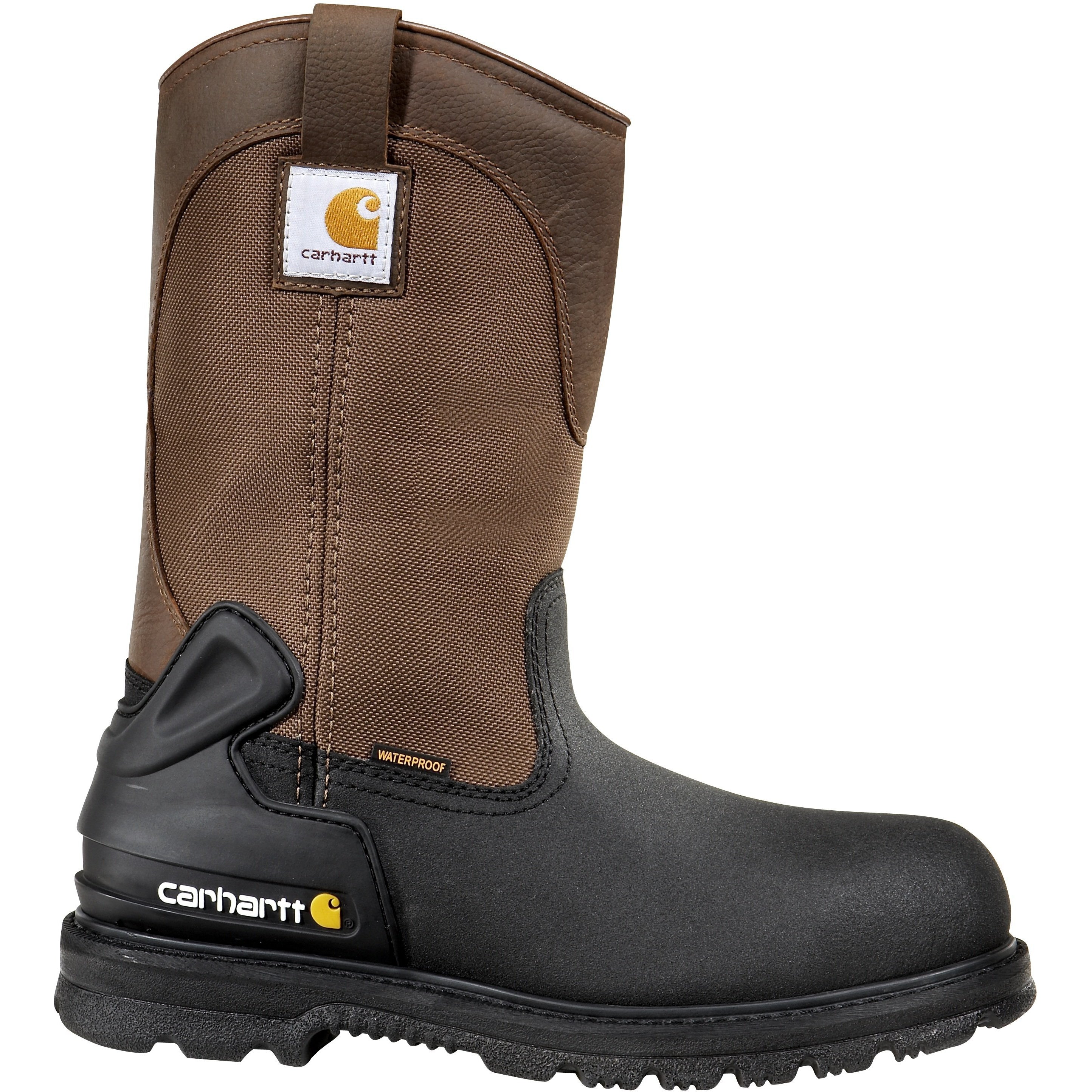
Carhartt Men's 11" Steel Toe Ins Waterproof Wellington Work Boot Brown CMP1259
Save 13%
Sale price$174.79
Regular price$201.50
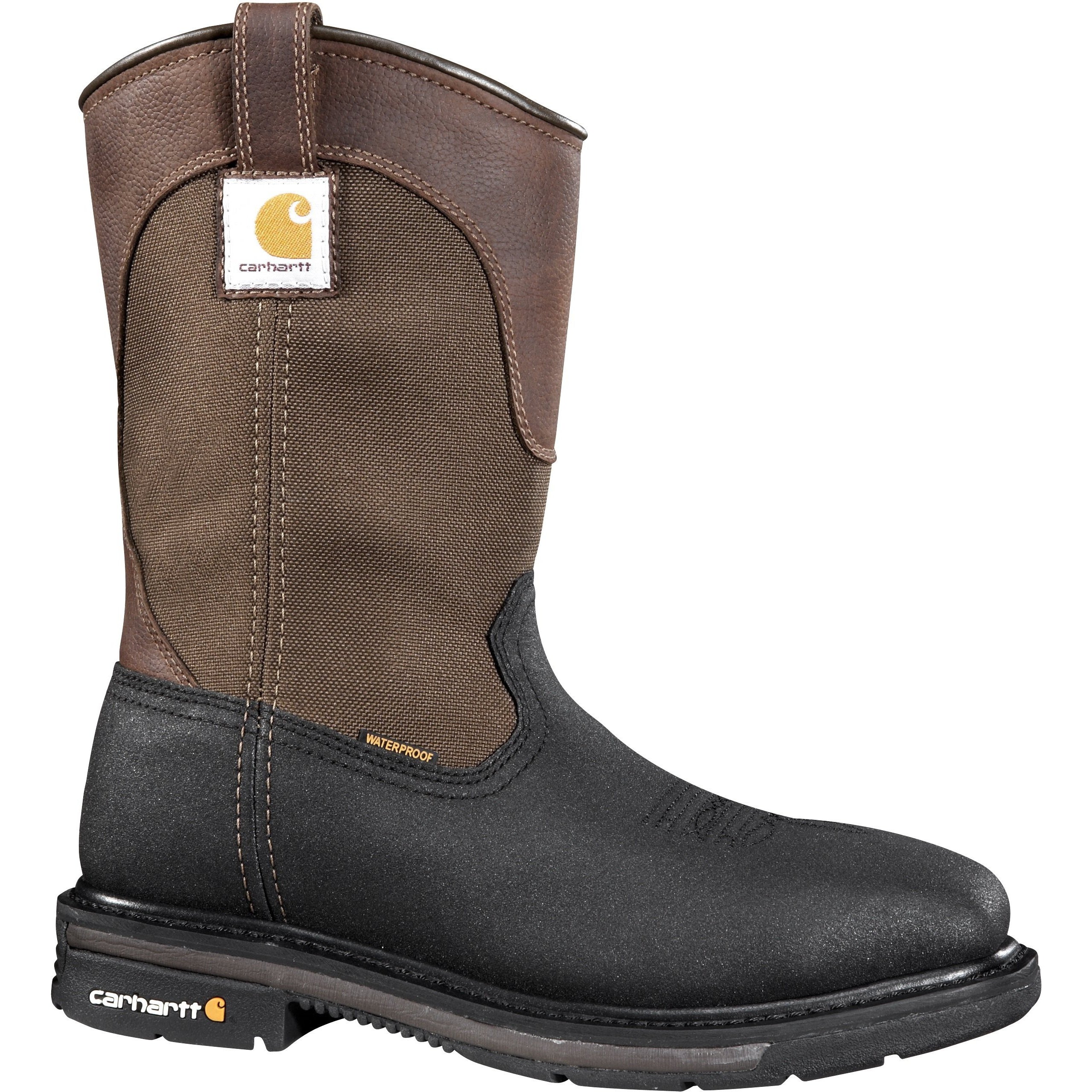
Carhartt Men's Rugged Flex 11" Square Steel Toe Waterproof Well. Work Boot CMP1258
Save 8%
Sale price$193.19
Regular price$209.99
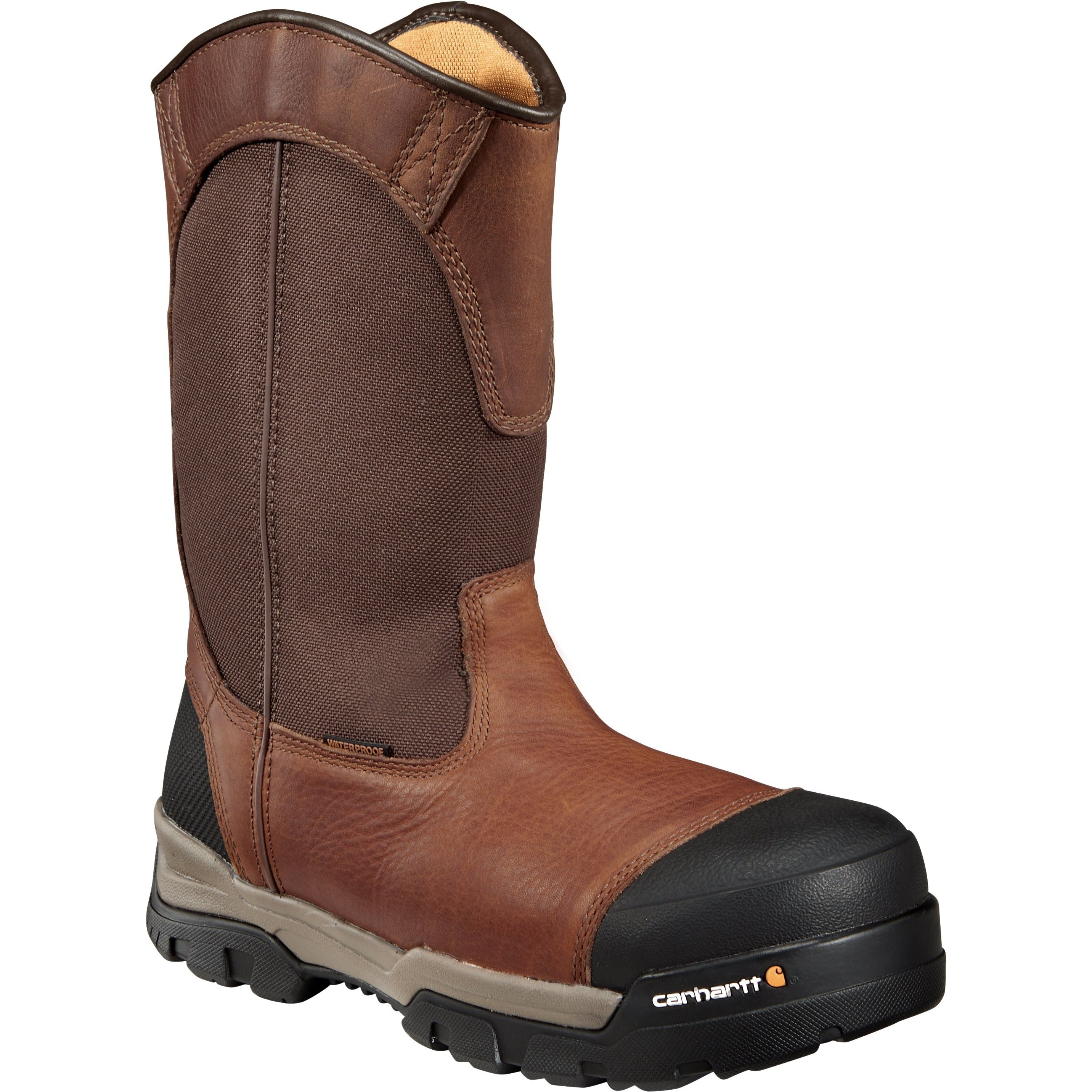
Carhartt Men's Ground Force 10" Composite Toe Waterproof Wellington Work Boot CME1355
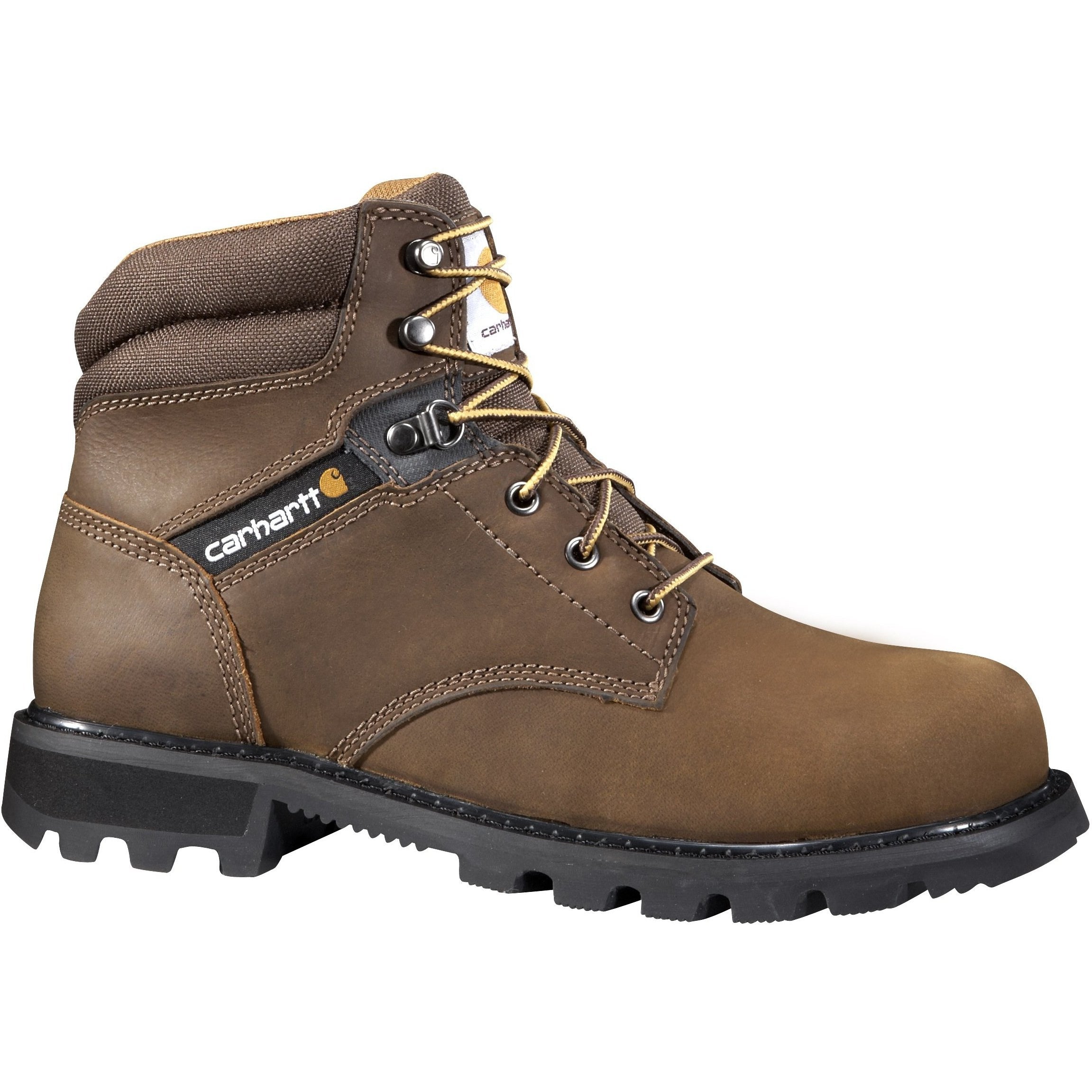
Sale price$149.99
Carhartt Men's 6" Steel Toe Work Boot - Brown - CMW6274
Save 9%
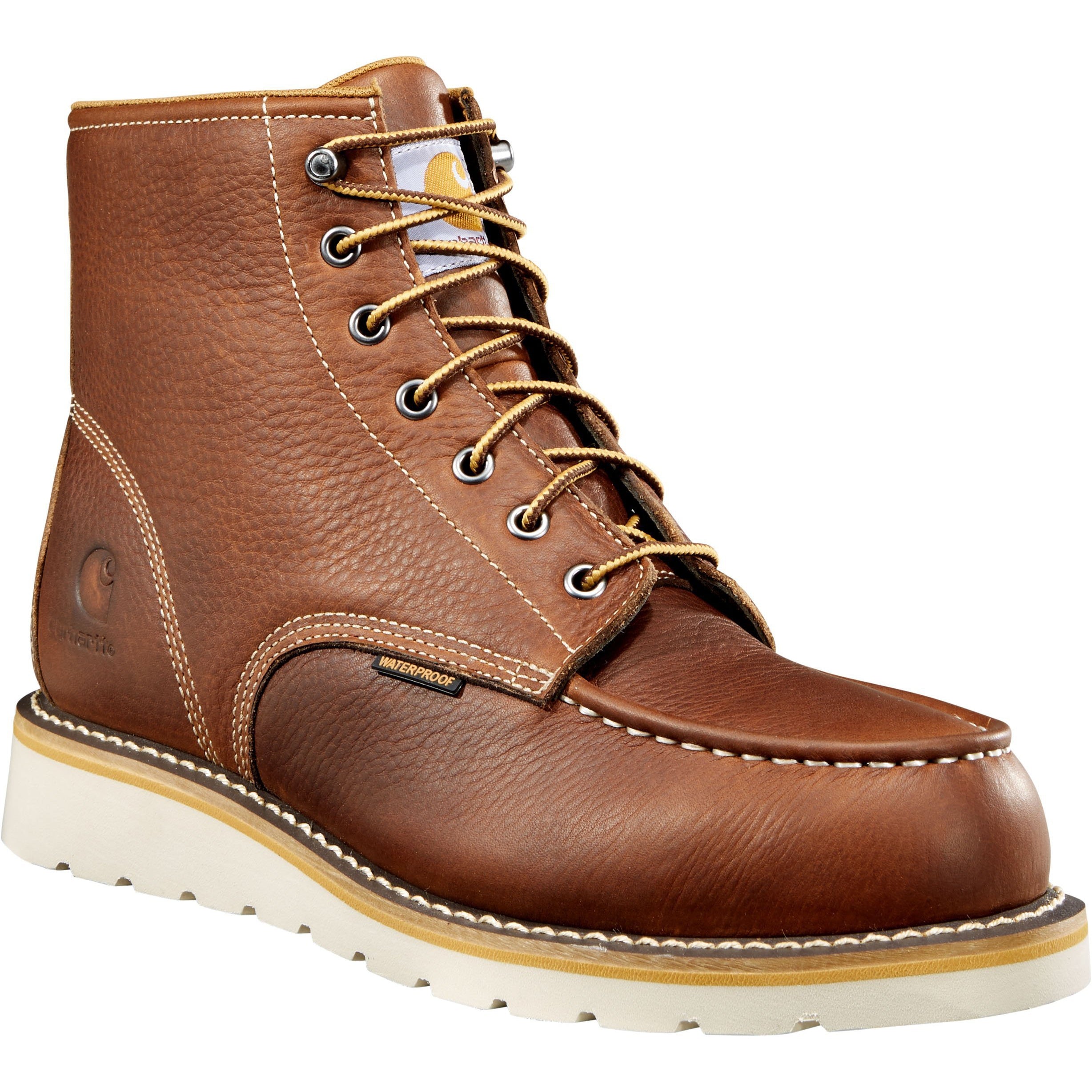
Sale price$170.19
Regular price$188.00
Carhartt Men's 6" Steel Toe Waterproof Wedge Work Boot - Tan - CMW6275
Save 8%

Sale price$193.19
Regular price$209.99
Carhartt Men's 11" Steel Toe Waterproof Wellington Work Boot - Brown - CMP1200
Save 8%
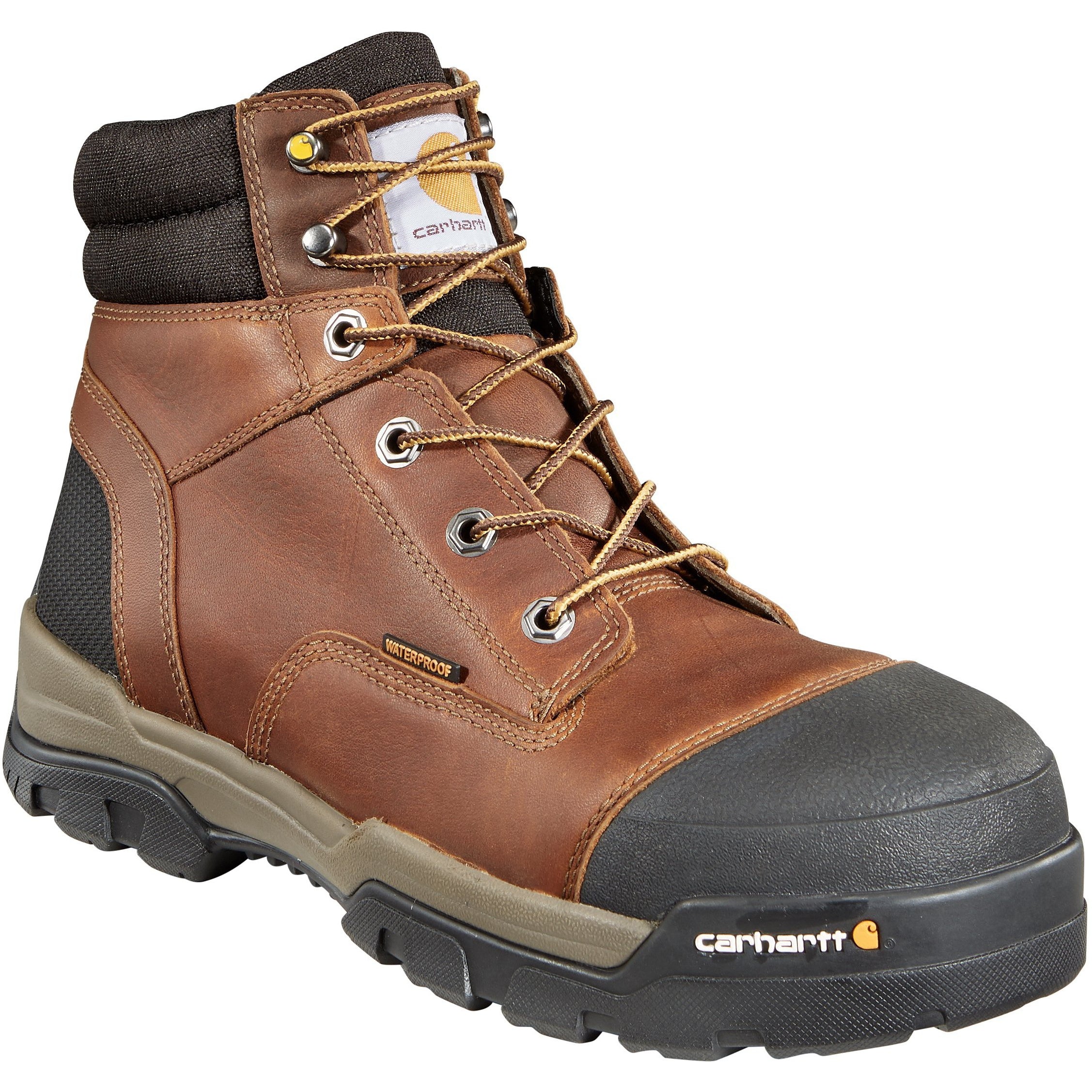
Sale price$183.99
Regular price$199.99
Carhartt Men's Ground Force 6" Composite Toe Waterproof Work Boot - Brown - CME6355
Save 11%
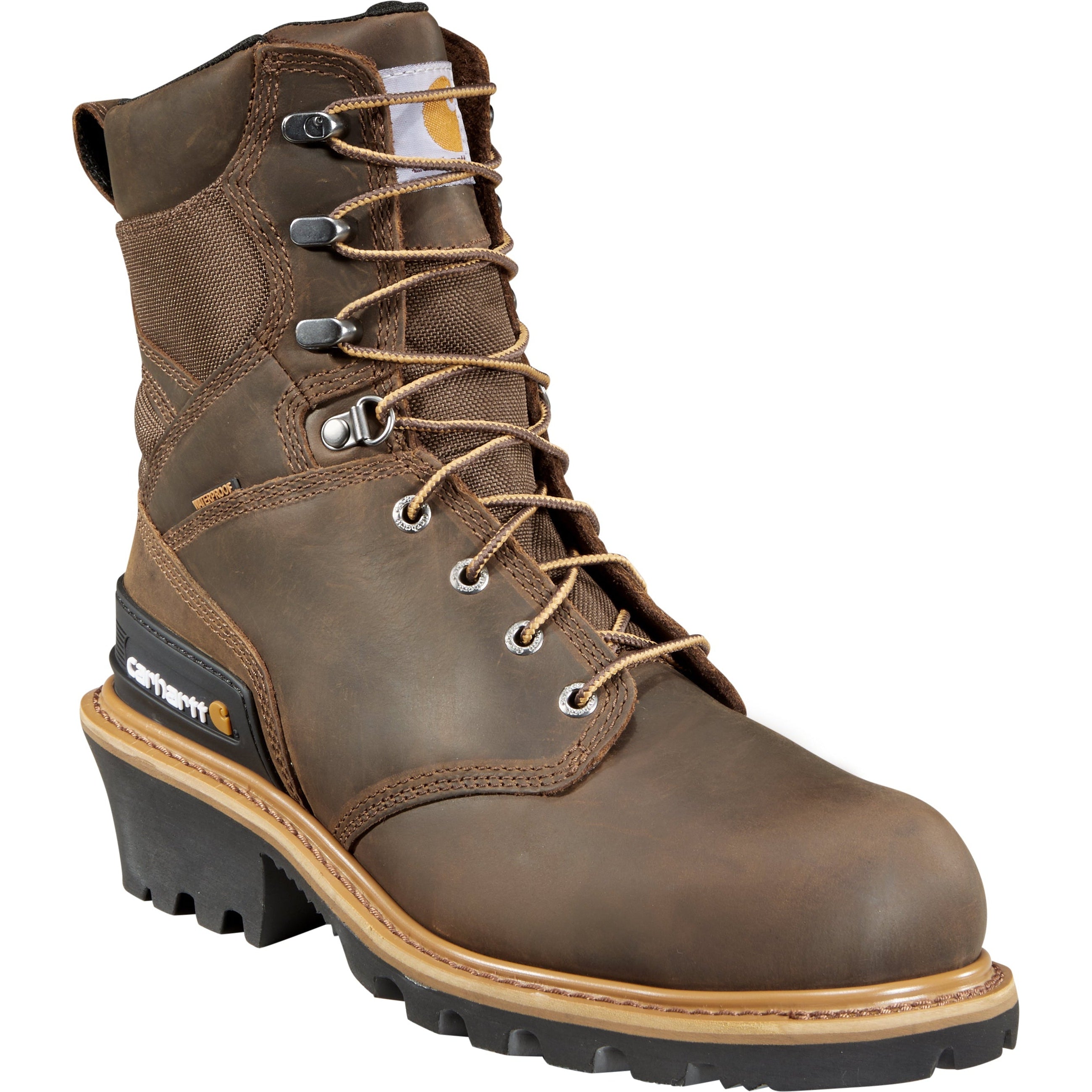
Sale price$197.79
Regular price$221.50
Carhartt Men's 8" Composite Toe Waterproof Logger Work Boots - Brown - CML8360
Save 11%
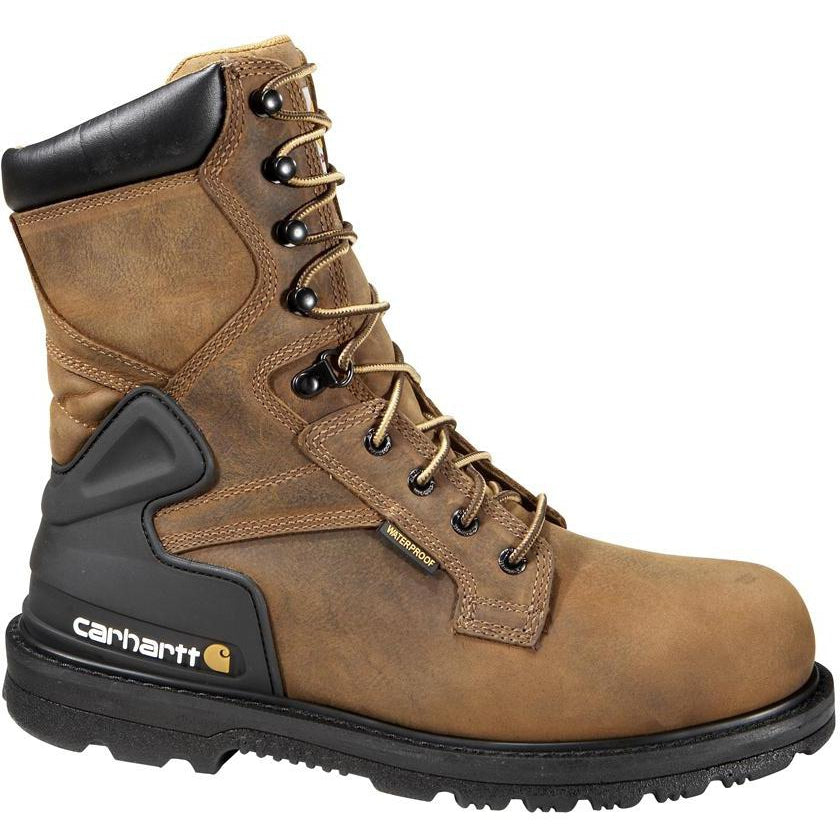
Sale price$183.99
Regular price$206.00
Carhartt Men's 8" Steel Toe Waterproof Work Boot - Brown - CMW8200
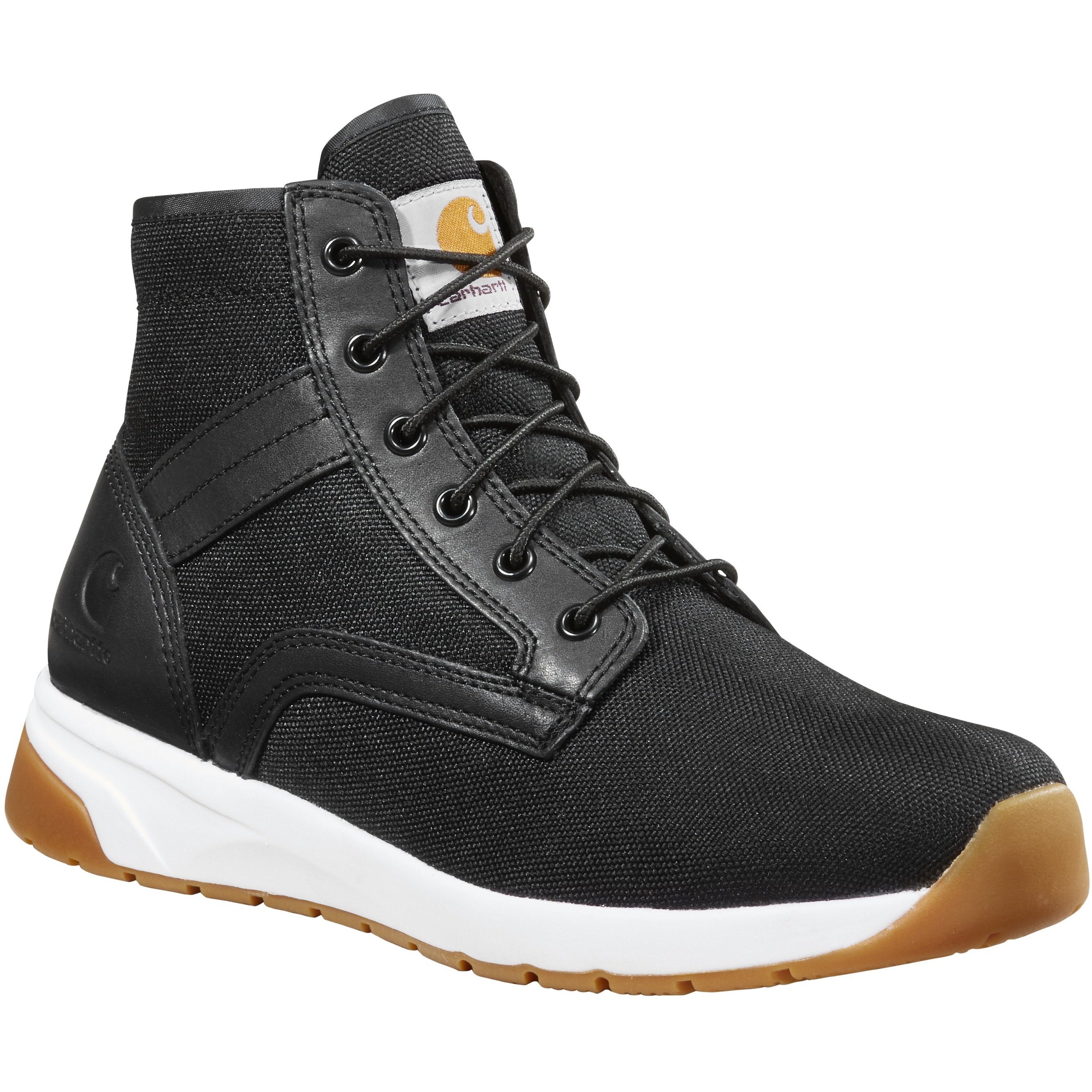
Sale price$154.99
Carhartt Men's Force 5" Nano Composite Toe Work Boot - Black - FA5441-M
Save 9%
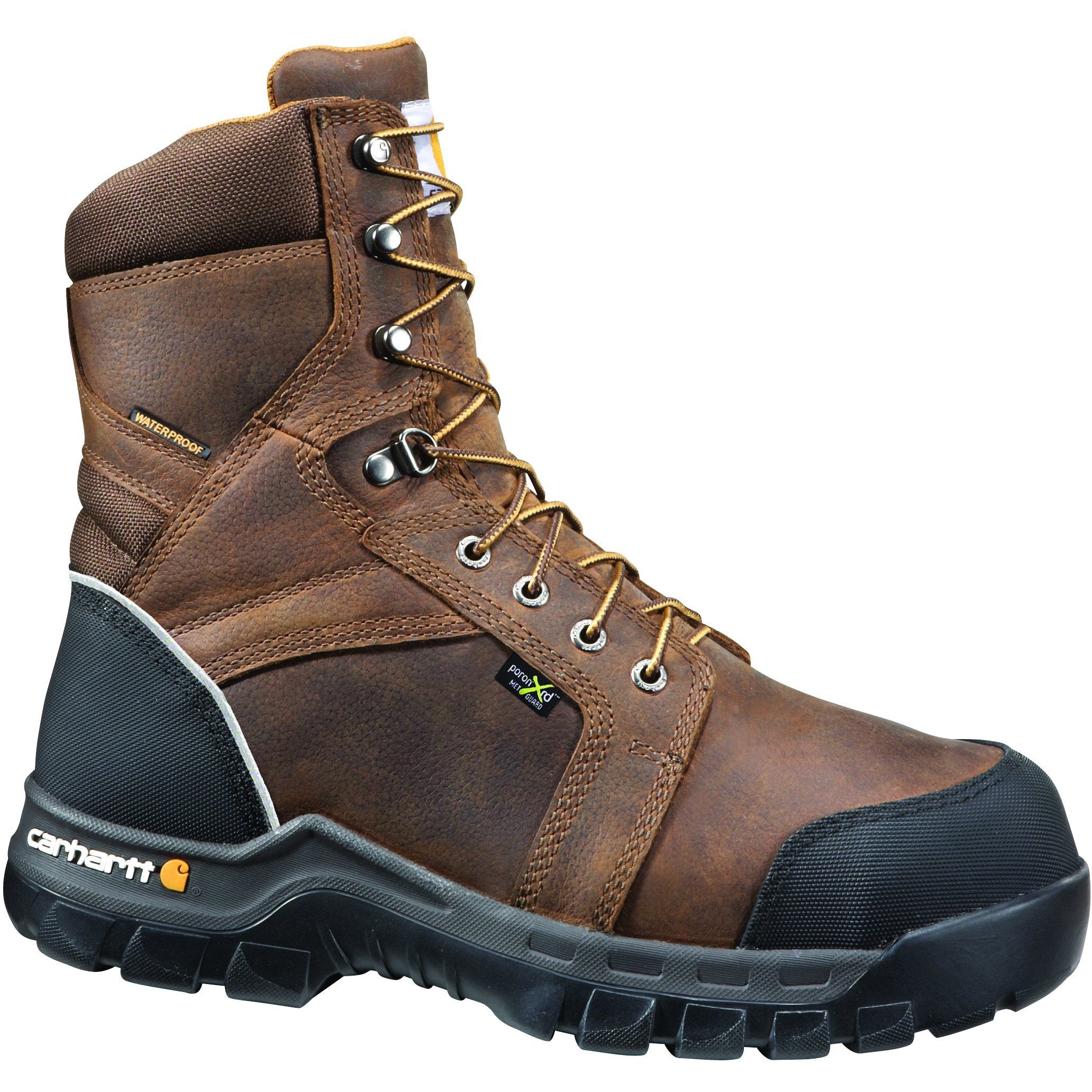
Sale price$206.99
Regular price$228.00
Carhartt Men's 8" Composite Toe Metguard Waterproof Work Boot Brown CMF8720
Save 5%
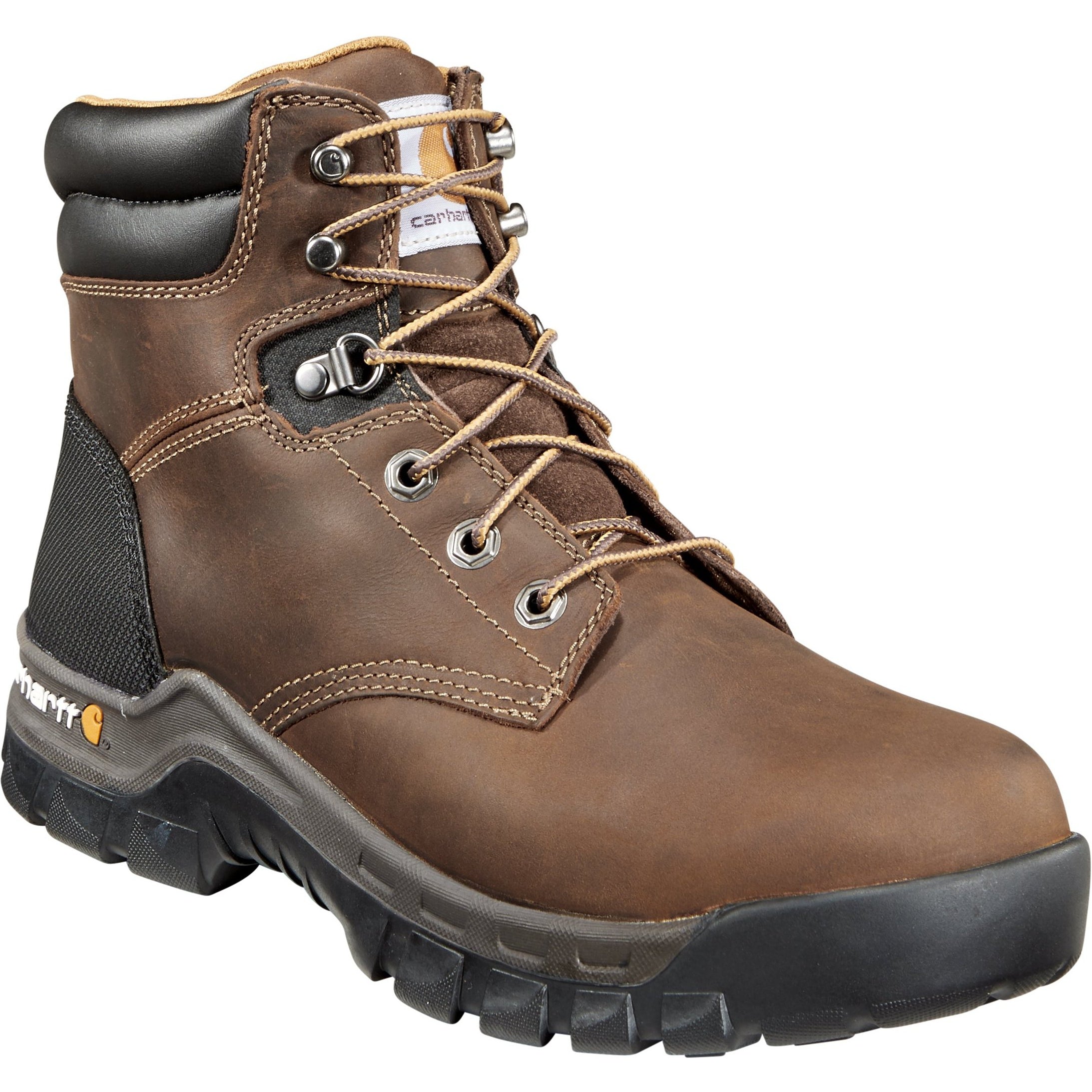
Sale price$149.99
Regular price$158.00
Carhartt Men's Rugged Flex 6" Composite Toe Work Boot - Brown - CMF6366
Save 10%
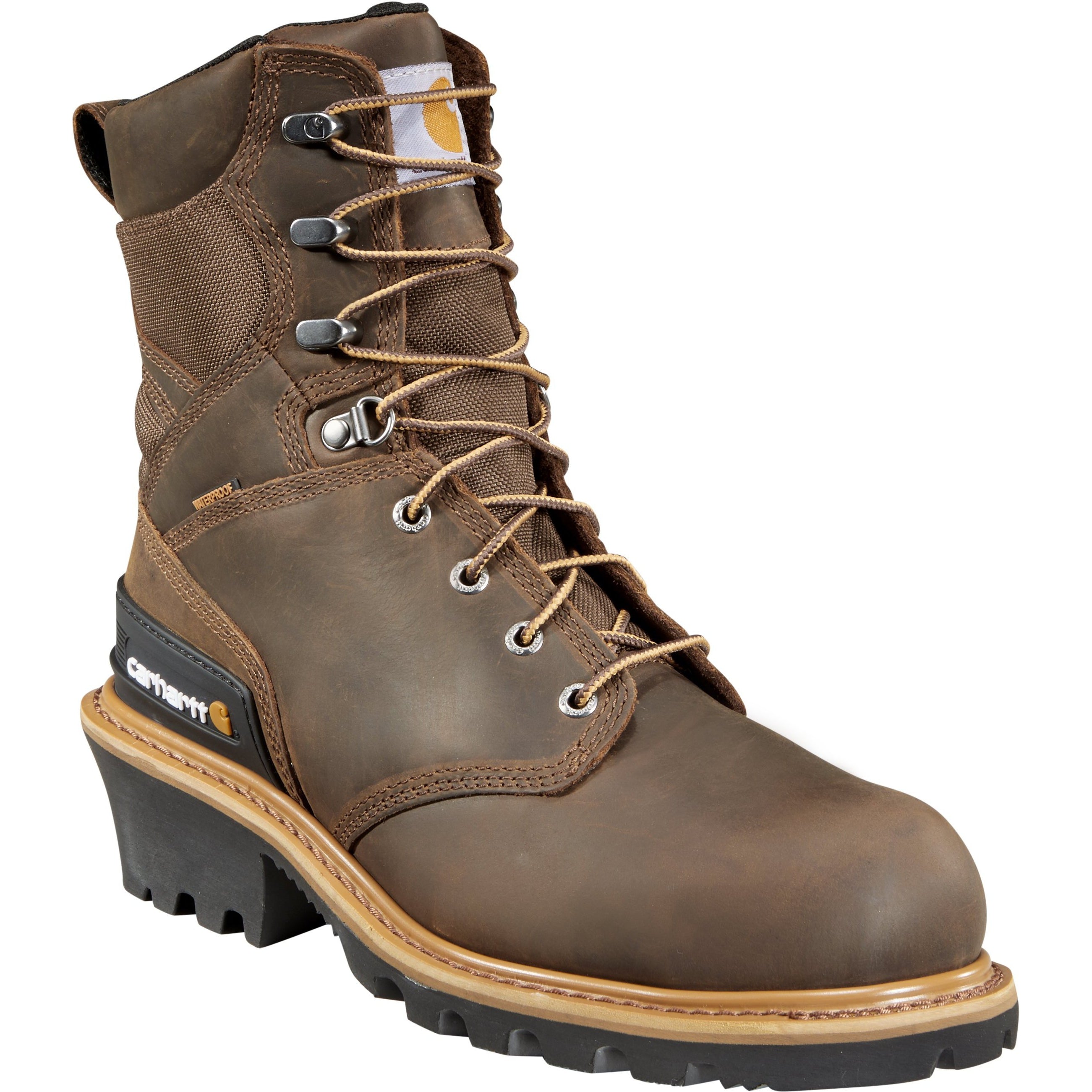
Sale price$202.39
Regular price$226.00
Carhartt Men's 8" Composite Toe Waterproof Ins Climbing Work Boot - Brown - CML8369
Save 9%
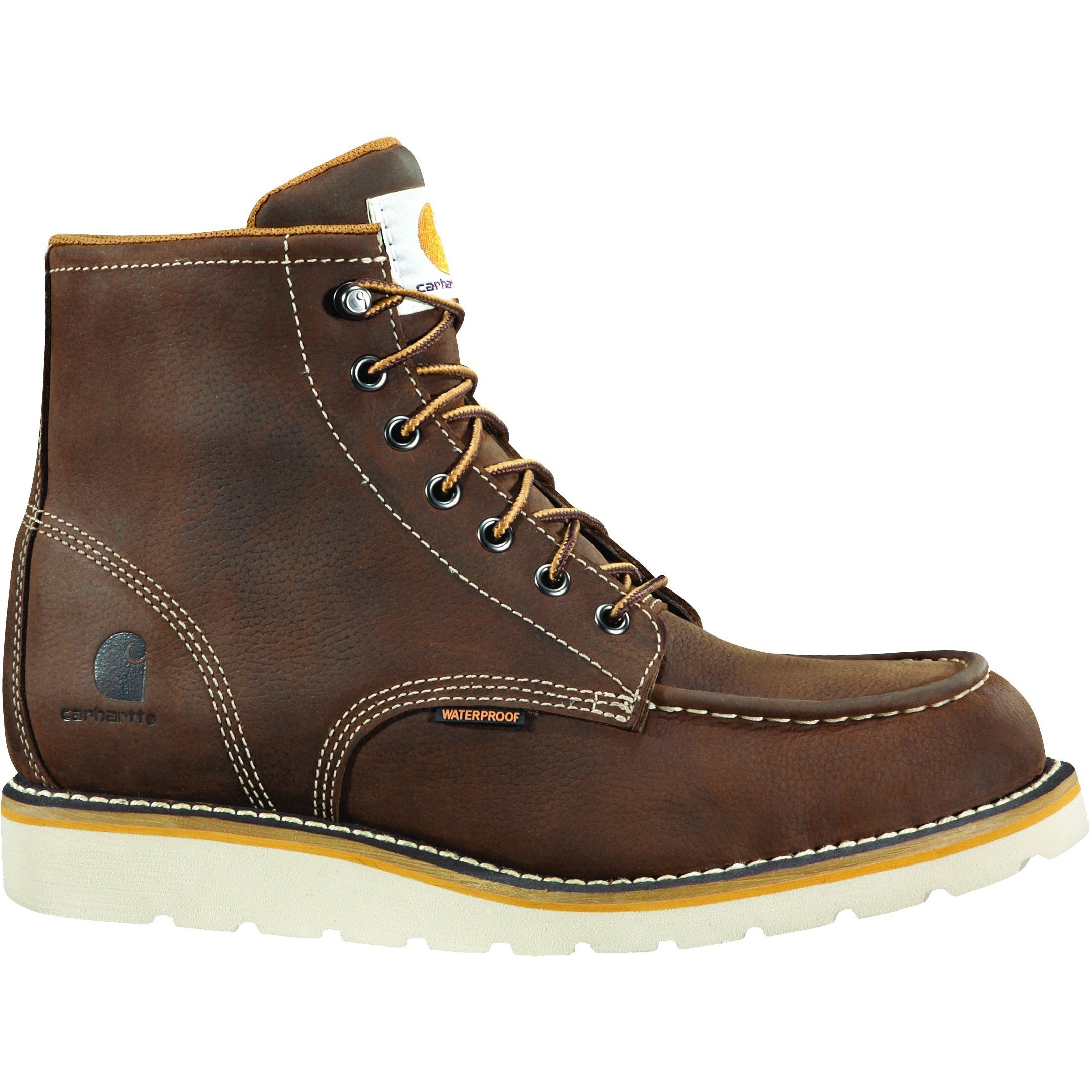
Sale price$170.19
Regular price$188.00
Carhartt Men's 6" Steel Toe Waterproof Wedge Work Boot Brown - CMW6295
Save 11%
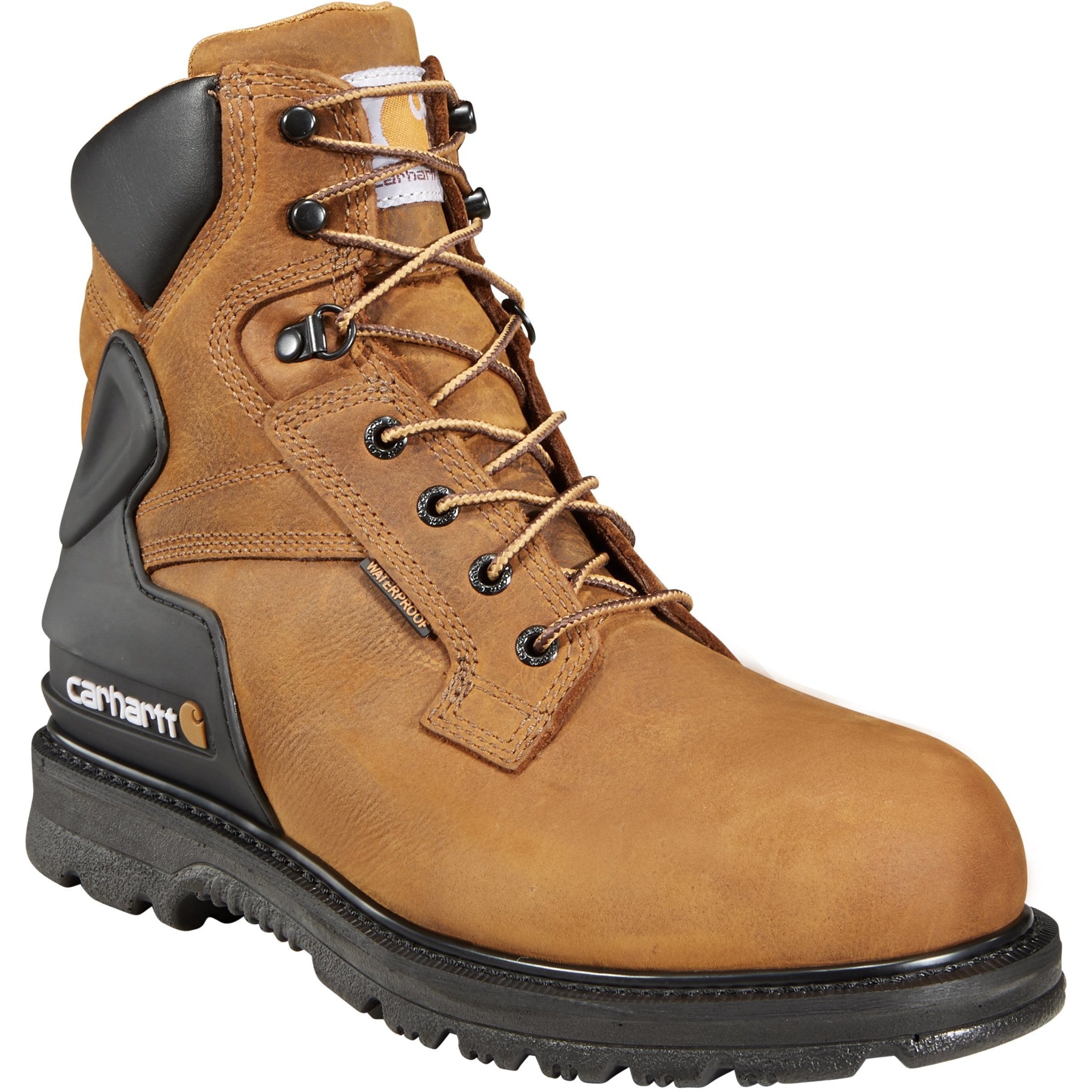
Sale price$174.79
Regular price$195.50
Carhartt Men's 6" Steel Toe Waterproof Work Boot - Brown - CMW6220
Save 8%
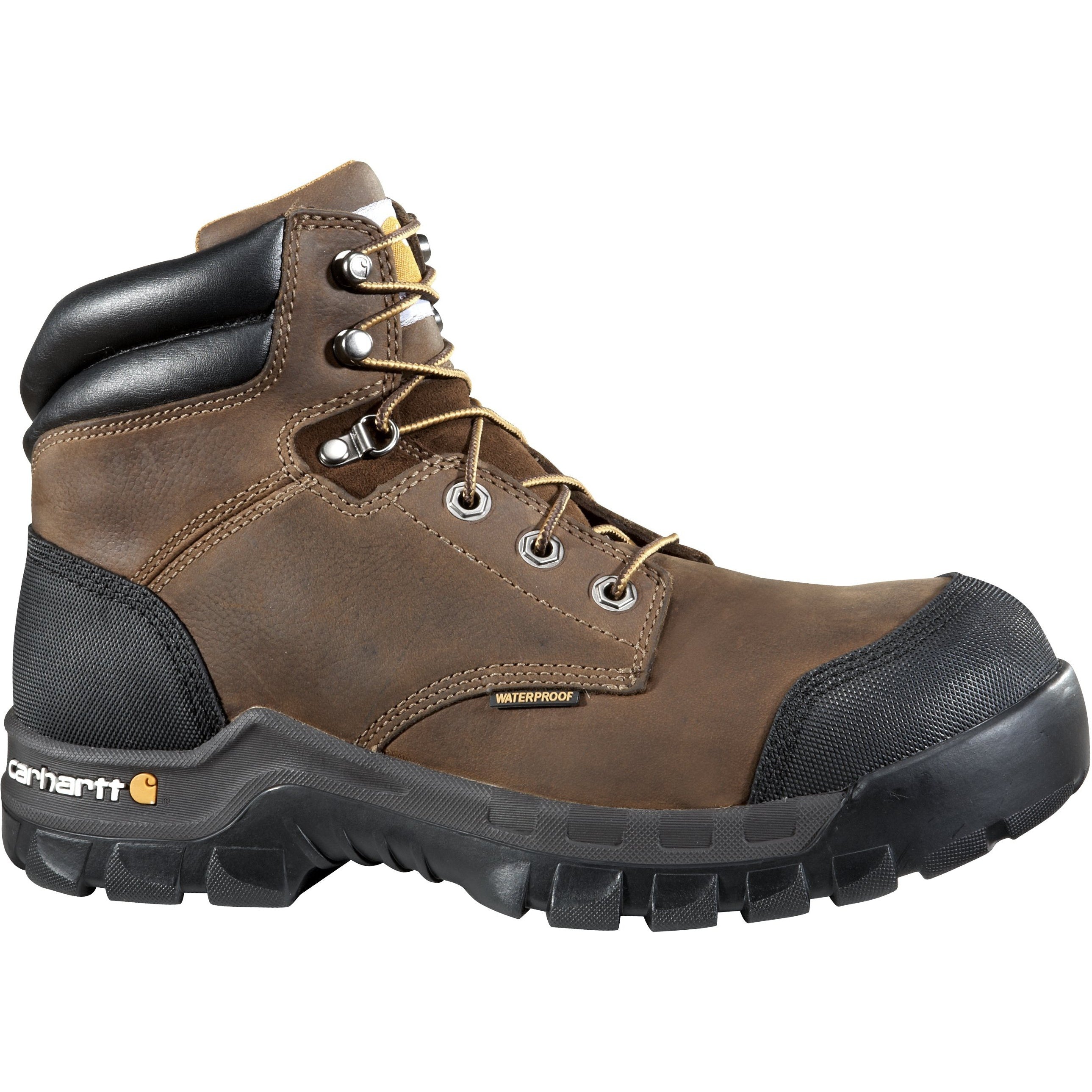
Sale price$165.59
Regular price$179.99
Carhartt Men's Rugged Flex 6" Composite Toe Waterproof Work Boot - Brown - CMF6380
Save 5%
Sale price$149.99
Regular price$158.00
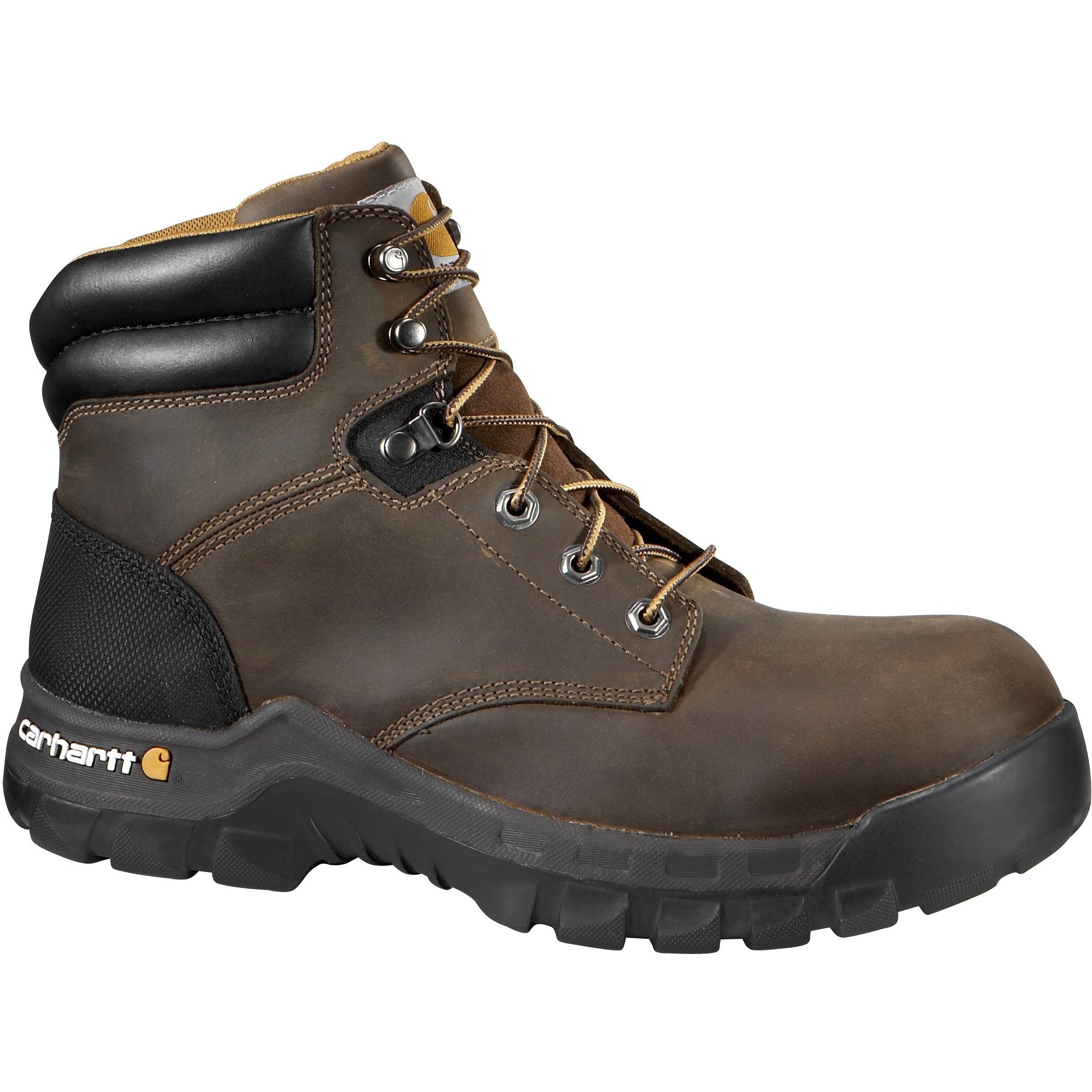
Carhartt Women's Rugged Flex 6" Composite Toe Work Boot - Brown - CWF5355
Save 8%
Sale price$193.19
Regular price$209.99
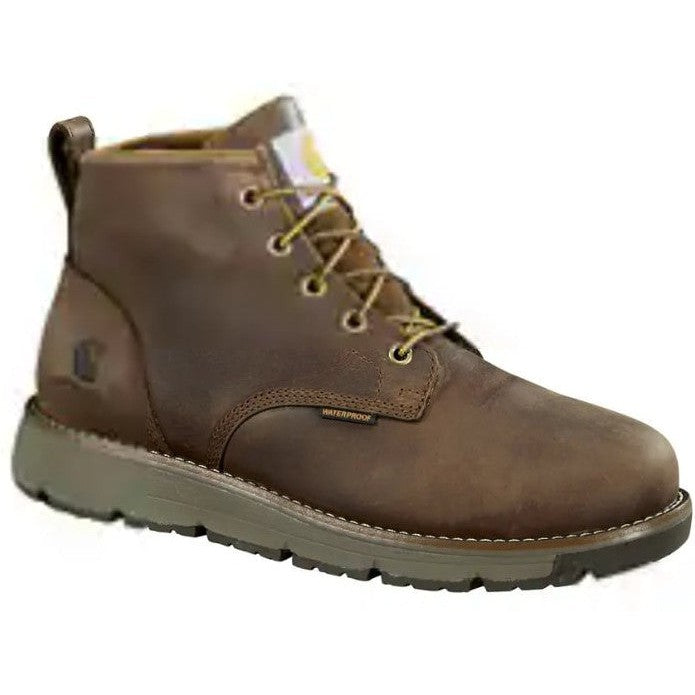
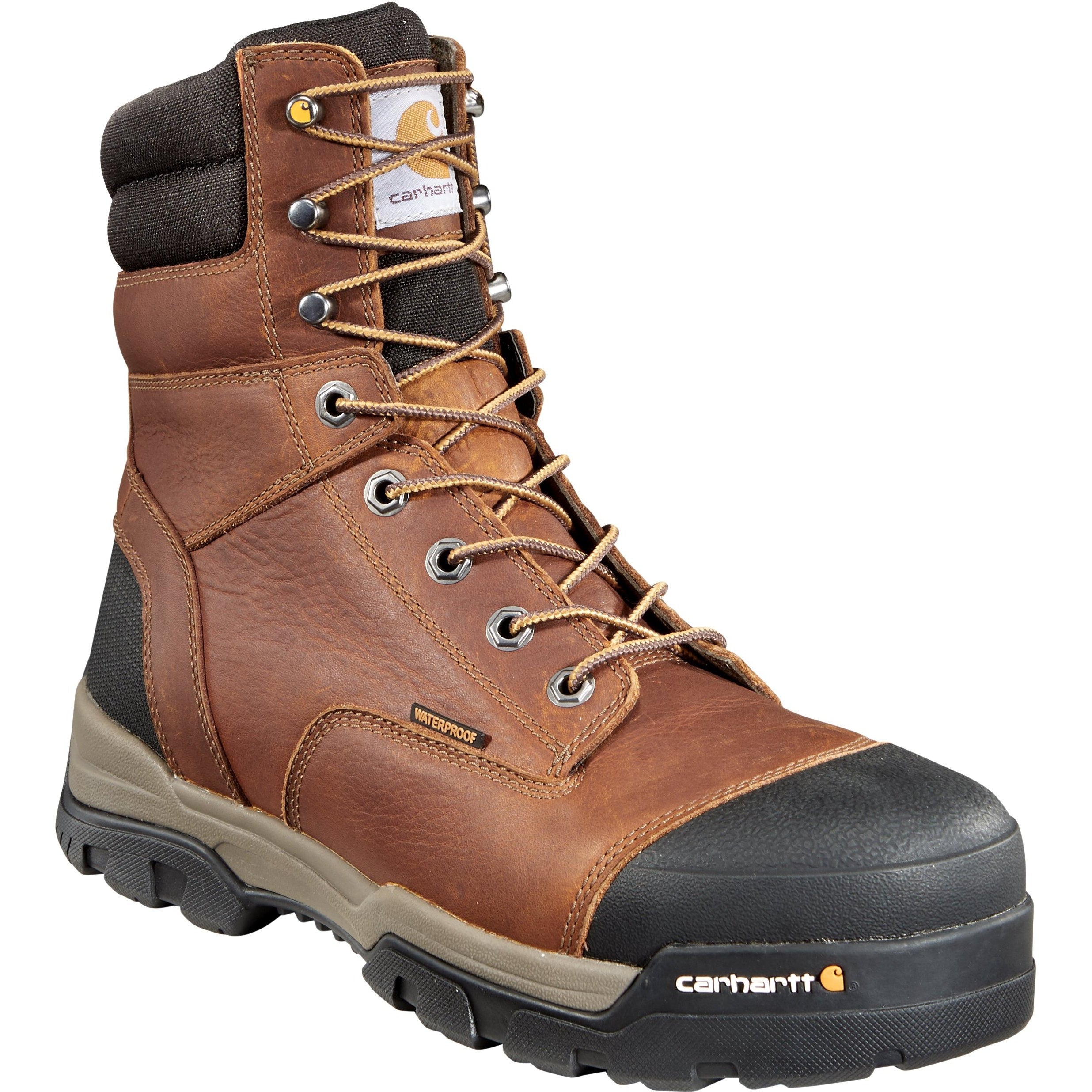
Carhartt Men's Ground Force 8" Composite Toe Waterproof Work Boot - Brown - CME8355
Save 9%

Sale price$188.59
Regular price$208.00
Carhartt Men's 6" Composite Toe Waterproof Metguard Work Boot - Brown - CMF6720
Save 14%

Sale price$179.39
Regular price$208.00
Carhartt Men's Wellington 10" Carbon Nano Toe Waterproof Work Boot - CMP1453
Save 9%
Sale price$206.99
Regular price$228.00
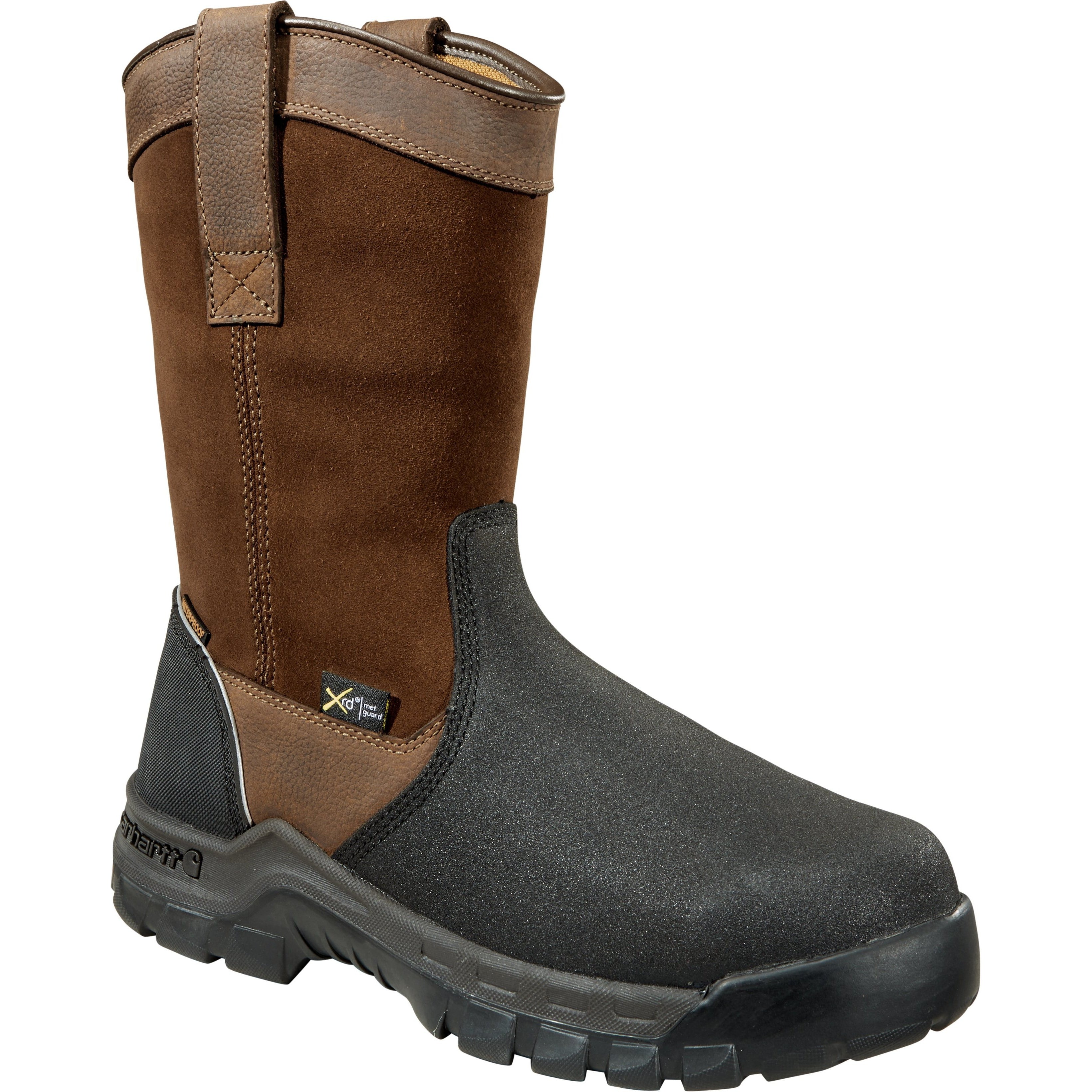
Carhartt Men's Wellington 11" Composite Toe Waterproof Metguard Work Boot - CMF1721
Save 9%
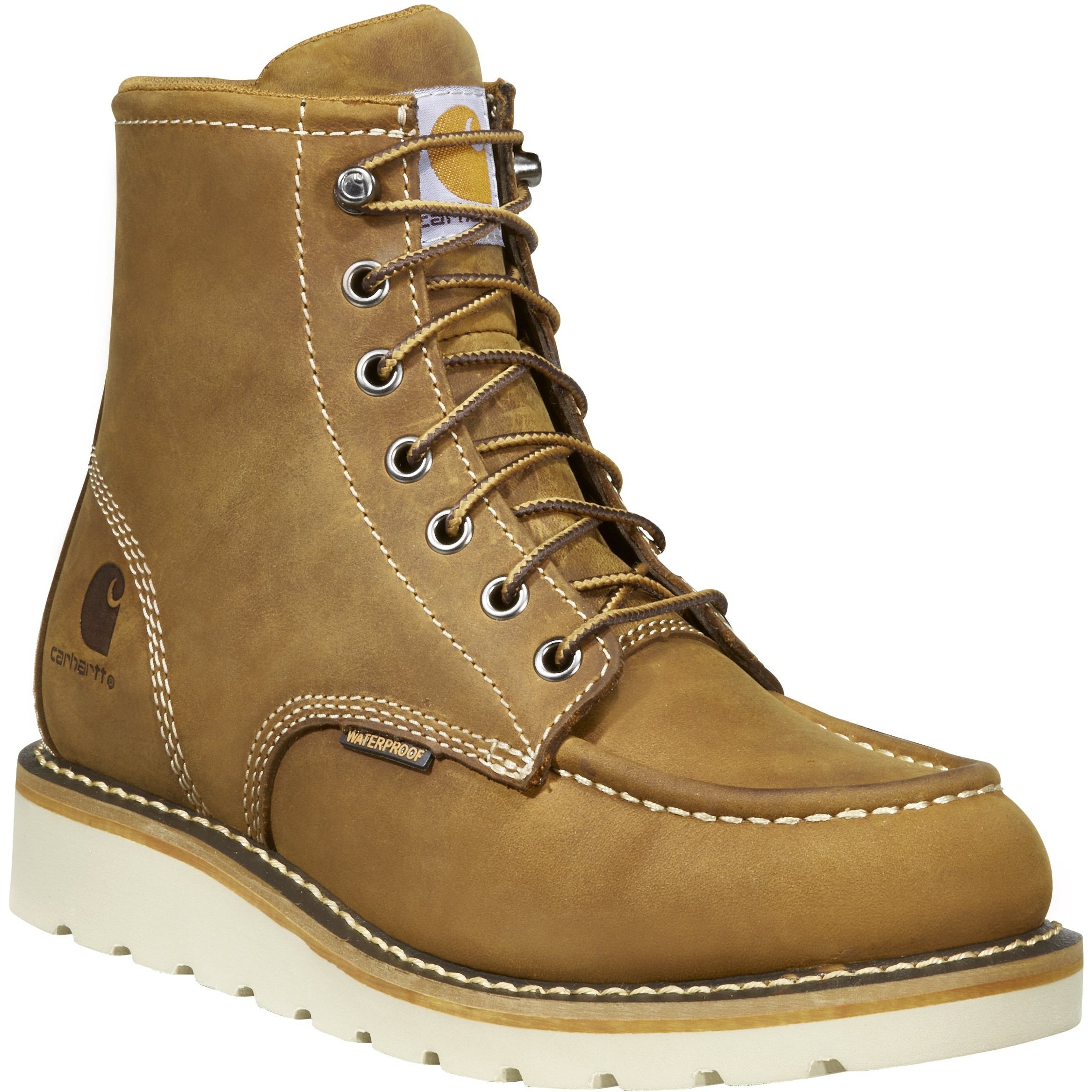
Sale price$170.19
Regular price$188.00
Carhartt Women's 6" Steel Toe Waterproof Wedge Work Boot - Brown - FW6225-W
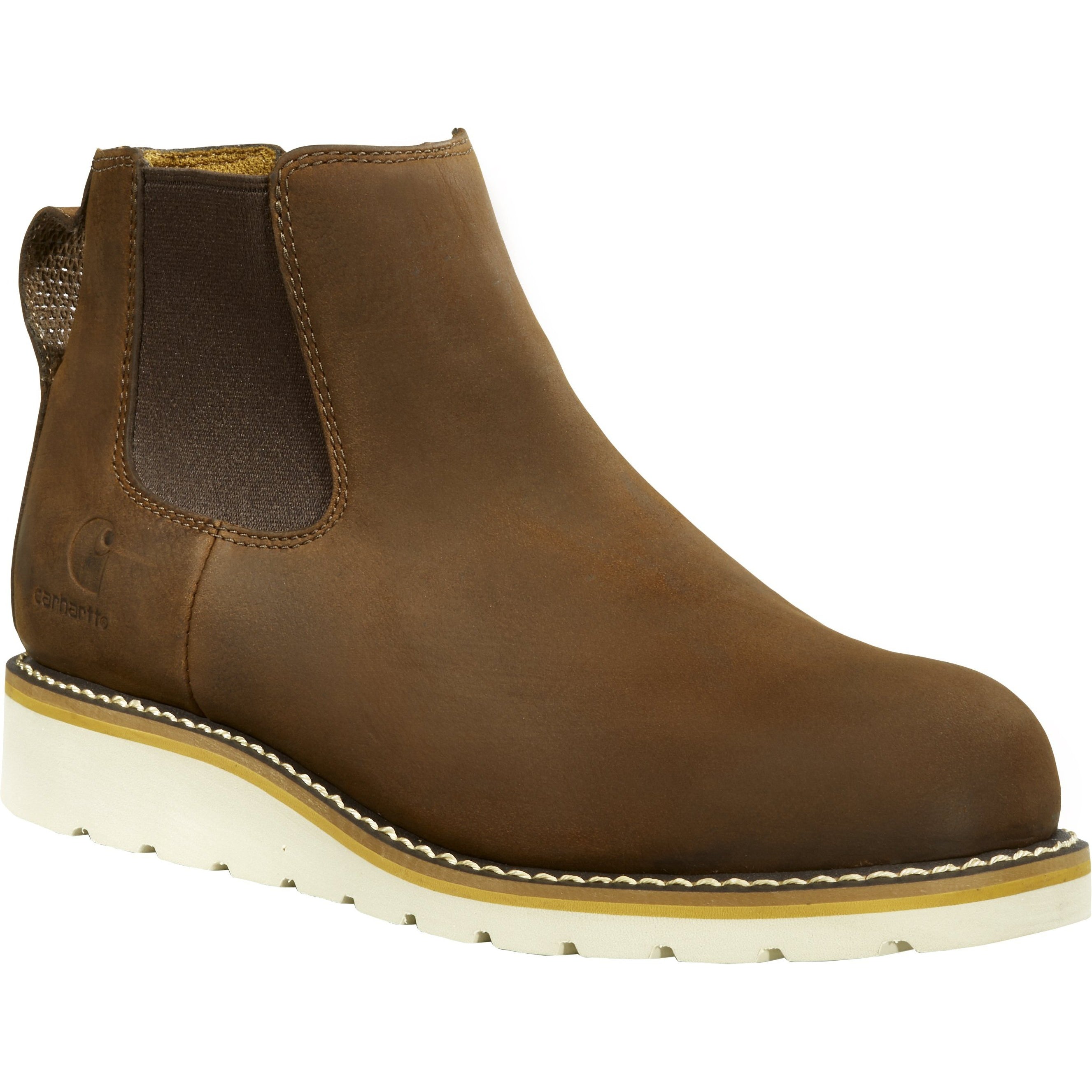
Sale price$159.99
Carhartt Men's Chelsea 5" Steel Toe Wedge Work Boot - Brown - FW5233-M
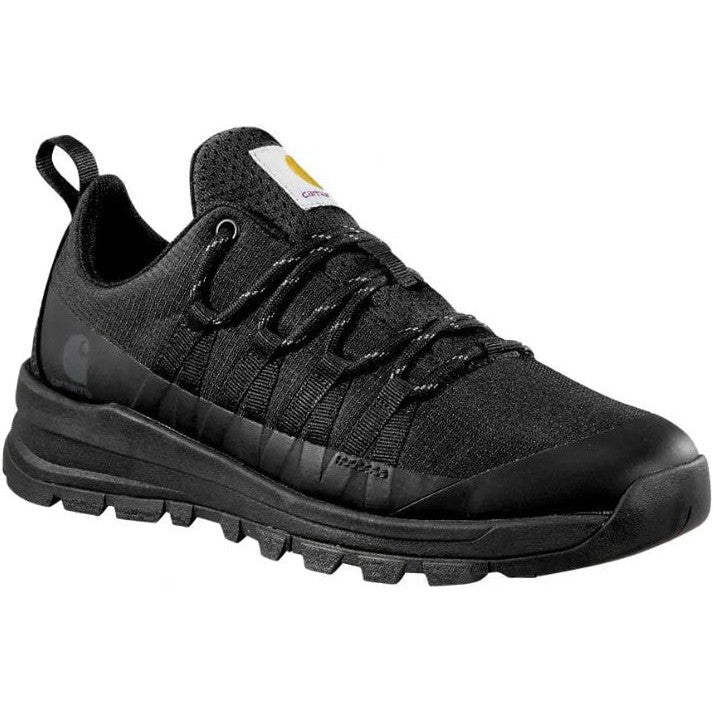
Save 8%
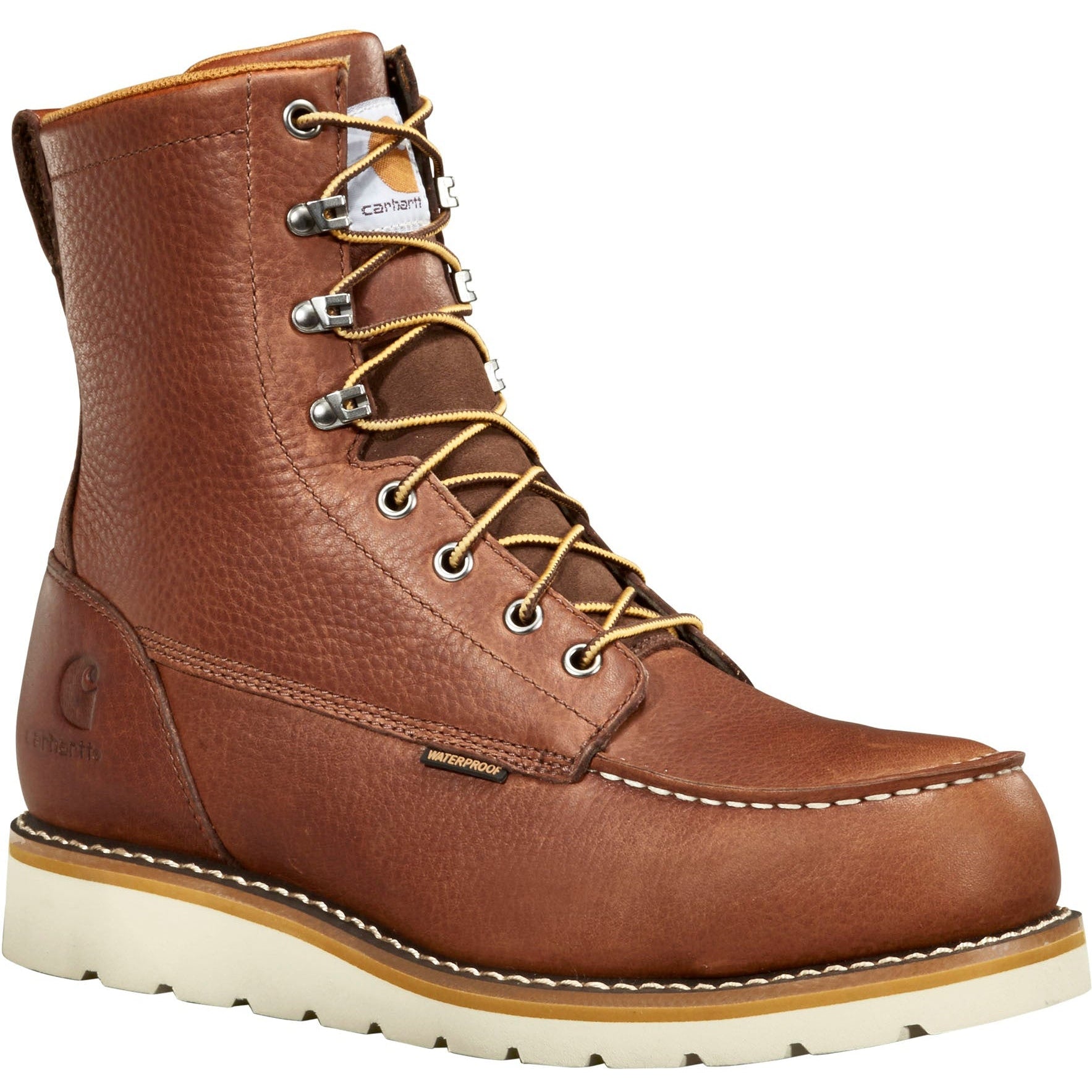
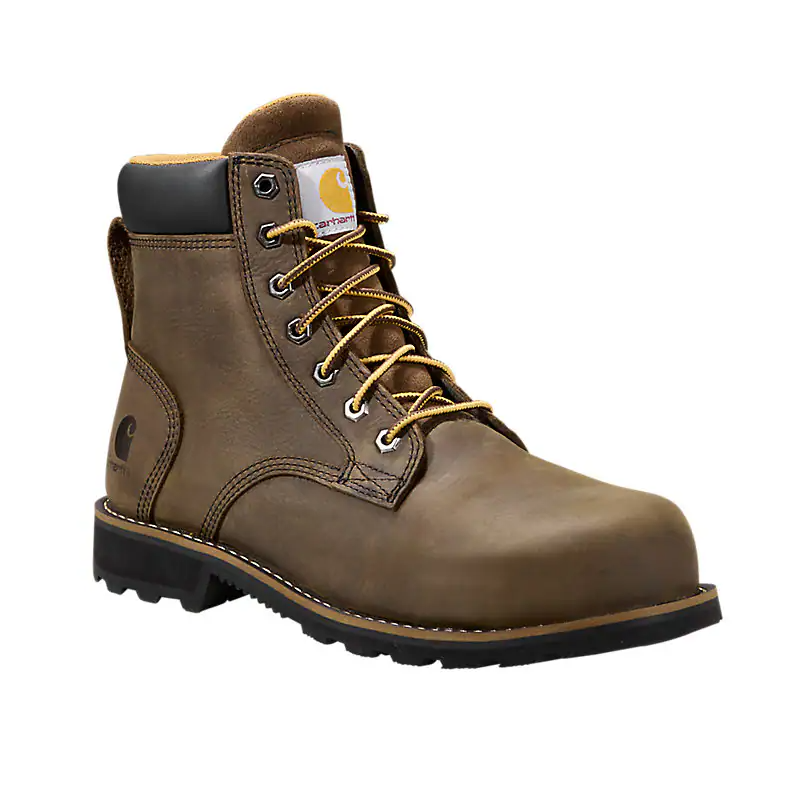
Sale price$197.79
Regular price$216.00
Carhartt Men's 8" Waterproof Steel Toe Wedge Work Boot - Redwood - FW8275-M
Save 13%

Sale price$174.79
Regular price$202.00
Carhartt Men's 10" Steel Toe Waterproof Wedge Wellington Work Boot -Brown- FW1232-M
Save 8%
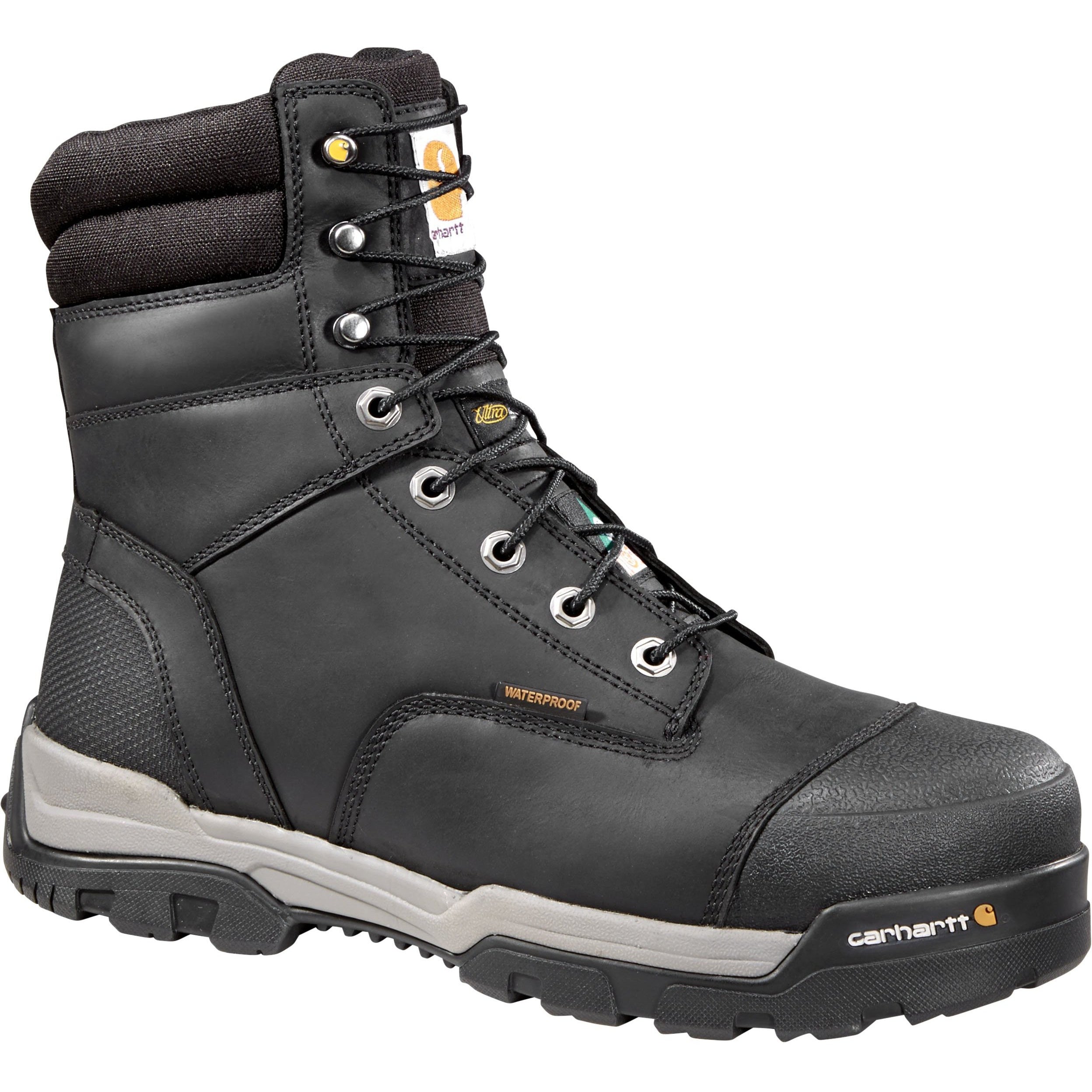
Sale price$202.39
Regular price$219.99
Carhartt Men's 8" Ground Force Composite Toe Ins Waterproof CSA Work Boot - CMR8959
Save 8%
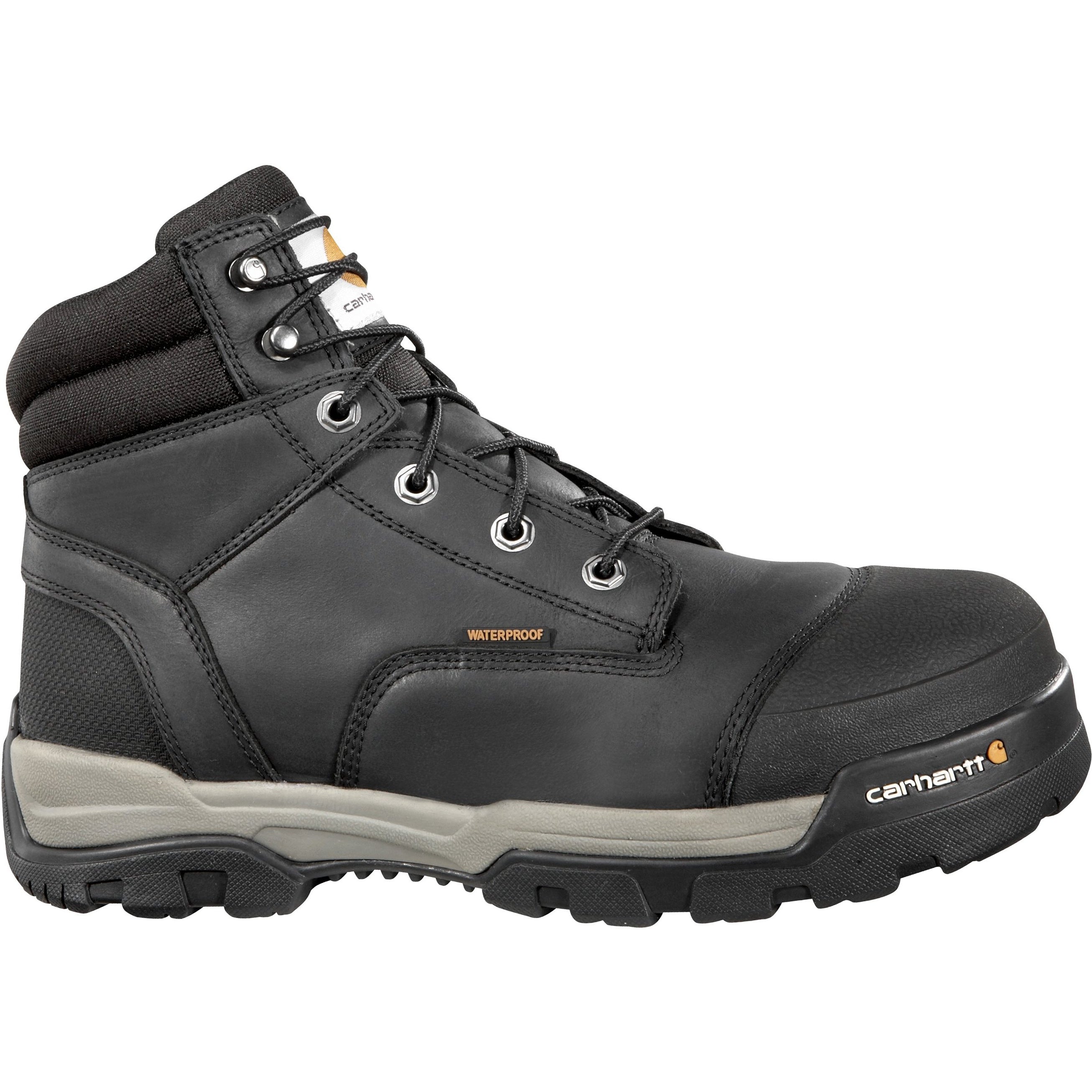
Sale price$183.99
Regular price$199.99
Carhartt Men's Ground Force 6" Composite Toe Waterproof Work Boot - Black - CME6351
Frequently Asked Questions
A non-metallic composite safety cap built to be lighter and thinner than standard composite while meeting the same ASTM F2413 impact and compression rating. The thinner profile matters because it gives a less bulbous toe than most composite caps, which is a common complaint about non-metallic safety footwear.
All meet the same rating, so choose on weight, temperature and screening rather than strength. Steel is thinnest and cheapest. Alloy is lighter metal but still conducts and triggers detectors. Composite and Carbon Nano are non-metallic and do not conduct heat or cold, with Carbon Nano the slimmest of the two.
No. The cap is non-metallic but the shank, any puncture-resistant plate, and the eyelets and hardware are separate components and can be steel. If you clear detectors at work, verify the whole boot rather than the toe type. See our 100 percent non metallic collection.
I/75 means the toe withstood a 75 foot-pound impact and C/75 means 2,500 pounds of compression. Those are the core safety toe codes. Codes such as EH for electrical hazard and PR for puncture resistance appear only when the boot was built and tested for those hazards. Match them to what your site specifies.
An additional protective plate covering the instep, the area behind the toe cap that a standard safety toe leaves exposed. It is rated separately under ASTM as Mt/75. Foundry, forging and heavy material handling often require it, and Carhartt builds internal met guards into several models.
Almost always fit rather than break-in, because the cap is rigid and never softens the way leather does. If your toes touch the cap walking downhill, the boot is too short. If the pain is across the ball of your foot, you need more width. Sizing up in length rarely fixes it and usually adds heel slip.
Carhartt's flexible construction platform, built to let the boot move with the foot rather than resisting it, which shortens the break-in considerably. It runs across a large part of the range in both lace-up and Wellington styles and is generally the more comfortable option out of the box.
Yes, and a substantial part of the rated range is Wellington pull-ons, which suit farm, oilfield and equipment work where laces are a snag hazard. See our Carhartt Wellington range.
Recently viewed
Our Top Brands