Save 17%
Sale price$244.84
Regular price$294.99
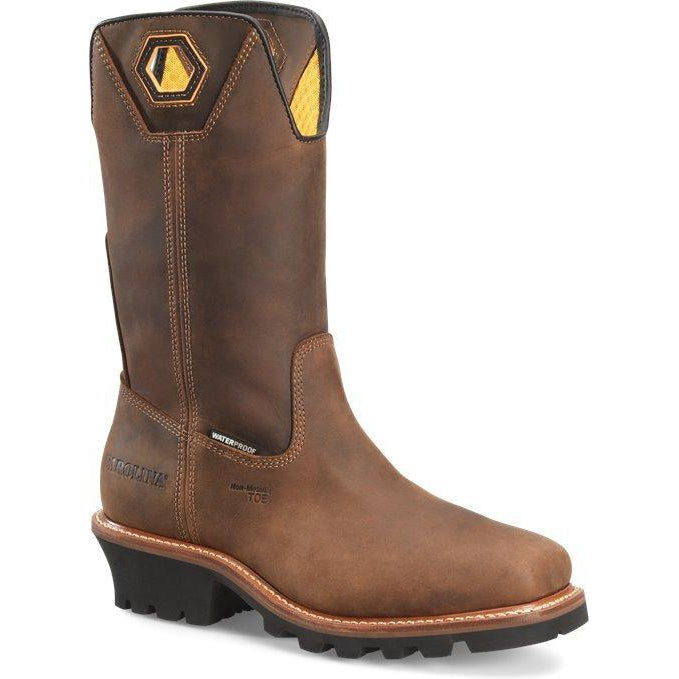
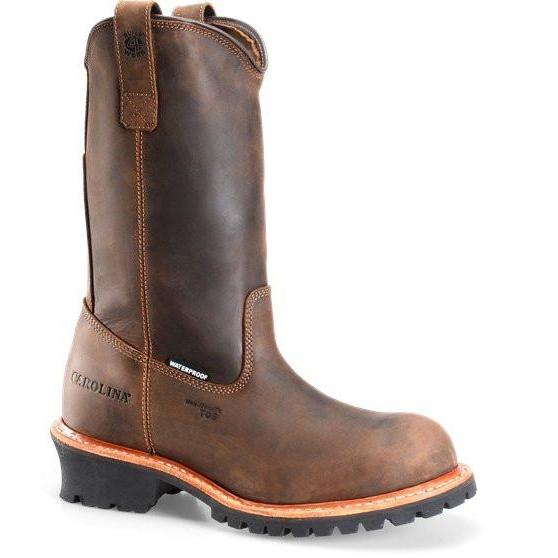
Carolina Men's Coppice 12" Composite Toe Waterproof Logger Work Boot- Brown- CA9833
Save 31%
Sale price$148.67
Regular price$214.00
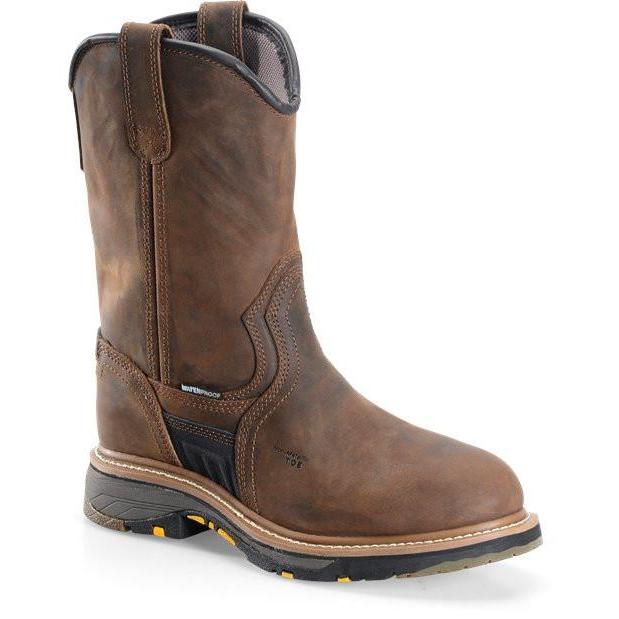
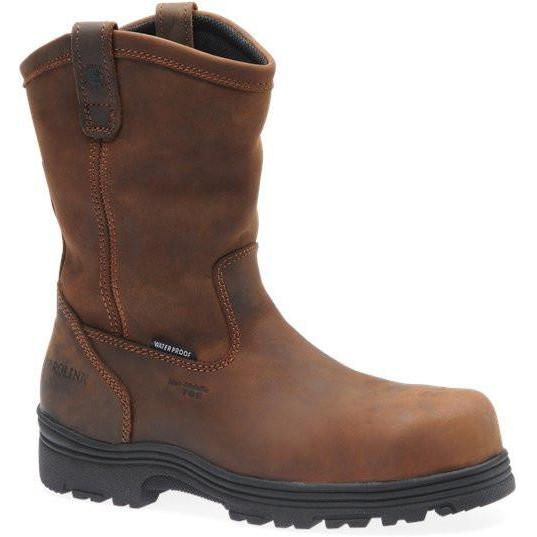
Carolina Men's Well X 10" Composite Toe Waterproof Wellington Work Boot - CA4559
Save 17%
Sale price$236.54
Regular price$284.99
Carolina Men's Well X 12" Composite Toe Wellington Logger Work Boot CA9831
Save 15%
Sale price$361.01
Regular price$425.00
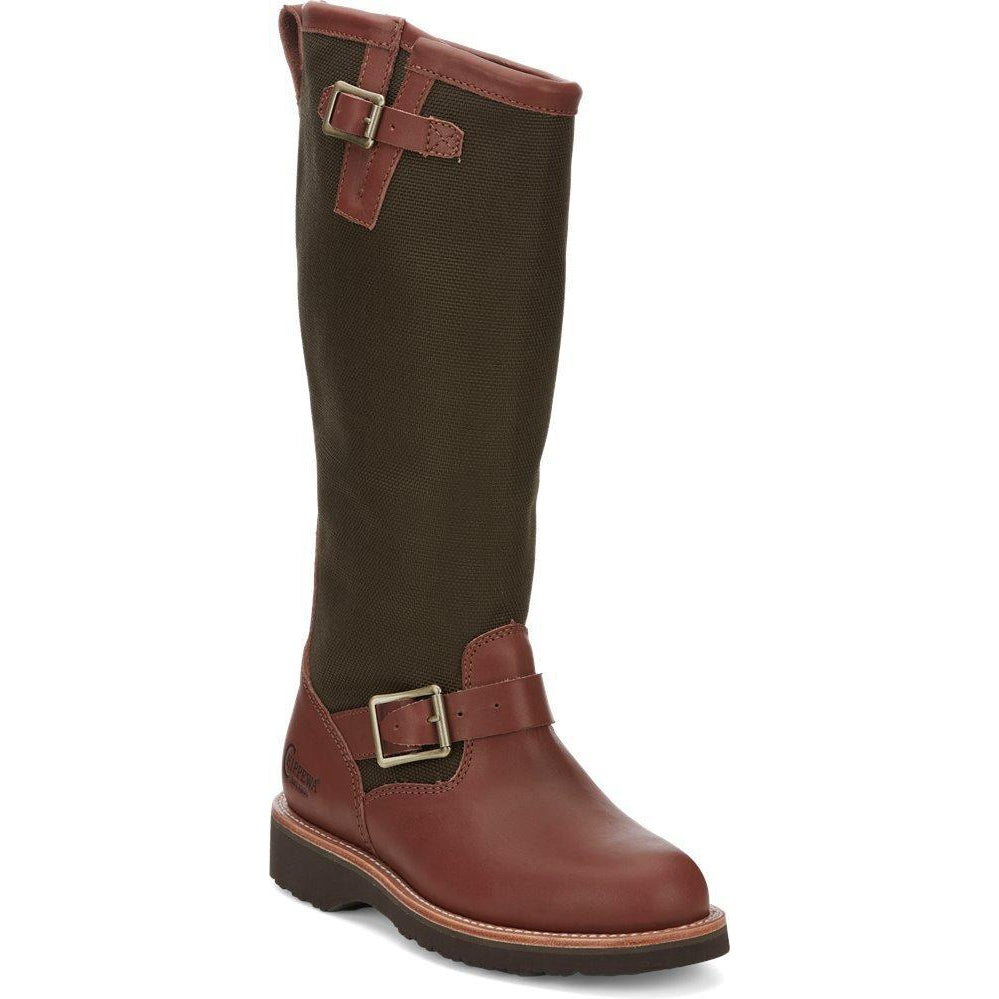
Chippewa Women's Sunjo 15" Soft Toe Outdoor Snake Hunt Boot- Brown - SN6913
Save 13%
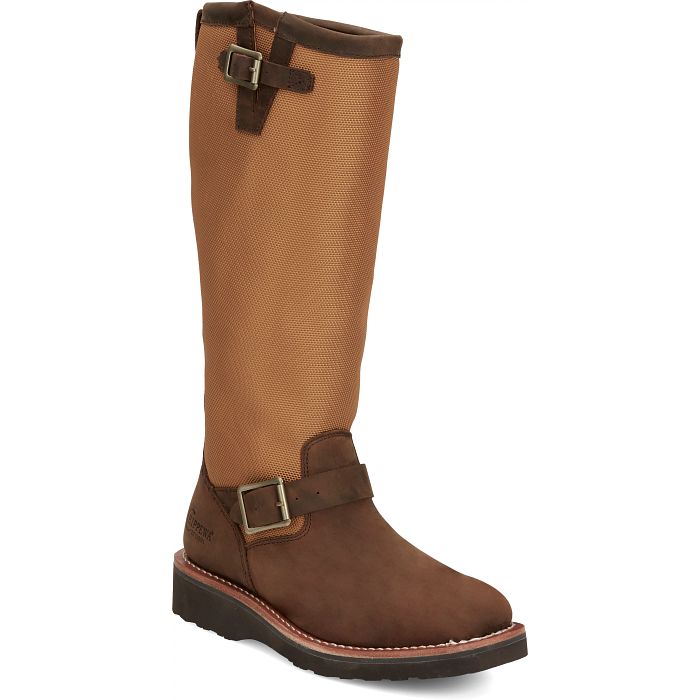
Sale price$356.66
Regular price$410.00
Chippewa Women's Cottonwood 15" Snake Hunt Boot -Brown- SN6914
Save 5%
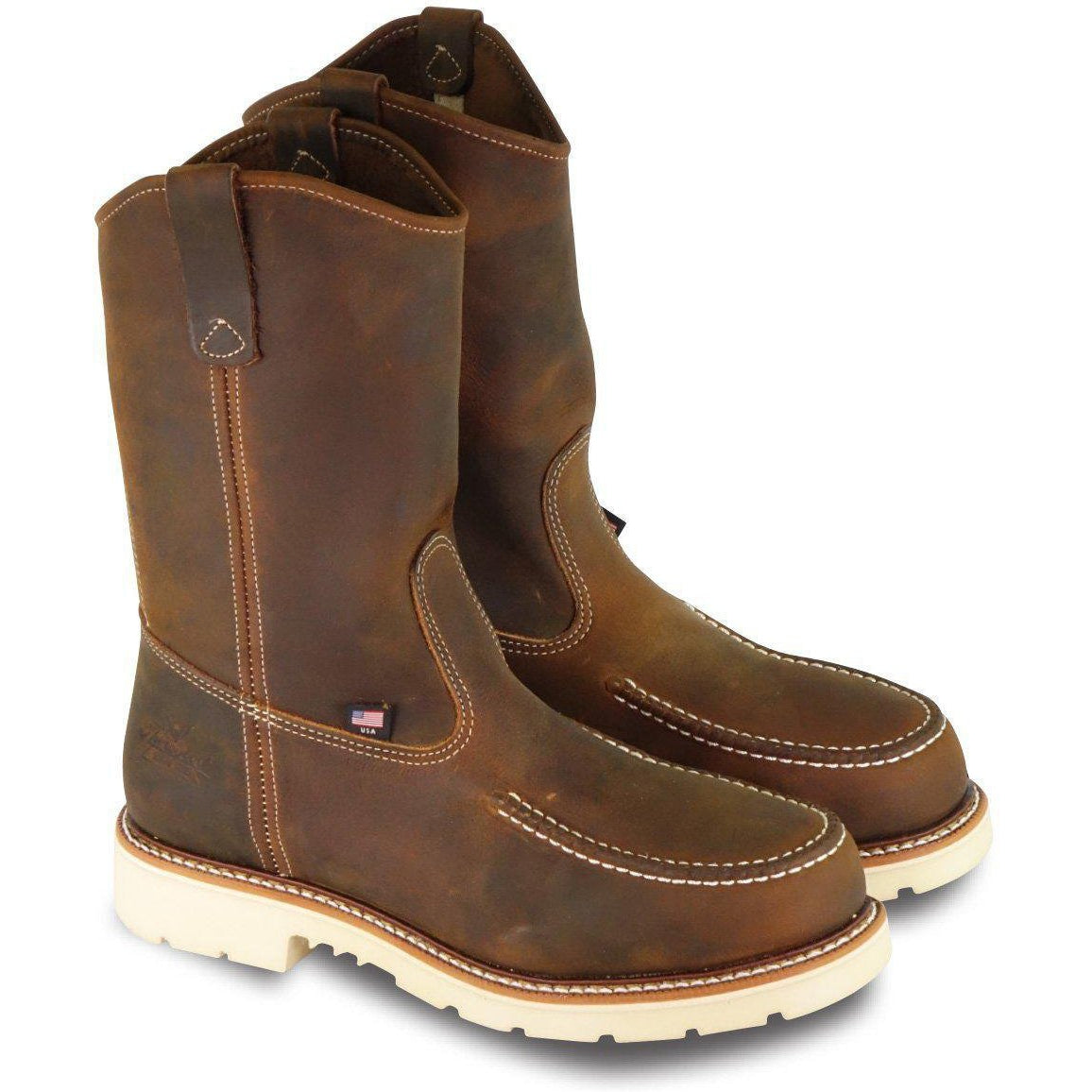
Sale price$284.95
Regular price$300.00
Thorogood Men's 11" USA Made Ranch Steel Moc Toe Work Boot Brown 804-3311
Save 19%
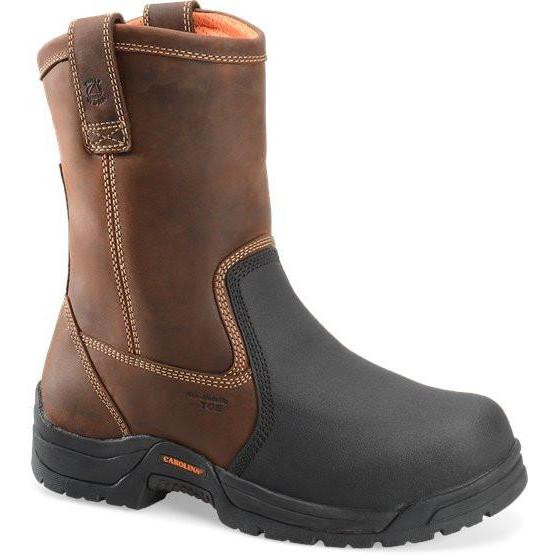
Sale price$174.29
Regular price$214.00
Carolina Men's Well X Metguard Wellington Work Boot - Brown - CA4582
Save 16%
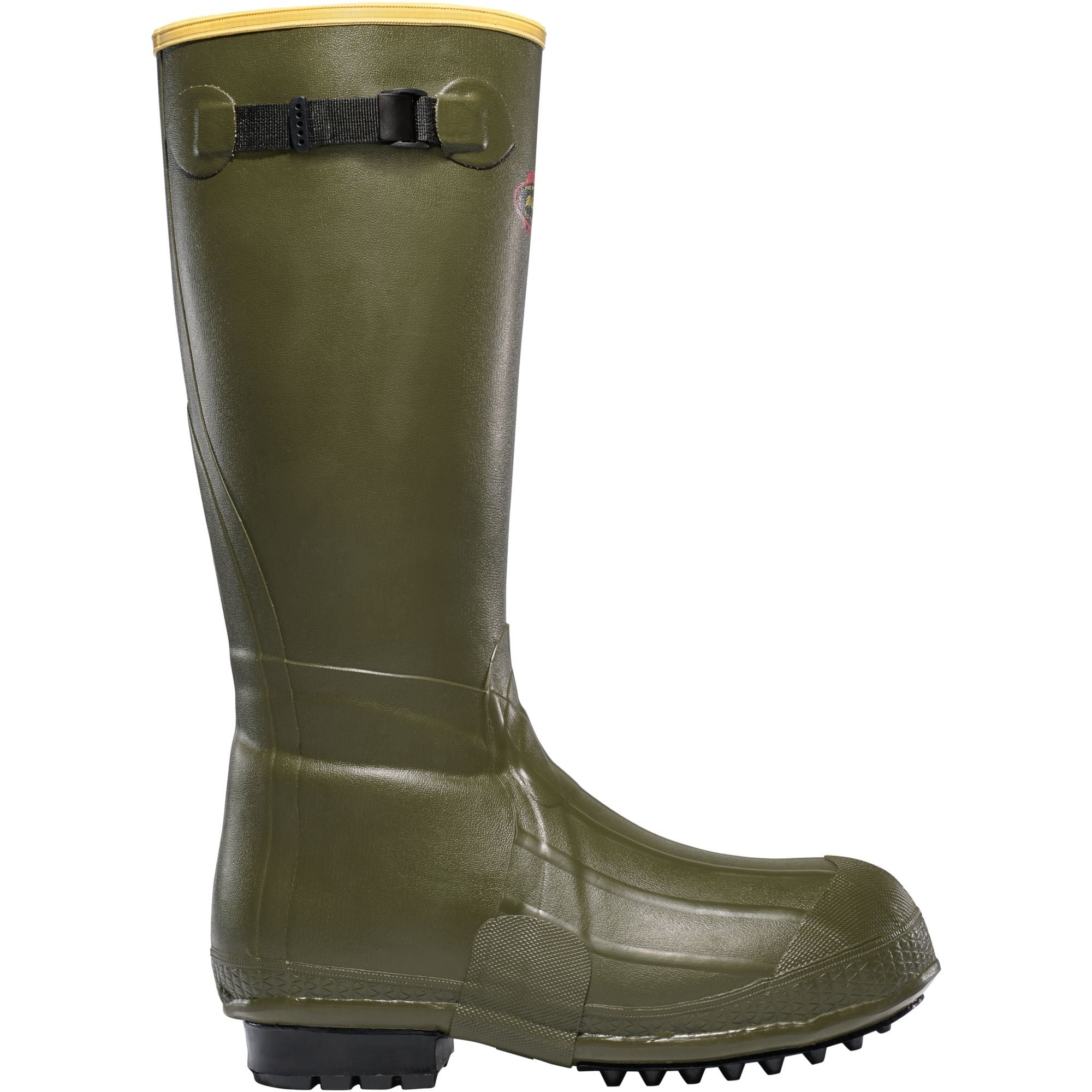
Sale price$129.95
Regular price$154.00
LaCrosse Men's Burly Air Grip 18" Rubber Work Boot - Green - 266050
Save 8%
Sale price$346.83
Regular price$376.99
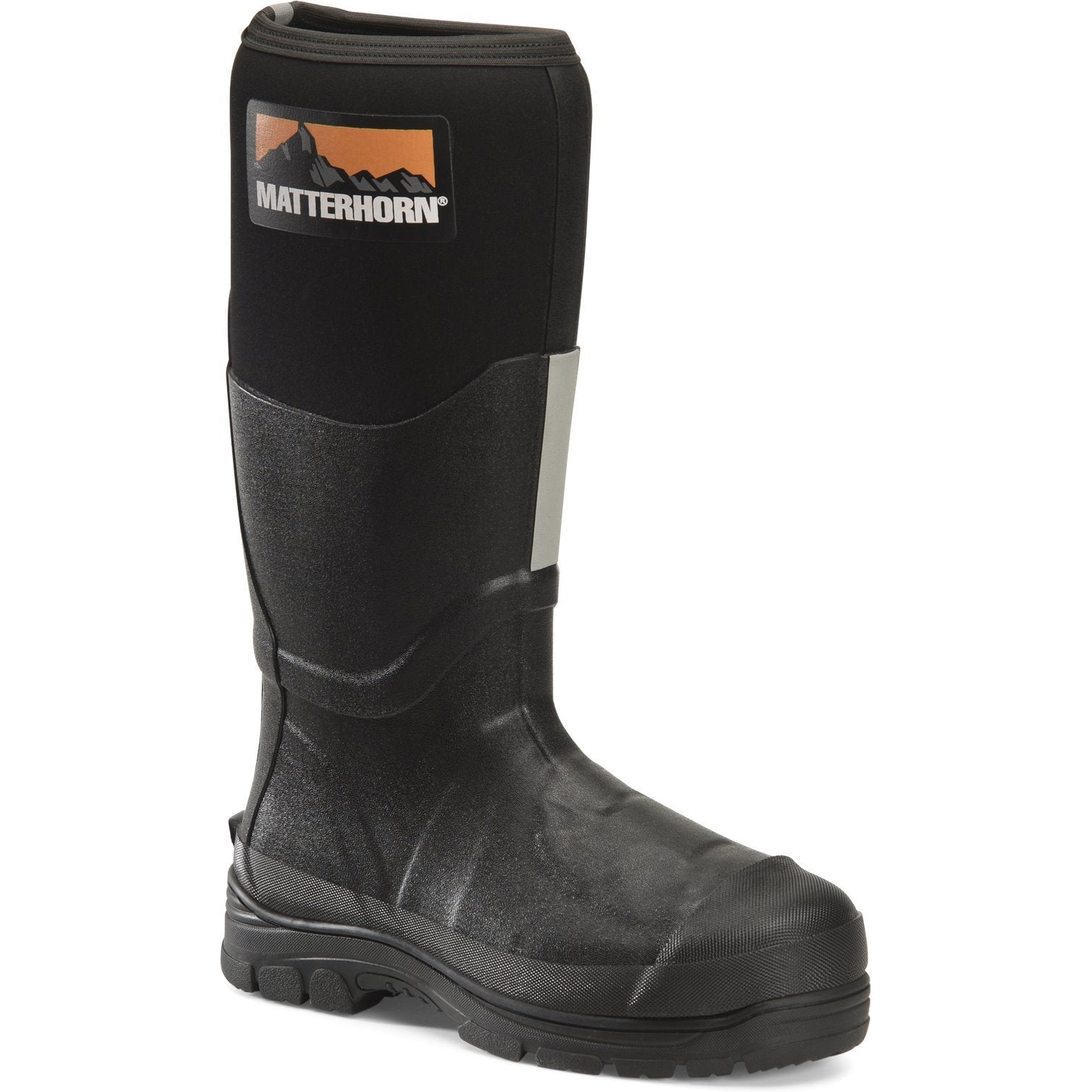
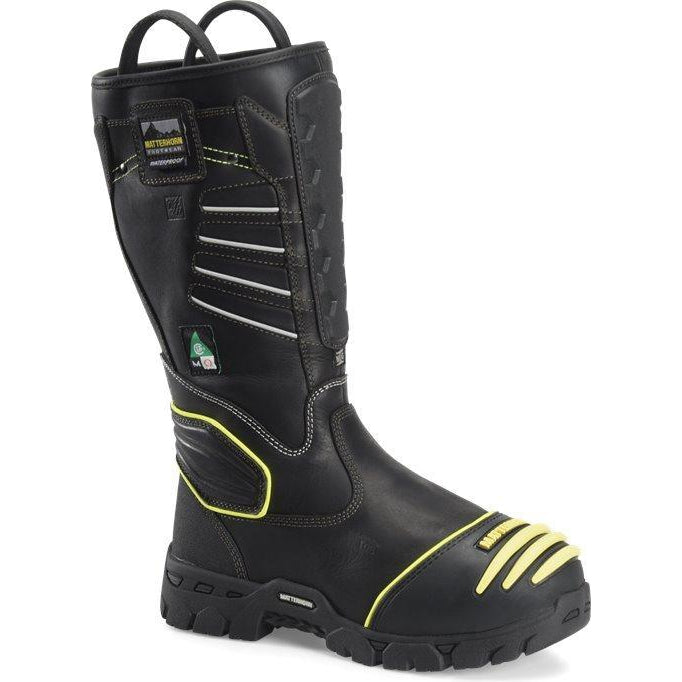
Matterhorn Men's Muckmen 15" Composite Toe Waterproof Metguard Pull-On Work Boot- MTC703
Save 29%
Sale price$163.67
Regular price$230.00
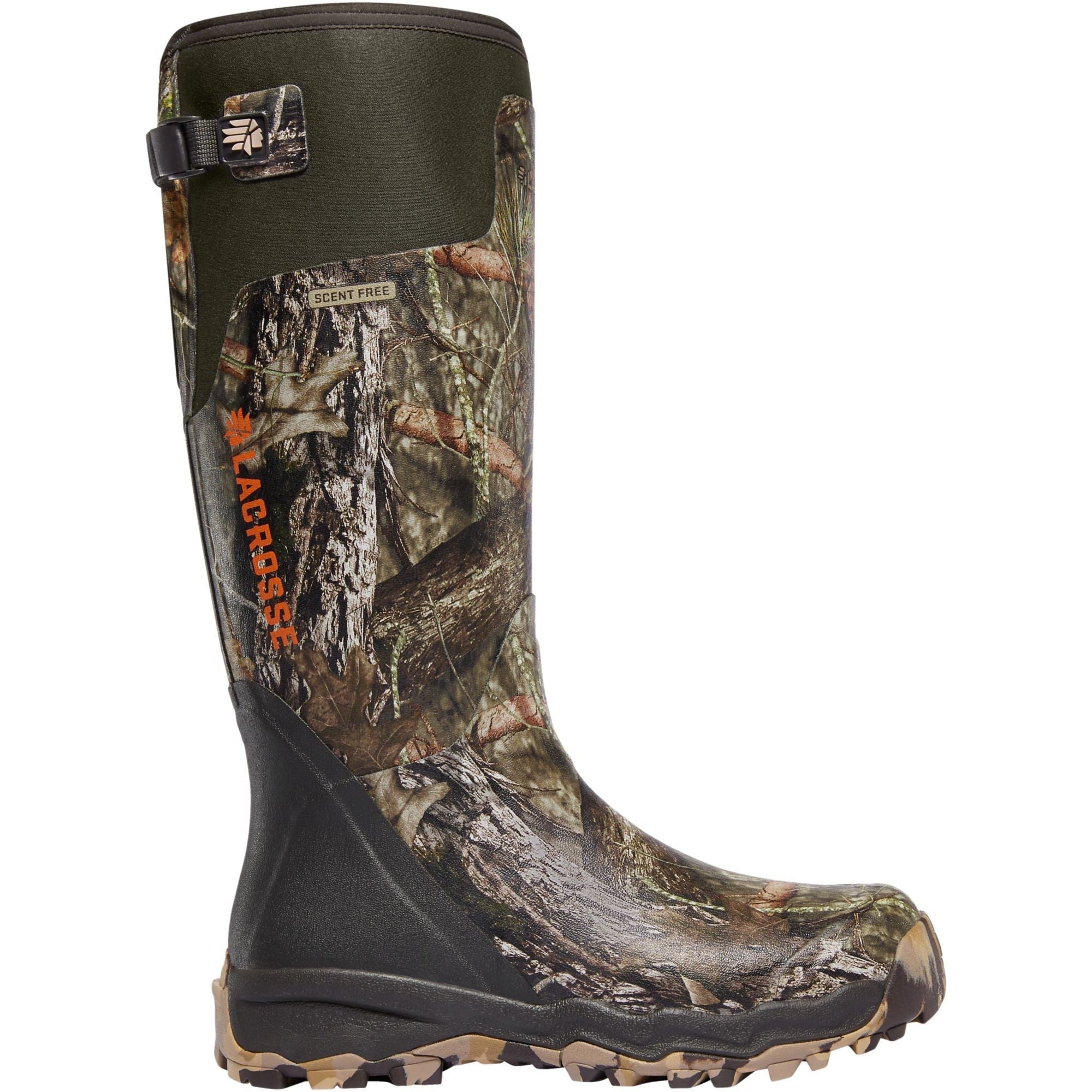
LaCrosse Men's Alphaburly Pro 18" Rubber Hunt Boot - Mossy Oak Break-Up Country - 376027
Save 8%
Sale price$242.87
Regular price$263.99
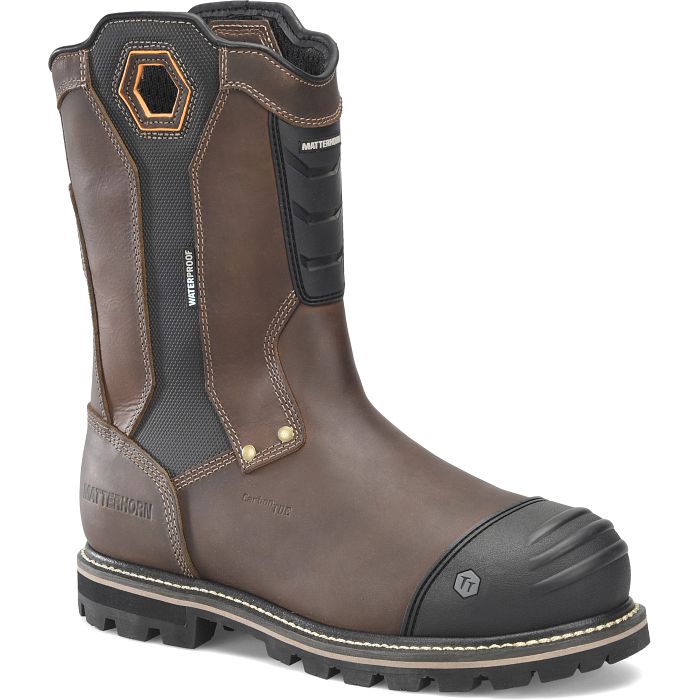
Matterhorn Men's Ibeam 10" Waterproof Composite Toe Metguard Work Boot -Brown- MT2540
Save 7%
Sale price$279.95
Regular price$300.00
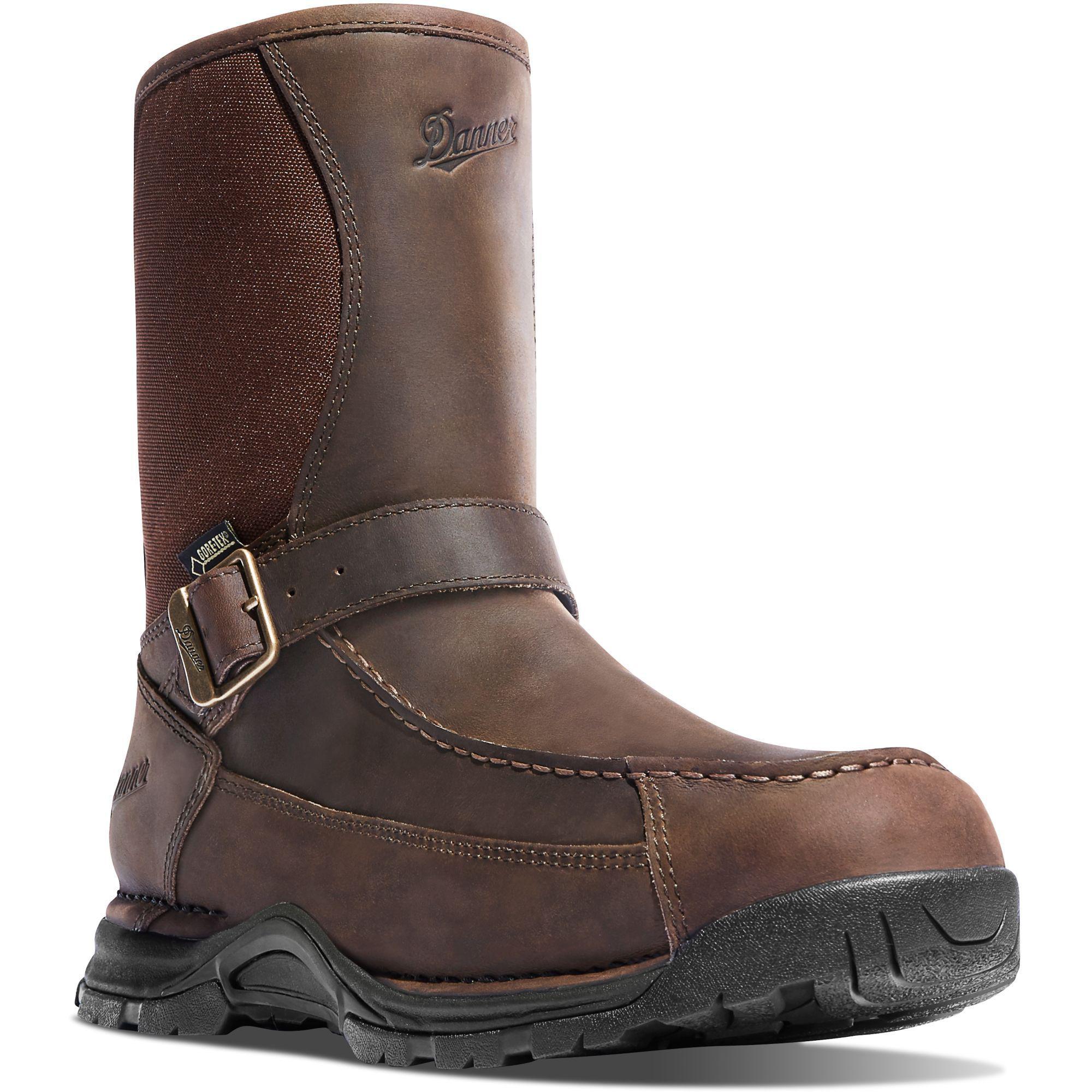
Danner Men's Sharptail 10" Rear Zip Waterproof Hunt Boot Brown - 45025
Save 19%
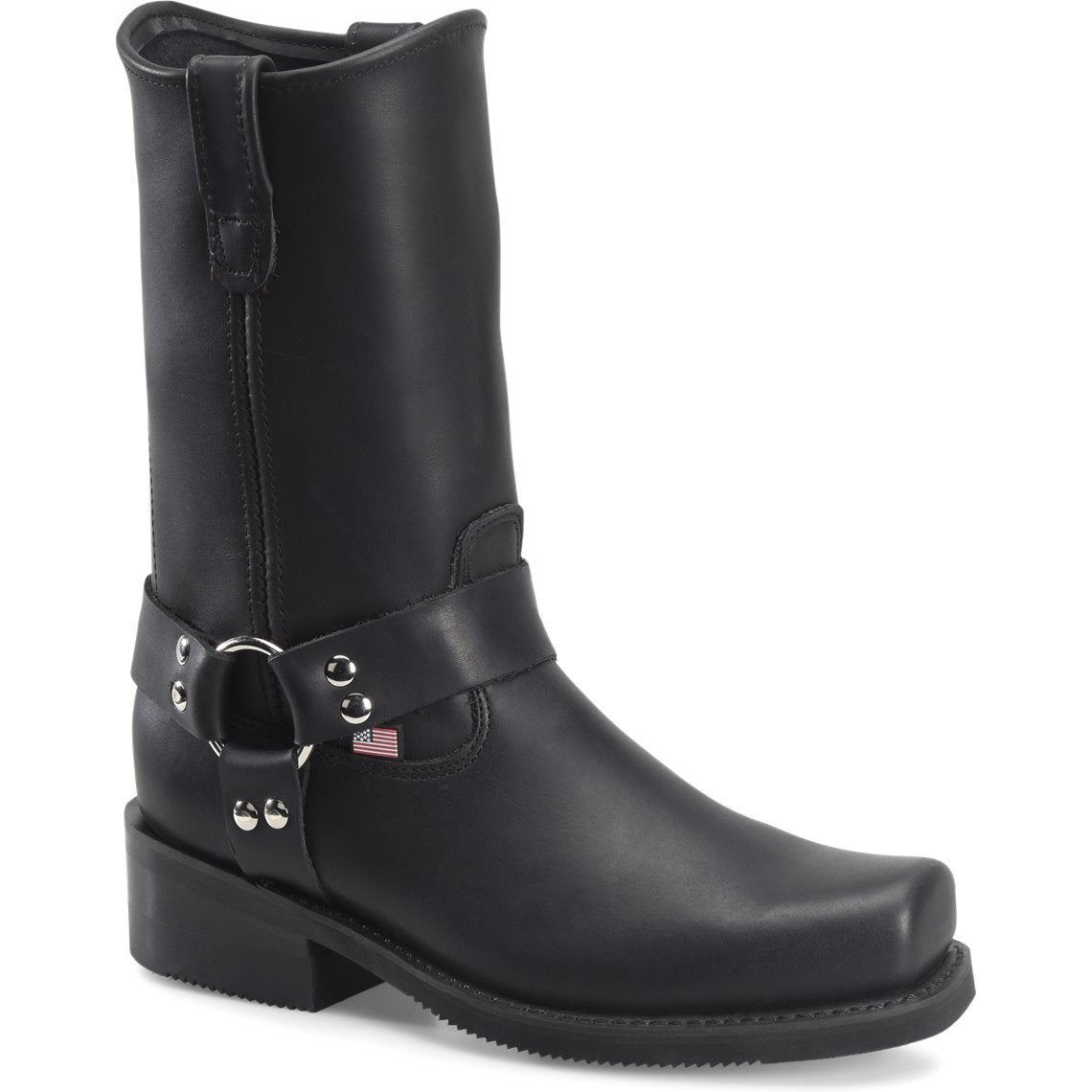
Sale price$211.64
Regular price$262.00
Double H Men's Barry 10" Square Toe USA Made Harness Boot- Black- 4008
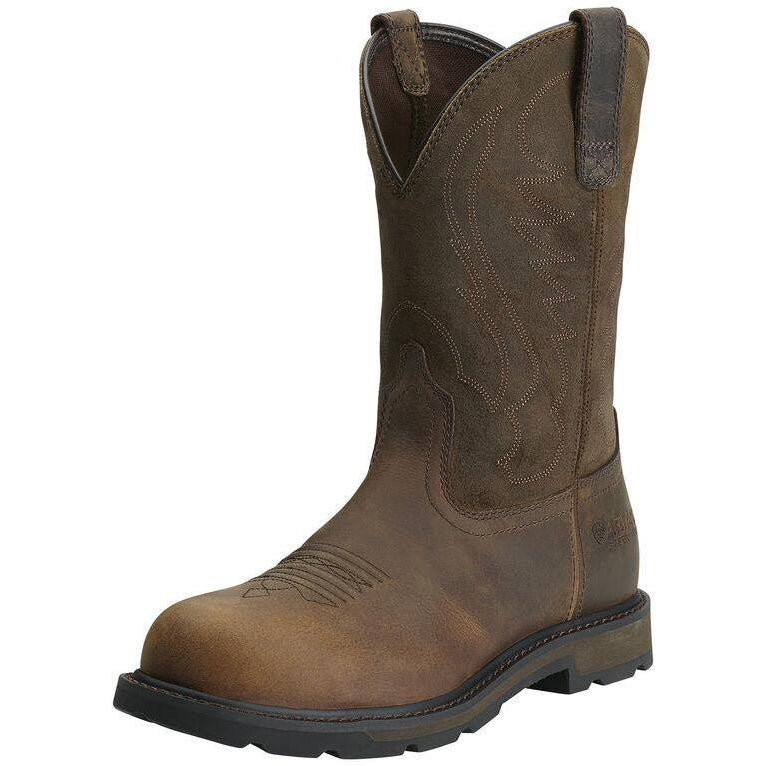
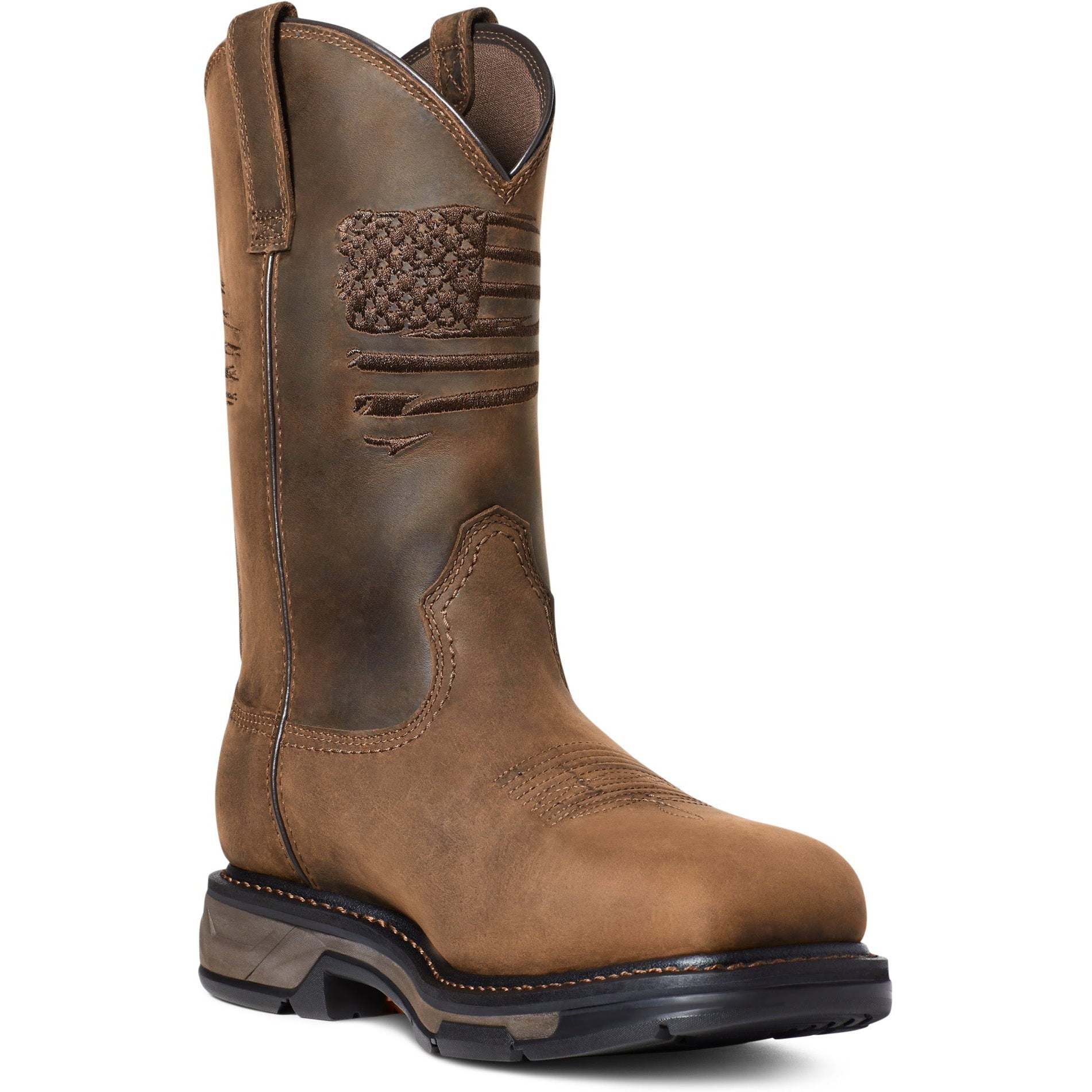
Save 6%
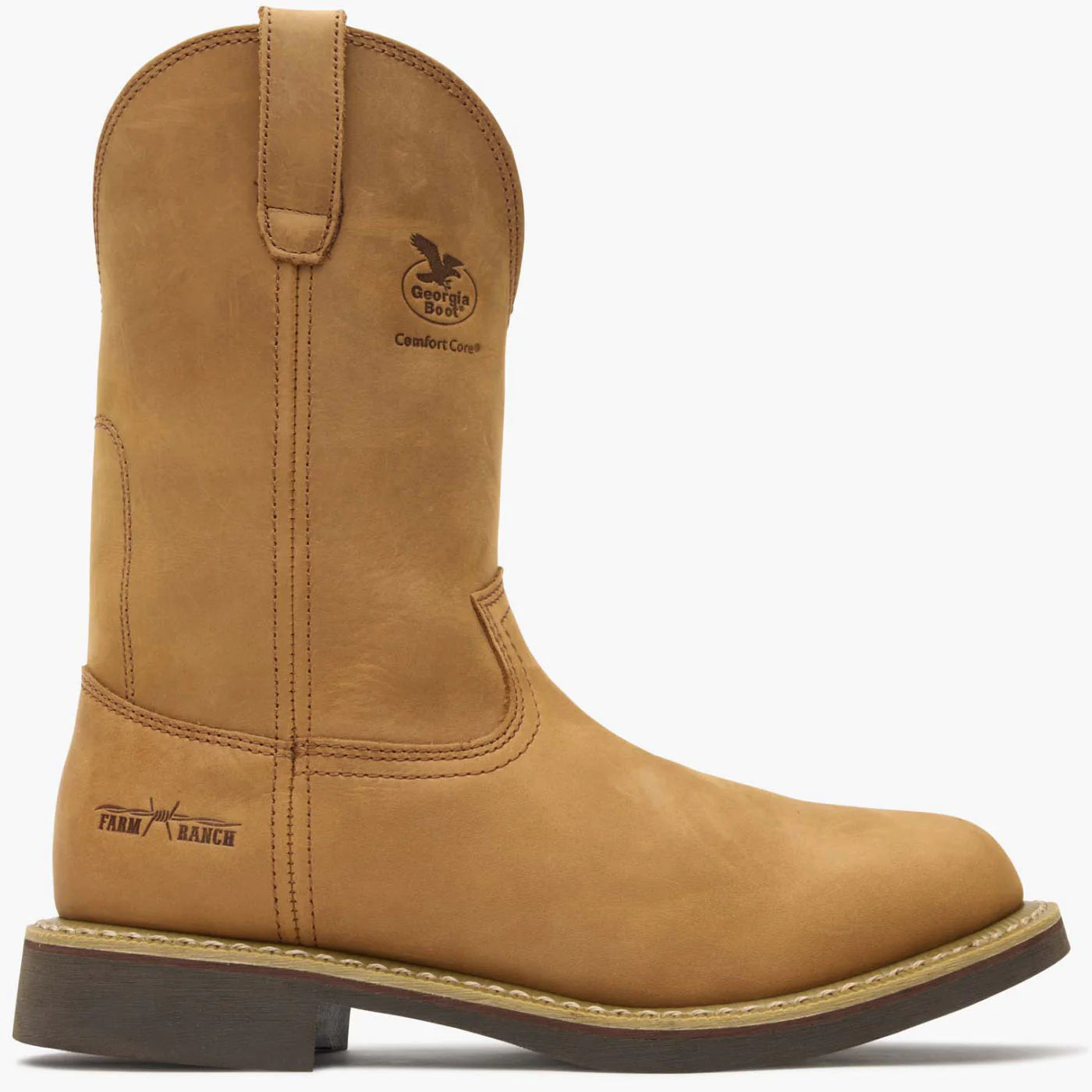
Sale price$160.00
Regular price$170.00
Georgia Men's Carbo Tec Wellington Work Boot - Brown - G5814
Save 32%
Sale price$154.67
Regular price$228.00
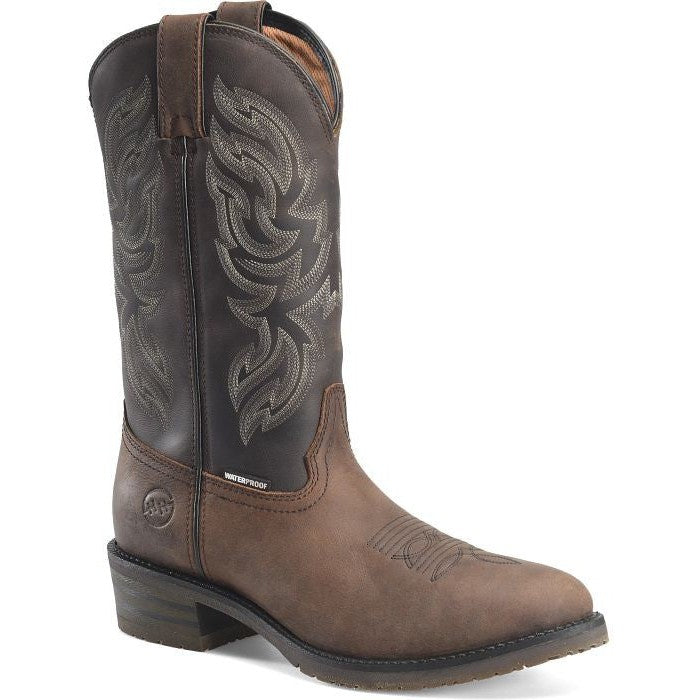
Double H Men's Tascosa 12" R Toe Waterproof Western Classic Boot -Brown- DH4158
Save 7%
Sale price$135.00
Regular price$145.00
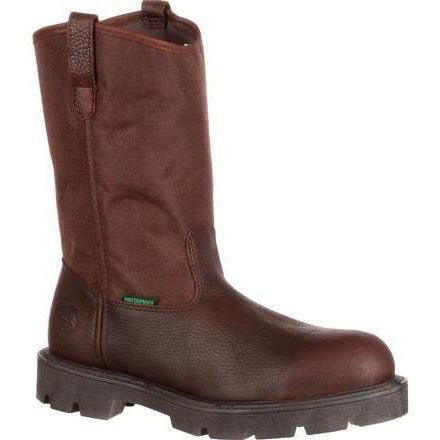
Georgia Men's Homeland Steel Toe Waterproof Wellington Work Boot - Brown - G111
Save 5%
Sale price$274.95
Regular price$290.00
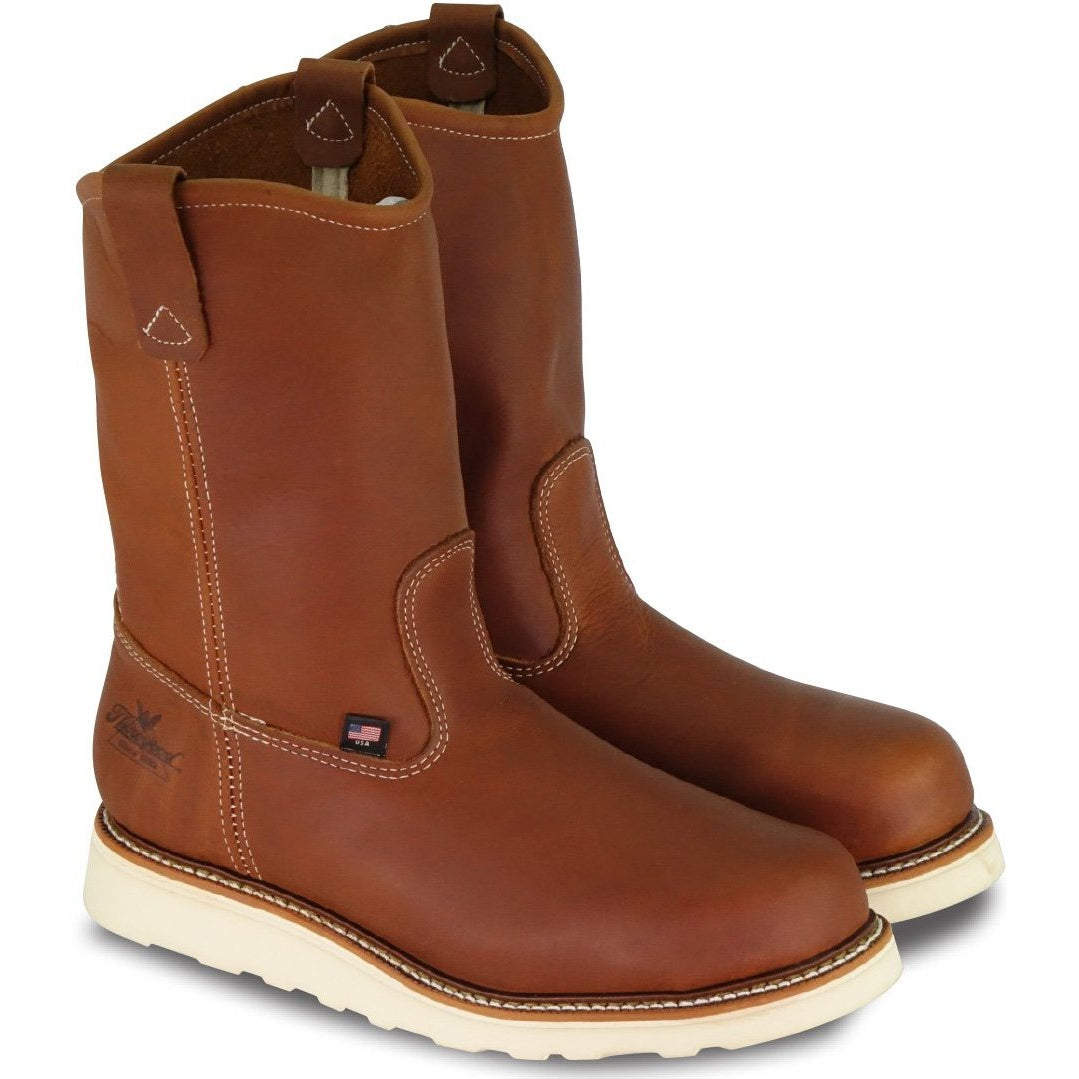
Thorogood Men's USA Made Amer. Heritage Wellington Wedge Work Boot 814-4208
Save 21%
Sale price$114.95
Regular price$145.00
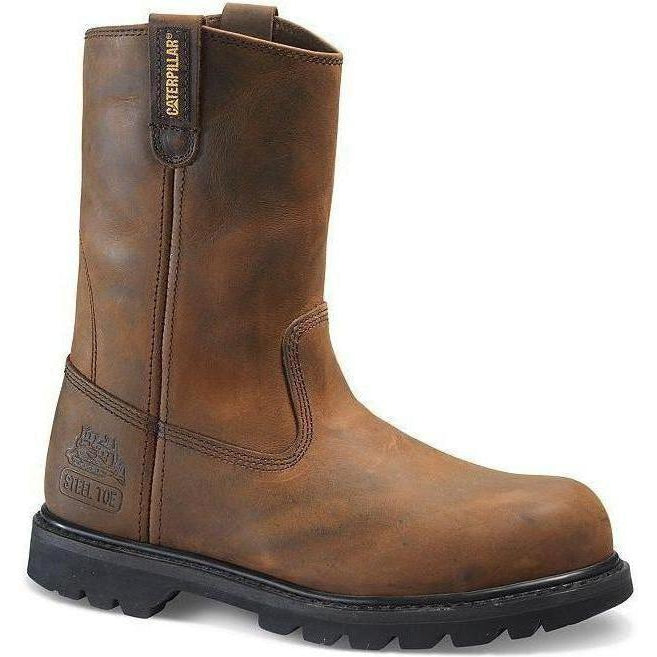
CAT Men's Revolver Steel Toe Pull On Work Boot - Brown - P89516
Save 5%
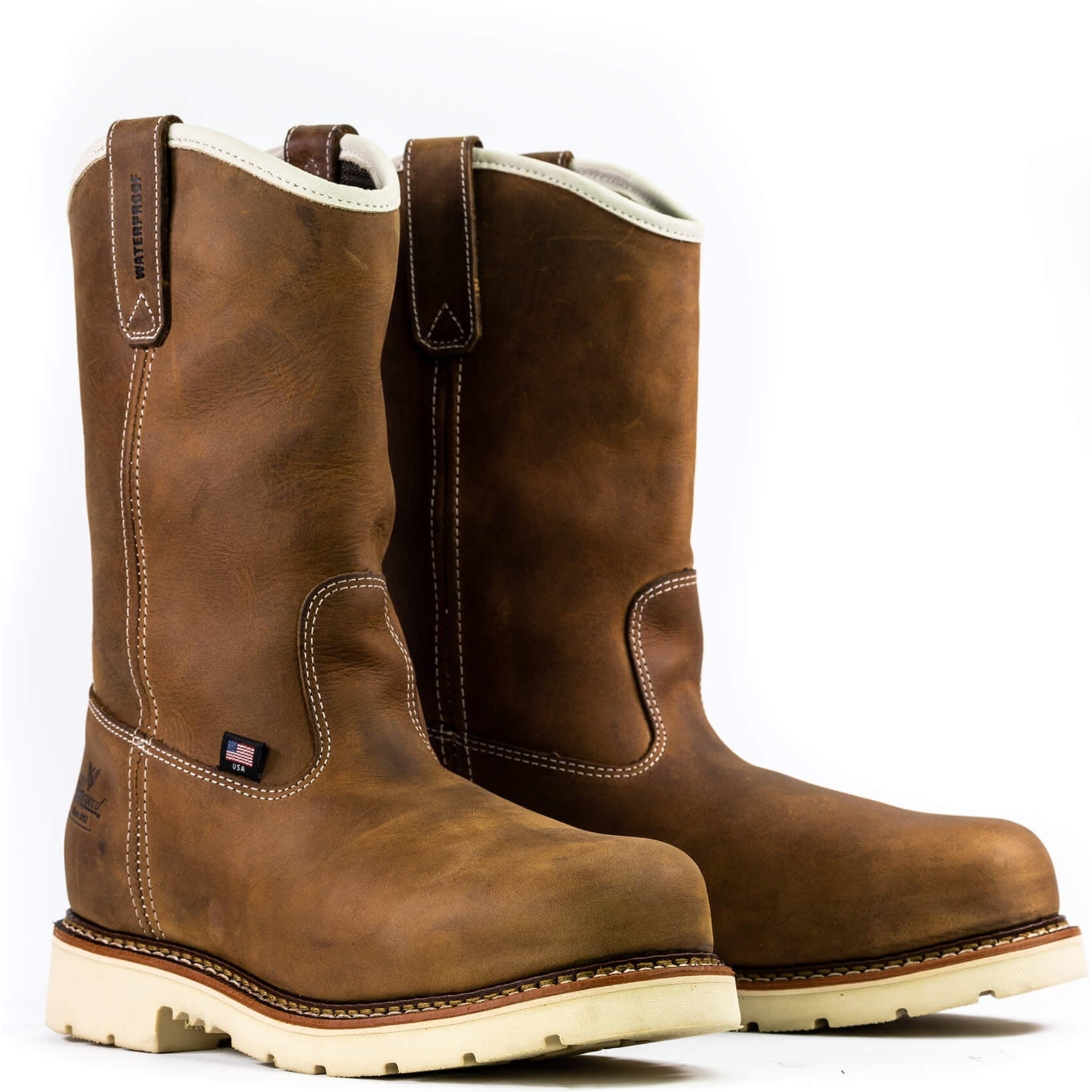
Sale price$294.95
Regular price$310.00
Thorogood Men's American Heritage 11" Steel Toe Waterproof Work Boot - 804-3320
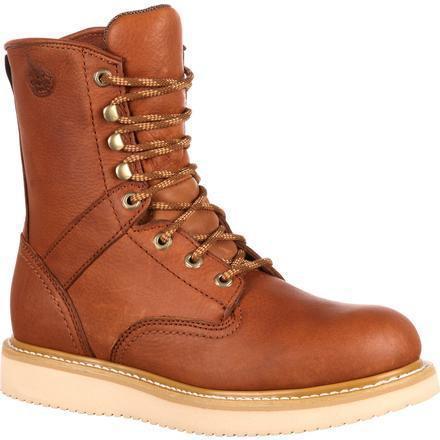
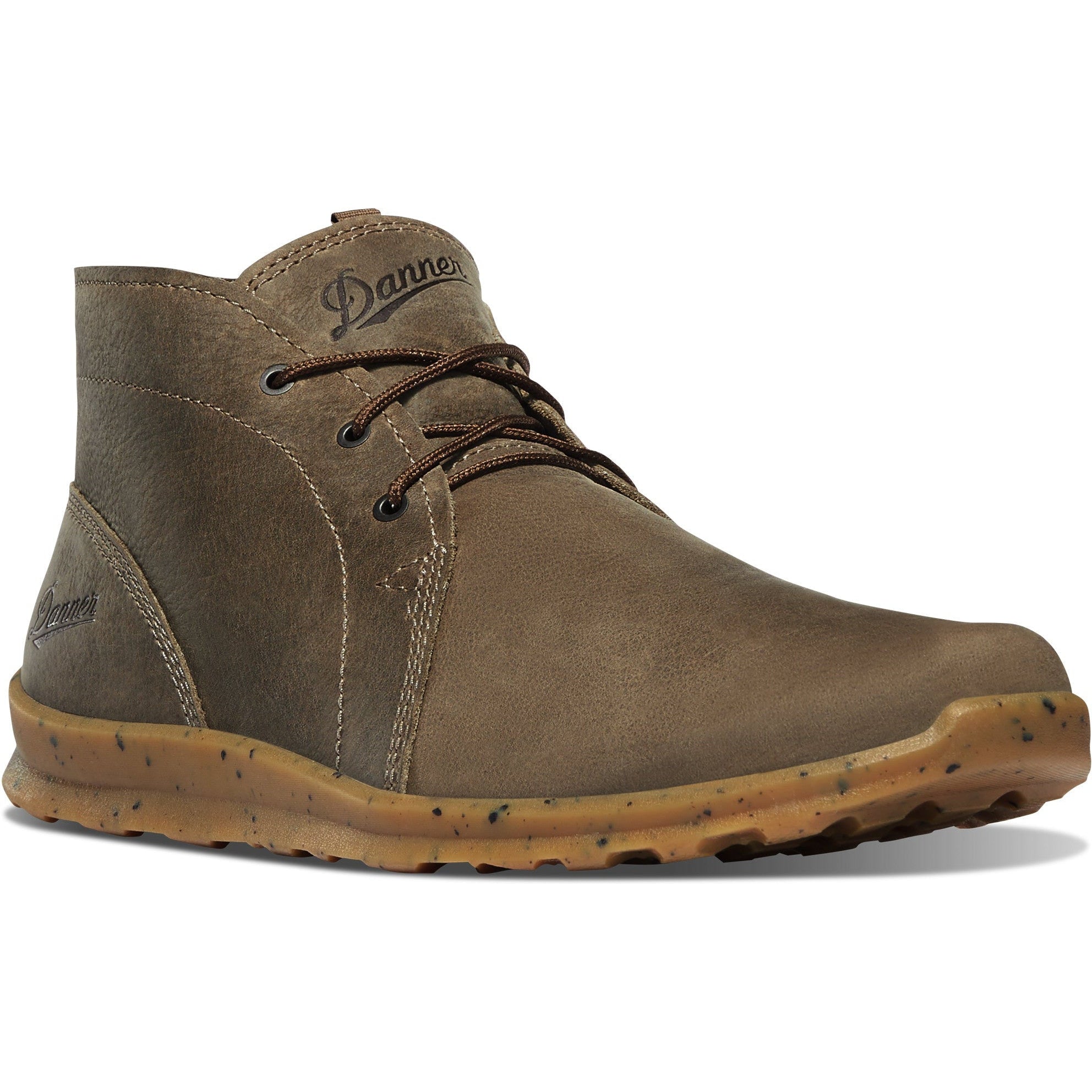
Sale price$159.95
Danner Men's Forest Chukka 4.5" Leather Lifestyle Boot - 37640
Save 12%
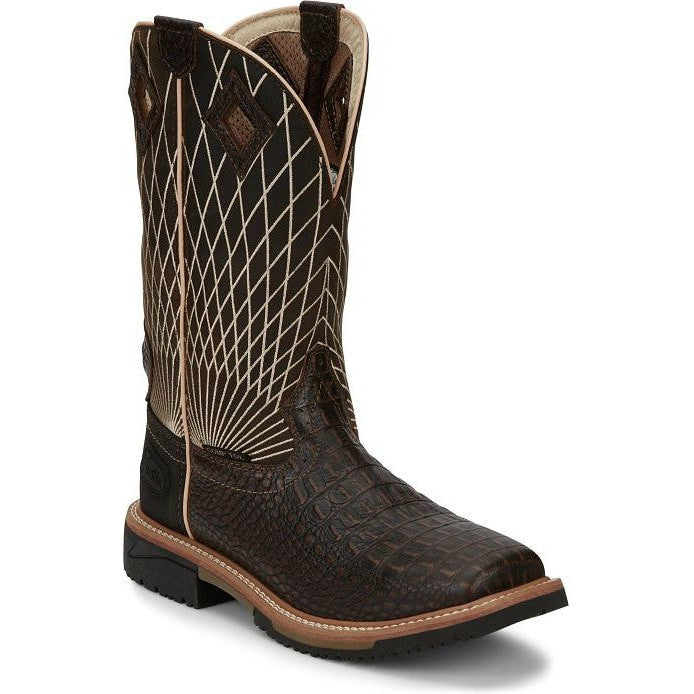
Sale price$220.75
Regular price$250.00
Justin Men's Derrickman 12" Composite Toe Slip Resistant Work Boot - Brown Croc Print - SE4833
Save 8%
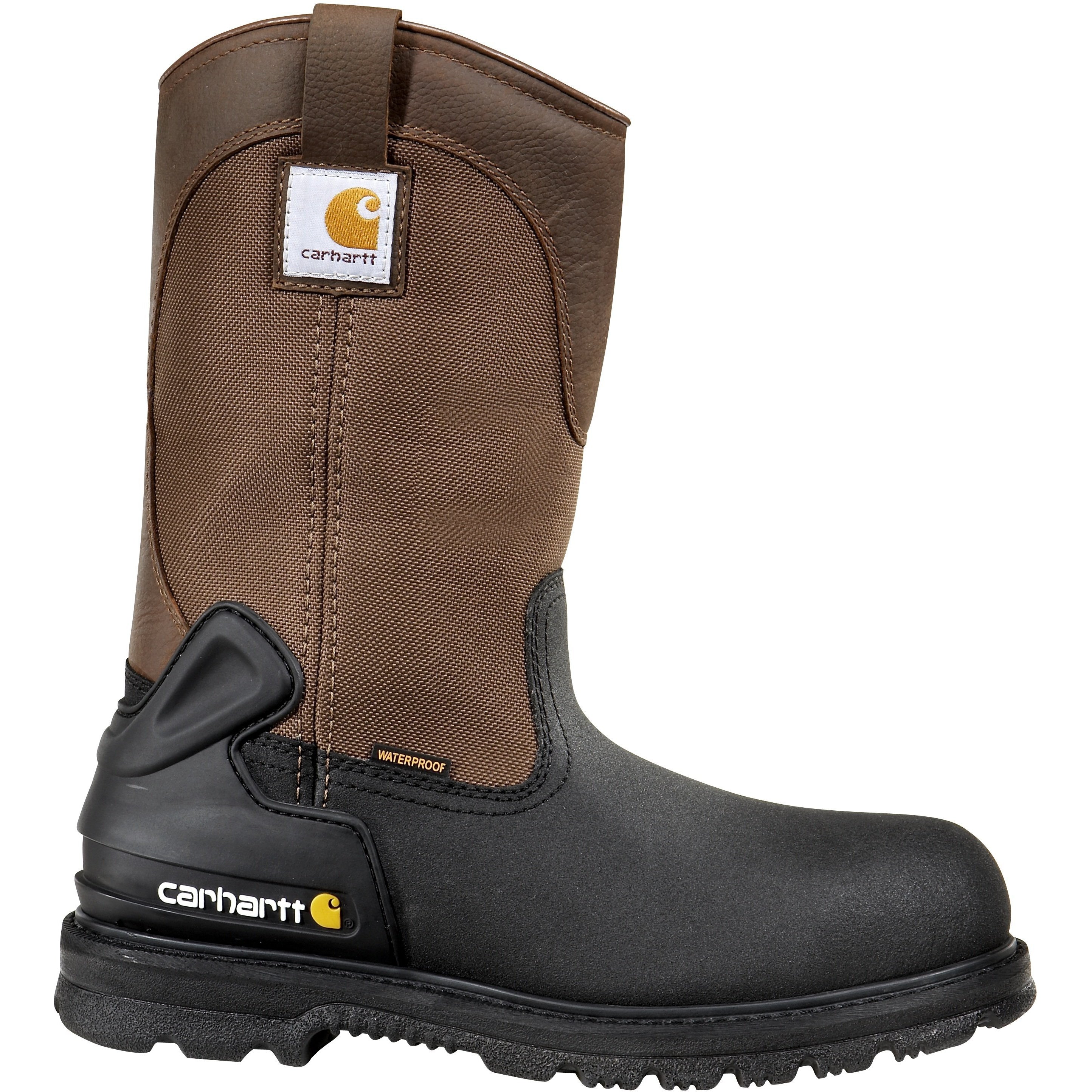
Sale price$197.79
Regular price$214.99
Carhartt Men's 11" Steel Toe Ins Waterproof Wellington Work Boot Brown CMP1259
Save 9%
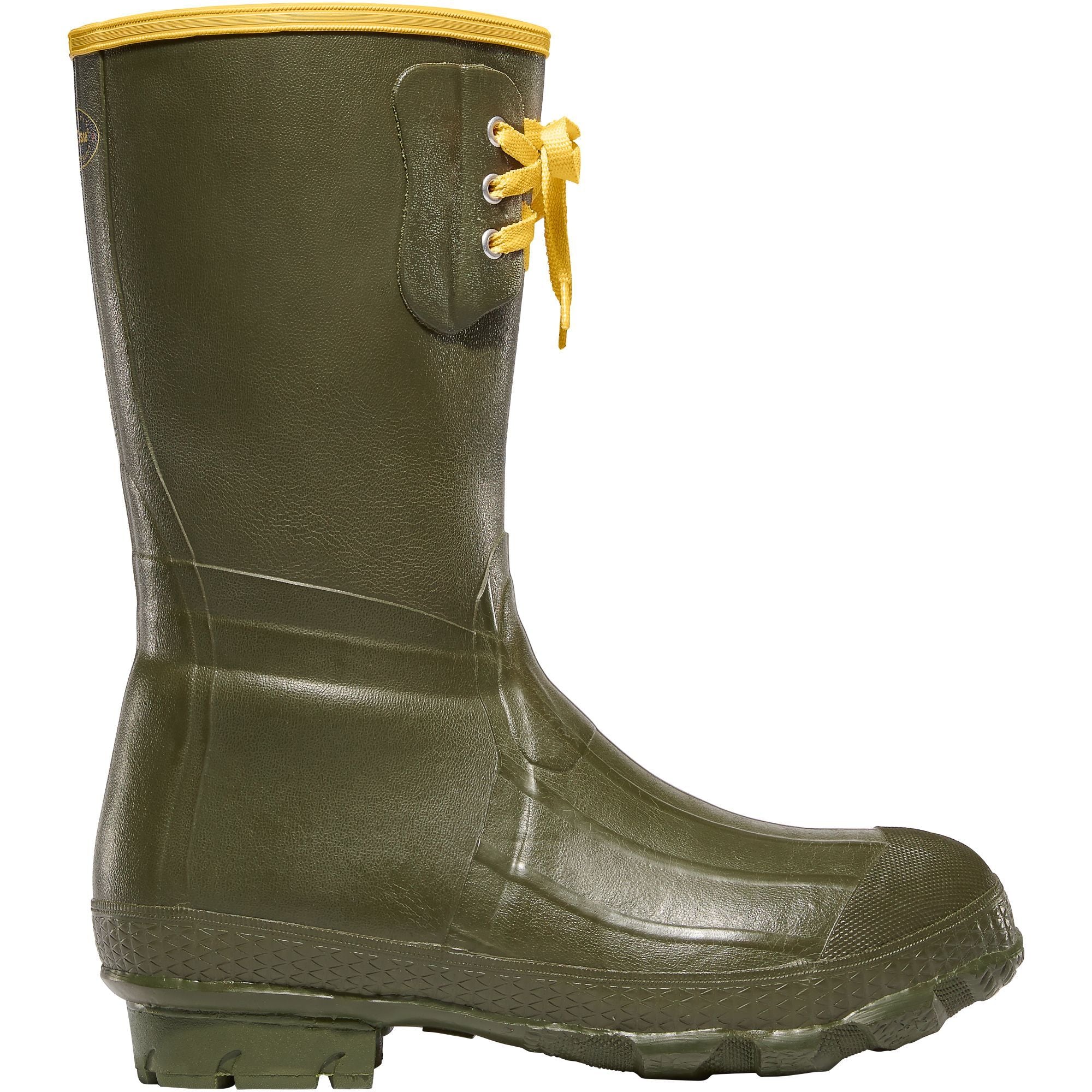
Sale price$139.95
Regular price$154.00
LaCrosse Men's Insulated Pac 12" Rubber Work Boot - Green - 260040
Save 15%
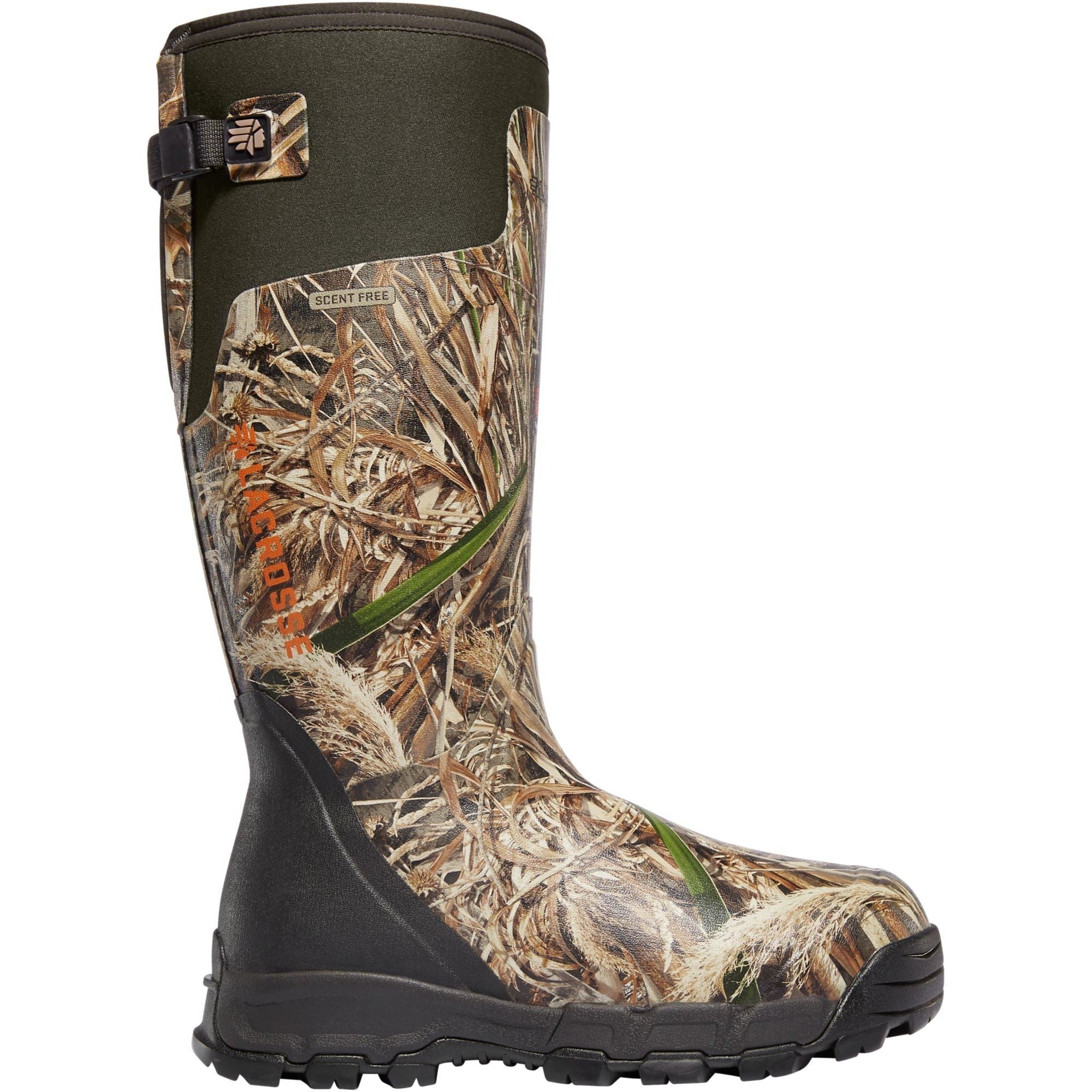
Sale price$219.95
Regular price$258.00
LaCrosse Men's Alphaburly Pro 18" 800G Insulated Rubber Hunt Boot - Realtree Max-5 - 376021
Save 12%
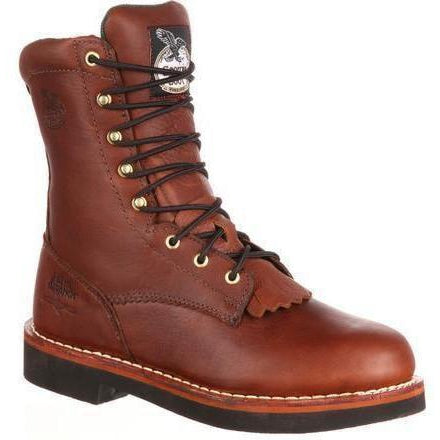
Sale price$172.05
Regular price$195.00
Georgia Men's Farm and Ranch 8" Lacer Work Boot - Brown - G7014
Save 13%
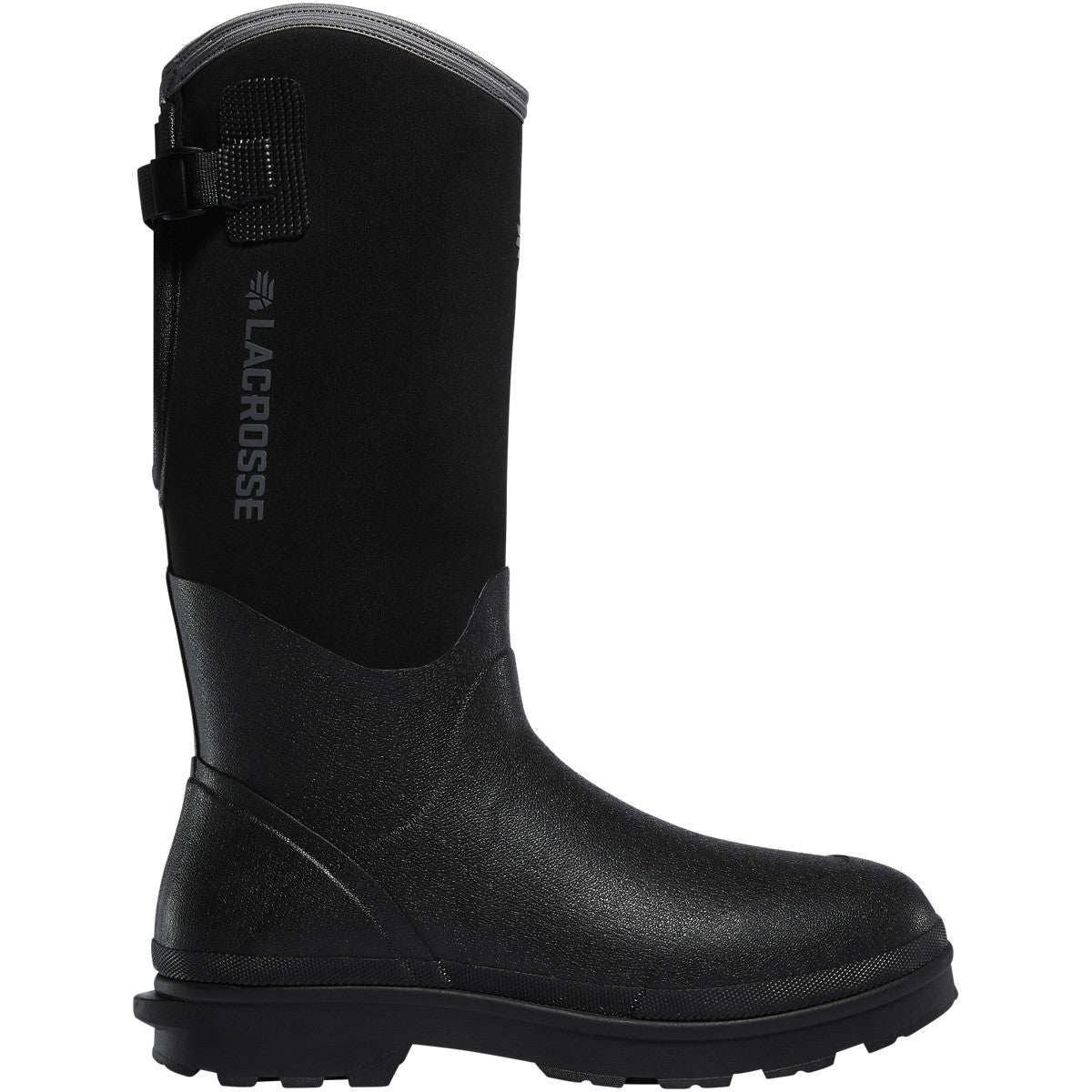
Sale price$209.95
Regular price$242.00
LaCrosse Men's Alpha Range 14" Composite Toe Waterproof Rubber Work Boot - Black - 248311
Save 13%
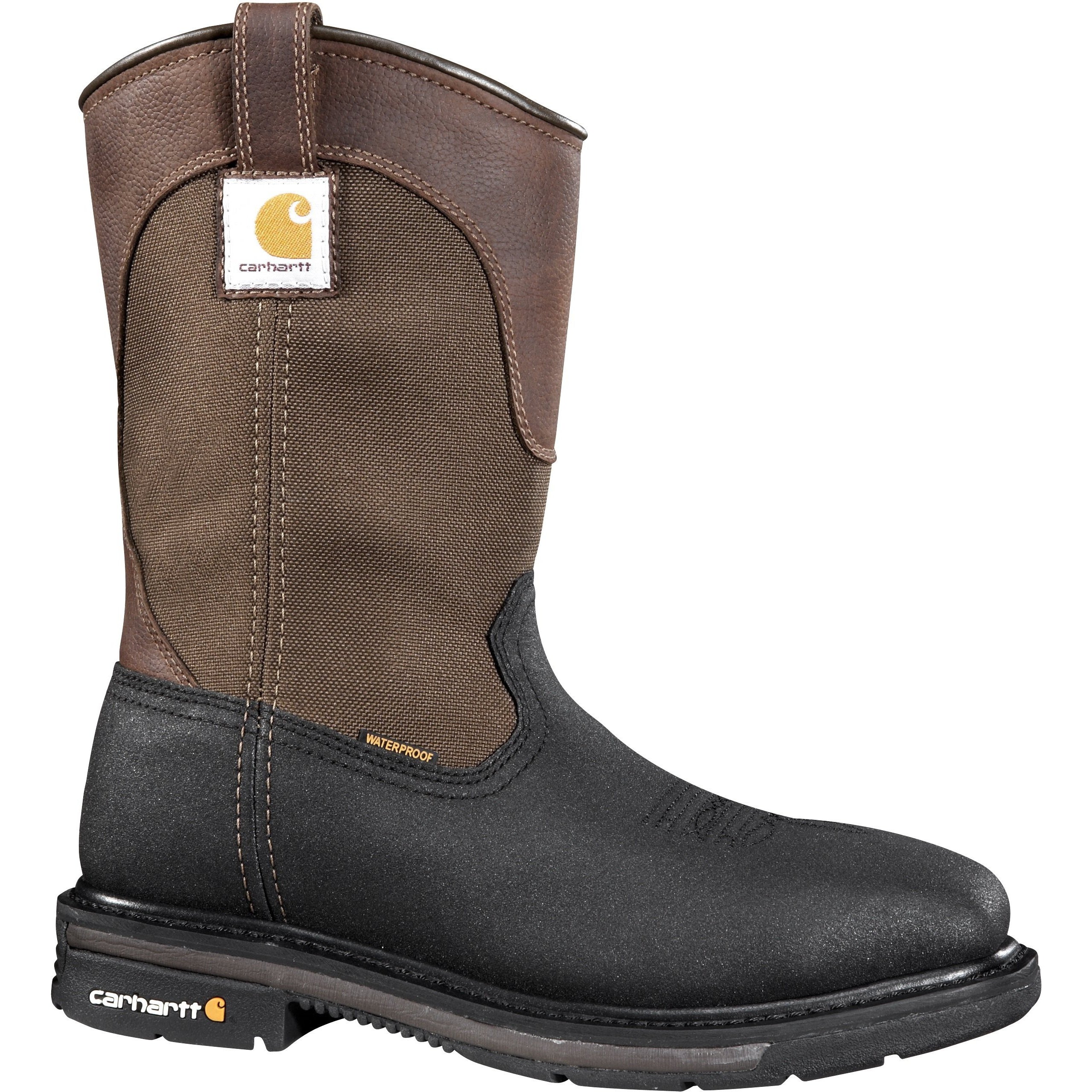
Sale price$174.79
Regular price$201.50
Carhartt Men's Rugged Flex 11" Square Steel Toe Waterproof Well. Work Boot CMP1258
Save 8%
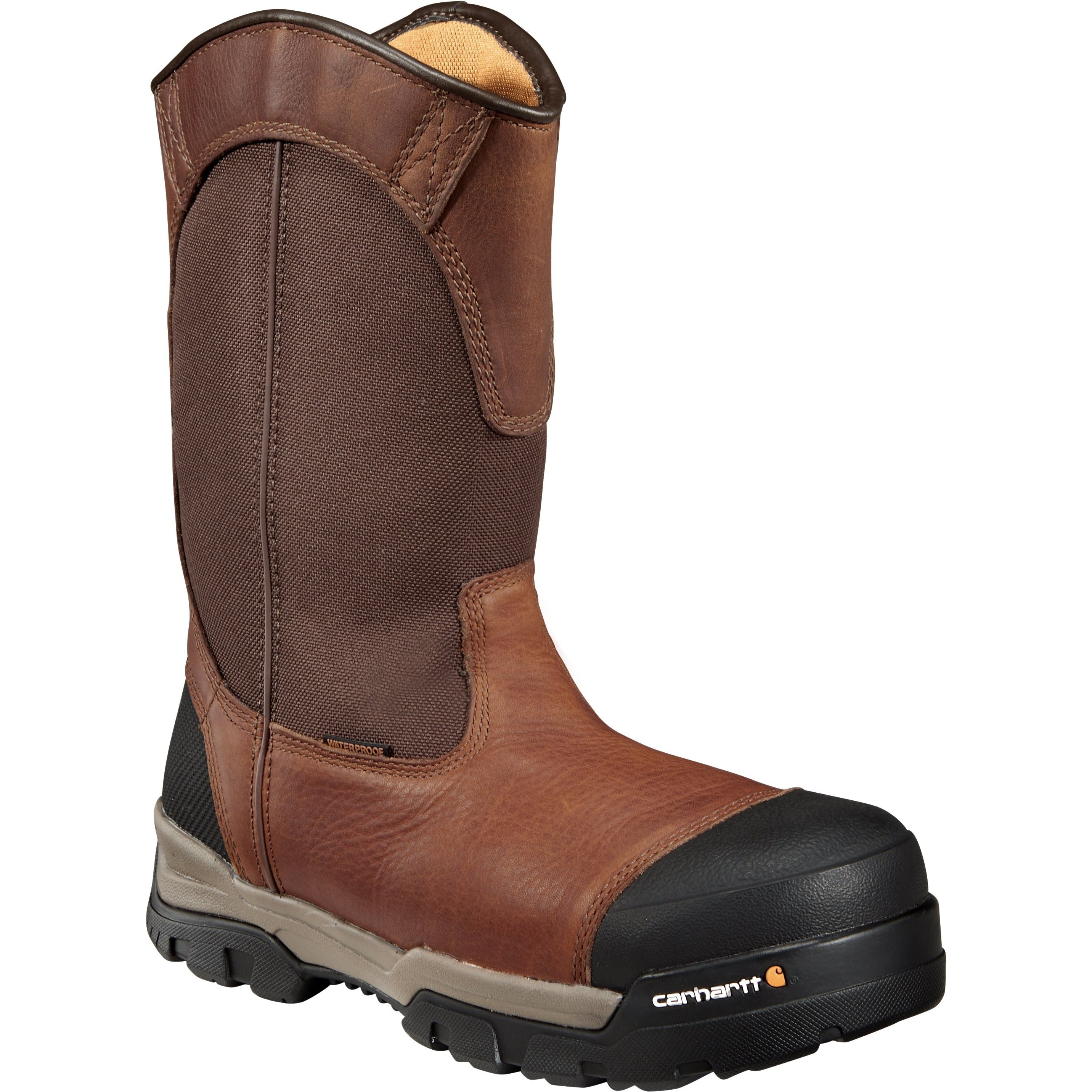
Sale price$193.19
Regular price$209.99
Carhartt Men's Ground Force 10" Composite Toe Waterproof Wellington Work Boot CME1355
Save 10%
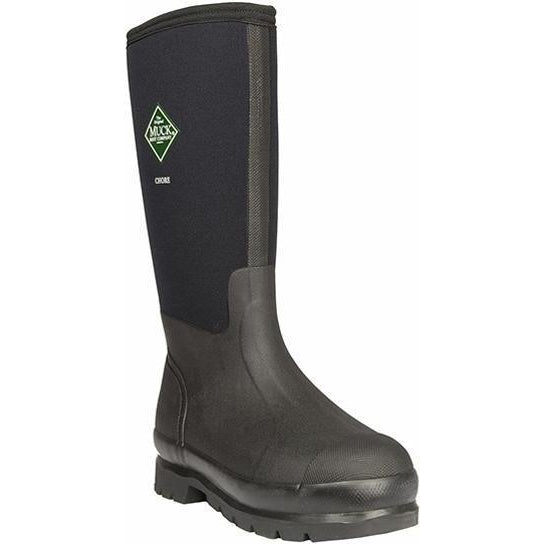
Sale price$130.00
Regular price$145.00
Muck Men's Chore Tall 17" Waterproof Rubber Work Boot - Black - CHH-000A
Frequently Asked Questions
Rubber for the barn, the lot, and washdown; leather for fieldwork, equipment operation, and covering ground. Rubber is waterproof by construction with no seams to fail and hoses clean, but it does not breathe and offers little support. Leather breathes and supports but soaks and eventually rots under constant wet and manure. Most farmers keep both and choose by the job. See our rubber boots range.
Ammonia. Manure produces it, and it breaks down both leather and rubber considerably faster than mud or general wear does. Cleaning agents used in dairy washdown do the same. Rinsing boots at the end of the day is the single most effective thing you can do to extend their life, and it matters more on a farm than almost anywhere else.
Two reasons, and the second is the important one. Pull-ons come on and off in seconds when you are in and out of the house, the truck, and the barn all day. More significantly, there are no laces to catch on a PTO shaft, an auger, a chain, or a rung, and entanglement in rotating equipment is a genuine farm hazard rather than a theoretical one. See our pull-on work boots range.
Livestock is the case for one. A cow standing on your foot delivers exactly the compression a rated cap is designed for, and it happens routinely in dairy and cattle work. Equipment and material handling are the other cases. Plenty of farm work carries no crush hazard and a soft toe is more comfortable, so it comes down to whether you work around animals and machinery.
For morning and evening chores in real cold, yes, and neoprene-lined rubber boots insulate well without the bulk of a heavy leather winter boot. Match insulation to how much you move rather than to the temperature: standing in a milking parlor calls for far more than walking fence line. Insulation you do not need traps sweat and leaves your feet colder by the end.
A waterproof leather pull-on with a lugged sole is the usual compromise, since it handles mud and wet grass, keeps out debris, and is comfortable enough to walk and drive in. It will not survive daily washdown the way rubber does, and it is more than you need for a quick chore round. Honestly, most people find one boot does not cover both well.
Yes, and that is why they are so common on ranches and cattle operations. The tall pull-on shaft keeps debris out, there is nothing to catch on equipment, and the shape works in a stirrup if you ride. Work-rated western boots add a safety toe and a jobsite outsole rather than the smooth leather sole of a traditional cowboy boot. See our western work boots range.
Rubber or neoprene, without much argument. A parlor is constant water, manure, and cleaning chemicals on a hard slip-prone floor, which is the exact set of conditions that destroys leather. Look for chemical tolerance in the compound and a slip-resistant outsole, and expect to replace them on a schedule rather than wearing them until they fail.
Some tall pull-ons do, and it is worth checking rather than assuming, because a rubber or leather pull-on has a fixed shaft circumference with no lacing or gusset to open it up. Sizing up in length adds very little around the calf. If tall boots have not gone on for you before, look for a wide calf model specifically.
Rinse manure and chemicals off after each use, let them dry at room temperature away from direct heat, and store them upright rather than folded at the ankle. Heat is what hardens and cracks leather; folding is what cracks rubber. Both failures happen at the flex point, and both are avoidable with a hose and a boot rack.