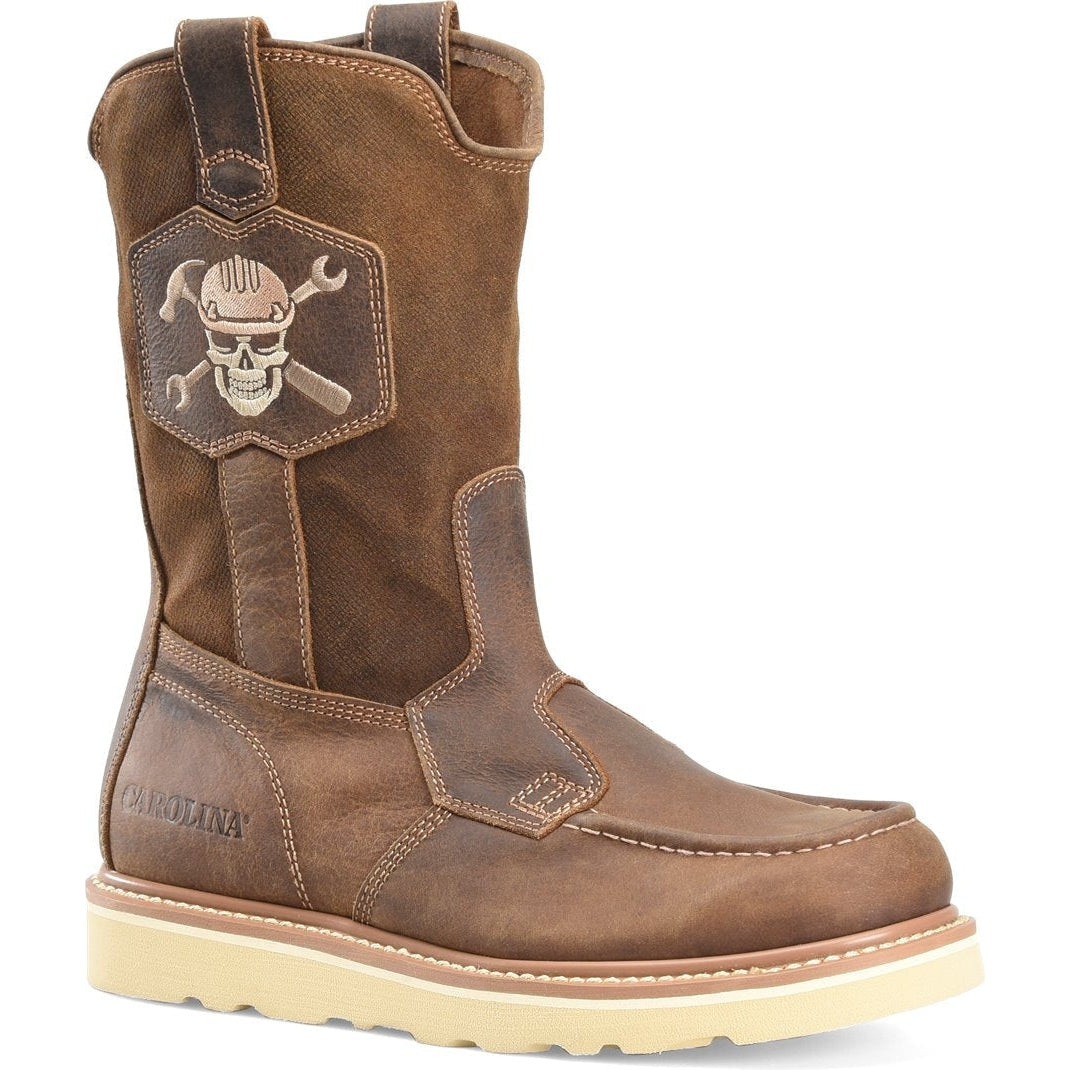
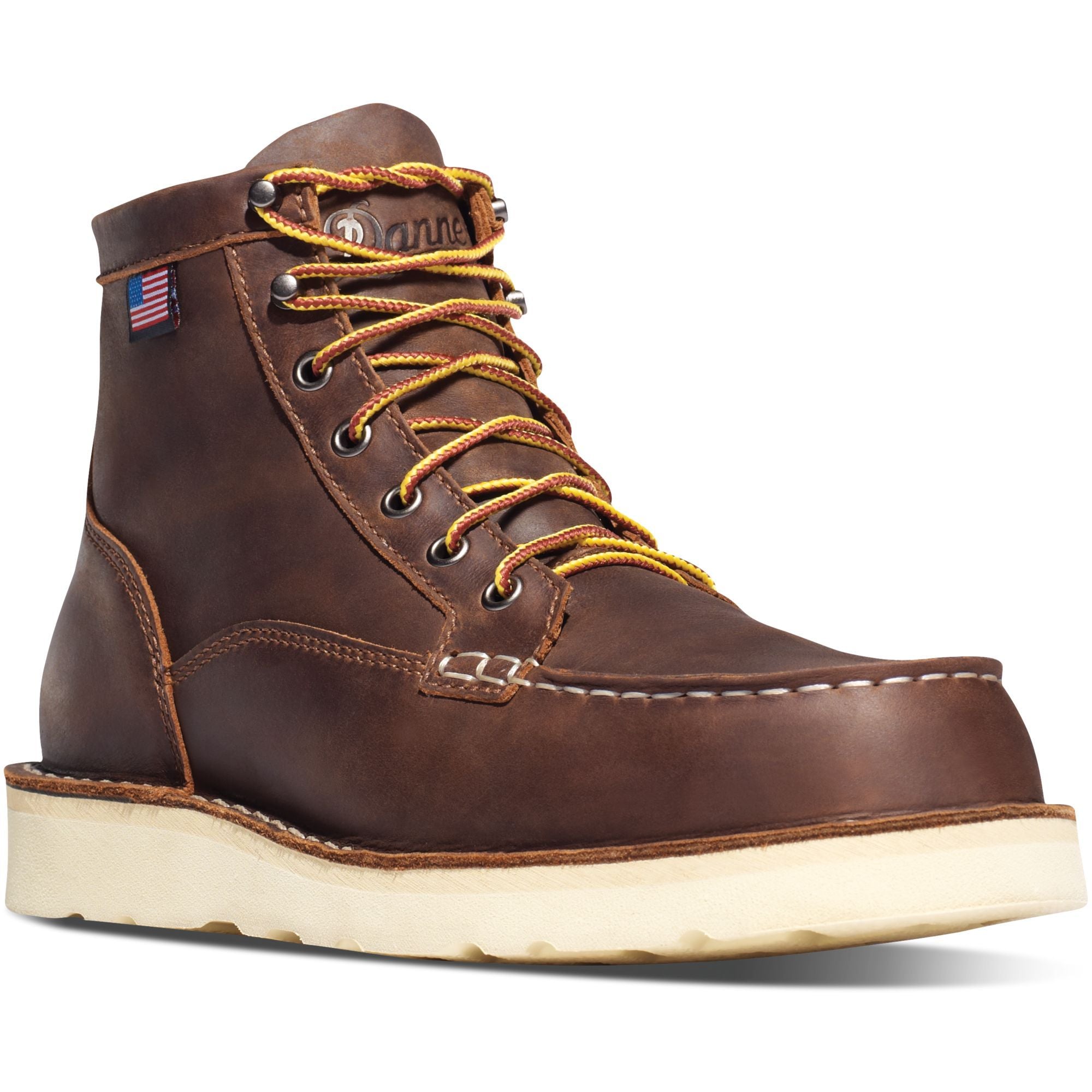
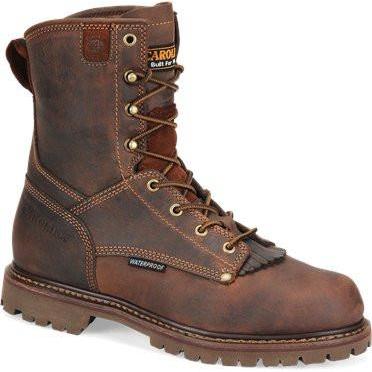

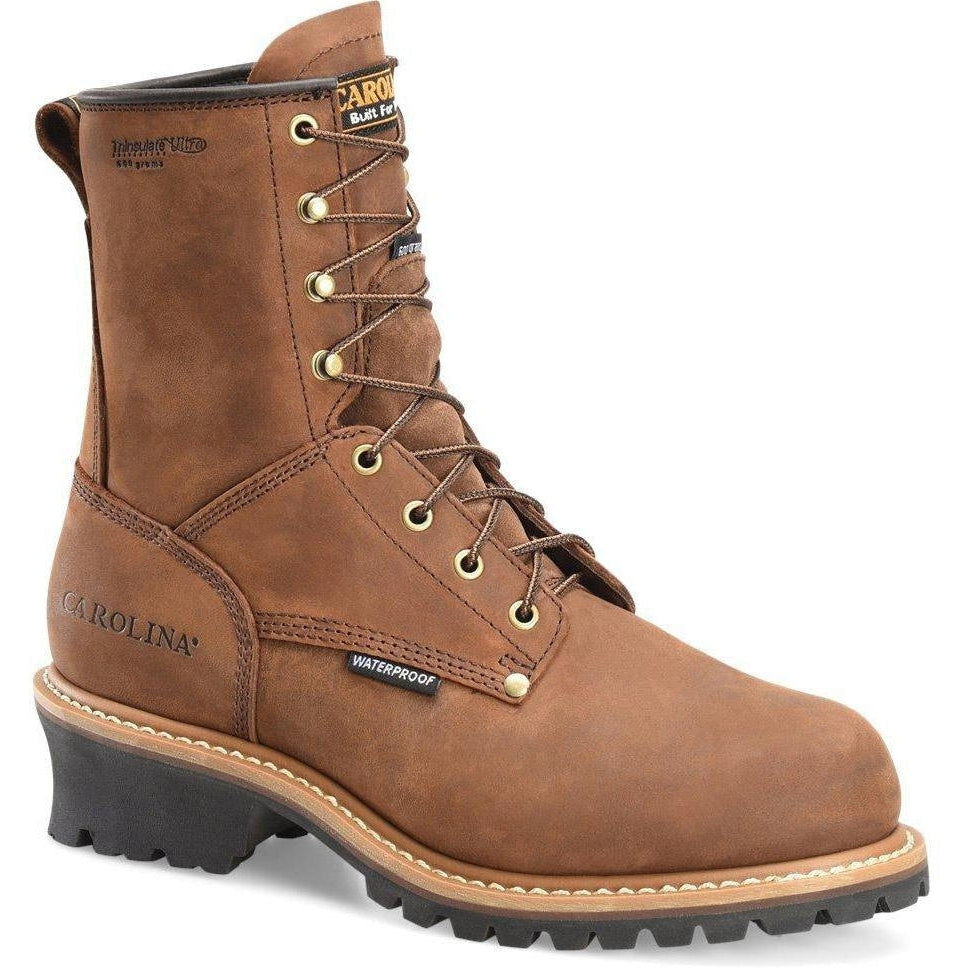
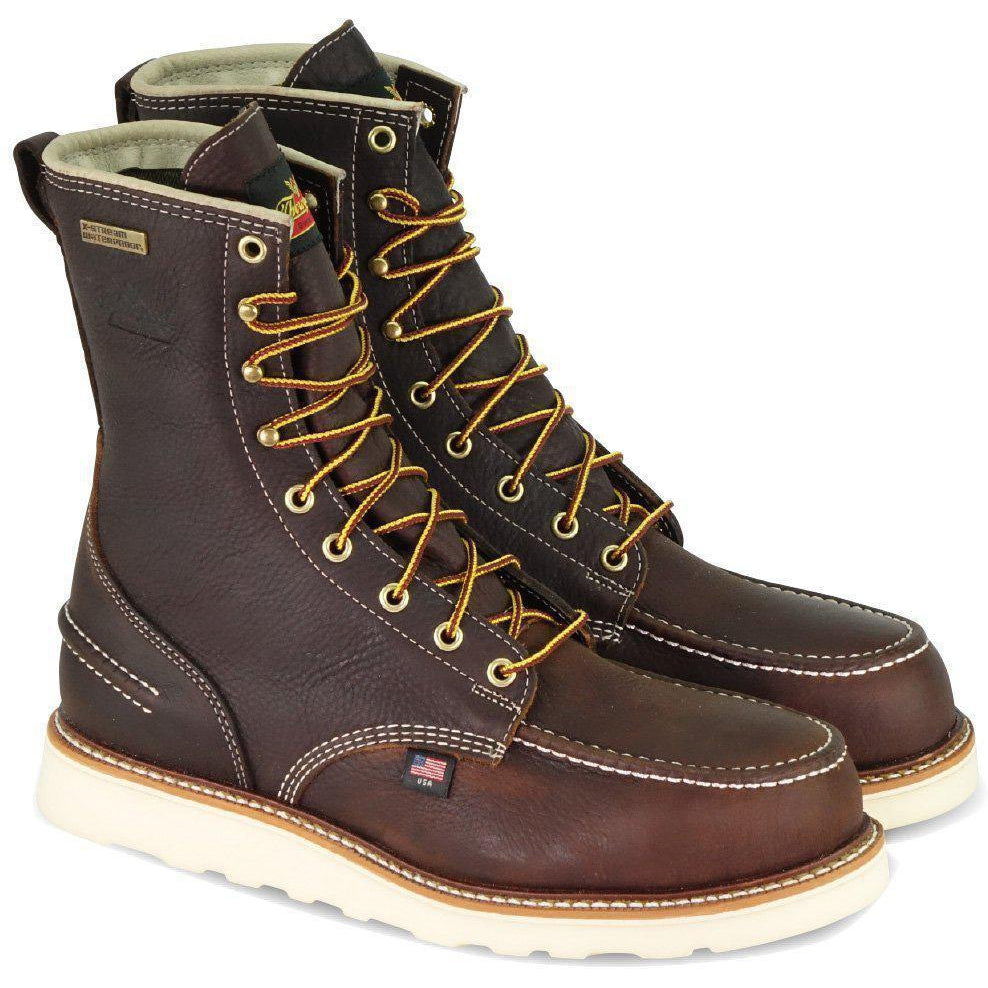
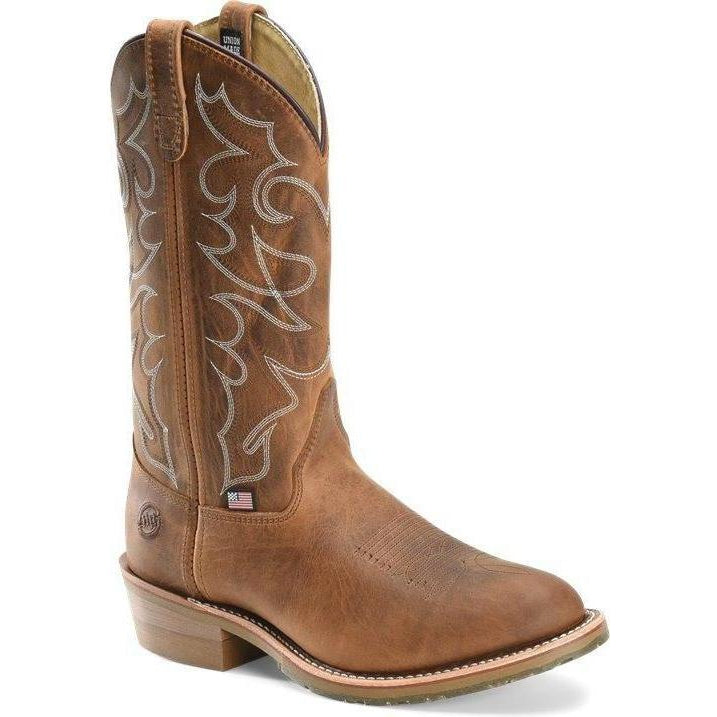
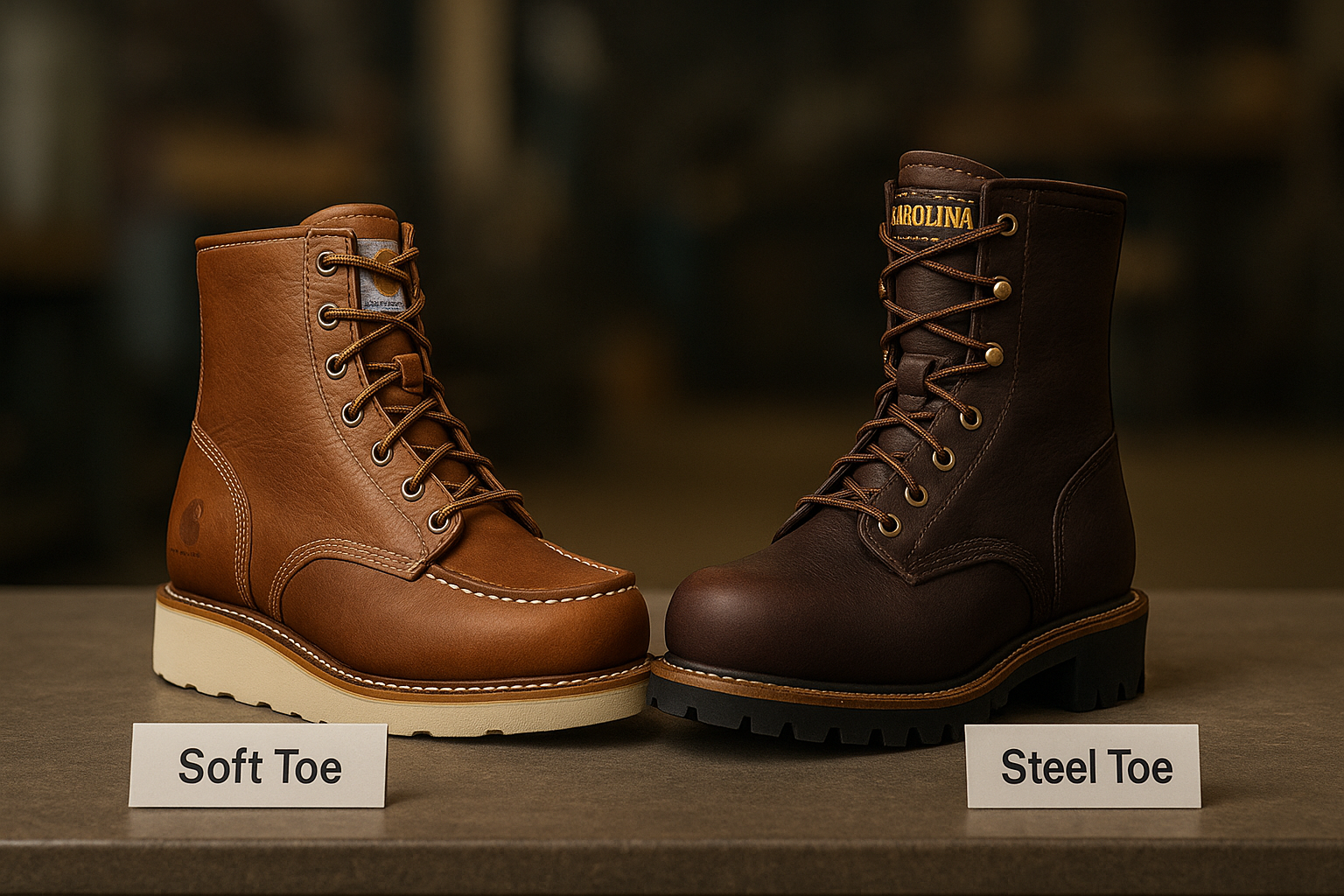
Choosing work boots shouldn’t be a gamble. For soft-toe vs steel-toe boots, the fastest way to get it right is simple: match the boot to the hazard, then optimize for comfort. If your day involves falling or rolling objects, or your site policy calls for a safety toe, start with a steel‑toe or other rated safety‑toe style. If not, a soft‑toe boot can deliver lighter steps, easier break‑in, and less end‑of‑shift fatigue while still offering serious traction, waterproof options, and the support you need for long hours on concrete. This guide shows key differences and helps you choose fast and easily.
Soft Toe Boots: Comfort and Speed When Hazards Are Low
Soft‑toe boots skip the protective toe cap to deliver a lighter, more flexible feel and a faster break‑in. For roles centered on standing, walking, lifting modest loads, or moving quickly around flat, predictable floors, the drop in weight is noticeable. You’ll often find soft‑toe lines with the same traction, waterproof membranes, and supportive midsoles found in their safety‑toe cousins, so you’re not giving up grip or weather protection, just the reinforced cap. Many workers in low-hazard environments prefer options like non steel toe work boots for the comfort advantage.
Where they shine: warehouse pick/pack and inventory, retail stockrooms, parcel and route delivery, and office‑adjacent field roles. If your hazard assessment doesn’t identify impact or compression risks, soft toe lets you prioritize all‑day comfort.
Comfort tips: pair soft toe with a pressure‑spreading wedge sole for concrete, choose an insole with a defined arch and heel cup, and make sure you have enough width for natural toe splay. Many workers discover that fatigue issues fade when the fit is dialed in and the midsole does its job.
[prc-collections-carousel]
Steel Toe Boots: Protection When You Need It
Steel‑toe boots add a reinforced cap designed to help protect against impact and compression hazards. They’re the go‑to on job sites where suspended or rolling loads are part of the workday, or where company policy standardizes safety toes for consistency. The trade‑off you’ll feel is weight and rigidity; if you’re on your feet for ten‑plus hours, make sure the last shape fits your forefoot and that the midsole cushions and rebounds with every step. In the soft-toe vs steel-toe boots trade‑off, steel-toe boots are the safer choice when impact or compression hazards are part of the job.
If temperature transfer is a concern, look for insulated models in cold climates or consider non‑metal safety toes (composite) where allowed by policy. The goal is the same: right‑sized protection with comfort you can live in.
Standards and Compliance: Plain and Simple
When you compare soft-toe vs steel-toe boots, standards make the differences clear. Workplaces require protective footwear when hazards remain after other controls. On the boot, look for clear markings that show the model meets the current impact and compression standards. Many roles also require additional designations, such as electrical-hazard (EH) or metatarsal protection (MT). Whatever your environment, write the expectation into your safety policy so crews know exactly what to wear and buyers know exactly what to order.
[prc-collections-carousel]
Soft Toe vs Steel Toe: Key Differences at a Glance
- Protection: Soft toe has no cap and isn’t intended for impact/rolling‑object risks. Steel-toe boots include a protective cap for those hazards.
- Weight & Flex: Soft toe is typically lighter and more flexible, which helps reduce late‑shift fatigue. Steel-toe is heavier and stiffer but purpose‑built for protection.
- Temperature Feel: No metal in the soft toe means less heat/cold transfer at the toes. Steel conducts temperature more readily; manage with socks, insulation, or alternative safety‑toe materials if allowed.
- Typical Roles: Soft toe for low‑hazard, high‑mobility work; steel toe for construction, heavy manufacturing, and anywhere falling/rolling loads are present or required by policy.
- Comfort Goal: If hazards are minimal, maximize comfort and speed with soft-toe. If hazards are present, size and support a steel‑toe boot carefully so that protection doesn’t cost you your stamina.
Decide in 60 Seconds
When you’re weighing soft-toe vs steel-toe boots, use these quick rules.
- You regularly face falling or rolling objects: choose steel-toe boots with the appropriate safety markings.
- You stand and walk on flat floors with minimal impact risks: choose soft-toe for lighter steps and easier days.
- You need a cap but dislike heat/cold transfer: consider composite toe alternatives where policy allows.
- Electrical concerns on the job: select boots with the correct electrical‑hazard rating and use them as directed by the manufacturer.
Buyer’s Guide: Match the Boot to the Job
- Long shifts, light hazards: a soft‑toe boot with a wedge sole, supportive insole, and high‑rebound midsole.
- Mixed risk, wet or variable floors: a steel‑toe boot with clear safety markings, electrical‑hazard rating if needed, slip‑resistant outsole, and waterproof membrane for weather or wash‑downs.
- Climate‑sensitive work: if policy permits, compare composite‑toe options for less temperature transfer; in the cold, consider insulation and moisture‑managing socks.
- Fit matters most: try on at the end of the day when feet are at their largest, lace to lock the heel, and don’t be afraid of wide sizes.
Let your hazard assessment drive the decision. If your world includes heavy or rolling loads, a properly rated safety‑toe boot is the right, responsible choice. If it doesn’t, a soft‑toe style delivers the comfort edge that keeps crews sharp through the final hour. Either way, focus on traction, fit, support, and the outsole that matches your floor conditions. When protection and comfort work together, you get fewer distractions, better compliance, and a workday that feels a whole lot shorter.
Frequently Asked Questions
Which Should I Choose: Soft Toe Or Steel Toe?
Pick by hazard first. If falling/rolling objects or site policy are factors, choose steel toe; if not, soft toe is lighter and usually more comfortable for long shifts on flat floors.
Are These Boots OSHA/ASTM Compliant?
Look for an ASTM F2413 label inside the boot or on the spec sheet. Common marks include I/75 (impact), C/75 (compression), EH (electrical hazard), and MT (metatarsal) when applicable.
Which Sole Is Best For Concrete Floors: Wedge Or Heel?
A wedge sole spreads pressure evenly and helps reduce foot fatigue on flat, hard surfaces. A raised heel with deep lugs grips better on uneven terrain, ladders, mud, or gravel.
How Do I Pick The Right Size And Width?
Measure at day’s end with your work socks on, then choose the size that leaves a thumbnail of toe room and a locked-in heel. If you’re between sizes, especially in steel-toe, consider a half-size up or a wider width for toe-box comfort.
Are These Boots Waterproof Or Water-Resistant?
Waterproof boots use sealed seams and a membrane to block water; water-resistant leather sheds light moisture but isn’t sealed for standing water. Maintain performance with regular cleaning and leather conditioner/waterproofing spray.
How Do Composite Toe Boots Compare To Steel Toe?
Both meet safety-toe standards when labeled, but composite caps don’t conduct heat/cold and won’t trigger metal detectors. They’re often a bit lighter. Steel is typically slimmer in the toe box and very durable, making it a strong choice for high-impact environments.