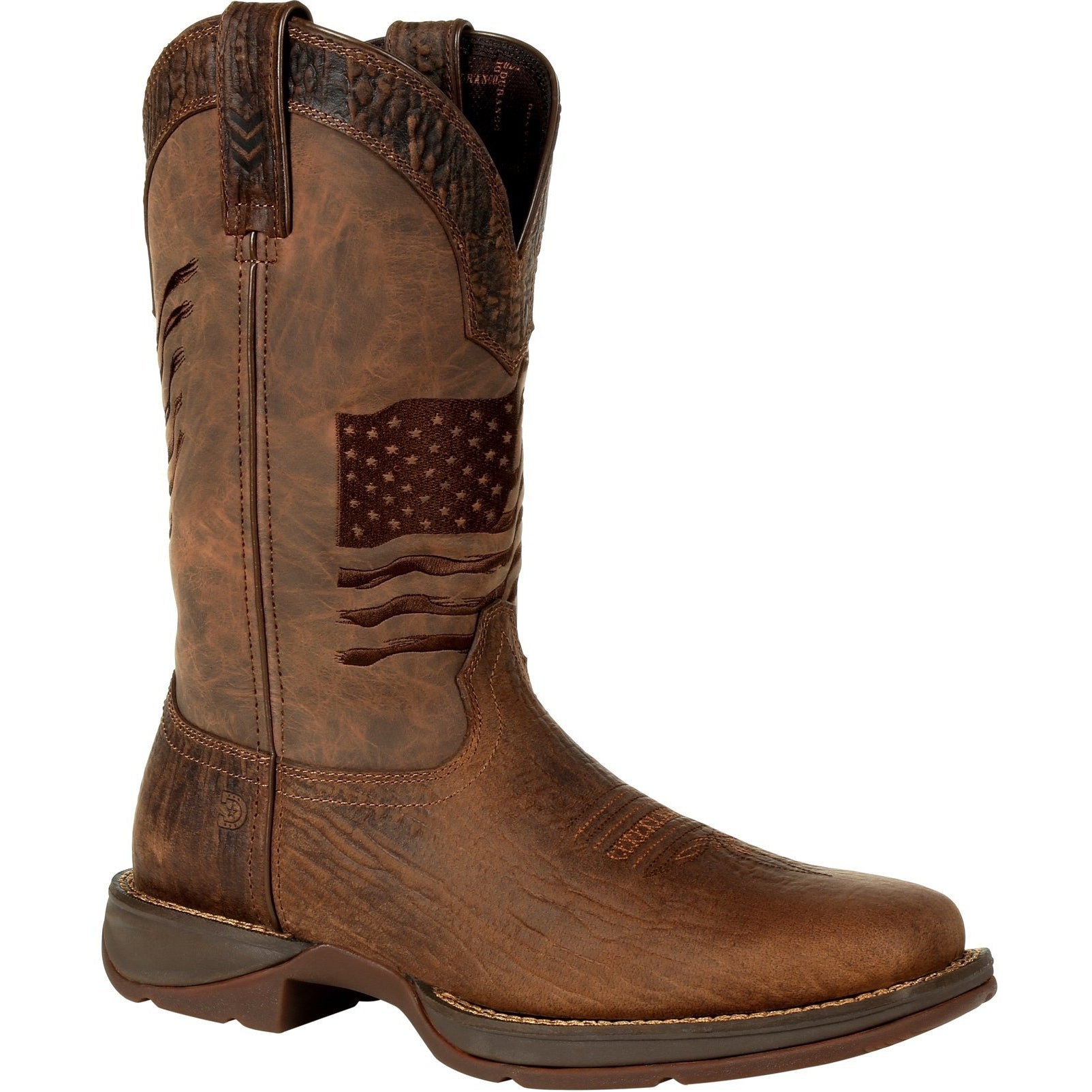
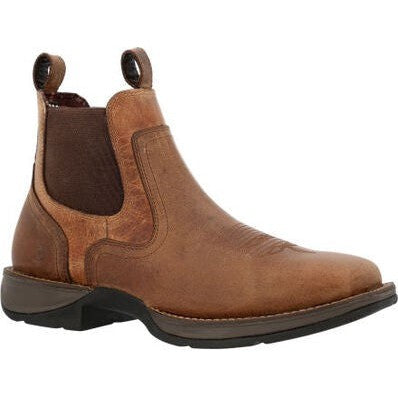
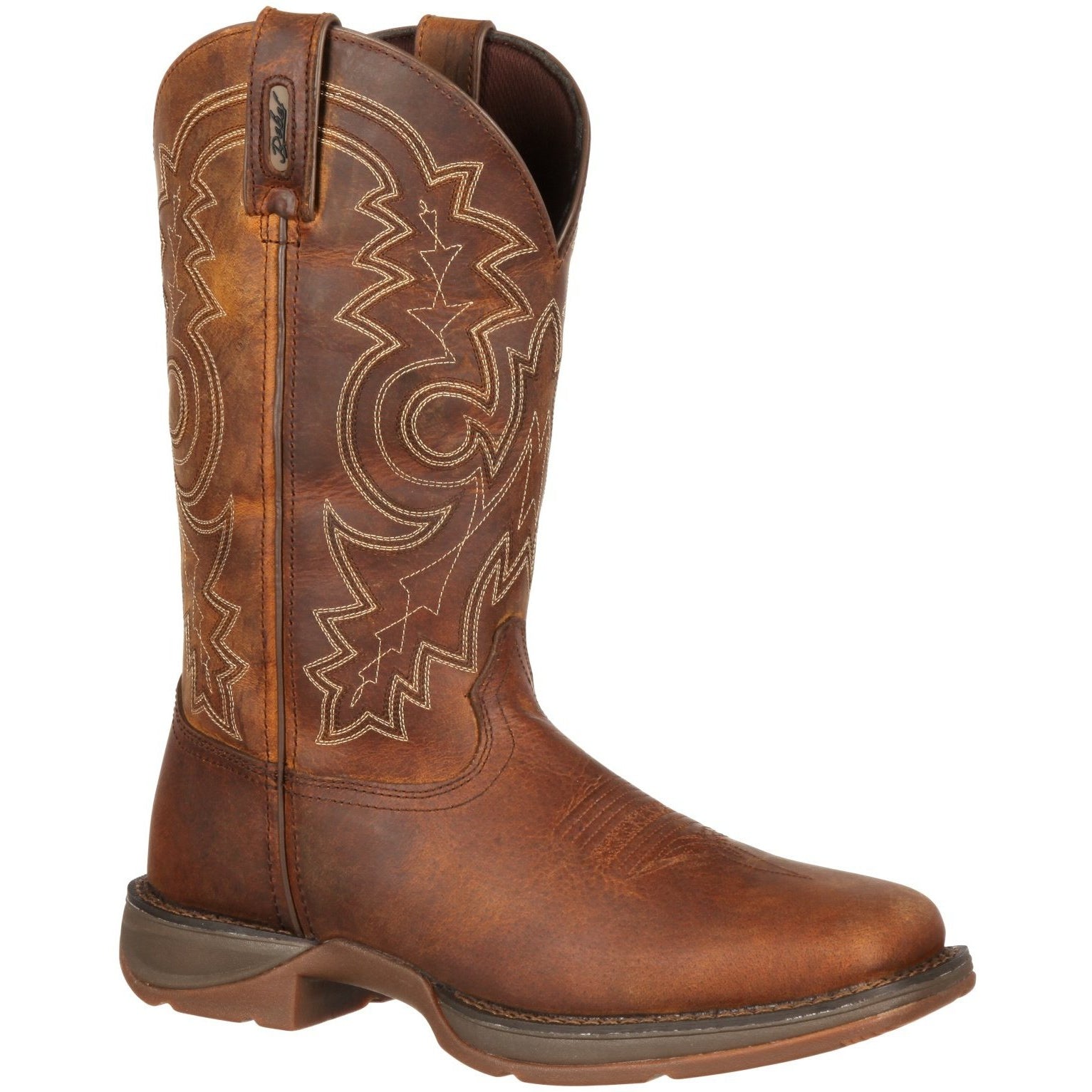
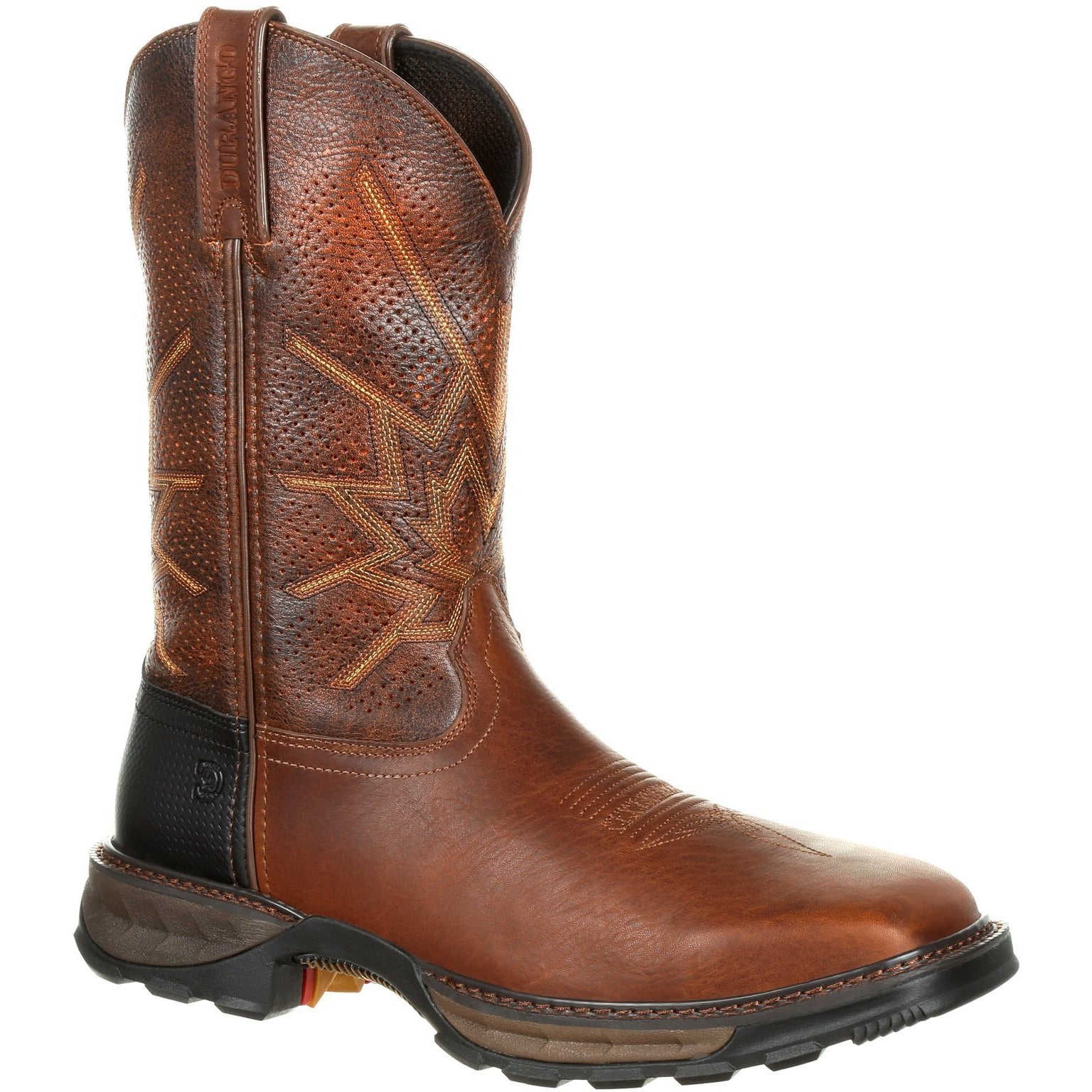
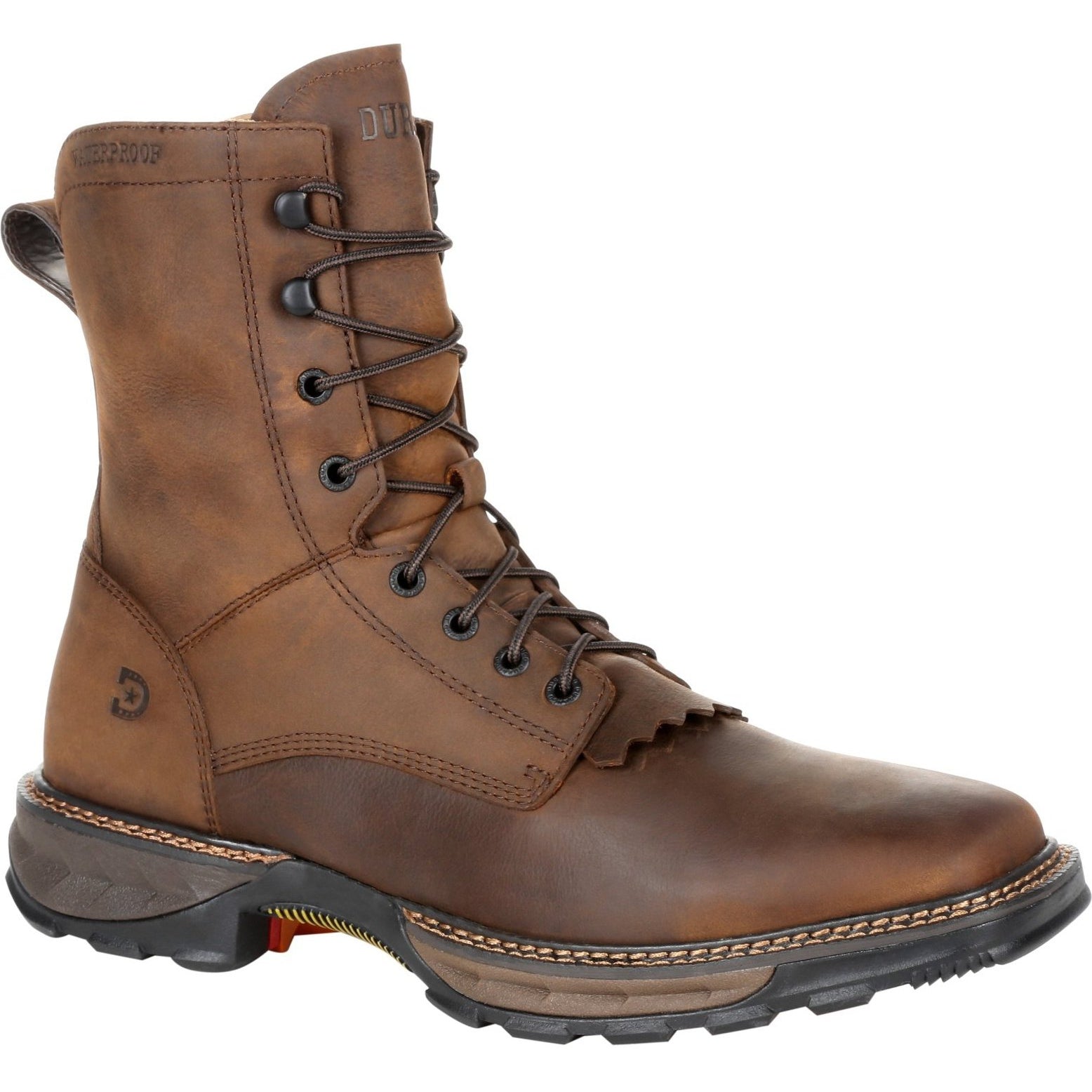
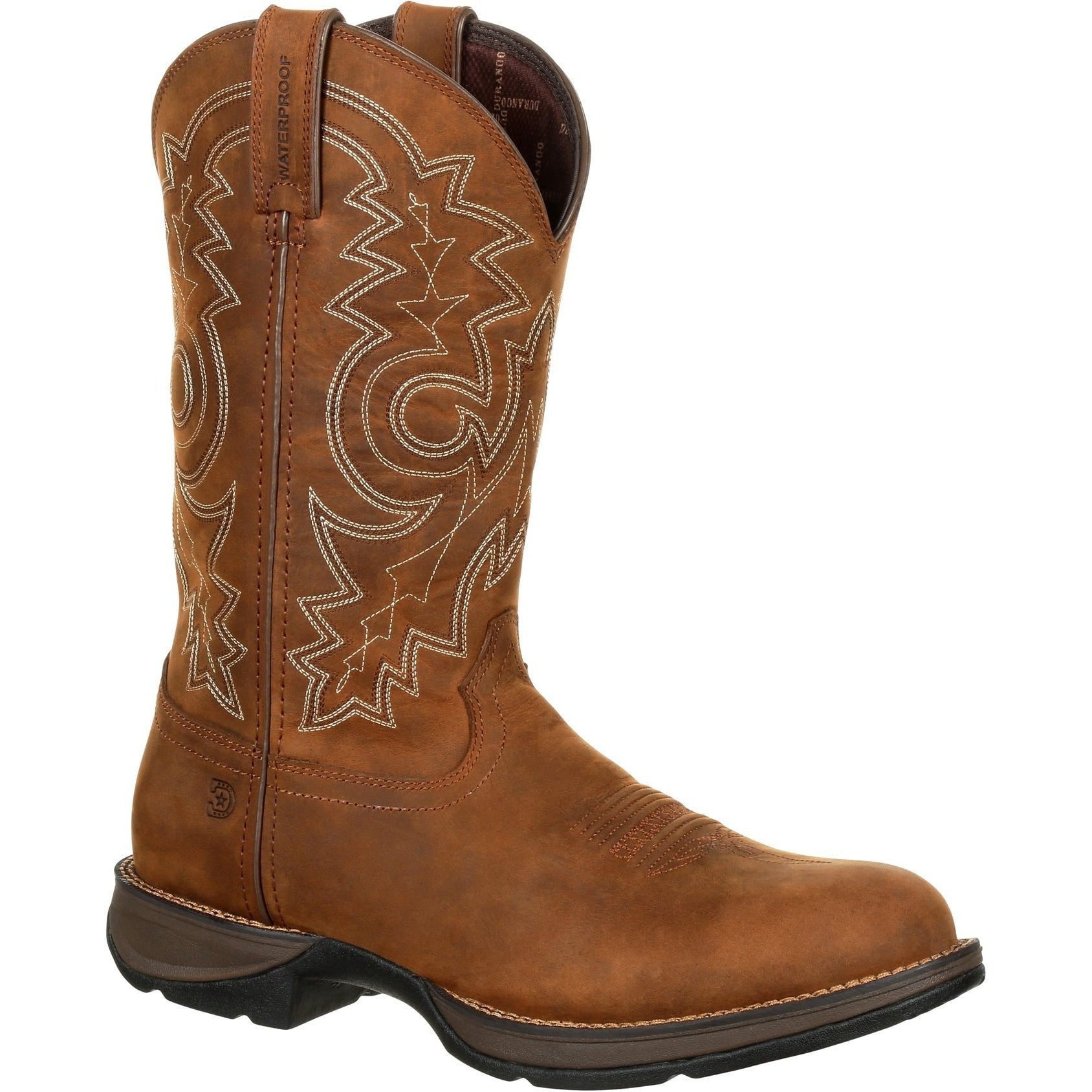
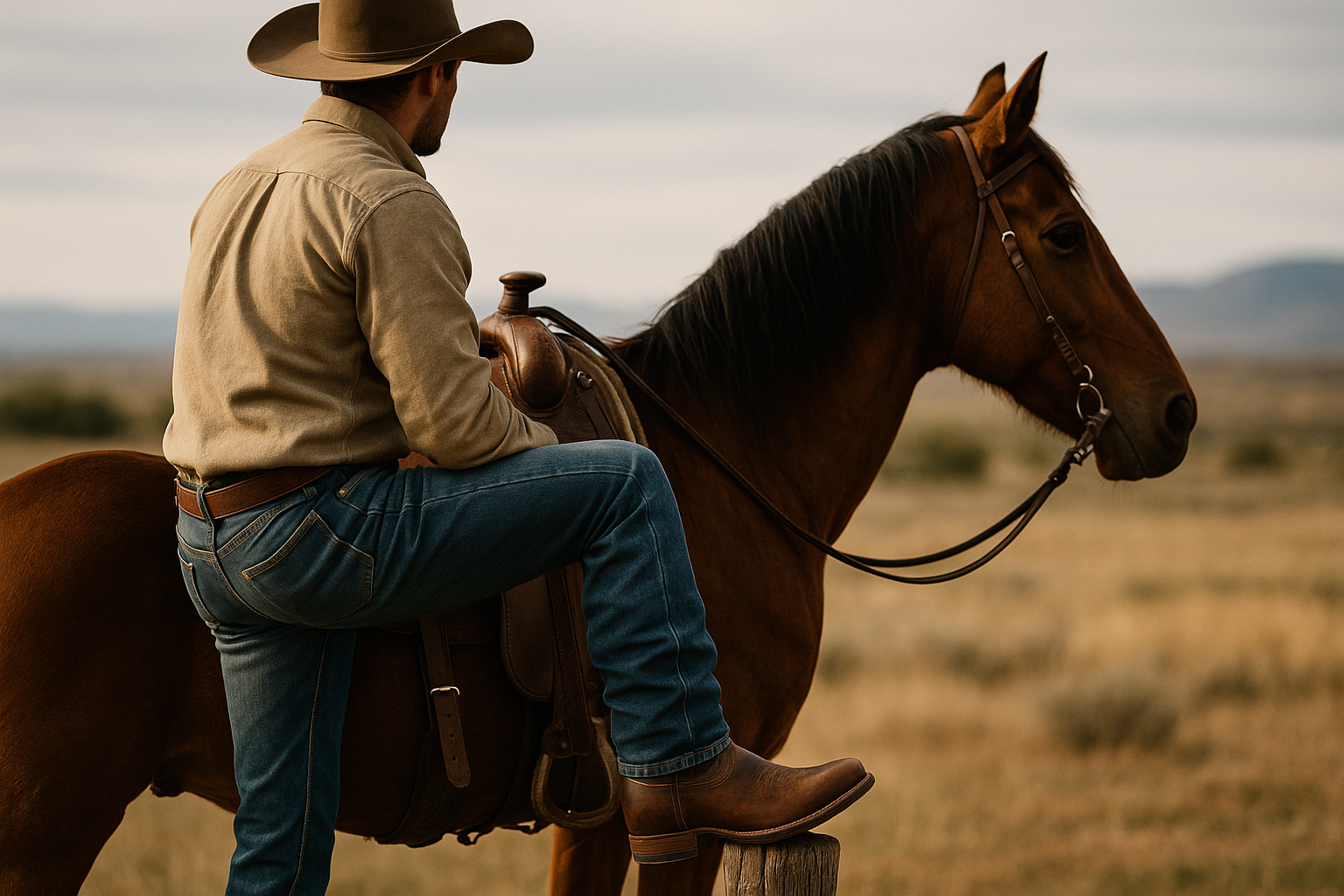
Buying your first pair of Western Durango boots isn’t just a fashion choice; it’s an investment in comfort, functionality, and enduring Western style. Whether you’re headed to the rodeo, working on the ranch, or simply embracing the country aesthetic, it’s crucial to understand what sets Durango boots apart. With distinct sizing quirks, a range of leather types, and unique break-in needs, Durango boots offer both advantages and challenges for first-time wearers.
Let’s break down the seven essential things you need to know before buying your first pair of Durangos, from fit and feel to durability and care. Because when your boots fit right, feel great, and match your lifestyle, you don’t just wear them, you rely on them.
1. Durango Boots Fit Differently: Here’s What That Means
Durango boots are western-style boots, and like most cowboy and cowgirl boots, they follow a unique fit profile that can surprise first-time wearers. Western boots are designed with a high instep, no laces, and a snug fit across the arch. One thing that often catches new buyers off guard is heel slippage, and yes, it’s a normal occurrence.
When you first try on a pair of Durangos, it’s completely normal for your heel to lift slightly as you walk. This is not a flaw; it’s part of how cowboy boots should fit. That bit of slippage (about ¼ to ½ inch) allows the leather to mold to your foot’s shape, which happens during the boot break-in period. This is why proper fit around the instep and arch matters more than laces or tightness around the ankle. If the arch is too loose, your foot won’t stay secure. If it’s too tight, the break-in period may be painful or even cause damage to the boot.
2. Know Your Widths: D vs. EE in Durango Sizing
When purchasing Durango boots, selecting the correct width is just as important as choosing the right length. Western boots don’t stretch much across the footbed, so understanding your width can make or break your comfort, especially during long days on your feet.
Durango boots come in two primary widths:
- D width – Standard/regular fit - medium
- EE width – Wide fit, roughly ¼" wider across the ball of the foot
If you’ve ever felt tightness around the forefoot or had trouble sliding into your boots without a shoehorn, you might need an EE width.
This difference is especially helpful if you:
- Wear thick boot socks
- Stand or walk for long hours
- Have high arches or a wider forefoot
A snug but not tight fit is ideal. Choosing EE can also help reduce hot spots and excess break-in pain for those who land between standard and wide sizes.
3. Not All Leather Is Equal: Understanding Durango's Build
Durango boots are available in a variety of leather grades, depending on the style and price point. Understanding the type of leather helps set expectations for comfort, break-in time, and long-term durability.
Durango uses both full-grain leather and split leather in its boot lineup:
- Full-grain leather is thicker, stronger, and more breathable. It molds to your foot over time and ages beautifully.
- Split leather is thinner, more flexible out of the box, and used in more affordable models. It may not last as long under heavy use.
How can you determine the type of leather you're getting?
- Look at the product description for “full-grain” or “genuine leather”
- Check for premium models or Goodyear welt construction, which is often an indicator of higher-grade materials
4. When to Choose a Square Toe vs. a Round Toe in Durango Boots
Toe shape isn’t just a style preference; it directly affects the fit, comfort, and performance of your boots day to day. Durango offers multiple toe profiles, and understanding the difference can help you choose a pair that truly fits your needs. Styles built for durability, such as ranch tough boots, also benefit from choosing the right toe shape.
Square Toe
Square-toe boots offer a more spacious toe box, making them ideal for individuals with wider feet or those who prefer wearing thick socks. They’re also great for work environments where you’re on your feet all day, offering a bit more comfort and stability. This shape leans more modern and pairs well with casual or rugged styles.
Round Toe
Round-toe boots are a timeless Western classic. They offer a snugger fit through the toe, which some people prefer for riding or traditional Western wear. Round toes are a solid choice if you prefer a more tapered, vintage silhouette.
Which Should You Choose?
- Go square toe if you value space, all-day comfort, or plan to work in your boots.
- Go round toe if you want a classic cowboy look or plan to ride regularly.
Choosing the right toe shape can make a significant difference in long-term wearability, all-day comfort, and toe pressure.
5. Breaking in Your Durangos: What to Expect in Week One
New Durango boots might feel stiff or snug at first, but that’s normal. Like all quality leather boots, they need a break-in period to soften up and mold to your unique foot shape.
Durango boots are designed with structured leather uppers and stiff soles that gradually become more flexible with movement and heat from your feet. During the first week:
- You may feel tightness at the instep or ball of the foot
- Heel slippage is expected and reduces as the leather molds
- The shaft will soften and crease at your ankle bend
Tips to ease the break-in process:
- Wear them for short periods at first (2–4 hours)
- Use thick socks for cushioning
- Flex the boots by hand before and after wear
- Apply leather conditioner to speed up softening
If you feel pressure that doesn’t improve after a few wears, you may need to adjust the width or use boot stretch techniques, which we’ll cover in Section 7.
[prc-collections-carousel]
6. Waterproof or Not? What Durango Offers
Whether you’re working outdoors, trail riding, or facing unpredictable weather, it’s important to understand what waterproofing means in the Durango lineup.
Durango offers both waterproof and non-waterproof models. The waterproof boots feature:
- Sealed seams and waterproof membranes
- Treated leather uppers
- Labels like “Waterproof” or “WP” in the product title or tag
If a boot doesn’t explicitly state it’s waterproof, it likely isn’t. However, you can improve water resistance with:
- Mink oil or leather waterproofing creams
- Avoiding full submersion
- Regular cleaning and conditioning
Waterproof Durangos are ideal for:
- Muddy barn chores
- Rainy-day chores or outdoor events
- Jobs requiring exposure to wet conditions
7. Care, Stretching & Long-Term Durability Tips
A good pair of Durango boots can last for years if they are properly cared for. From breaking them in to cleaning and stretching, the right care routine keeps your shoes comfortable and looking sharp.
Before purchasing, you should review how to keep your Durangos in top shape:
Stretching Tips:
- Use boot stretch spray on tight areas (especially instep and toe box)
- Insert a boot stretcher or cedar insert overnight
- Wear thick socks and walk short distances to mold the leather gently
Cleaning Tips:
- Remove dust with a soft brush or a damp cloth
- Use leather cleaner on scuffs or salt stains
- Avoid soaking the boots in water
Conditioning Schedule:
- Condition every 1–2 months if worn regularly
- Apply leather conditioner or mink oil to keep leather soft and water-resistant
- Let boots air dry naturally; never use a direct heat source
Proper care helps prevent cracks, maintains waterproofing, and preserves the boot’s shape, even through long shifts, dirt trails, or seasonal use.
Frequently Asked Questions
What Is the Rule of Thumb When Buying Boots?
The rule of thumb is to ensure a snug fit across the arch with a slight heel slip. Your toes should have wiggle room, and the leather should mold to your foot over time.
What Is the Difference Between D and EE in Durango Boots?
D is standard/medium width, while EE is wide width, about ¼" wider across the forefoot. EE is best for wider feet or those who wear thicker socks.
Can Durango Boots Be Stretched for a Wider Fit?
You can use boot stretch spray and stretchers to expand tight areas of your boots. Focus on the forefoot or instep if they feel too snug.