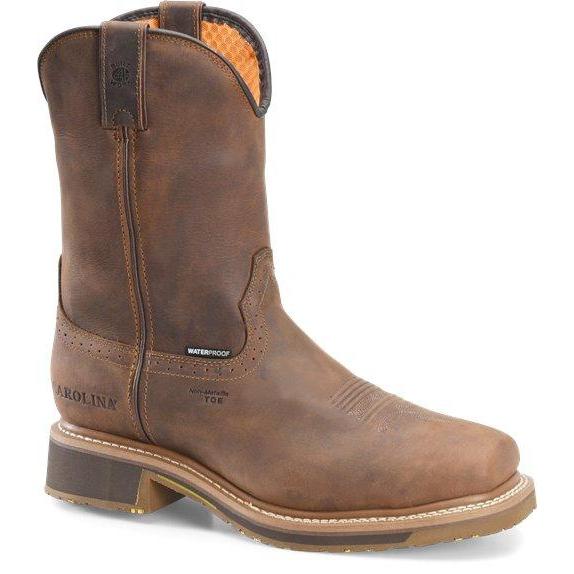
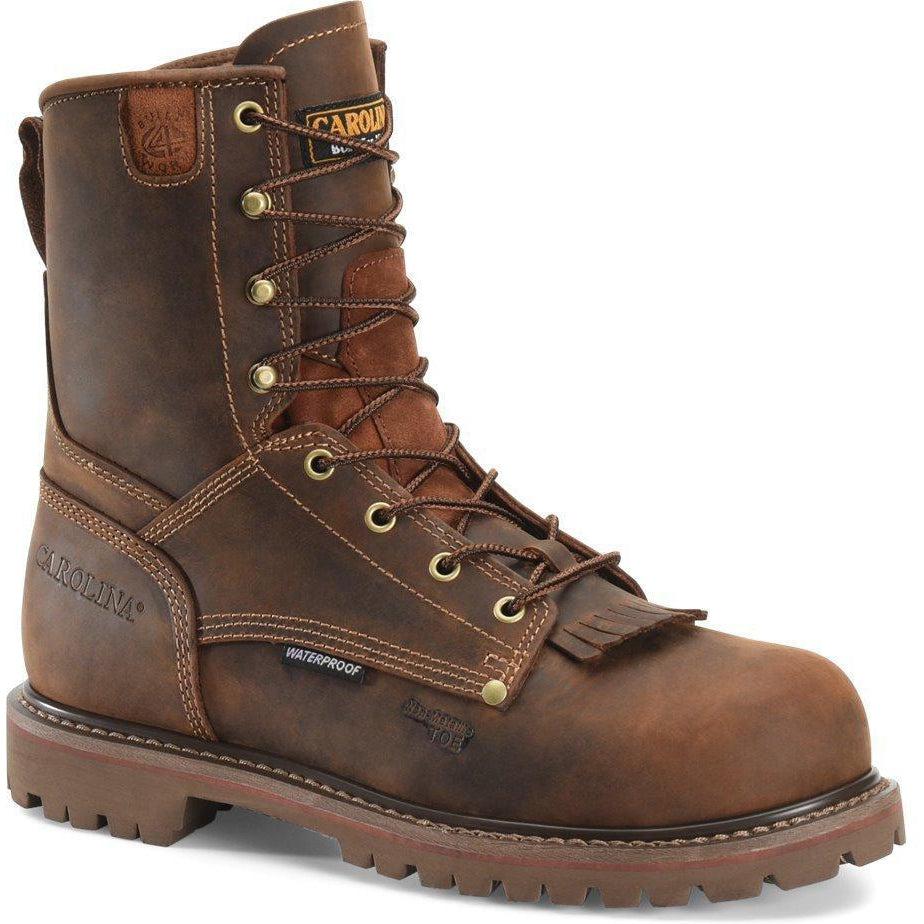
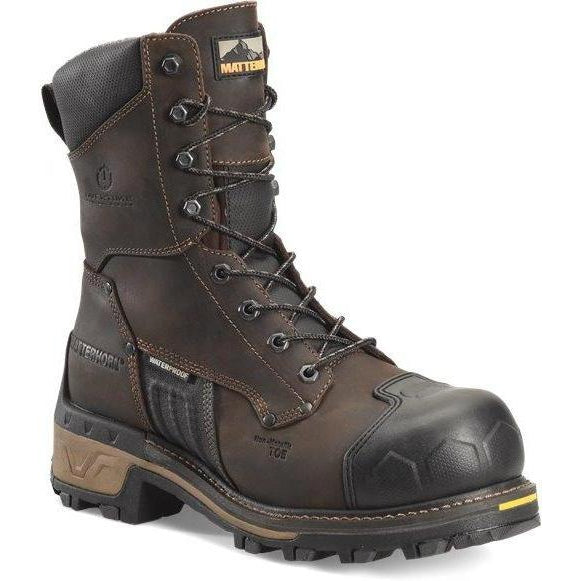
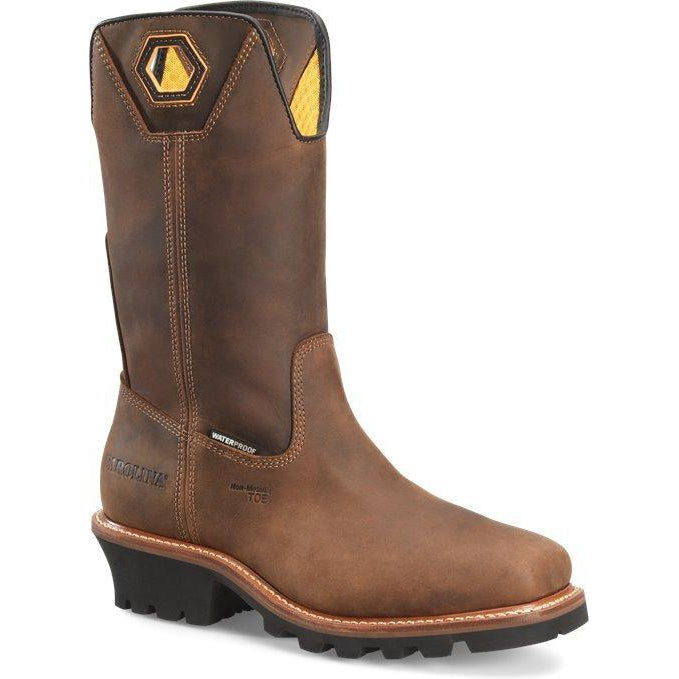
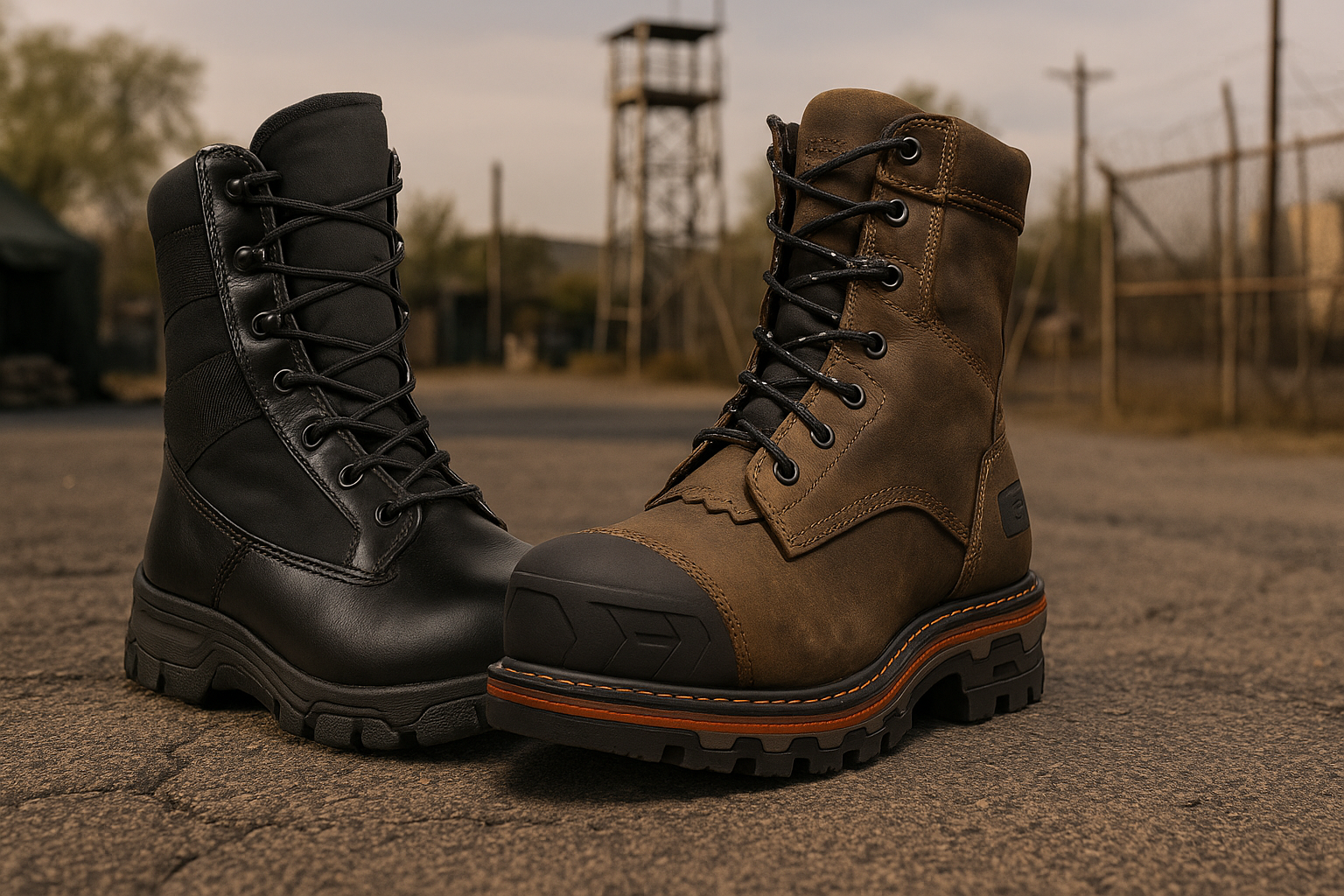
Choosing between soft-toe and composite-toe tactical boots comes down to risk level, screening requirements, and all-day comfort. If your role prioritizes speed, flexibility, and long shifts on hard surfaces, and you don’t need an ASTM impact rating, soft-toe boots are typically the better value. If you face moderate impact hazards, want non-metallic safety that’s airport/metal detector safe, and still care about weight, consider a composite toe tactical boot.
What you’ll get here: a straight, job-fit comparison covering protection, weight, flexibility, ASTM/EH compliance, and real-world features that matter to our customers: side zippers for quick on/off, waterproof linings for weather, OrthoLite® insoles for fatigue, and rubber outsoles for traction. We’ll map each toe type to common missions (patrol, airport security, inspections, light site work) and climates, including cold-weather considerations.
What Are Soft Toe Tactical Boots?
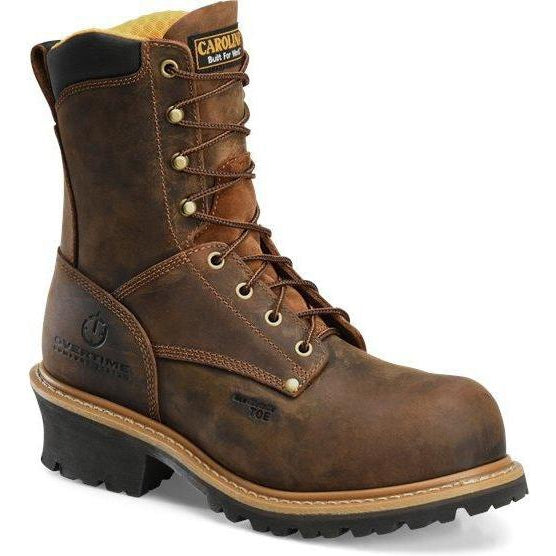
Soft-toe tactical boots skip the rigid safety cap in favor of flexibility and comfort. They're designed for professionals who need durability and support, just not impact protection from heavy objects.
These boots are lightweight, easier to move in, and often more breathable than their safety-toe counterparts. They’re ideal for long shifts on your feet, quick movement, and working in environments where ASTM toe protection isn’t required. Many professionals who prioritize mobility choose options similar to best non steel toe work boots for long-hour comfort.
Despite lacking a safety cap, many soft-toe models still offer features such as slip resistance, waterproofing, electrical hazard (EH) protection, and even puncture-resistant plates. They prioritize comfort and mobility over compliance.
Best For:
- Patrol and security work
- EMS professionals
- Airport or courthouse roles
- Light-duty field jobs
If agility matters more than toe protection, soft toe boots are often the better choice.
What Are Composite Toe Tactical Boots?
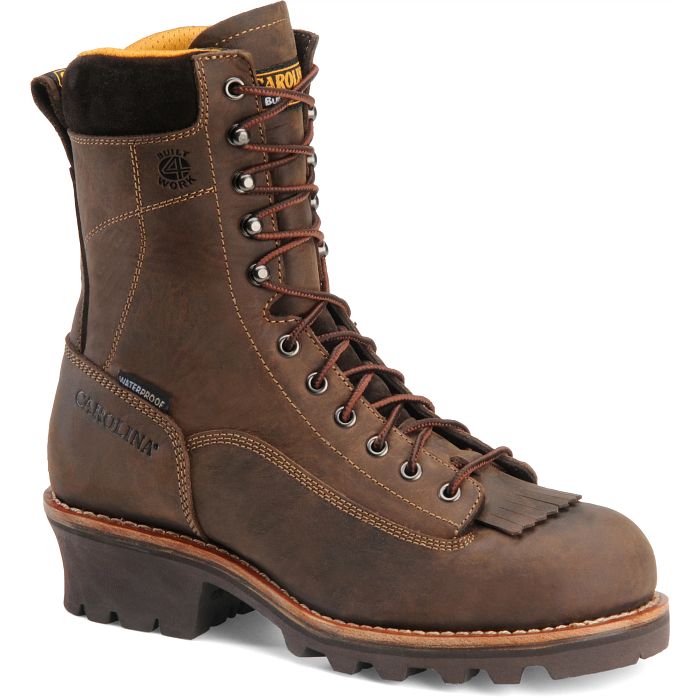
Composite toe tactical boots are designed for safety without compromising weight or conductivity. Instead of metal, the toe cap is made from non-metallic materials, such as fiberglass or carbon fiber, which are strong enough to meet astm f2413 boots standards.
These boots are ideal when your job requires certified toe protection, but you still want to stay lightweight, fast, and metal detector-friendly. They’re commonly used in roles where hazards are present but mobility is still a priority.
Most composite toe boots offer the same comfort and performance features as soft toe models, including slip-resistant outsoles, waterproof membranes, EH protection, and cushioned insoles. The main difference is the added protection in the toe box.
Best For:
- Security roles with moderate impact risk
- Airport or facility work with metal detectors
- Utility and light industrial environments
- Construction supervisors or site inspectors need compliance
If you need protection and performance in one package, composite toe boots strike the right balance.
[prc-collections-carousel]
Soft Toe vs. Composite Toe: Which One’s Right for You?
The right boot comes down to the kind of work you do, the risks you face, and what your shift really looks like. Below is a straightforward breakdown to help you make a decision.
Go With a Soft Toe If:
- You’re not required to wear a safety-rated toe cap
- Comfort, mobility, and light weight are top priorities
- You work long hours on your feet, covering a lot of ground
- You move through metal detectors regularly and want to avoid setting them off
- You work in patrol, EMS, or security without drop/crush hazards
Go With Composite Toe If:
- You need ASTM-rated toe protection for compliance or peace of mind
- Your job involves moving equipment, pushing carts, or working near tools or machinery
- You need a safety toe that’s non-metallic and won’t set off detectors
- You want protection, but don’t want the bulk or cold conductivity of steel
- You’re on jobsites that mix office, field, and hazard zones
A Note on Comfort & Fit
Both options can be outfitted with the same comfort features, OrthoLite® insoles, side zips, waterproofing, and puncture protection. The toe type doesn’t limit your comfort, just your protection level. In the end, it’s not about which boot is “better.” It’s about which boot is built for your job, your shift, and your environment.
Final Recommendation
If your job doesn’t call for a safety toe, there’s no reason to weigh yourself down. A well-built, soft-toe tactical boot provides the comfort, speed, and support you need for extended periods and rapid movement, without compromising bulk.
However, if you’re in an environment where toe protection is crucial, or if your employer requires ASTM-rated footwear, a composite toe boot is a smart, metal-free alternative. You’ll get solid protection without sacrificing too much in comfort or flexibility.
At the end of the day, it comes down to one question: Are you protecting your feet from fatigue, or from impact?
- If it’s fatigue and flexibility, opt for a soft-toe.
- If it’s impact and compliance: go composite toe.
You can also review our guide on soft-toe v. steel-toe boots, if you are considering steel-toe boots as well. Pick the boot that works as hard as you do.
Frequently Asked Questions
What Is the Difference Between Soft Toe and Composite Toe Tactical Boots?
The key difference is the toe protection. Composite toe boots feature a non-metallic safety cap that is rated to withstand impact and compression. Soft-toe boots skip the cap for more flexibility and less weight, but they don’t meet ASTM toe standards.
Which Tactical Boot Offers Better Protection: Soft-Toe or Composite-Toe?
Composite toe boots offer better protection against falling objects and compression. If your work involves gear, carts, or machinery, a composite toe is the safer choice. Soft toe boots still offer underfoot and electrical hazard protection, but not toe impact coverage.
Are Composite Toe Boots Heavier Than Soft Toe Boots?
Yes, but not by much. Composite toe boots are slightly heavier because of the safety cap, but they’re still lighter than steel toe boots. Soft-toe boots are the lightest overall and best suited for high-mobility work.
Which Boot Type is Safer for Airport Security Checks?
Both can work, but it depends on the hardware. Composite toe boots are non-metallic, so they typically pass metal detectors. Some soft-toe boots have no metal at all, making them a solid choice as well. Always check the eyelets, zippers, and shanks if screening is part of the job.
Do Composite Toe or Soft Toe Boots Last Longer in Demanding Jobs?
It depends on the conditions, not just the toe cap. Toe scuffing is better controlled in composite models, thanks to reinforced bumpers and added structural integrity. However, overall boot life ultimately comes down to the materials, outsole quality, and how well the boot fits your work.