
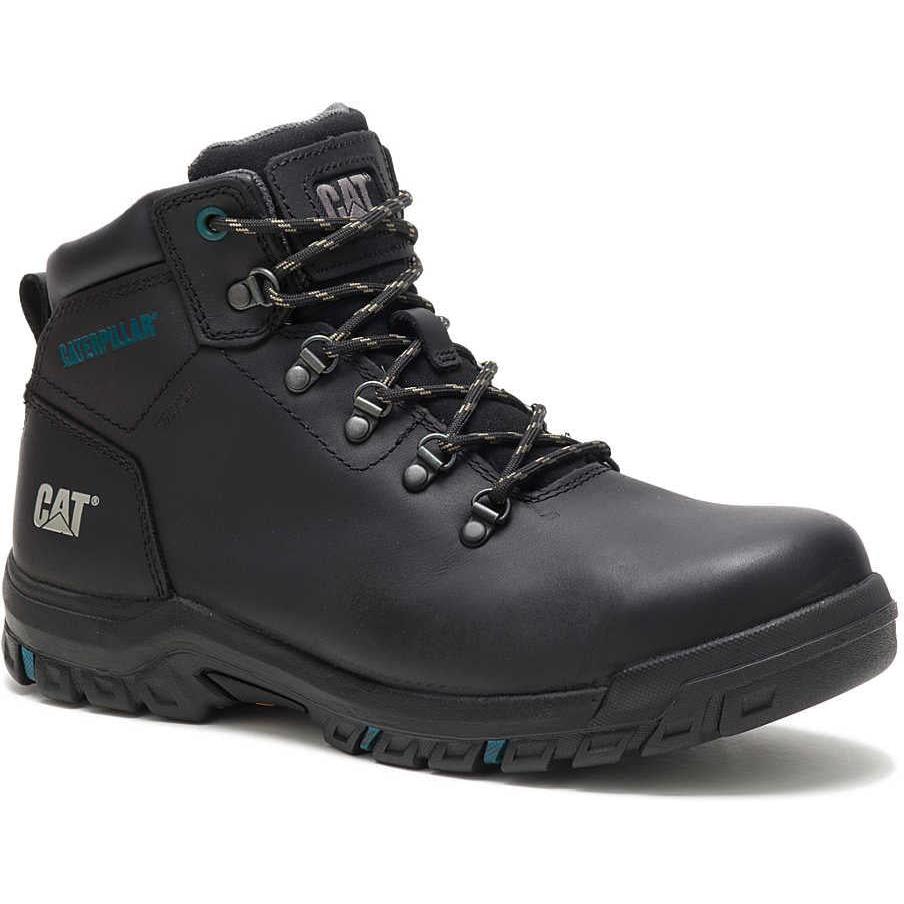
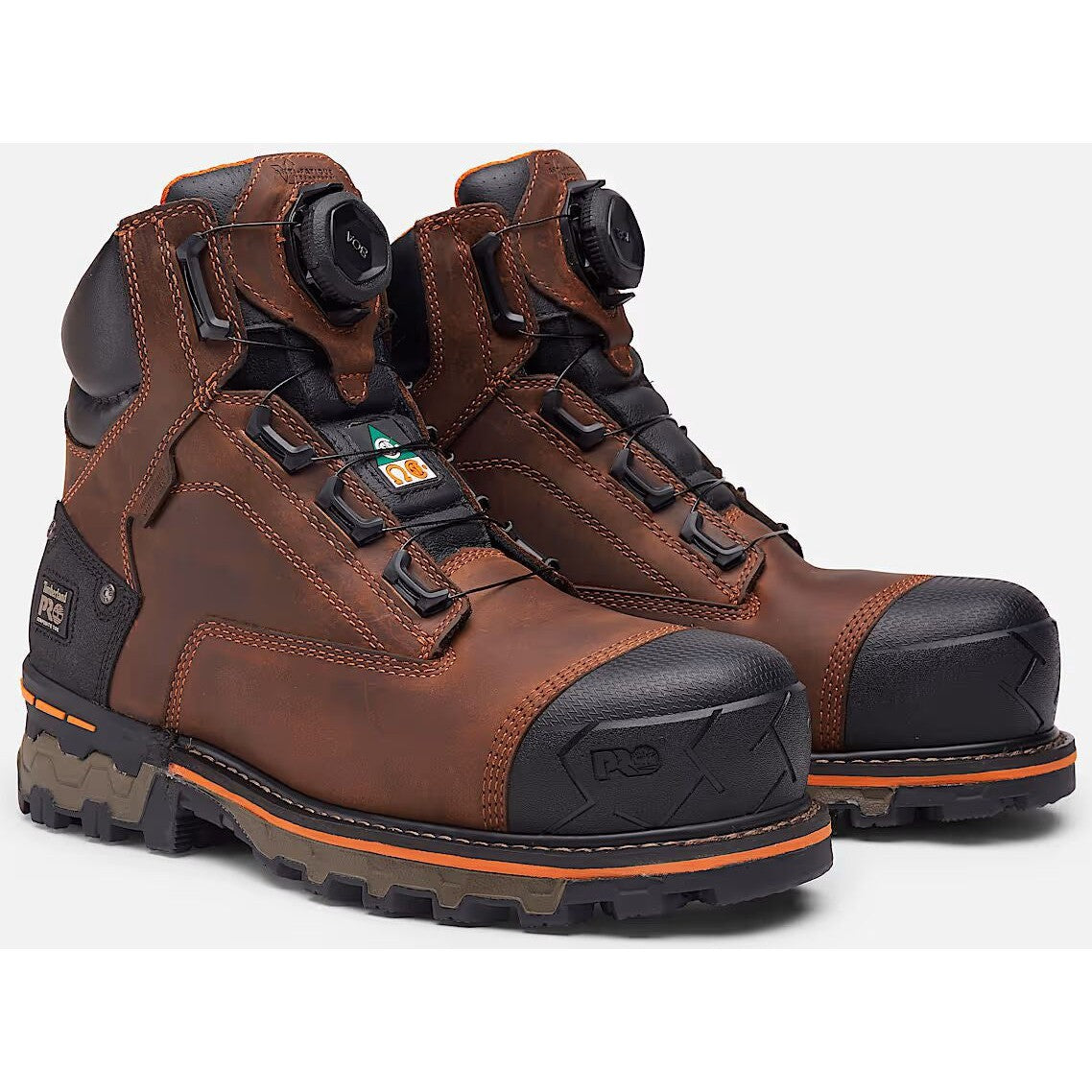
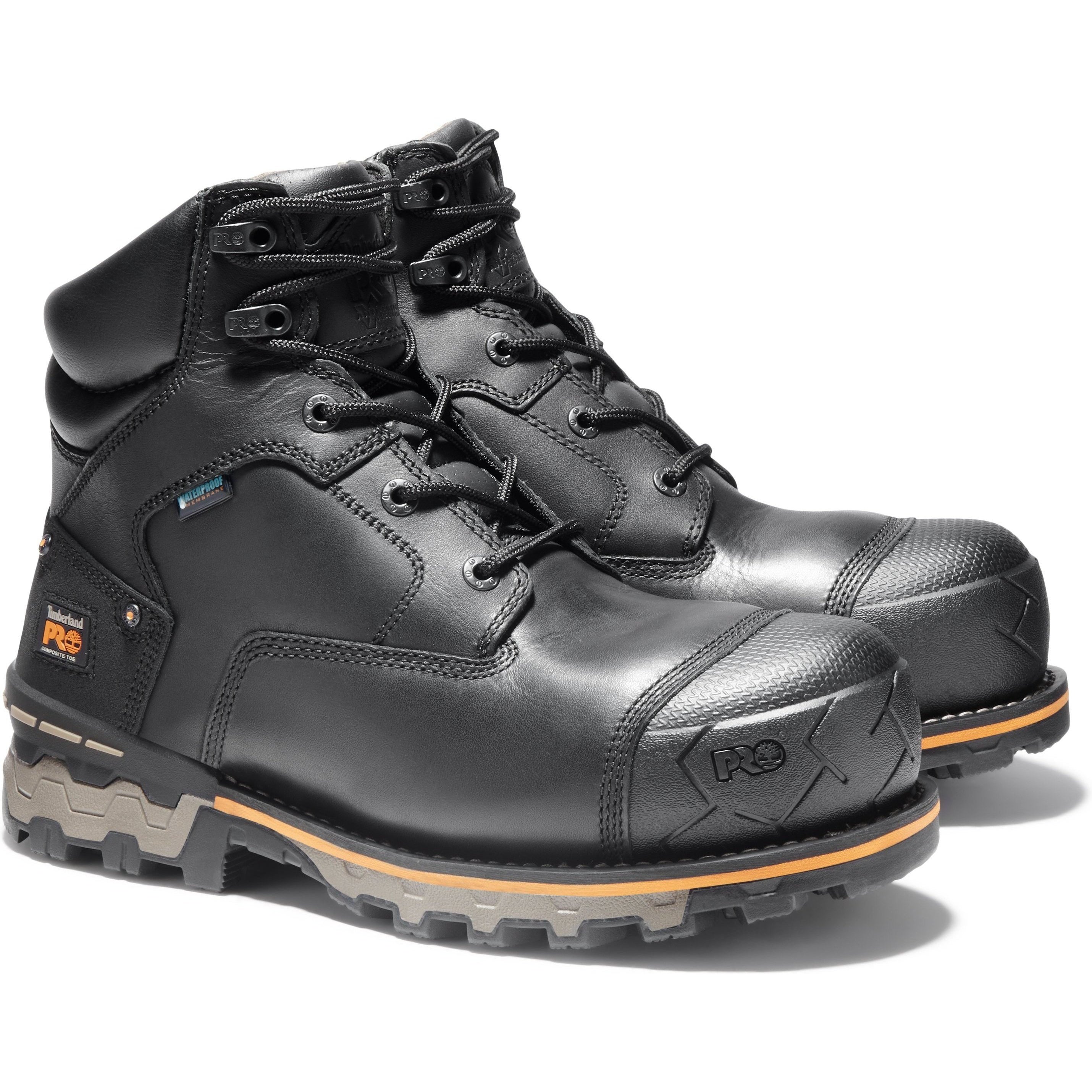
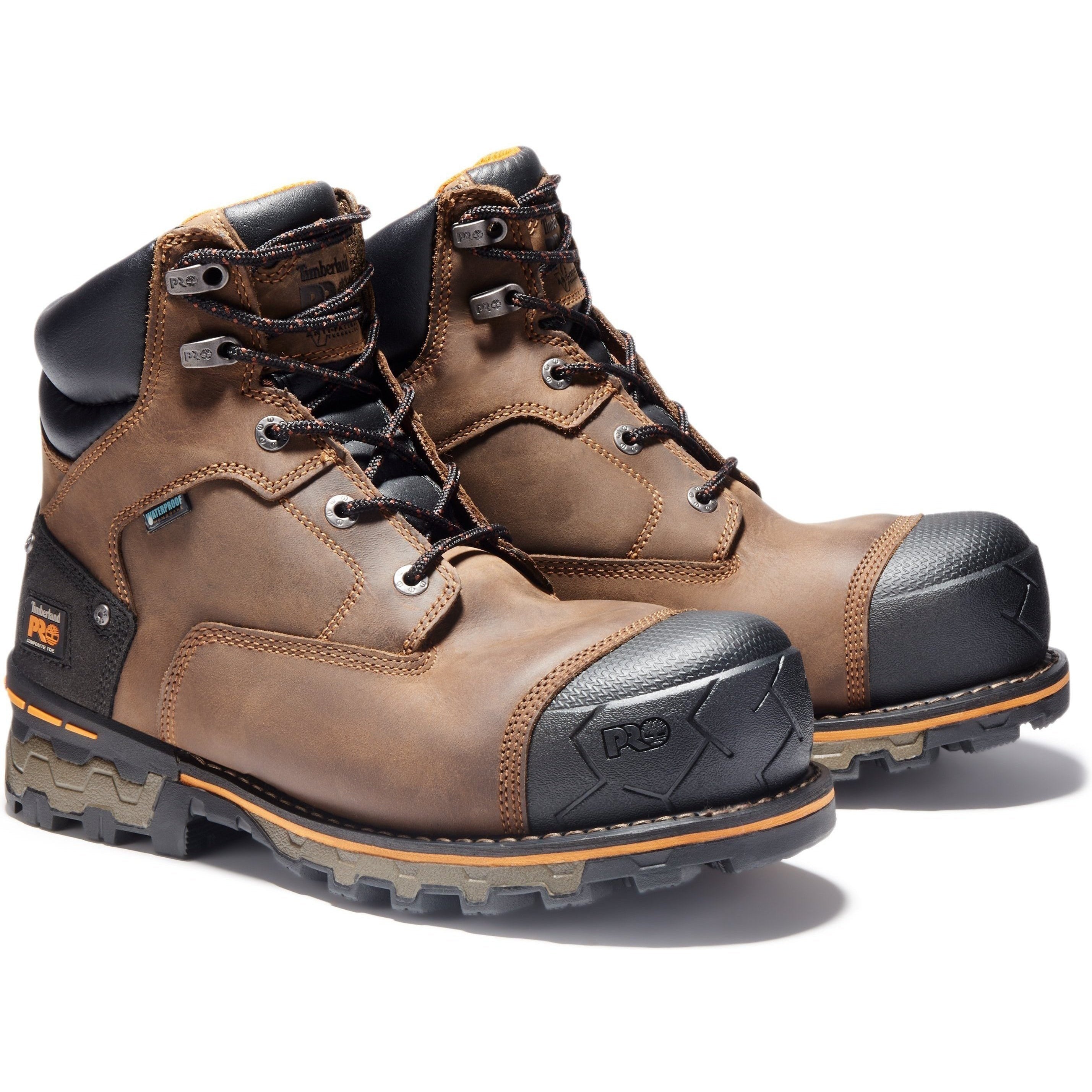
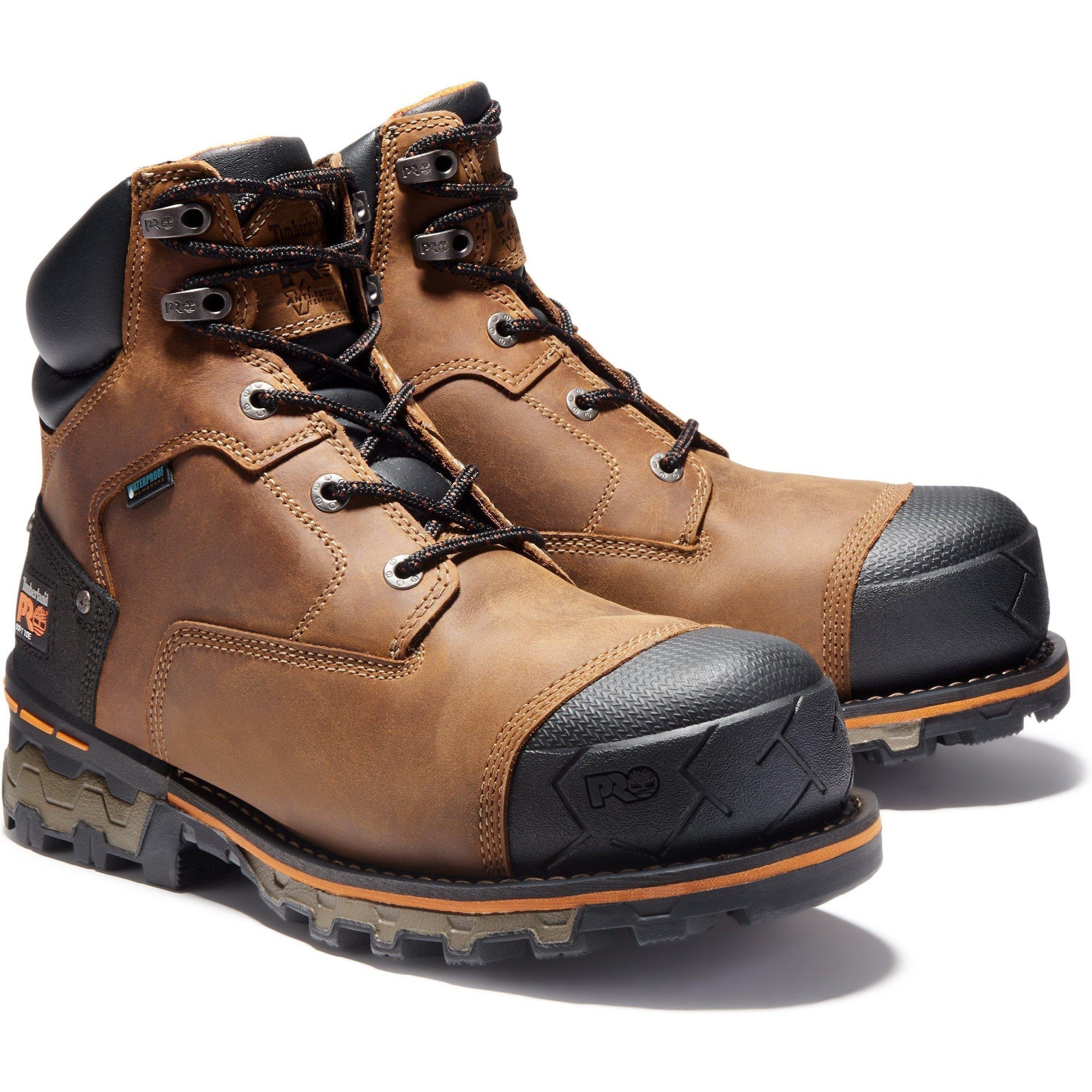
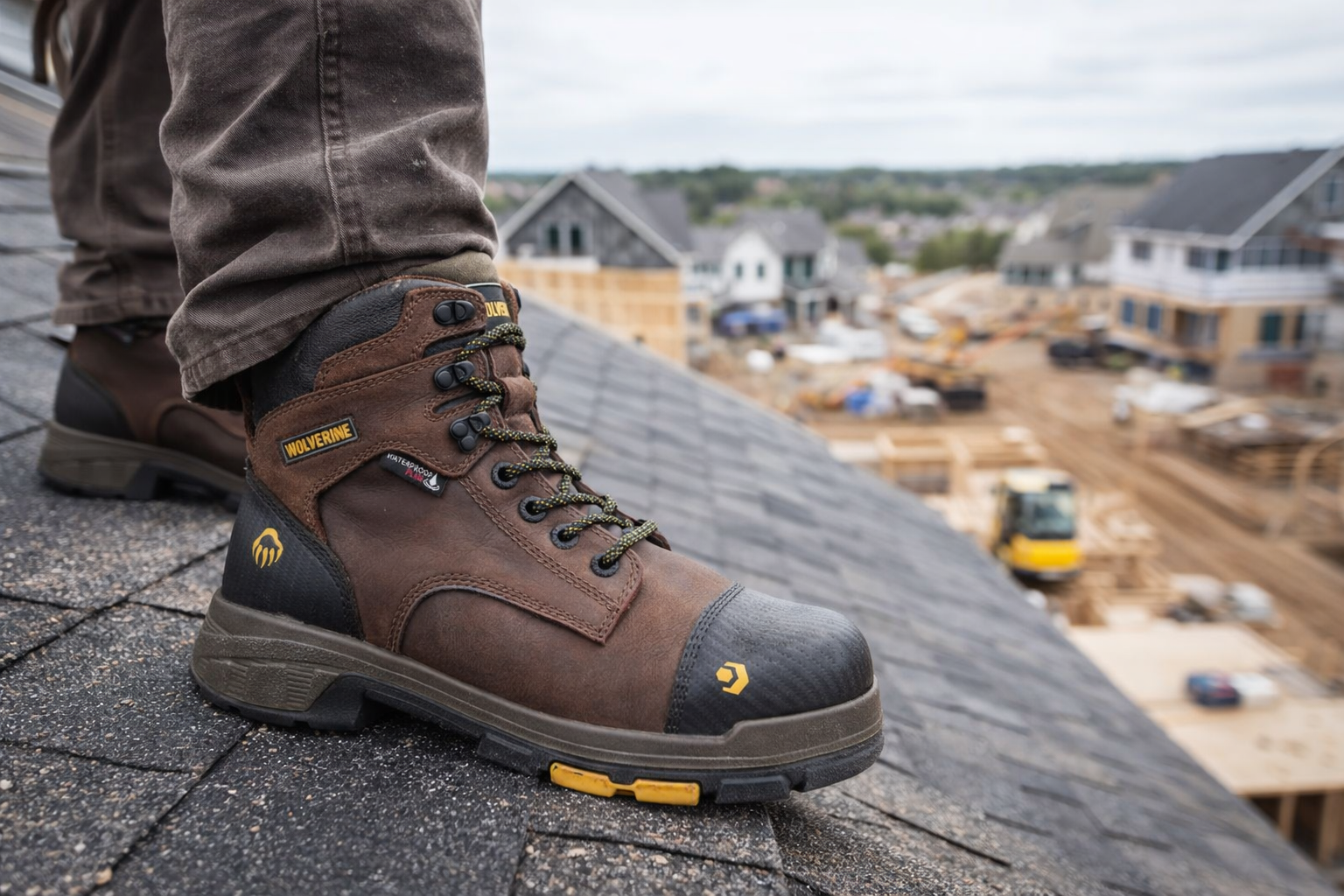
When you work in roofing or construction, your boots are your foundation. The right pair supports every step, grip, and climb, especially when the pitch is steep, the surface is slick, or the job runs long. Choosing the best roofing boots isn’t just about comfort. It directly affects your balance, safety, and long-term job performance.
Roofing work places constant stress on your feet, ankles, and joints. From early-morning setups to long hours on exposed surfaces, you need footwear that gives you consistent traction, controlled movement, and dependable support. Poor boot choices lead to faster fatigue, reduced stability, and a higher risk when working at height. Understanding how sole design, materials, fit, and weight impact your day matters before you buy roofing boots that can handle real job-site conditions.
Understand the Demands of Roofing Work
Roofing is unlike any other trade. You are elevated, exposed to heat, and constantly shifting your footing on angled, unstable surfaces. That means your boots need to meet requirements different from those of typical construction or warehouse footwear.
Key demands include:
-
Superior slip resistance
-
Lightweight mobility
-
Heat resistance
-
Comfort that lasts your entire shift
-
Flexibility for crouching and climbing
Not every boot is built for that kind of workload
Look for Slip-Resistant, Flat Soles
Your sole is the most critical part of roofing boots. Any loss of traction on metal or shingle surfaces puts you at serious risk. Flat wedge soles are ideal because they maintain full contact with the roof surface, improving grip and reducing the risk of catching an edge while moving. Slip-resistant work boots keep you stable on steep or slick surfaces.
Rubber soles with oil- and abrasion-resistant properties provide reliable traction, while shallow tread patterns and non-marking designs protect roofing materials throughout the workday.
Choose Lightweight Construction
Weight adds up when you are climbing ladders, kneeling, and moving across angled surfaces for hours. Heavy boots wear you down. The best roofing boots use materials like polyurethane midsoles and composite shanks. These give you structure without unnecessary weight.
Benefits of lightweight roofing boots include:
-
Reduced leg and back fatigue
-
Increased range of motion
-
Safer navigation on slopes
Prioritize Breathability and Moisture Management
Roofing exposes your feet to constant heat, direct sunlight, and heavy sweating, making airflow and moisture control essential. Without proper breathability, boots can become uncomfortable and even unsafe, as trapped moisture increases the risk of overheating and internal slipping. Breathable work boots regulate temperature and keep feet dry throughout the day.
Look for mesh-lined uppers, moisture-wicking linings, and perforated leather or synthetic panels. These features improve airflow and reduce sweat buildup during long hours on the roof.
Consider Soft or Composite Toe Protection
Most roofing jobs do not require steel-toe boots, and in many cases, they can be a hindrance. Steel toes add unnecessary weight and may throw off your balance. Soft-toe or composite-toe options are often better suited for roofing, giving you protection without compromising mobility.
Choose composite toes when:
-
Electrical hazard protection is needed
-
You want a lighter boot with some impact resistance
-
Jobsite policies require a safety toe
[prc-collections-carousel]
Select the Right Boot Height
How high your boot goes affects both comfort and ankle support. For roofing, mobility is just as important as protection. Here is how to decide:
-
Low-cut boots: Maximum mobility, best for experienced roofers
-
Mid-cut boots: Balanced support and movement
-
High-cut boots: Heaviest option, used for added ankle protection when carrying loads
Match the boot height to the demands of your typical job.
Compare Leather and Synthetic Materials
The upper material of your roofing boots affects durability, breathability, and break-in time. Both leather and synthetic options have advantages, and the right choice often depends on your work conditions.
Leather Roofing Boots
Leather handles the abuse. High-quality leather uppers take constant friction from shingles, ladders, and roof edges without breaking down quickly. The more you wear leather boots, the more they mold to your feet, giving you better comfort and stability during long shifts.
Leather also offers natural water resistance when properly treated. This helps protect against morning moisture, light rain, and damp roof surfaces while maintaining structure and support. If you work year-round or on demanding job sites, leather boots deliver toughness and consistent support.
Synthetic Roofing Boots
Synthetic roofing boots focus on lightweight performance and heat management. They use advanced materials that reduce overall weight, making it easier to move across steep pitches and climb repeatedly throughout the day. Less weight on your feet means less fatigue, especially during long or fast-paced roofing jobs.
Synthetic uppers are more breathable than traditional leather, allowing better airflow in hot conditions and direct sunlight. They also dry quickly after exposure to sweat or moisture, helping maintain comfort during extended wear. Synthetic boots are often more affordable and require less break-in time, which makes them a good fit for seasonal work, rotating crews, or roofers who prioritize flexibility and ventilation.
Some boots combine leather and synthetic materials for balanced performance.
Focus on Proper Fit
Fit is about safety, not just comfort. Ill-fitting boots can lead to slipping, blisters, or fatigue. Try on new boots with the same socks you wear on the job, and walk on an incline if possible.
Make sure your boots have:
-
A snug heel with no lift
-
Enough room in the toe box
-
No pressure points around the foot
Break-in periods vary. Leather may take longer to mold, while synthetics break in fast but may not last as long under tough conditions.
Know When to Replace Your Roofing Boots
Even the best men’s roofing boots wear down over time due to constant exposure to heat, friction, and angled surfaces. Replace your boots when:
-
The tread becomes worn or uneven
-
The upper material begins to crack or separate
-
The grip no longer feels secure while working on slopes
-
Comfort or foot support drops noticeably
In most cases, high-quality roofing boots last between 6 and 12 months, depending on how often they are worn and the conditions under which they are used.
Final Checklist When Choosing Roofing Boots
Before making your choice, verify the following:
-
Slip-resistant flat or wedge sole
-
Lightweight design
-
Breathable upper and lining
-
Soft or composite toe if needed
-
Proper fit with no heel lift
-
Trusted brand with trade reviews
-
Built for your specific jobsite conditions
Shop our complete line of roofing boots built for the demands of professional roofers and construction crews.
Frequently Asked Questions
What Features Matter Most in Roofing Boots?
The best roofing boots offer a flat, slip-resistant sole, lightweight construction, and breathable materials. Wedge soles and soft or composite toes are preferred for balance and comfort.
Can You Use Regular Work Boots for Roofing?
Standard work boots may not offer the grip or flexibility needed for roofing. Roofing boots are designed for steep angles and require specific traction and weight considerations.
Are Steel-Toe Boots Good for Roofing?
Steel toes are typically not recommended unless required by your job site. They are heavier and may reduce mobility on angled surfaces.