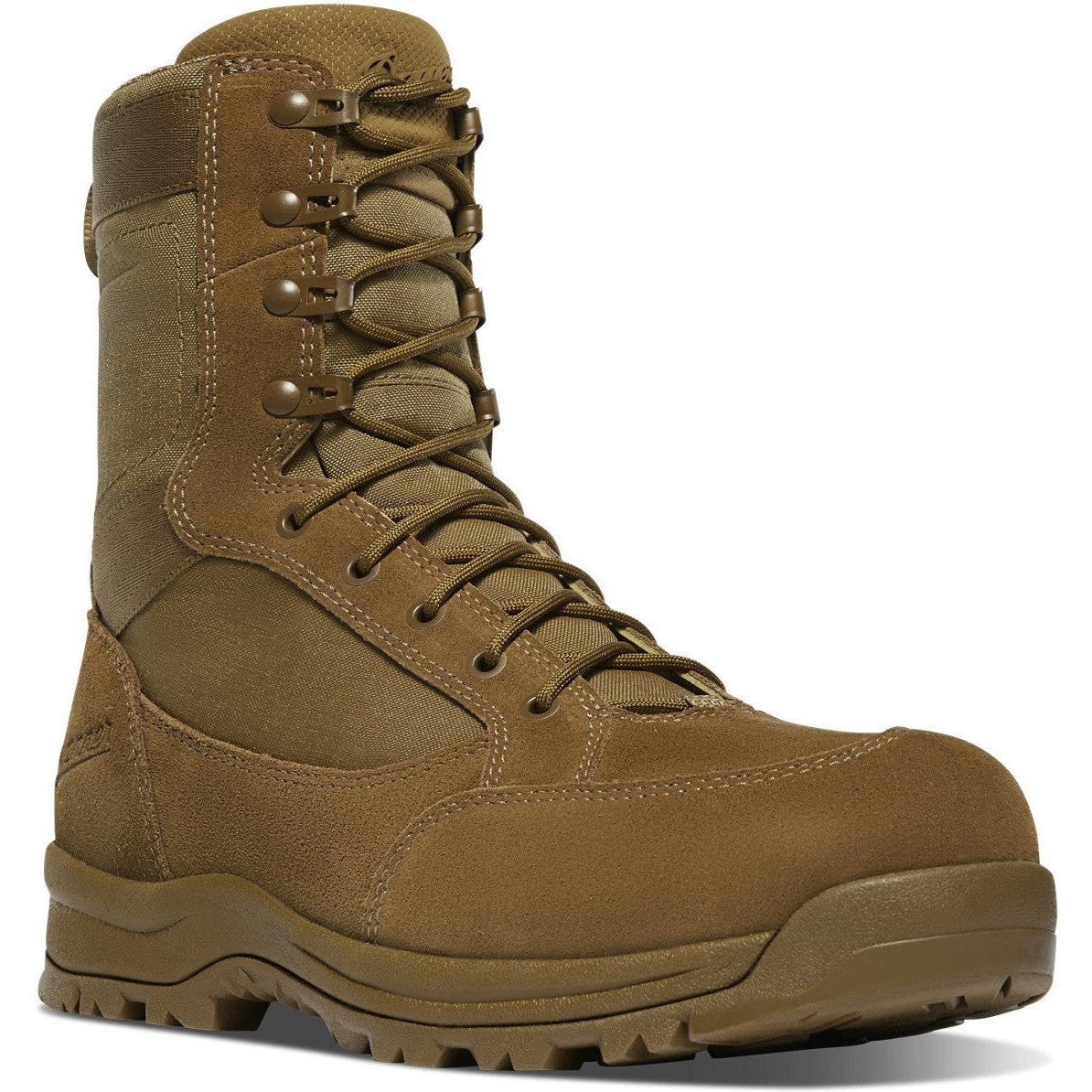
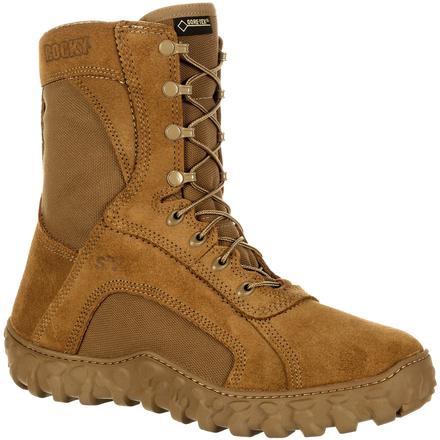
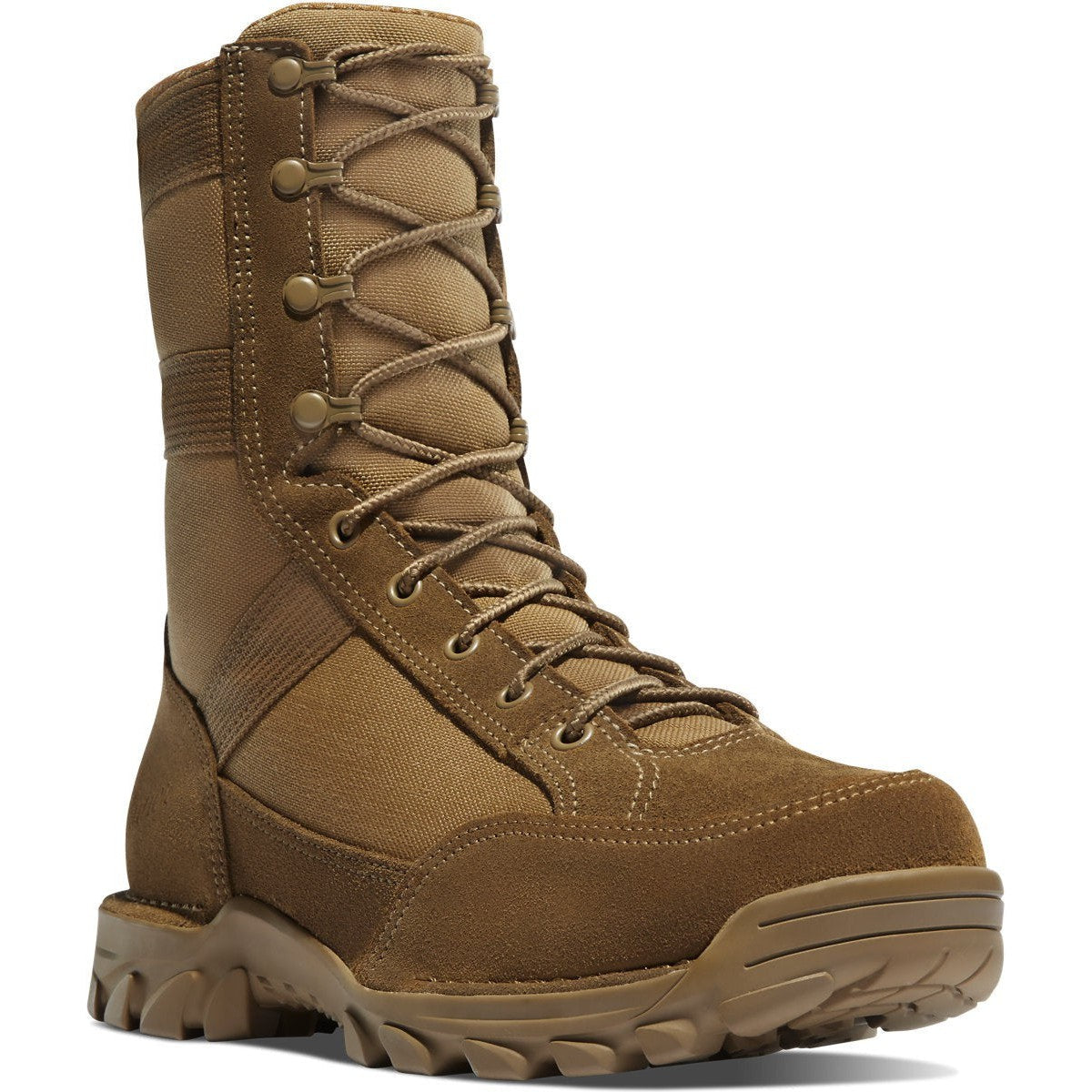
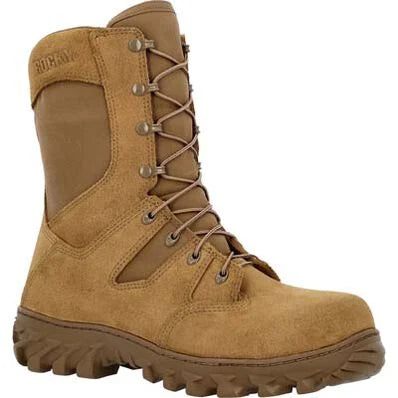
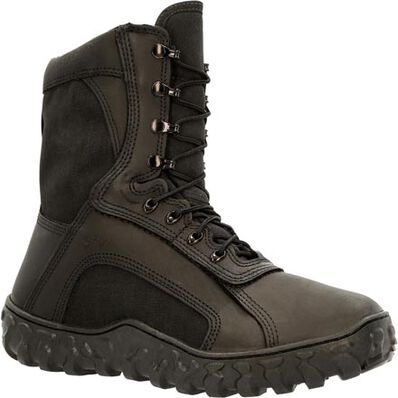

When you’re gearing up for rigorous fieldwork, training, or deployment in varied environments, the right boot makes all the difference. Whether you’re preparing for sub-zero missions or choosing footwear that performs on rough terrain, your boots directly affect your comfort, safety, and how well you can do your job. For cold-weather operations specifically, nothing beats the insulation, traction, and reliable support of high-quality military winter boots that perform where standard footwear fails.
If your job takes you into harsh terrain and unpredictable conditions, your gear needs to be completely reliable. Professionals in defense, construction, logistics, and public safety can't afford boots that barely meet the minimum. You need footwear that goes beyond the basics. That’s why selecting the right boot for your environment isn’t just a preference; it’s about staying safe and performing at your best.
From Cold-Weather Readiness to Everyday Utility
While military winter boots are essential for freezing environments, many professionals work across a range of climates year-round. Whether you’re patrolling urban streets, navigating rocky terrain, or responding to emergencies, your footwear needs to match the physical demands and conditions of your job.
That’s where understanding the difference between tactical boots and combat boots becomes essential. Each boot category offers specialized benefits. Knowing when to choose one over the other helps ensure comfort, protection, and long-term performance.
Tactical vs Combat Boots: Summary Table
|
Feature |
Tactical Boots |
Combat Boots |
|
Primary Use |
Law enforcement, EMS, urban operations |
Military deployment, rugged terrain |
|
Weight |
Lightweight for mobility |
Heavier for protection |
|
Sole Type |
Flexible, athletic-style |
Rigid, load-bearing |
|
Toe Protection |
Usually soft toe or composite |
Usually steel toe |
|
Weatherproofing |
Limited; moisture-wicking |
Often fully waterproof |
|
Material Focus |
Breathability and agility |
Durability and resistance |
|
Compliance |
Not always AR670-1 compliant (military dress code) |
Often AR670-1 compliant (military dress code) |
Design Intent: Purpose Defines the Boot
Tactical Boots Overview
Tactical boots are built for speed, flexibility, and quick response times. Popular with law enforcement and first responders, these boots perform well in fast-paced urban settings or mixed terrain. They typically feature lightweight materials, breathable mesh panels, and cushioned midsoles for agility. Check out performance-focused designs in the Tactical Military Boots collection for lightweight boots that won't slow you down.
Combat Boots Overview
Combat boots are built for durability, impact resistance, and all-day wear in tough conditions. With high ankle support, abrasion-resistant materials, and reinforced soles, they're ideal for rocky terrain, heavy loads, and uneven footing. Find long-wearing options in the Men’s Combat Boots collection, designed for durability you can count on during extended operations.
[prc-collections-carousel]
Material Construction: Weight vs. Durability
Tactical boots typically use synthetic blends, nylon mesh, and rubber outsoles to keep weight down. This design improves how quickly you can move, but it won't hold up as long in extreme environments.
Combat boots utilize full-grain leather, Vibram® soles, and steel shanks. These materials are heavier but offer superior resistance to abrasion, moisture, and field wear.
Support Structure: Mobility vs. Protection
Tactical boots often feature a mid-height collar (6") and a soft sole for quick movement and less foot fatigue. This makes them ideal for shift work or tactical response where speed matters more than armor.
Combat boots generally offer 8" collars, full ankle stability, and puncture-resistant midsoles to protect the foot from shrapnel, uneven ground, or heavy load impact. They're built for long missions, not quick sprints.
Compliance and Regulation
Combat boots issued for military use must often meet AR 670-1 standards covering everything from sole color to material specs. Tactical boots, while durable, may not meet these same regulatory standards and are better suited for non-military use.
Climate Readiness
If you're operating in cold, wet, or snowy environments, most combat boots will outperform tactical options. Many include GORE-TEX® liners, insulation layers, and sealed seams to prevent heat loss or water entry.
Tactical boots are breathable and fast-drying, but generally lack the insulation or waterproof membrane you need for working in the cold for long periods.
Which Boot Should You Choose?
If you're unsure which boot to choose, consider this simplified decision guide:
-
Urban law enforcement? → Tactical Boots
-
Extended field duty? → Combat Boots
-
Winter deployment? → Insulated Combat Boots
-
Fast-paced emergency response or EMS? → Tactical Boots with extra cushioning and arch support
-
Rough terrain and load-bearing ops? → Combat Boots with steel shank
Conclusion
Your choice between tactical and combat boots comes down to where and how you work. Tactical boots work best for jobs that require quick movement and agility. Combat boots deliver better protection, toughness, and performance on harsh terrain.
For those working in freezing conditions or who need military-grade gear, Overlook's military winter boots provide elite-grade defense in sub-zero conditions.
Want more boot comparisons? Explore our guide series or reach out to Overlook for help finding the right fit.
Frequently Asked Questions
What’s the Difference Between Military Winter Boots and Regular Winter Boots?
Military winter boots are built to meet tactical and environmental demands, including insulation ratings, slip resistance, ankle support, and waterproofing. Unlike regular boots, they’re often made with full-grain leather, Vibram® soles, and GORE-TEX® membranes to handle snow, ice, and sub-zero temperatures in mission-critical conditions.
Are Army Winter Boots Good for Extreme Cold and Snow?
High-quality army winter boots are rated for extreme cold (often –20°F and below), thanks to features like Thinsulate™ insulation, moisture-wicking linings, and sealed seams. They're designed for long wear in snowy, icy, and mountainous conditions.
Can Military Cold Weather Boots Be Worn for Hiking or Work?
While originally made for deployment, winter military boots double as excellent work or hiking boots in cold climates. Their durability, slip resistance, and warmth make them ideal for construction sites, outdoor labor, and winter backcountry trekking.
How Do I Choose the Best Winter Combat Boots for My Climate?
Focus on insulation rating, waterproof membranes, outsole grip, and compliance if needed (e.g., AR 670-1). For wet snow, go with GORE-TEX® and at least 400g insulation. For dry, cold conditions, breathable insulation with an aggressive tread pattern is more important.
Are All Cold Weather Military Boots Waterproof?
Not all. Some entry-level options may only be water-resistant. Look for terms like “GORE-TEX® lined,” “fully seam-sealed,” or “waterproof membrane” in the specs to ensure complete protection in slush, snow, and ice.
What Makes Winter Combat Boots Different From Tactical Boots?
Winter combat boots are designed for cold, wet, and rugged environments with heavier materials, insulation, and sealed construction. Tactical boots prioritize speed and flexibility, which means they’re often lighter but not suitable for snow or freezing temperatures.