Save 6%
Sale price$159.95
Regular price$170.00
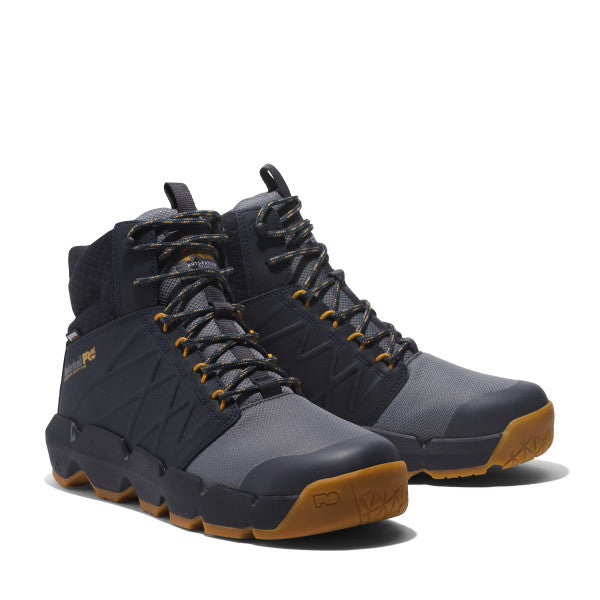
Timberland Pro Men's Morphix 6" Composite Toe Waterproof Work Boot - Grey - TB1A5YFU065
Save 6%
Sale price$239.95
Regular price$256.00
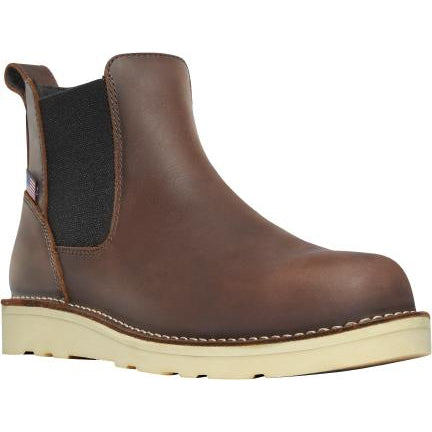
Danner Bull Run Chelsea 6 Inch Work Boots - Men's Soft Toe Wedge - 15481
Save 7%
Sale price$259.95
Regular price$280.00
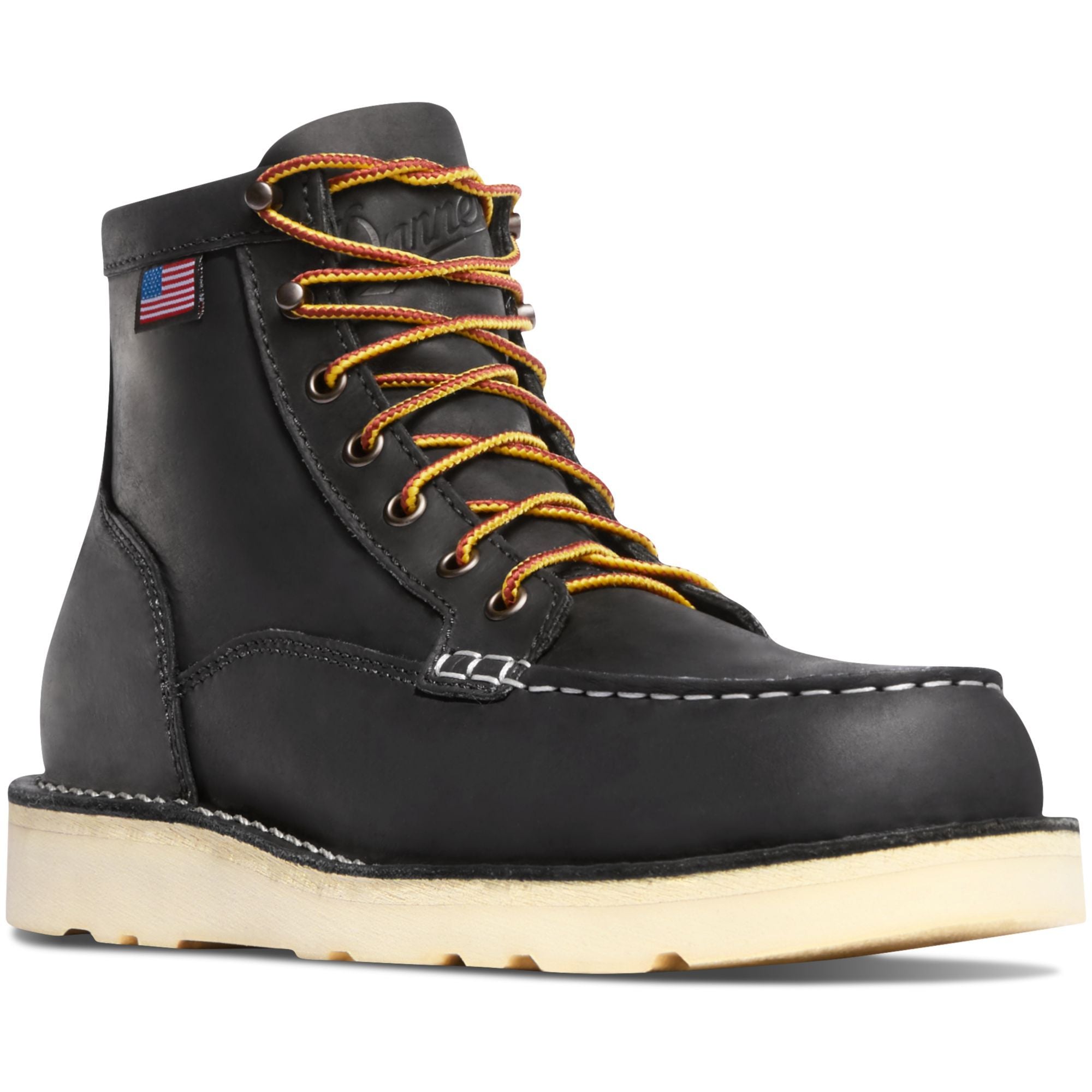
Danner Men's Bull Run USA Made 6" Moc Soft Toe Work Boot Black 15568
Save 11%
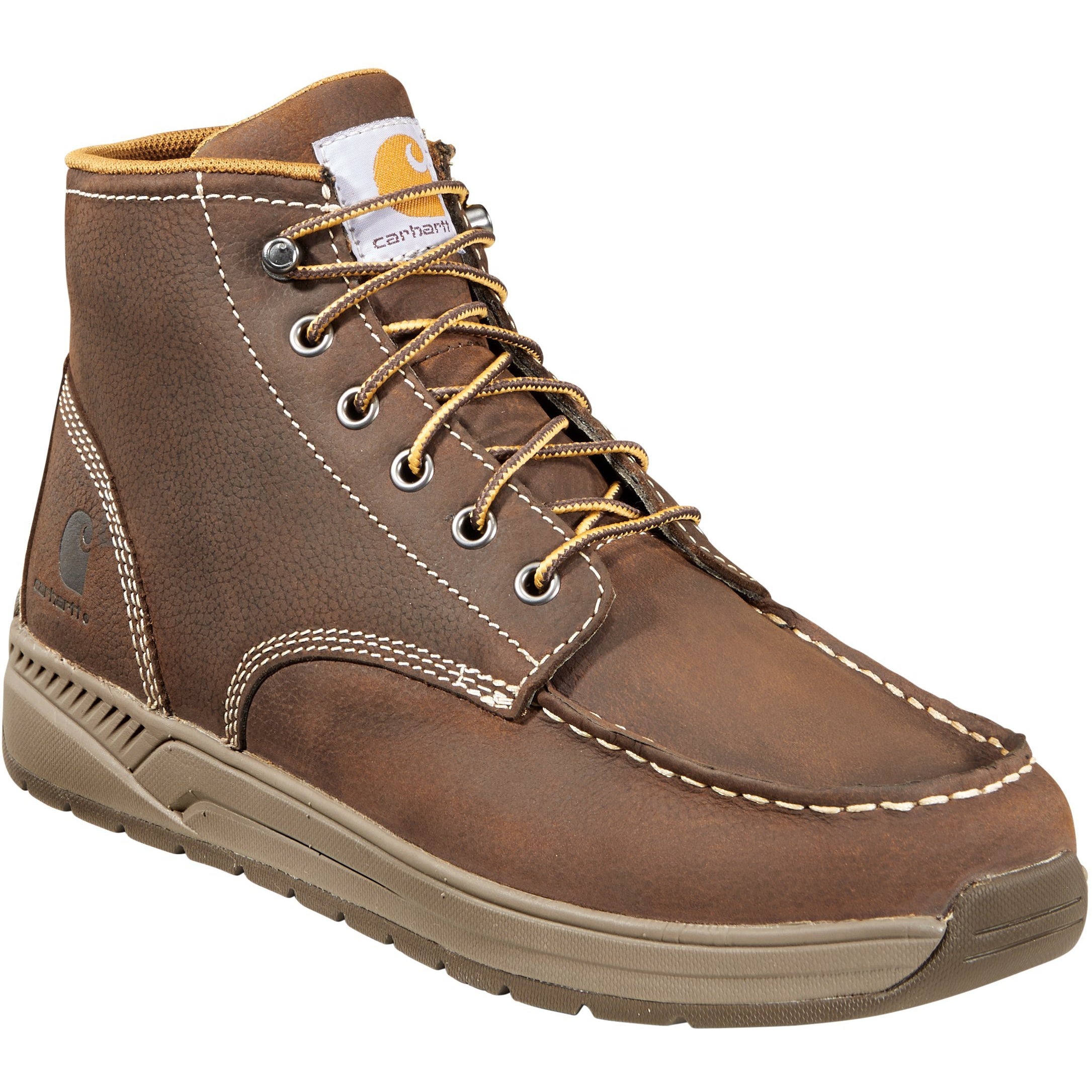
Sale price$139.99
Regular price$158.00
Carhartt Men's 4" Lightweight Soft Toe Wedge Work Boot Brown - CMX4023
Save 19%
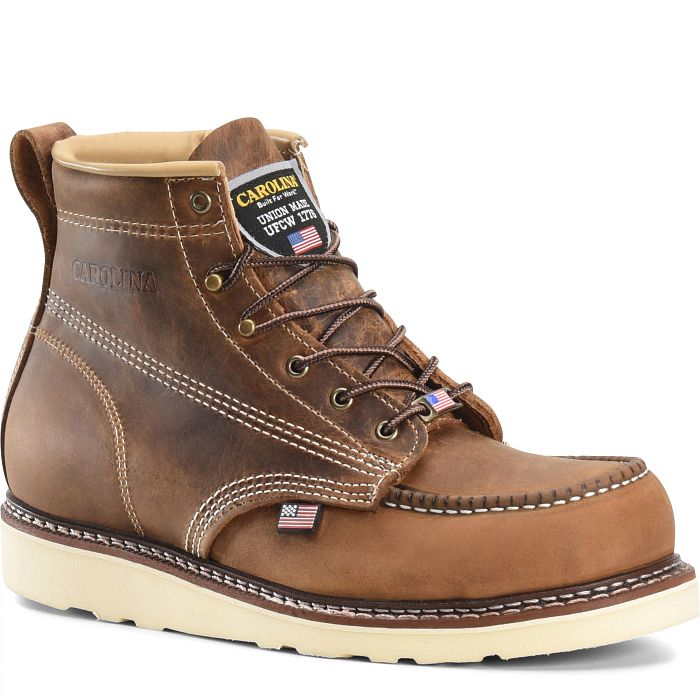
Sale price$202.49
Regular price$249.99
Carolina Men's AMP USA Made 6" Moc Toe Wedge Work Boot Brown - CA7011
Save 7%
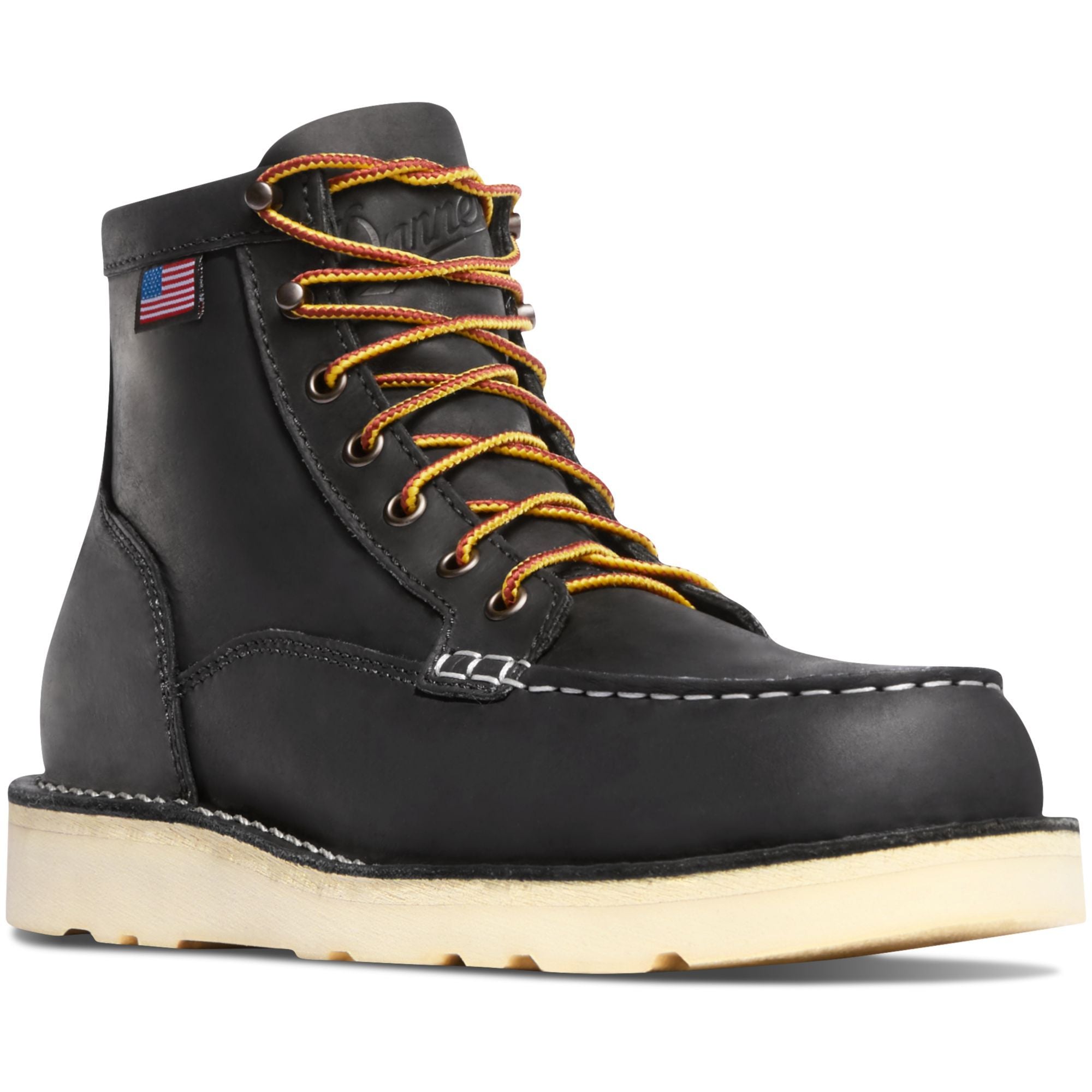
Sale price$269.95
Regular price$290.00
Danner Men's Bull Run USA Made 6" Moc Steel Toe Wedge Work Boot Black 15569
Save 14%
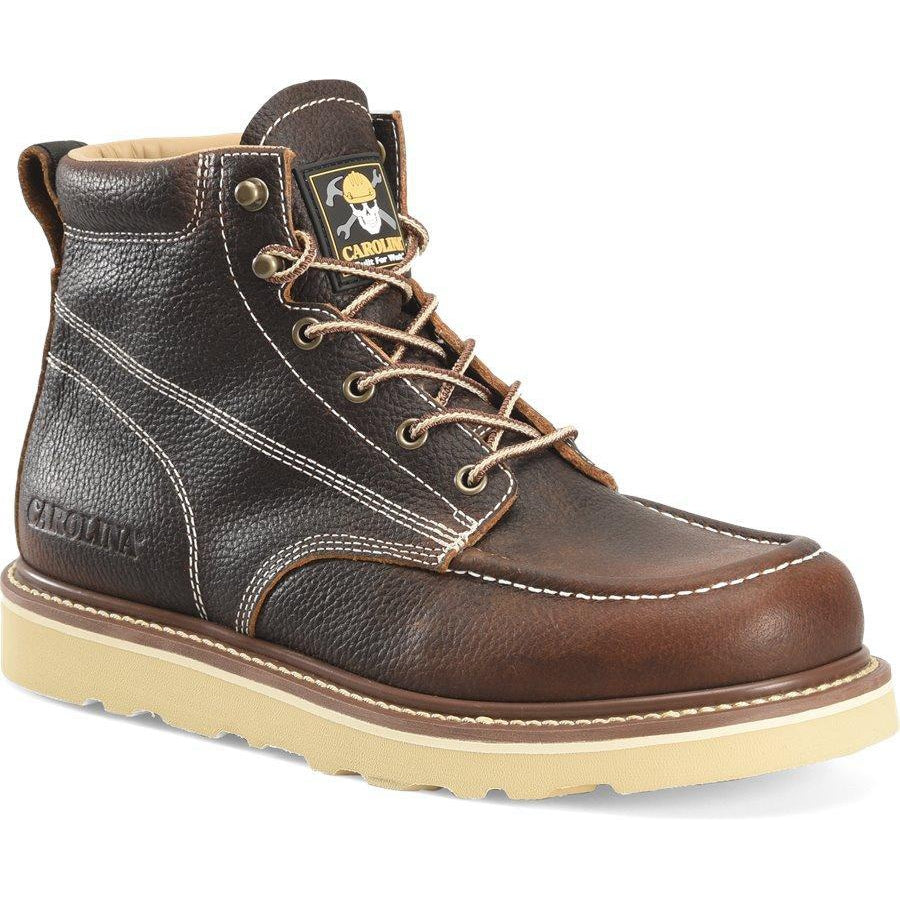
Sale price$114.67
Regular price$134.00
Carolina Men's Flatiron 6" Moc Toe Wedge Work Boot - Brown - CA7043
Save 19%
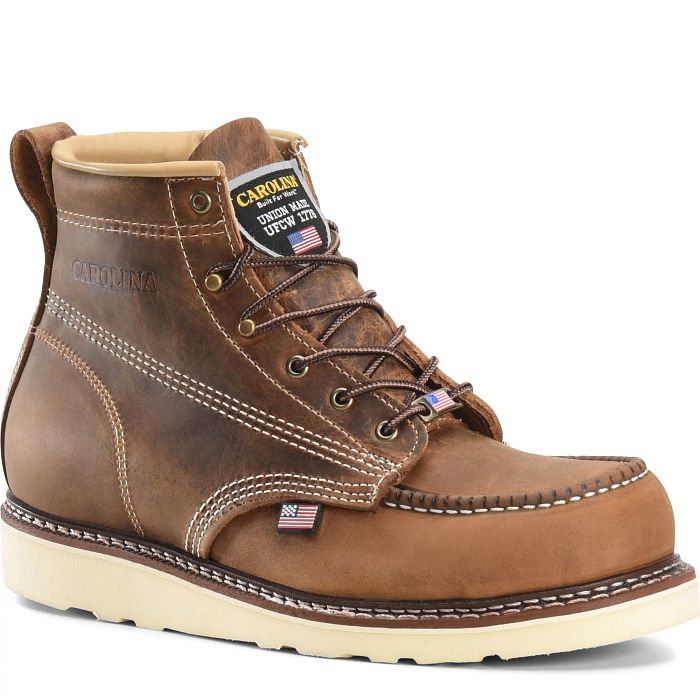
Sale price$210.59
Regular price$259.99
Carolina Men's Amped USA Made 6" Steel Toe Wedge Work Boot Brown - CA7811
Save 10%
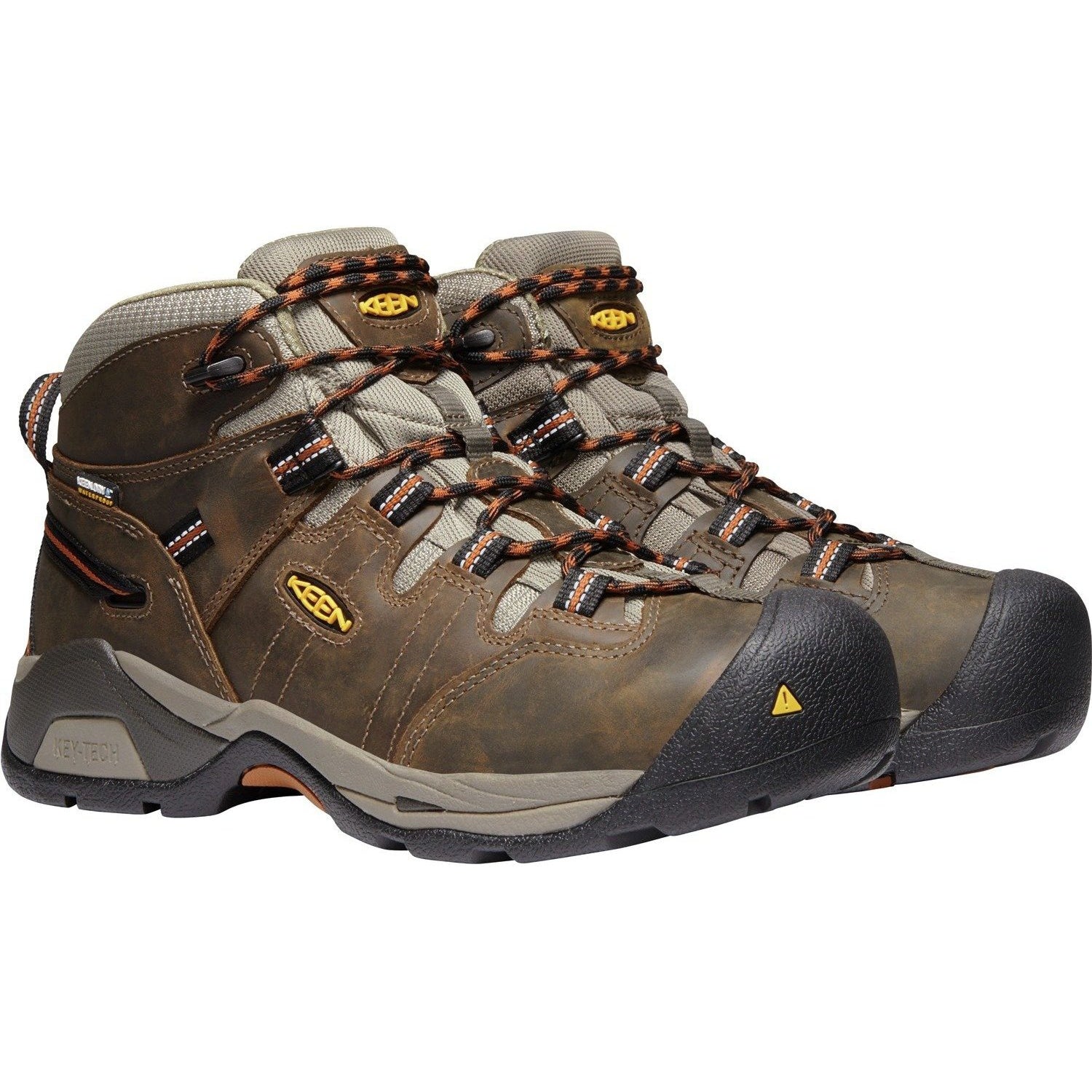
Sale price$157.49
Regular price$174.99
Keen Utility Men's Detroit XT Waterproof Soft Toe Work Boot - Olive/Brown - 1020039
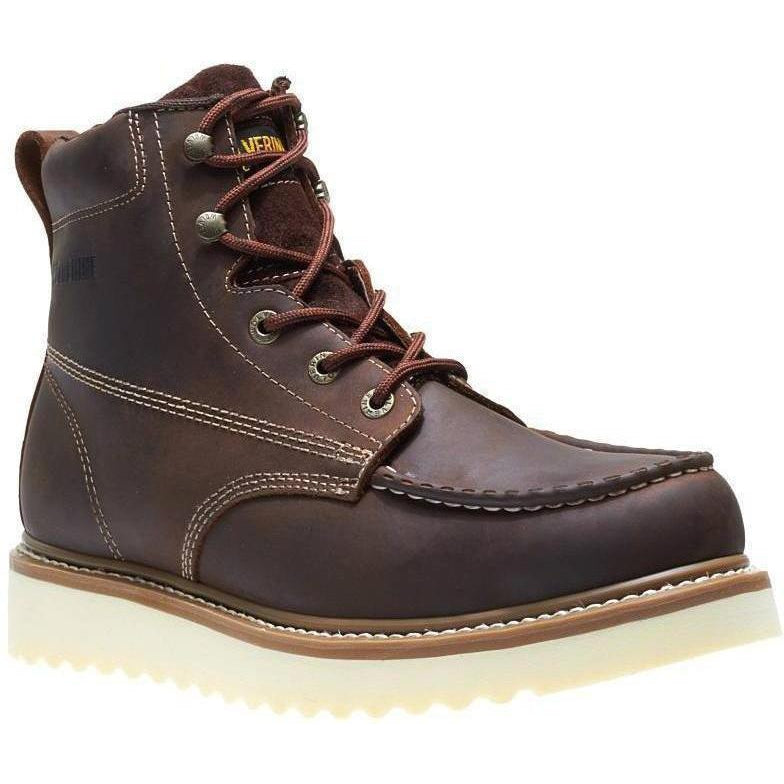
Sale price$139.95
Wolverine Men's Loader 6" Wedge Work Boot - Brown - W10744
Save 19%
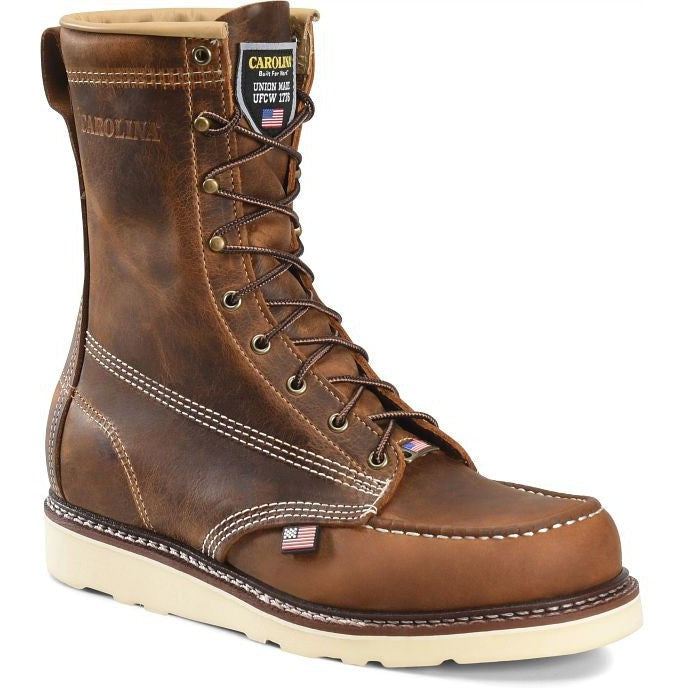
Sale price$218.69
Regular price$269.99
Carolina Men's Amp 8" Steel Toe USA Made Wedge Work Boot -Brown- CA8512
Save 10%
Sale price$165.59
Regular price$183.00
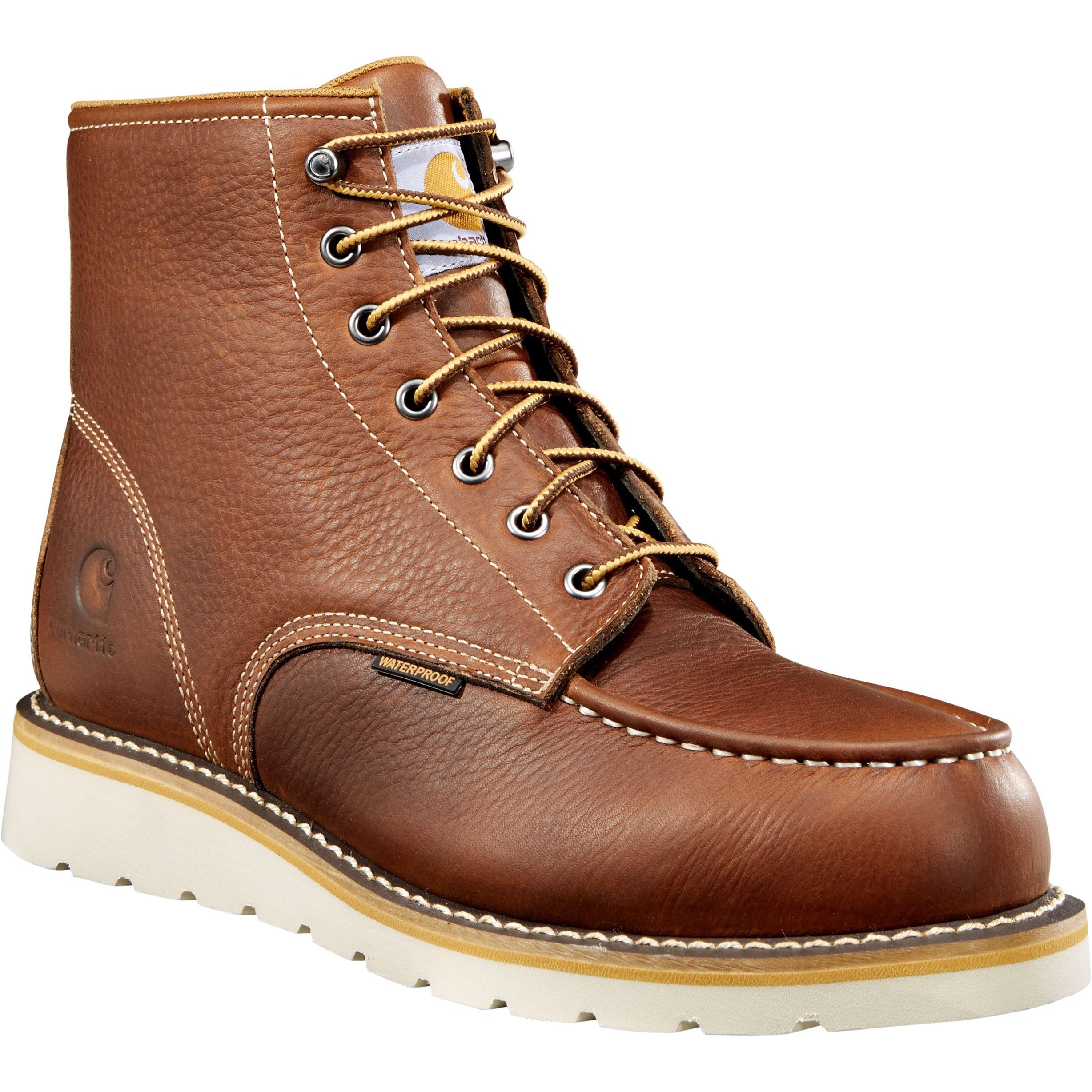
Carhartt Men's 6" Soft Toe Waterproof Wedge Work Boot - Tan - CMW6175
Save 20%
Sale price$119.95
Regular price$150.00
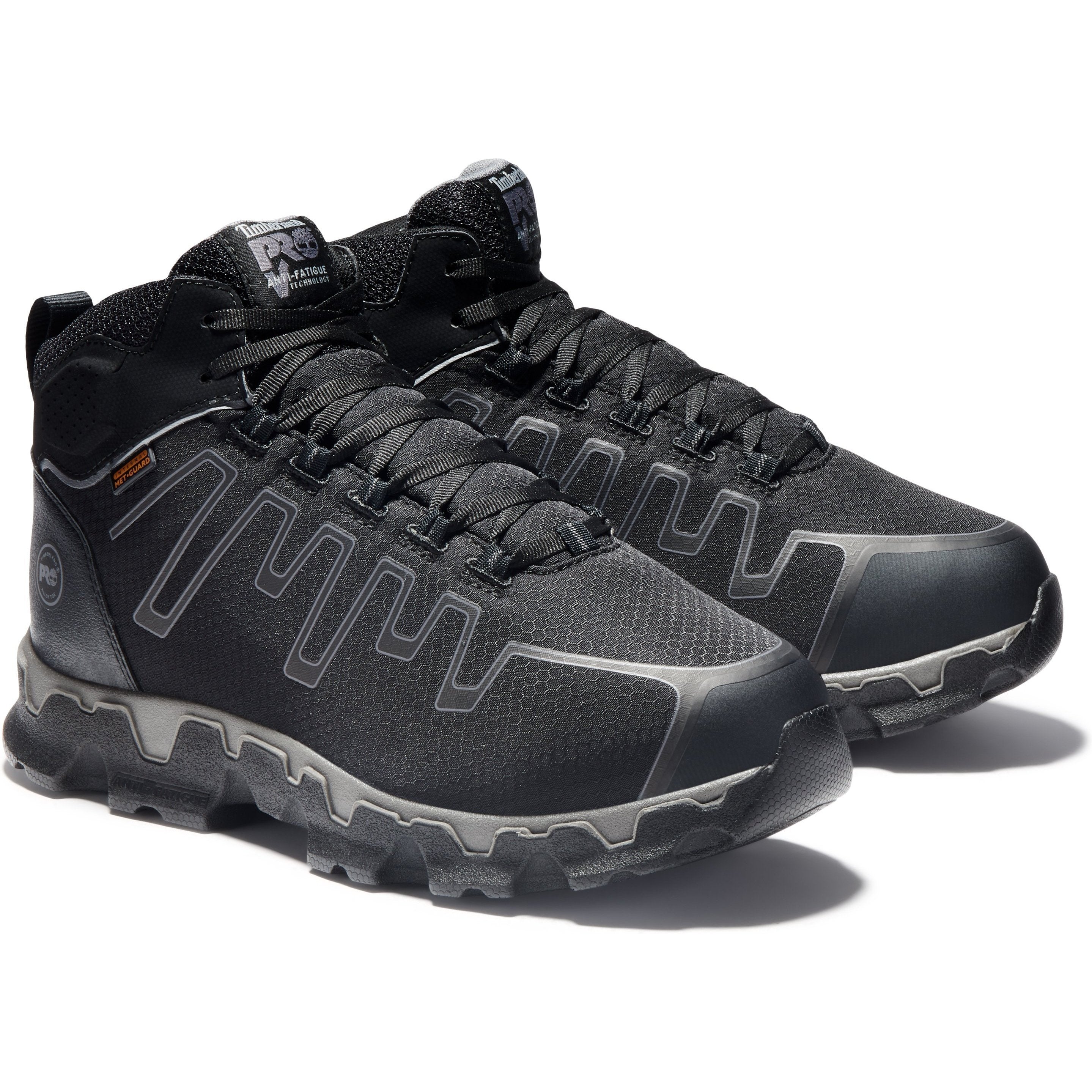
Timberland PRO Men's Powertrain Alloy Toe Metguard Work Shoe-TB0A1GHM001
Save 19%
Sale price$202.49
Regular price$249.99
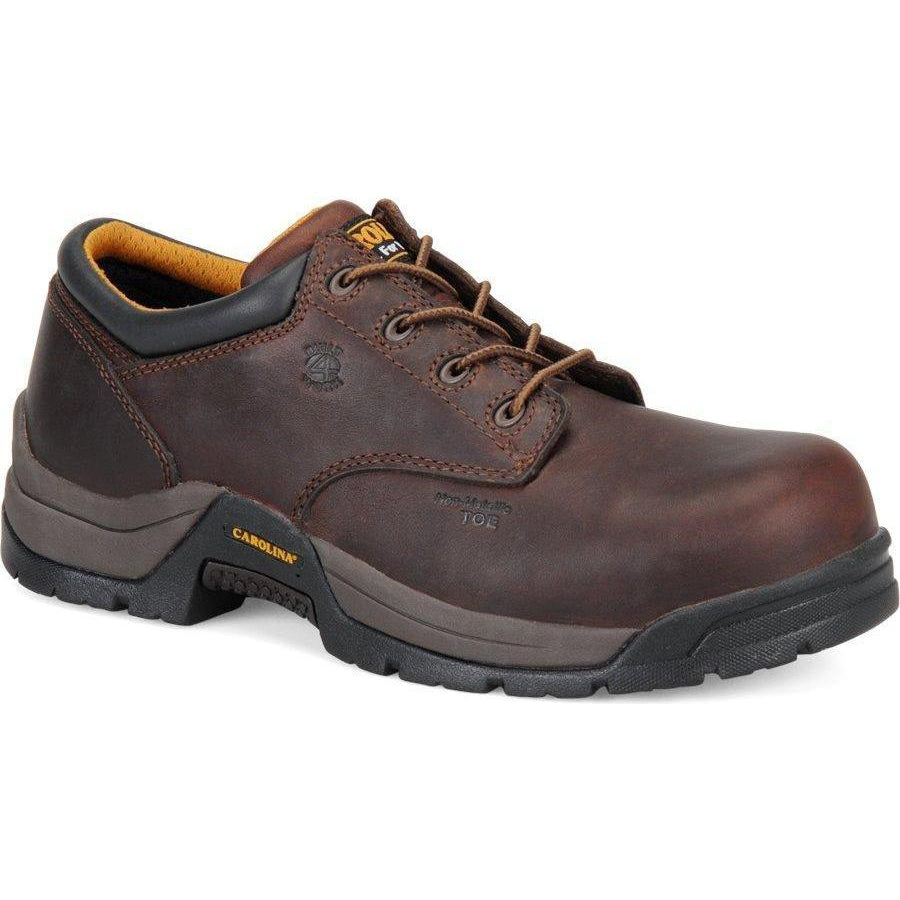
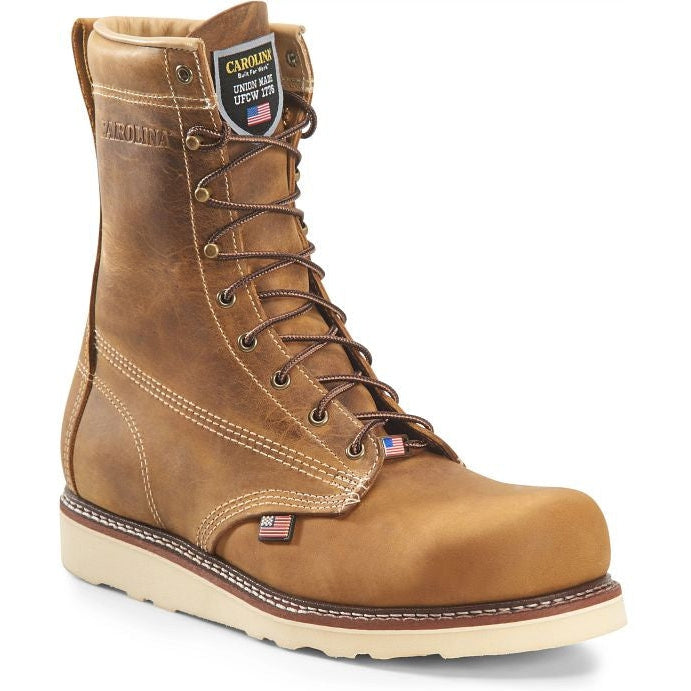
Carolina Men's Amp USA 8" Steel Toe Slip Resistant Work Boot -Brown- CA7505
Save 18%
Sale price$213.11
Regular price$259.00
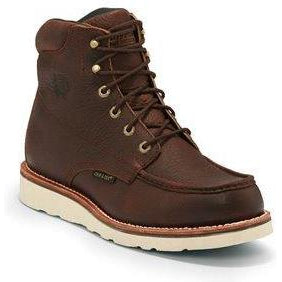
Chippewa Men's Edge Walker 6" Moc Toe Waterproof Lace Up Work Boot - 25341
Save 10%
Sale price$197.99
Regular price$219.99
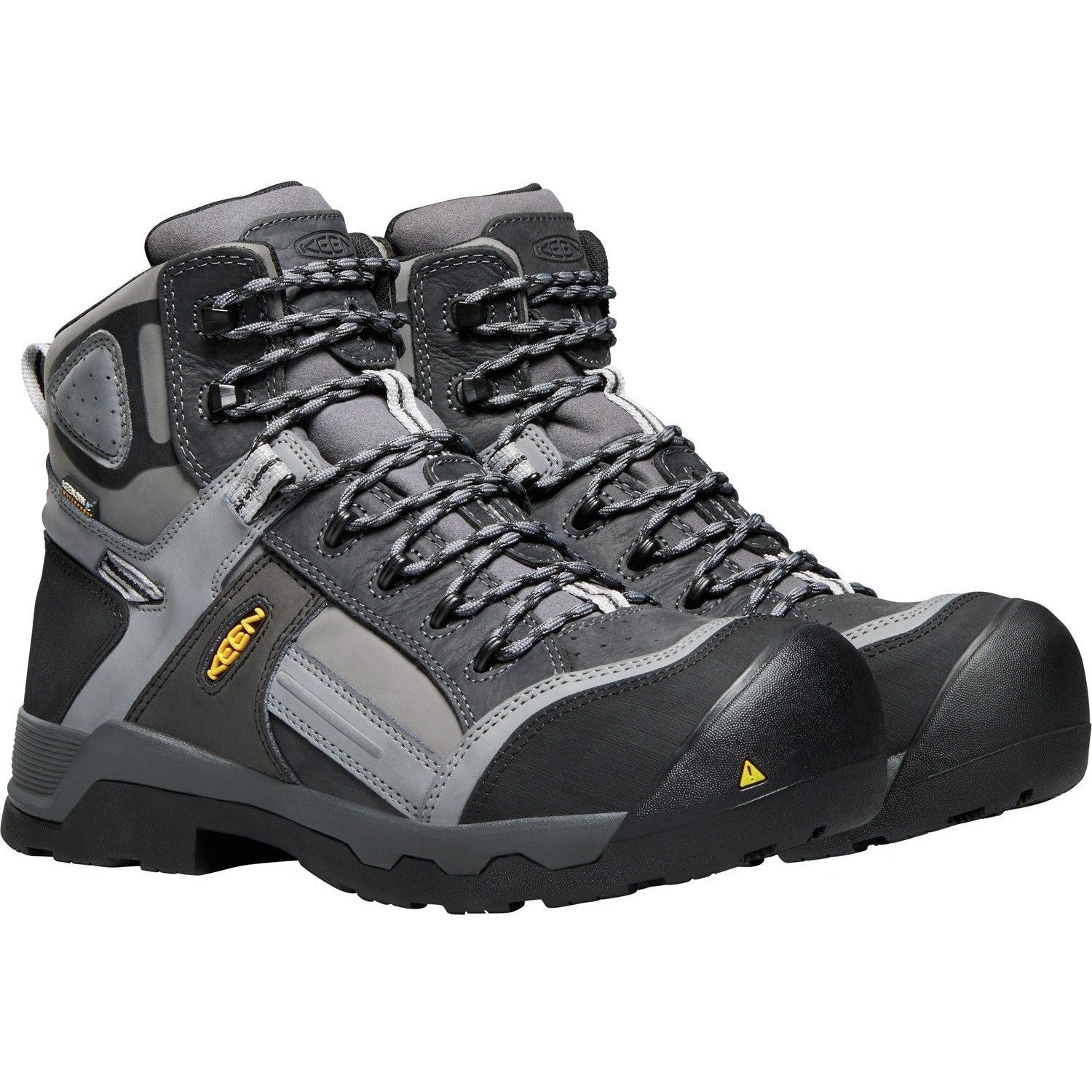
Keen Utility Davenport 6" Mid Composite Toe 400G Insulated Waterproof Work Boot - Magnet / Steel Gray - 1017804
Save 11%
Sale price$119.95
Regular price$135.00
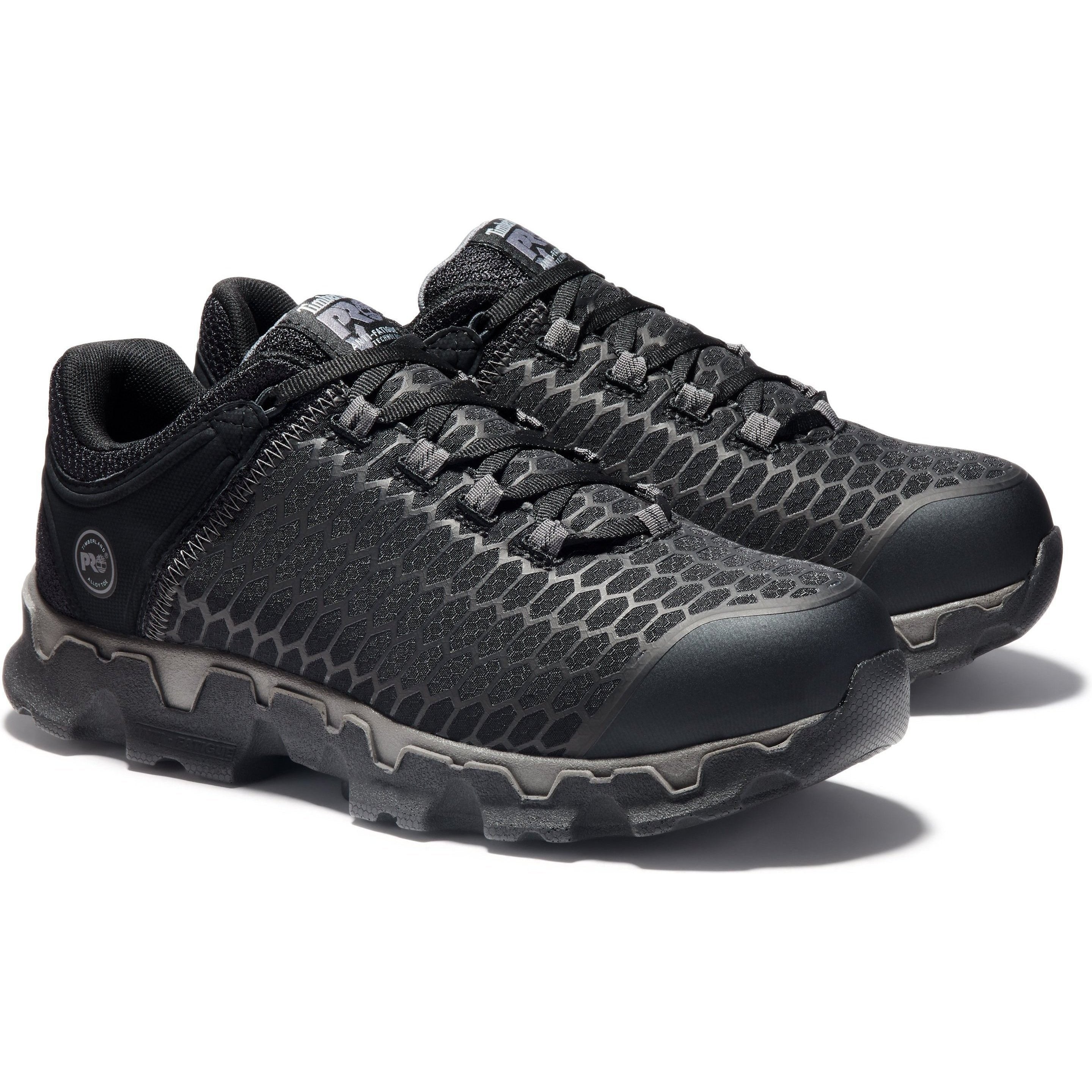
Timberland PRO Men's Powertrain Sport Static Dissipative+ Alloy Toe Work Shoe TB1A1B6U001
Save 15%
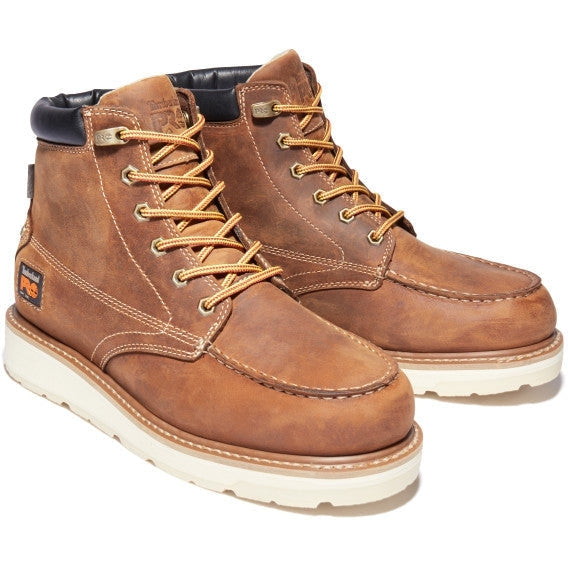
Sale price$164.95
Regular price$195.00
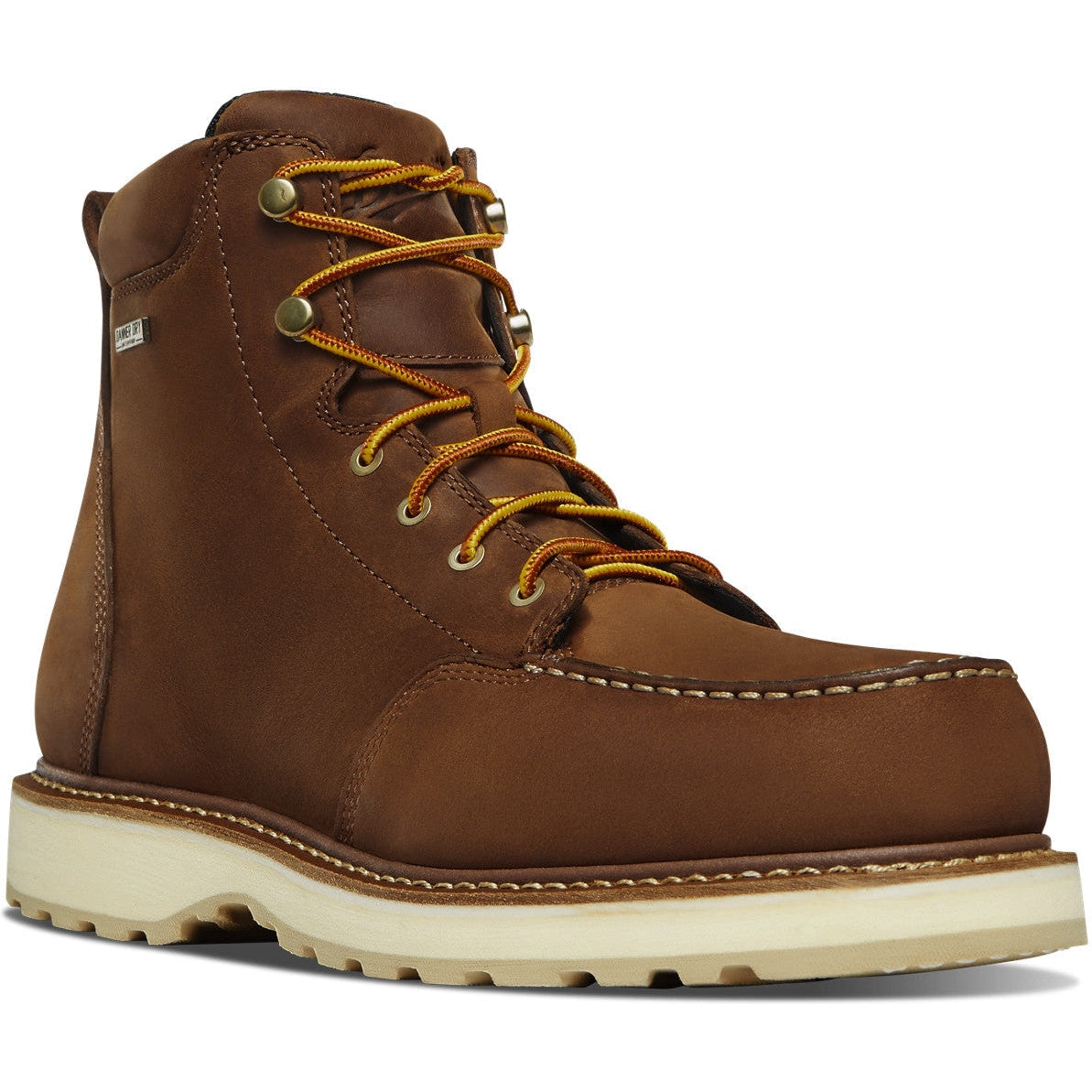
Timberland Pro Men's Gridworks 6" Alloy Toe Waterproof Work Boot - TB1A29V1214
Save 7%
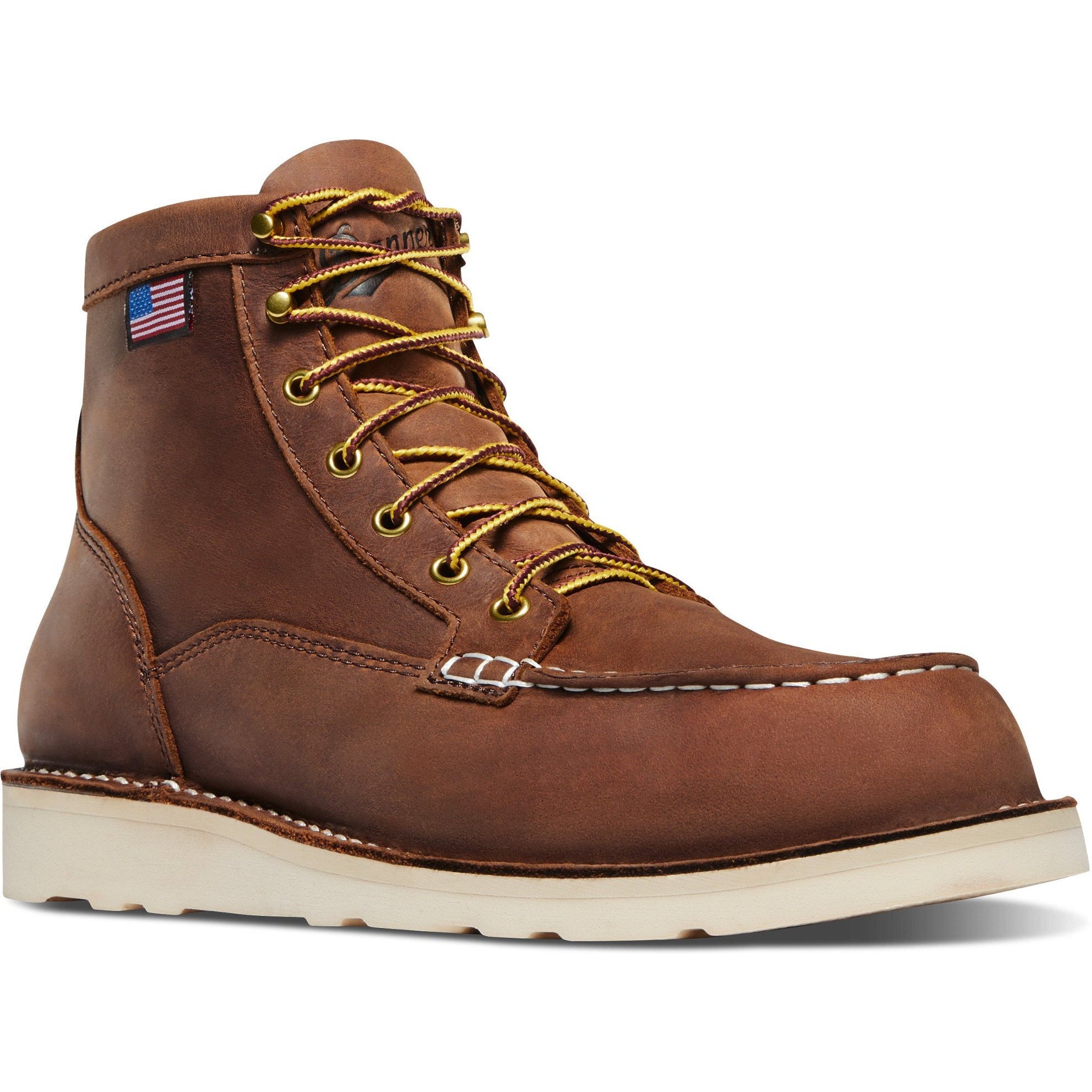
Sale price$259.95
Regular price$280.00
Danner Men's Bull Run 6" Moc Toe USA Made Wedge Work Boot - Tobacco - 15573
Save 21%
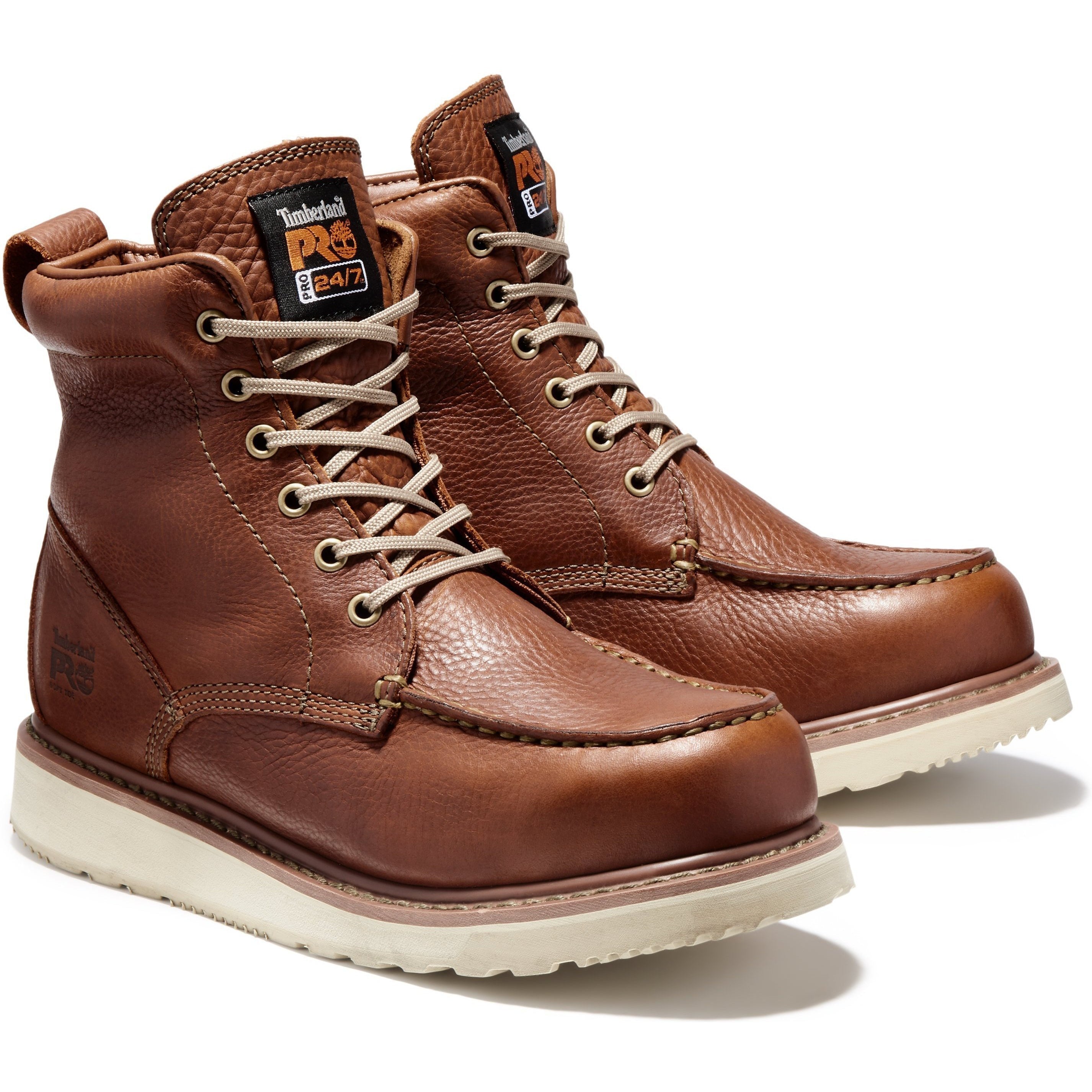
Sale price$114.95
Regular price$145.00
Timberland PRO Men's Wedge 6" Soft Toe Wedge Work Boot - Rust - TB153009214
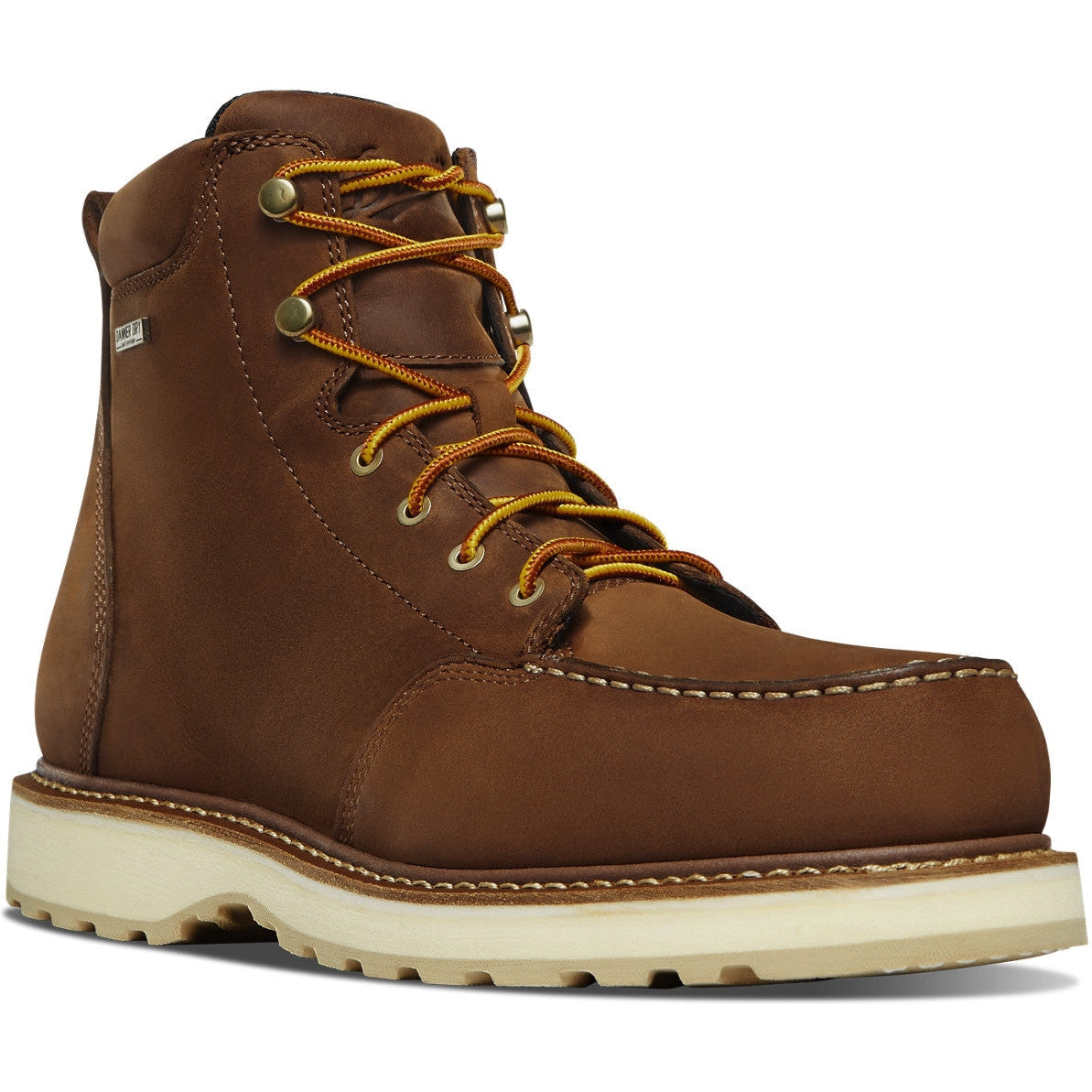
Save 6%
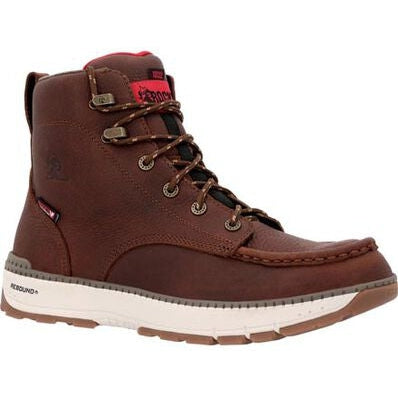
Sale price$164.99
Regular price$174.99
Rocky Men's Rebound Wedge 6" Composite Toe Waterproof Work Boot -Tobacco- RKK0435
Save 11%
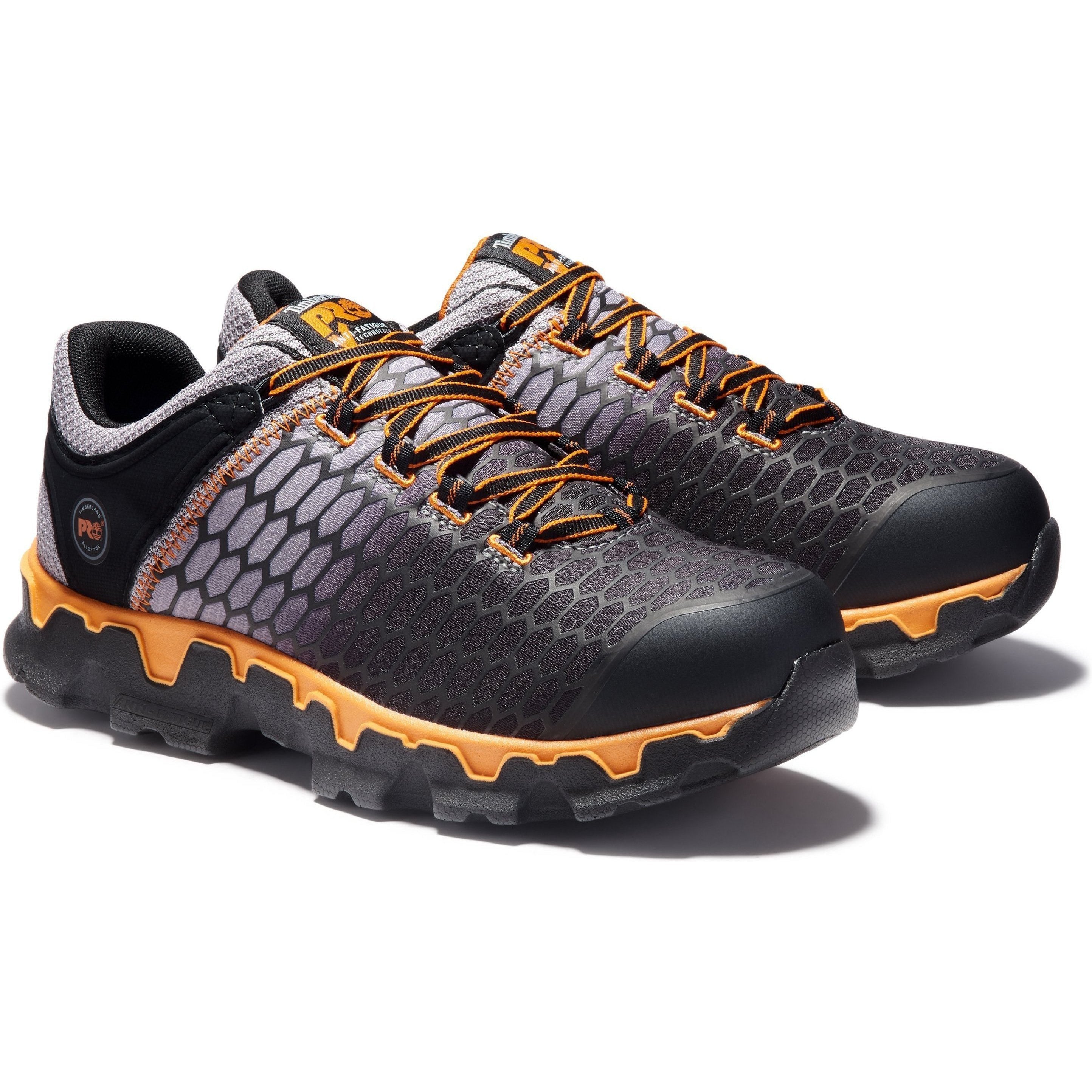
Sale price$119.95
Regular price$135.00
Timberland PRO Powertrain Sport Alloy Toe Work Shoe for Men - TB1A1GT9065
Save 6%
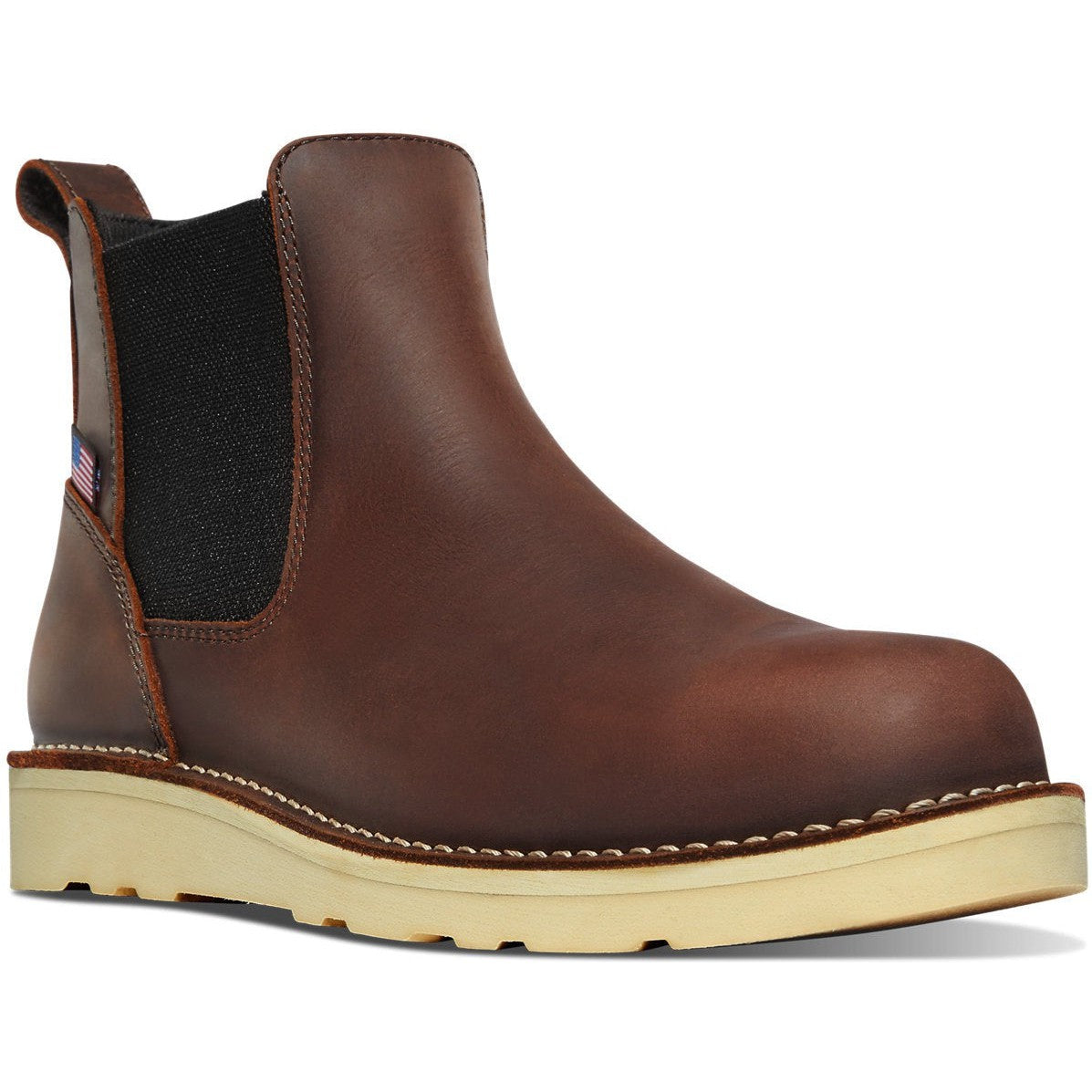
Sale price$249.95
Regular price$266.00
Danner Men's Bull Run 6" Steel Toe Chelsea Work Boot -Brown- 15484
Save 9%
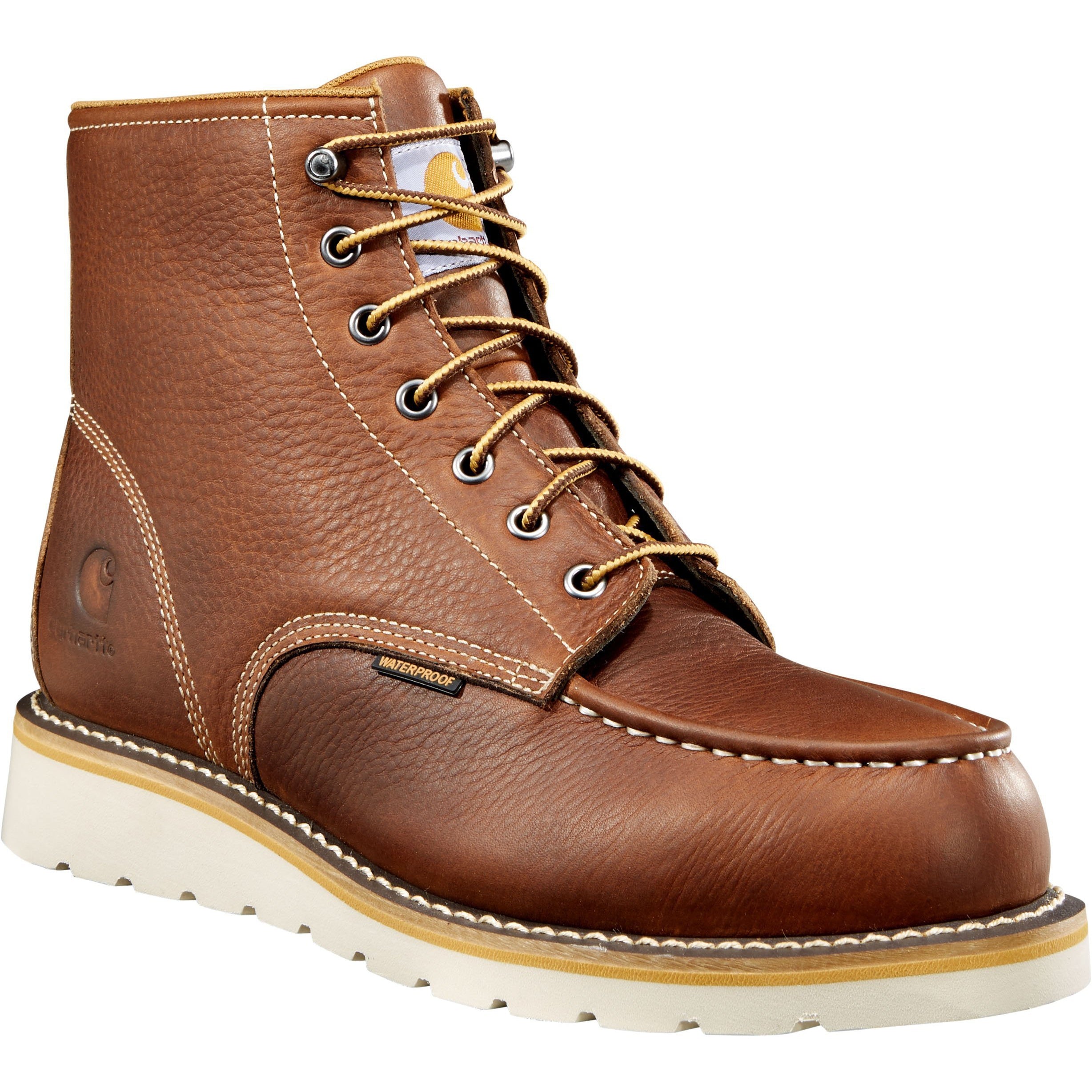
Sale price$170.19
Regular price$188.00
Carhartt Men's 6" Steel Toe Waterproof Wedge Work Boot - Tan - CMW6275
Save 6%
Sale price$159.95
Regular price$170.00
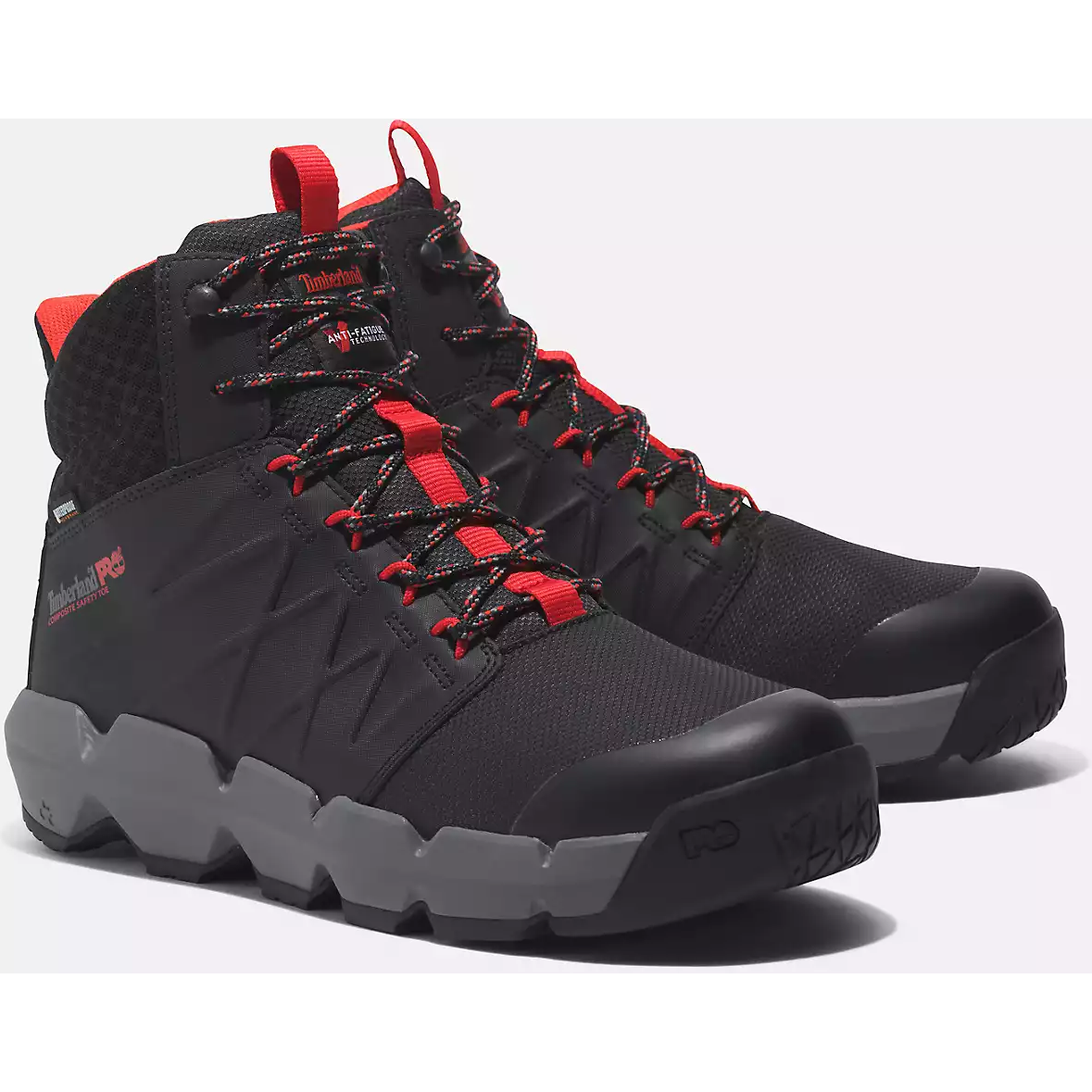
Timberland Pro Men's Morphix 6" Composite Toe Waterproof Work Boot -Black- TB1A5WHB001
Save 29%
Sale price$148.67
Regular price$210.00
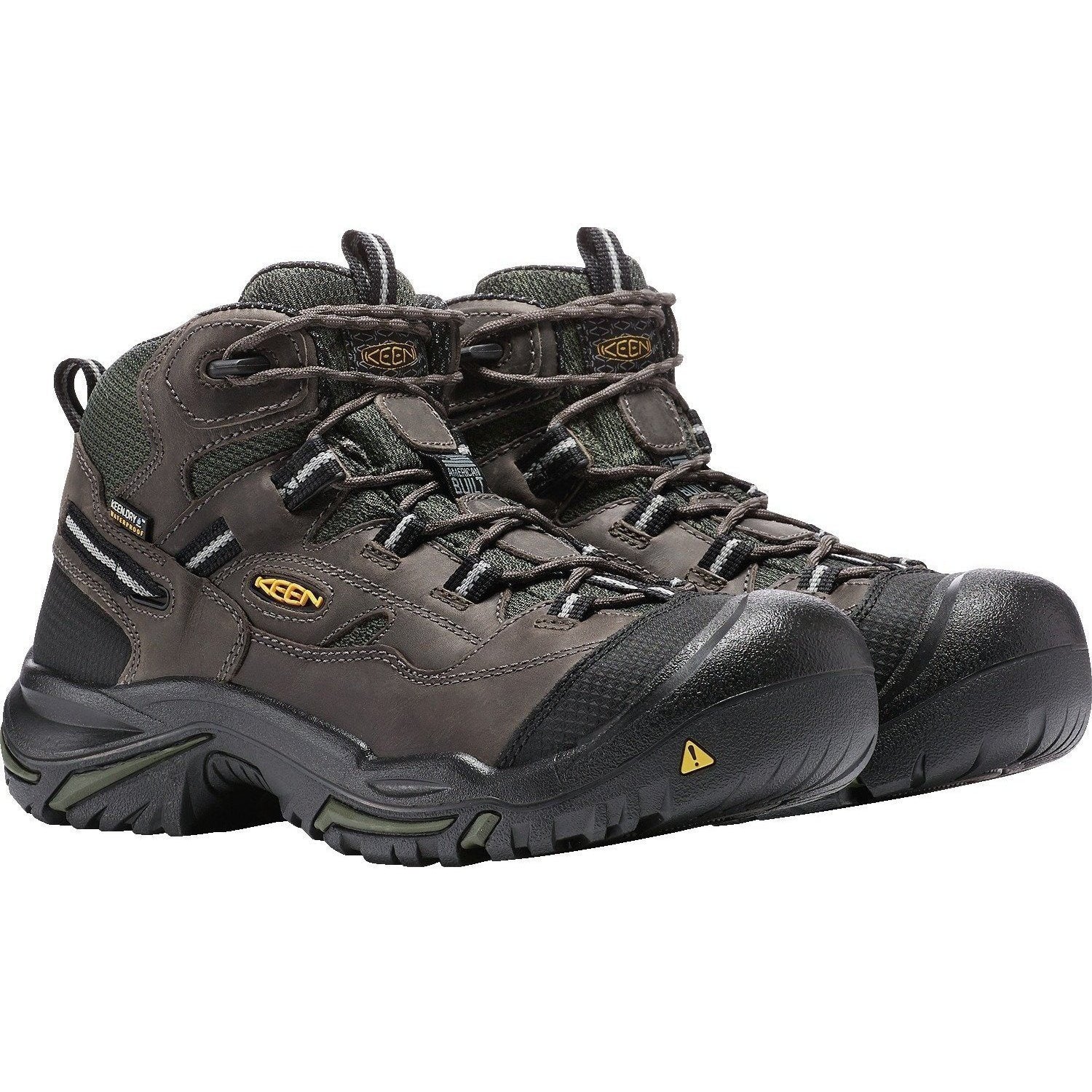
Keen Utility Men's Braddock Mid Steel Toe American Built Waterproof Work Boot - Gargoyle/Forest Night - 1011243
Save 19%
Sale price$214.64
Regular price$264.99
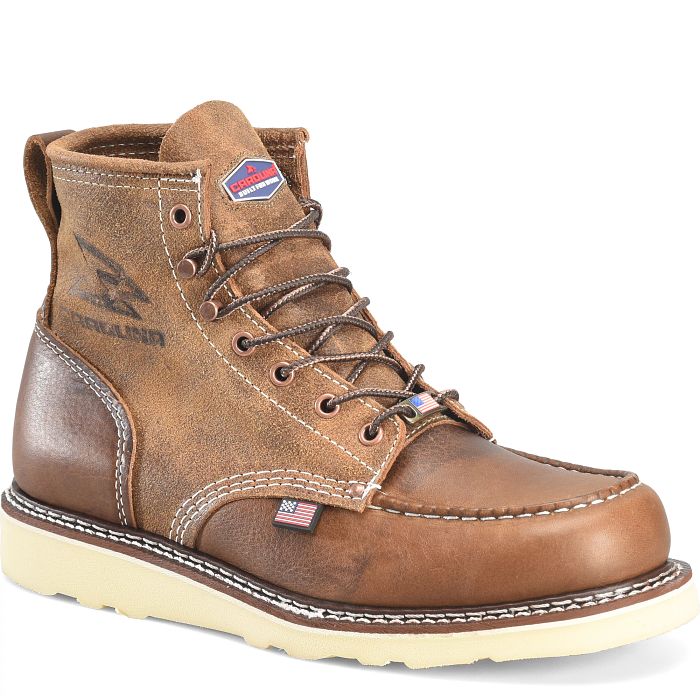
Carolina Men's Roughout Amp 6" Soft Toe USA Made Work Boot - Dark Brown - CA7068
Save 18%
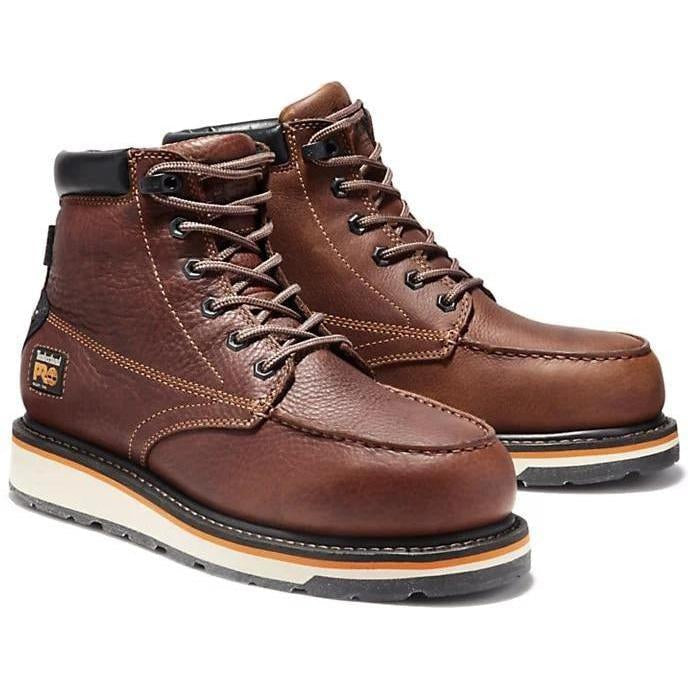
Sale price$159.95
Regular price$195.00
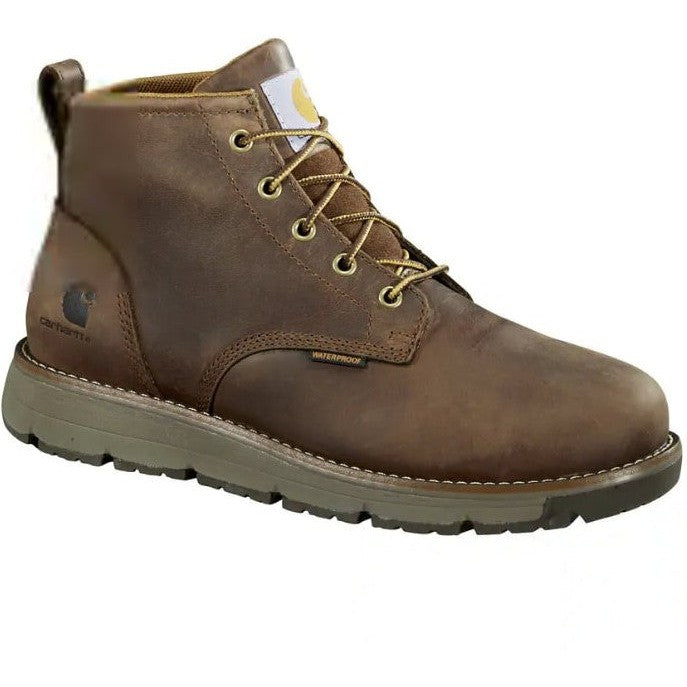
Timberland Pro Men's Gridworks 6" Alloy Toe Waterproof Work Boot TB1A1ZVF214
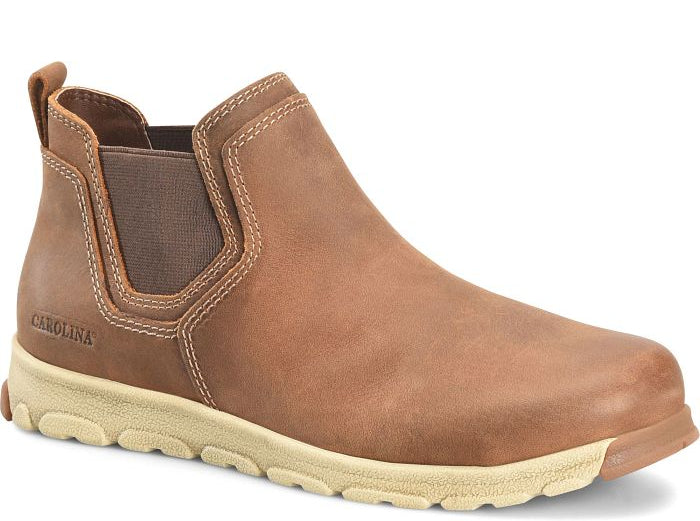
Save 13%
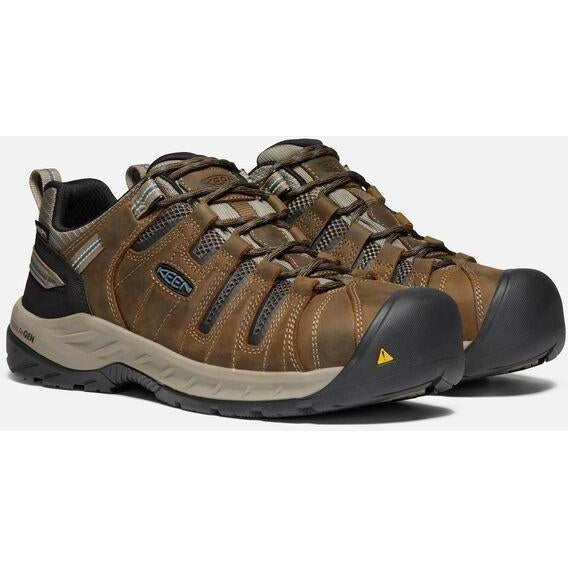
Sale price$143.99
Regular price$164.95
Keen Utility Men's Flint II Steel Toe Waterproof Work Shoe - Cascade Brown/Orion Blue - 1023236
Save 23%
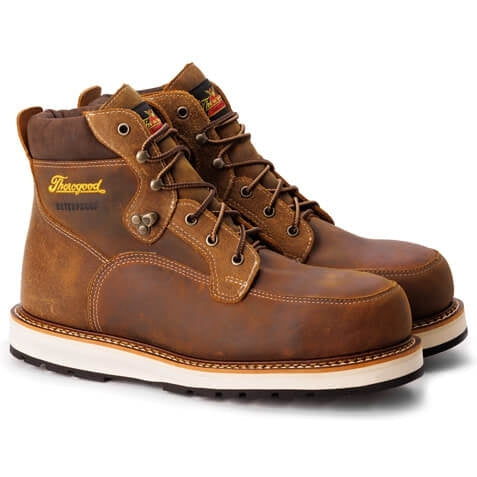
Sale price$132.67
Regular price$173.26
Thorogood Men's Iron River Series 6" Composite Toe Waterproof Work Boot -Brown- 804-4145
Save 21%
Sale price$129.95
Regular price$165.00
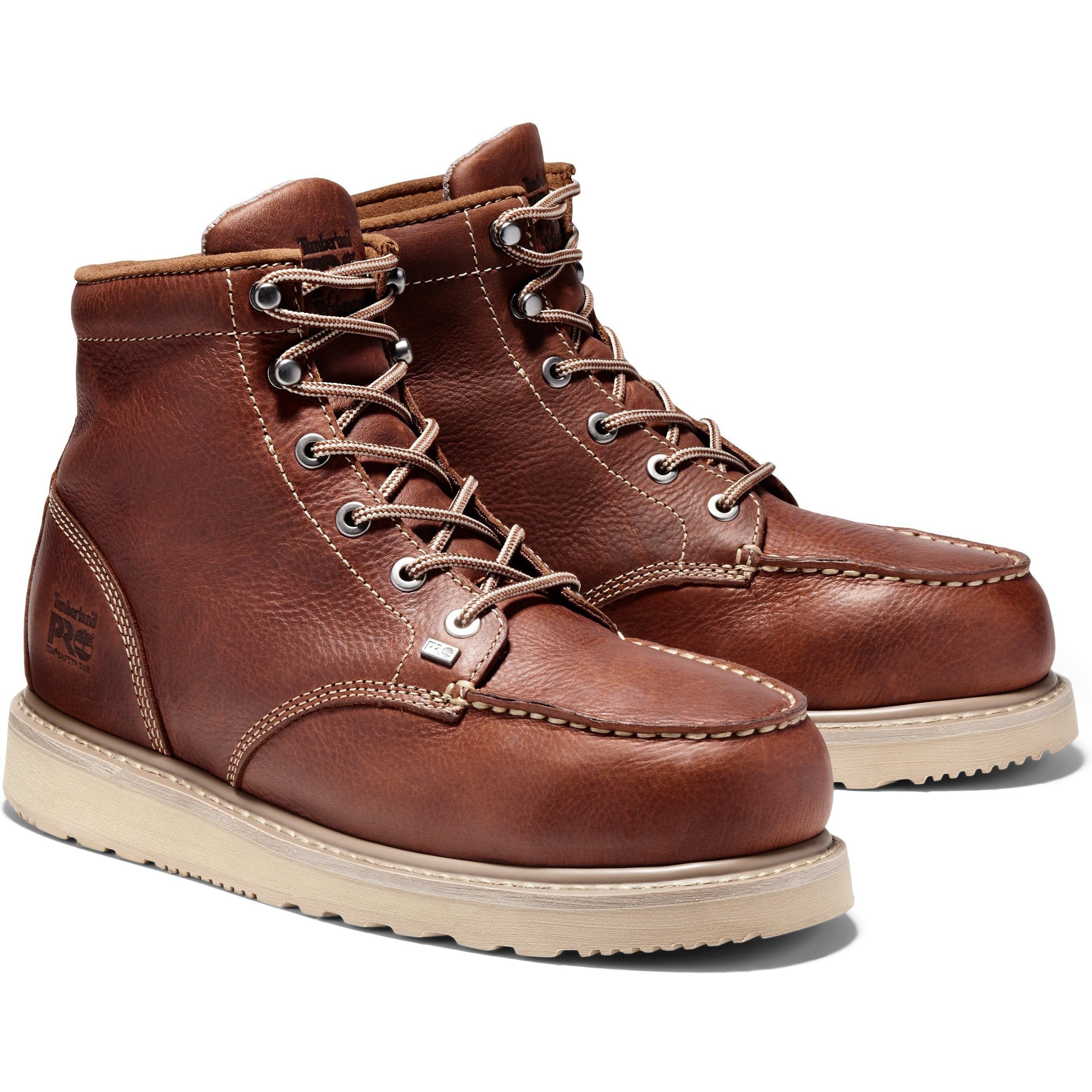
Timberland PRO Men's Barstow Wedge 6" Alloy Toe Work Boot TB188559214
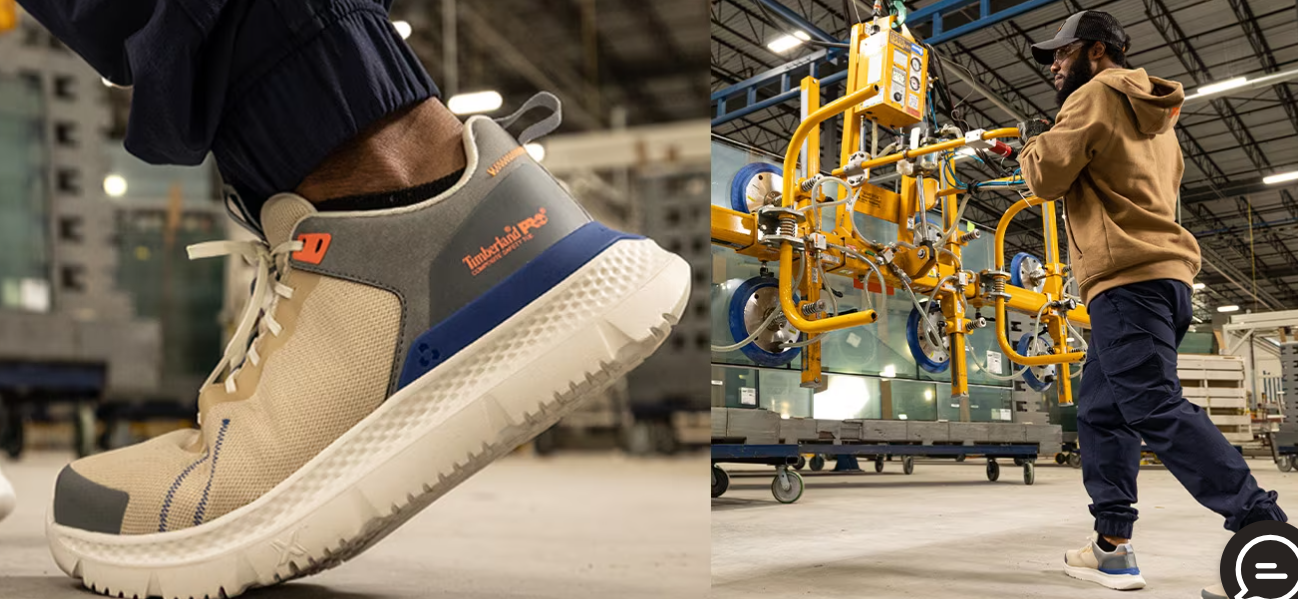
Introducing the Setra Series
The newest athletic work shoe from Timberland Pro with a stability-enhancing TPU heel clip, EVA sole, and durable, breathable upper mesh
Shop Timberland Pro SetraFrequently Asked Questions
Look for all-day comfort and traction first, then add protection to match your specific job. A safety toe, an electrical hazard rating, or waterproofing matters only when your tasks or your employer call for it, so buy those features for the job rather than by default.
The most comfortable shoes to work in a warehouse pair real cushioning underfoot with support that holds your foot in place. Concrete is unforgiving underfoot, so the sole has to absorb the shock your feet would otherwise take shift after shift. An anti-fatigue midsole, a cushioned footbed, and firm arch support do the most to cut that fatigue. Weight plays a part too, but cushioning and support decide comfort more than anything else.
Your shoes should fit snug at the heel with room to spare at the toes, because your feet swell over a long shift. Size them at the end of the day rather than the morning. Laced up, you should be able to wiggle your toes. If your feet run wide, choose a wide width rather than sizing up, since a longer shoe just adds heel slip.
Lighter shoes are better when your job keeps you walking, because less weight on each foot adds up over the miles you cover in a shift. Order pickers who log real distance tend to notice a lightweight shoe less by the end of the day. The tradeoff is that the lightest shoes give up some support and protection. Go light only as far as your job allows, not past the point where you lose the cushioning or the safety features the work needs.
More expensive work shoes are worth it when the extra money buys durability, support, and comfort you feel over a full shift, not just a brand name. A higher price usually reflects a better midsole, a more supportive build, and materials that hold up to daily concrete. A pair that lasts and keeps your feet fresh can cost less per month than a cheap pair you replace twice as often.
Yes, slip-resistant soles belong on nearly every warehouse floor, where spilled liquids, dust, and smooth, sealed concrete can all reduce traction. A slip-resistant outsole is built to grip wet and greasy surfaces, and a large share of the shoes on this page already carry one. Filter by slip-resistant to check a style before you buy.
Warehouse work shoes worn every shift usually last six months to a year, closer to the short end if you cover heavy mileage on concrete. The midsole cushioning wears out before the upper looks worn, so the sign to replace them is your feet aching during shifts that used to feel fine. Rotating two pairs lets the midsole recover between shifts and stretches the lifespan of each.
No, you do not always need a safety toe to work in a warehouse. It comes down to your employer's policy and the hazards of your specific tasks. OSHA requires protective footwear wherever a real foot hazard exists, not steel-toe specifically. So warehouse roles that never handle heavy or falling loads run fine in a non-safety-toe shoe. Confirm your own site's rule before you buy. If you do need protection, a composite toe usually comes in lighter than steel at the same rating.
Wear shoes when your work involves mostly walking and standing on flat floors, and boots when you need ankle support or when your tasks involve heavier hazards. A low-cut shoe is lighter and cooler during a long shift, which is why so many order pickers reach for one. Warehouse work boots are worth the extra weight if you climb, work near heavy equipment, need waterproofing, or want ankle stability on uneven ground.
Athletic or sneaker-style work shoes are good enough for most warehouse shifts, as long as they are built as work shoes and not gym sneakers. Reebok Work and Florsheim Work make athletic-looking shoes with slip-resistant outsoles, real support, and safety-toe options. A true running or tennis shoe lacks all three. If your job requires a safety toe or you handle heavier loads, buy the rated shoe rather than a fashion sneaker.