Save 12%
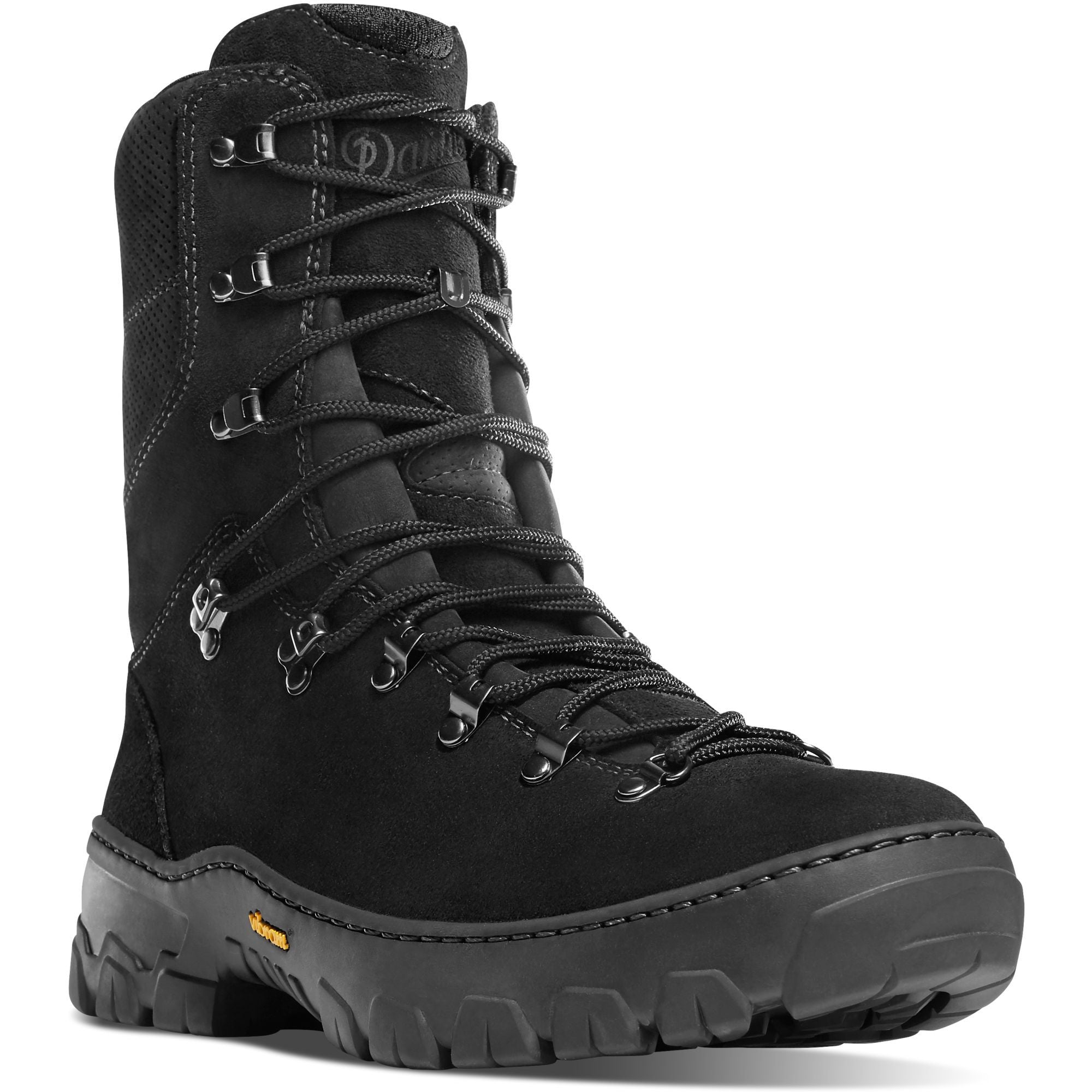
Sale price$367.95
Regular price$420.00
Danner Men's USA Made 8" Wildland Tactical Firefighter Boot Black 18050
Save 8%
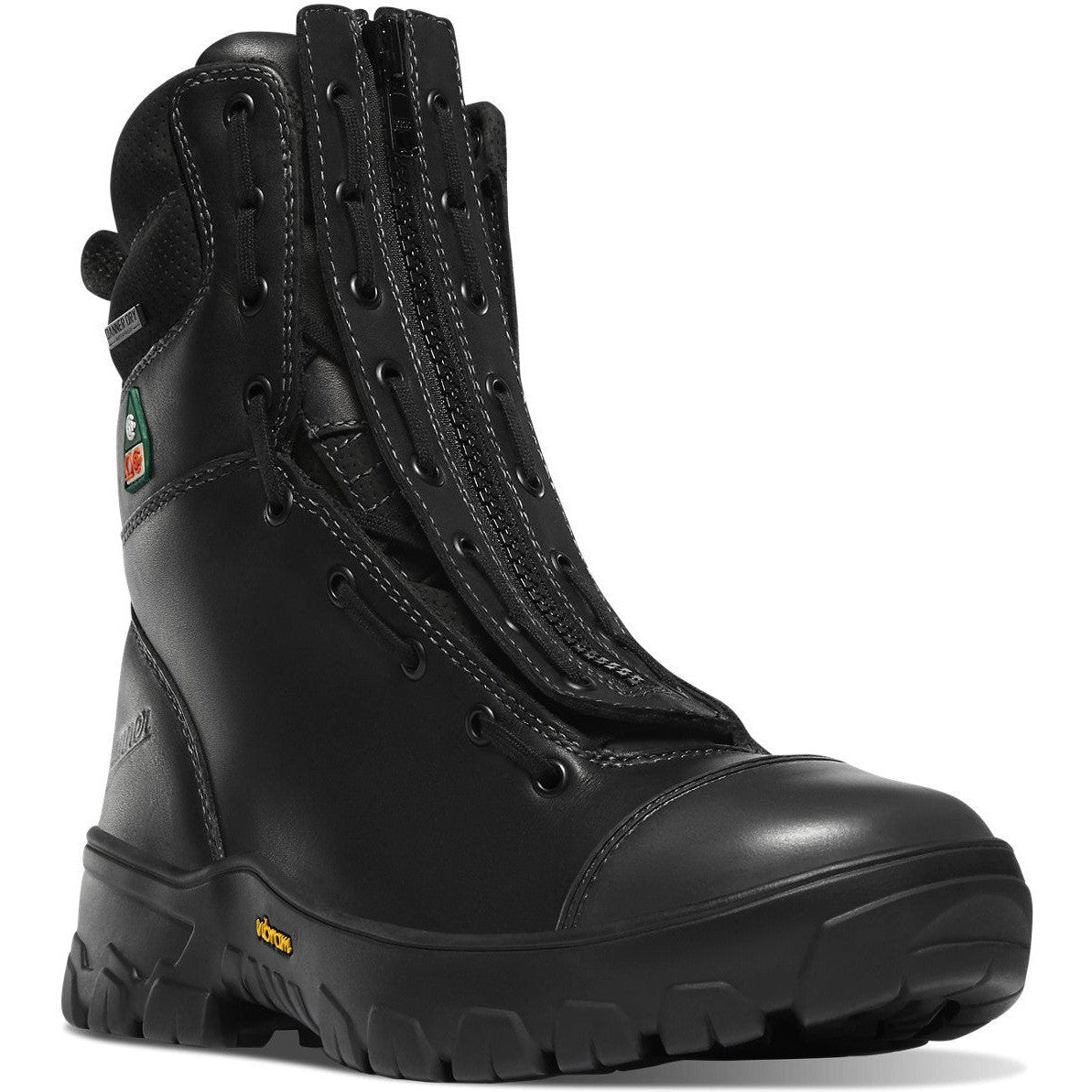
Sale price$321.95
Regular price$349.95
Danner Men's Modern Firefighter 8" Composite Toe Waterproof Duty Boot -Black- 18051
Save 10%
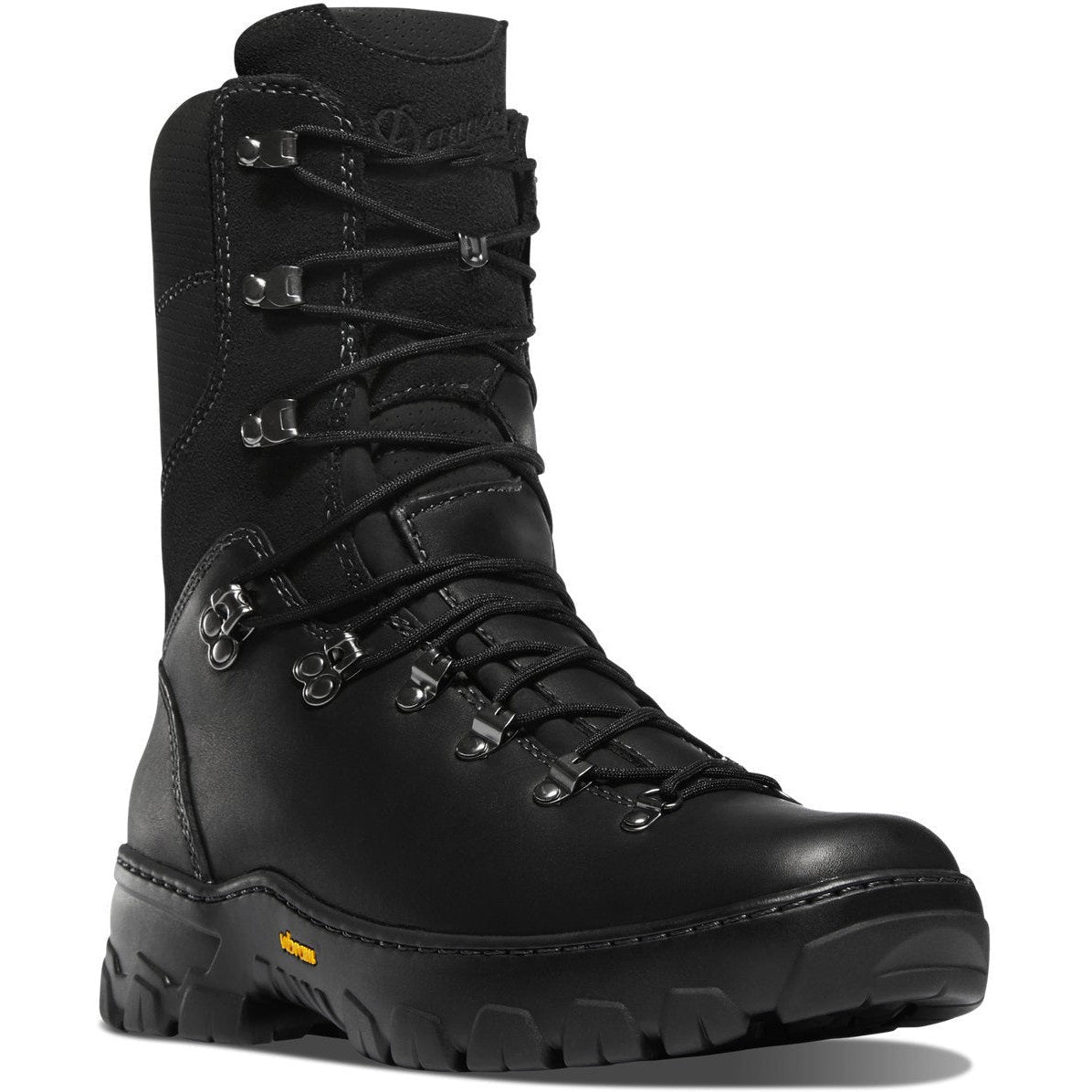
Sale price$386.35
Regular price$430.00
Danner Men's Wildland Tactical Firefighter 8" Duty Boot -Black- 18054
Save 11%
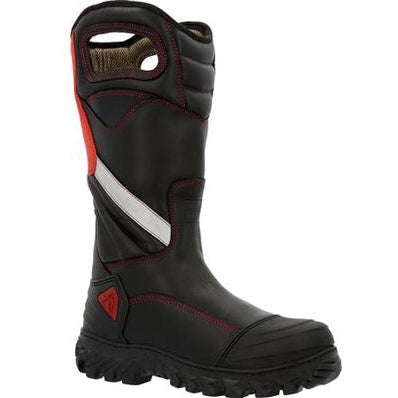
Sale price$389.67
Regular price$439.00
Rocky Men's Code Red Structure 14" Waterproof NFPA Composite Toe Fire Boot -Black- RKD0087
Save 12%
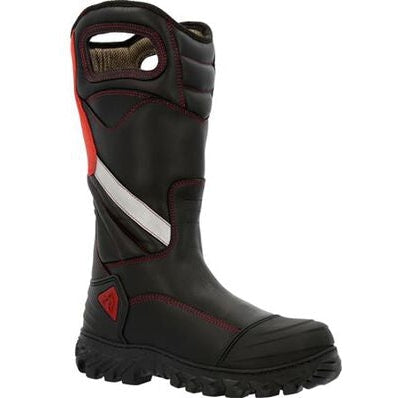
Sale price$362.70
Regular price$410.00
Rocky Women's Code Red Struct 14" Waterproof Composite Toe Fire Boot -Black- RKD0092
Save 12%
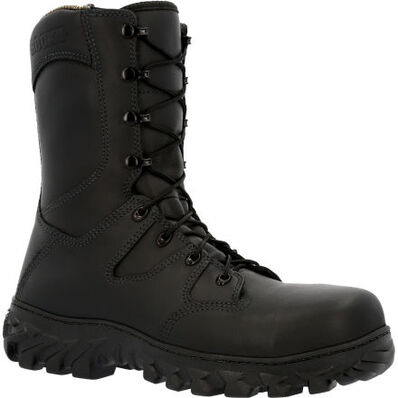
Sale price$339.45
Regular price$385.00
Rocky Men's Code Red 8" Waterproof Rated Composite Toe Fire Boot -Black- RKD0086
Save 12%
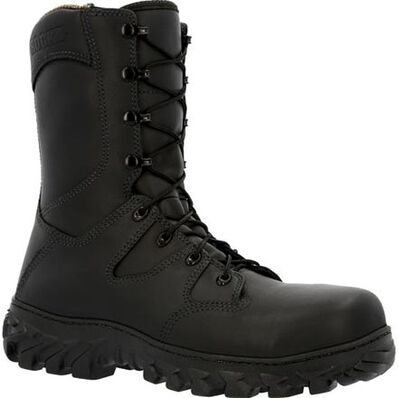
Sale price$320.85
Regular price$365.00
Rocky Women's Code Red Rescue 8" Waterproof Composite Toe Fire Boot -Black- RKD0091
Frequently Asked Questions
Yes. Our NFPA boots are built around the NFPA standard your crew follows, NFPA 1971 (structural) or NFPA 1977 (wildland). That matters for fire/rescue work where heat, flame, and rough terrain are non-negotiable.
Check the listing and the boot tag for the exact NFPA standard number (like NFPA 1971 or NFPA 1977). That’s the quick proof a safety officer or inspector will look for on fire, rescue, and industrial response crews with NFPA boots.
Composite toe is best when you want less weight and less heat/cold transfer. Steel-toe boots are best when impact and compression are the priority. Pick based on the hazard: long shifts and climbing vs. heavy equipment, pipe, and dropped tools in your NFPA boots.
Choose an EH-rated option. Look for “Electrical Hazard” or “EH” in the listing and tag, not guesswork. That rating matters for utilities, oilfield panels, and rescue scenes where accidental contact is a real risk with NFPA boots.
Pick a waterproof model with a waterproof membrane plus breathable lining. That combo keeps water out while venting sweat, which is what you want for wildland work, wet job sites, and long shifts in muggy heat in NFPA boots.
Slip resistance is a core requirement for NFPA boots, so traction is built in. Look for a lugged rubber outsole built for wet surfaces and debris. This matters on apparatus steps, wet steel, mud, and greasy shop floors.
Recently viewed
Our Top Brands