Save 17%
Sale price$190.89
Regular price$229.99
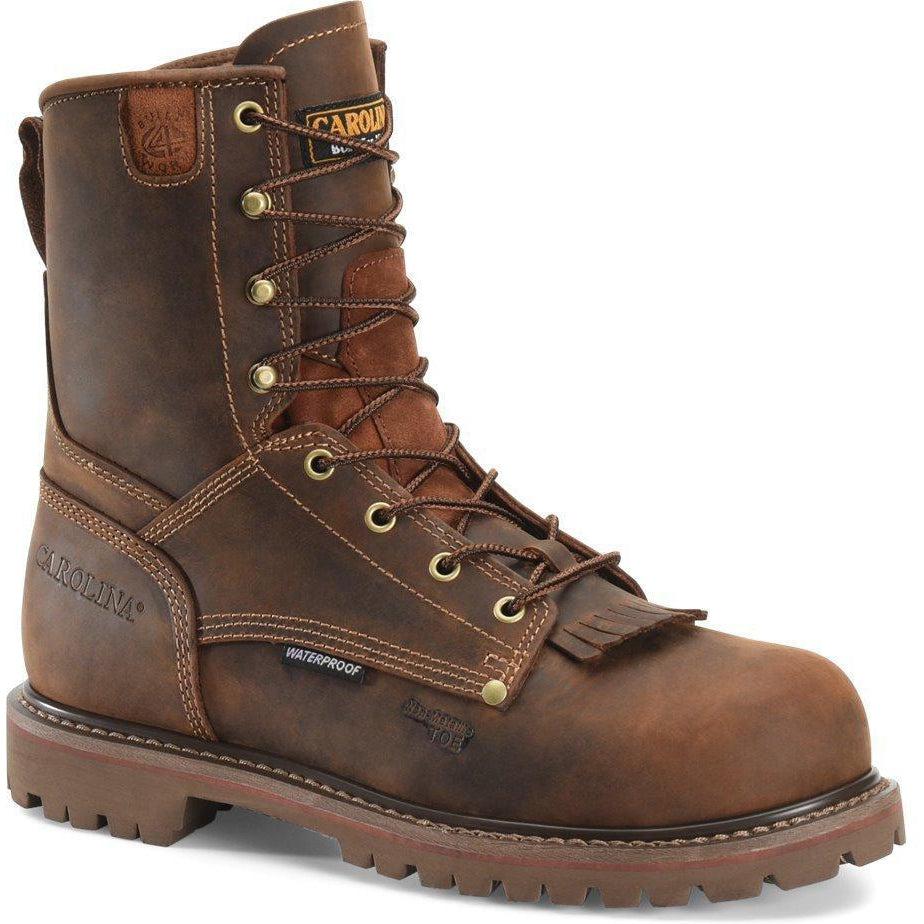
Carolina Men's 28 Series 8” Waterproof Composite Toe Work Boot - Kharthoum Cigar - CA8528
Save 8%
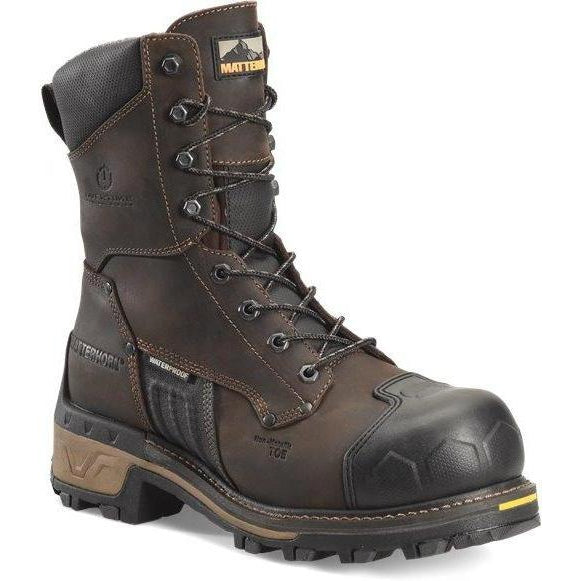
Sale price$220.79
Regular price$239.99
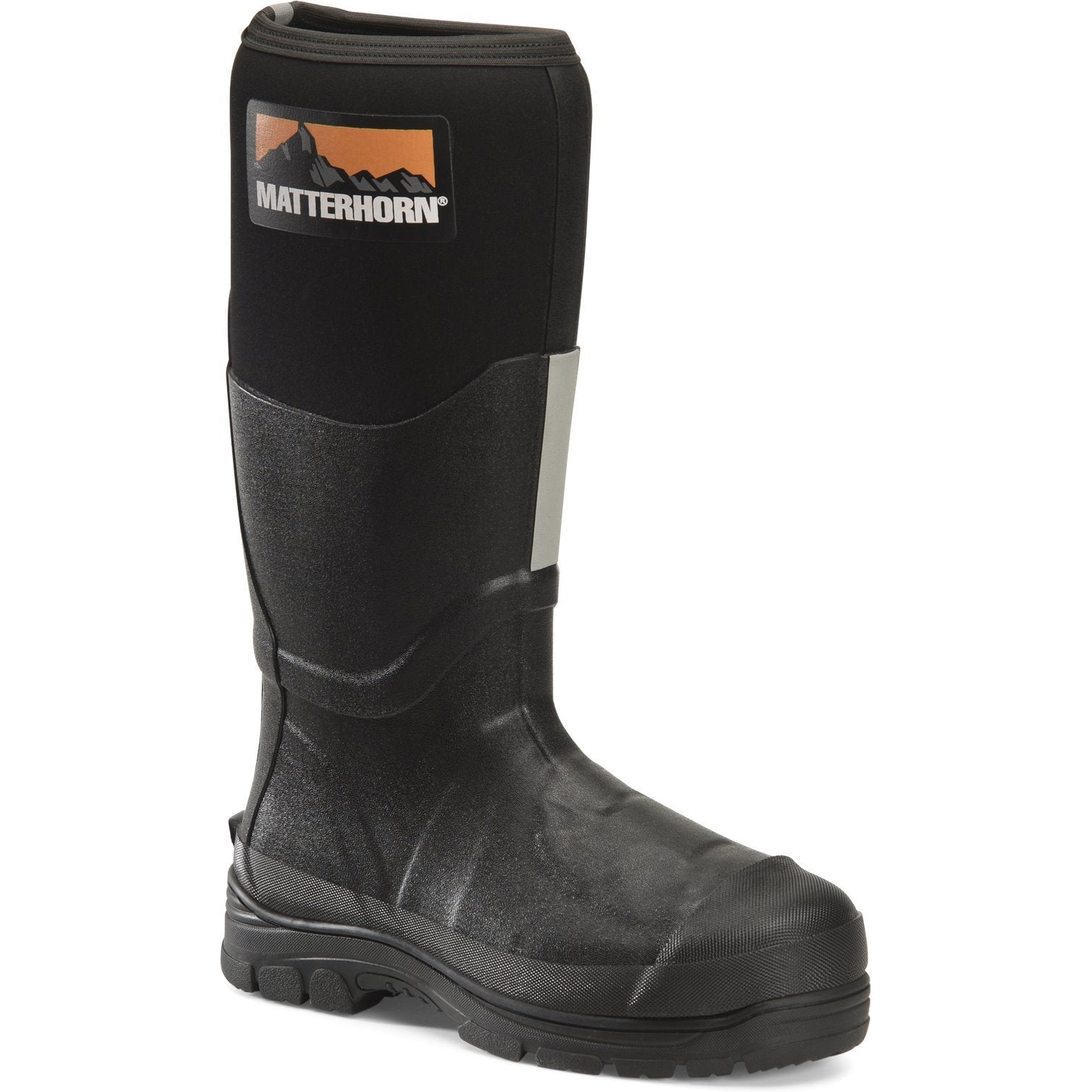
Matterhorn Men's Max 8" Composite Toe Waterproof Logger Work Boot Brown MT2560
Save 17%
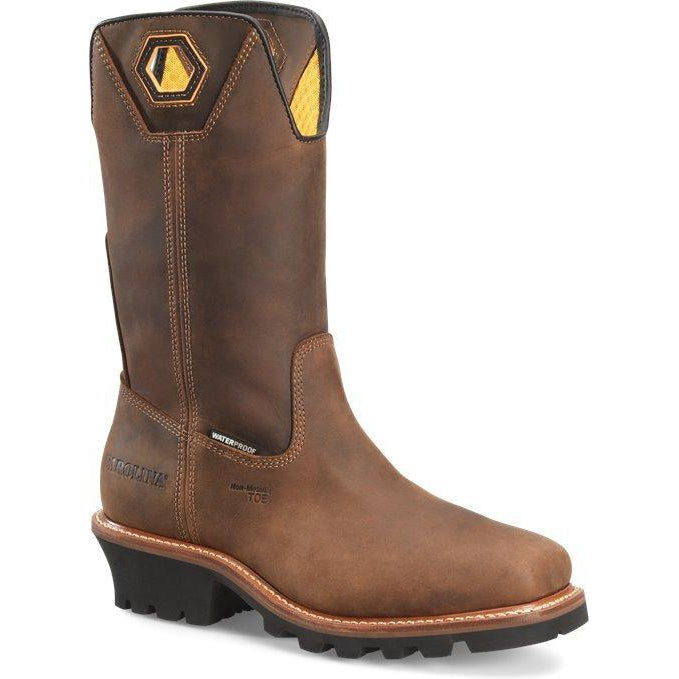
Sale price$244.84
Regular price$294.99
Carolina Men's Coppice 12" Composite Toe Waterproof Logger Work Boot- Brown- CA9833
Save 18%
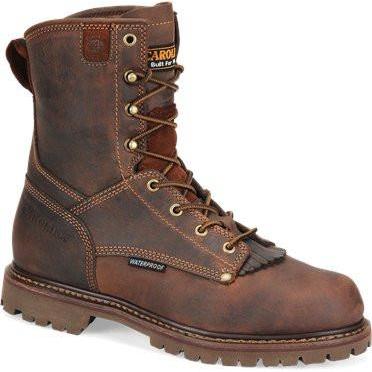
Sale price$182.59
Regular price$224.00
Carolina Men's 28 Series 8" Soft Toe Waterproof Grizzly Work Boot - Brown - CA8028
Save 21%

Sale price$248.99
Regular price$314.00
Double H Men's Anton 11" Steel Toe USA Made Western Work Boot - DH4637
Save 17%
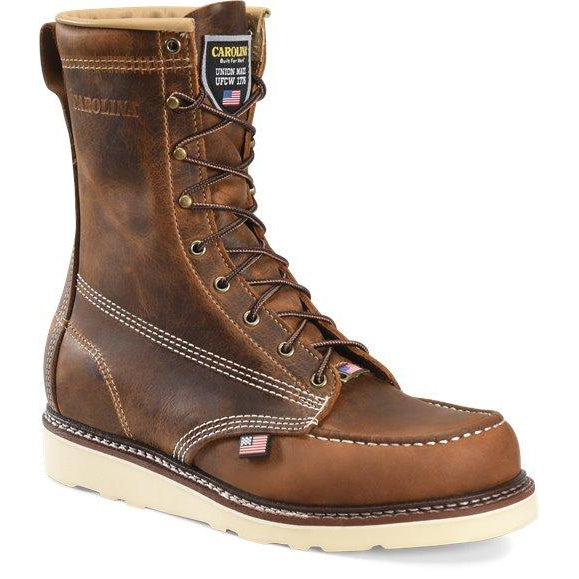
Sale price$219.94
Regular price$264.99
Carolina Men's Domestic 8" Soft Toe Moc Toe Wedge Work Boot - Brown - CA8012
Save 5%
Sale price$144.99
Regular price$152.00
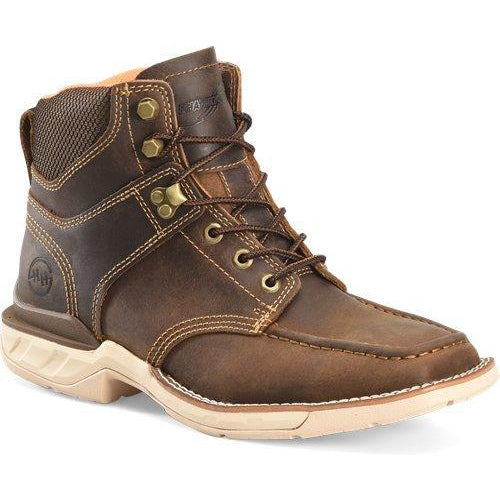
Double H Men's Brunel 6" Moc Toe Western Work Boot - Brown - DH5372
Save 20%
Sale price$178.44
Regular price$224.00
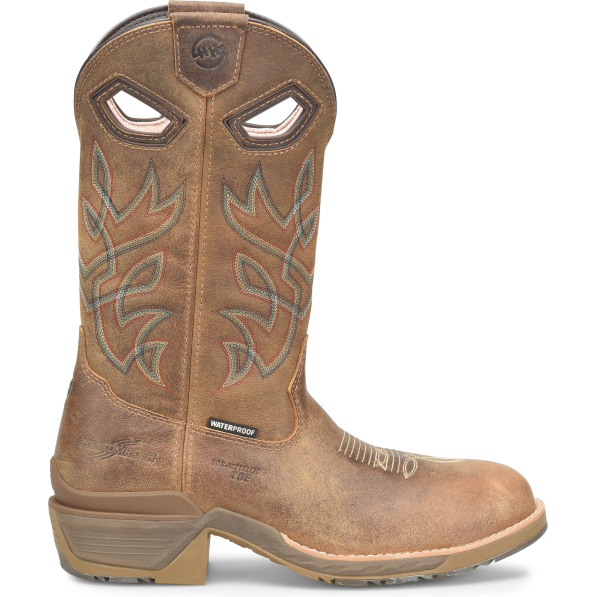
Double H Men's Cleave 12" Composite Toe Waterproof Western Work Boot - Brown - DH5422
Save 17%
Sale price$186.74
Regular price$224.99
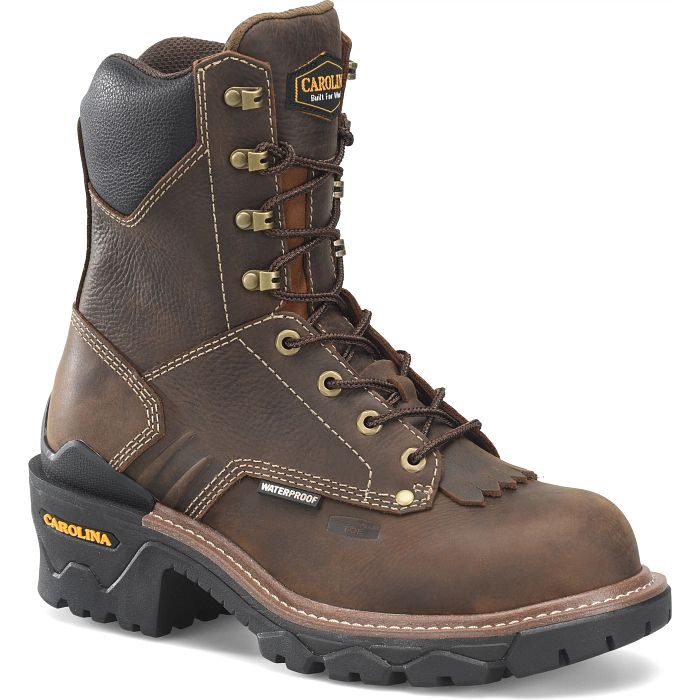
Carolina Men's Cardinal 8" Composite Toe Waterproof Slip Resistant Work Boot -Brown- CA7837
Save 17%
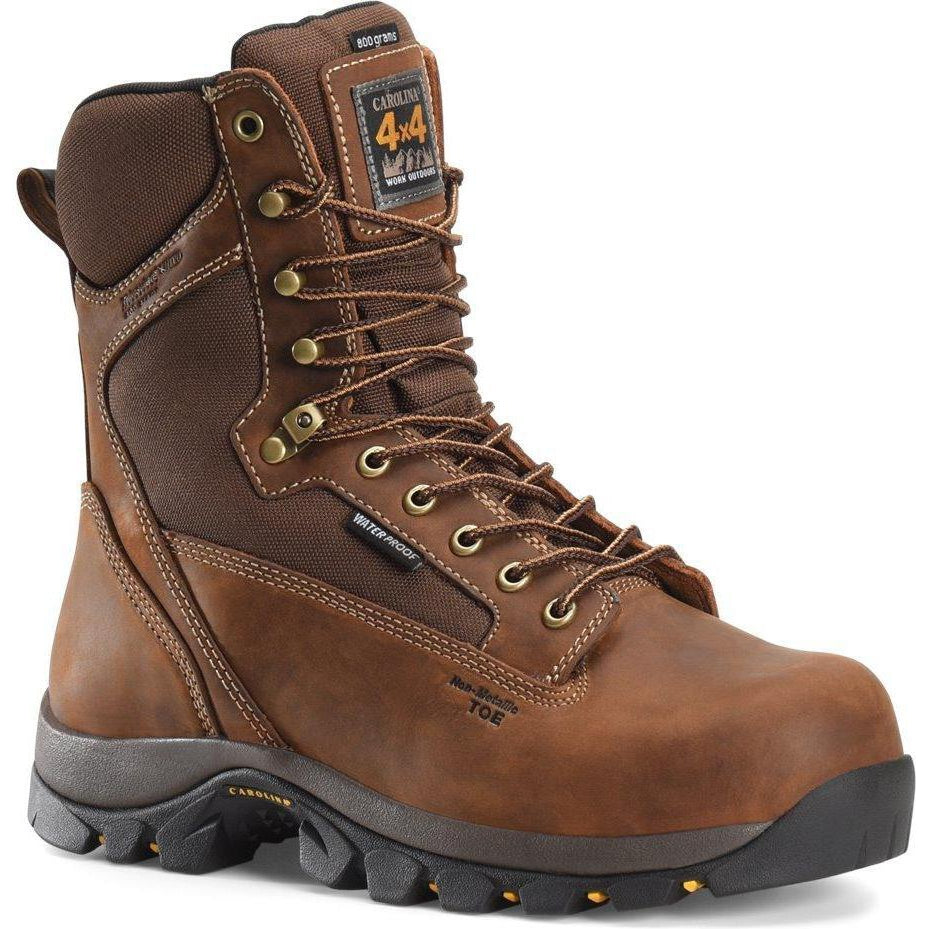
Sale price$182.59
Regular price$219.99
Carolina Men's Forrest 8" Waterproof Ins Composite Toe Work Boot - Brown - CA4515
Save 21%
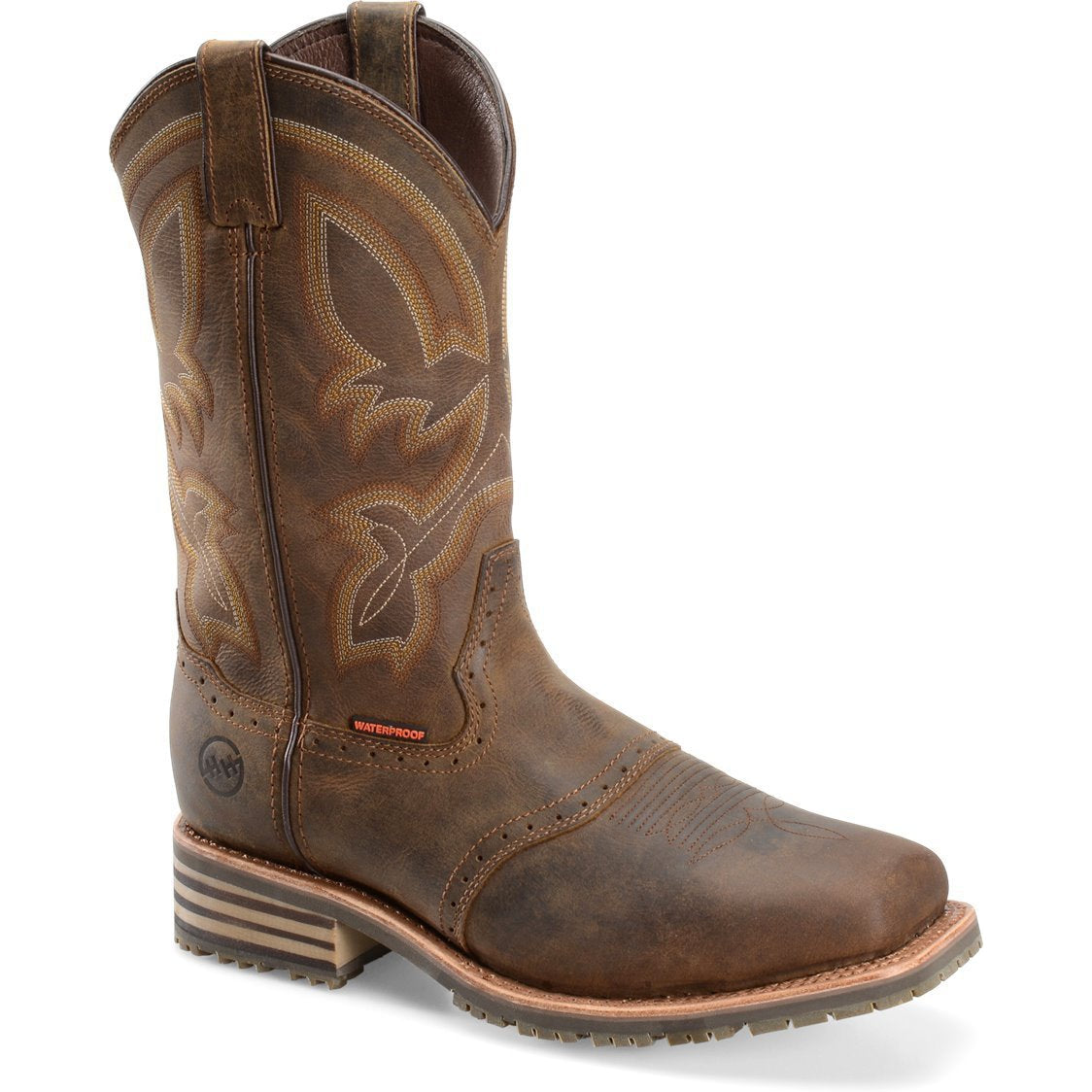
Sale price$186.74
Regular price$236.00
Double H Men's Jeyden 11" Composite Toe Waterproof Western Work Boot- Brown- DH5124
Save 11%
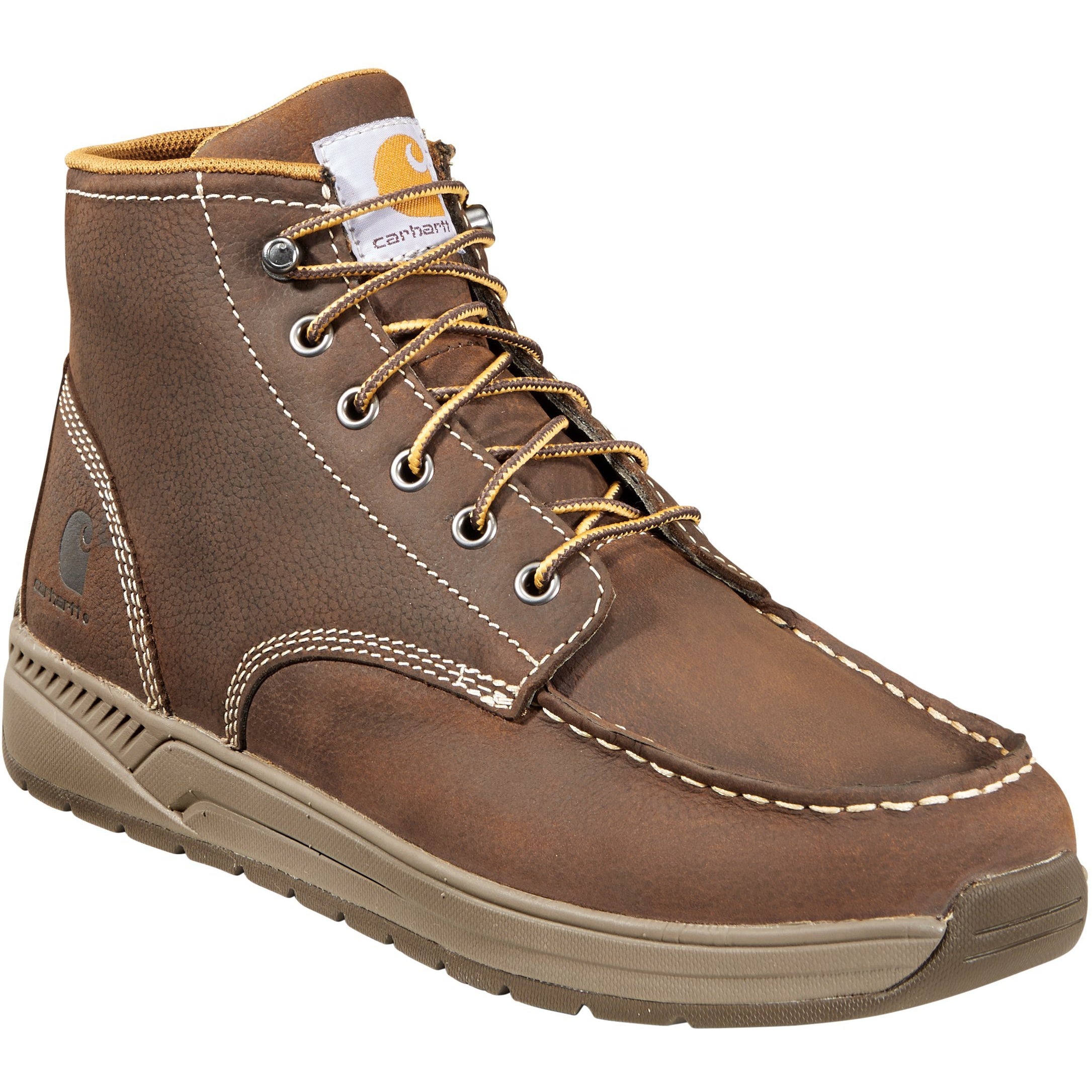
Sale price$139.99
Regular price$158.00
Carhartt Men's 4" Lightweight Soft Toe Wedge Work Boot Brown - CMX4023
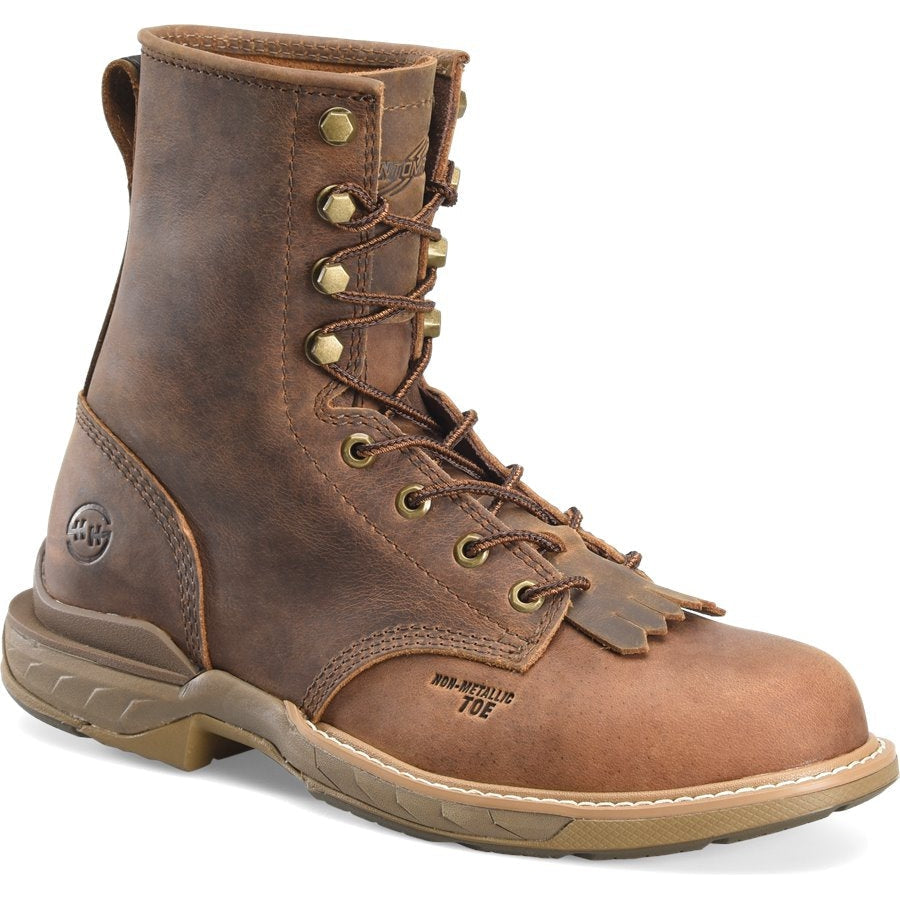
Sale price$194.99
Regular price$202.00
Double H Men's Phantom Rider Raid 8" Composite Toe Lacer Work Boot -Brown- DH5393
Save 17%
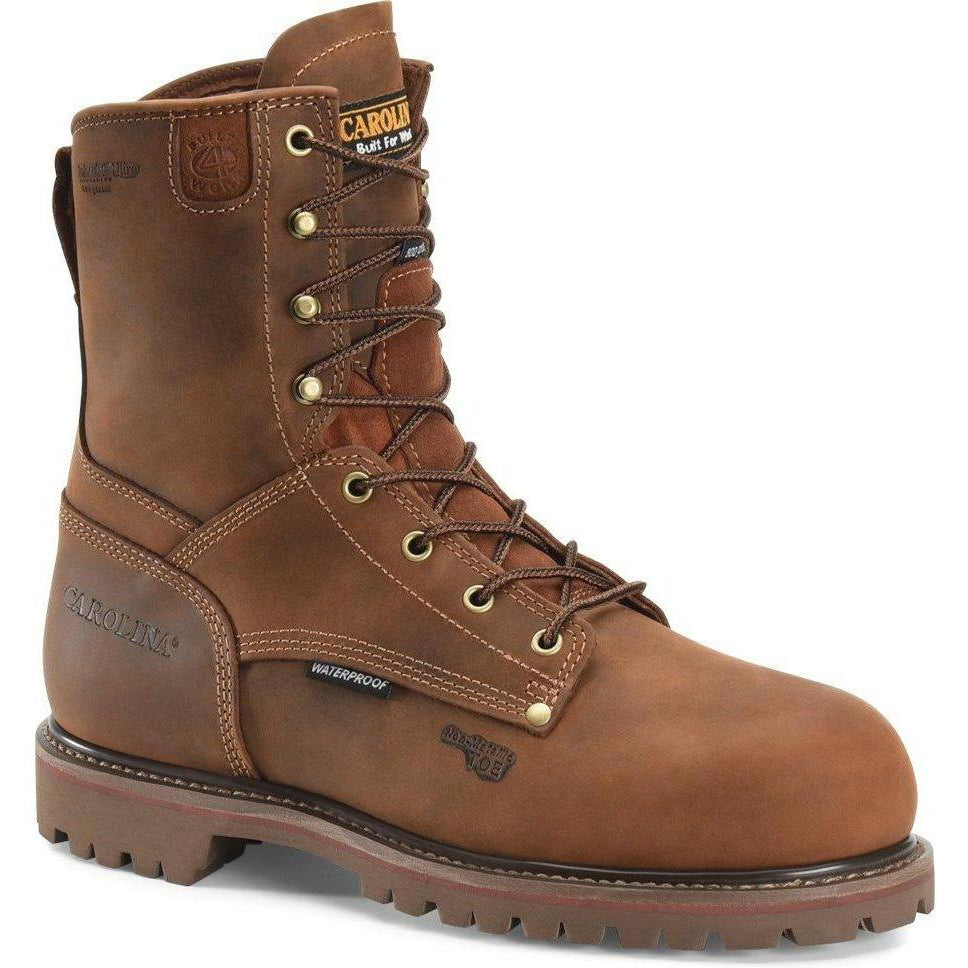
Sale price$203.34
Regular price$244.99
Carolina Men's 28 Series 8" Composite Toe Insulated Waterproof Boot - CA9528
Save 5%
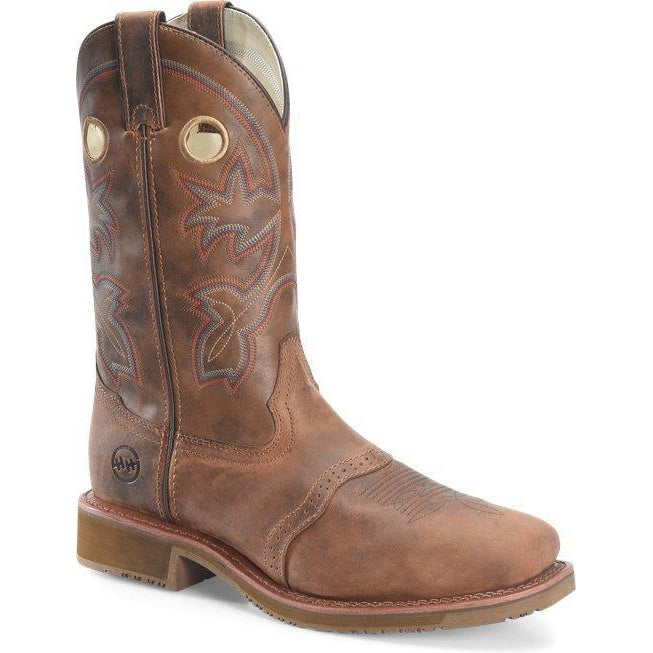
Sale price$184.99
Regular price$194.00
Double H Men's Antonio 13" Composite Toe Western Work Boot Brown- DH6134
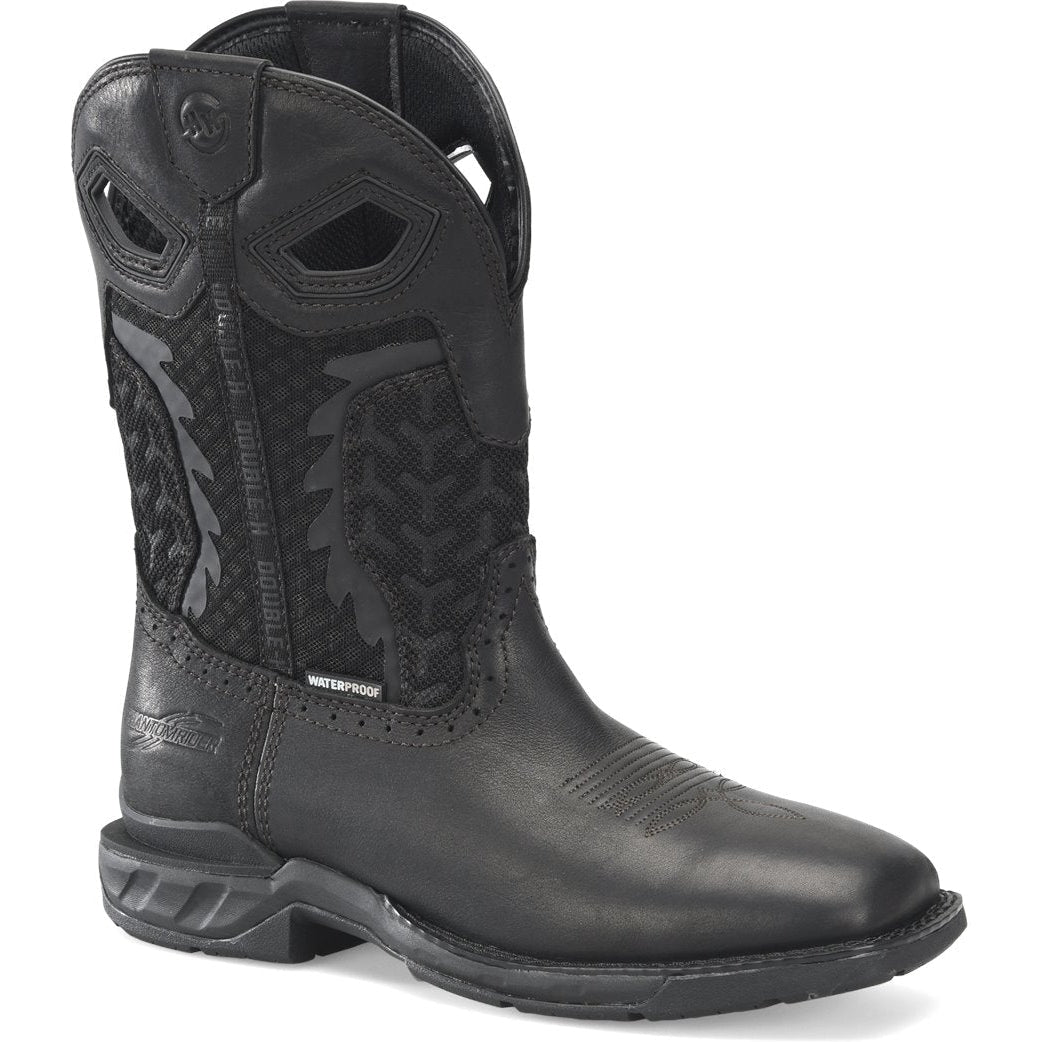
Sale price$189.99
Regular price$198.00
Double H Men's Phantom Rider Shadow 11" Waterproof Roper Work Boot -Black- DH5381
Save 17%
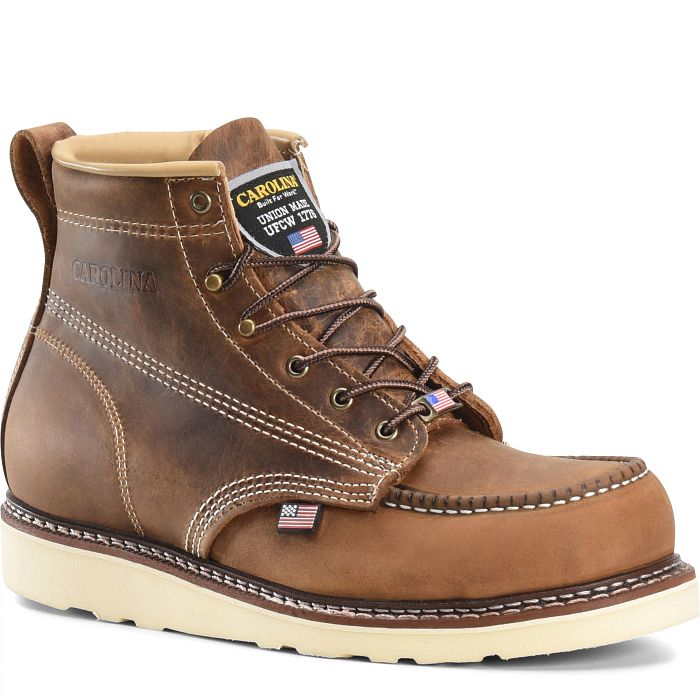
Sale price$207.49
Regular price$249.99
Carolina Men's AMP USA Made 6" Moc Toe Wedge Work Boot Brown - CA7011
Save 25%
Sale price$161.99
Regular price$214.95
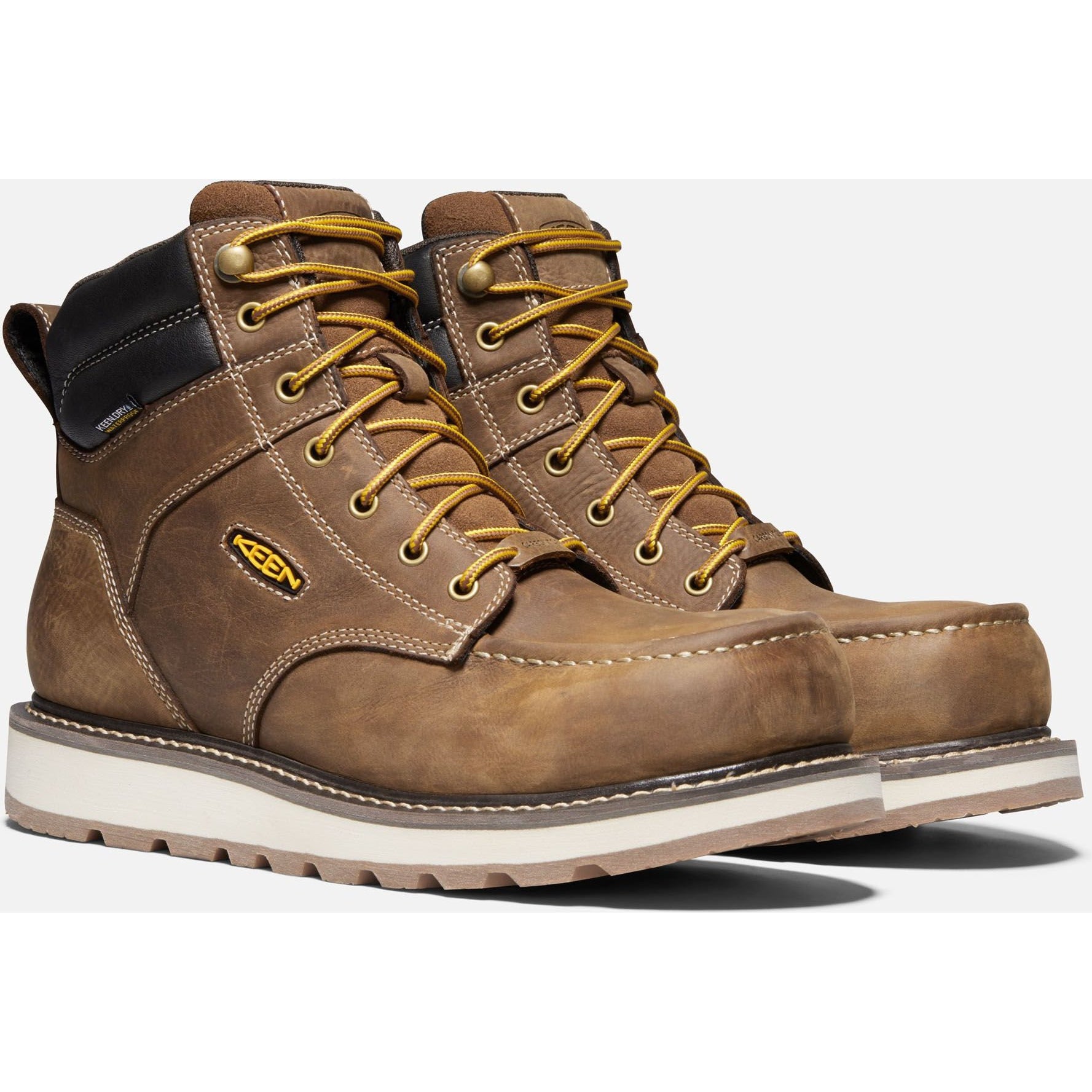
Keen Utility Men's Cincinnati 6" Carbon-Fiber Toe Waterproof Wedge Work Boot - Belgian/Sandshell - 1023222
Save 36%
Sale price$147.67
Regular price$232.00
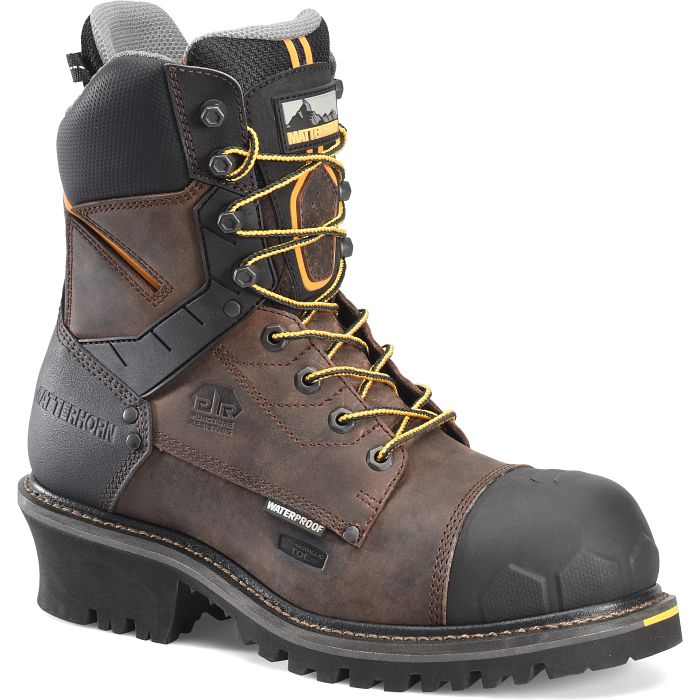
Matterhorn Men's Pr Steadfast 8" Waterproof Composite Toe Logger Work Boot -Brown- MT2558
Sale price$179.99
Regular price$188.00
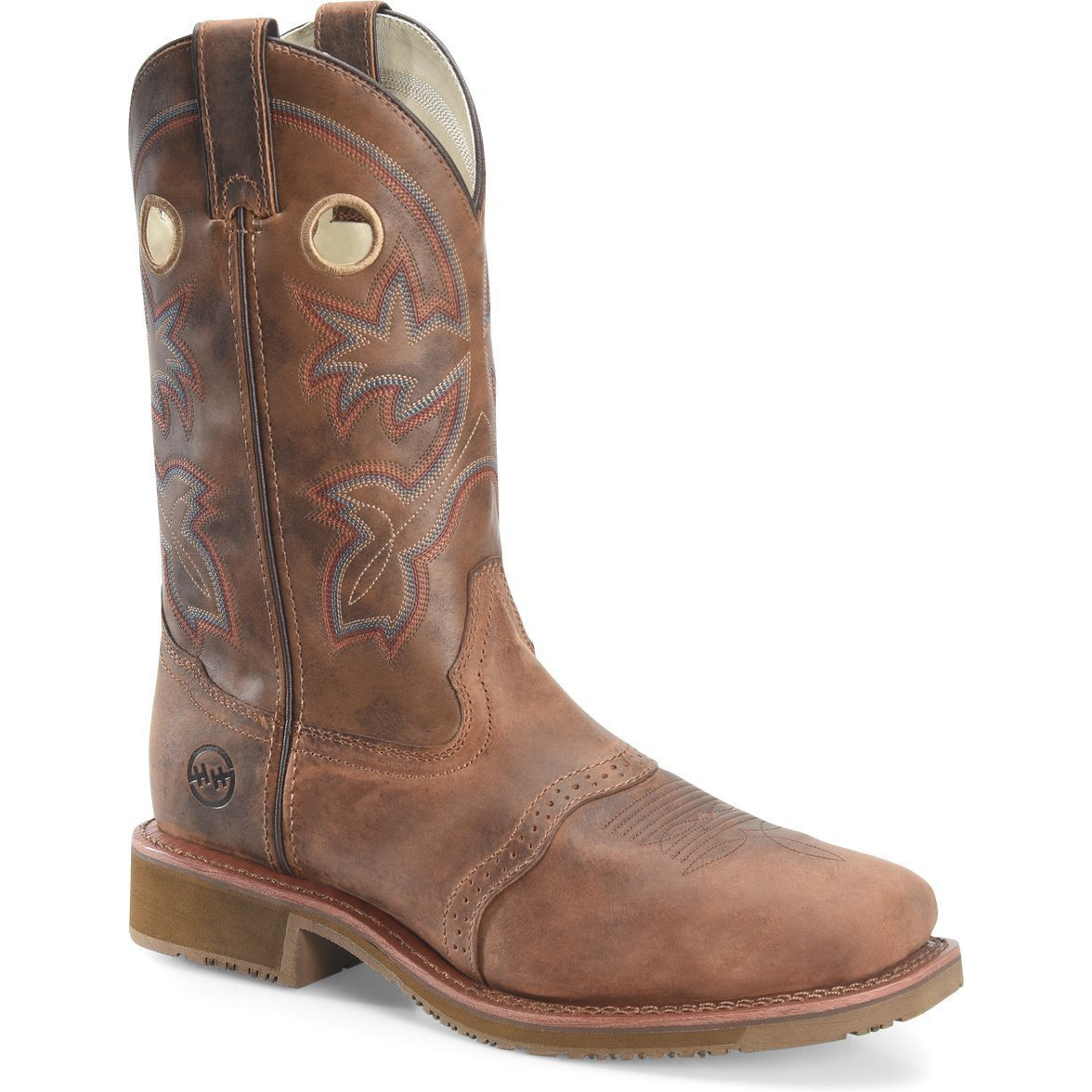
Double H Men's Antonio 13" Square Toe Western Work Boot- Brown- DH5134
Save 22%
Sale price$131.67
Regular price$168.00
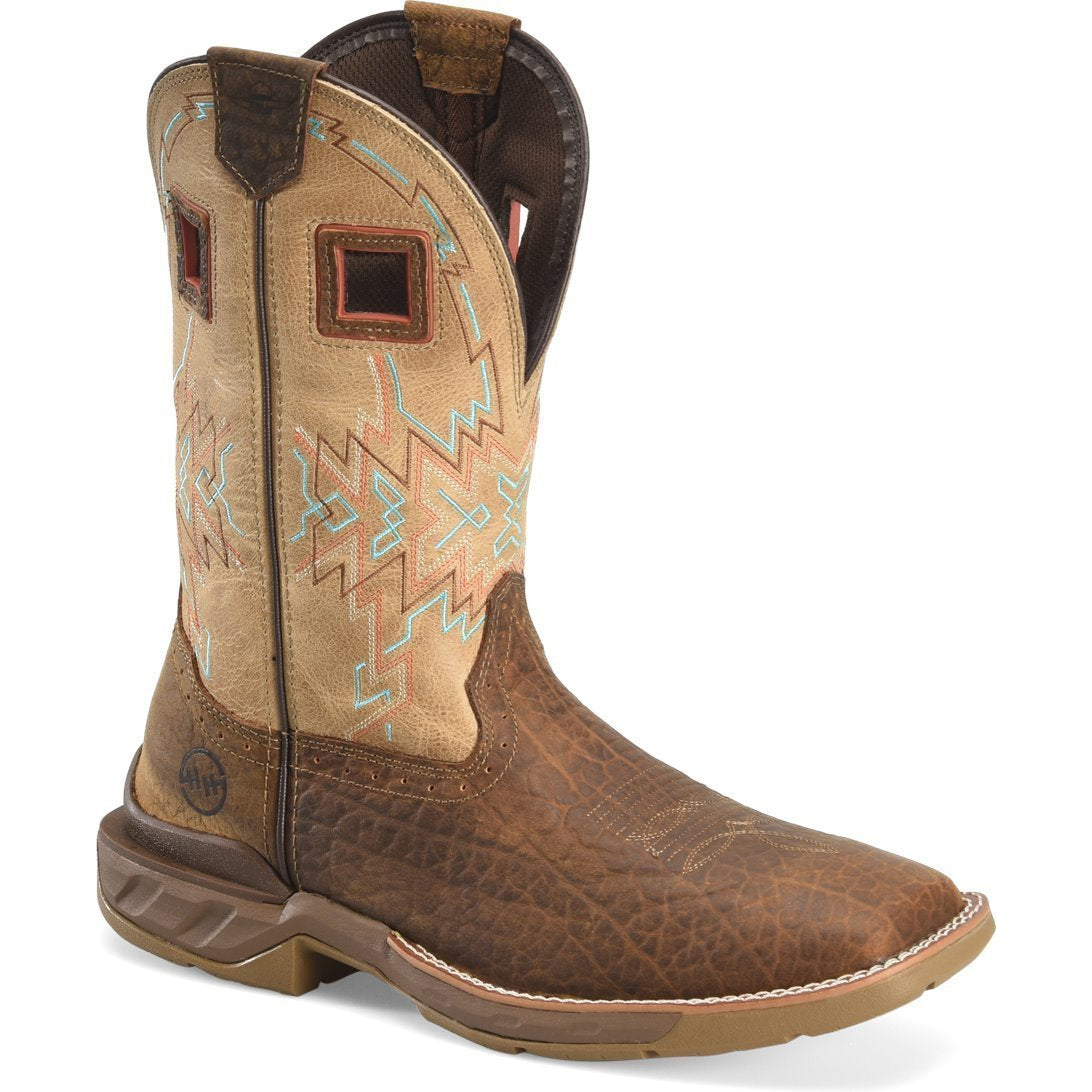
Double H Men's Phantom Rider Clem 11" Square Toe Western Work Boot - Brown - DH5361
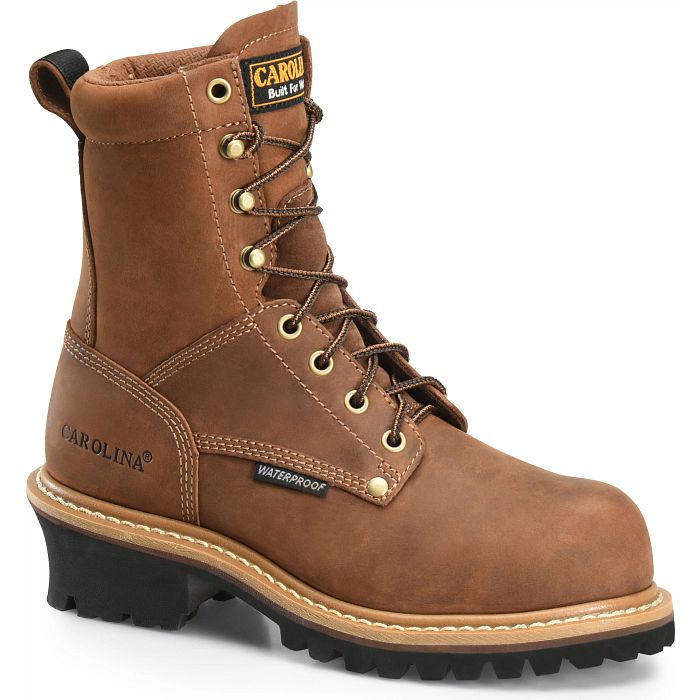
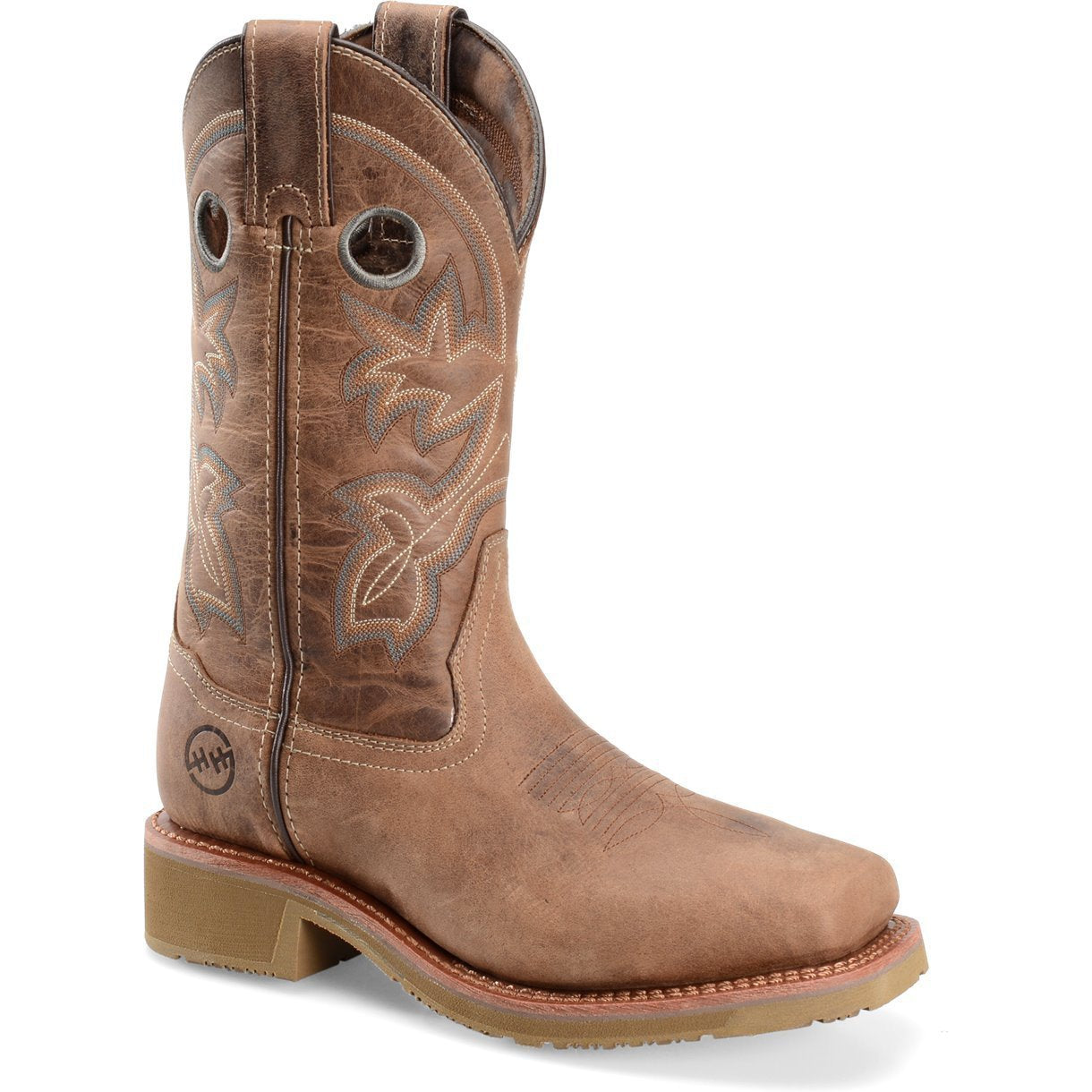
Sale price$184.99
Regular price$192.00
Double H Women's Haddie 11" Composite Toe Western Work Boot- Brown - DH2411
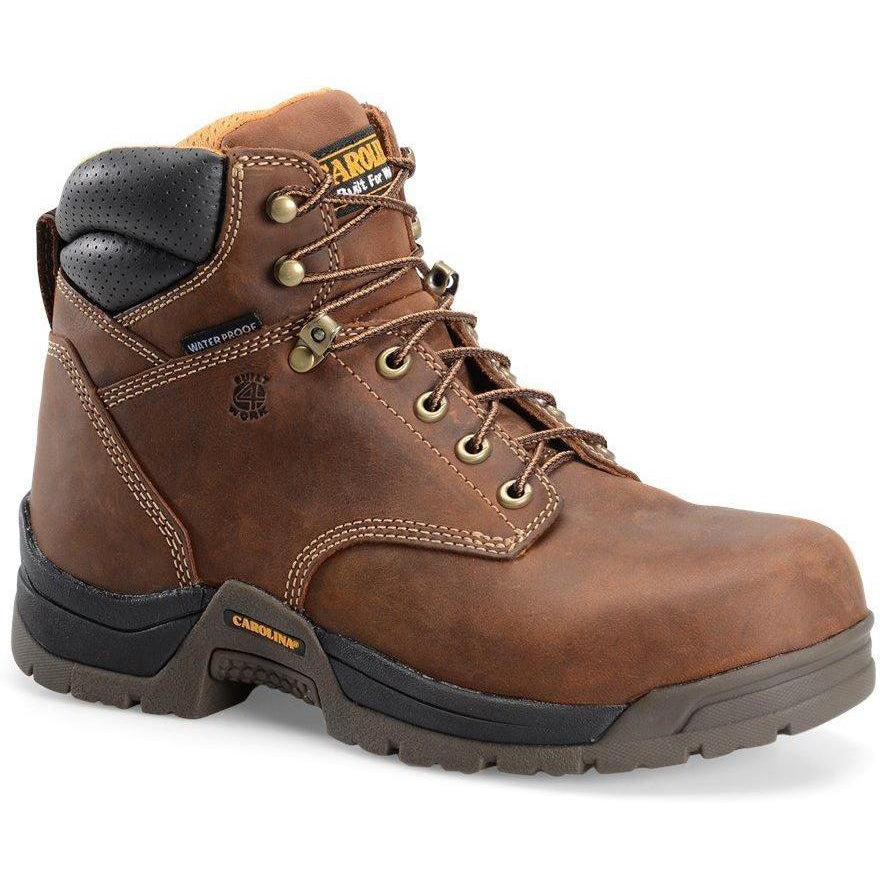
Sale price$179.99
Regular price$184.00
Carolina Men's Bruno Lo 6" Waterproof Composite Toe Work Boot - Brown - CA5520
Save 19%
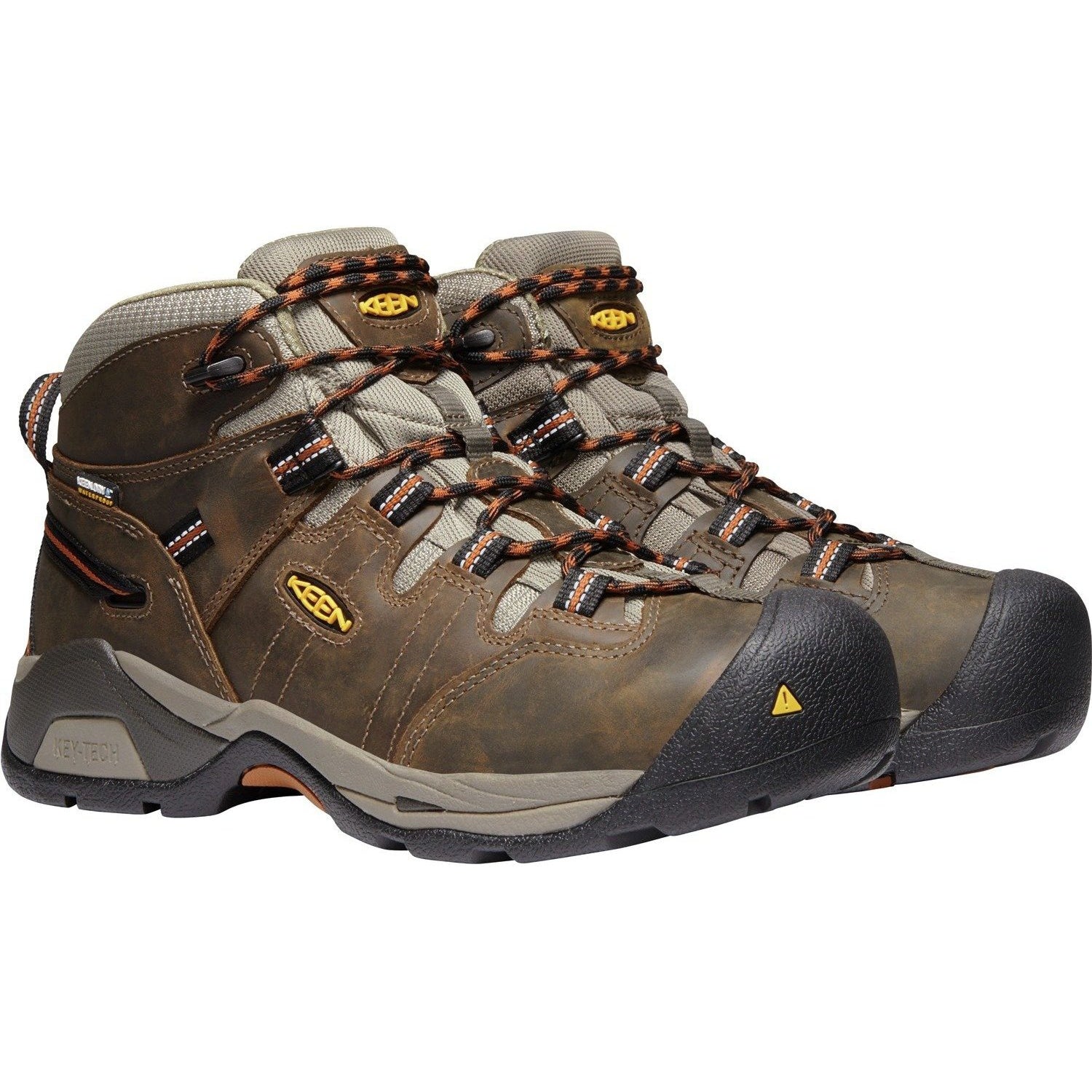
Sale price$141.74
Regular price$174.99
Keen Utility Men's Detroit XT Waterproof Soft Toe Work Boot - Olive/Brown - 1020039
Save 17%
Sale price$224.09
Regular price$269.99
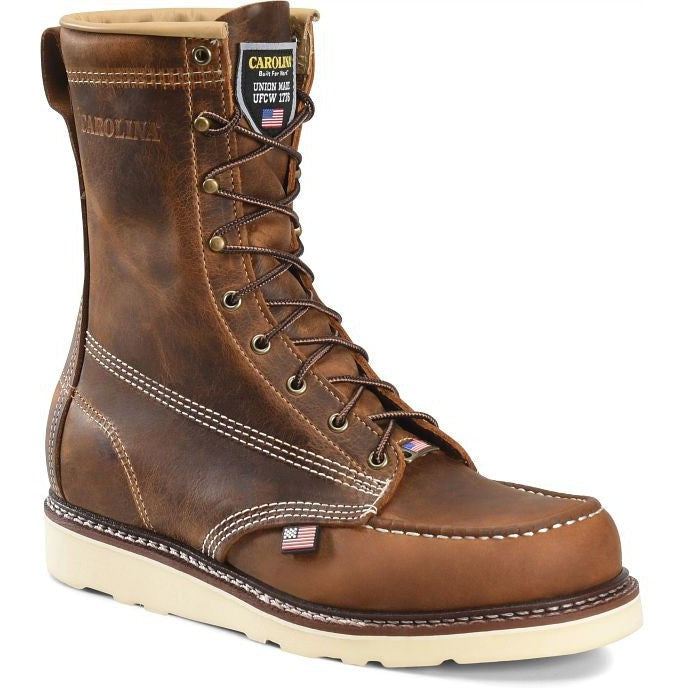
Carolina Men's Amp 8" Steel Toe USA Made Wedge Work Boot -Brown- CA8512
Sale price$164.99
Regular price$172.00
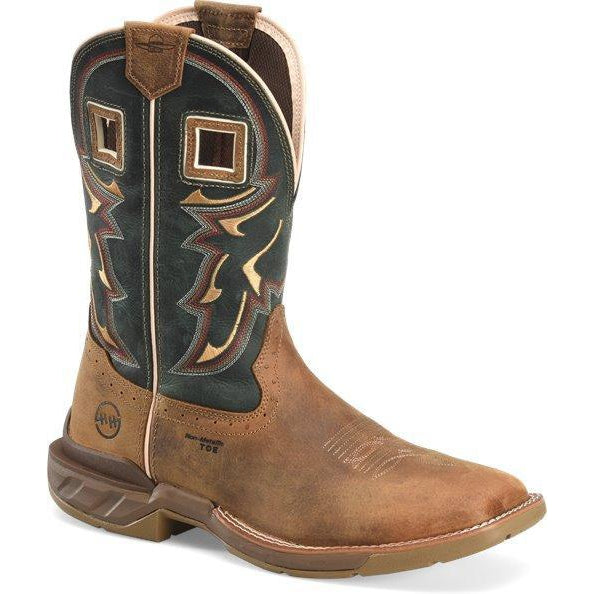
Double H Men's Phantom Rider Kerrick 11" Composite Toe Western Work Boot - Brown - DH5356
Save 17%
Sale price$195.04
Regular price$234.99
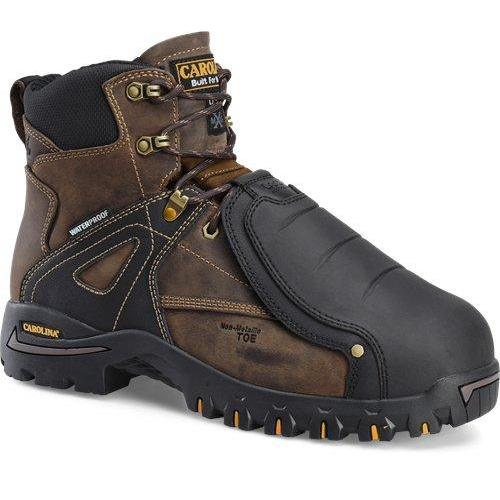
Carolina Men's Miter EXT 6" Composite Toe Waterproof External Metguard Work Boot - Brown - CA5586
Save 17%
Sale price$224.09
Regular price$269.99
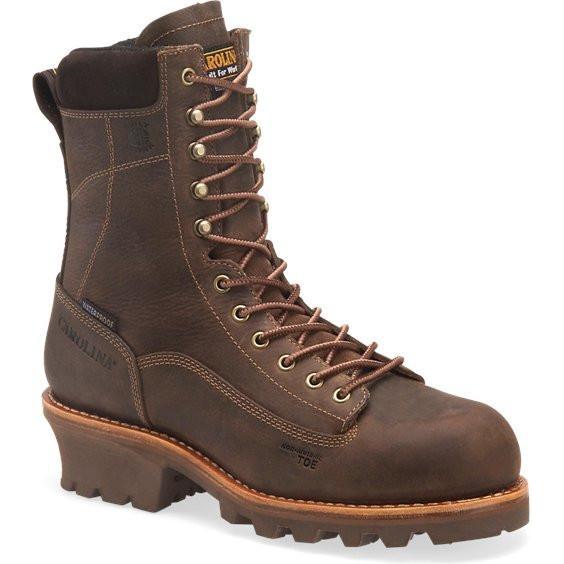
Carolina Birch Logger Boots CA7521 - Men's 8" Composite Toe Waterproof Work Boot
Save 17%
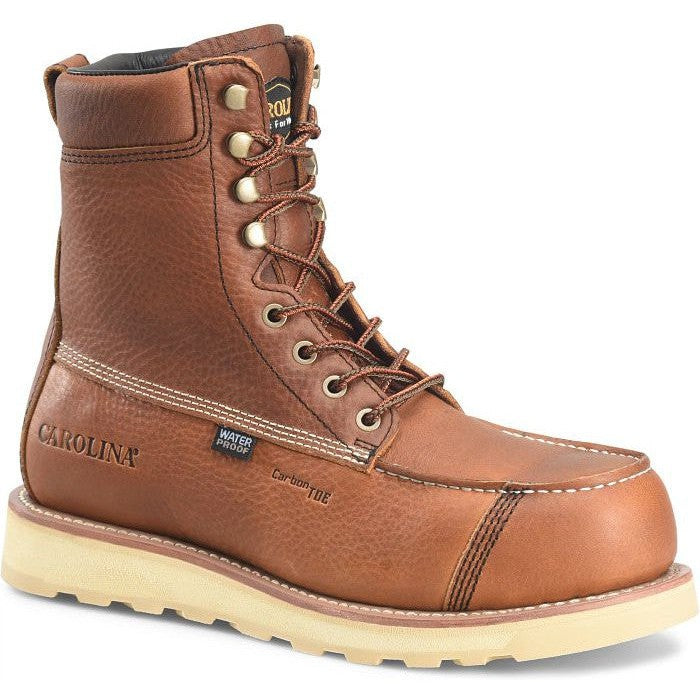
Sale price$178.44
Regular price$214.99
Carolina Men’s Staple Gun 8” Carbon Composite Toe Waterproof Work Boot – Tan (CA7571)
Save 22%
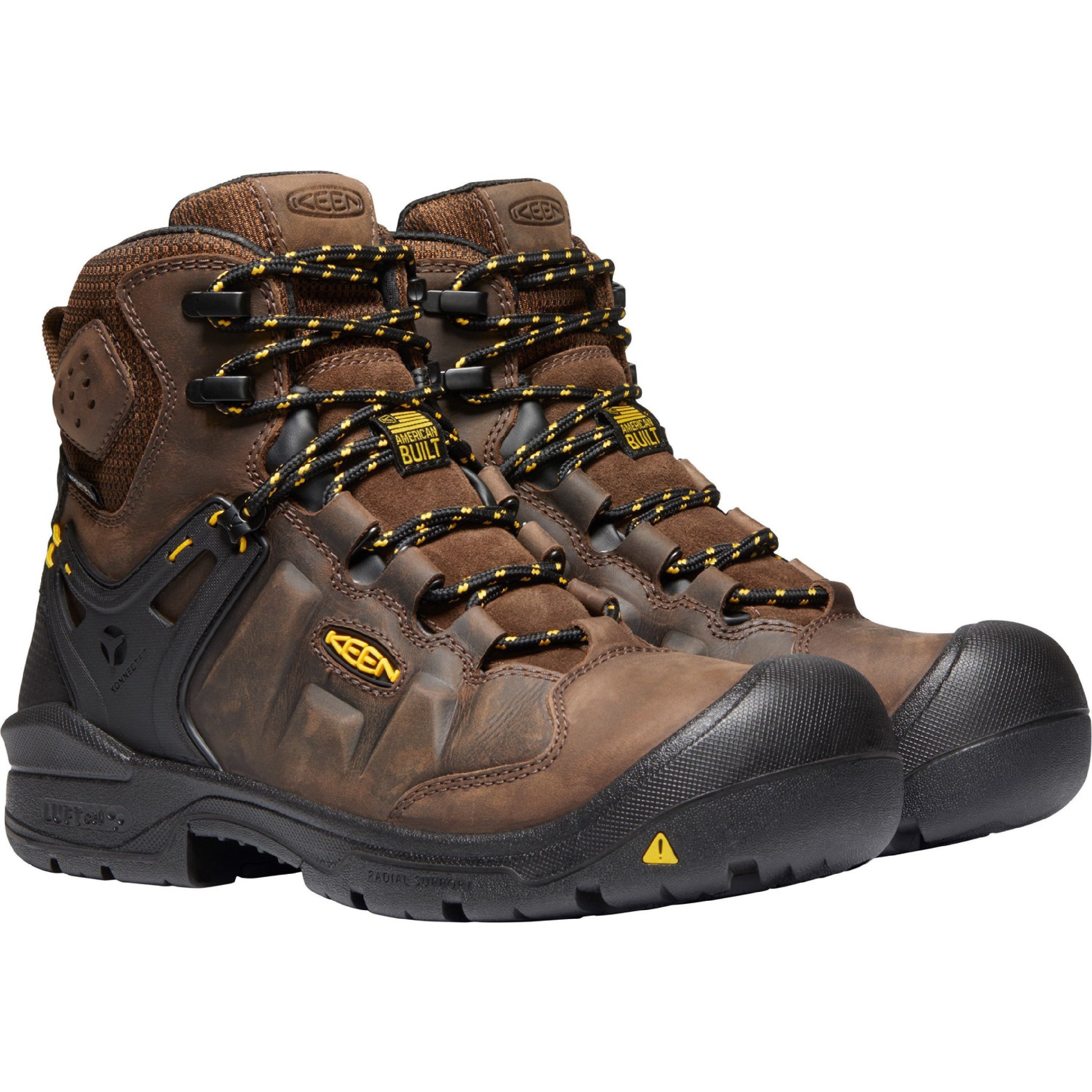
Sale price$182.24
Regular price$234.95
Keen Utility Men's Dover 6" Composite Toe American Built Waterproof Work Boot - Brown - 1021467
Save 17%
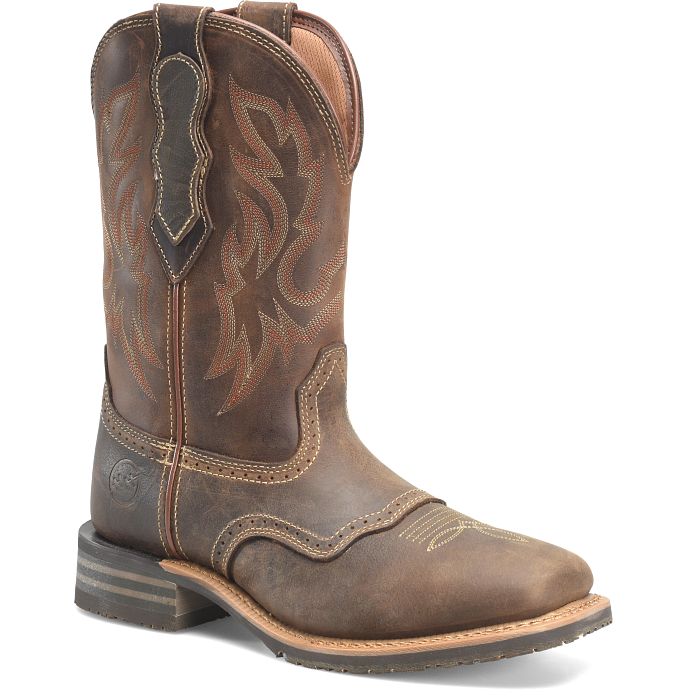
Sale price$174.29
Regular price$209.99
Double H Men's Cascade 11" Wide Square Toe Roper Western Work Boot -Brown- DH4160
Save 18%
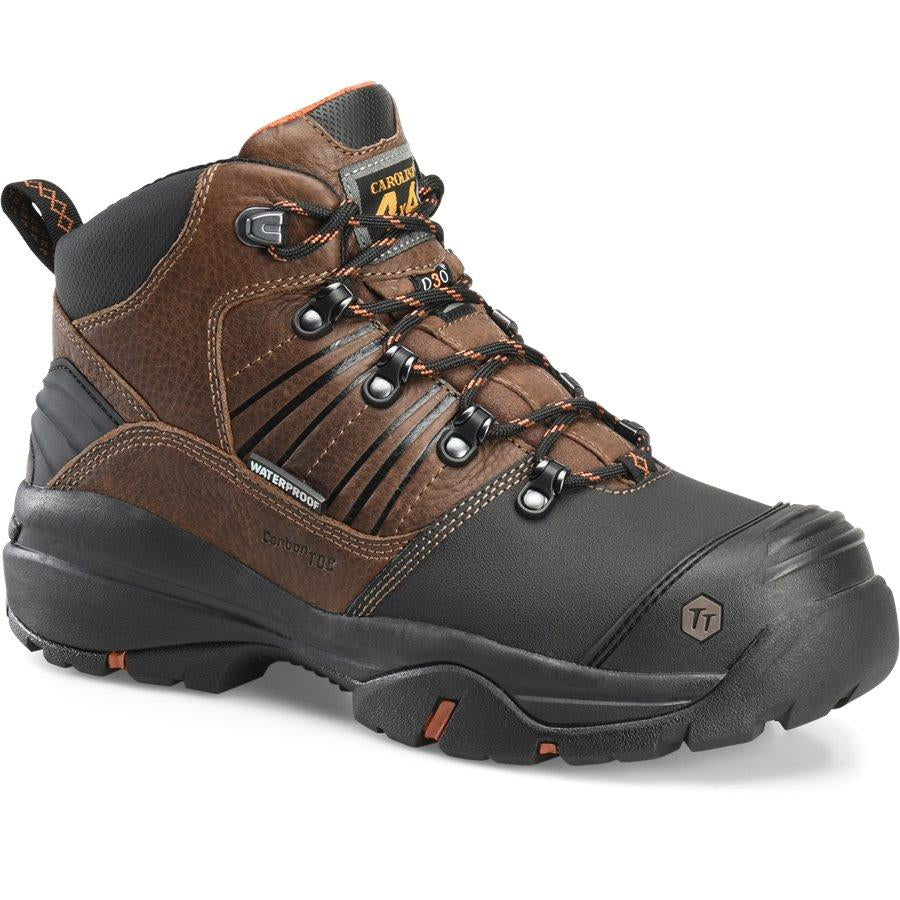
Sale price$182.59
Regular price$224.00
Carolina Men's Miner 6" Carbon Composite Toe Metguard Waterproof Work Shoe CA5587
Save 20%
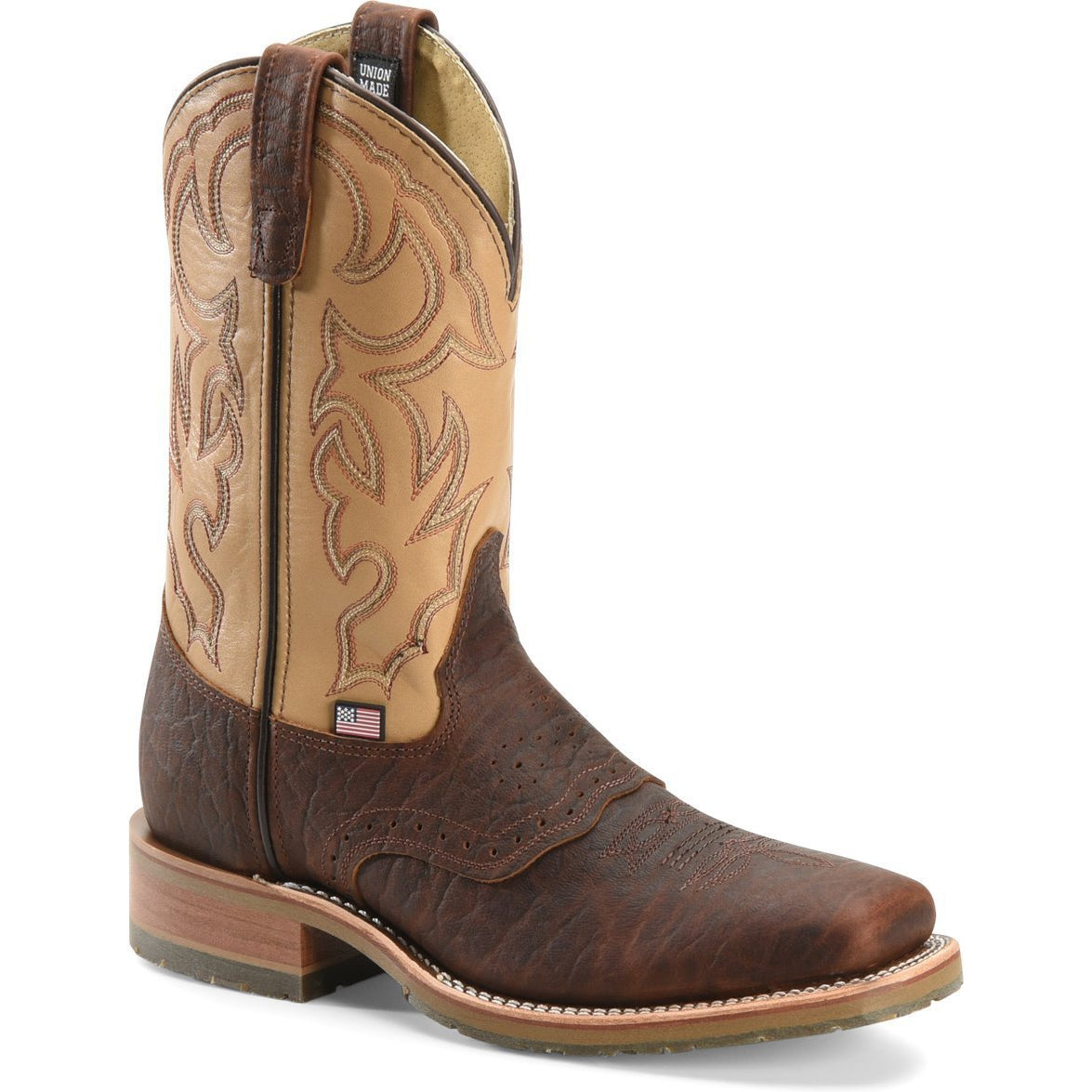
Sale price$248.99
Regular price$312.00
Double H Men's Graham 11" Square Toe USA Made Western Work Boot DH4305
Save 8%
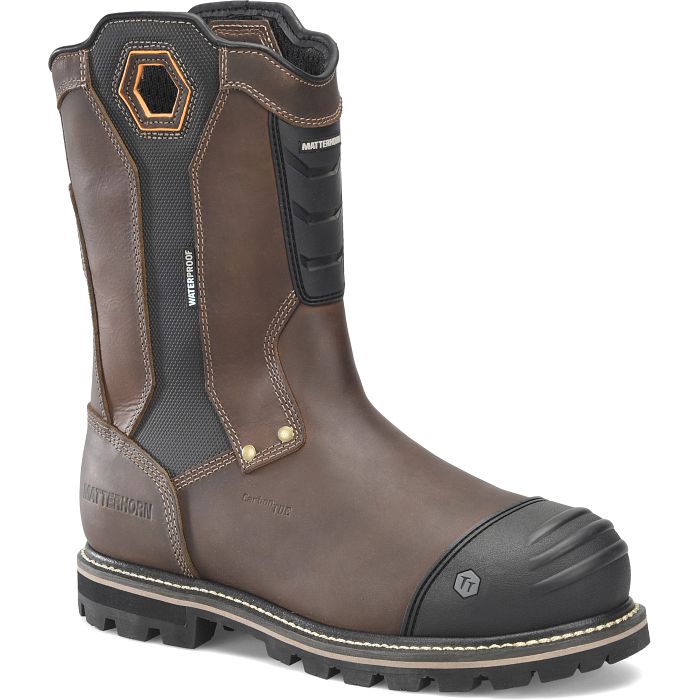
Sale price$242.87
Regular price$263.99
Matterhorn Men's Ibeam 10" Waterproof Composite Toe Metguard Work Boot -Brown- MT2540
Frequently Asked Questions
At the toe, yes. A composite or carbon cap rated to ASTM F2413 meets exactly the same impact and compression standard as a steel one, so the certified protection is identical. What you give up elsewhere is abrasion resistance in the upper and structure underfoot, since lighter boots use thinner leather or synthetic panels and more flexible soles. The toe is not the compromise; the rest of the boot is.
Because you lift it thousands of times a day and the weight sits at the far end of a lever. Weight carried on your feet costs disproportionately more energy than the same weight carried on your body, and it concentrates at the front of the boot where the lifting happens. That is why cutting even a few ounces at the toe is noticeable by the end of a shift in a way that the same saving in the upper would not be.
Carbon fiber, then composite, then alloy, then steel. Carbon caps are the lightest rated option available and appear on models from Ariat, Merrell, KEEN, and Wolverine among others. Composite is close behind and more widely available. Alloy is much lighter than steel while staying thin. All four meet the same rating, so this is purely a weight and price decision. See our composite toe work boots range.
Generally yes, and it is the honest trade. Thinner leather, synthetic panels, and foam midsoles all wear faster than heavy full-grain on a welt. Expect a year to eighteen months from most lightweight boots against several years from a rebuildable heavy one. If your work is hard on uppers, the lighter boot is a false economy. If you cover distance on flat ground, it is the right call.
They flex more, which is a benefit for walking and a drawback on uneven ground and ladder rungs where a stiff shank does real work. Lightweight boots often use a flexible non-metallic shank or none at all. If you spend the day on rungs, grating, or broken ground, the stiffness of a heavier boot is doing something for you rather than just adding weight.
Removing the shaft, which is a surprising amount of material, plus mesh panels instead of full leather and a foam midsole instead of a dense one. That is the lightest category of rated footwear available. What you lose is ankle coverage, debris protection, and abrasion resistance. See our athletic work shoes range.
Yes, though both add weight back. A membrane adds a layer and insulation adds a lining, so a waterproof insulated lightweight boot is not as light as an unlined one. That is worth thinking about if weight is genuinely your priority: dropping the features you do not need saves more than choosing a lighter toe cap. Waterproof and insulation status are stated in every product title.
Weight helps with general fatigue but is not the main factor for heel pain. What matters there is a cushioned shock-absorbing midsole, genuine arch support, and room for an orthotic, and some very light boots skimp on exactly those to save weight. Look for the support first and the weight second. See our plantar fasciitis work boots range.
A heavy 8-inch steel toe logger can run well over two pounds per boot, a standard 6-inch work boot sits somewhere around a pound and a half, and a composite toe athletic work shoe can come in under a pound. Those differences compound across a shift. Manufacturers do not always publish weights, so if it is a priority, the toe material and the height together are the best proxy.
Not usually, and often the reverse. Carbon fiber and composite caps cost more than steel, and the engineering that removes weight without losing protection is not free. You are typically paying more for a boot that will not last as long as a heavy welted one. The case for it is comfort and reduced fatigue rather than value over the life of the boot.
Recently viewed
Our Top Brands