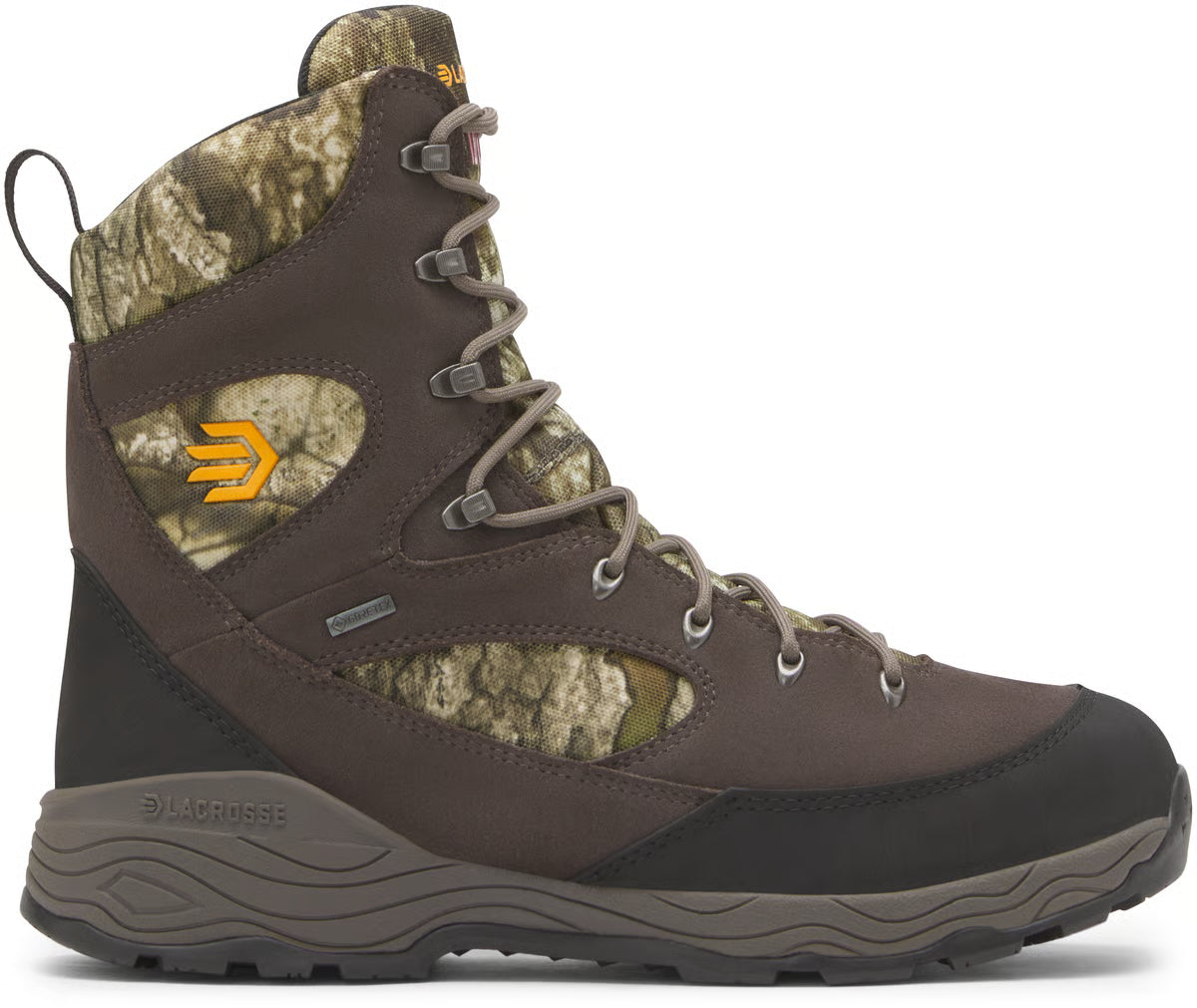
Cold weather shouldn't cut your hunt short. When you're navigating icy trails, standing still in a frosty blind, or stalking game through deep snow, insulatedhunting bootsare essential gear. These boots are engineered for warmth, waterproofing, and stability, keeping you focused, not freezing.
With advanced materials like Thinsulate insulation, GORE-TEX linings, and rugged traction outsoles, they’re built to perform in sub-zero temperatures and wet, unforgiving terrain. If you hunt in cold conditions, having the right boots isn't optional; it’s a matter of comfort, endurance, and success.
Why Choose Insulated Hunting Boots
Hunting in cold weather is no small challenge. Without the right gear, it’s uncomfortable and dangerous. Insulated hunting boots are designed to protect you from harsh elements while providing support for extended periods in the field.
Cold feet can lead to numbness, distraction, or even frostbite. Insulated boots combat this by locking in heat and shielding against icy air. Materials like Thinsulate and PrimaLoft insulation provide powerful warmth without adding unnecessary weight. These technologies are designed for extreme performance, helping you stay sharp and mobile during long periods of sitting or trekking.
Moisture is another major issue in the field. Snow, slush, and swamp water can quickly soak your gear. That’s why top boots come equipped with GORE-TEX membranes or full rubber shells. These materials block out water while allowing vapor to escape, keeping your feet dry and preventing sweat.
Key Features to Look for in Insulated Hunting Boots
A great pair of insulated hunting boots does more than keep your feet warm. It protects against wet, freezing environments and supports your stride across unforgiving terrain.
First, focus on waterproofing. Boots with GORE-TEX linings or fully rubberized construction create a barrier against snow, rain, and slush. These materials don’t just block water; they also allow heat and moisture to escape, keeping your feet dry and comfortable in all conditions.
Insulation is what locks in warmth. Trusted materials likeThinsulateand PrimaLoft deliver high thermal performance without bulk. Insulation is measured in grams, indicating the amount of warmth you can expect. 600g insulation suits active hunts in mild cold, while insulation of 1200g or higher is best for freezing weather and extended periods of stillness. Choosing the right insulation weight helps strike a balance between warmth and mobility.
Traction is critical when the ground is unpredictable. Ice, wet leaves, and frozen trails require a strong grip. That’s why top-performing boots feature multi-directional outsoles that provide a firm grip across slippery or uneven surfaces.
How to Choose the Right Pair of Insulated Hunting Boots
Every hunter faces different challenges in the field. That’s why your boots need to match your environment, level of activity, and weather conditions. A great fit can mean the difference between an all-day pursuit and a hunt cut short. Let’s break down what to consider before buying.
Terrain and Climate
Where you hunt impacts what kind of boot you need. In marshes, wetlands, or snow-packed trails, choosewaterproof rubber bootsthat keep moisture out and heat in. If you’re navigating rocky hills or steep terrain, opt for leather or hybrid boots with solid ankle support and reinforced soles. Cold climates require more insulation, while milder conditions allow for lighter, more breathable options.
Camouflage vs Solid Colors
Boot color isn't just about looks; it plays a role in stealth and versatility.Camouflage bootsare designed to blend into natural surroundings, whether that’s dense woods or snowy terrain. They're great for bowhunters or ground blinds. Solid colors, such as brown, tan, or black, offer more flexibility for post-hunt use and tend to hide wear and scuffs better. While both styles provide equal performance, think about how visible you want to be and how often you’ll wear your boots beyond the hunt.
Caring for Your Insulated Hunting Boots
Extend the life of your boots with simple care steps:
After every hunt, gently brush off dirt and rinse away mud.
Remove insoles and liners if they’re removable. Let them air dry overnight; never place them near direct heat.
Reapply waterproof spray after every few outings to maintain water resistance.
Store in a cool, dry location to prevent mildew and material degradation.
With proper care, your boots will last for many seasons to come.
Frequently Asked Questions
Are Insulated Hunting Boots Waterproof?
Models withGORE-TEXliners or full-rubber builds provide complete waterproof protection in snow, slush, or swamp conditions.
Are Insulated Hunting Boots Rated for Sub-Zero Temperatures?
Many boots with 1200g or higher Thinsulate insulation are designed for extreme cold conditions. Pair with proper socks for best results.
Can I Use My Insulated Hunting Boots for Hiking or Snow?
These boots are great for winter hiking, snowshoeing, and cold-weather chores. Just ensure the fit and tread match your activity level.
Do Men's Insulated Hunting Boots Include Removable Liners for Drying After Extreme Use?
Some do. Removable liners help with drying and reduce odor buildup. They’re ideal for multi-day hunts or extended wear in wet conditions.
One or more of the items in your cart is a recurring or deferred purchase. By continuing, I agree to the cancellation policy and authorize you to charge my payment method at the prices, frequency and dates listed on this page until my order is fulfilled or I cancel, if permitted.