Save 5%
Sale price$399.95
Regular price$420.00
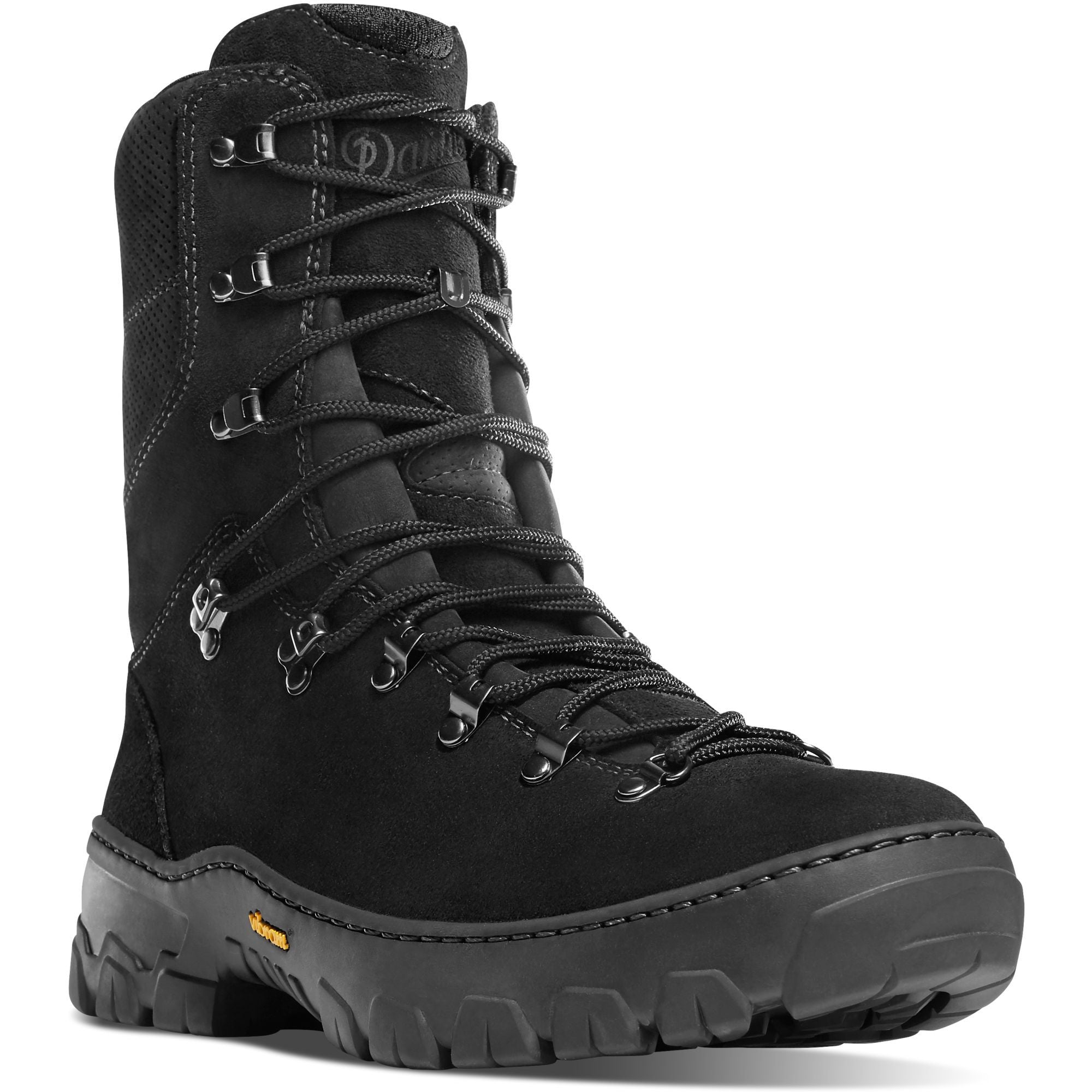
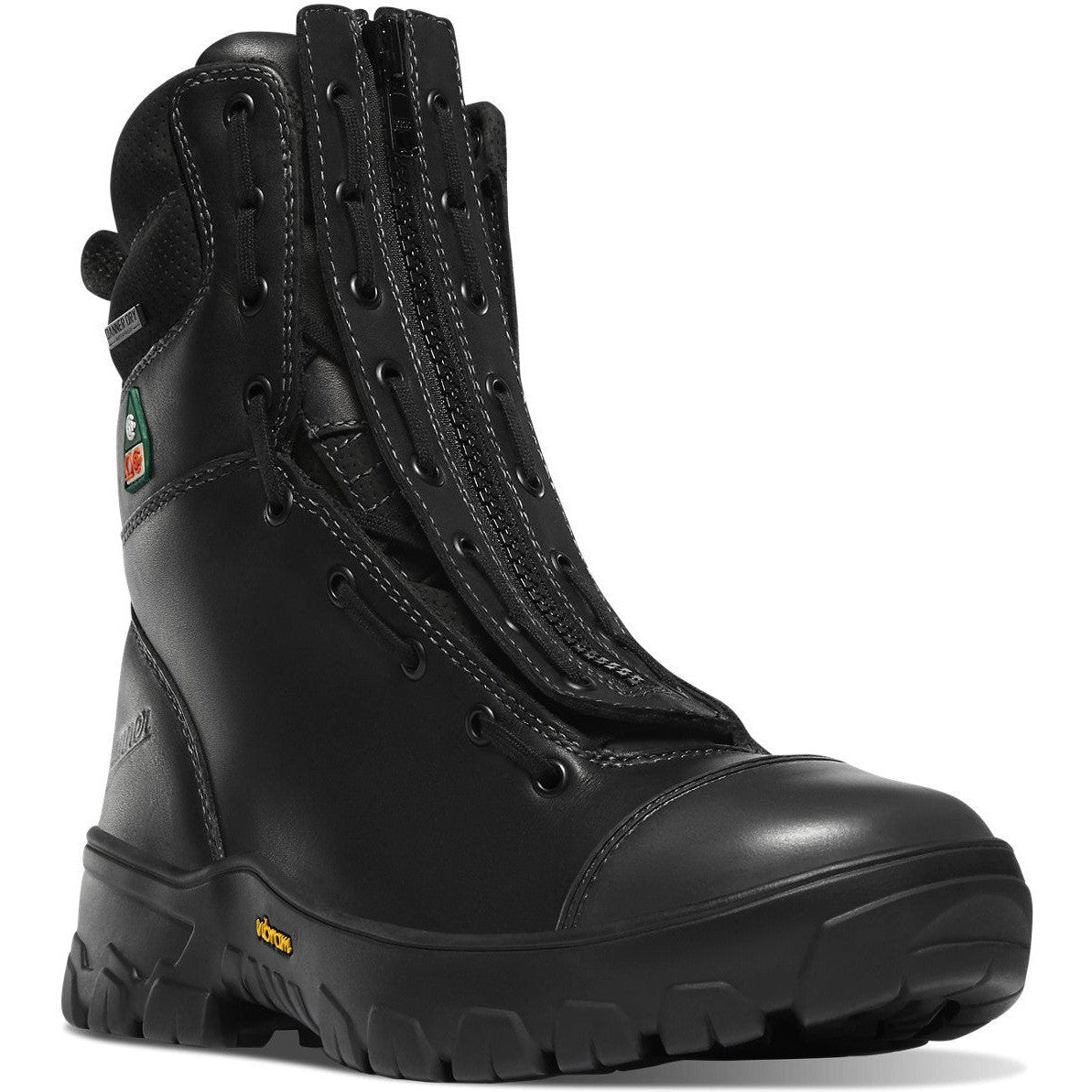
Danner Men's USA Made 8" Wildland Tactical Firefighter Boot Black 18050
Save 6%
Sale price$323.00
Regular price$343.00
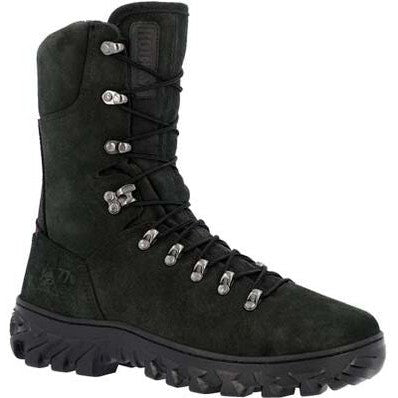
Rocky Men's Code Red Wildlands 77 8" Fire Boot- RKD0117
Save 2%
Sale price$419.95
Regular price$430.00
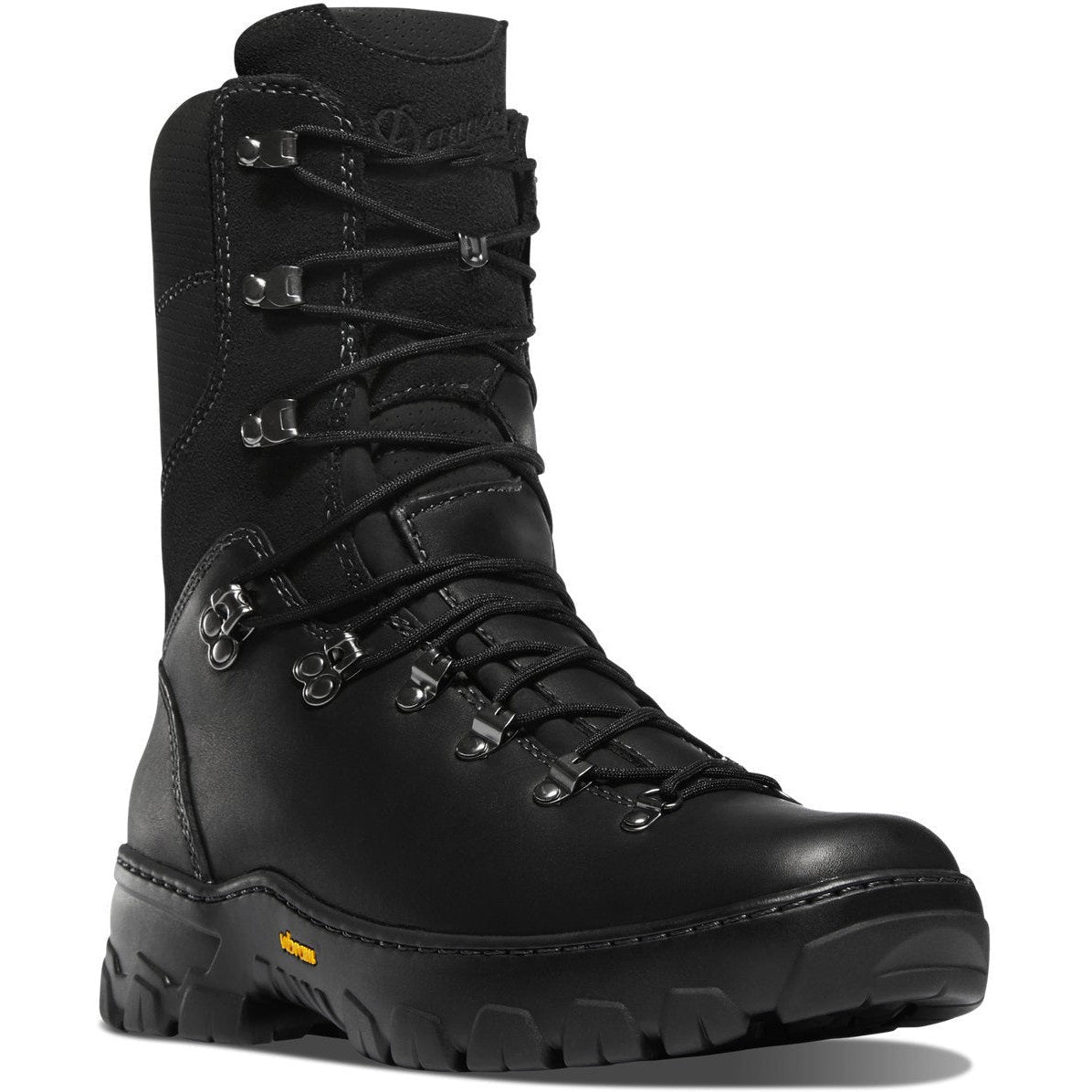
Danner Men's Wildland Tactical Firefighter 8" Duty Boot -Black- 18054
Save 6%
Sale price$323.00
Regular price$343.00
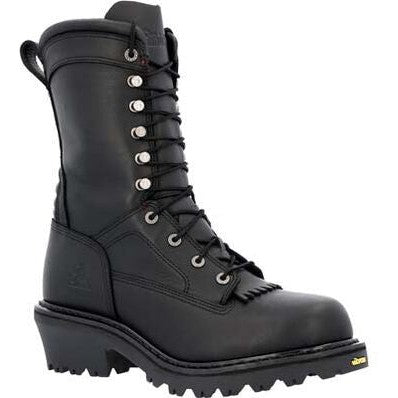
Rocky Men's Code Red HotShot 10" Soft Toe Logger Fire Boot - Black - RKD0119
Save 5%
Sale price$419.00
Regular price$439.00
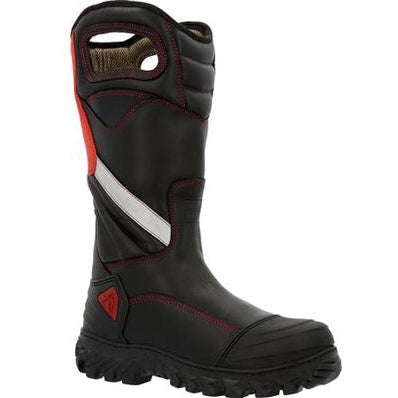
Rocky Men's Code Red Structure 14" Waterproof NFPA Composite Toe Fire Boot -Black- RKD0087
Save 5%
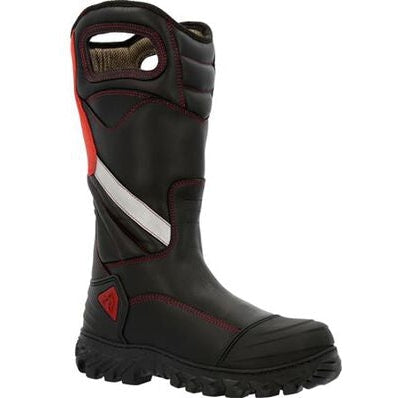
Sale price$390.00
Regular price$410.00
Rocky Women's Code Red Struct 14" Waterproof Composite Toe Fire Boot -Black- RKD0092
Save 5%
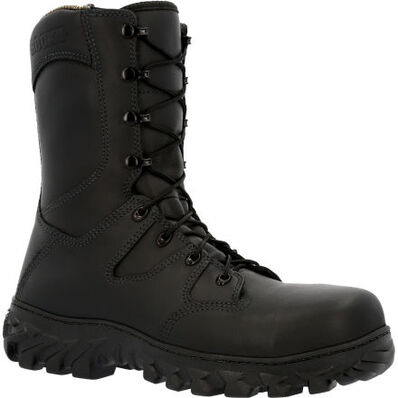
Sale price$365.00
Regular price$385.00
Rocky Men's Code Red 8" Waterproof Rated Composite Toe Fire Boot -Black- RKD0086
Save 5%
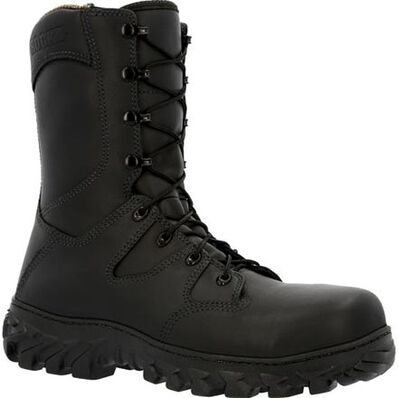
Sale price$345.00
Regular price$365.00
Rocky Women's Code Red Rescue 8" Waterproof Composite Toe Fire Boot -Black- RKD0091
Frequently Asked Questions
They are built for different fires. Wildland fire boots, like the Danner Wildland Tactical and Rocky Code Red HotShot, are tall lace-up leather boots built for hiking rough terrain and resisting heat over long shifts on the fire line. Structural fire boots, like the Rocky Code Red Structure, are built for burning buildings and meet a different NFPA standard with more thermal and liquid protection. Buy for the kind of fire you fight.
NFPA sets the certification standards for firefighting footwear, and the applicable one depends on the role. Wildland footwear is certified to NFPA 1977, while structural firefighting boots are certified to NFPA 1971. A boot certified to one is not a substitute for the other. If your department requires a specific NFPA certification, confirm it is stated on the product page before ordering.
Both soft and composite toe appear in this collection. Composite is non-metallic, so it does not conduct heat the way steel would, which is why it is common in structural boots like the Code Red Structure. Wildland boots are often soft toe to stay light for long hikes on the line. Toe type is stated in every product title.
Many of the structural and rescue models are, using a waterproof membrane to handle the water and fluids of a fireground, while some wildland boots are unlined leather built for breathability and heat resistance on dry terrain. Match it to your role, and check the product title, since waterproofing is stated per model.
Snug at the heel with room ahead of the toes, fitted over the sock you will wear on duty. A boot that slips at the heel will blister you on a long incident, and one that is too tight restricts circulation. Because these are tall boots, check that the shaft clears your calf when you flex your ankle. Try them on later in the day when your feet have swelled.
Clean off soot, ash, and fireground contaminants after each use, since they degrade leather and stitching, and let boots dry at room temperature away from direct heat, which cracks leather and can damage protective components. Condition the leather periodically. Follow your department's decontamination procedure for any boot exposed to hazardous materials.
Recently viewed
Our Top Brands