Save 27%
Sale price$157.95
Regular price$215.00
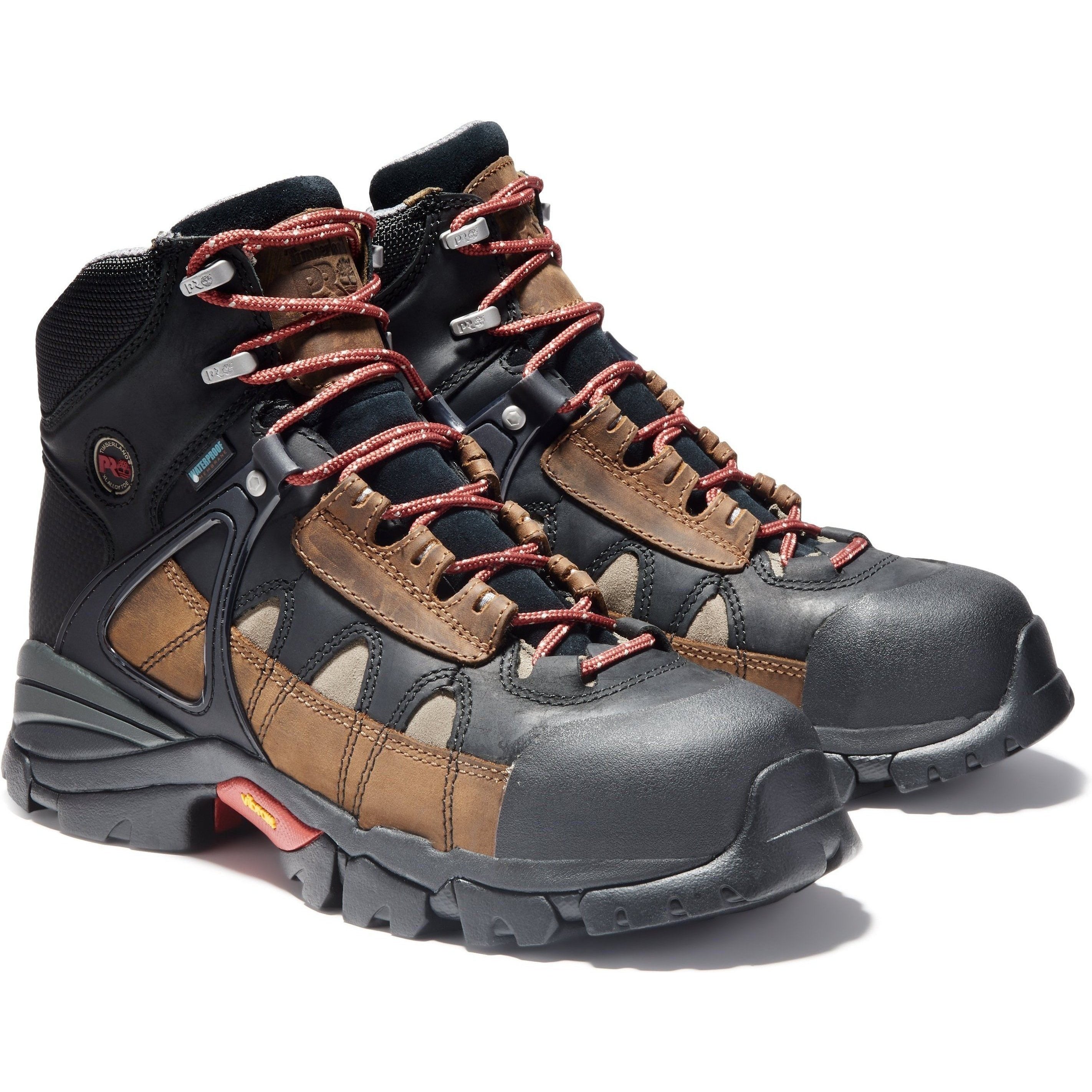
Timberland PRO Men's Hyperion 6" Alloy Toe Waterproof Work Boot - TB190646214
Save 9%
Sale price$205.00
Regular price$225.00
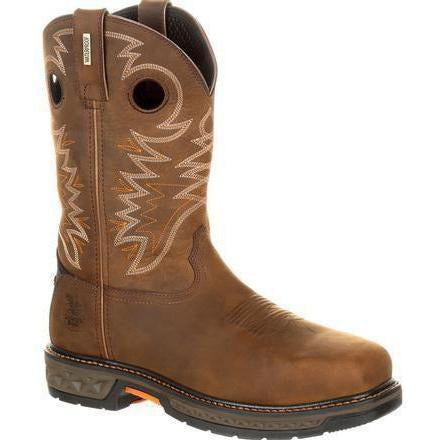
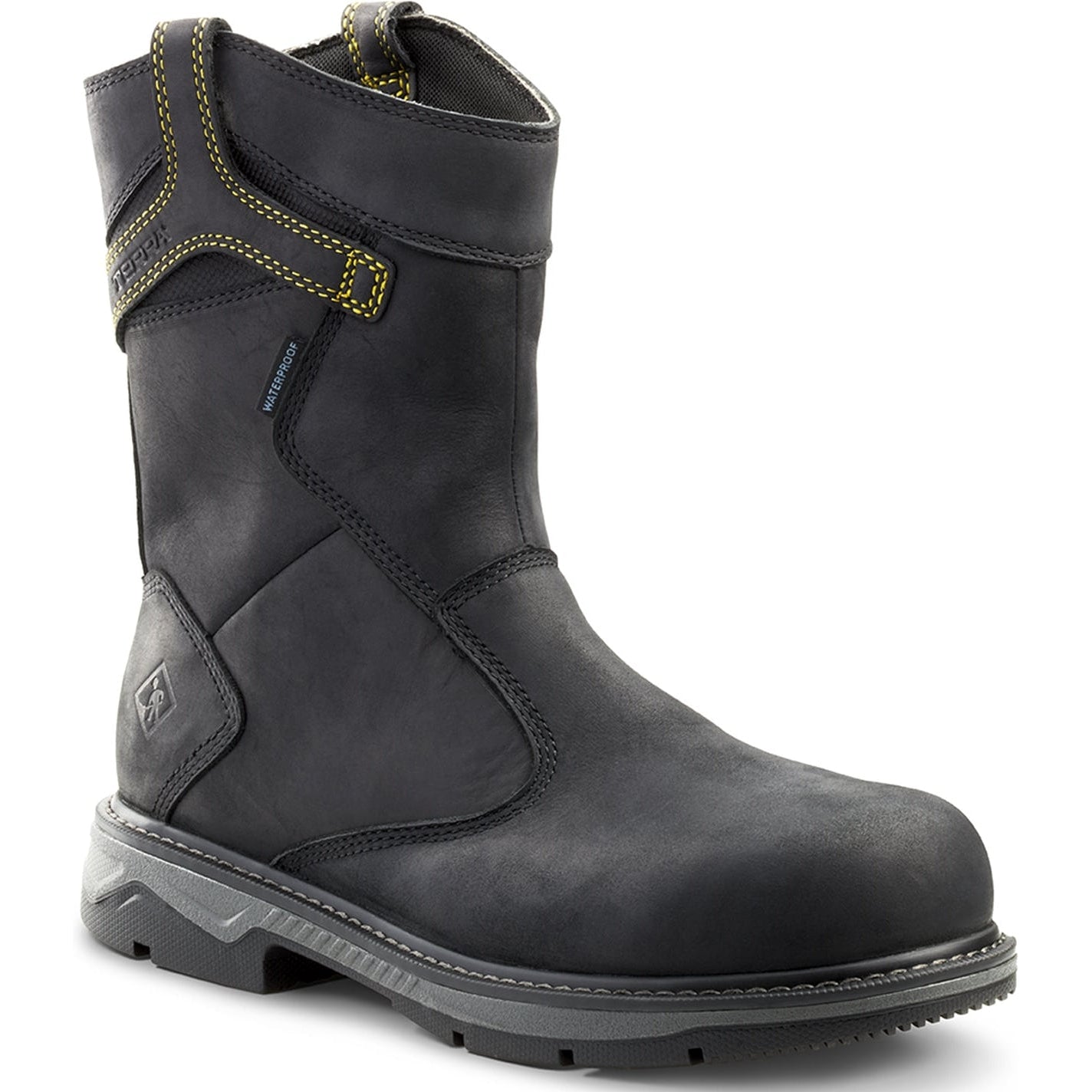
Georgia Men's Carbo-Tec 11" Lightweight Alloy Toe Waterproof Pull-On Western Work Boot GB00224
Save 17%
Sale price$127.95
Regular price$155.00
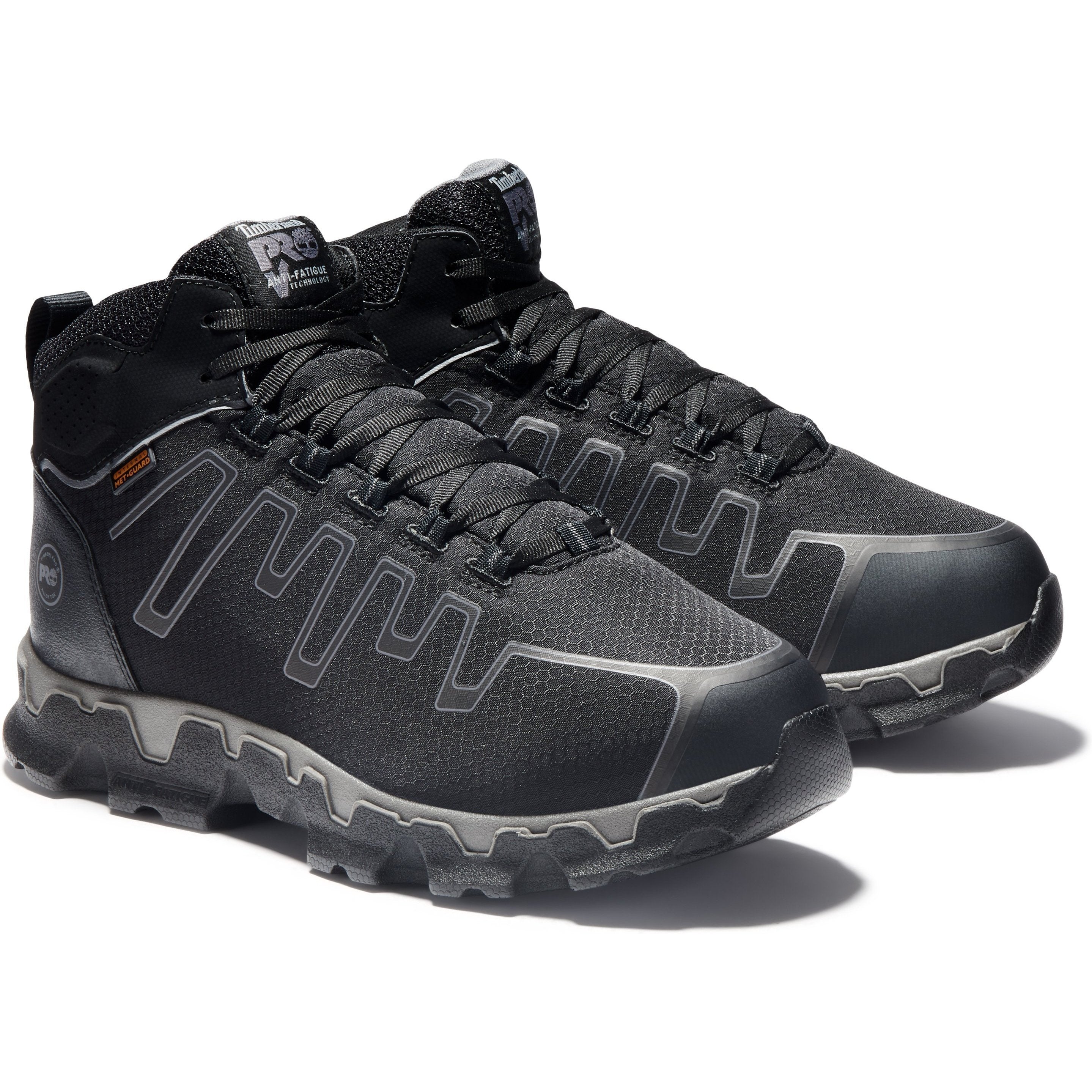
Timberland Pro Men's Powertrain Sport Alloy Toe Internal Met Guard Work Shoe - Black - TB0A1GHM001
Save 17%
Sale price$127.95
Regular price$155.00
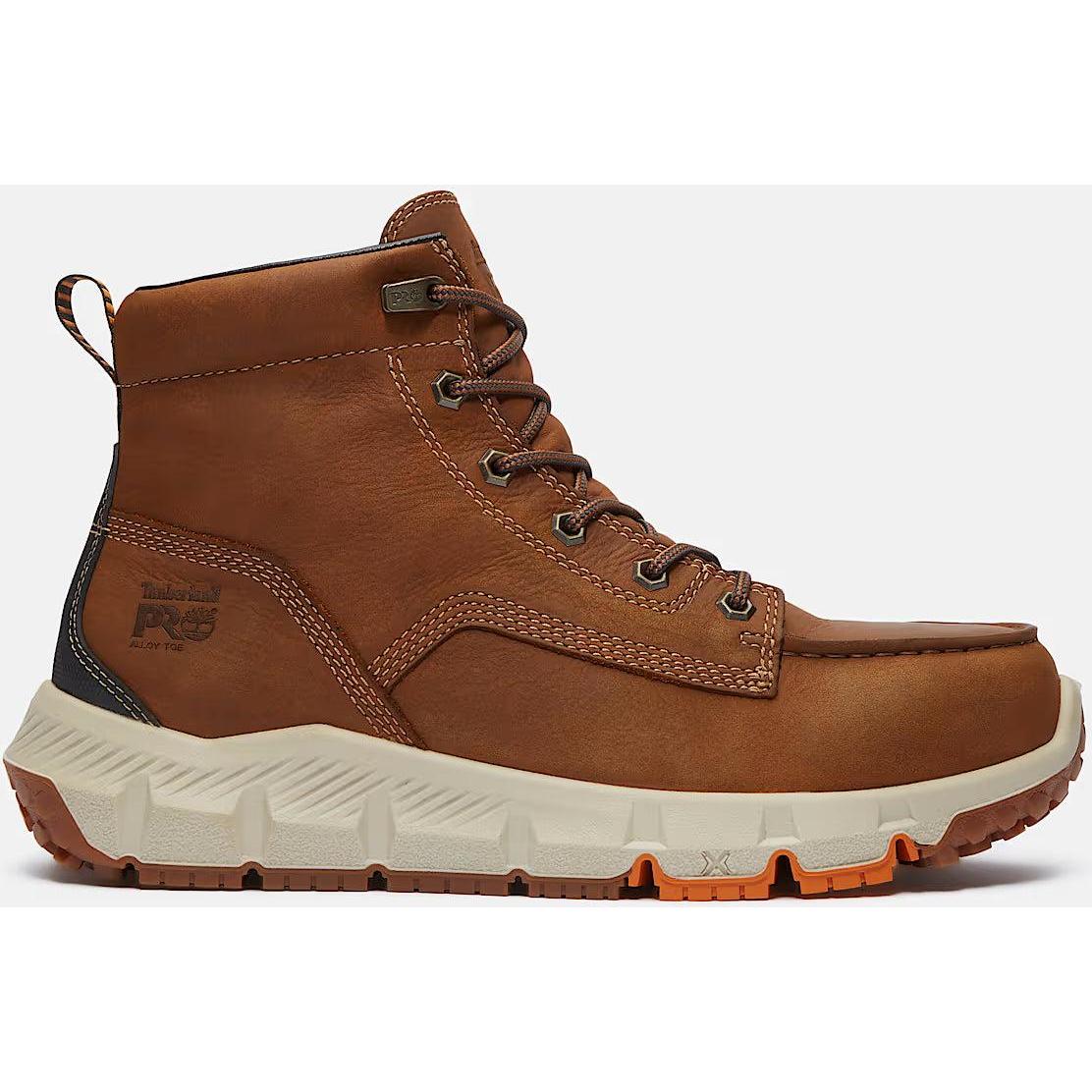
Timberland Pro Men's Tempe 6" Alloy Toe SR Work Boot- Brown- TB0A2QFUEM8
Save 7%
Sale price$329.95
Regular price$354.00
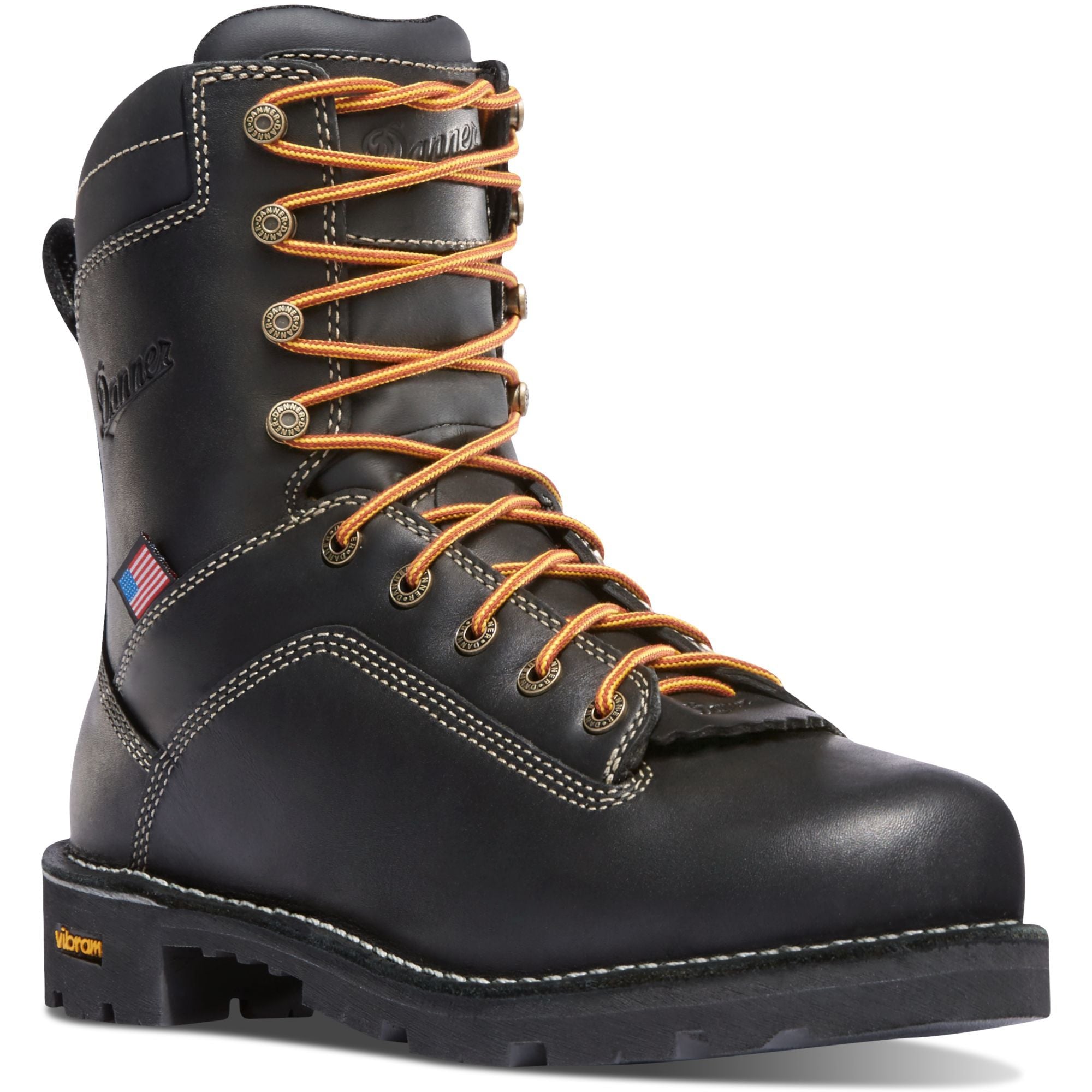
Danner Men's Quarry USA Made 8" Alloy Toe Waterproof Work Boot - Black - 17311
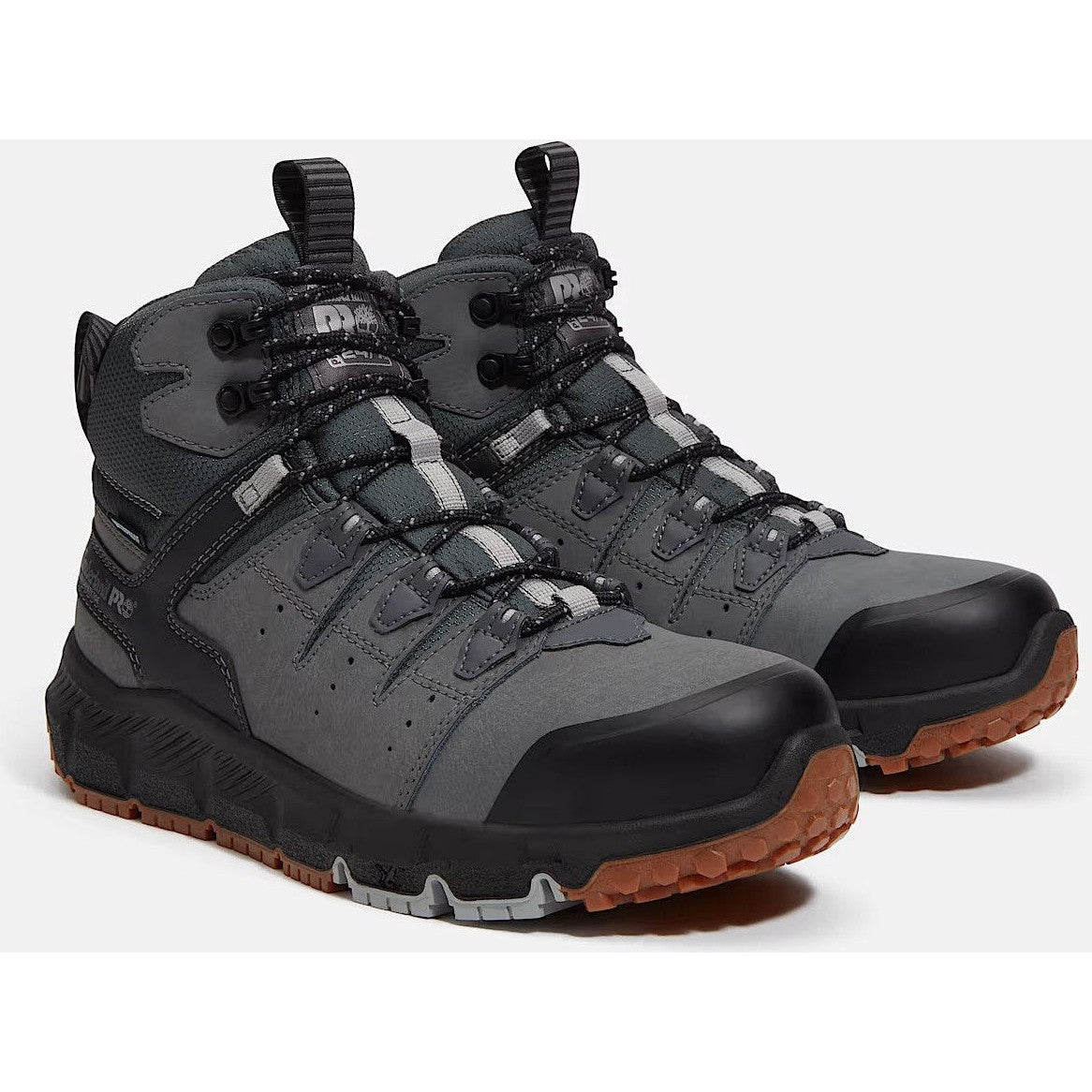
Sale price$159.95
Regular price$160.00
Timberland Pro Men's Tempe 6" Alloy Toe Waterproof Work Boot- Grey- TB0A67G3EJO
Save 14%
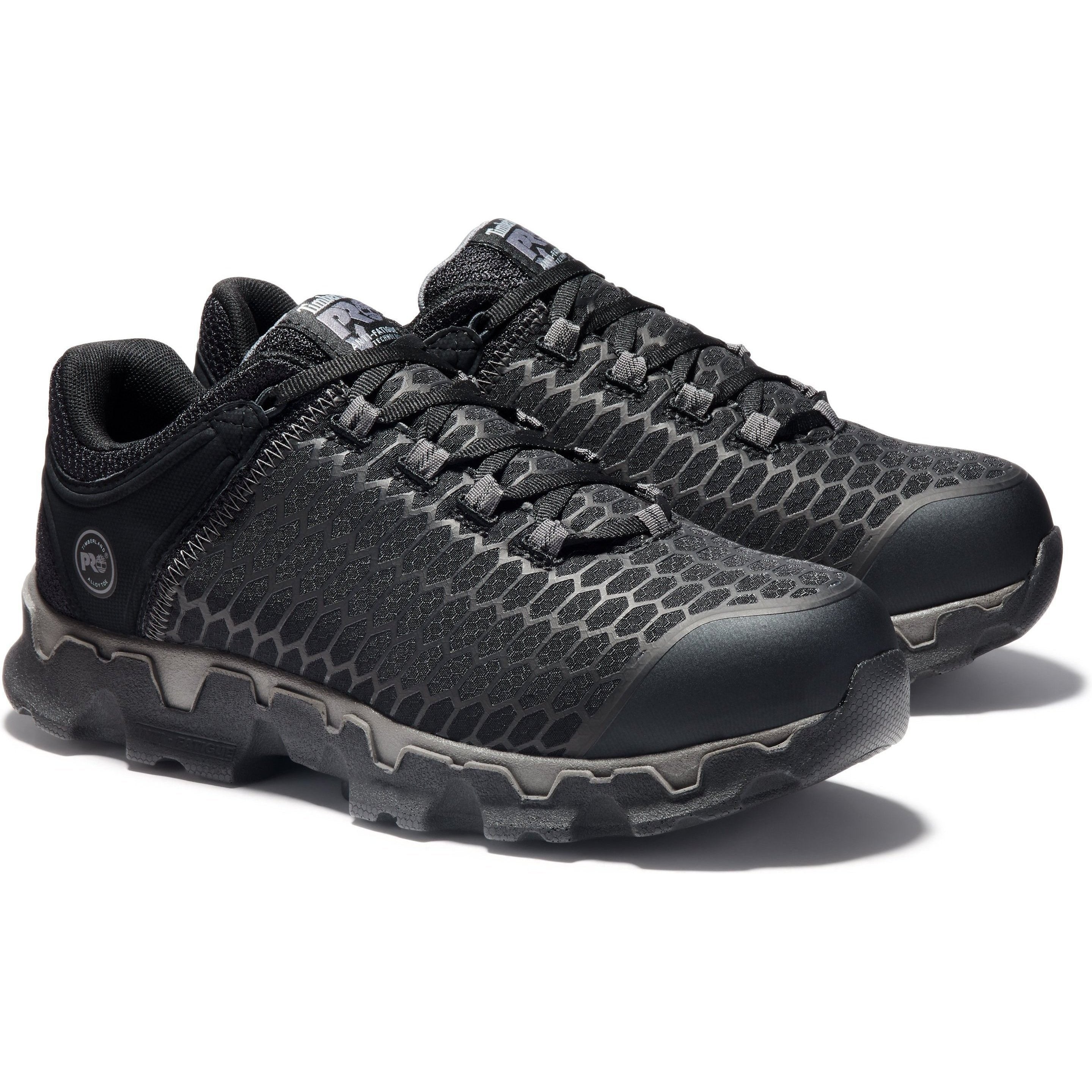
Sale price$119.95
Regular price$140.00
Timberland Pro Men's Powertrain Sport Alloy Toe SD+ Work Shoe - Black - TB1A1B6U001
Save 13%
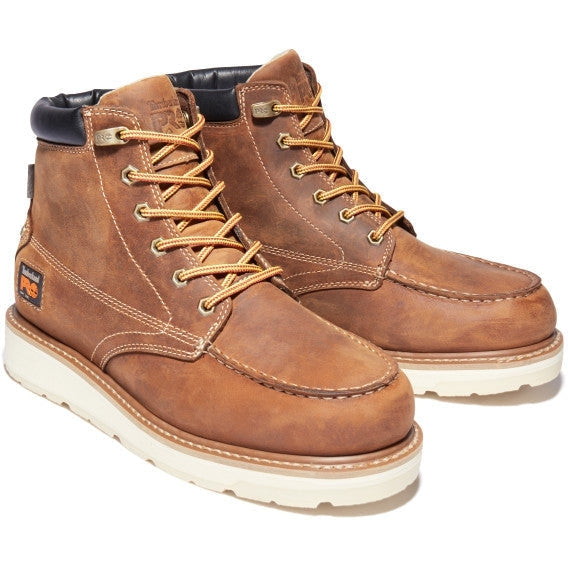
Sale price$164.95
Regular price$190.00
Timberland Pro Men's Gridworks 6" Alloy Toe Waterproof Work Boot - TB1A29V1214
Save 14%
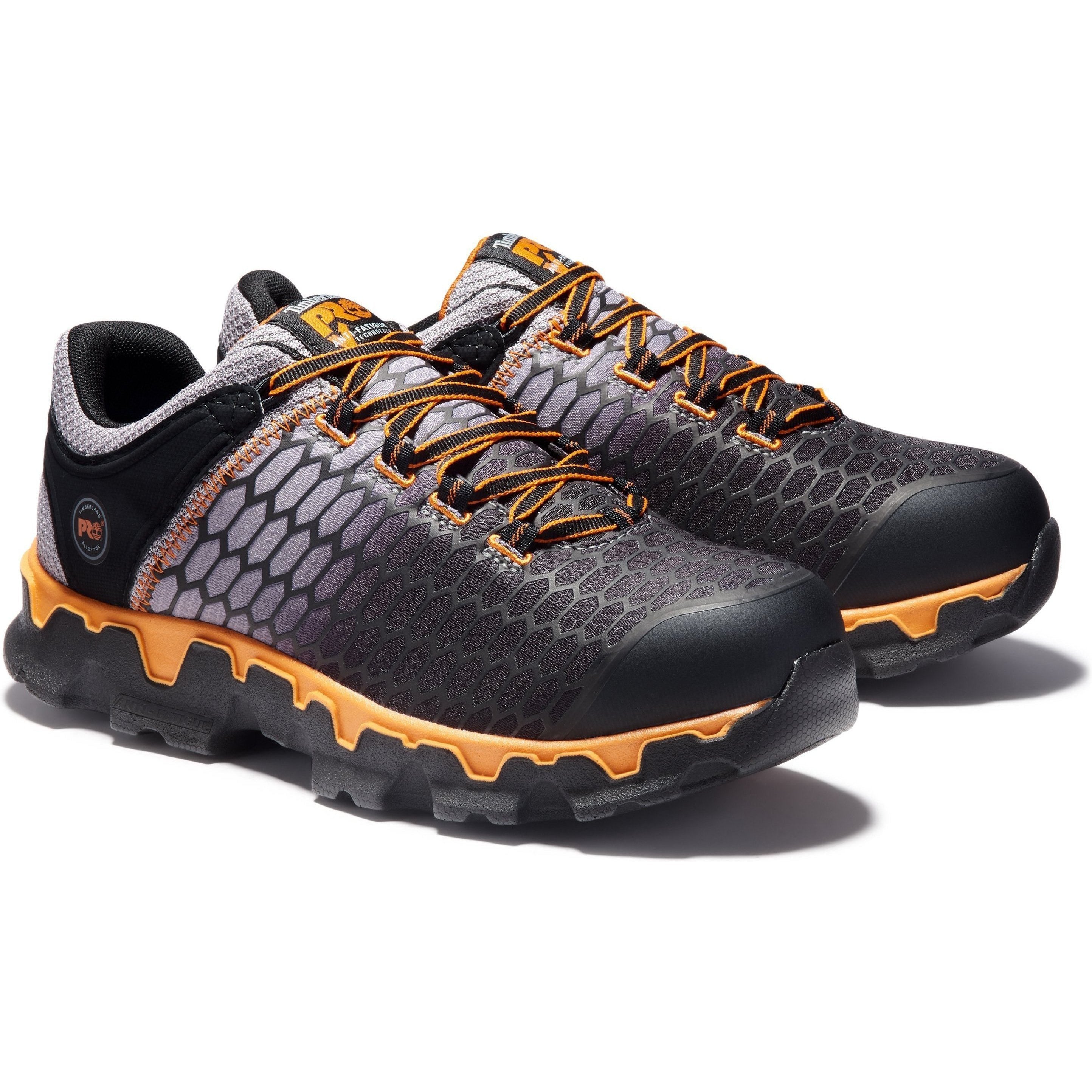
Sale price$119.95
Regular price$140.00
Timberland Pro Men's Powertrain Sport Alloy Toe SD+ Work Shoe - Grey - TB1A1GT9065
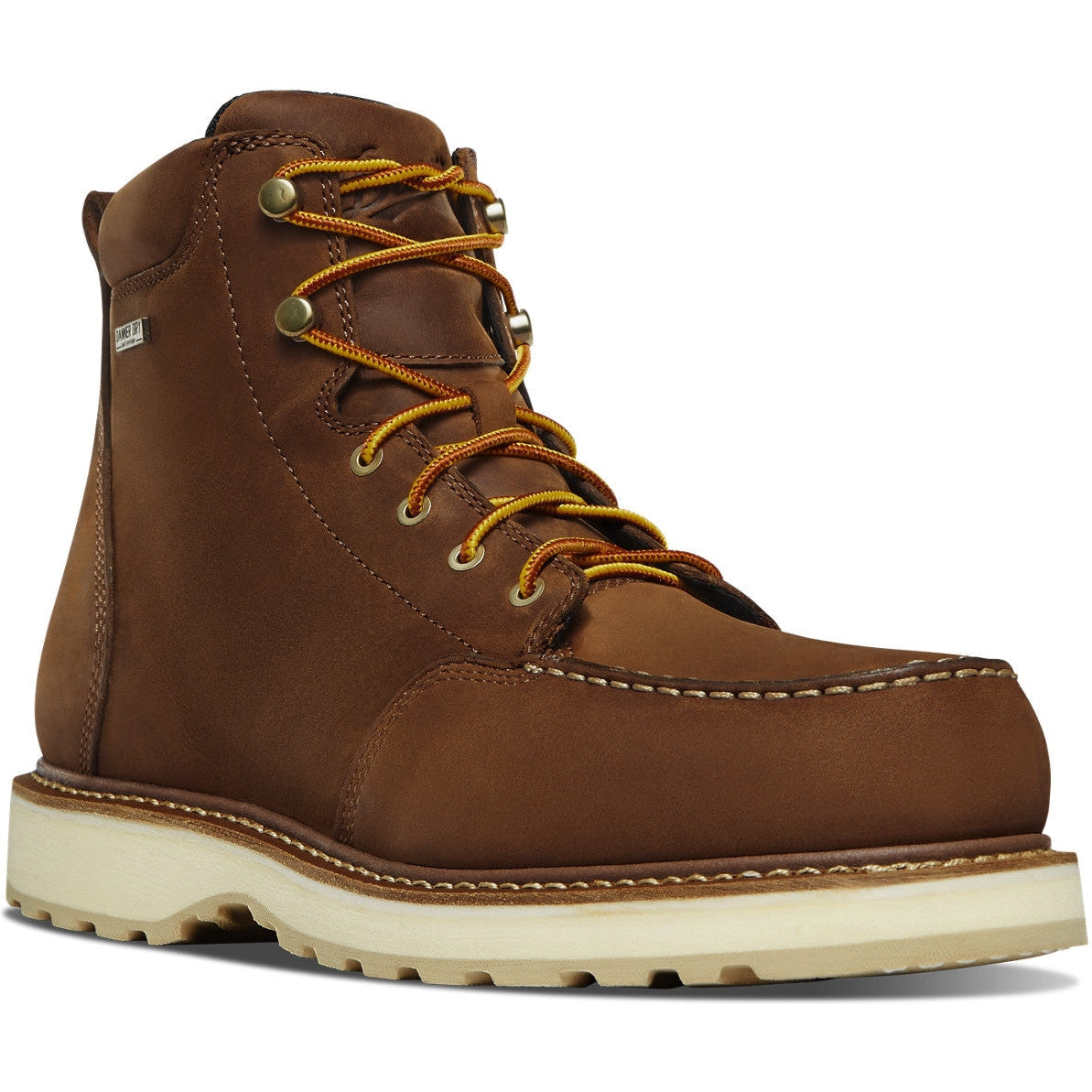
Save 7%
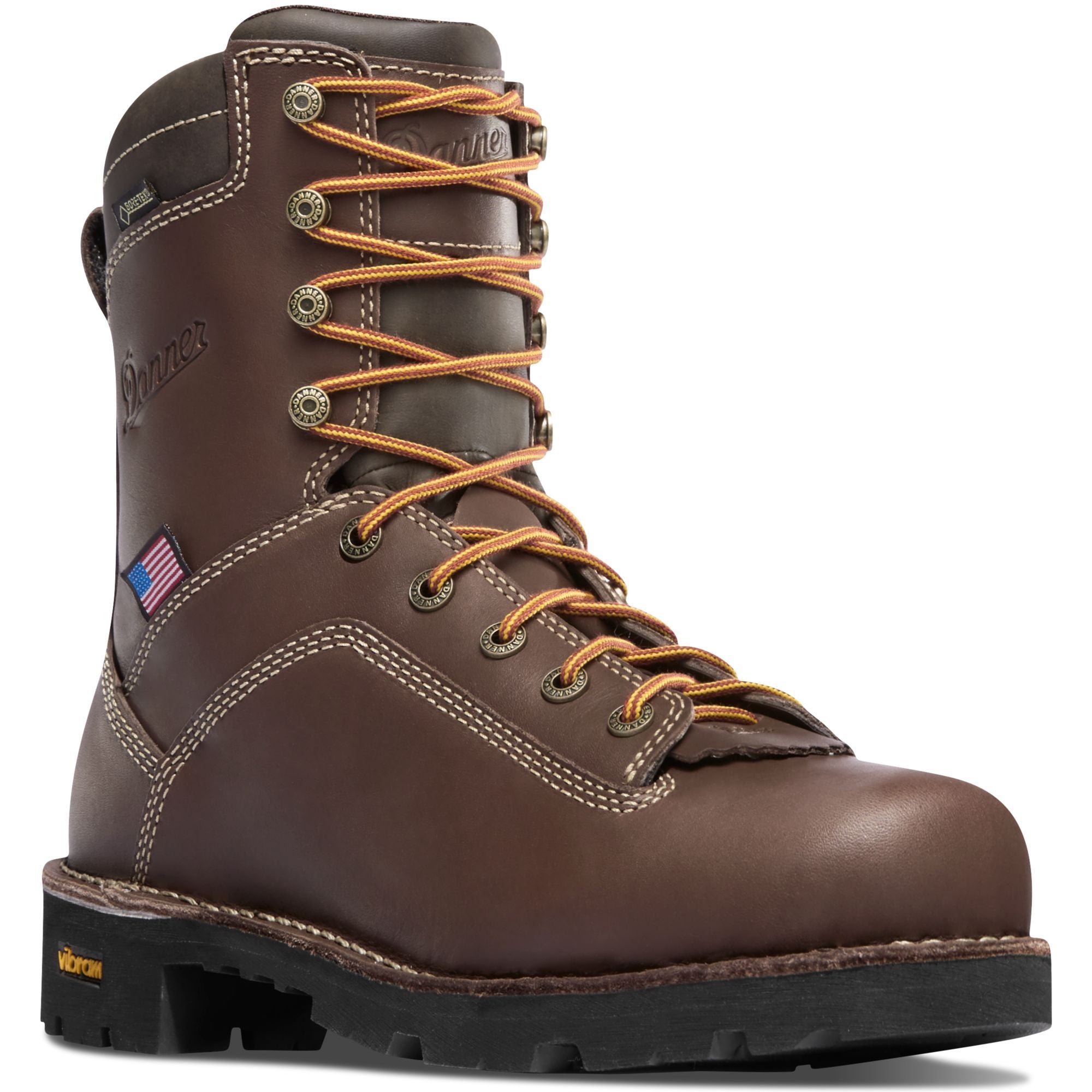
Sale price$329.95
Regular price$354.00
Danner Men's Quarry USA Made 8" Alloy Toe Waterproof Work Boot - Brown - 17307
Save 16%
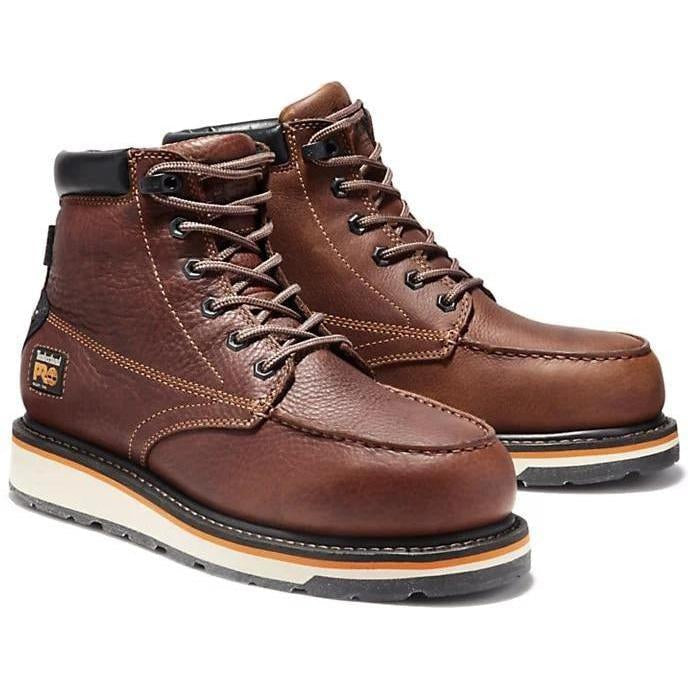
Sale price$159.95
Regular price$190.00
Timberland Pro Men's Gridworks 6" Alloy Toe Waterproof Work Boot - Brown - TB1A1ZVF214
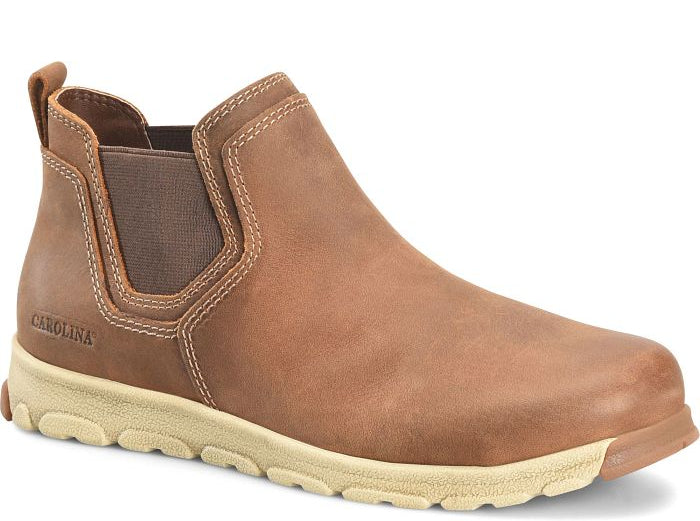
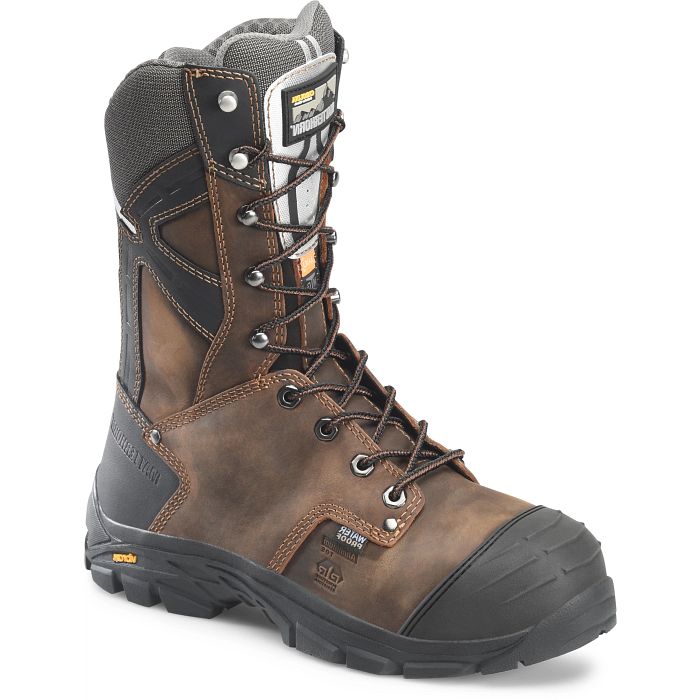
Save 7%
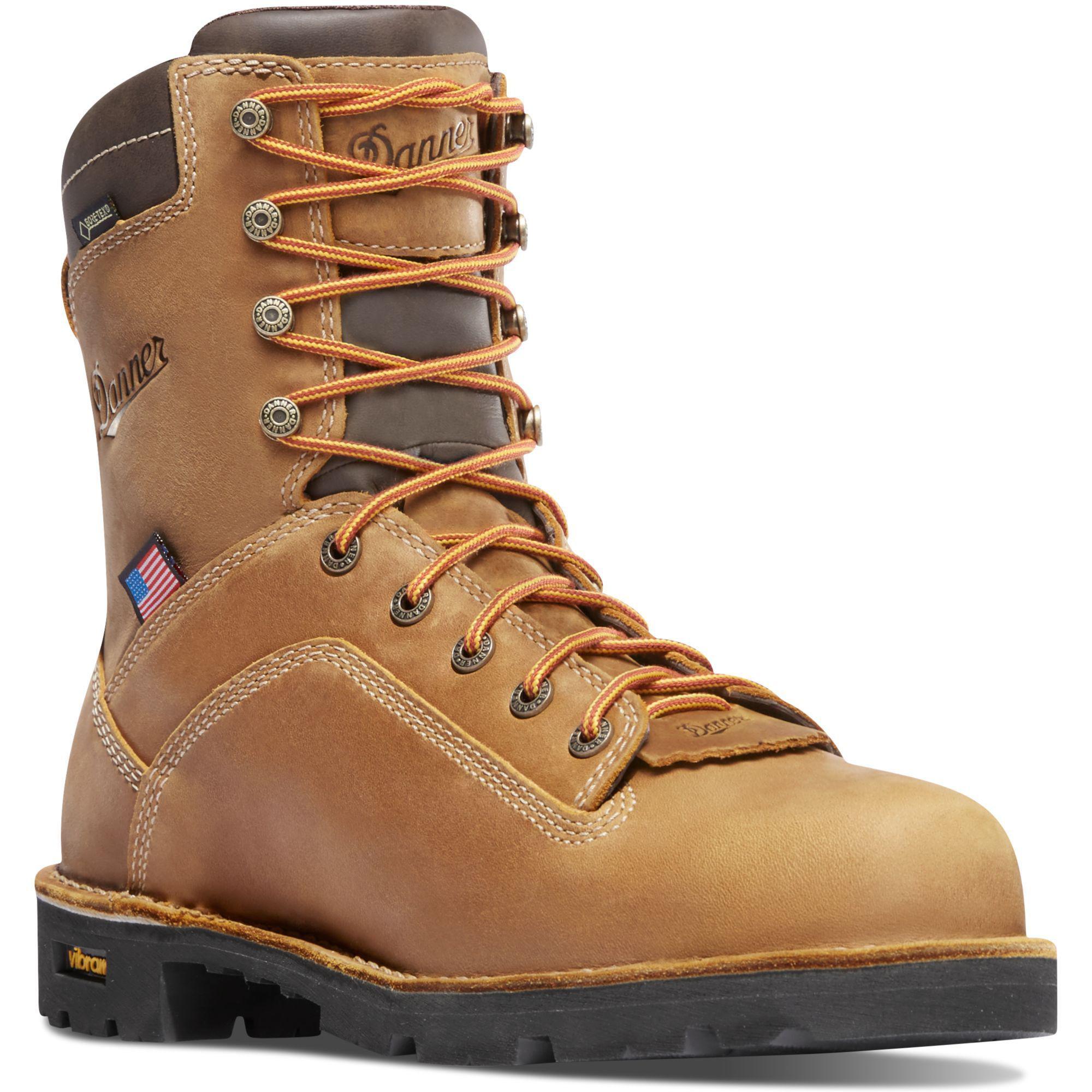
Sale price$329.95
Regular price$354.00
Danner Men's Quarry USA Made 8" Alloy Toe Waterproof Work Boot - Brown - 17317

Sale price$169.95
Regular price$170.00
Timberland Pro Men's Tempe Moc Toe WP Work Boot- Rust- TB0A5TMEEM6
Save 14%
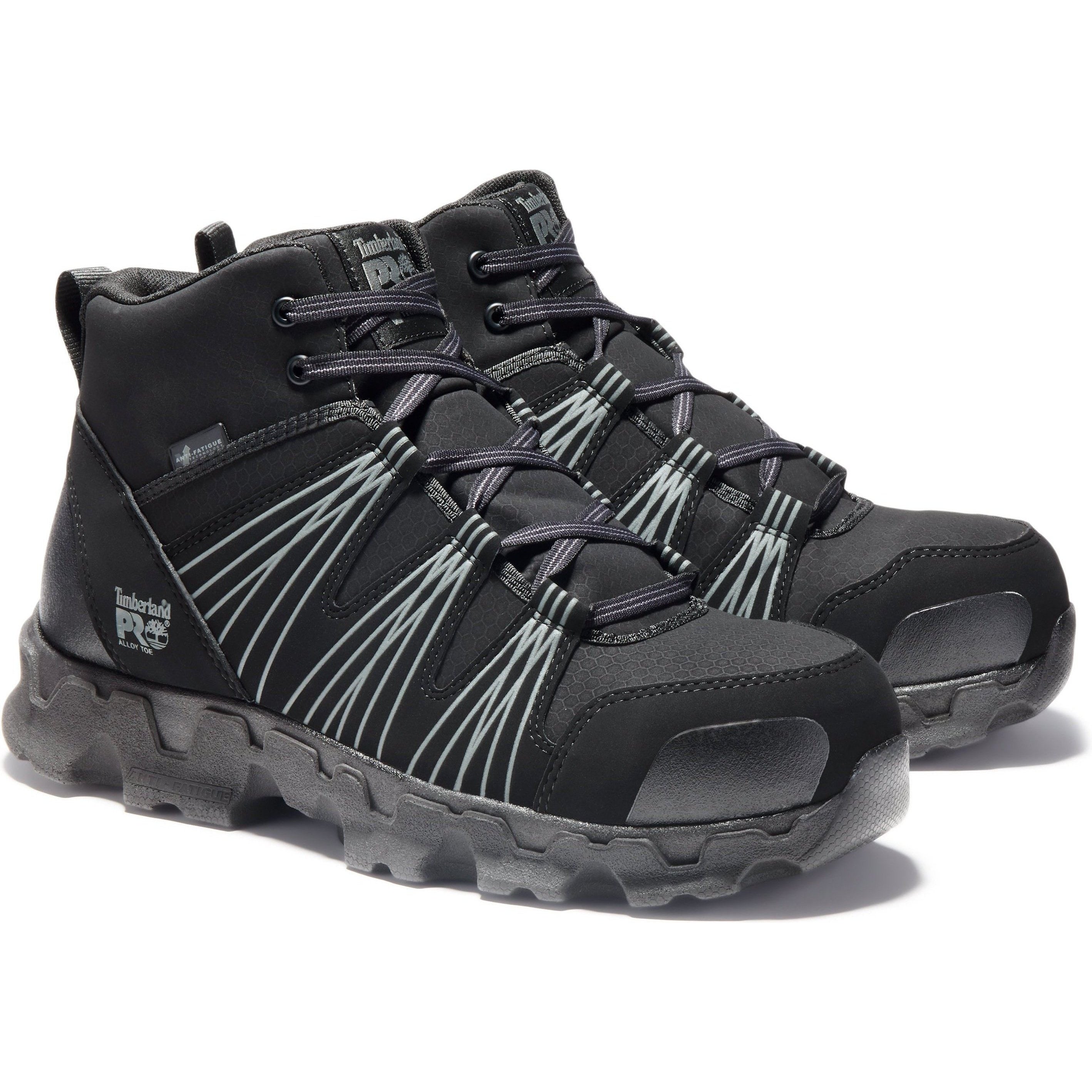
Sale price$119.95
Regular price$140.00
Timberland Pro Men's Powertrain Alloy Toe SD+ Mid Work Boot - Black - TB1A11QF001
Save 19%
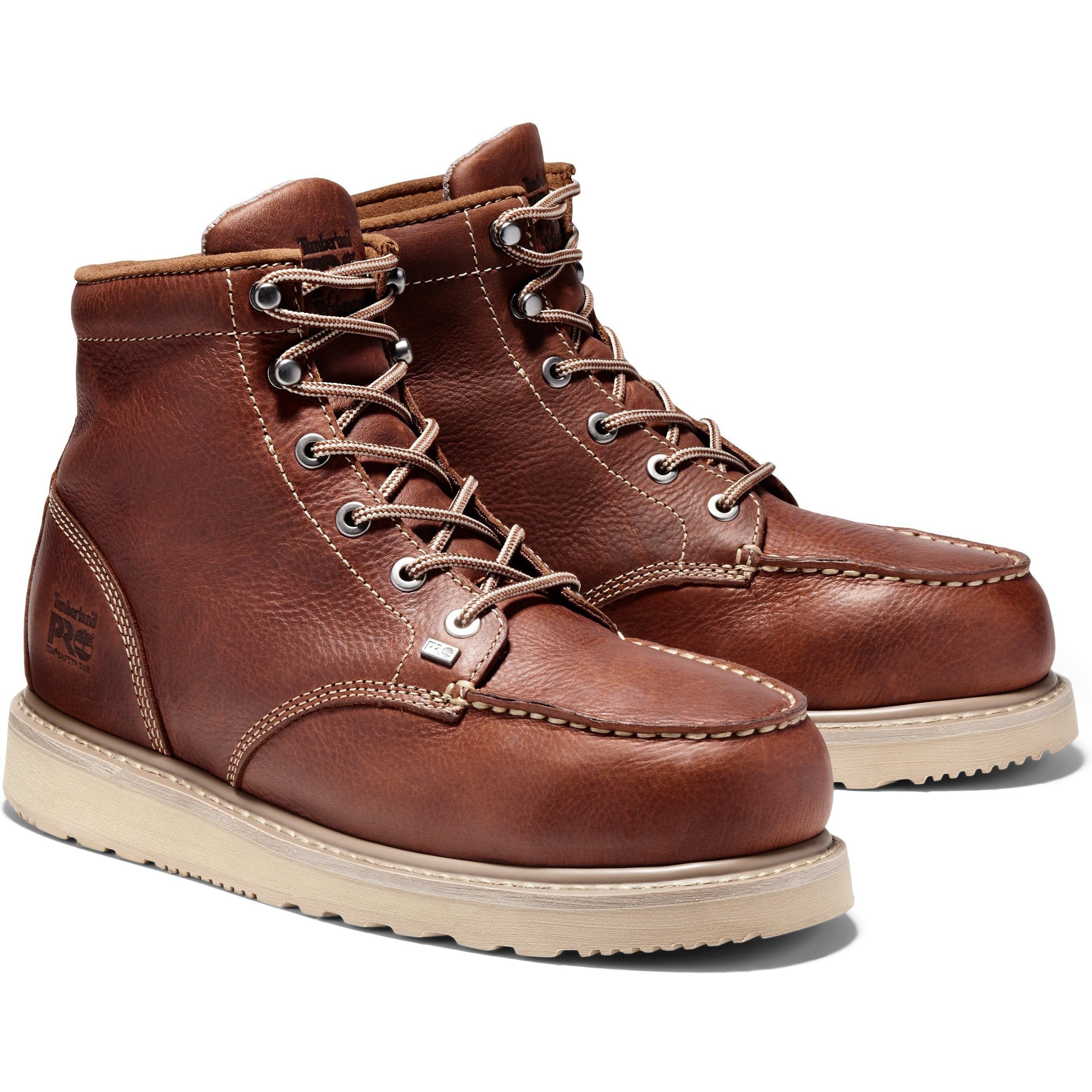
Sale price$129.95
Regular price$160.00
Timberland PRO Men's Barstow Wedge 6" Moc Toe Alloy Toe Work Boot - Rust - TB188559214
Save 19%
Sale price$129.95
Regular price$160.00
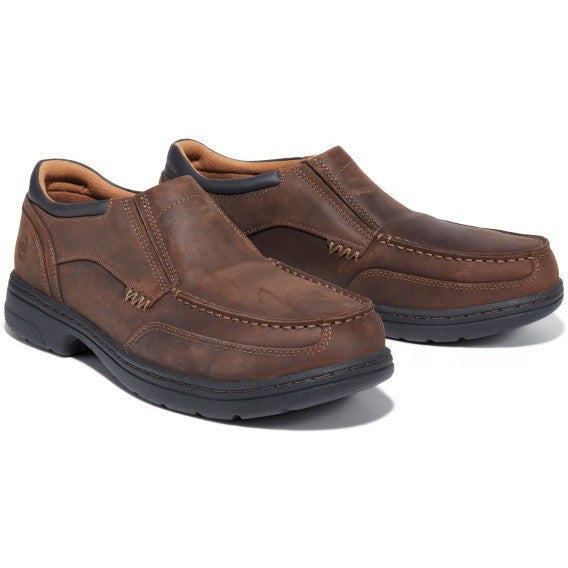
Timberland PRO Men's Branston Alloy Toe ESD Slip-On Moc Toe Work Shoe - Brown - TB191694214
Save 19%
Sale price$132.95
Regular price$165.00
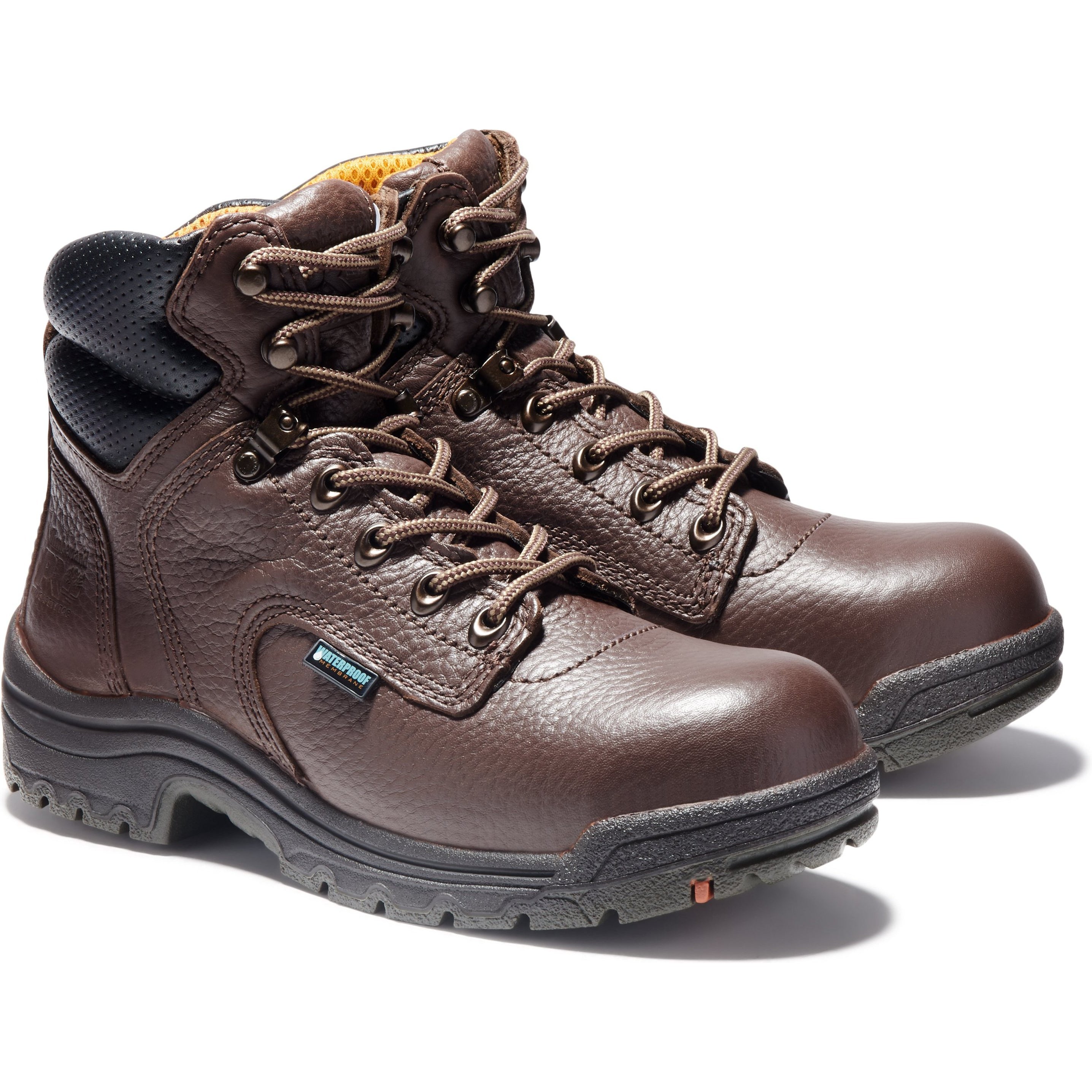
Timberland PRO Women's TITAN 6" Alloy Toe Waterproof Work Boot - TB153359242
Save 26%
Sale price$85.67
Regular price$115.00
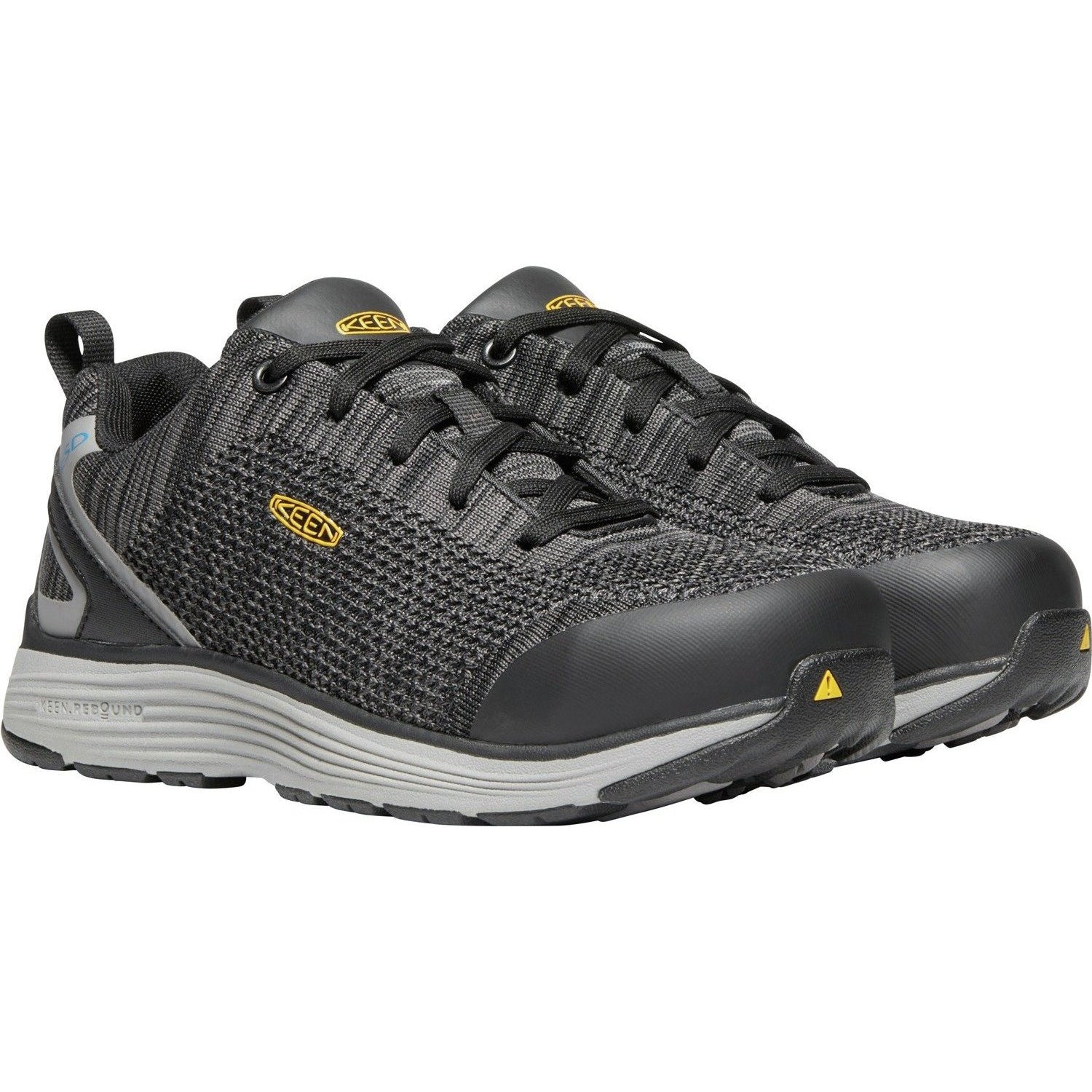
Keen Utility Women's Sparta ESD Aluminum Toe Work Shoe - Grey - 1021350
Save 10%
Sale price$161.99
Regular price$179.99
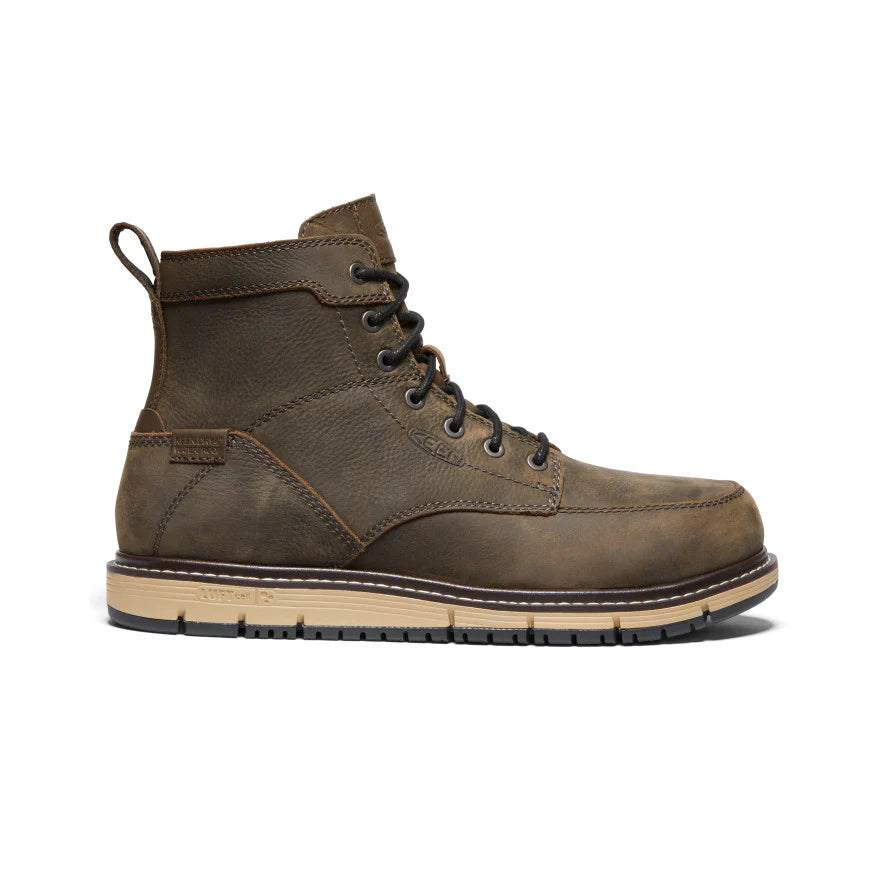
Keen Men's San Jose 6" Aluminum Toe Waterproof Work Boot - Cascade Brown - 1022106
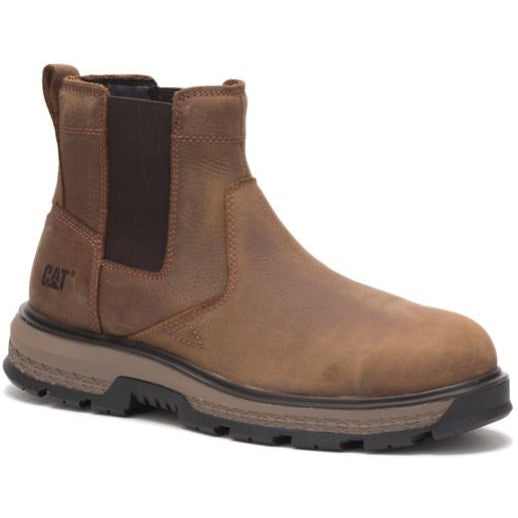
Sale price$119.95
CAT Men's Exposition Alloy Toe Chelsea Work Boot - Pyramid - P91369
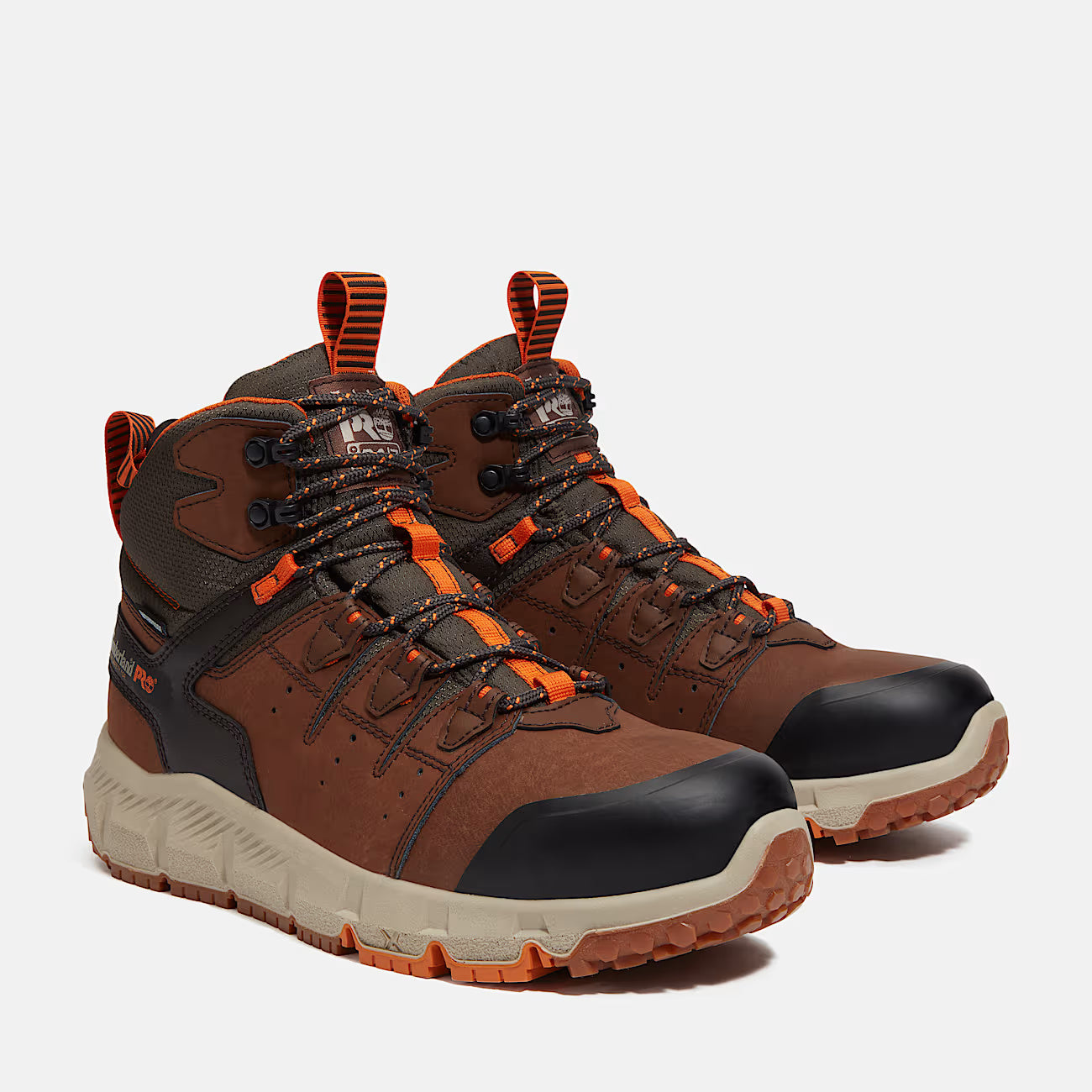
Sale price$159.95
Regular price$160.00
Timberland PRO Men's Tempe 6" Alloy Toe Waterproof Work Boot - Brown - TB0A67G3EPB
Save 14%
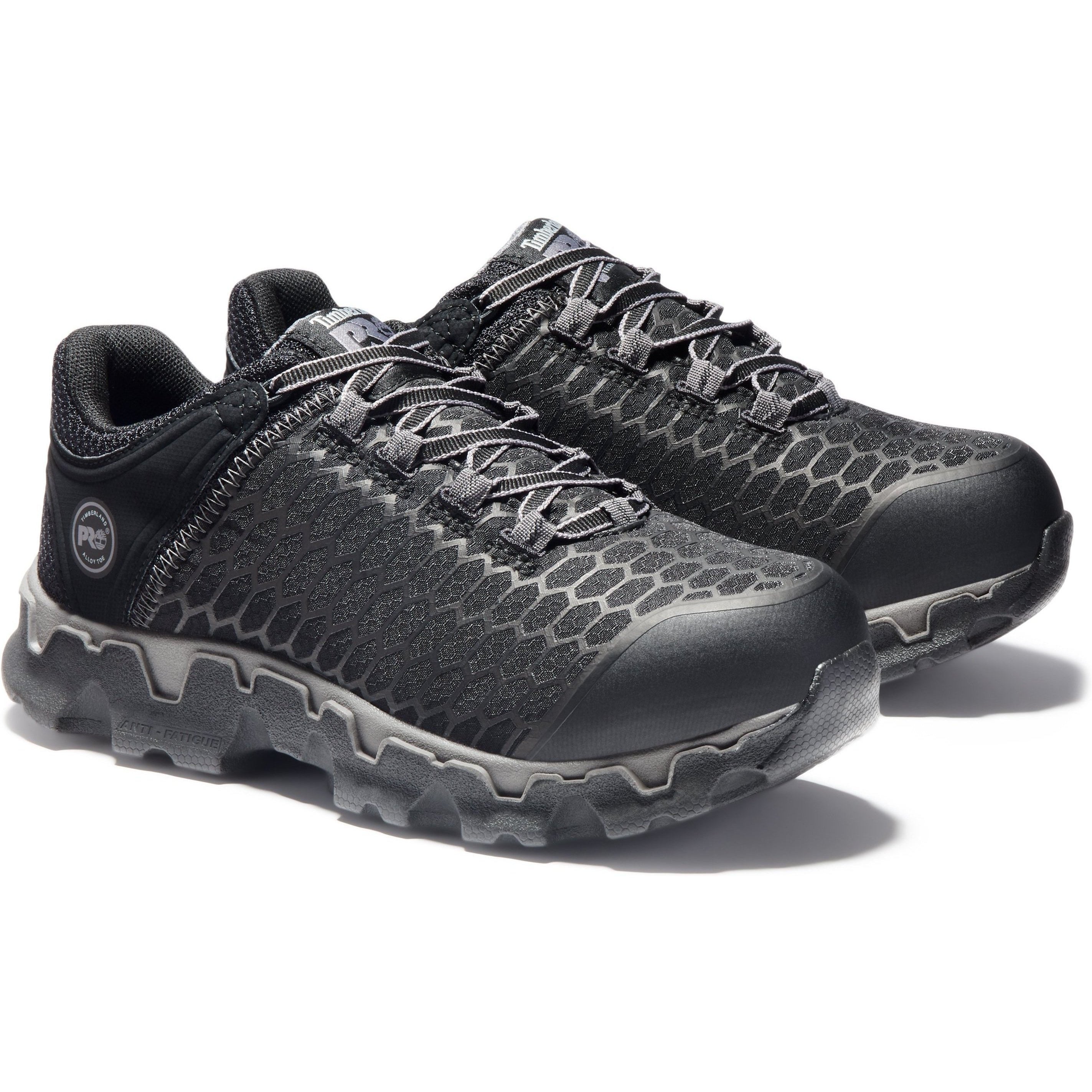
Sale price$119.95
Regular price$140.00
Timberland PRO Women's Powertrain Sport Alloy Toe SD+ Work Shoe - Black - TB1A1B7F001
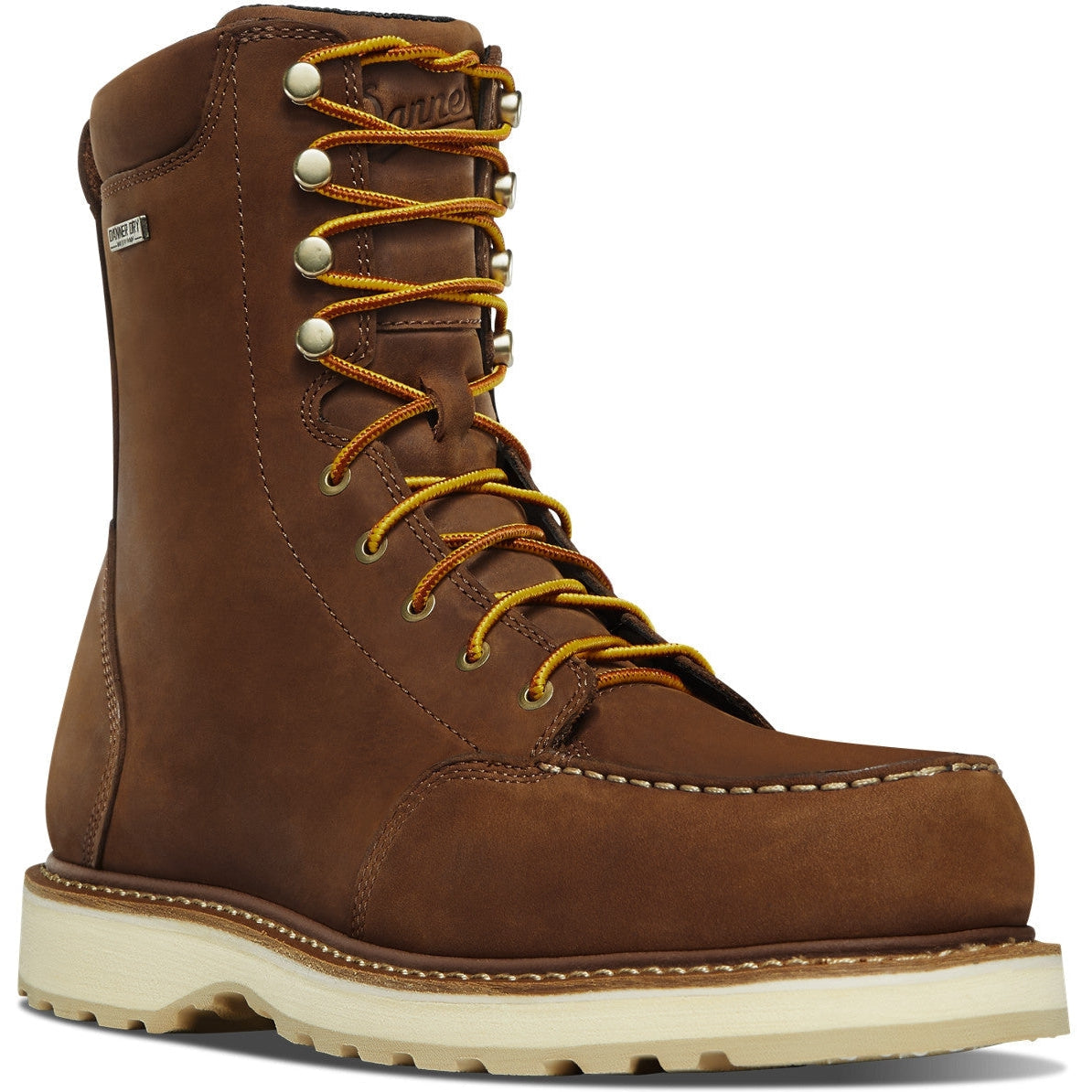
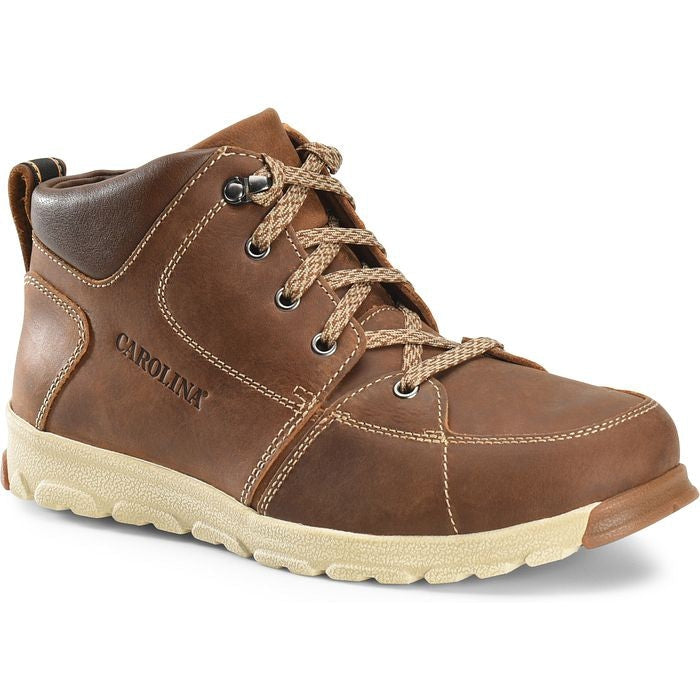
Sale price$139.99
Carolina Men's S-117 Aluminum Toe ESD Hiker Work Boot - Brown - CA5570
Save 15%
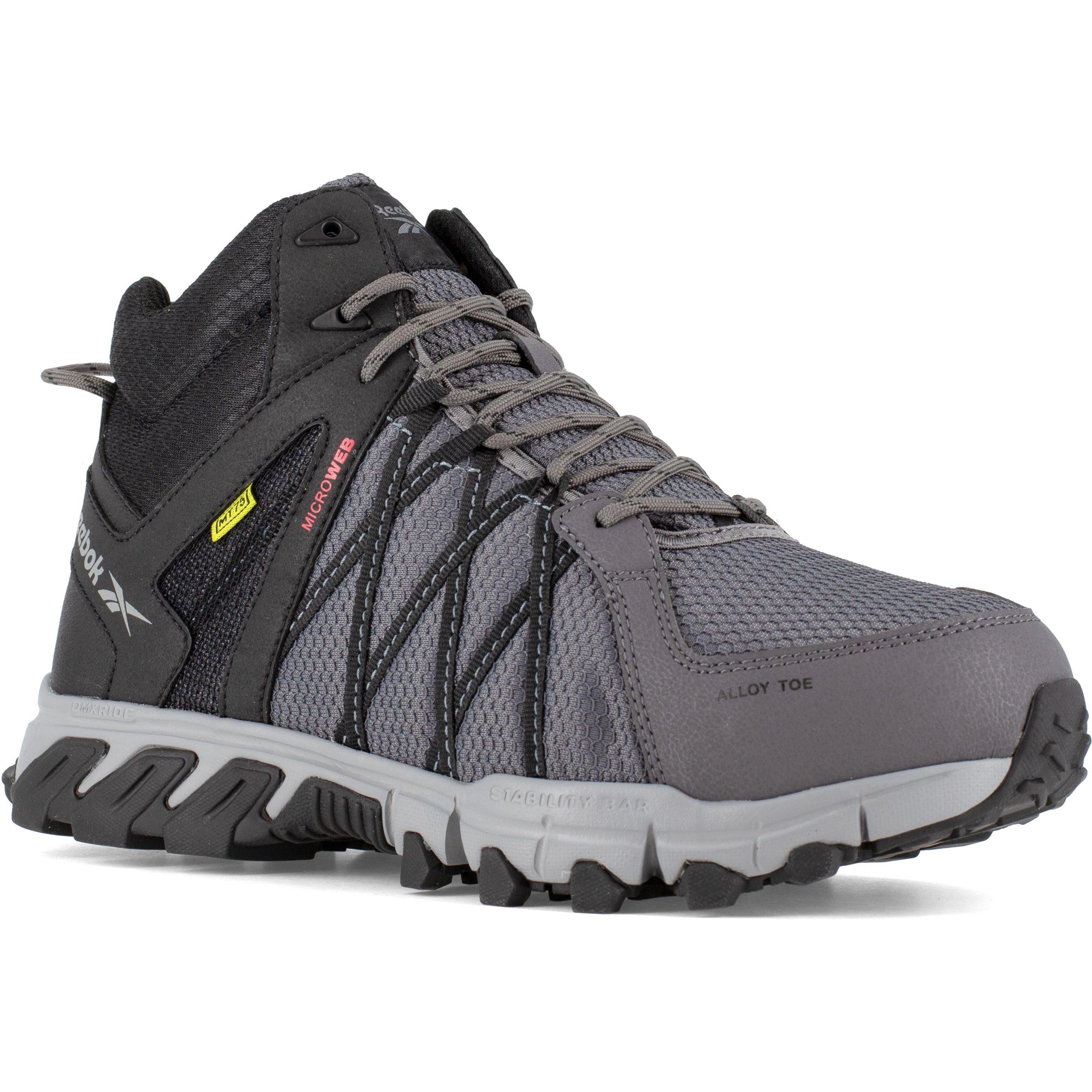
Sale price$139.95
Regular price$165.00
Reebok Men's Trailgrip Alloy Toe CushGuard Metguard Hiker Work Boot - Grey - RB3404
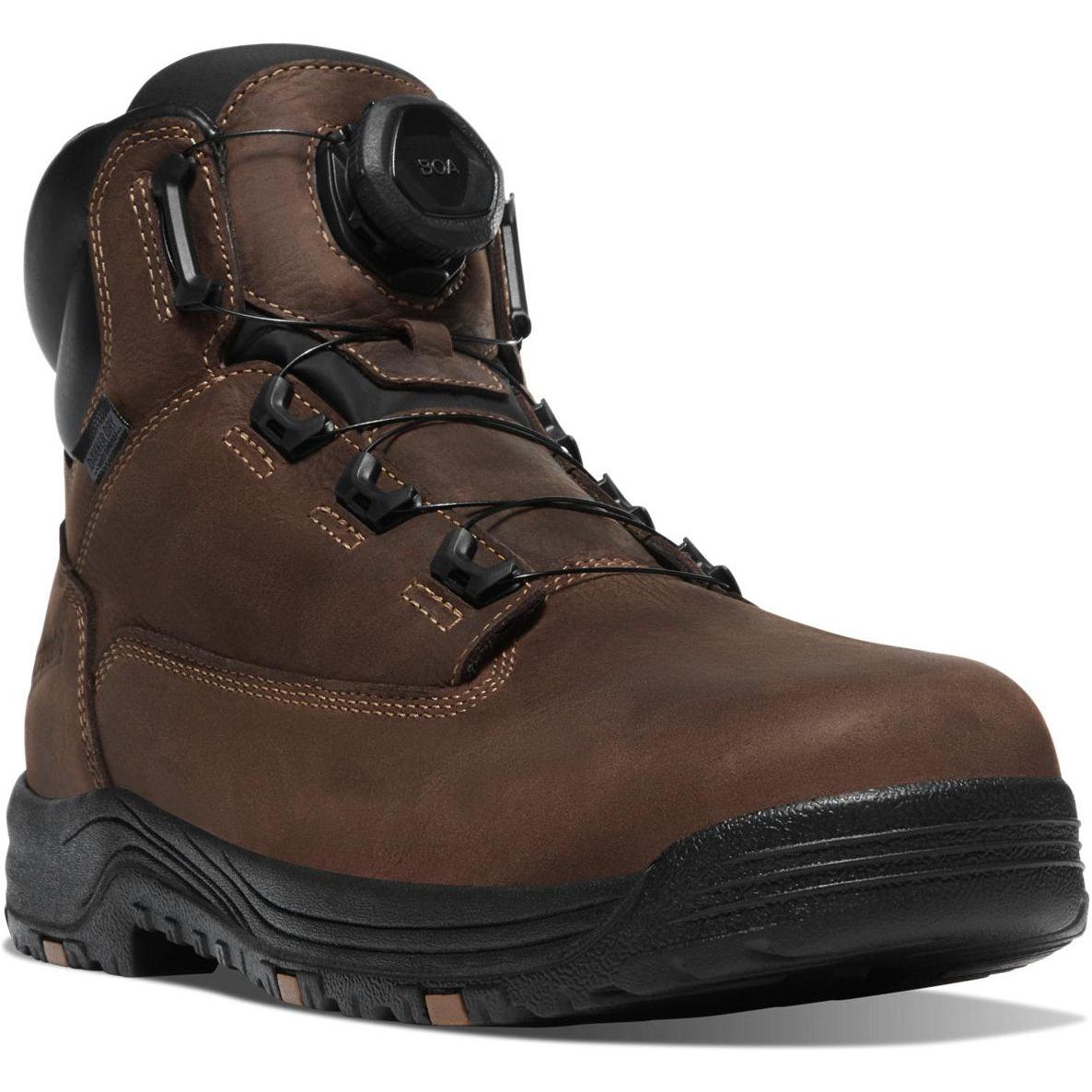
Save 14%
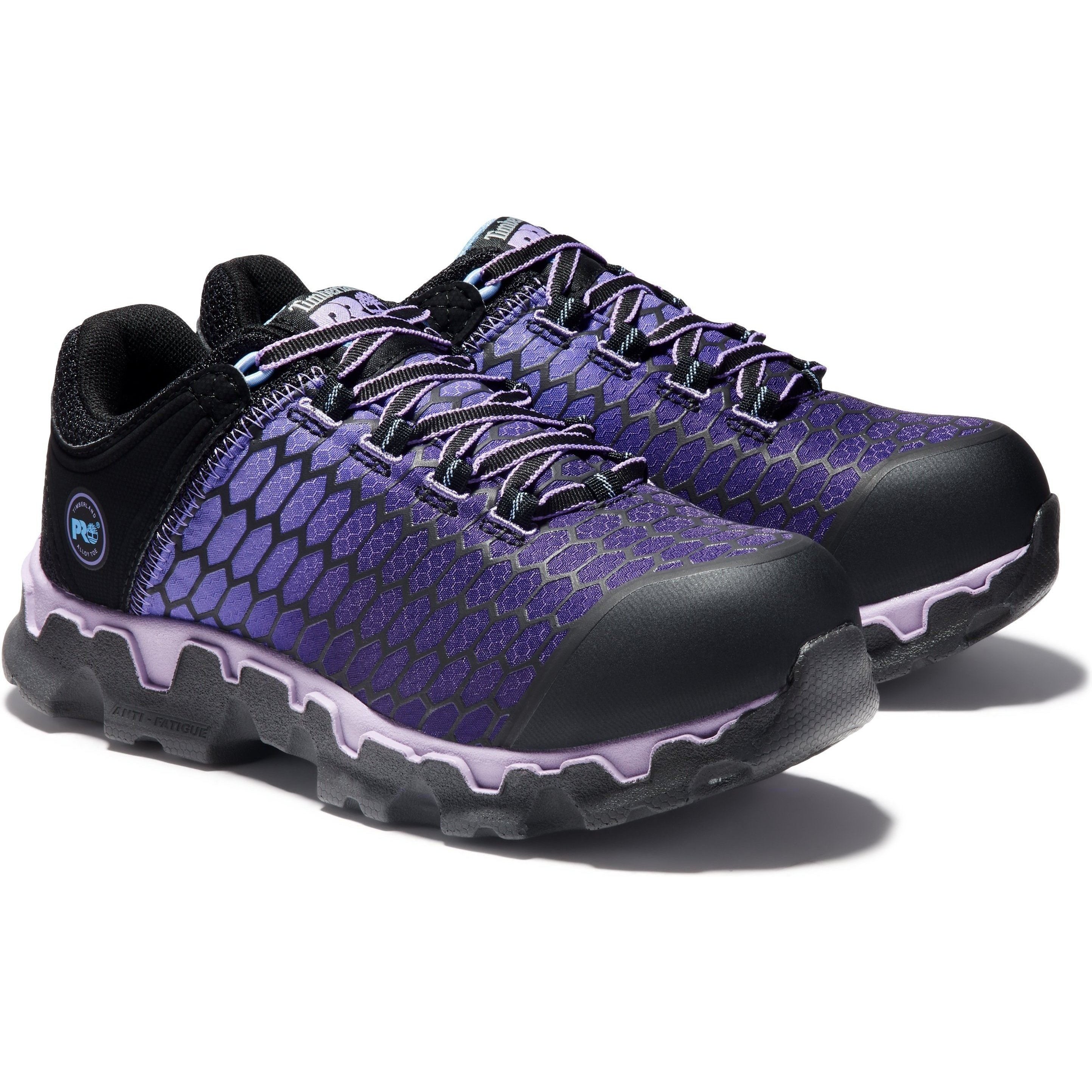
Sale price$119.95
Regular price$140.00
Timberland PRO Women's Powertrain Sport Alloy Toe SD+ Work Shoe - Black/Purple - TB1A1H1S001
Save 10%
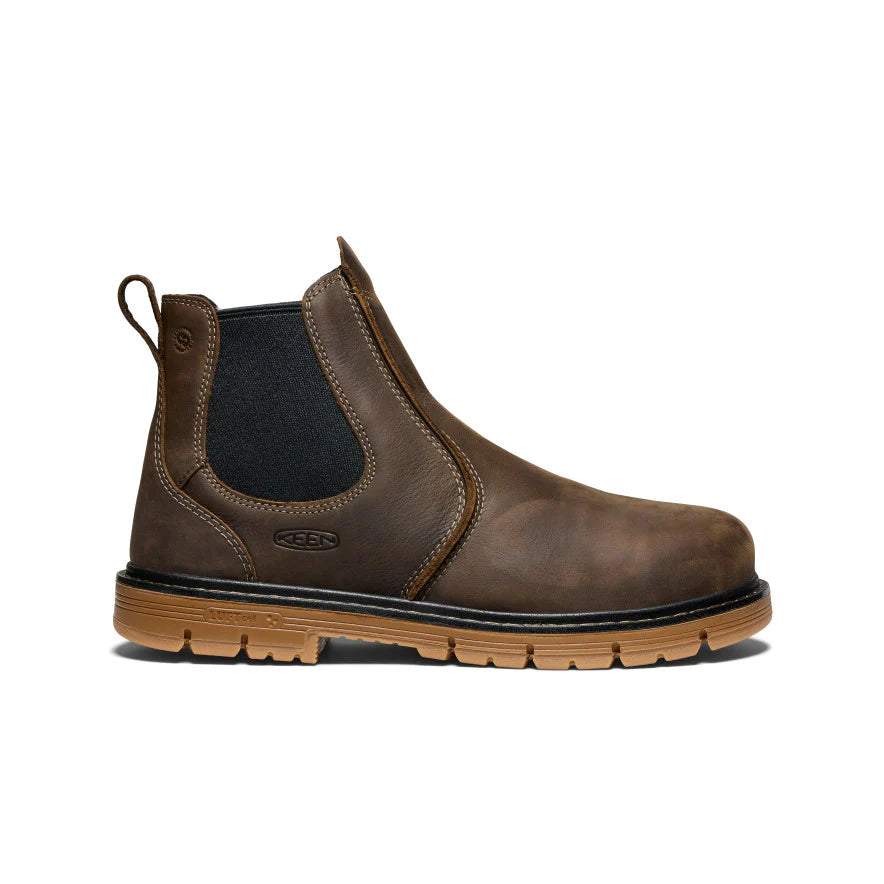
Sale price$148.49
Regular price$164.99
Keen Men's San Jose Aluminum Toe Pull On 90° Heel Boot - Brown - 1030647
Save 8%
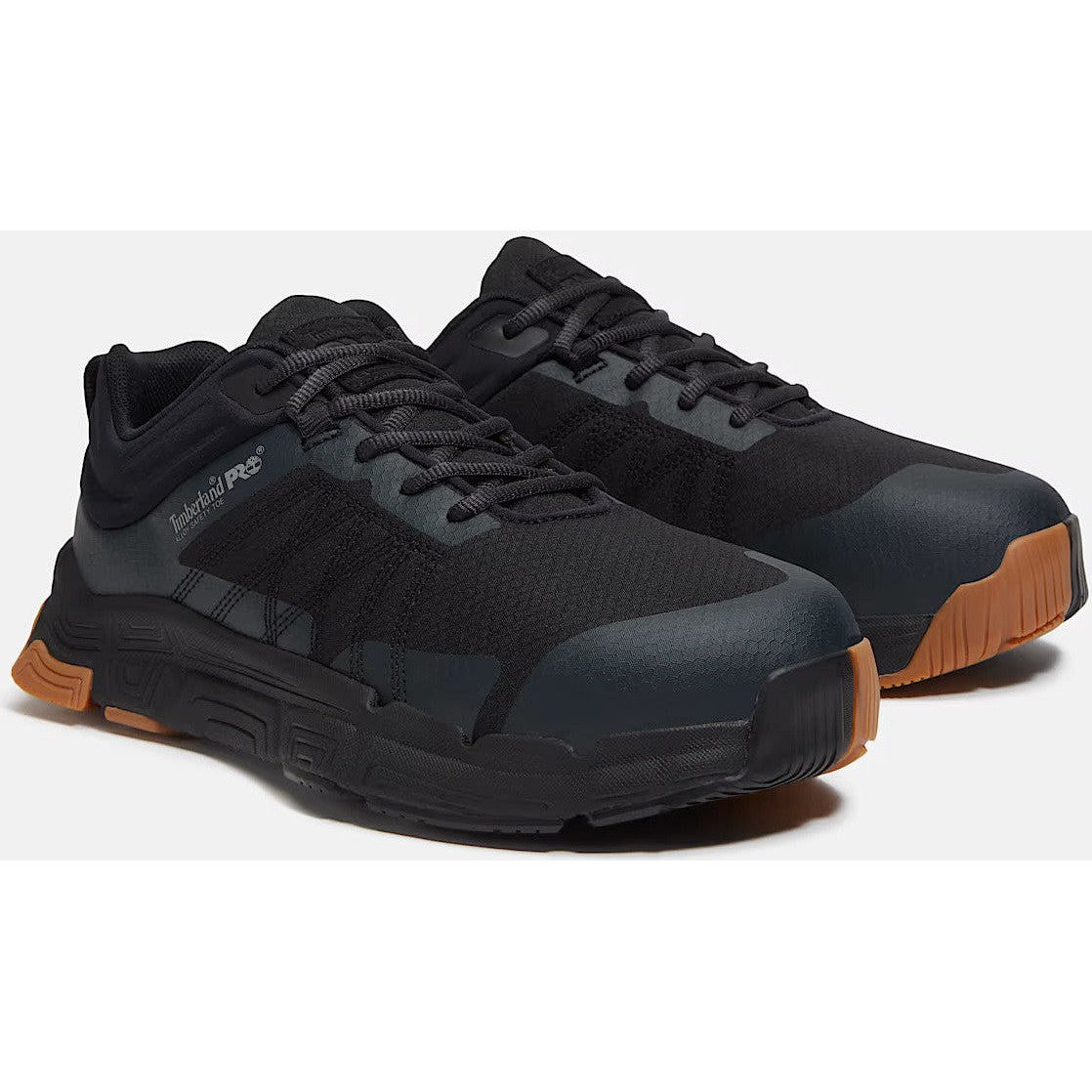
Sale price$109.95
Regular price$120.00
Timberland PRO Men's XR-1 Dynamic Natural Fit Alloy Toe Work Shoe - Blackout - TB0A67JKV96
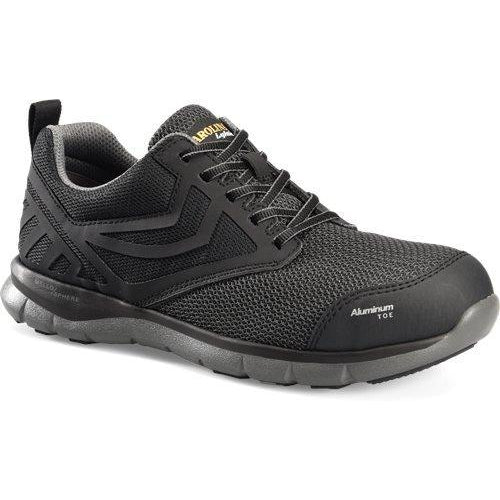
Sale price$109.99
Carolina Men's Gust Lo Aluminum Toe Athletic Work Shoe- Black - CA1902
Save 9%
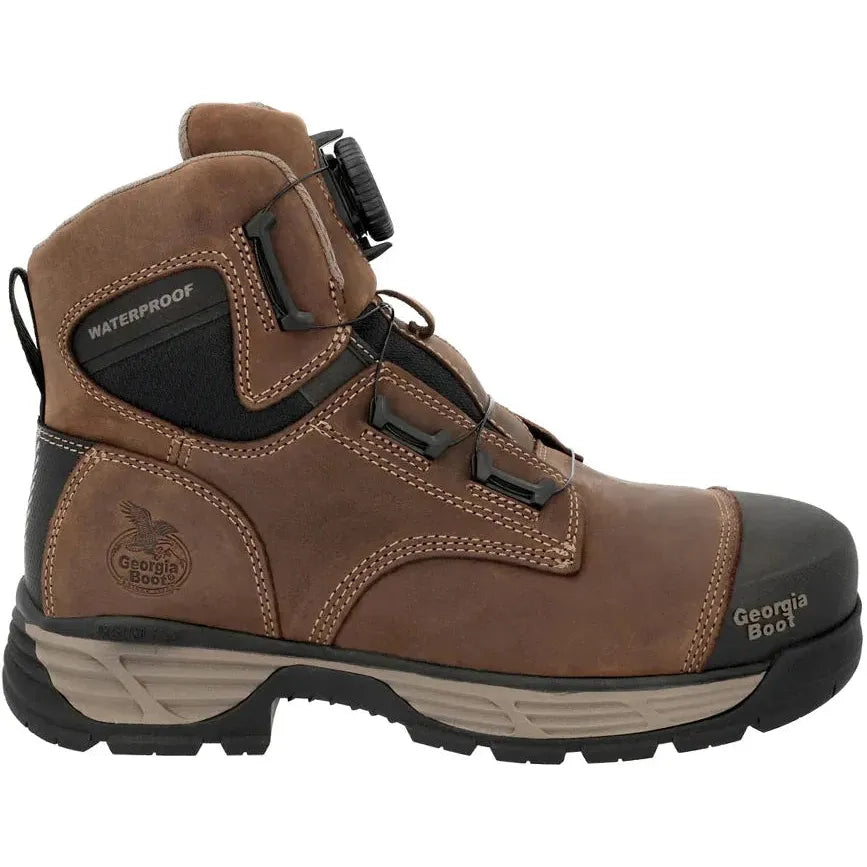
Sale price$205.00
Regular price$225.00
Georgia Men's Durablend Edge BOA Lace Alloy Toe WP 6" Work Boot - Brown - GB00733
Save 11%
Sale price$154.95
Regular price$175.00
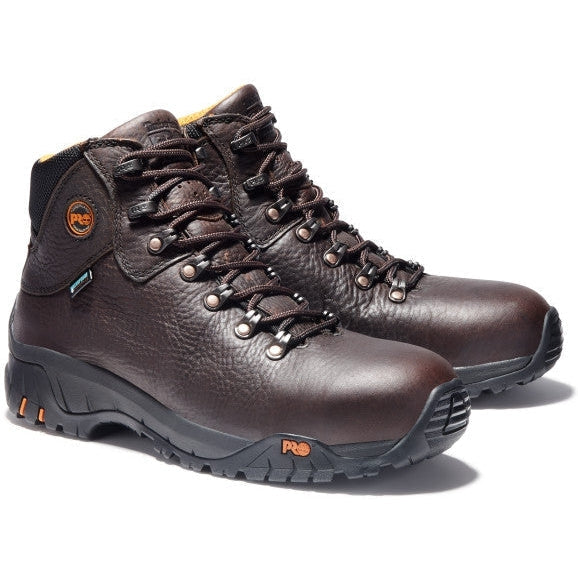
Timberland PRO Men's TiTAN Trekker Alloy Toe Waterproof Work Boot - Dark Brown - TB185520214
Frequently Asked Questions
Alloy caps are made from light metals, most commonly aluminum and titanium alloys. Those metals give close to the strength of steel at a fraction of the weight, which is why they are used in aerospace and why they work here. The cap meets the same ASTM F2413 impact and compression rating as a steel cap of the same class, so there is no protection trade in exchange for the weight saving.
None of the three is better in the abstract, because all meet the same rating. Steel is cheapest and thinnest. Composite is non-metallic, so it does not conduct temperature and does not trigger detectors, but it has to be bulkier to hit the rating. Alloy is the compromise: much lighter than steel while staying thin, at the cost of still being metal. Choose on weight, temperature, and screening rather than on strength.
Yes. Aluminum and titanium are metals and will trigger a walk-through detector, so an alloy cap is the wrong choice if you clear security checkpoints during your shift. For those environments you need a boot that is non-metallic throughout, since the shank and eyelets can trigger a detector even when the toe cap does not. Our 100 percent non metallic collection covers the boots verified metal free through the whole build.
Alloy conducts heat and cold much as steel does, so an uninsulated alloy toe boot will transfer cold to your toes in genuinely cold conditions. Insulation between the cap and your foot is what solves it, and an insulated alloy toe boot handles winter work fine. If you work outdoors in hard cold and are not committed to a metal cap, composite removes the problem outright since it does not conduct temperature.
Metal is denser and stronger per unit of thickness, so an alloy cap reaches the required rating with less material than a composite one. That gives a slimmer, less bulbous toe box and a boot that looks closer to an unrated shoe, which matters on dress and duty styles where the profile is part of the point. It also means slightly less internal volume than a composite cap of the same rating.
Generally yes, alloy sits above steel and roughly alongside composite on price, because aluminum and titanium cost more than steel as raw materials. What you are buying is the weight saving in a thin profile. If cost is the driver and weight is not a problem for you, steel gets you the same rating for less. Our steel toe boots range covers that option.
Yes. An EH rating describes the sole and heel resisting current to ground, and it is independent of the toe cap material. The cap sits inside insulating material and is not a conduction path in normal use, which is why metal caps and EH ratings coexist routinely. EH and static-dissipative ratings are mutually exclusive under the standard, so a boot carries one or the other. Browse our electrical hazard boots range.
Alloy shows up across a good part of the catalog, with particularly strong representation in women's work footwear where the weight saving is most noticeable, and in duty and dress styles where the thin profile matters. Terra uses alloy widely across its CSA-certified range. Availability changes as brands revise their lines, so filter by brand within this collection rather than working from a fixed list.
Very similarly, since both caps are thin metal and take up comparable internal volume. Expect the same fit guidance as a steel toe: get the length right so your toes never touch the cap when you walk downhill, and fix forefoot tightness with width rather than length. A composite toe in the same model will usually feel slightly tighter at the front because the cap is thicker.
OSHA does not certify footwear. It requires employers to ensure protective footwear meets a recognized consensus standard, which in the US is ASTM F2413, and an alloy cap carrying that marking satisfies the requirement for the hazards named in its code. Match the codes on the tongue label to the hazards on your site's assessment, since impact, compression, EH, puncture, and metatarsal are separate designations.
Recently viewed
Our Top Brands