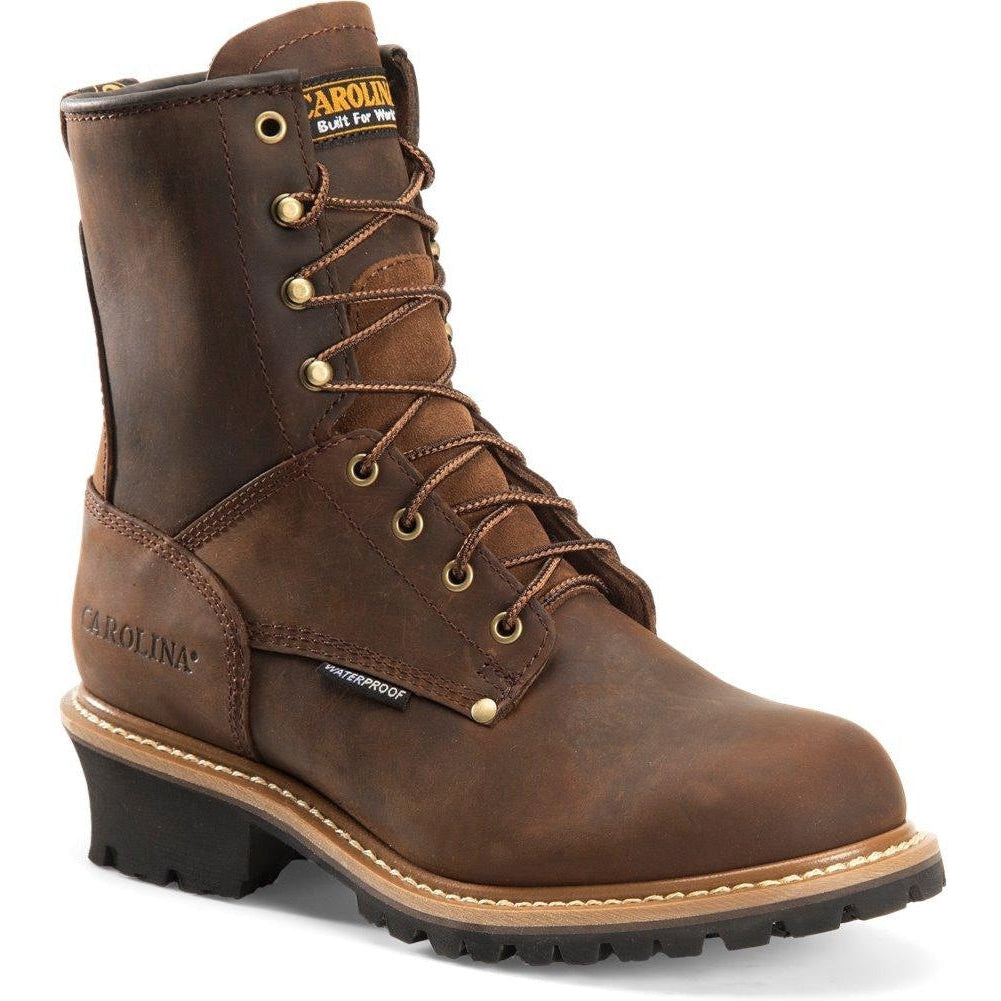

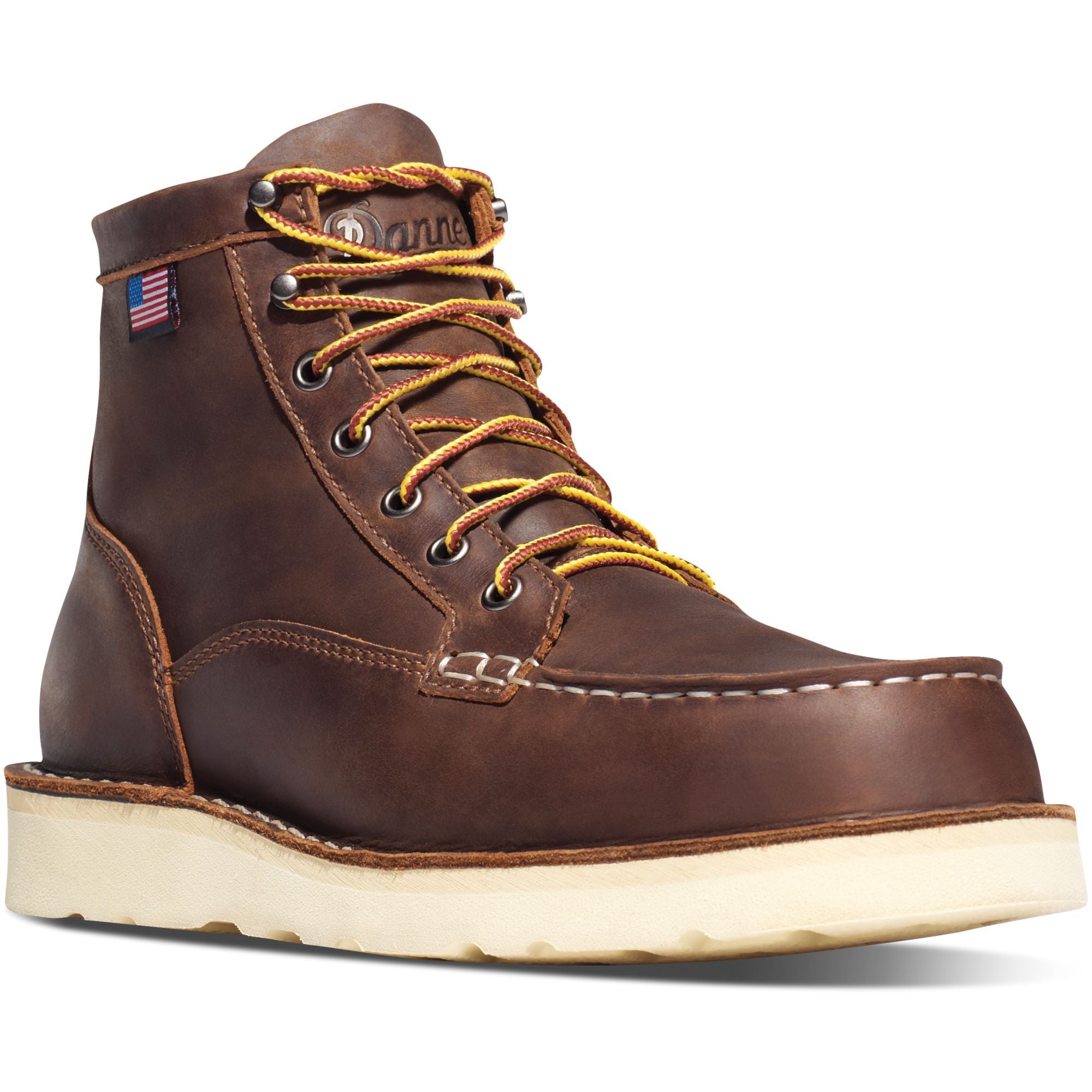
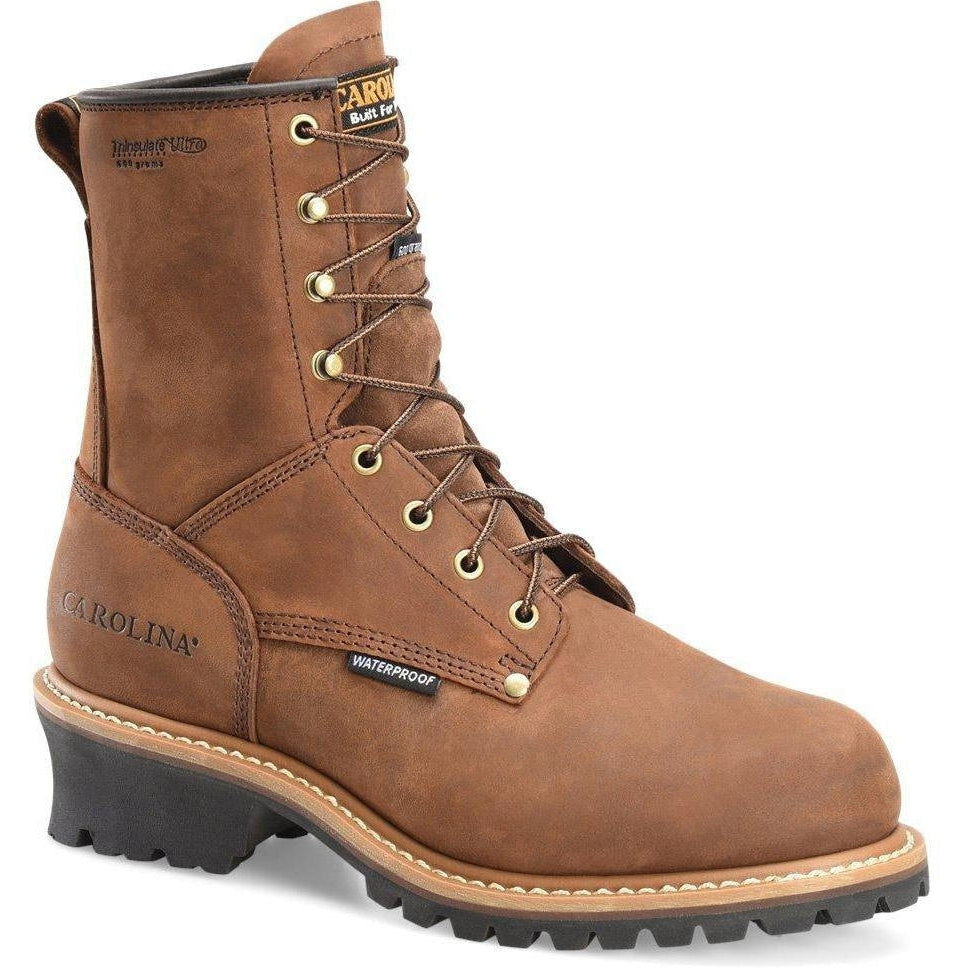
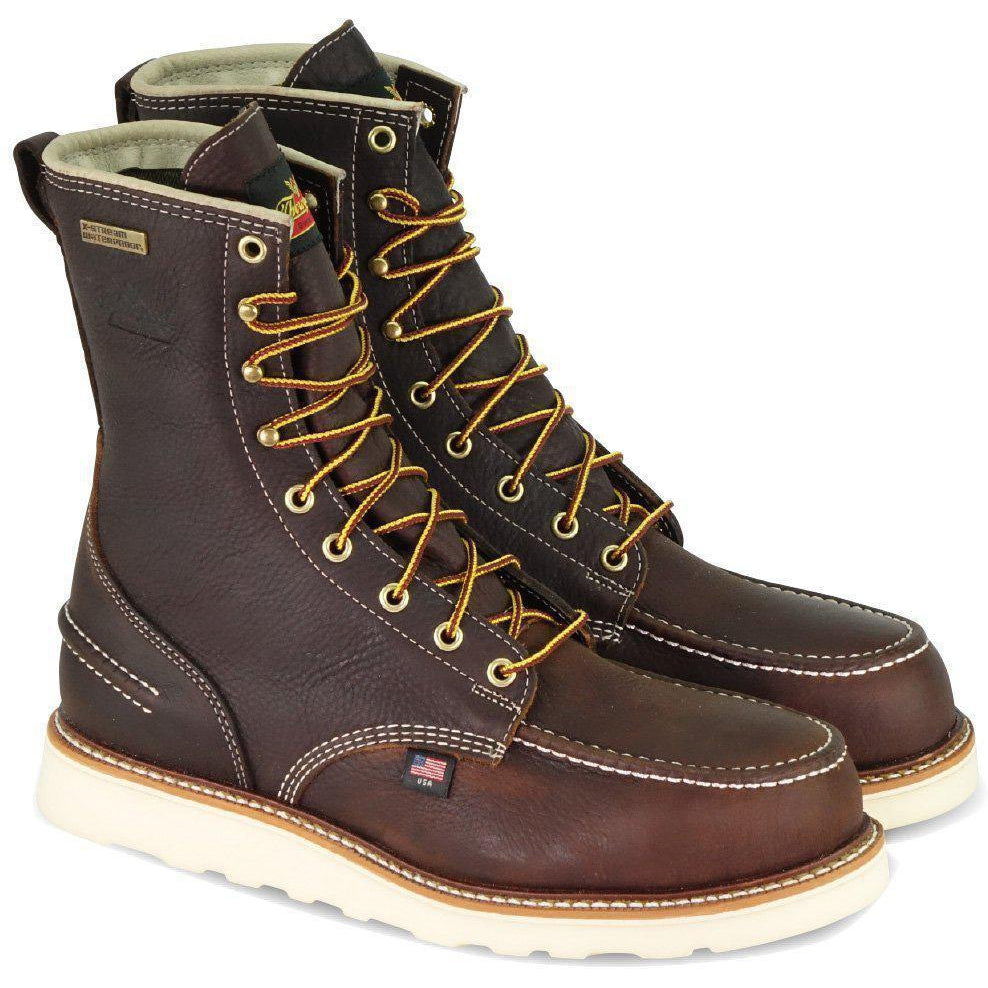
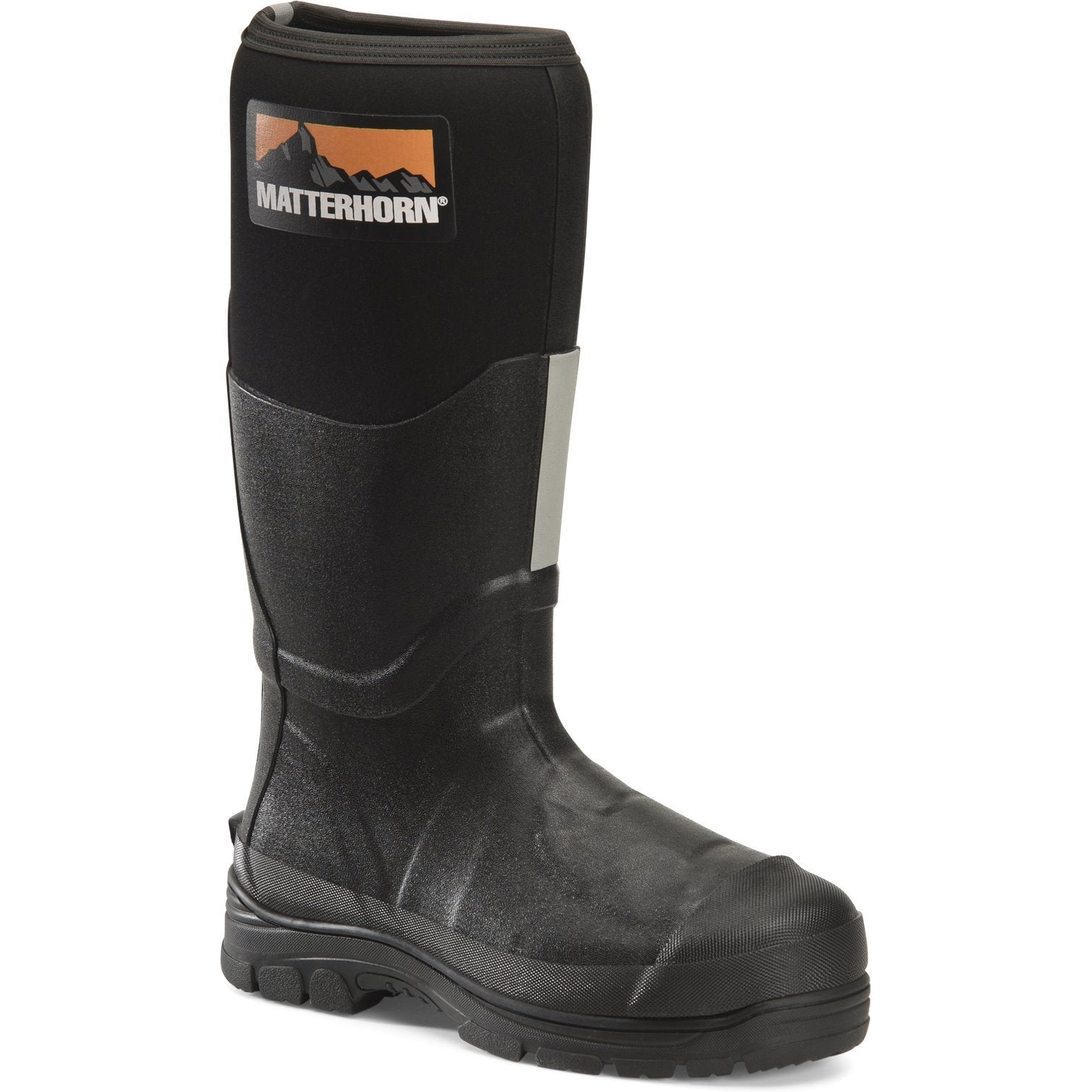

Not every job calls for the same footwear, which is why knowing when and where to wear steel toe boots matters before the workday starts. For hardworking men and women in demanding environments, the right boots do more than protect toes. They support long hours, reduce slips, and stand up to rough conditions without wearing down too soon.
This guide explains steel toe work boots for real-world settings such as construction sites, warehouses, industrial facilities, and rugged outdoor jobs. It also helps workers understand when steel toe protection is the smarter choice for comfort, durability, and workplace safety. Buyers often weigh protection against mobility, especially when they need reliable footwear that does not feel bulky by midday. By the end, you will have a clearer sense of when and where to wear steel toe boots, which features matter most, and how to choose a pair that fits the job.
When You Need Steel Toe Boots for Impact and Compression Hazards
Steel toe boots are made for jobs where falling tools, rolling equipment, and heavy materials pose real risks of toe injuries. In these environments, reinforced toe protection is not optional. It is part of working safely and staying productive.
Common Jobsite Hazards That Call for Steel Toe Protection
Construction sites are one of the clearest examples. Workers move around lumber, concrete materials, power tools, and active equipment every day. A dropped tool or a shifting load can cause an injury quickly. Steel toe boots for construction help reduce that risk while giving workers the confidence to move through busy job sites. Many workers start by comparing steel-toe boots to find the pair that matches the protection level required for their role.
High-Risk Work Environments Where Foot Protection Matters
Warehouse and manufacturing jobs often involve forklifts, heavy inventory, moving equipment, and dropped materials. In these fast-paced environments, steel-toe boots reduce injury risk and support safer movement throughout the shift.
They are a practical choice for anyone working around heavy objects, machinery, or heavy industrial traffic. That includes warehouse teams, mechanics, maintenance crews, construction workers, and many outdoor trade professionals.
With durable materials and built-in toe protection, steel toe boots are more than just basic footwear. They are an everyday essential for safer, more confident work.
[prc-collections-carousel]
Where Steel Toe Boots Make the Most Sense on Slippery or Unpredictable Surfaces
Knowing where to wear steel toe boots is just as important as knowing when to wear them. Some jobs require more than toe protection. They also demand a stable footing on wet floors, oily surfaces, loose dirt, gravel, or uneven outdoor terrain.
Surfaces Where Slip Resistance Becomes Essential
Slip-resistant steel toe boots are especially useful in warehouses, loading docks, service yards, maintenance areas, and outdoor worksites. In these environments, workers need protection from impact while staying steady on wet floors, slick concrete, loose gravel, mud, and uneven ground.
A maintenance worker moving between indoor floors and outdoor service areas needs boots that combine grip, comfort, and toe protection. That same need applies in warehouses and industrial spaces, where slick spots, repeated lifting, and constant movement make a stable footing essential.
Steel toe boots are the right choice for environments such as:
- construction sites with active equipment and falling material
- warehouse floors with pallet movement and forklift traffic
- manufacturing facilities with heavy parts and machinery
- loading docks and service yards with slippery surfaces
- outdoor worksites with mud, rain, gravel, and rough terrain
If your job involves wet, oily, or unpredictable surfaces, the right pair can improve traction, stability, and confidence throughout the day.
When Comfort and Durability Matter as Much as Protection
Protection matters, but it is only part of the equation. For many workers, the better question is not just when to wear steel toe boots. It is whether the boots will still feel supportive after eight, ten, or twelve hours on the job.
Why Long-Shift Support Changes the Buying Decision
All-day comfort matters most for workers on concrete floors, active job sites, and outdoor routes that involve constant movement. Someone working ten-hour shifts outdoors or on concrete surfaces needs more than a tough boot. They need one that still feels supportive late in the day and holds up after weeks of hard wear, not just the first few shifts.
The most comfortable steel toe boots include cushioned midsoles, supportive footbeds, flexible construction in key areas, and a fit that avoids pressure points. These features reduce fatigue during long shifts, especially for workers who spend most of the day standing, walking, lifting, or climbing.
Durability matters just as much. Heavy-duty work boots should be built with long-lasting materials that can withstand repeated use in harsh environments. Durable steel toe boots offer greater long-term value because they remain dependable despite regular exposure to rough surfaces, weather, and jobsite wear. Workers who rely on one pair every day need boots that perform beyond the first week.
This is why steel toe boots are the smarter choice for workers who need a balance of safety, support, and long-term performance. Men shopping for broader job-site options may also want to browse men’s work boots, while women comparing fit and performance can explore women’s work boots. Both should deliver the same combination of toe protection, traction, and dependable comfort without feeling bulky or stiff.
Features That Make Steel Toe Boots Easier to Wear Every Day
When evaluating work boots with steel toe protection, focus on the full picture. Look for supportive cushioning, strong outsole traction, durable uppers, and a fit built for long hours. For reliable support that lasts beyond the first shift, focus on boots built for cushioning, durability, and everyday wear.
Frequently Asked Questions
When Should You Wear Steel Toe Boots at Work?
Wear steel toe boots when your job exposes you to falling tools, rolling equipment, heavy stock, compression hazards, or active work zones where foot injuries are a real risk. They are especially common in construction, warehouse, manufacturing, and outdoor labor settings.
Where Are Steel Toe Boots Most Useful on the Job?
Steel toe boots are most useful on construction sites, warehouse floors, industrial facilities, loading docks, and outdoor worksites. They are especially valuable where workers face impact hazards, uneven ground, or slippery surfaces.
Are Steel Toe Boots Comfortable Enough for All-Day Wear?
Yes, modern steel toe boots are built for all-day wear. The most comfortable options combine toe protection, cushioned support, durable materials, and a fit that reduces fatigue during long shifts.
Do Steel Toe Boots Help on Slippery Surfaces?
Yes, when they include slip-resistant outsoles. Slip-resistant steel-toe work boots are a practical choice for wet floors, oily work areas, loading docks, and outdoor terrain where stable footing matters.