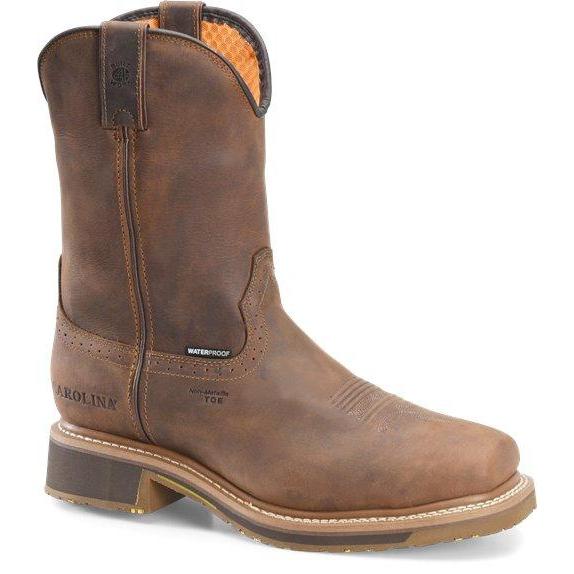
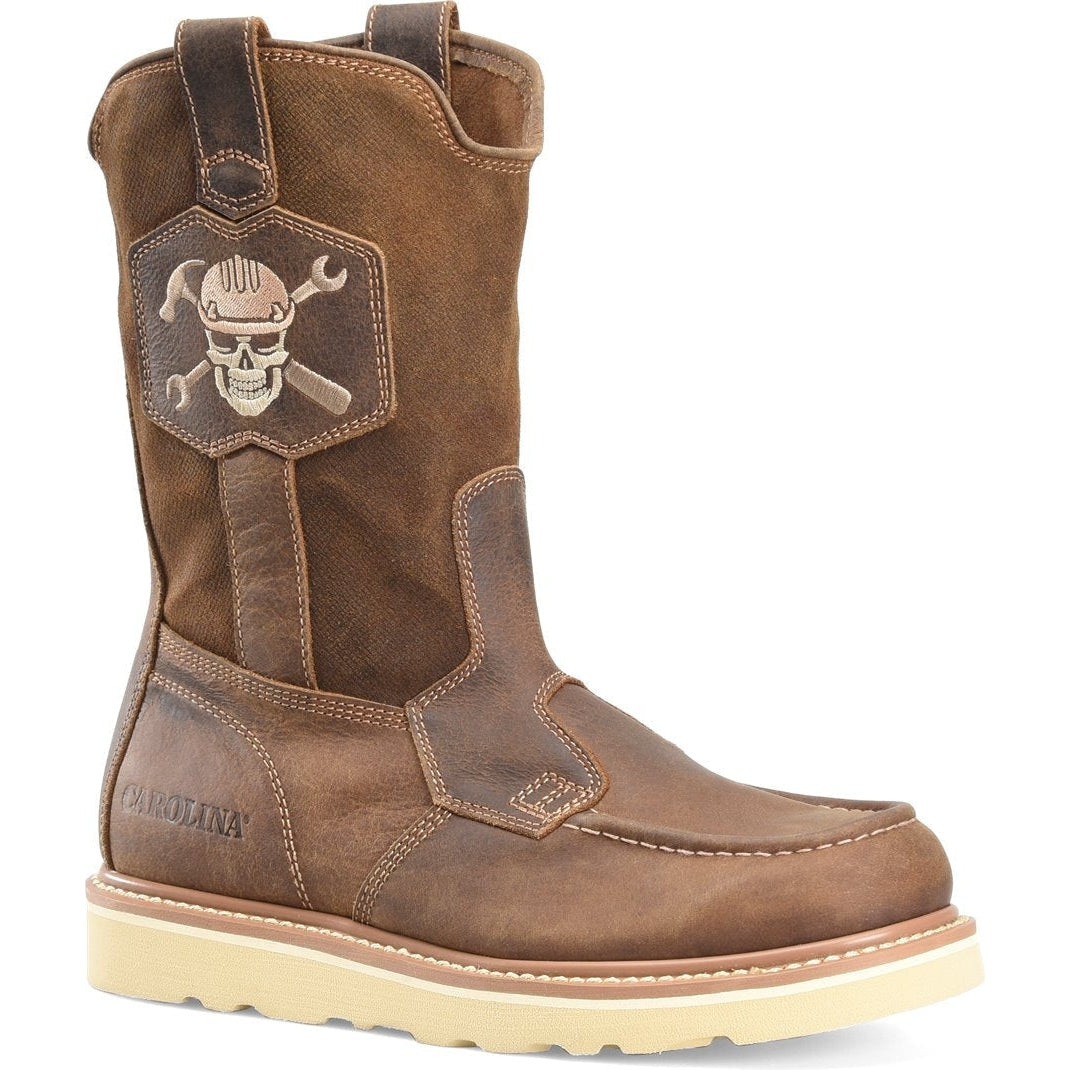
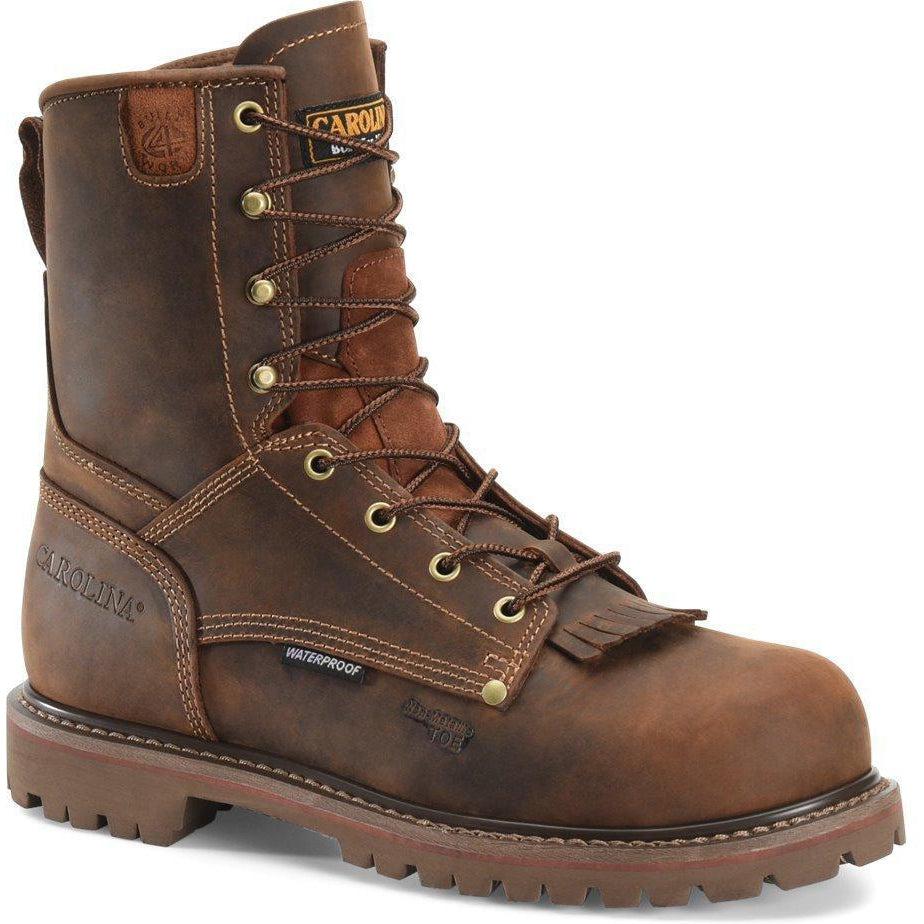
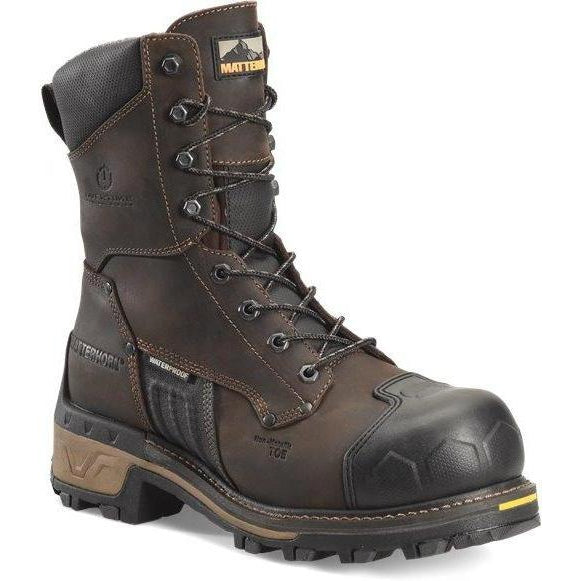
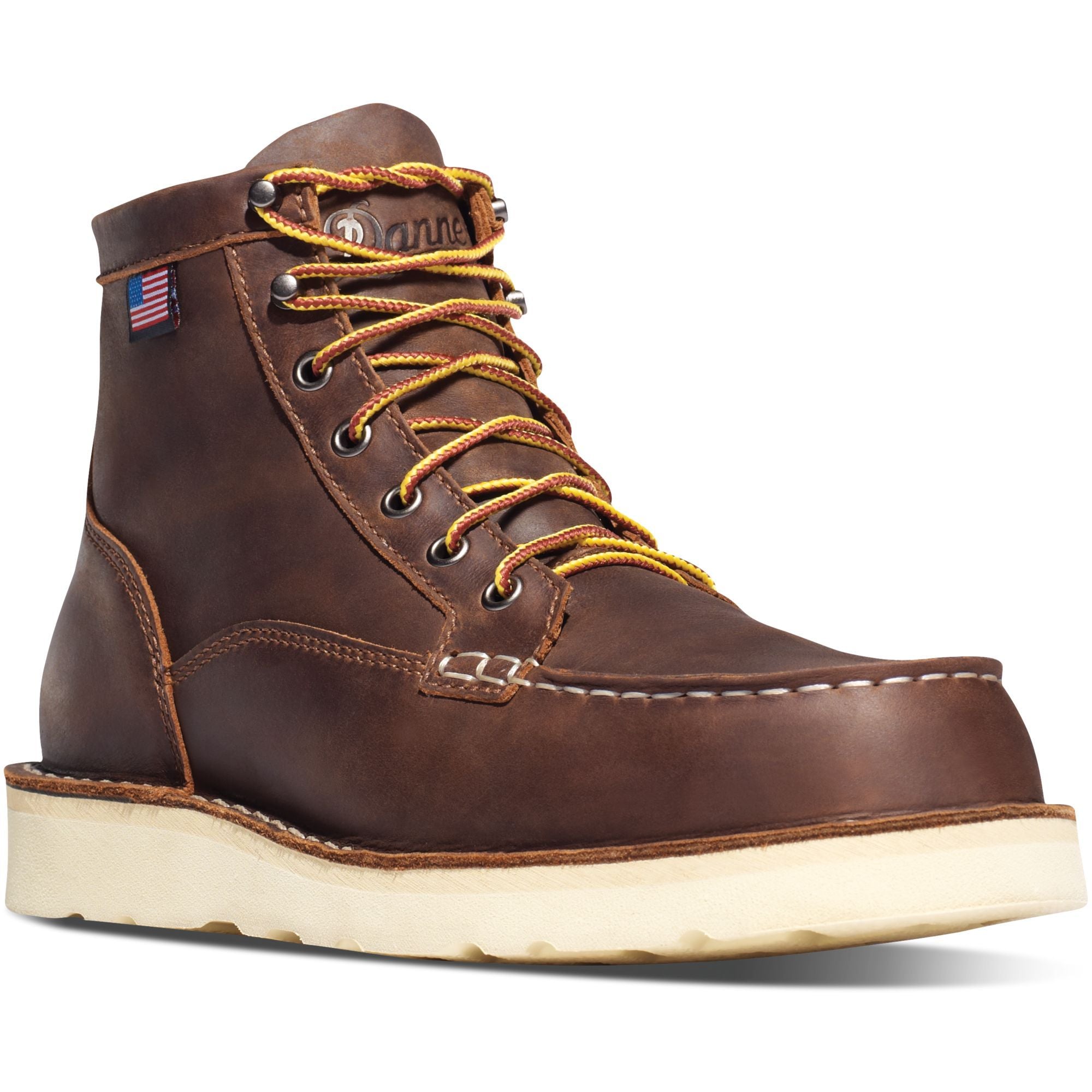
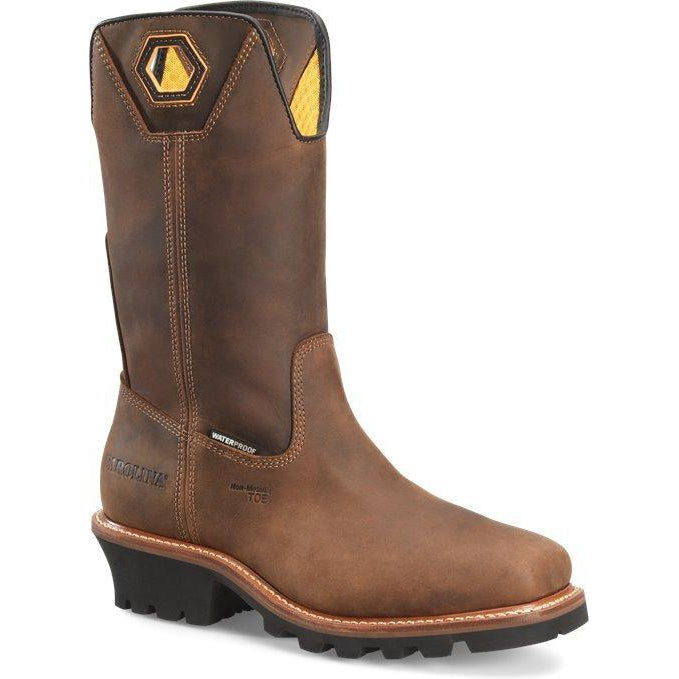
When comparing work boots vs work shoes, the right choice comes down to where you work, the level of protection you need, and how many hours you spend on your feet. For workers in construction, agriculture, oil and gas, and other demanding environments, work boots for men often provide the extra support, toe protection, and jobsite toughness needed for long shifts.
The better option is not the one with the heavier build or the lighter feel. It is the one that matches your job hazards, movement needs, and comfort priorities. Some workers need more ankle support and outdoor durability. Others need flexible, lower-profile footwear that feels lighter through long indoor shifts.
What’s the Difference Between Work Boots and Work Shoes?
Work boots usually offer more ankle coverage, tougher construction, and a more rugged outsole. That makes them a better fit for rough terrain, outdoor work, and jobs where support and durability matter most. Work shoes are lower cut and typically lighter. They are built for flexibility, faster movement, and comfort on hard indoor surfaces. Many also include protective features that make them suitable for use on the jobsite. In simple terms, boots often prioritize protection and support, while work shoes focus more on mobility and reduced weight. That is why many buyers comparing work shoes for men against boots are really deciding between all-day flexibility and heavier-duty protection.
When Work Boots Are the Better Choice
Work boots are usually the stronger option when the job is physically demanding and the environment is unpredictable. If you work outdoors, on uneven ground, in mud, around heavy materials, or in changing weather, boots generally provide more of what you need.
They tend to be the better choice when you need:
- more support on uneven surfaces
- better protection from impact hazards
- stronger traction in wet or muddy conditions
- more stability for long shifts outdoors
For workers in construction, farming, oil and gas, and heavy industry, work boots for men are often the more practical choice because they combine durability, support, and jobsite toughness.
[prc-collections-carousel]
When Work Shoes Make More Sense
Work shoes make more sense when your job requires constant movement, lighter steps, and less bulk. They are often ideal for warehouse teams, delivery drivers, light manufacturing workers, and indoor service roles. A lower-profile design can reduce the heavy, restrictive feel some workers get from tall boots. That can improve mobility and help reduce fatigue during long shifts on concrete or other hard floors.
This is where comfortable work shoes for men become especially relevant. The right pair can still deliver job-ready protection while feeling lighter and more flexible throughout the day.
Safety and Protection: Which Option Keeps You Safer?
Boots are not automatically safer than shoes. The safer option is the one that matches your work hazards.
OSHA requires protective footwear when workers are exposed to risks such as falling objects, rolling objects, punctures, and certain electrical hazards. ASTM F2413 sets performance requirements for protective footwear used in these environments. That means both boots and shoes can meet workplace safety needs, depending on the design and rating.
Choose boots when you need more coverage, stronger support, or better performance in rough outdoor conditions. Choose shoes when you need job-ready protection in a lighter, lower-cut build. For standards-focused shoppers, ASTM-compliant and safety-toe footwear are good starting points.
Comfort and Mobility: Boots or Shoes for All-Day Wear?
Comfort depends on more than cushioning. In work footwear, comfort comes from the right mix of weight, fit, support, and stability.
Lighter work shoes often feel better for workers who walk all day or move constantly through indoor environments. Less weight on your feet can help reduce fatigue over time. Some workers prefer boots because the added structure feels more supportive, especially on uneven ground. If comfort is your top concern, compare both comfortable work boots and comfortable work shoes for men. The better choice depends on whether you need mobility on hard indoor surfaces or more support in tougher outdoor settings.
Which Jobs Are Better for Work Boots vs Work Shoes?
Construction, farming, and oil and gas jobs usually favor boots because of rough terrain, exposure to weather, and the presence of heavy hazards.
Warehouse, delivery, light manufacturing, and some service roles often favor work shoes because the work is faster-paced and more movement-driven. Mixed indoor-outdoor jobs can go either way. In those roles, the right choice depends on the surfaces you walk on, the hazards you face, and whether you need more mobility or more support. For broader role-based guidance, read our guide on choosing the right work boot for your industry.
Low-Cut Boots vs Work Shoes: Is There a Middle Ground?
Low-cut boots can serve as the middle ground between full-height boots and work shoes. They often provide more rugged construction than a typical shoe while allowing better ankle freedom and easier movement than taller boots. For workers who want a blend of protection, flexibility, and versatility, low-cut work boots are worth considering.
How to Choose the Right Option for Your Job
Use this checklist to make the right call:
- What hazards do you face each day?
- Do you need ASTM-rated protection?
- Are you working indoors, outdoors, or both?
- Do you move constantly or stay planted for long periods?
- Do you need extra ankle support?
- Is waterproofing important?
- Are weight and flexibility your top priorities?
If protection, support, and jobsite durability matter most, boots are usually the better choice. If lighter weight, flexibility, and all-day movement matter more, work shoes are often the better fit.
Final Verdict: Are Work Boots or Work Shoes Better?
Work boots are better for tougher environments where support, protection, and stability matter most. Work shoes are better for fast-moving roles where lighter weight and flexibility can improve comfort through long shifts. For many workers, the answer is job-specific rather than absolute. The right footwear is the pair that matches your work conditions, not just the pair with the heavier build or sportier feel.
Frequently Asked Questions
Are Work Shoes Safer Than Regular Shoes?
Yes. Work shoes are made for jobsite demands and may include safety toes, slip resistance, and ASTM-rated protection that regular shoes do not offer.
Are Work Boots Better Than Work Shoes for Construction?
Usually, yes. Construction work often involves uneven terrain, heavy materials, and higher impact risks, which makes boots a stronger fit.
Can Work Shoes Meet Job-Site Requirements?
Yes. Many work shoes are built to meet ASTM standards, depending on the model and its protective features.
Should I Choose Boots or Shoes for Standing All Day?
It depends on your environment. Work shoes can reduce fatigue on indoor hard surfaces, while boots may feel better in rougher conditions where support matters more.