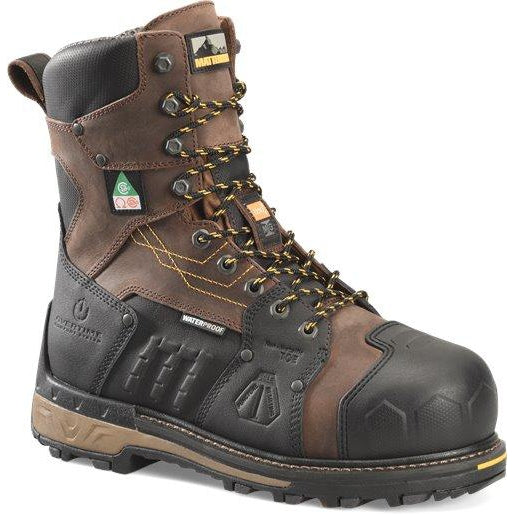
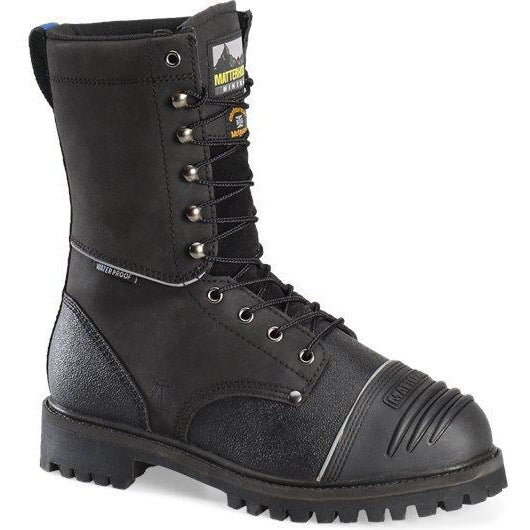
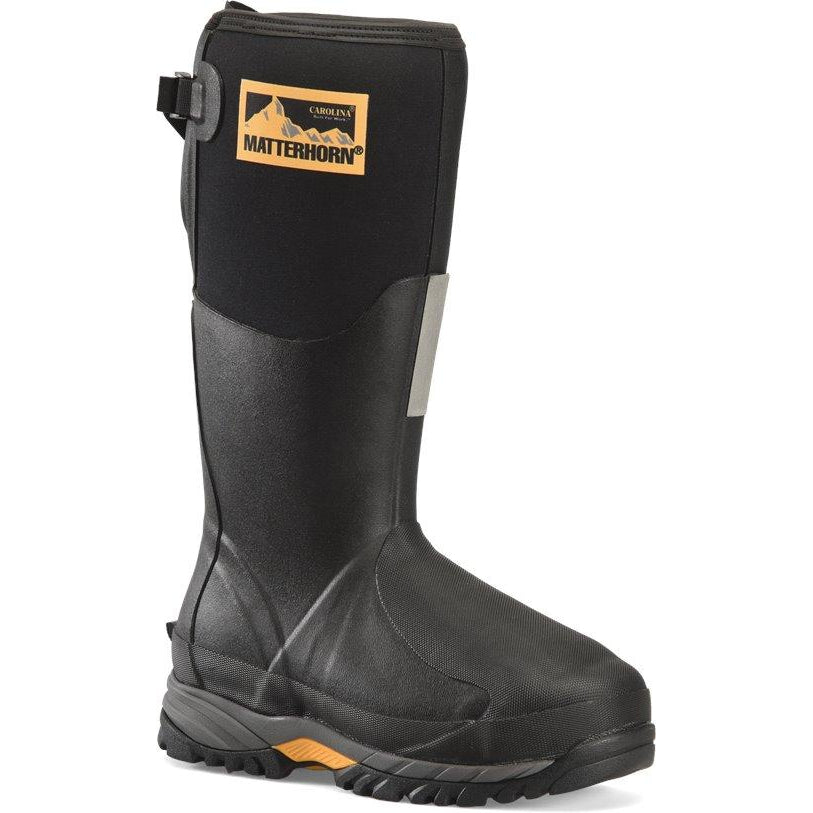
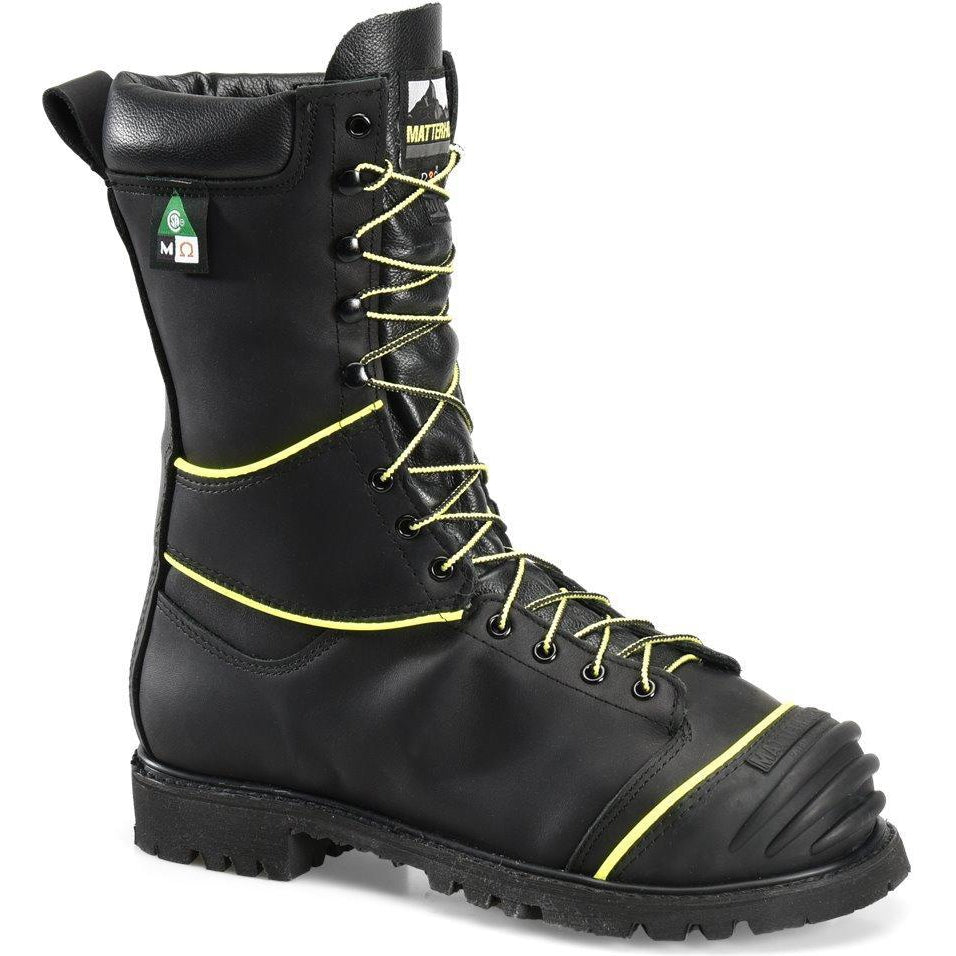
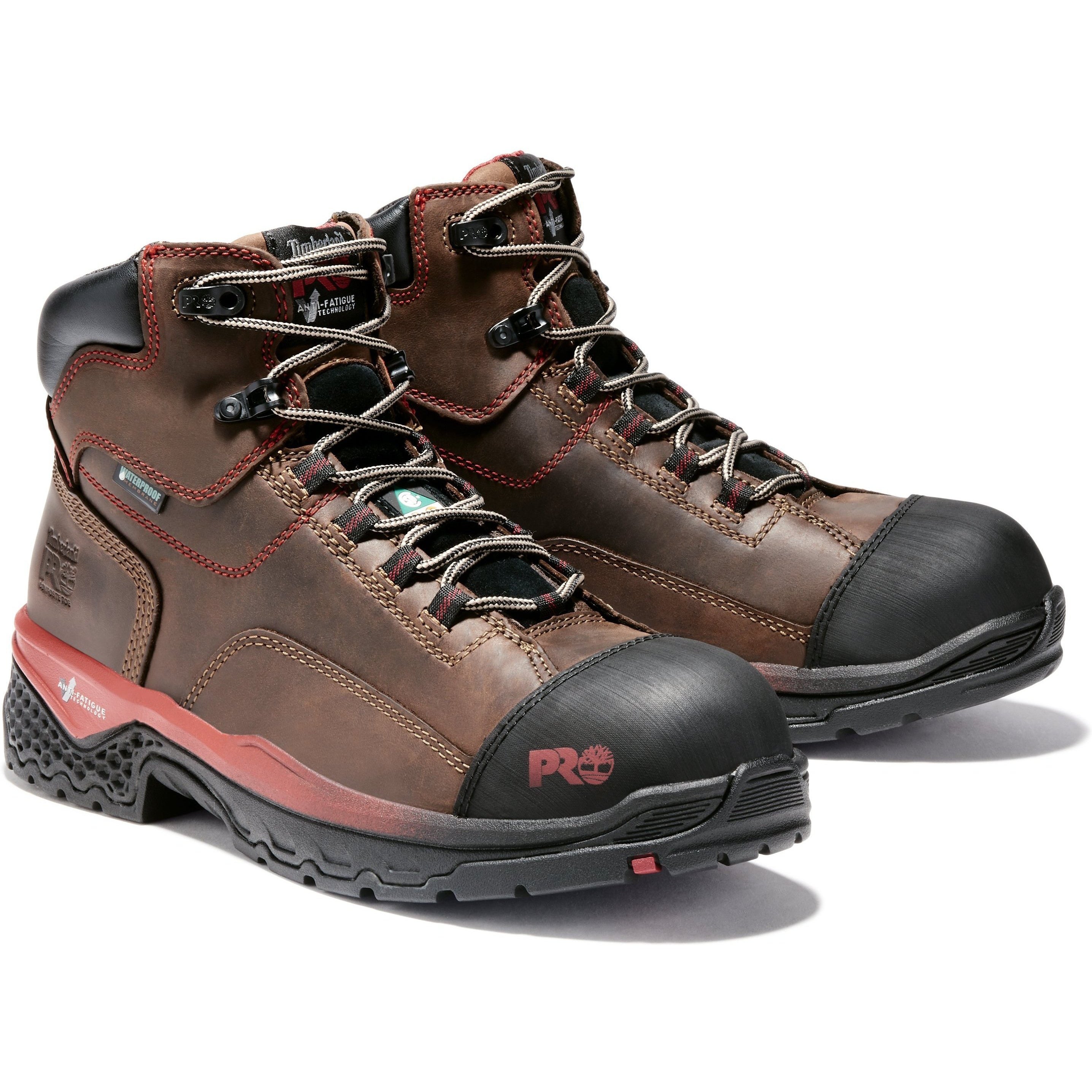
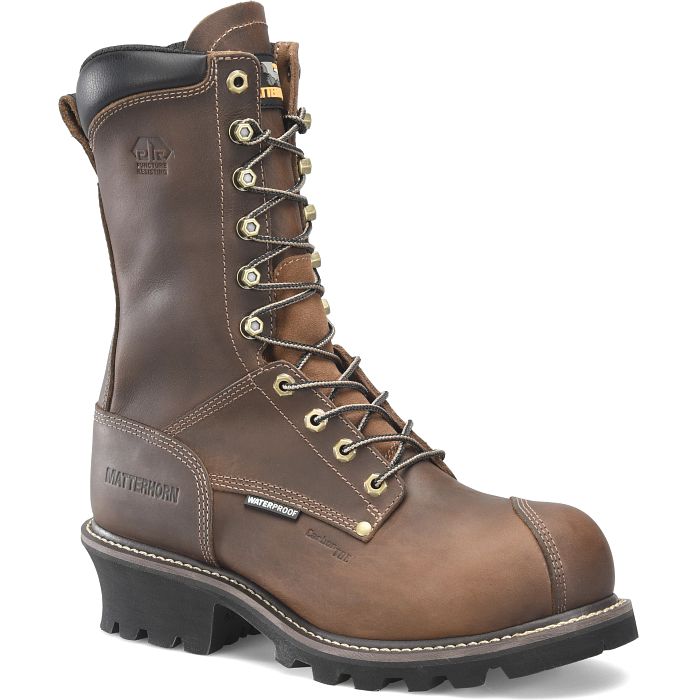
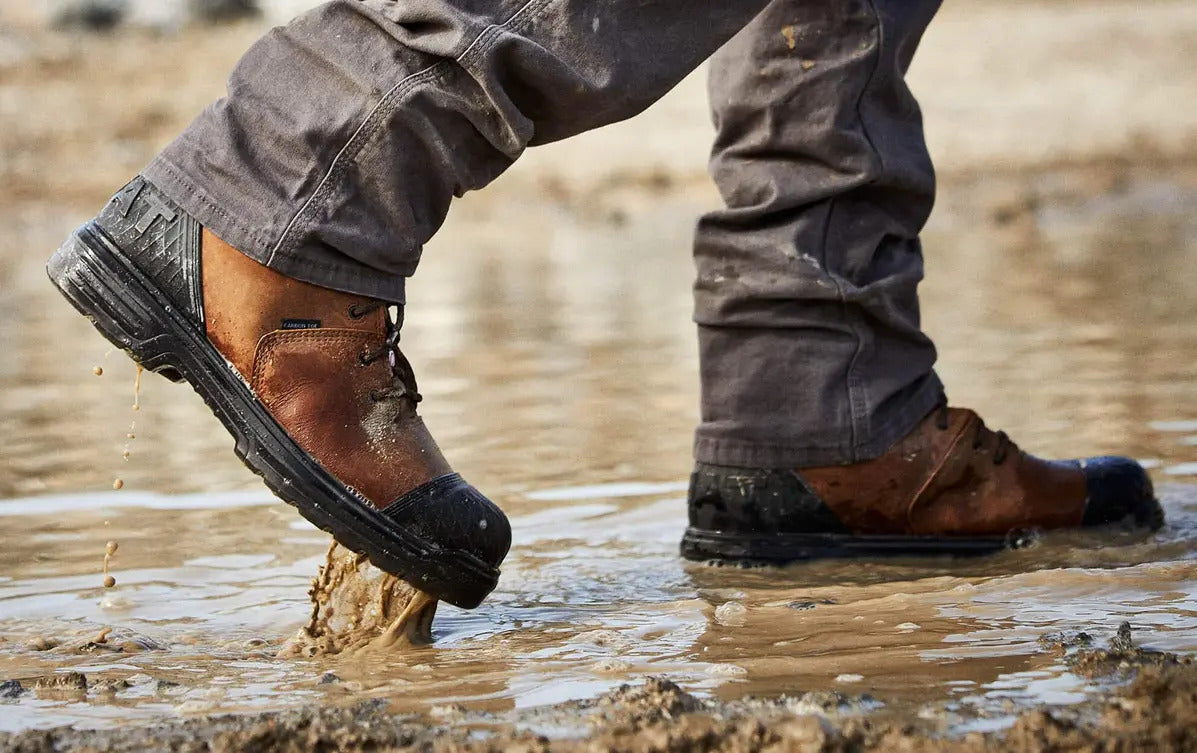
When you work around nails, metal shards, or broken glass, one wrong step can sideline your entire day. So, what are puncture-resistant boots? They’re purpose-built safety boots designed to stop sharp objects from piercing through the sole. For workers in construction, manufacturing, demolition, and landscaping, they offer peace of mind with every step.
These boots feature a protective midsole, typically made from steel or composite materials, that meets or exceeds the ASTM F2413-18 "PR" standard. That means they can withstand over 1,200 newtons of nail penetration force. Whether you're stepping through debris or across rebar, puncture-resistant boots create a barrier between your feet and the ground, protecting your feet from potential hazards.
What Does “Puncture‑Resistant” Mean in Safety Boots?
Puncture-resistant in safety boots refers to a footwear feature designed to prevent sharp objects from penetrating the sole and causing injury to the foot. These boots meet specific testing standards, primarily ASTM F2413-18 in the U.S., which define the strength and construction required to classify a boot as puncture-resistant.
Puncture-Resistant vs. Standard Outsoles
Not all boots labeled “work boots” offer this kind of protection. A standard rubber or EVA outsole may be comfortable or slip-resistant, but without a reinforced midsole, it offers little defense against sharp intrusions. That’s why it is important to answer the question: What are puncture-resistant boots, and how are they built to protect you?
Steel Plate vs. Composite Midsole
- Steel plate midsoles are the traditional choice. They provide maximum puncture protection and are extremely durable, ideal for demolition or construction safety boots.
- Composite midsoles, on the other hand, provide a lighter and more flexible alternative. Made from materials like Kevlar or advanced thermoplastics, they resist corrosion and won’t set off metal detectors, making them ideal for airport-safe safety boots or metal-free work boots.
Each material has its benefits. Steel offers top-tier puncture protection, while composite offers a blend of flexibility, lightweight comfort, and non-conductive properties, perfect for boots with electrical hazard protection.
Common Work Hazards: What These Boots Shield You From
Puncture-resistant boots are specifically engineered to guard against a range of sharp hazards that threaten your safety on the job. Whether you're navigating an active demolition site or maintaining equipment in a manufacturing plant, the risks are real, and they’re often hiding in plain sight.
Nails, Shards, and Debris: Real-World Threats
Some of the most common puncture hazards include:
- Nails protruding from wooden planks
- Sharp metal fragments from sheared parts or machinery
- Broken glass left behind from demolition or construction cleanup
- Jagged rebar ends and splintered fencing
- Screws, staples, and wire scraps scattered on factory or warehouse floors
Without proper protection, a single misstep could cause any of these hazards to penetrate through a standard sole. But with puncture-resistant work boots, that same step becomes worry-free.
Industry-Specific Risks
Different industries face different threats. Here’s how puncture-resistant safety boots respond to each:
- Construction & Demolition: Nails, screws, and metal offcuts are daily hazards. Steel midsole boots provide unmatched protection here.
- Landscaping: Thorns, glass shards, and buried debris pose danger. Lightweight safety boots with composite midsoles offer flexibility without sacrificing safety.
- Manufacturing & Warehousing: Stray hardware, sharp packaging tools, and metal filings can cause injury. Anti-puncture work boots with slip resistance help minimize accidents during quick-paced shifts.
- Airport Ground Crew & Maintenance: Foreign object debris (FOD) and metal components on tarmacs demand puncture-proof shoes that are also non-metallic and EH-rated.
When you understand what puncture-resistant boots are designed to do, it becomes clear they’re not just protective gear; they’re peace of mind.
[prc-collections-carousel]
Types of Puncture‑Resistant Boots
Depending on your job site, comfort needs, and safety requirements, you’ll find a range of options built to match your workday challenges. Here’s a breakdown of the most common types, along with what sets them apart.
Steel Midsole Work Boots
Steel midsole boots are the go-to for maximum protection. A thin steel plate is embedded between the outsole and the footbed, forming an impenetrable barrier against sharp hazards. These are often favored for boots for high-risk job sites where heavy-duty hazards are frequent.
Composite Midsole Boots (Non-Metallic)
Composite toe puncture boots, or boots with composite midsoles, utilize materials such as Kevlar, ballistic nylon, or high-strength plastics. While slightly more flexible than steel, many composite midsole boots now meet or exceed the same ASTM F2413-18 PR puncture resistance standards.
Metal-Free Work Boots
Some workers, especially electricians or airport crew, require non-metallic safety boots. These eliminate all metal components, including eyelets and shanks, while still offering full puncture-resistant protection.
- Great for minimizing magnetic interference
- Often combined with slip-resistant and EH-rated features
Choosing the right type depends on your needs: heavy-duty steel for maximum security, or composite for a balance of safety and flexibility. And no matter the style, they’re tailored tools for your line of work.
Features to Look For When Choosing Puncture‑Resistant Boots
When it comes to selecting the best puncture-resistant boots, it’s not just about the midsole. To ensure full protection and lasting comfort, several key features should be considered, especially when comparing multiple pairs across various job functions and environments.
ASTM-Rated Safety (Impact + Puncture)
First and foremost, ensure the boots meet the ASTM F2413-18 standards. Look for both:
- Impact protection (I/75 C/75), safeguards toes from heavy falling objects
- Puncture resistance (PR) confirms that the midsole meets puncture strength tests
The most reliable way to confirm if a boot is puncture-resistant is by checking for ASTM F2413-18 markings inside the tongue or printed on the packaging. The letters “PR” indicate that the boot has passed standardized puncture resistance testing. No “PR” mark? It likely lacks a protective midsole.
Slip Resistance and EH Protection
Many puncture-resistant safety shoes are also built to combat secondary hazards:
- Slip-resistant outsoles help prevent falls on slick or oily surfaces
- EH-rated boots protect against electrical shock when working around live circuits
These combined safety attributes make a significant difference in unpredictable environments such as warehouses, outdoor job sites, and industrial plants.
Heat and Blade Resistance
For added durability, consider boots with:
- Heat-resistant soles (good for asphalt, welding, roofing)
- Blade-resistant fabrics (beneficial in landscaping or areas with sharp vegetation or tools)
Some models also feature steel-toe, puncture-resistant boots that provide double protection against impact and penetration.
Comfort, Fit, and Boot Height
Safety doesn't mean sacrificing comfort. Look for:
- Cushioned insoles and flexible outsoles for long shifts on hard floors
- Breathable lining to keep feet dry in hot conditions
- Mid or high shaft height to prevent debris in-fill or ankle instability
For physically demanding jobs, these factors can be the difference between staying focused or being distracted by foot pain.
Whether you're shopping for puncture-proof shoes that keep you moving or nail-resistant boots that keep you safe, combining these features ensures you get protection that performs just as hard as you do.
Real‑World Use Cases: Industries That Rely on Puncture‑Resistant Safety Shoes
Construction & Demolition
Picture a roofer descending a ladder onto a site scattered with old framing nails and broken shingles. Without proper protection, one step could mean a hospital visit. But with nail-resistant boots equipped with steel midsoles, the risk is neutralized.

For these environments, we recommend the Matterhorn Klondike CV12000 10″ Steel-Toe Puncture-Resistant Boot, which features a non-metallic puncture-resistant insole, a steel safety toe, and ASTM-rated EH protection. This is an ideal combination for full-foot protection on demolition sites.
Landscaping & Groundskeeping
Landscapers often navigate hidden thorns, glass shards, or stray wire, hazards that a typical athletic shoe won’t resist.

The Georgia OT 6″ Composite-Toe Waterproof Puncture-Resistant Work Boot offers lightweight comfort and mobility, featuring a woven composite puncture-resistant plate, composite safety toe, waterproof lining, and EH rating, making it perfect for demanding outdoor jobs.
Warehousing & Manufacturing
In fast-paced warehouse or plant environments, stray staples and tools pose constant threats.

The Ariat Sierra 10″ Steel-Toe Puncture-Resistant Boot features a metal-free puncture-resistant insole, steel toe, slip resistance, and EH protection, making it well-suited for environments with powered equipment and frequent foot traffic.
Airport Ground Crews
Working around tarmacs introduces foreign object debris, like nails, bolts, and sheet metal, that can puncture through conventional soles. Airport crews require boots that are safe for the airport, metal-free, and puncture-resistant, combining lightweight comfort with safety.

The Chippewa Serious Plus 6″ Composite Toe Waterproof Metguard Lace-Up Work Boot features a built-in composite midsole for protection and metal-free components, making it ideal for these environments.
Ready to Step Into Safer Ground?
Explore Overlook’s full line of puncture-resistant boots, including steel toe, composite, and EH-rated options for every kind of jobsite. Because when the ground fights back, your boots should fight harder.
Frequently Asked Questions
Do I Need to Replace My Puncture‑Resistant Boots?
Replace them when you notice sole separation, midsole soft spots, or significant tread wear. On average, they should be replaced every 6–12 months with regular use in hazardous environments.
What Should I Look for When Choosing Puncture‑Resistant Boots?
Look for ASTM PR certification, a steel or composite midsole, and additional features like slip resistance, EH rating, and toe protection. Comfort, boot height, and breathability are also important factors to consider, depending on your job.
What is the Most Puncture‑Resistant Leather?
Full-grain leather is the most puncture-resistant leather. It offers high durability and abrasion resistance, especially when combined with internal midsoles for full foot protection.