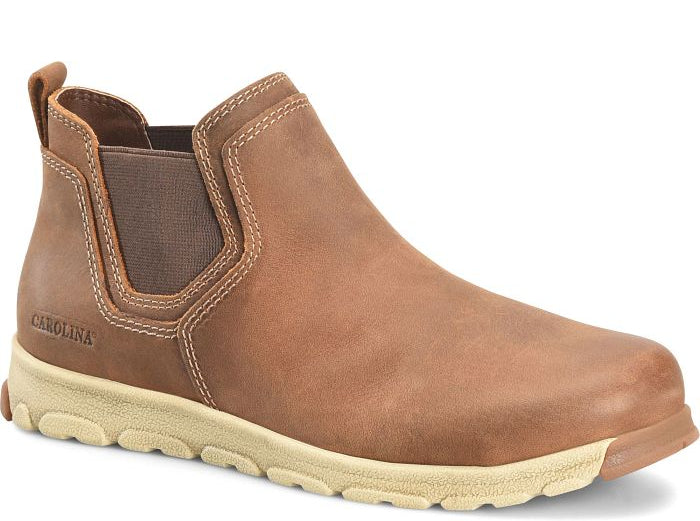
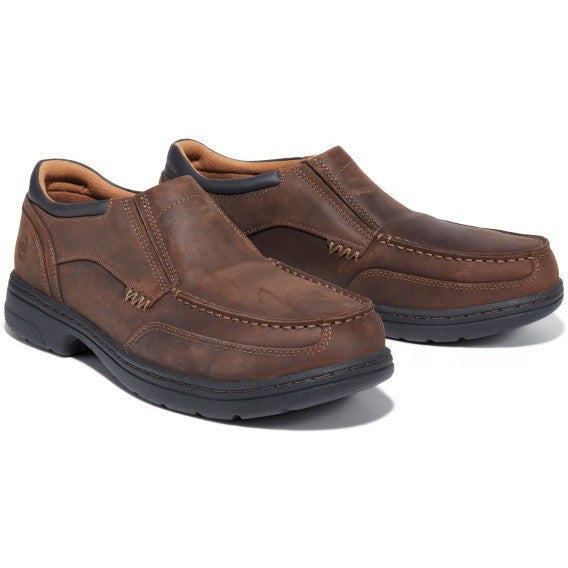
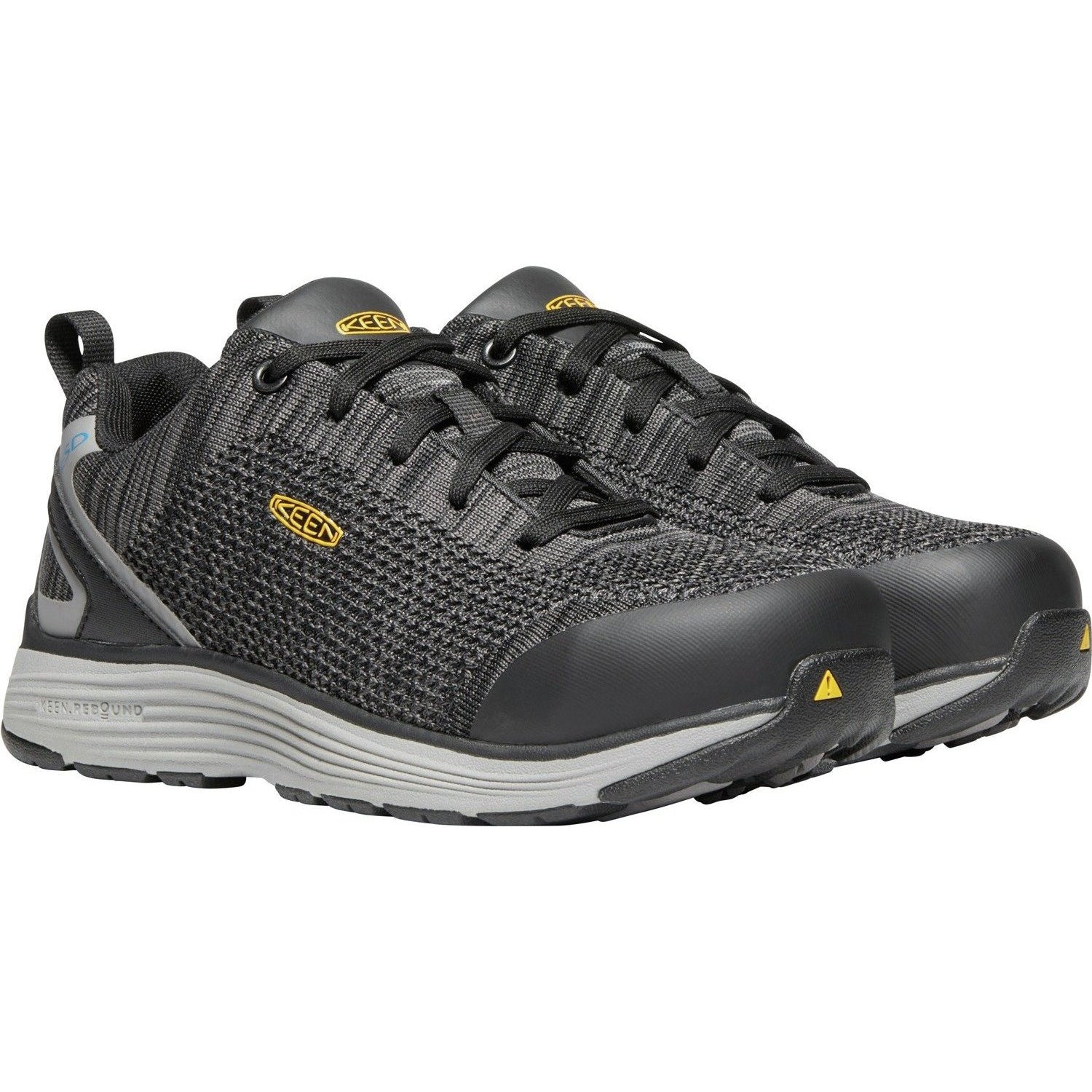
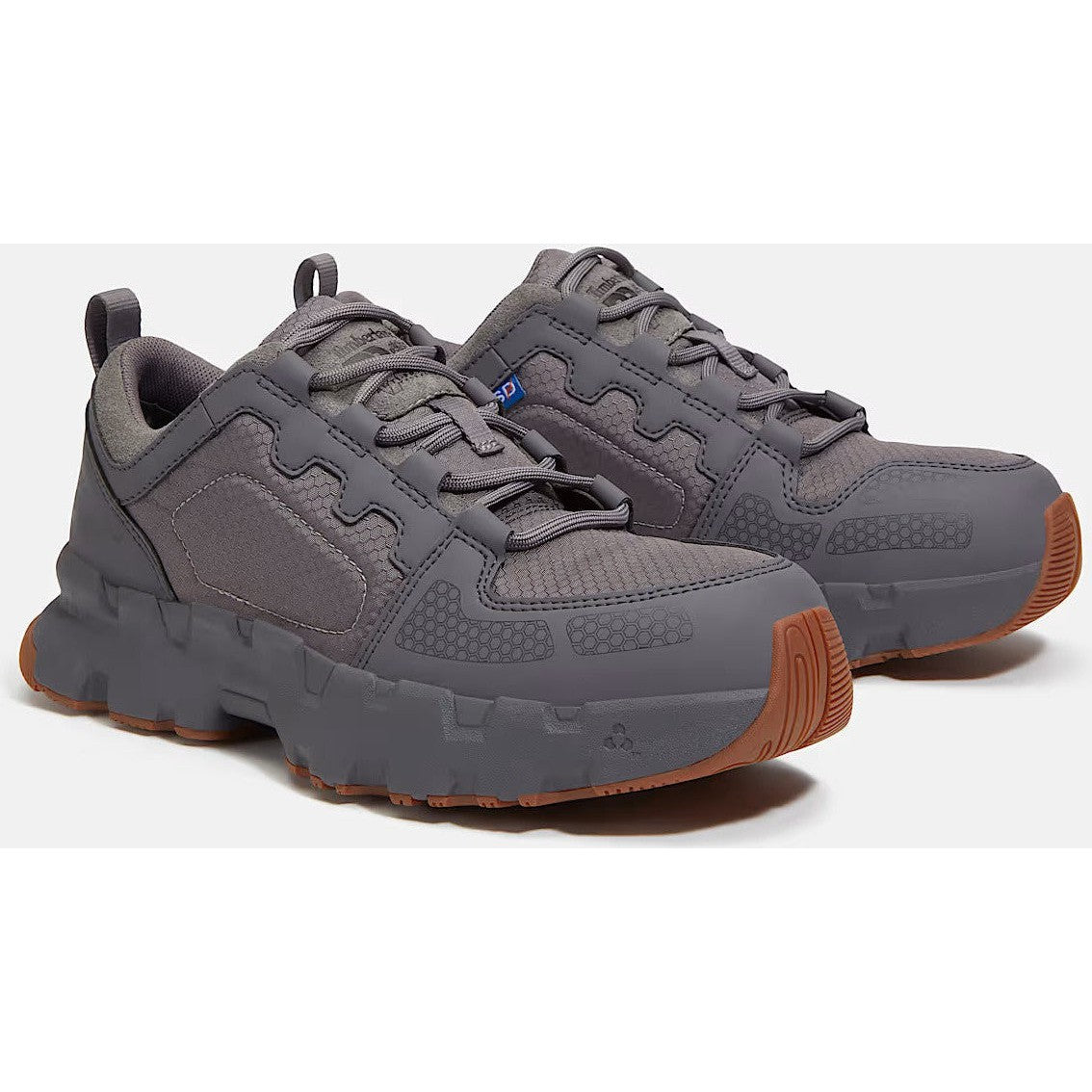
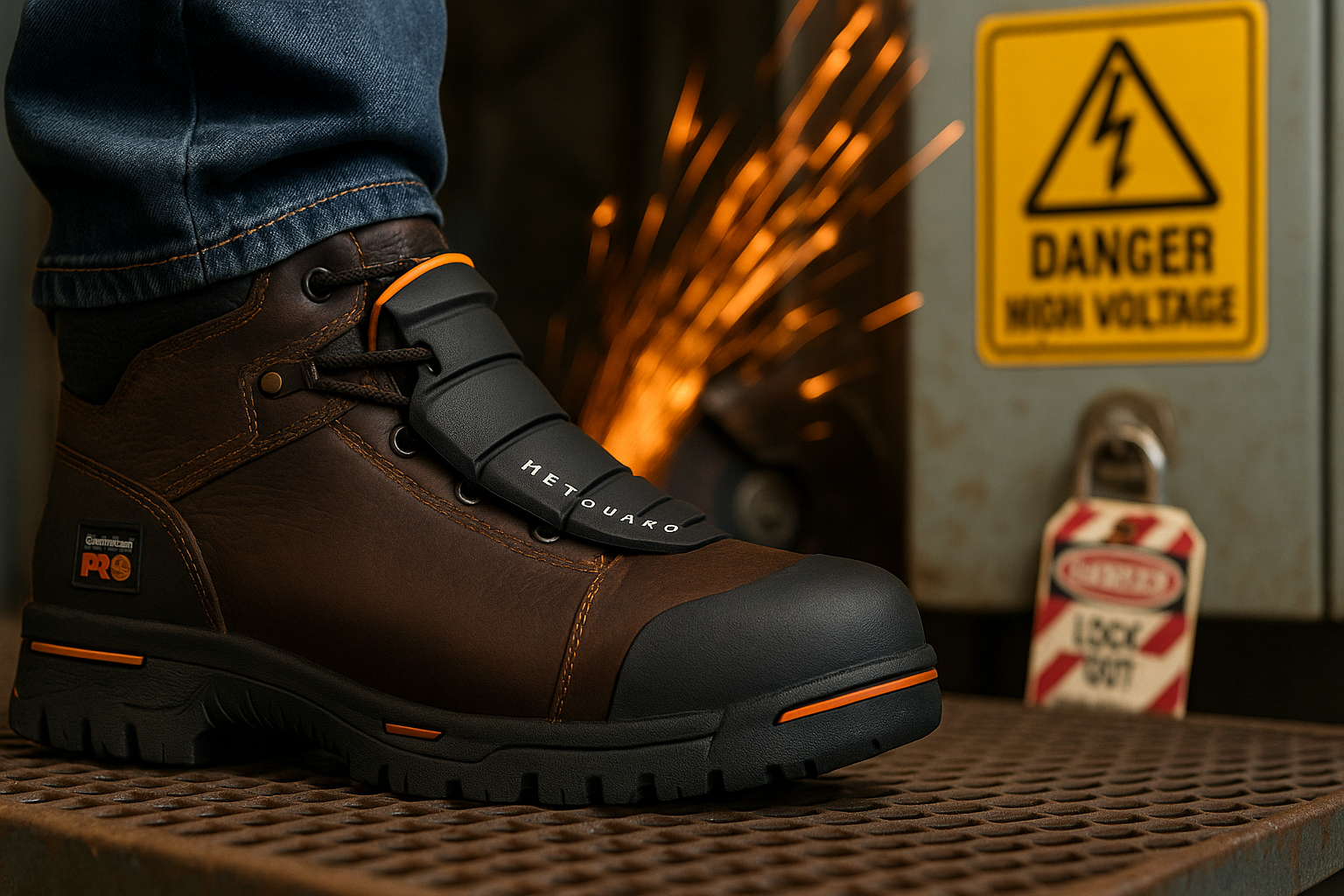
When it comes to electrical safety, the wrong choice of a work boot could cost you more than just comfort. Two of the most misunderstood safety features in footwear are EH (Electrical Hazard) and ESD (Electrostatic Discharge) protection. They sound similar, but they guard against very different risks.
In this guide, we’ll break down the real difference between EH and ESD boots, who needs which, and how to make the right call when buying your next pair. Whether you're working around live circuits or delicate electronics, knowing the distinction could save your job or your life.
Quick Answer: Buy By Hazard, Not Hype
If a tiny spark could ruin parts or create a fire risk, you’re shopping for ESD/SD. If there’s any chance of contact with live electricity, you’re shopping EH.
-
Static-Sensitive Work? Choose ESD/SD, Shop ESD Shoes
-
Live-Electricity Risk? Choose EH (Per ASTM F2413), Shop Electrical Hazard Boots
Are ESD and EH the same? No. ESD controls static. EH helps reduce shock risk. Opposite problems, different solutions.
Side-By-Side: ESD vs. EH Comparison
|
Attribute |
ESD / SD Footwear |
EH (Electrical Hazard) Boots |
|
Primary Hazard |
Static discharge that can damage electronics or ignite vapors |
Electric shock from contact with energized parts |
|
How It Works |
Dissipates tiny body charges in a controlled way to ground |
Uses non-conductive soles/heels to help insulate you from the ground (dry conditions) |
|
Typical Jobs |
Electronics assembly, semiconductor, avionics, labs, fuel/solvent handling |
Construction electricians, plant maintenance, utilities, power gen, line work |
|
Labels To Check |
“ESD” or “SD” on tag/spec (site may test footwear) |
“EH” on tongue/spec (secondary protection within safe work practices) |
|
Can One Boot Do Both? |
Generally, no, ESD wants a path to ground |
EH wants to block the current; choose by the primary hazard |
What Does Each Rating Actually Mean?
What Does ESD Mean On Boots?
Electrostatic Discharge control. ESD/SD footwear maintains your body’s resistance within a safe window, allowing tiny charges to bleed off harmlessly. In an ESD Protected Area, measures are in place to prevent “zap” moments that can cause boards to fry or create ignition points. Facilities often verify footwear to ANSI/ESD STM9.1 or IEC 61340 procedures, so expect periodic testing at the door or in your workplace.
What Does It Mean If A Boot Is EH Rated?
Electrical Hazard insulation. EH outsoles/heels are constructed from non-conductive compounds that help interrupt the current if you come into contact with a live source. They’re secondary protection, you still follow lockout/tagout, PPE, and training. Always confirm the EH mark on the product tag/spec (don’t assume based on looks).
[prc-collections-carousel]
Real-World Use Cases
-
ESD makes sense when handling circuit boards, avionics harnesses, medical electronics, or working around solvents/fuels where a spark is unacceptable. Floors, mats, and garments form the primary system; footwear supports it as you move.
-
EH makes sense when you’re near energized panels, switchgear, or power tools. If accidental contact is possible, EH is part of a wider electrical safety plan.
Can one boot do both? Not realistically. Because one wants to connect you to ground (ESD) and the other wants to separate you from it (EH), you’ll pick the rating for your primary hazard and rely on facility controls for anything else.
ESD Footwear Essentials
What Is The Difference Between ESD And Non-ESD Shoes?
ESD controls static; non-ESD doesn’t. Non-ESD footwear can allow charge to build up until it arcs (sometimes audibly). That snap can destroy sensitive components or become an ignition source. If your work is static-sensitive, non-ESD footwear is the wrong tool.
What Are The Two Kinds Of ESD? (System Vs. Footwear)
-
Primary System: grounded floors/mats, ESD garments, wrist/heel straps, and monitoring.
-
Secondary Support: ESD/SD footwear that keeps your resistance in range while you walk and work.
A quick note on conductive footwear: it offers very low resistance for narrow, explosive-risk use cases. Do not select it unless your employer specifies it.
Can I Wear My ESD Shoes Outside?
Follow your facility policy. Outdoor dust, oil, and moisture can compromise the product's resistance and reduce its life expectancy. If outside use is permitted, clean and retest regularly. Many workplaces require work-only ESD footwear.
[prc-collections-carousel]
How To Tell If A Boot Is Good Quality
-
Uppers: Look for full-grain leather or durable performance textiles that retain their shape and structure.
-
Build: Solid stitching or bonded construction, a supportive shank, and a heel counter that doesn’t collapse.
-
Outsole: Match the compound to your floor, considering smooth concrete, wet/oily vs. mixed surfaces.
-
Labeling: Verify the actual mark, ESD/SD or EH, on the tongue/spec. If it’s not printed, it’s not real.
Red flags: Vague specs, outsoles that chalk or crack early, zero-width options when you need E/EE, or “cushion” that packs out by week two.
Frequently Asked Questions
What Is The Difference Between EE And ESD?
Two different worlds. EE is a width (extra-wide). ESD is an electrical property. You can have EE-width ESD shoes or E-width EH boots. Width doesn’t change the rating.
Does Width Affect EH/ESD Ratings?
No. Ratings are based on materials, construction, and testing, not width. Select a suitable fit for comfort and a corresponding rating for the hazard.
How Long Do ESD Shoes Last?
Follow facility tests and wear indicators; retire pairs that fail or show excessive wear.
How Long Do ESD Shoes Last?
Replace with the tester results, not the calendar. Many facilities test ESD footwear daily or weekly, retire pairs that fail or show excessive wear. Keep your soles clean and dry to maintain optimal performance.
Quick Care Tips That Protect The Rating
Wipe soles, avoid silicone-heavy treatments on dissipative areas, and replace insoles with ESD-compatible parts. For EH, condition the leather, inspect the watch heel/tread wear, and retire the pair when the structure breaks down.