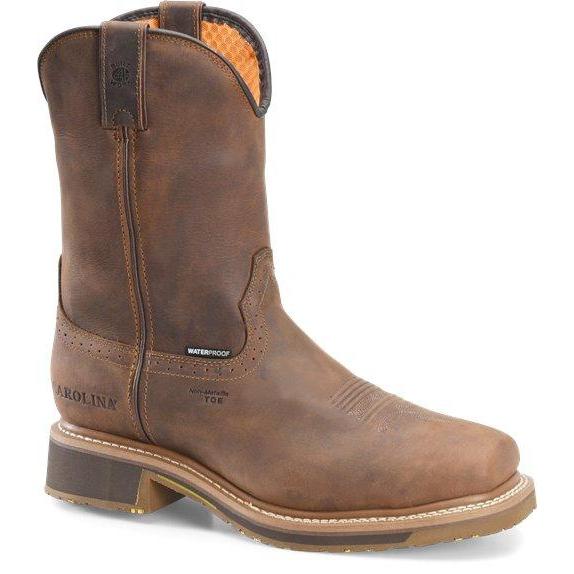
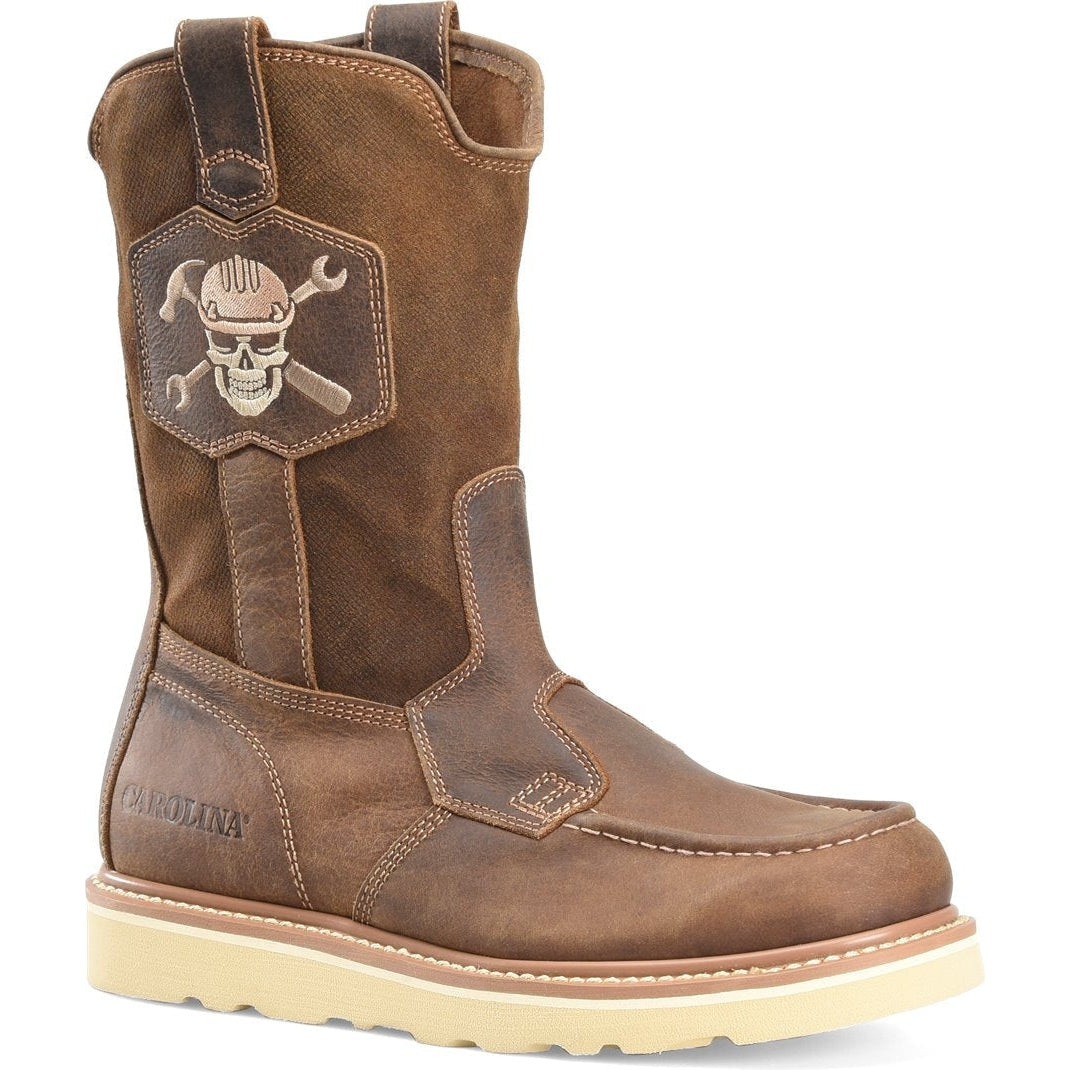
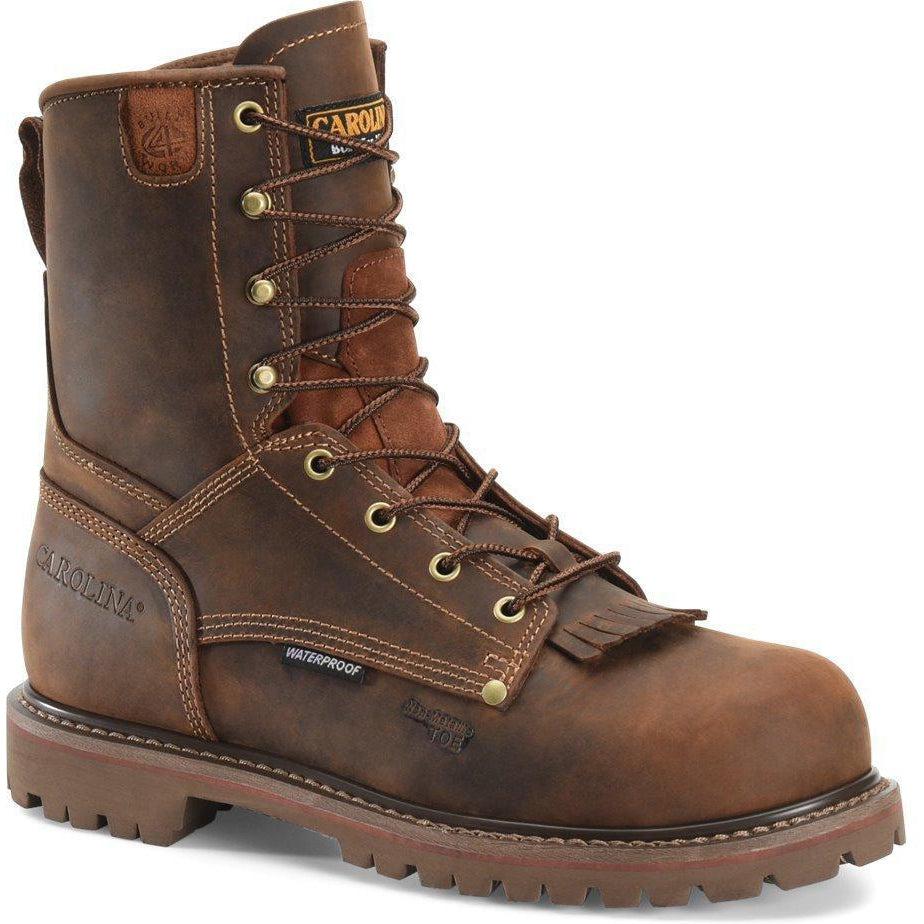
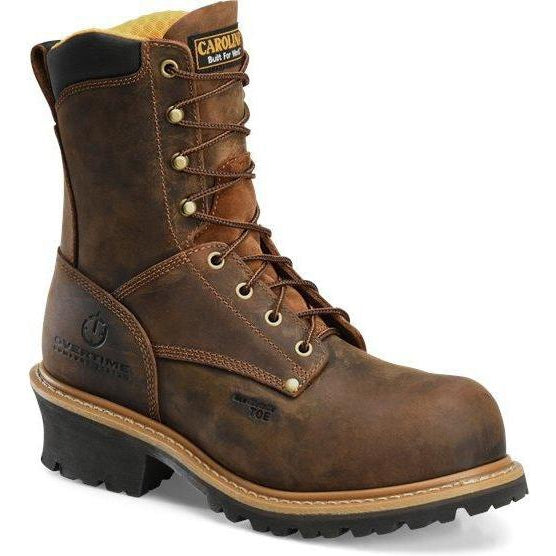
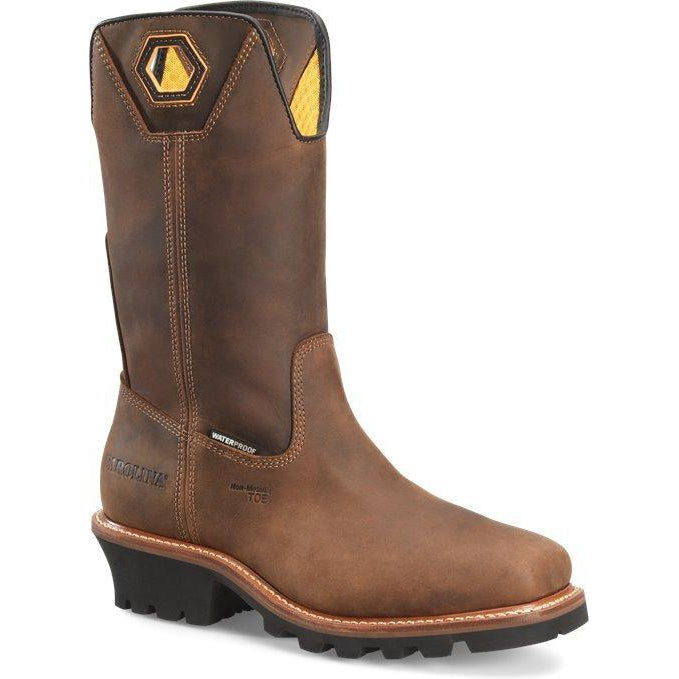
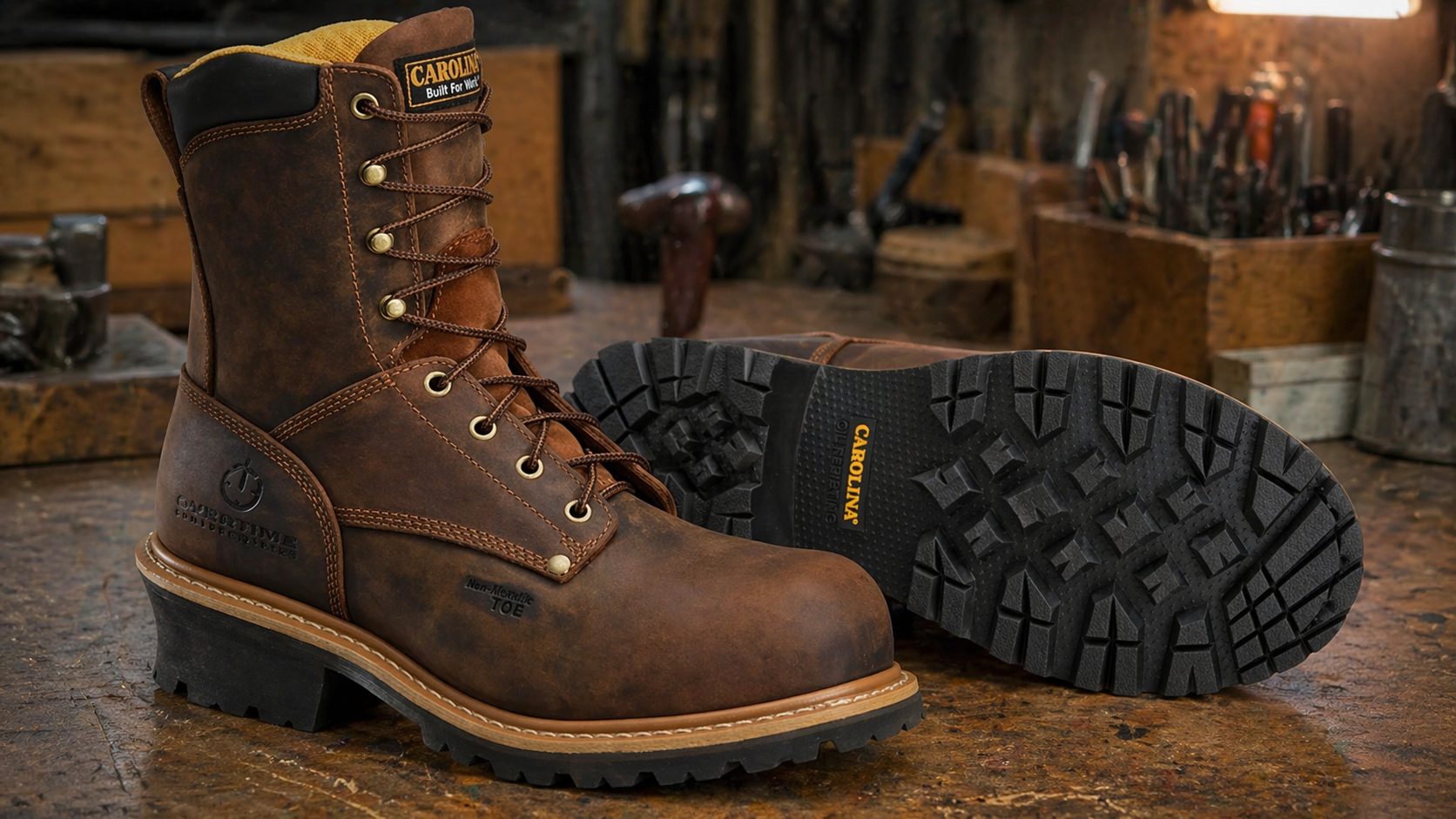
If the soles on your favorite pair are worn smooth but the upper still feels solid, you are asking the right question. A lot of workers hit the point where the tread is gone, and the heel is chewed up, but the boots still fit better than anything new off the shelf. For many pairs of men work boots, resoling can be the smarter move because it lets you keep the broken-in comfort you already trust. That matters for any worker who needs men's work boots that hold up on concrete, gravel, and rough jobsite surfaces. The key is knowing which boots are actually repairable and when repair work no longer makes financial sense. Not every pair follows the same repair path. If your current pair is too far gone, starting with a better-built replacement can save you money over time.
Can Men's Work Boots Be Resoled? It Depends on the Construction
Yes, many men's work boots can be resoled, but construction decides a lot. In general, boots built with Goodyear welt or stitchdown construction are better resole candidates than heavily glued pairs. Boots with repair-friendly builds give you better options than heavily glued pairs. Cracked insoles and major structural damage can make resoling a poor investment.
A Goodyear welt uses a stitched strip around the boot's edge to connect the upper and outsole, allowing for future repairs. Stitchdown construction flares the leather upper outward and stitches it down, which also supports later repair work. Cement construction relies mainly on adhesive to hold the outsole in place. That keeps costs down, but limits long-term repair options.
A quick field check helps. Look for visible stitching around the outsole edge. Inspect the welt area for a defined stitched connection. Then look at the upper. If the leather upper still has structure and the boot still supports your foot well, a resole is worth pursuing. That is common with workers who grind through the tread and heel edges before the rest of the boot is done. If you are replacing a pair that has already run its course, pull-on work boots can be a practical option for easier on-and-off wear on busy job days.
When Should You Resole Work Boots Instead of Replacing Them?
The best time to resole work boots is when the sole is worn down, but the rest of the boot is still sound. You are not trying to save a dead pair. You are trying to extend the life of a pair that still has a strong upper, stable fit, and enough support to justify the repair.
Signs Your Boots Are Worth Resoling
Smooth tread, worn heels, early sole separation, and reduced traction are normal signs that a work boot is ready for sole replacement. For workers on concrete all day, it is common to lose grip and cushioning before the upper looks rough. If the leather upper is still holding shape and the insole is not breaking down, resoling work boots lets you keep a pair that already fits your foot.
That is why condition matters as much as construction. Normal outsole wear is one thing. Structural failure is another.
Signs It Is Time to Replace Them
Replacement makes more sense when the upper is badly cracked, the lining is worn through, the insole has failed, or the boot has lost its shape and support. Severe water damage can also push a pair past the point where repair is worthwhile.
That is the practical dividing line. A worn-out sole is fixable. A boot with a failing structure is not.
[prc-collections-carousel]
Is It worth Resoling Men's Work Boots in 2026?
For the right pair, yes. Most workers do not just want to know whether they can resole work boots. They want to know if it is worth the money, the downtime, and the trouble. If the boot is repairable, resoling work boots protects the value of a pair that is already broken in and trusted on the job.
That matters because replacing boots resets the break-in process. A new pair may look good out of the box, but it still has to prove itself through long shifts, ladder work, kneeling, driving, and daily wear. A resole lets you keep fit and flex your foot, as it already knows.
Still, there are limits. If the pair started as a lower-cost glued boot with weak long-term repair potential, or if the entire structure is worn down, replacing it may be the smarter call. The real value question is how long the boot can keep doing the job. A cheaper pair that cannot be repaired costs more over time than a better-built boot that lasts. Workers who prefer a taller pull-on profile may find Wellington work boots a better match for the job.
What to Look for in Work Boots if You Want Better Long-Term Value
If you want more life from your next pair, pay attention to how the boot is built before you buy it. Outsole attachment matters. Leather upper quality matters. Support matters. Repair-friendly construction matters.
Welted and stitchdown boots are stronger long-term options for workers who want the chance to resole men's work boots later. That does not mean every welted pair is automatically worth rebuilding, but it does mean you start with a better repair path than you do with many cemented boots.
Think about your work environment, too. If you spend long days in and out of trucks, barns, and wet ground, pull-on and Wellington styles may be better suited to the job. If slick shop floors, oil, or wet concrete are part of your day, slip-resistant options deserve a hard look. Long-term value is not just about whether a boot can be repaired. It is also about whether it matches the work you do every day.
A boot that cannot hold its structure will not suddenly become a great long-term buy because it was cheap upfront. A better-built pair gives you more useful wear, more support, and a better chance of repair later. If your current pair is beyond repair, the smarter move is to choose a replacement that gives you a stronger starting point.
Frequently Asked Questions
How Do I Know if Work Boots Can Be Resoled?
Check the construction before buying. Resole work boots typically list Goodyear welt, stitchdown, or welted construction in the specs. Cemented soles are harder to rebuild. Look for stitched edges around the outsole when comparing men's work boots.
What Types of Work Boot Construction Can Be Resoled?
Goodyear welt, stitchdown, and some direct-attach boots can be resoled. The key detail is how the outsole connects to the upper. Welted and stitched builds work best for tradesmen who need long-term durability from daily jobsite footwear.
Are Goodyear Welt Work Boots Best for Resoling?
Yes, Goodyear welt work boots are one of the best choices for resoling. The welt creates a stitched connection between the upper, midsole, and outsole. That makes repairs cleaner for heavy-use construction, farm, and shop work.
When Should Work Boots Be Resoled Instead of Replaced?
Resole work boots when the outsole is worn but the upper is still solid. Full-grain leather, intact stitching, and a stable heel counter are worth saving. Replace the boot if the upper is cracked, torn, or no longer supports your foot.
How Much Life Can Resole Work Boots Add for Daily Jobsite Use?
Resoling can add serious service life when the upper is still strong. A new rubber outsole restores traction, oil resistance, and ground contact. That helps workers in construction, oil and gas, mining, and commercial fishing get more value from men's work boots.