Save 5%
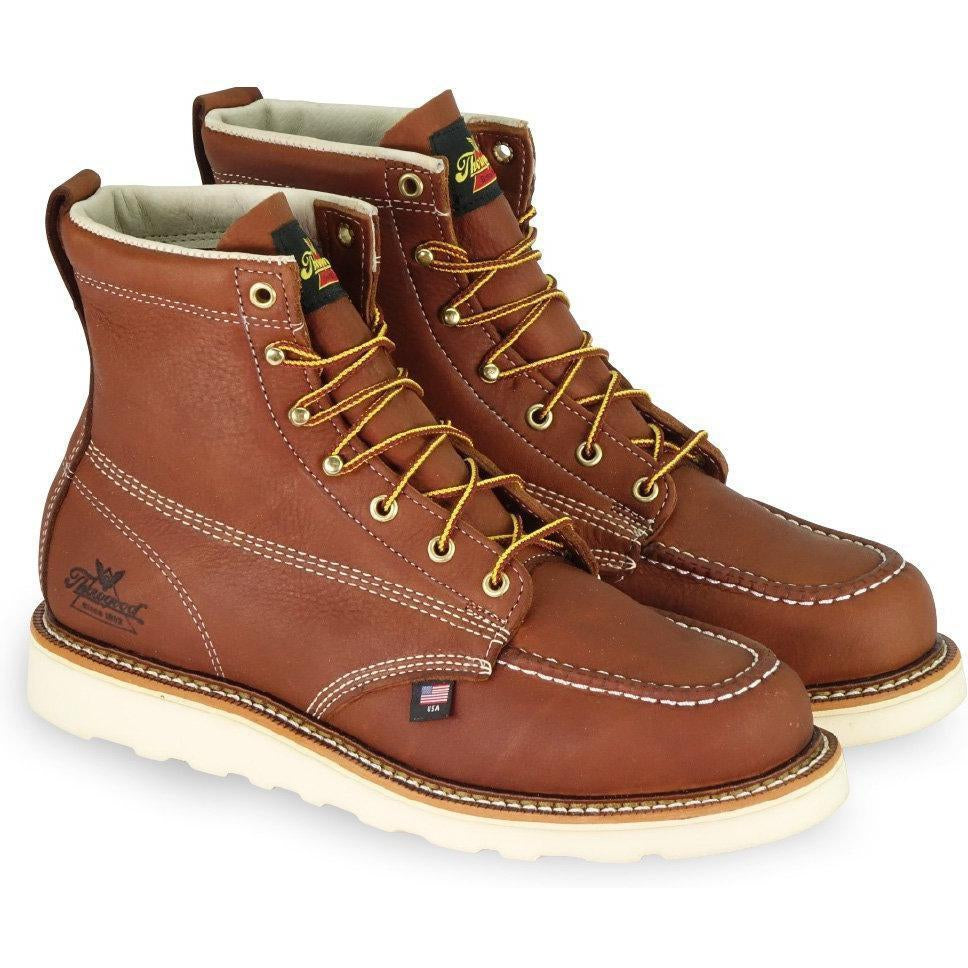
Sale price$264.95
Regular price$280.00
Thorogood Men's USA Made American Heritage 6" Wedge Work Boot - 814-4200
Save 5%
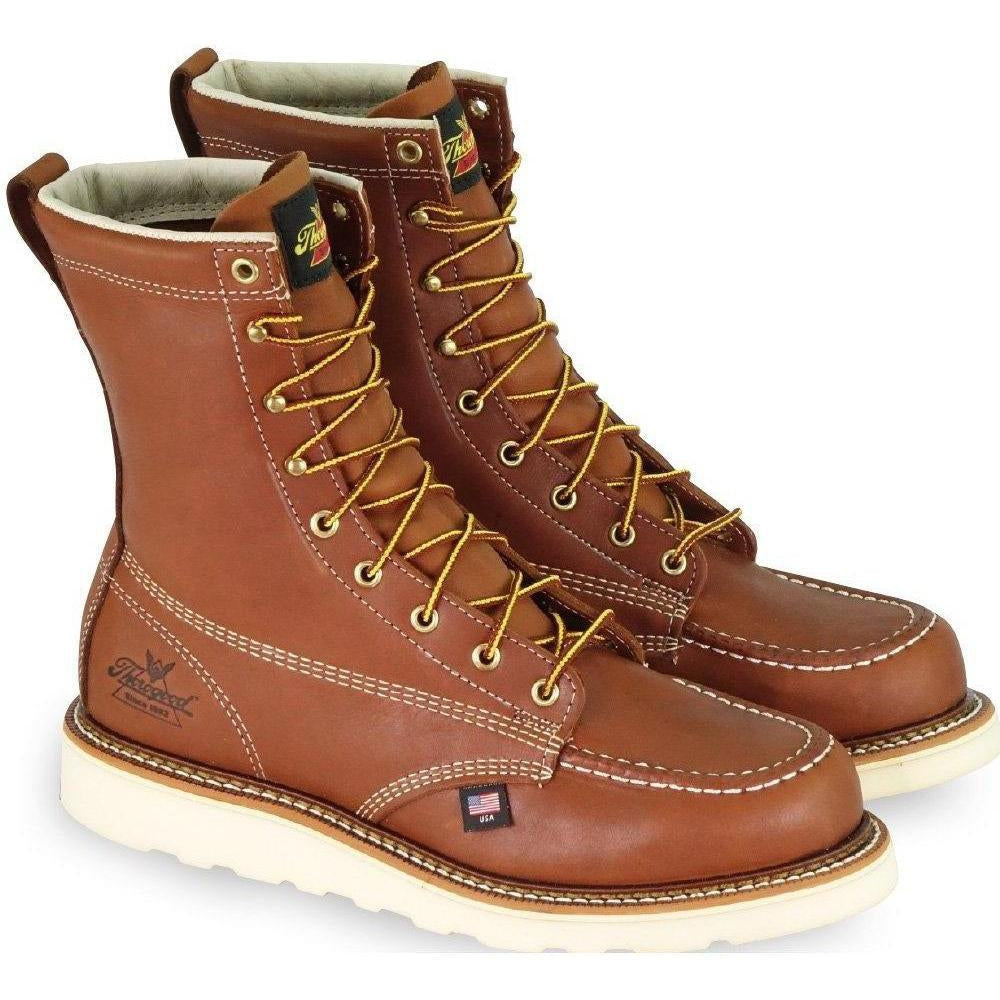
Sale price$274.95
Regular price$290.00
Thorogood Men's USA Made American Heritage 8" Wedge Work Boot - 814-4201
Save 5%
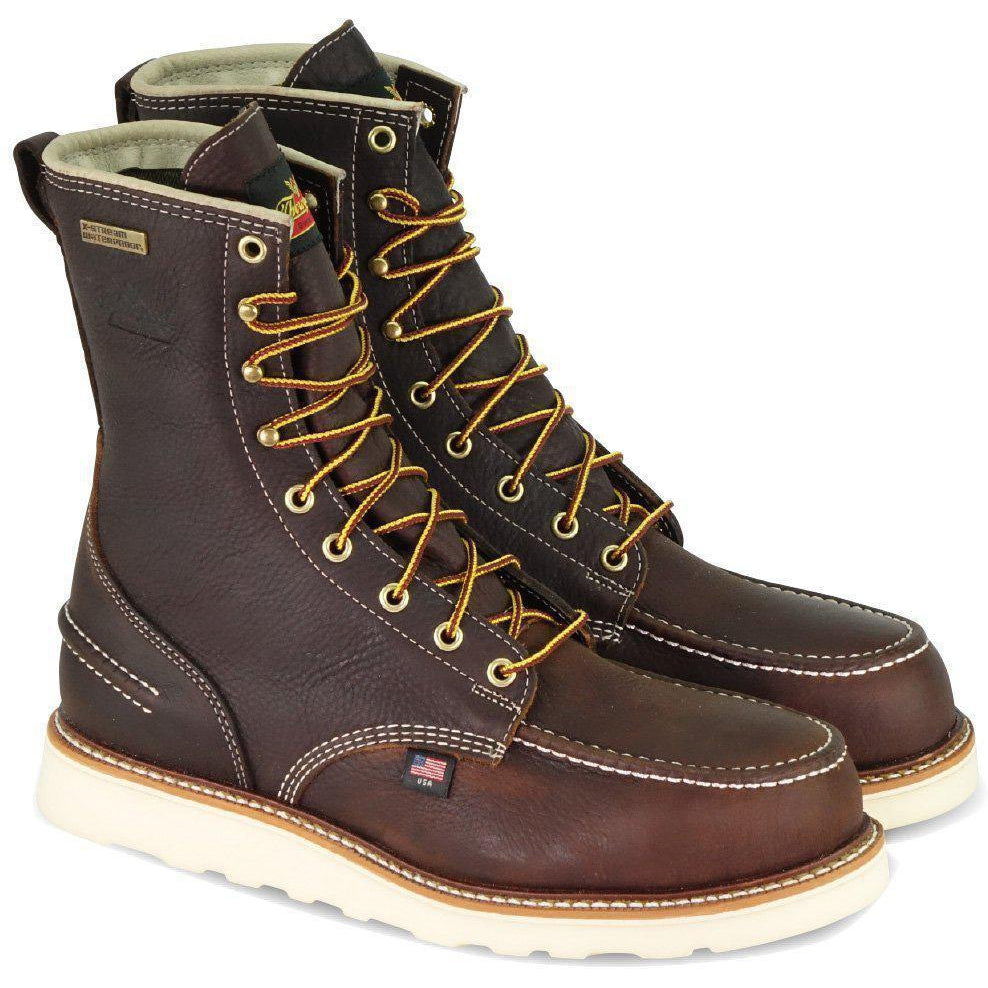
Sale price$294.95
Regular price$310.00
Thorogood Men's USA Made 1957 8" Moc Safety Toe Waterproof Wedge Work Boot 804-3800
Save 5%
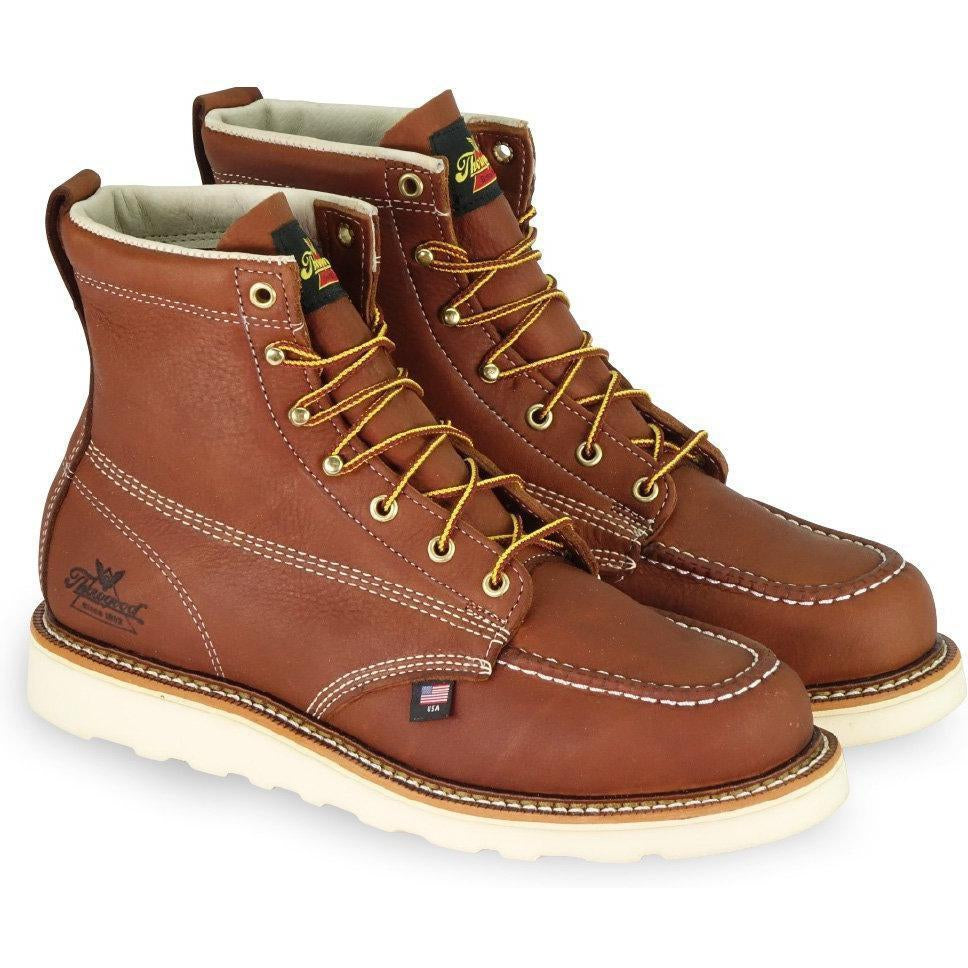
Sale price$274.95
Regular price$290.00
Thorogood Men's USA Made Amer. Heritage 6" Steel Toe Wedge Work Boot 804-4200
Save 5%
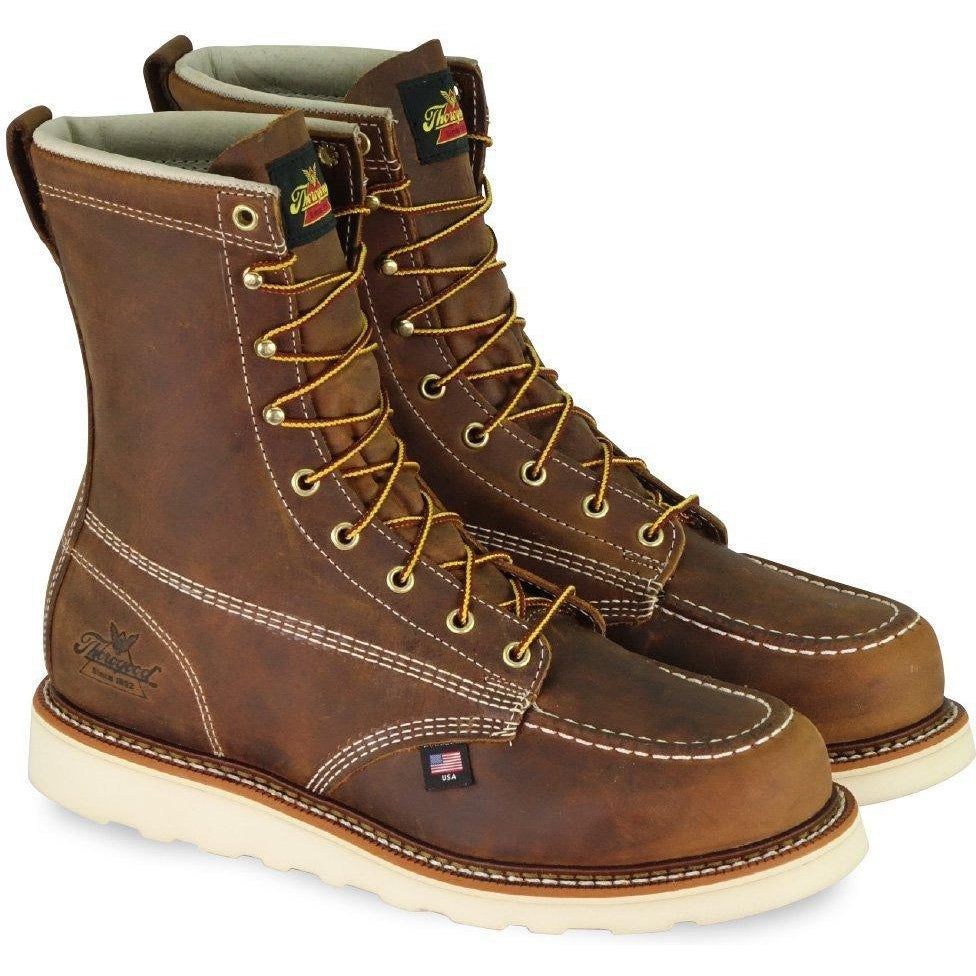
Sale price$284.95
Regular price$300.00
Thorogood Men's USA Made Amer. Heritage 8" Steel Toe Work Wedge Boot 804-4478
Save 5%
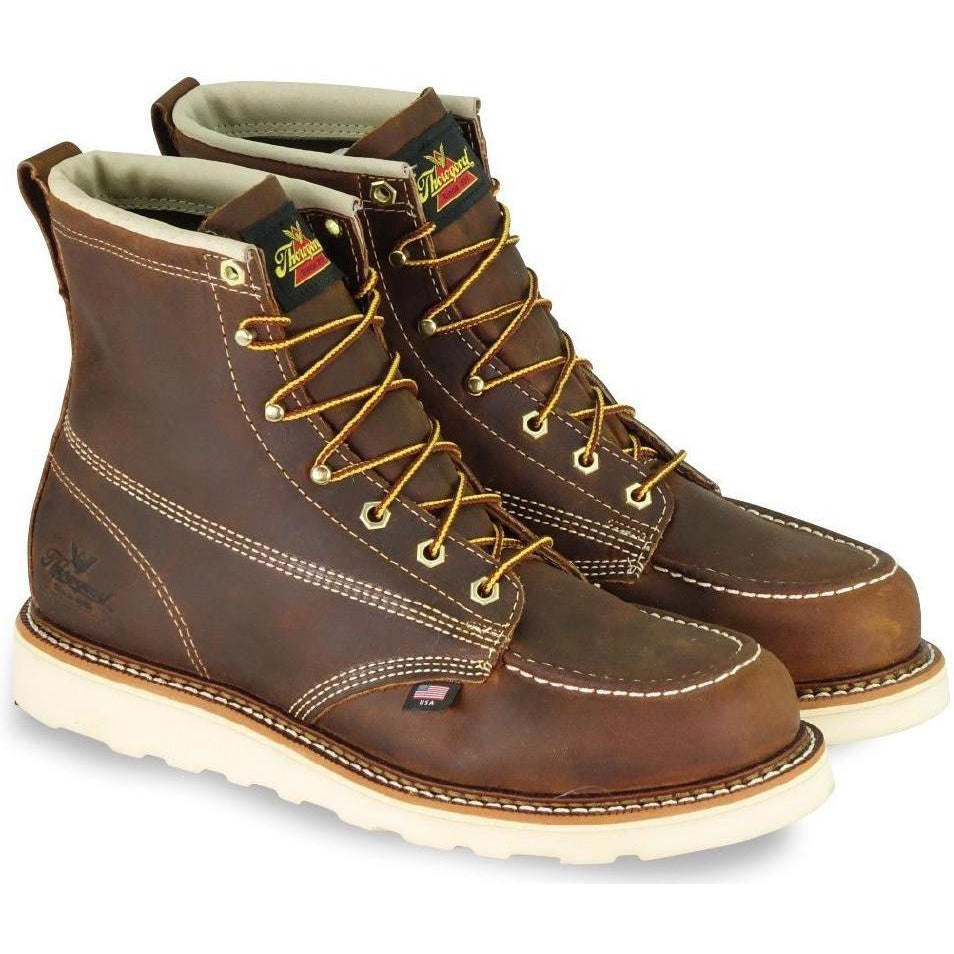
Sale price$264.95
Regular price$280.00
Thorogood Men's USA Made Amer. Heritage 6" Moc Toe Wedge Work Boot 814-4203
Save 5%
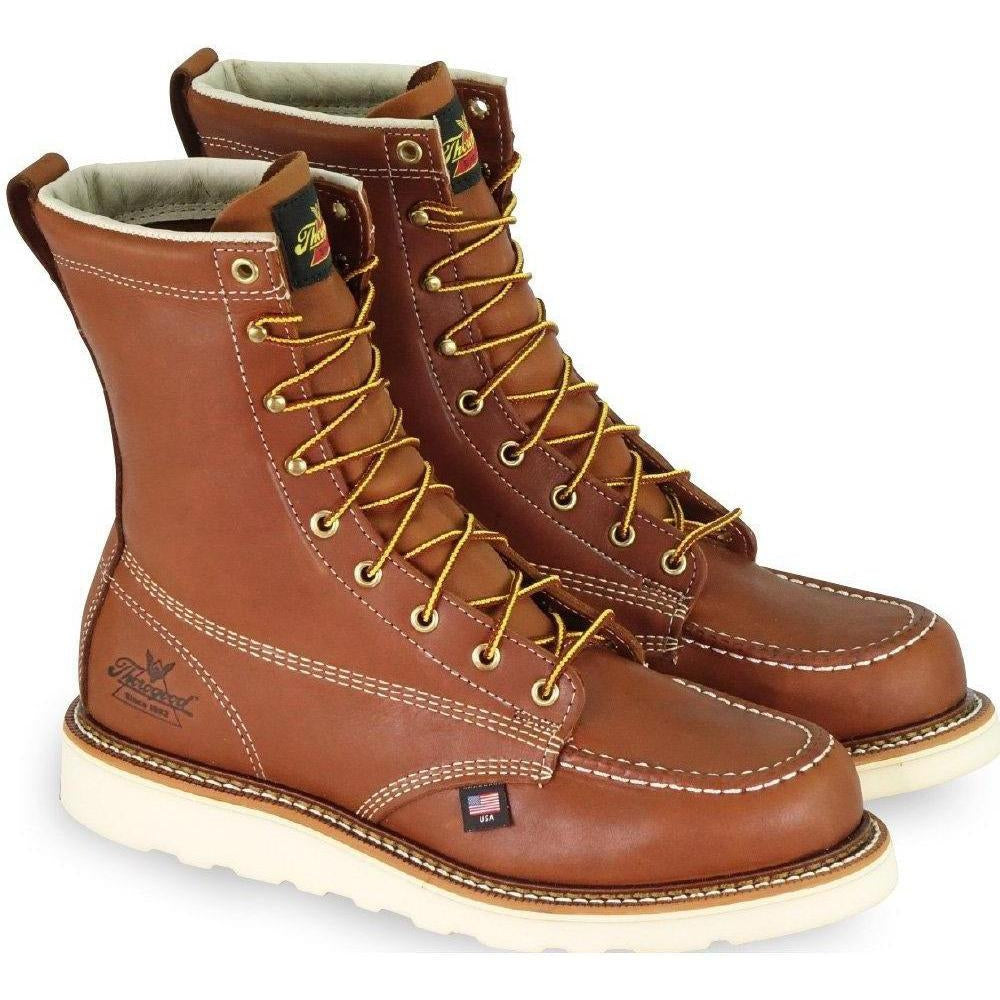
Sale price$284.95
Regular price$300.00
Thorogood Men's USA Made Amer. Heritage 8" Steel Toe Wedge Work Boot 804-4208
Save 5%
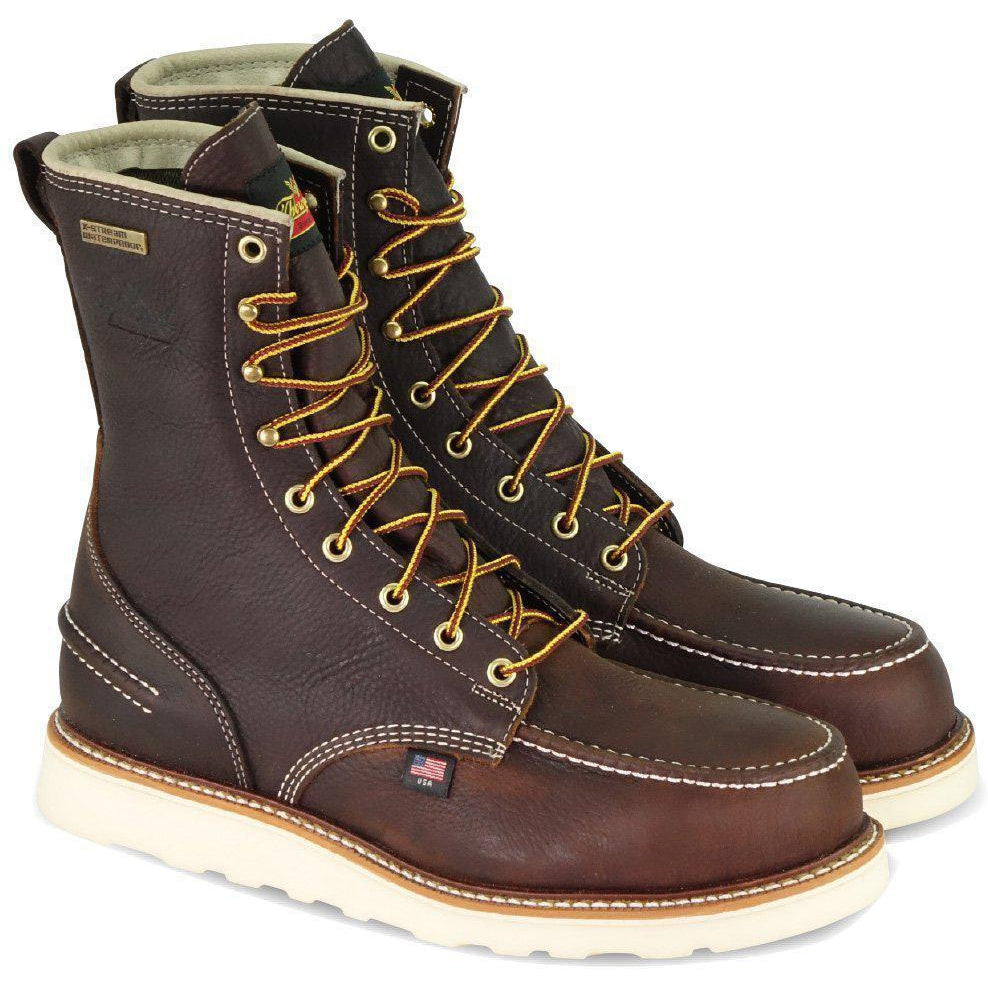
Sale price$284.95
Regular price$300.00
Thorogood Men's USA Made 1957 8" Moc Toe Waterproof Wedge Work Boot Brown 814-3800
Save 6%
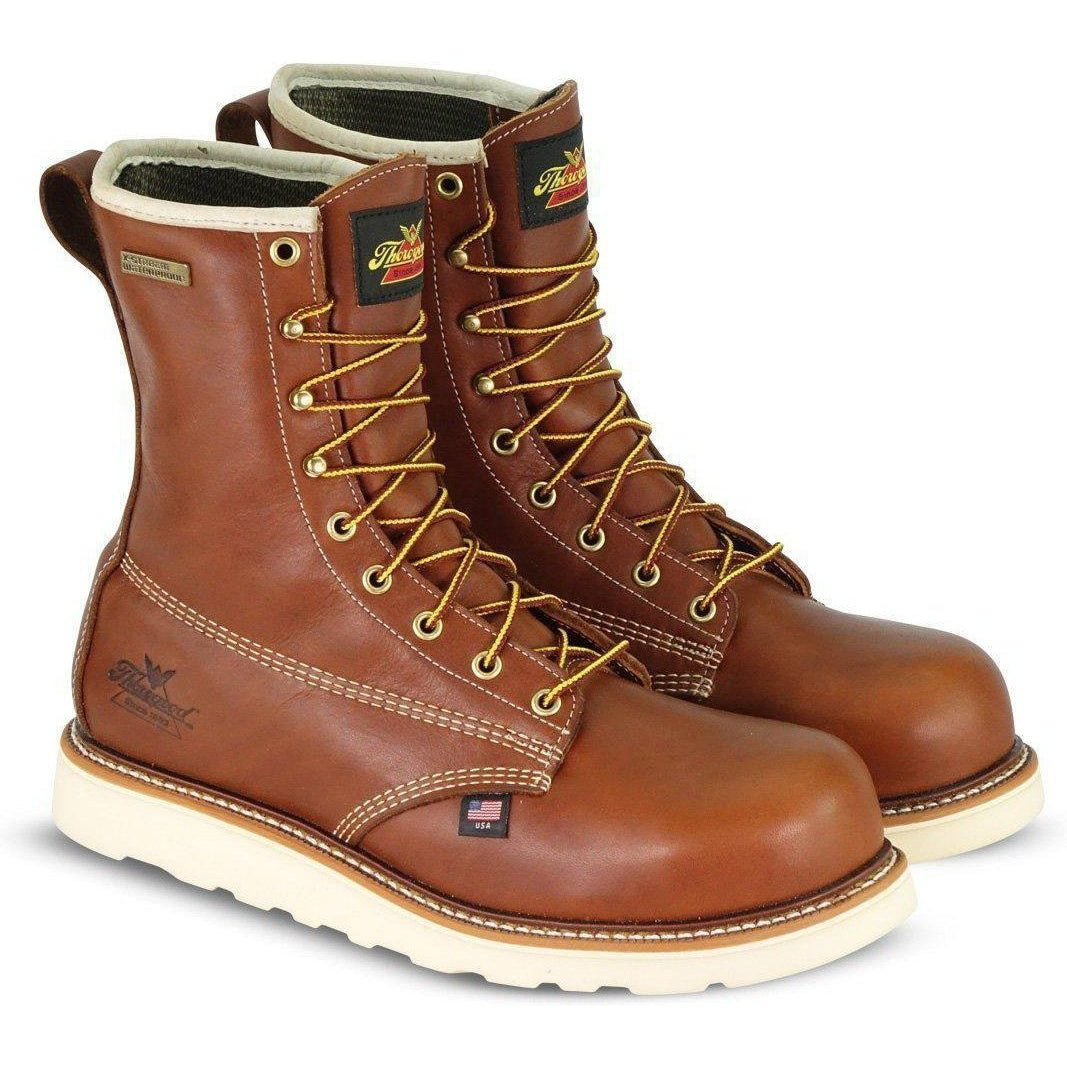
Sale price$309.95
Regular price$330.00
Thorogood Men's USA Made Amer Heritage 8" Composite Toe Wedge Work Boot 804-4210
Save 5%
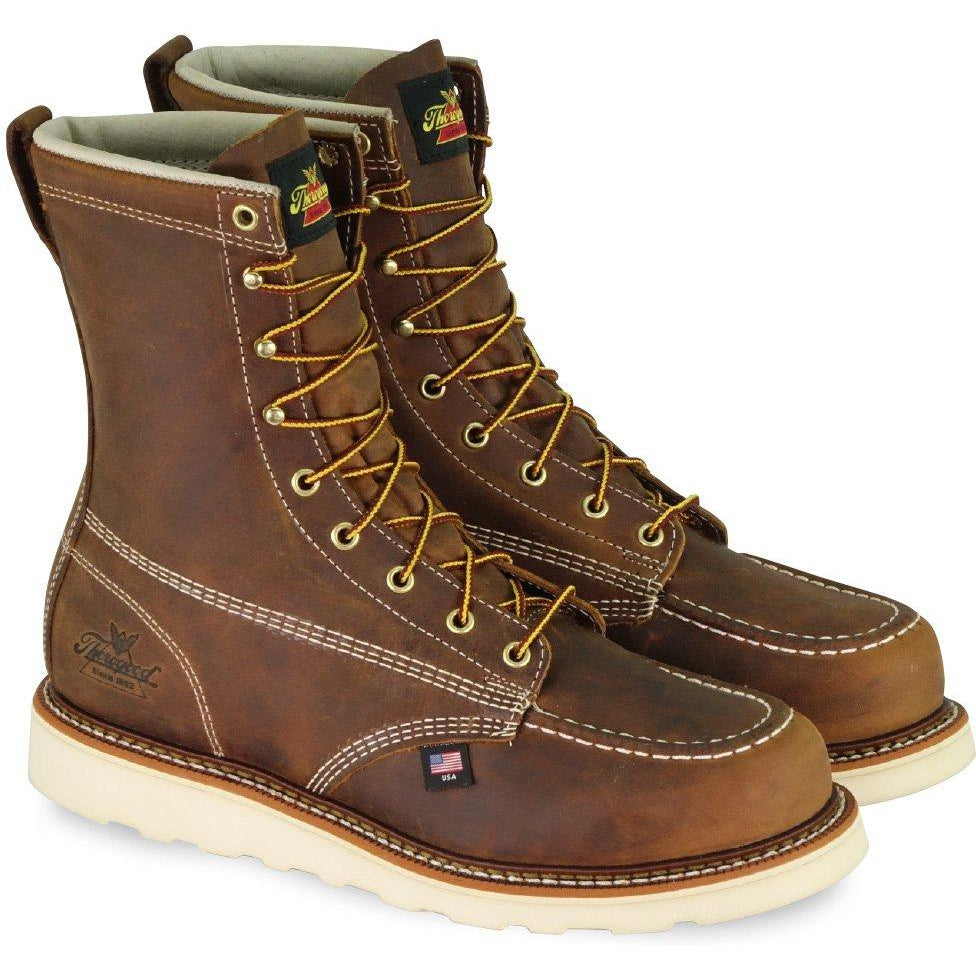
Sale price$274.95
Regular price$290.00
Thorogood Men's American Heritage 8" Soft Toe USA Made Work Boot 814-4178
Save 5%
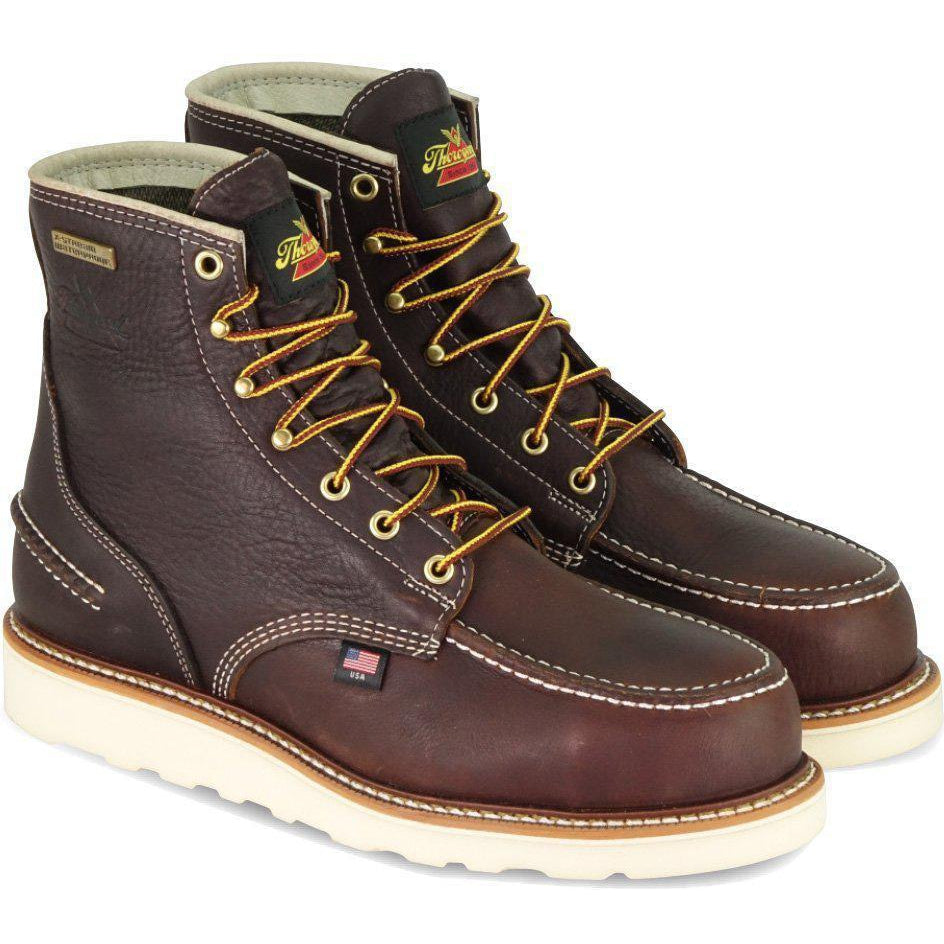
Sale price$284.95
Regular price$300.00
Thorogood Men's USA Made 1957 6" Moc Safety Toe Waterproof Wedge Work Boot 804-3600
Save 5%
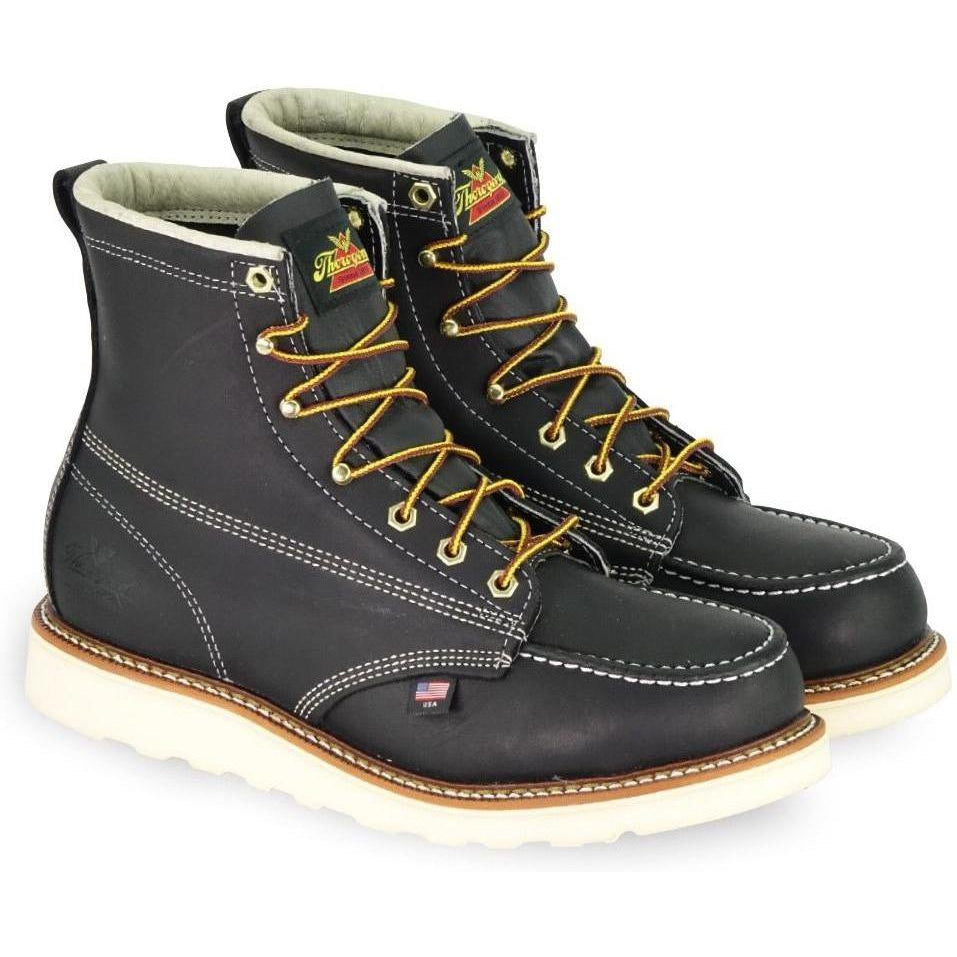
Sale price$264.95
Regular price$280.00
Thorogood Men's USA Made American Heritage 6" Wedge Work Boot - 814-6201
Save 5%
Sale price$284.95
Regular price$300.00
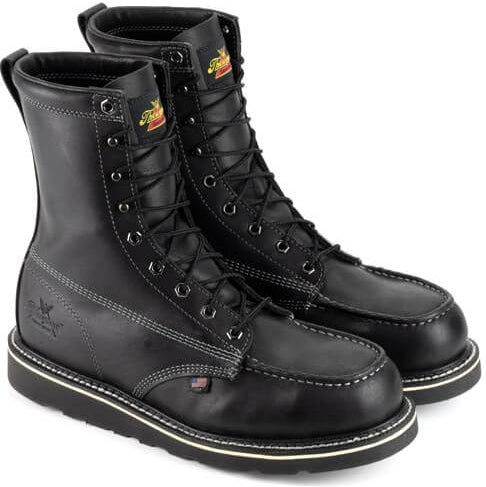
Thorogood Men's American Heritage Midnight 8" Steel Toe USA Made Wedge Work Boot - 804-6208
Save 5%
Sale price$274.95
Regular price$290.00
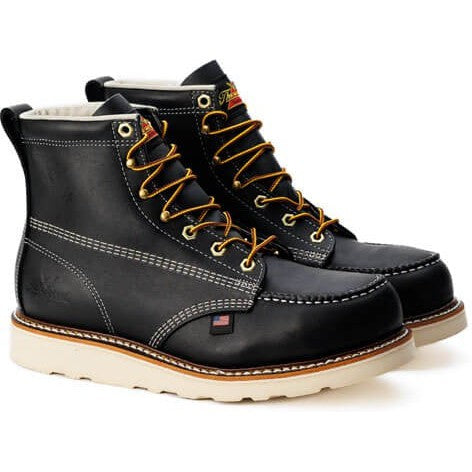
Thorogood Men's American Heritage 6" Wedge Work Boot - Black - 804-6201
Save 5%
Sale price$274.95
Regular price$290.00
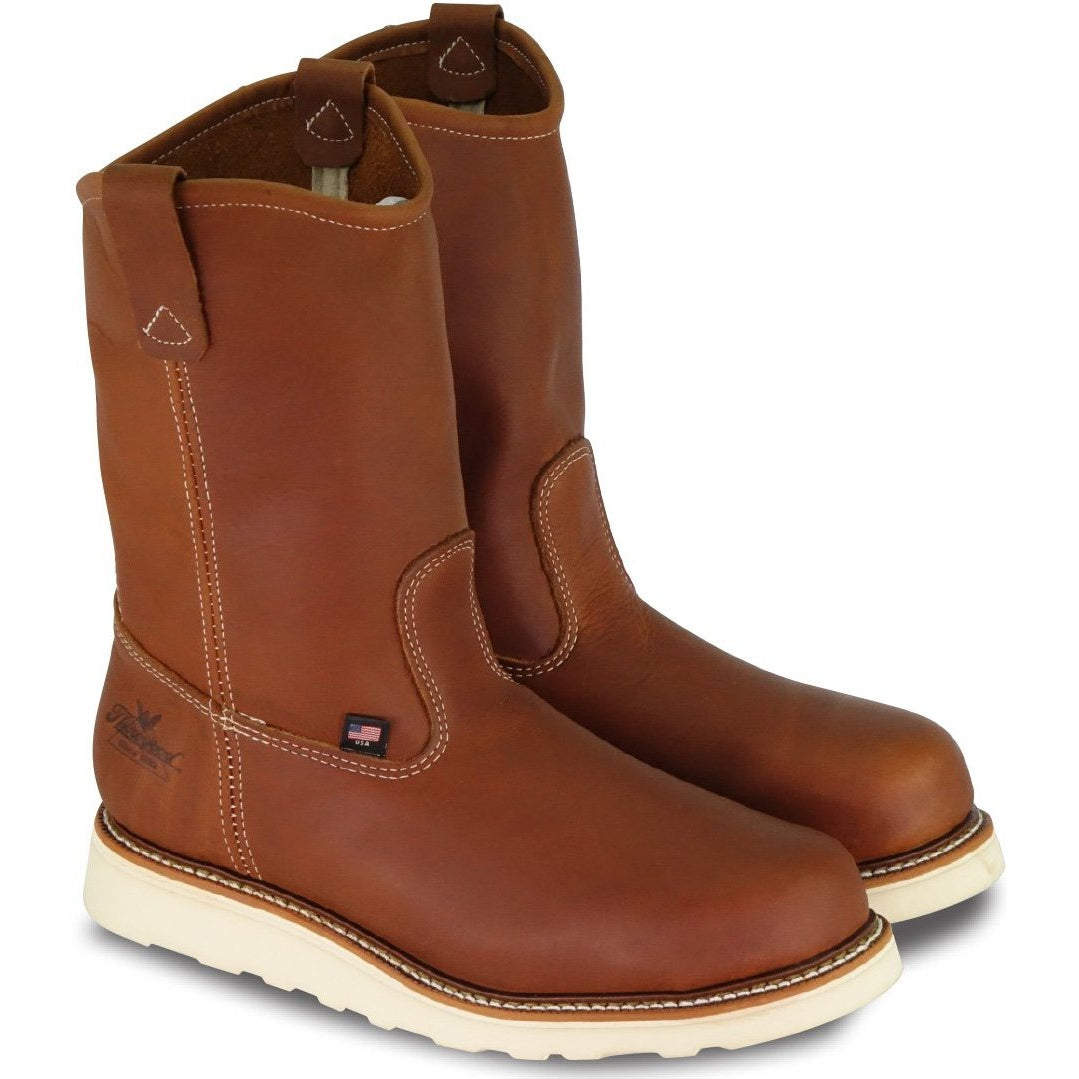
Thorogood Men's USA Made Amer. Heritage Wellington Wedge Work Boot 814-4208
Save 5%
Sale price$264.95
Regular price$280.00
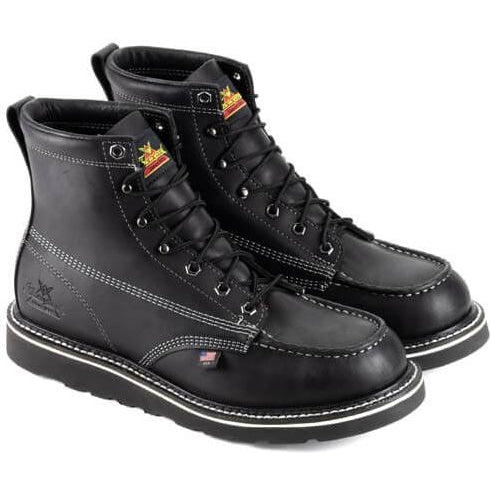
Thorogood Men's American Heritage Midnight 6" Soft Toe USA Made Wedge Work Boot - 814-6206
Save 5%
Sale price$274.95
Regular price$290.00
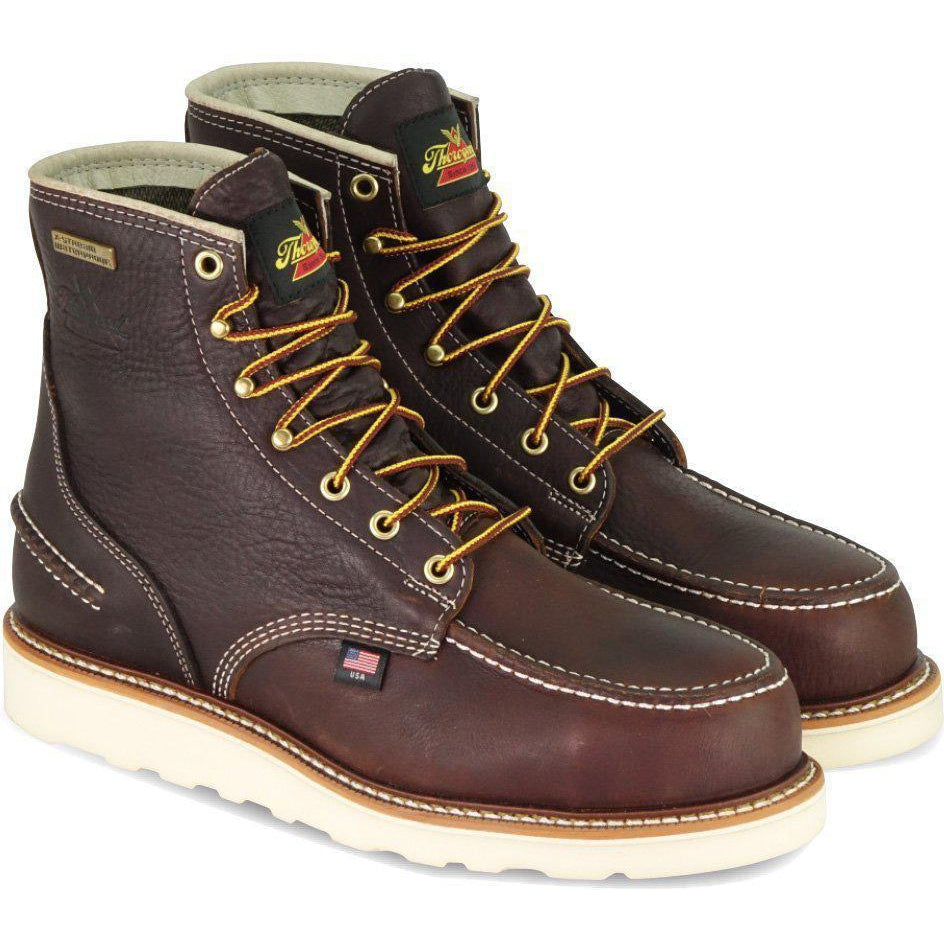
Thorogood Men's USA Made 1957 6" Moc Toe Waterproof Wedge Work Boot Brown - 814-3600
Save 5%
Sale price$284.95
Regular price$300.00
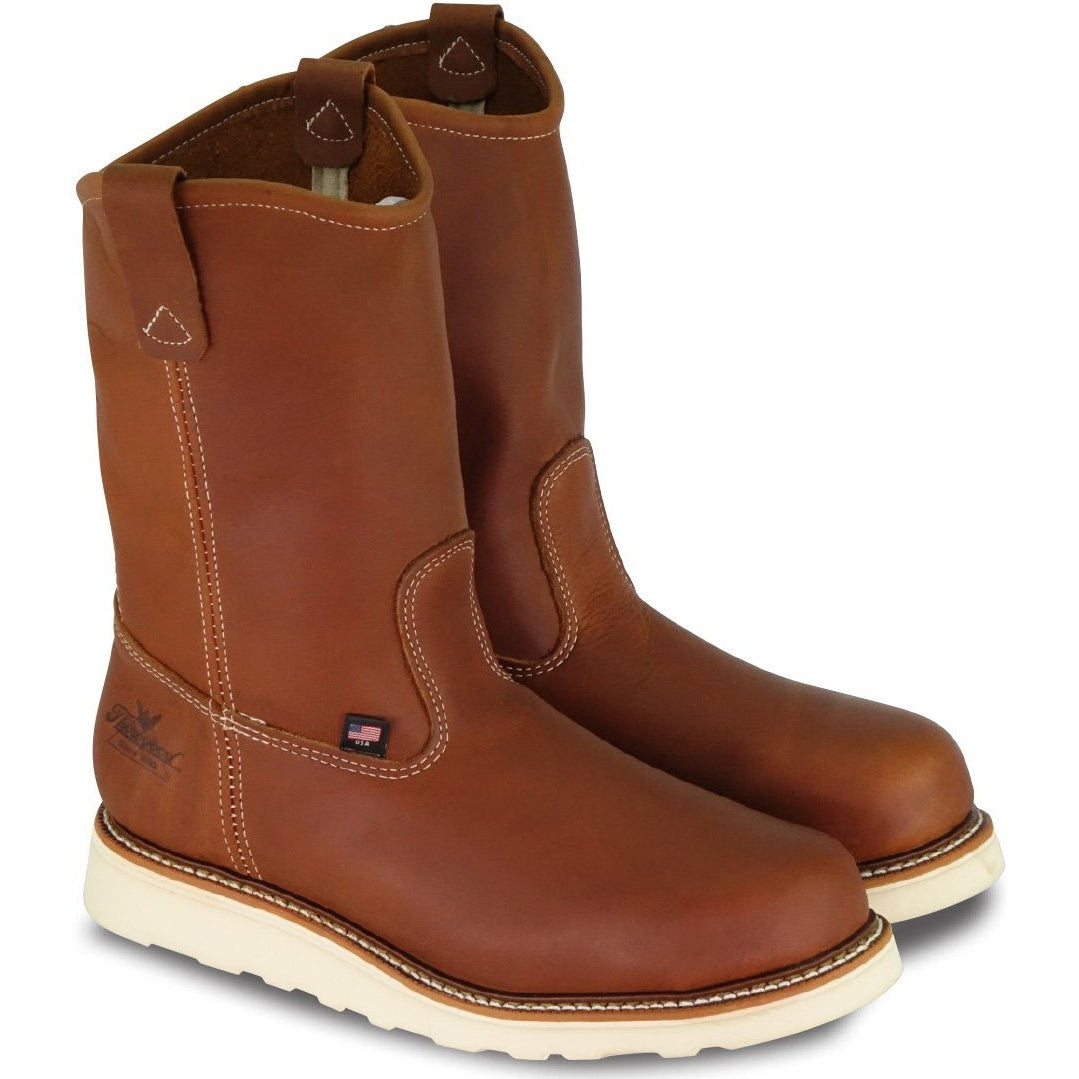
Thorogood Men's USA Made Amer Heritage Steel Toe Wellington Wedge Work Boot 804-4205
Save 5%
Sale price$284.95
Regular price$300.00
Thorogood Men's USA Made American Heritage 8" Wedge Work Boot - 814-4364
Save 5%
Sale price$294.95
Regular price$310.00
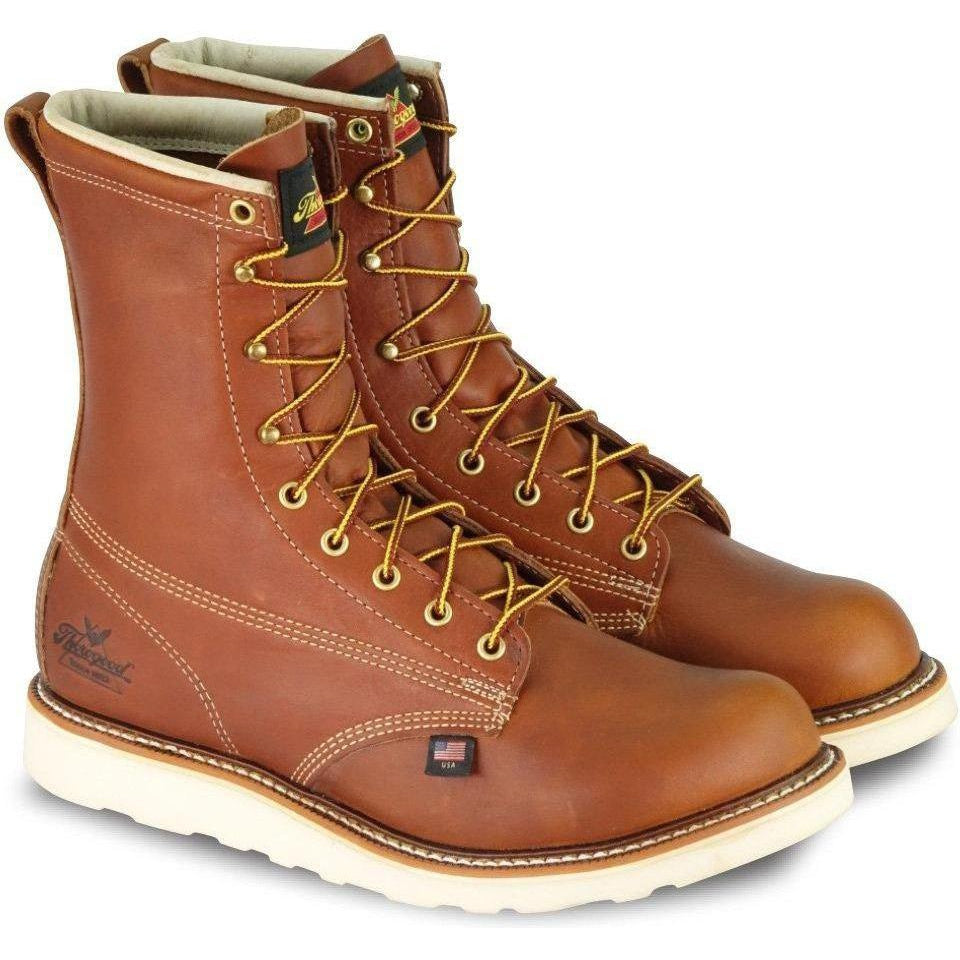
Thorogood Men's USA Made Amer. Heritage 8" Steel Toe Wedge Work Boot 804-4364
Save 5%
Sale price$264.95
Regular price$280.00
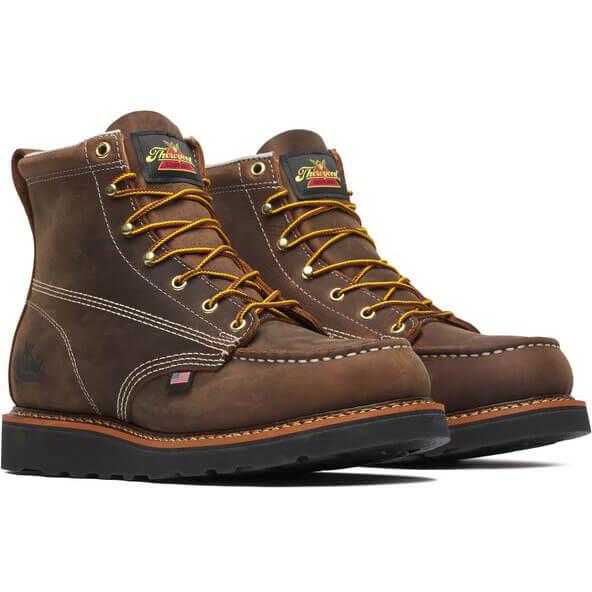
Thorogood Men's American Heritage 6" Moc Toe Wedge Work Boot - Brown - 814-4135
Save 23%
Sale price$132.67
Regular price$173.26
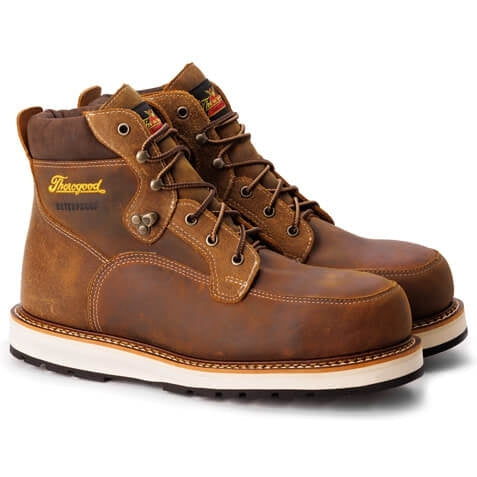
Thorogood Men's Iron River Series 6" Composite Toe Waterproof Work Boot -Brown- 804-4145
Save 5%
Sale price$274.95
Regular price$290.00
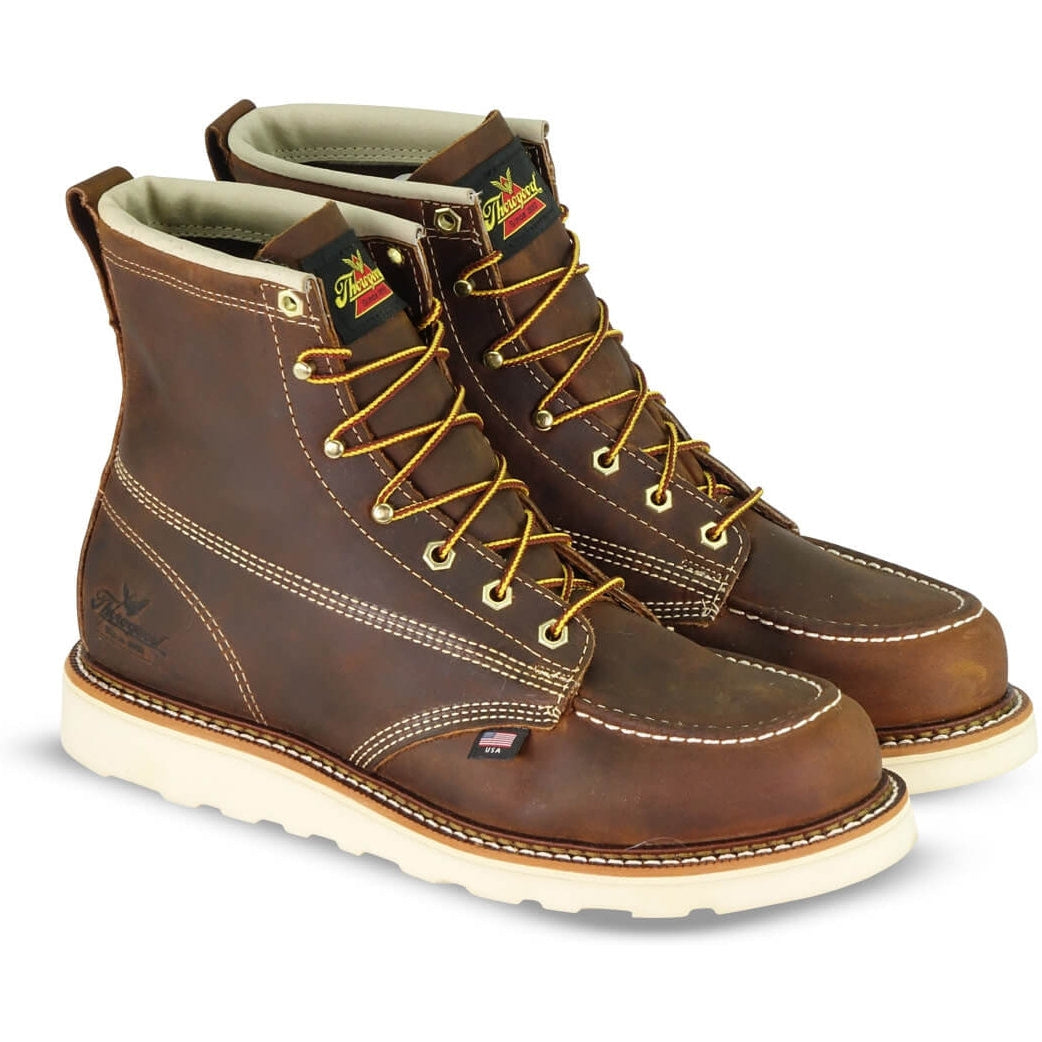
Thorogood Men's American Heritage 6" Steel Toe Wedge Work Boot- 804-4575
Save 5%
Sale price$274.95
Regular price$290.00
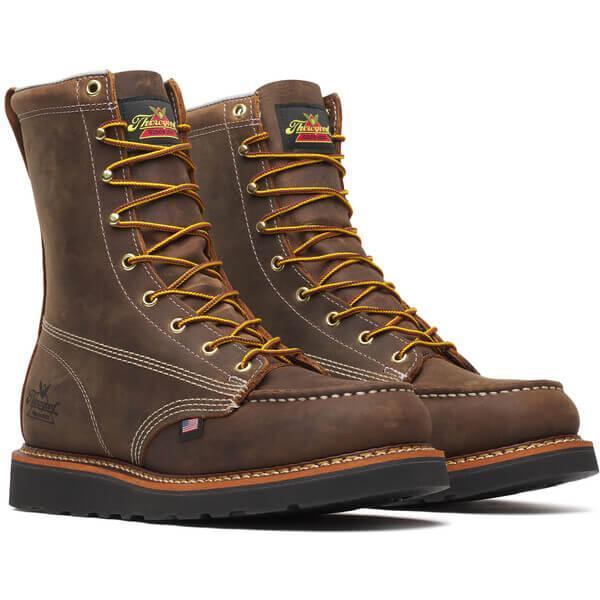
Thorogood Men's American Heritage 8" Moc Toe Wedge Work Boot - Brown - 814-4235
Save 5%
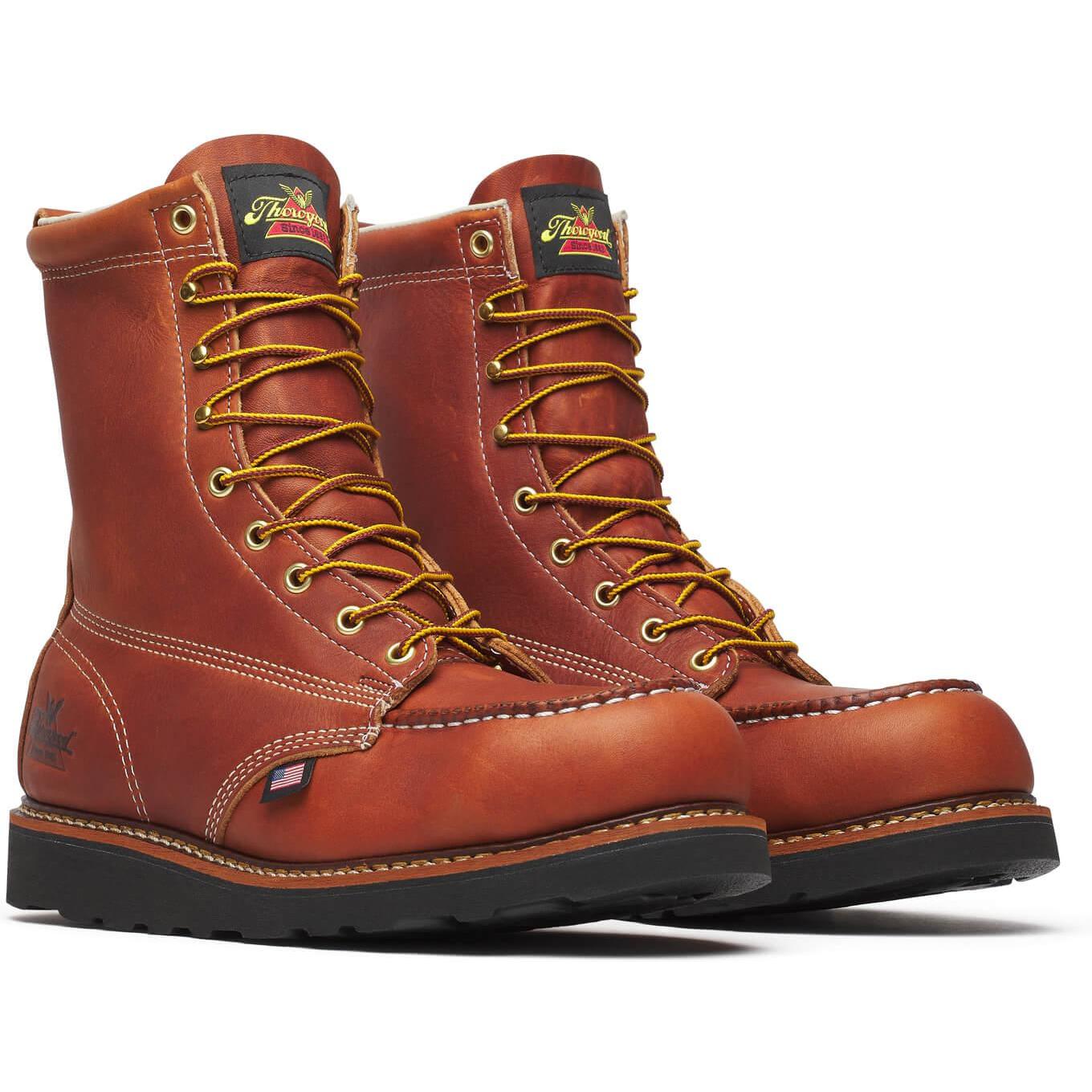
Sale price$284.95
Regular price$300.00
Thorogood Men's American Heritage 8" Steel Moc Toe BLK Wedge Work Boot - Brown - 804-4288
Save 5%

Sale price$294.95
Regular price$310.00
Thorogood Men's 1957 Series 8" Steel Moc Toe WP BLK Wedge Work Boot - Brown - 804-3878
Save 5%
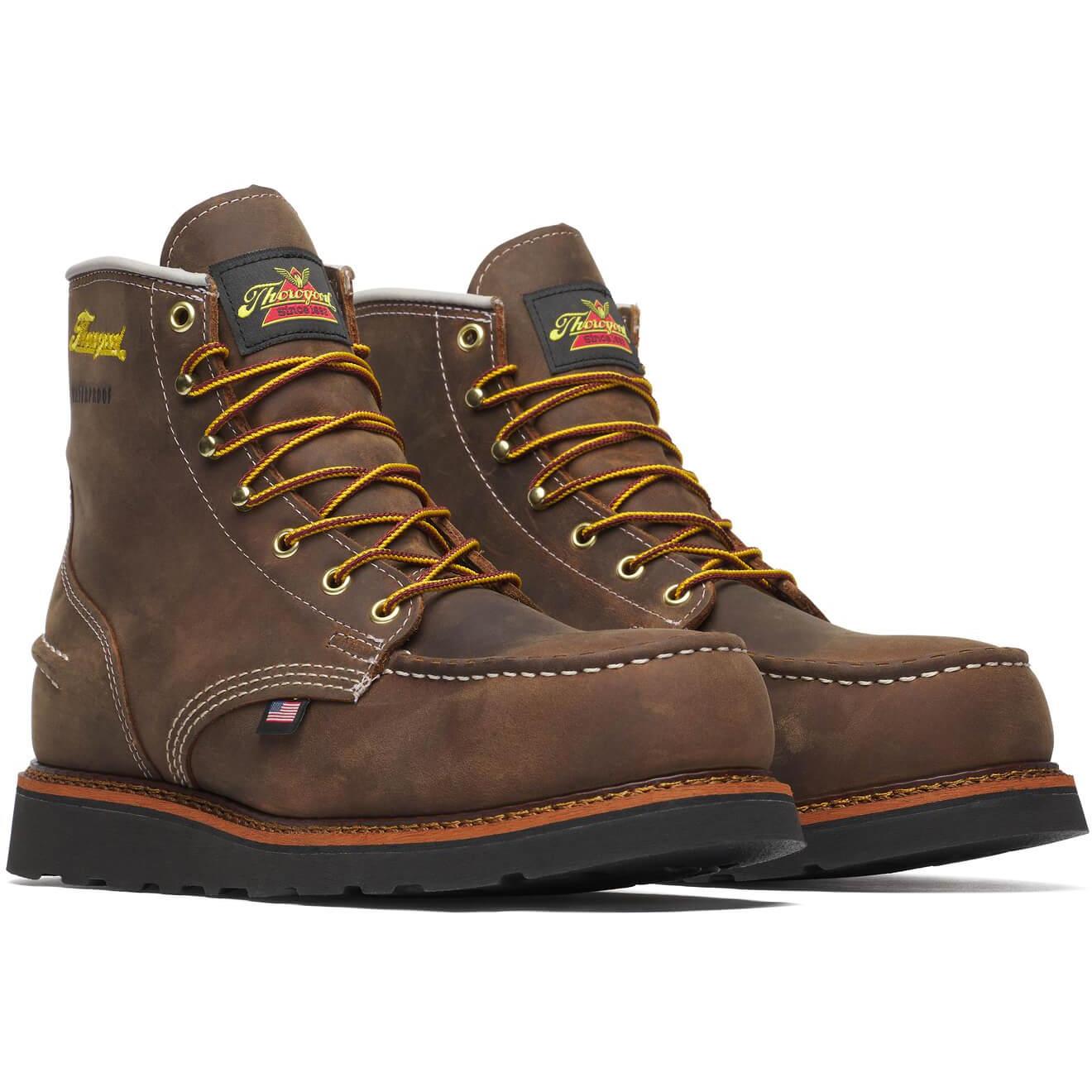
Sale price$284.95
Regular price$300.00
Thorogood Men's 1957 Series 6" Steel Moc Toe WP BLK Wedge Work Boot - Brown - 804-3676
Save 5%

Sale price$284.95
Regular price$300.00
Thorogood Men's American Heritage 8" Steel Toe Wedge Work Boot - Brown - 804-4235
Save 5%

Sale price$274.95
Regular price$290.00
Thorogood Men's American Heritage 6" Steel Toe Wedge Work Boot - Brown - 804-4135
Save 5%
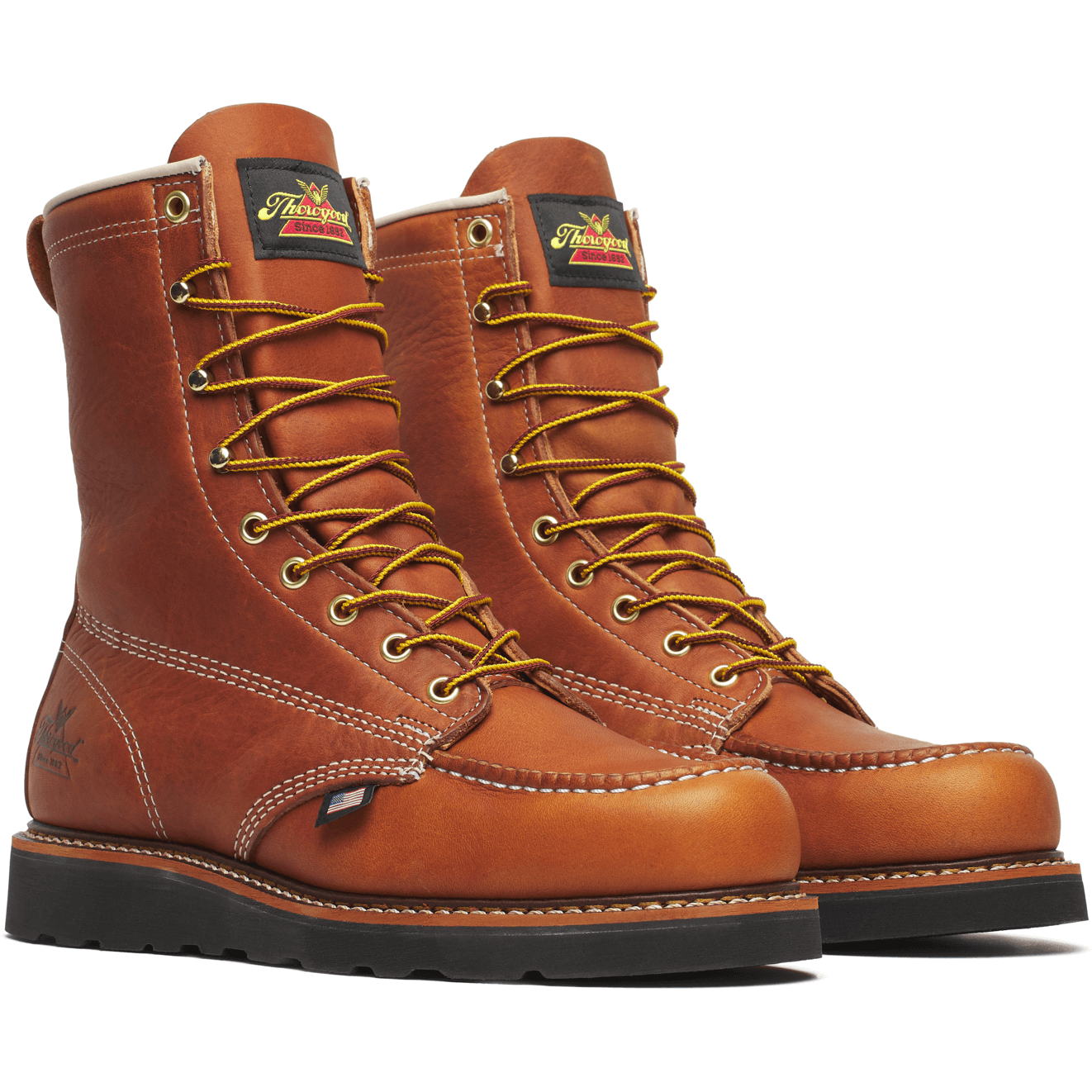
Sale price$274.95
Regular price$290.00
Thorogood Men's American Heritage 8" Moc Toe Work Boot- Tobacco- 814-4288
Save 5%
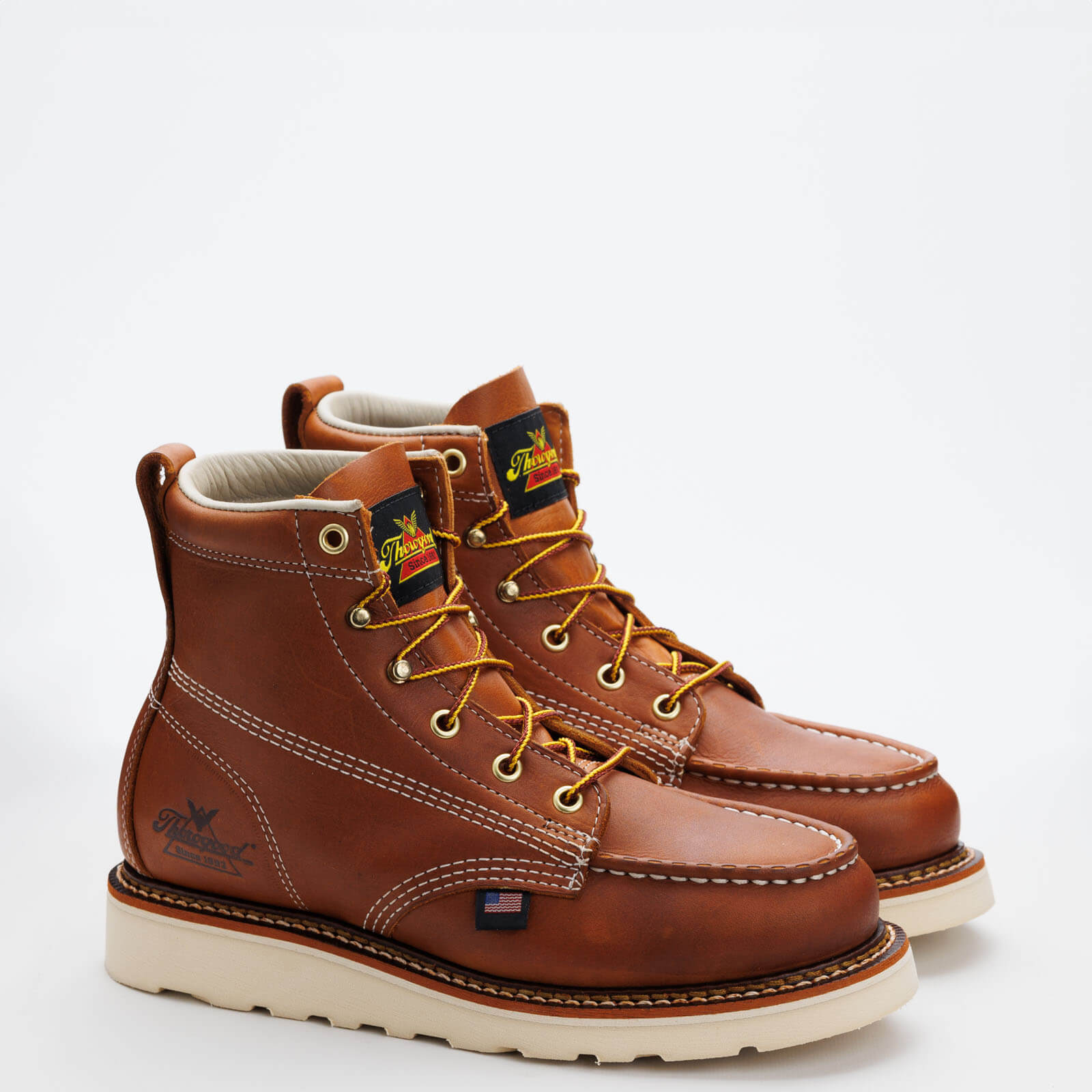
Sale price$264.95
Regular price$280.00
Thorogood Women's American 6" Moc Toe Wedge Work Boot -Tobacco- 514-4200
Save 5%
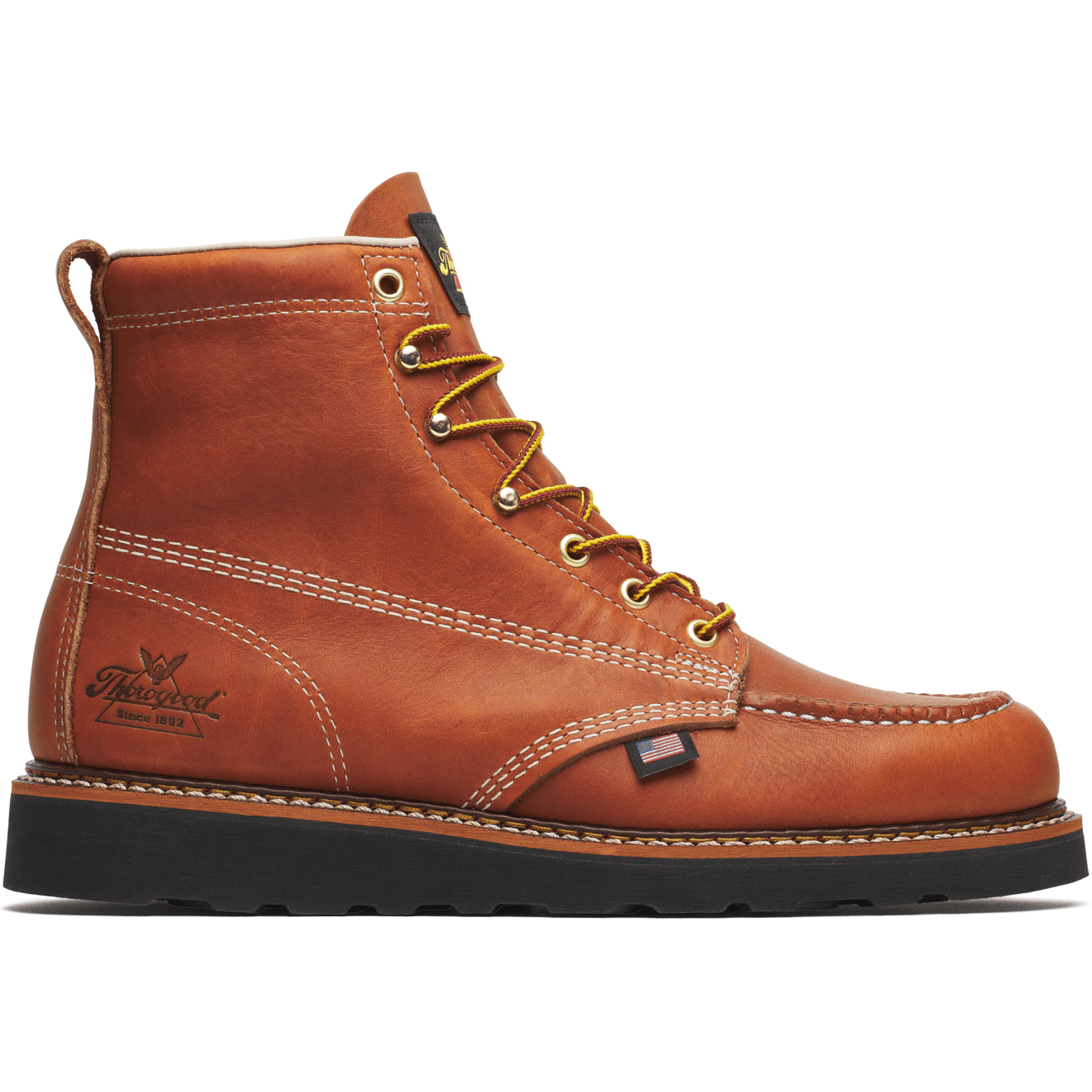
Sale price$264.95
Regular price$280.00
Thorogood Men's American Heritage 6" Moc Toe Work Boot- Tobacco- 814-4188
Frequently Asked Questions
It removes the separated heel, so the outsole runs flat and the whole footprint contacts the ground at once. That spreads your weight instead of concentrating it under a heel, which is why a shift on concrete is noticeably less tiring. It also grips a ladder rung along its full width rather than catching on the heel edge.
Thorogood's own flat wedge outsole compound, used under most of the American Heritage line. It is built for abrasion resistance on hard flat surfaces rather than for traction on loose ground, which matches exactly what a wedge is for. The tread is shallow by design.
On loose, muddy, or steep ground. A wedge has no defined heel to set into a slope and shallow tread that packs rather than clears, so it slips where a lugged sole bites. If you climb, work slopes, or deal with deep mud, you want a heeled boot instead.
Many are rated for it, and the flat contact patch helps on smooth indoor floors where maximum rubber on the ground is what you want. Slip resistance is a property of the compound and tread and is rated per model, so confirm it on the product page. Browse the wider slip resistant range.
They wear differently. The flat sole has more contact area so wear spreads out, but the softer compounds used for comfort abrade faster than a hard lugged sole on rough ground. On concrete, which is what they are built for, they hold up well. On gravel and broken ground they will not.
On the Goodyear welted models yes, and Thorogood runs its own recrafting service. Since wedge soles are worn most by people on abrasive concrete all day, that rebuildability is worth having. Check the construction on the product page before assuming.
They are the standard choice. A flat sole keeps a broad contact area with a roof deck instead of a lugged tread that catches a shingle edge, and it does not dig into finished surfaces. Heat resistance in the outsole matters separately if you work with hot asphalt. See our roofing boots range.
Yes, in steel and Thorogood's Nano composite toe, meeting ASTM F2413 for impact and compression, alongside soft toe versions. Toe type is stated in every product title, which matters because the wedge silhouette gives no indication whether a cap is inside.
Recently viewed
Our Top Brands