Save 28%
Sale price$108.67
Regular price$150.00
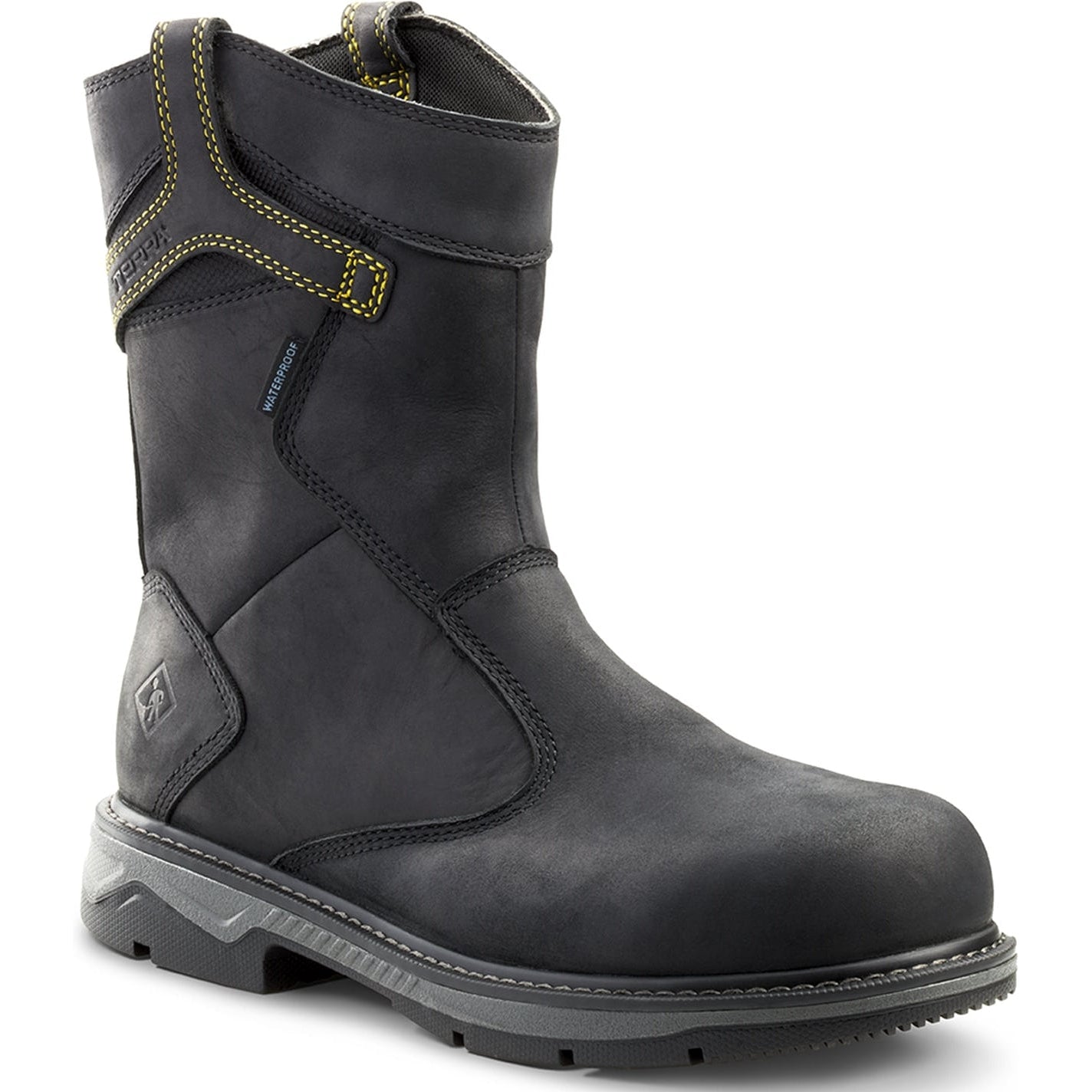
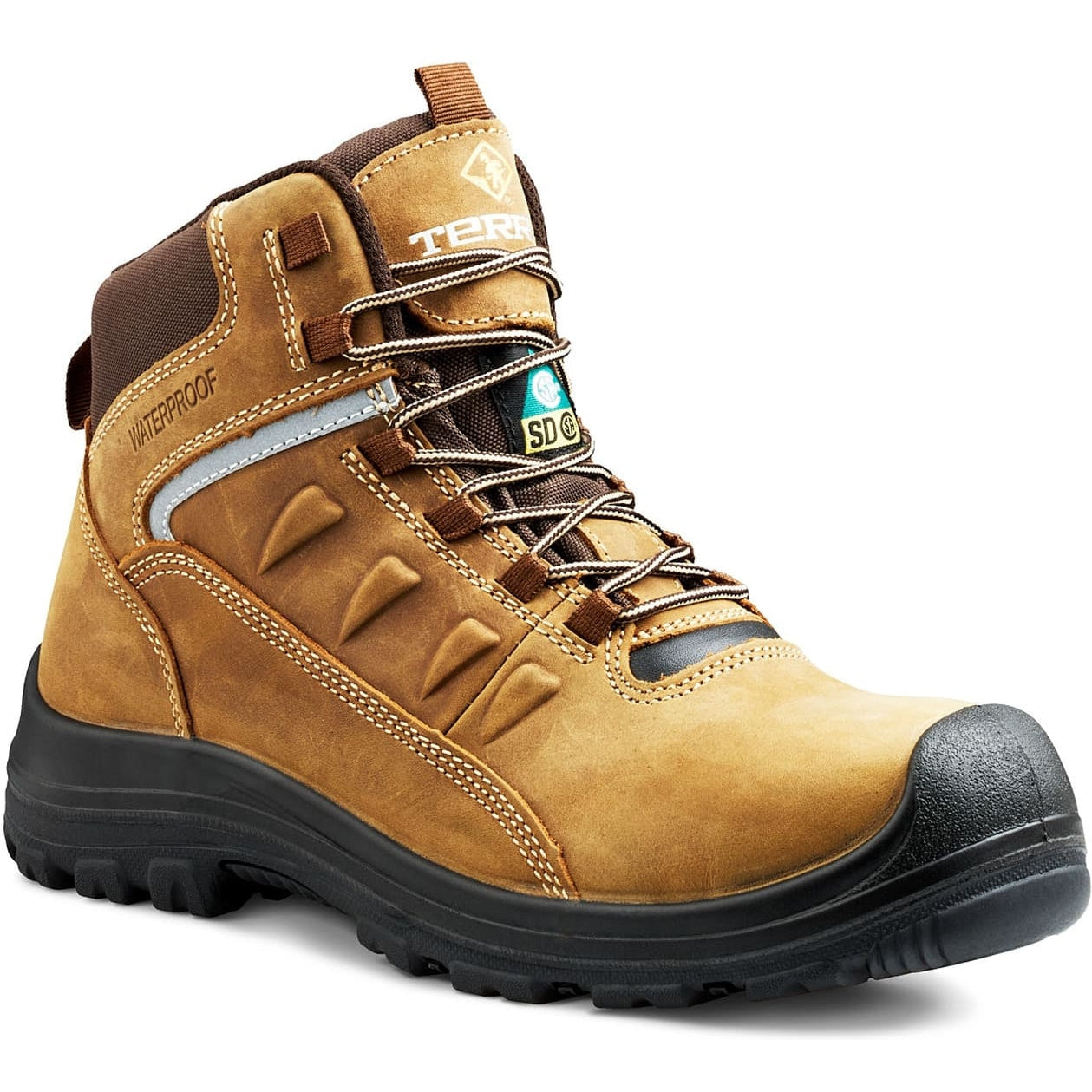
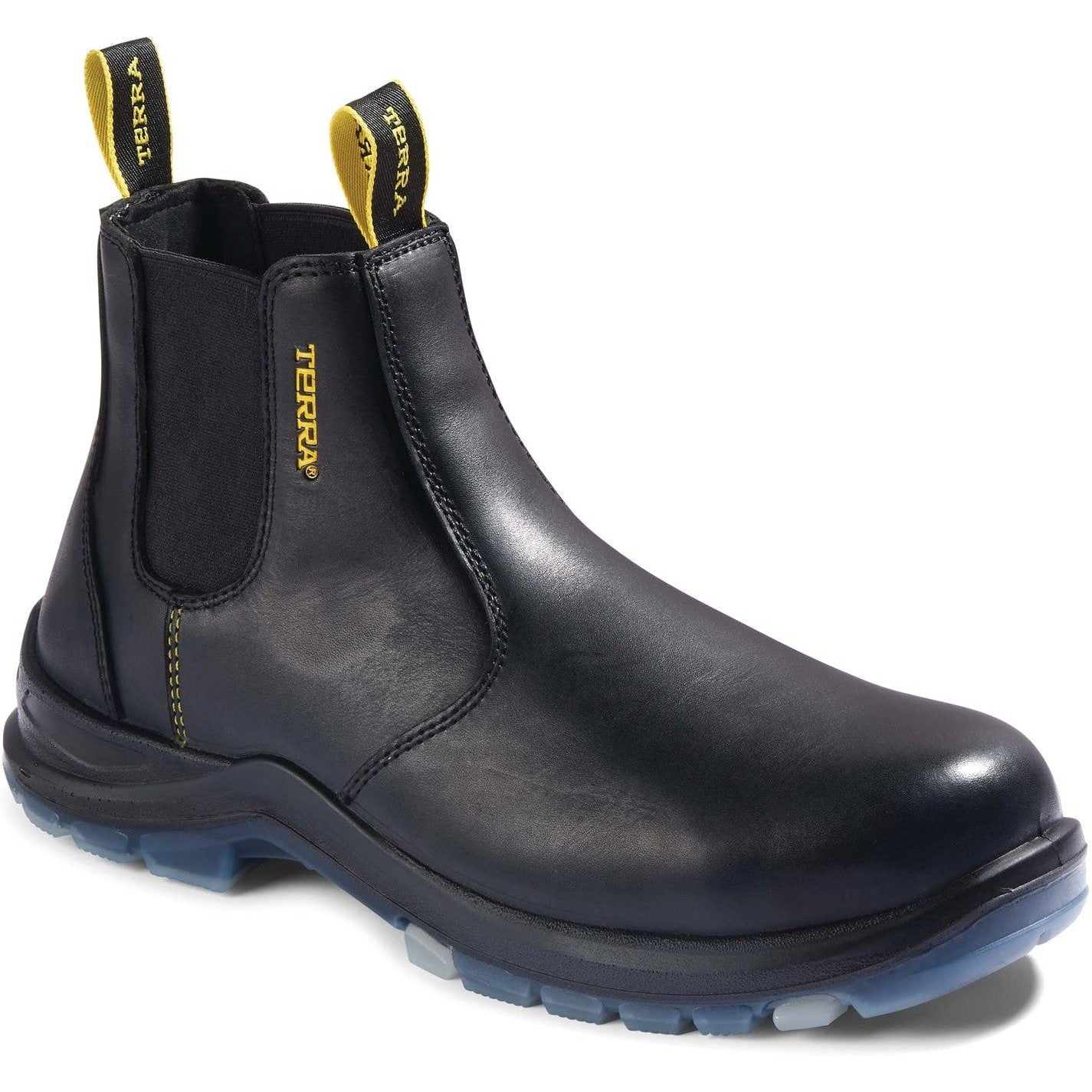
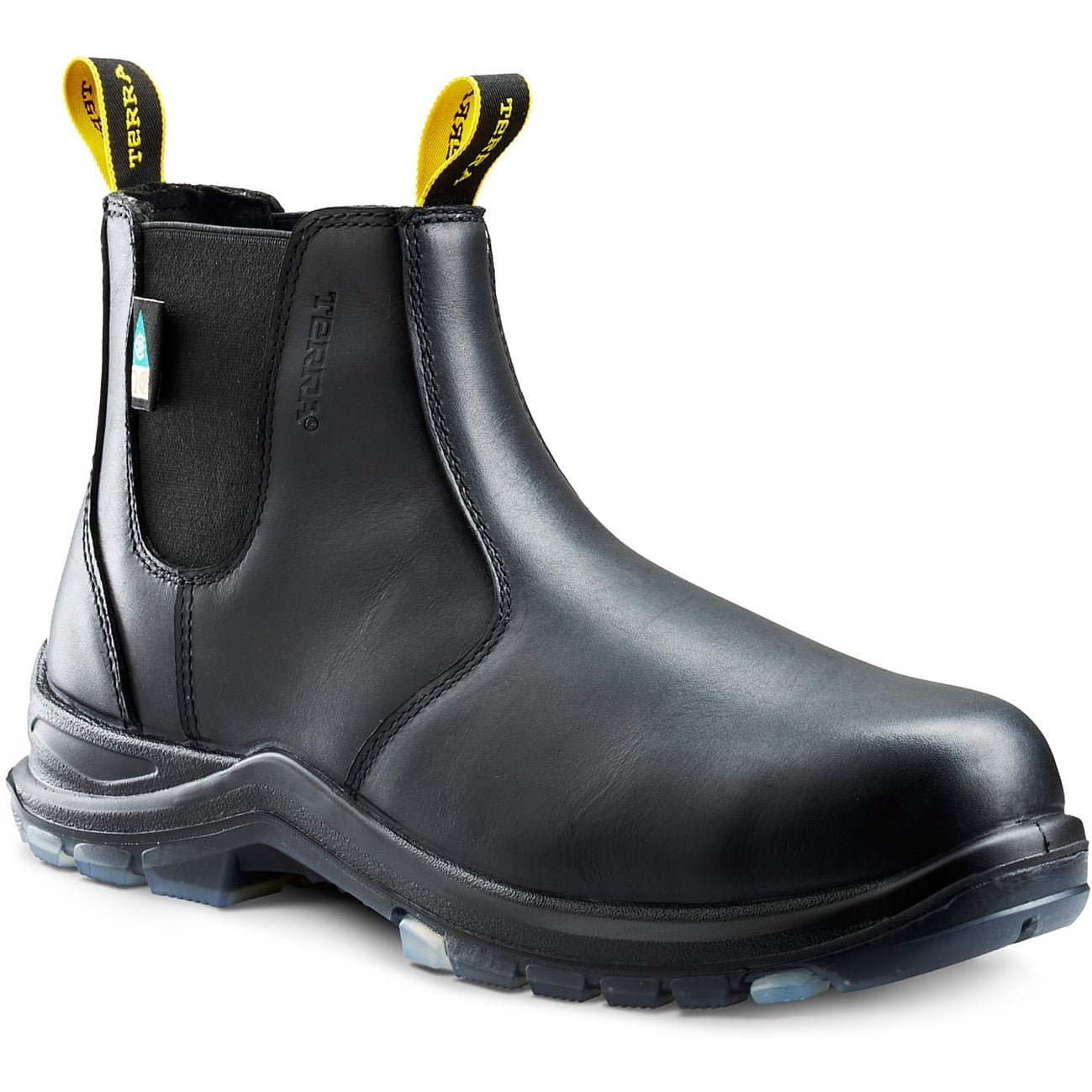
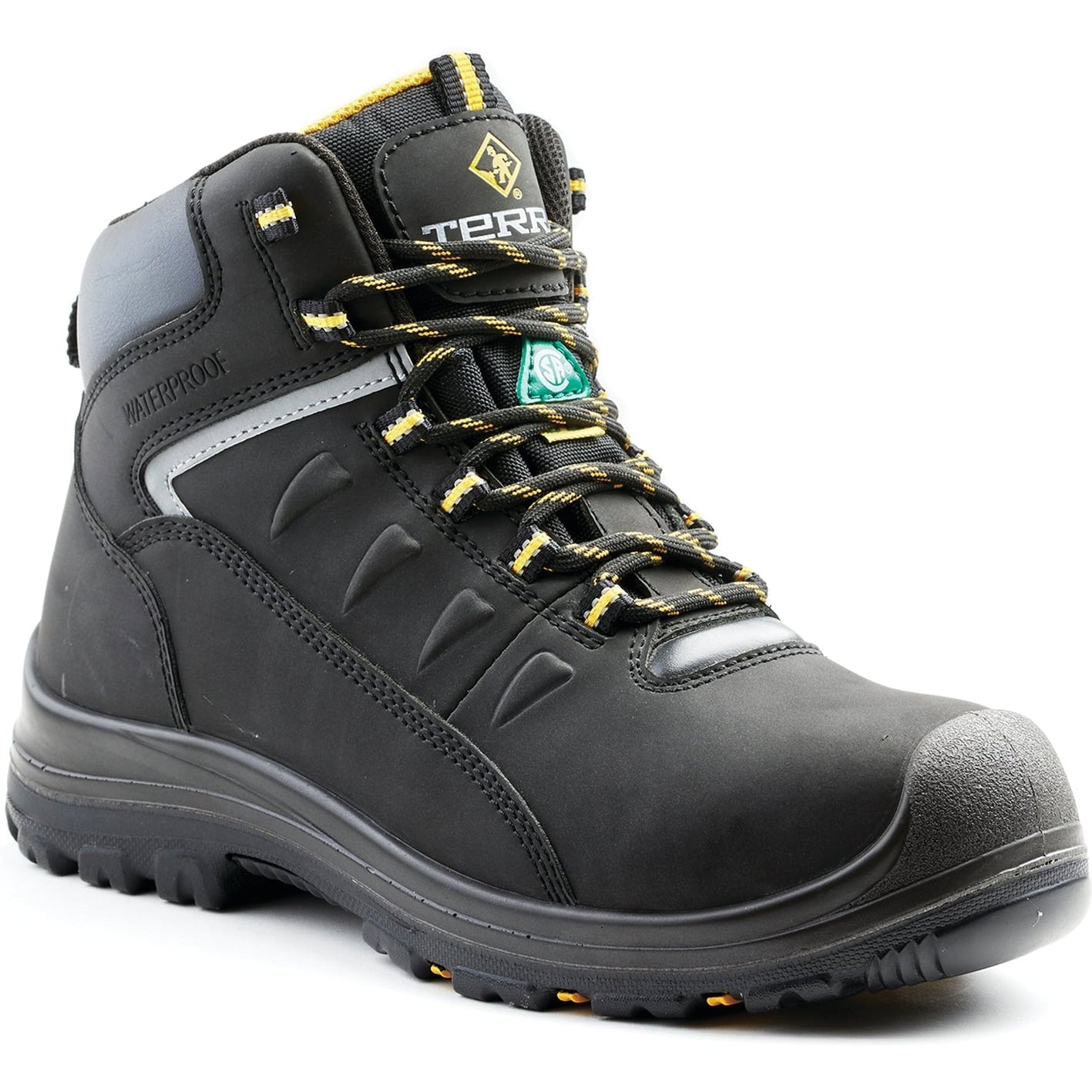
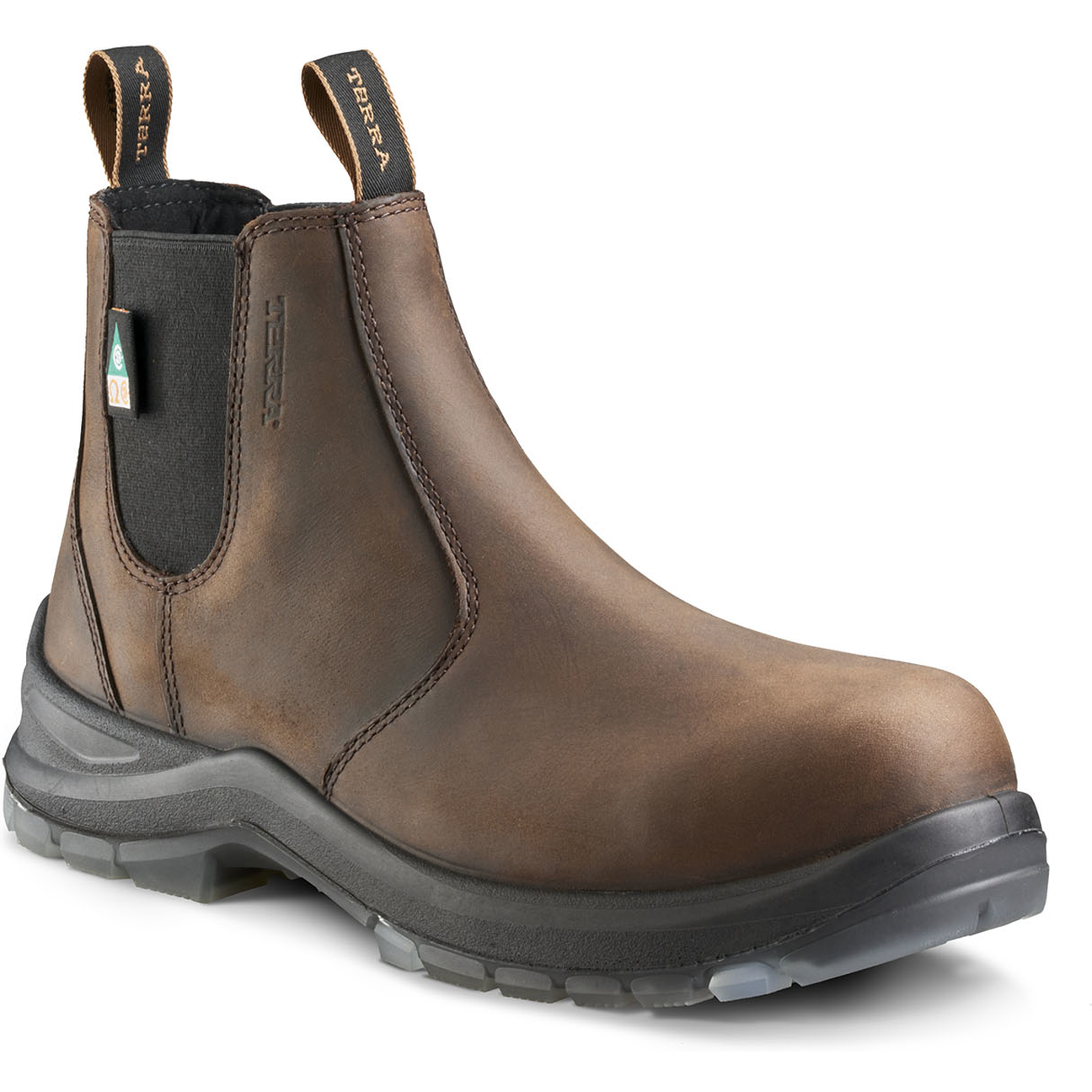
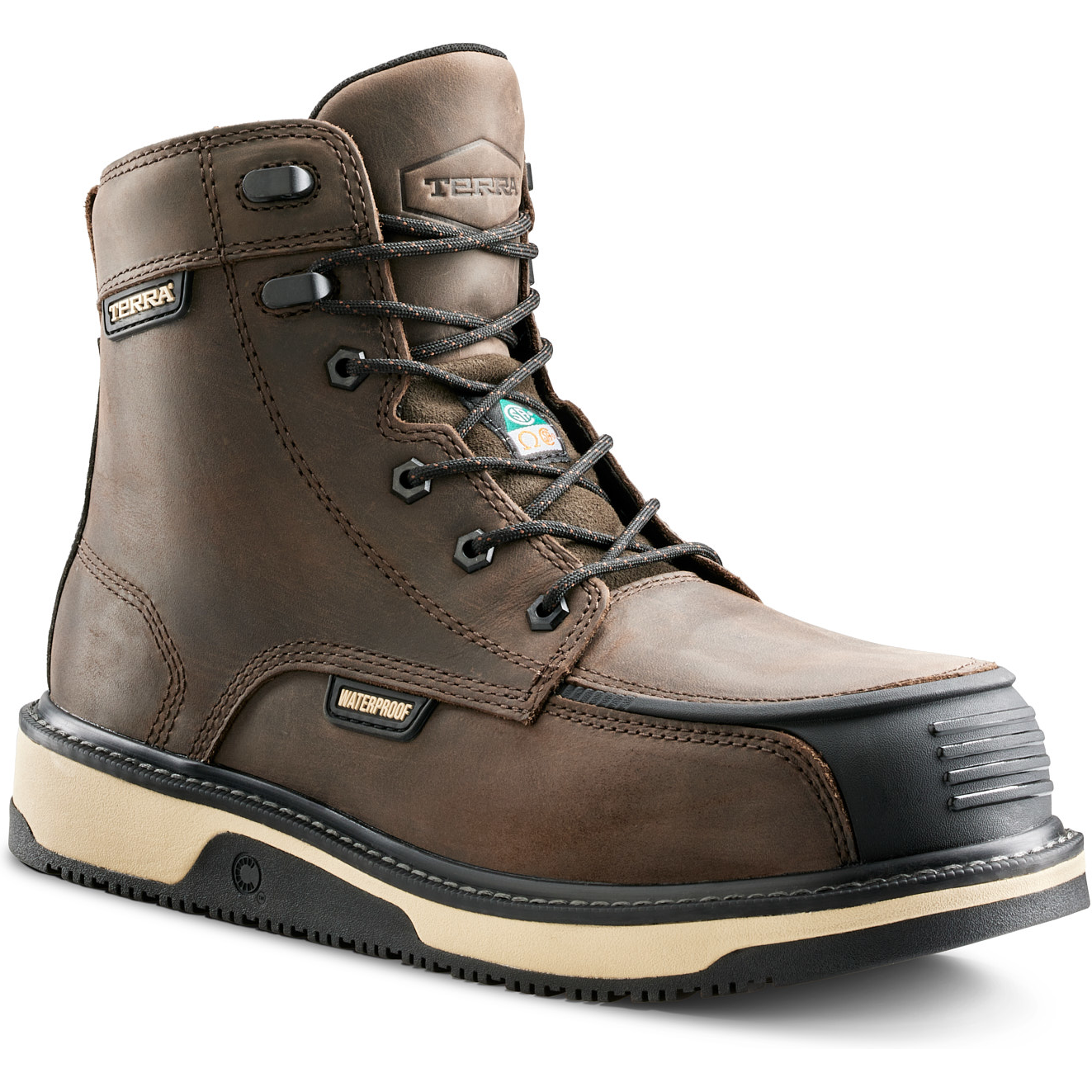
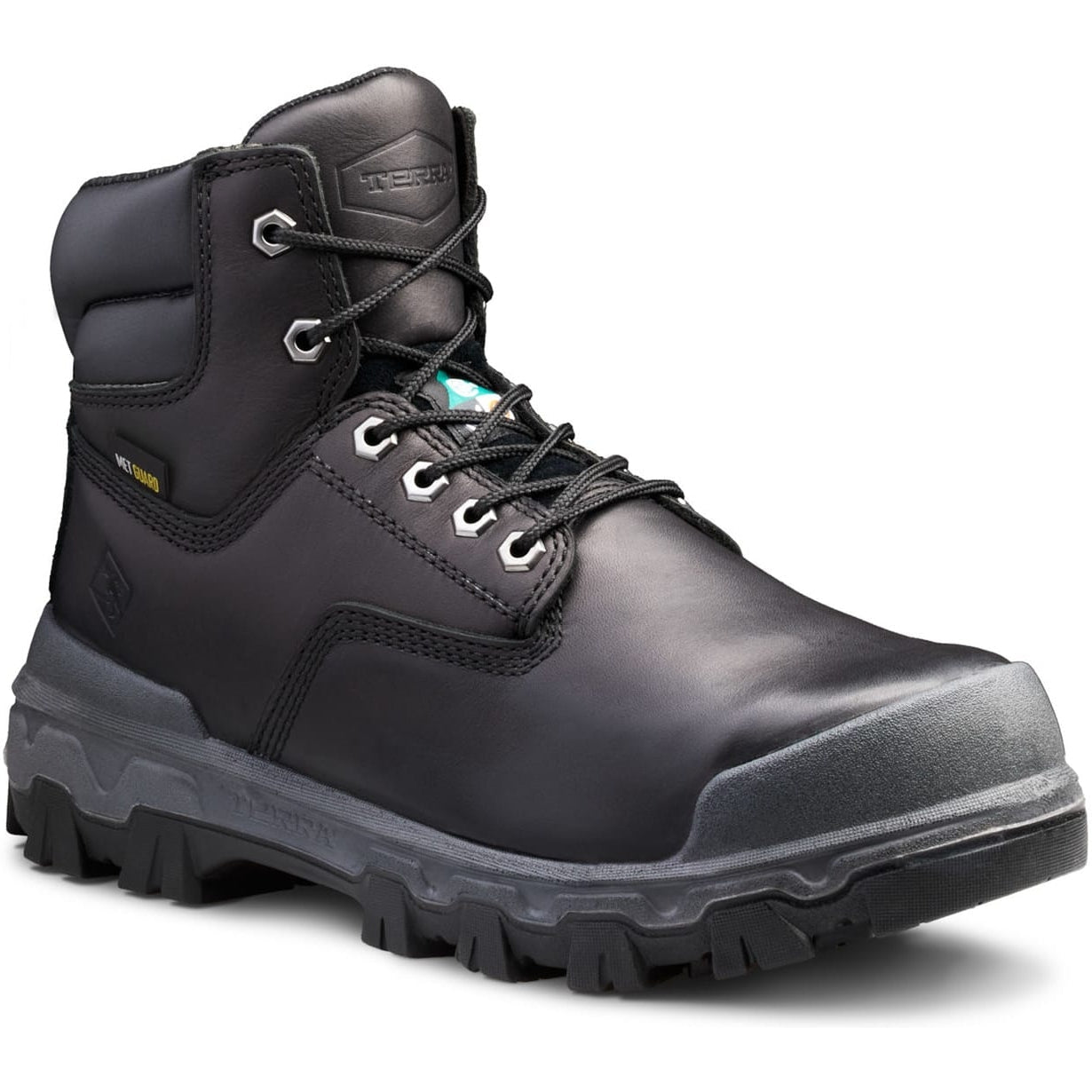
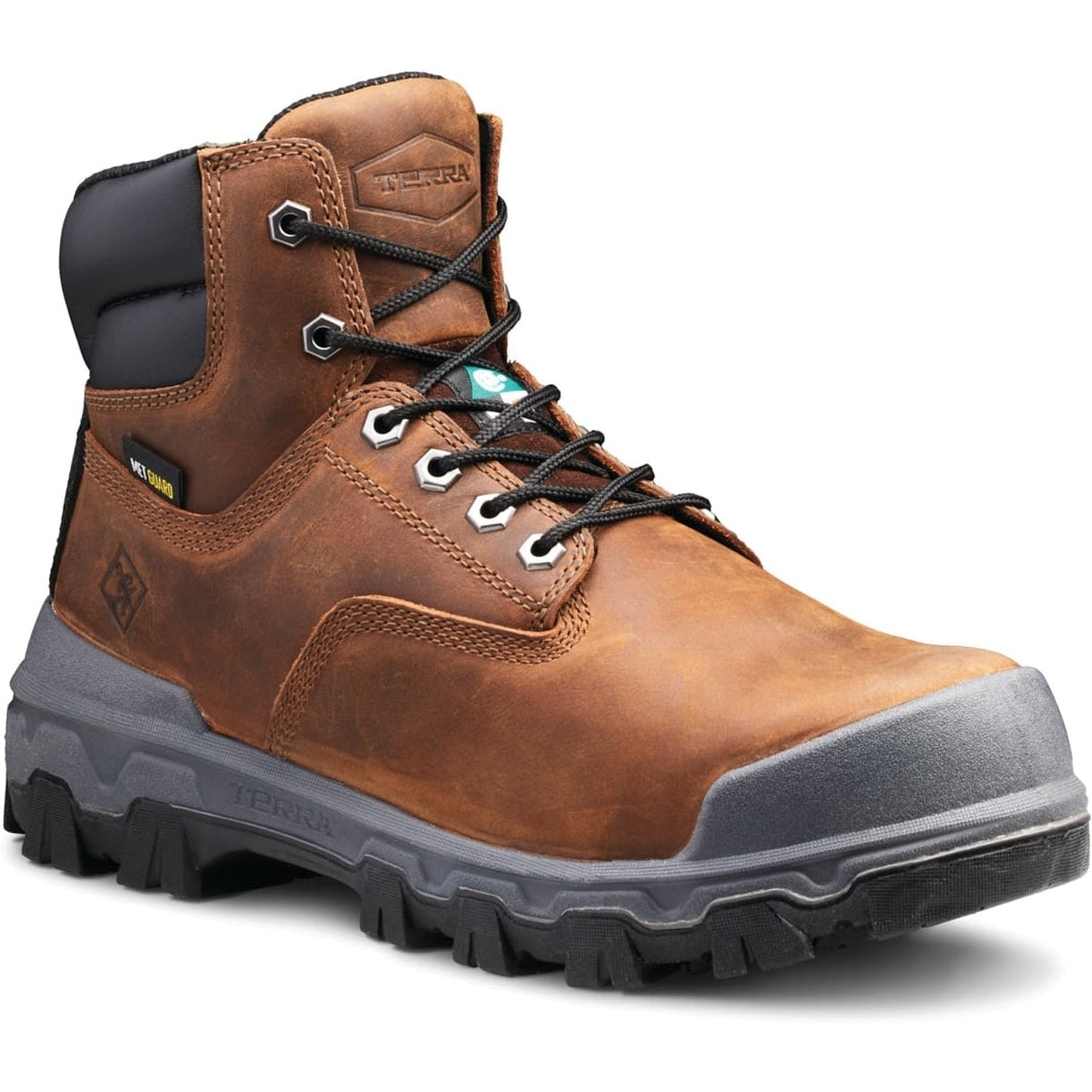
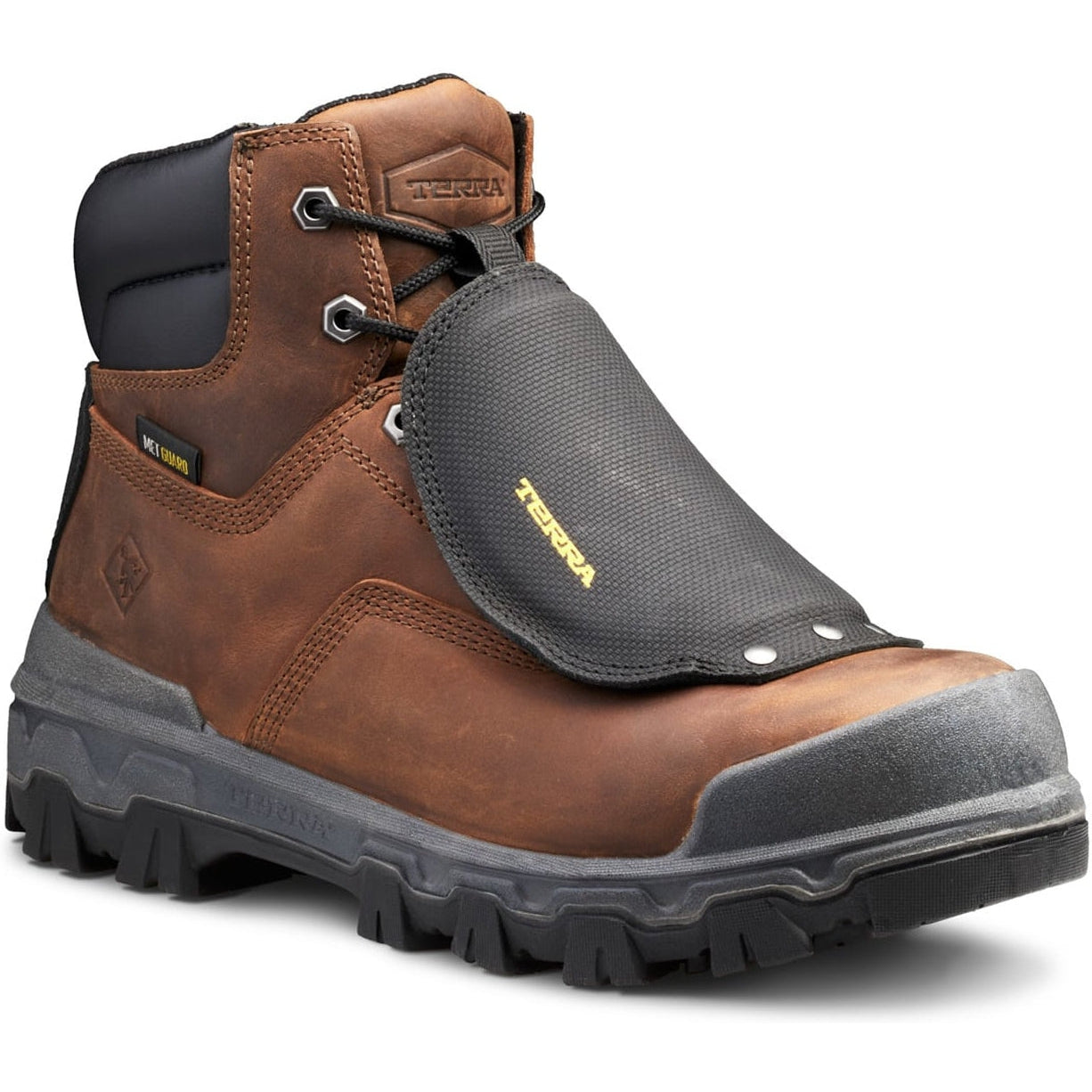
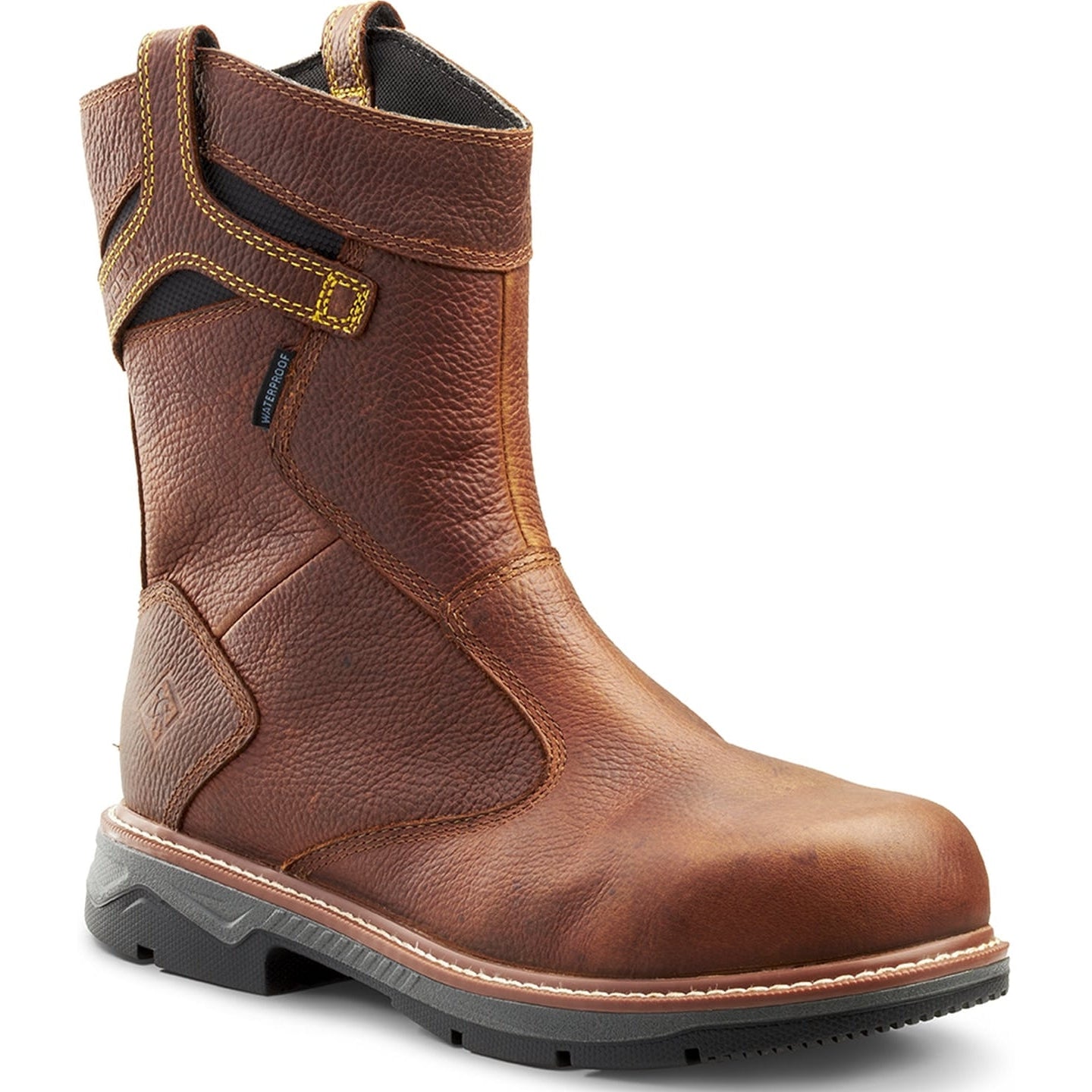
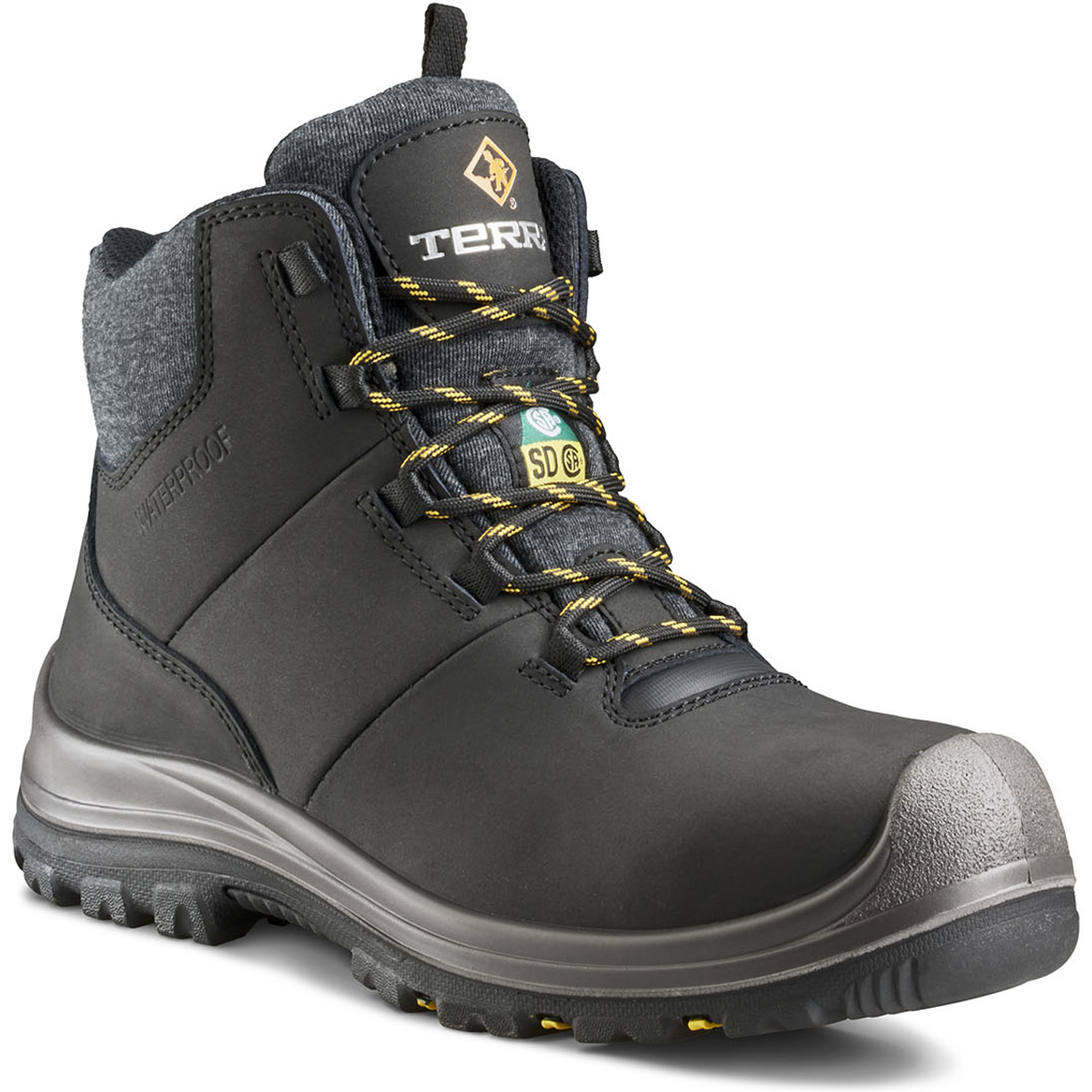
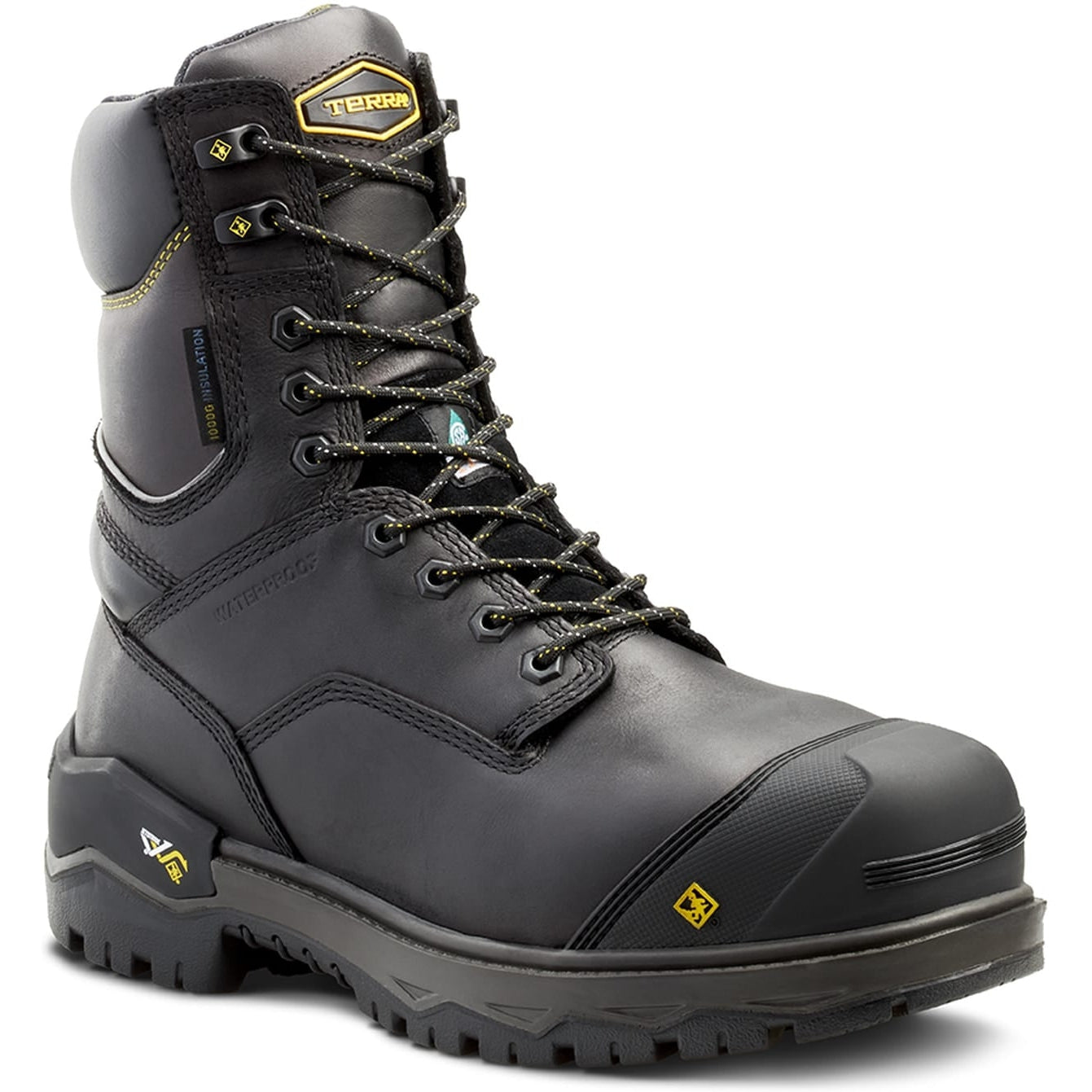
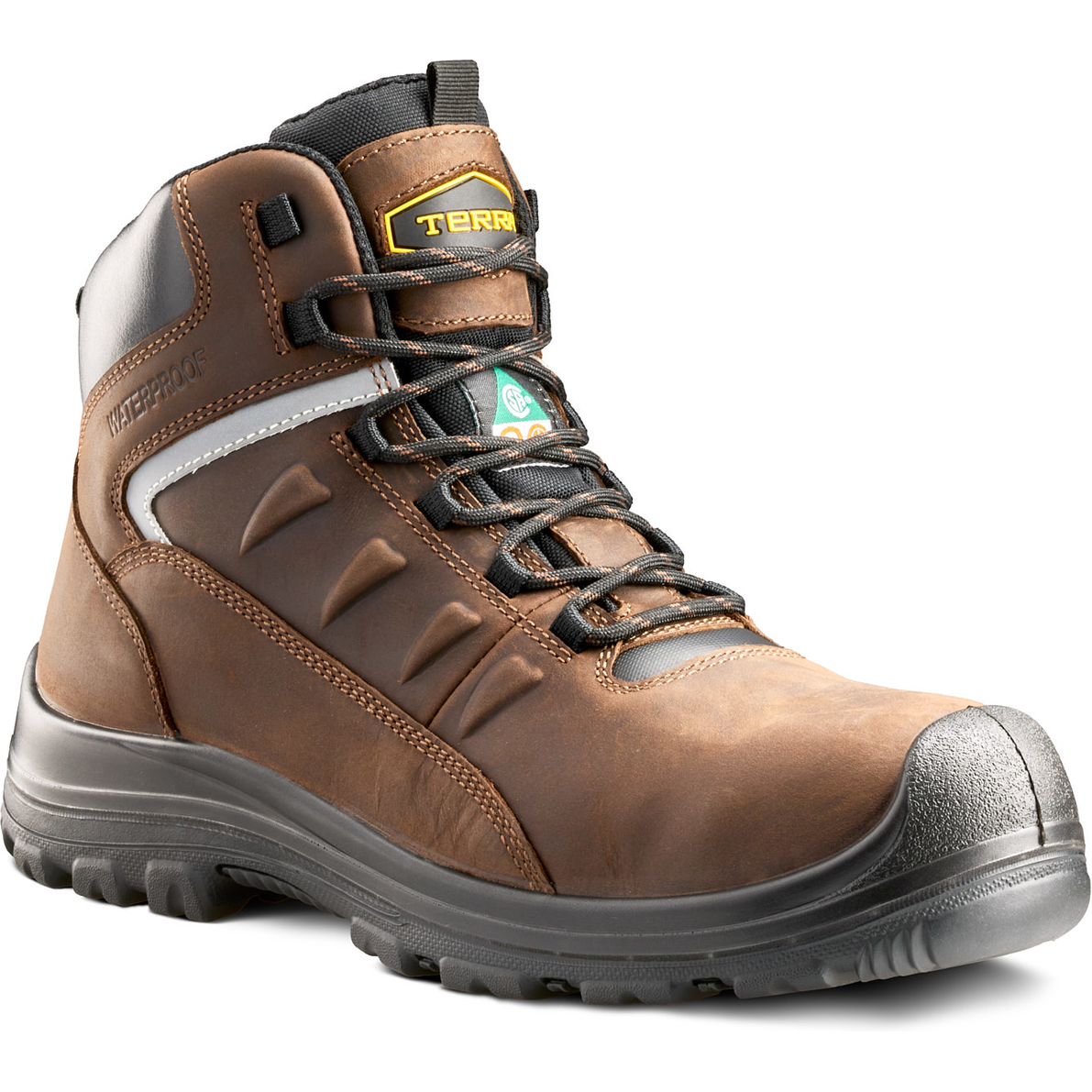
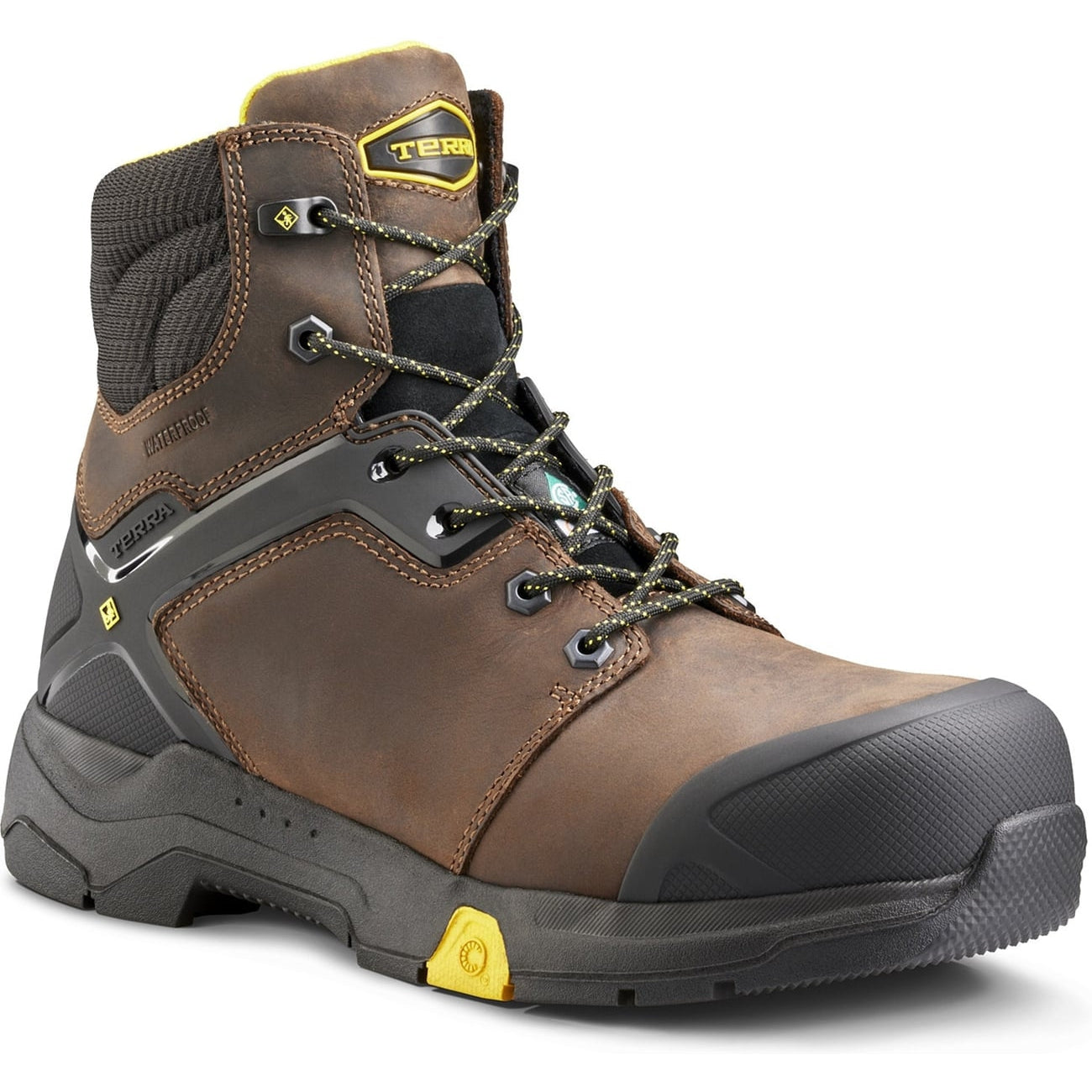
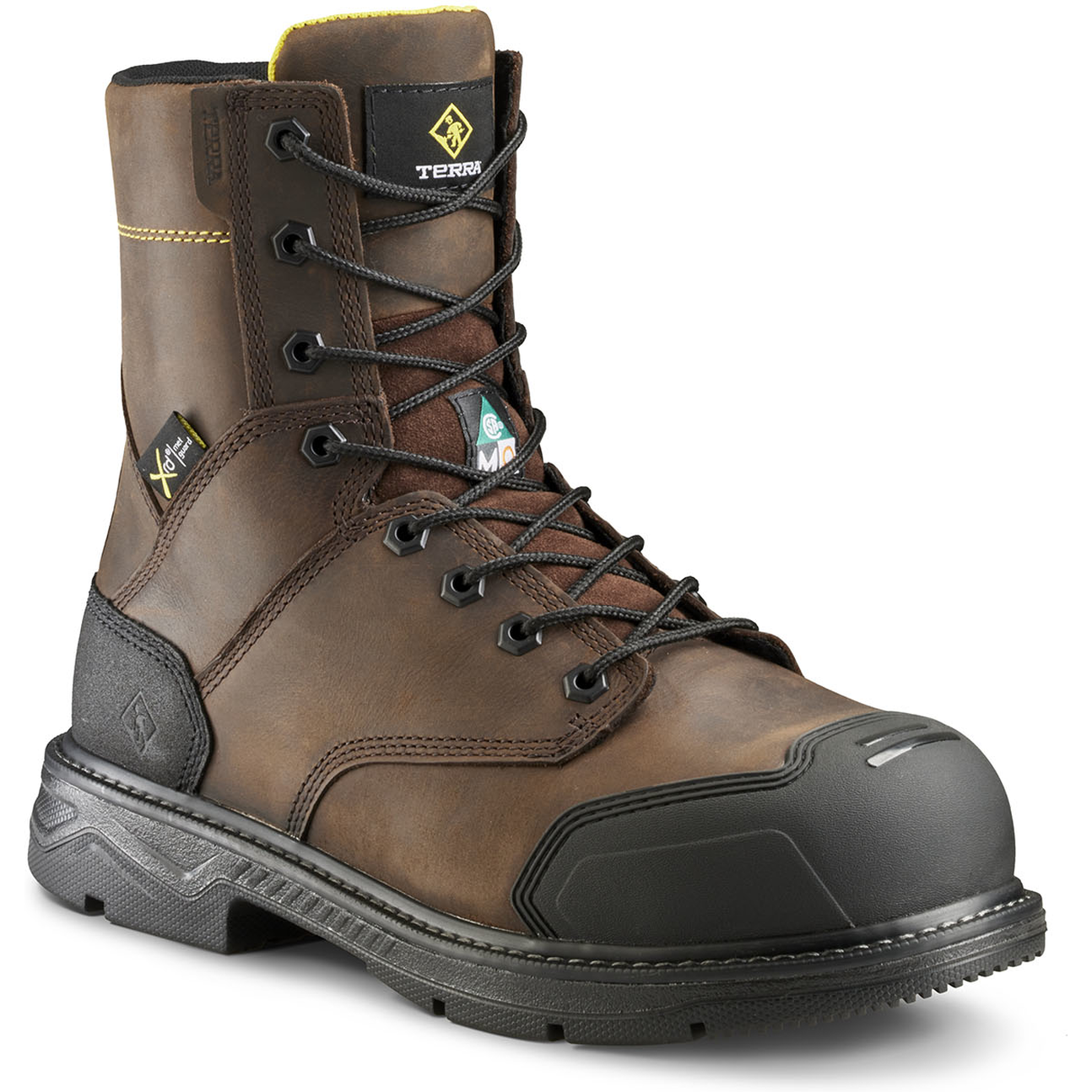
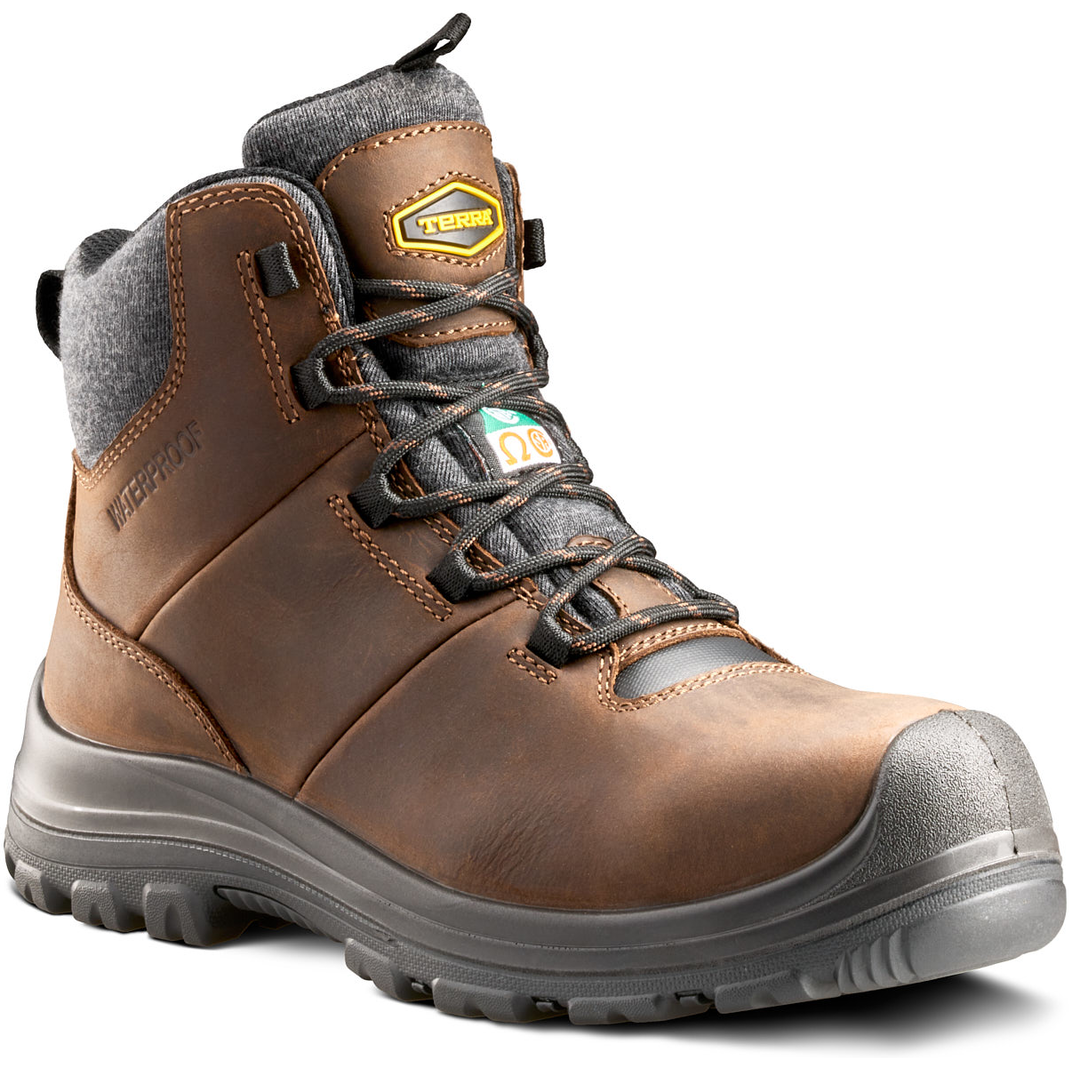
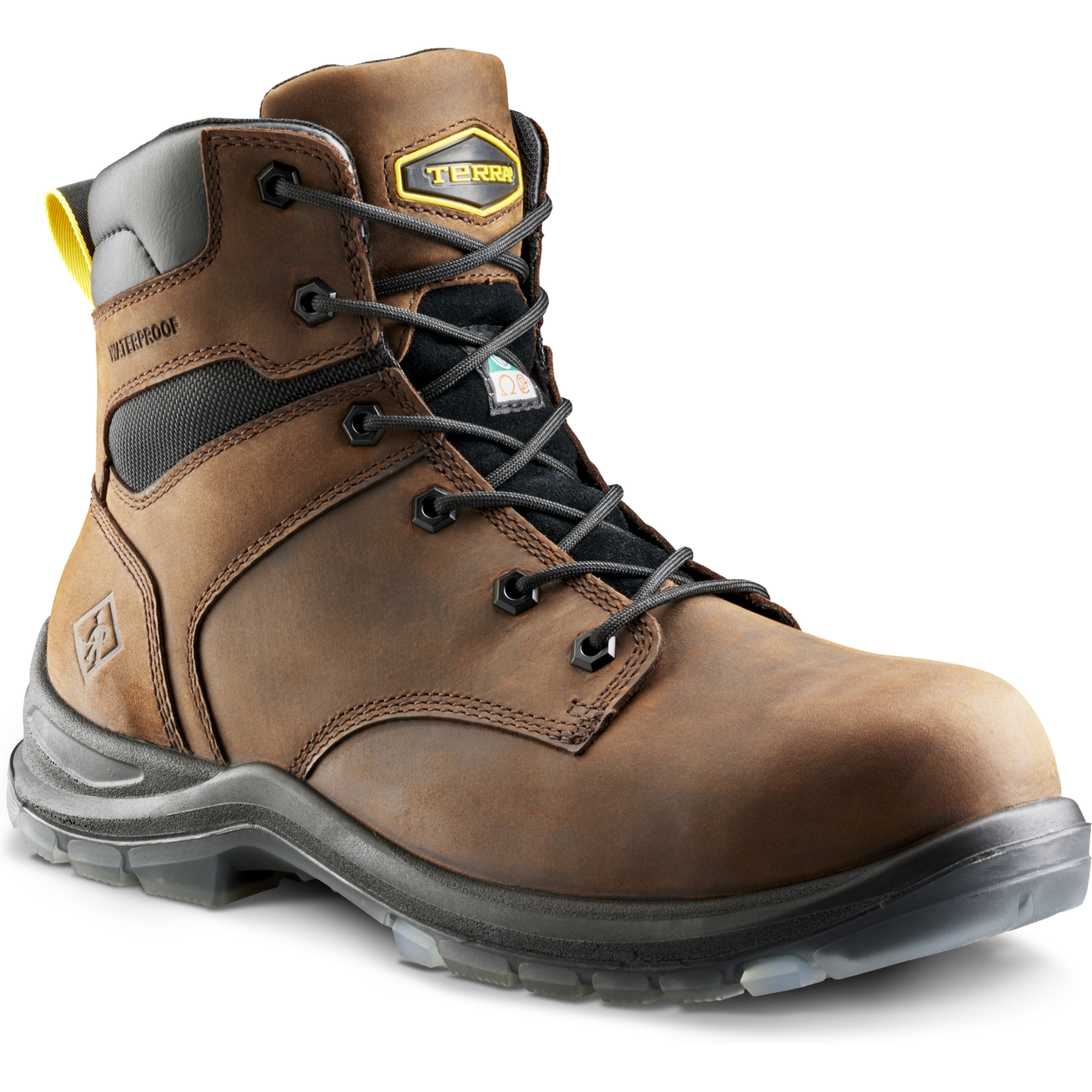
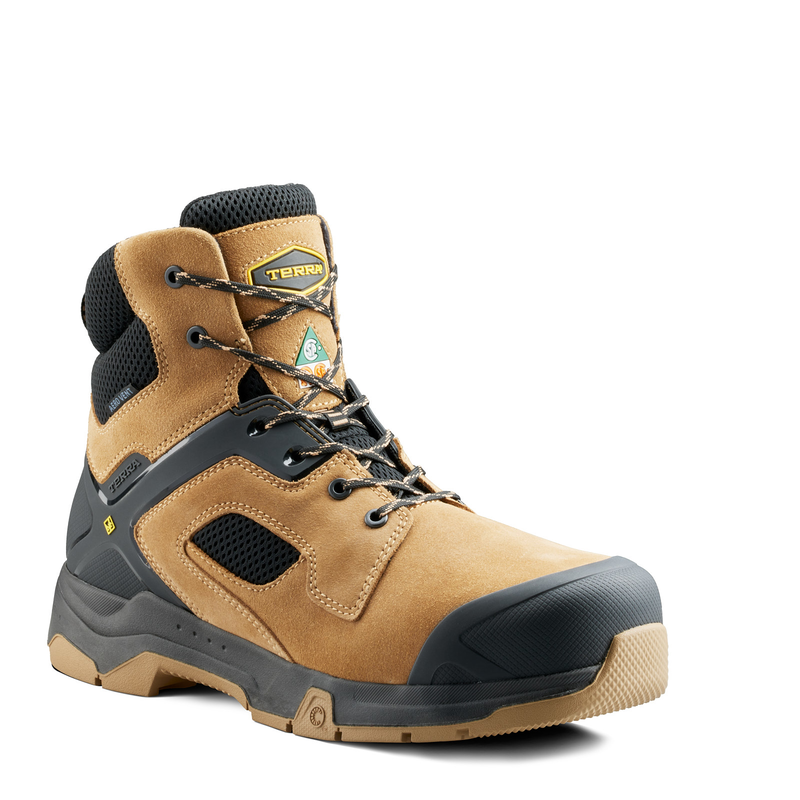
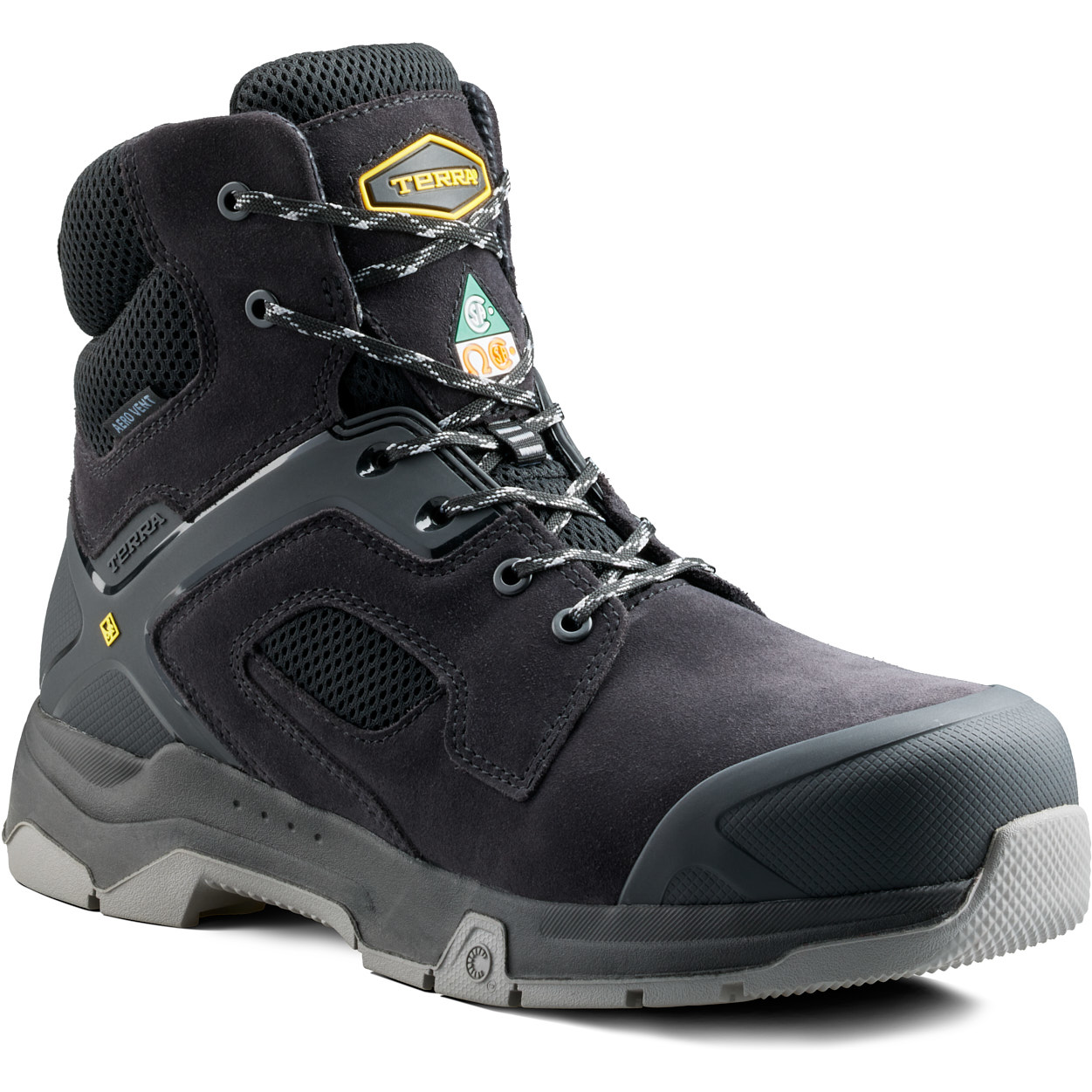
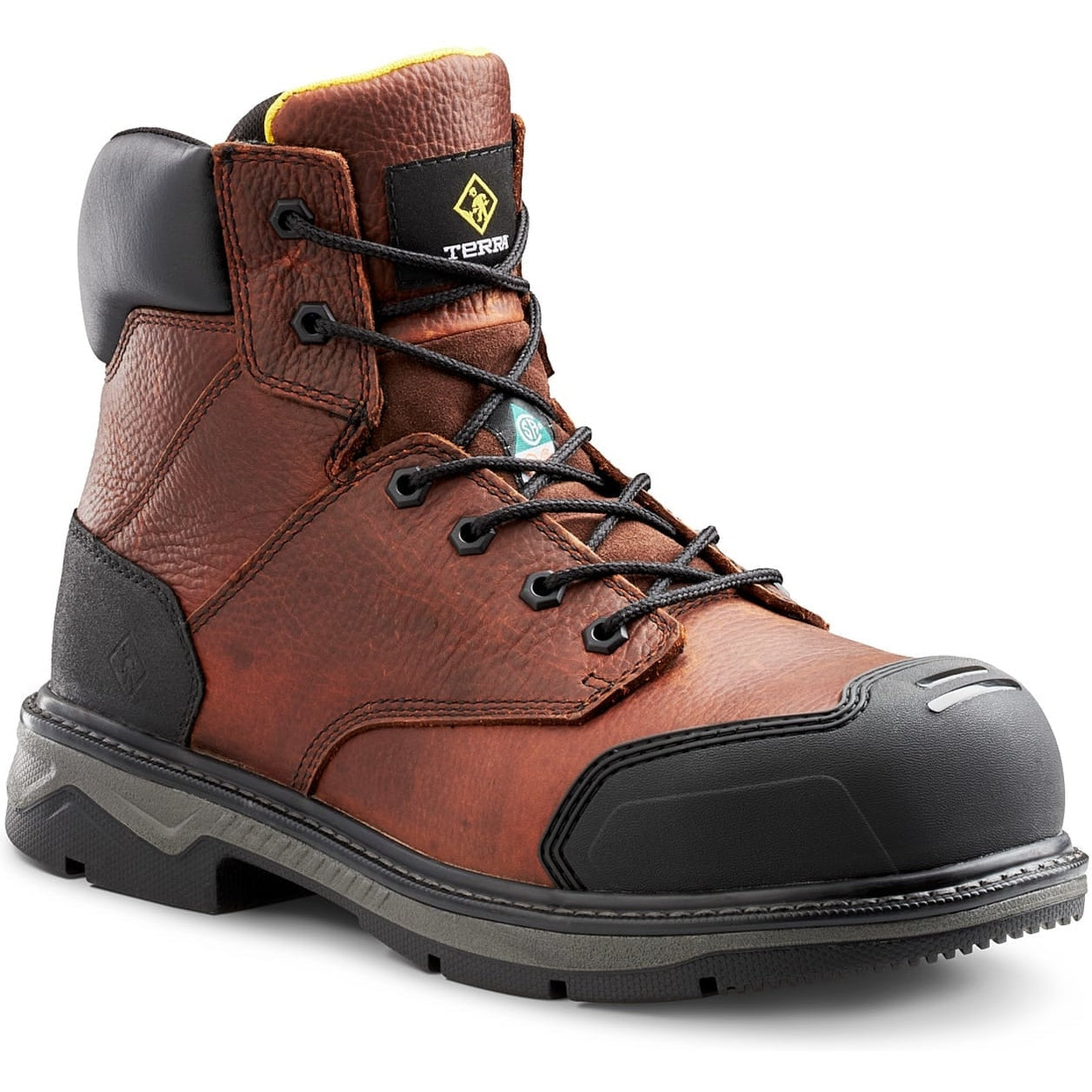
Terra Men's Findlay 6" Composite Toe Waterproof Safety Work Boot -Brown- R5204B
Frequently Asked Questions
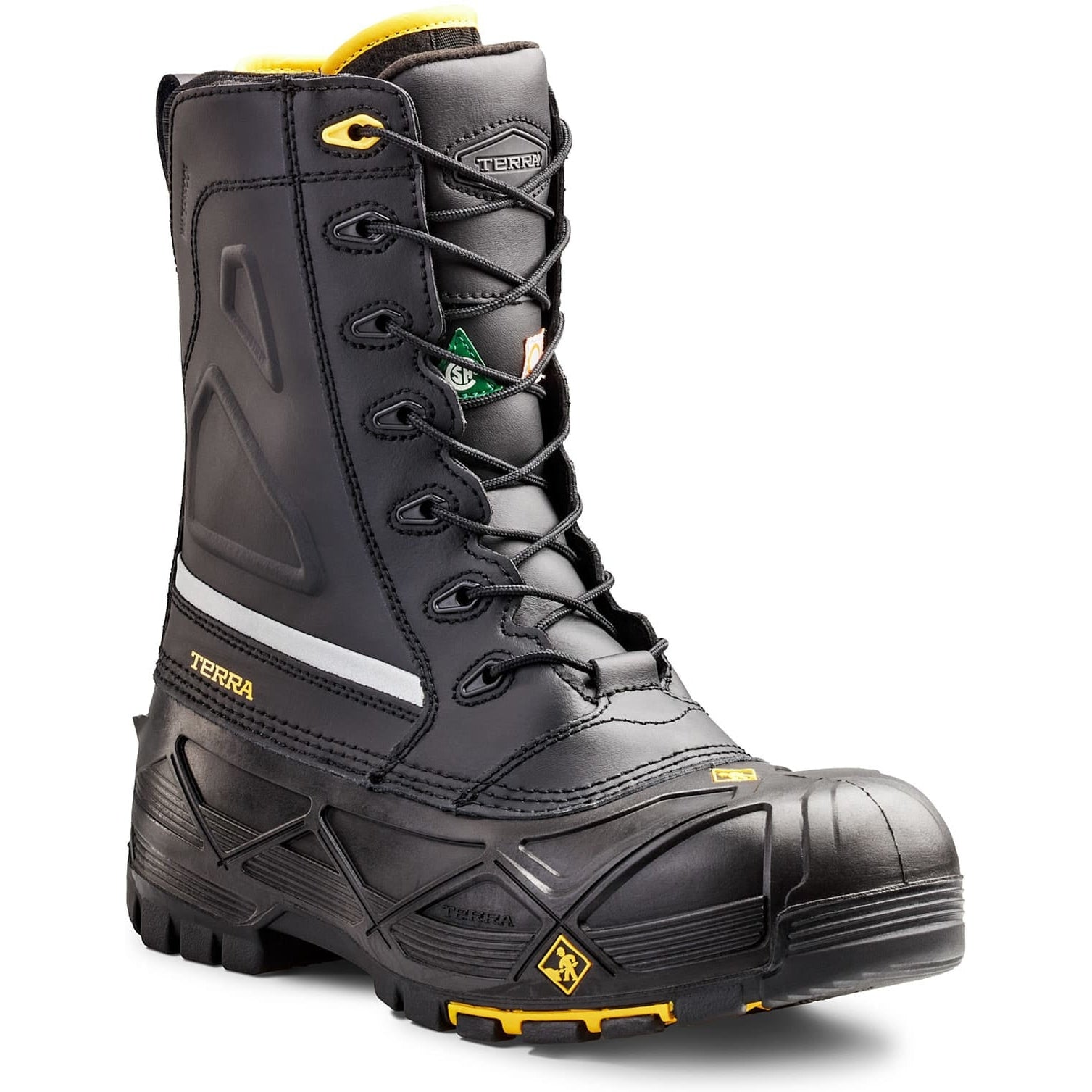
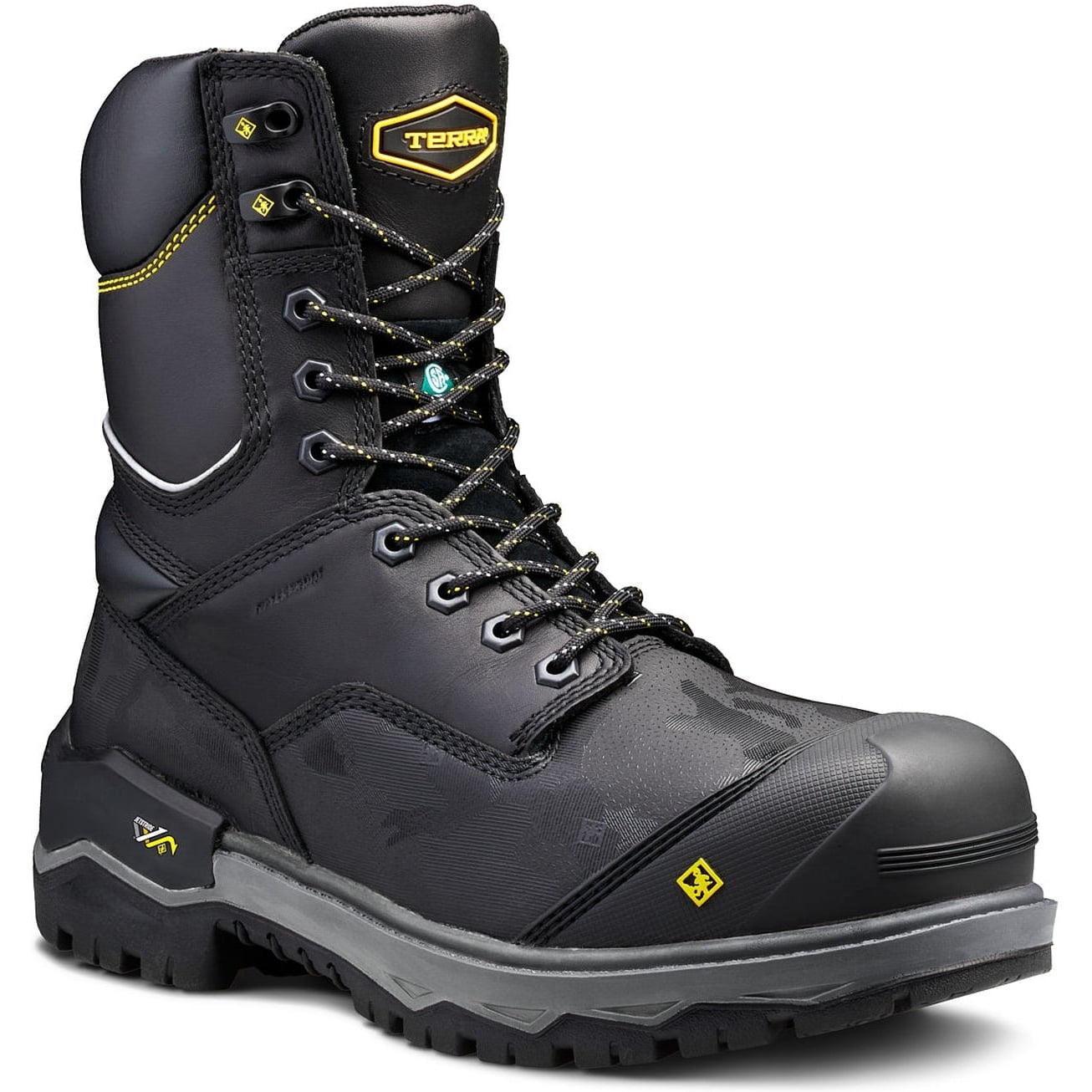
Terra is a Canadian safety brand, founded in 1971 in Harbour Grace, Newfoundland, and built around cold-weather and industrial work. Its signature is the winter range: the Crossbow pac is rated to -76°F with a TERRASPHERE 4-layer liner, and separate Thinsulate-insulated models are rated at 200G and 400G. Terra boots are cement and direct-injection, so they are not resoleable. When the outsole wears through, you replace the boot rather than recraft it.
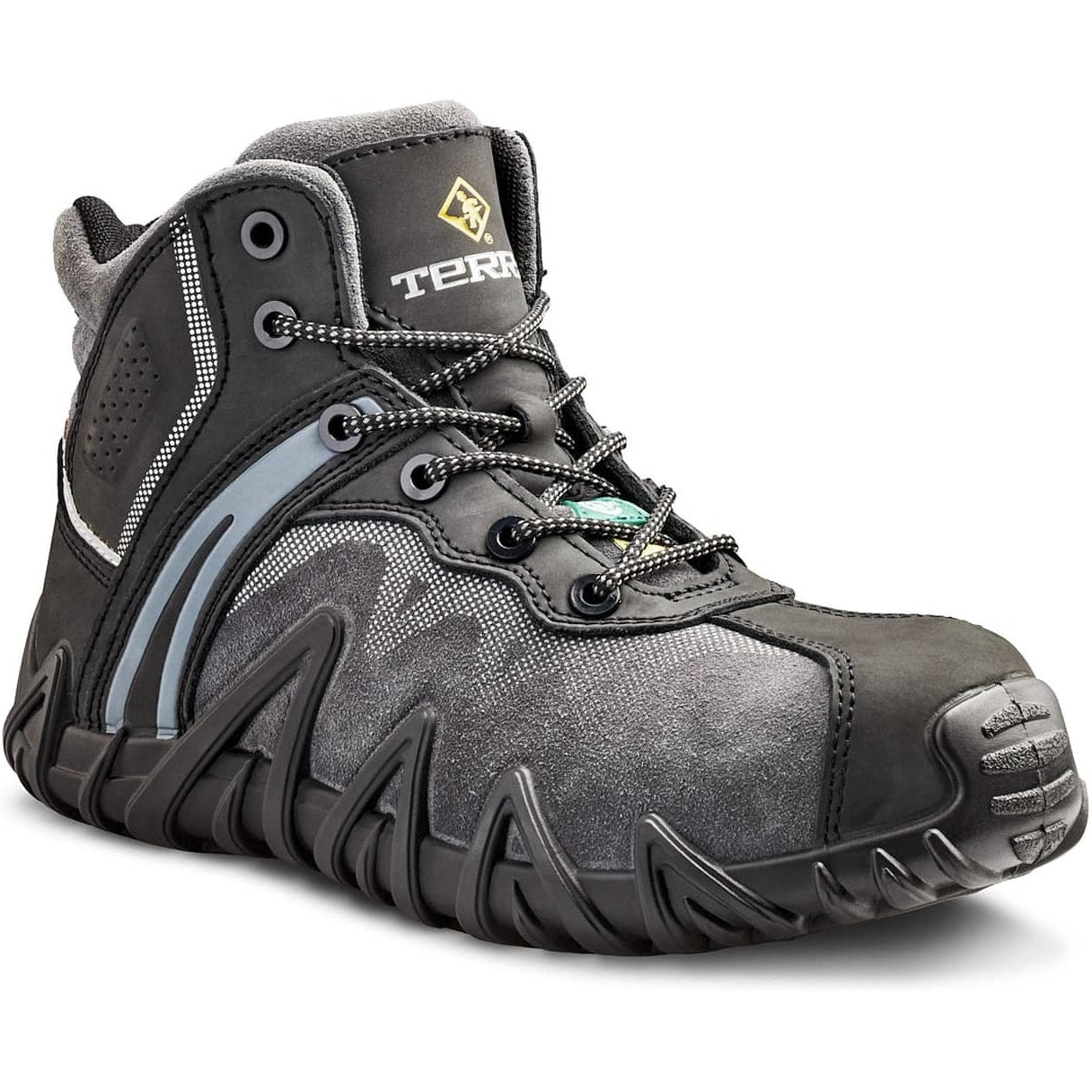
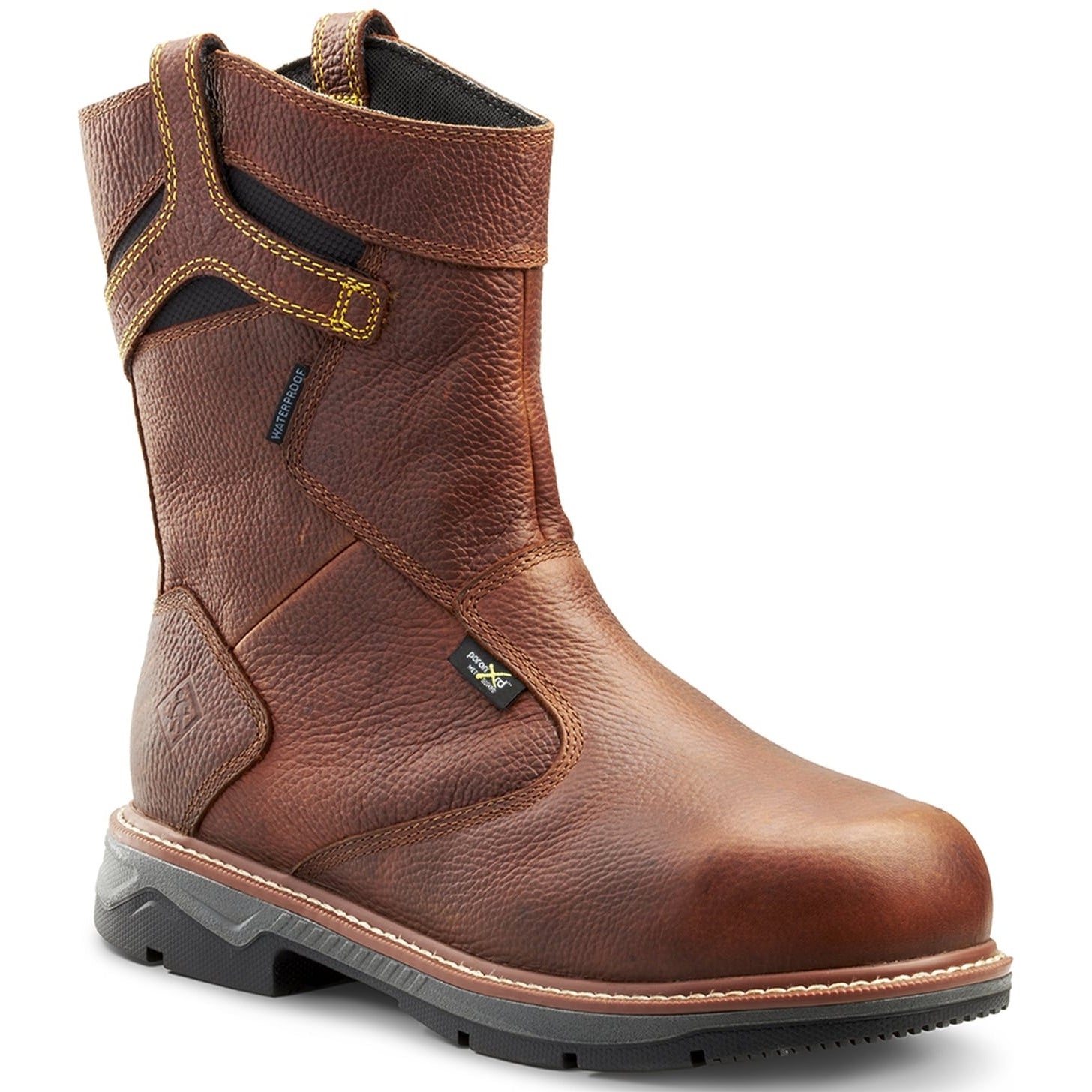
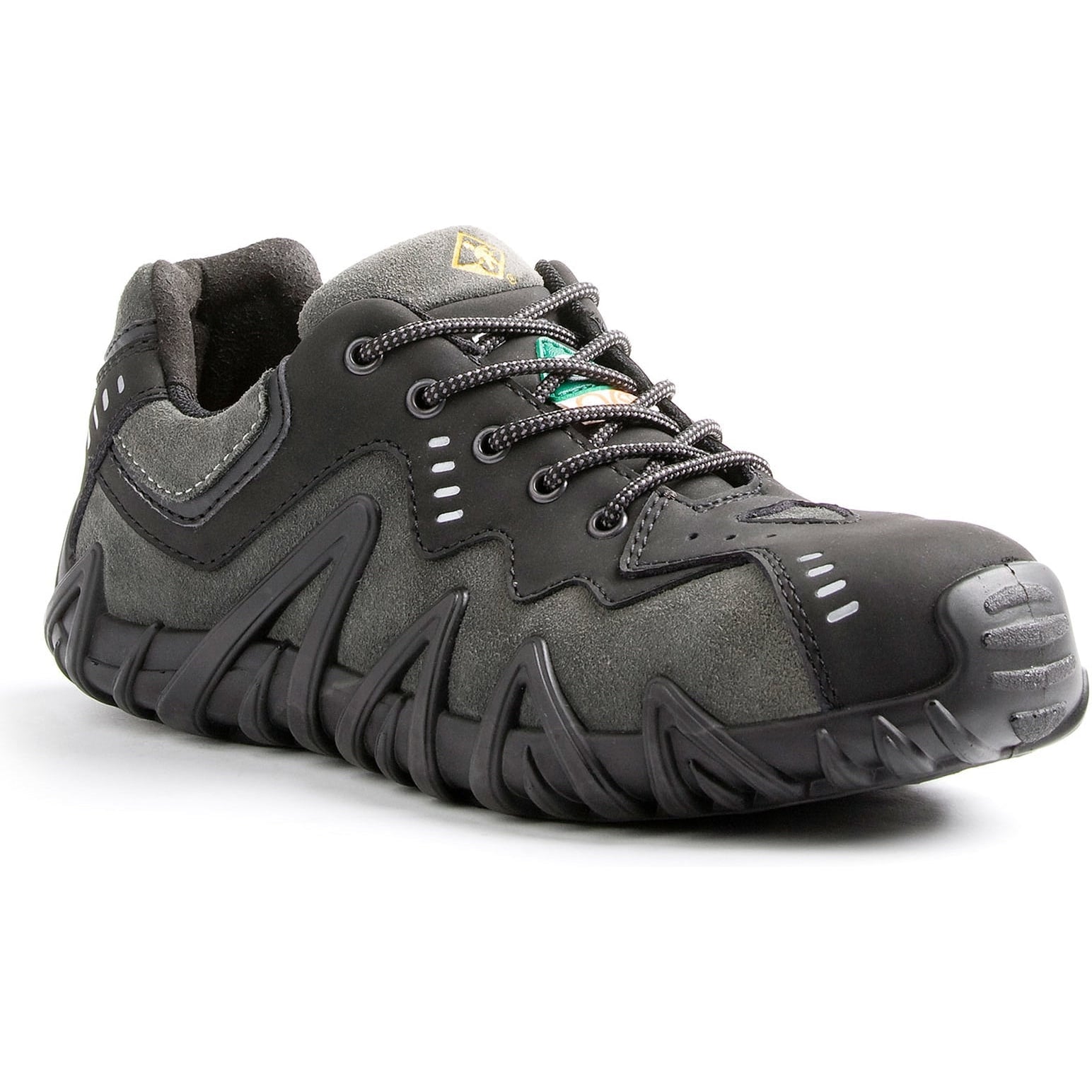
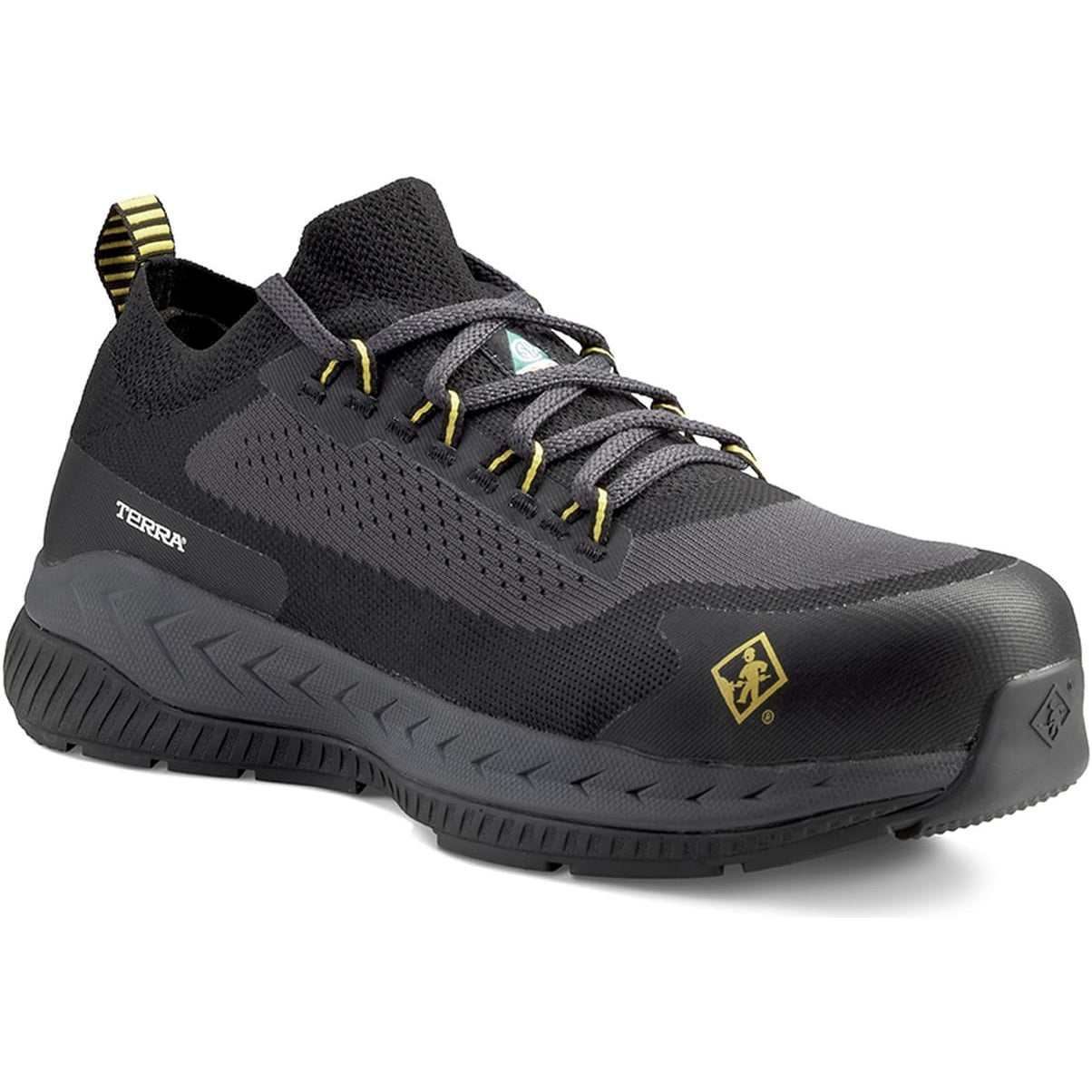
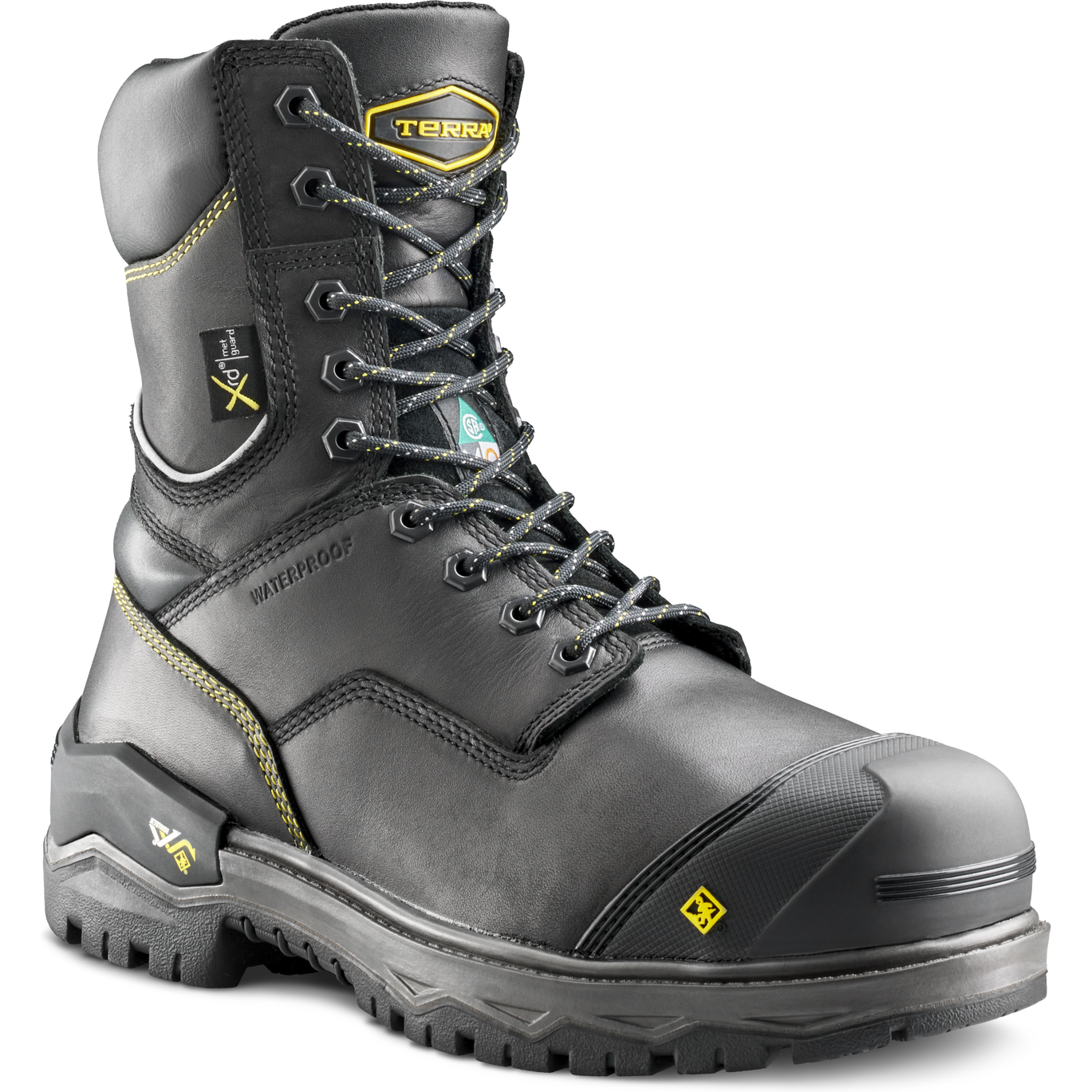
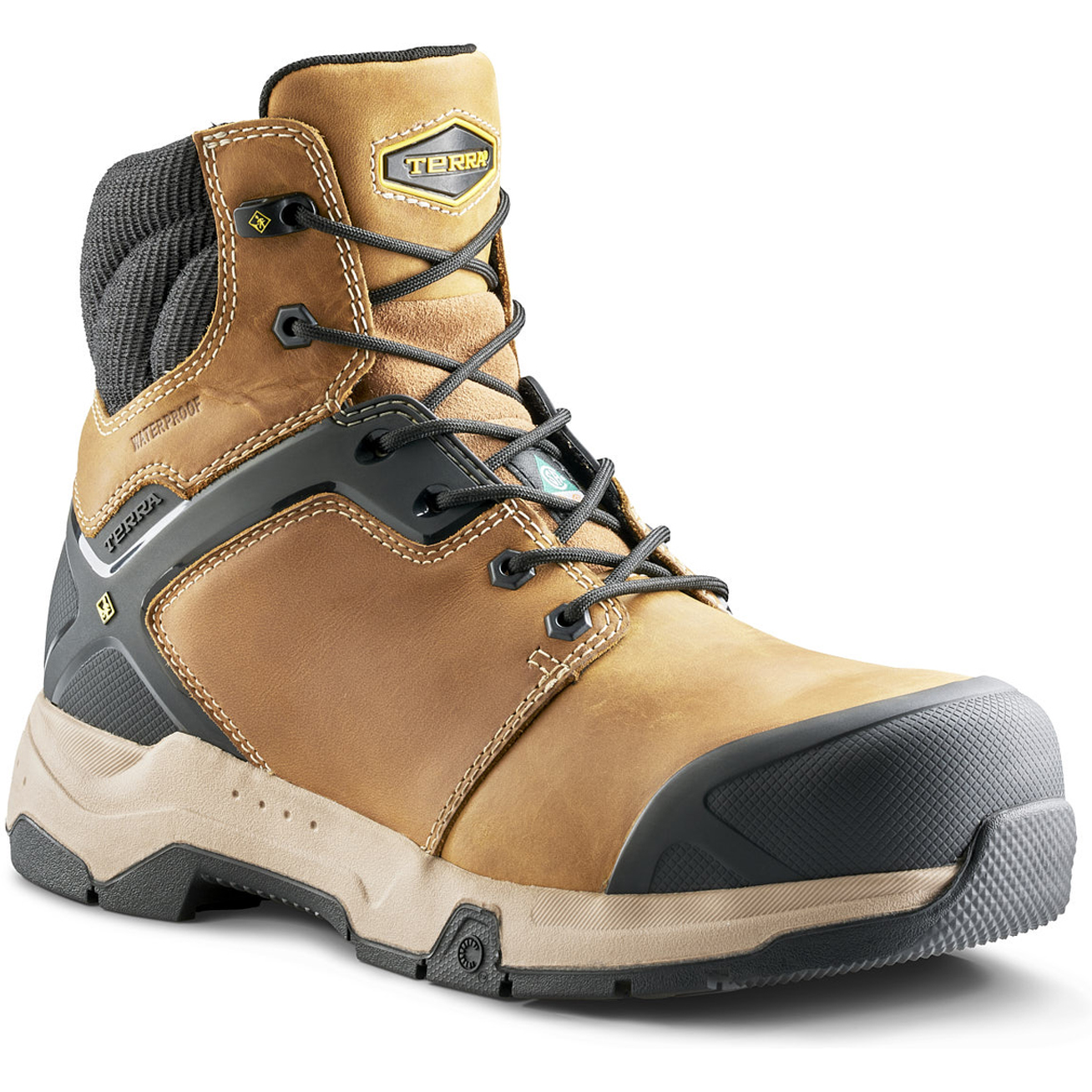
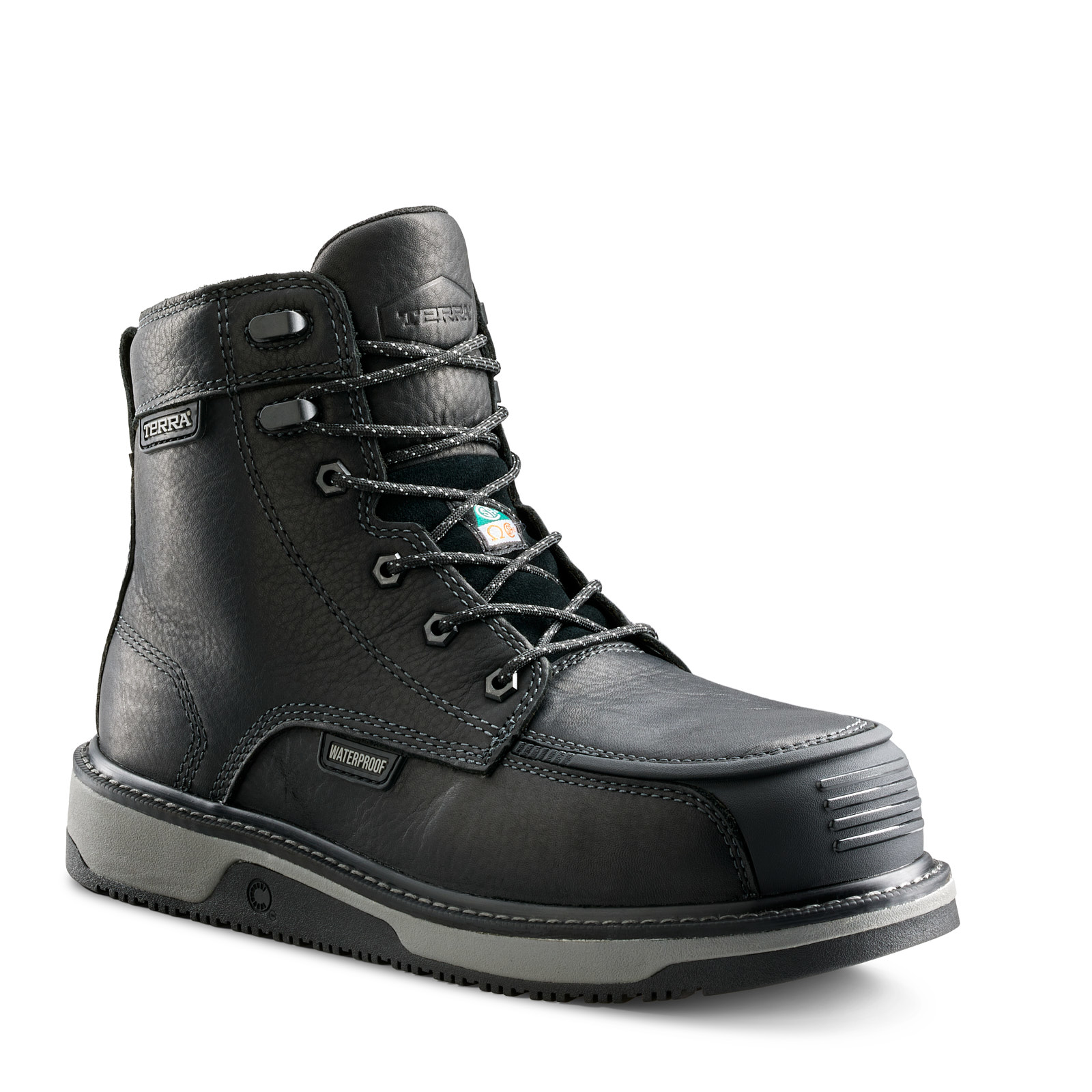
The most popular Terra work boot models are the Gantry, Crossbow, and Carbine. The Gantry is the everyday composite-toe workhorse, and the Gantry LXI adds a 400G insulated version. The Crossbow is the flagship winter pac, rated to -76°F. The Carbine is the year-round, all-season option, waterproof, and lined with 200G Thinsulate. Other models we stock include the Patton (alloy toe), Findlay, Murphy Chelsea pull-ons, Spider, Eclipse, Ironstone, Sentry 2020, Vector, Cobalt, and Byrne.
Terra work boots are no longer made in Canada. Terra built its name on boots made in Harbour Grace, Newfoundland, starting in 1971, which is why long-time buyers still ask. That plant closed in November 2014, ending more than 40 years of Newfoundland production, and the brand has since moved manufacturing offshore. Terra remains a Canadian-rooted brand, now part of Workwear Outfitters, but the boots themselves are not made in Canada.
Terra boots are worth the money, depending on the work you do. Terra is strongest in the cold: for genuine sub-zero shifts, the Crossbow and the insulated models do what few boots in their range can. For dry-weather work, you are paying for cold-weather engineering you won't use.
Terra work boots are not available with a steel toe. The options are composite, the majority of the range, alloy or aluminum, the Patton line, and soft toe, the Murphy Chelsea pull-ons. If you specifically want steel, we carry steel-toe options from other brands elsewhere on the site.
Yes, Terra work boots are both CSA and ASTM certified for safety, with EH (electrical hazard) ratings listed across the range. CSA is the Canadian standard, and ASTM F2413 is the US standard, so a Terra boot carrying both is built to the safety spec on either side of the border.
Cold weather is what Terra does best. The Crossbow pac handles genuine sub-zero temperatures, down to -76°F. The Carbine and Gantry LXI add Thinsulate insulation in 200G and 400G, with a Vibram FIRE & ICE outsole built for grip on ice, though a few reviews question how the soles handle the deepest cold. More insulation means a warmer, stiffer boot, so match it to how cold and how active your work is. Size up a half for thermal socks.
Choose the right Terra boot for your job based on the toe rating your job requires, the height and closure you want, and the cold you actually work in. For toe, composite covers most trades and stays metal-free for secure sites; alloy (Patton) is an option if you want it. For height and closure, pick 6-inch or 8-inch lace-ups for ankle support, pull-on Wellingtons for quick on-and-off, or Murphy Chelseas for a soft-toe slip-on. For cold, go uninsulated for mild conditions, add insulation for colder or less active work, and step up to the Crossbow for sub-zero conditions. If your site requires a metal detector pass, choose a metal-free composite model.
Most Terra boots run true to size. If you wear thick or thermal socks, or you are buying an insulated winter model, size up a half to leave room. The catalog runs in Medium and Wide, in sizes roughly 3 to 16, so wide-footed buyers are covered across most models. If you are between sizes in a non-insulated boot, your normal size is usually the right call. Check the specific product page, since the width and size range vary by model.