Save 7%
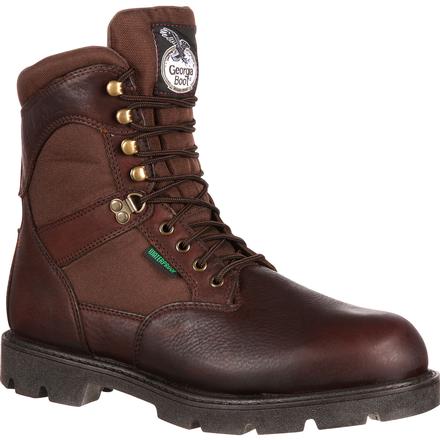
Sale price$140.00
Regular price$150.00
Georgia Men's Homeland 8" Waterproof Insulated Work Boot - Brown - G109
Save 5%
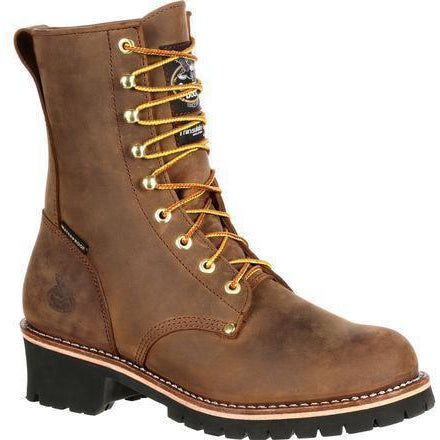
Sale price$180.00
Regular price$190.00
Georgia Men's 8" Waterproof Steel Toe Insulated Logger Work Boot - Brown - GB00065
Save 14%
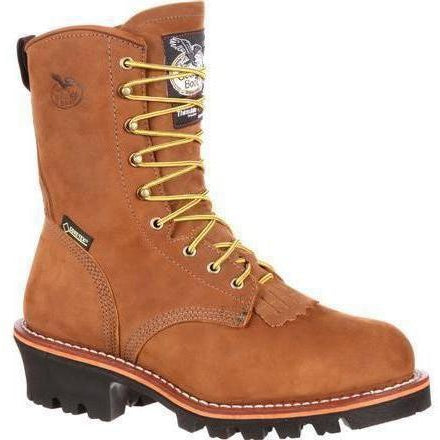
Sale price$246.45
Regular price$285.00
Georgia Men's 8" Steel Toe Waterproof Insulated Logger Work Boot - Brown - G9382
Save 15%
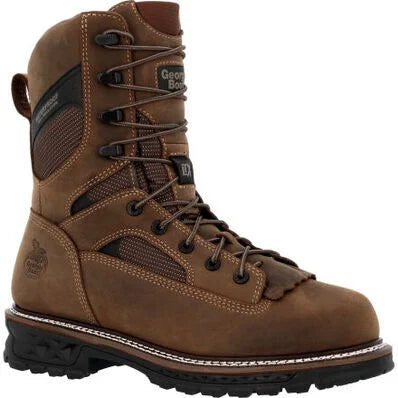
Sale price$204.60
Regular price$240.00
Georgia Men's Logger LTX 9" Composite Toe Waterproof 400G Work Boot -Brown- GB00681
Save 15%
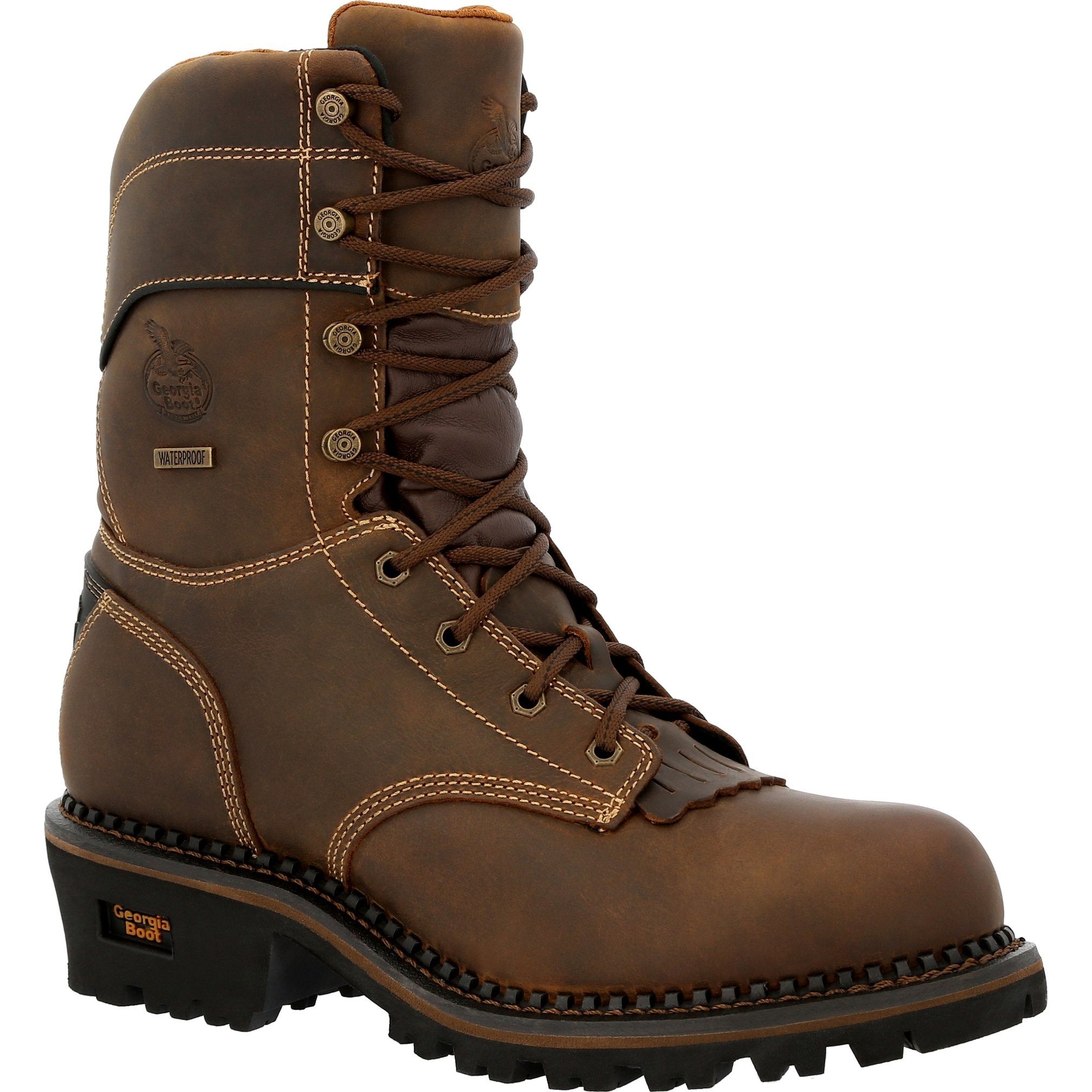
Sale price$195.30
Regular price$230.00
Georgia Men's Amped Lightweight Logger 9" Composite Toe Waterproof 600G Ins Work Boot- GB00491
Save 14%
Sale price$223.20
Regular price$260.00
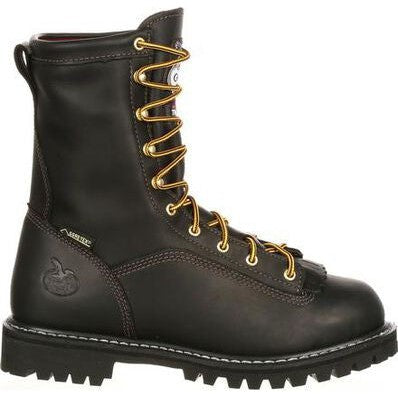
Georgia Men's Lace To Gore-Tex 8" Soft Toe Waterproof 200G Ins Work Boot- Black- G8040
Frequently Asked Questions
Match it to your activity, not the temperature. Two hundred grams suits active work in cool conditions. Four hundred handles cold with moderate movement and is the all-round choice for most outdoor winter work. Six hundred is for standing still in genuine cold. Buying the warmest available is the classic mistake.
Because insulation you do not need traps sweat. If you overheat while active, moisture saturates the insulation and wet insulation loses most of its value the moment you stop moving. That is why matching weight to activity beats matching it to the coldest morning of the year.
All of them, and that pairing is deliberate: wet insulation stops working and snow melts against a warm boot, so an insulated boot that is not waterproof defeats itself. The Lace-To model uses genuine Gore-Tex rather than a house membrane. See our Gore-Tex work boots range.
Meaningfully. Steel and alloy conduct temperature and pull cold toward your toes, and no amount of insulation around the cap fully compensates. Composite and carbon do not conduct. If your site allows the choice and you work outdoors in hard cold, a non-metallic toe is the consistent pick.
Slightly looser than uninsulated, allowing for the socks you will actually wear plus a little air space, because dead air is part of how insulation works and a tight boot restricts circulation. Buying your normal size and then adding heavy socks is the classic error and makes feet colder rather than warmer.
Merino wool or a synthetic blend, never cotton. Cotton absorbs sweat and holds it against your skin, which is how feet get cold in winter regardless of how good the boot is. Merino wicks moisture away and keeps insulating when damp. See our work socks range.
For outdoor work on uneven or muddy ground, yes, since you get the traction and the warmth together. For flat hard ground the raised heel will tire you regardless of insulation. Match the sole to your surface first, then the insulation to your activity. See our Georgia logger boots range.
For multi-day stationary cold, often yes, because a pac boot has a removable liner you can dry overnight while a sealed insulated boot never fully dries. For a single shift with somewhere warm afterwards, an insulated leather boot is more comfortable to walk in. See our pac boots range.
Recently viewed
Our Top Brands