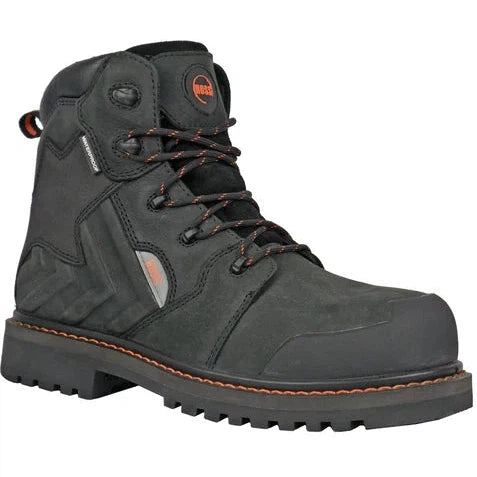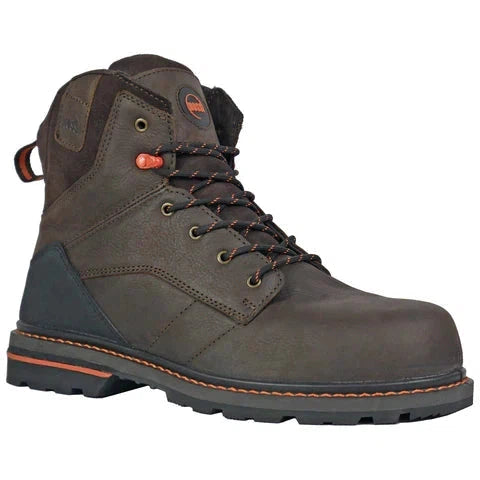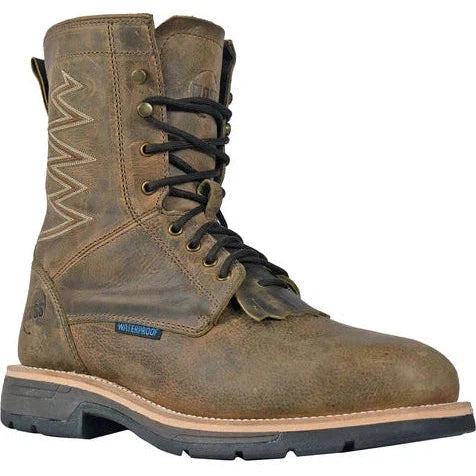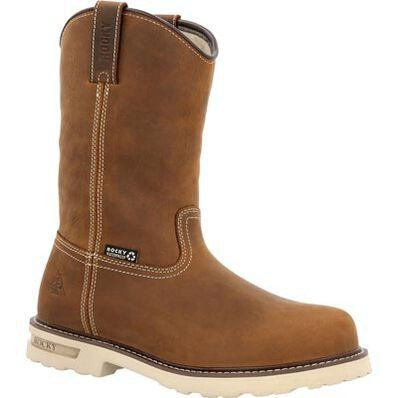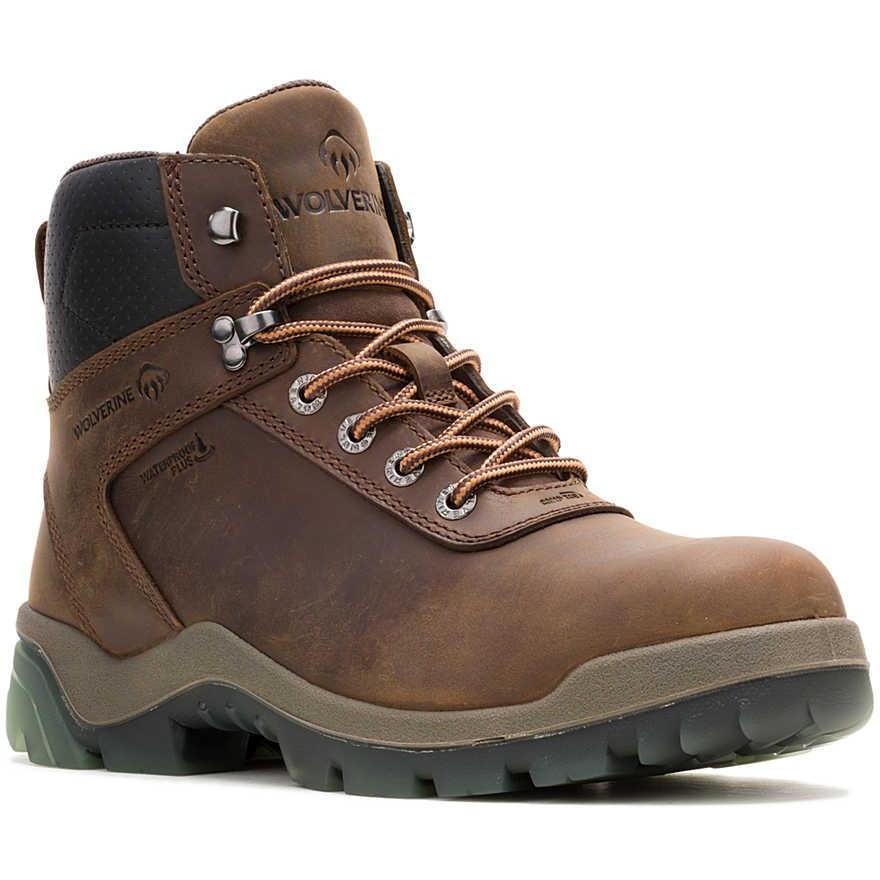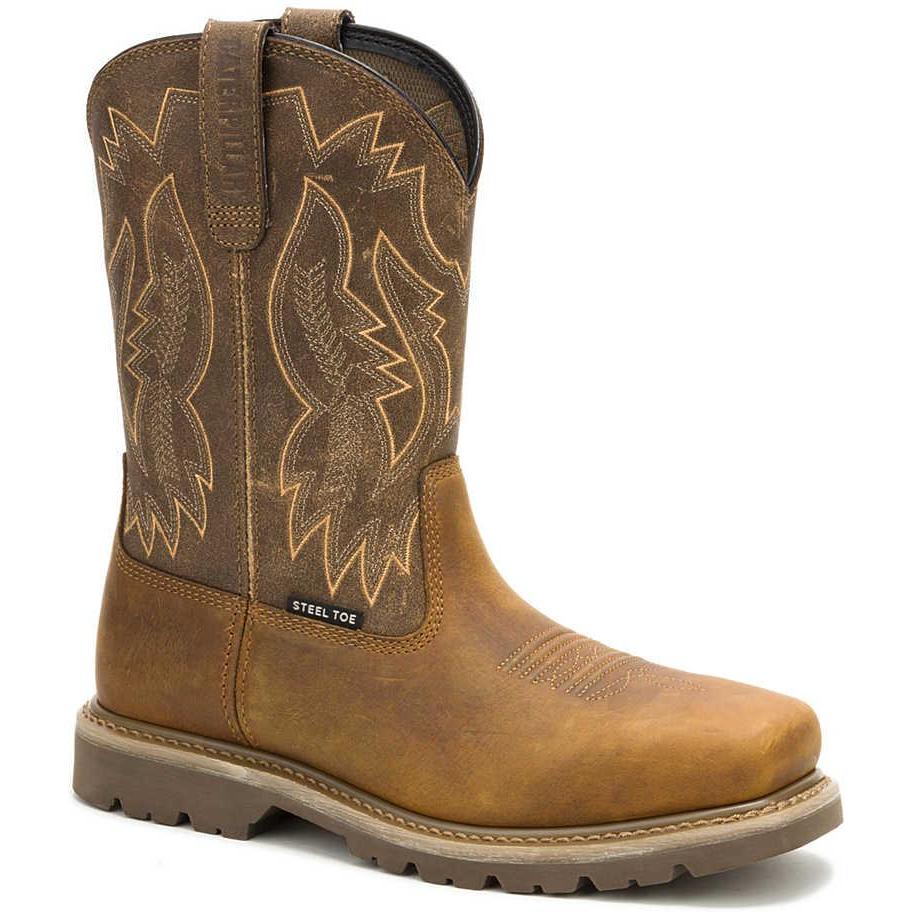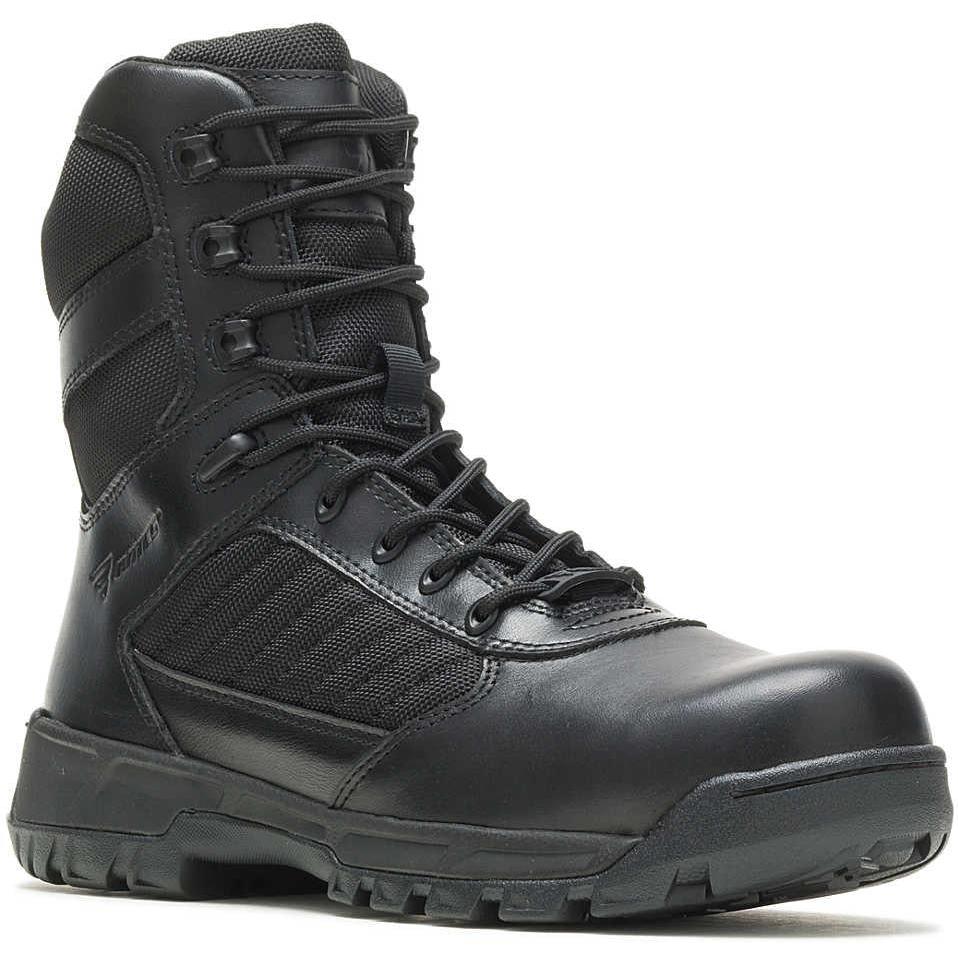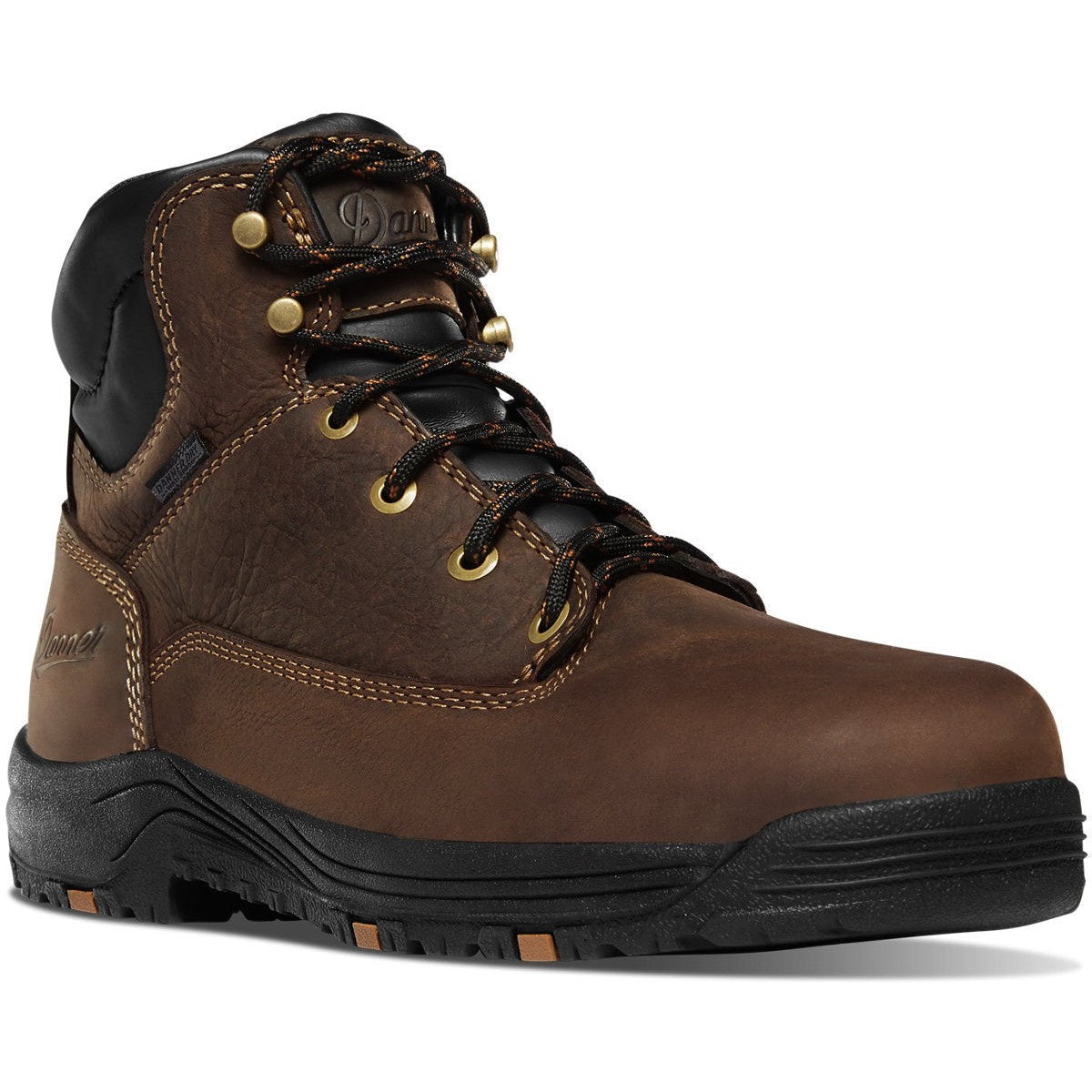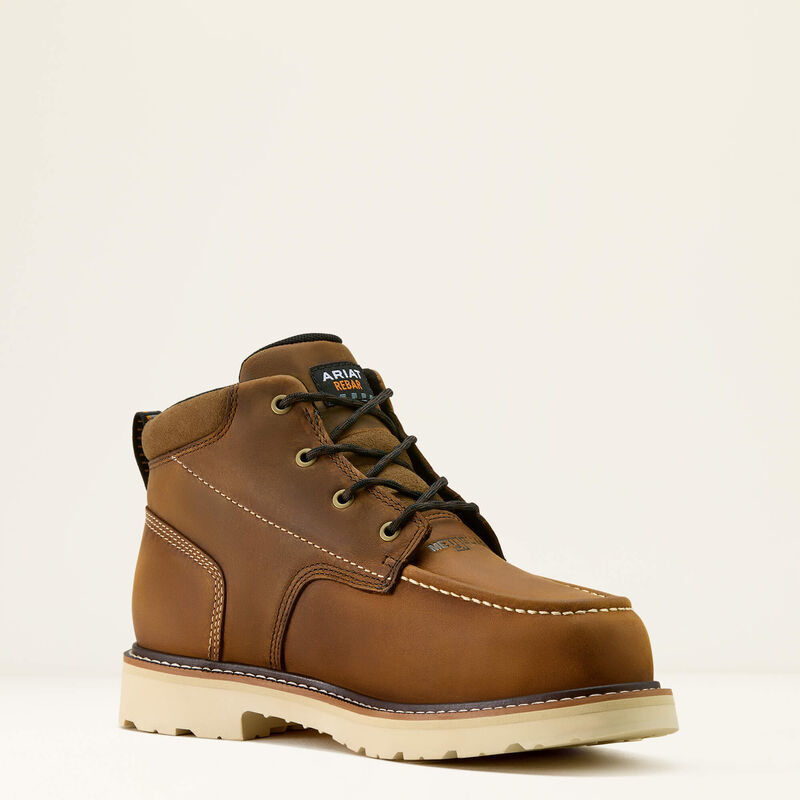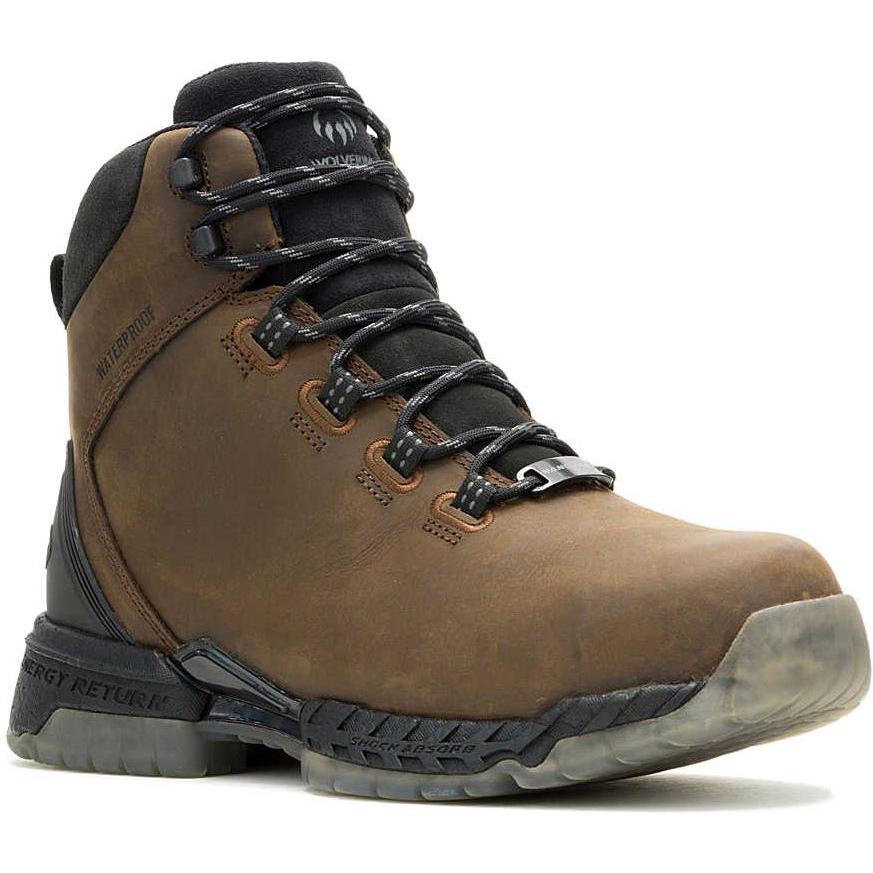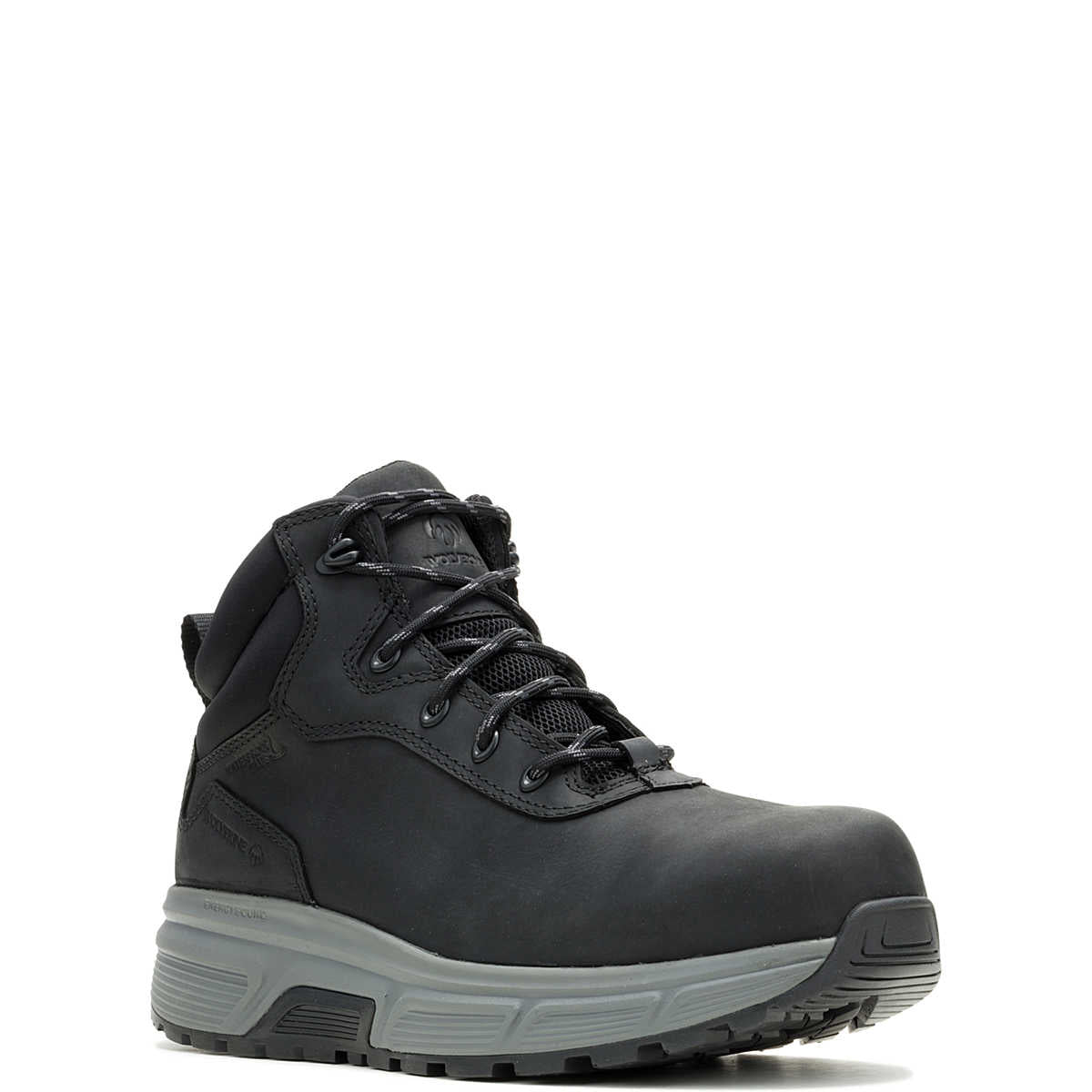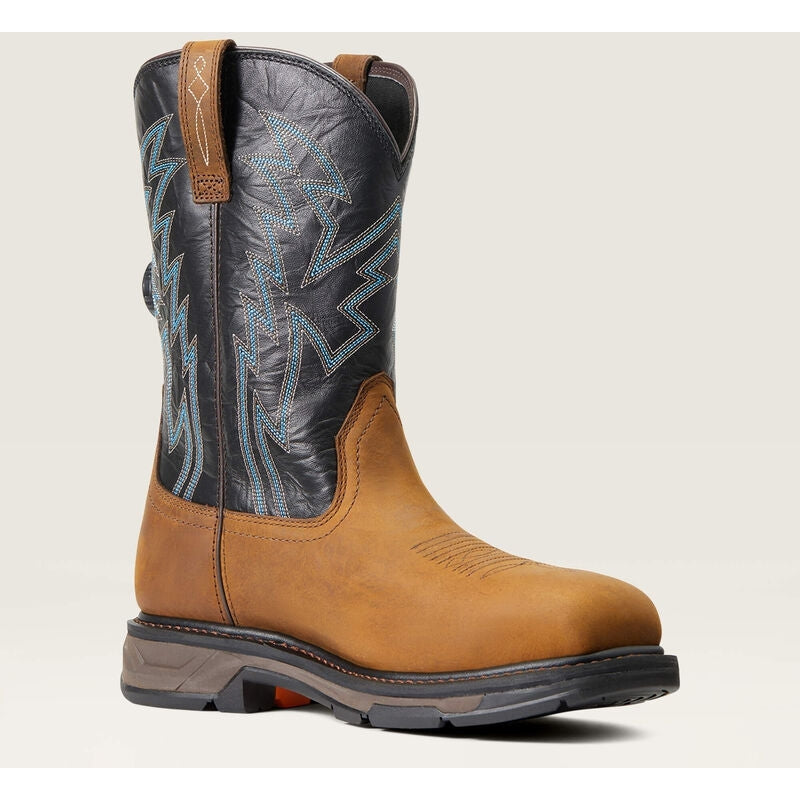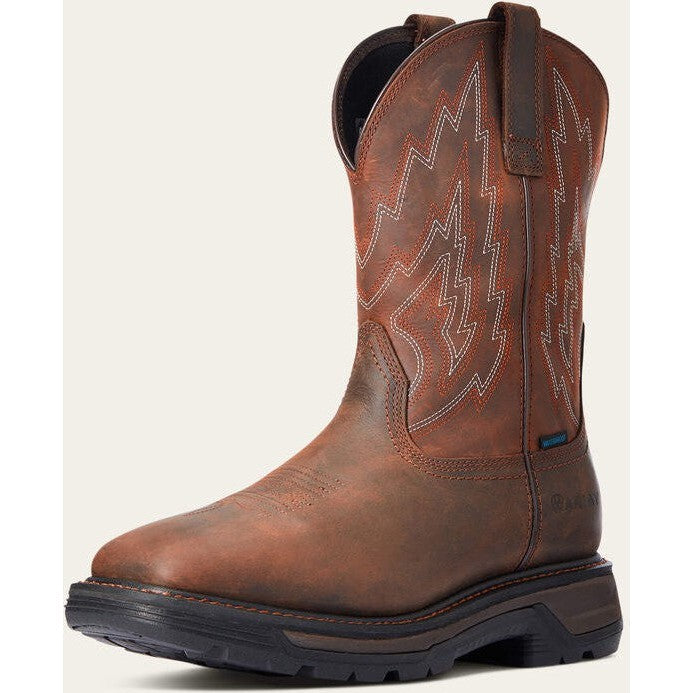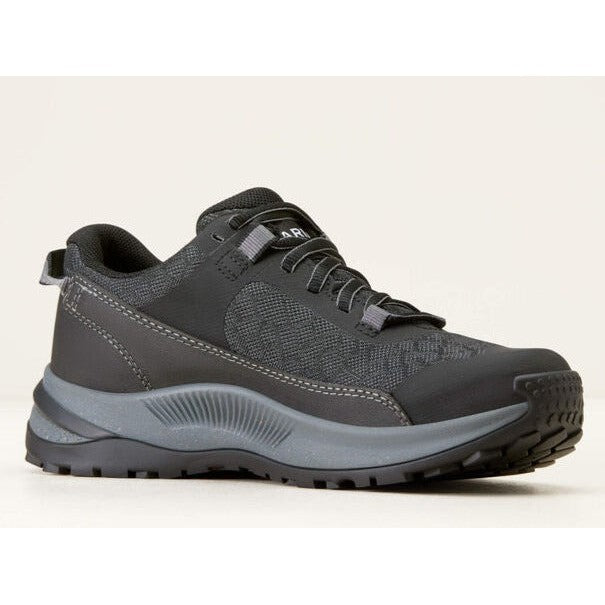
Filters

Electrical boots

View
Save 12%
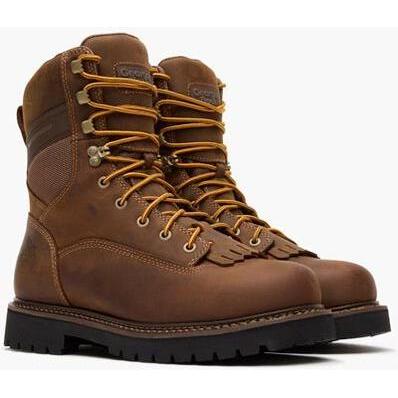
Georgia Men's Athens 8" Soft Toe Waterproof Work Boot - Brown - G9453 8 / Medium / Brown - Overlook Boots
Save 17%
Carolina Men's Granite Steel Toe Oxford Work Shoe- Dark Brown - CA4562 8.0 / Medium / Dark Brown - Overlook Boots
Save 7%
Rocky Men's USMC S2V 8" Steel Toe Military Boot- Brown- RKC192 3 / Medium / Brown - Overlook Boots
Choose options
Save 24%
Thorogood Men's American Heritage 90 11" Steel Toe Work Boot 804-4372 - Overlook Boots

Frequently Asked Questions

The EH rating means the boot's sole and heel are non-conductive and have passed the ASTM F2413 electrical hazard test. That test confirms the outsole resists 18,000 volts at 60Hz for one minute with under 1 milliamp of leakage, in dry conditions.
EH-rated boots protect you from incidental contact with an energized circuit through the bottom of the boot. The non-conductive sole and heel resist current that would otherwise pass through your foot to the ground.
No, EH-rated boots are not enough for working on live circuits on their own. They are secondary protection against incidental contact, not a substitute for lockout/tagout, insulated tools, and the rest of your PPE.
No, EH boots lose much of their protection when the soles are wet or worn down. A wet outsole gives the current a conductive path that the dry boot was built to block. Worn soles thin the non-conductive layer, so replace the boots once the tread is gone.
The difference between EH-rated and dielectric boots is the level of isolation and the standard behind it. EH boots meet ASTM F2413 and guard against incidental contact with live circuits, which covers most electricians and industrial trades. Dielectric boots meet ASTM F1117, are tested at higher voltages, and provide lineworkers with the additional isolation they need when working around energized high-voltage lines.
Yes, electricians need EH-rated boots, even if a given task doesn't put you near a live circuit. Incidental contact is a standing risk of the trade, so electrical boots are standard gear rather than a per-job decision, and most employers require them. OSHA holds the employer responsible for protective footwear wherever an electrical hazard exists, so check your site's spec, since many also require a safety toe alongside the EH rating.
No, EH-rated boots do not have to have a safety toe. The EH rating covers the sole and heel, so it is independent of toe protection, and EH boots come in soft-toe, steel-toe, and composite-toe. Many job sites require both a safety toe and an EH rating, so check what your work calls for.
Yes, electricians can wear steel-toed boots, and the common belief that steel-toed boots are dangerous around electricity is a myth. In an EH-rated boot, the steel cap is fully enclosed in non-conductive material and is not part of any path to ground. A steel-toe and a composite-toe EH boot meet the same electrical hazard standard.
Composite toe boots are the more common choice for electricians, though better depends on the work. Composite is lighter, does not conduct cold, and passes through metal detectors, which is why it is the trade-floor standard for most electrical work. Steel-toed boots often cost less and withstand greater impact, so they suit electricians doing heavier construction alongside electrical tasks.
The most comfortable EH-rated boots for hard indoor surfaces are wedge-sole models, which sit flat and spread your weight across the whole sole. Electricians who spend the day on concrete tend to prefer them over lugged soles, which are built for mud and uneven ground.

Recently viewed

Our Top Brands