
Frequently Asked Questions
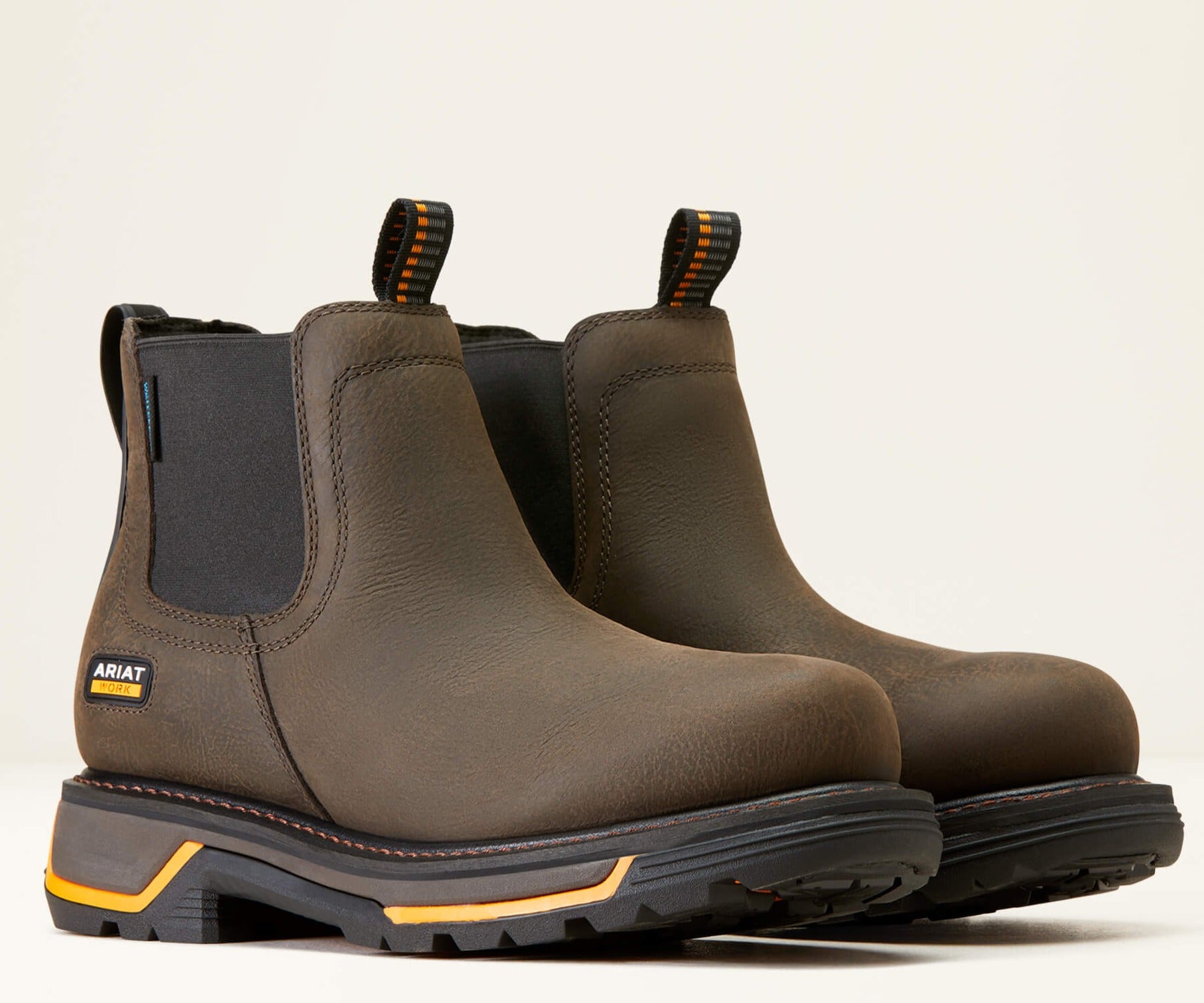
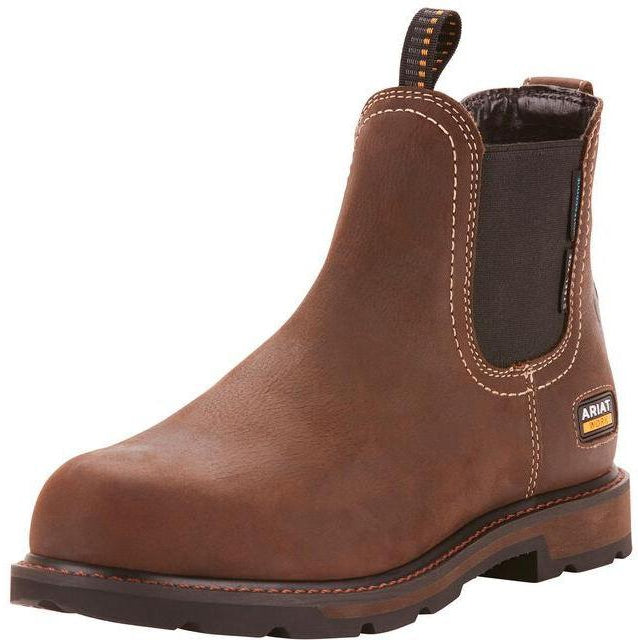
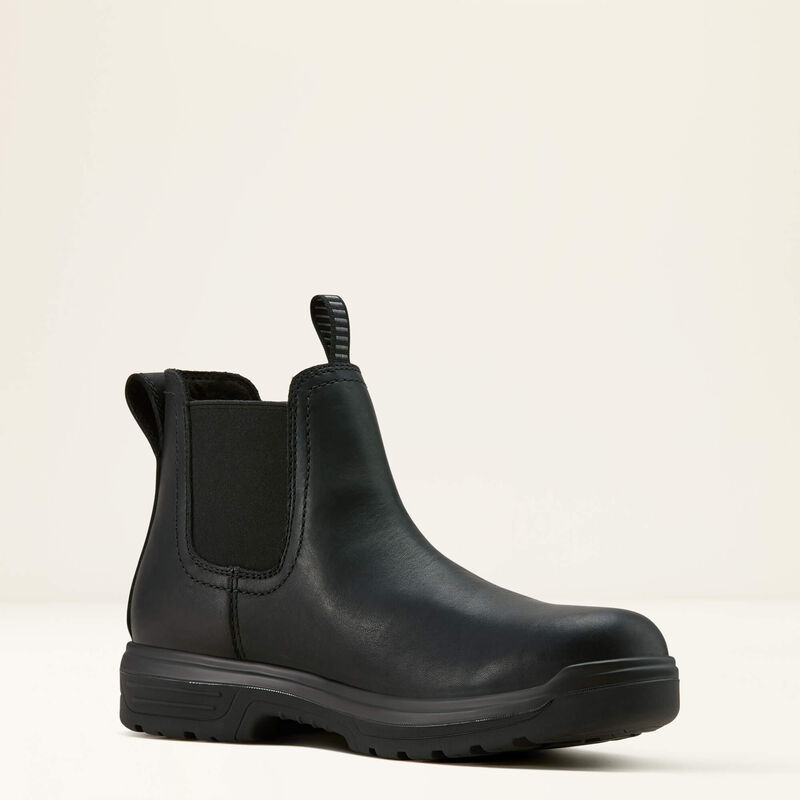
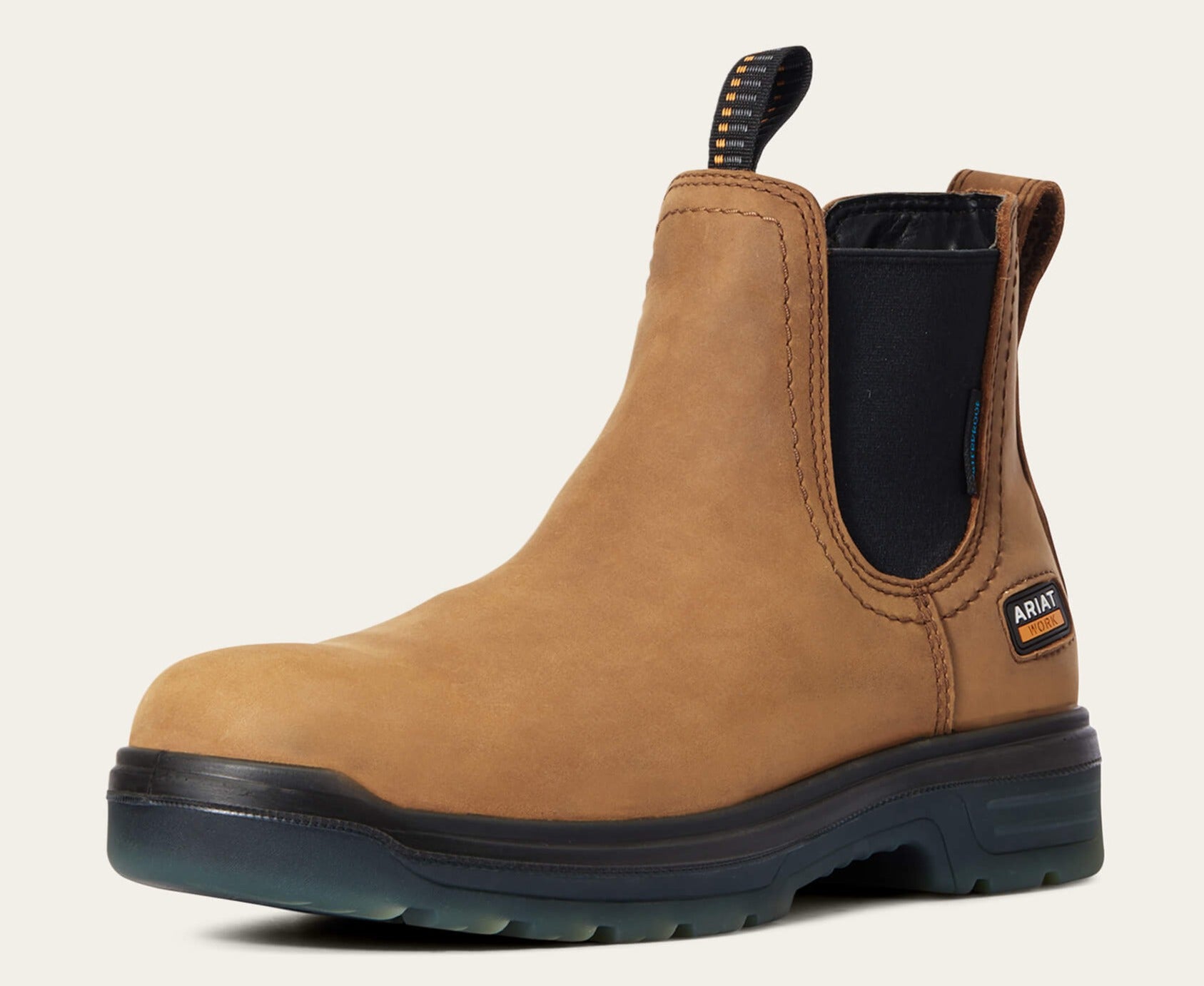
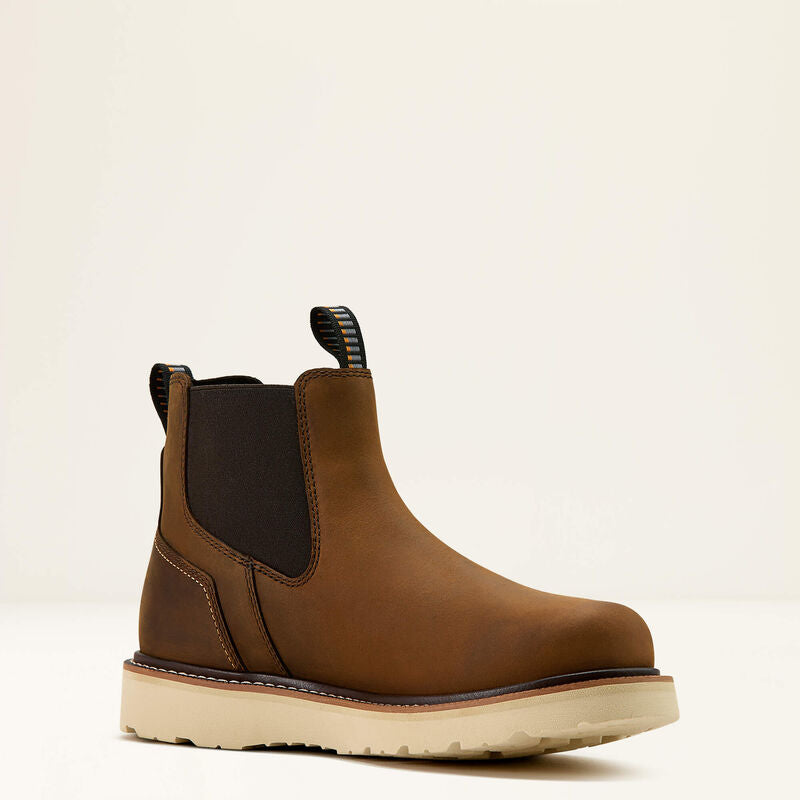
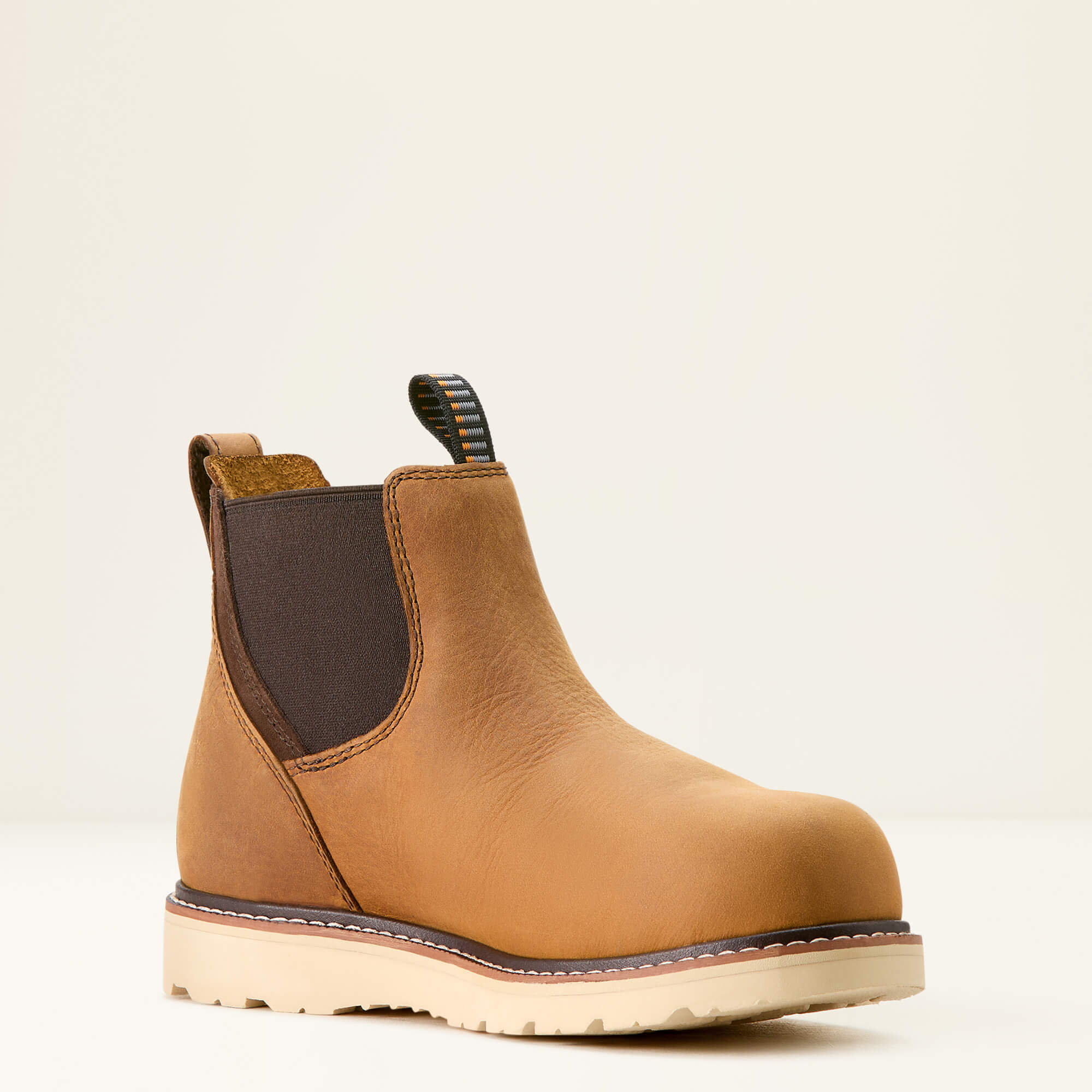
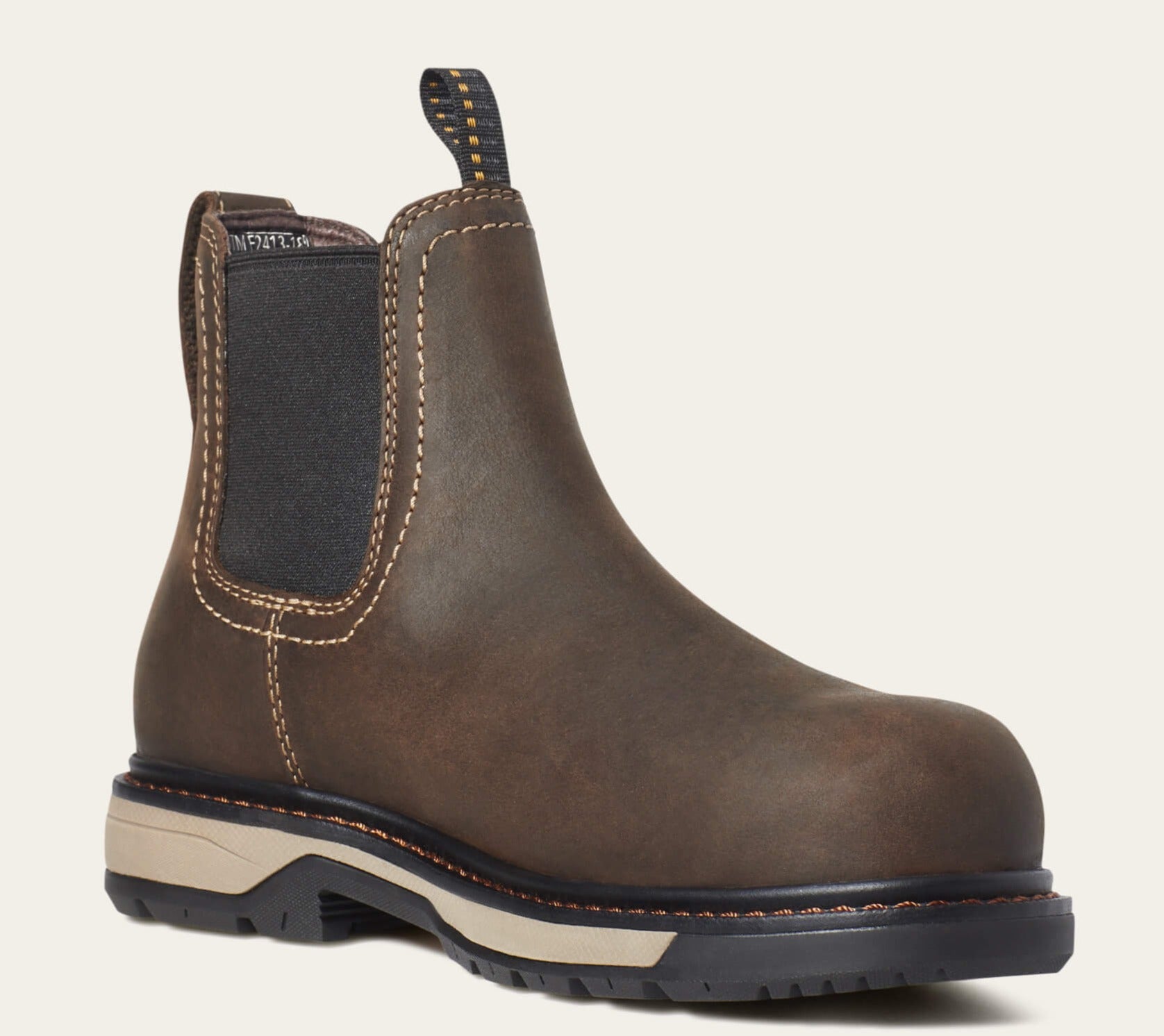
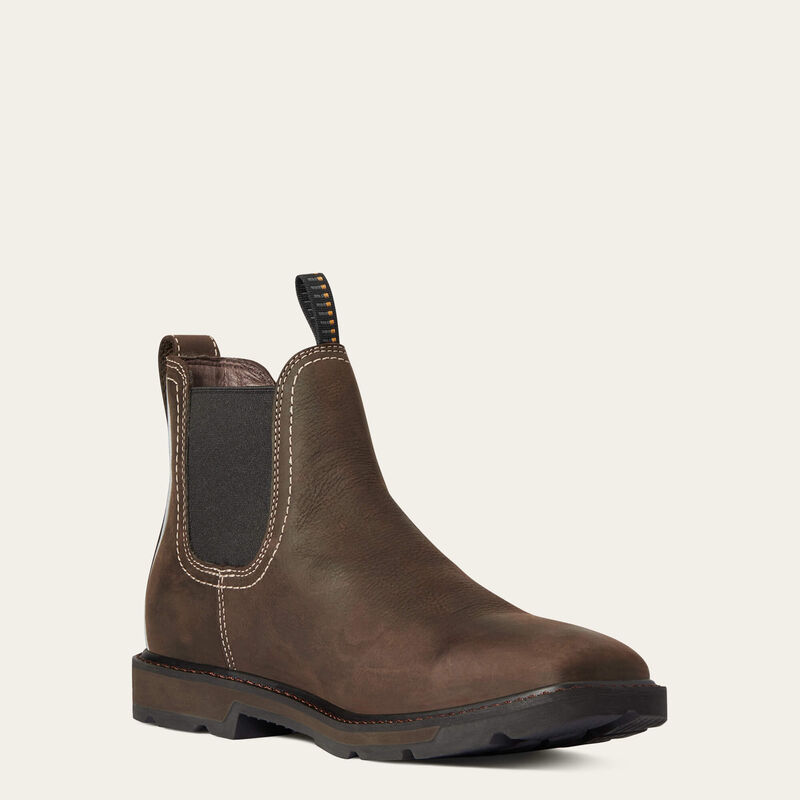
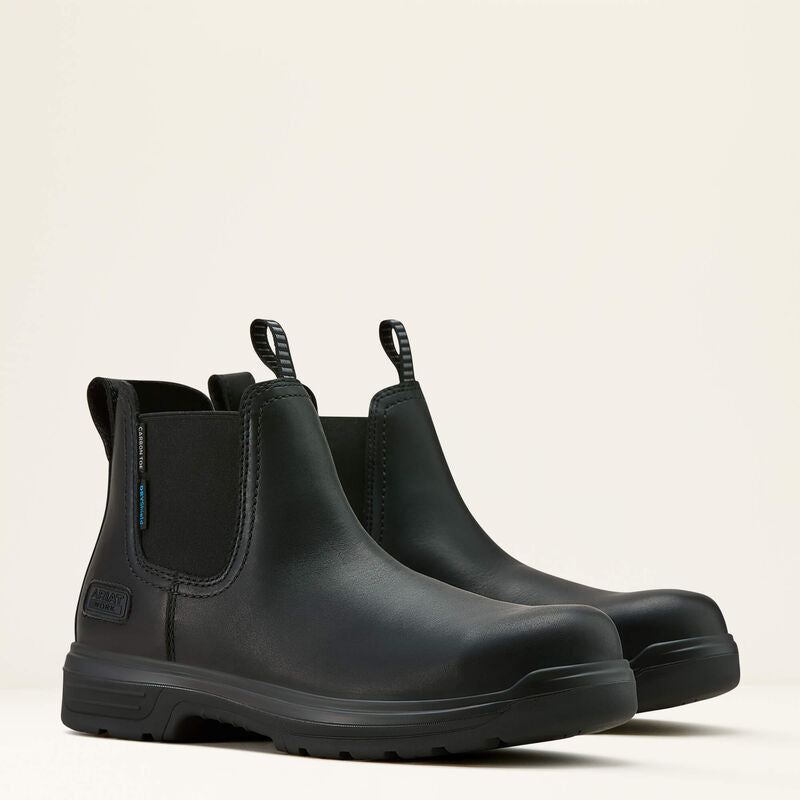
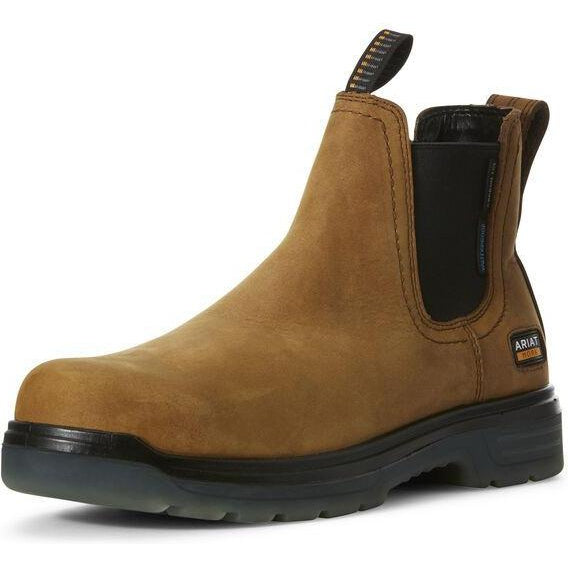
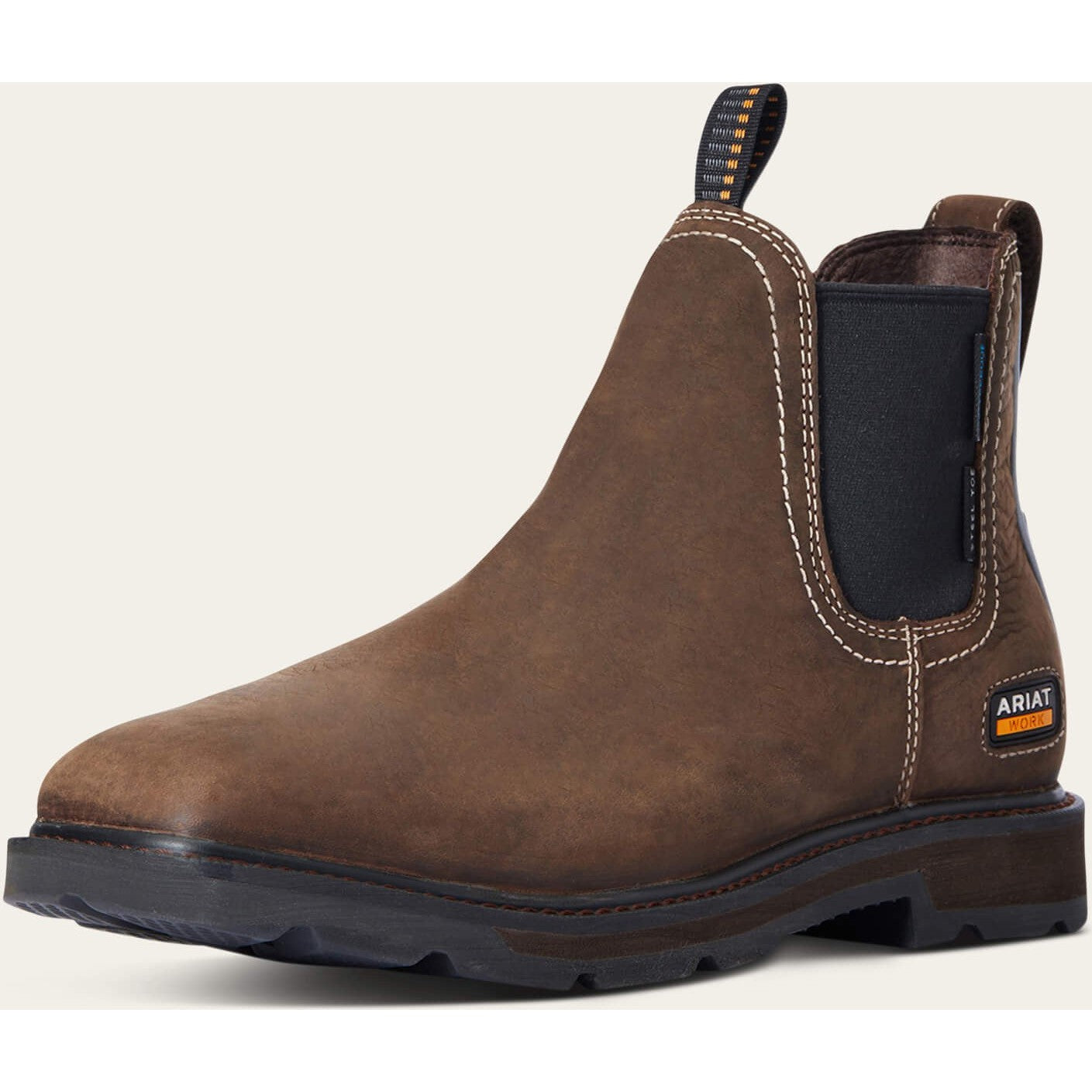
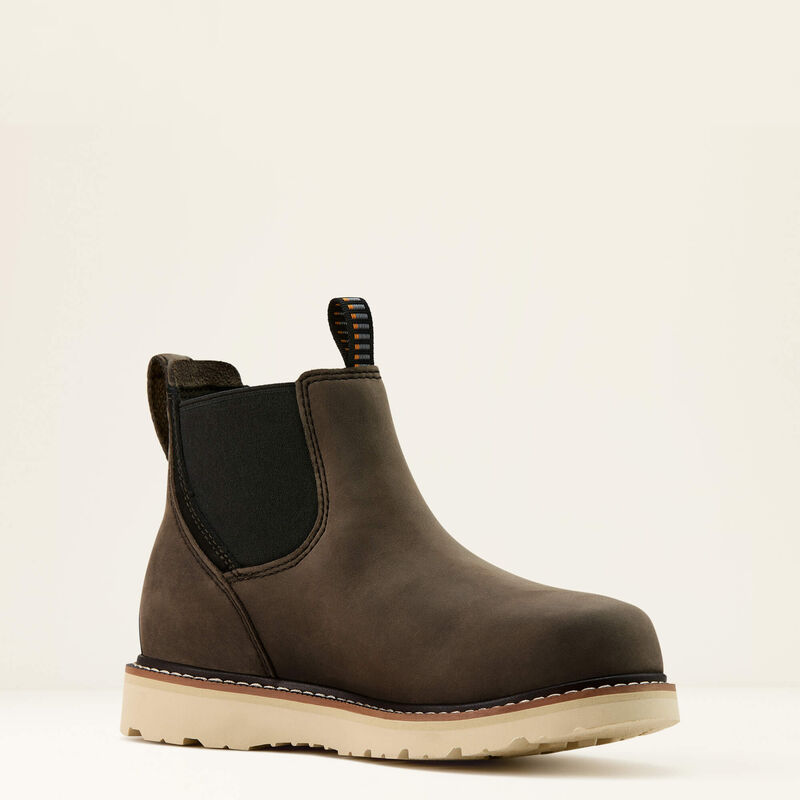
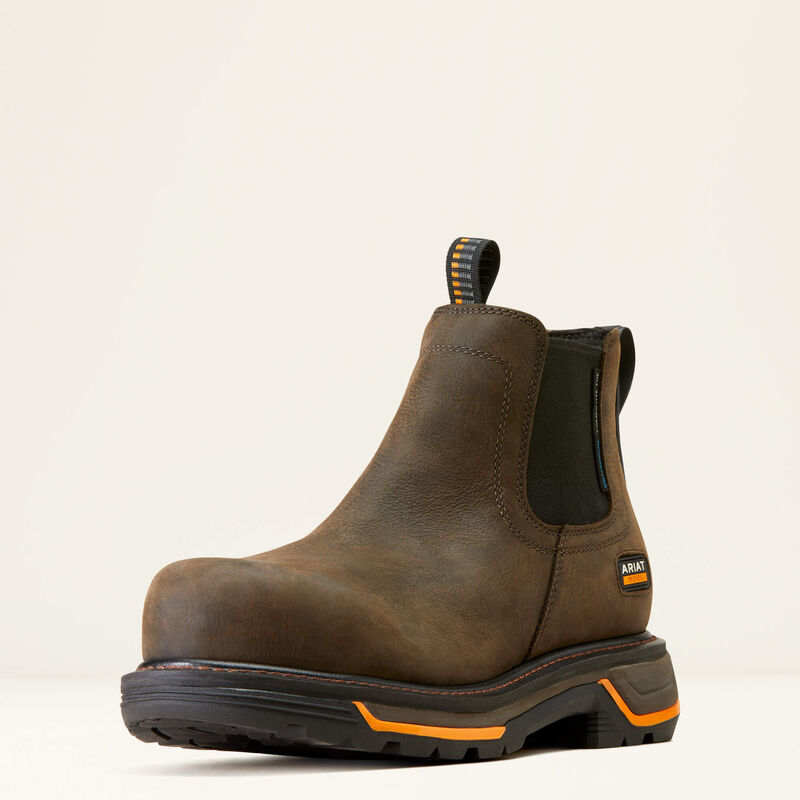
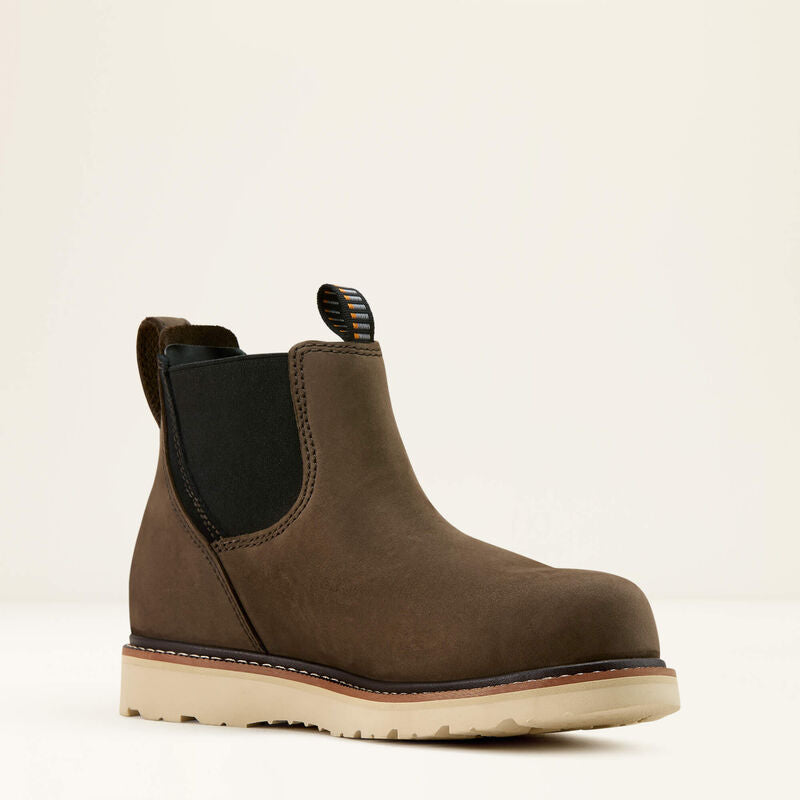
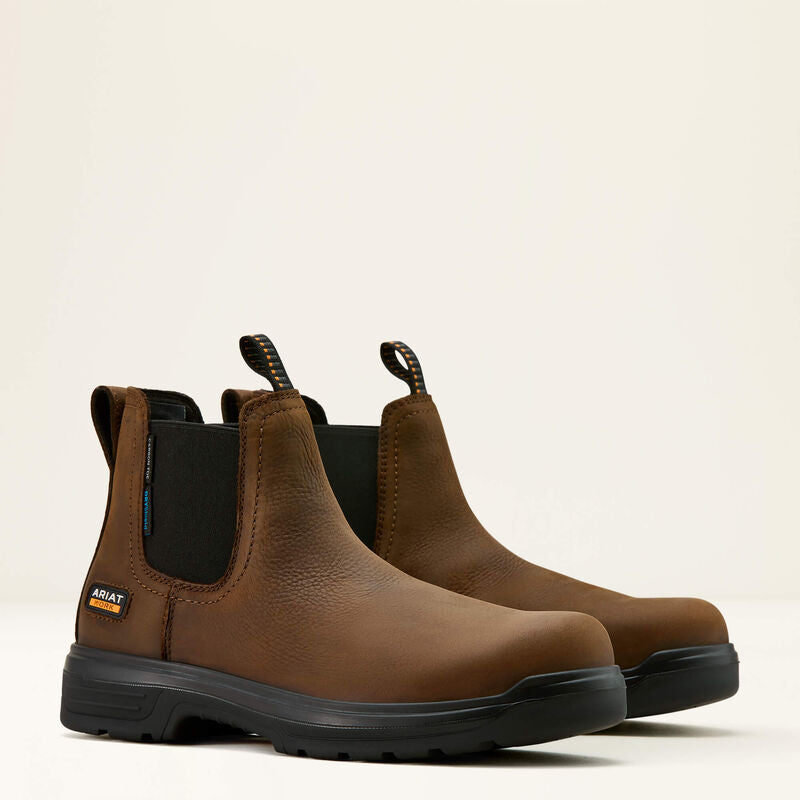
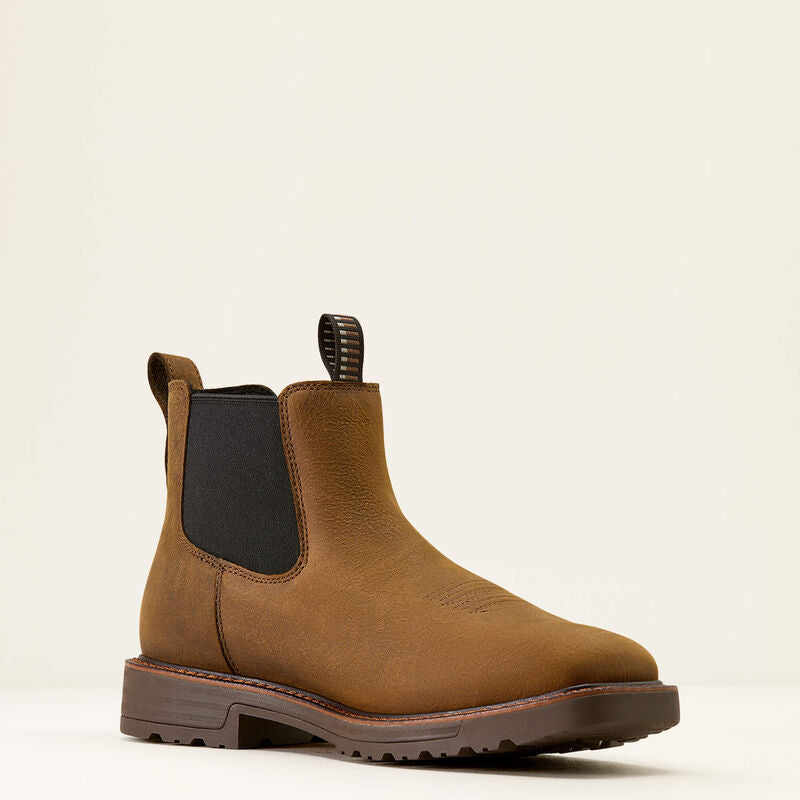
An ankle boot with elastic gores at both sides instead of laces, usually with a pull tab at the heel. You step in and it seals around the ankle. In a work context the appeal is speed on and off and the absence of laces to catch on machinery or come untied.
Snug at the heel, because there is no lacing to take up slack. The gores should stretch to let your foot through and then hold the boot against your instep. If your heel lifts clear when you walk, the boot is too long, and if the gore feels slack when new it will only get slacker.
They soften over time, which is the main wear point on any Chelsea. A boot that goes on easily from day one will loosen sooner. Buying one that takes a firm pull when new gives you considerably more usable life before the gores relax.
For most jobsite work, yes, and they are common on trades that are in and out of buildings all day. What a lace-up gives you that a Chelsea cannot is adjustable tension across the instep, which holds the foot more precisely on genuinely uneven ground. See our Ariat 6 inch range.
Many do, in steel, composite and Ariat's carbon fiber Carbon Toe, all meeting ASTM F2413 for impact and compression, alongside soft toe versions. The clean Chelsea silhouette gives no indication whether a cap is inside, so toe type is stated in every product title. See our Ariat safety toe range.
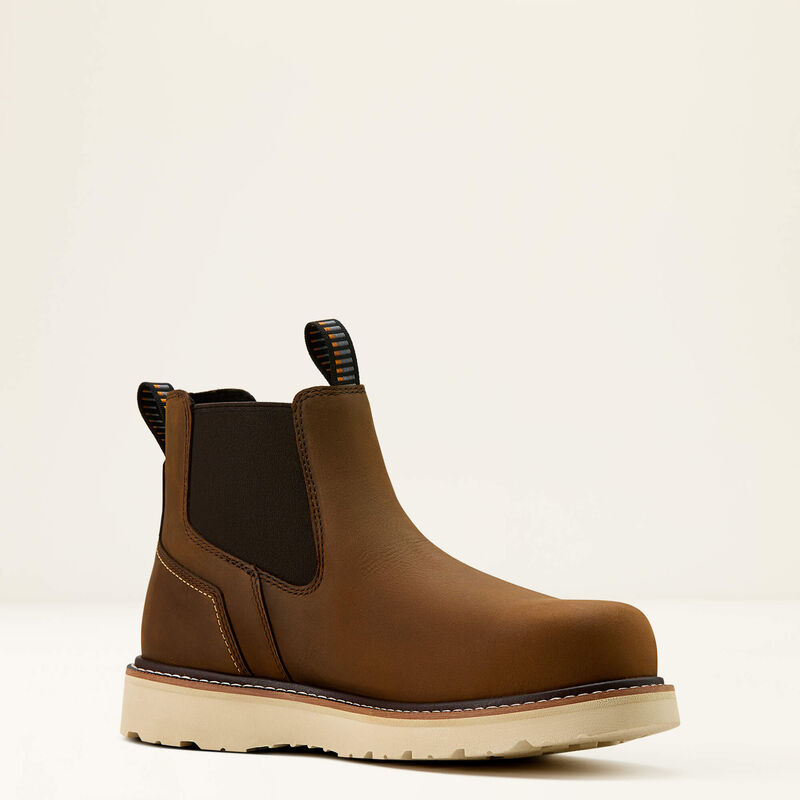
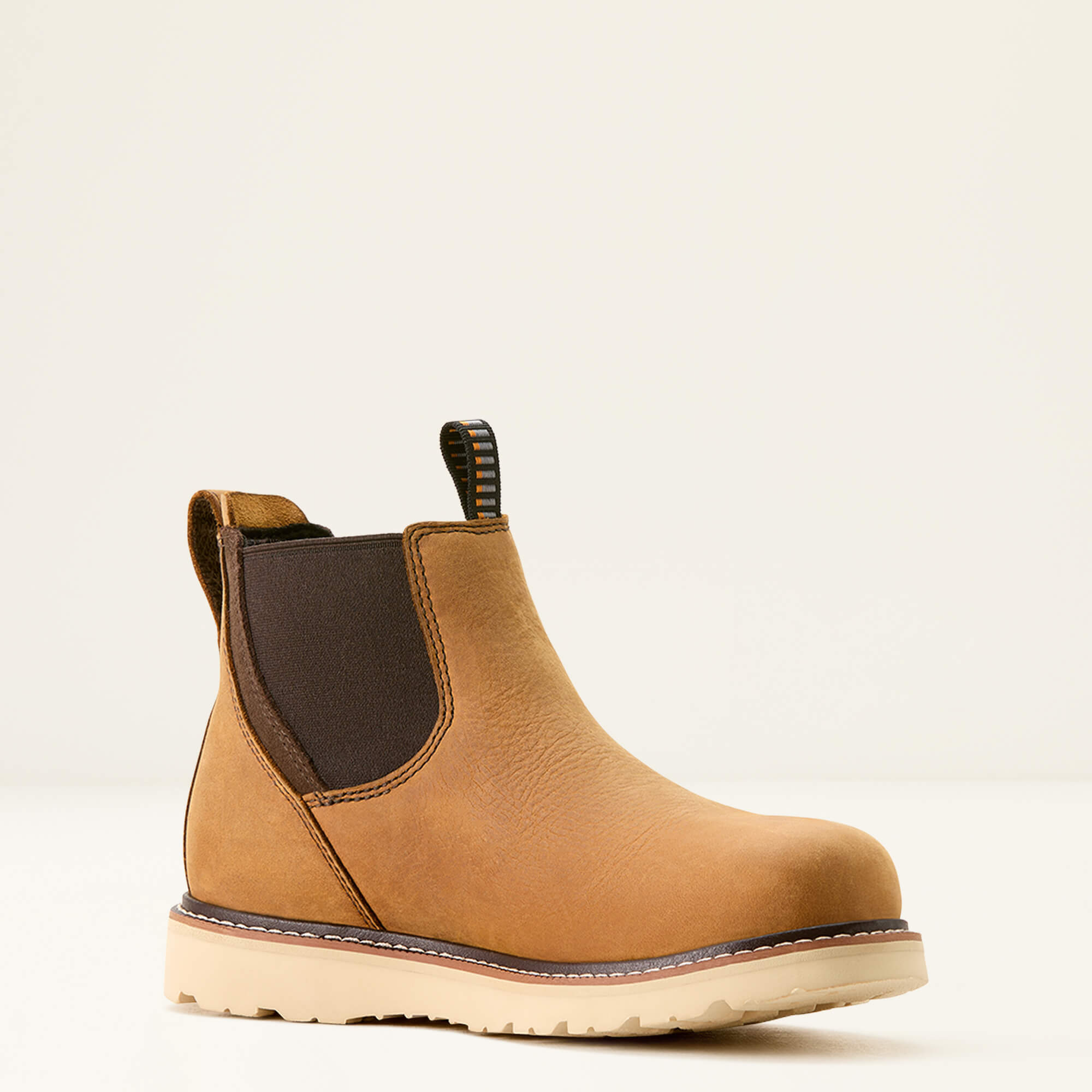
Several in the Rebar line. A wedge runs flat from heel to toe so the whole footprint meets the ground, which spreads your weight on concrete and grips a ladder rung along its full width. Pairing that with laceless entry makes it a strong combination for plant and finish work.
Nearly all of this range is, and it is stated in the product title. Worth noting that the gore panels are part of the waterproof construction on these models rather than a gap in it. See our Ariat waterproof range.
They cross over more easily than most work boots, since the silhouette is a long-standing dress and casual shape rather than obviously protective footwear. The soft toe and round toe versions in particular read as ordinary boots off the jobsite.
Recently viewed
Our Top Brands