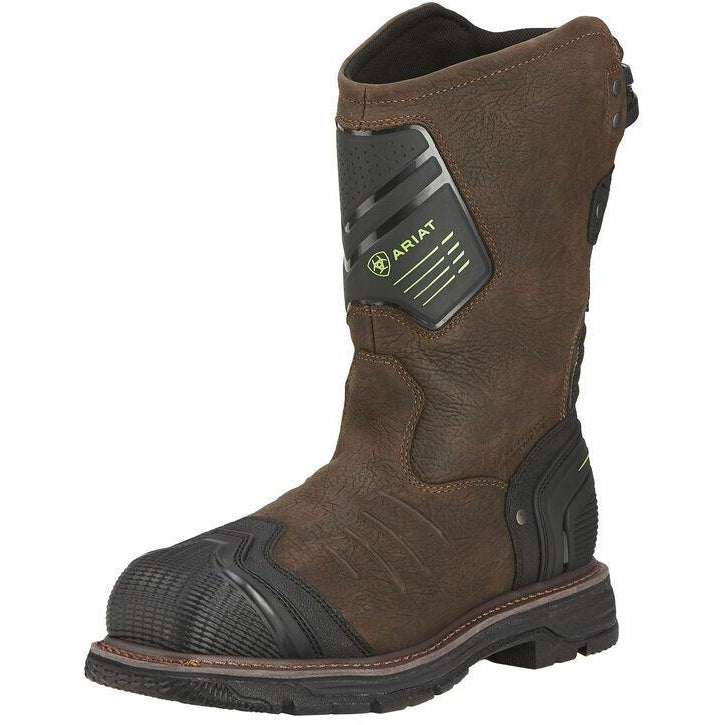
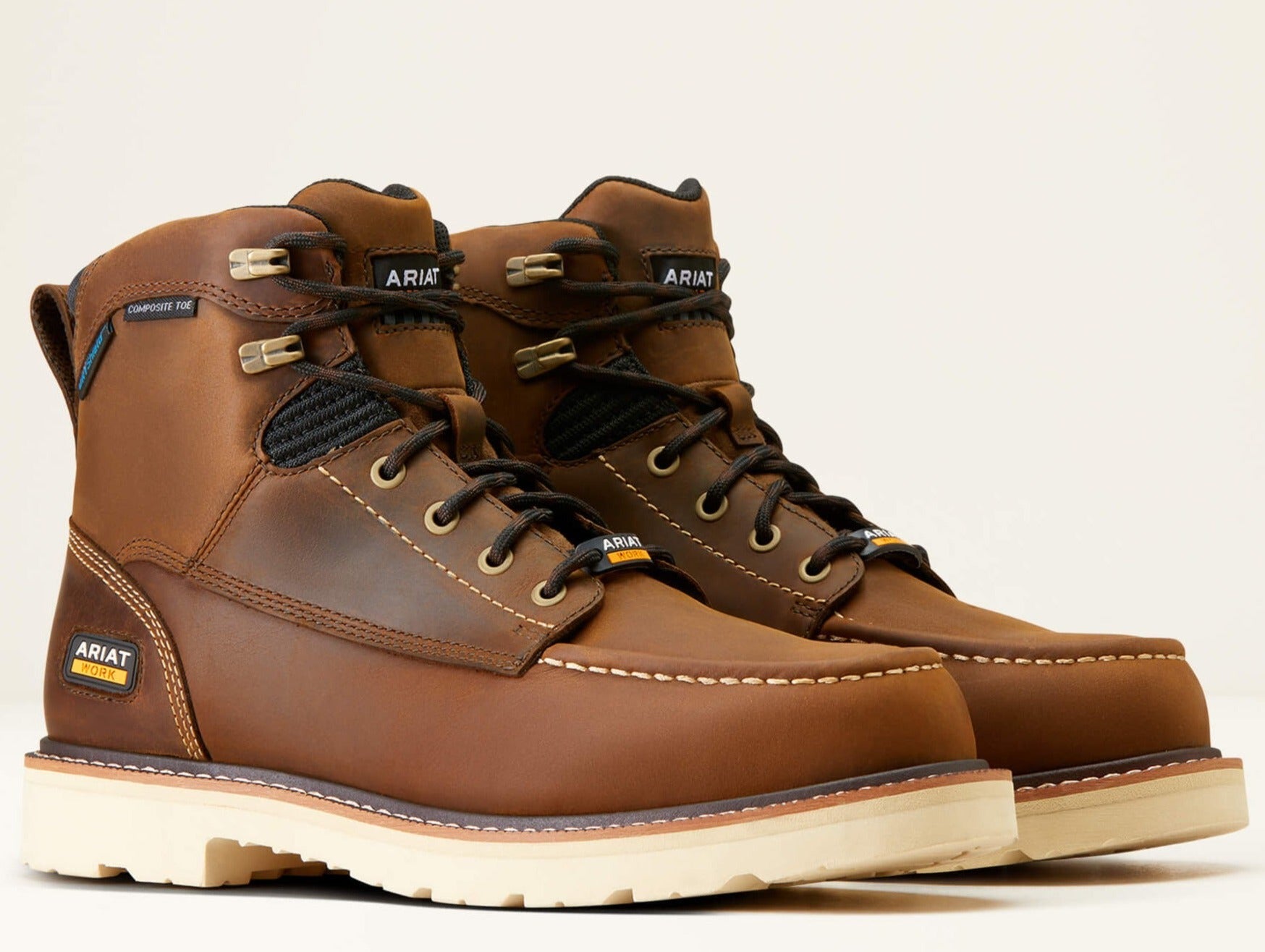
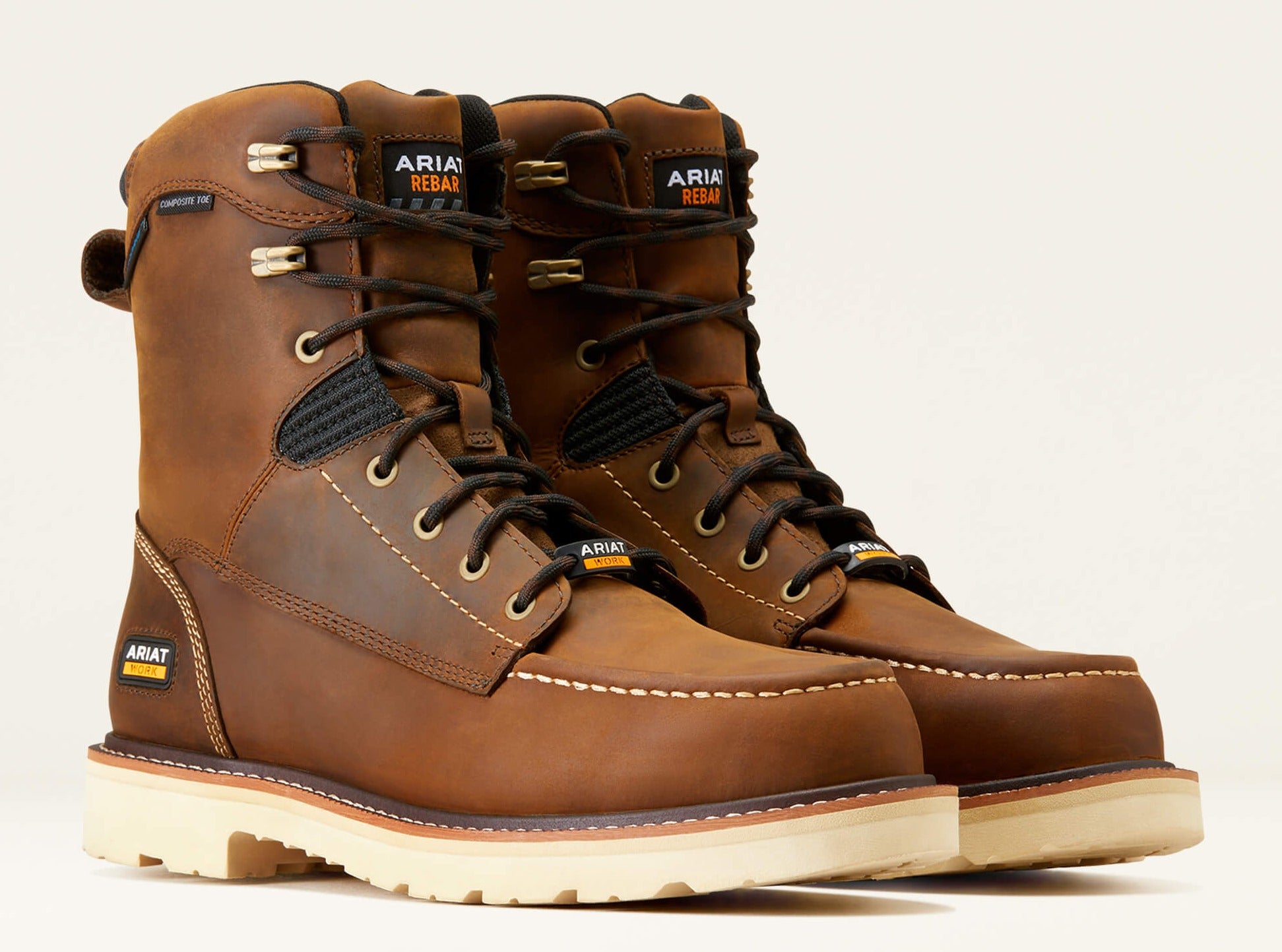
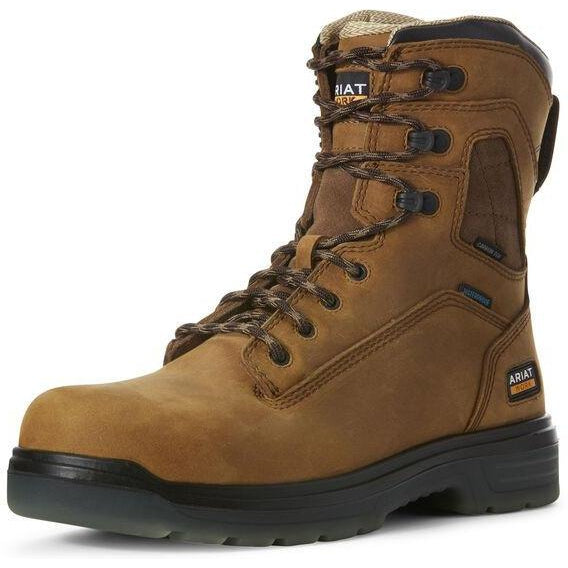
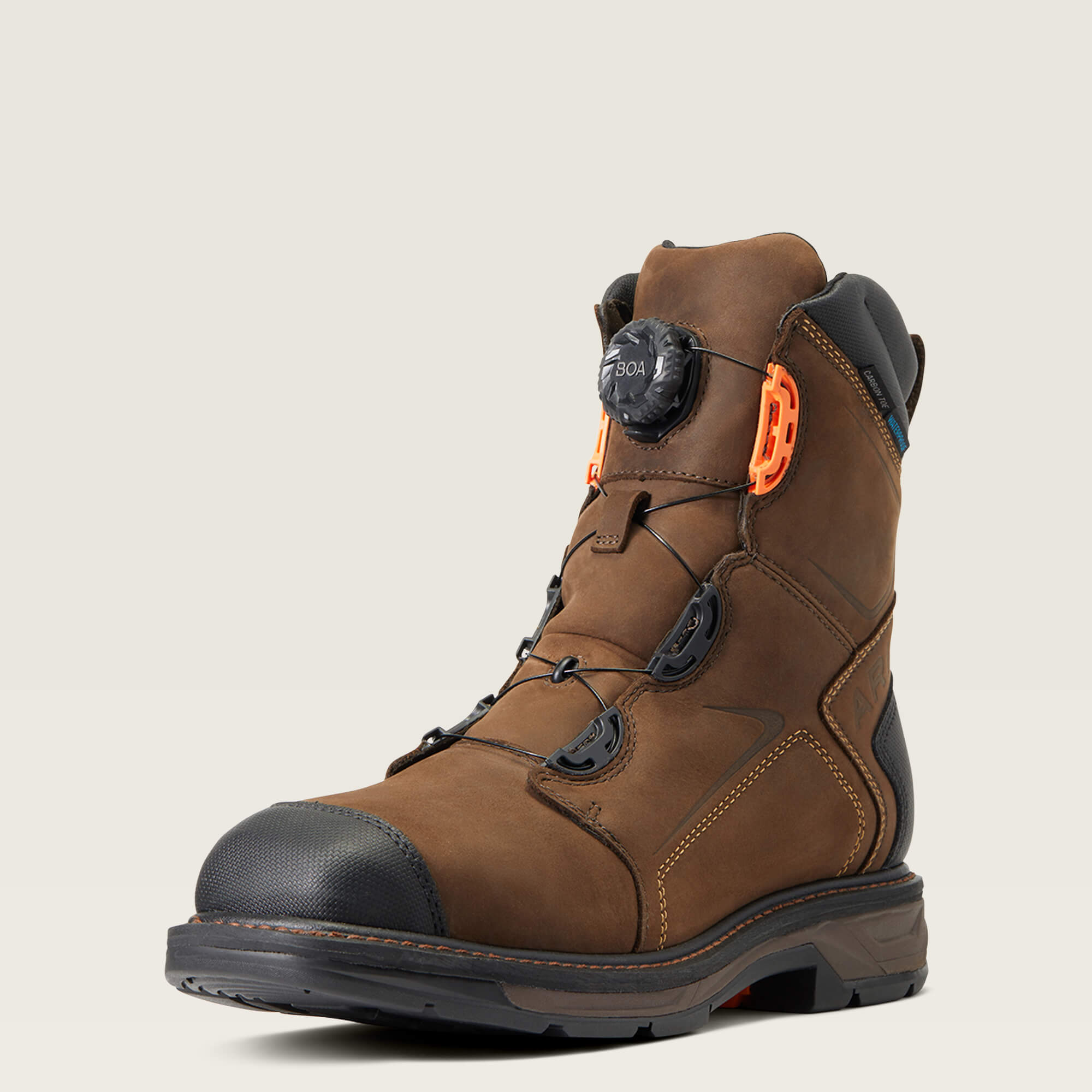
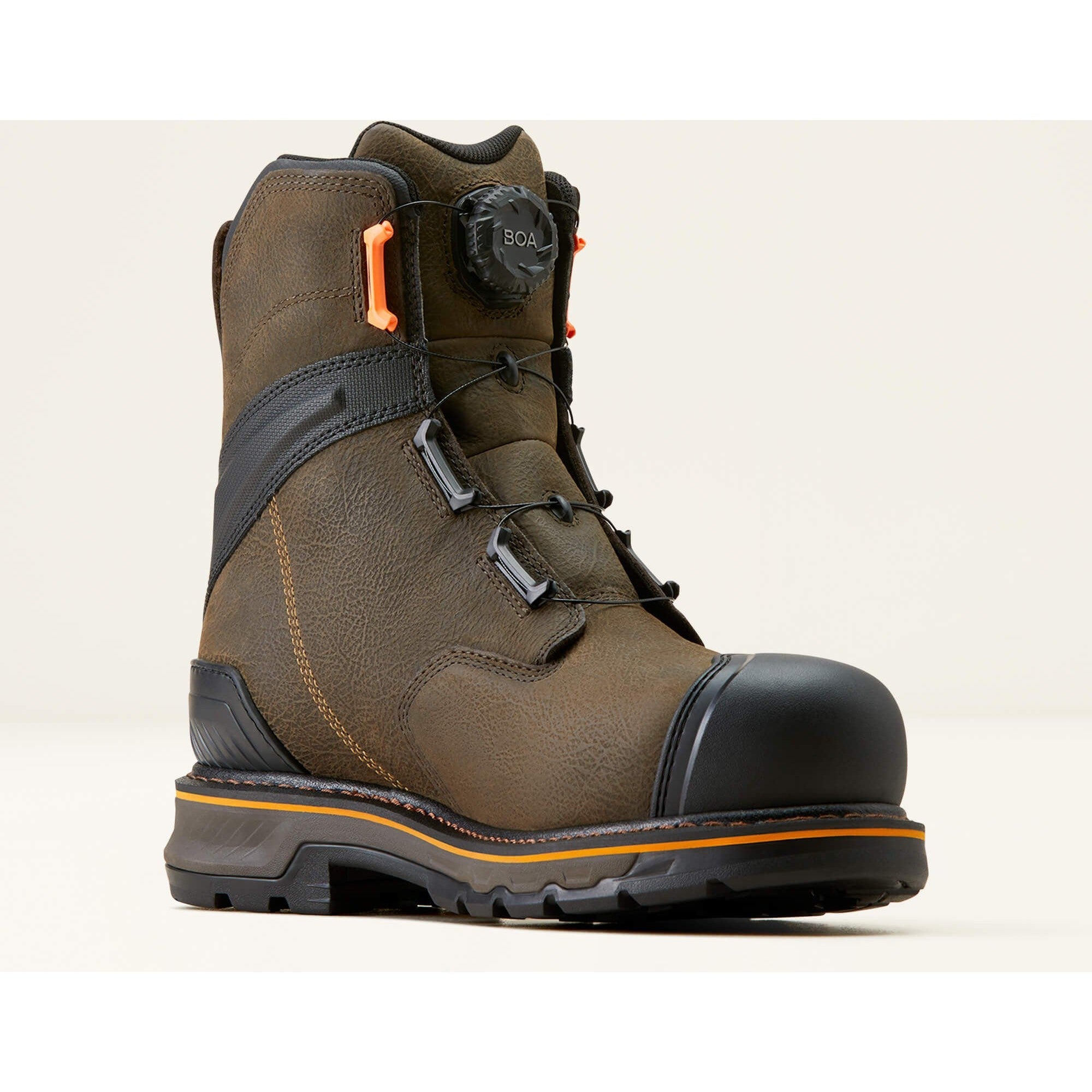
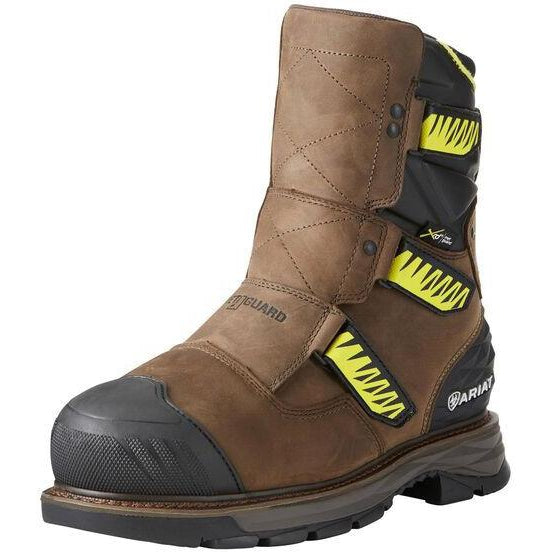
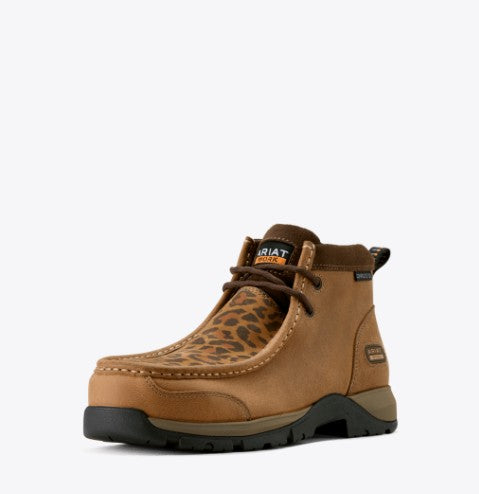
Sale price$159.95
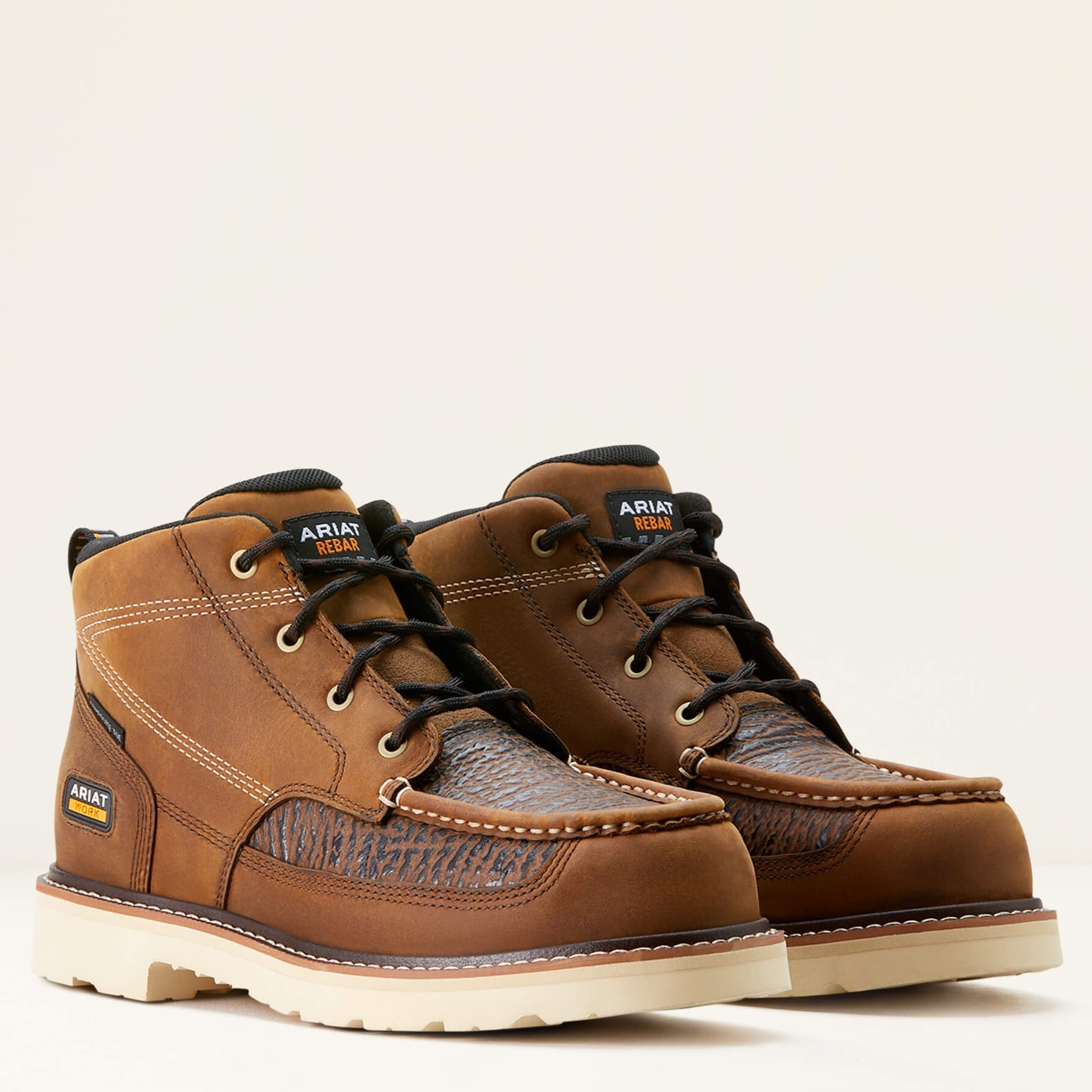
Ariat Women's Edge Moc Composite Toe Work Boot - Brown - 10073361
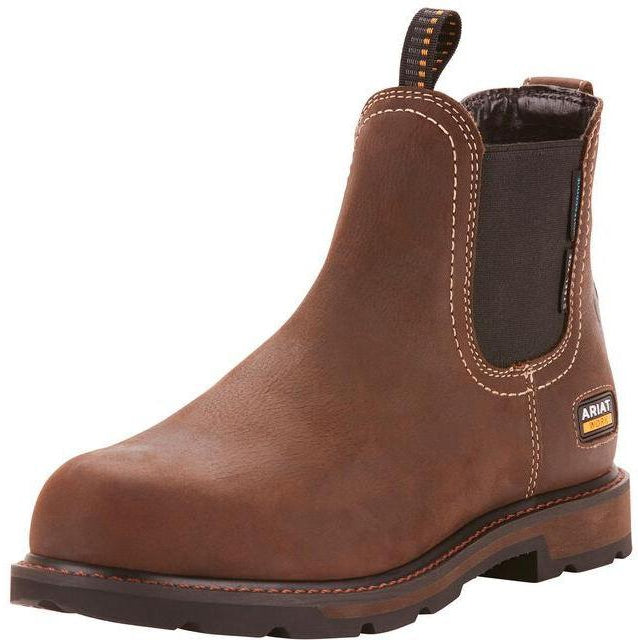

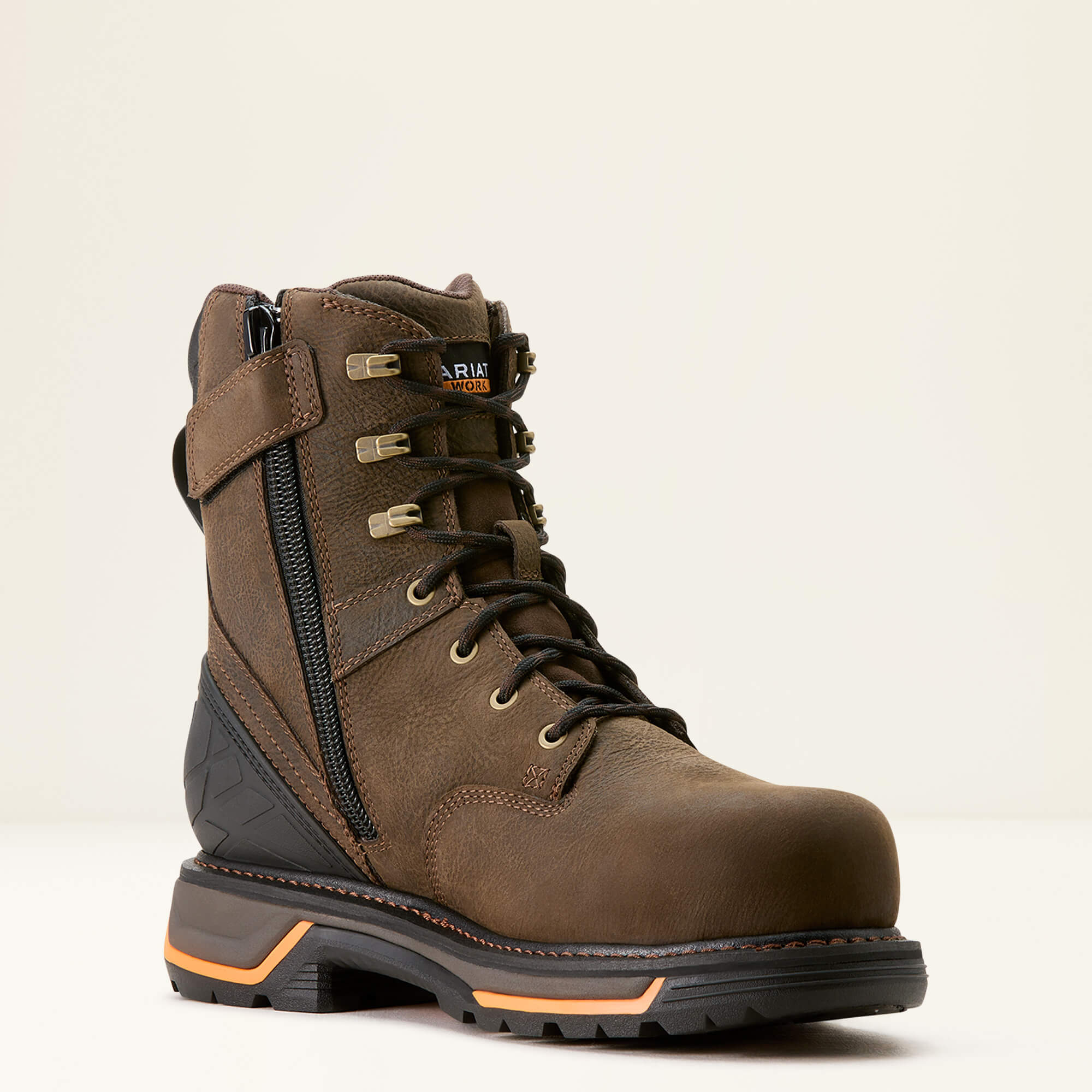

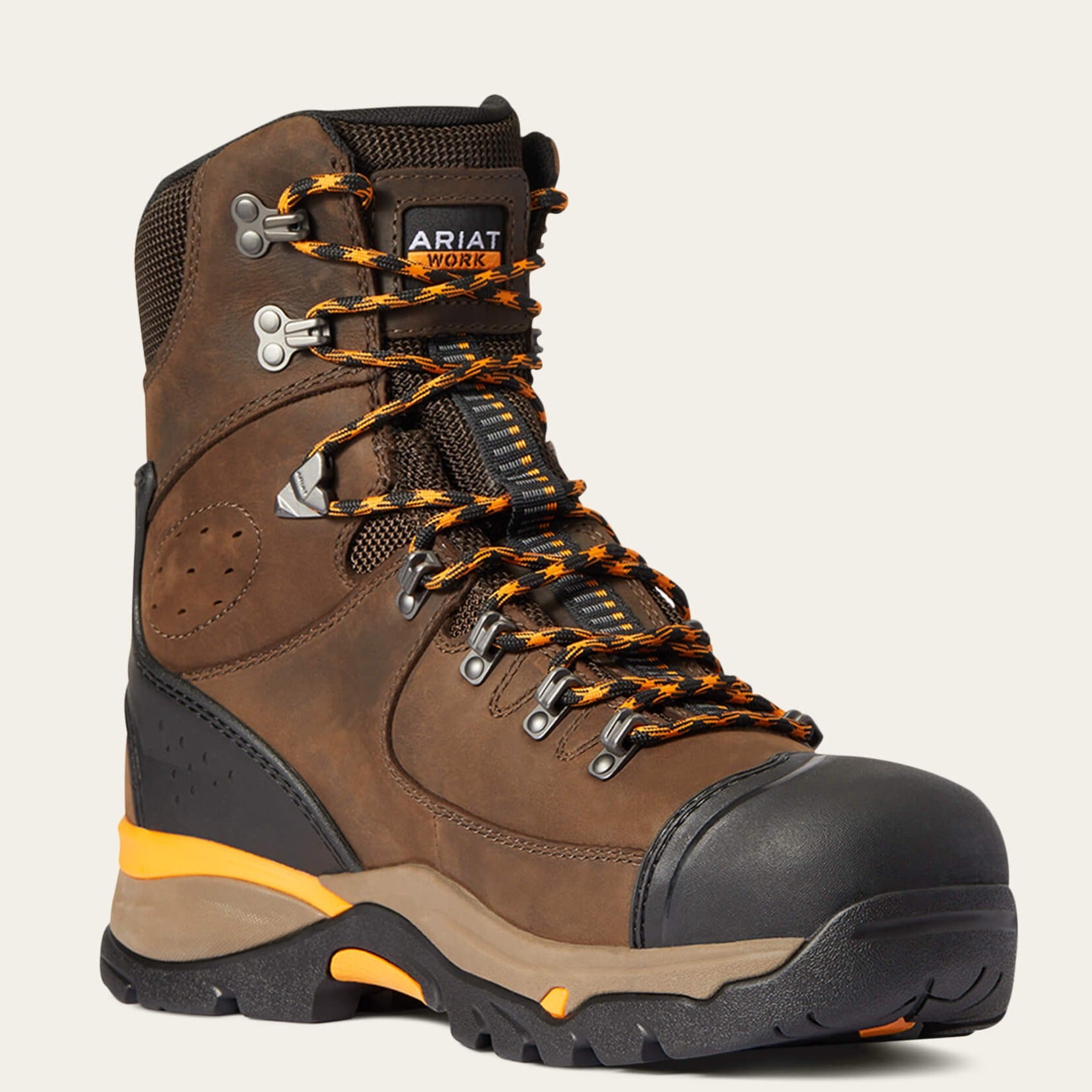
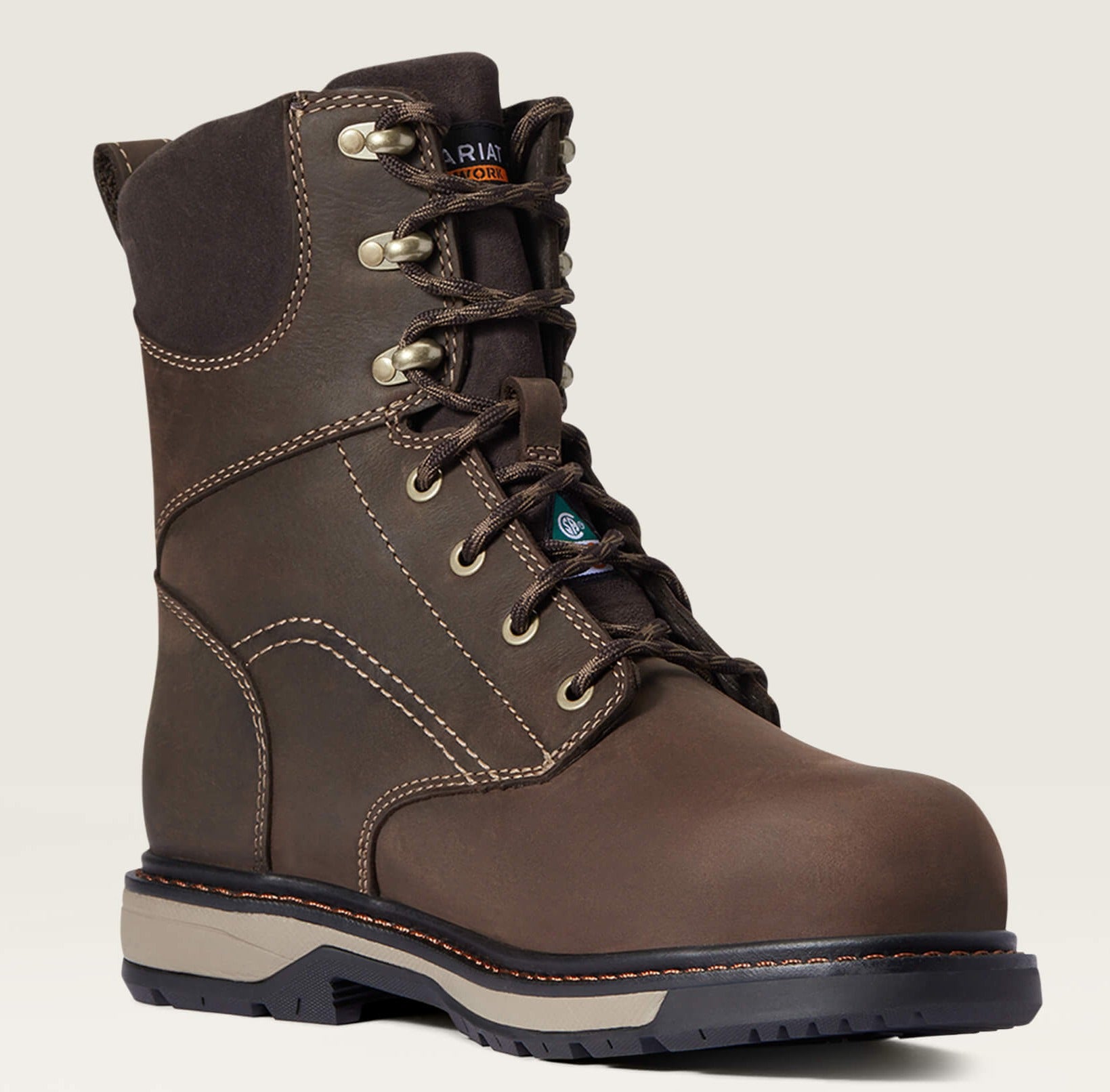
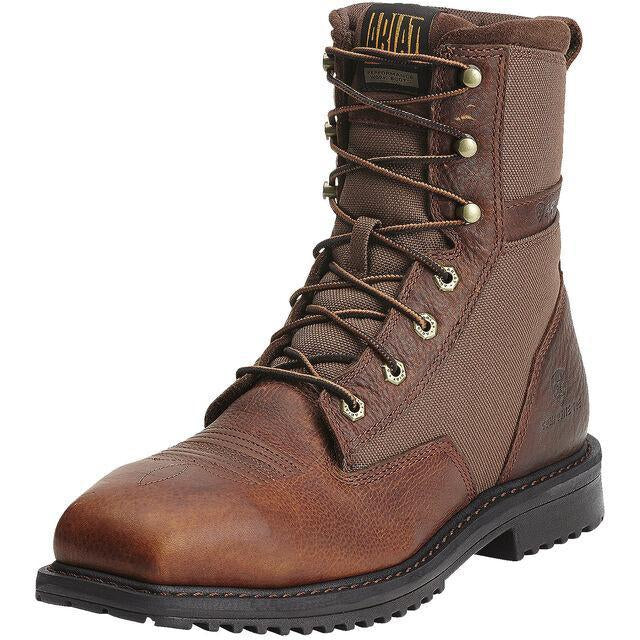
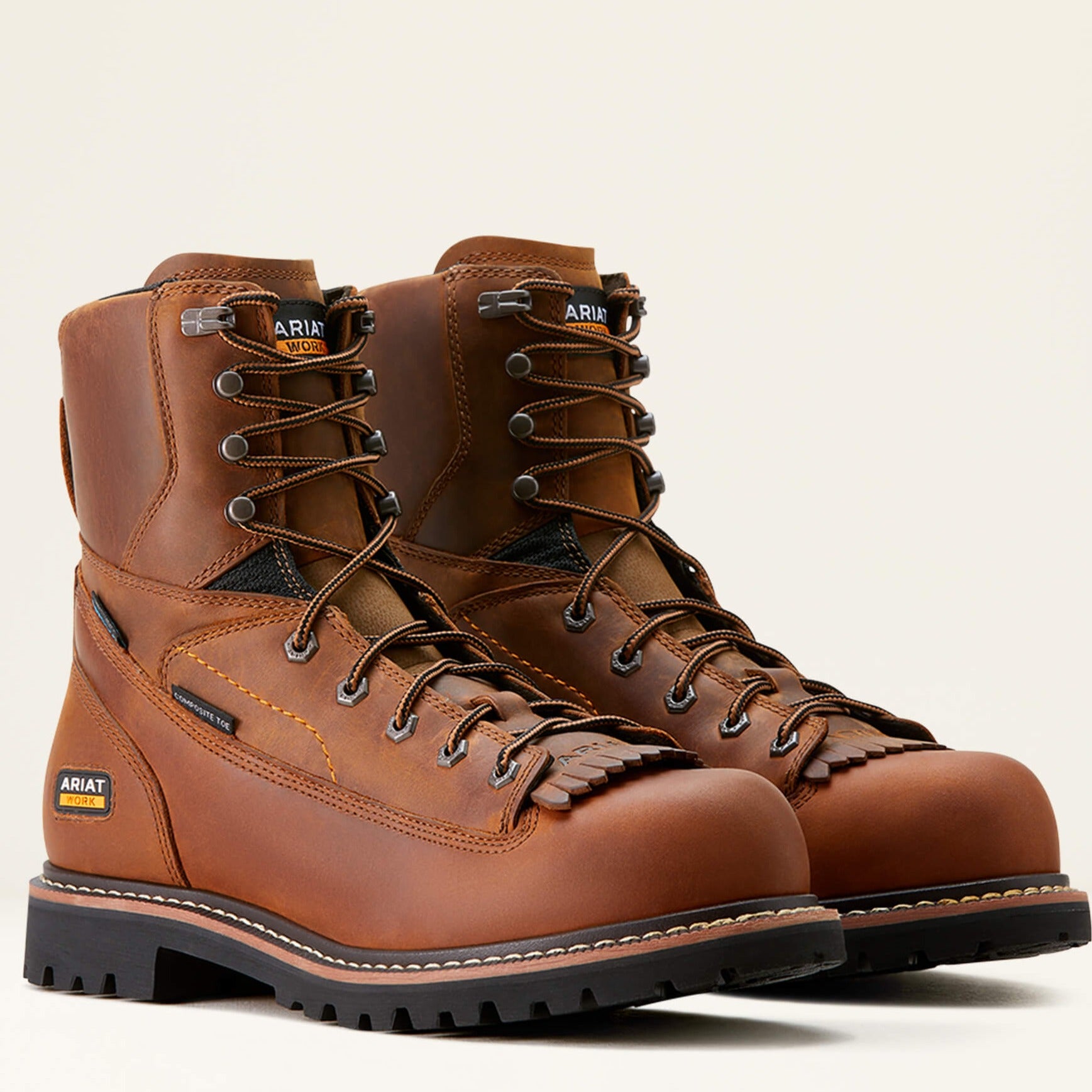
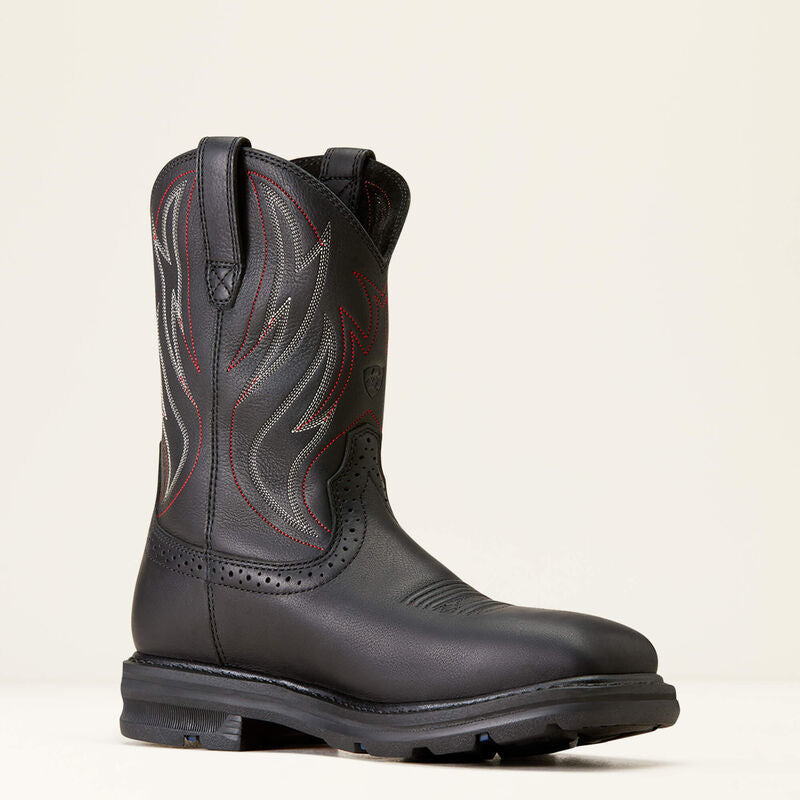
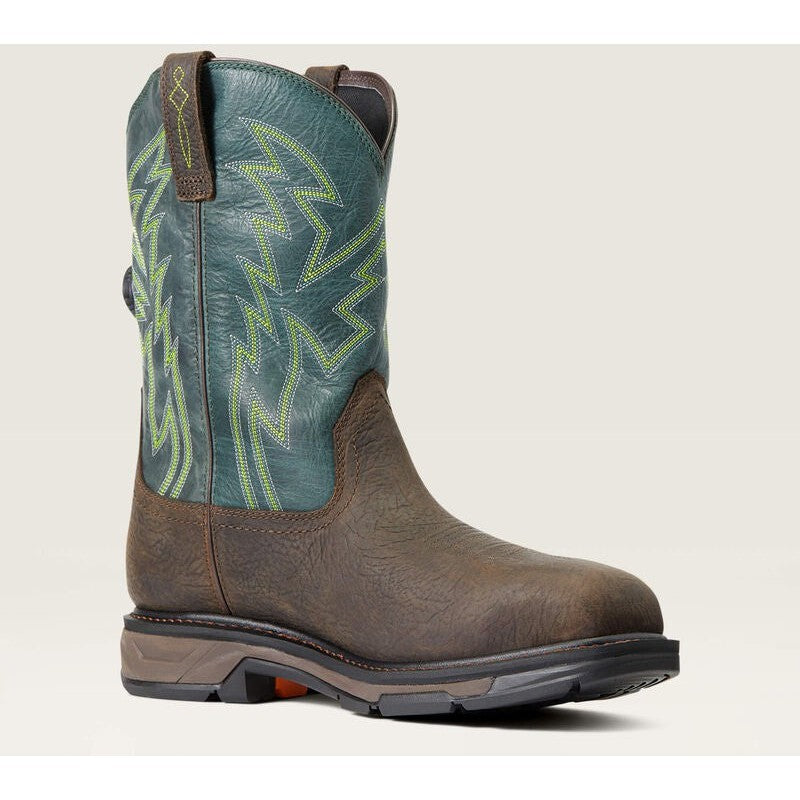

Sale price$149.95
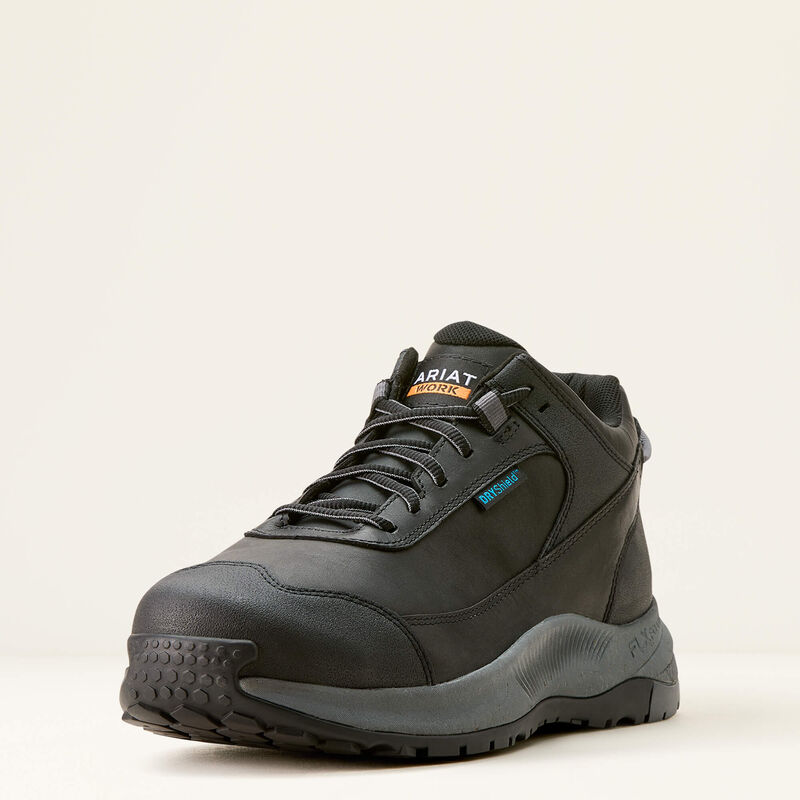
Ariat Men's Outpace Shift Waterproof Comp Toe Work Shoe - 10053619
Frequently Asked Questions
A carbon fiber safety cap, and the lightest rated toe Ariat builds. It meets ASTM F2413 for impact and compression exactly as steel does, while cutting weight at the front of the boot. Being non-metallic it does not conduct heat or cold, which matters on outdoor work in either extreme.
All three meet the same rating, so choose on weight, temperature and screening rather than strength. Steel is thinnest for a given rating and cheapest. Composite is non-metallic and mid-weight. Carbon fiber is the lightest and also non-metallic. If you work outdoors in hard cold or clear detectors, go non-metallic.
No. The cap is non-metallic but the shank, any puncture-resistant plate, and the eyelets and hardware are separate components and can be steel. If you clear detectors at work, verify the whole boot rather than the toe type. See our 100 percent non metallic collection.
I/75 means the toe withstood a 75 foot-pound impact and C/75 means 2,500 pounds of compression. Those are the core safety toe codes. Codes such as EH for electrical hazard, SD for static dissipative and PR for puncture resistance appear only when the boot was built and tested for those hazards.
They do opposite jobs and are mutually exclusive under ASTM F2413. An EH boot insulates you from live electrical circuits. An SD boot deliberately conducts static charge away through a controlled resistance range to protect sensitive electronics. Read which one your site requires rather than assuming more ratings is better.
An additional protective plate covering the instep, the area behind the toe cap that a standard safety toe leaves exposed. It is rated separately under ASTM as Mt/75. Foundry, forging and heavy material handling often require it, and Ariat builds it into several WorkHog models.
Almost always fit rather than break-in, because the cap is rigid and never softens the way leather does. If your toes touch the cap walking downhill, the boot is too short. If the pain is across the ball of your foot, you need more width. Sizing up in length rarely fixes it and usually adds heel slip.
Yes, and it is a large part of the range. The WorkHog family in particular is built as a rated western pull-on, which is why it dominates on oilfield and ranch work where laces are a snag hazard. See our Ariat square toe range.
Recently viewed
Our Top Brands