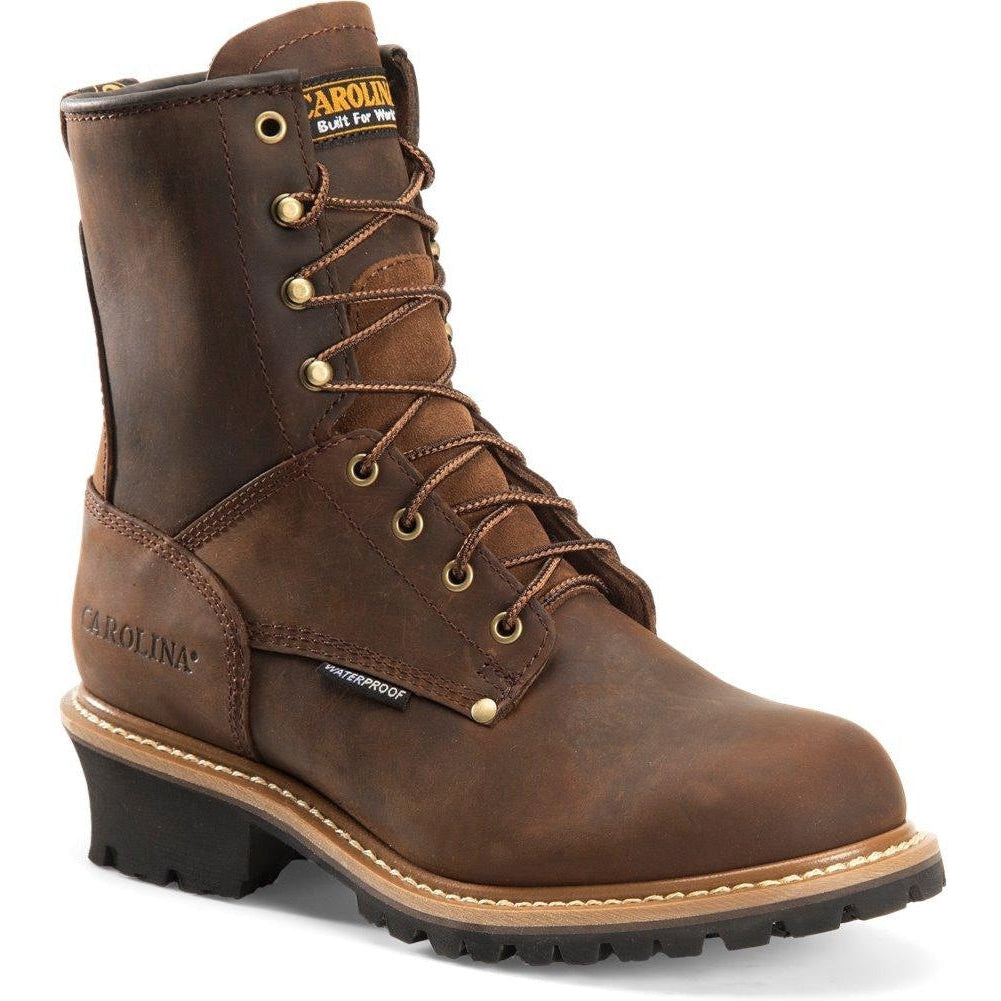

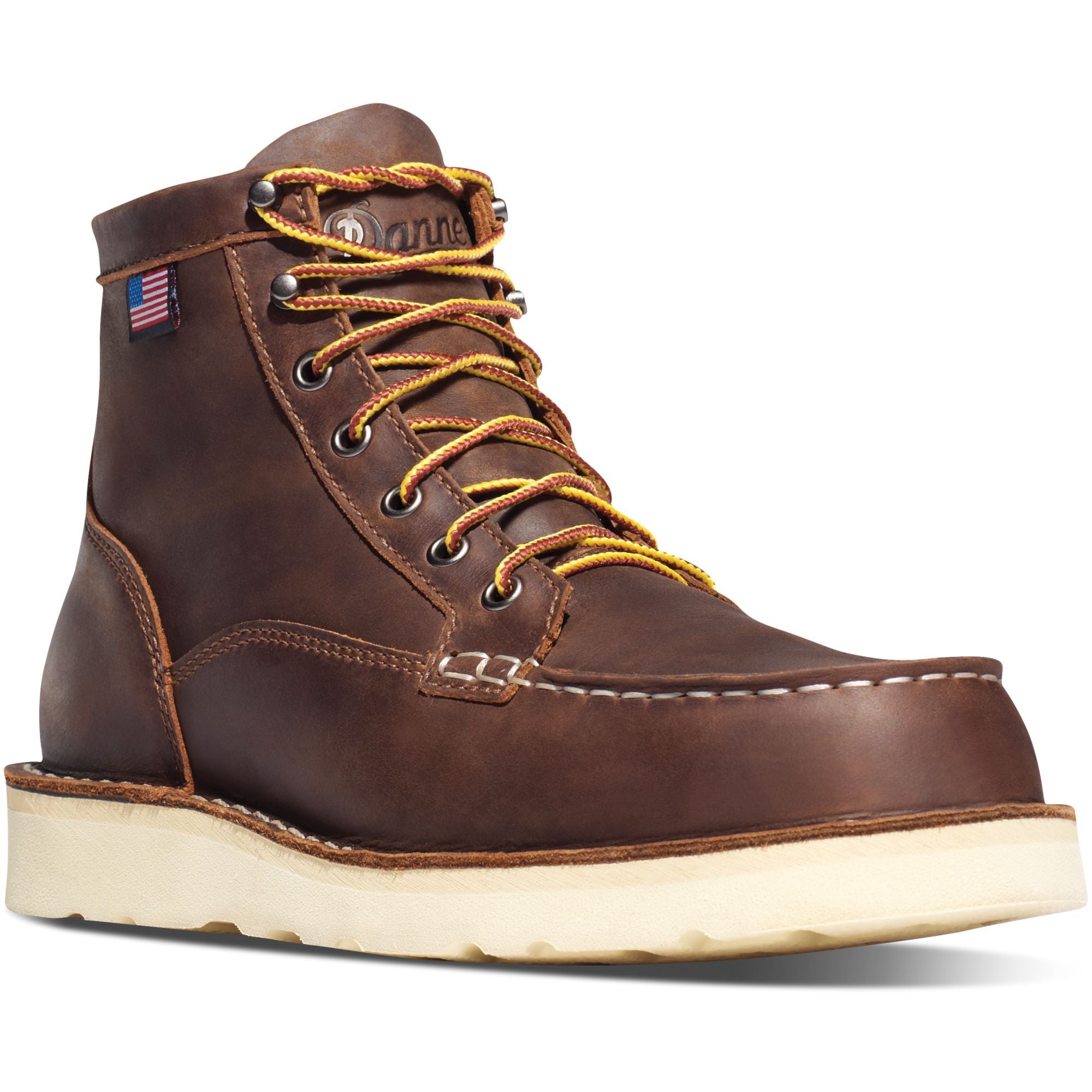
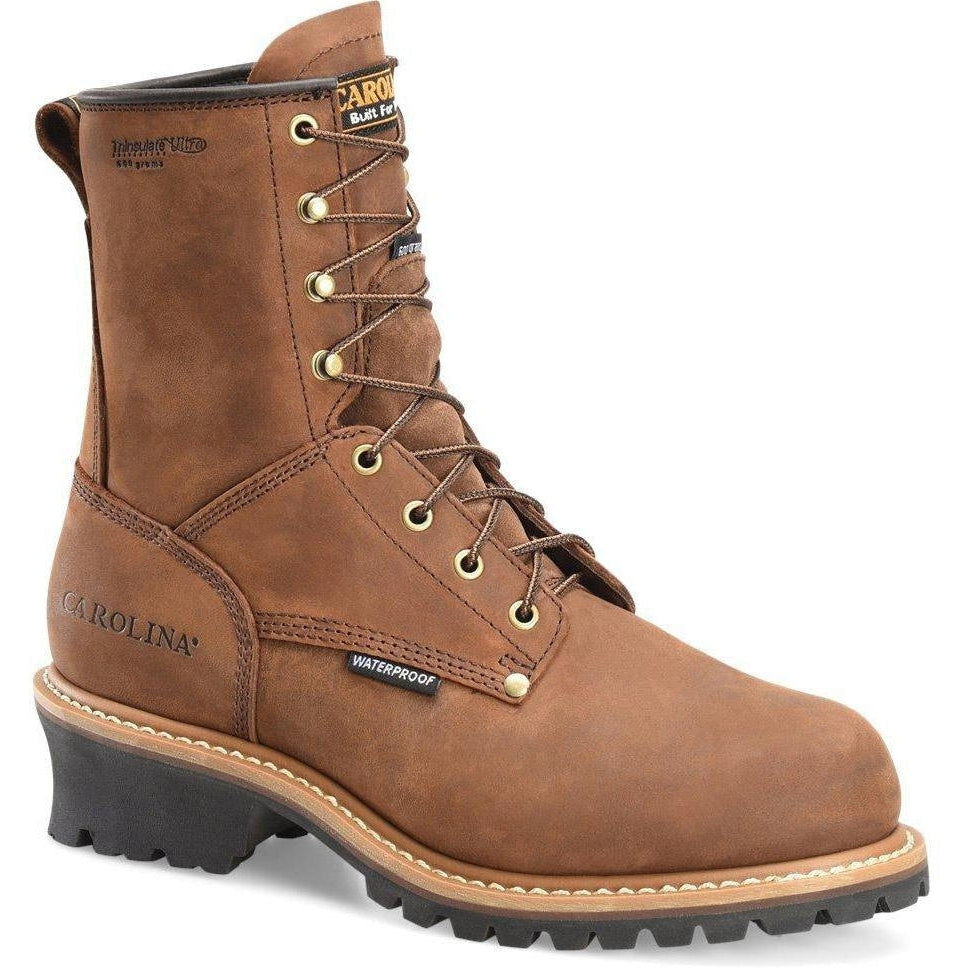
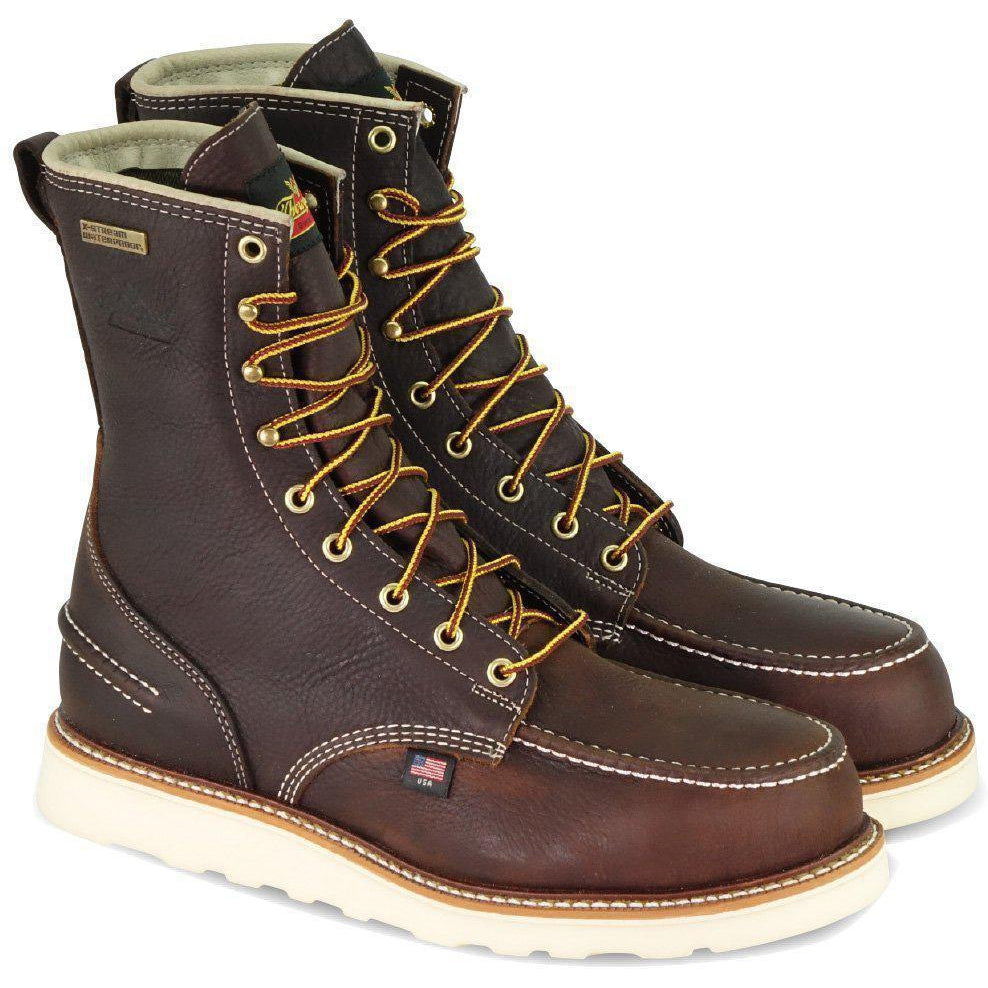
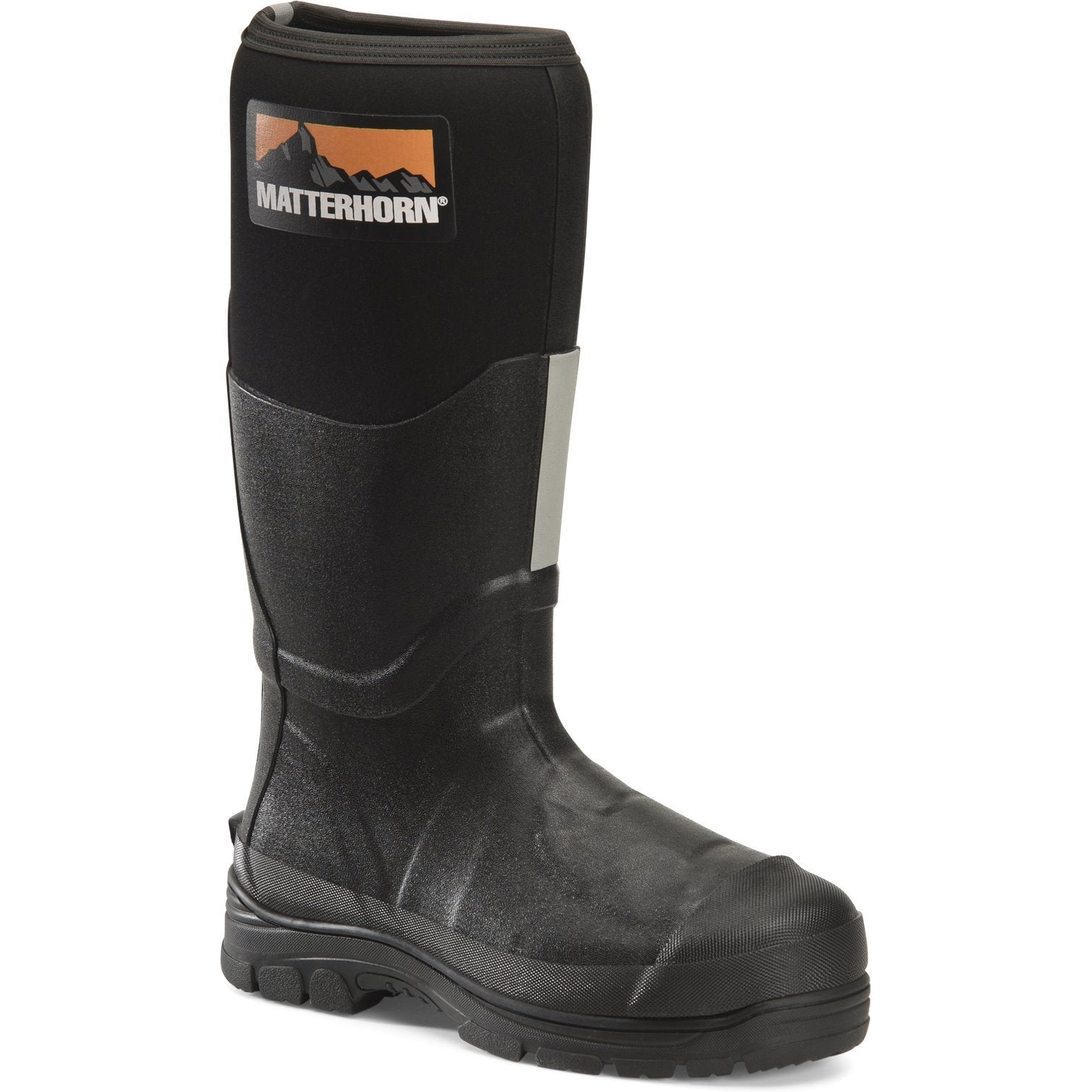
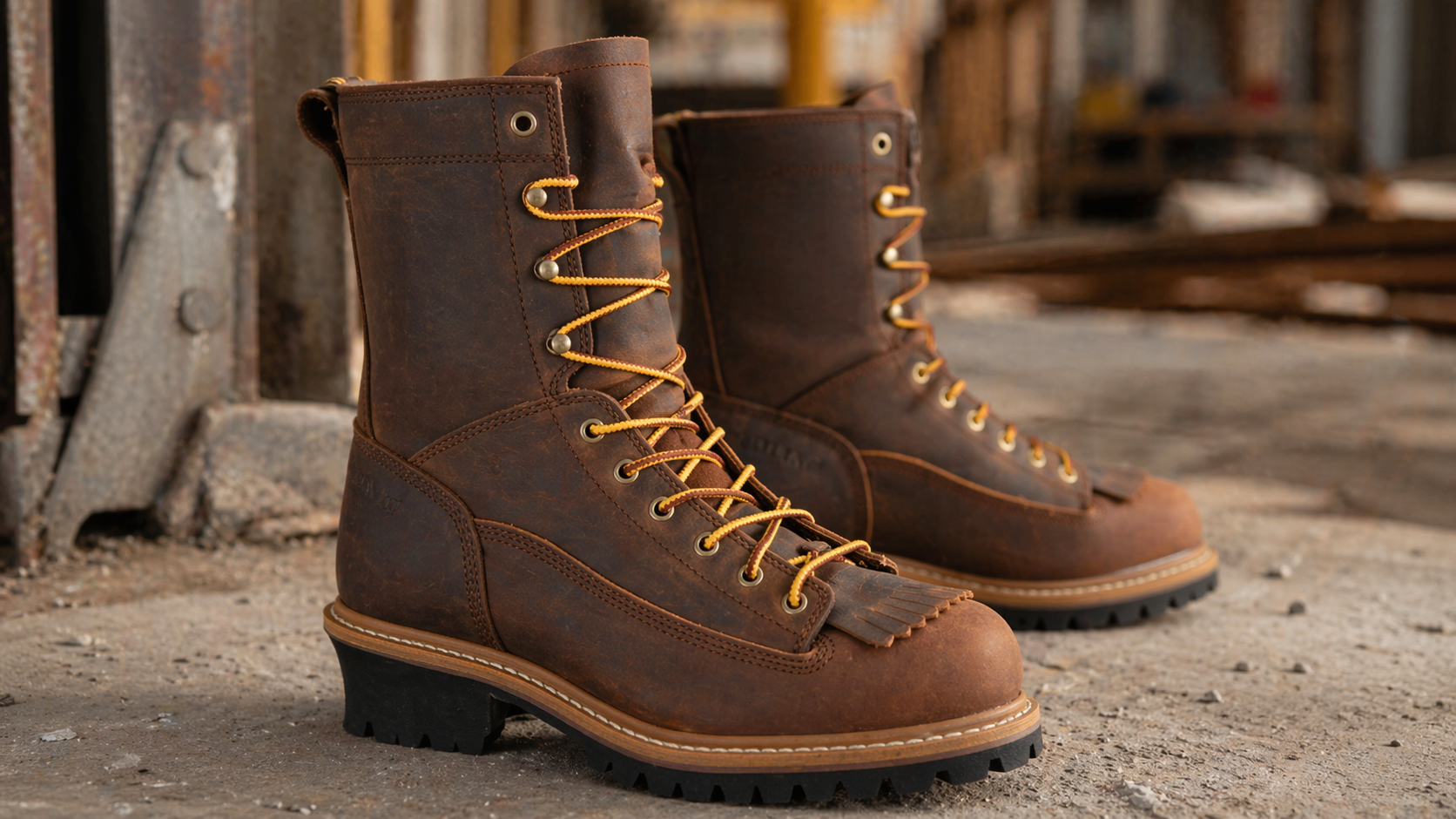
Comparing safety toe options means weighing protection, comfort, weight, and how your boots feel halfway through a long shift. Many shoppers start with steel toe boots because they want dependable protection for demanding work, while alloy-toe boots often come up as a lighter-feeling alternative. This steel-toe vs alloy-toe guide helps buyers choose the right option for their job, shift length, and budget.
Steel Toe vs Alloy Toe: What’s the Difference?
The biggest difference is the material inside the protective toe.
|
Feature |
Steel toe |
Alloy toe |
|
Material |
Steel safety cap |
Lightweight metal blend |
|
Weight |
Heavier, more substantial feel |
Lighter overall |
|
Protection |
Meets same ASTM standards |
Meets same ASTM standards |
|
Toe box width |
Standard |
Slightly thinner profile, often roomier inside |
|
Best for |
Construction, warehouses, industrial, heavy trades |
High-mobility jobs, long walking shifts, ladder work |
|
Style range |
Wider variety of builds and styles |
More limited selection |
|
Feel |
Traditional, rugged, planted |
Lighter, less bulky |
|
Price |
Generally comparable |
Generally comparable |
Steel-toe boots feature a steel safety cap at the front. They are a dependable option for jobs where foot protection matters most, especially in environments where heavy tools, equipment, and materials are part of the workday.
Alloy toe boots use a lighter metal blend. That lighter feel is one reason many shoppers compare steel toe vs alloy toe before buying. For many buyers, the choice is less about technical details and more about how the boot feels on the job.
In simple terms, steel-toe boots tend to feel more traditional, rugged, and substantial. Alloy toe boots appeal to workers who want safety toe protection with less overall weight. Both work well, but the better option depends on how you work, how much you move, and what kind of boot you prefer wearing for long hours.
Pros of Steel-Toe Boots
Steel-toe boots remain one of the most practical choices for workers who want a traditional, durable safety boot.
They are a strong fit for buyers in construction, warehouse work, manufacturing, industrial settings, and outdoor trades where durability and toe protection matter every day. If your boots take a beating, steel-toe work boots make the most sense.
Another advantage is availability. Steel-toe work boots come in a wide range of styles, including lace-up pairs, pull-on boots, leather builds, waterproof steel-toe options, and heavy-duty work styles. That makes it easier for buyers to shop based on their jobsite needs without giving up the toe protection they want.
Steel-toe boots also stay popular because of how they feel. Many workers prefer the solid, sturdy feel of a boot built for tougher use. That does not make steel-toe boots automatically better for everyone, but it does explain why so many heavy-duty buyers stay focused on steel-toe work boots when comparing options.
For wet jobsite conditions, outdoor tasks, or all-weather use, it also makes sense to look at waterproof steel-toe boots within the broader collection.
Cons of Steel-Toe Boots
The main tradeoff is weight.
In most cases, steel-toe boots feel heavier than alloy-toe boots. That difference matters more for workers who spend long shifts walking, climbing, kneeling, or moving nonstop across hard surfaces.
Weight alone does not determine comfort, but it affects how a boot feels by the end of the day. For some workers, a heavier boot contributes to fatigue during long shifts, especially if it already has a thick outsole, a rugged leather upper, or a more substantial build.
Pros of Alloy Toe Boots
The biggest advantage of alloy toe boots is that they feel lighter than steel toe boots.
That lighter feel suits workers who cover a lot of ground during the day, climb ladders often, or want to reduce overall boot bulk. In a steel-toe vs. alloy-toe comparison, alloy-toe appeals to buyers who care about mobility, lighter weight, and reduced boot fatigue over the course of a long shift.
Alloy toe boots are also a good fit for workers who want safety toe protection without the more traditional heavy-duty feel of steel. For some workers, alloy toes are easier to wear in fast-paced environments where constant movement is part of the job.
Cons of Alloy Toe Boots
For some buyers, alloy toe boots simply do not have the same rugged feel they want in a work boot.
That does not mean alloy toe is the wrong choice. It means some workers still prefer the more traditional, planted feel of steel-toe boots for tougher work conditions.
Alloy toe options do narrow the field if you already know you want a classic leather work boot, a more traditional heavy-duty build, or a broader range of work-ready styles.
Comfort, Weight, and Value: What Matters Most on the Job?
Comfort depends on more than toe type.
Cushioning, support, outsole design, fit, break-in, and upper materials all shape how a boot feels during a long day. A well-designed pair of comfortable steel-toe boots can feel better than a lighter boot that fits poorly.
Still, weight matters. If your day involves constant walking, climbing, or long hours on concrete, the lighter feel of alloy toe is worth considering. If your job is tougher on boots than on your step count, steel-toe boots are the better fit.
Value also depends on how you work. Some buyers want the lightest possible boot. Others want a more traditional work-boot feel, a broad range of style options, and dependable protection for hard use. That is why steel-toe boots continue to be a practical choice for buyers shopping with jobsite demands, comfort, and budget in mind.
Which One Is Better for Your Job?
The better option depends on what your workday looks like.
Choose Steel Toe If...
You work in construction, manufacturing, warehouse operations, industrial settings, or outdoor trades where boots take a beating.
You prefer a more traditional safety boot feel.
You want dependable toe protection with lots of style and build options.
You are shopping for heavy-duty steel toe work boots, leather steel toe boots, or steel toe safety boots built for rough daily use.
Choose Alloy Toe If...
You walk long distances during the day.
You climb often or move constantly.
You want a lighter-feeling boot that may help reduce fatigue.
You prioritize mobility and a less bulky feel over the traditional feel of steel toe work boots.
[prc-collections-carousel]
Final Take: Are Steel-Toe Boots the Right Choice?
For many buyers, yes.
Steel-toe boots remain a smart option for workers seeking dependable protection, durable construction, and a practical, work-ready feel. They remain one of the most trusted categories for hard jobs because they are straightforward to shop for, widely available, and built for real-world working conditions.
If lighter weight is your top priority, alloy toe may be worth a closer look. But if you want a dependable option built for tough conditions, explore the full steel-toe boots collection to find the pair that fits your job.
Frequently Asked Questions
Steel Toe Vs Alloy Toe: Which Is Better For Heavy-Duty Work?
Steel toes win for the hardest impact and compression jobs. Steel provides the most rigid toe-cap protection, which matters when working around falling materials, pipes, and heavy equipment in construction, mining, and oil and gas.
Do Steel Toe Boots Meet ASTM Safety Standards?
Boots that meet ASTM standards are built to meet tested impact and compression requirements, and Overlook Boots carries ASTM-compliant electrical-hazard protection options in its work lineup. That matters for crews who need jobsite safety compliance, not just toe coverage.
Are Steel-Toe Boots Good For Construction And Industrial Jobs?
Steel toe boots are built for impact and compression hazards from tools, materials, and equipment. That makes them a solid choice for construction, industrial yards, utility work, and other jobs with heavy objects underfoot.
Do Steel-Toe Boots Come In Waterproof Styles?
Overlook Boots carries steel-toe options with waterproof protection, including waterproof steel toe work boots in its broader work selection. That matters for farming, oilfield work, commercial fishing, mud, rain, and washdown conditions.
Are Steel-Toe Boots Breathable In Hot Conditions?
Breathable work boots are built for airflow and all-day comfort, and Overlook Boots’ catalog includes vented models. That matters for hot shops, summer concrete work, and long shifts where heat buildup wears you down.
Do Steel-Toe Boots Offer Electrical Hazard Protection?
Some steel-toe boots provide electrical hazard protection against accidental contact with live circuits under defined conditions. That matters for electricians, utility crews, and industrial maintenance workers working around energized equipment.