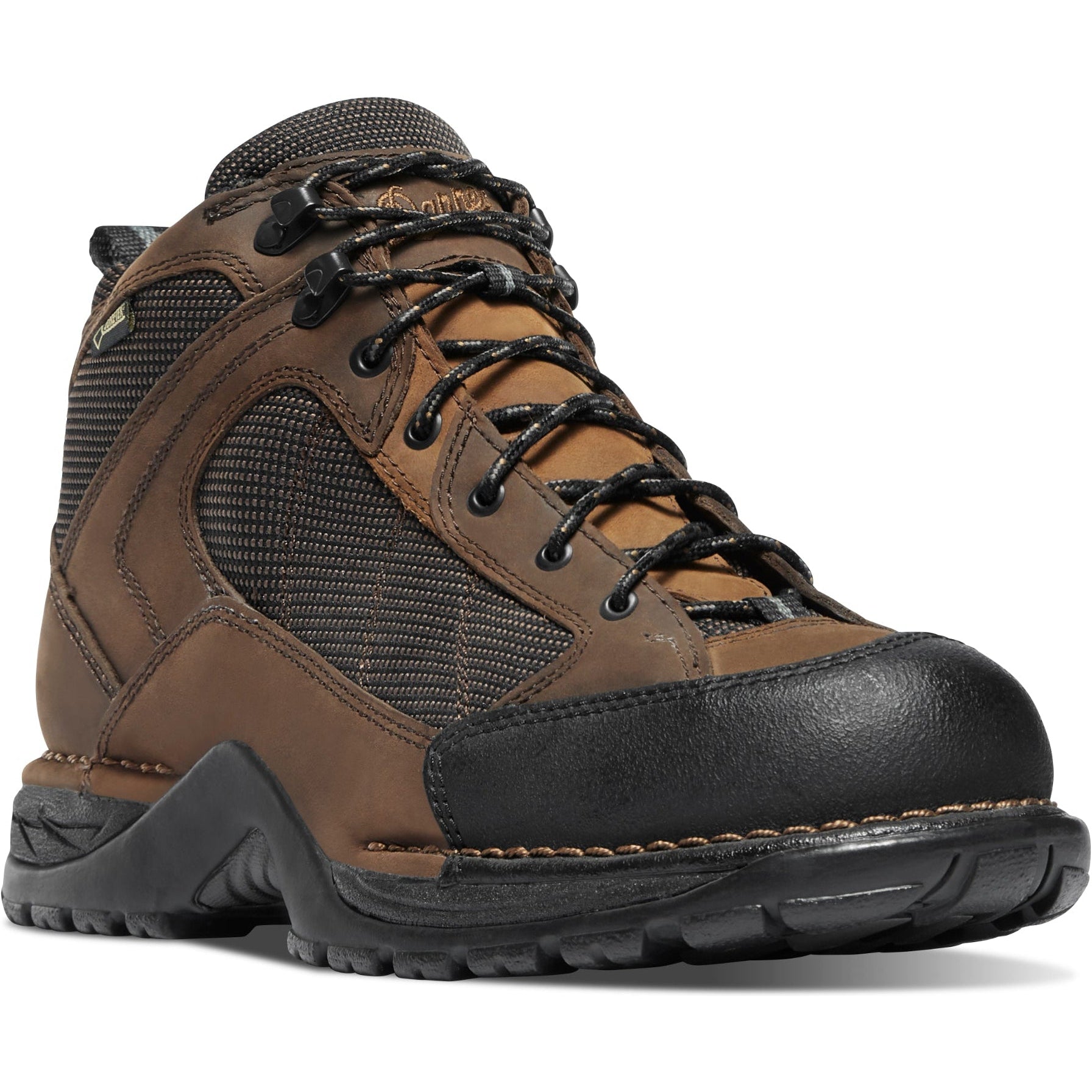
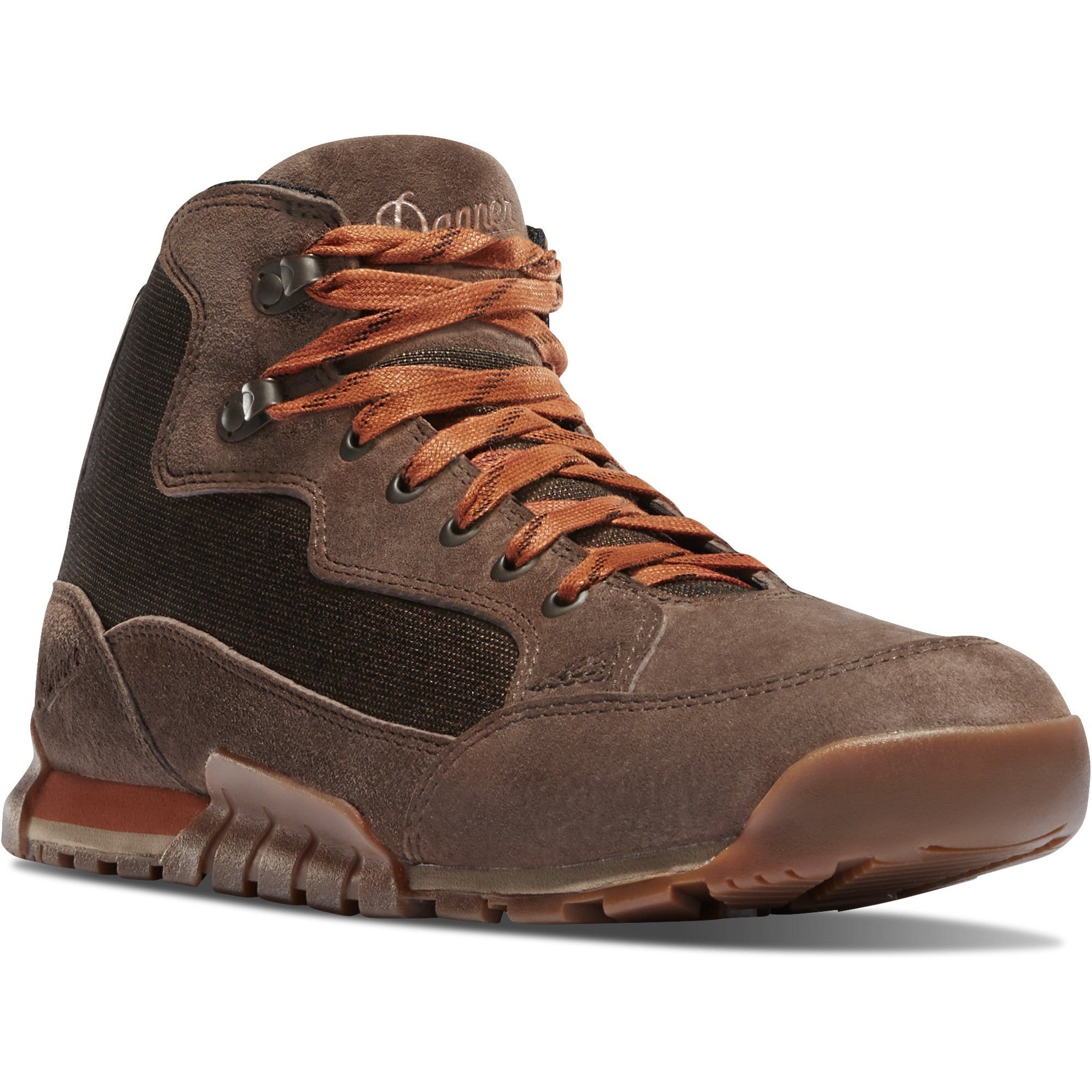
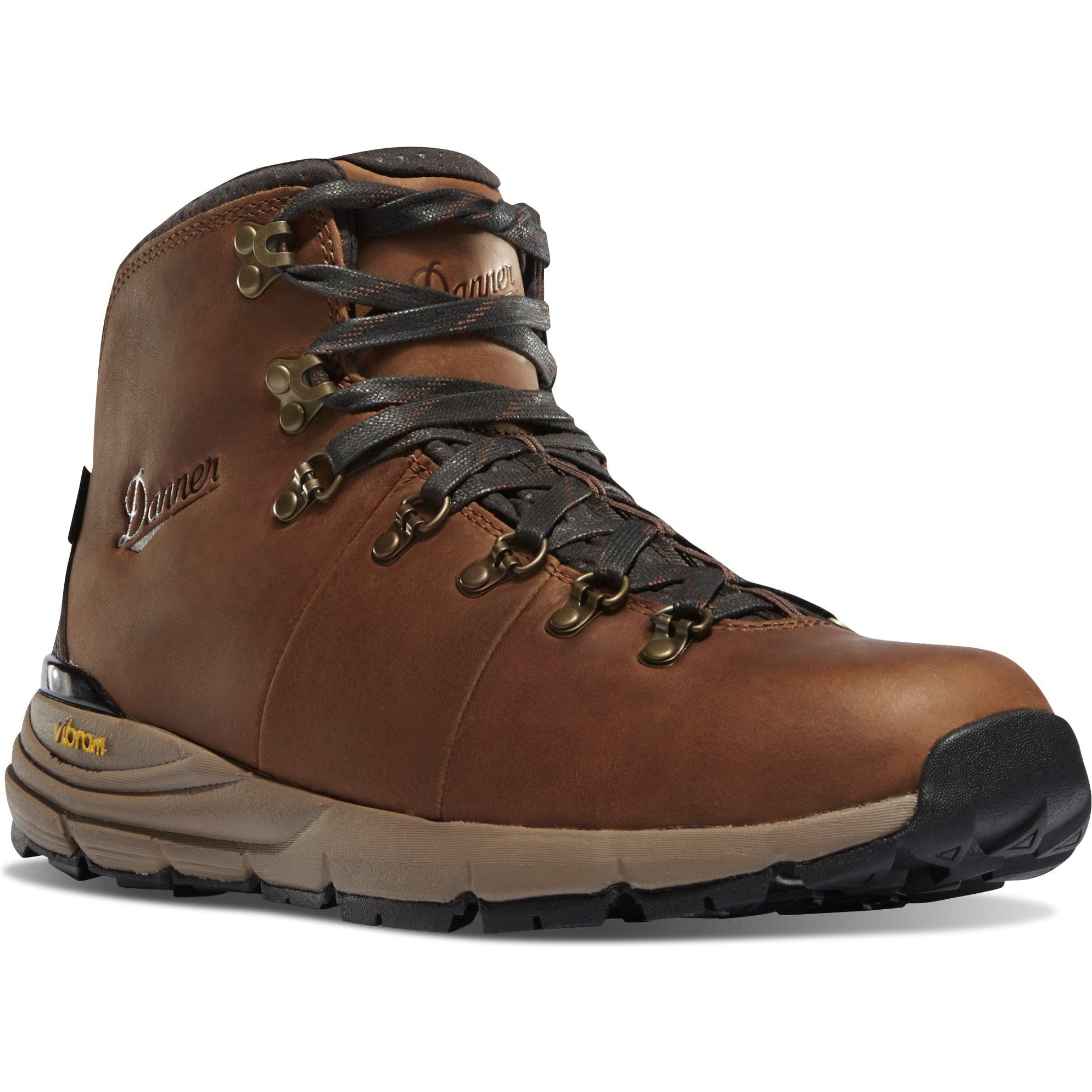
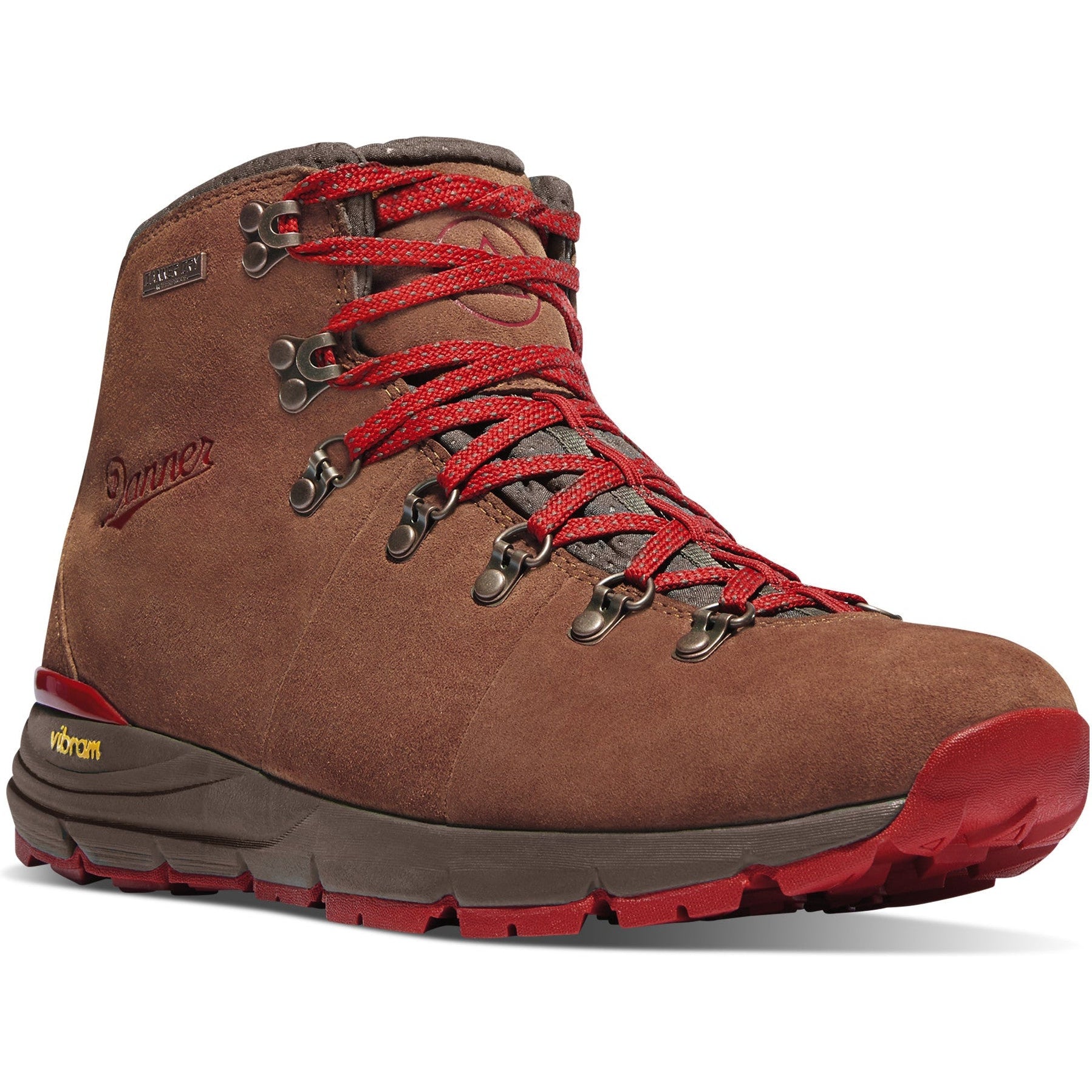
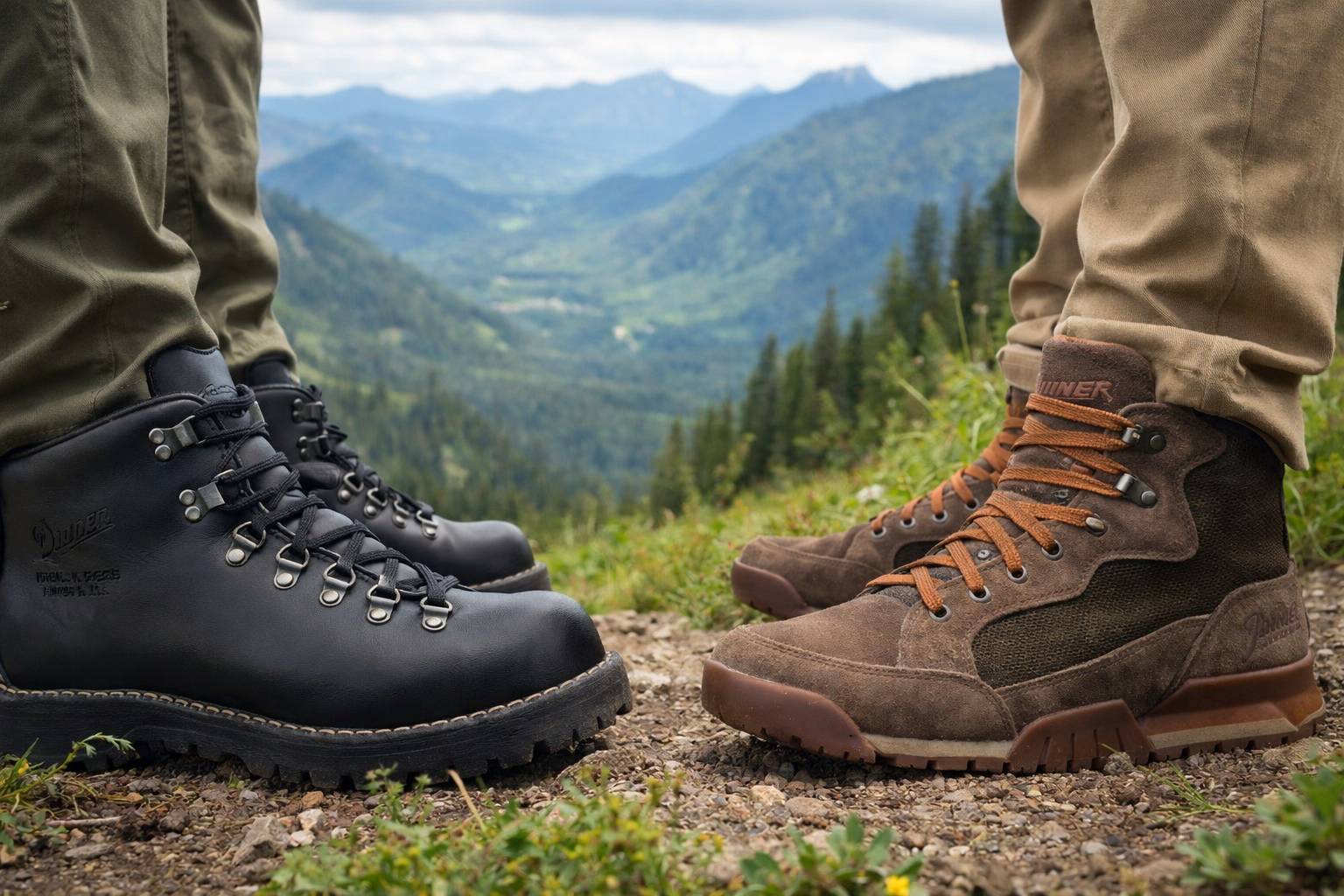
If you’re comparing hiking boots vs hiking shoes, the right choice usually becomes obvious when the trail turns steep, wet, or uneven. To see both styles in one place, start with Overlook’s collection of hiking boots for men and compare support level, waterproofing, and breathability.
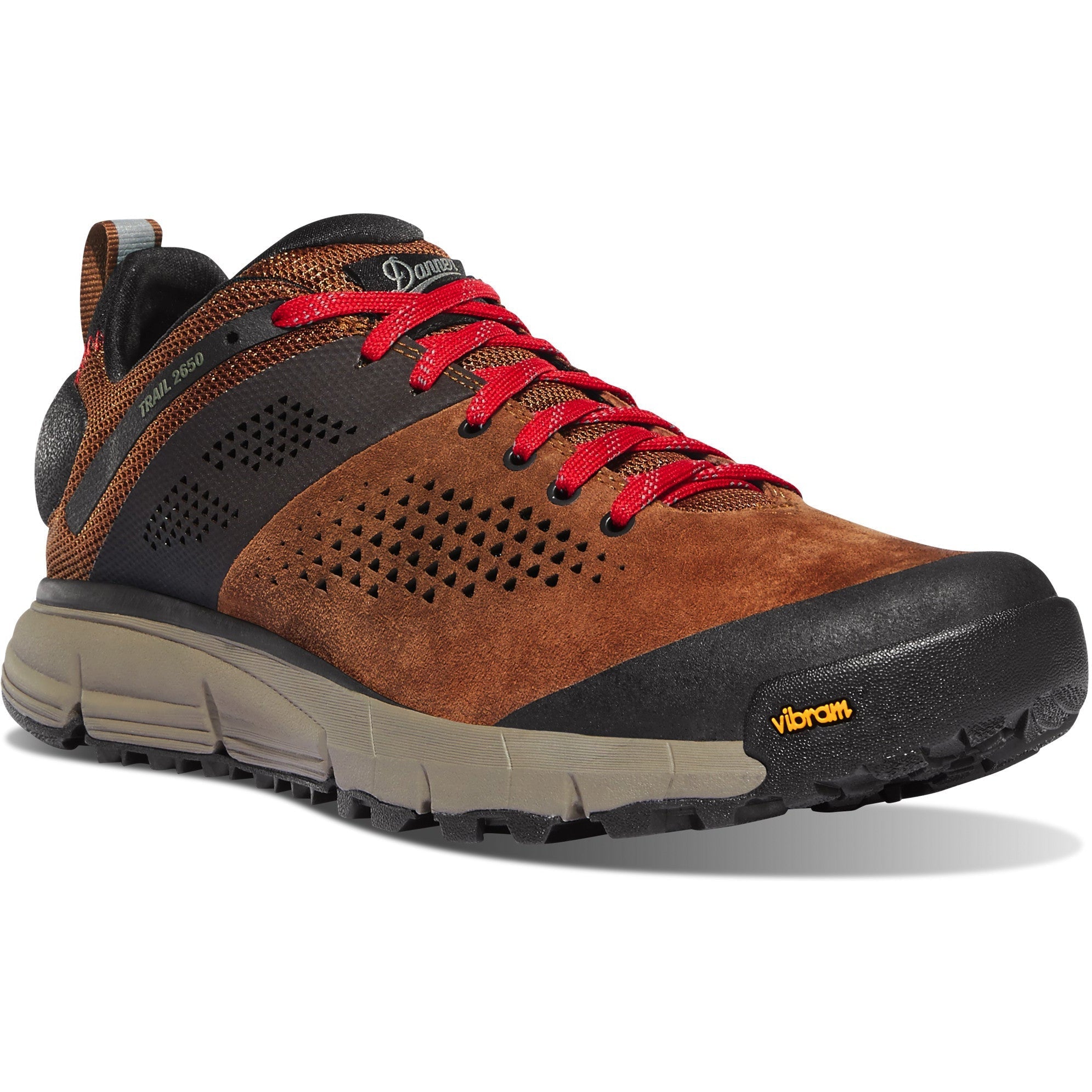
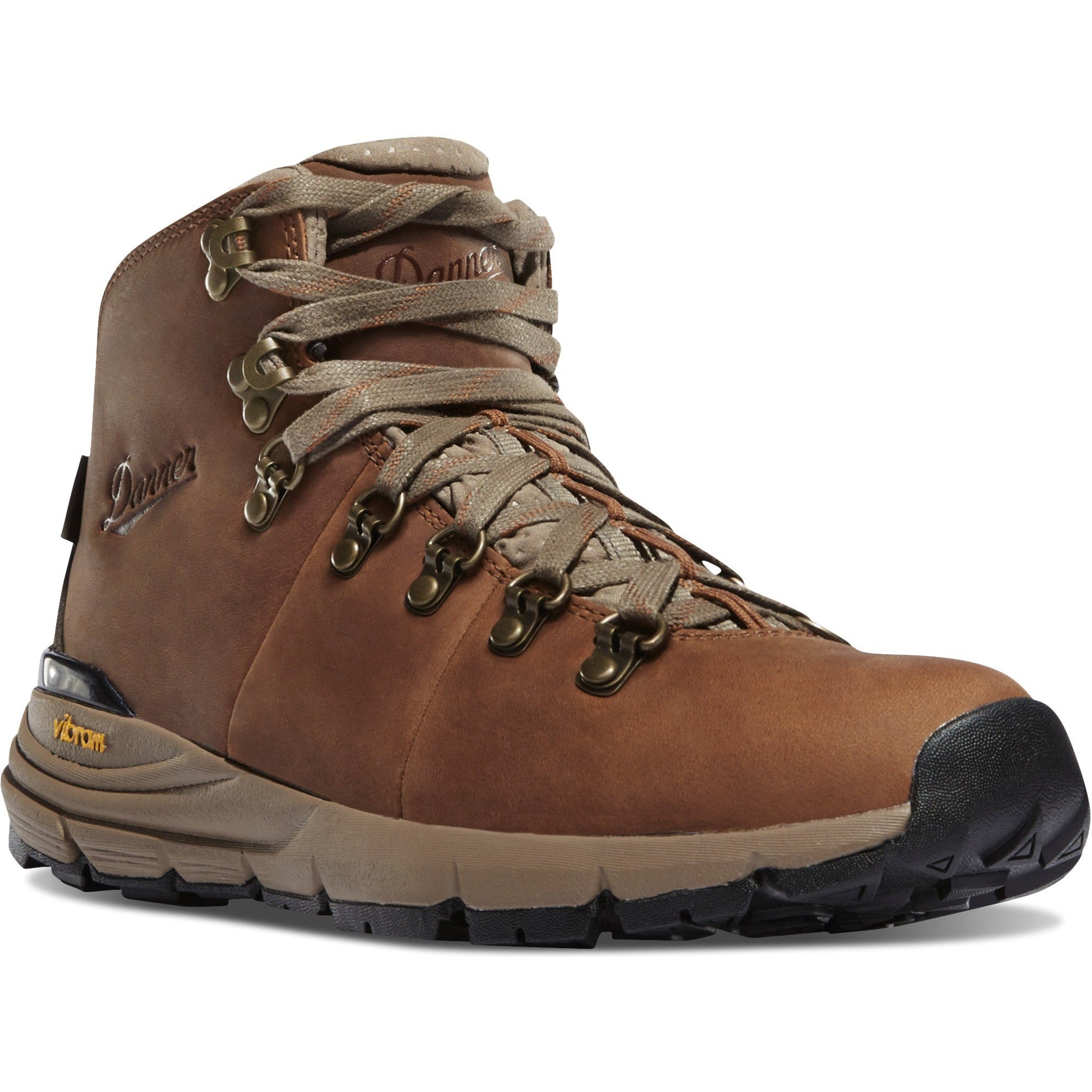
In 2026, materials are lighter, and outsoles are grippier, but the decision still comes down to terrain, pack weight, and how much structure your feet need. This guide breaks down the key differences between boots and shoes using the same criteria real buyers care about. You’ll also see where popular families like the Danner Mountain 600 and Danner Trail 2650 typically make the most sense.
The Key Difference Is Stability vs. Agility
The core difference is simple.
Hiking boots usually deliver steadier footing and more protection, especially when the terrain is rough, the packs are heavier, or the day runs long. Hiking shoes usually deliver faster, lighter movement and cooler comfort, especially on maintained trails or warm-weather mileage. A good way to think about it: if the ground is unpredictable, structure matters more. If the trail is consistent, weight and airflow become more important.
Support Is Not Just Ankle Height, It’s the Whole Platform
A lot of the ankle support debate gets stuck on collar height. Collar height can help, but the steadier ride usually comes from what’s under your foot.
When the ground wants to roll your foot outward on loose gravel, side-hills, or uneven rock, a stable platform reduces wobble and keeps your stride more controlled.
Look for support that shows up in three places:
-
Heel lock that limits heel slip
-
A stable midsole that resists twisting
-
A firm heel counter that helps keep alignment on uneven ground
If you’re hiking with a heavier pack or you tend to fatigue on descents, this is where boots usually earn their keep.
[prc-collections-carousel]
When Hiking Shoes Win: Pace, Breathability, and “Less Shoe” Fatigue
Hiking shoes often win when you prioritize pace, breathability, and reduced fatigue.
On summer day hikes, the enemy isn’t always a rock. It’s overheating, hotspots, and the slow creep of foot fatigue from heat and moisture. Breathable hiking shoes can help because they move heat out faster and often feel more natural stride-to-stride.
Shoes tend to shine when:
-
Trails are maintained and predictable
-
The weather is hot and dry
-
You want faster movement and less bulk
-
You prefer quicker dry times after light water exposure
The tradeoff is protection. Shoes usually provide less shielding from brush, toe impacts, and the leverage a heavy pack puts on your foot and ankle.
Waterproofing vs. Breathability Is a Tradeoff
Waterproofing and breathability rarely peak simultaneously. Choose based on what actually happens on your hikes.
If wet grass, muddy ruts, puddles, or cold, damp conditions are common, waterproof footwear is usually worth it. If you hike in heat and sweat is your bigger issue, more airflow can reduce the moisture buildup that causes hotspots and blisters.
If wet conditions are your norm, start with Overlook’s collection of waterproof hiking boots designed for wet trails, and compare heights, materials, and outsole types.
Waterproofing That Matters: Membrane, Seams, and Upper Materials
Trail waterproofing is a system, not a single feature.
Reliable wet-weather performance usually comes from:
-
A waterproof membrane that helps block external water
-
Construction details that limit leakage around seams and stitch zones
-
Uppers that shed water and slow saturation
One practical reminder: low-cut footwear can still flood from the top if you step too deeply in a crossing. Height and fit matter as much as waterproof materials.
Hot-Weather Hiking: Moisture Management Prevents Blisters
In warm conditions, blister prevention often comes down to managing moisture.
When your feet stay damp, skin softens and friction rises. A breathable shoe paired with a quality hiking sock can reduce the risk of hotspots on long, warm days.
If you still want water protection but worry about heat, look for lighter waterproof builds and prioritize fit and sock choice to keep friction to a minimum.
Traction and Materials: Where Confidence Comes From
Wet rock, roots, loose gravel, and sloppy descents aren’t forgiving. Traction is confidence, and confidence saves energy. What matters most is not just aggressive lugs. It’s how the outsole bites and releases across the surfaces you actually step on.
Traction That Counts: Lug Shape, Spacing, And Compound
For gravel, mud, and uneven terrain, look for:
-
Deep lugs for bite
-
Wide lug spacing to shed mud and debris
-
Rubber that balances grip and durability
This is where outsole quality pays off. A boot or shoe can look similar online, but the wrong outsole feels obvious the first time you brake downhill on wet stone.
Leather vs. Synthetic: Durability, Break-In, And Care
Leather and synthetic uppers both work. The difference is the ownership experience.
Leather tends to offer a more structured feel and can hold its shape longer, but often requires more break-in and basic upkeep. Synthetics tend to feel lighter, break in faster, and dry more quickly, which can be a major advantage for warm-weather hikers.
Whichever you choose, care extends service life.
-
Clean off grit and mud after use
-
Dry gradually, avoid direct high heat
-
Condition leather occasionally to prevent drying and cracking
Where Popular Danner-Style Families Tend to Fit
If you like to shop by brand and compare families, start with our Danner hiking boot lineup and narrow based on how you hike.
In general, more structured boots make sense when you want a steadier platform and more protection. More athletic shoes make sense when you want quicker movement and less bulk, especially on maintained trails.
A practical way to decide is to match the boot to your most common conditions. If your hikes include uneven terrain and longer descents, choose the more supportive option. If your hikes are fast, warm-weather mileage on predictable trails, choose the lighter option.
Quick Decision Guide (2026): Choose Boots or Shoes In Under a Minute
Choose hiking boots if:
-
Terrain is rough, rocky, or uneven
-
You carry a heavier pack
-
You hike in consistently wet or cold conditions
-
You want more structure and protection over speed
Choose hiking shoes if:
-
Trails are maintained and predictable
-
The weather is warm, and sweat is a bigger issue than puddles
-
You hike fast and light
-
You prioritize breathability and lower fatigue from weight
If you’re deciding between hiking boots vs. hiking shoes, use the same real-world pillars that matter on trail: waterproofing, support, and comfort. Boots usually earn their keep when the terrain is rough, the weather is wet, or the pack is heavier. Shoes shine when hikes are lighter, warmer, and more speed-focused.
If your terrain looks less like a groomed trail and more like wet brush, cold starts, and long hours outside, Overlook’s hunting-ready boot options are worth a look for added weather protection and durability. Otherwise, compare hiking boots and hiking shoes side by side and choose the pair that keeps your feet steady and comfortable mile after mile.
Frequently Asked Questions
Hiking Boots Vs. Hiking Shoes: Better Support For 10–12 Hour Shifts?
Hiking boots usually support long shifts better. A higher collar can help, but the bigger difference is the platform. A stiffer midsole and firm heel counter limit ankle roll and heel slip, which pays off on uneven ground, ladders, and side-hills in construction, farming, and oilfield walking.
Are Breathable Work Hiking Shoes Tough Enough For Construction, Mining, And Oil And Gas?
Yes, for hard walking and rough terrain, as long as the build is actually rugged. Look for durable uppers, stable midsoles, and outsoles built for wear. If your site requires ASTM F2413 boots with a safety toe, don’t gamble. Jump to the safety toe boots and filter for the protection you’re required to wear.
Do Hiking Work Boots Keep Feet Dry Without Overheating?
Yes, within the normal tradeoff. Waterproof membranes block outside water, but breathability depends on the whole build. For mud, wet grass, and dock work, staying dry helps prevent friction and blisters over long shifts. If wet conditions are common for your jobsite or route, start with waterproof hiking boots built for wet trails so you’re shopping in the right lane from the beginning.
Best Outsole Tread For Gravel, Mud, And Uneven Terrain?
Deep, widely spaced lugs on durable rubber usually grip best. Prioritize patterns that bite into loose dirt, shed mud, and brake predictably on descents.
Are Slip-Resistant Hiking Work Shoes Safe On Wet Concrete, Steel, And Oily Floors?
Yes, when the product spec calls out slip resistance and the outsole is built for wet traction, not just trail lugs. Look for slip-resistant labeling and an oil-resistant rubber outsole designed for slick surfaces.
What Fit Features Cut Foot Fatigue: Stability, Arch Support, Or Cushioning?
Stability often reduces fatigue more effectively than extra cushioning alone. A locked-in heel, supportive midsole, and firm heel counter reduce foot roll and wasted effort. Cushioning comes next to soften concrete. For 10-12-hour days carrying tools, climbing, and walking, prioritize heel lock and platform stability before chasing more softness.