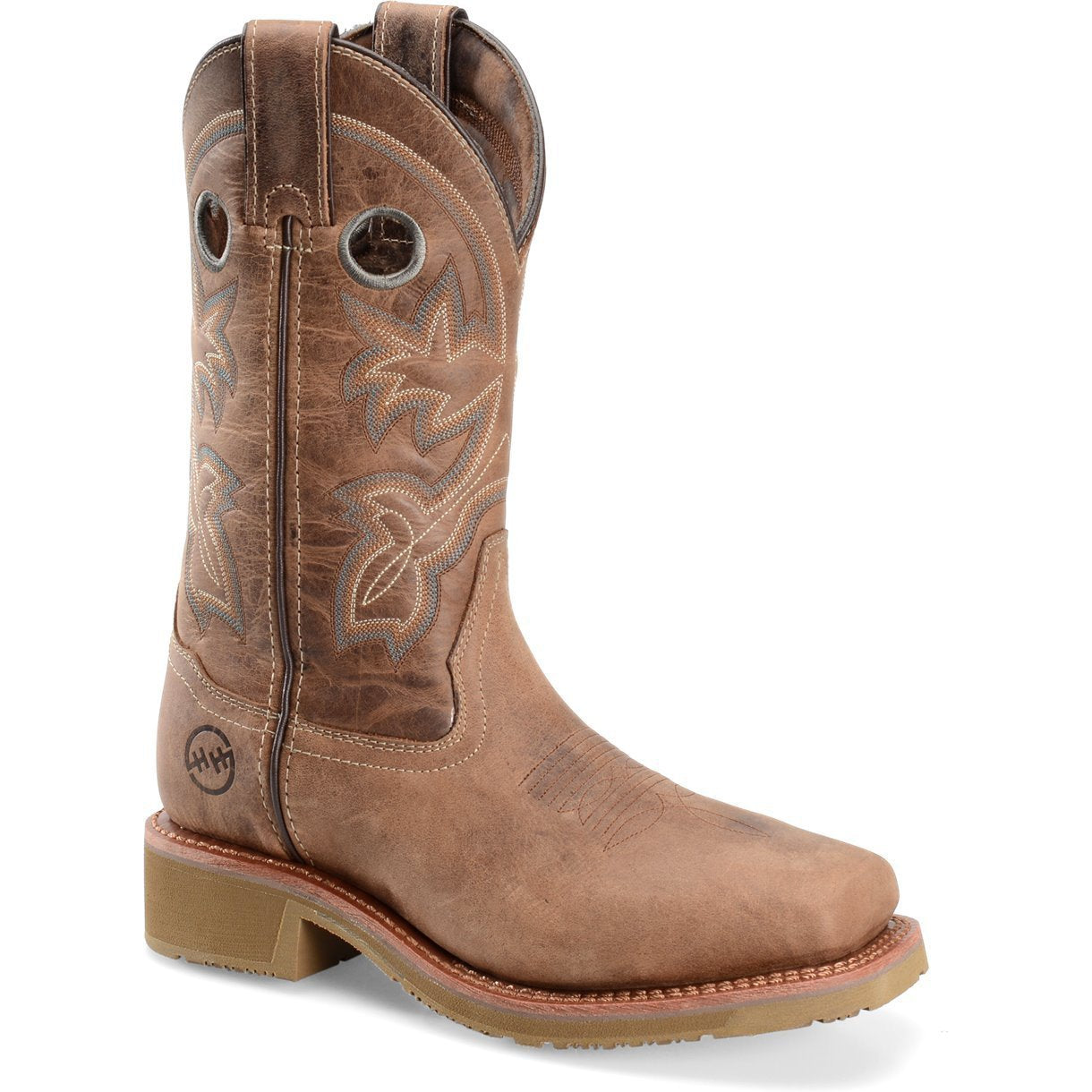
Sale price$184.99
Regular price$192.00
Double H Women's Haddie 11" Composite Toe Western Work Boot- Brown - DH2411
Save 26%
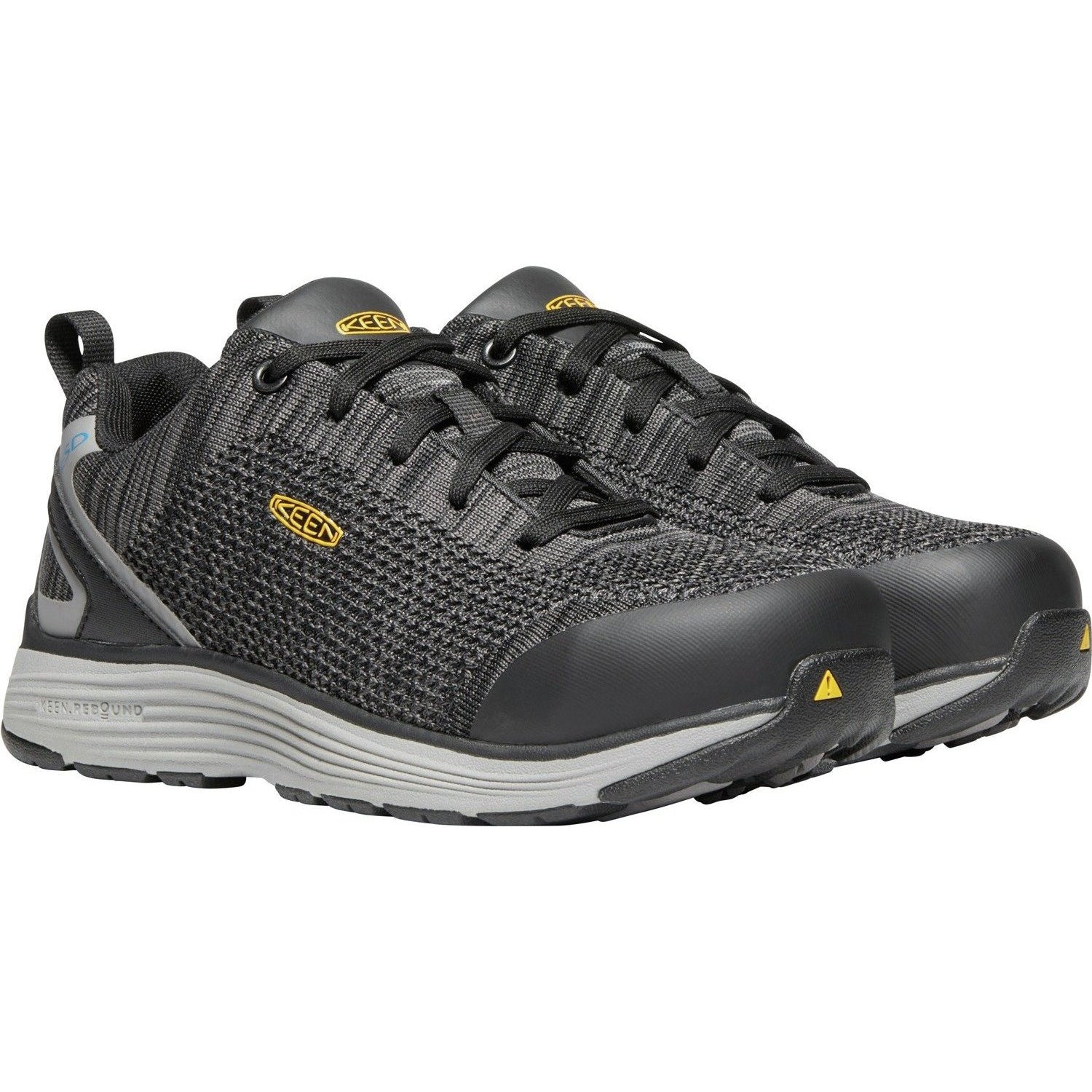
Sale price$85.67
Regular price$115.00
Keen Utility Women's Sparta ESD Aluminum Toe Work Shoe - Grey - 1021350
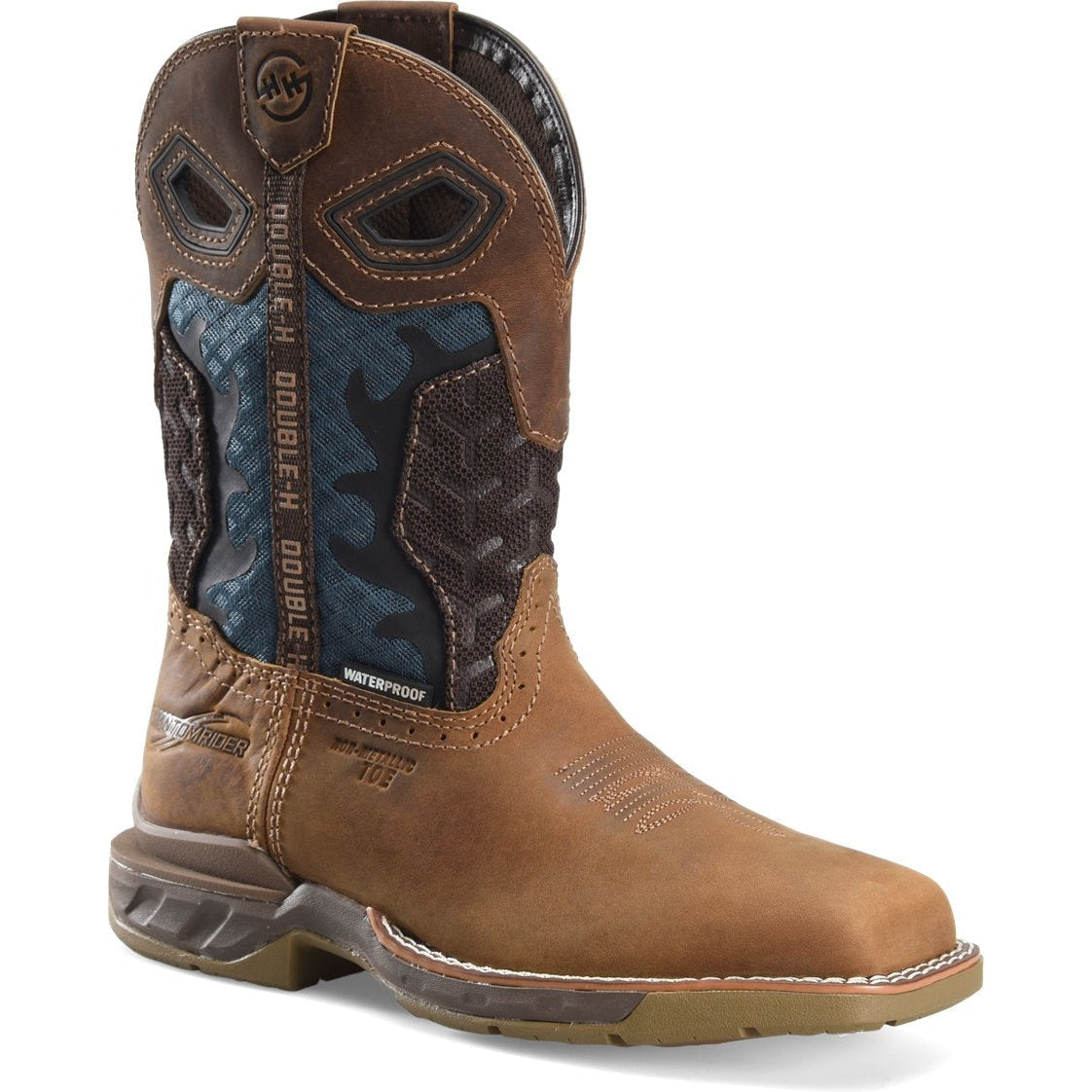
Sale price$189.99
Regular price$196.00
Double H Women's Phantom Rider Watcher 10" Waterproof Composite Toe Roper Work Boot -Brown- DH5392
Save 5%
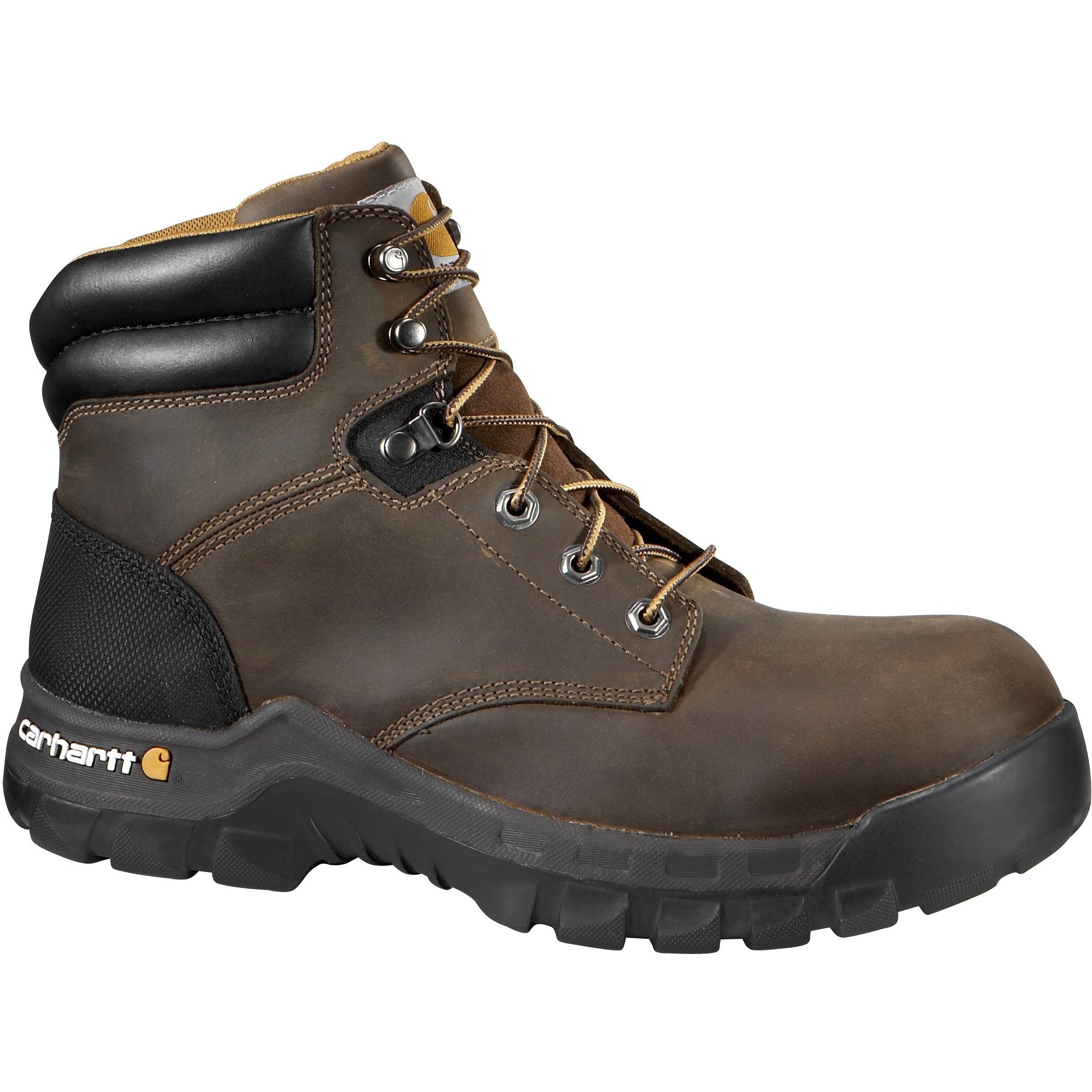
Sale price$149.99
Regular price$158.00
Carhartt Women's Rugged Flex 6" Composite Toe Work Boot - Brown - CWF5355

Save 37%
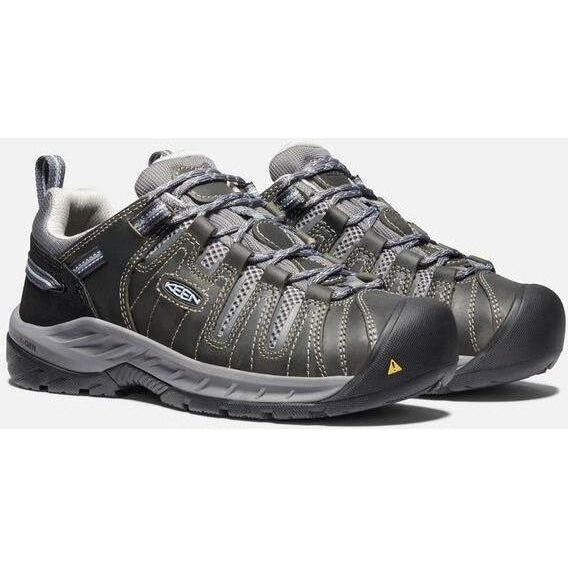
Sale price$85.67
Regular price$135.00
Keen Utility Women's Flint II Soft Toe Work Shoe - Steel Grey/Paloma - 1023253
Save 5%
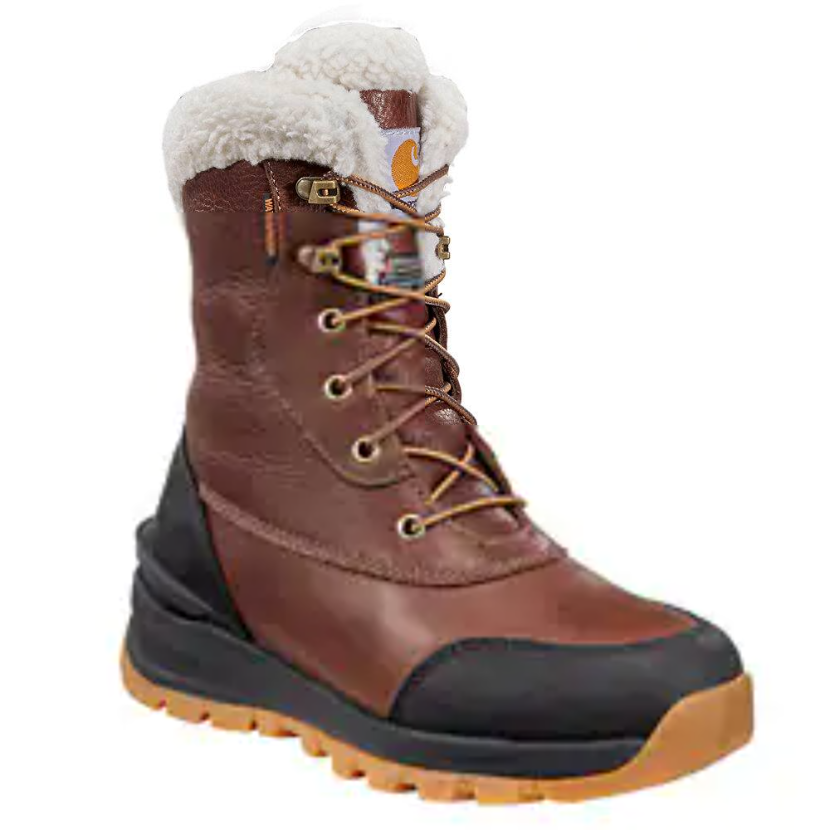
Sale price$184.99
Regular price$194.00
Carhartt Women's Pellston 8" Waterproof Winter Work Boot - Mineral Red - FH8019-W

Save 35%
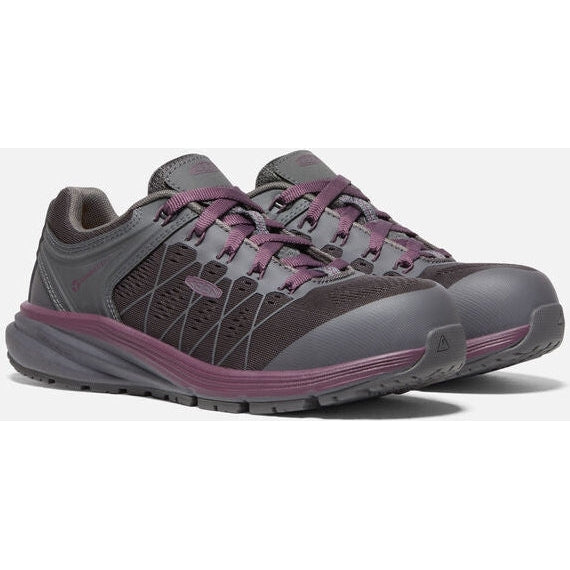
Sale price$84.67
Regular price$130.00
Keen Utility Women's Vista Energy ESD Carbon Fiber Toe Work Shoe - Magnet/Prune Purple - 1026985
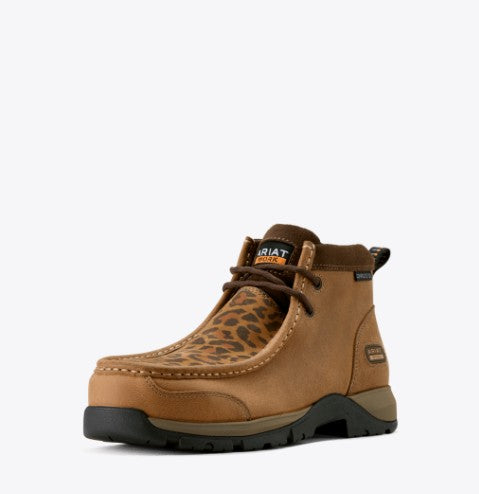
Sale price$159.95
Ariat Women's Edge Moc Composite Toe Work Boot - Brown - 10073361
Save 7%
Sale price$139.99
Regular price$150.00
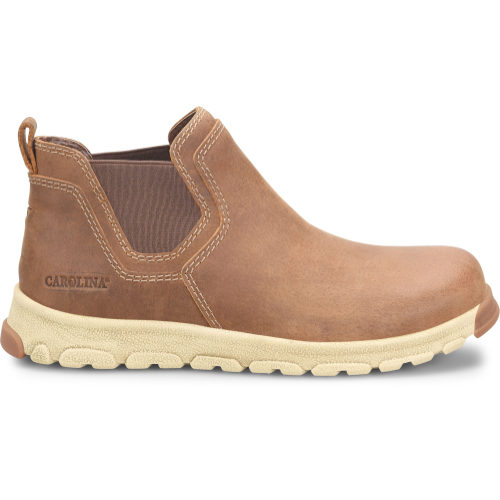
Carolina Women's S-117 Electrostatic Dissipative Romeo Alum Toe Lightweight Work Shoe - Brown - CA5671
Save 20%
Sale price$105.67
Regular price$132.00
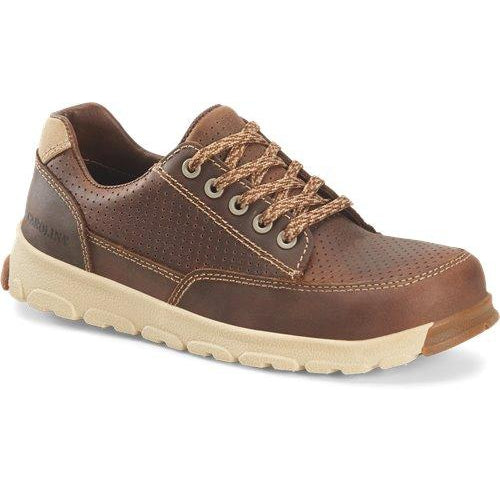
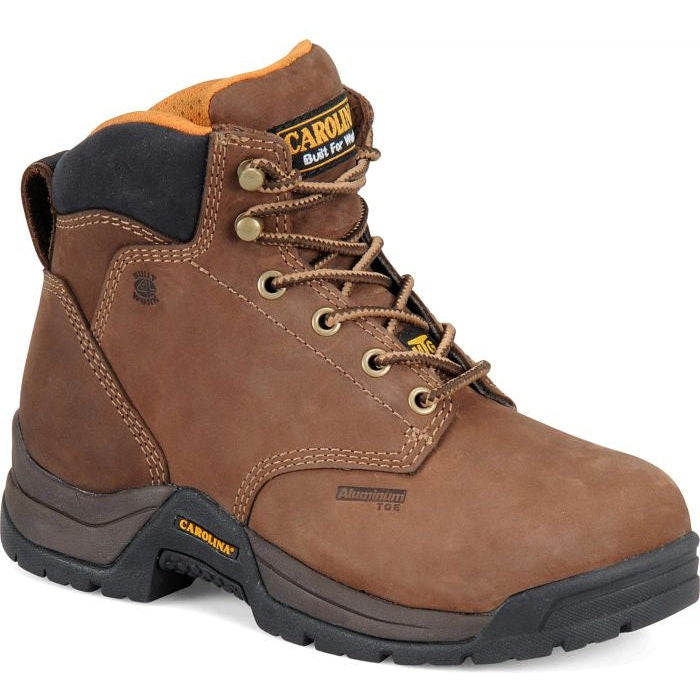
Carolina Women's S-117 Aluminum Toe Oxford Work Shoe- Mahogany- CA5674
Sale price$179.99
Regular price$181.00
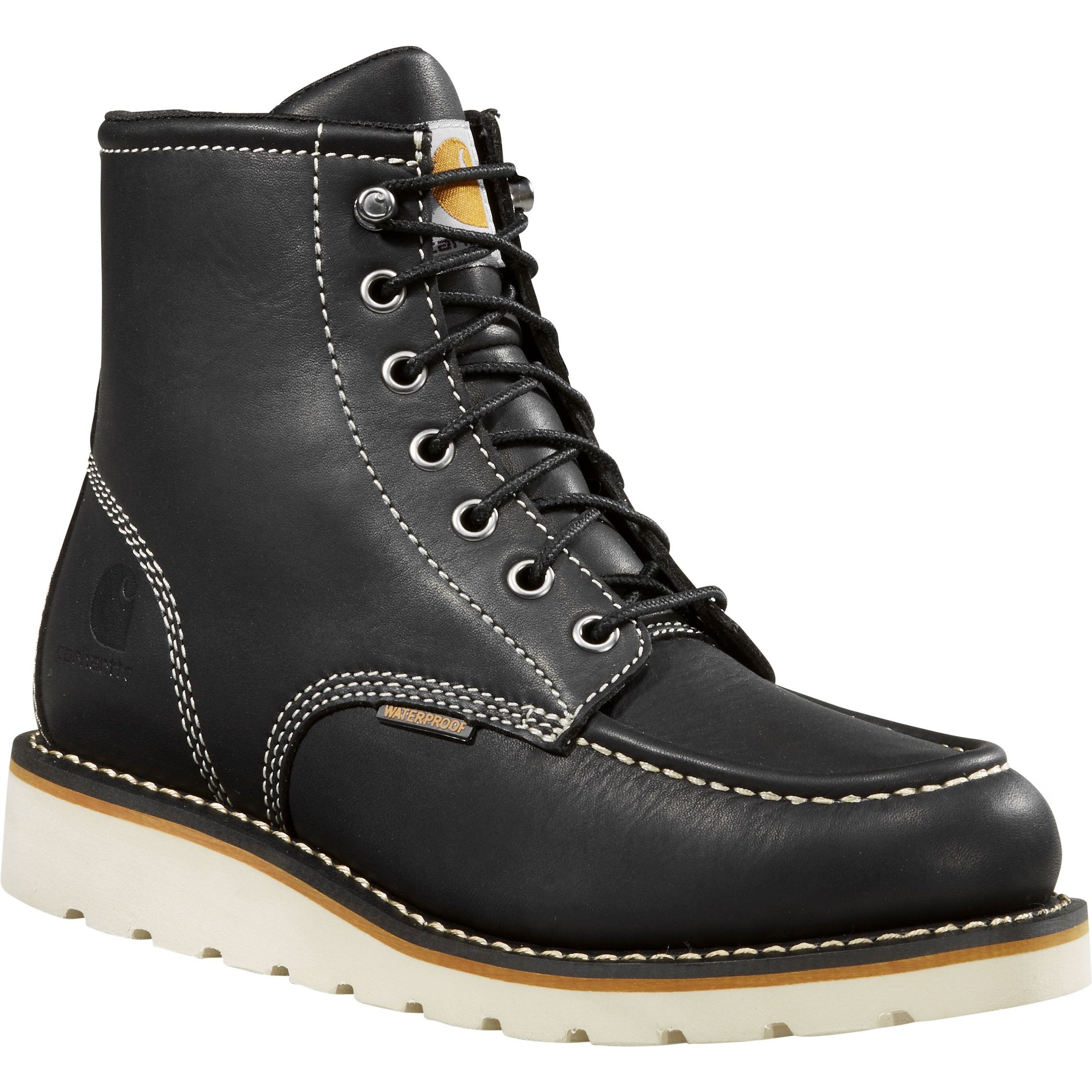
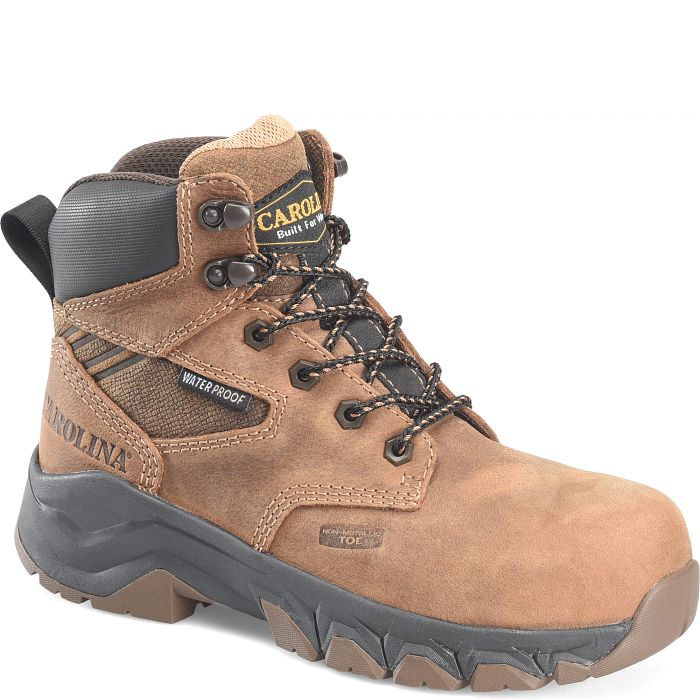
Carhartt Women's 6" Soft Toe Waterproof Wedge Work Boot- Black- FW6021-W
Sale price$179.99
Regular price$181.00
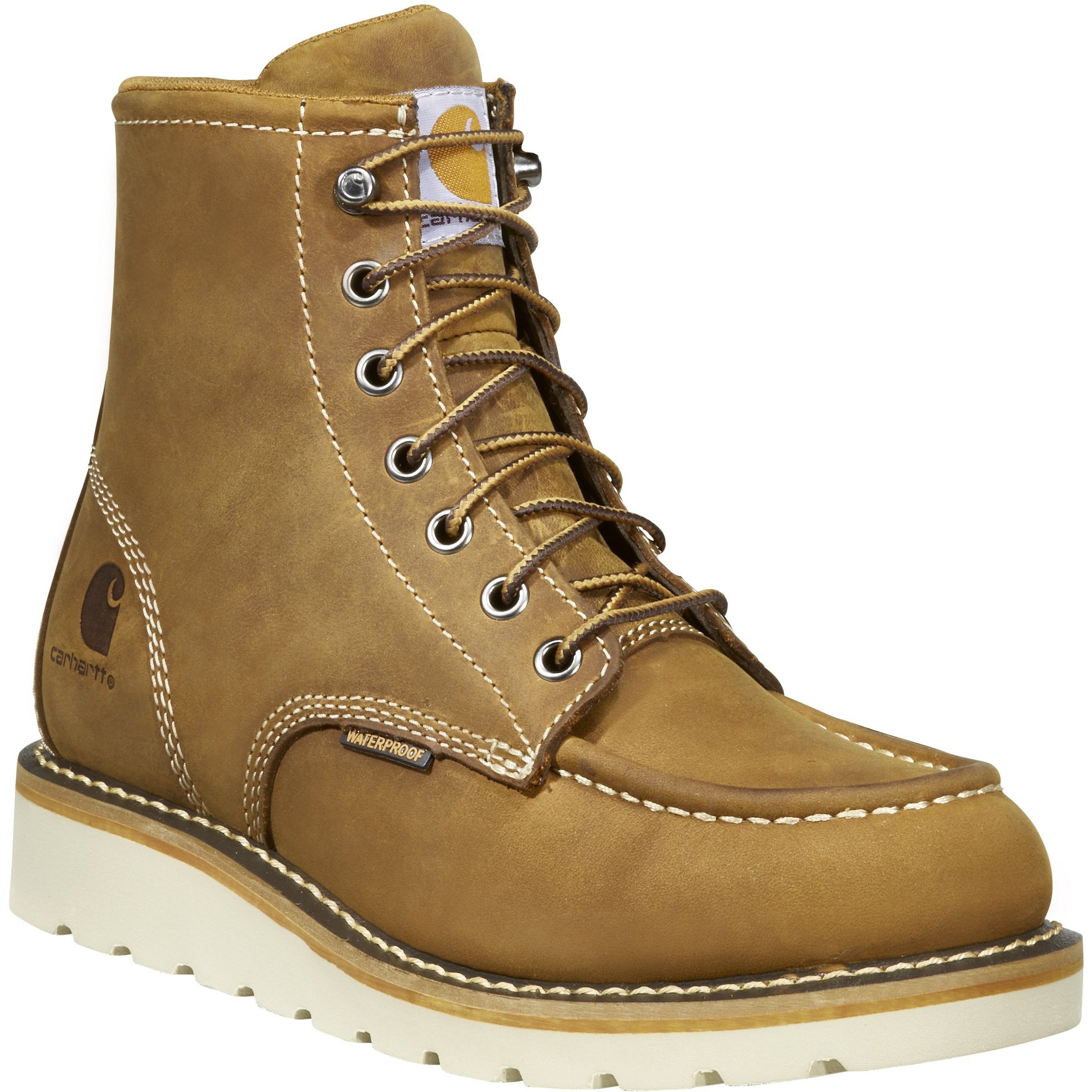
Carhartt Women's 6" Soft Toe Waterproof Wedge Work Boot- Brown- FW6025-W
Save 37%
Sale price$133.67
Regular price$212.00
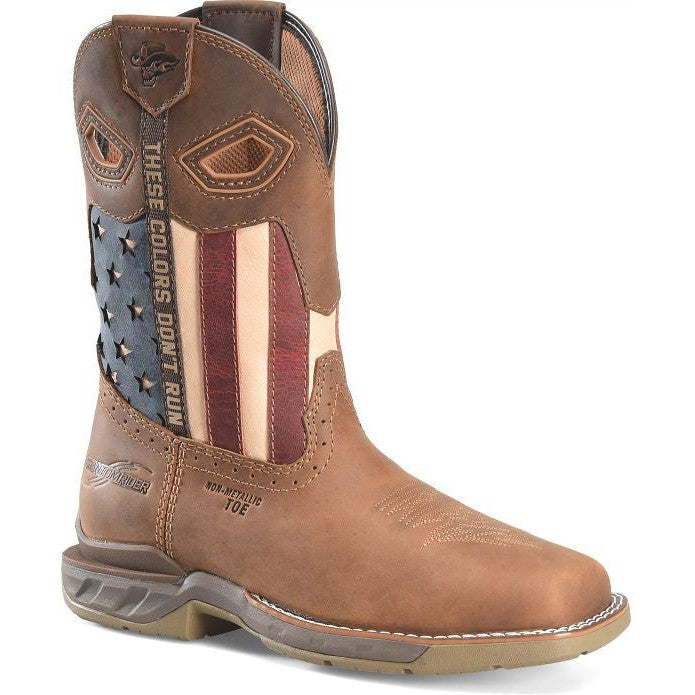
Phantom Rider Women's Fortress 10" Composite Toe Western Roper Work Boot Brown - PH5014
Save 26%
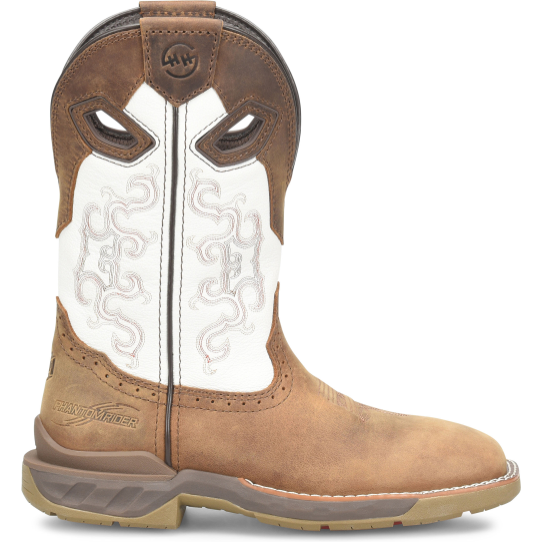
Sale price$124.67
Regular price$168.00
Double H Women's Phantom Rider Brave 10" Wide Square Toe Western Work Boot -Brown- DH5425
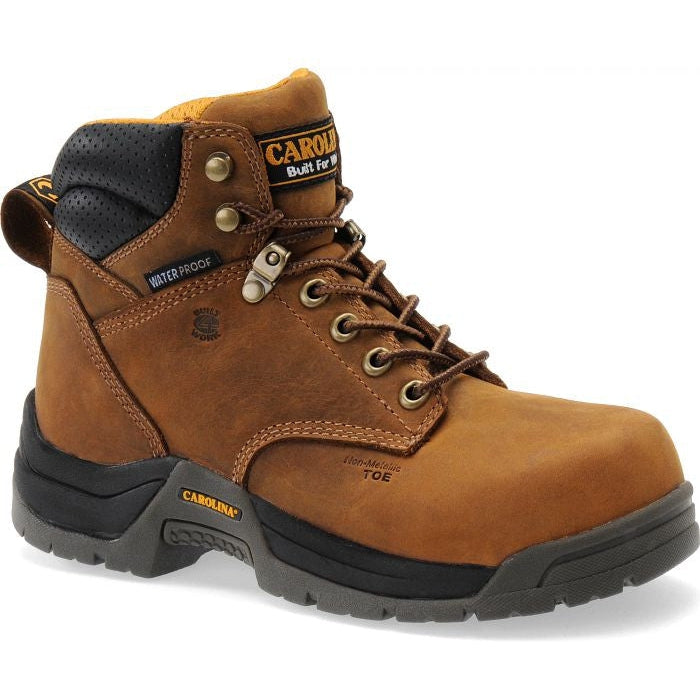
Save 10%
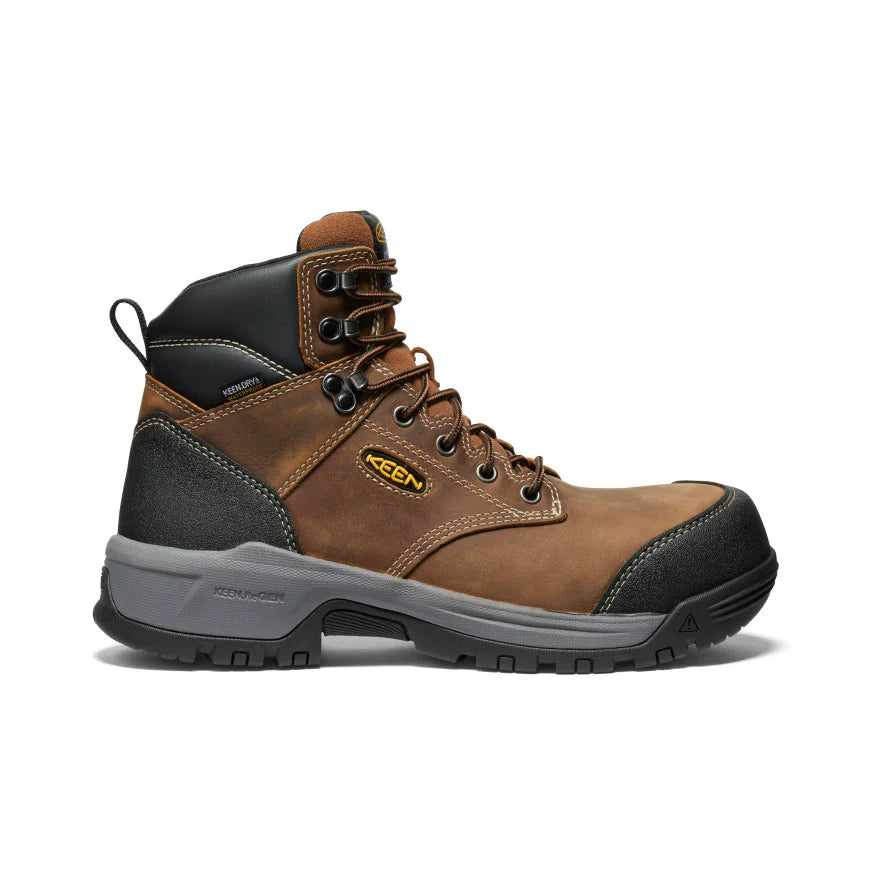
Sale price$139.50
Regular price$155.00
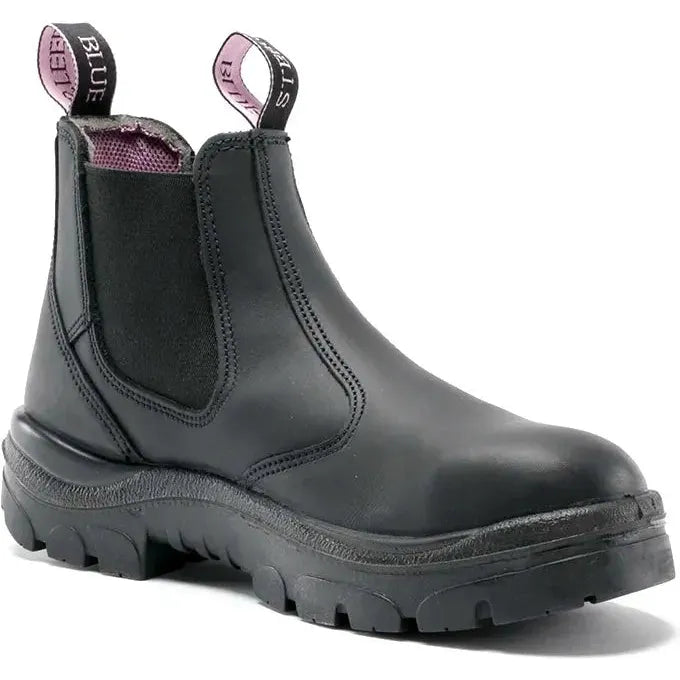
Keen Women's ESD Evanston 6" Carbon Toe Waterproof Work Boot - Brown - 1029391
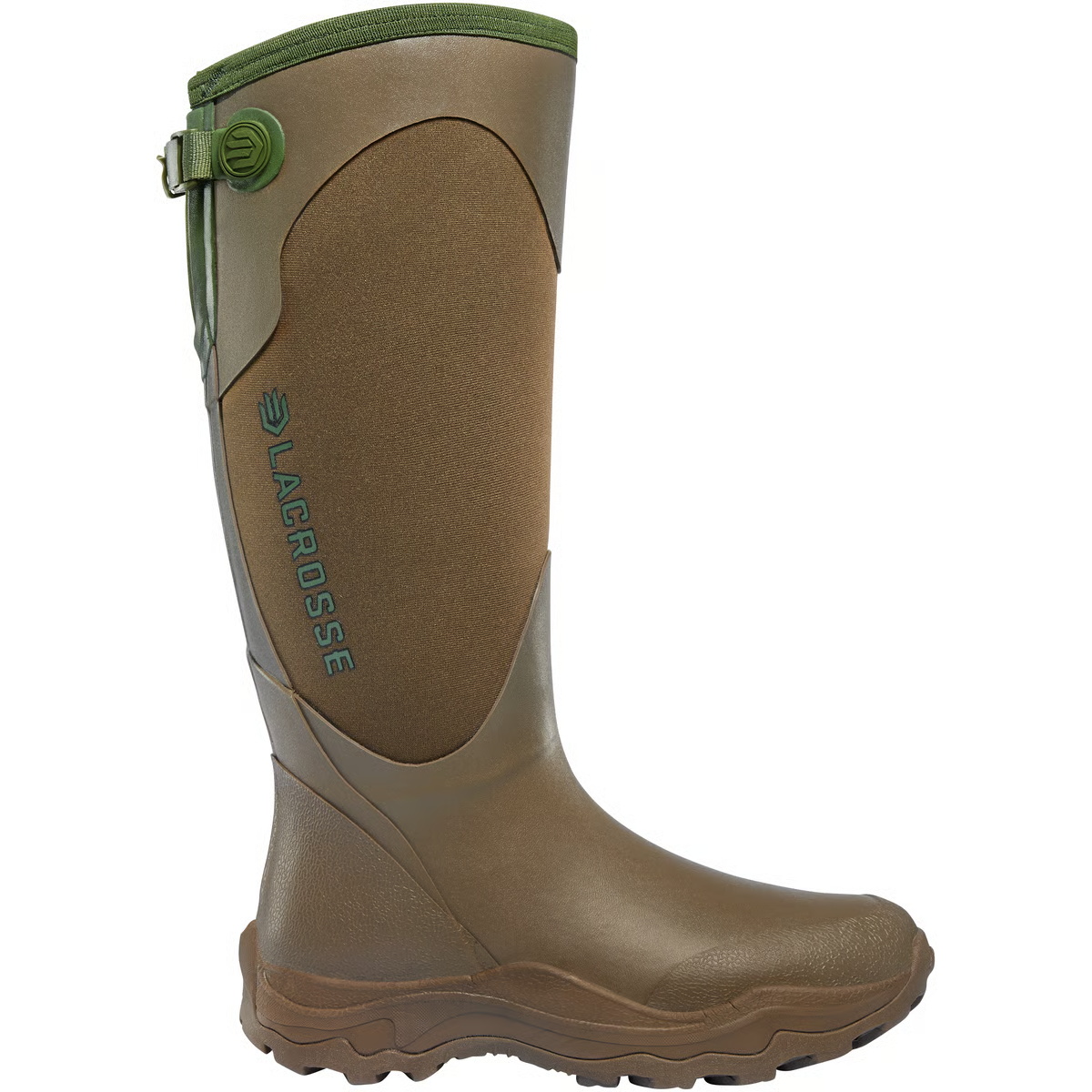
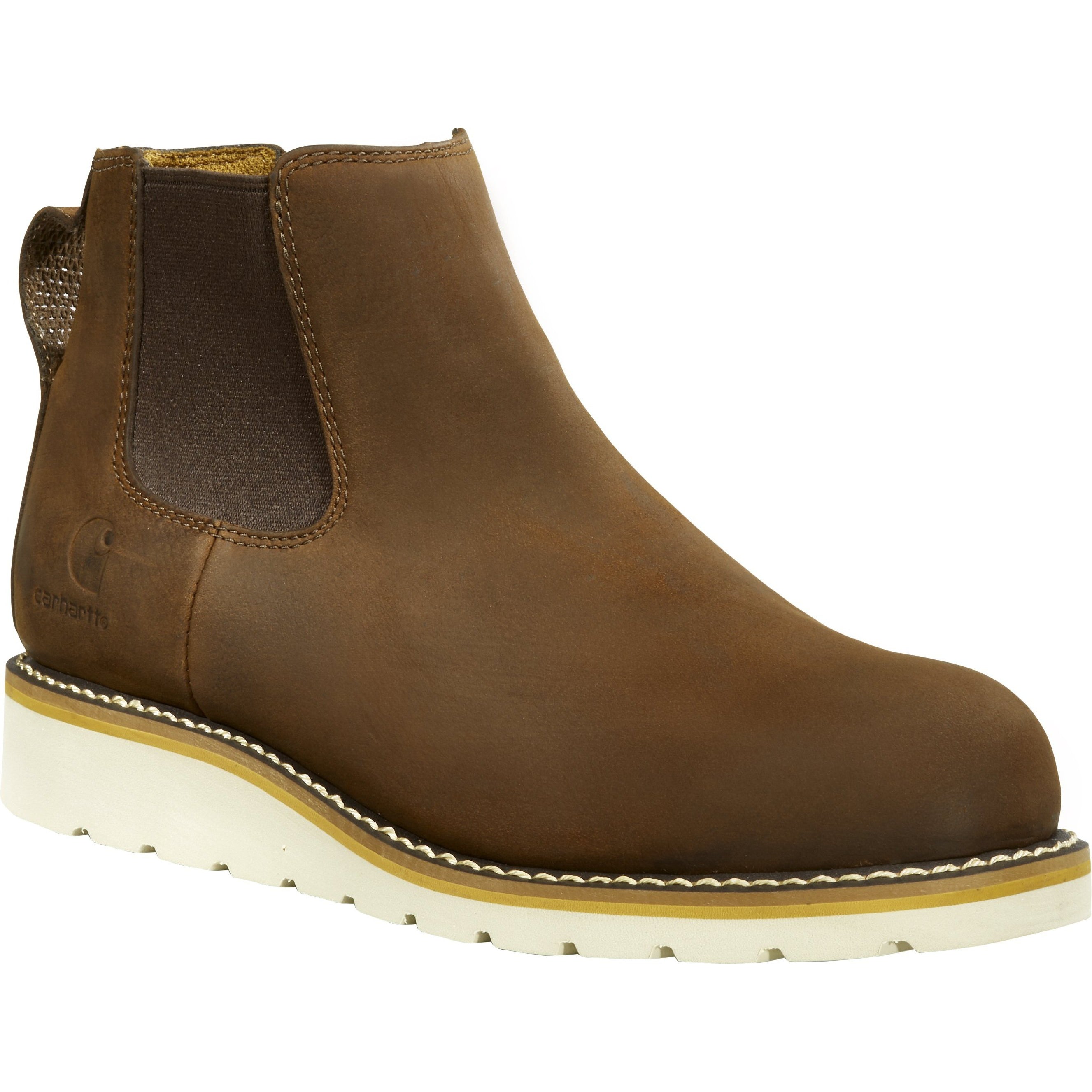
Sale price$154.99
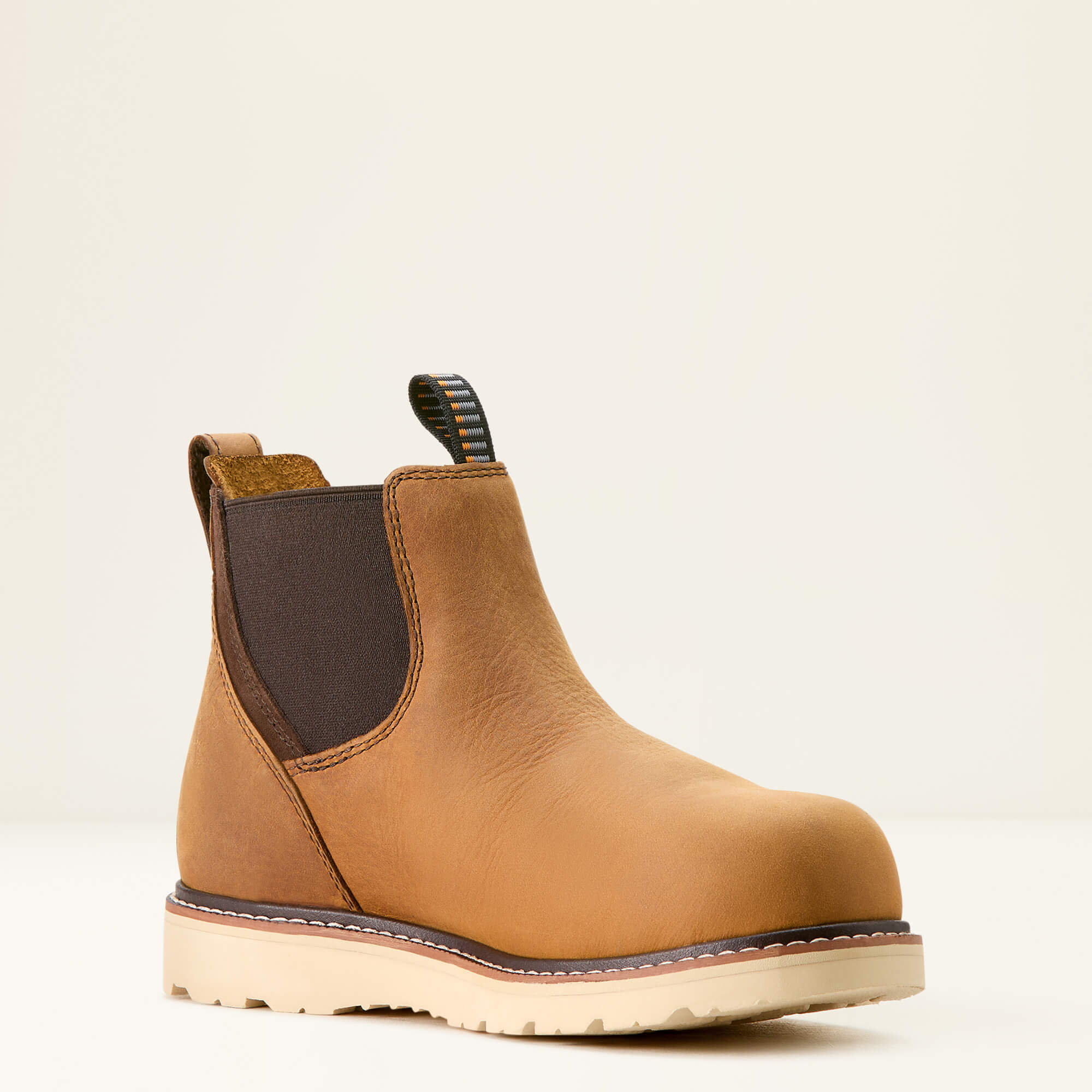
Carhartt Women's Chelsea 5" Soft Toe Wedge Work Boot- Brown - FW5025-W
Save 28%
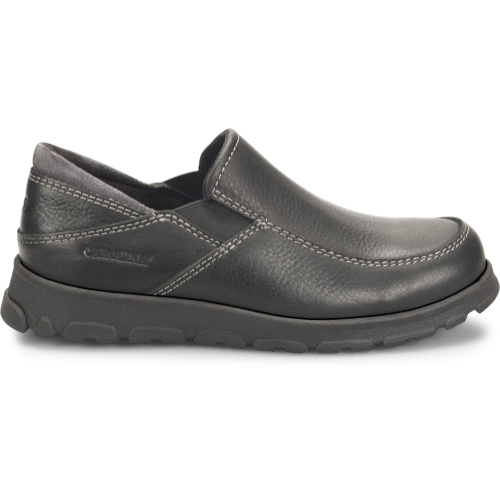
Sale price$95.67
Regular price$132.00
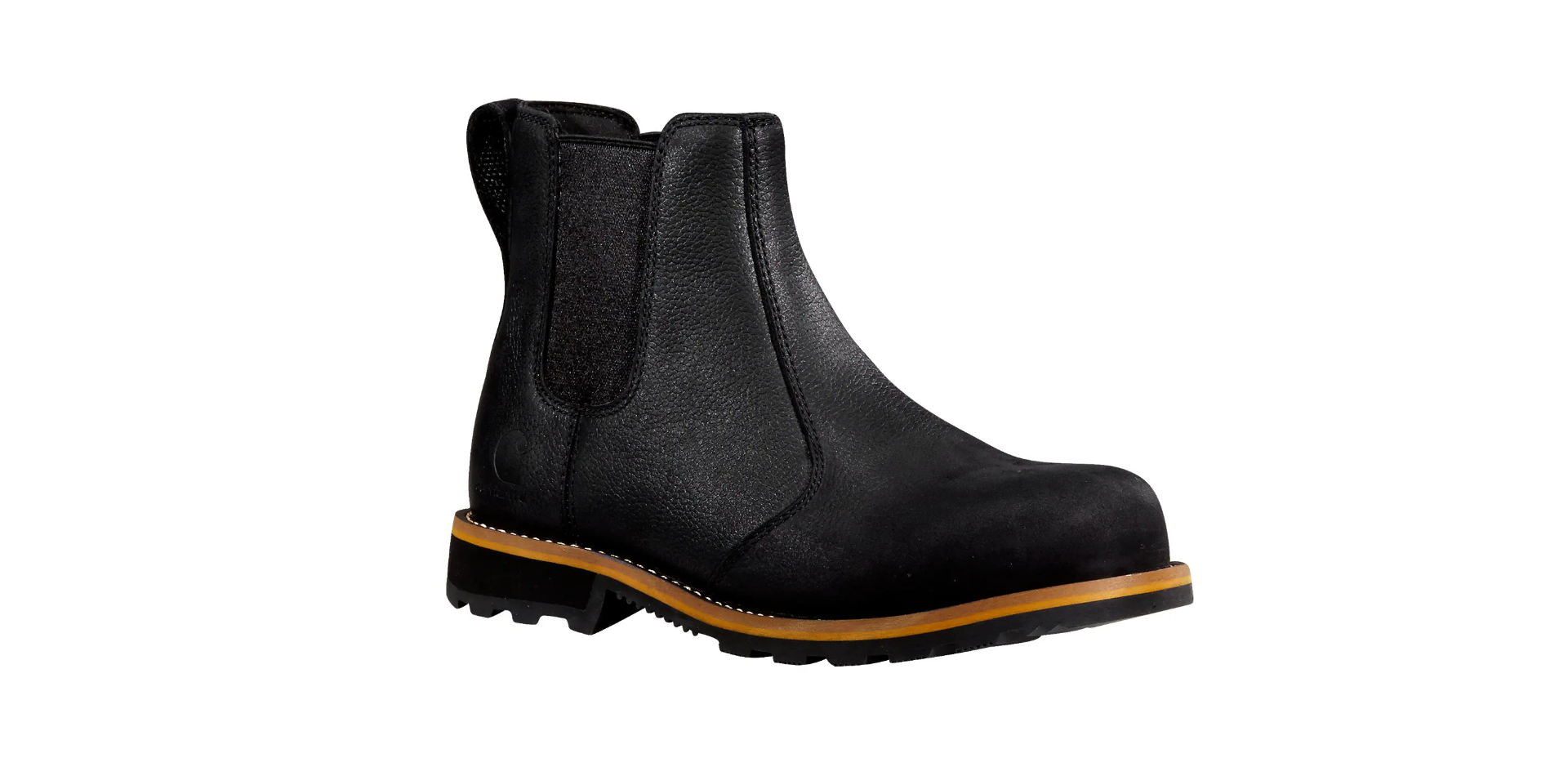
Carolina Women's S-117 Electrostatic Dissipative Alum Toe Lightweight Slip-On Work Shoe Black- CA5672

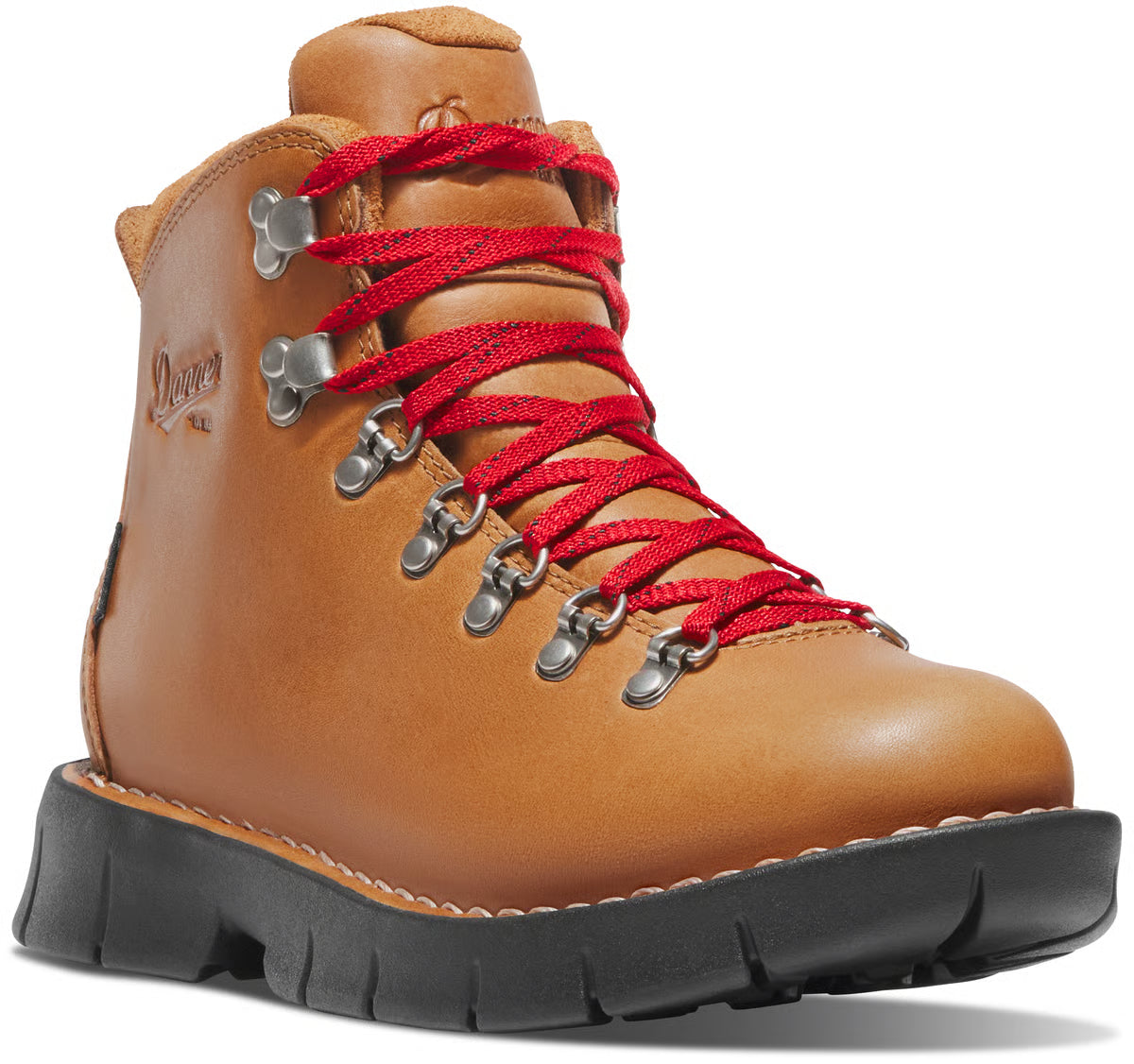


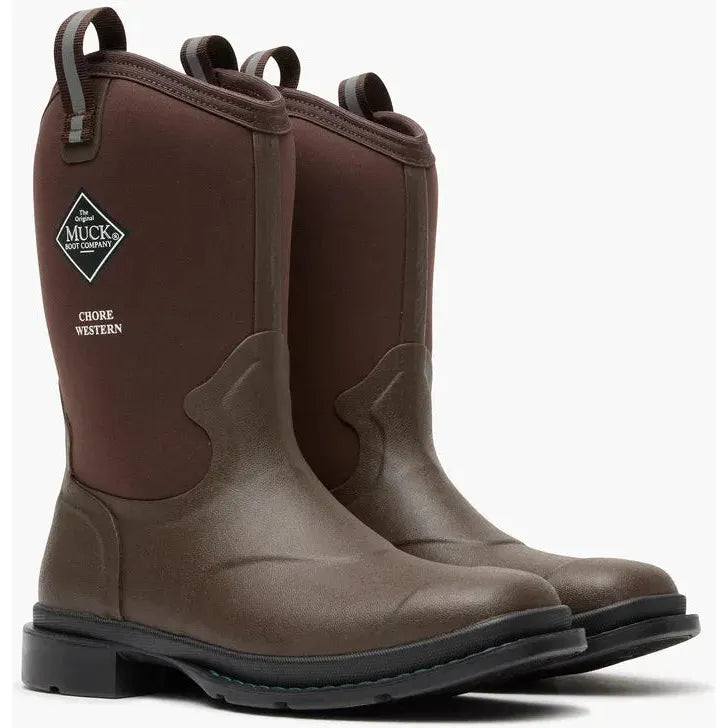
Sale price$175.00
Muck Women's Chore 12" Square Toe WP Western Mid Boot- Brown- MCHWW90
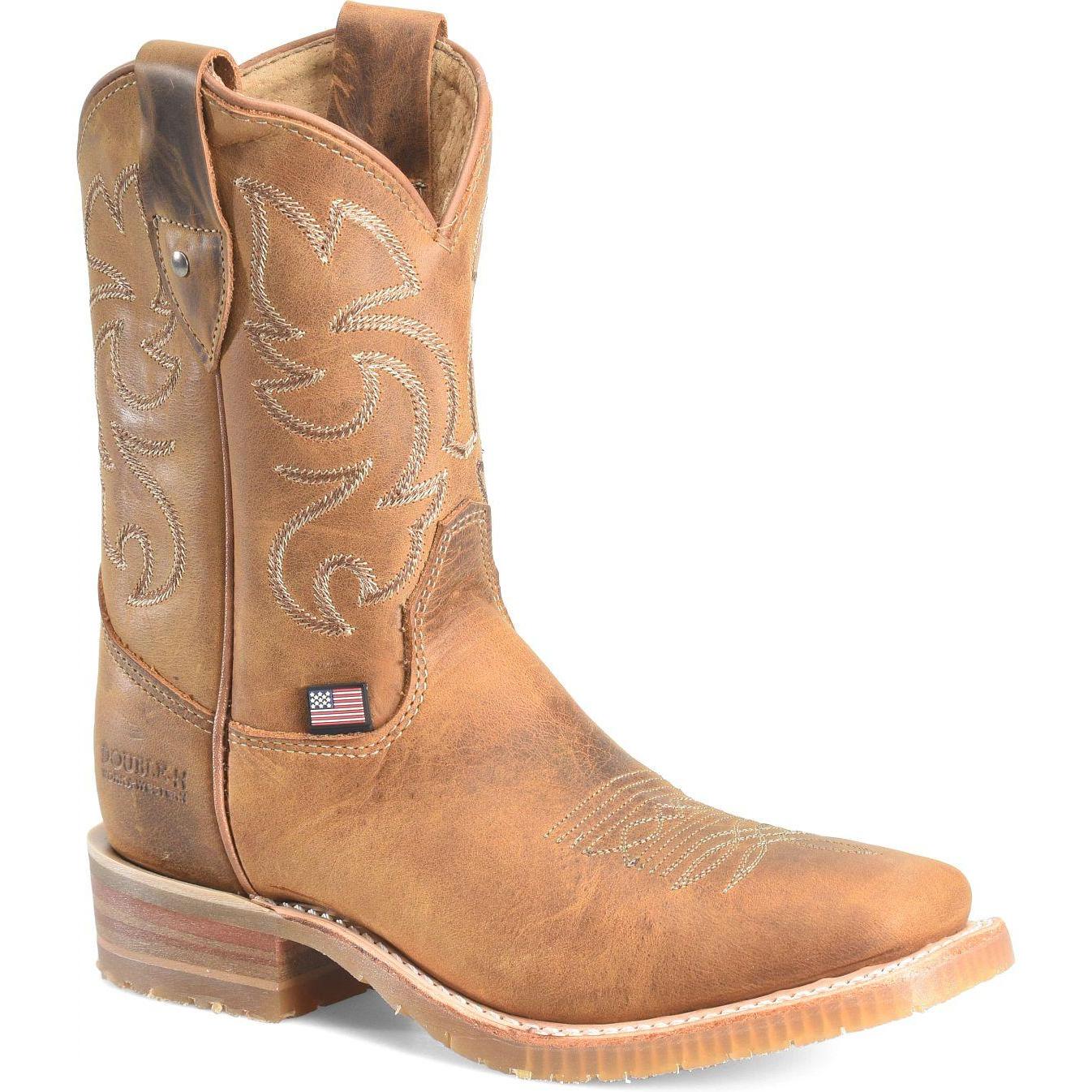
Sale price$274.99
Regular price$275.50
Double H Women's Fields 9" Soft Toe Roper Western Work Boot- Tan- DH5319

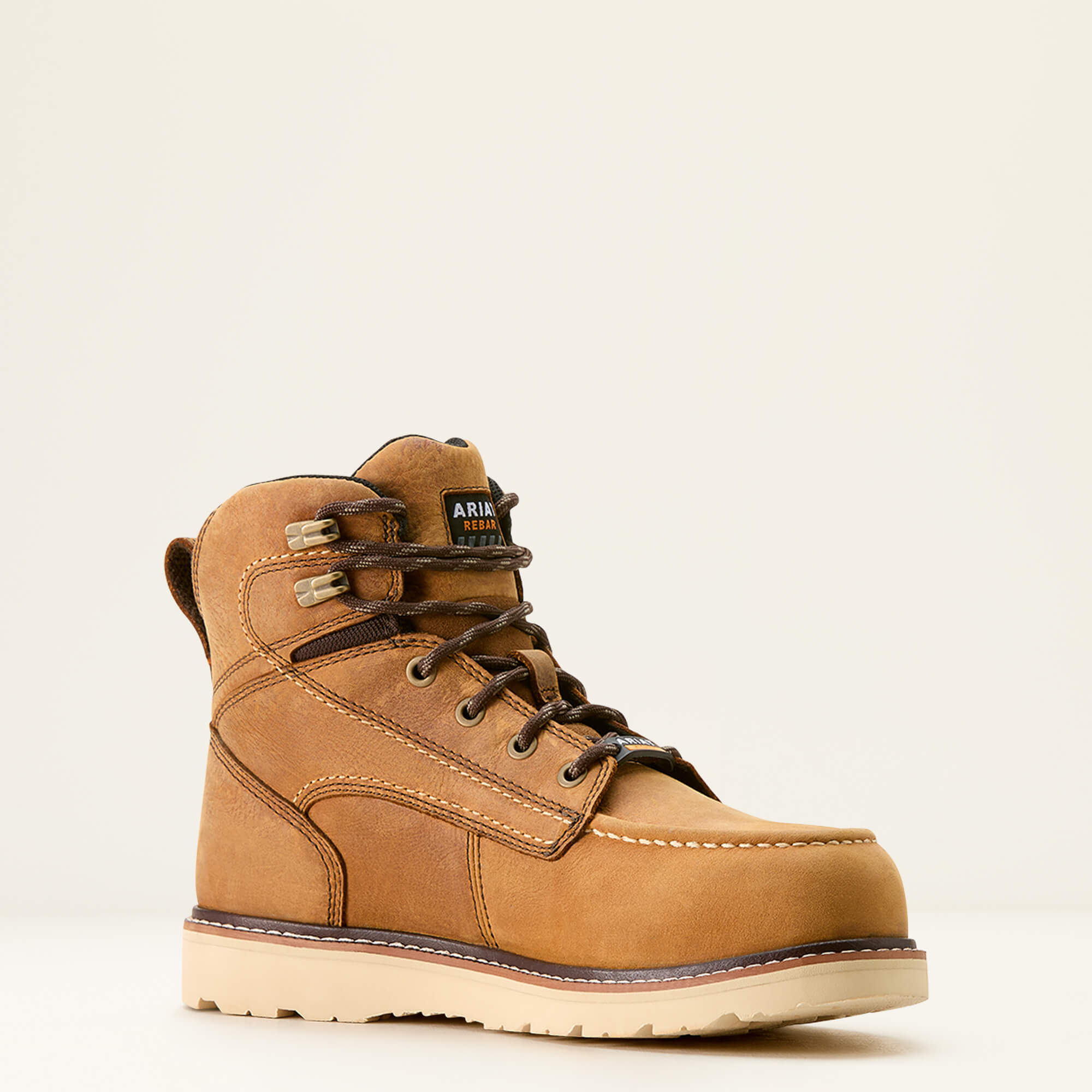
Sale price$179.95
Ariat Women's Rebar Moc Toe Waterproof Wedge Work Boot -Brown- 10053717
Frequently Asked Questions
At the toe, yes. A composite or carbon cap rated to ASTM F2413 meets the same impact and compression standard as steel, so the certified protection is identical. What you give up is elsewhere: thinner uppers and more flexible soles mean less abrasion resistance and less structure underfoot. The toe is not the compromise; the rest of the boot is.
Because it sits at the end of a lever and you lift it with every step. Weight carried on your feet costs disproportionately more energy than the same weight carried on your body, and it concentrates at the front of the boot. On a women's boot the effect is proportionally larger, since the cap is a bigger fraction of a smaller boot.
Carbon fiber, then composite, then alloy, then steel. Carbon is the lightest rated cap available and appears across several women's models. All four meet the same standard, so this is purely a weight and price decision rather than a protection one. See our women's composite toe range.
Generally yes, and it is the honest trade. Thinner leather, synthetic panels, and foam midsoles all wear faster than heavy leather on a welt. Expect a year to eighteen months rather than several years. If your work is hard on uppers, a lighter boot is a false economy; if you cover distance on flat ground, it is the right call.
They flex more, which helps for walking and hurts on uneven ground and ladder rungs where a stiff shank does real work. Many lightweight boots use a flexible non-metallic shank or none at all. If you spend the day on rungs, grating, or broken ground, that stiffness is doing something for you rather than just adding weight.
Yes, both. A membrane adds a layer and insulation adds a lining, so a waterproof insulated lightweight boot is not as light as an unlined one. If weight is genuinely your priority, dropping features you do not need saves more than choosing a lighter cap material does.
Low weight helps general fatigue but is not the main factor for heel pain. What matters there is a cushioned shock-absorbing midsole, real arch support, and room for an orthotic, and some very light boots economize on exactly those. Look for the support first. See our plantar fasciitis work boots range.
Usually not, and often the reverse, since carbon and composite caps cost more than steel and the engineering that removes weight without losing protection is not free. You are typically paying more for a boot that will not last as long as a heavy welted one. The case for it is comfort rather than value over the boot's life.
Recently viewed
Our Top Brands