Save 6%
Sale price$239.95
Regular price$256.00
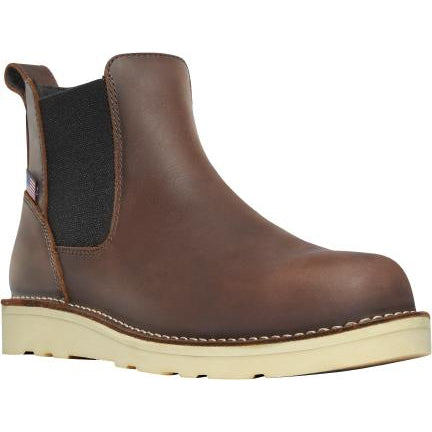
Danner Bull Run Chelsea 6 Inch Work Boots - Men's Soft Toe Wedge - 15481
Save 6%
Sale price$145.00
Regular price$155.00
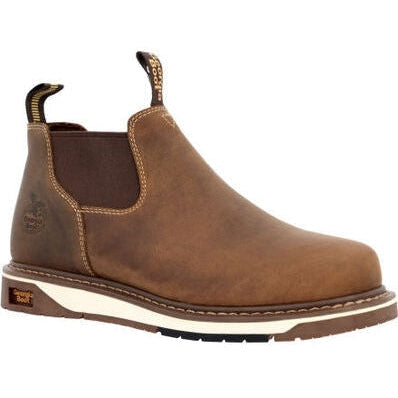
Georgia Men's Boot Amp Lt Wedge 4" Romeo Work Boot - Brown - GB00545
Sale price$114.95
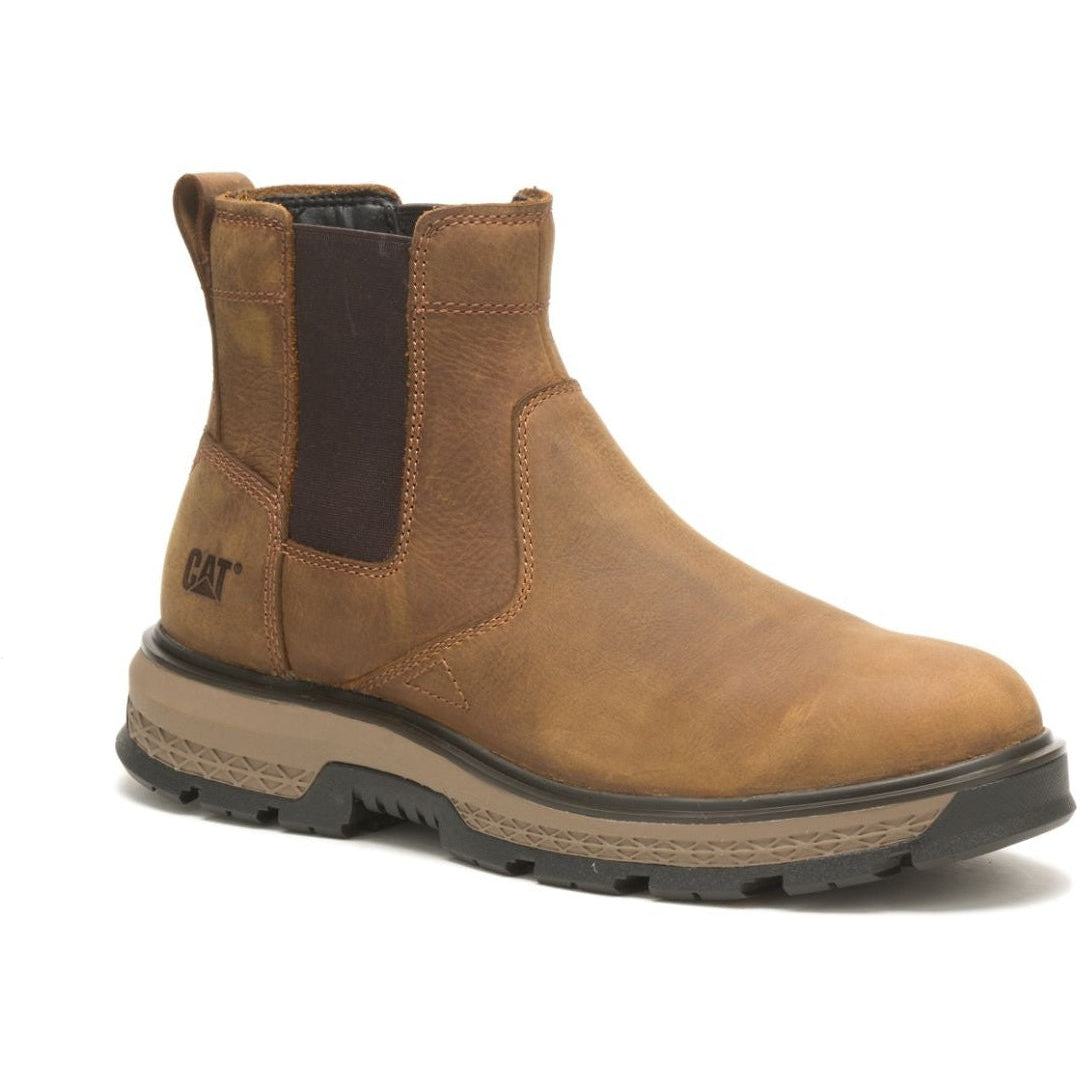
CAT Men's Exposition Soft Toe Chelsea Work Boot - Pyramid - P51060
Save 6%
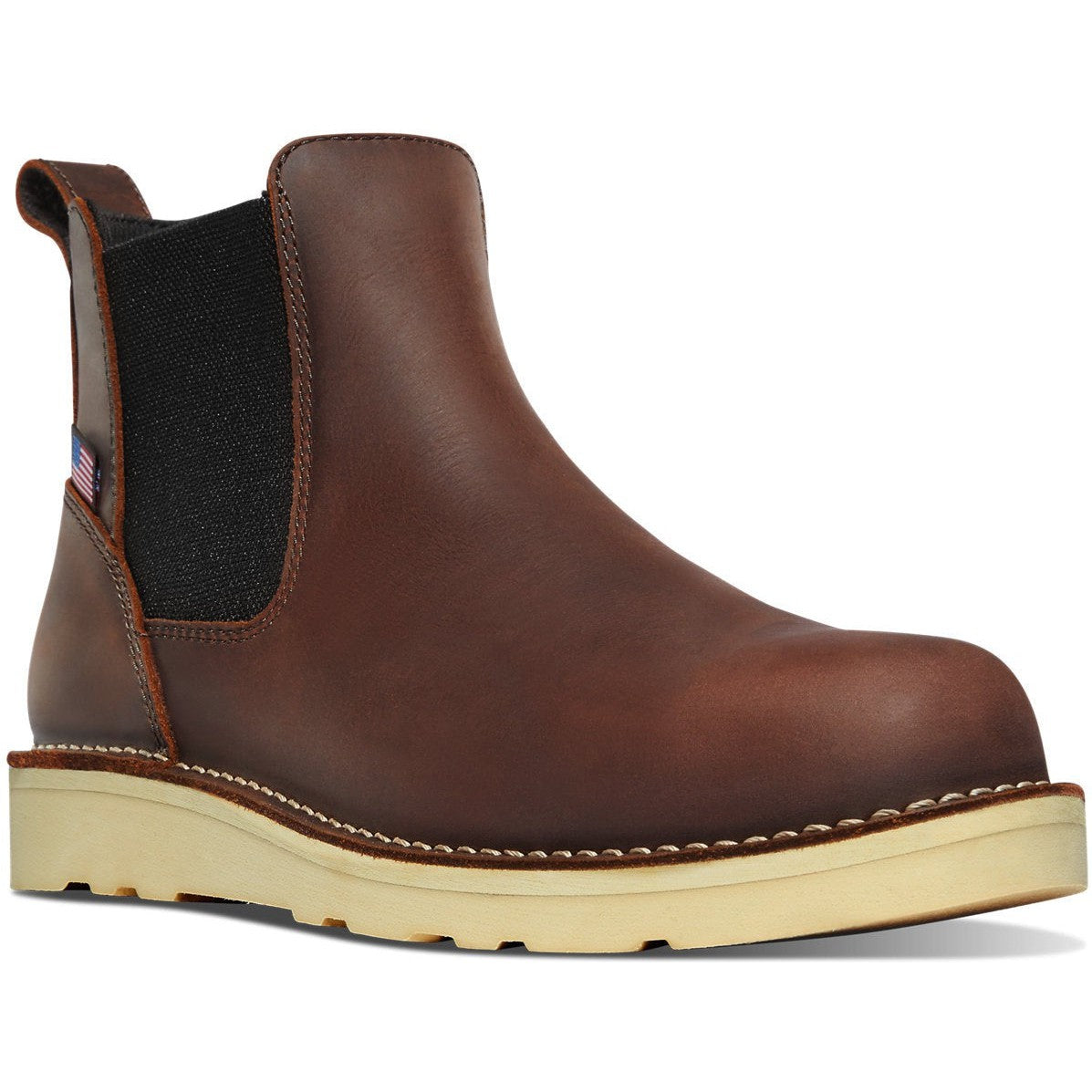
Sale price$249.95
Regular price$266.00
Danner Men's Bull Run 6" Steel Toe Chelsea Work Boot -Brown- 15484
Save 7%
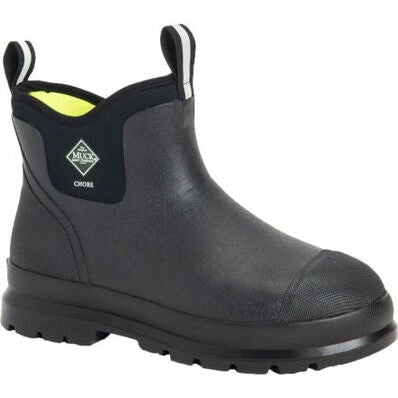
Sale price$125.00
Regular price$135.00
Muck Men's Chore Classic Chelsea Waterproof Work Boot - Black - CHC-000A
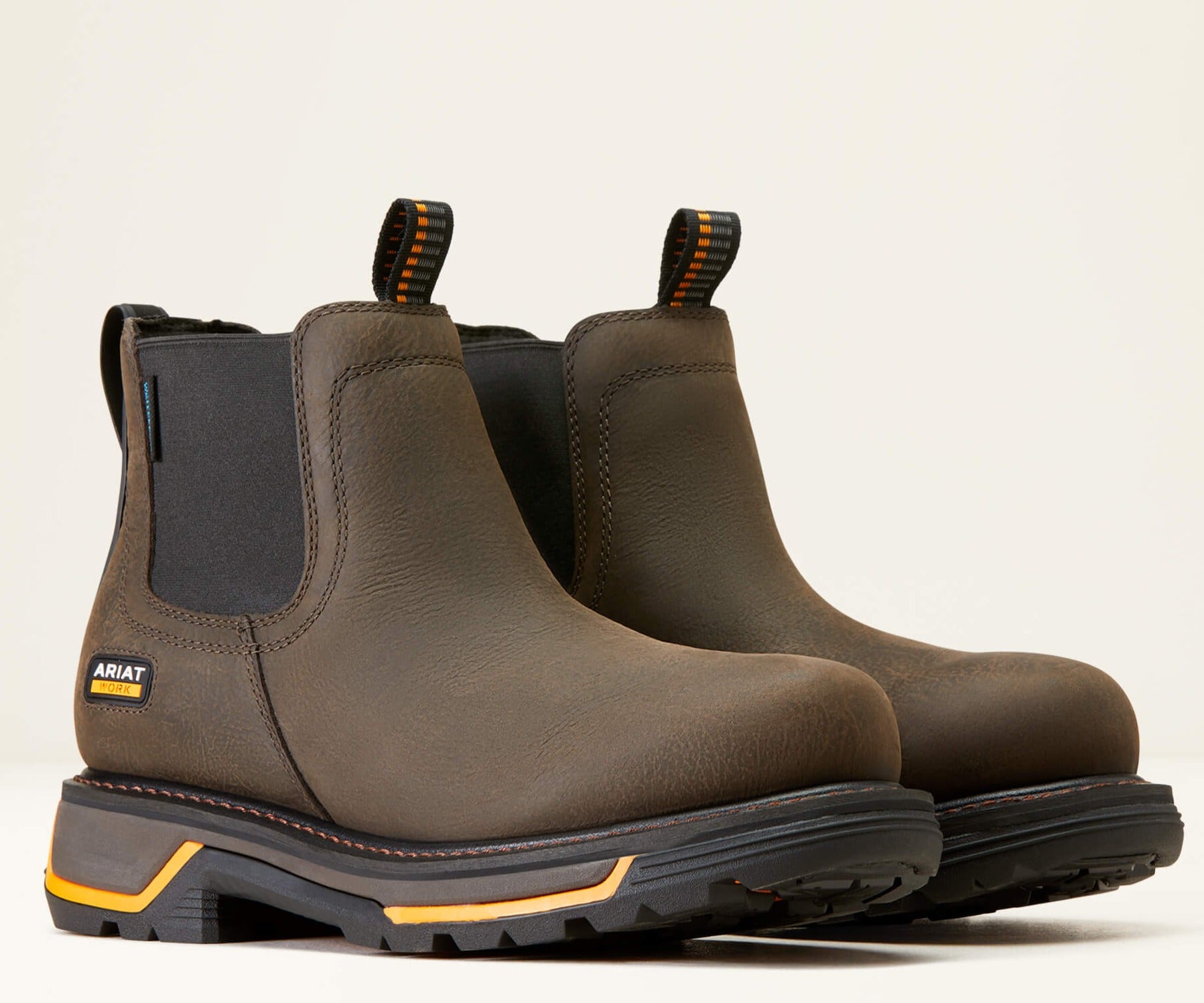
Save 6%
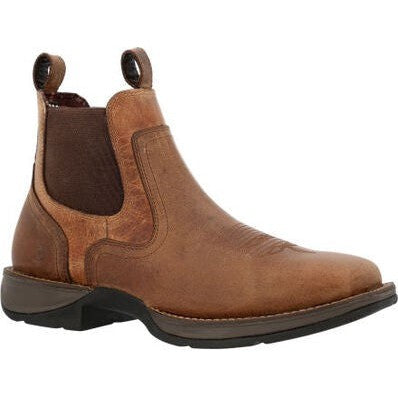
Sale price$161.50
Regular price$171.50
Durango Men's Rebel Red Dirt 6" Square Toe Western Work Boot -Brown And Tan- DDB0460
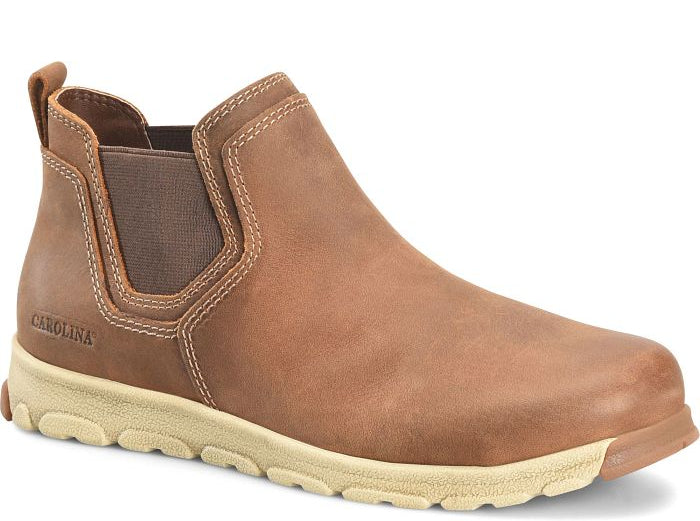
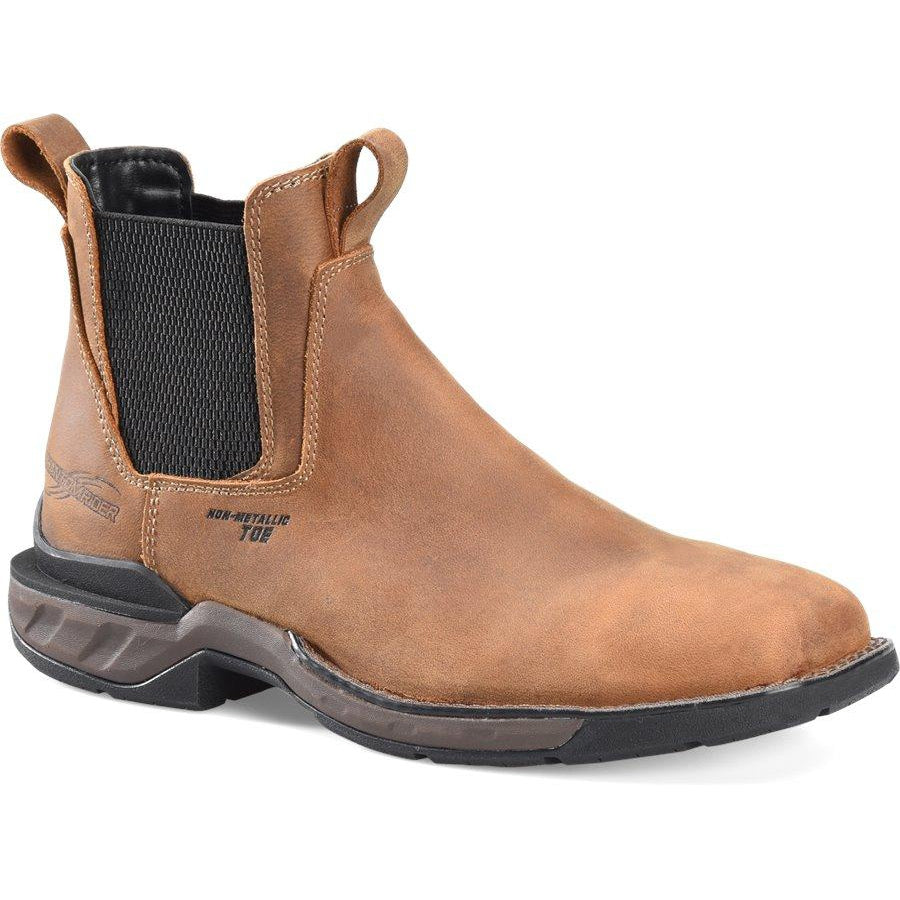
Sale price$149.99
Regular price$154.00
Double H Men's Heisler 5" Composite Toe Western Work Boot - Brown - DH5368
Save 7%
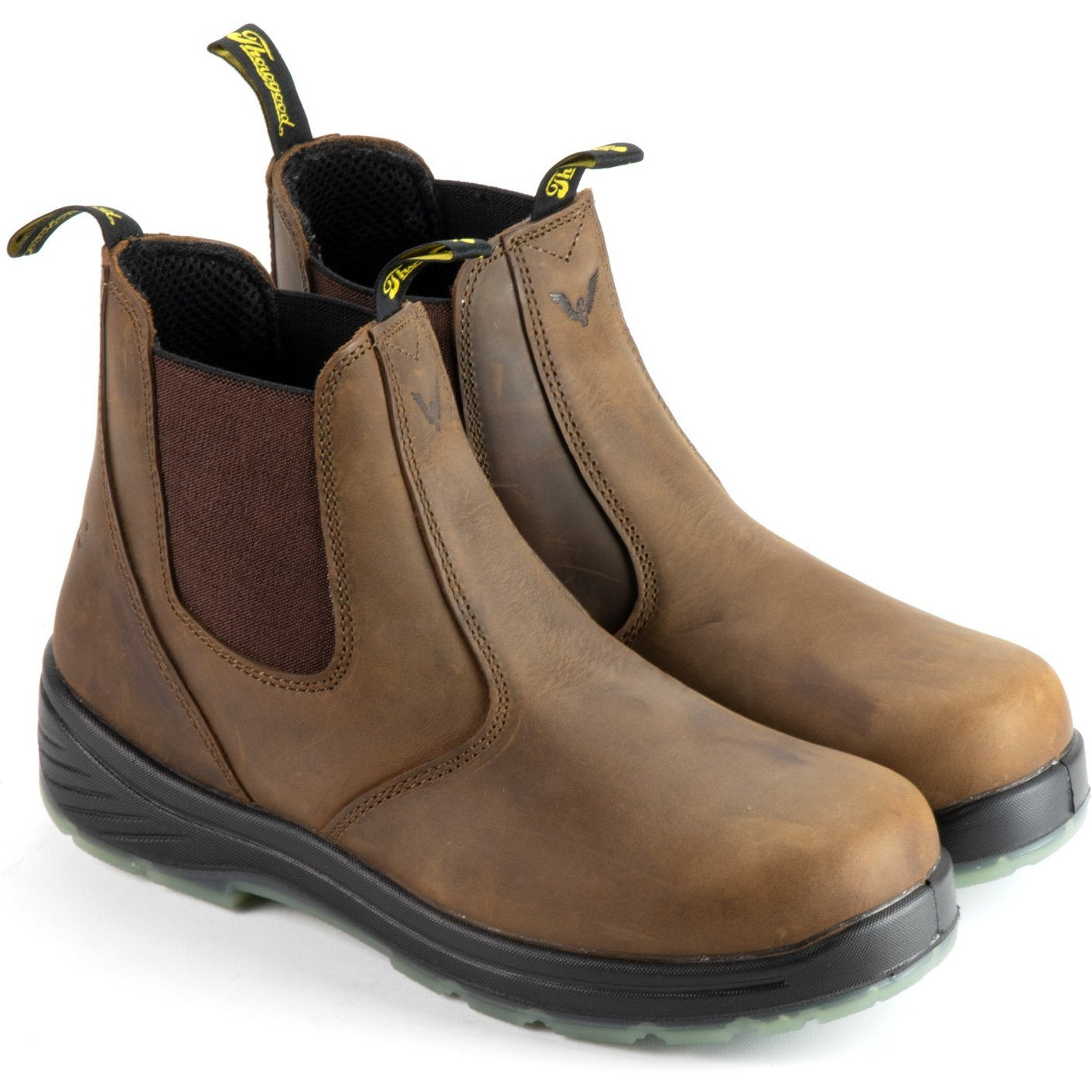
Sale price$129.95
Regular price$140.00
Thorogood Men's Thoro-Flex Series 6" Composite Toe Pull-On Work Boot- 804-3166
Save 6%
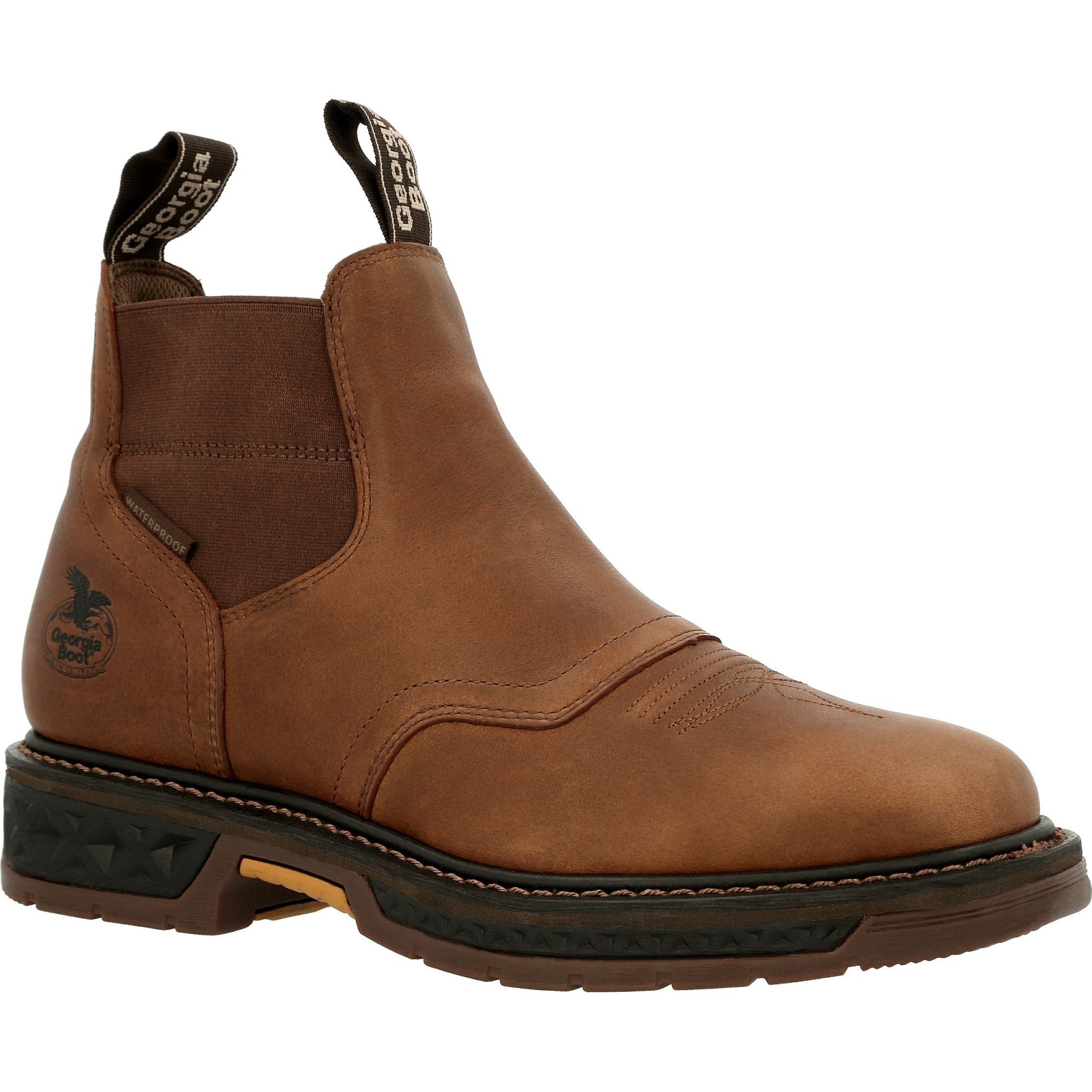
Sale price$165.00
Regular price$175.00
Georgia Men's Carbo-Tec Lightweight 6" Soft Toe Waterproof Work Boot - Brown - GB00434
Save 6%
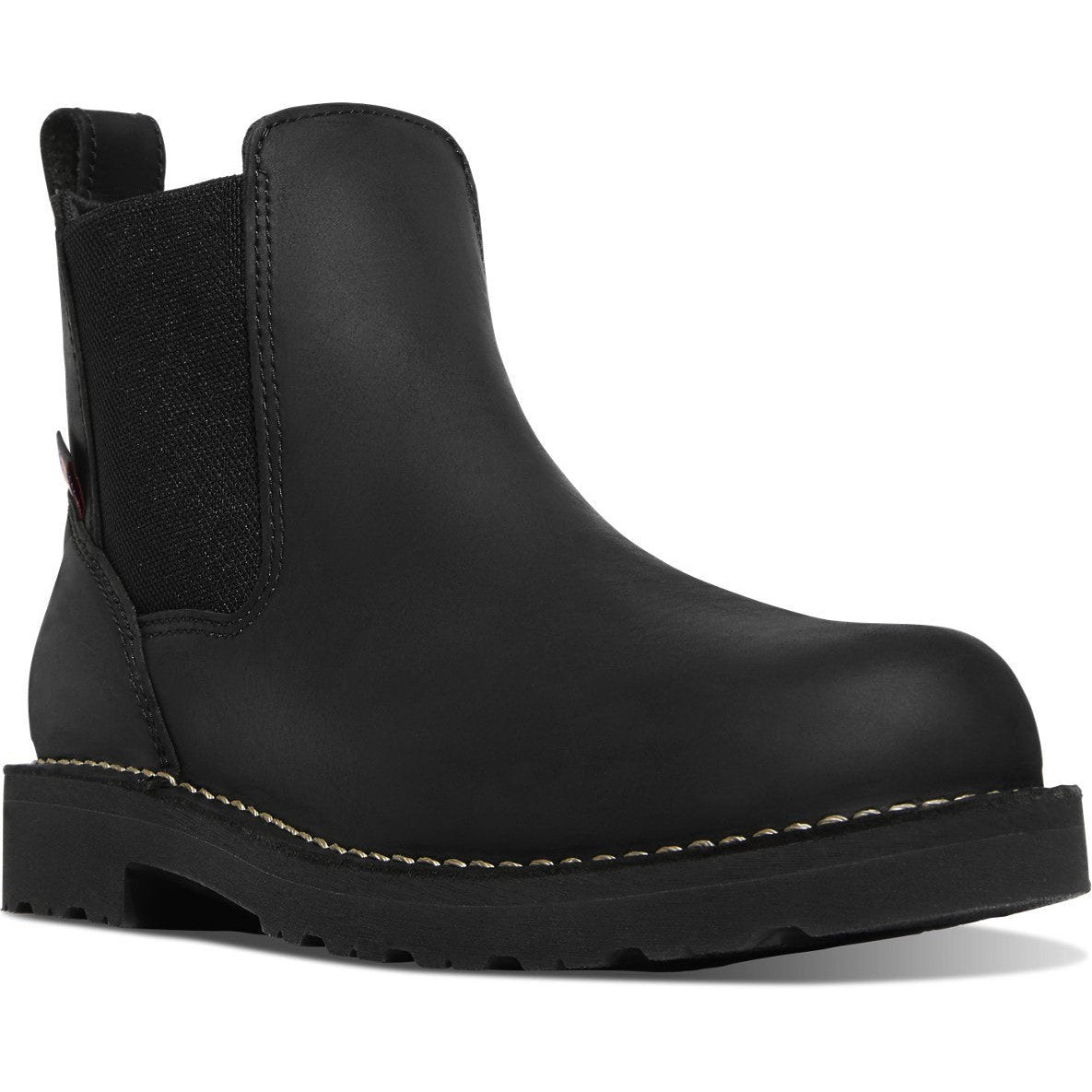
Sale price$239.95
Regular price$256.00
Danner Men's Bull Run 6" Plain Toe Chelsea Work Boot -Black- 15483
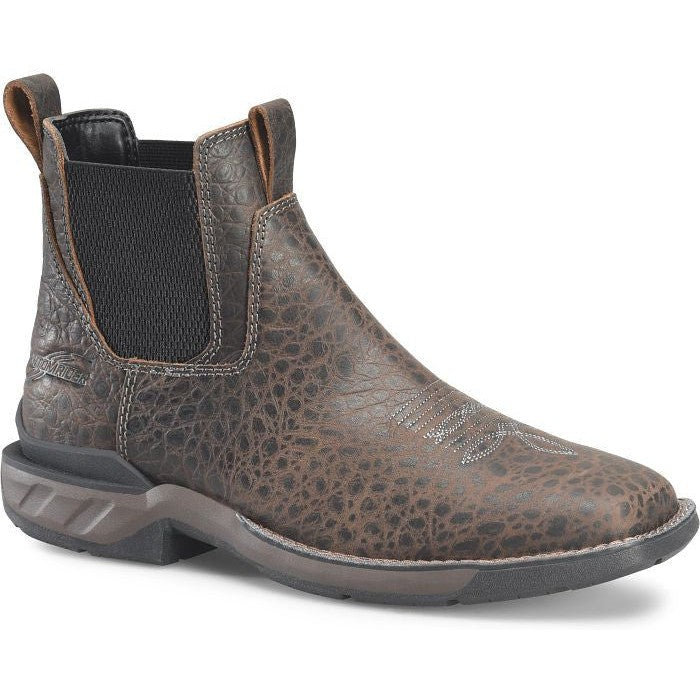
Sale price$124.99
Double H Men's Phantom Rider Crestone 6" Romeo Work Boot -Brown- PH5008
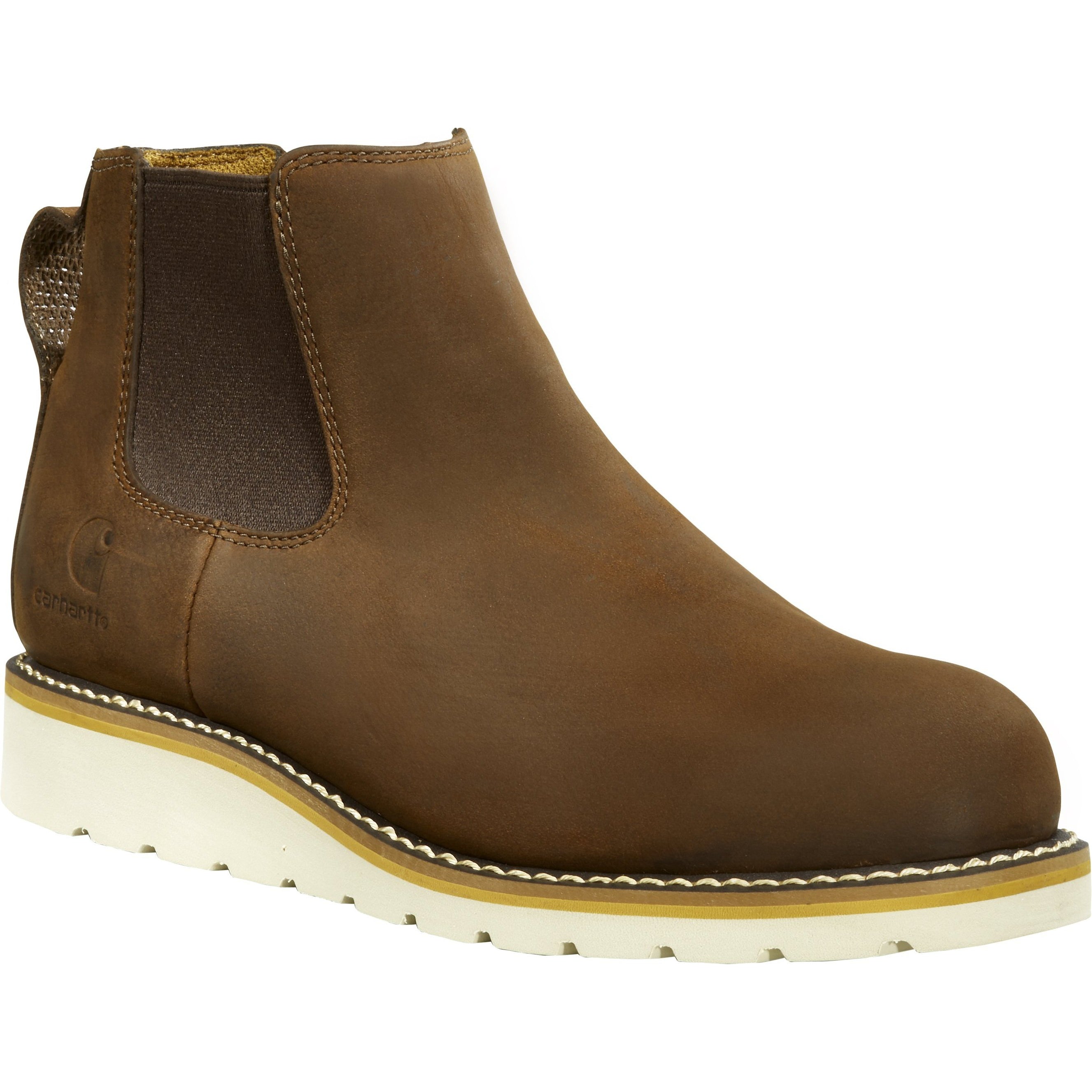
Save 11%
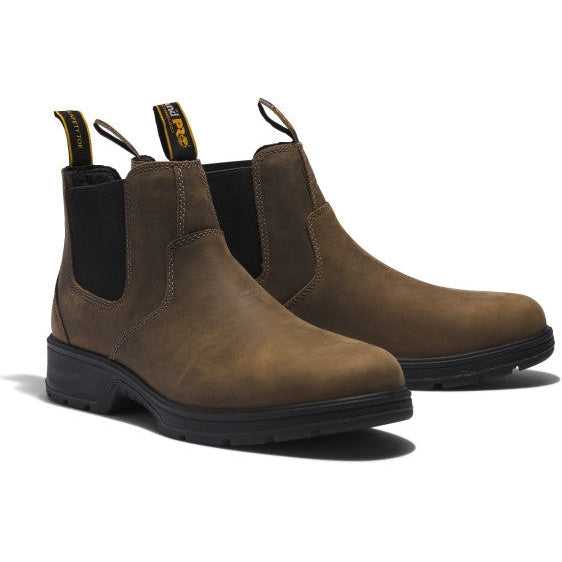
Sale price$164.95
Regular price$185.00
Timberland Pro Men's Nashoba Non-Metallic Toe Composite Toe Chelsea Work Boot TB1A2CFX214
Save 6%
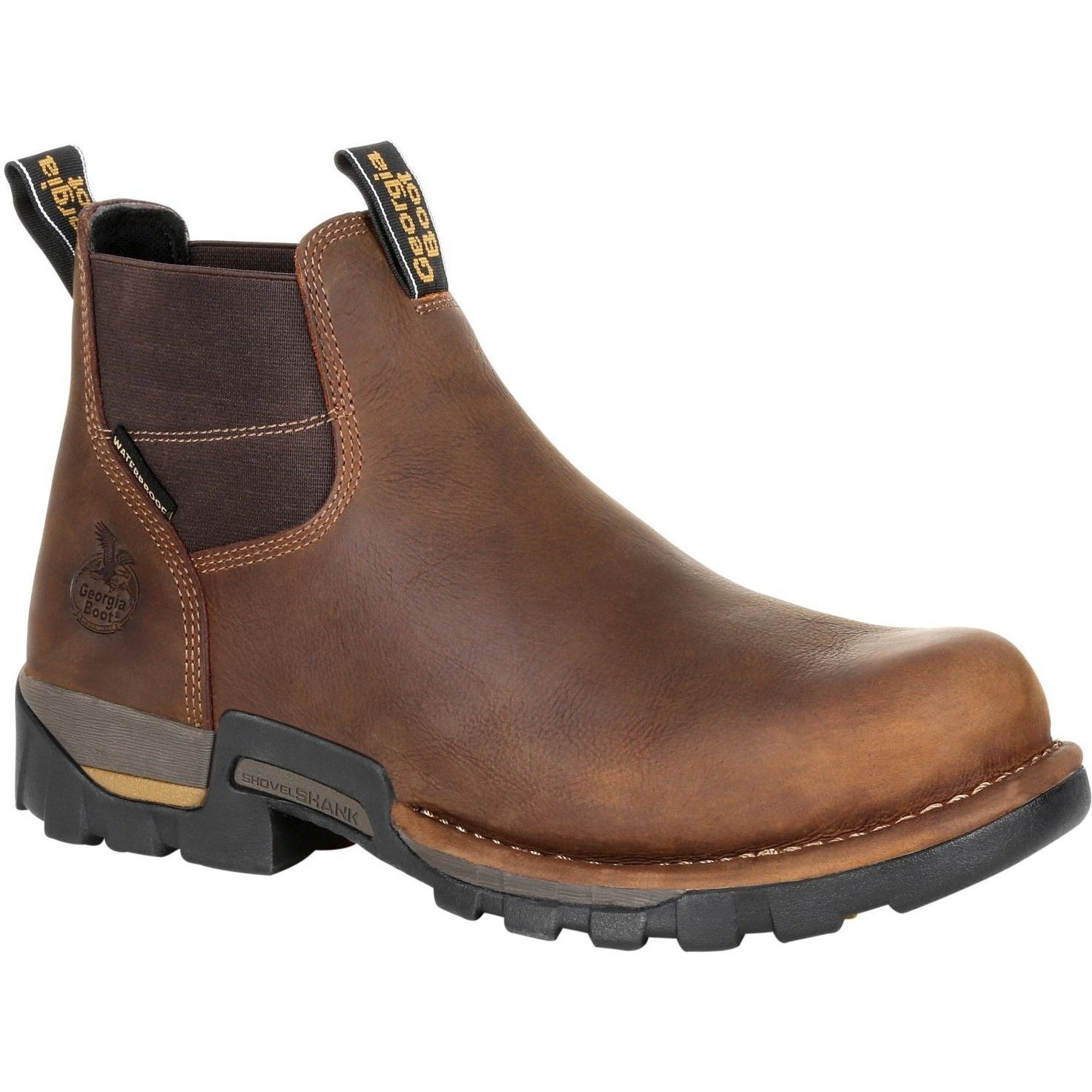
Sale price$160.00
Regular price$170.00
Georgia Men's Eagle One Soft Toe Waterproof Chelsea Work Boot - Brown - GB00315
Save 9%

Sale price$159.95
Regular price$175.00
Timberland Pro Men's Nashoba Soft Toe Chelsea Work Boot -Brown- TB1A2NY3214

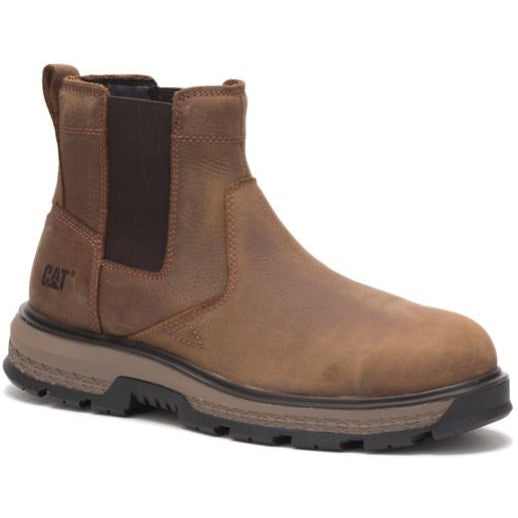
Sale price$119.95
CAT Men's Exposition Alloy Toe Chelsea Work Boot - Pyramid - P91369
Save 7%
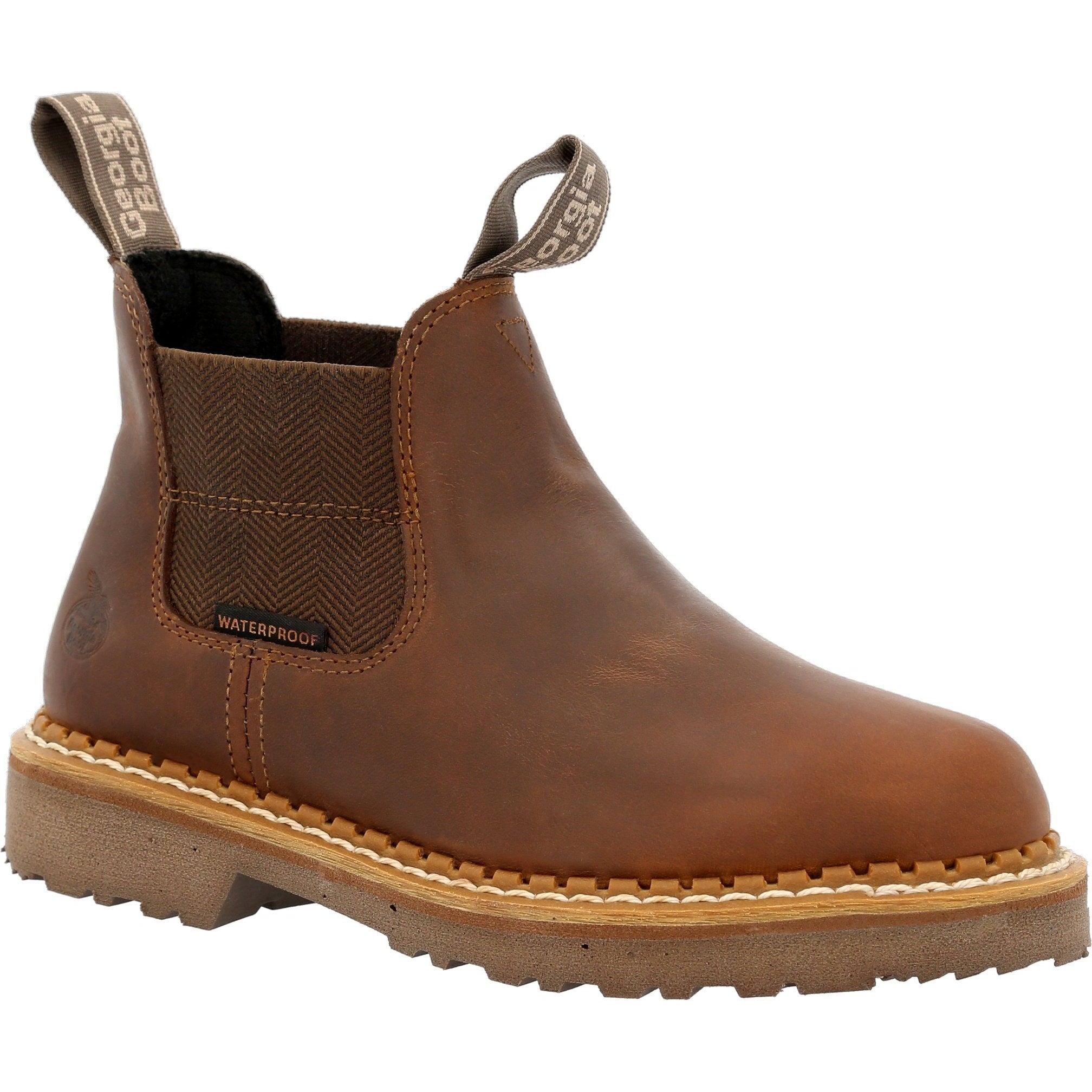
Sale price$135.00
Regular price$145.00
Georgia Women's Giant Revamp 5" Waterproof Pull-On Chelsea Boot Brown- GB00432
Save 7%
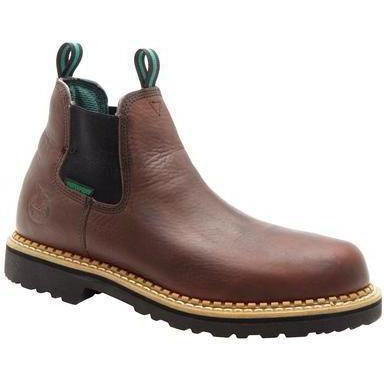
Sale price$140.00
Regular price$150.00
Georgia Men's Giant High Romeo Waterproof Work Boot - Brown - GR500
Save 14%
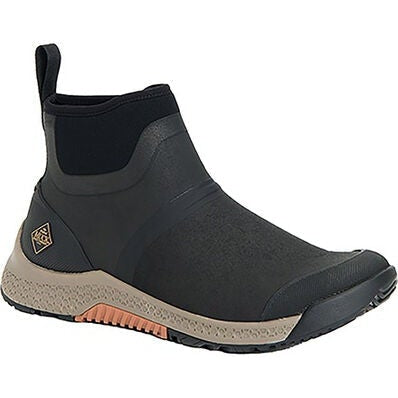
Sale price$120.00
Regular price$140.00
Muck Men's Outscape Chelsea Waterproof Work Boot - Black - OSC-000
Save 6%
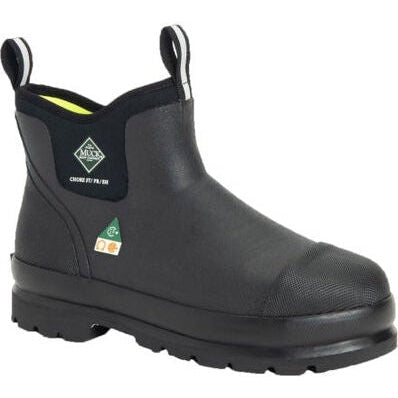
Sale price$160.00
Regular price$170.00
Muck Men's CC Chelsea Steel Toe Waterproof Puncture Resistant Work Boot - Black - CCST-CSA
Save 6%
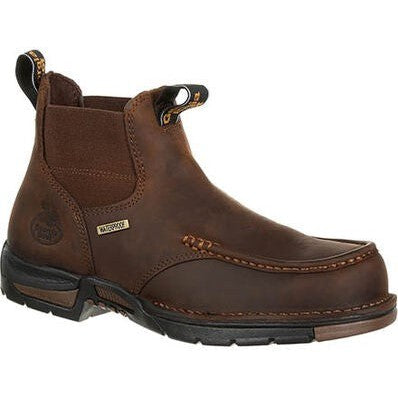
Sale price$160.00
Regular price$170.00
Georgia Men's Athens 5" Moc Toe Waterproof Chelsea Work Boot -Brown- GB00156
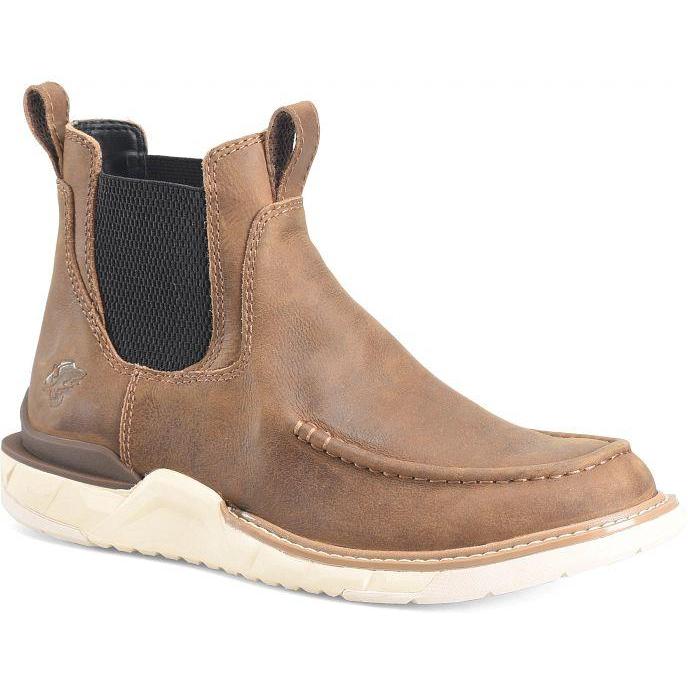
Sale price$129.99
Regular price$136.00
Phantom Rider Men's Amos 6" Moc Toe Chelsea Work Boot - Brown- PH5038
Save 11%
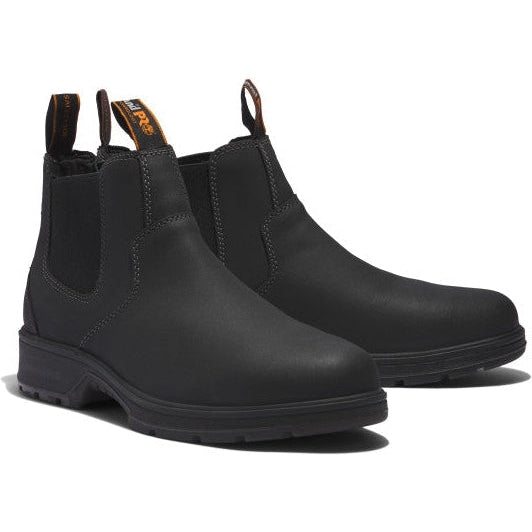
Sale price$164.95
Regular price$185.00
Timberland Pro Men's Nashoba Non-Metallic Toe Composite Toe Waterproof Chelsea Work Boot TB1A2P3R001
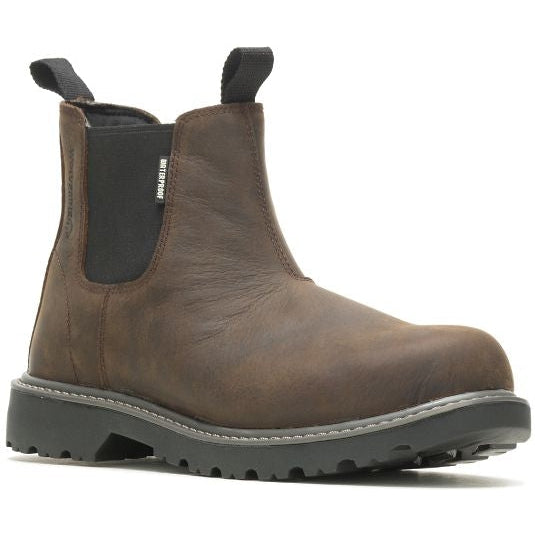
Save 7%
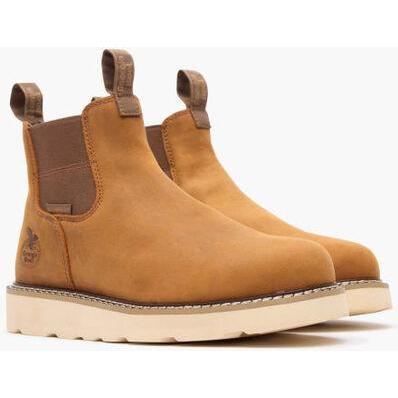
Sale price$140.00
Regular price$150.00
Georgia Men's Core 37 6" Soft Toe Waterproof Chelsea Work Boot - Barracuda - GB00694
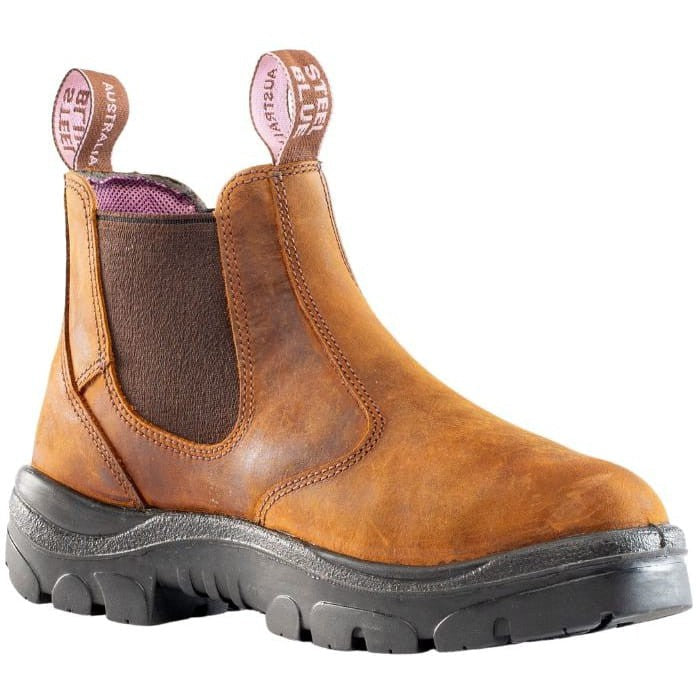
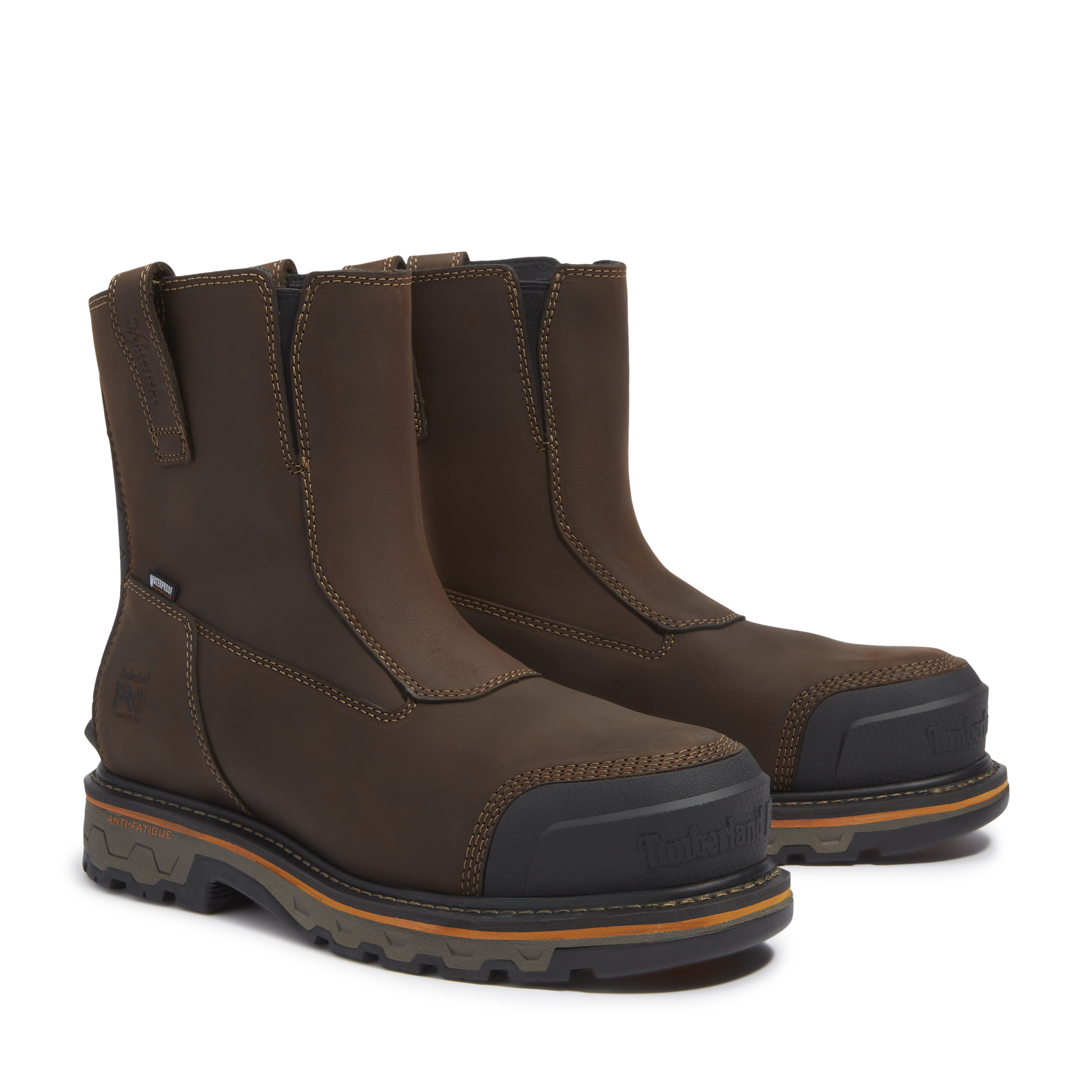
Sale price$190.00
Regular price$195.00
Timberland Pro Men's True Grit Comp Toe Waterproof Chelsea Work Boot - Brown - TB0A67QKW01
Save 6%
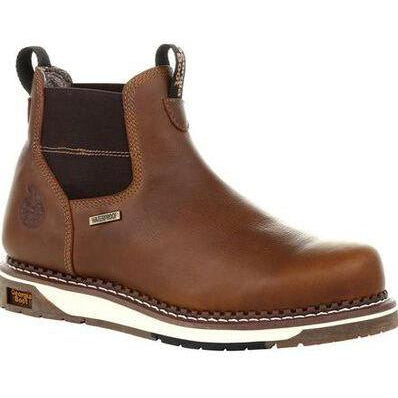
Sale price$165.00
Regular price$175.00
Georgia Men's Wedge Chelsea Soft Toe Waterproof Wedge Work Boot - Brown - GB00352
Save 6%
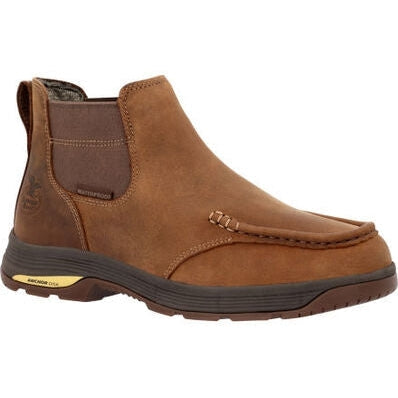
Sale price$170.00
Regular price$180.00
Georgia Men's Athens Superlyte Waterproof Chelsea Work Boot -Brown- GB00548
Save 6%
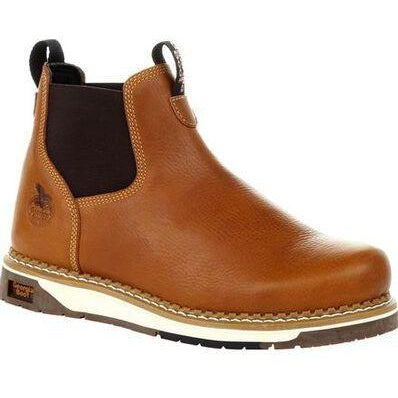
Sale price$160.00
Regular price$170.00
Georgia Men's Amped Lightweight Wedge Soft Toe Chelsea Work Boot - Brown - GB00346
Save 10%
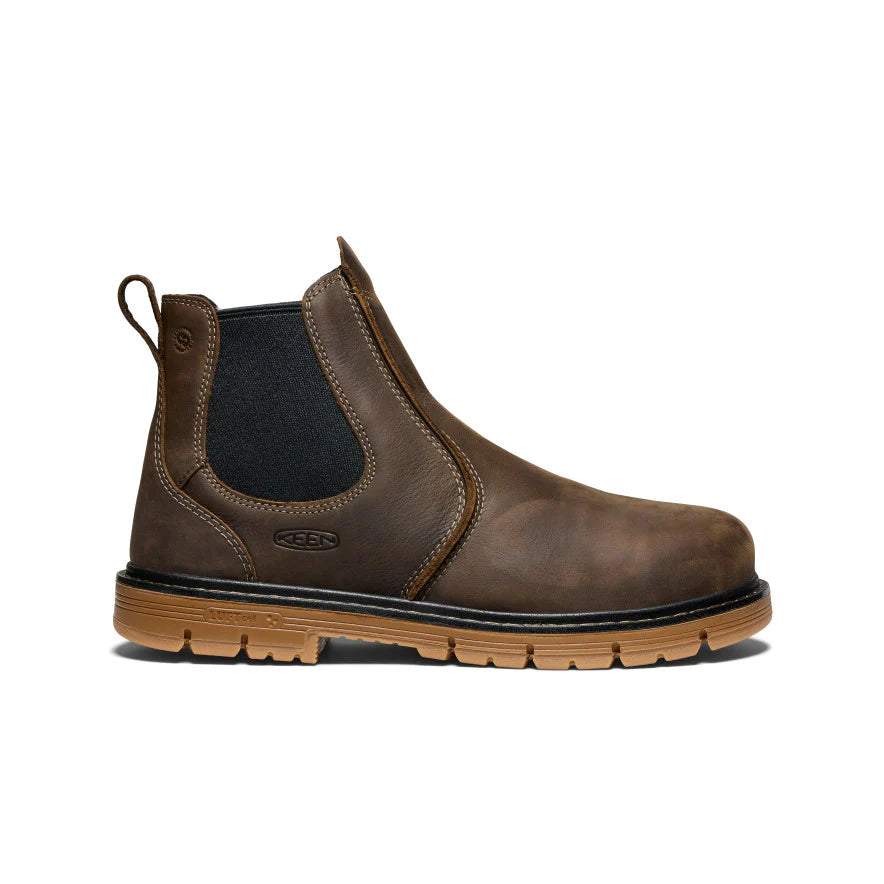
Sale price$148.49
Regular price$164.99
Keen Men's San Jose Aluminum Toe Pull On 90° Heel Boot - Brown - 1030647
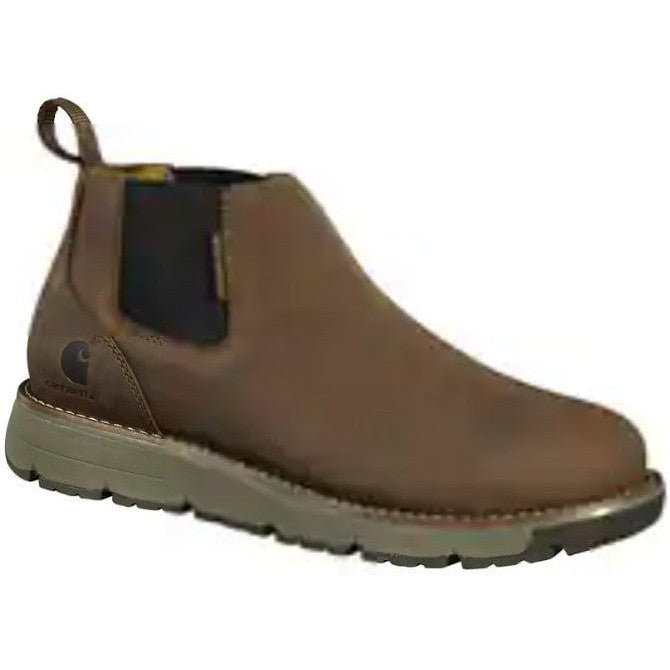
Sale price$149.99
Carhartt Men's Millbrook 4" Soft Toe Wedge Work Boot- Brown- FM4000-M
Frequently Asked Questions
A Romeo is a low-cut slip-on with twin elastic gores at the sides, sitting at or just below the ankle. The style is well over a century old and it exists for one reason: it comes on and off in a second with no laces to tie. It is essentially a work-built version of the same idea as a Chelsea boot, cut lower and plainer.
Mostly height and intent. A Chelsea sits at the ankle or just above and is built as a boot, often with a taller shaft and more structure. A Romeo cuts lower, closer to a shoe, and is plainer in styling. Both use elastic side gores and both are laceless. Chelseas cross over to casual wear more readily; Romeos are more purely functional. See our Chelsea work boots range.
Mechanics, machinists, warehouse and shop staff, truck drivers, and anyone in and out of a vehicle or a building repeatedly through the day. They are also common where boots come off at a threshold. The trade is that a low cut offers no ankle support and lets debris in, so they suit indoor and flat-ground work rather than sites.
Many do, in steel, composite, alloy, and carbon, all meeting ASTM F2413 for impact and compression on the rated models, with soft toe versions also widely available. The low silhouette gives no clue whether a cap is inside, so toe type is stated in every product title and worth reading rather than assuming.
They rely entirely on the elastic gores and the heel cup to hold your foot, with no lacing to snug anything down, so fit matters more than on a laced shoe. A Romeo that is slightly too long will slip at the heel with nothing to compensate. New gores are tight and relax over the first few weeks, so a snug fit at the start is normal and correct.
Yes, and it is usually what ends the shoe rather than the sole or the upper. Elastic gores lose tension over time, faster if the shoe is a struggle to get on and the gore is stretched hard every day. Getting the size right in the first place extends their life considerably. Once the gores have gone slack the shoe will not hold your heel and cannot be repaired economically.
It depends on the sole, not the closure. Wedge-soled Romeos spread weight across the whole footprint and are good on concrete. What you do not get is ankle support, so if your footing is uneven or you are on and off equipment, a boot serves you better. Footbeds are removable on most models if you use orthotics.
Rarely, and the elastic gores are the reason. A gore is a stretch panel that cannot be sealed the way a lace-up tongue can, so it is a natural entry point for water. Some models use water-resistant leather, but a genuinely waterproof Romeo is uncommon. If you need dry feet, a laced or pull-on boot is the better answer. See our full waterproof work boots range.
Recently viewed
Our Top Brands