Save 18%
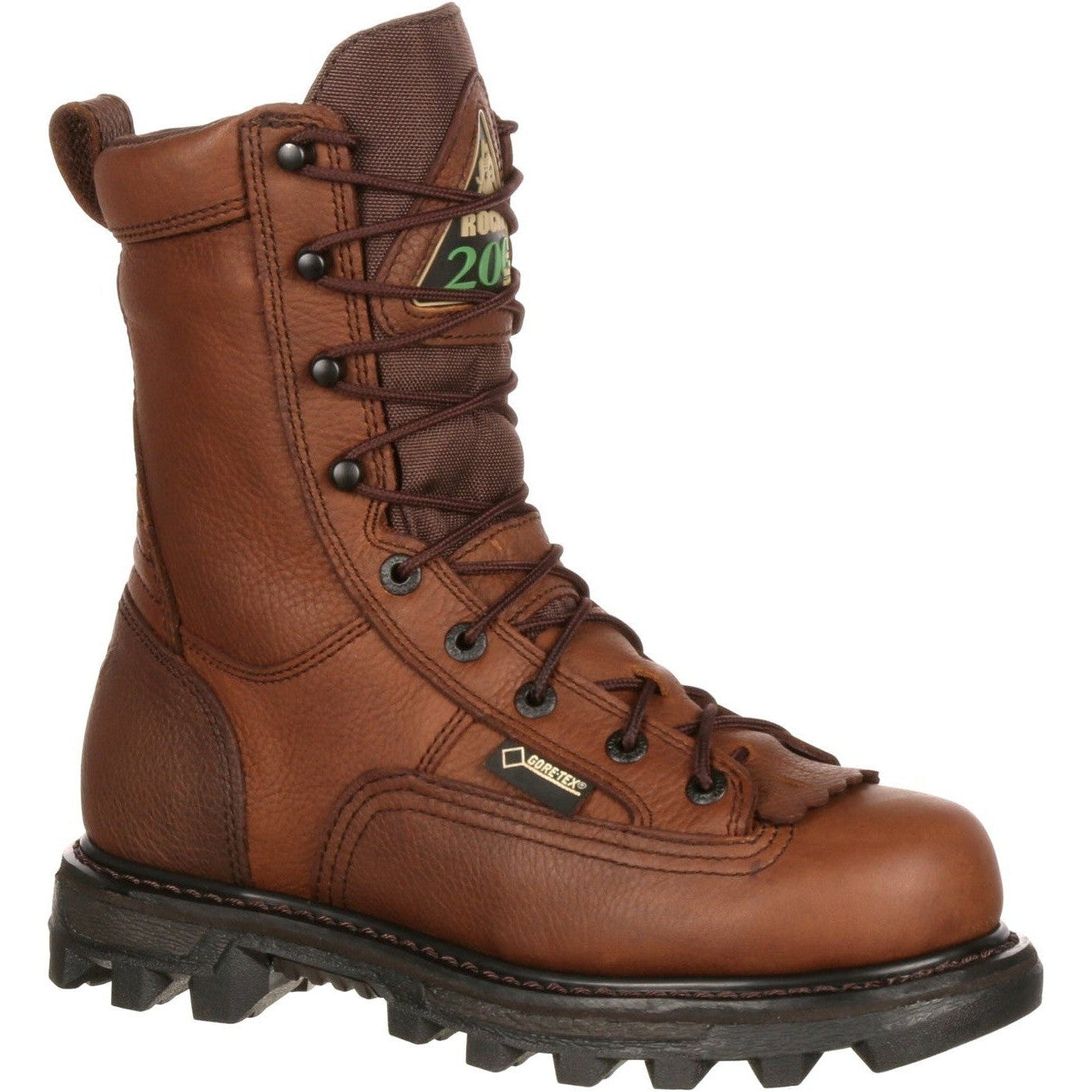
Sale price$195.29
Regular price$237.00
Rocky Men's BearClaw 9" Waterproof 200G Ins Outdoor Boot - Brown - FQ0009237
Save 6%
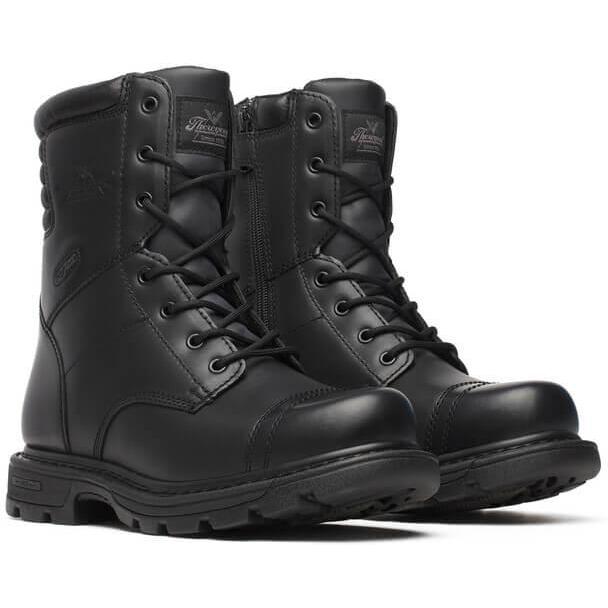
Sale price$169.95
Regular price$180.00
Thorogood Men's GEN-flex 8" Side Zipper Jump Tactical Boot Black 834-6888
Save 8%
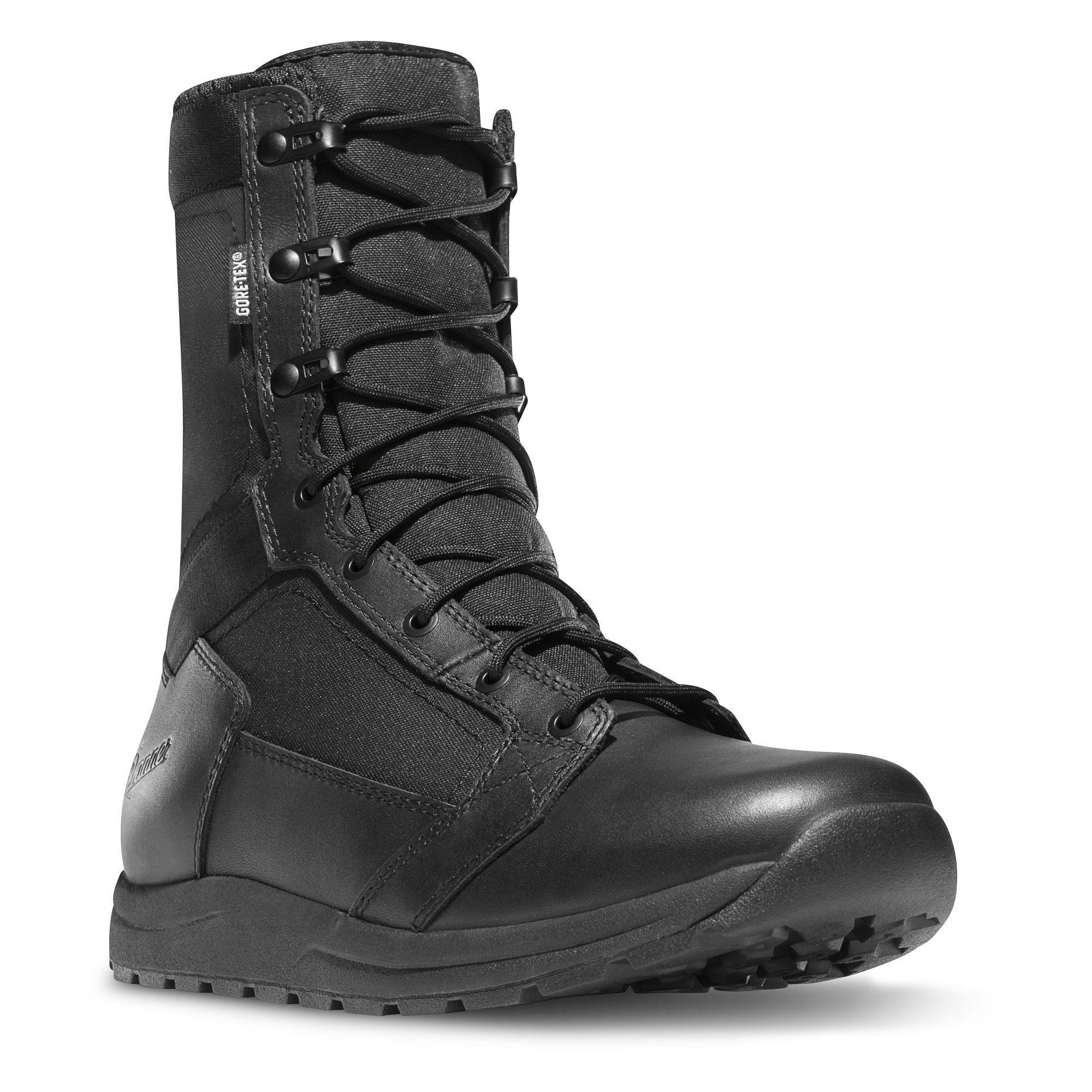
Sale price$219.95
Regular price$240.00
Danner Men's Tachayon Waterproof Duty Boot - Black - 50122
Save 6%
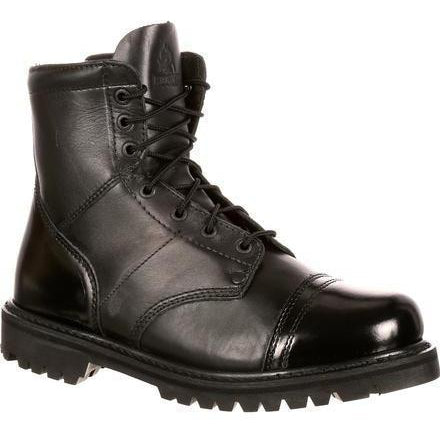
Sale price$158.00
Regular price$168.00
Rocky Men's Side Zipper Jump Duty Boot - Black - FQ0002091
Save 26%
Sale price$144.95
Regular price$194.99
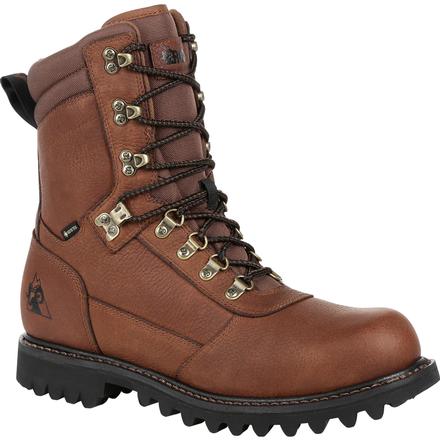
Rocky Men's Ranger 8" Waterproof Hunt Boot - Brown - RKS0437
Save 15%
Sale price$199.94
Regular price$234.99
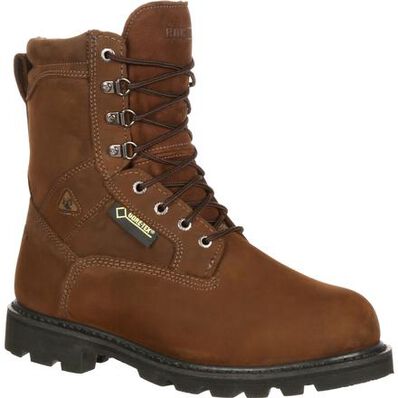
Rocky Ranger 9" Steel Toe Waterproof 600G Insulated Work Boot -Brown- FQ0006223
Save 13%
Sale price$439.95
Regular price$504.00
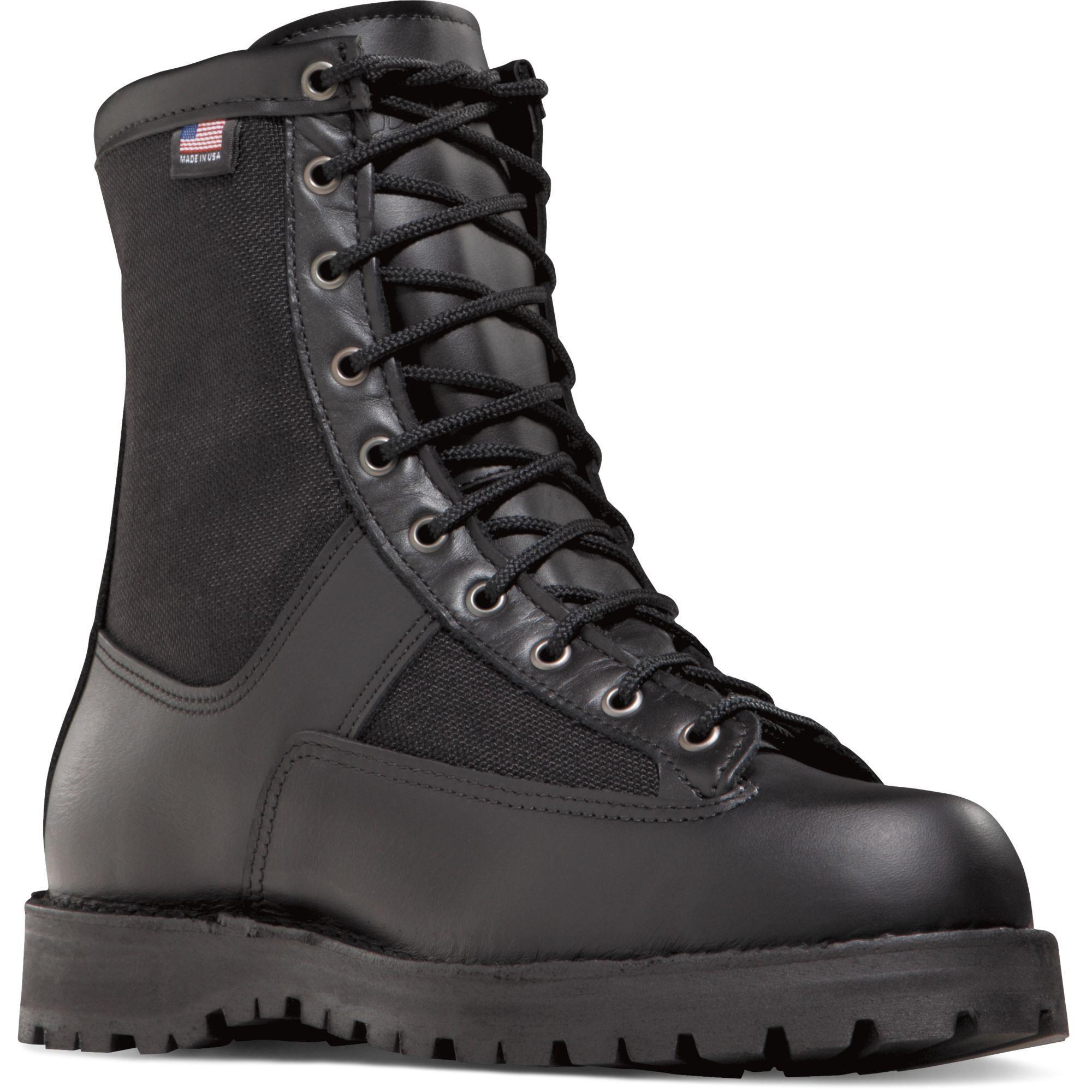
Danner Men's Acadia USA Made 8" 200G Insulated Waterproof Duty Boot - Black - 69210
Save 7%

Sale price$172.05
Regular price$185.00
Rocky Men's Jump Boot 10" Side Zip Duty Boot - Black - RKD0150

Sale price$138.00
Rocky Men's Super Cop 8" Duty Boot - Coyote - RKD0147
Sale price$389.95
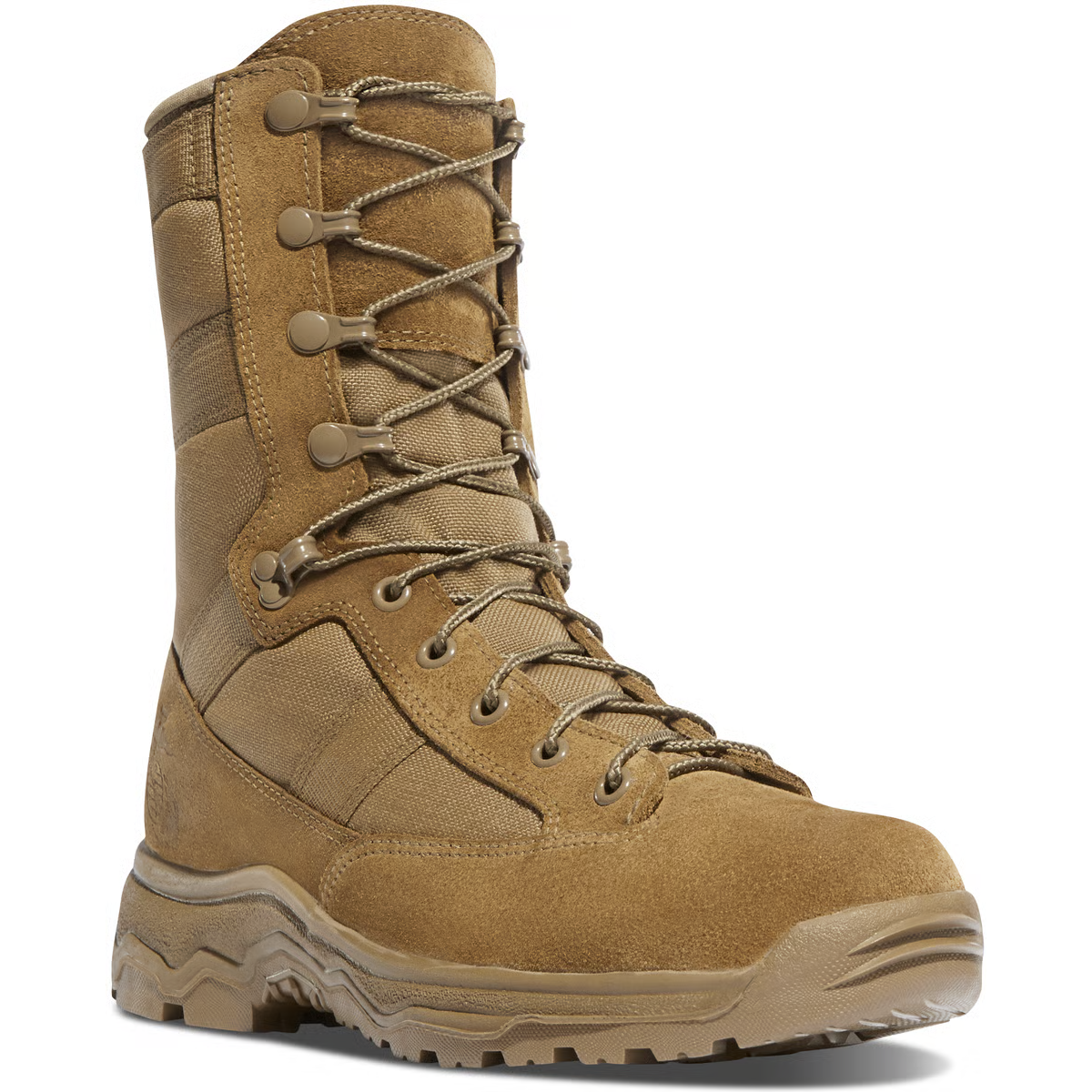
Danner Men's Reckoning USMC 8" Steel Toe Lace Up Boot- Coyote- 53236
Save 8%
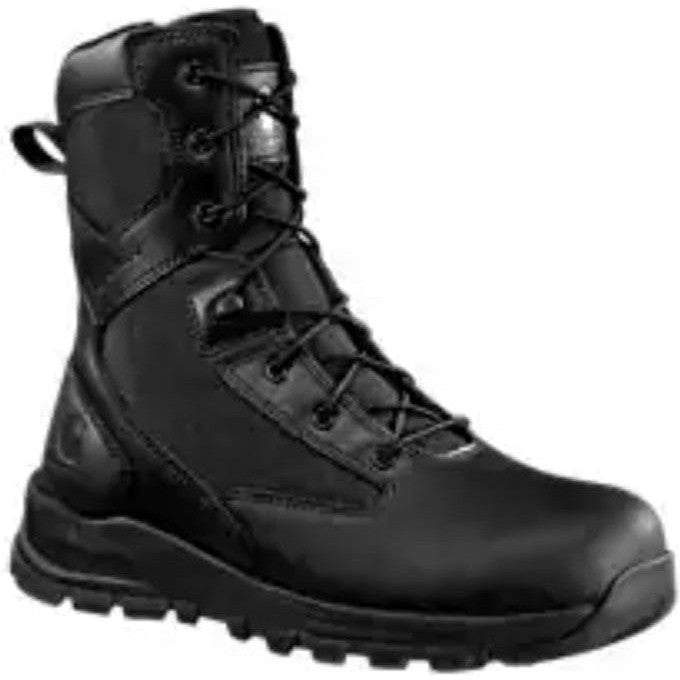
Sale price$174.79
Regular price$190.00
Carhartt Men's Gilmore 8" Waterproof Side Zipper Duty Boot -Black- FH8021-M
Frequently Asked Questions
Yes. Ranger boots use slip-resistant outsoles with aggressive tread built for wet concrete, muddy sites, loading docks, and commercial fishing decks. For consistently slick or uneven ground, we recommend confirming that the outsole is rated for wet surface traction on the product page before buying.
Both steel toe and composite toe styles are available. For construction, mining, and oil and gas work where falling tools and materials are everyday hazards, choose a steel toe marked with ASTM F2413. Composite toe cuts weight for jobs where you're on your feet all day, and the impact risk is lower.
Yes. Select Ranger boots provide electrical-hazard protection that meets ASTM F2413 requirements, offering secondary underfoot protection against live circuits under dry conditions. If electrical exposure is a regular part of your work, confirm the EH designation on the product page before buying.
Ranger boots are built for waterproofing, insulation, and weather protection rather than maximum airflow. They suit wet, cold, and rough outdoor conditions best. For high-heat indoor jobs, a lighter, non-insulated work shoe is the more practical choice. At Overlook Boots, we carry options across both ends of that spectrum.
Yes. Many Ranger boots feature sealed construction, waterproof membranes, and treated leather uppers that handle mud, rain, and snow. For farming, construction, and oilfield work where conditions shift throughout the day, choose a fully sealed build over water-resistant treatment alone.
Start with your normal work boot size and allow room for thick socks and toe clearance. Ranger boots run in taller, duty-ready builds, so fit matters more than usual. If you're between sizes, prioritize a secure heel with enough toe room to stay comfortable through long shifts and ladder work.
Recently viewed
Our Top Brands