


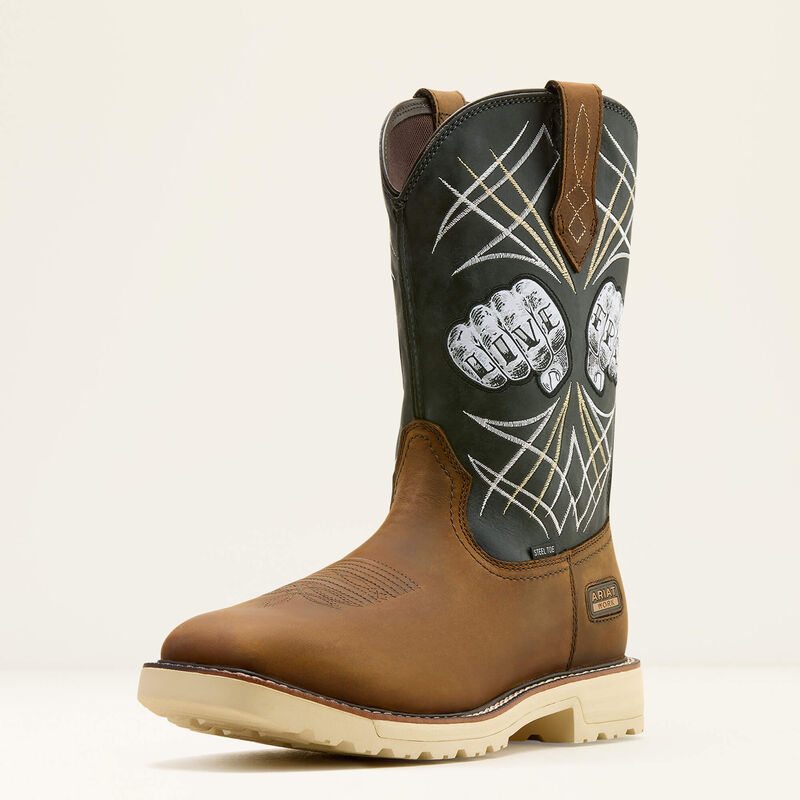
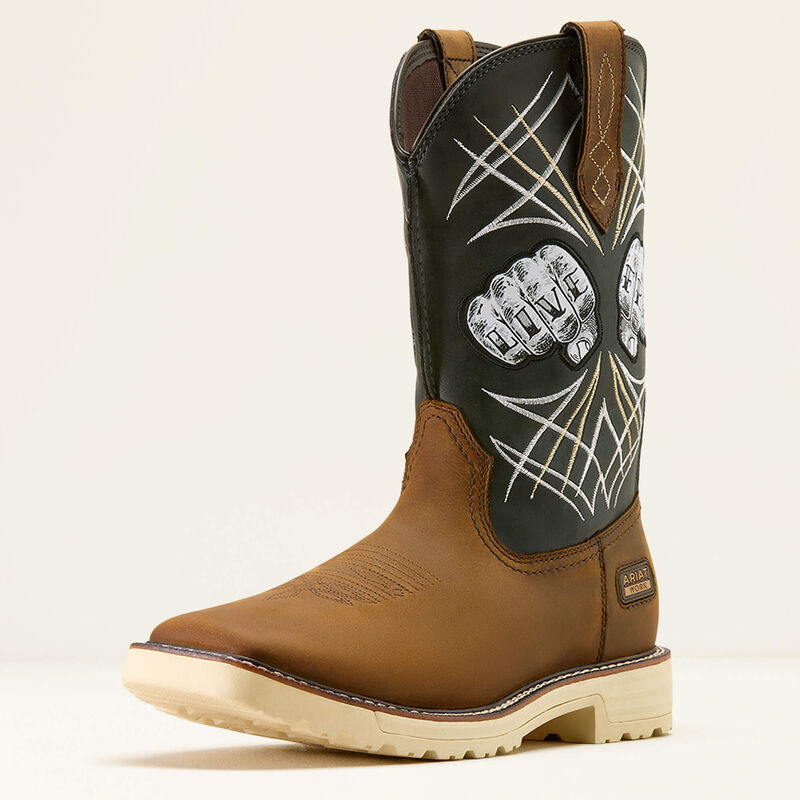
Save 10%
Sale price$189.95
Regular price$209.95
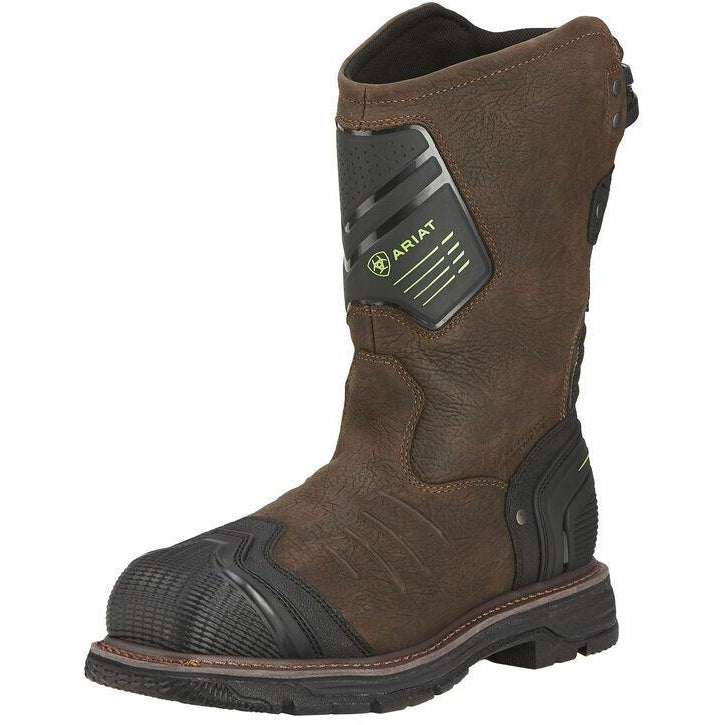
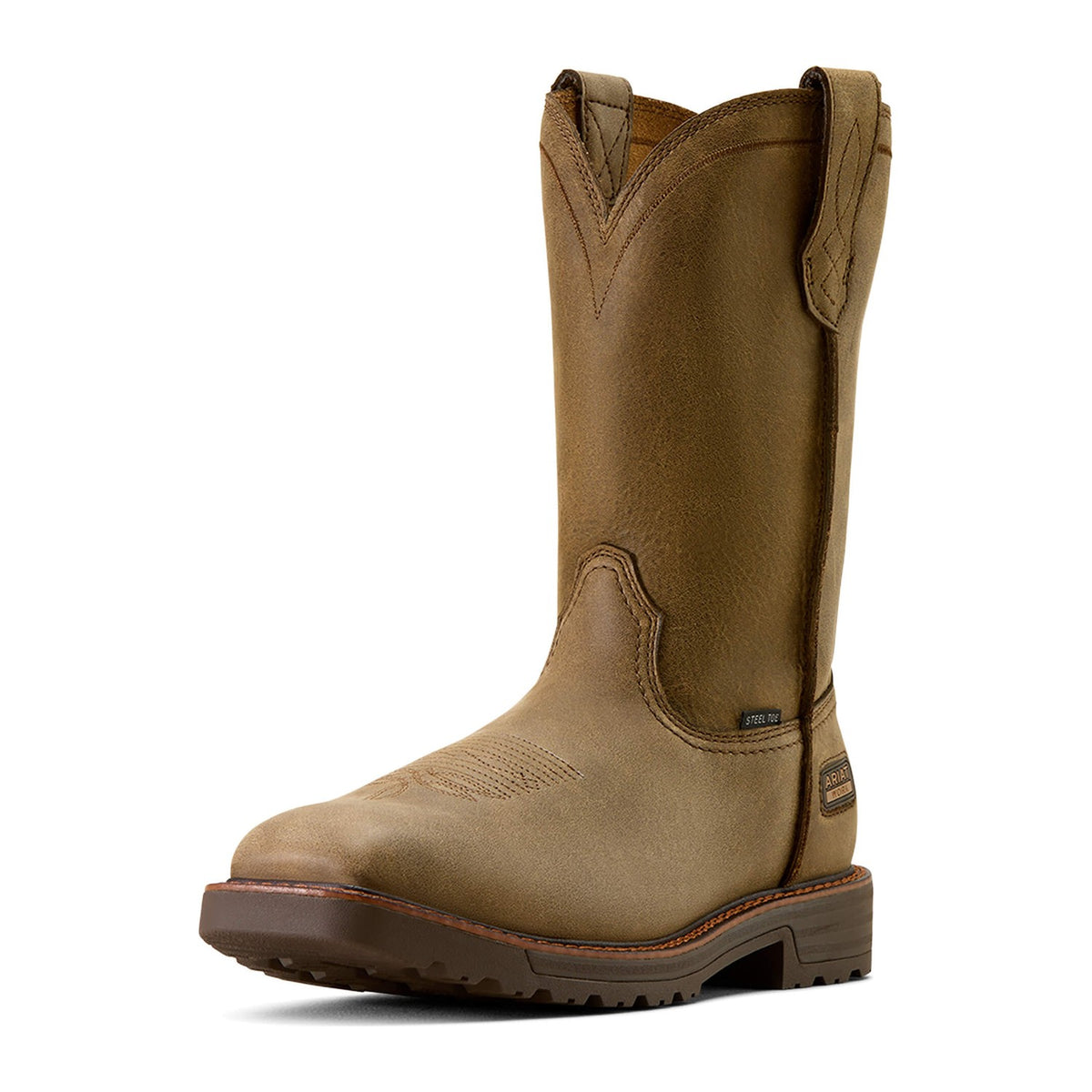
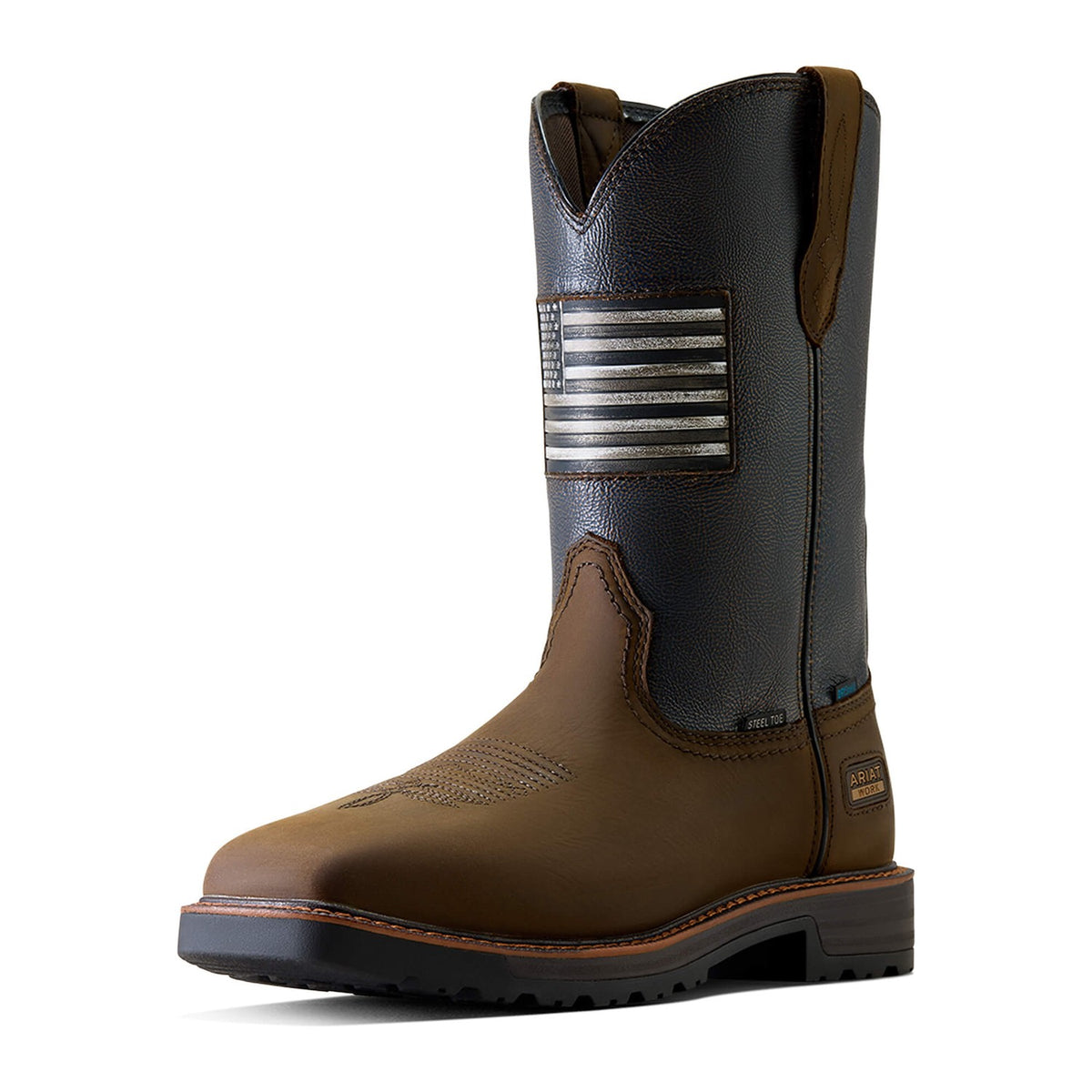
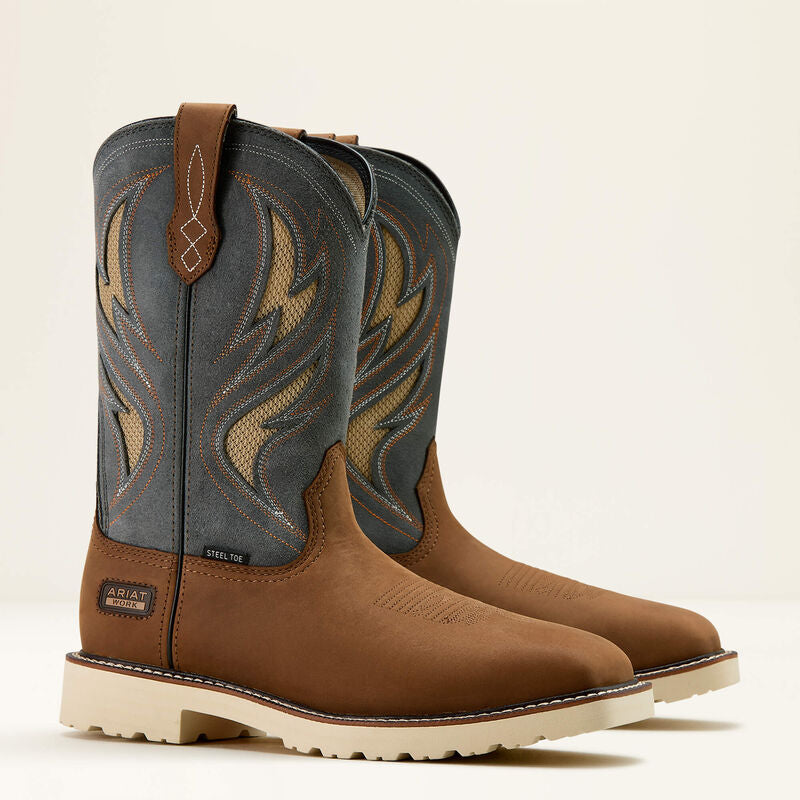
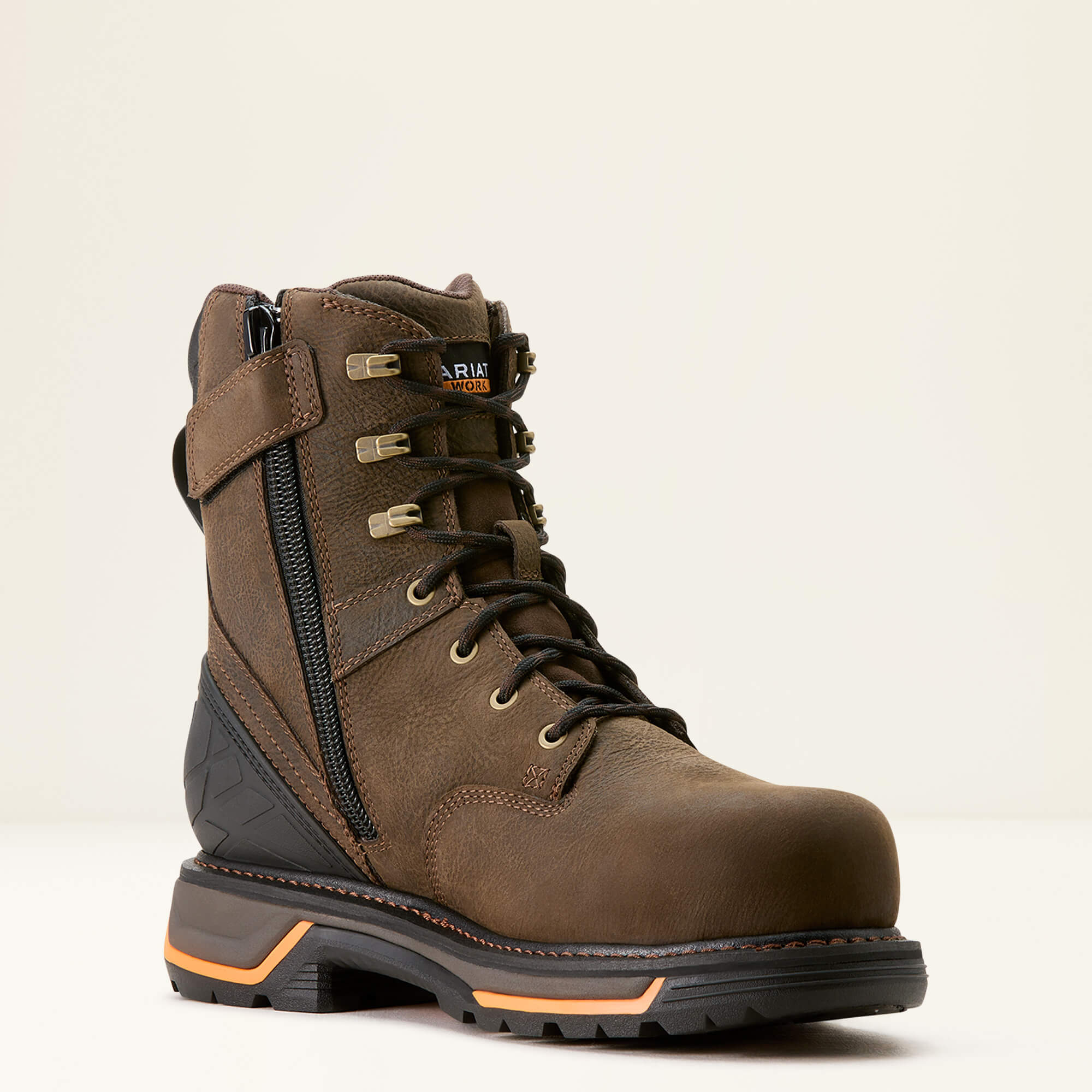
Ariat Men's Activator Patriot Wide Square Toe Steel Toe Work Boot - Brown - 10080468
Save 10%
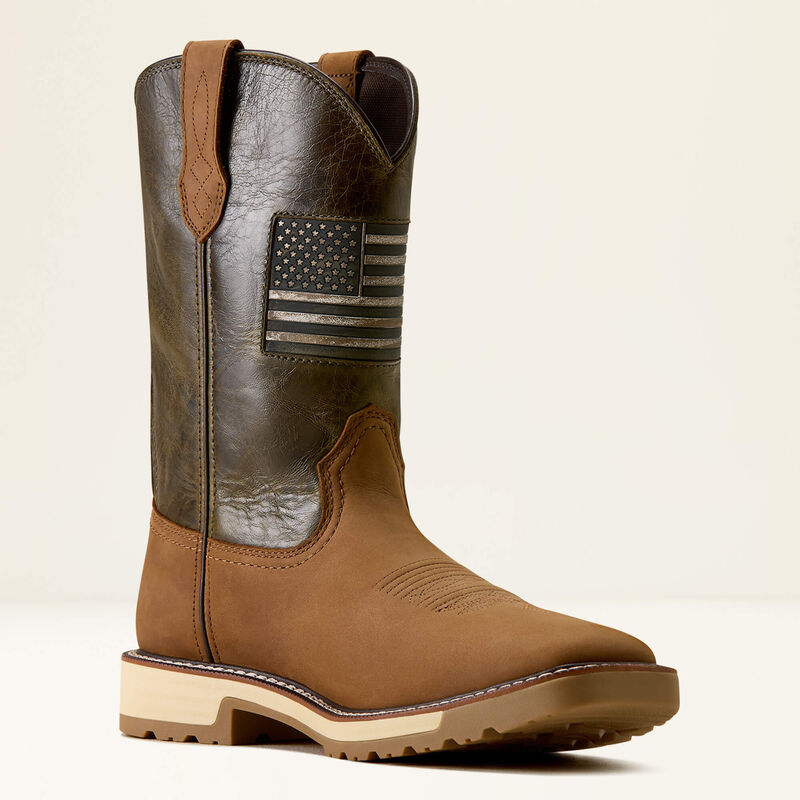
Sale price$179.95
Regular price$199.95
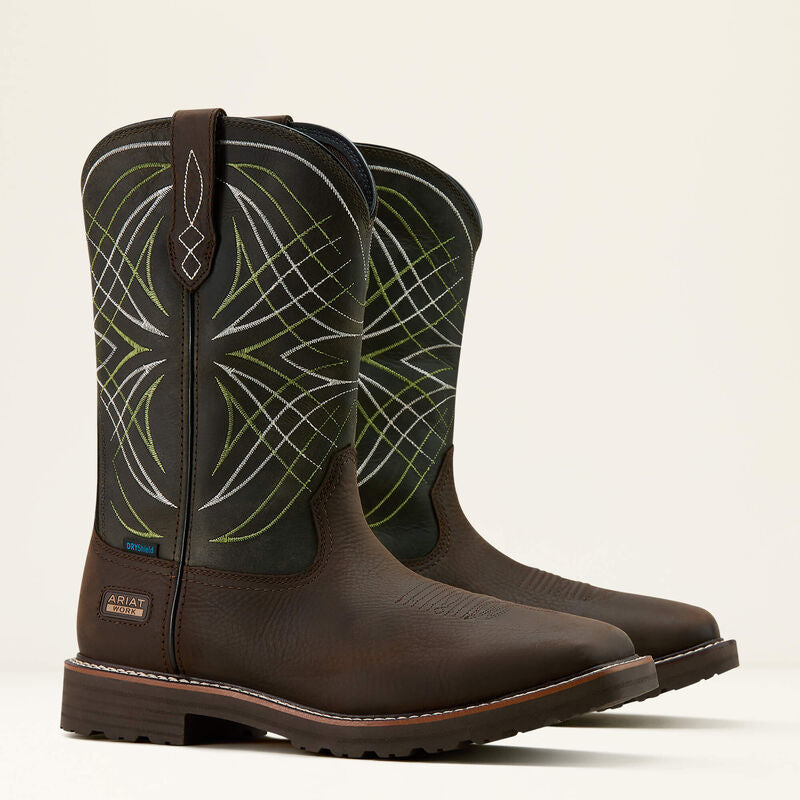
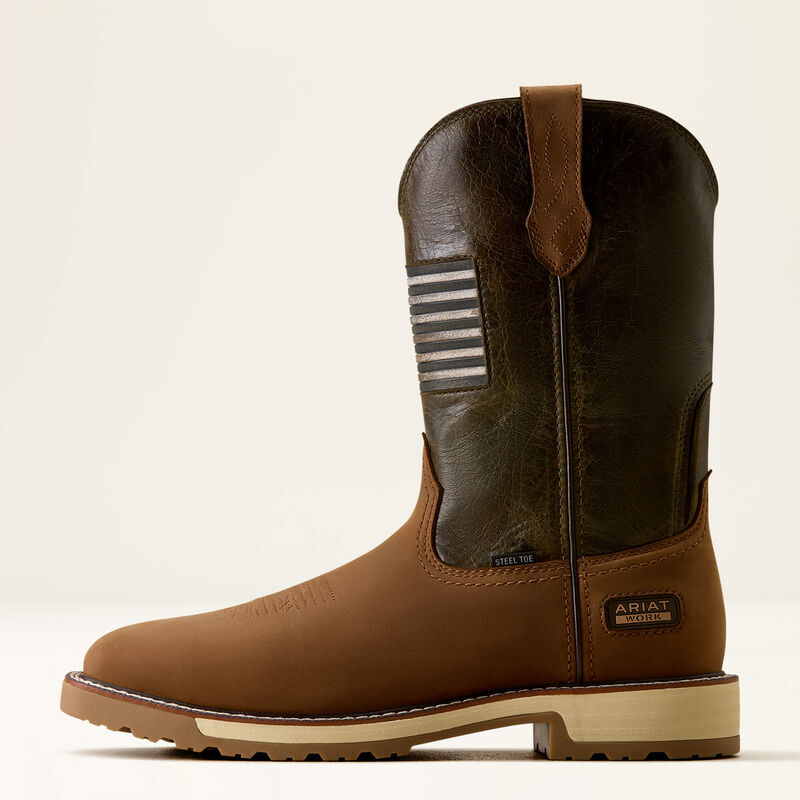
Ariat Men's Activator Patriot Wide Square Toe Work Boot - Brown - 10079675
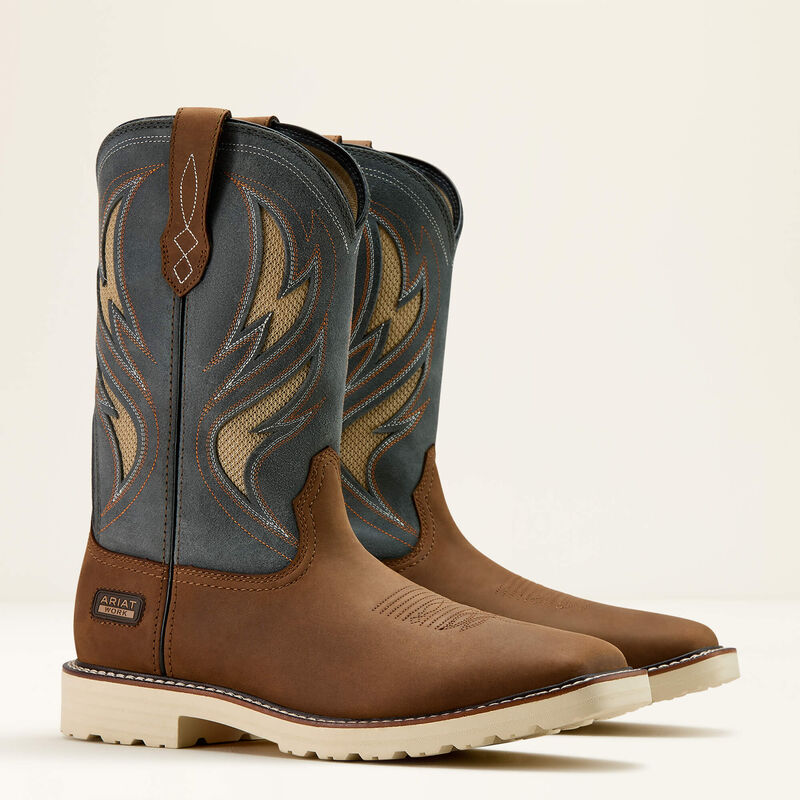
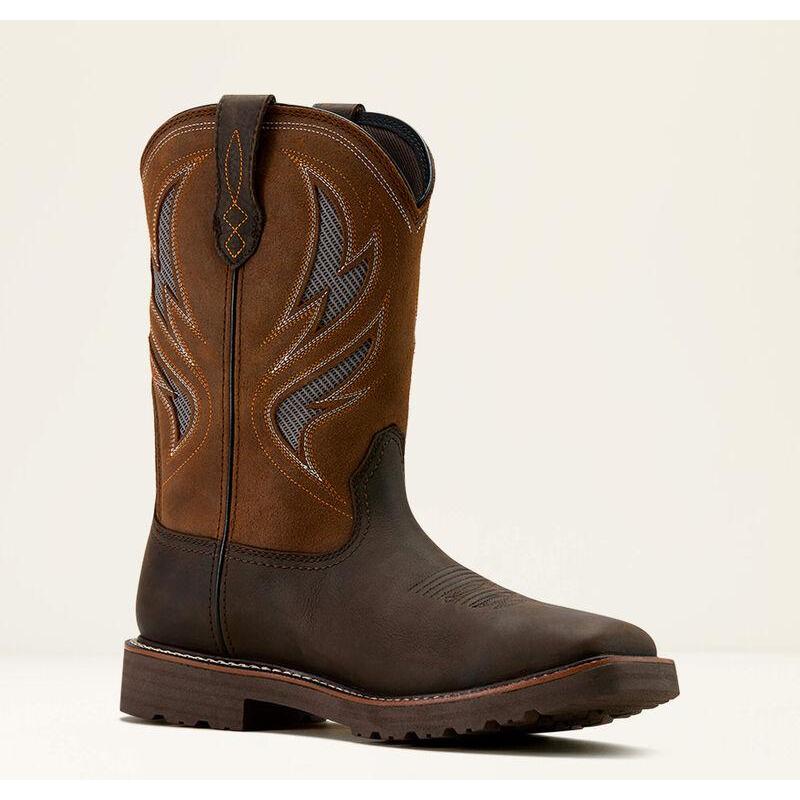
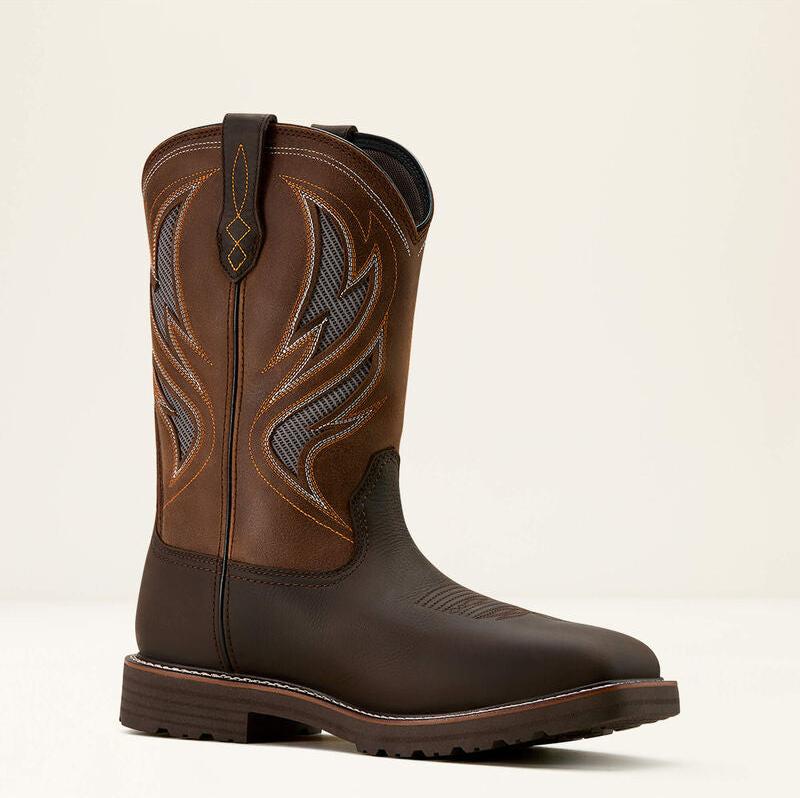
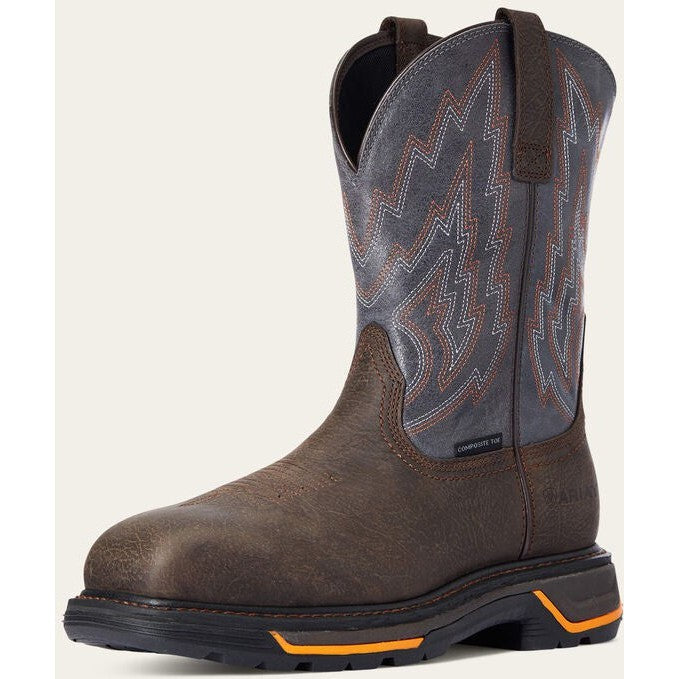
Sale price$229.95
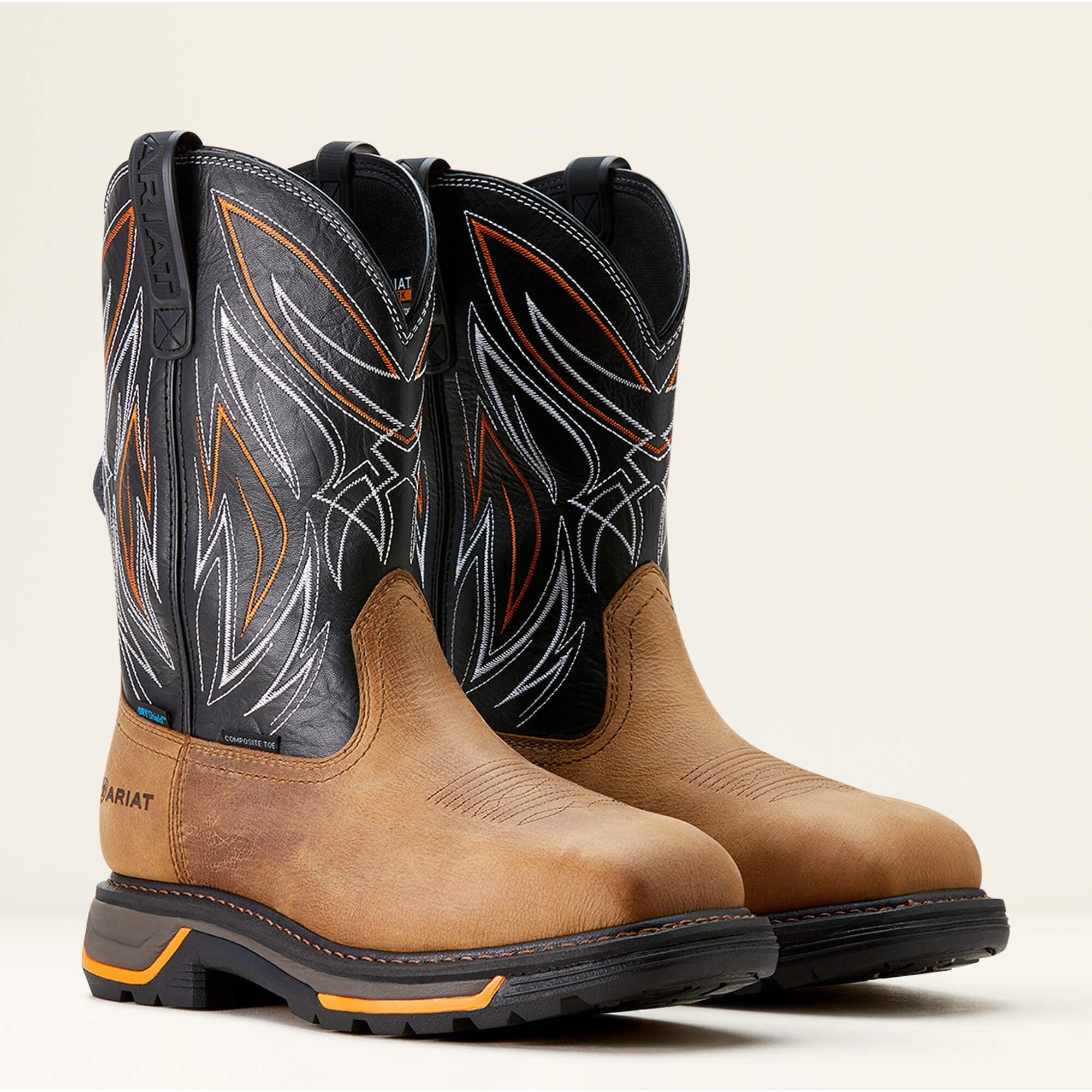
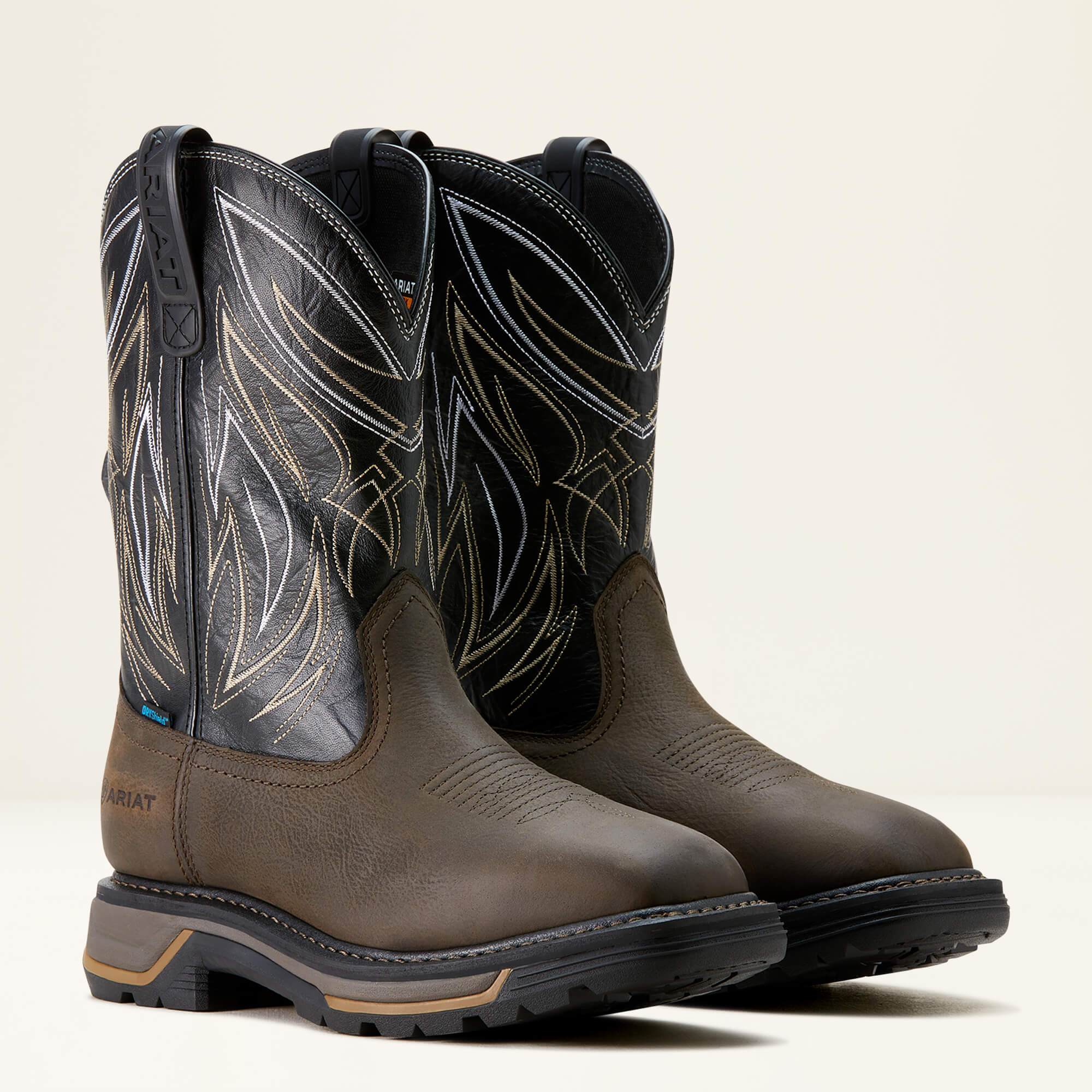
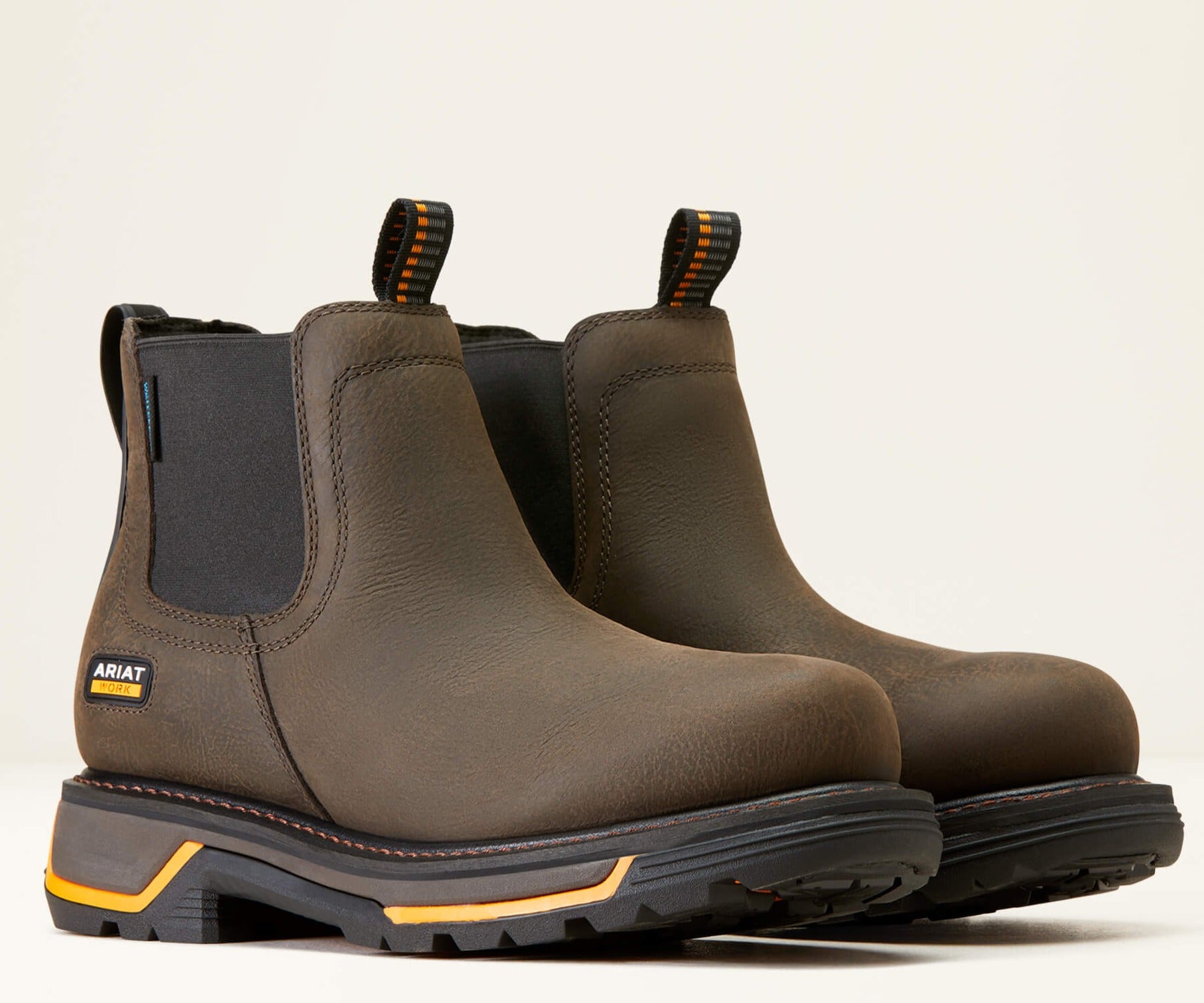
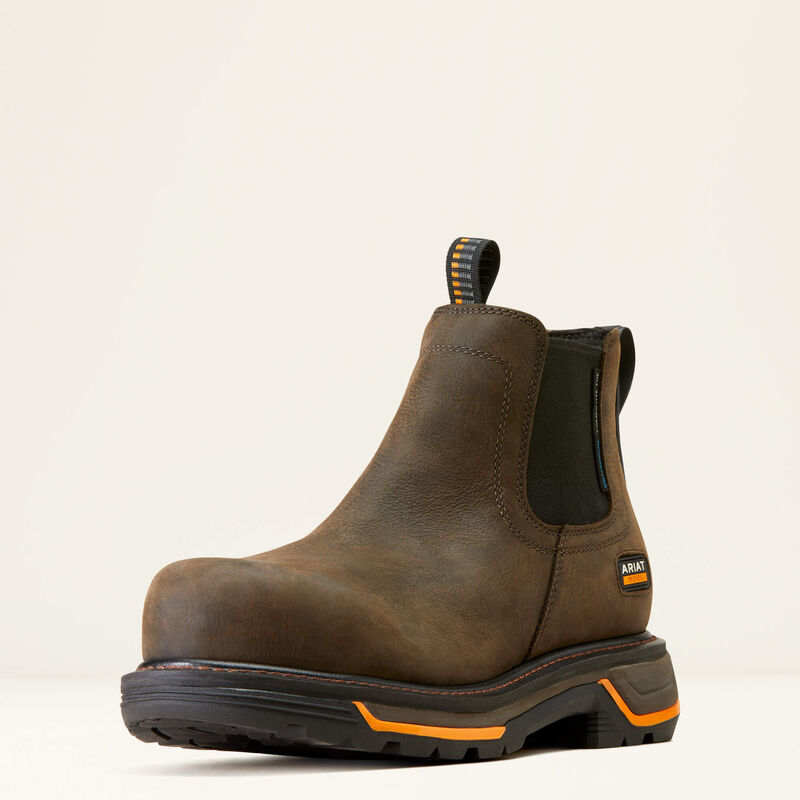
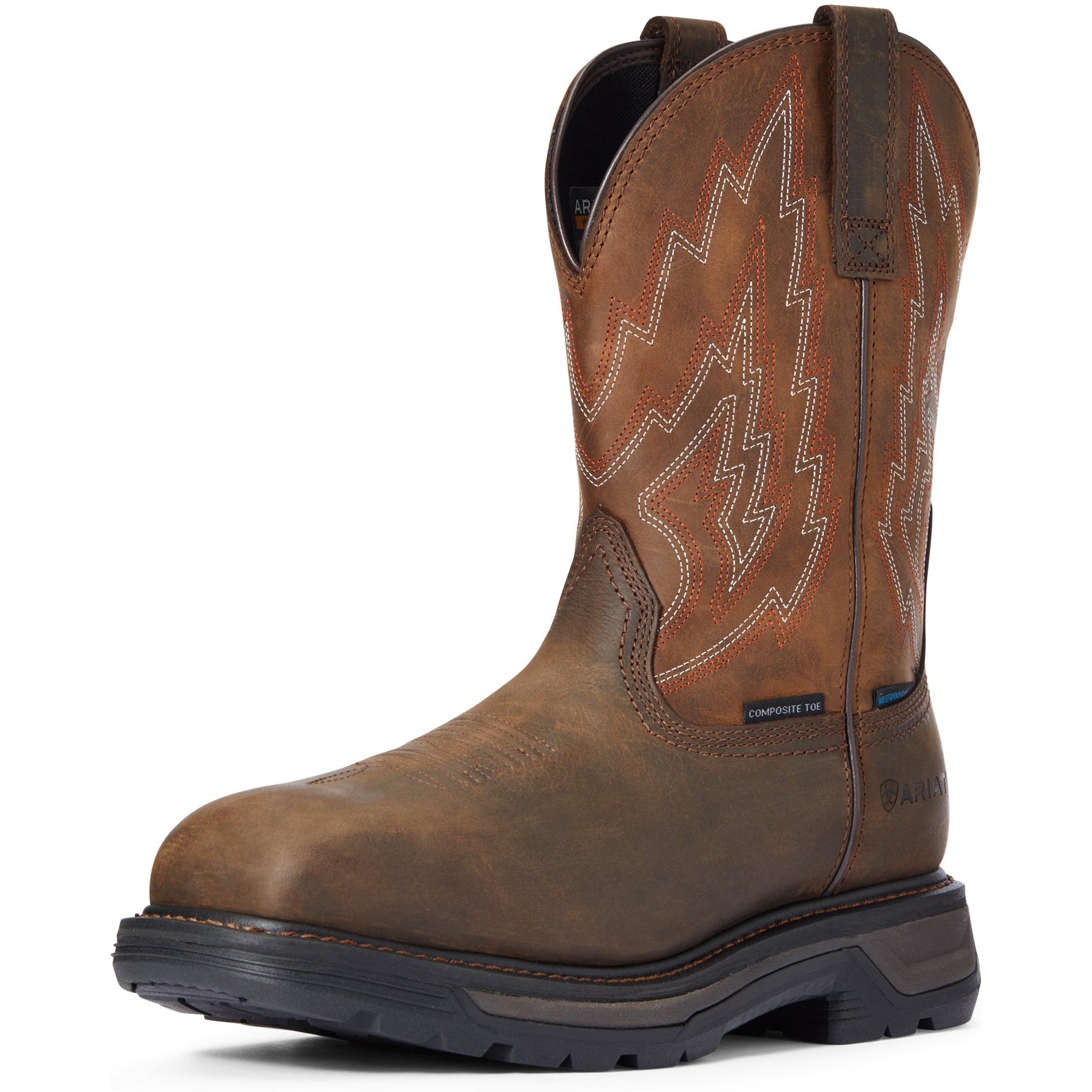
Ariat Men's Big Rig Composite Toe Western Work Boot -Coffee- 10033966
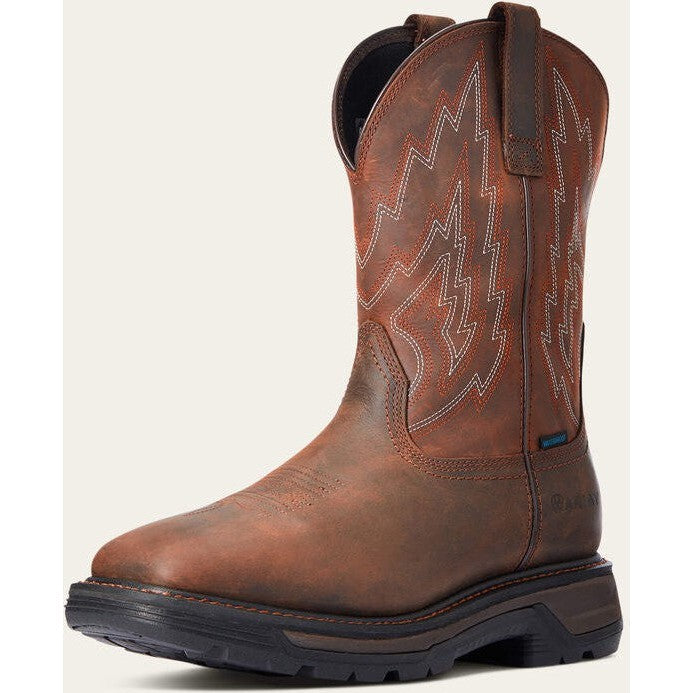
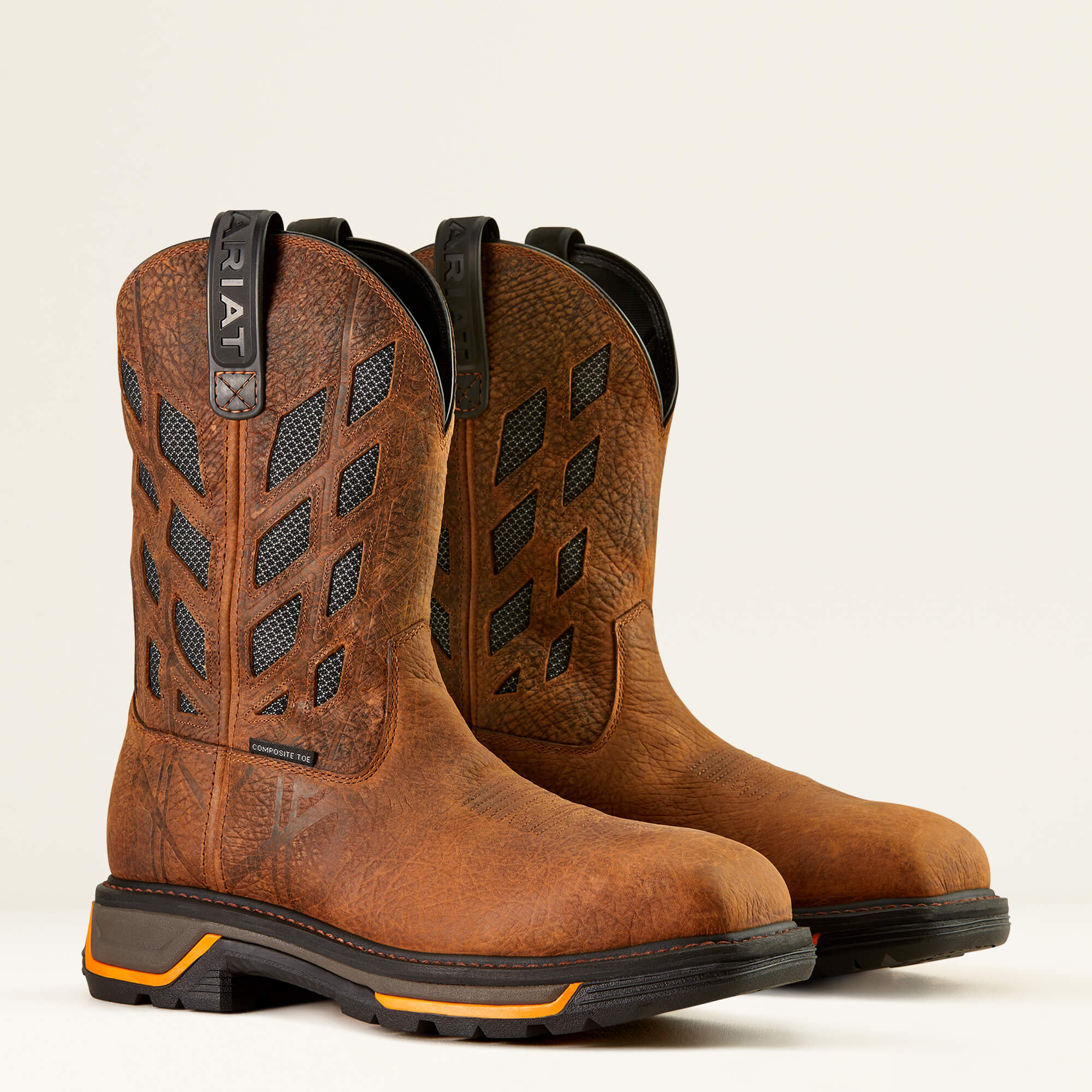
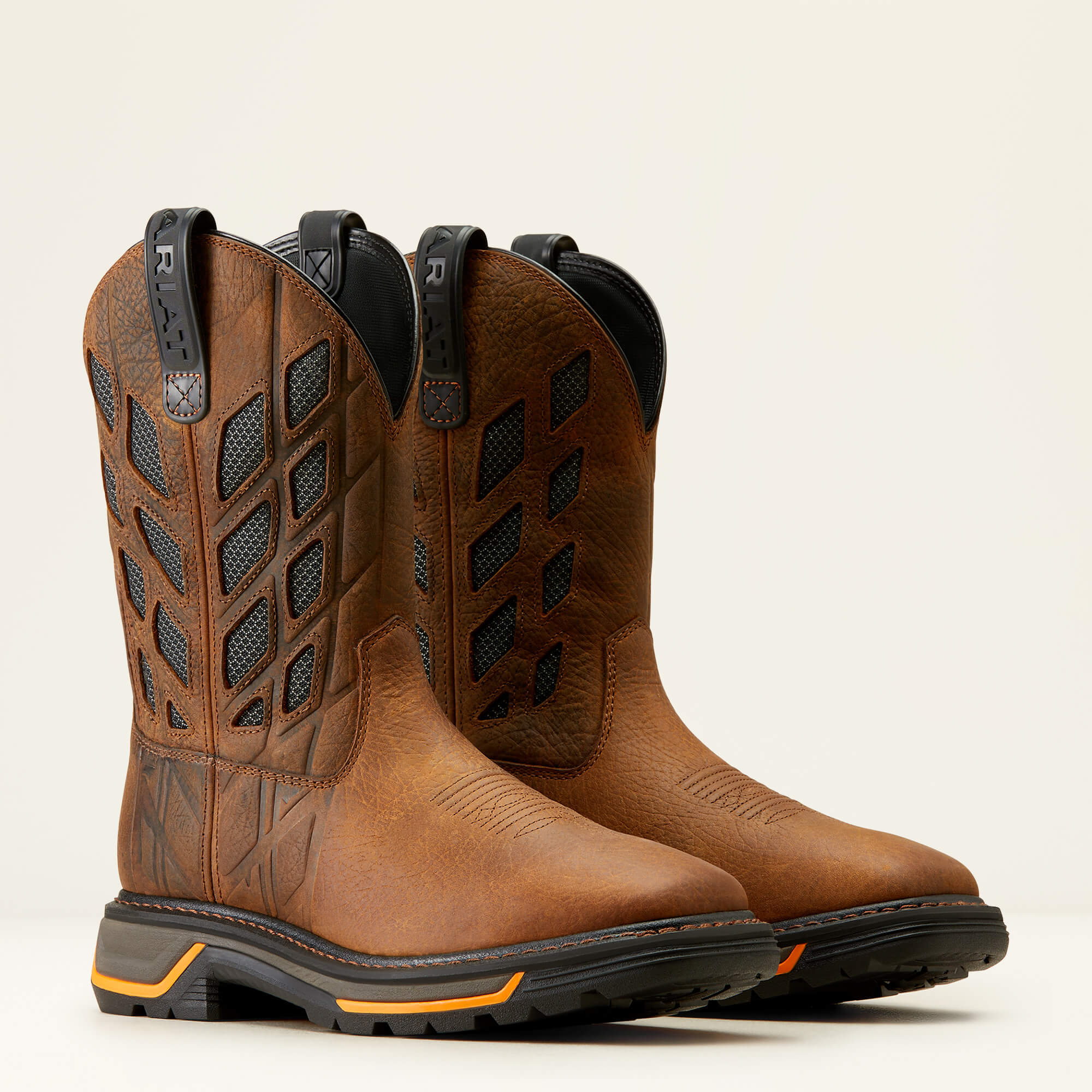
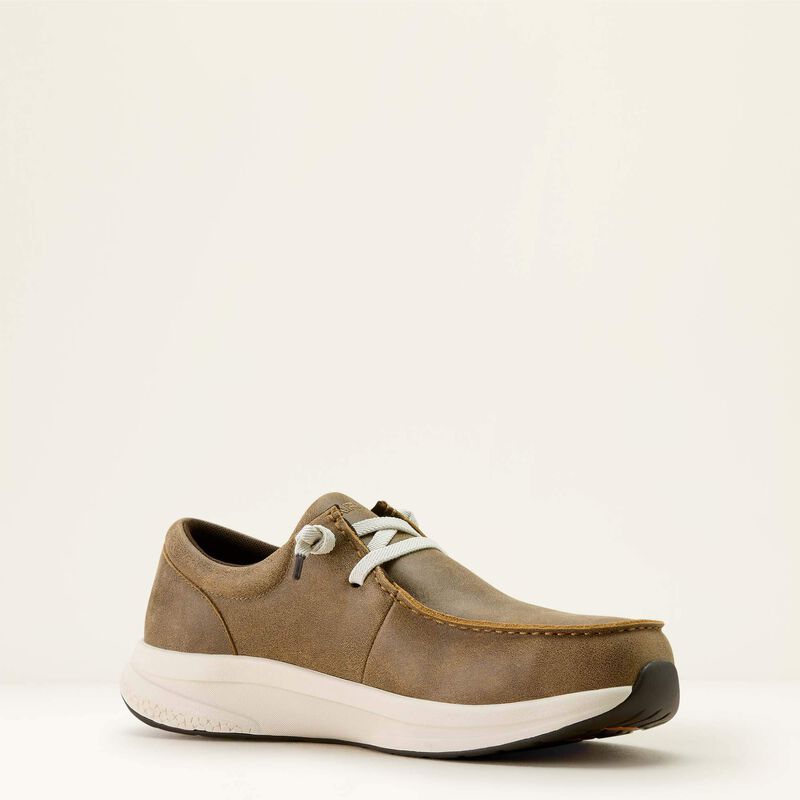
Sale price$114.95
Ariat Men's Buckeye Steel Toe Slip Resist Work Shoe - Brown - 10063828
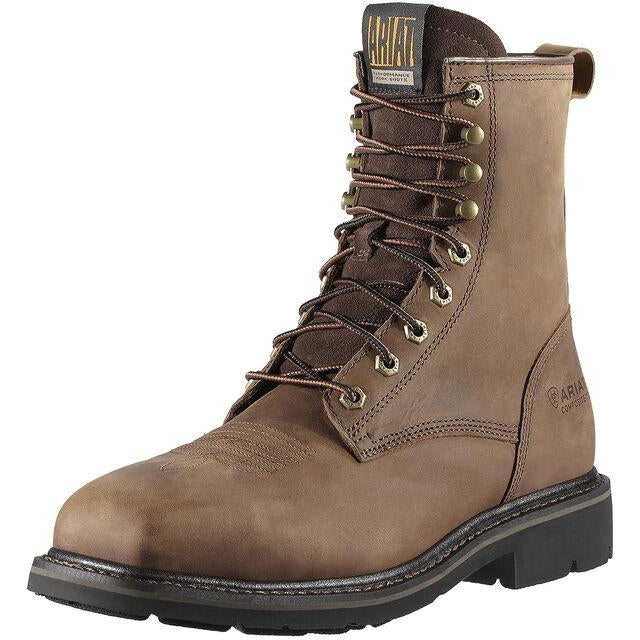
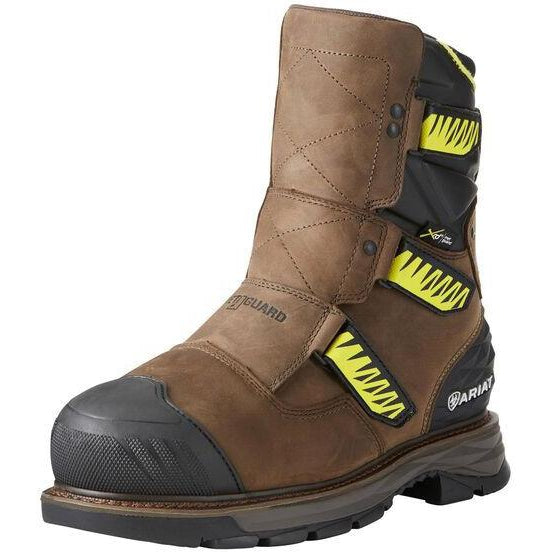

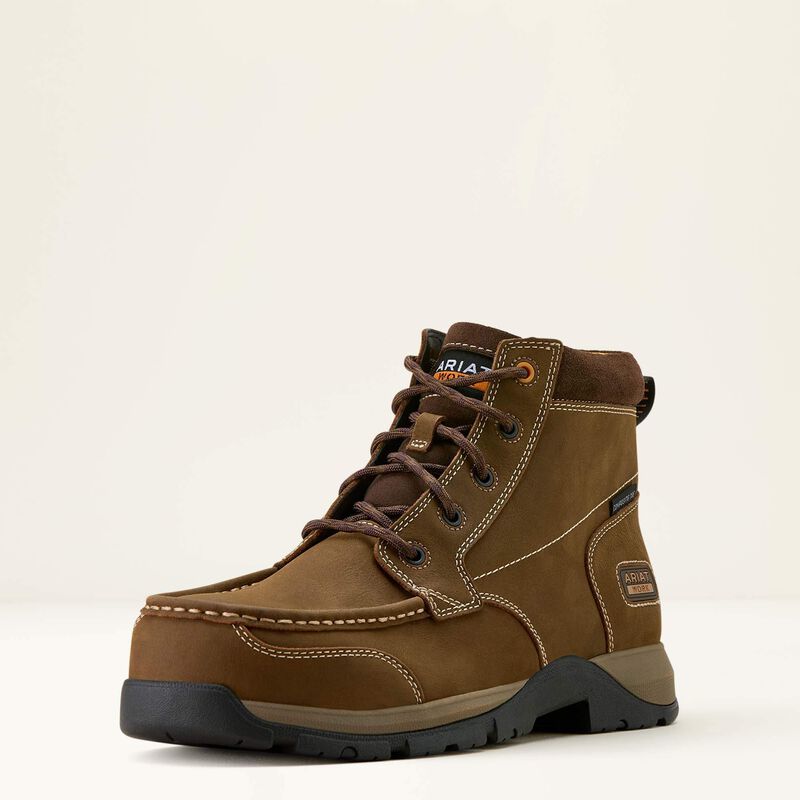
Sale price$159.95
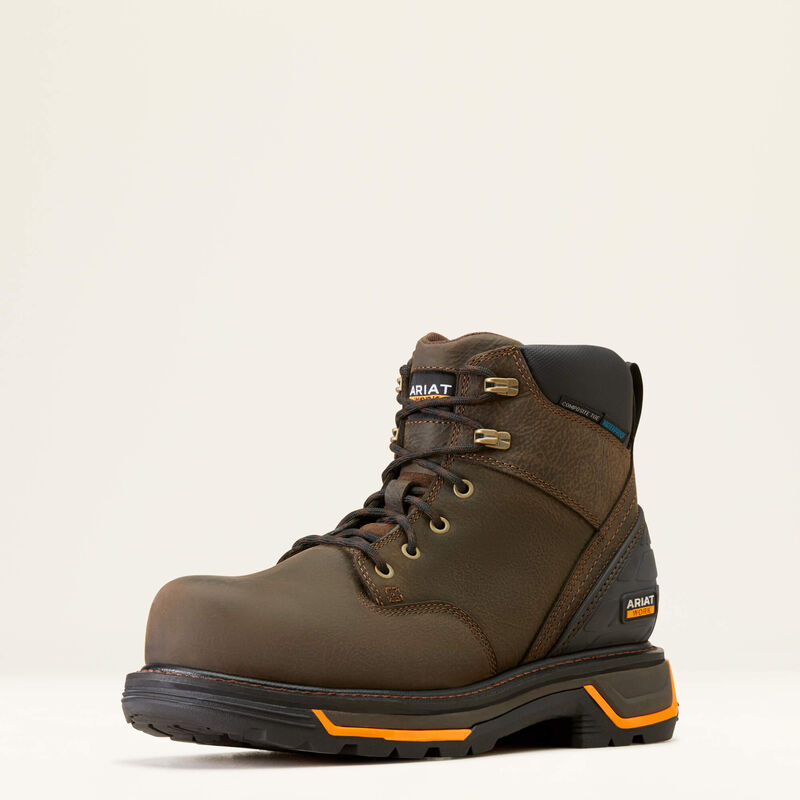
Ariat Men's Edge Chukka 6" Composite Toe Work Boot - Brown - 10073366
Frequently Asked Questions
Full-grain is the outermost layer of the hide with the grain surface left intact rather than sanded off. That surface is the densest, most abrasion-resistant part of the leather, which is why full-grain outlasts corrected-grain and split leather in a work boot. It also develops a patina rather than flaking, and it holds a resole because the upper is still sound years in.
Roughly every one to three months under regular wear, and sooner if the leather looks dry or has been soaked repeatedly. Conditioning replaces the oils that keep leather flexible, and leather that dries out hard is what cracks at the flex point above the vamp. Do not over-condition either: saturated leather goes soft and loses structure. Clean the dirt off first, since conditioner over grit just drives it in.
Slowly, at room temperature, away from any direct heat source. Radiators, heaters, and fires dry leather far too fast and are the single most common way people destroy a good pair of boots, because rapid drying shrinks and hardens the fibers permanently. Pull the insoles, loosen the laces, stuff them with newspaper, and give them a full day. A low-heat boot dryer is fine; a heat gun is not.
For abrasion resistance and lifespan, yes, and for anything involving sparks, sharp material, or rough contact leather is the safer choice. Synthetic and mesh uppers are lighter, cooler, and dry much faster, which suits indoor and distance-walking work. The honest answer is that leather is better where the boot takes punishment and worse where you just need to cover ground comfortably.
Not inherently. Leather is naturally water-resistant and sheds rain, but it will wet through with sustained exposure. A waterproof leather boot has a sealed membrane inside and sealed seams doing the actual work. That is why waterproof and water-resistant are stated separately in the product title, and the difference matters if you stand in water rather than walk through it. See our full waterproof work boots range.
One to three weeks for heavy full-grain on a welted platform, and a few shifts for softer leather on a cemented build. The leather has to soften and take the shape of your foot. Wearing them in shorter stretches over the first week is easier than a full day straight out of the box. What break-in cannot fix is a boot that is the wrong length or width.
Both are full-grain leathers finished with oils and waxes rather than a sealed coating. Oil-tanned leather is saturated with oils during tanning, which makes it supple and naturally water-shedding from the start. Crazy Horse carries a heavy surface wax that produces a pull-up effect, where scratches and creases lighten and the leather develops a marked patina. Crazy Horse hides scuffs better; oil-tanned needs less break-in.
The welted ones can, and that is the strongest argument for buying leather in the first place. A Goodyear welt stitches a leather strip around the perimeter so a cobbler can replace the outsole without disturbing the upper, and a good upper outlasts several soles. Cemented boots are bonded and are not built for it. Check the construction on the product page. See our American made boots collection for the welted lines.
It gives across the width as it breaks in, conforming to the shape of your foot, but it does not lengthen meaningfully. That is why a boot that is slightly snug across the ball of the foot will usually come right, while a boot that is too short never will. Buy for length first and let the width settle. If the length is wrong, exchange it rather than trying to wear it in.
Full-grain leather on a Goodyear welt, kept conditioned and dried properly, and resoled when the tread goes. That combination routinely runs a decade or more. The USA-made lines from Thorogood, Carolina, Danner, and Double H are built that way. Cemented boots in the same leather will still give a year or two, but they end when the sole does. Our insulated models follow the same rules.
Recently viewed
Our Top Brands