Save 6%
Sale price$239.95
Regular price$256.00
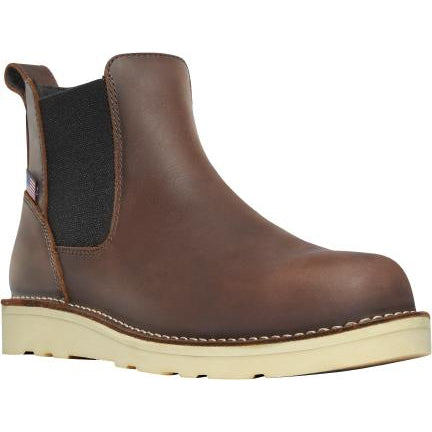
Danner Bull Run Chelsea 6 Inch Work Boots - Men's Soft Toe Wedge - 15481
Save 6%
Sale price$145.00
Regular price$155.00
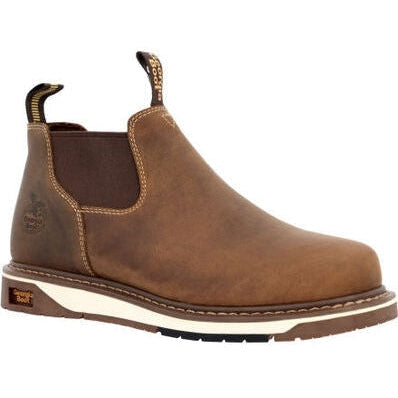
Georgia Men's Boot Amp Lt Wedge 4" Romeo Work Boot - Brown - GB00545
Sale price$114.95
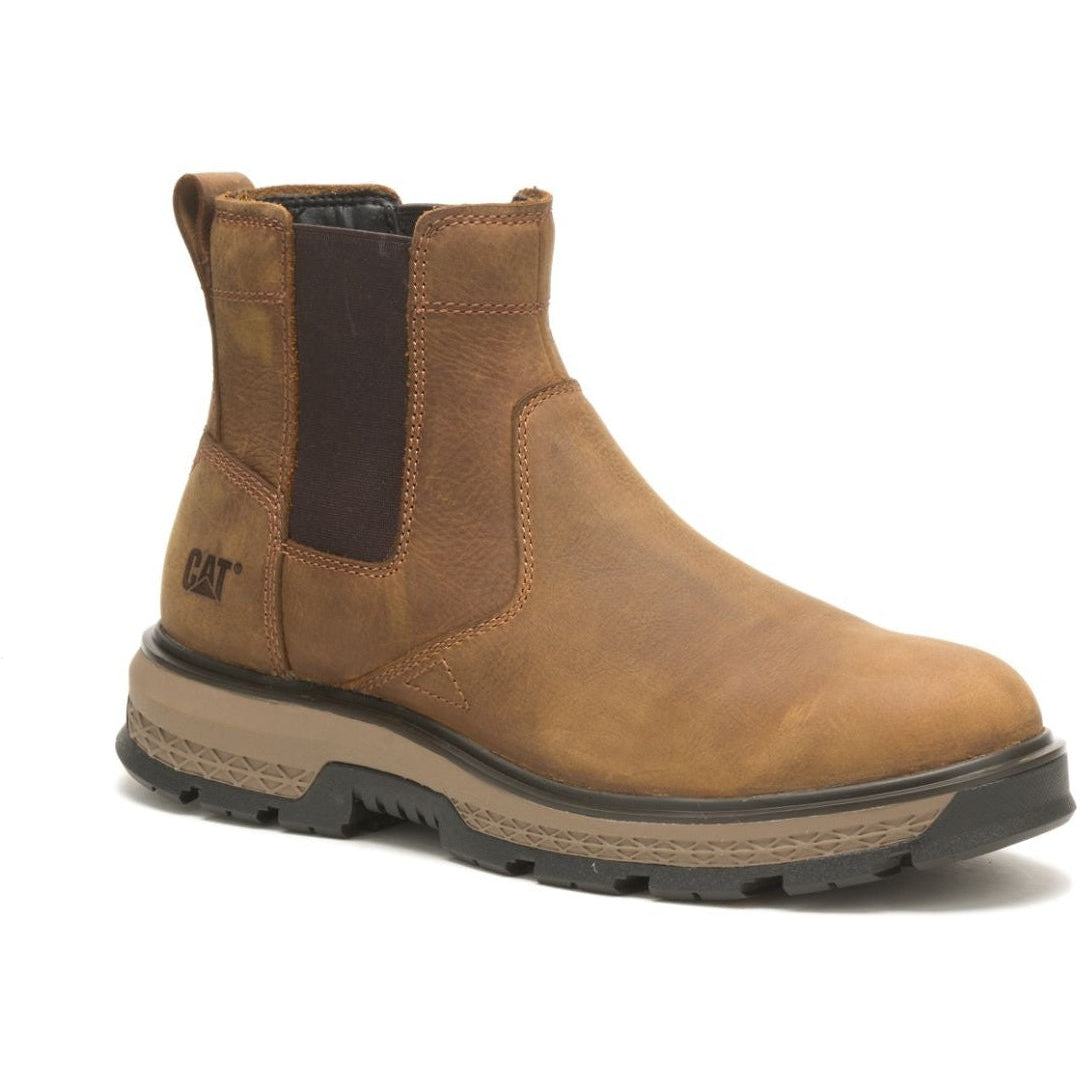
CAT Men's Exposition Soft Toe Chelsea Work Boot - Pyramid - P51060
Save 6%
Sale price$249.95
Regular price$266.00
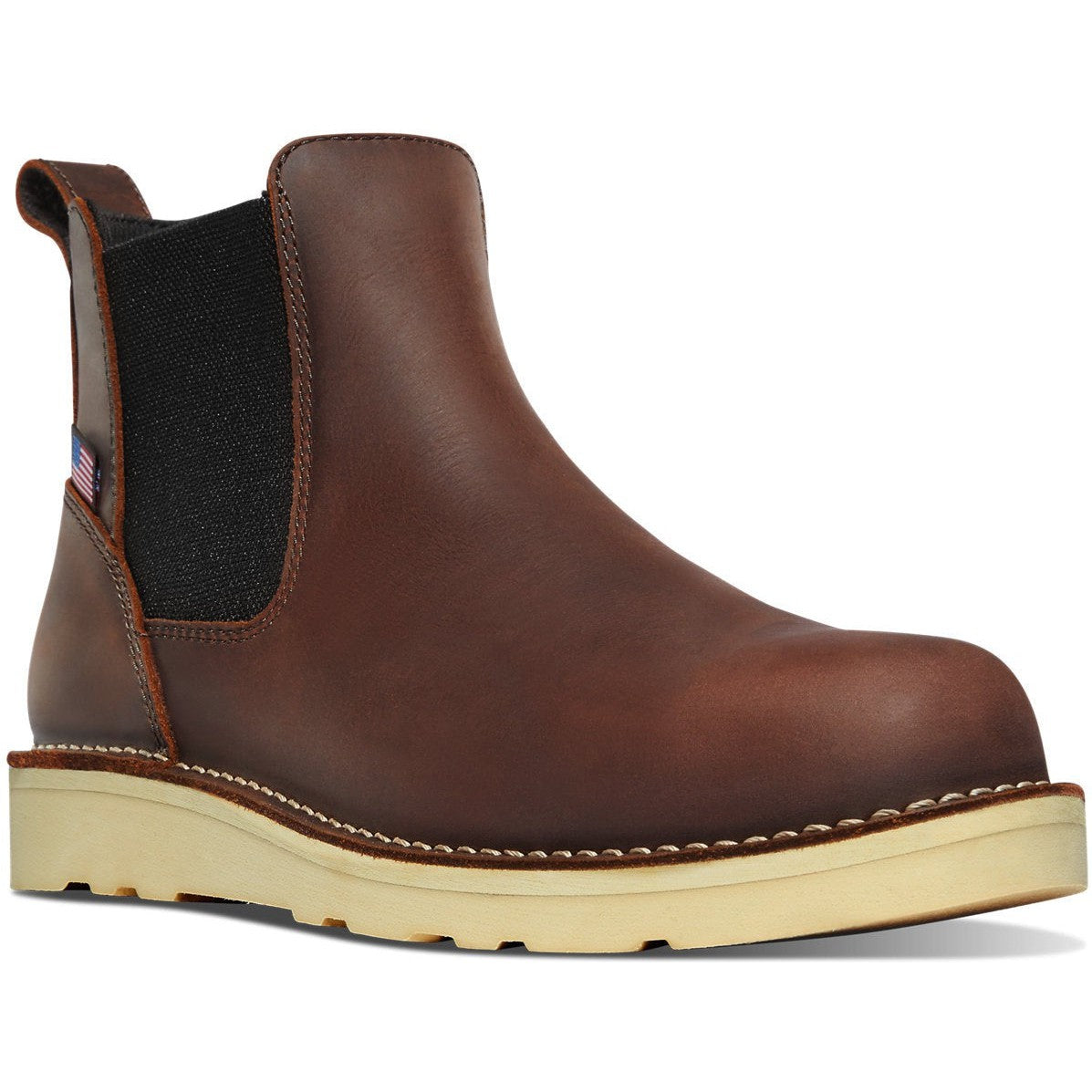
Danner Men's Bull Run 6" Steel Toe Chelsea Work Boot -Brown- 15484
Save 7%
Sale price$125.00
Regular price$135.00
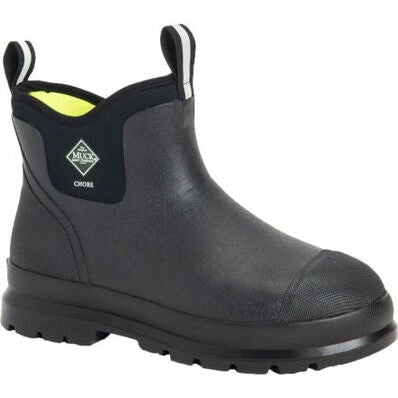
Muck Men's Chore Classic Chelsea Waterproof Work Boot - Black - CHC-000A
Save 6%
Sale price$161.50
Regular price$171.50
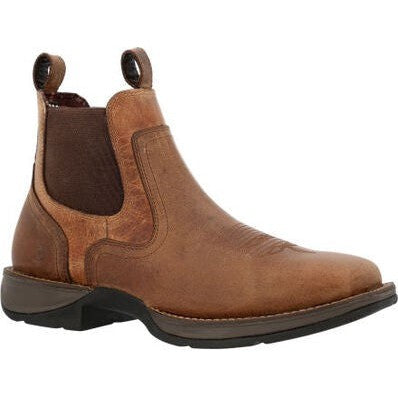
Durango Men's Rebel Red Dirt 6" Square Toe Western Work Boot - Brown and Tan - DDB0460
Sale price$149.99
Regular price$154.00
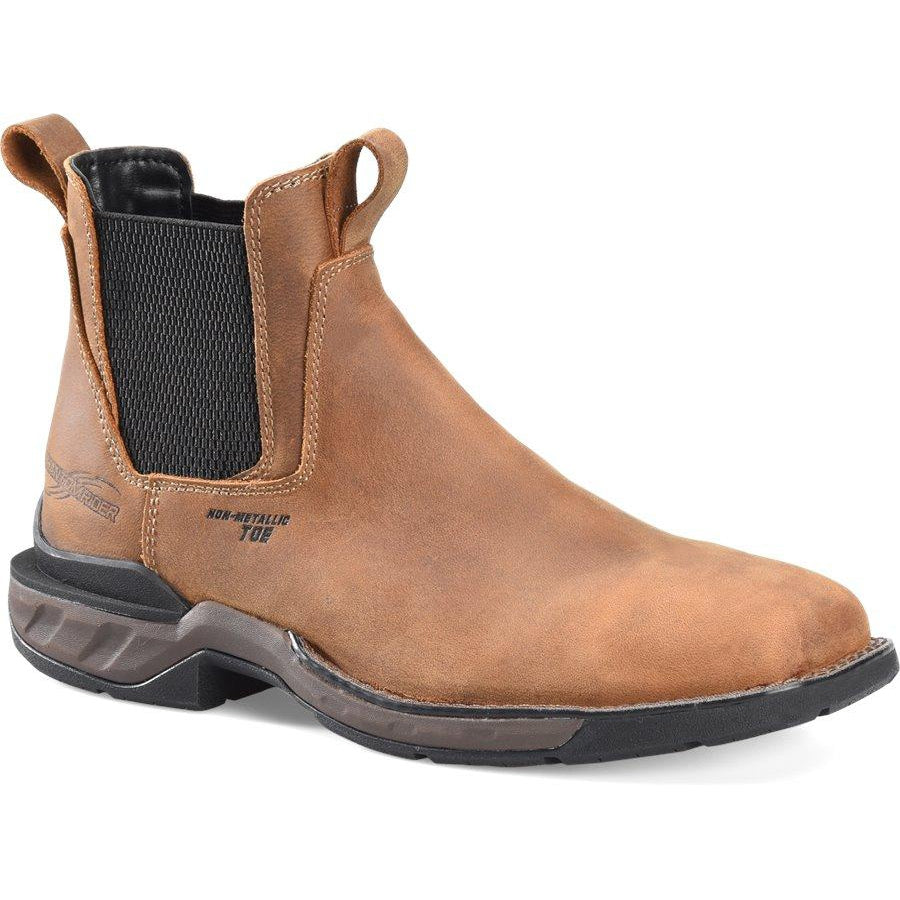
Double H Men's Heisler 5" Composite Toe Western Work Boot - Brown - DH5368
Save 7%
Sale price$129.95
Regular price$140.00
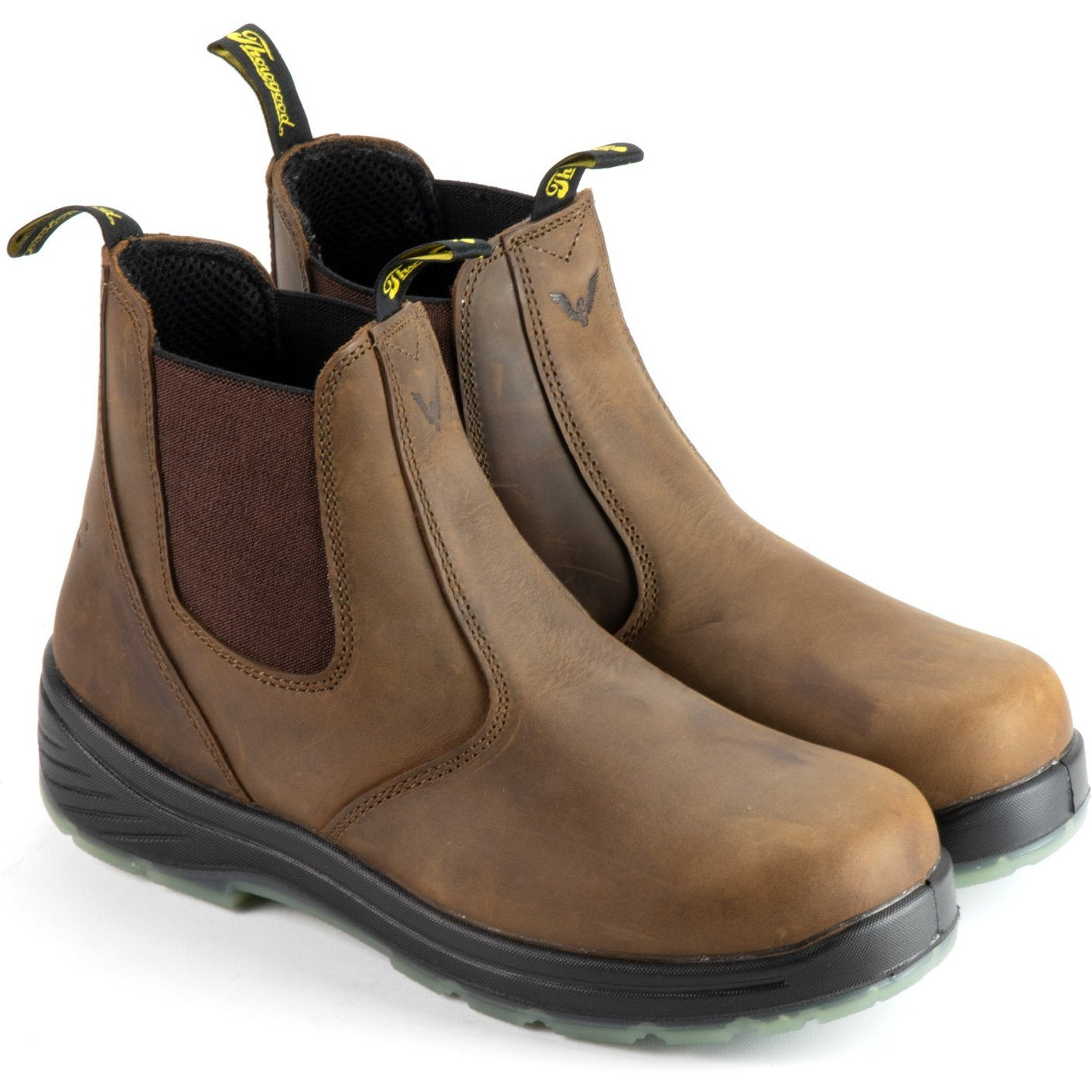
Thorogood Men's Thoro-Flex Series 6" Composite Toe Pull-On Work Boot- 804-3166
Save 6%
Sale price$165.00
Regular price$175.00
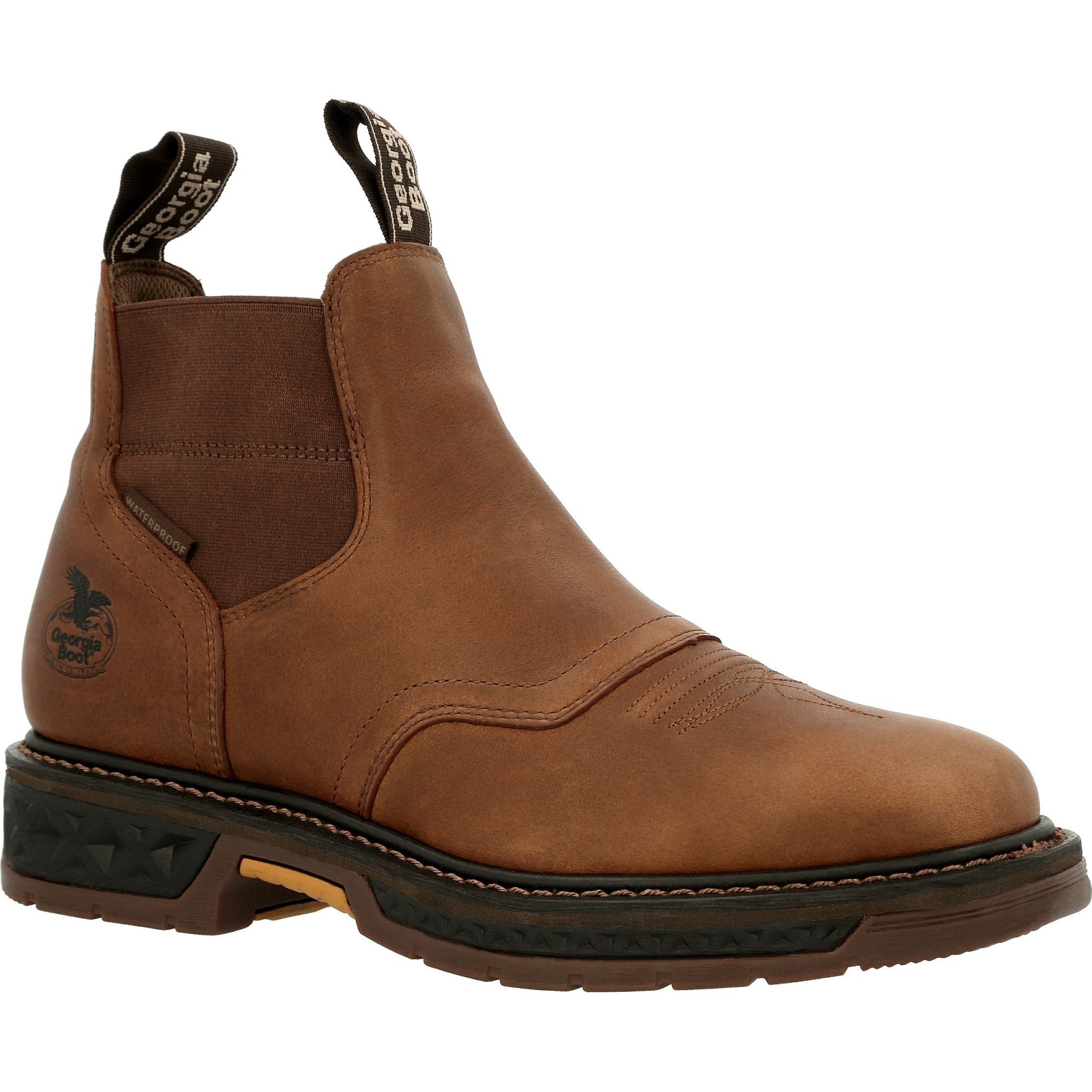
Georgia Men's Carbo-Tec Lightweight 6" Soft Toe Waterproof Work Boot - Brown - GB00434
Save 6%
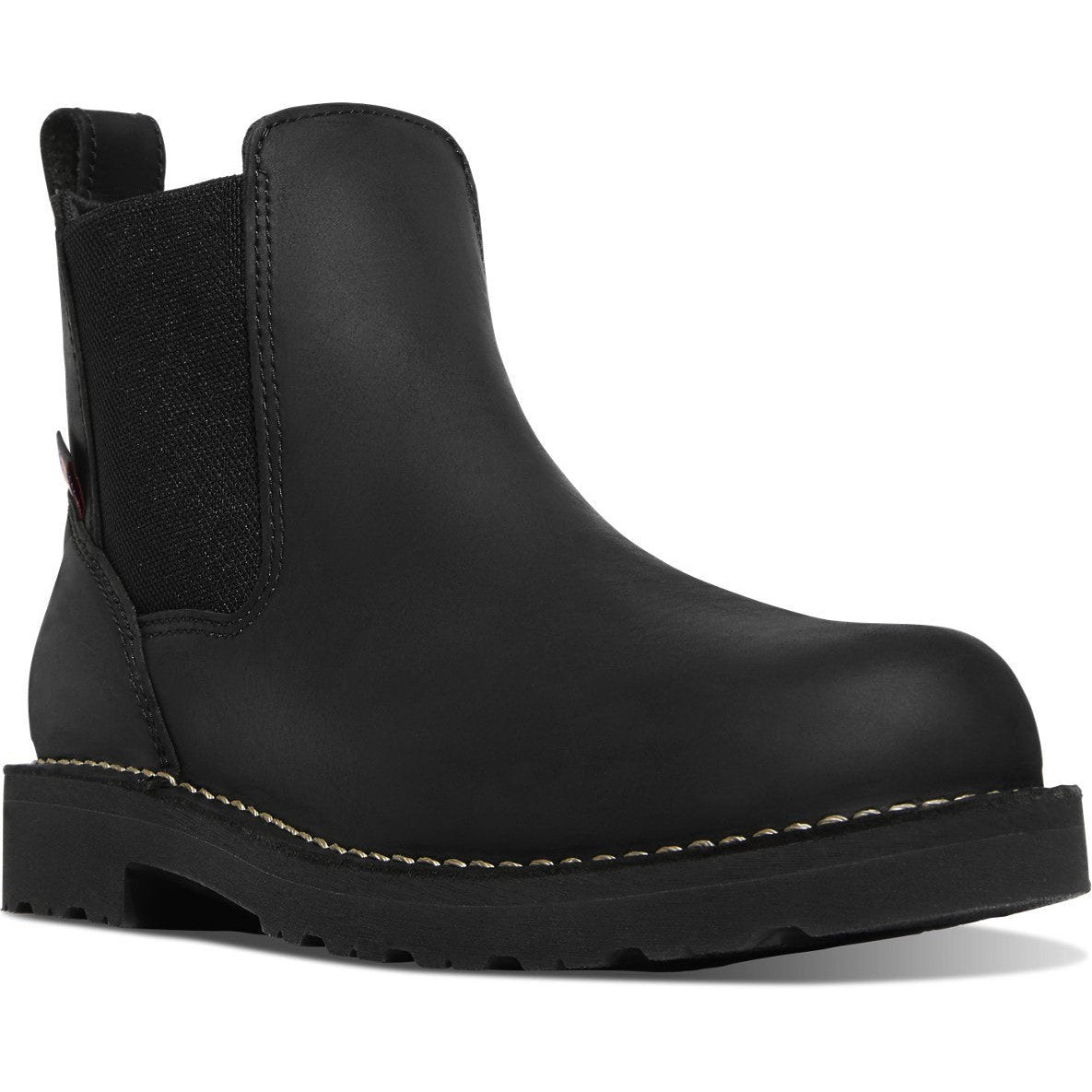
Sale price$239.95
Regular price$256.00
Danner Men's Bull Run 6" Plain Toe Chelsea Work Boot -Black- 15483
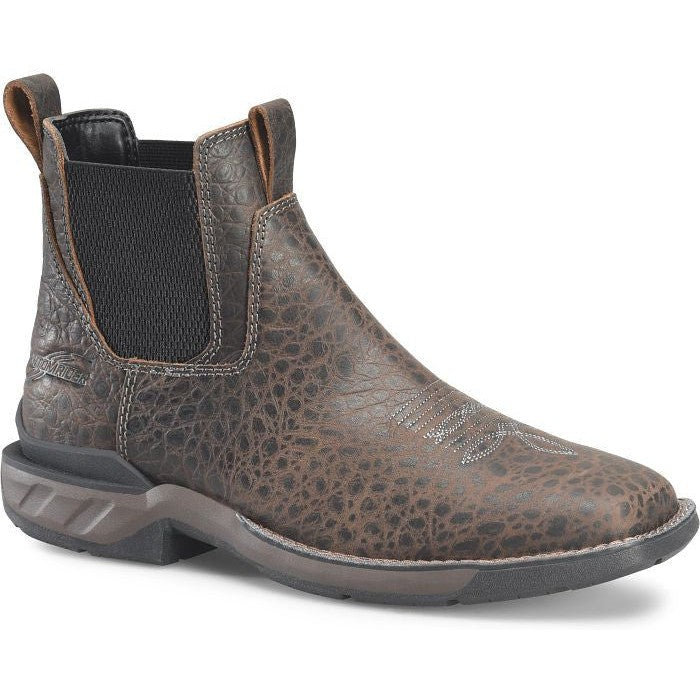
Sale price$124.99
Double H Men's Phantom Rider Crestone 6" Romeo Work Boot -Brown- PH5008
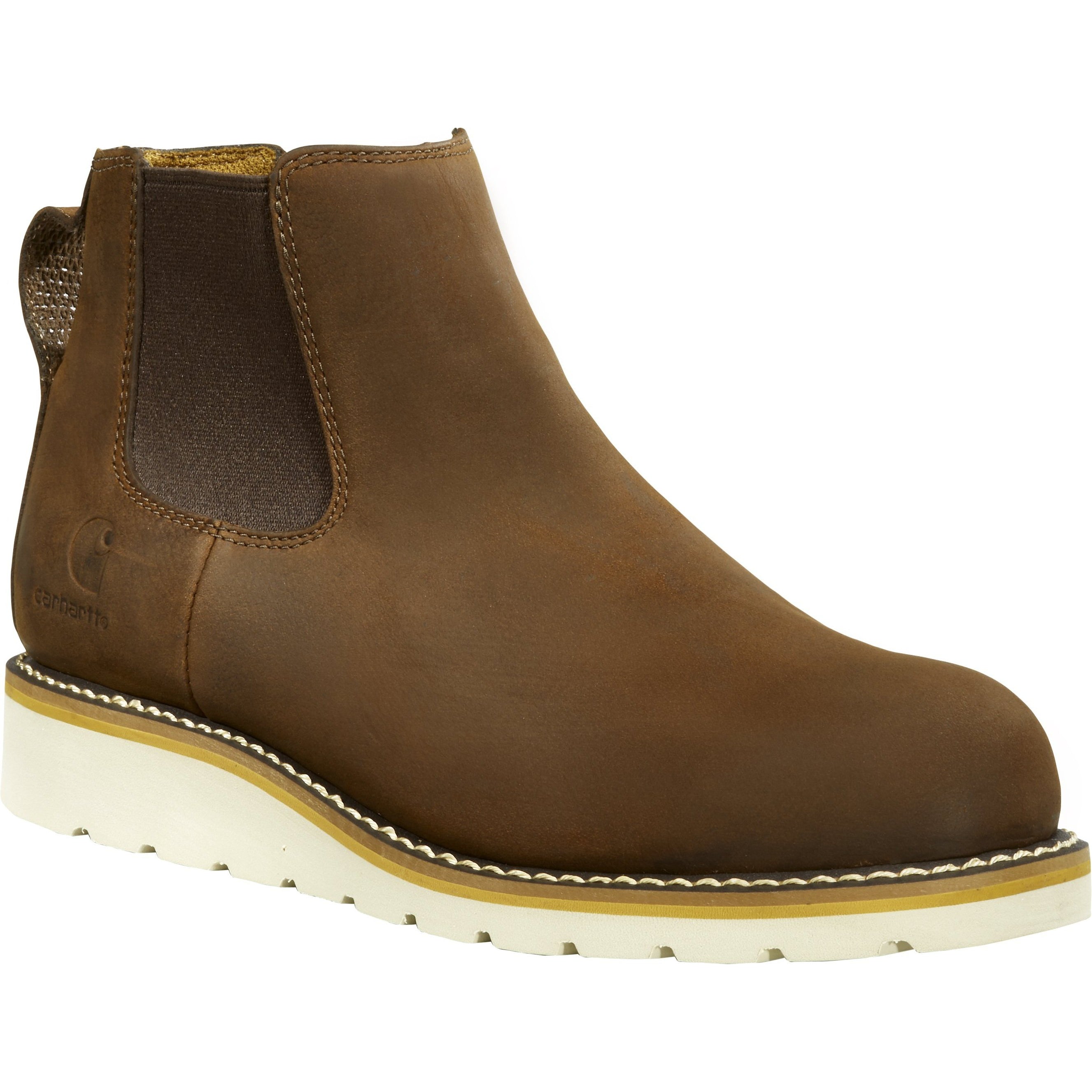
Save 11%
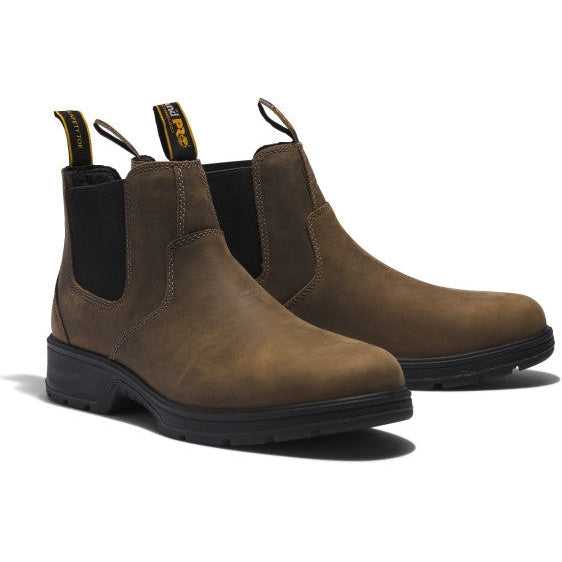
Sale price$164.95
Regular price$185.00
Timberland PRO Men's Nashoba Composite Toe Chelsea Work Boot - Brown - TB1A2CFX214
Save 6%
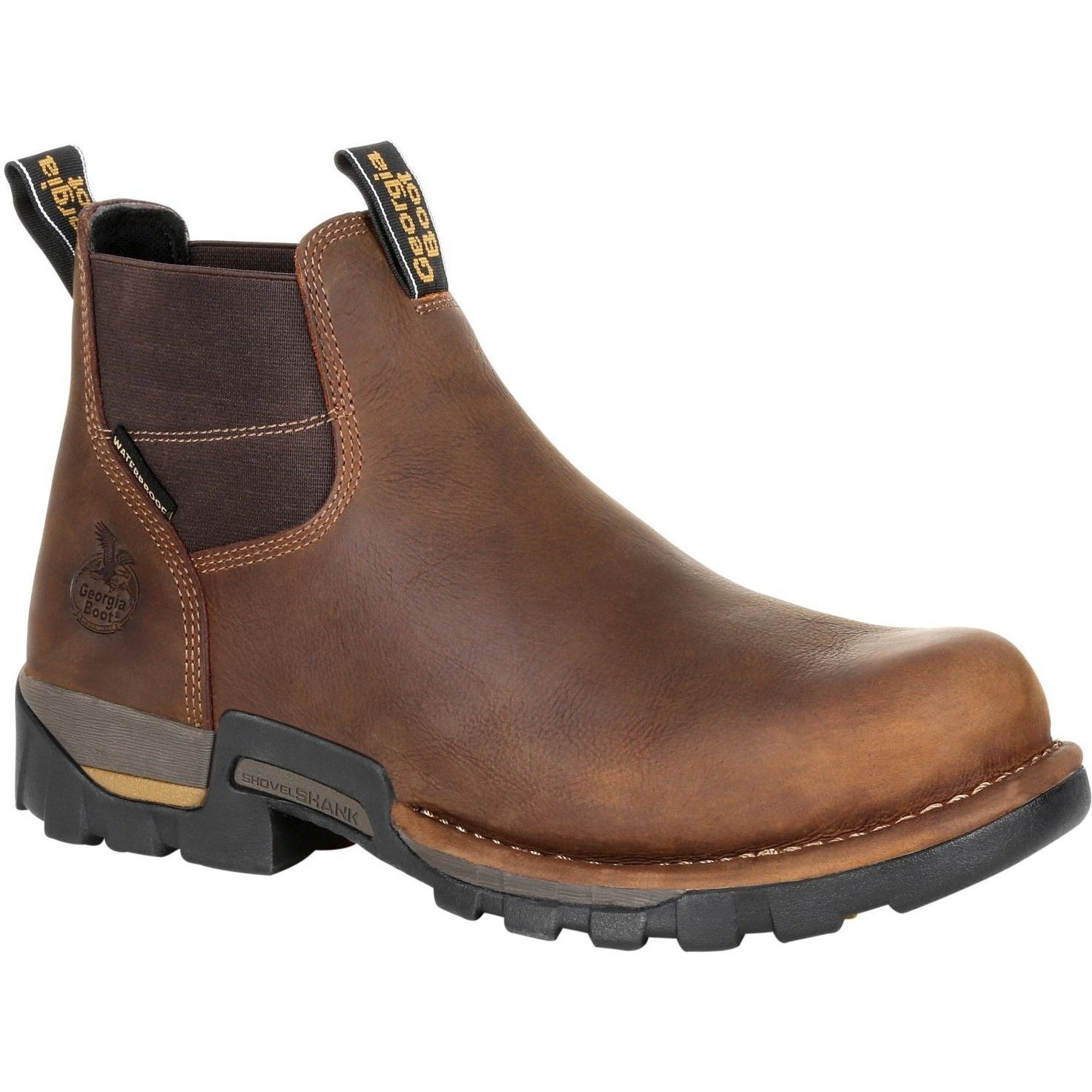
Sale price$160.00
Regular price$170.00
Georgia Men's Eagle One Soft Toe Waterproof Chelsea Work Boot - Brown - GB00315
Save 9%

Sale price$159.95
Regular price$175.00
Timberland PRO Men's Nashoba Soft Toe Waterproof Chelsea Work Boot - Brown - TB1A2NY3214
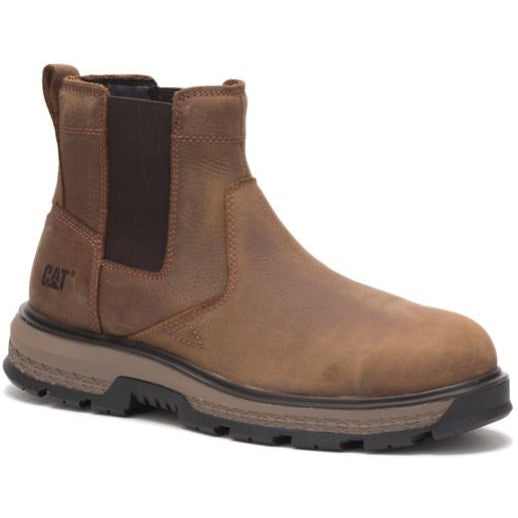
Sale price$119.95
CAT Men's Exposition Alloy Toe Chelsea Work Boot - Pyramid - P91369
Save 7%
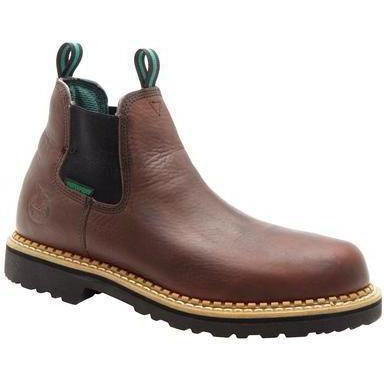
Sale price$140.00
Regular price$150.00
Georgia Men's Giant High Romeo Waterproof Work Boot - Brown - GR500
Save 14%
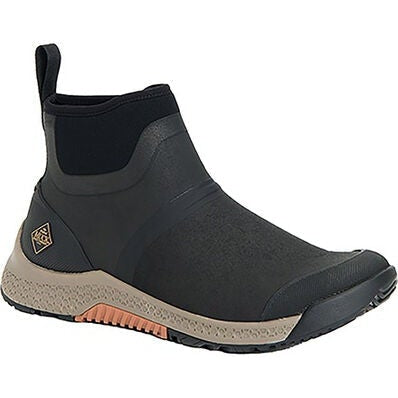
Sale price$120.00
Regular price$140.00
Muck Men's Outscape Chelsea Waterproof Work Boot - Black - OSC-000
Save 6%
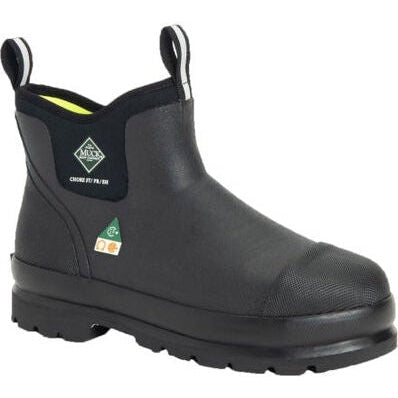
Sale price$160.00
Regular price$170.00
Muck Men's CC Chelsea Steel Toe Waterproof Puncture Resistant Work Boot - Black - CCST-CSA
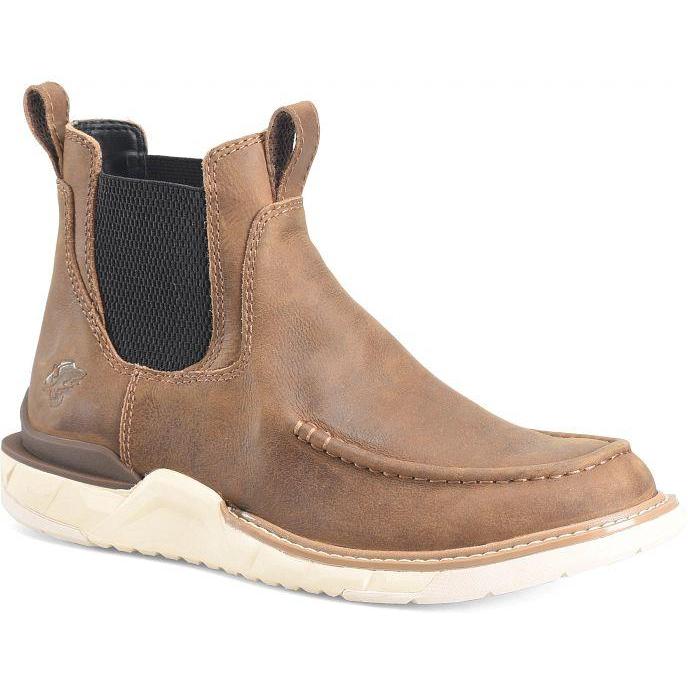
Sale price$129.99
Regular price$136.00
Phantom Rider Men's Amos 6" Moc Toe Chelsea Work Boot - Brown- PH5038
Save 6%
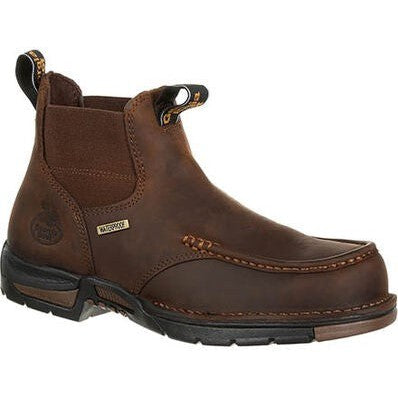
Sale price$160.00
Regular price$170.00
Georgia Men's Athens 5" Moc Toe Waterproof Chelsea Work Boot -Brown- GB00156
Save 11%
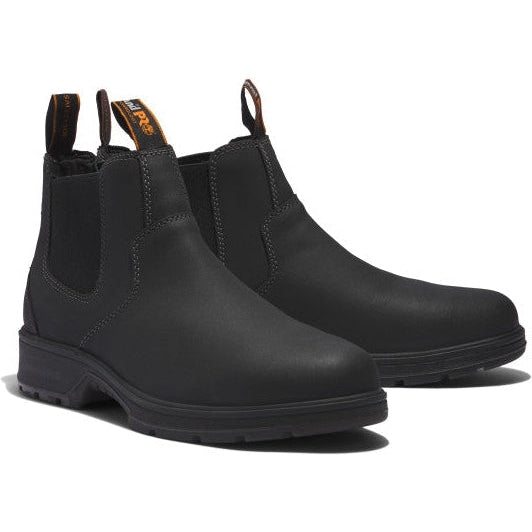
Sale price$164.95
Regular price$185.00
Timberland PRO Men's Nashoba Composite Toe Waterproof Chelsea Work Boot - Black - TB1A2P3R001
Save 7%
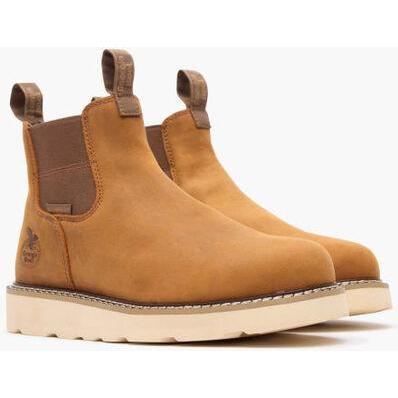
Sale price$140.00
Regular price$150.00
Georgia Men's Core 37 6" Soft Toe Waterproof Chelsea Work Boot - Barracuda - GB00694
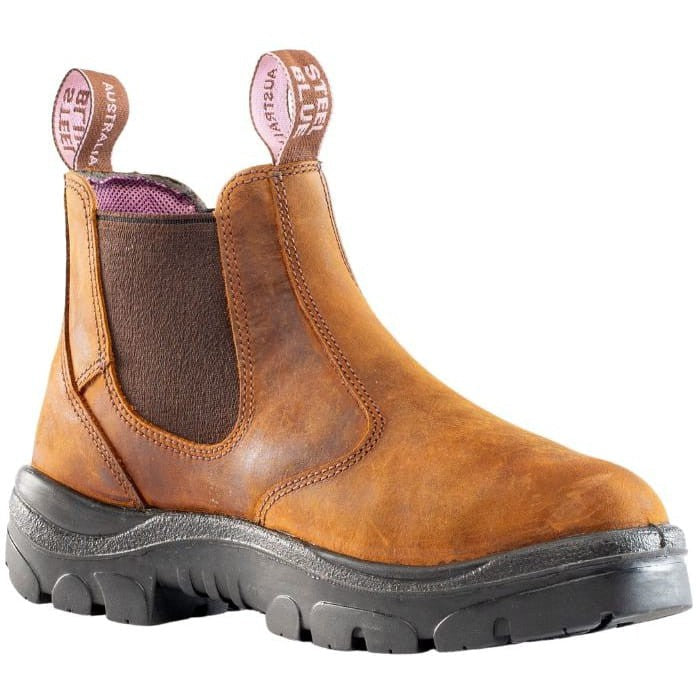
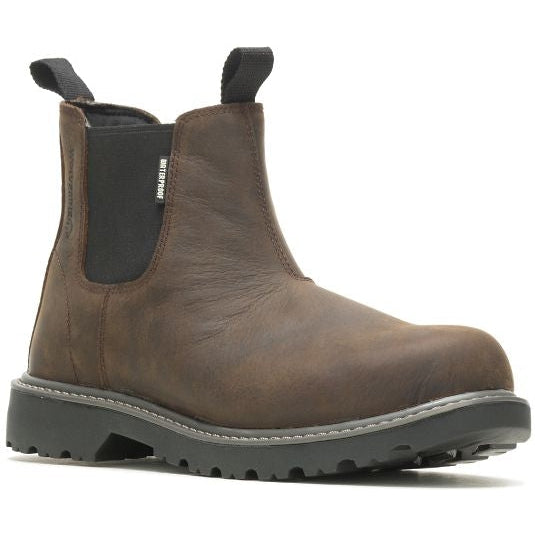
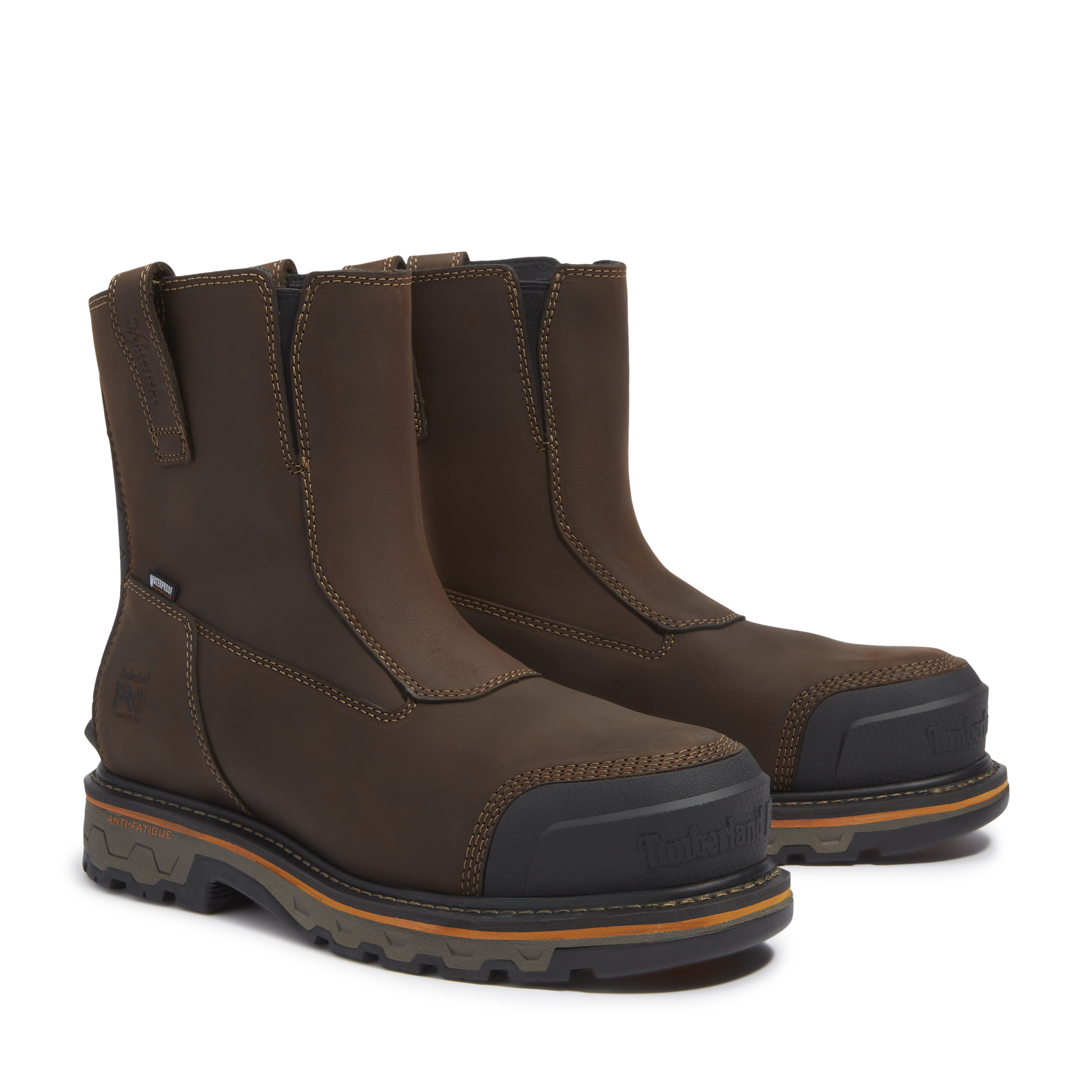
Sale price$190.00
Regular price$195.00
Timberland PRO Men's True Grit Composite Toe Waterproof Chelsea Work Boot - Brown - TB0A67QKW01
Save 6%
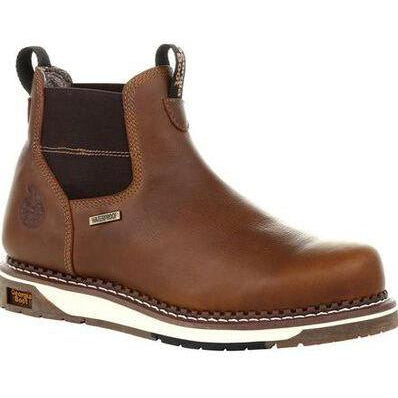
Sale price$165.00
Regular price$175.00
Georgia Men's Wedge Chelsea Soft Toe Waterproof Wedge Work Boot - Brown - GB00352
Save 6%
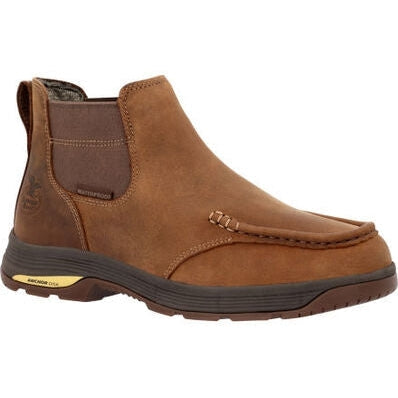
Sale price$170.00
Regular price$180.00
Georgia Men's Athens Superlyte Waterproof Chelsea Work Boot -Brown- GB00548
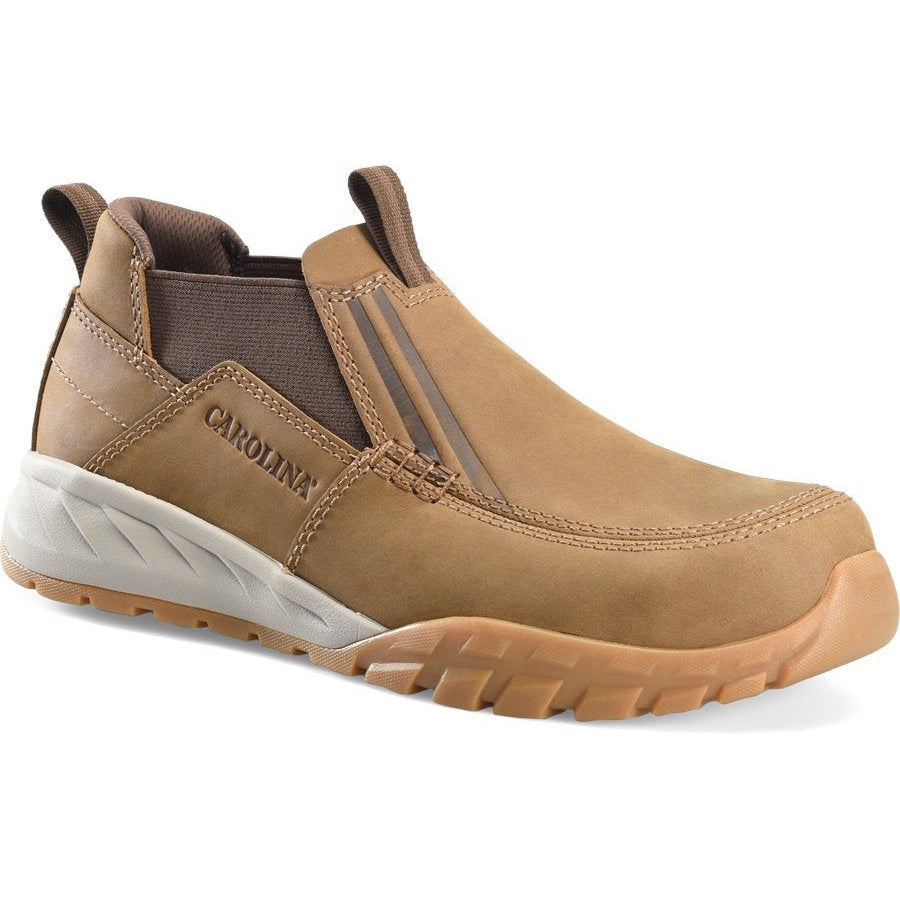
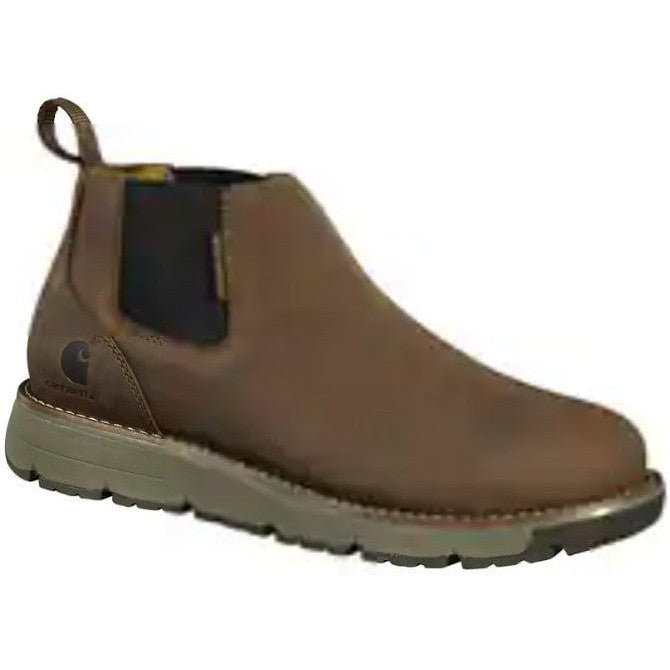
Sale price$149.99
Carhartt Men's Millbrook 4" Soft Toe Wedge Work Boot- Brown- FM4000-M
Save 6%
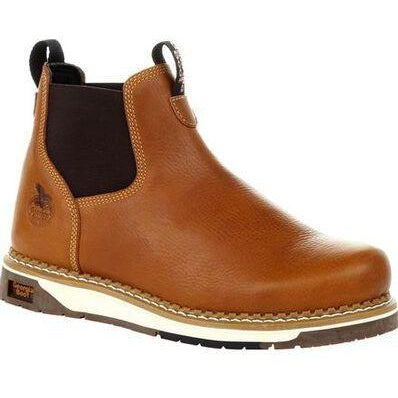
Sale price$160.00
Regular price$170.00
Georgia Men's Amped Lightweight Wedge Soft Toe Chelsea Work Boot - Brown - GB00346
Save 6%
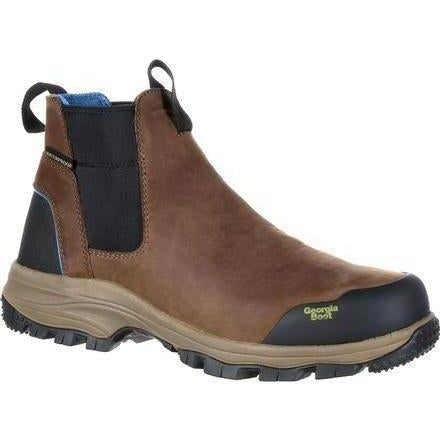
Sale price$150.00
Regular price$160.00
Georgia Men's Blue Collar Chelsea Waterproof Work Romeo Boot - GB00106
Save 6%
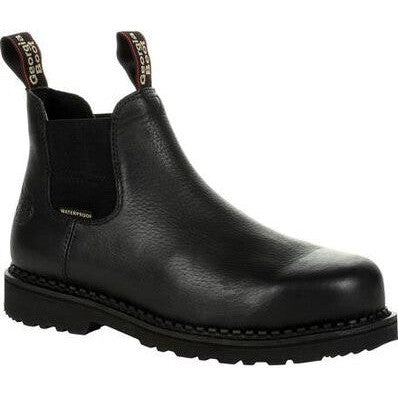
Sale price$145.00
Regular price$155.00
Georgia Men's Giant 6" Waterproof Slip Resistant Chelsea Work Boot -Black- GB00376
Save 7%
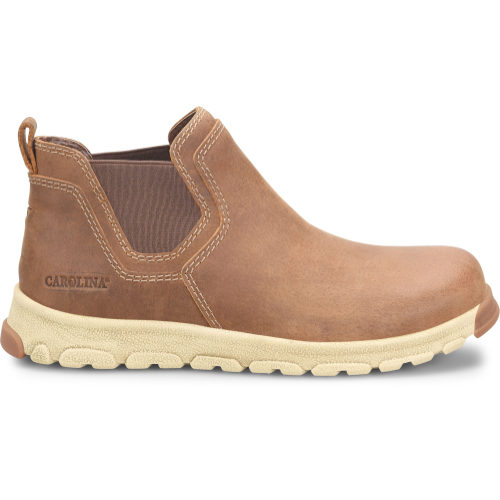
Sale price$139.99
Regular price$150.00
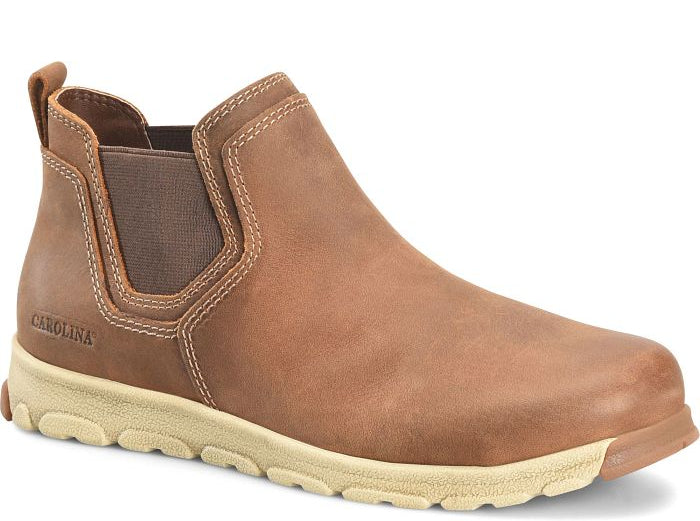
Carolina Women's S-117 Electrostatic Dissipative Romeo Alum Toe Lightweight Work Shoe - Brown - CA5671
Frequently Asked Questions
Chelsea work boots come in four toe classes: soft toe, steel toe, composite toe, and alloy toe. A soft toe has no protective cap and is suited to jobs with no impact or compression hazards. Steel and alloy are metal caps, with alloy (aluminum or titanium) running lighter than steel. Composite is a non-metallic cap. All four appear on this page across Georgia, Danner, Double H, and Carolina, and the broader safety-toe boots collection offers the same protection in other closure styles.
Yes, a well-fitted pull-on Chelsea boot gives enough ankle support for most work, though it holds the ankle less rigidly than a laced boot. The elastic gusset and a five- to six-inch shaft steady the ankle, but they cannot cinch down over the instep the way laces do. For flat, stable ground and general trades work, that is plenty. For ladder work, uneven terrain, or a history of rolled ankles, a lace-up or a taller boot locks the foot down more securely.
You need a safety toe when your job carries an impact or compression risk to the foot, and a soft toe is fine when it does not. OSHA and most site rules call for an ASTM F2413 protective toe around heavy tools, pallets, falling stock, or equipment traffic. Electricians, light-load warehouse pickers, and service techs often work well in a soft-toe boot. If your site mandates safety footwear, match the toe to the actual hazards you will encounter.
Neither is better across the board. Steel toes are thinner, so they fit in a slimmer boot, cost less to make, and withstand harder repeated impacts, but they conduct heat and cold and trip metal detectors. Composite toes are made of Kevlar or fiberglass, so they weigh less, retain no heat, and clear detectors, but the cap is bulkier and usually runs pricier. For freezer or cold-weather work, composite boots spare you the cold transfer of steel. For the hardest repeated impact in a close-fitting boot, steel still leads.
Fully waterproof Chelsea work boots use a sealed membrane or rubber construction, while water-resistant boots are treated leather that will eventually get wet in sustained exposure. On this page, the fully waterproof ones include the Ariat Big Rig, the Muck Chore and Outscape, most of the waterproof-tagged Georgia boots, the Carhartt Millbrook, and the Timberland Pro True Grit. A water-resistant leather boot sheds a splash and light rain but soaks in standing water or across a long wet shift. If you stand in mud, water, or wet concrete, buy a boot with a stated waterproof membrane or a rubber upper.
Yes, when the boot has a slip- or oil-resistant outsole, a pull-on work boot holds traction on slick and oily floors as well as a lace-up. Not every boot on this page is rated for it, so check the spec for a slip-resistant boot or oil- and slip-resistant outsole rather than assuming. A lug or wedge outsole in a slip-rated compound channels liquid and grips wet tile, sealed concrete, and shop or kitchen floors. On heavy oil or grease, the outsole compound and tread pattern matter more than the lug depth.
Yes, these boots can carry you through an all-day shift when their footbeds and outsoles are built for standing. Look for a cushioned or replaceable insole, a shock-absorbing midsole, and a wedge outsole, which spreads weight more evenly than a heeled lug on flat indoor surfaces. For long shifts, prioritize the actual comfort specs on the product page: cushioned footbed, shock-absorbing midsole, wedge outsole, and a fit that does not slip at the heel.
Chelsea work boot lifespan depends on the construction, jobsite surface, moisture exposure, and how often the leather is cleaned and conditioned. Cement-construction boots are worn to replacement, while a resoleable pull-on like the Danner Bull Run can be rebuilt when the outsole wears out, which carries it well past the first sole's life.
If your Chelsea boots feel a touch snug across the instep on the first wear, that is usually correct, because the elastic gusset and the leather relax and mold to your foot within a week or two. Buy them to fit firmly out of the box, not loose.