Save 10%
Sale price$314.96
Regular price$349.95
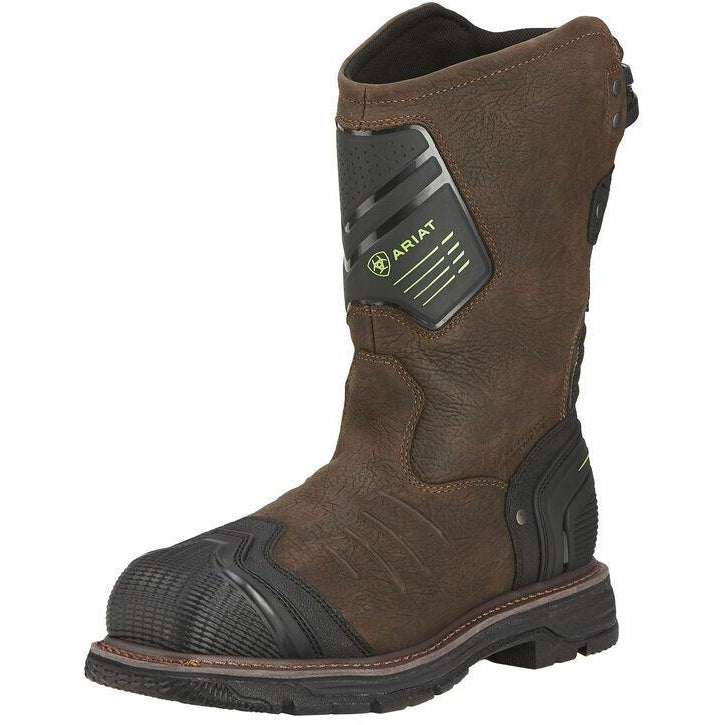
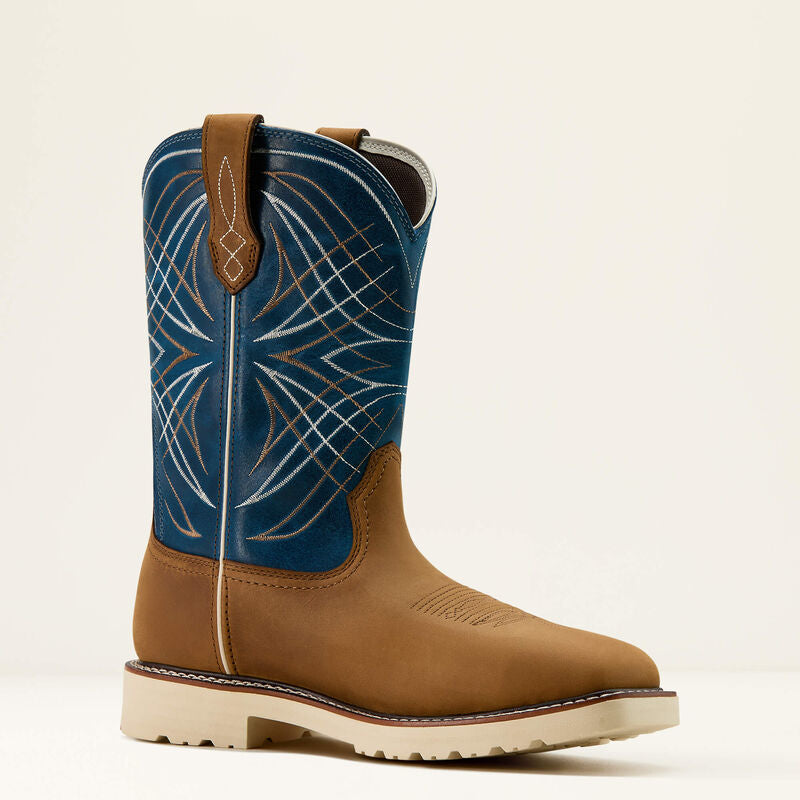
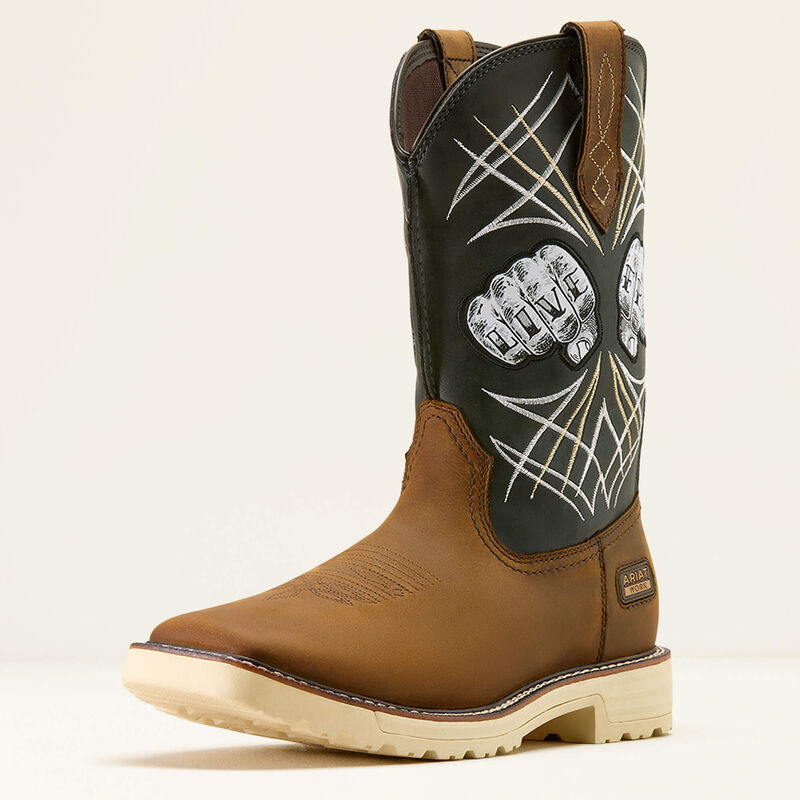
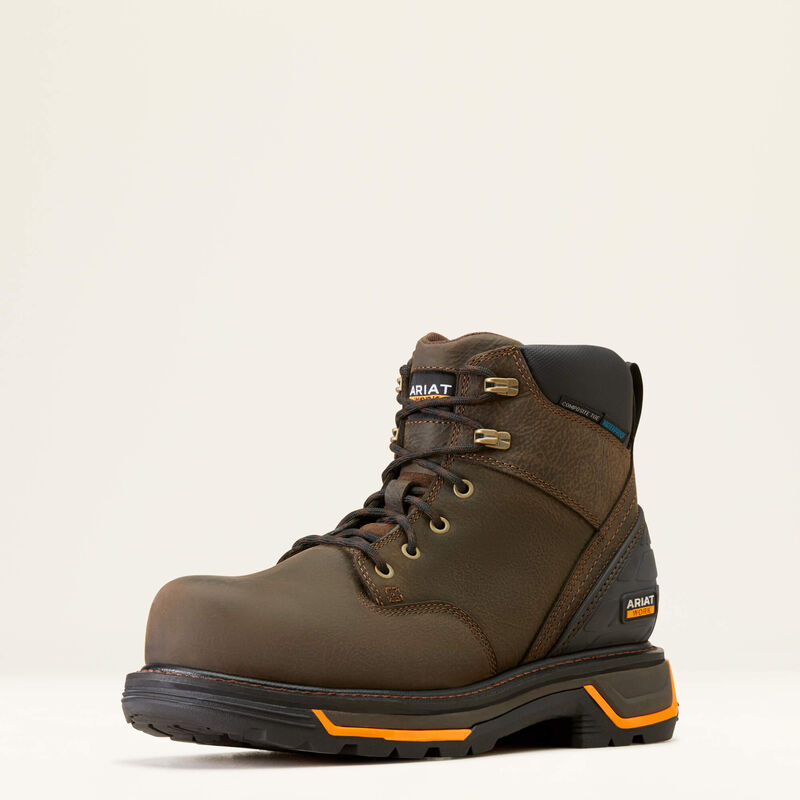
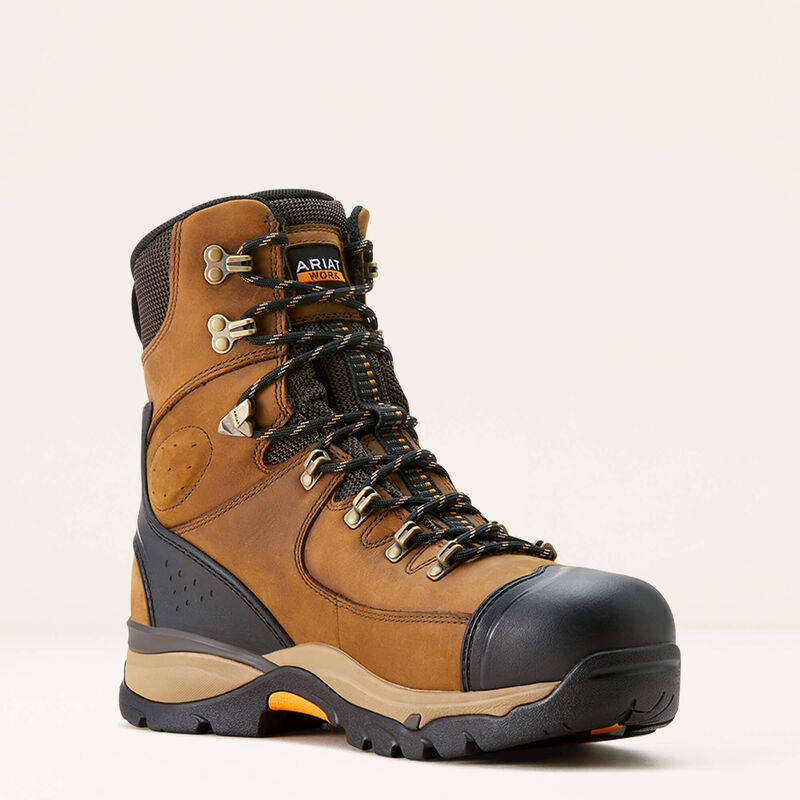
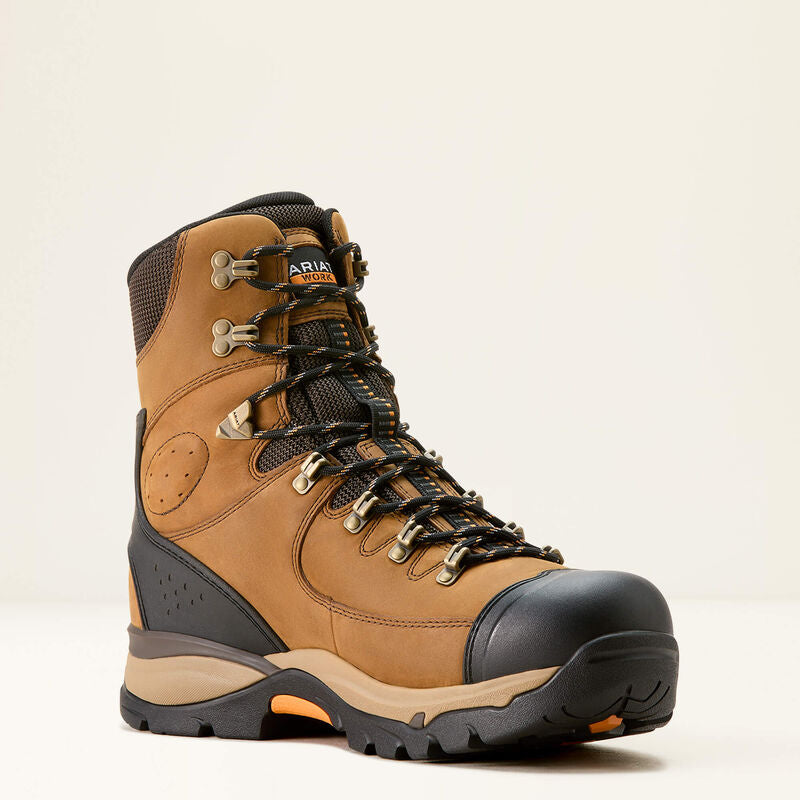
Ariat Catalyst VX Work Boot - Men's 11" Waterproof Composite Toe Brown - 10016253



Save 10%
Sale price$189.95
Regular price$209.95
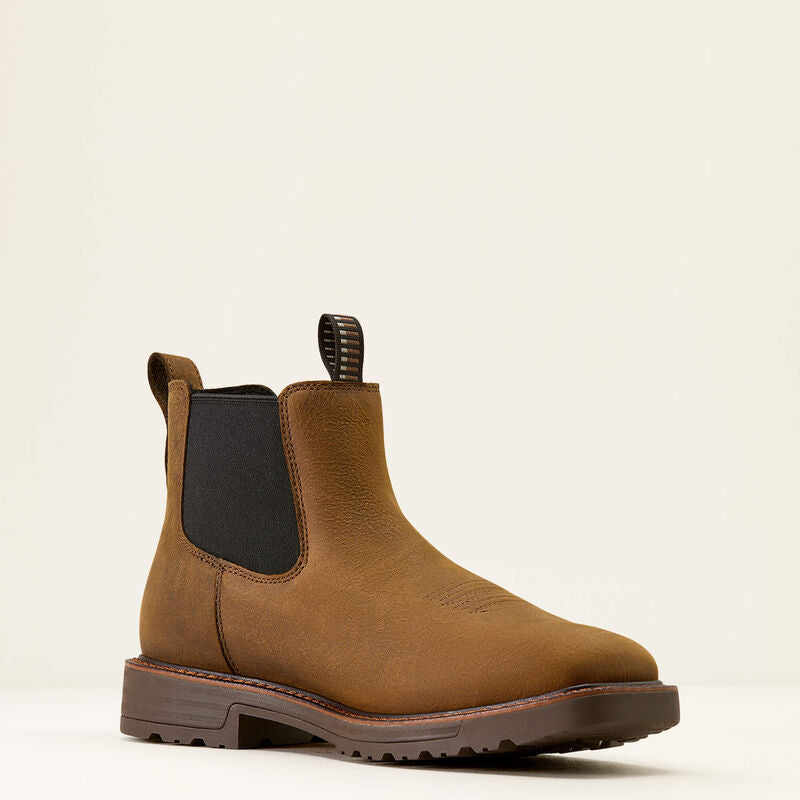
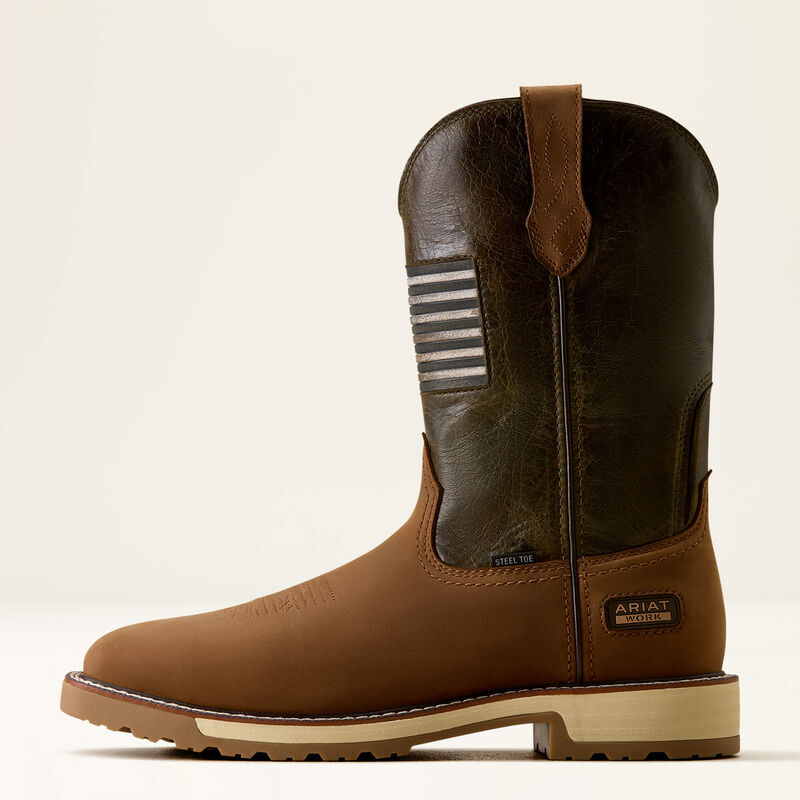
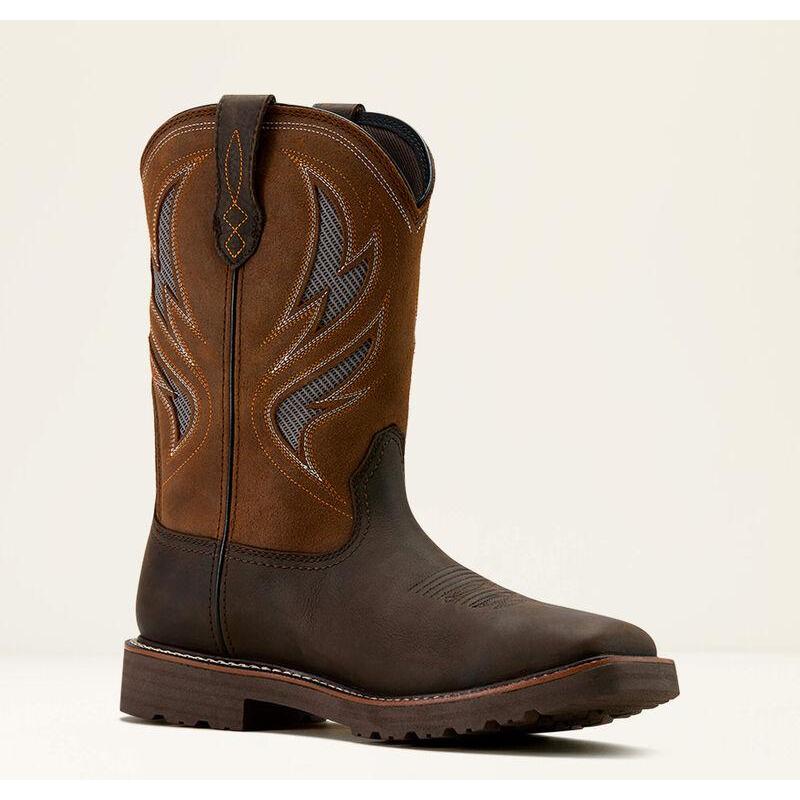
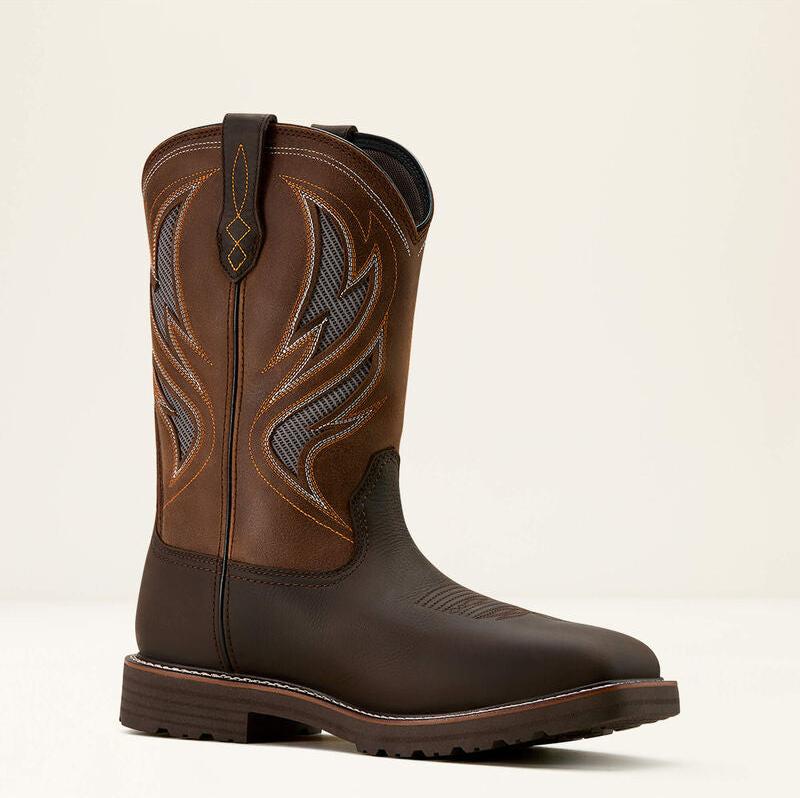
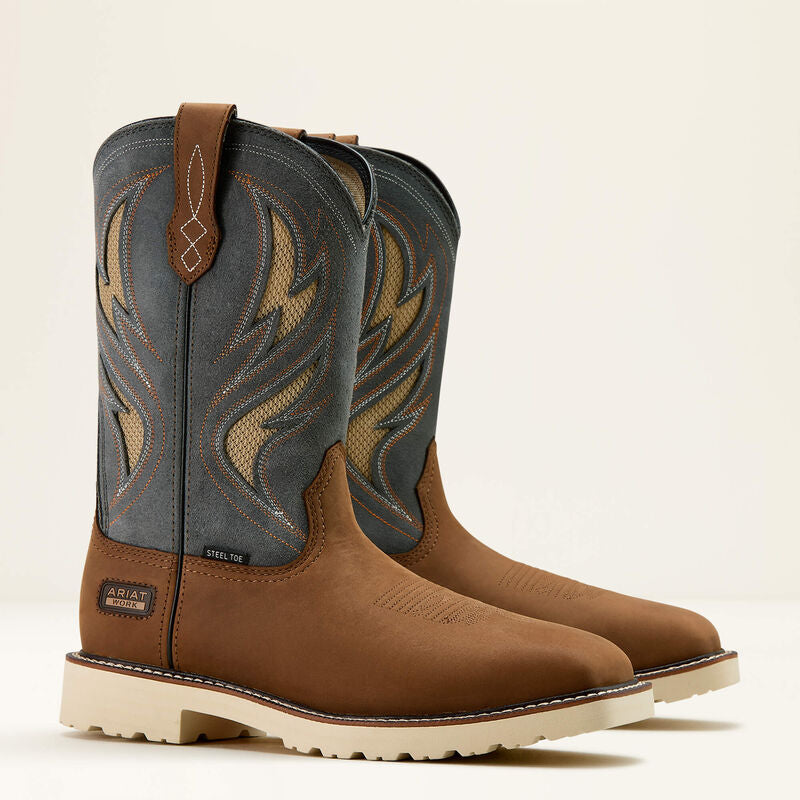
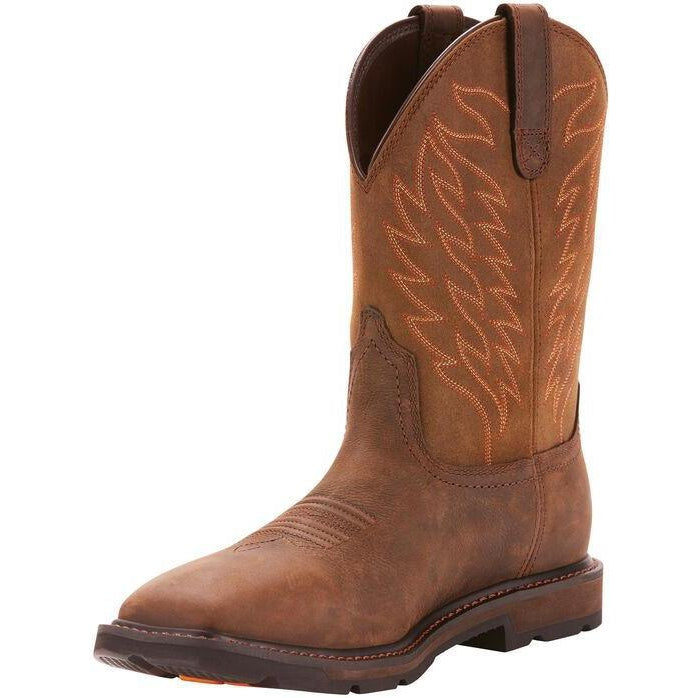
Ariat Men's Activator Patriot Wide Square Toe Steel Toe Work Boot - Brown - 10080468
Save 10%
Sale price$179.95
Regular price$199.95
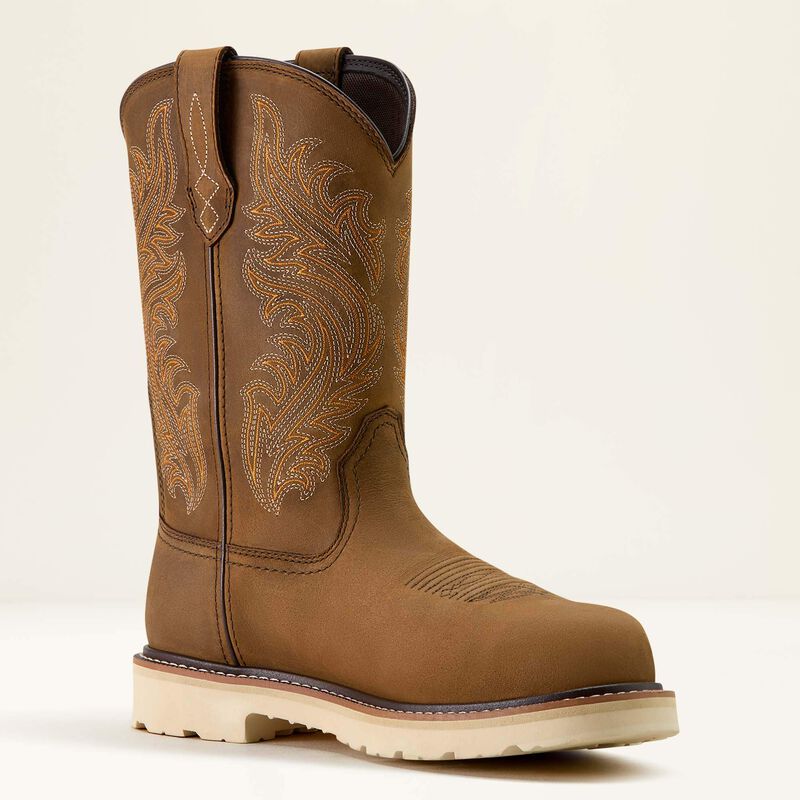
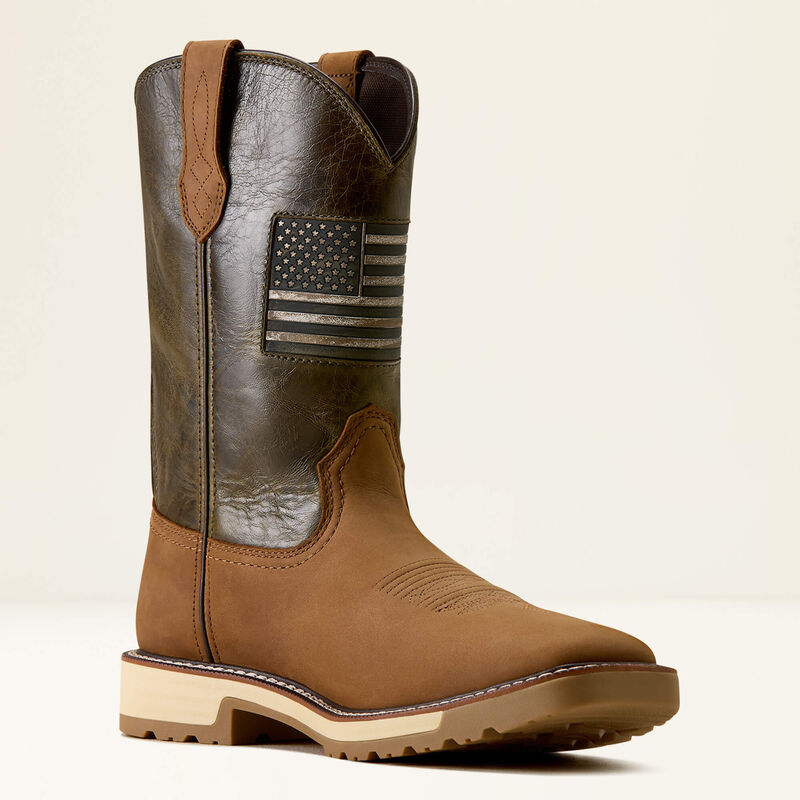
Ariat Men's Activator Patriot Wide Square Toe Work Boot - Brown - 10079675
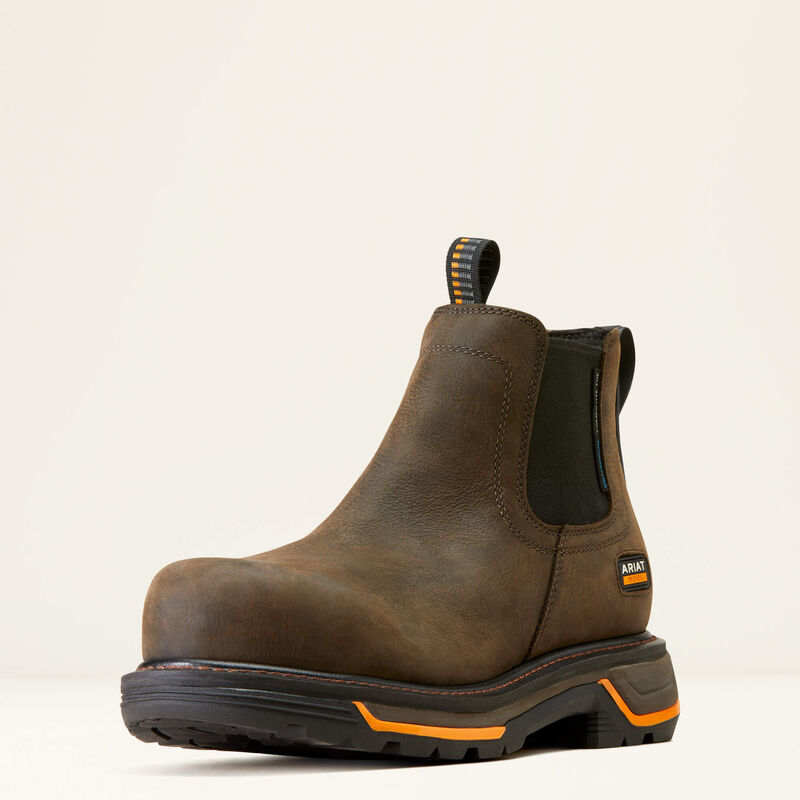
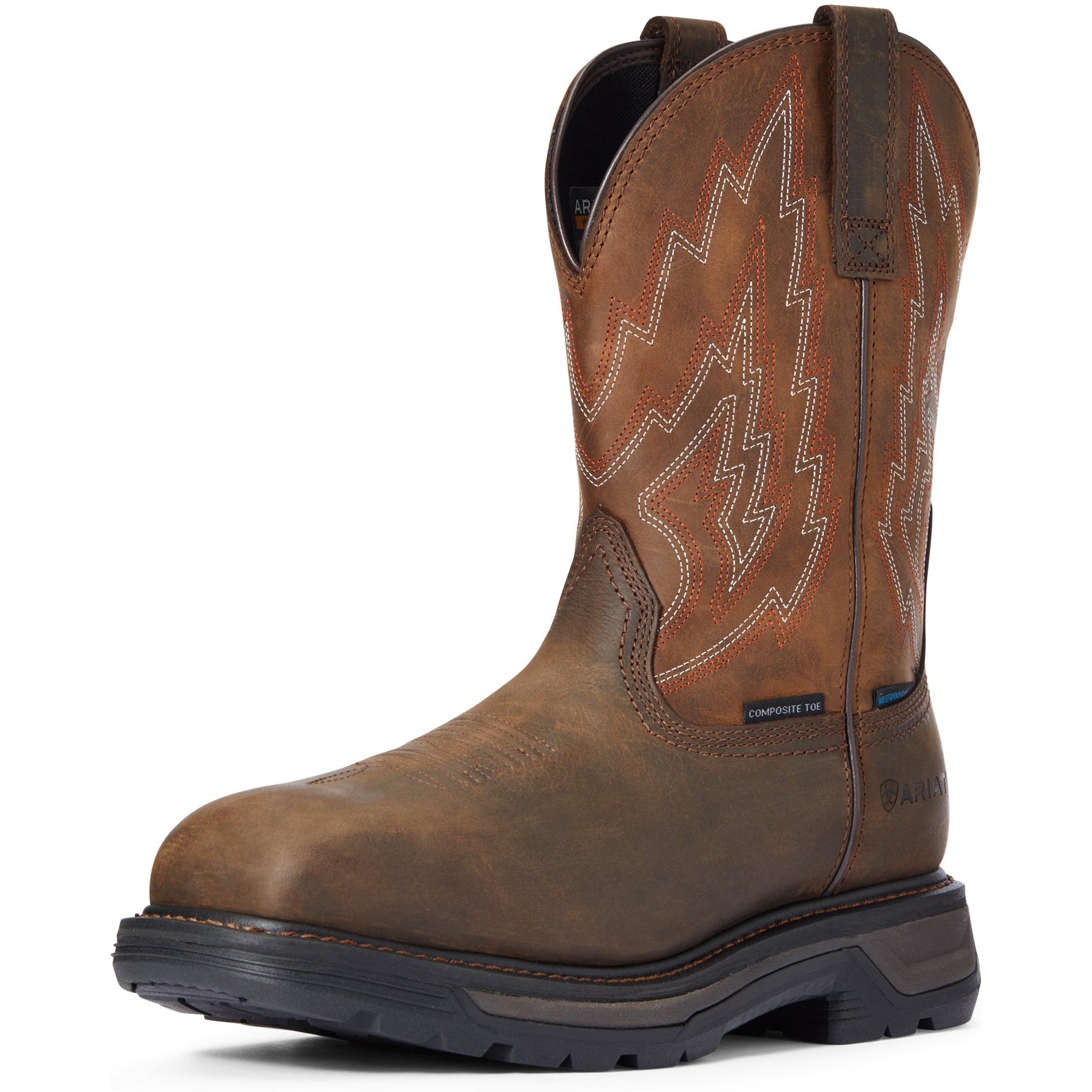
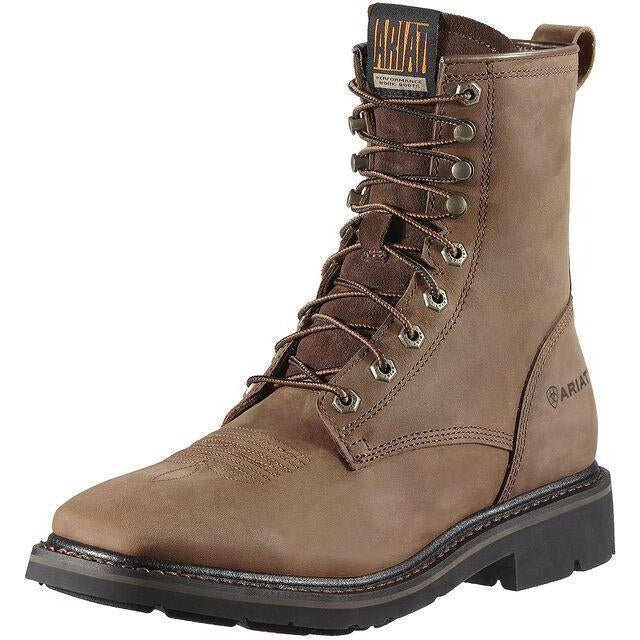
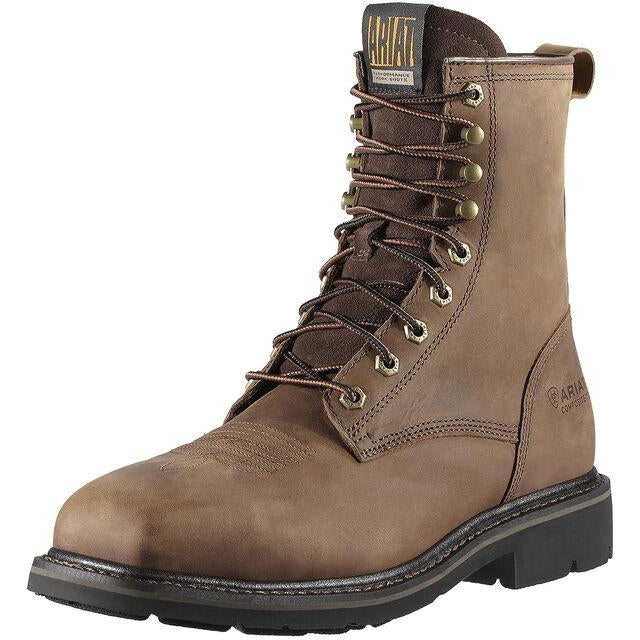
Save 10%
Sale price$310.46
Regular price$344.95
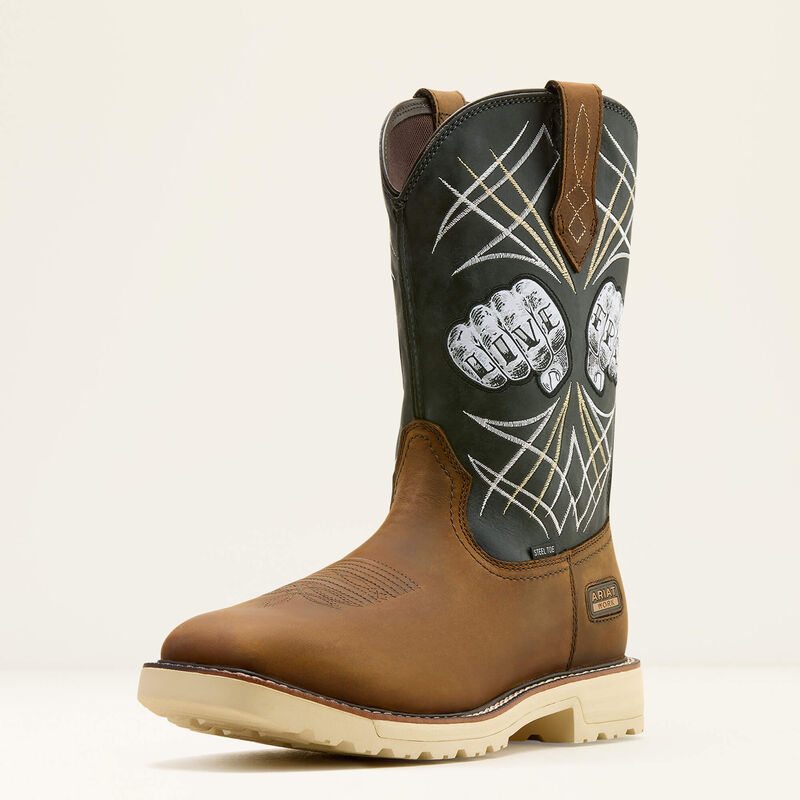
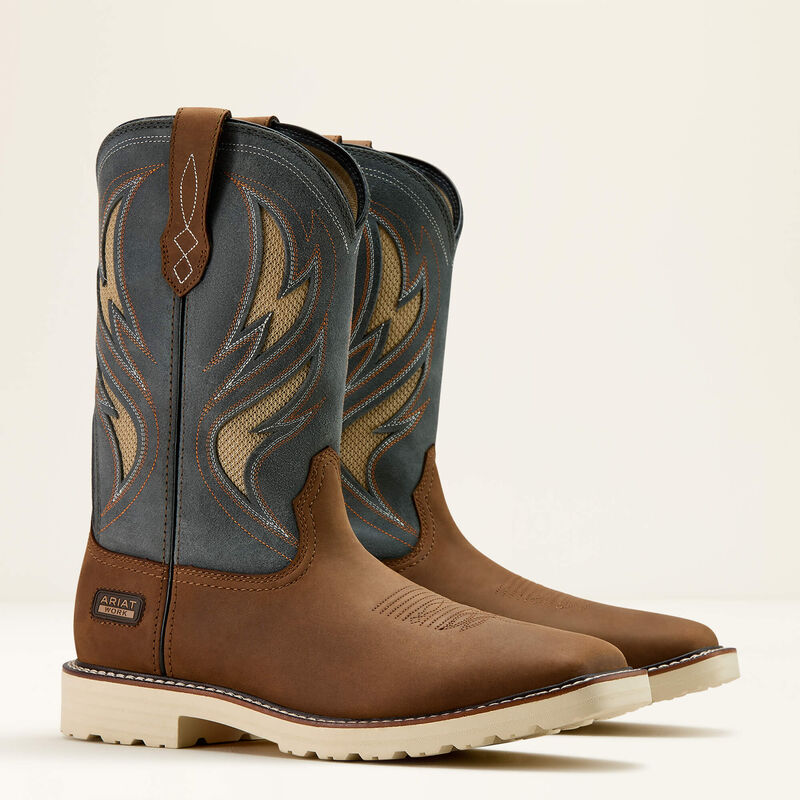
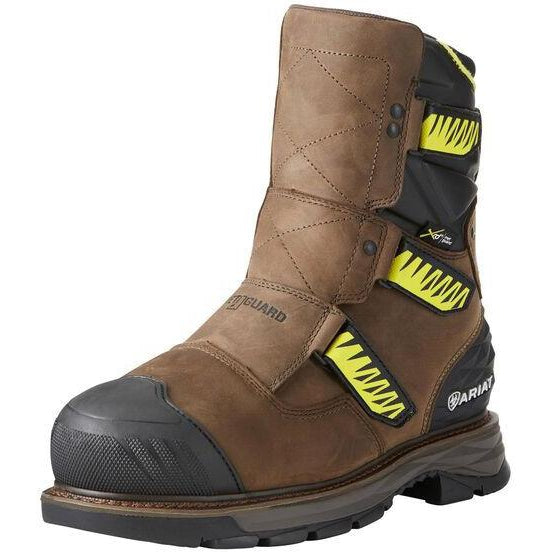
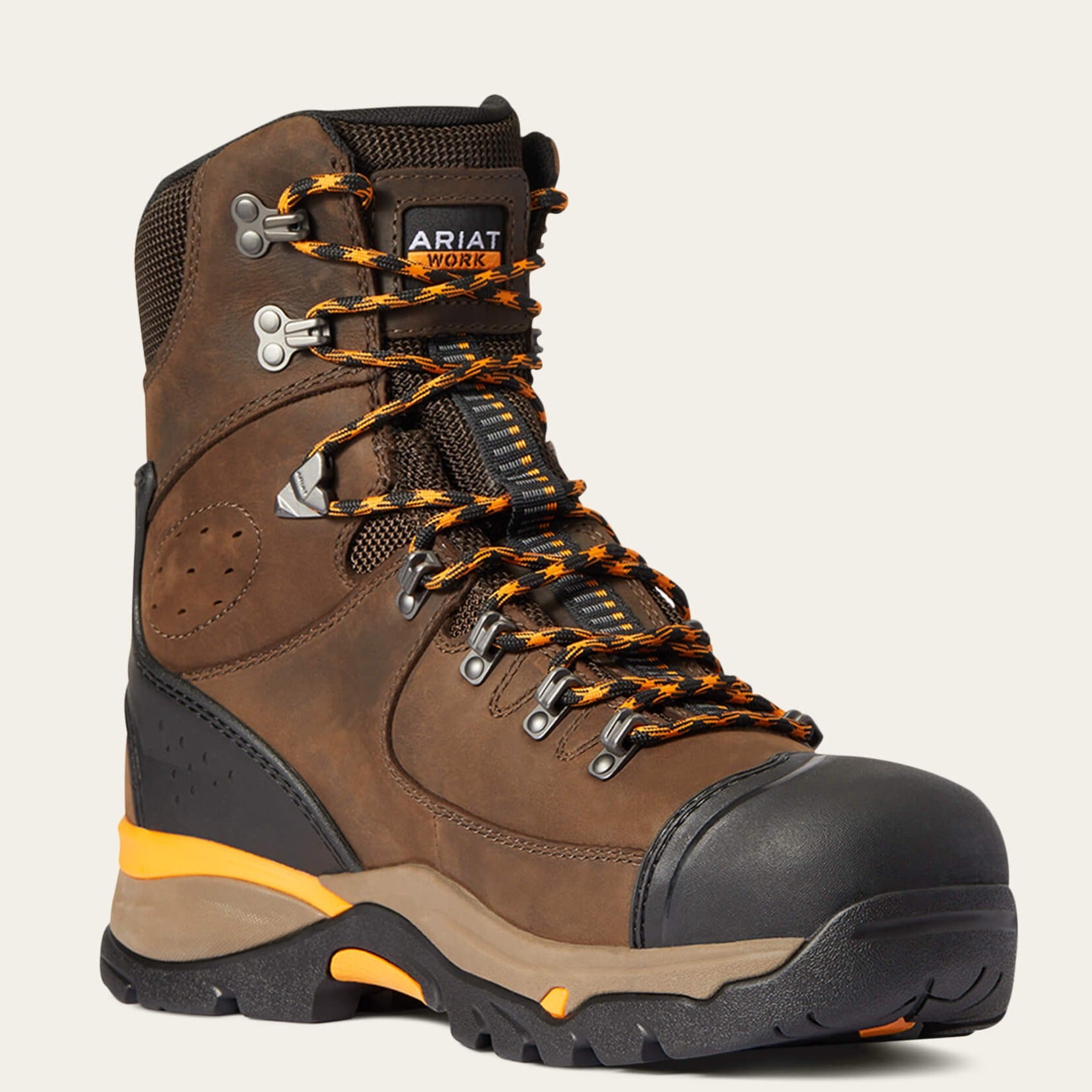
Ariat Men's Catalyst VX 8" Composite Toe Waterproof MetGuard Work Boot - Oily Distressed Brown - 10021706

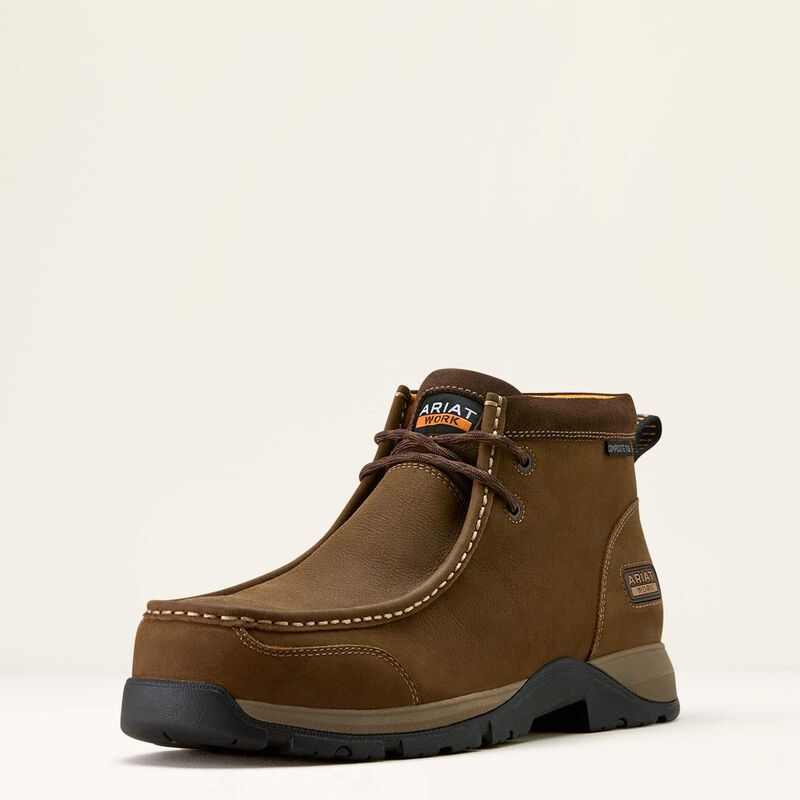
Sale price$159.95
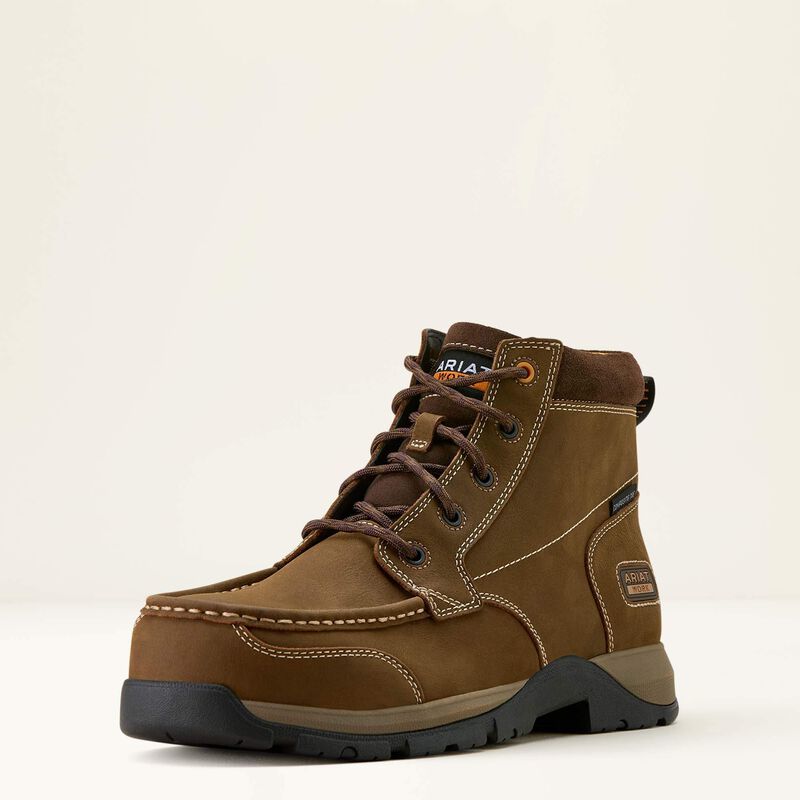
Ariat Men's Edge Chukka 6" Composite Toe Work Boot - Brown - 10073366
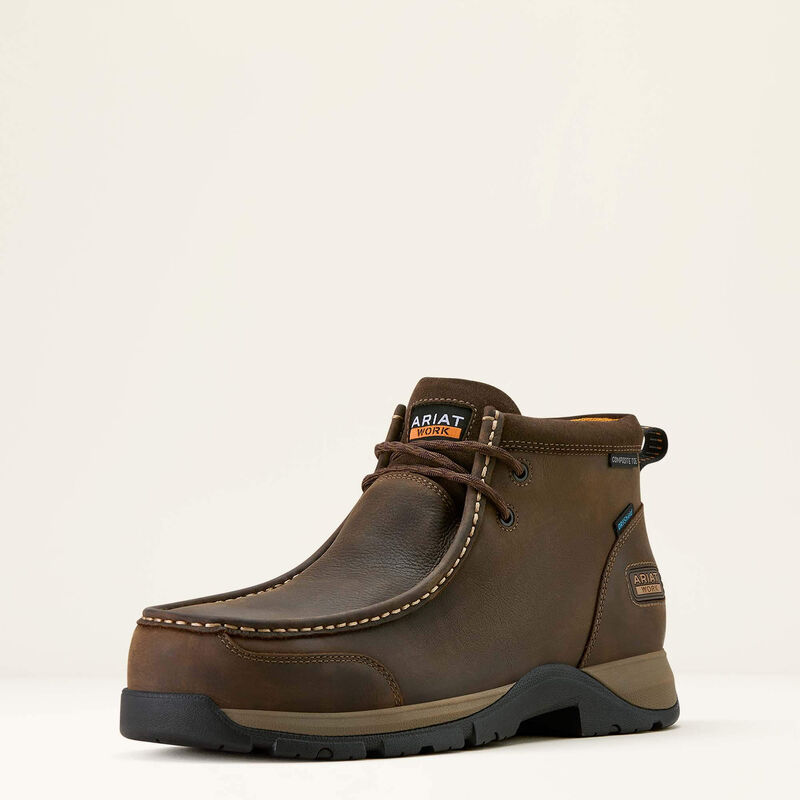
Sale price$154.95
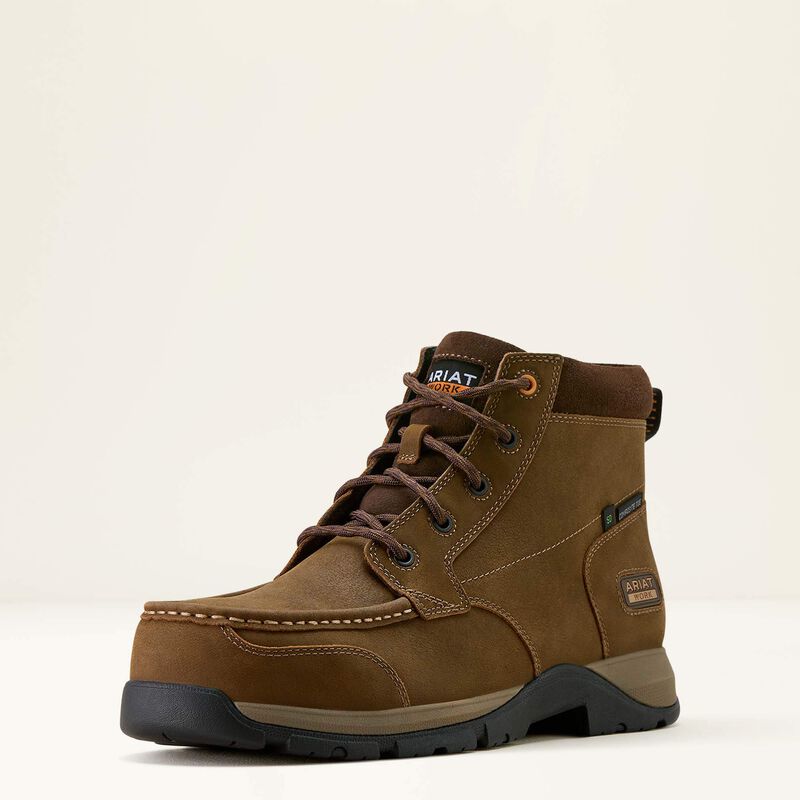
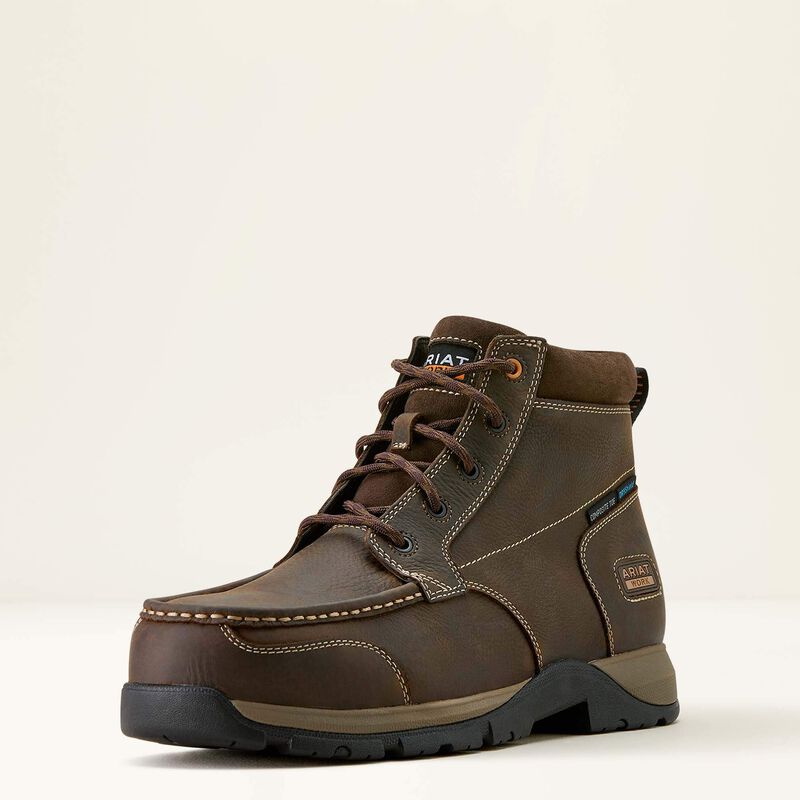
Ariat Men's Edge Moc Composite Toe Work Boot - Brown - 10073362
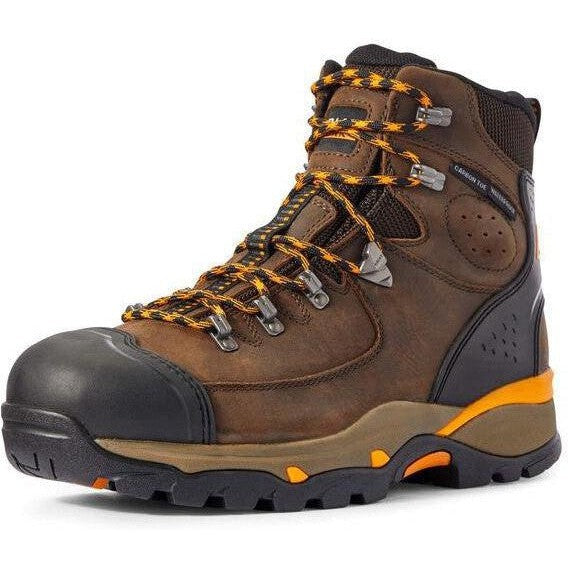


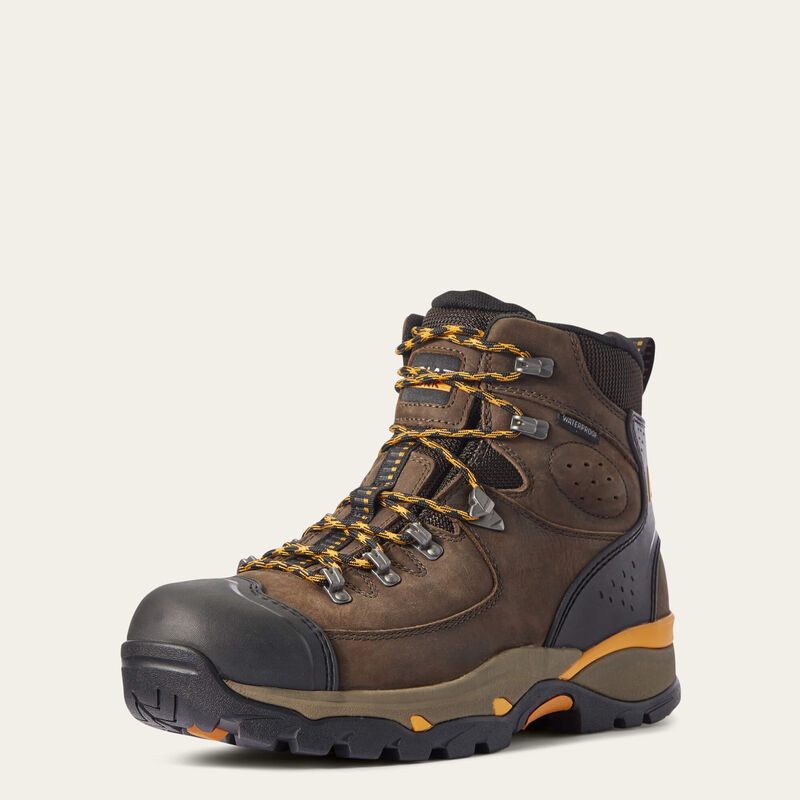
Sale price$189.95
Ariat Men's Endeavor 6" Waterproof Soft Toe Work Boot - Brown - 10031659

Frequently Asked Questions
Tradition and how the leather ages. Brown leathers, particularly oil-tanned and Crazy Horse finishes, develop a patina as they wear rather than scuffing to a visibly different color the way black does. That suits boots meant to be kept and conditioned for years. Black dominates where a uniform or dress code requires it; brown dominates everywhere else.
It shows it differently. Brown lightens at flex points and creases, which most people read as character rather than damage, and heavy waxed finishes like Crazy Horse are designed around exactly that effect. Black hides scuffs but shows dust, salt, and water spotting more clearly. Neither is objectively better; they age in different ways.
Clean the dirt off first, then condition every one to three months to keep the leather flexible, since leather that dries out hard is what cracks at the flex point. Use a neutral or matching conditioner, because a dark polish on light brown leather will change the color permanently. Dry them at room temperature away from any heat source.
It depends on the policy. Most law enforcement and security roles specify black, while military OCP wear specifies coyote brown, and UPS permits black or brown. Trade work rarely regulates it at all. Check your own requirement rather than assuming, since the answer varies by employer. See our U.S. Army boots range for the coyote specification.
Leather saturated with oils during tanning, which leaves it supple and naturally water-shedding from the start and gives it the warm brown tone most work boots use. It needs less break-in than untreated leather and takes conditioner readily. It is not the same as waterproof, which requires a sealed membrane. See our leather work boots range.
Yes, across steel, composite, alloy, and carbon, all meeting ASTM F2413 on the rated models, alongside plenty of soft toe options. Color and toe rating are independent of each other, so any combination you need exists somewhere in the range. Toe type is stated in every product title.
Usually yes, particularly with regular conditioning, since oils and waxes darken leather as they soak in. Light tan and amber leathers change most noticeably. The flex points may lighten while the rest darkens, which is what produces the patina people associate with well-worn boots. It is normal rather than a defect.
Brown hides mud and dust considerably better, which is why it dominates outdoor and trade work. Black hides scuffs and oil better and looks sharper when clean, which is why it dominates uniform roles. If you work in mud, brown will look presentable longer. See our black work boots range.
Recently viewed
Our Top Brands