Save 6%
Sale price$154.99
Regular price$165.00
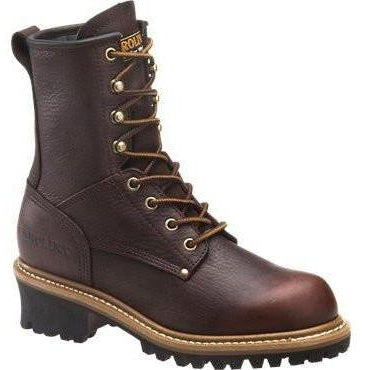
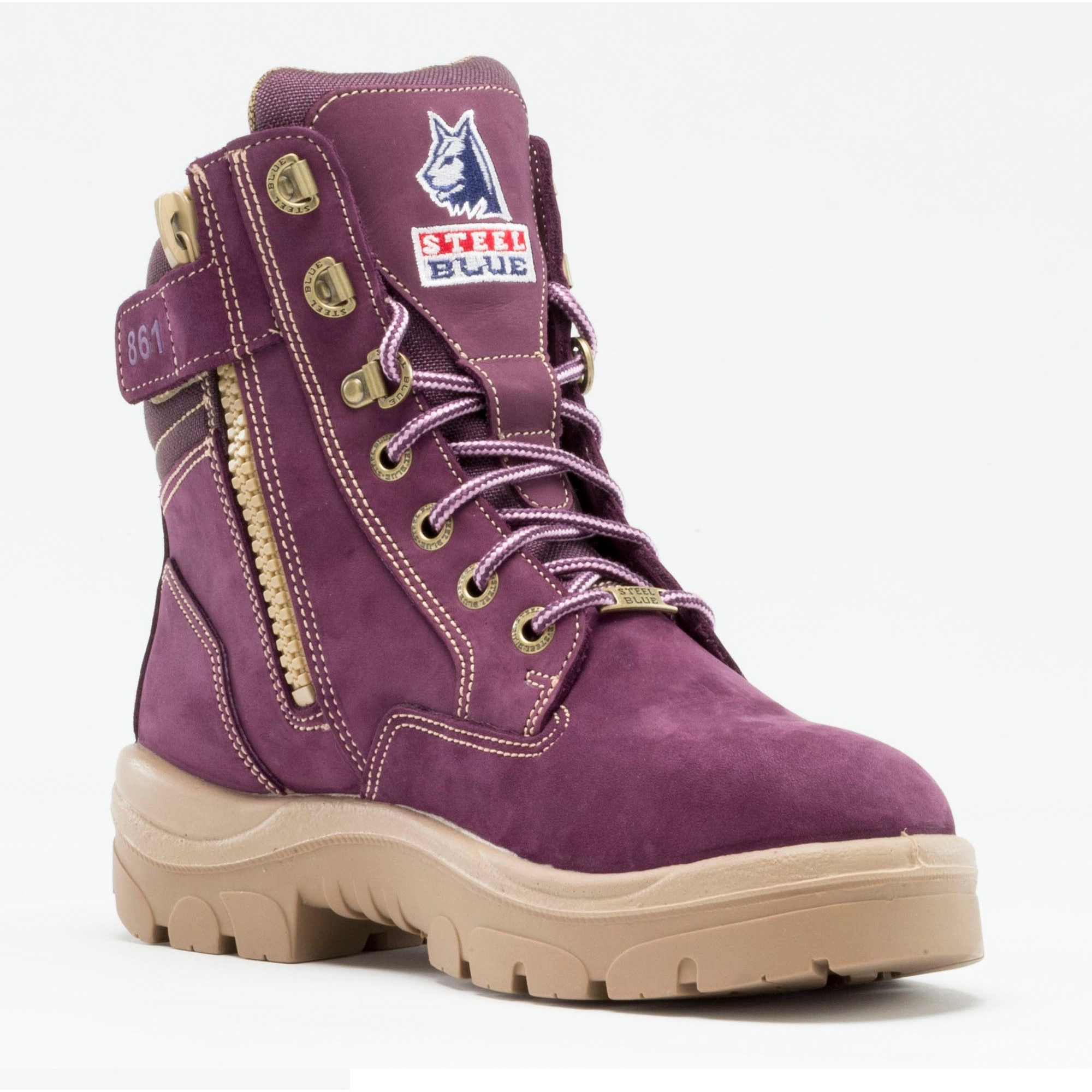
Carolina Women's Elm 8" Steel Toe Logger Work Boot - Brown - CA1421
Save 5%
Sale price$159.95
Regular price$169.00
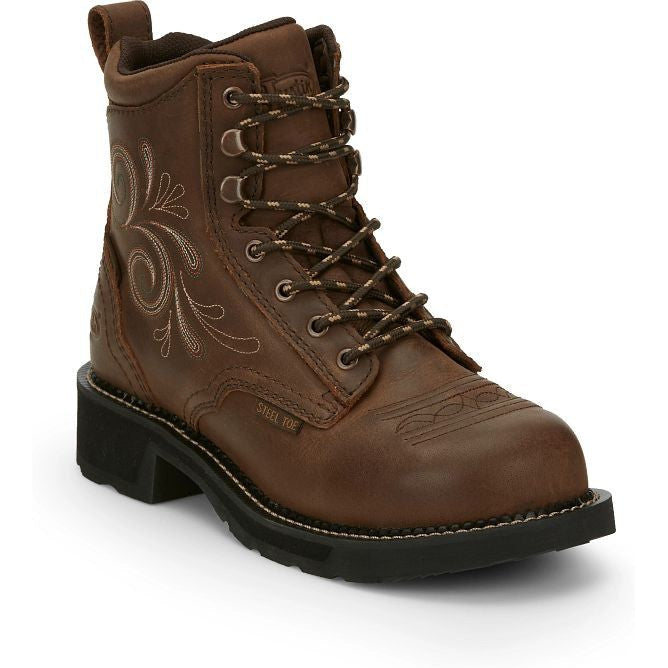
Justin Women's Katerina 6" Steel Toe Waterproof Slip Resistant Work Boot - Aged Bark Brown - GY985
Save 20%
Sale price$139.95
Regular price$175.00
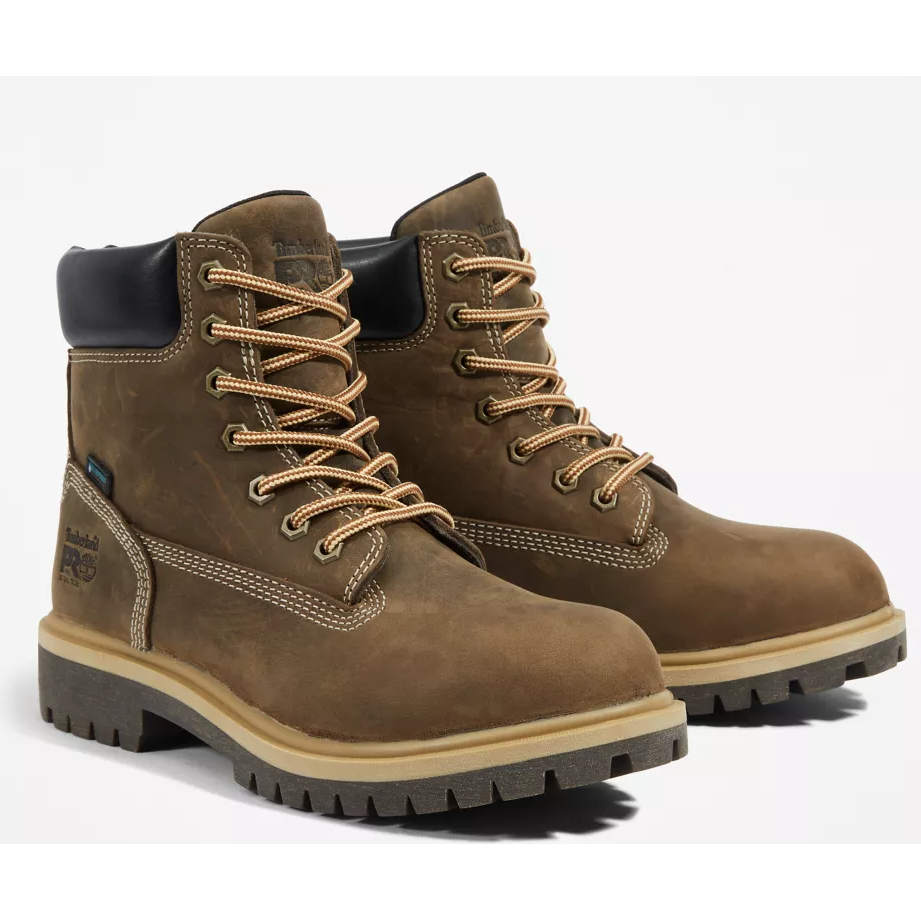
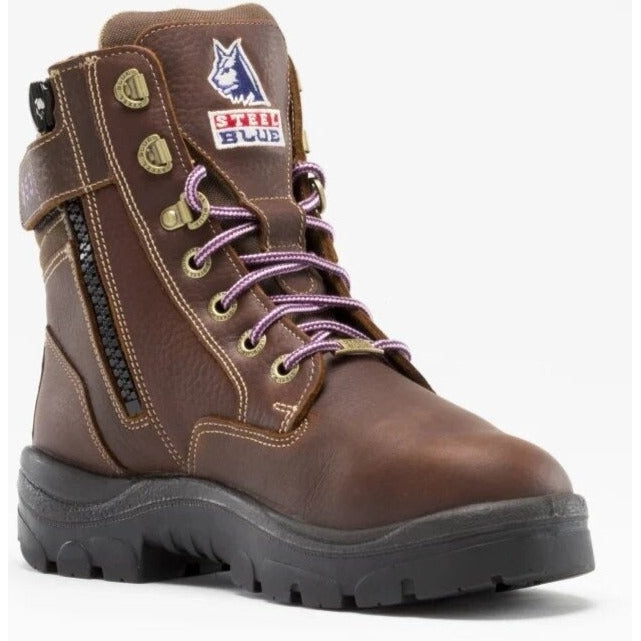
Timberland Pro Women's Direct Attach 6" Waterproof Work Boot -Brown- TB1A2QX7214
Save 20%
Sale price$139.95
Regular price$175.00
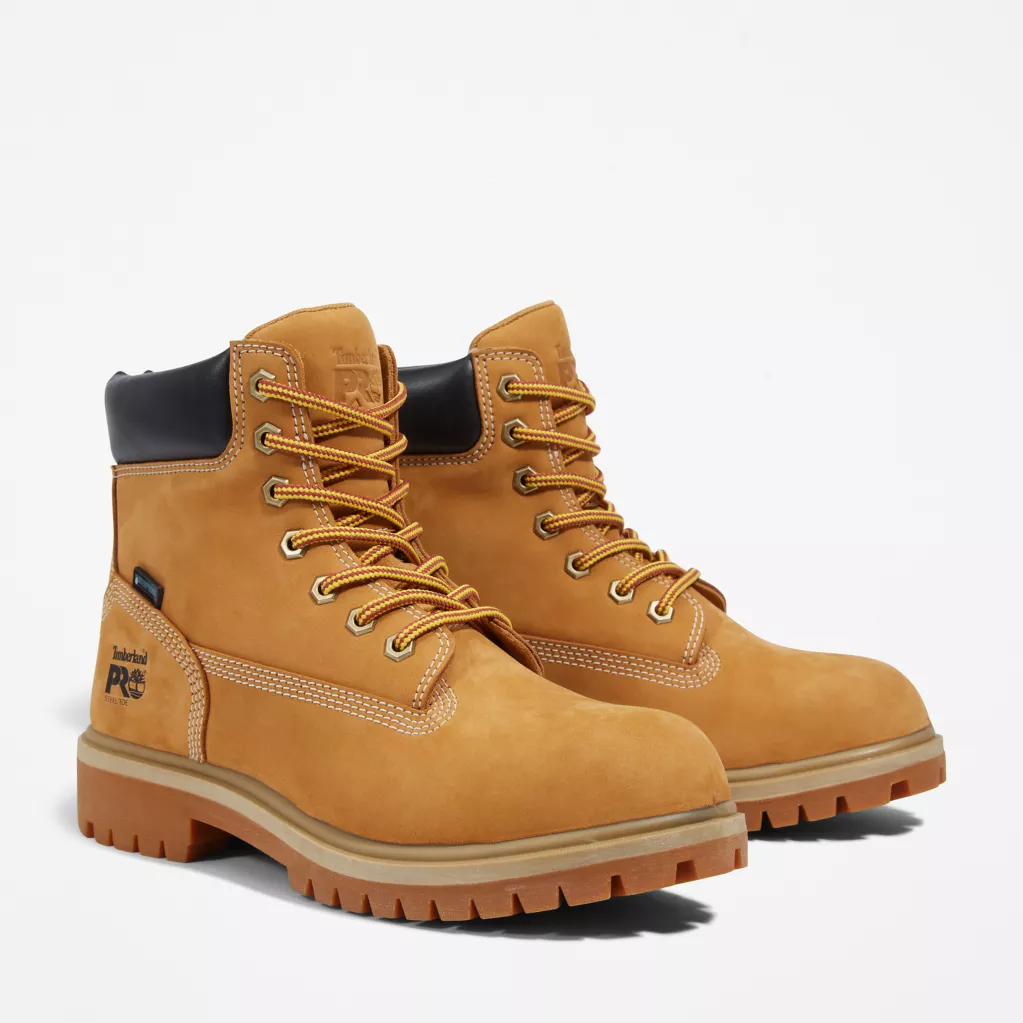
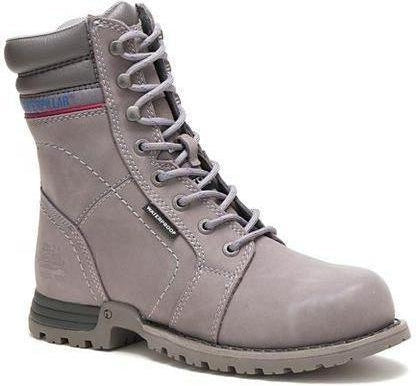
Timberland PRO Women's Direct Attach 6" Steel Toe Waterproof 200G Insulated Work Boot - Wheat - TB1A2QVU231
Save 7%
Sale price$269.95
Regular price$290.00
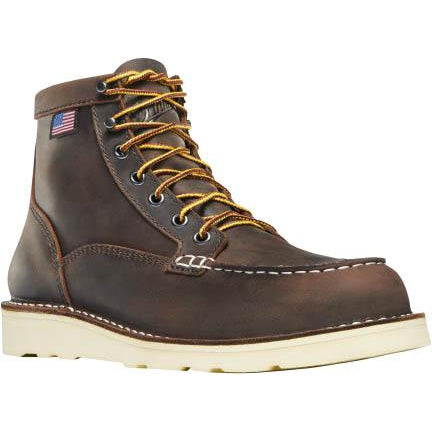
Danner Women's Bull Run 6" Steel Toe Moc Toe Wedge Work Boot - Brown - 15576

Save 13%
Sale price$282.71
Regular price$324.95
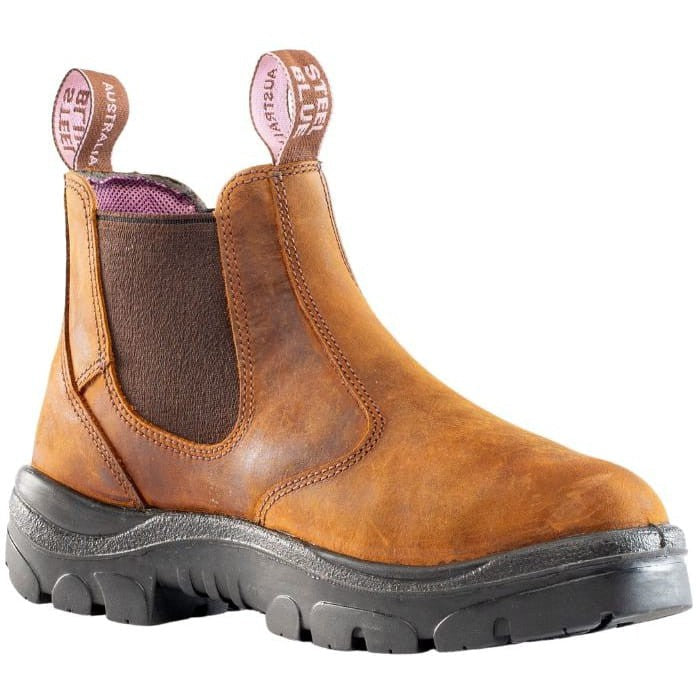
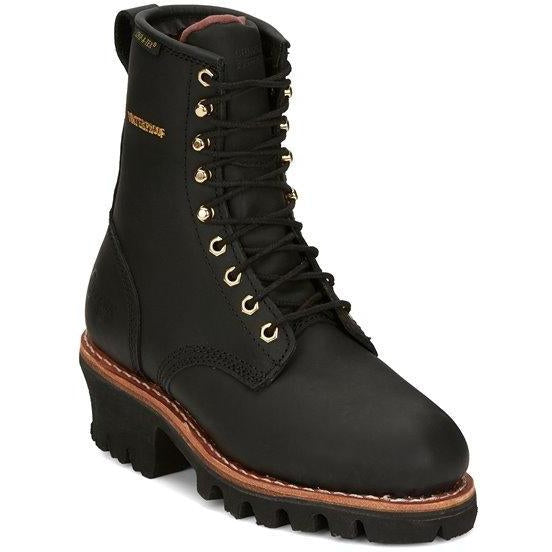
Chippewa Women's Tinsley 8" Steel Toe Waterproof 400G Ins Work Boot - Black - L73050
Save 9%
Sale price$170.19
Regular price$188.00
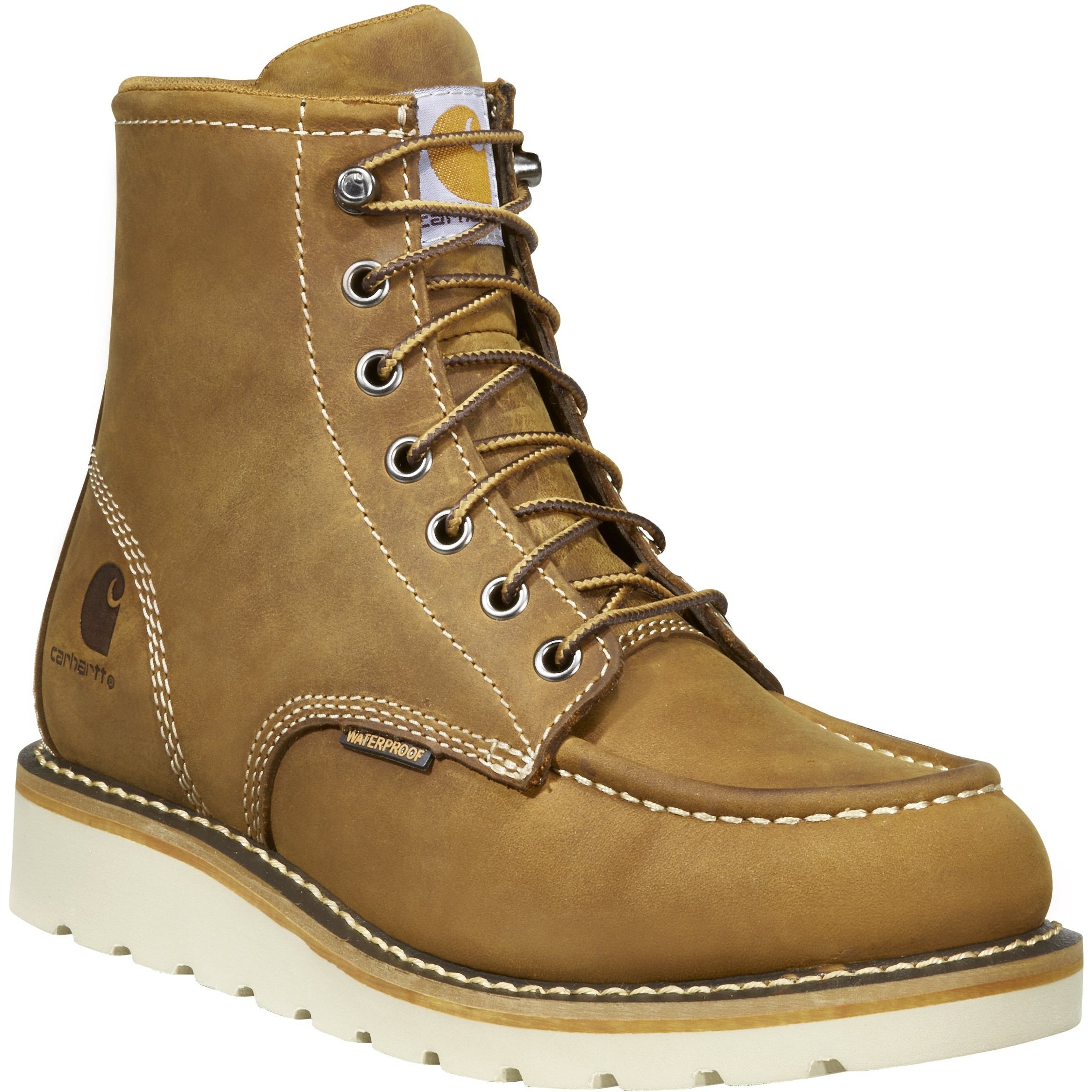
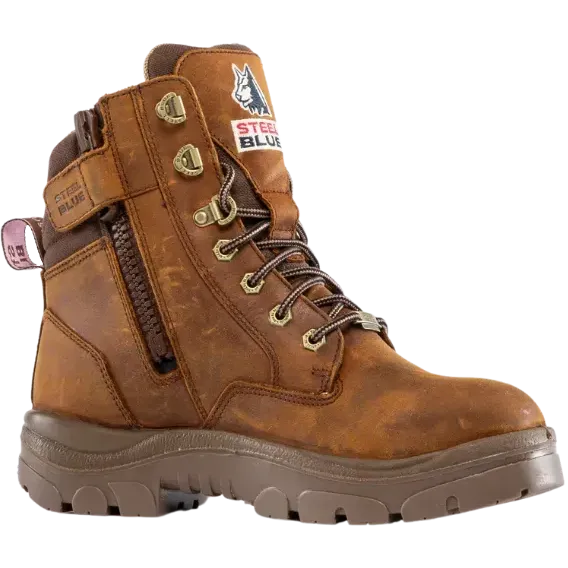
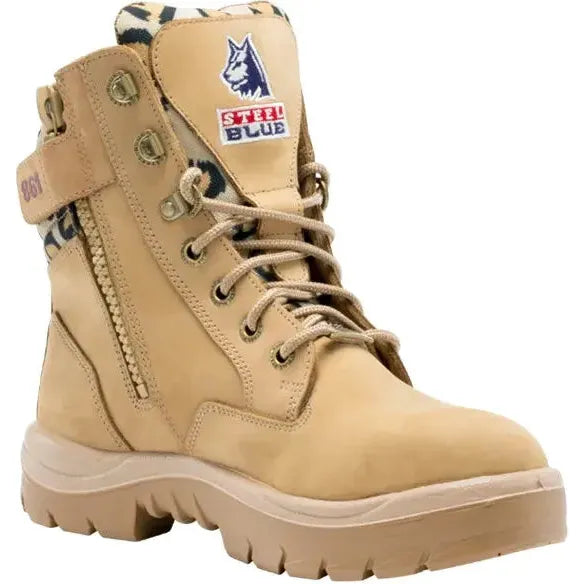
Carhartt Women's 6" Steel Toe Waterproof Wedge Work Boot - Brown - FW6225-W
Save 5%
Sale price$169.95
Regular price$179.00
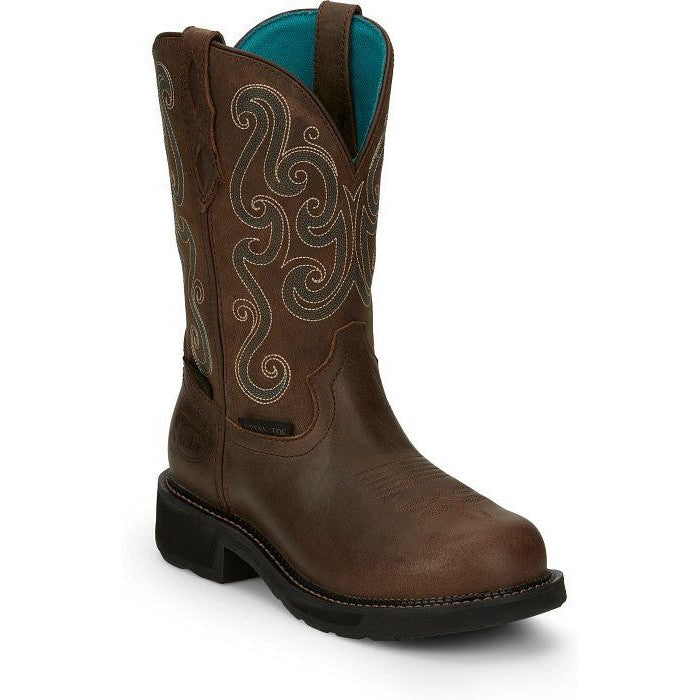
Justin Women's Tasha 11" Steel Toe Waterproof Western Work Boot -Brown- GY9991
Save 5%
Sale price$144.95
Regular price$153.00
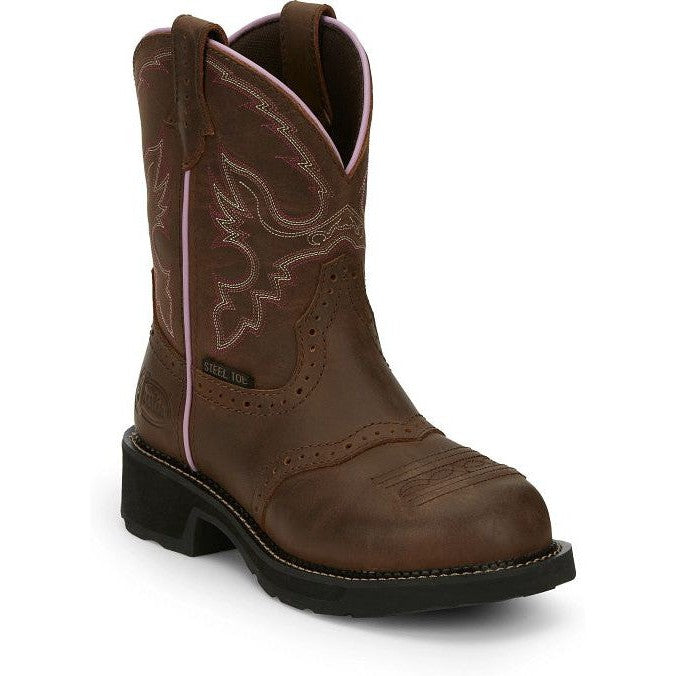
Justin Women's Wanette 8" Steel Toe Waterproof Slip Resistant Work Boot - Aged Bark Brown - GY9980
Save 5%
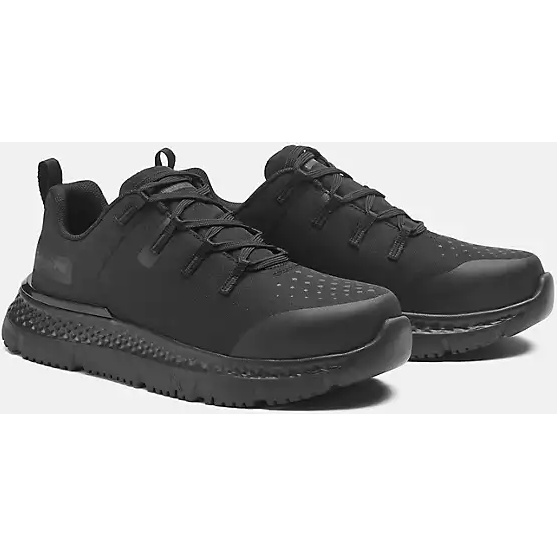
Sale price$99.95
Regular price$105.00
Timberland Pro Women's Intercept Athletic Steel Toe Work Sneaker - Black - TB0A61WY001

Save 5%
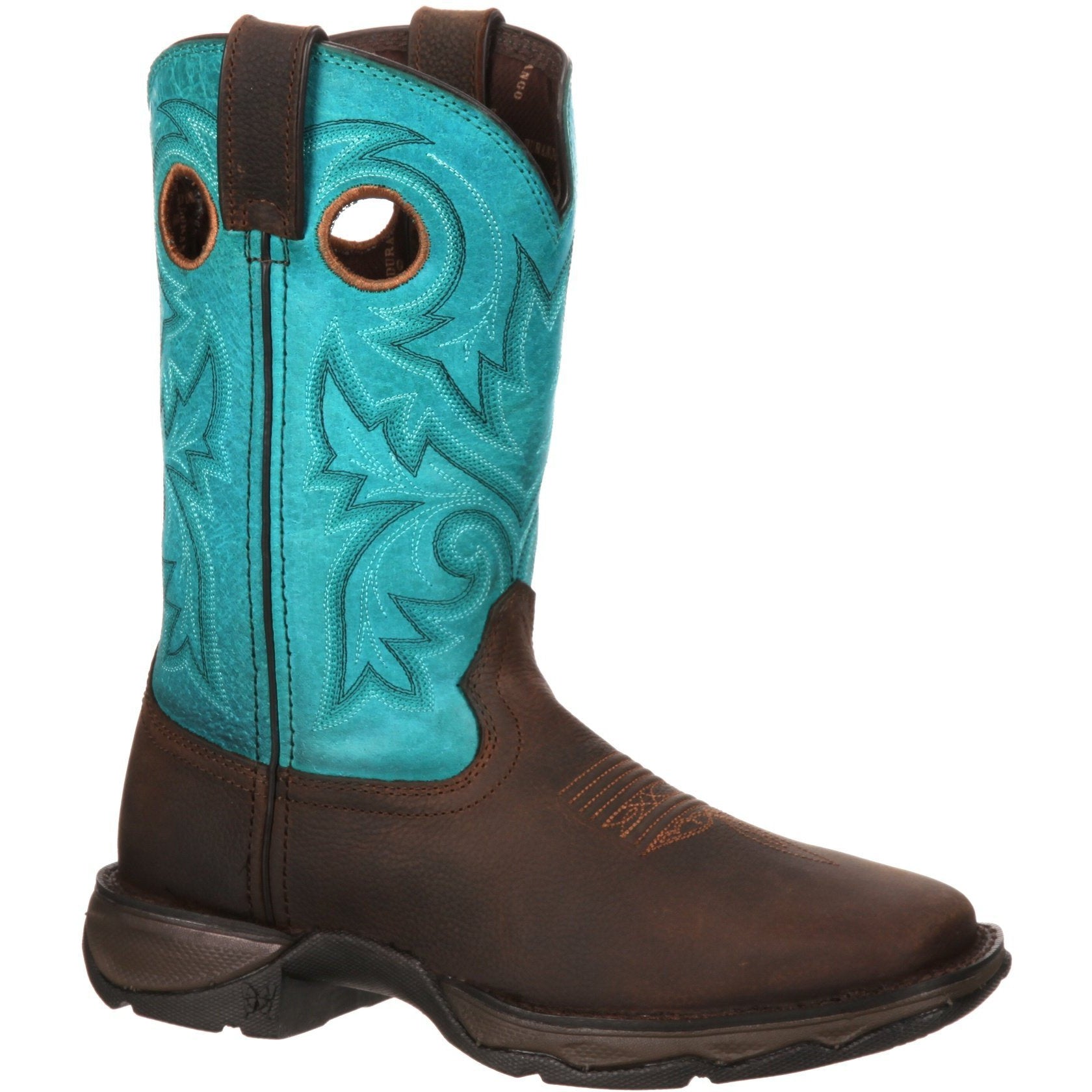
Sale price$172.50
Regular price$182.50
Durango Women's Lady Rebel 10" Steel Toe Western Boot- Brown - DWRD022
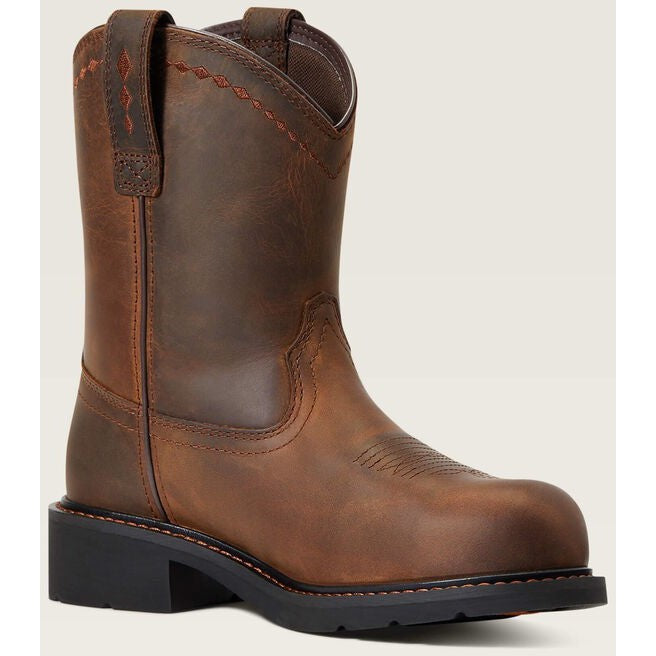
Save 14%
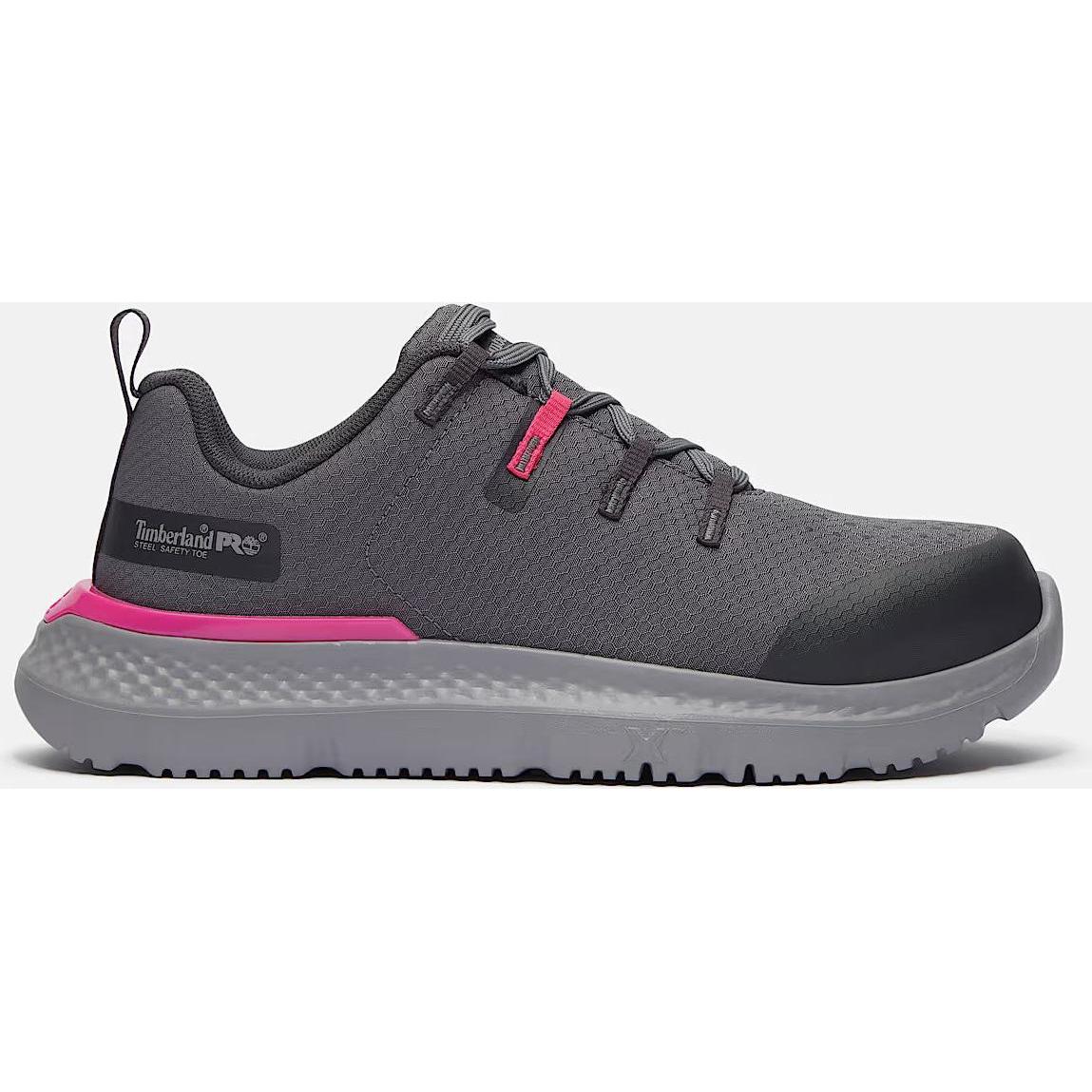
Sale price$89.95
Regular price$105.00
Timberland Pro Women's Intercept Steel Toe Sneaker Work Shoe TB0A5SVZEOT
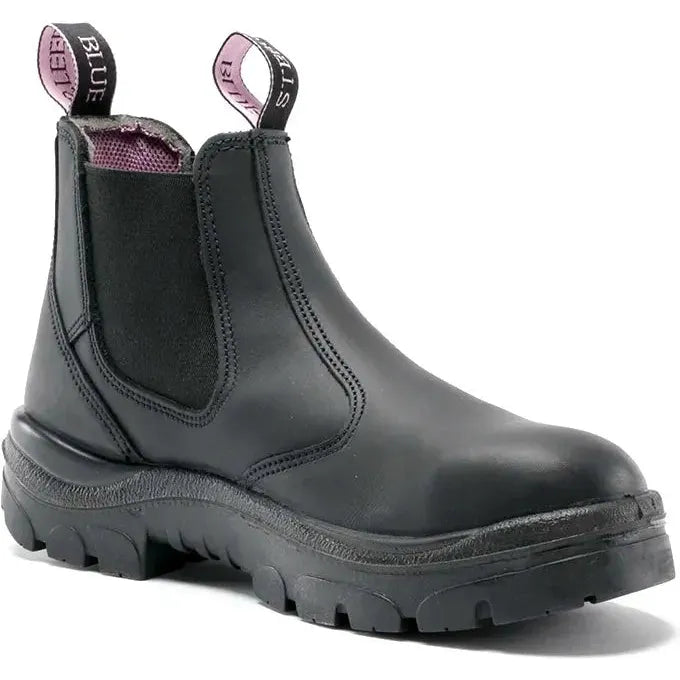
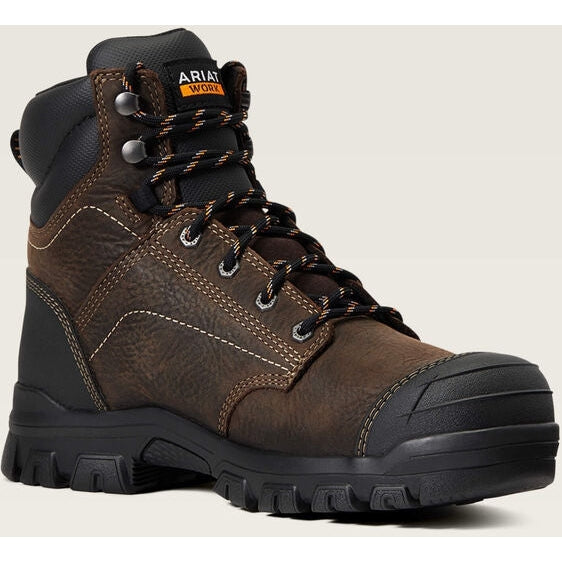
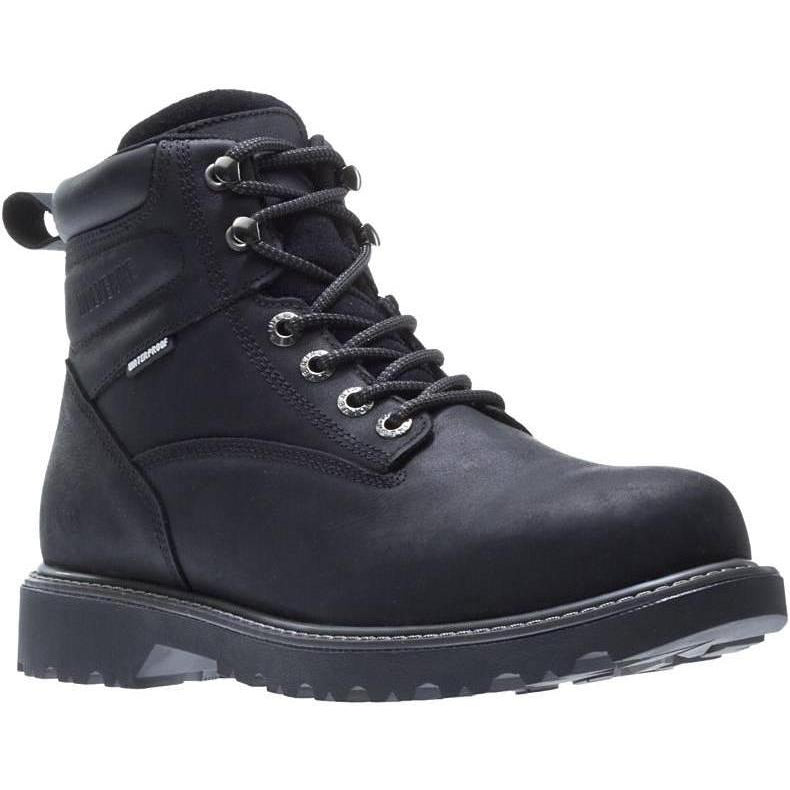
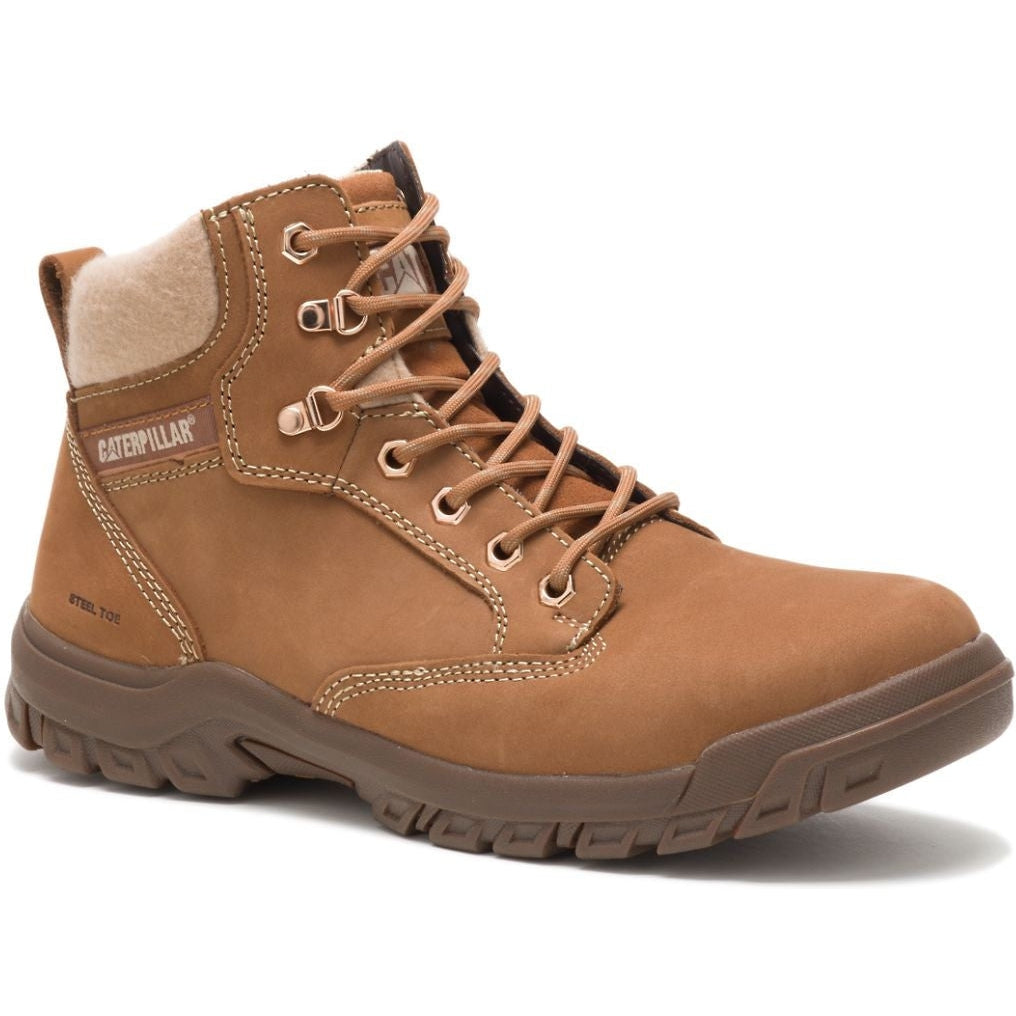
Sale price$109.95
CAT Women's Tess Steel Toe Work Boot - Sundance - P91009
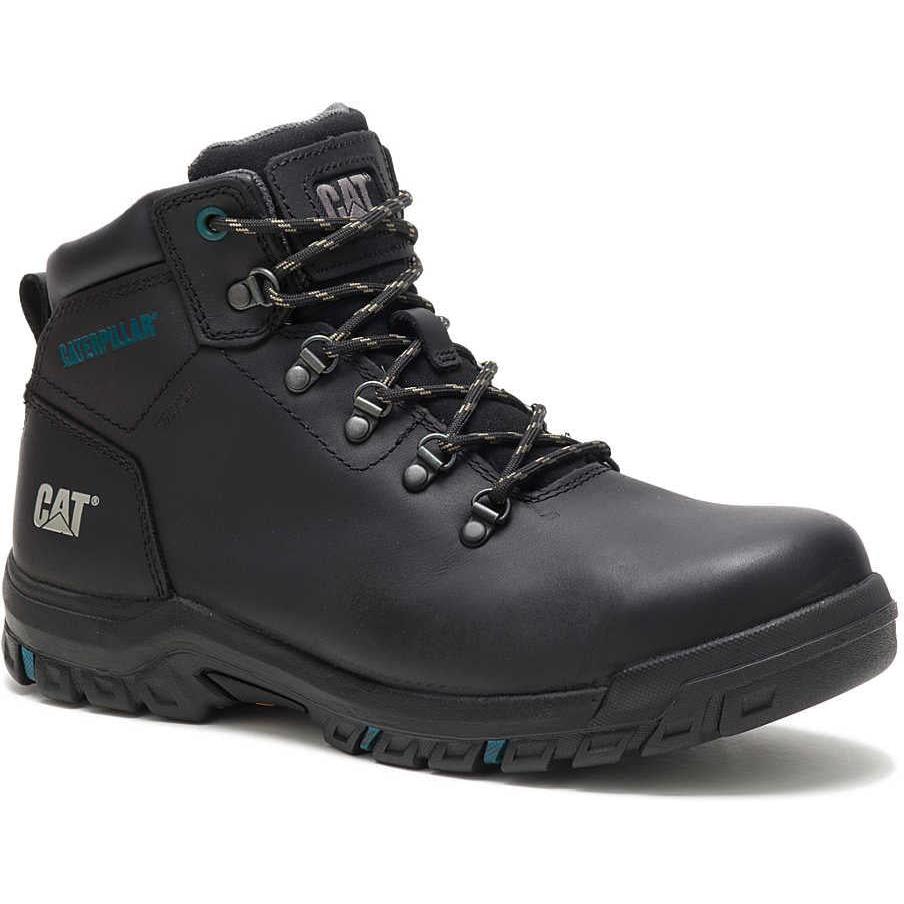
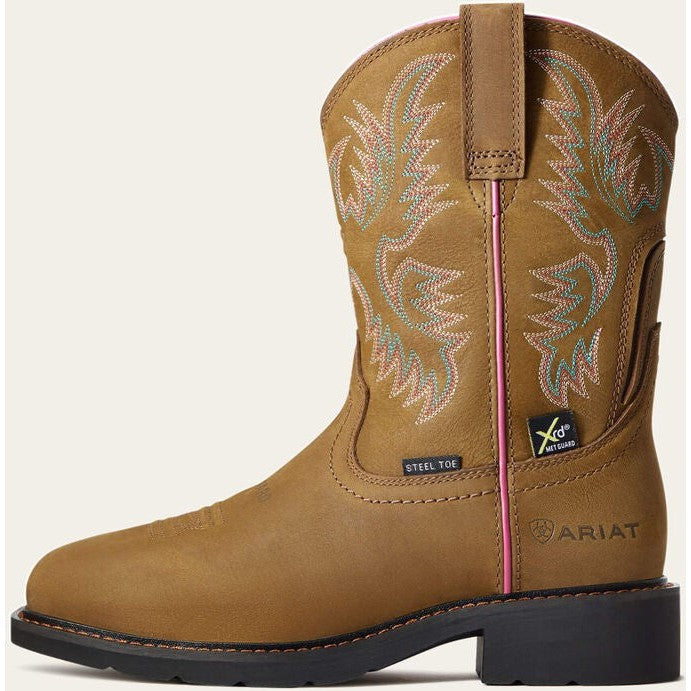

Sale price$134.95
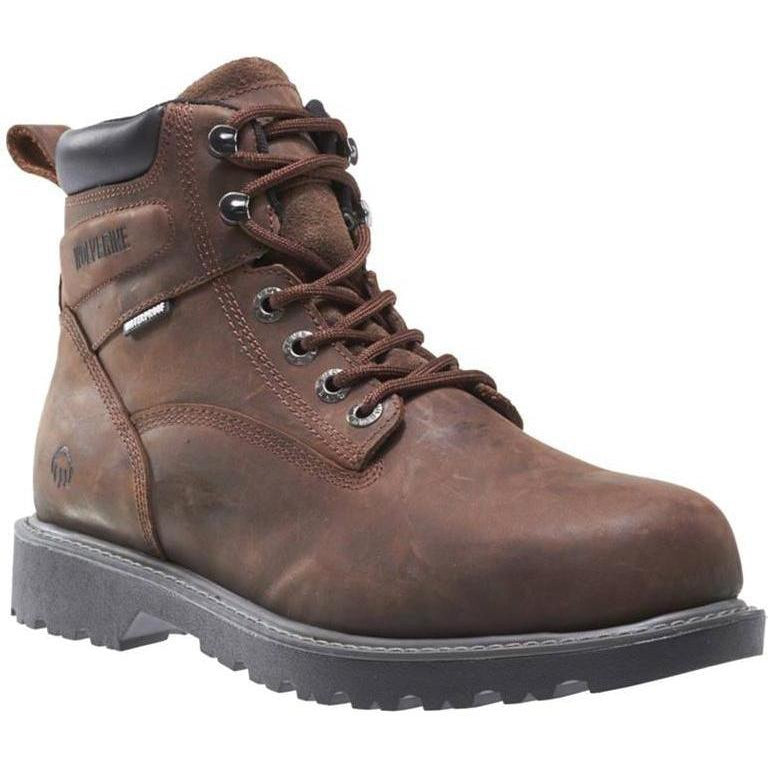
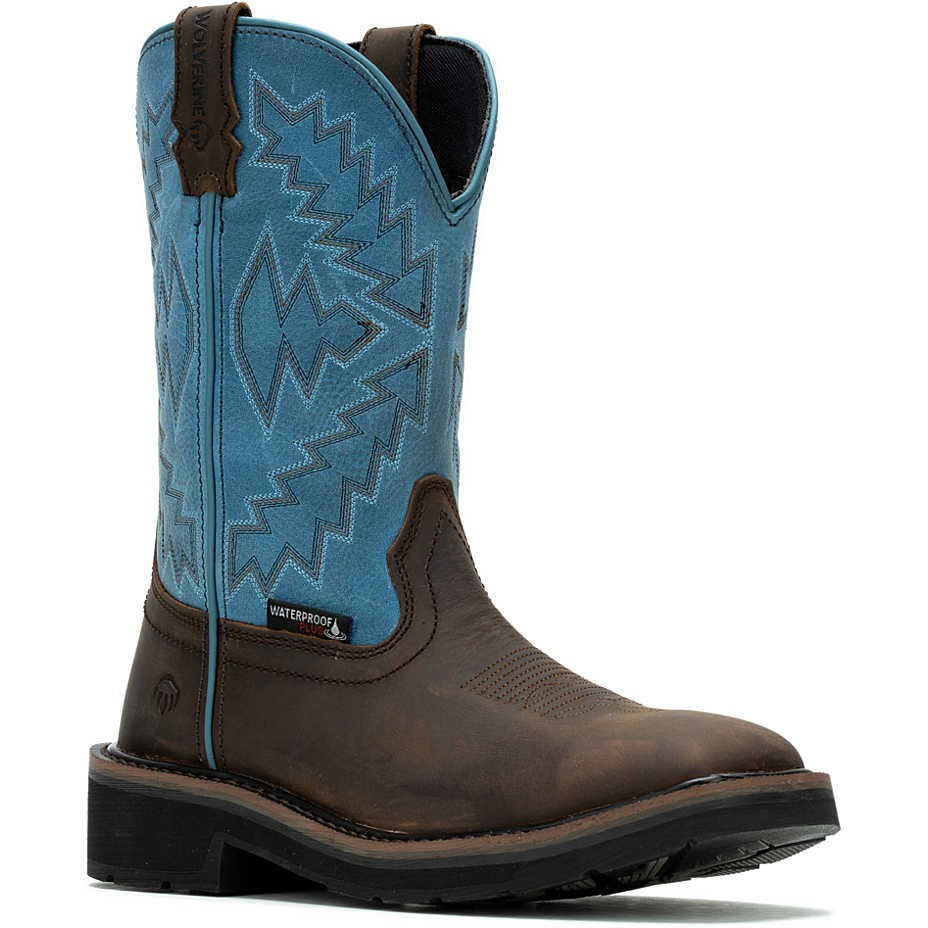
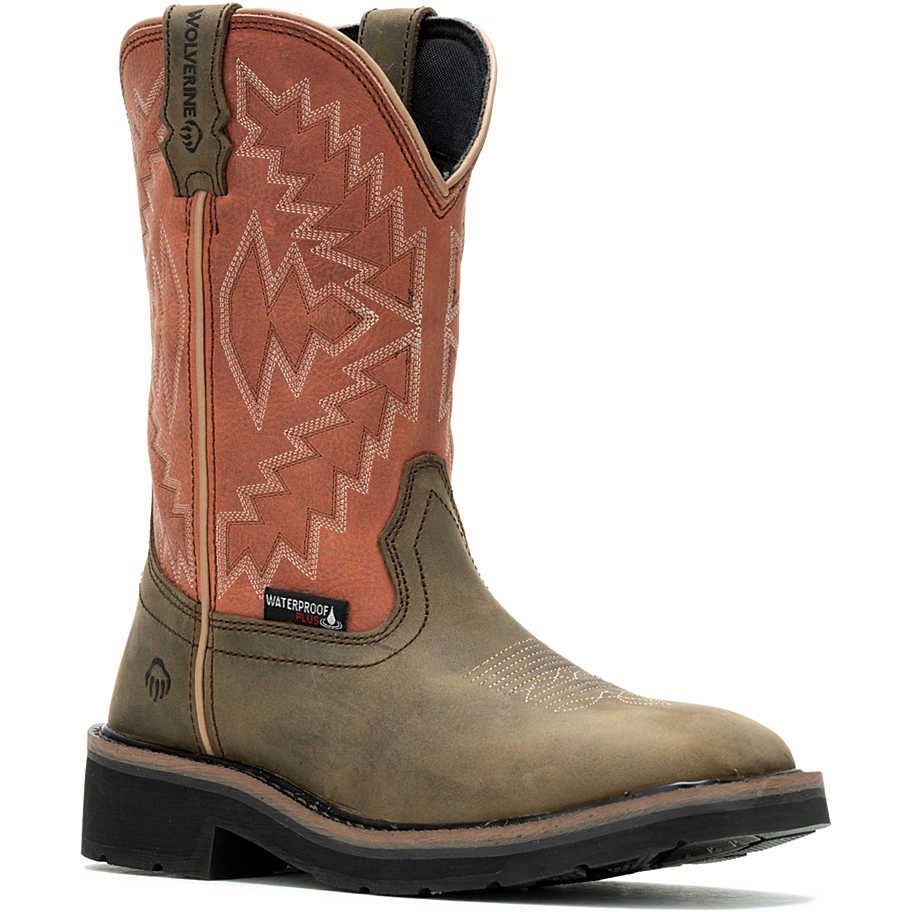
Wolverine Women's Trade Wedge Steel Toe Work Boot - Brown - W231106
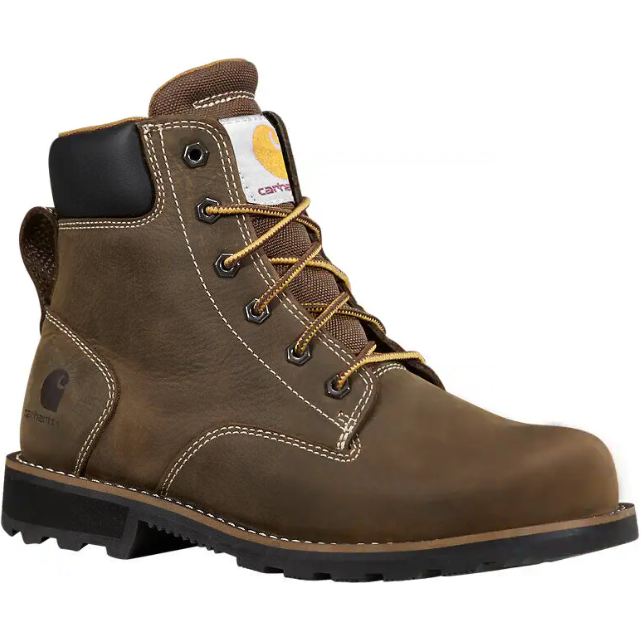
Save 6%
Sale price$161.00
Regular price$171.00
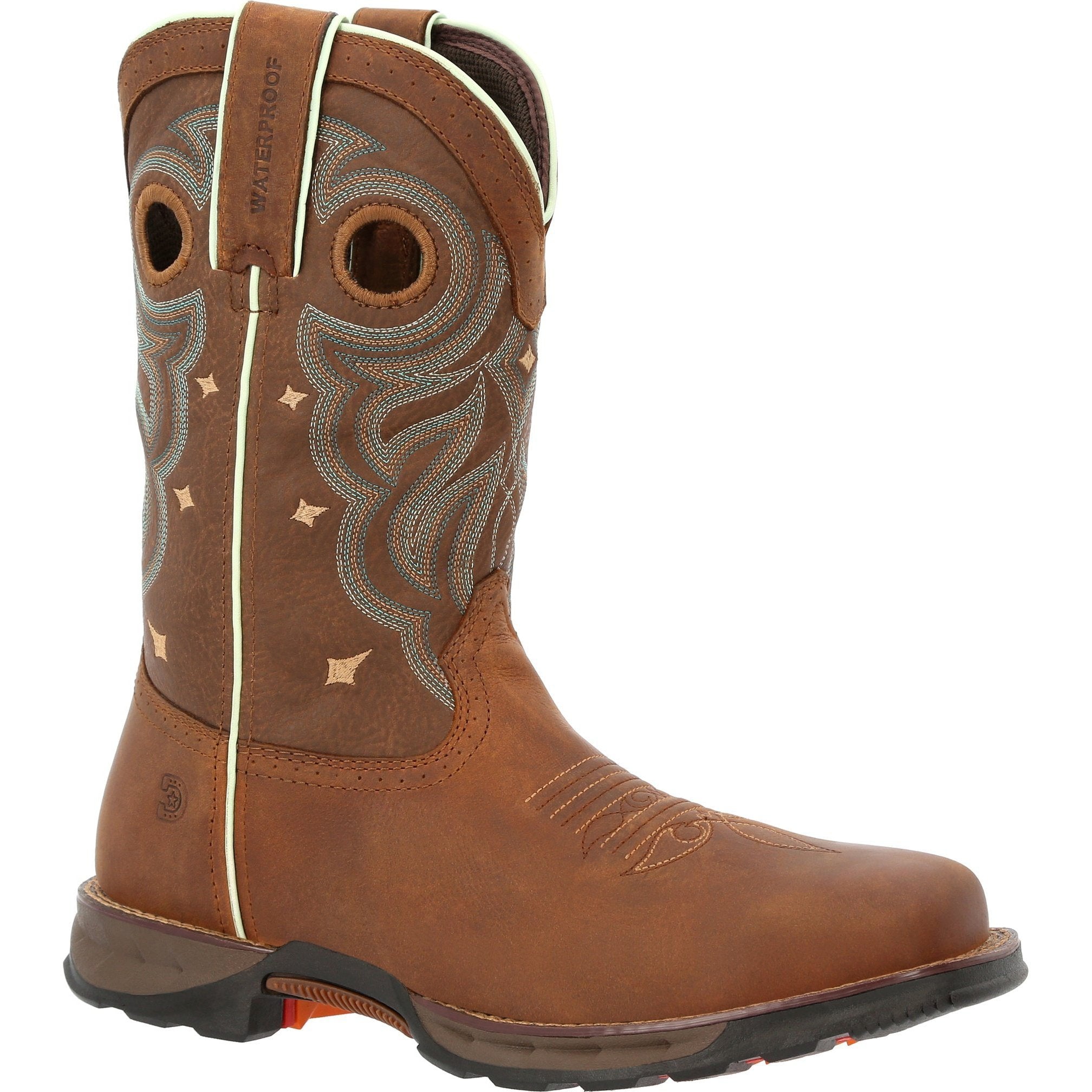
Durango Women's Maverick 10" Steel Toe Waterproof Western Work Boot - DRD0416

12
Frequently Asked Questions
Identically. ASTM F2413 tests the cap against a set impact and compression load, and a cap meeting I/75 and C/75 in a women's boot meets exactly the same standard as one in a men's boot. The cap is scaled with the boot rather than being lighter duty. There is no reduced women's standard.
Heavier than composite or carbon, and the difference is proportionally more noticeable on a smaller boot where the cap is a larger share of the total weight. Over a long shift that adds up, since weight at the front of the foot costs the most energy. If weight is your main concern, composite meets the same rating for less of it. See our women's composite toe range.
Steel conducts temperature, so an uninsulated steel cap does transfer cold to your toes in genuinely cold conditions. Insulation between the cap and your foot addresses it, and an insulated steel toe boot handles winter work fine. If you work outdoors in hard cold and are not committed to steel, a composite cap removes the problem outright.
Almost always fit rather than break-in, because the cap is rigid and never softens the way leather does. If your toes touch the cap walking downhill, the boot is too short. If the pain is across the ball of your foot, you need more width. Sizing up in length rarely fixes it and usually introduces heel slip instead.
Yes, every time. If you clear security checkpoints during your shift, you need a boot that is non-metallic throughout rather than just at the toe, since the shank and hardware are separate components that can trigger a detector on their own. See our 100 percent non metallic collection.
Yes, and it is a common combination. The EH rating describes the sole and heel, and the cap sits inside insulating material with no conduction path in normal use. EH and static-dissipative ratings are mutually exclusive under the standard, so a boot carries one or the other. See our electrical hazard boots range.
This is a persistent workplace myth and testing has repeatedly shown the opposite. The cap is designed to deform rather than shear, absorbing energy that would otherwise go into bone. Under a load heavy enough to deform a rated cap, an unprotected foot would have taken the full force directly.
Some do, though availability is narrower than in men's ranges. Width matters more on a rated boot than an unrated one, since the cap cannot stretch at all. Where wide widths exist they are listed on the product page. Filter for width from the start rather than compensating with length.
Recently viewed
Our Top Brands